1. Introduction
Lutein is a non-provitamin A xanthophyll carotenoid that must be obtained from the diet and is mainly found in green leafy vegetables, corn-based foods, and egg yolk [
1,
2,
3]. It has long been studied because of its abundance in the human retina and because it is closely associated with macular pigment and visual health [
3,
4,
5]. Beyond this classical role, lutein is now increasingly recognized as a dietary bioactive compound with broader functions in antioxidant defense, inflammatory regulation, and physiological homeostasis [
6,
7,
8]. Recent reviews further suggest that carotenoids, including lutein, may also influence gut microbial ecology and intestinal function, extending interest in lutein from conventional nutrition to food bioactivity and host–microbiota regulation [
9].
Laying hens provide a particularly relevant system for studying dietary lutein because they are both an important food-producing animal and an efficient biological vehicle for xanthophyll deposition into egg yolk. Previous studies have shown that dietary lutein can improve yolk pigmentation and support the production of lutein-enriched eggs with potential nutritional relevance for consumers [
10,
11]. Beyond egg pigmentation and lutein deposition, dietary lutein has also been reported to influence antioxidant status, immune responsiveness, reproductive performance, and hepatic lipid-related homeostasis in laying hens, although its effects on conventional laying performance and egg physical traits appear to be limited or variable among studies [
12,
13,
14]. Mechanistically, this system is also informative because the liver is a central organ for lipid metabolism and yolk precursor synthesis in birds [
14], whereas the cecum is one of the major sites of microbial fermentation in chickens [
15,
16]. Therefore, examining lutein responses in the liver and cecal microbiota may help explain how dietary bioactive compounds shape host metabolism and gut ecology in laying hens.
Emerging evidence further suggests that carotenoids may interact with intestinal microbiota. Studies in humans, animal models, and in vitro fermentation systems have shown that dietary carotenoids, including lutein, can affect microbial composition, microbial metabolic activity, and the production of organic acids [
6]. In poultry, 16S rRNA sequencing has increasingly been used to evaluate how feed-derived bioactive compounds reshape cecal microbial communities. However, direct evidence linking lutein supplementation with cecal microbiota regulation in laying hens remains scarce. Therefore, integrating hepatic transcriptional responses with cecal microbiota changes may provide a more comprehensive view of the gut–liver implications of lutein supplementation.
Despite this progress, most poultry studies on lutein have primarily focused on yolk deposition, pigmentation, antioxidant or inflammatory biomarkers, reproductive traits, or single-layer molecular responses [
14,
17]. The current state of knowledge therefore remains fragmented: the hepatic transcriptional programs underlying lutein responses have not been fully characterized in laying hens, and the extent to which these host responses are associated with cecal microbial shifts remains unclear. In particular, it is unknown whether lutein-responsive hepatic genes and microbiota changes converge on shared functional directions, such as antioxidant/stress regulation and immune communication, within an integrated host–microbiota framework.
Therefore, this study investigated the coordinated effects of dietary lutein supplementation on the hepatic transcriptome and cecal microbiota of laying hens. Beijing-you laying hens were fed either a basal diet or a lutein-supplemented diet, followed by liver transcriptomic profiling and 16S rRNA sequencing of cecal contents. To move beyond single-gene or single-taxon comparisons, a series of in silico and network-based analyses were applied, including differential expression analysis, GO/KEGG enrichment analysis, GSEA, WGCNA, transcription factor-DEG correlation analysis, DEG–genus association analysis, and TF-DEG–genus Sankey integration. These approaches were used to identify pathway-level transcriptional programs, treatment-associated co-expression modules, and potential host–microbiota association patterns. This study aimed to provide a more comprehensive understanding of how dietary lutein modulates physiological responses in laying hens, with particular attention to Antioxidant Defense and Stress Response and Immune Regulation and Intercellular Communication.
2. Materials and Methods
2.1. Chemicals and Reagents
A lutein extract with a declared lutein concentration of 2.0% (w/w) was obtained from Chenguang Biotech Group Co., Ltd. (Handan, China). For the treatment diet, this preparation was added to the basal ration at 2.0% of the diet as the source of dietary lutein, resulting in a calculated final lutein concentration of approximately 400 mg/kg diet.
2.2. Experimental Animals, Dietary Treatment, and Sample Collection
A total of 120 clinically healthy Beijing You laying hens at 35 weeks of age were sourced from the Beijing You Chicken Conservation Farm (Beijing, China). The birds were randomly divided into two groups of equal size: a control group (Con) and a lutein-supplemented group (Lut). Hens assigned to the Con group received the basal diet, whereas those in the Lut group were given the same basal diet supplemented with 2.0% lutein extract containing 2.0% lutein, corresponding to a calculated final lutein concentration of approximately 400 mg/kg diet (
Table 1). Because the hens were fed ad libitum, individual daily lutein intake was not directly measured; however, based on the calculated dietary concentration and an estimated feed intake of approximately 100–120 g/hen/day for adult laying hens, the estimated lutein intake was approximately 40–48 mg/hen/day. The nutrient composition of the experimental diets was calculated from the feed formulation, and the Con and Lut diets were formulated to be similar in metabolizable energy, crude protein, calcium, and nonphytate phosphorus. The feeding experiment was carried out over a period of 7 weeks. Throughout the trial, all birds were reared under the same husbandry conditions and had unrestricted access to feed and water. All animal procedures were reviewed and approved by the Institute of Animal Husbandry and Veterinary Medicine, Beijing Academy of Agriculture and Forestry Sciences (approval no. IHVM11-2402-71). Following the feeding period, eight hens from each group were randomly chosen for sampling and subjected to 12 h of fasting beforehand. After euthanasia, liver tissues and cecal contents were collected promptly, immediately frozen in liquid nitrogen, and then stored at −80 °C until subsequent analyses. The liver samples were used for transcriptome sequencing, while the cecal content samples were reserved for 16S rRNA gene sequencing.
2.3. RNA Isolation and Library Preparation
Transcriptome sequencing of liver samples was performed by Shanghai Majorbio Bio-pharm Technology Co., Ltd. (Shanghai, China). Total RNA was extracted from liver tissues with TRIzol Reagent (Invitrogen, Carlsbad, CA, USA) in accordance with the manufacturer’s protocol, followed by an additional purification step using an RNA Purification Kit supplied by Shanghai Majorbio Bio-pharm Technology Co., Ltd. (Shanghai, China). The quality of the isolated RNA was evaluated by agarose gel electrophoresis using Biowest Agarose (Biowest, Valencia, Spain). Only RNA samples meeting the requirements for integrity and library construction were retained for downstream sequencing. Libraries were generated with the Illumina Stranded mRNA Prep kit (Illumina, San Diego, CA, USA) according to the standard procedure and subsequently sequenced on an Illumina NovaSeq X Plus platform.
2.4. RNA-Seq Data Processing and Differential Expression Analysis
Raw reads were first subjected to quality control using fastp (v0.20.0) to remove adapter sequences and low-quality reads [
18]. The resulting clean reads were then aligned to the chicken reference genome (GRCg6a) using HISAT2 (v2.1.0) [
19], and gene expression levels were quantified with RSEM (v1.3.3) [
20]. Across all libraries, the number of raw reads ranged from 43.65 to 58.43 million, whereas the number of clean reads ranged from 43.04 to 57.58 million after filtering. In addition, the proportion of bases with a Q30 quality score exceeded 93.67% in all samples, indicating that the sequencing data were of sufficient quality for subsequent transcriptomic analysis. Differential expression analysis between the Con and Lut groups was conducted using DESeq2 (v1.24.0) [
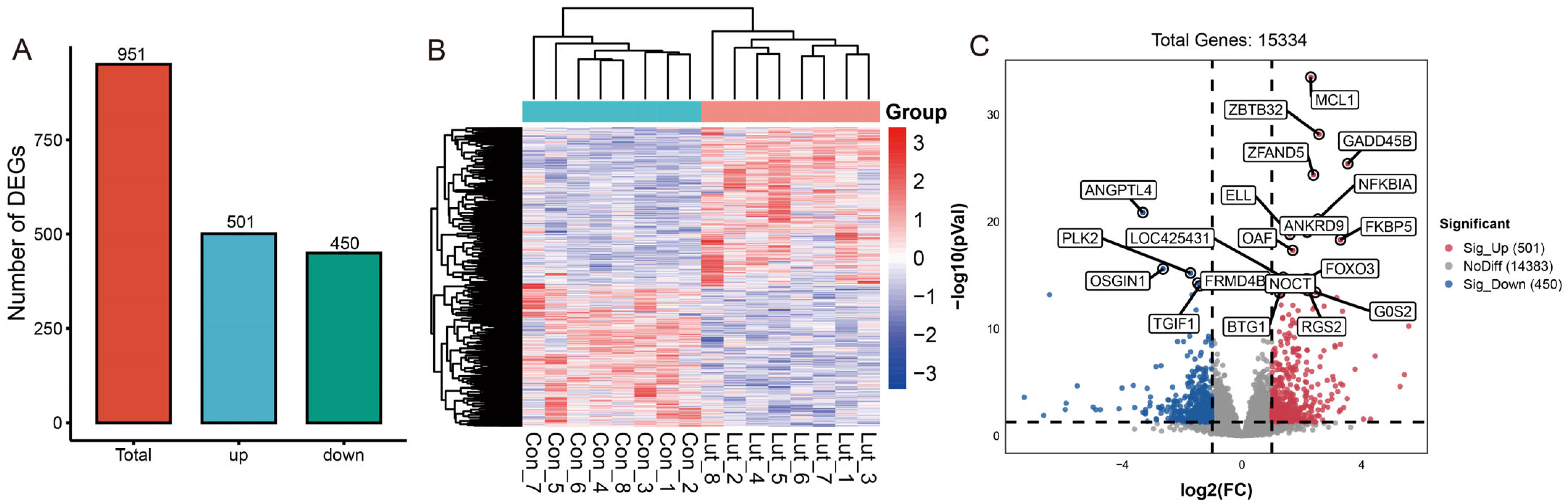
21] in R (v4.5.3), based on the raw gene count matrix generated from RSEM quantification. DESeq2 normalization and model fitting were performed using the standard negative binomial framework, and statistical significance was evaluated using the Wald test. Genes with |log2FC| ≥ 1 and
p < 0.05 were considered significantly differentially expressed genes (DEGs) and were used for subsequent functional enrichment and network analyses. The RNA-seq data generated in this study have been deposited in the Genome Sequence Archive (GSA) under accession number CRA041828 and are publicly available at
https://ngdc.cncb.ac.cn/gsa/s/qW7fe069, accessed on 20 April 2026.
2.5. Functional Enrichment Analysis
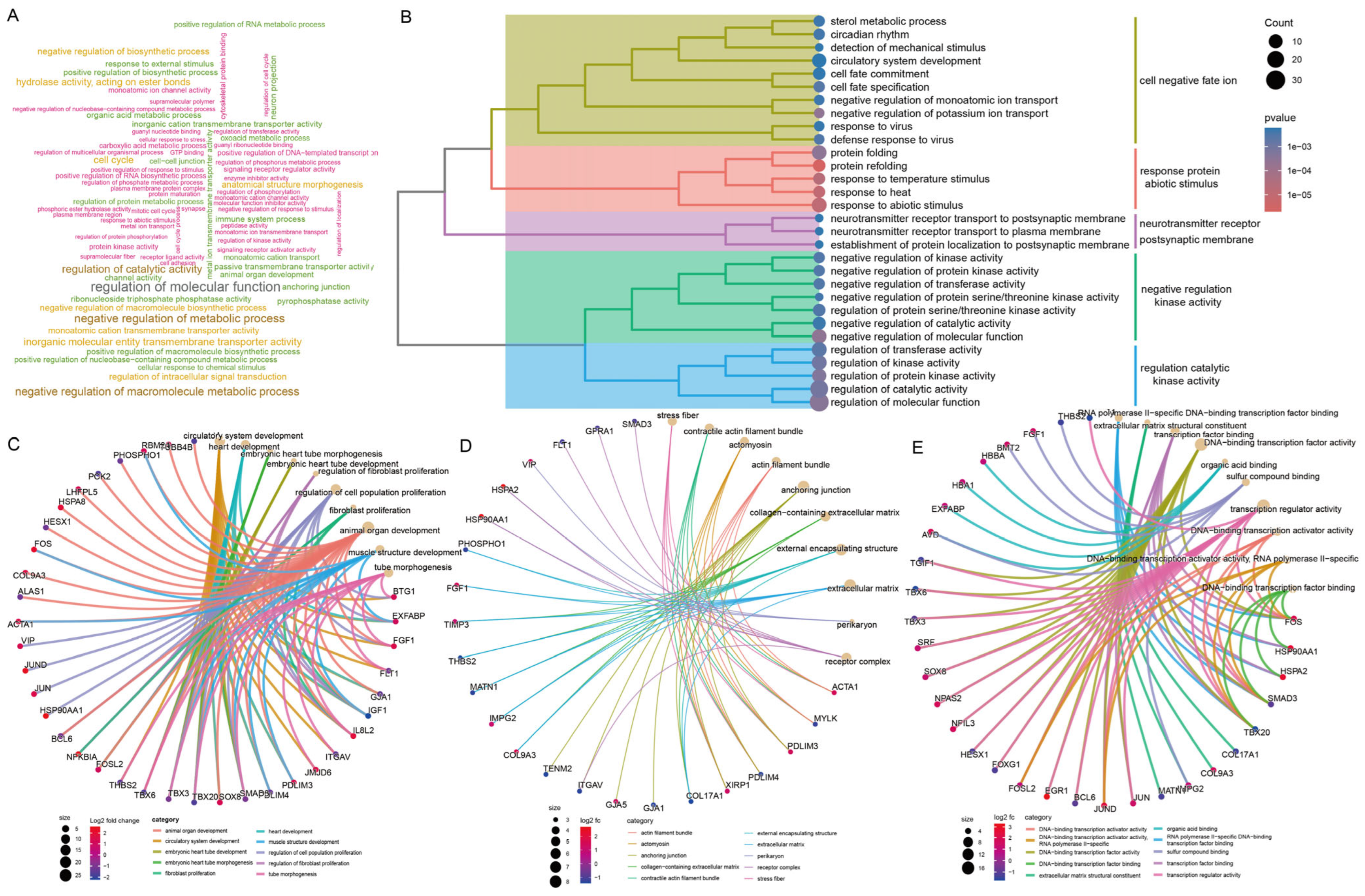
To further interpret the biological functions and pathway associations of the identified DEGs, Gene Ontology (GO) and Kyoto Encyclopedia of Genes and Genomes (KEGG) enrichment analyses were performed. GO enrichment analysis was used to annotate DEGs at the levels of biological process, cellular component, and molecular function, whereas KEGG enrichment analysis was used to identify pathway-level changes; therefore, GO results were used to support and complement the biological interpretation of KEGG pathway enrichment. The DEG list was used as the input dataset, and all enrichment analyses were conducted using the clusterProfiler package (v4.6.2) [
22] in R. For GO analysis, DEGs were annotated and classified into the categories of biological process (BP), cellular component (CC), and molecular function (MF), and terms with an adjusted
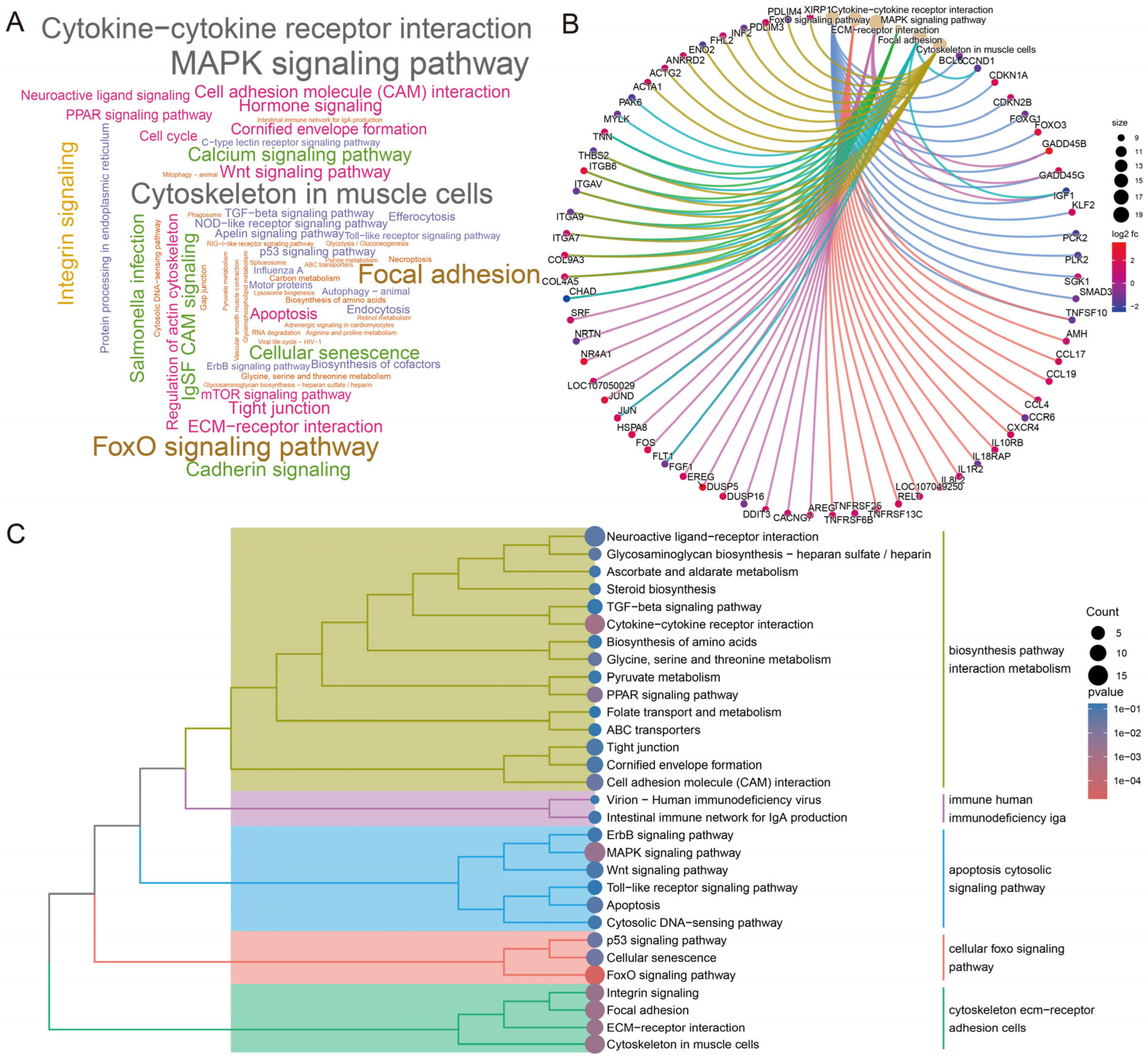
p value < 0.05 were considered significantly enriched. KEGG pathway enrichment analysis was also performed using clusterProfiler, with
p < 0.05 regarded as the threshold for significant enrichment. For data visualization, the enrichplot package (v1.18.4) in R was used to generate tree plots and gene-concept network plots of the significantly enriched GO terms and KEGG pathways. In addition, word clouds were generated to summarize the major enriched GO terms and KEGG pathways.
2.6. Gene Set Enrichment Analysis
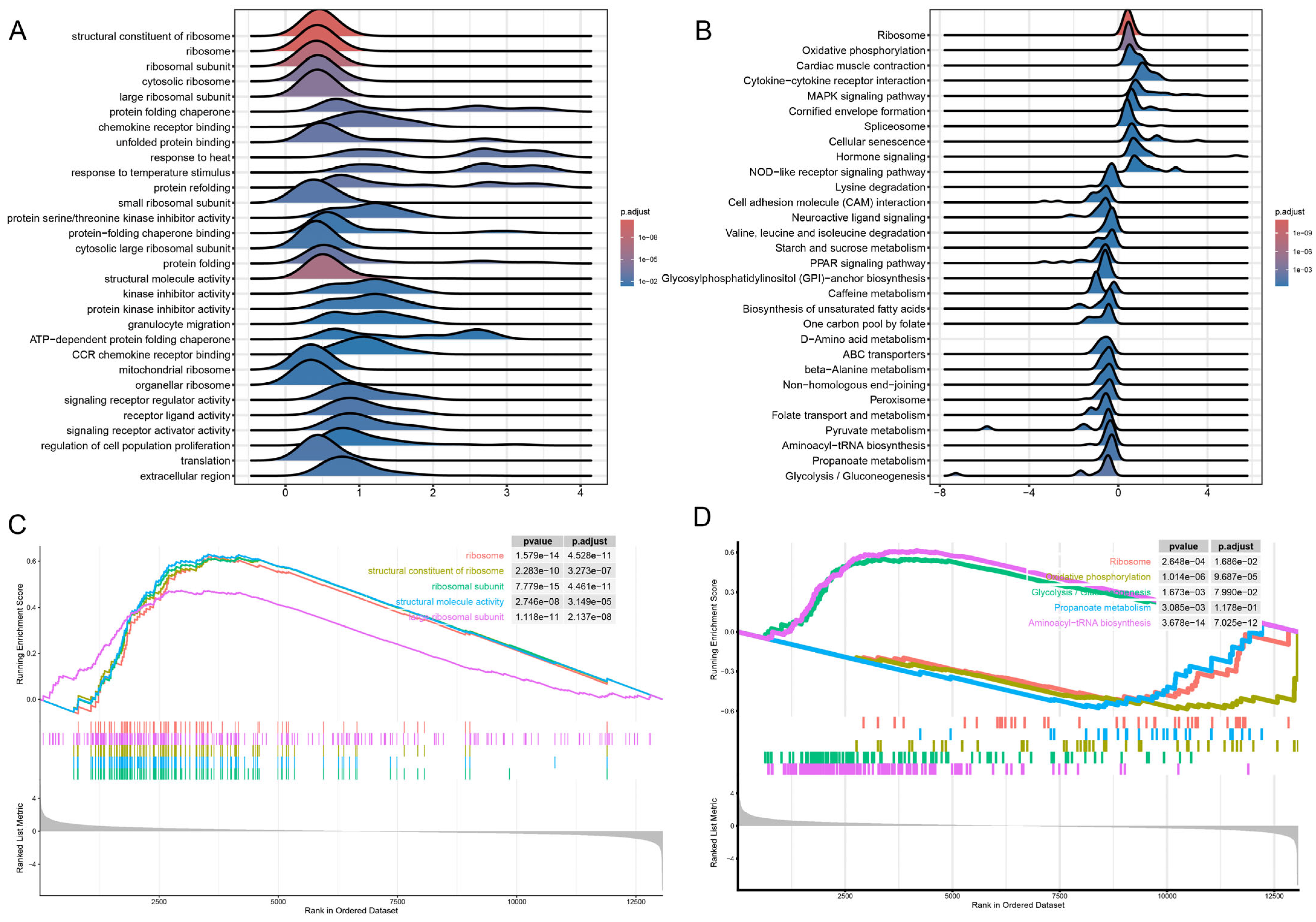
Gene Set Enrichment Analysis (GSEA) was performed to identify coordinated functional changes at the gene set level. Prior to analysis, all genes were ranked in descending order according to their log2 fold change (log2FC) values between the Lut and Con groups. GSEA for GO terms and KEGG pathways was conducted using the relevant functions implemented in the clusterProfiler package in R, and enrichment plots were generated to visualize the significantly enriched gene sets. The normalized enrichment score (NES) was used to indicate the direction and relative magnitude of enrichment. Gene sets with |NES| > 1, nominal p value < 0.05, and P.adjust < 0.25 were considered significantly enriched. The P.adjust < 0.25 threshold was used as a conventional exploratory false discovery rate cutoff for GSEA to identify coordinated gene-set-level enrichment patterns. In this study, positive enrichment scores indicated gene sets enriched on the Lut side of the ranked gene list.
2.7. Weighted Gene Co-Expression Network Analysis
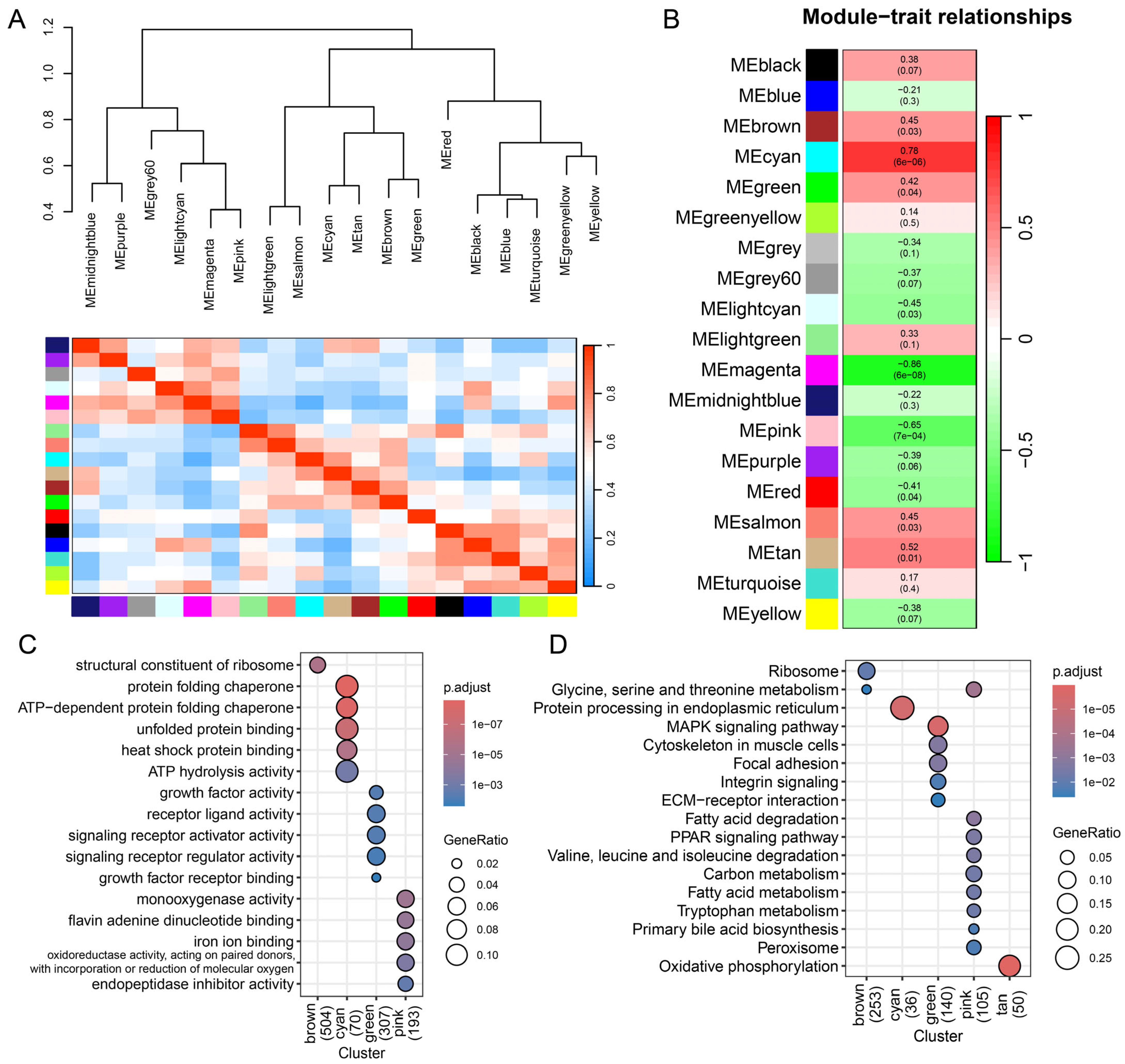
Weighted gene co-expression network analysis (WGCNA) was performed using the WGCNA package in R to identify coordinated transcriptional patterns associated with dietary lutein supplementation in the liver. Briefly, the normalized gene expression matrix was used as the input for network construction after removing genes with low expression levels. A soft-thresholding power was selected based on the scale-free topology criterion, and the resulting adjacency matrix was transformed into a topological overlap matrix (TOM). Genes were then hierarchically clustered according to TOM-based dissimilarity, and gene modules were identified using the dynamic tree cut method. Module eigengenes were calculated to represent the overall expression pattern of each module, and module–trait relationships were evaluated by correlating module eigengenes with the experimental groups. Modules significantly associated with lutein supplementation (p < 0.05) were considered key treatment-associated modules. Genes from these significant modules were subsequently subjected to GO and KEGG enrichment analyses using the clusterProfiler package in R to identify the major biological functions and pathways represented by each module.
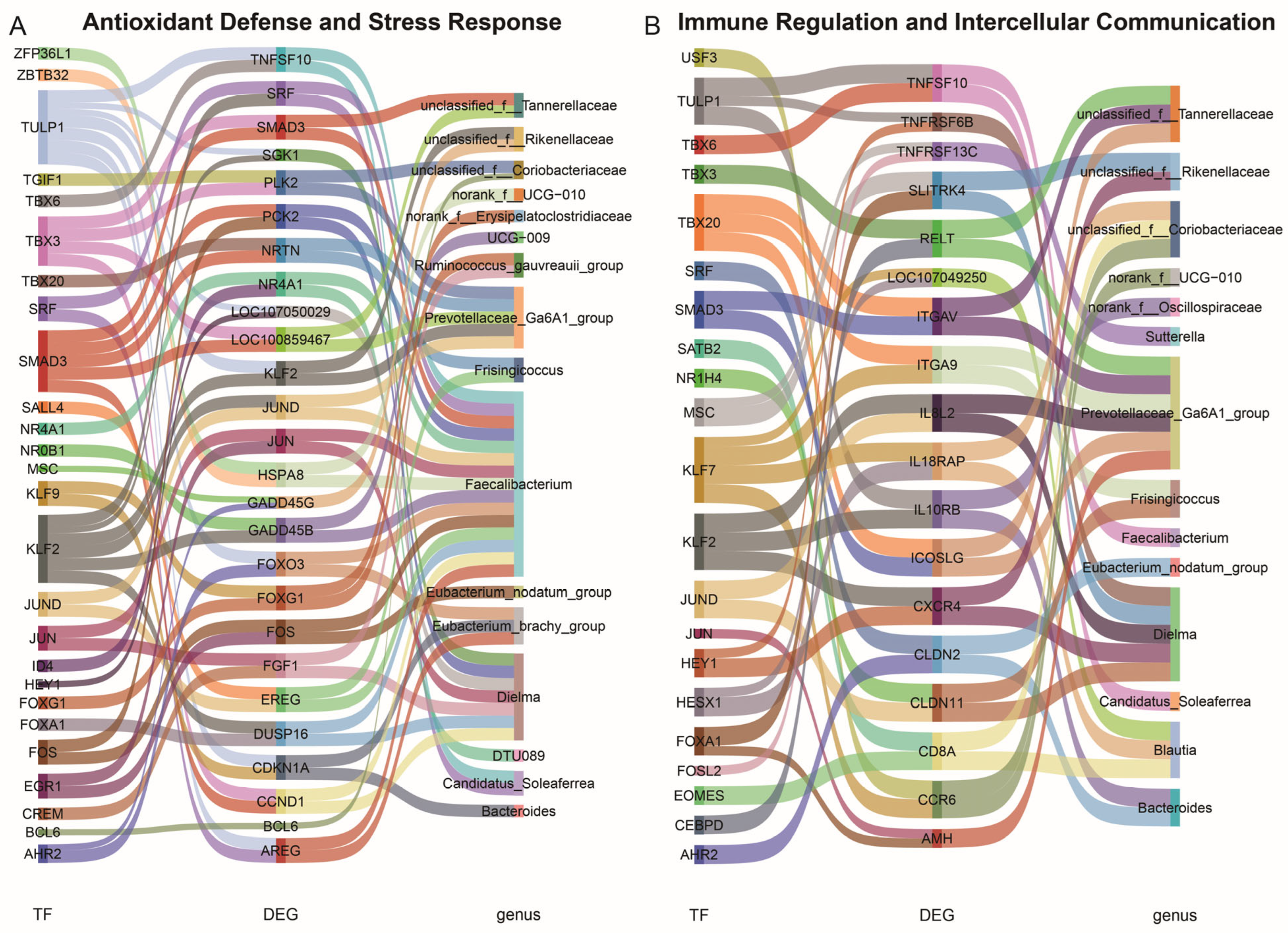
2.8. Correlation Analysis and Key Transcription Factor (TF) Regulatory Network Construction
Spearman correlation analysis was performed in R to evaluate the associations between pathway-associated DEGs and transcription factors (TFs). In this study, TFs were first identified from the DEG set using the AnimalTFDB 4.0 database (
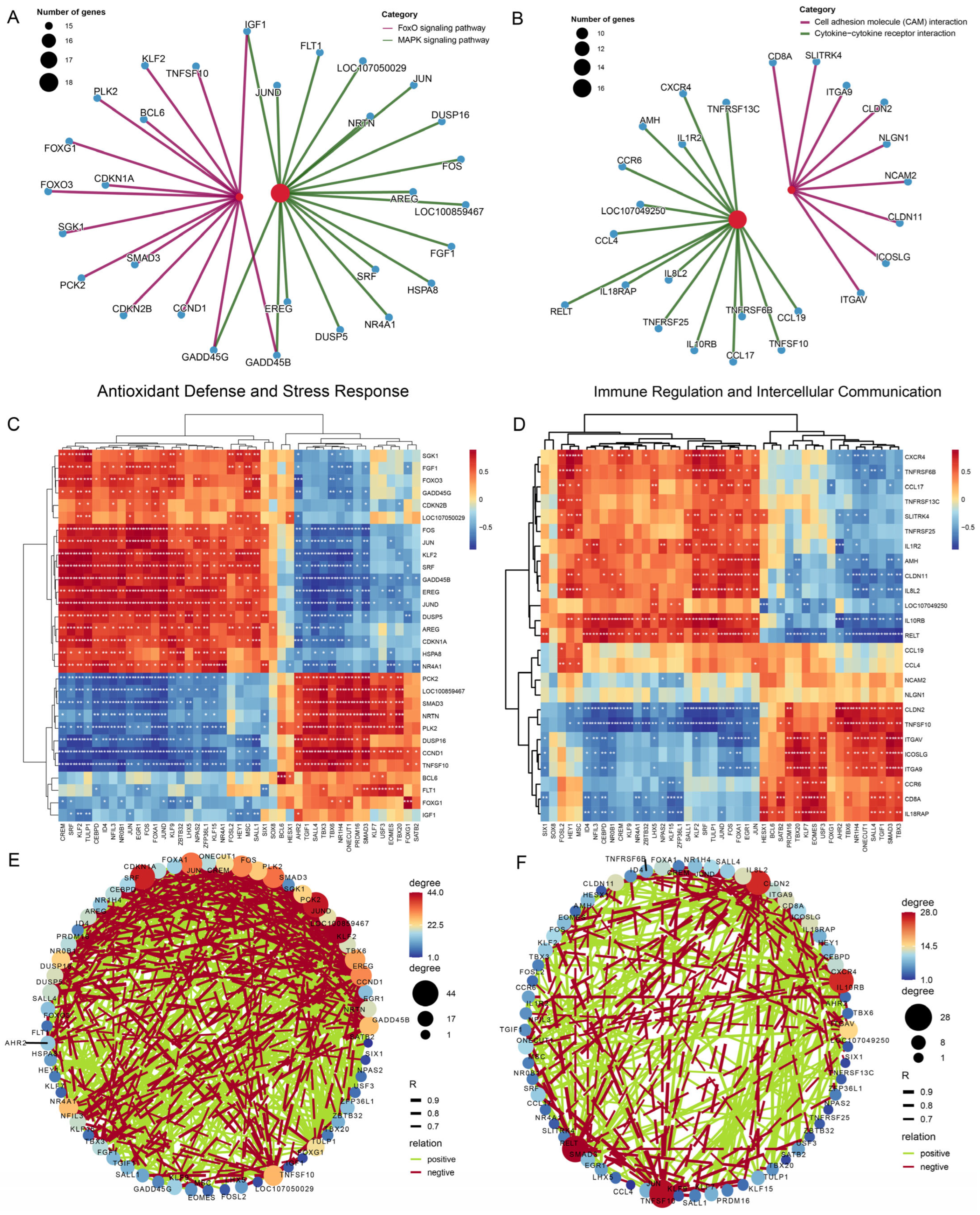
https://guolab.wchscu.cn/AnimalTFDB4/#/, accessed on 20 April 2026), and only TFs that were themselves differentially expressed between the Con and Lut groups were retained for subsequent analysis. Correlation analyses were then conducted between these differentially expressed TFs and the DEGs collected from KEGG pathways representing two functional axes: Antioxidant Defense and Stress Response and Immune Regulation and Intercellular Communication. Only TF-DEG pairs with Spearman correlation
p < 0.01 were retained for network construction. Based on these significant TF-DEG correlations, regulatory networks were further constructed using the online analysis platform of LC-Bio Technology Co., Ltd. (Hangzhou, China).
2.9. DNA Extraction, 16S rRNA Gene Amplification, and Sequencing
Cecal content samples were submitted to Shanghai Majorbio Bio-pharm Technology Co., Ltd. (Shanghai, China) for 16S rRNA gene sequencing. Microbial genomic DNA was extracted using the FastPure Fecal DNA Isolation Kit (magnetic bead-based; MJYH, Shanghai, China) according to the manufacturer’s instructions. The V3-V4 hypervariable region of the bacterial 16S rRNA gene was amplified using the primer pair 338F (5′-ACTCCTACGGGAGGCAGAG-3′) and 806R (5′-GGACTACHVGGGTWTCTAAT-3′). The resulting amplicons were purified and sequenced on an Illumina NextSeq 2000 platform (Illumina, San Diego, CA, USA) following the standard protocol provided by Shanghai Majorbio Bio-pharm Technology Co., Ltd.
2.10. Microbiota Data Processing and Differential Analysis
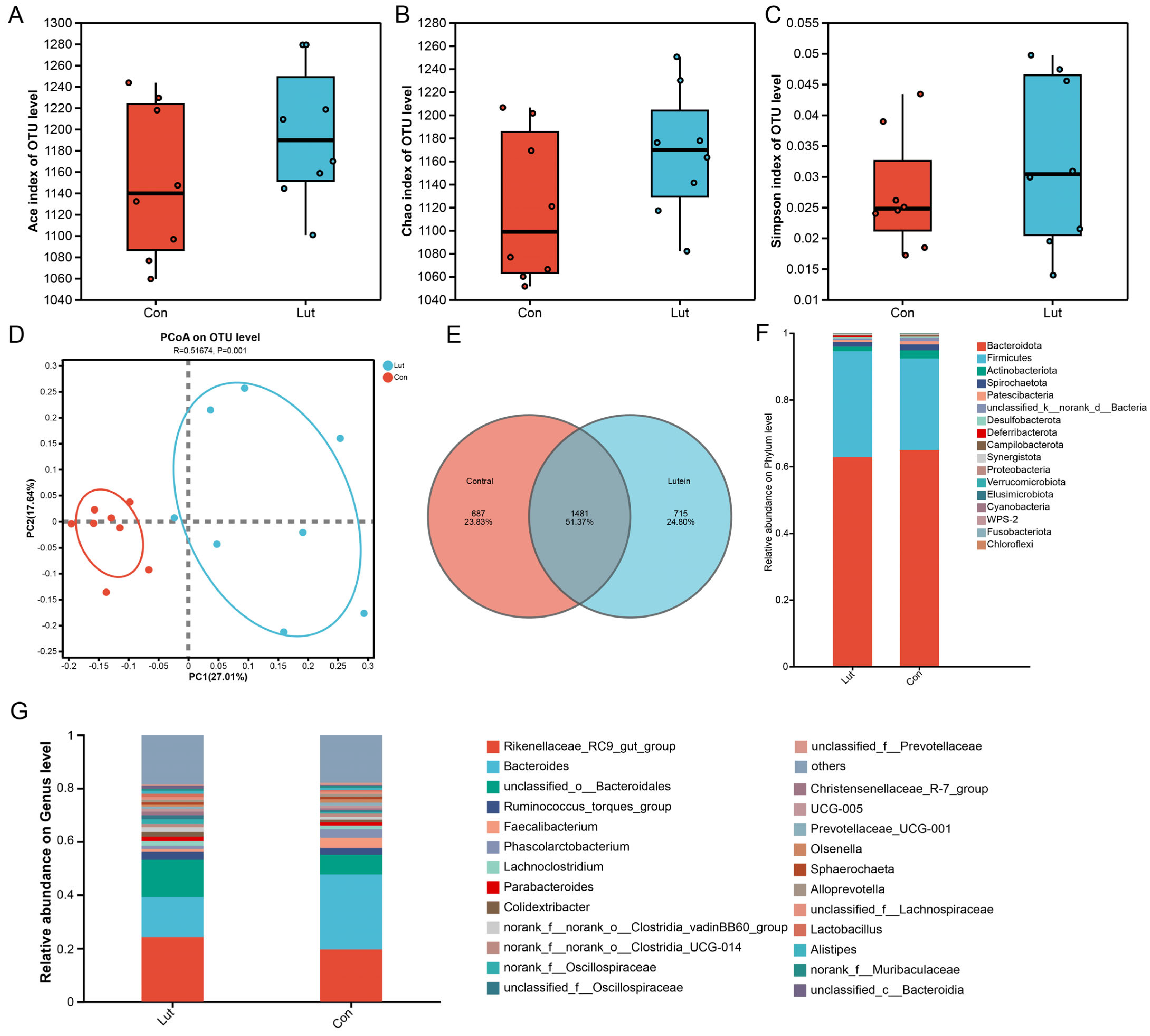
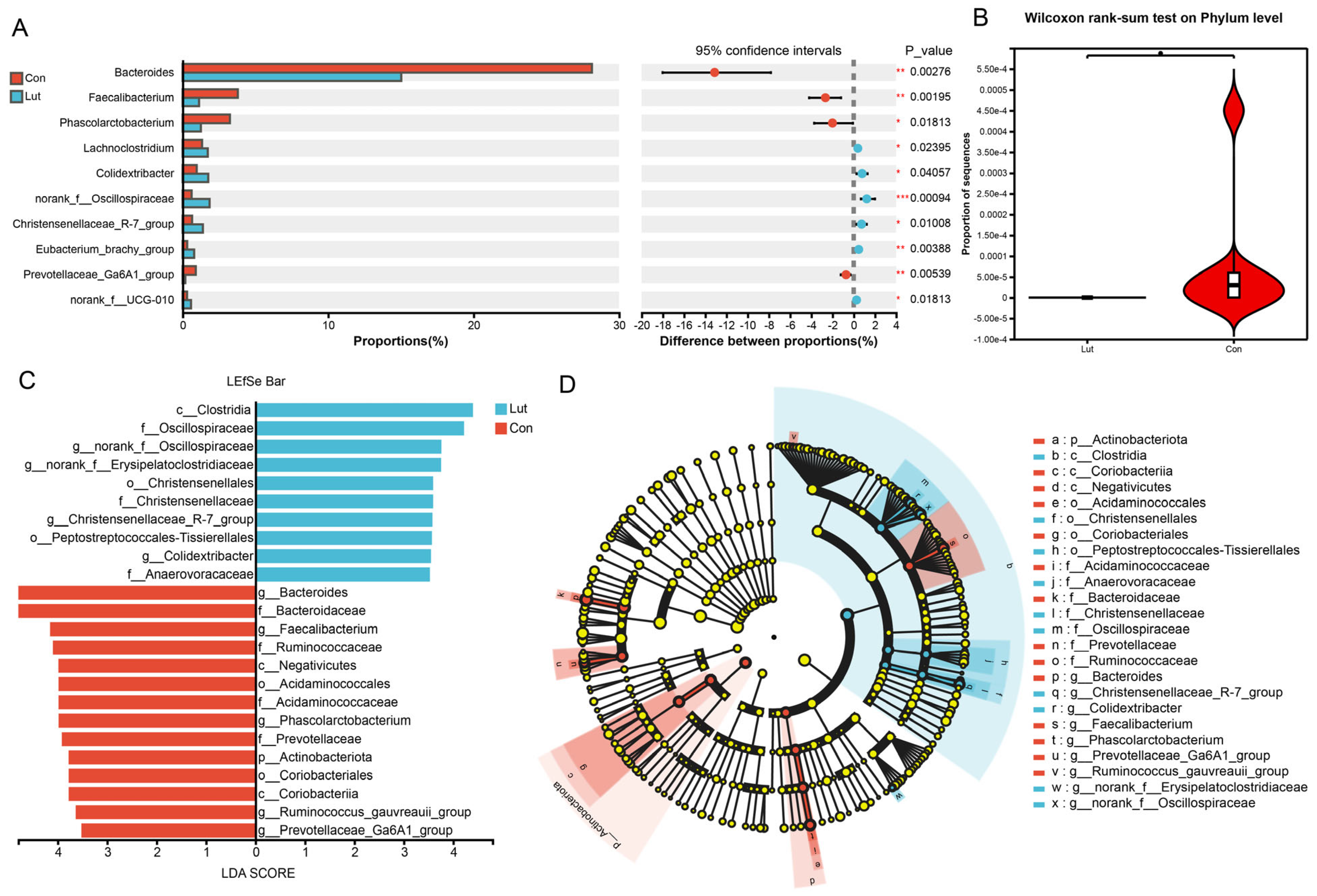
A total of 916,798 valid reads were obtained from the 16S rRNA sequencing dataset. Sequences were clustered into operational taxonomic units (OTUs) at 97% sequence similarity, resulting in a total of 2883 OTUs. Sequence processing and downstream analyses were carried out using the Majorbio Cloud Platform. Alpha diversity indices were calculated using mothur, whereas beta diversity was evaluated by principal coordinate analysis (PCoA) based on the Bray–Curtis distance. Community composition at different taxonomic levels was visualized using relative abundance bar plots. Differential taxa between the Con and Lut groups at the phylum and genus levels were assessed using the Wilcoxon rank-sum test, followed by Benjamini–Hochberg false discovery rate (FDR) correction for multiple comparisons. Taxa with FDR-adjusted p < 0.05 were considered significantly different. In addition, linear discriminant analysis effect size (LEfSe) was performed to identify taxa with differential abundance from the phylum to genus levels, using LDA > 3.5 and p < 0.05 as the screening criteria.
2.11. Correlation Analysis and Genus–Gene Association Network Construction
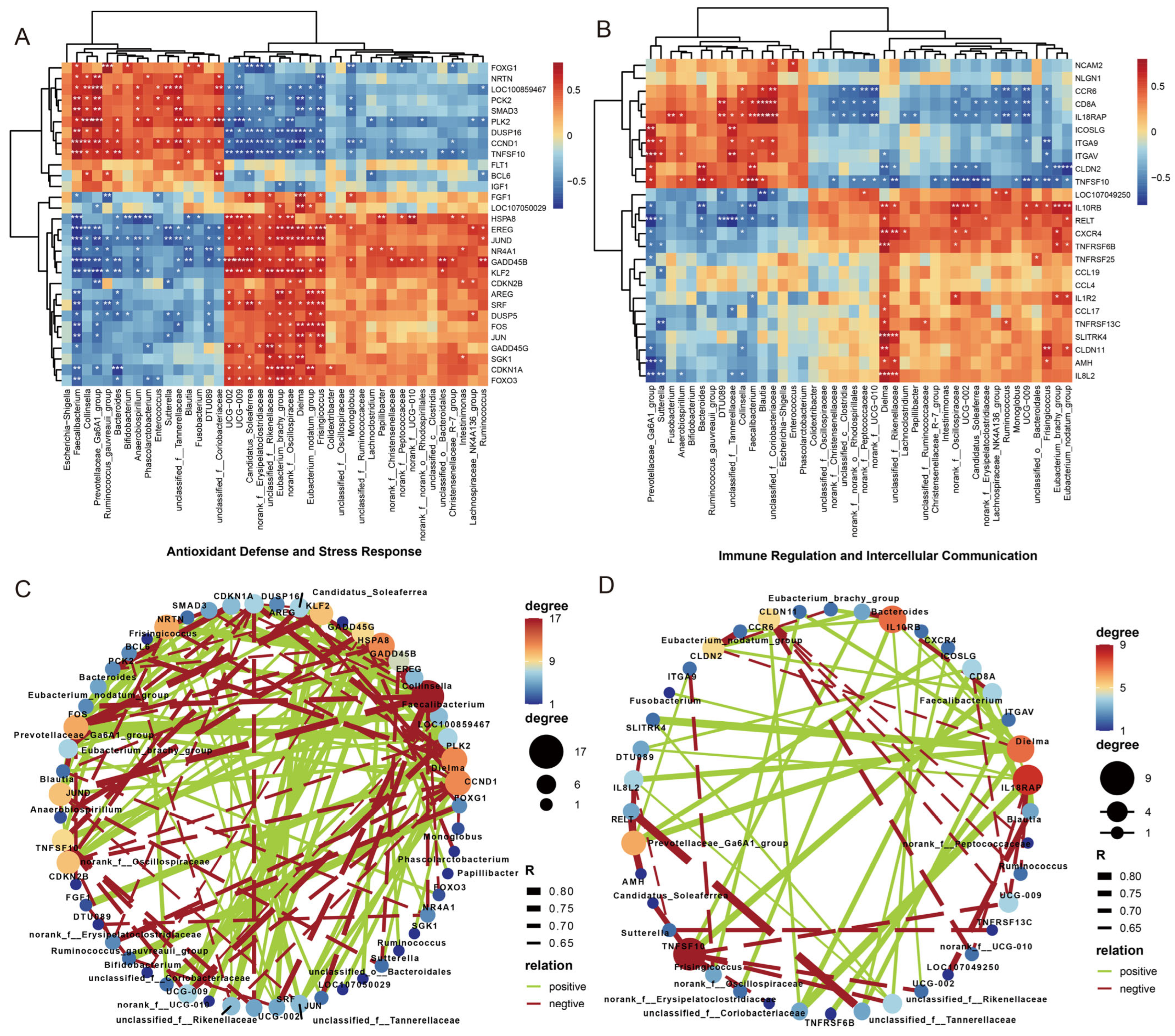
To explore potential gut–liver associations, integrated correlation analyses were performed using only paired samples for which both cecal microbiota and liver transcriptome data were available. Spearman correlation analysis was conducted in R to evaluate the associations between genus-level differential taxa and hepatic DEGs related to the two major functional directions identified in this study, namely Antioxidant Defense and Stress Response and Immune Regulation and Intercellular Communication. Correlation heatmaps were used to visualize the association patterns between differential genera and pathway-associated DEGs, and significant correlations were annotated with asterisks in the heatmaps. In addition, significant DEG–genus pairs filtered at p < 0.01 were further used for network construction and visualization using the online analysis platform of LC-Bio Technology Co., Ltd.
2.12. Statistics and Analysis
Unless otherwise specified, all statistical analyses were performed in R. For RNA-seq analysis, DEGs between the Con and Lut groups were identified using DESeq2, with |log2FC| ≥ 1 and p < 0.05 as the screening criteria. GO terms with adjusted p < 0.05 and KEGG pathways with p < 0.05 were considered significantly enriched. For GSEA, gene sets with |NES| > 1, nominal p < 0.05, and P.adjust < 0.25 were considered significantly enriched. For WGCNA, modules significantly associated with lutein supplementation were selected based on module–trait correlation p < 0.05. Microbial differential taxa were assessed using the Wilcoxon rank-sum test, and LEfSe biomarkers were identified using LDA > 3.5 and p < 0.05. Spearman correlation analysis was used for TF-DEG and DEG–genus association analyses, and only significant correlation pairs passing the thresholds specified in the corresponding sections were retained for network construction.
4. Discussion and Conclusions
Dietary lutein supplementation induced coordinated changes in both the hepatic transcriptome and cecal microbiota of laying hens. Hepatic transcriptomic analyses revealed broad functional remodeling involving metabolism, signaling pathways, and stress- and immune-associated biological processes, whereas 16S rRNA sequencing showed a clear shift in cecal microbial community structure accompanied by changes in specific microbial biomarkers. Previous studies in chickens have similarly shown that dietary lutein can improve antioxidant status, alter liver gene expression and metabolites, and attenuate inflammatory responses, while broader evidence from other systems also supports its role in redox and immune regulation [
17,
23,
24,
25]. More importantly, the integrated analyses in this study indicated that these host and microbial changes converged on two major functional directions, namely Antioxidant Defense and Stress Response and Immune Regulation and Intercellular Communication. The TF-DEG, DEG–genus, and TF-DEG–genus association networks further supported the view that the biological effects of lutein were characterized by coordinated host–microbiota interactions rather than isolated transcriptomic or microbial changes. Importantly, these findings should not be interpreted as evidence that lutein nonspecifically activates all major cellular pathways. Rather, in the present study, lutein appeared to act as a dietary bioactive factor associated with coordinated adjustment of hepatic redox/stress-responsive programs, lipid and substrate metabolism, cytokine- and adhesion-related communication, and cecal microbial community structure. Moreover, the present data do not demonstrate that lutein acts selectively on the liver. The liver was selected because it is a central organ for lipid metabolism, yolk precursor synthesis, and carotenoid-related metabolic responses in laying hens, whereas cecal microbiota were analyzed to explore potential gut–liver associations. Therefore, the current results should be regarded as a systems-level, hypothesis-generating framework that prioritizes specific pathways and host–microbiota axes for future functional validation, rather than direct evidence that lutein selectively induces protein synthesis or acts only in the liver.
One of the most prominent transcriptomic features after lutein supplementation was the remodeling of hepatic programs related to Antioxidant Defense and Stress Response. This interpretation is supported by the enrichment of pathways such as FoxO signaling, MAPK signaling, apoptosis, oxidative phosphorylation, and peroxisome, together with WGCNA- and GSEA-derived signals involving oxidoreductase activity, protein folding/chaperone functions, and stress-responsive biological processes. These findings suggest that the primary hepatic signature associated with lutein supplementation was not the activation of a single antioxidant pathway, but a coordinated adaptation of redox-sensitive signaling, protein quality control, and energy/lipid-related metabolism in the liver. A previous integrative transcriptomic and metabolomic study in chickens similarly linked dietary lutein to antioxidant improvement, altered hepatic gene expression, and lipid metabolism-related processes [
17]. Broader mechanistic evidence from other systems also suggests that lutein can modulate redox-sensitive signaling and endogenous antioxidant defenses rather than functioning only as a direct radical scavenger [
25]. Accordingly, the concurrent enrichment of PPAR signaling, pyruvate metabolism, glycolysis/gluconeogenesis, and fatty acid metabolism in our data suggests that hepatic antioxidant defense may be accompanied by parallel adjustments in substrate utilization and energy metabolism.
In addition to Antioxidant Defense and Stress Response, the hepatic response to lutein was also strongly associated with Immune Regulation and Intercellular Communication. This was reflected by the enrichment of cytokine–cytokine receptor interaction and cell adhesion molecule (CAM) interaction, together with the coordinated changes in immune- and adhesion-related genes identified in the integrated analyses. These findings suggest that the hepatic response to lutein extended beyond oxidative adaptation and involved coordinated modulation of cytokine signaling, receptor-mediated communication, and cell–cell interaction processes that are important for immune homeostasis. Poultry studies support this interpretation, as lutein supplementation has been shown to alleviate inflammatory responses, improve mucosal barrier integrity, and suppress TLR4/MyD88/NF-κB-related signaling under challenge conditions [
23]. Evidence from non-poultry systems further strengthens this view, indicating that lutein can attenuate pro-inflammatory cytokines and modulate immune-associated oxidative balance across tissues and species [
26]. Taken together, these observations suggest that lutein shapes hepatic immune-associated transcriptional programs within a broader regulatory framework rather than affecting isolated inflammatory signals alone.
The transcriptional remodeling induced by lutein was accompanied by a clear restructuring of the cecal microbiota. Notably, the dominant microbial signal in this dataset was not a simple change in richness-related indices, but a distinct shift in community structure, as indicated by the OTU-based PCoA separation together with differential taxa and microbial biomarkers. This pattern suggests that lutein influenced microbial community organization and compositional balance rather than merely increasing or decreasing overall diversity. A similar phenomenon has been reported in laying hens fed xanthophyll-rich orange corn, supporting the plausibility that carotenoid-rich dietary interventions can reshape cecal microbial structure in poultry [
27]. More broadly, current evidence indicates that carotenoids can interact with gut microbial ecosystems, although the magnitude and direction of these effects likely depend on carotenoid type, host background, and dietary context [
28]. Therefore, the microbial shifts observed here are more appropriately interpreted as an ecologically relevant component of the overall lutein response than as isolated taxonomic changes. A key question is why lutein supplementation was associated with a shift in cecal bacterial composition. Several possible mechanisms may explain this observation. First, lutein is a lipophilic dietary carotenoid, and its intestinal absorption is unlikely to be complete; therefore, part of the supplemented lutein or lutein-containing dietary matrix may reach the lower intestine and cecum, where it could influence the local luminal environment and microbial ecological niches. Second, lutein may indirectly affect the cecal microbiota by modulating host redox status, immune tone, lipid-related metabolism, bile-acid-associated conditions, or substrate availability, all of which can influence bacterial community structure. Third, in the present study, the altered genera were not interpreted as isolated taxonomic changes, because DEG–genus and TF-DEG–genus analyses linked microbial variation with hepatic genes involved in oxidative/stress responses, immune-related communication, and metabolic regulation. Therefore, the observed bacterial shift may reflect a broader diet-associated host–microbiota response to lutein supplementation. However, these mechanisms remain hypothetical, and the present 16S rRNA sequencing data cannot determine whether lutein directly acted on bacteria or indirectly reshaped the microbial ecosystem through host-mediated physiological changes.
An important feature of this study is that lutein-responsive changes could be organized into integrated host–microbiota association patterns. The TF-DEG, DEG–genus, and TF-DEG–genus analyses consistently suggested that the hepatic response to lutein was accompanied by coordinated associations with genus-level microbial variation, rather than representing independent changes on either side. In this sense, the present work extends previous carotenoid-related studies by showing that the effects of lutein in laying hens can be interpreted not only through hepatic pathways or cecal taxa alone, but also through multilevel association networks linking transcription factors, DEGs, and microbiota. This perspective is consistent with the emerging concept of holo-omics, which treats host transcriptional programs and microbiome configurations as interconnected components of the same biological system [
29]. Notably, the two major functional directions displayed different microbial association features.
Faecalibacterium emerged as a prominent node within the Antioxidant Defense and Stress Response network, suggesting a close association with host transcriptional changes related to redox balance and stress adaptation. In contrast,
Prevotellaceae_Ga6A1_group was more strongly connected within the Immune Regulation and Intercellular Communication network, indicating that it may represent a key microbial association node linked to immune-related transcriptional variation. This interpretation is biologically plausible because
Faecalibacterium is widely recognized as an anti-inflammatory commensal in other systems, whereas
Prevotellaceae_Ga6A1_group has been repeatedly reported as a cecal taxon associated with fermentation-related microbial ecology in poultry [
30,
31]. These findings help prioritize specific microbial nodes for subsequent functional investigation, although the current evidence remains correlation-based rather than causal.
A further implication of these integrated networks is that they point to more specific multilevel association axes that may help explain how lutein-responsive host and microbial changes are coordinated. In both functional directions,
KLF2 emerged as a shared transcriptional node, which is notable because
KLF2 is widely regarded as a homeostatic transcription factor involved in restraining inflammatory activation and regulating chemokine receptor- and adhesion-related programs [
32]. Within the Antioxidant Defense and Stress Response direction, the
KLF2/FOXO3/Faecalibacterium axis is particularly interesting, as
FOXO3 is a well-established stress-responsive transcription factor that contributes to oxidative stress resistance, mitochondrial homeostasis, apoptosis, and autophagy-related adaptation [
33,
34]. This suggests that the association between
KLF2 and
FOXO3 may represent an upstream transcriptional framework linked to the antioxidant and stress-related microbial pattern identified in our study. By contrast, in the Immune Regulation and Intercellular Communication direction, the
KLF2/IL8L2/Prevotellaceae_Ga6A1_group axis may reflect a distinct immune-associated linkage, given that
IL8L2 is a chicken chemokine closely related to early innate inflammatory signaling and leukocyte recruitment [
35]. Taken together, these two axes provide a more refined interpretation of the host–microbiota association patterns revealed by the present study, although their biological relevance will still require targeted functional validation in future work.
Several limitations should also be acknowledged. First, the TF-DEG, DEG–genus, and TF-DEG–genus networks were constructed based on correlation analyses; therefore, they should be interpreted as association-based models rather than causal regulatory pathways. Second, qRT-PCR validation of representative DEGs was not performed in the present study, and protein-level or biochemical validation was also not included. Therefore, the transcriptomic findings should be regarded as sequencing-based evidence that requires further experimental confirmation. Third, productive performance and egg quality data were not included in the current analysis, which limits our ability to directly connect the observed omics changes with laying performance or egg-related phenotypes. Future studies should include qRT-PCR validation, protein or enzyme activity assays, oxidative and immune biomarkers, productive performance traits, egg quality traits, and dose-response designs to confirm the biological and physiological relevance of the candidate pathways and host–microbiota axes identified here.
Overall, dietary lutein supplementation was associated with coordinated alterations in hepatic transcriptional programs and cecal microbial structure in laying hens, and these changes converged on two major functional directions, namely Antioxidant Defense and Stress Response and Immune Regulation and Intercellular Communication. Rather than demonstrating that lutein directly or selectively activates protein synthesis in the liver, the present multi-omics results support a systems-level model in which dietary lutein is linked to hepatic redox/stress adaptation, immune-related communication, and specific host–microbiota association axes. These findings deepen current understanding of lutein biology in poultry and provide candidate pathways and microbial nodes for future mechanistic validation and nutritional application in laying hen feeding systems. However, because this study used a single supplementation level and association-based multi-omics analyses, the dose dependency, causality, and functional consequences of these host–microbiota changes require further investigation.




 ,
,