Article

Antiglycation and Antioxidant Effect of Nitroxyl towards Hemoglobin

by
Olga V. Kosmachevskaya
1,
Elvira I. Nasybullina
1,
Igor S. Pugachenko
1,
Natalia N. Novikova
2 and
Alexey F. Topunov
1,*
1
Bach Institute of Biochemistry, Research Center of Biotechnology of the Russian Academy of Sciences, 119071 Moscow, Russia
2
National Research Center “Kurchatov Institute”, 123182 Moscow, Russia
*
Author to whom correspondence should be addressed.
Antioxidants 2022, 11(10), 2007; https://doi.org/10.3390/antiox11102007

Submission received: 25 August 2022 / Revised: 3 October 2022 / Accepted: 6 October 2022 / Published: 11 October 2022
(This article belongs to the Special Issue Globin Associated Oxidative Stress)

Abstract

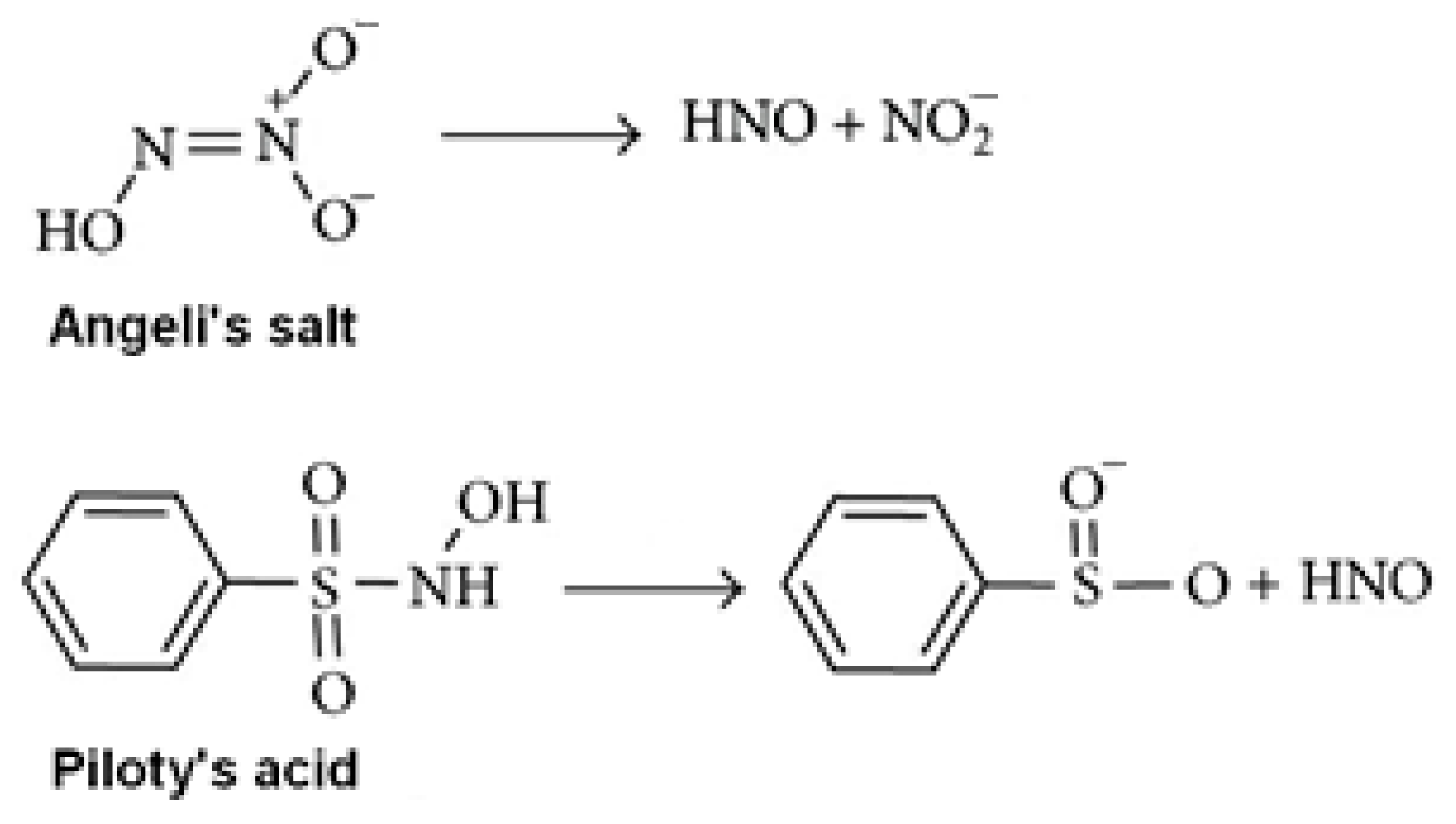
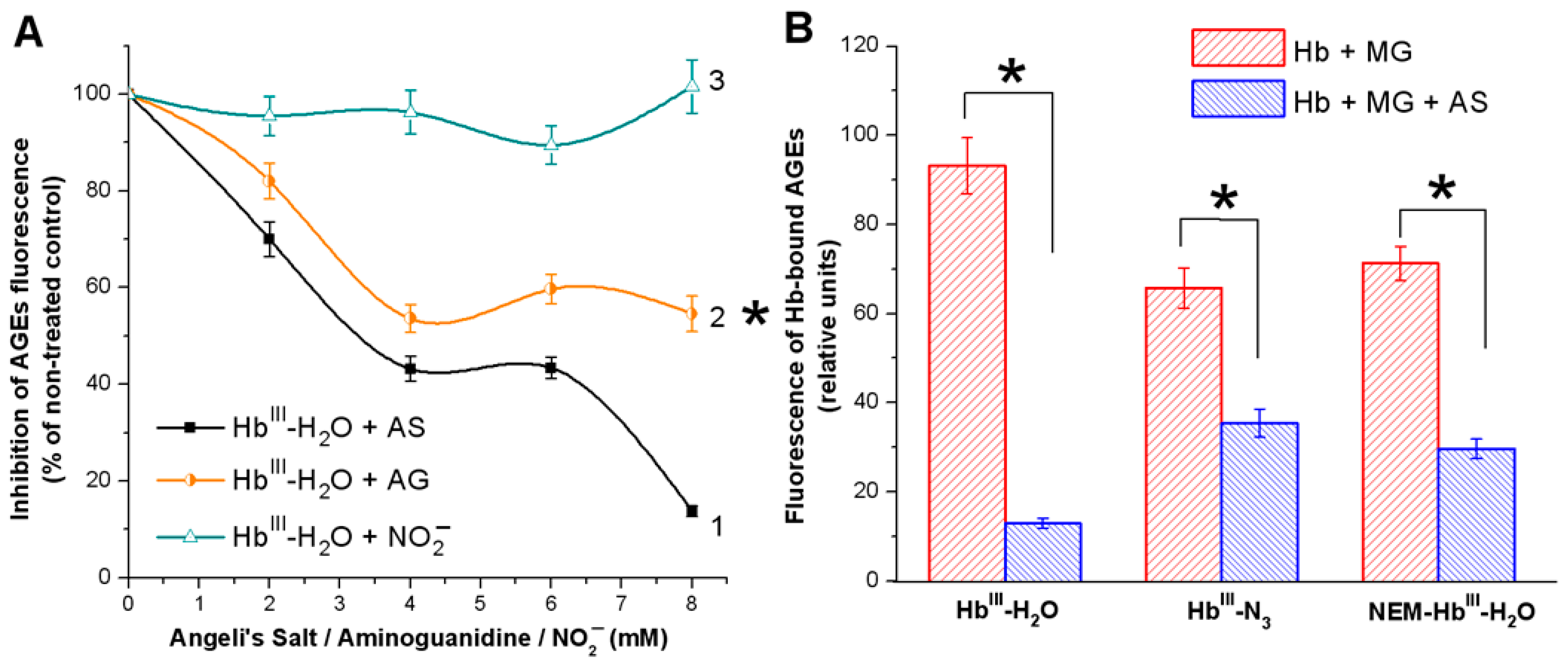
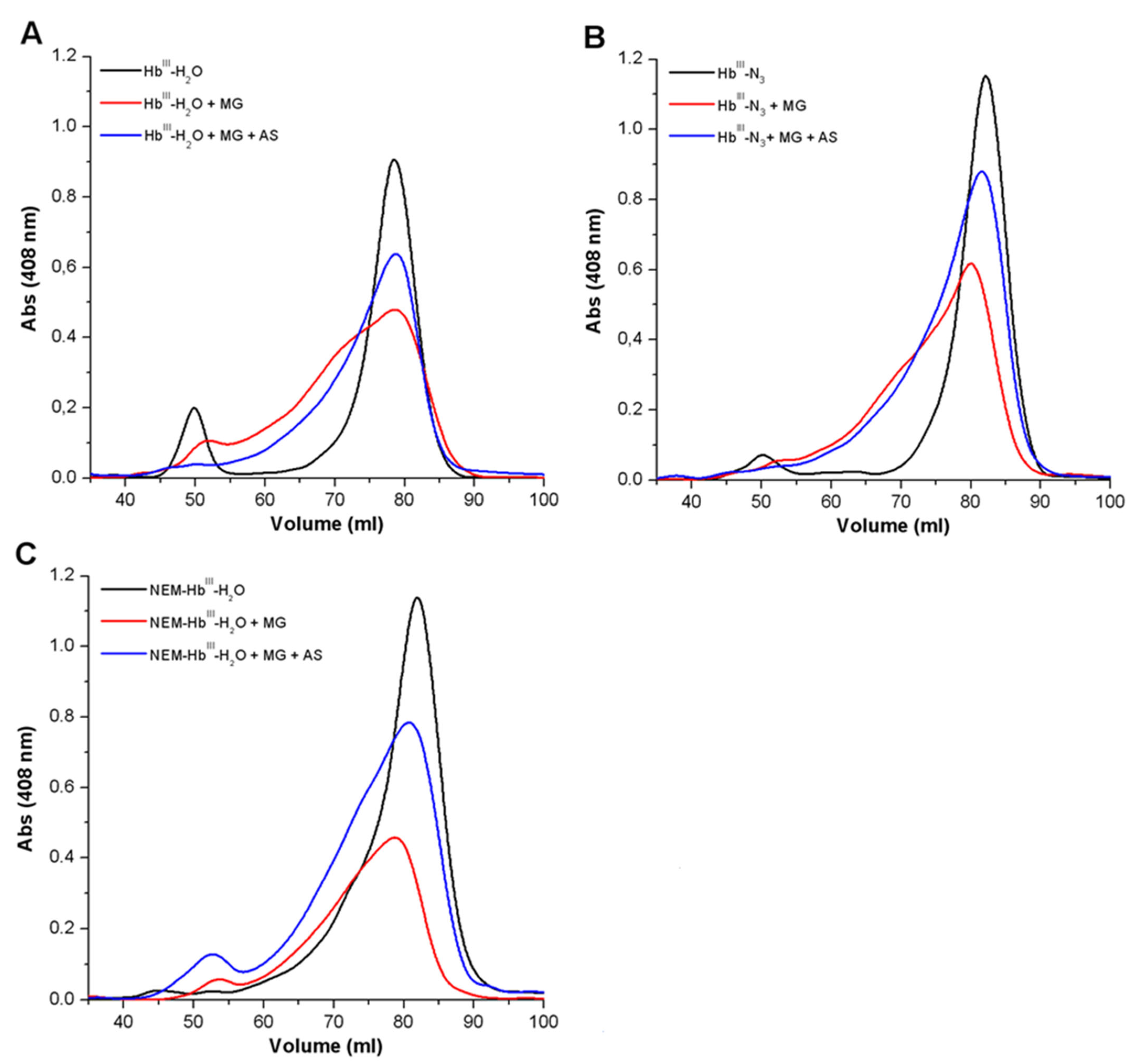
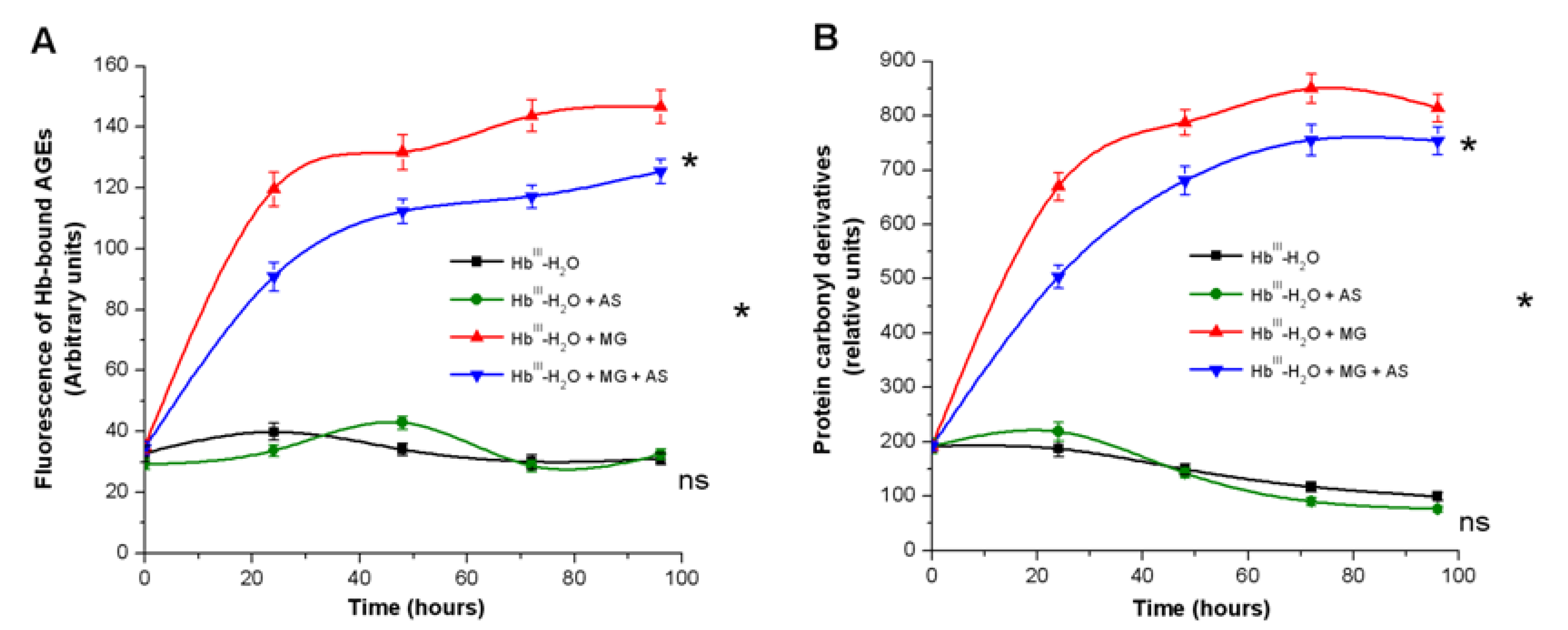
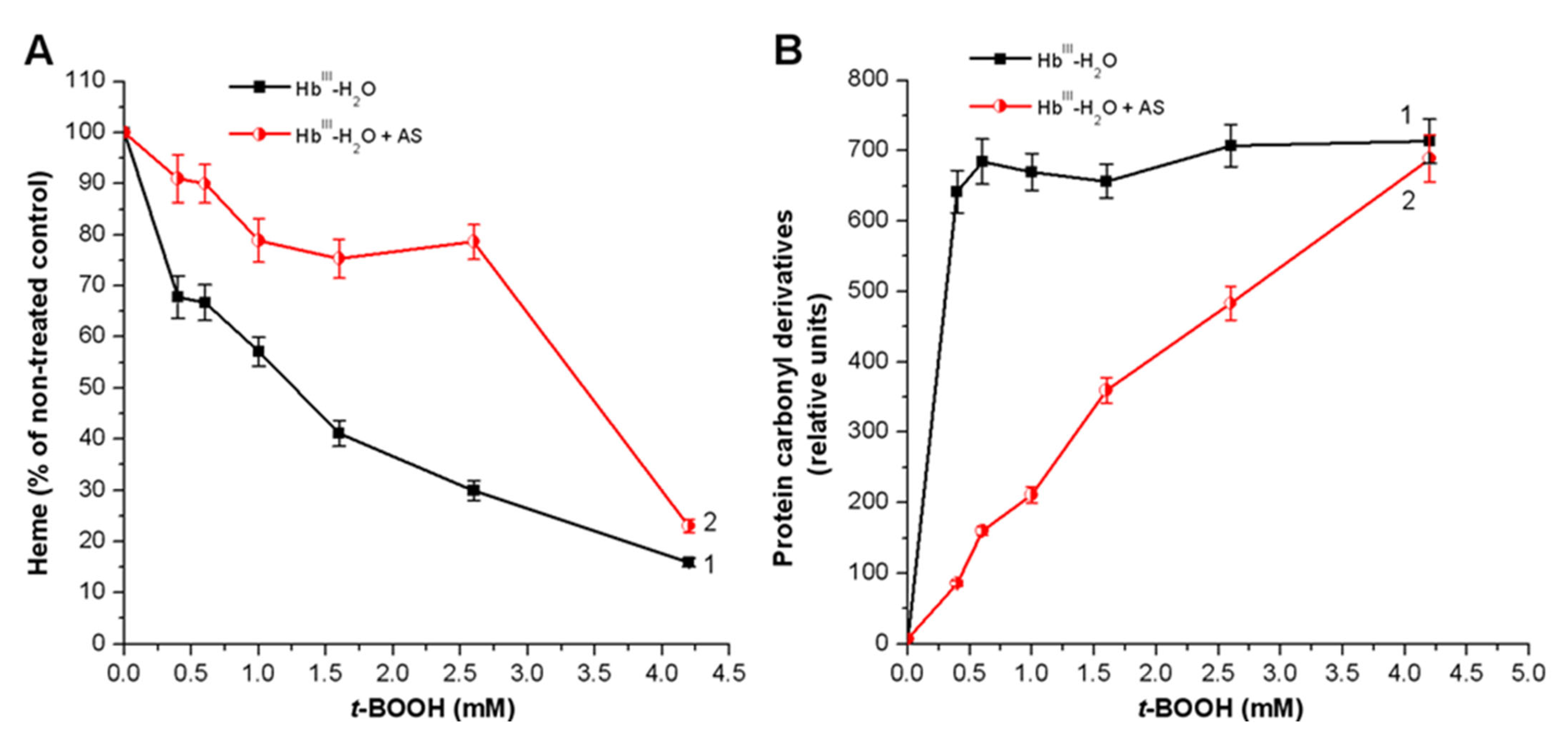
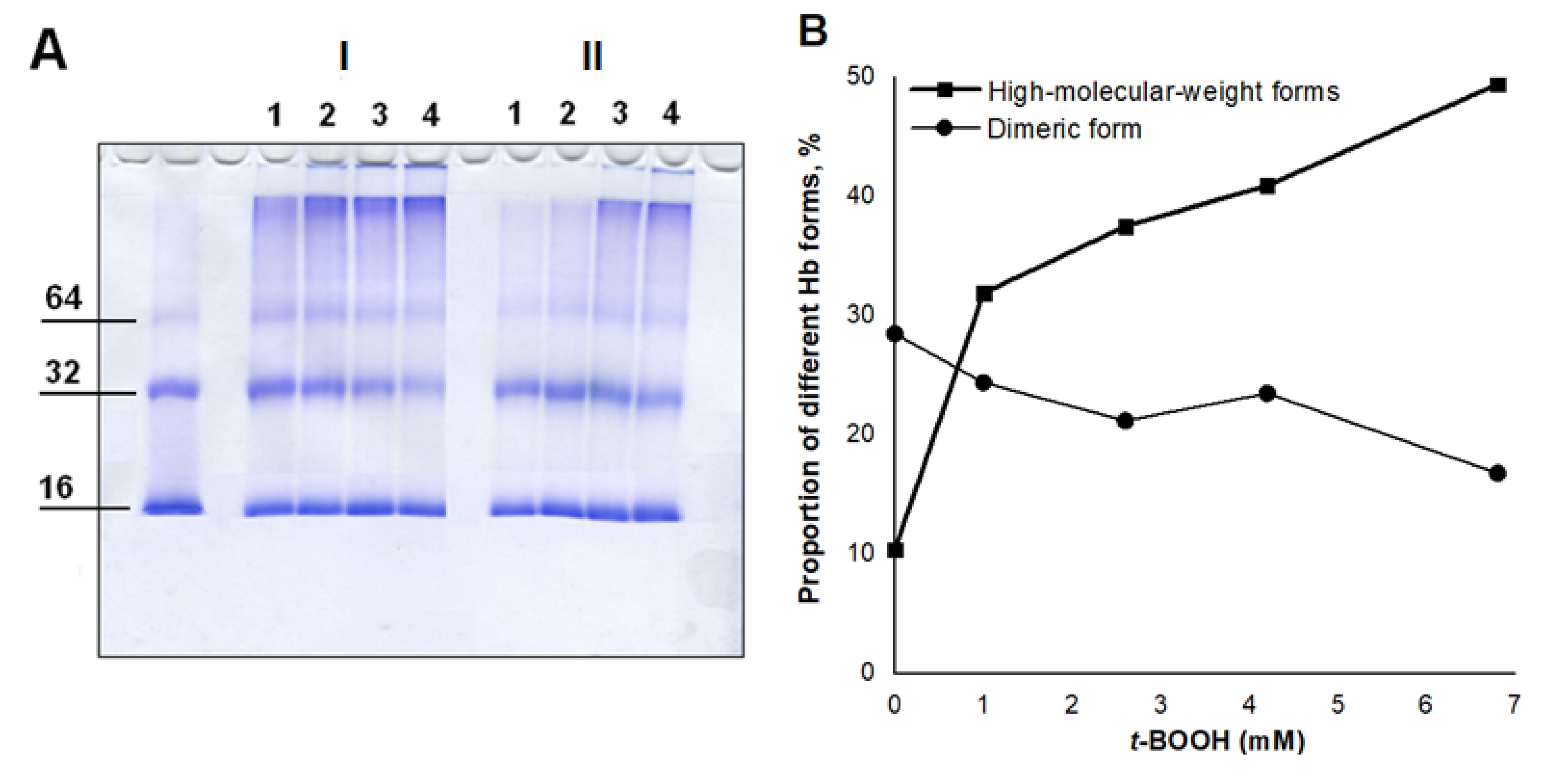
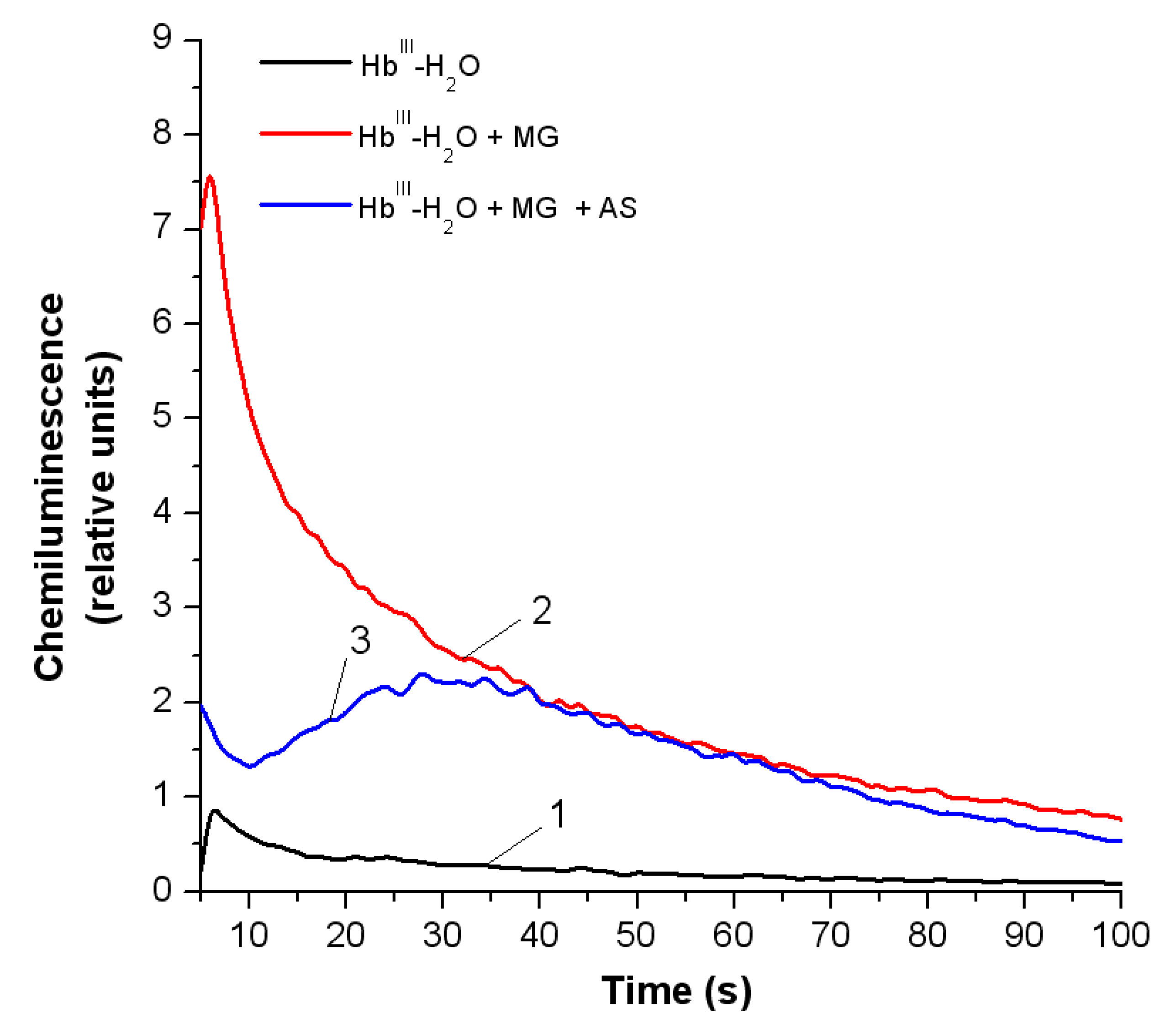
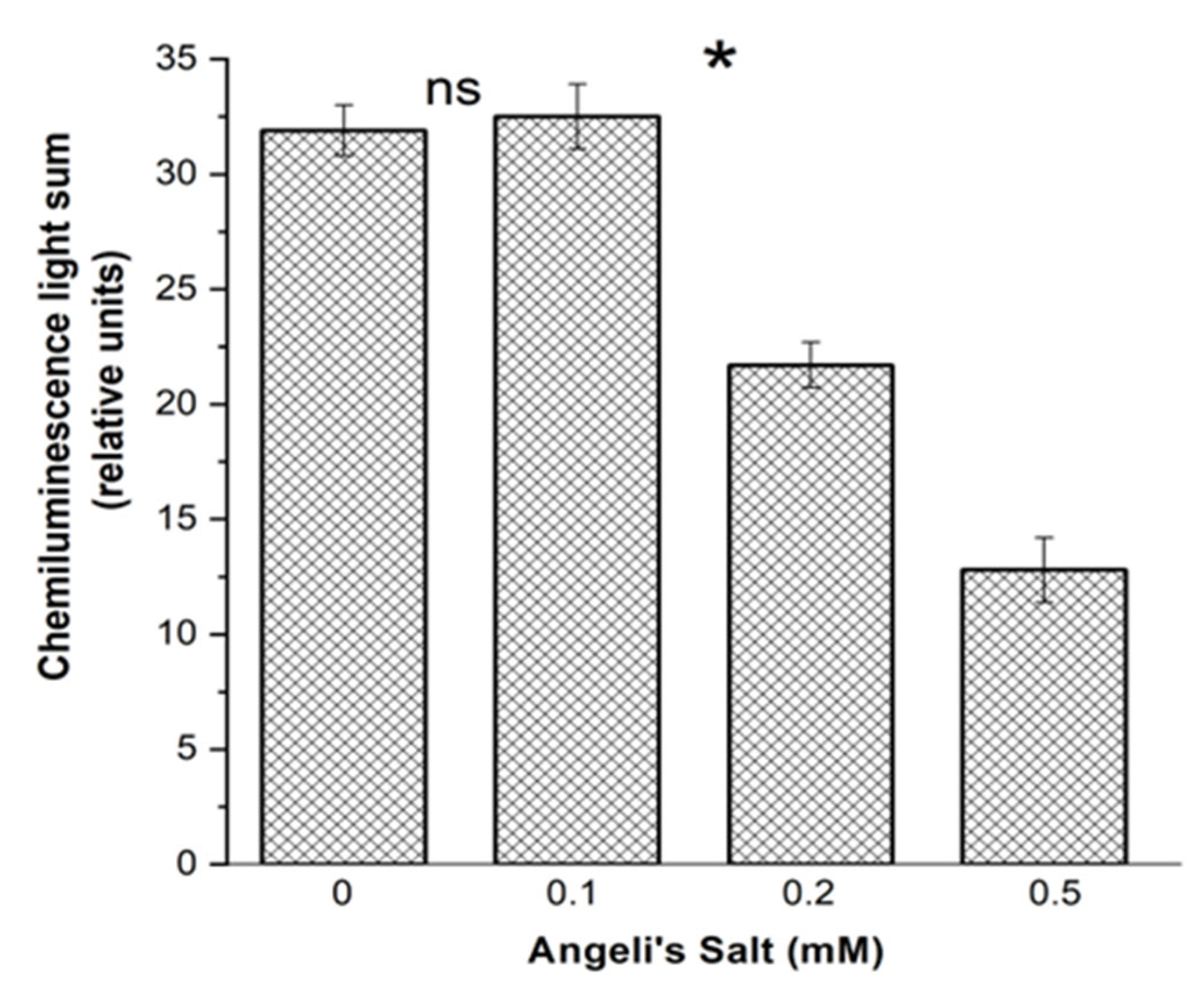
Donors of nitroxyl and nitroxyl anion (HNO/NO) are considered to be promising pharmacological treatments with a wide range of applications. Remarkable chemical properties allow nitroxyl to function as a classic antioxidant. We assume that HNO/NO can level down the non-enzymatic glycation of biomolecules. Since erythrocyte hemoglobin (Hb) is highly susceptible to non-enzymatic glycation, we studied the effect of a nitroxyl donor, Angeli’s salt, on Hb modification with methylglyoxal (MG) and organic peroxide―tert-butyl hydroperoxide (t-BOOH). Nitroxyl dose-dependently decreased the amount of protein carbonyls and advanced glycation end products (AGEs) that were formed in the case of Hb incubation with MG. Likewise, nitroxyl effectively protected Hb against oxidative modification with t-BOOH. It slowed down the destruction of heme, formation of carbonyl derivatives and inter-subunit cross-linking. The protective effect of nitroxyl on Hb in this system is primarily associated with nitrosylation of oxidized Hb and reduction of its ferryl form, which lowers the yield of free radical products. We suppose that the dual (antioxidant and antiglycation) effect of nitroxyl makes its application possible as part of an additional treatment strategy for oxidative and carbonyl stress-associated diseases.
Keywords: hemoglobin; nitroxyl; Angeli’s salt; methylglyoxal; advanced glycation end products; antiglycation and antioxidant effect hemoglobin; nitroxyl; Angeli’s salt; methylglyoxal; advanced glycation end products; antiglycation and antioxidant effect