Article

Balneotherapy as a Complementary Intervention for Stress and Cortisol Reduction: Findings from a Randomized Controlled Trial


by
Lolita Rapolienė
1,2,*,
Dovydas Rapolis
3,
Aelita Bredelytė
1,
Giedrė Taletavičienė
4,
Antonella Fioravanti
5 and
Arvydas Martinkėnas
1
1
Faculty of Health Sciences, Klaipėda University, 92294 Klaipeda, Lithuania
2
Baltic Medics Clinic, 92334 Klaipeda, Lithuania
3
Faculty of Medicine, Vilnius University, 03101 Vilniaus, Lithuania
4
Druskininkai Hospital, 66251 Druskininkai, Lithuania
5
OMTh—Organizzazione Mondiale del Termalismo (World Hydrotermal Organization), 38056 Levico Terme, Italy
*
Author to whom correspondence should be addressed.
Brain Sci. 2025, 15(2), 165; https://doi.org/10.3390/brainsci15020165

Submission received: 20 December 2024 / Revised: 1 February 2025 / Accepted: 4 February 2025 / Published: 7 February 2025
(This article belongs to the Special Issue The Rehabilitation of Neurologic Disorders)

Abstract

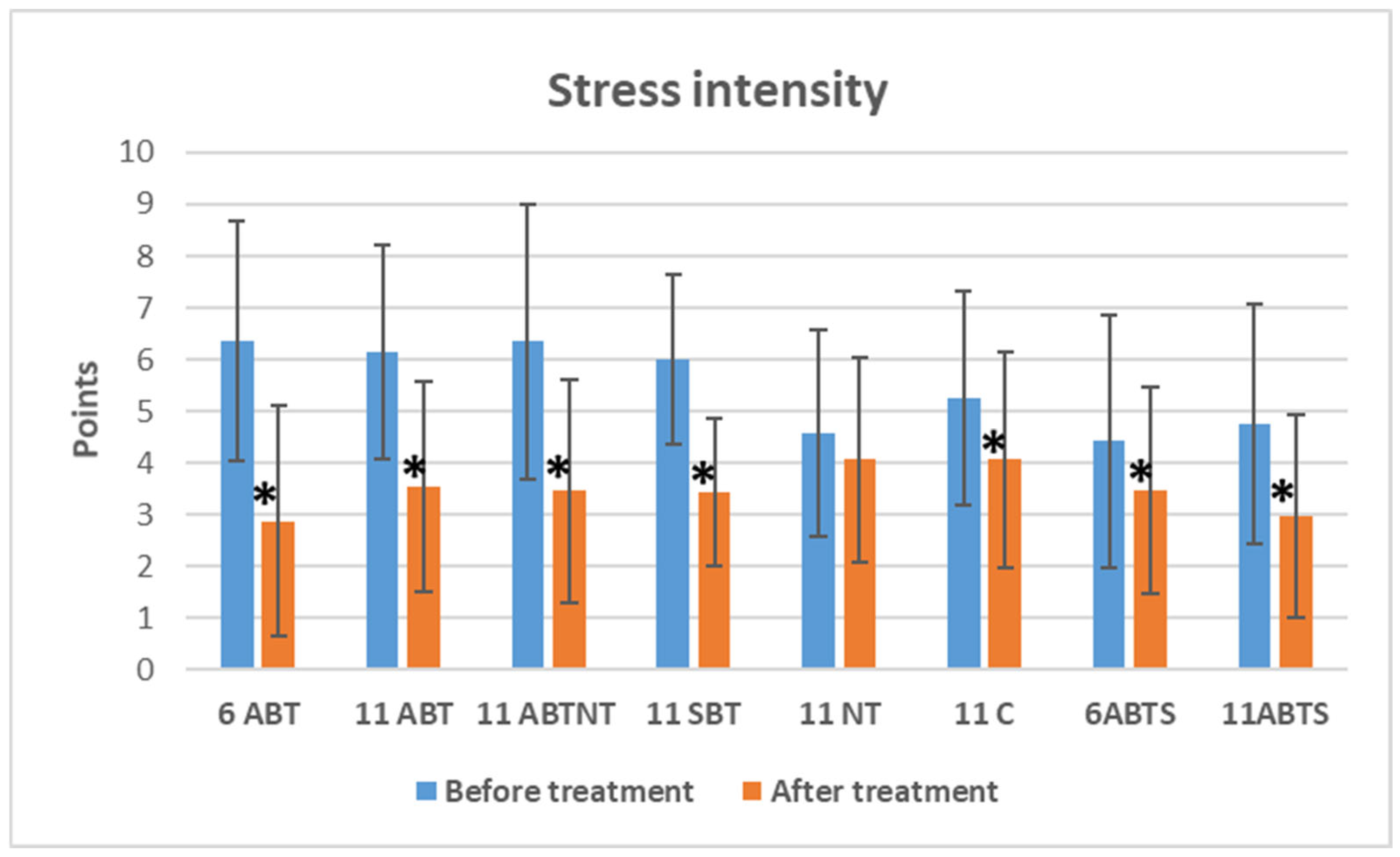
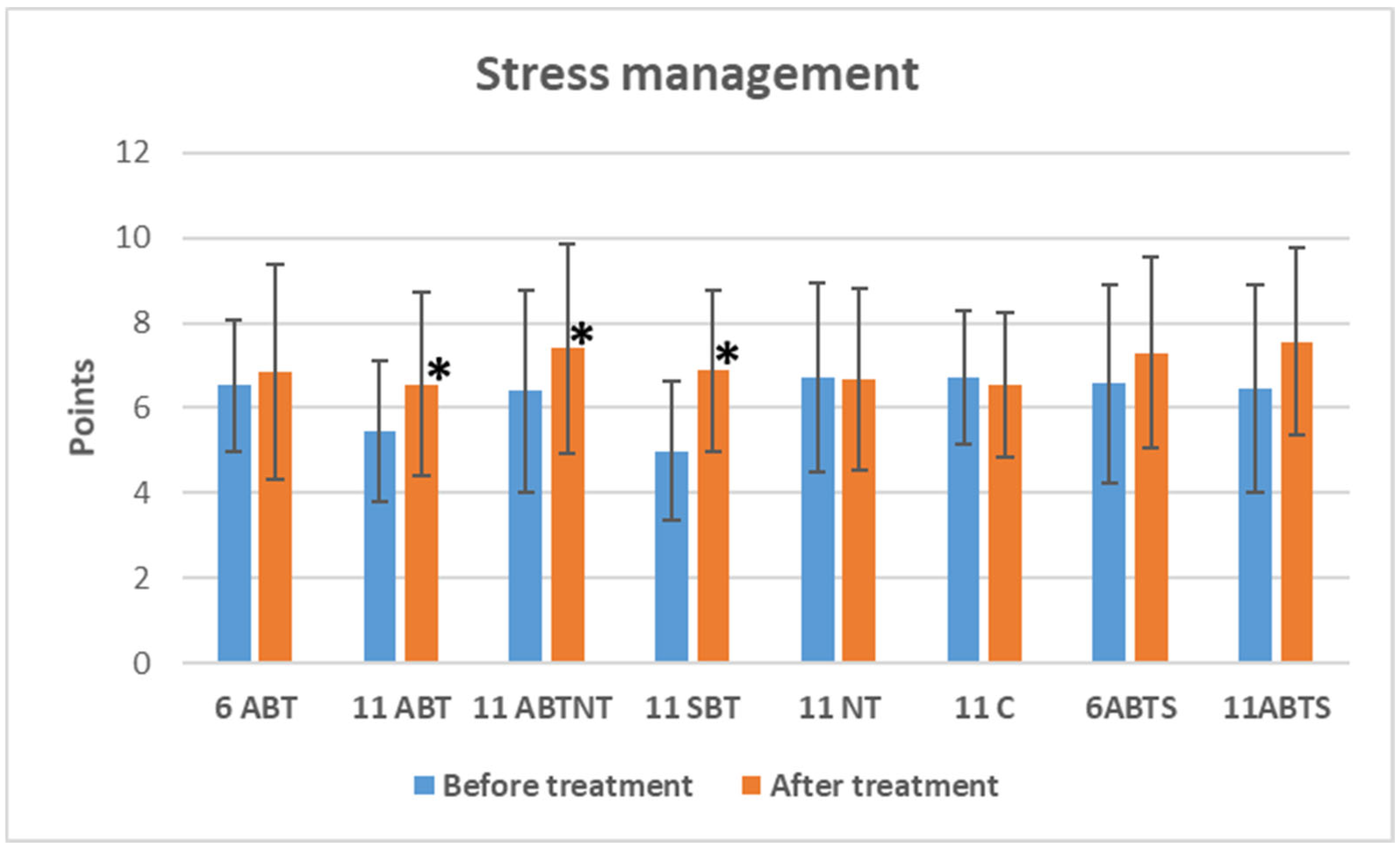
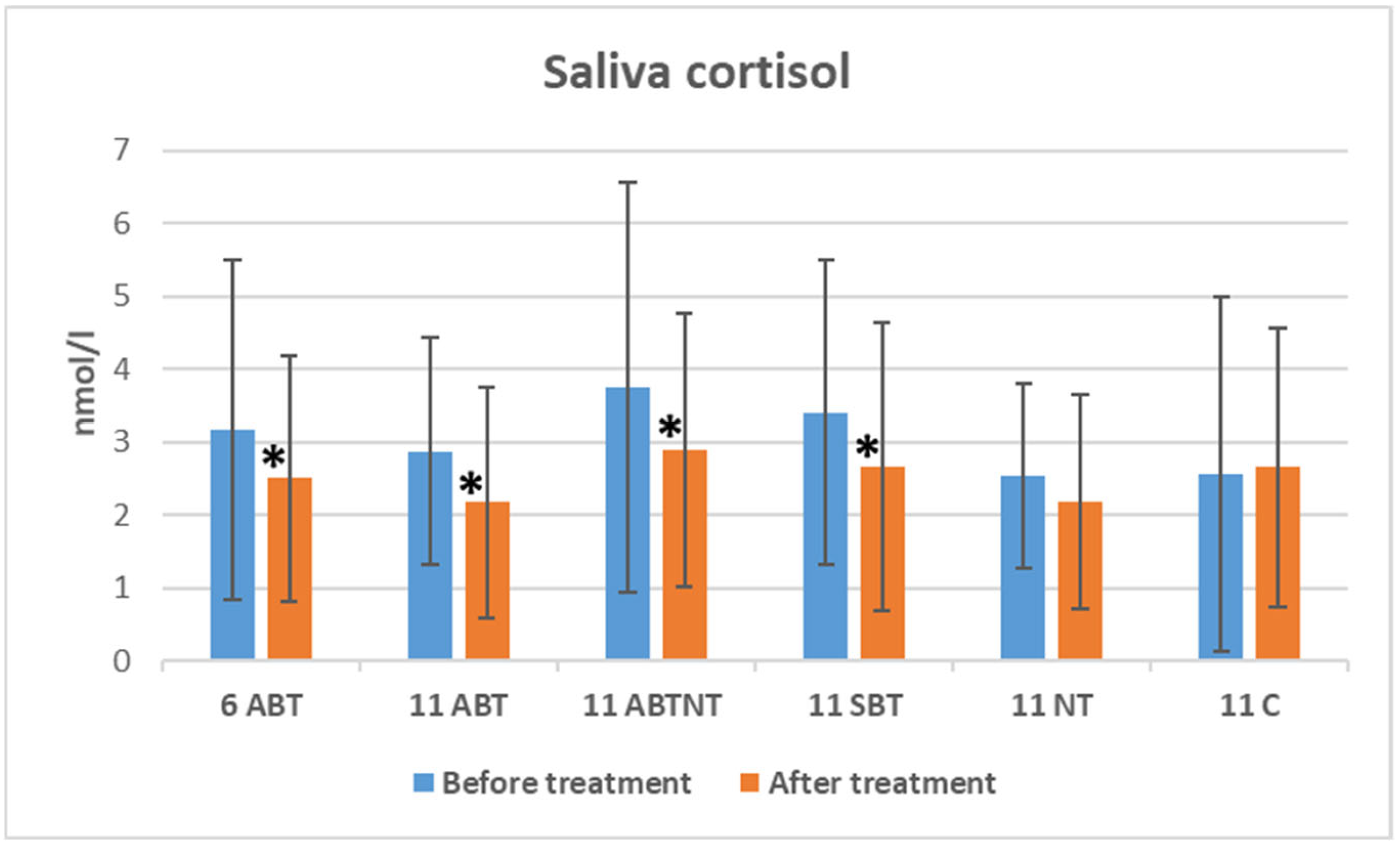
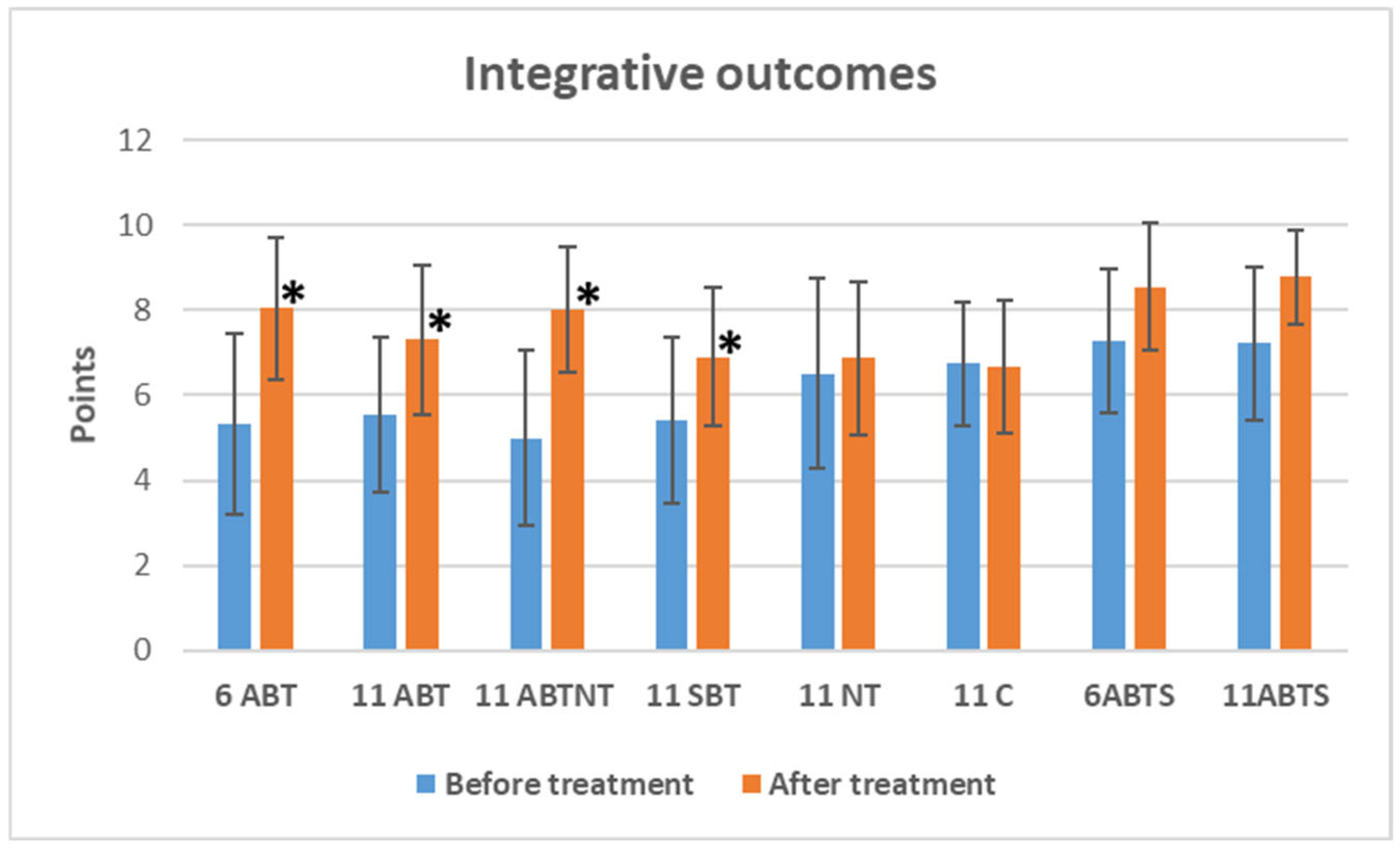
Background: In our modern era, stress has become a pervasive challenge, affecting individuals across all ages and backgrounds. Acute or chronic stress and elevated cortisol levels are known to impair neurological function and hinder rehabilitation outcomes. Therefore, effective treatment methods that reduce stress, enhance mental health, and promote overall well-being are urgently needed. The aim of this study was to evaluate the seasonal impact of balneotherapy on distress, as measured by the General Symptoms Distress Scale (GSDS), and well-being, as assessed using the Arizona Integrative Outcomes Scale (AIOS), and the effect of winter balneotherapy on salivary cortisol levels. Methods: In 2023, a multicenter, single-blind, parallel-group, randomized controlled trial was carried out across six medical spa centers in Lithuania. Participants with a stress intensity greater than 3 points on the Visual Analogue Scale (VAS) underwent combined natural resource-based therapies over a 1- to 2-week treatment period. Outcomes were assessed using the General Symptom Distress and Arizona Integrative Outcomes scales, along with salivary cortisol measurements after winter intervention. Results: The results demonstrated a significant reduction in distress intensity by 1–3.5 points (VAS), with winter interventions showing greater efficacy compared to summer. Participants also experienced an increase in well-being by up to 3 points (VAS), improved stress management by up to 1.9 points (VAS), and a reduction in salivary cortisol levels by 0.9 units following winter-based treatments. Some gender differences emerged in specific groups. Conclusions: Our study provides robust evidence for the stress-reducing effects of balneotherapy, particularly highlighting the enhanced efficacy of winter interventions. These findings are especially relevant for neurological rehabilitation, where stress reduction and improved autonomic regulation can support neuroplasticity, recovery processes, and overall quality of life. This research offers valuable insights for developing holistic, seasonally optimized strategies to aid stress management and promote neurological health.
Keywords: balneotherapy; cortisol; distress; mineral water; peloids; salt therapy; well-being balneotherapy; cortisol; distress; mineral water; peloids; salt therapy; well-being