Article

Effect of Immersive Virtual Reality-Based Bilateral Arm Training in Patients with Chronic Stroke
1
Department of Physical Therapy, Seoyeong University, Gwangju 61268, Korea
2
Department of Physical Therapy, Honam University, Gwangju 62399, Korea
*
Author to whom correspondence should be addressed.
Brain Sci. 2021, 11(8), 1032; https://doi.org/10.3390/brainsci11081032

Submission received: 15 June 2021 / Revised: 29 July 2021 / Accepted: 29 July 2021 / Published: 3 August 2021
(This article belongs to the Special Issue Innovations in Neurorehabilitation and Neuroplasticity)

Abstract

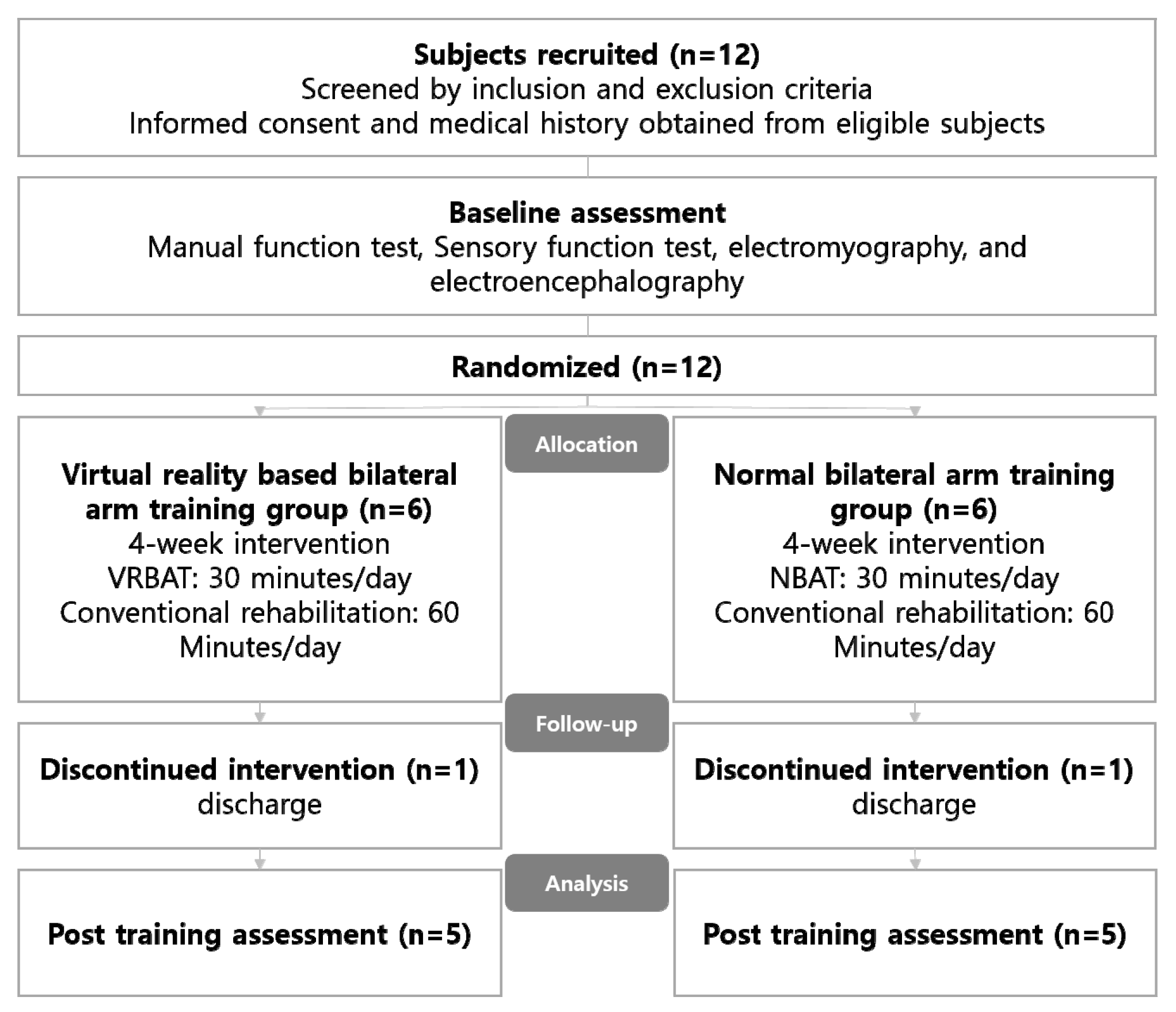
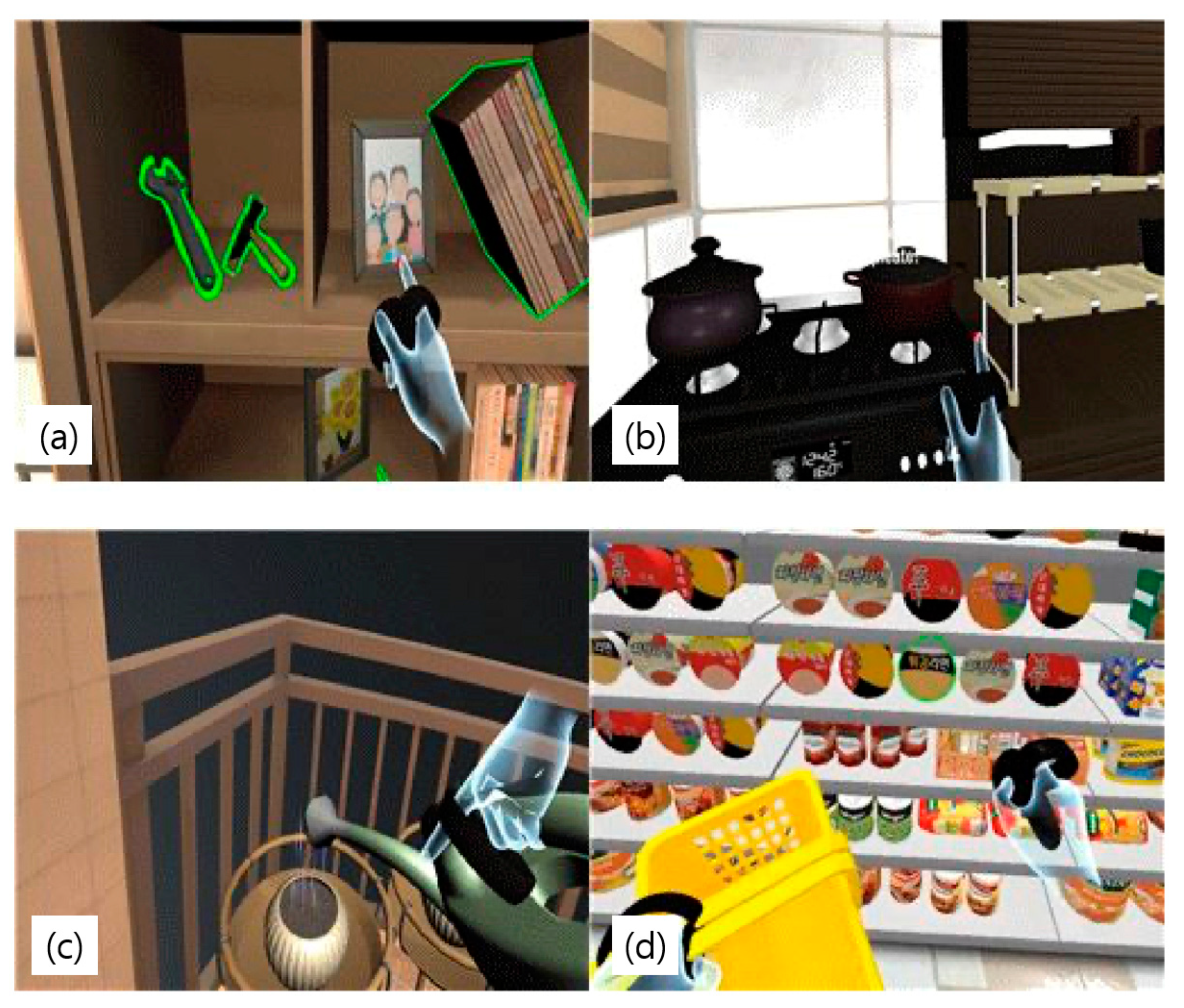
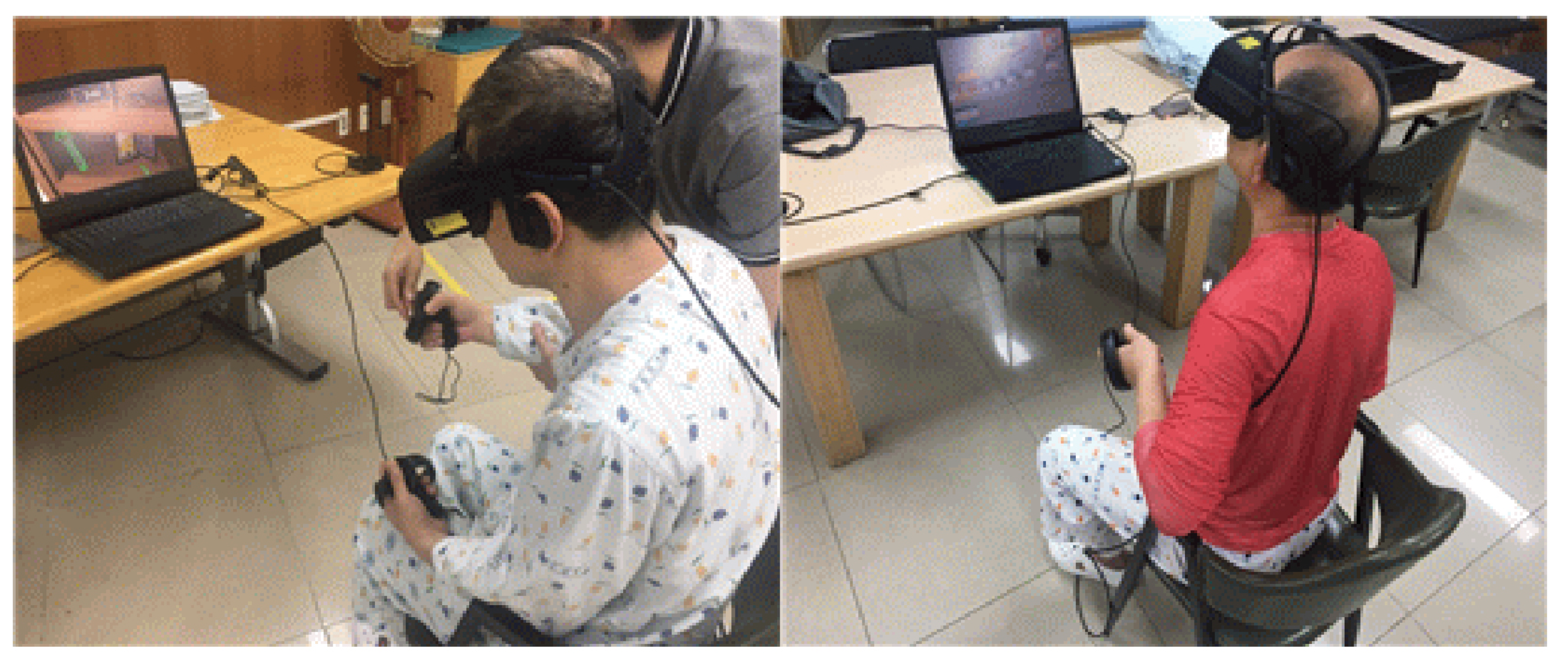
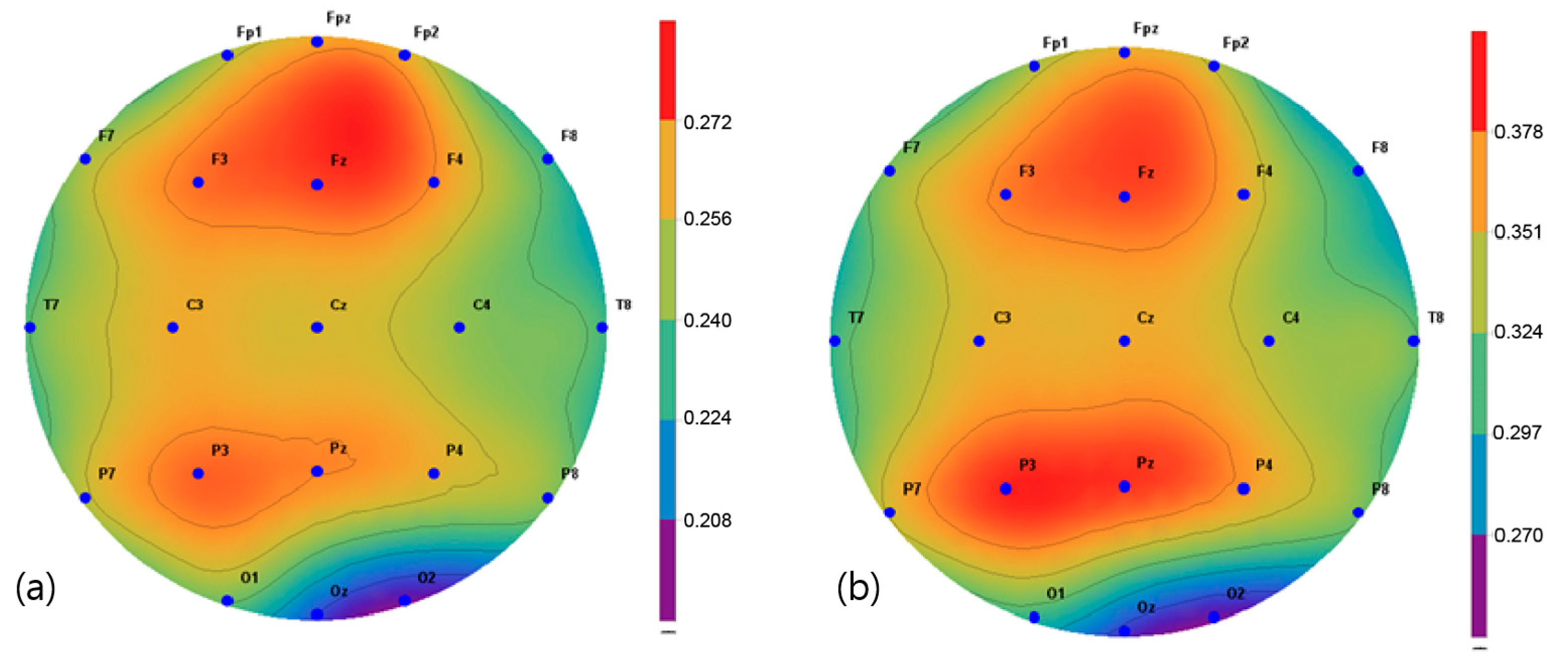
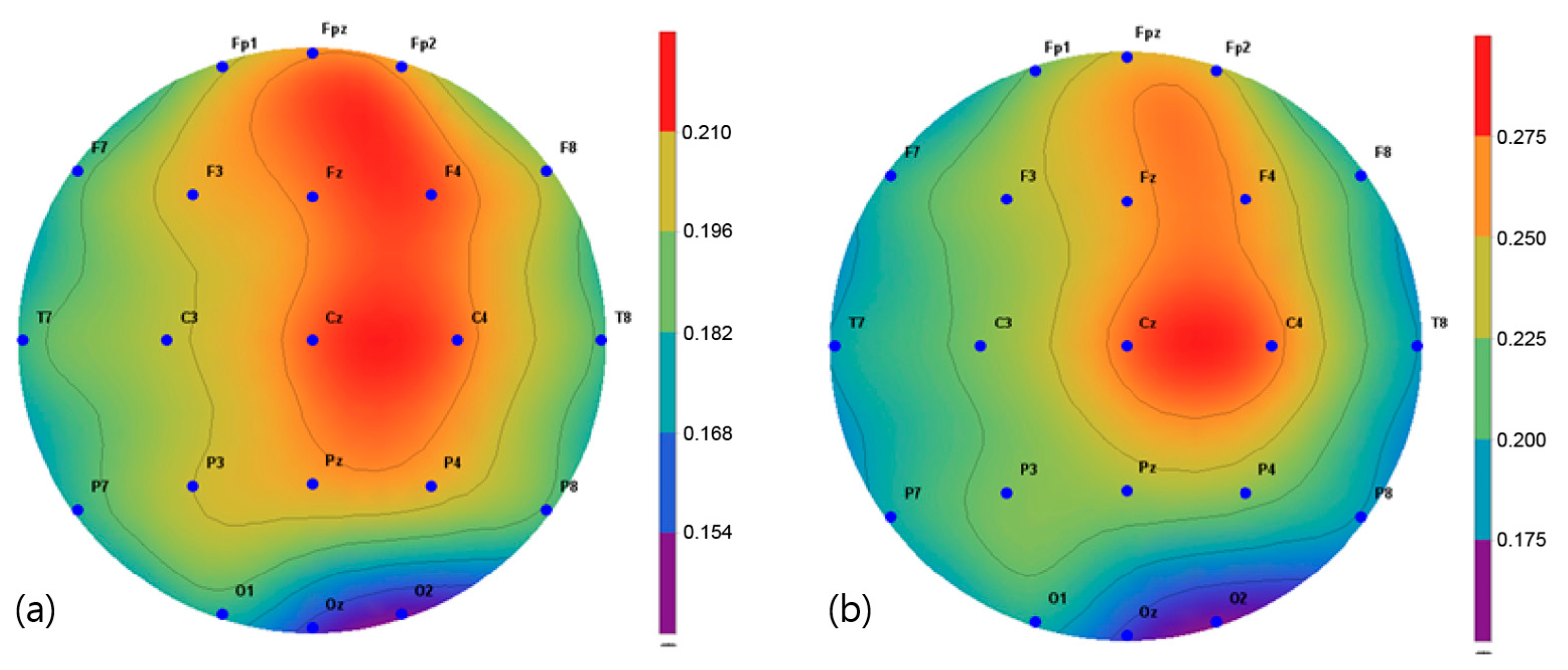
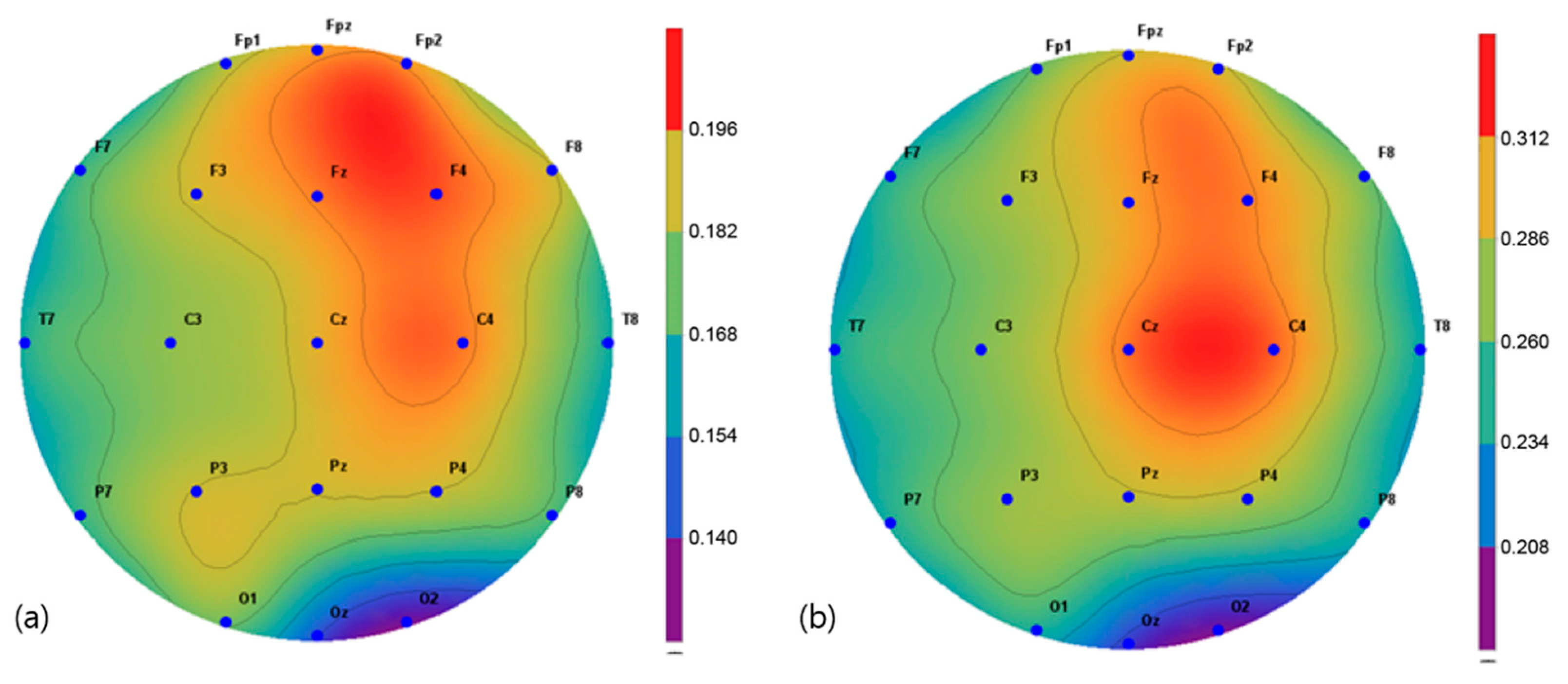
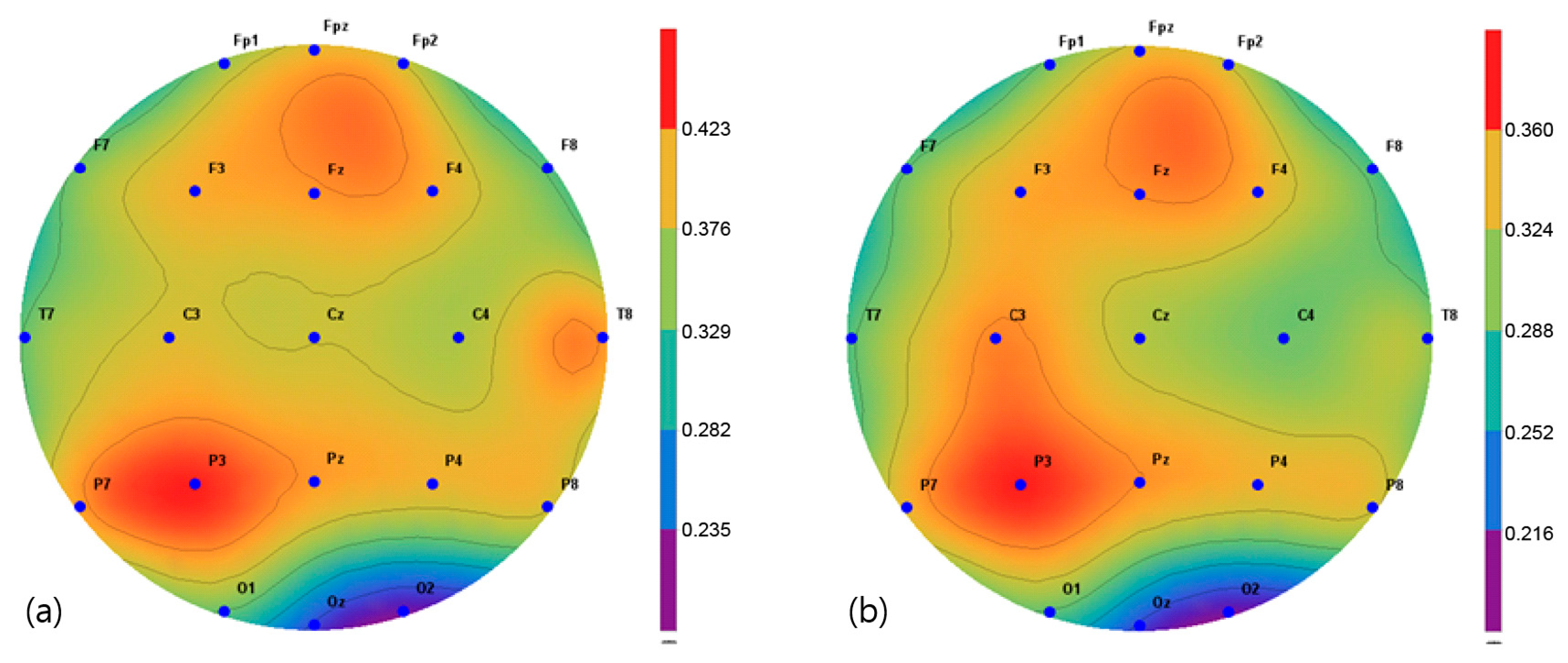
Virtual reality (VR)-based therapies are widely used in stroke rehabilitation. Although various studies have used VR techniques for bilateral upper limb training, most have been only semi-immersive and have only been performed in an artificial environment. This study developed VR content and protocols based on activities of daily living to provide immersive VR-based bilateral arm training (VRBAT) for upper limb rehabilitation in stroke patients. Twelve patients with chronic stroke were randomized to a VRBAT group or a normal bilateral arm training (NBAT) group and attended 30-min training sessions five times a week for four weeks. At the end of the training, there was a significant difference in upper limb function in both groups (p < 0.05) and in the upper limb function sensory test for proprioception in the NBAT group (p < 0.05). There was no significant between-group difference in upper limb muscle activity after training. The relative alpha and beta power values for electroencephalographic measurements were significantly improved in both groups. These findings indicate that both VRBAT and NBAT are effective interventions for improving upper limb function and electroencephalographic activity in patients with chronic stroke.
Keywords: bilateral arm training; chronic stroke; immersive virtual reality; manual function test; upper limb sensory function test bilateral arm training; chronic stroke; immersive virtual reality; manual function test; upper limb sensory function test