Article

Experimental Study on the Damping Effect of Multi-Unit Particle Dampers Applied to Bracket Structure

1
School of Energy and Power Engineering, Beihang University, Beijing 100191, China
2
Collaborative-Innovation Center for Advanced Aero-Engine, Beijing 100191, China
3
Center for Assessment and Demonstration Research, Academy of Military Sciences, Beijing 100091, China
*
Author to whom correspondence should be addressed.
Appl. Sci. 2019, 9(14), 2912; https://doi.org/10.3390/app9142912
Submission received: 29 June 2019 / Revised: 12 July 2019 / Accepted: 18 July 2019 / Published: 20 July 2019

Abstract

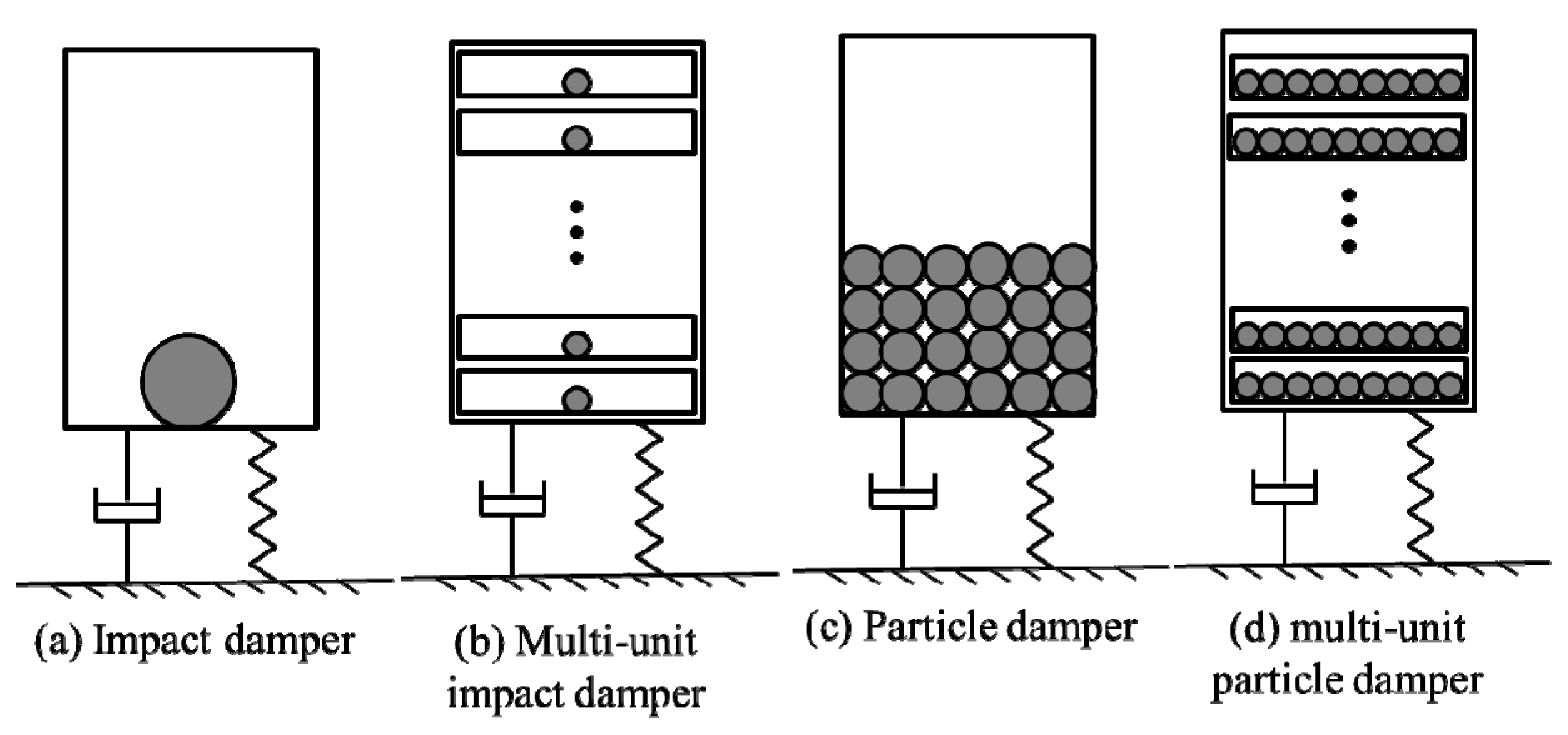
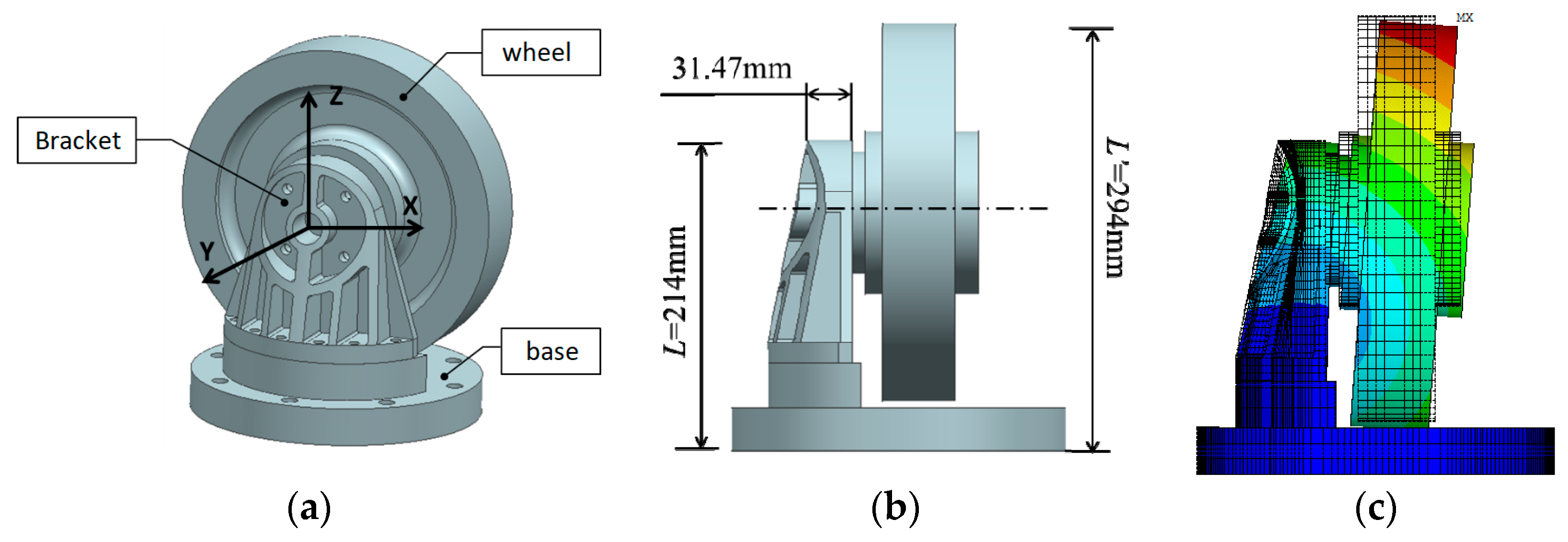
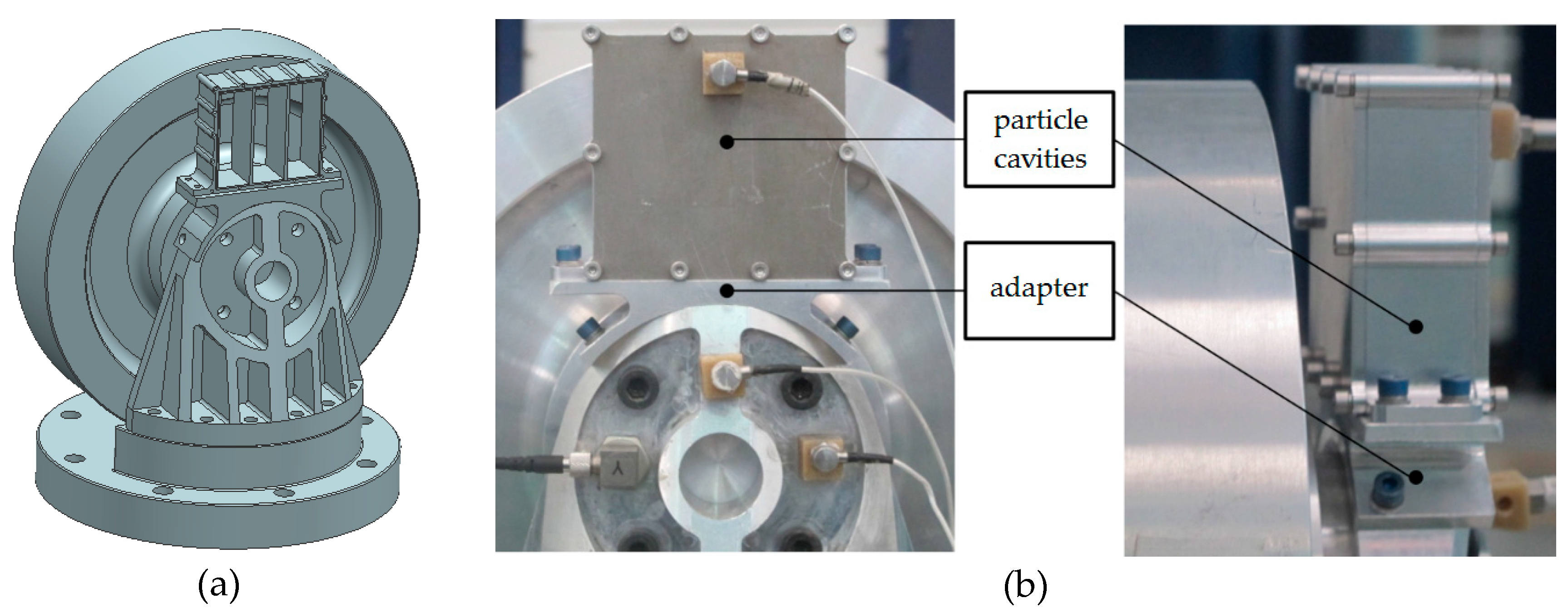
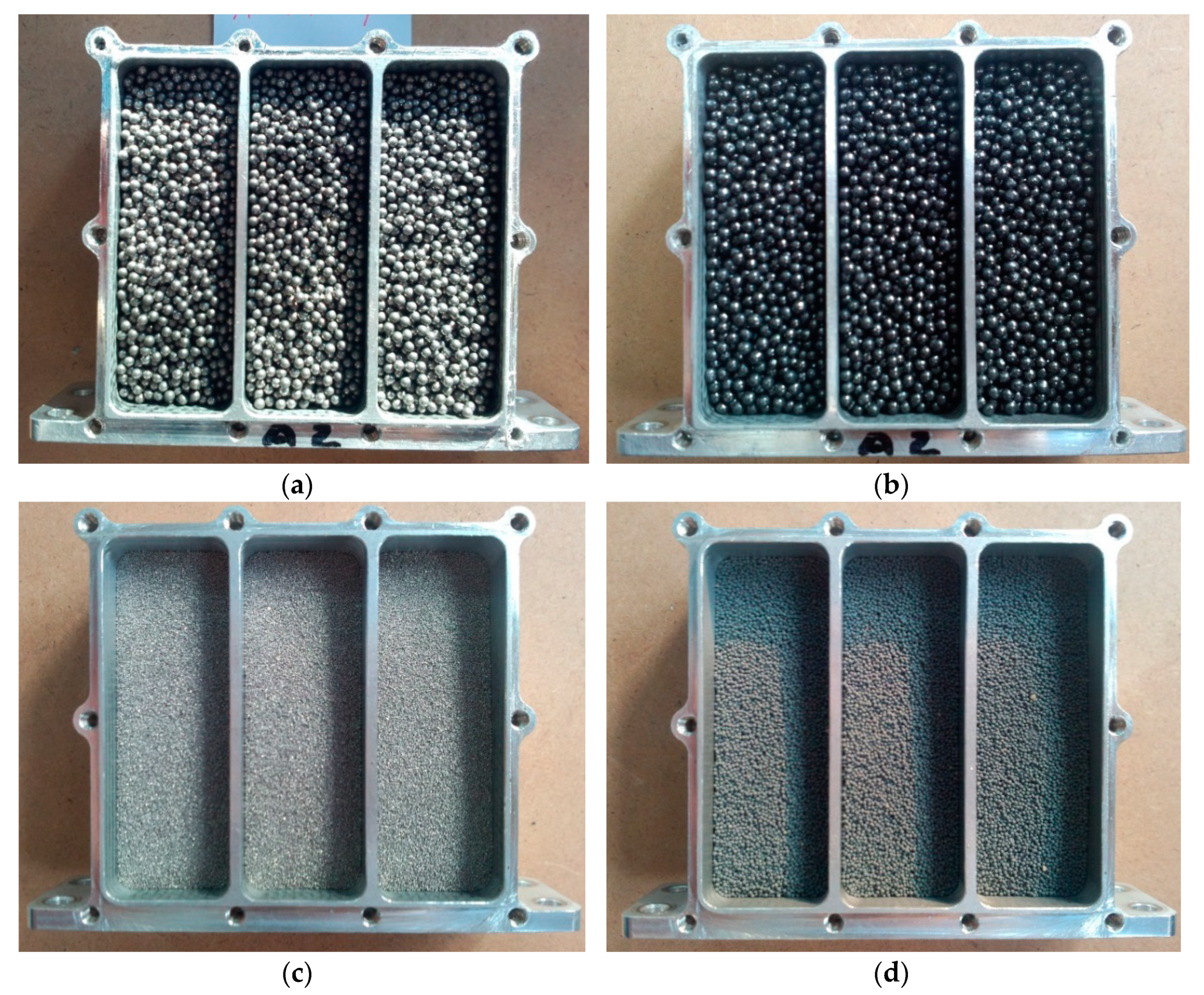
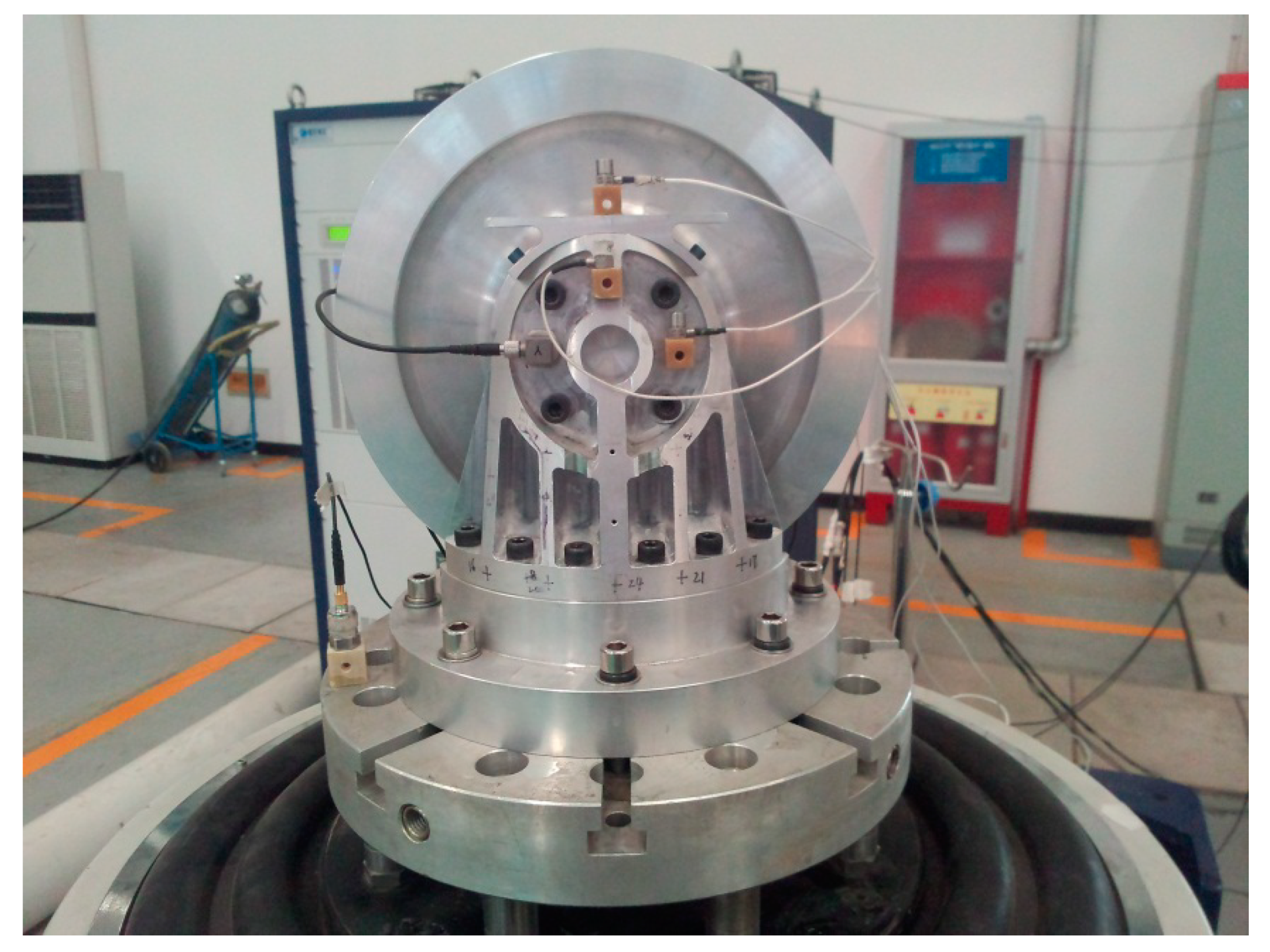
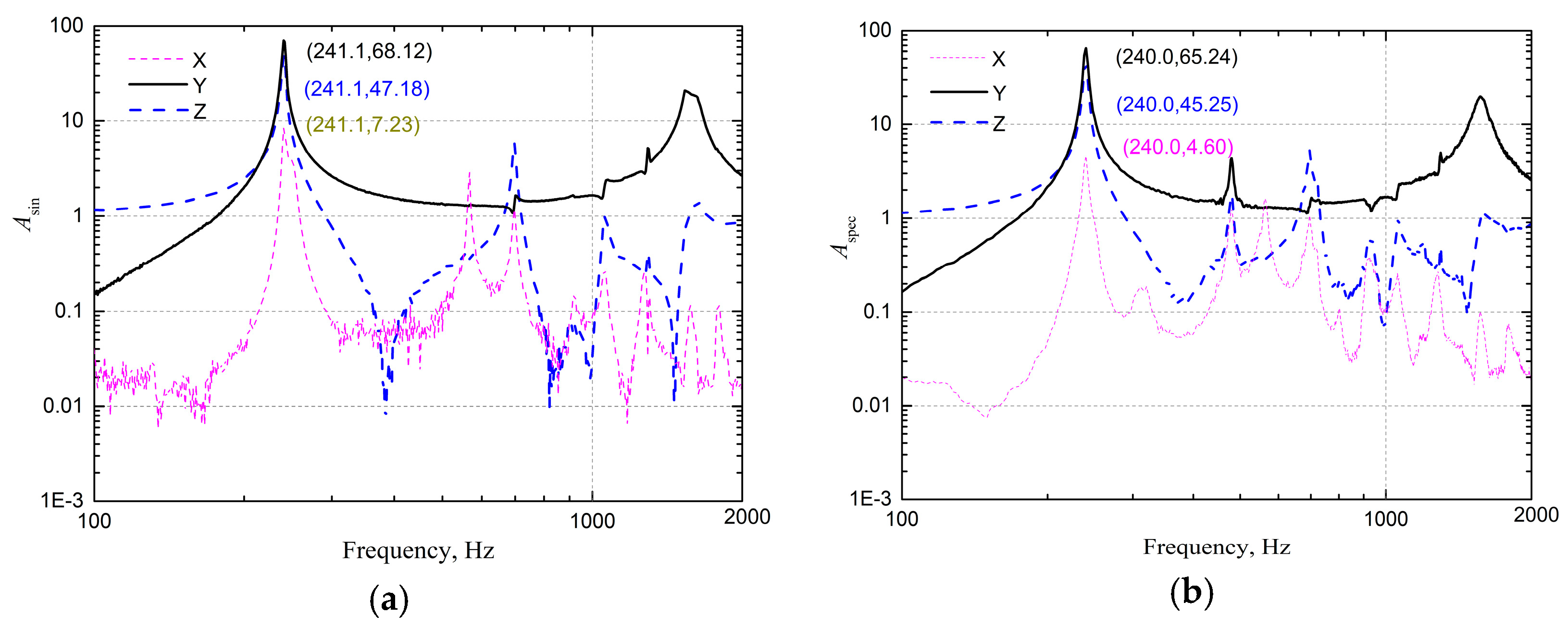
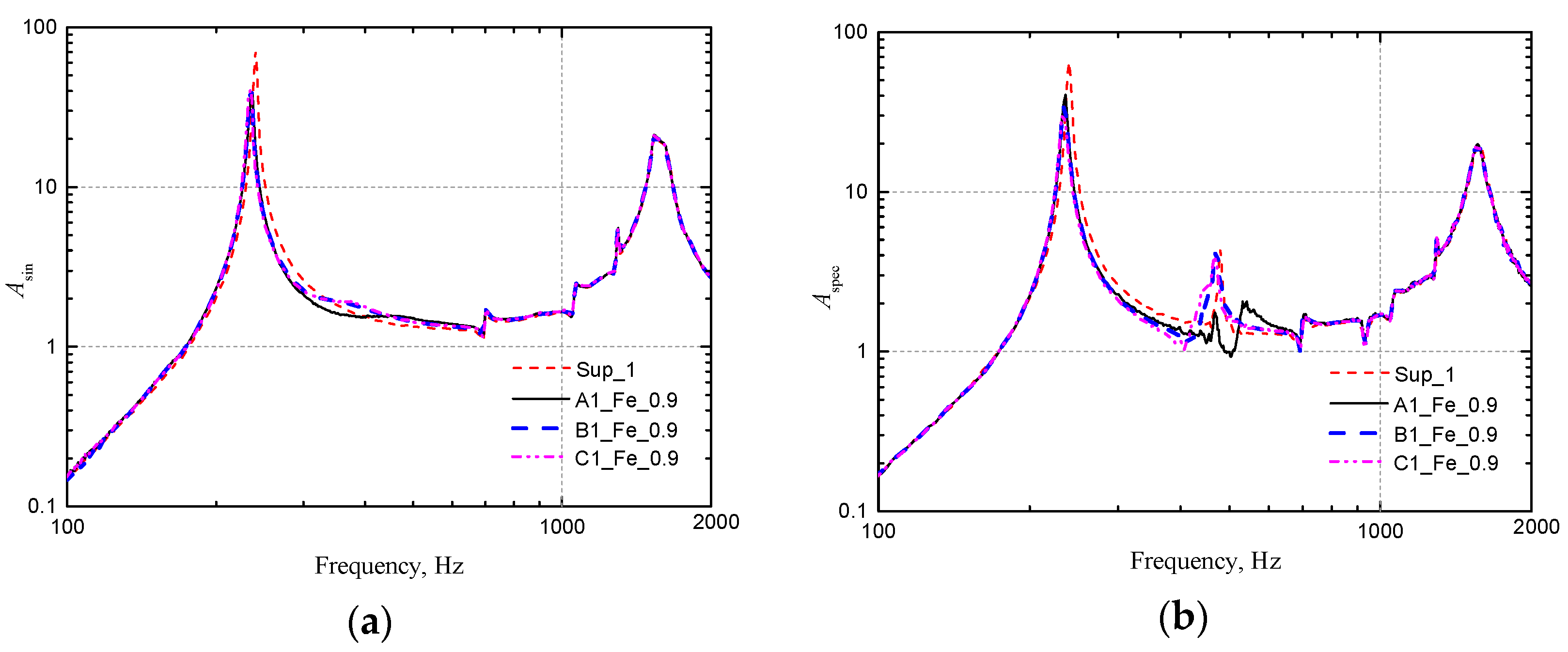
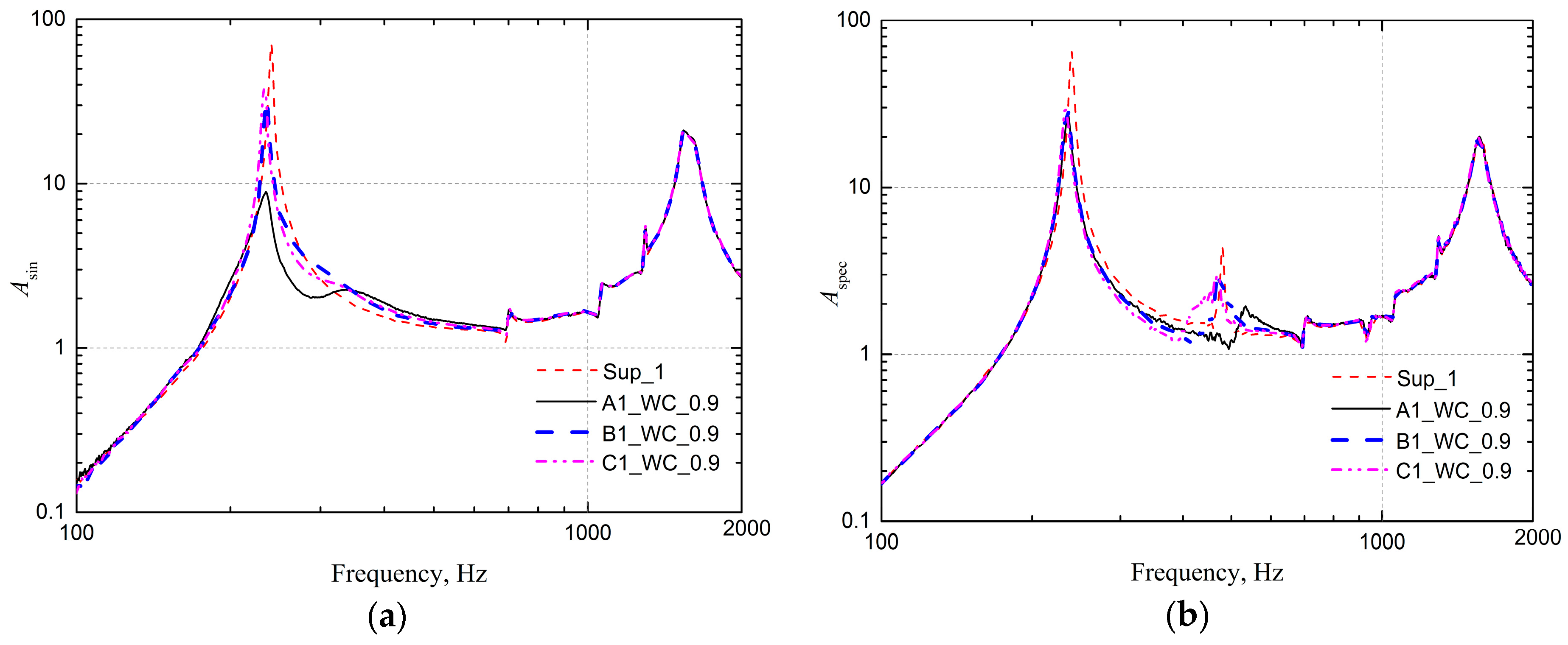
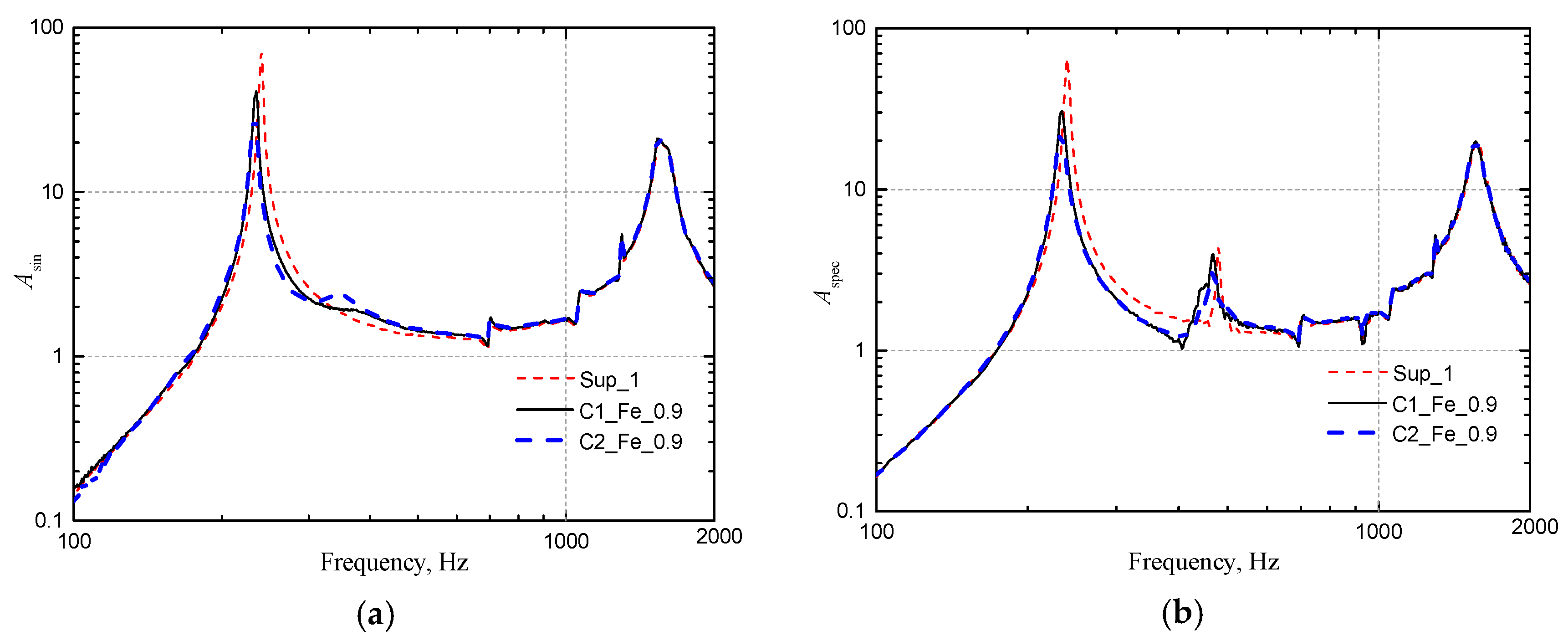
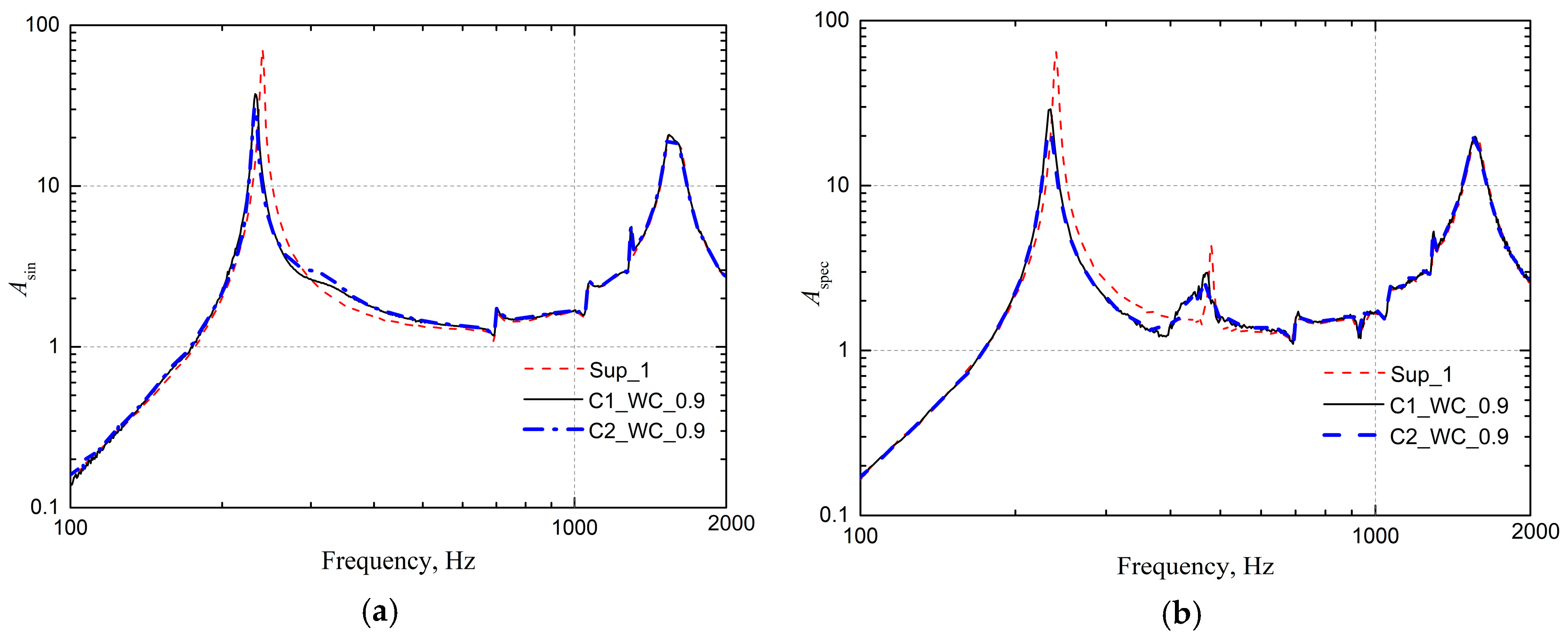
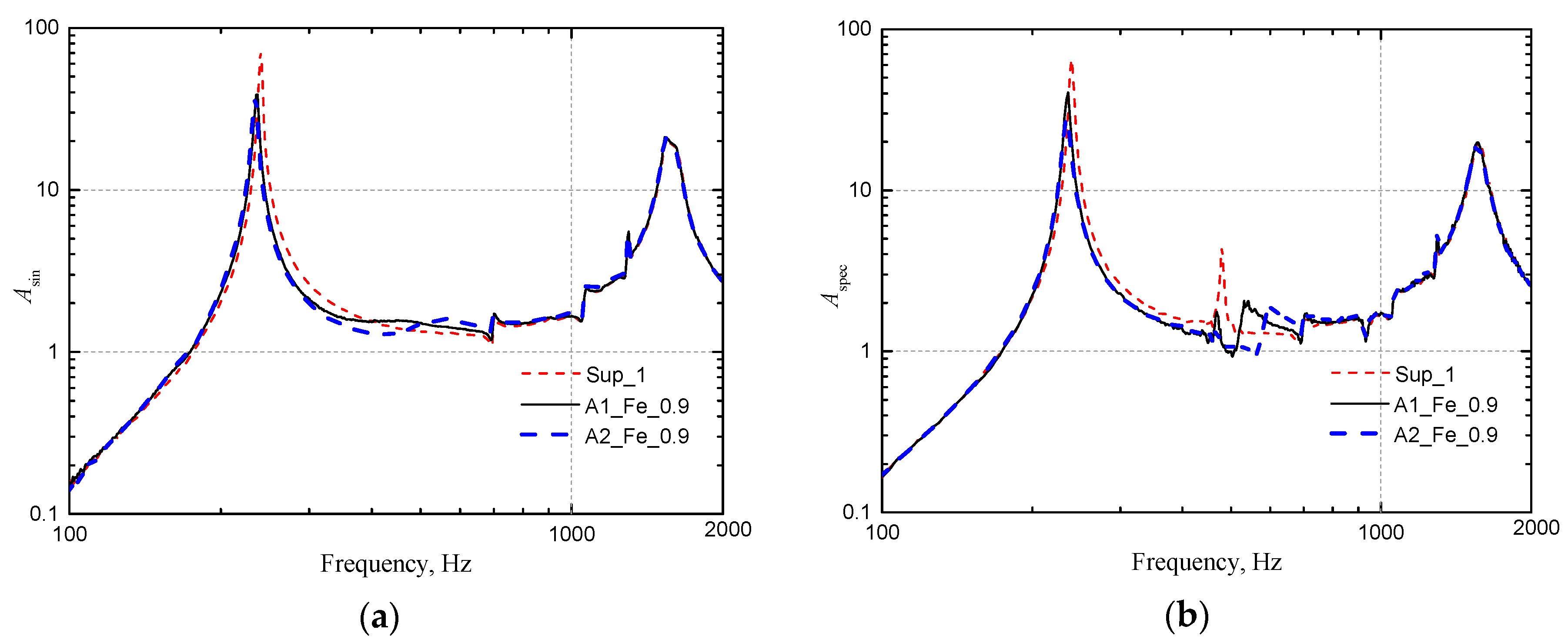
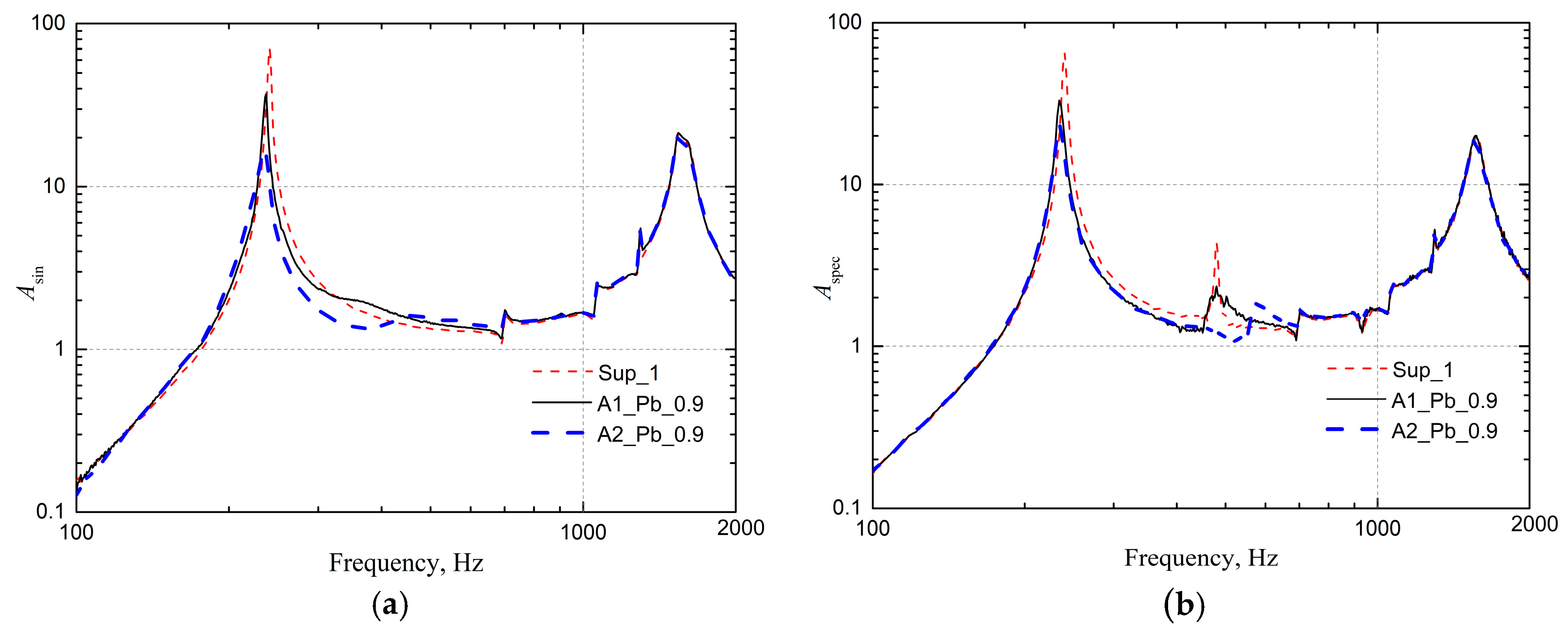
Particle damping (PD) is a passive mean of vibration control in which small metallic or ceramic particles are placed inside a cavity that attached to the primary structure at the place of high vibration amplitudes. The kinetic energy of the primary structure is dissipated by non-elastic impact and friction between particles and walls. This paper represents a series of experimental investigations of the effects of multi-unit particle dampers (MUPD) attached to a bracket structure under harmonic excitation and random excitation. As a platform to investigate the particle damping characteristics under extreme acceleration environments, the bracket structure was featured by an extremely high response on the top, and its maximum acceleration exceeds 50 times gravity acceleration when the bracket structure was subjected to resonance. This broad range of acceleration conditions was far beyond the scope concerned in most previous work. The experimental results show that for a small weight penalty (no more than 8.8%), multi-unit particle damper can reduce the resonance of the primary structure by more than 50%, whether under sinusoidal excitation or random excitation. And the response of the primary structure depends on the type of cavities and filled coefficient. Layering the cavity in the direction of the main vibration can improve the damping capacity of the multi-unit particle damper. And the damper with small particle size and large number of features is suitable for vibration reduction under high acceleration conditions.
Keywords: multi-unit particle dampers (MUPD); sinusoidal excitation; random excitation; bracket structure multi-unit particle dampers (MUPD); sinusoidal excitation; random excitation; bracket structure