Article

Analysis of Internal Gas Leaks in an MCFC System Package for an LNG-Fueled Ship


1
Future Technology Research Team, Korean Register (KR), Busan 46762, Korea
2
Department of Chemical and Biomolecular Engineering, Yonsei University 134 Shinchon-Dong, Seodaemun-gu, Seoul 120-749, Korea
3
Department of Mechanical and Information Engineering, University of Seoul, Seoulsiripdaero 163, Dongdaemun-gu, Seoul 02504, Korea
4
HMC, Department of Nanotechnology and Advanced Materials Engineering, Sejong University, Seoul 143-747, Korea
*
Author to whom correspondence should be addressed.
Appl. Sci. 2019, 9(11), 2330; https://doi.org/10.3390/app9112330
Submission received: 19 April 2019 / Revised: 30 May 2019 / Accepted: 3 June 2019 / Published: 6 June 2019
(This article belongs to the Special Issue Cutting-Edge Technologies for Renewable Energy Production and Storage)

Abstract

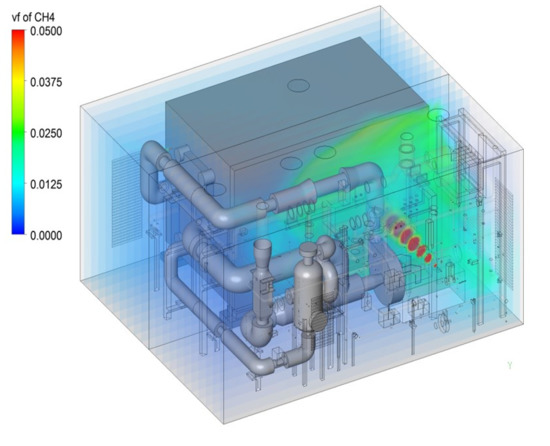
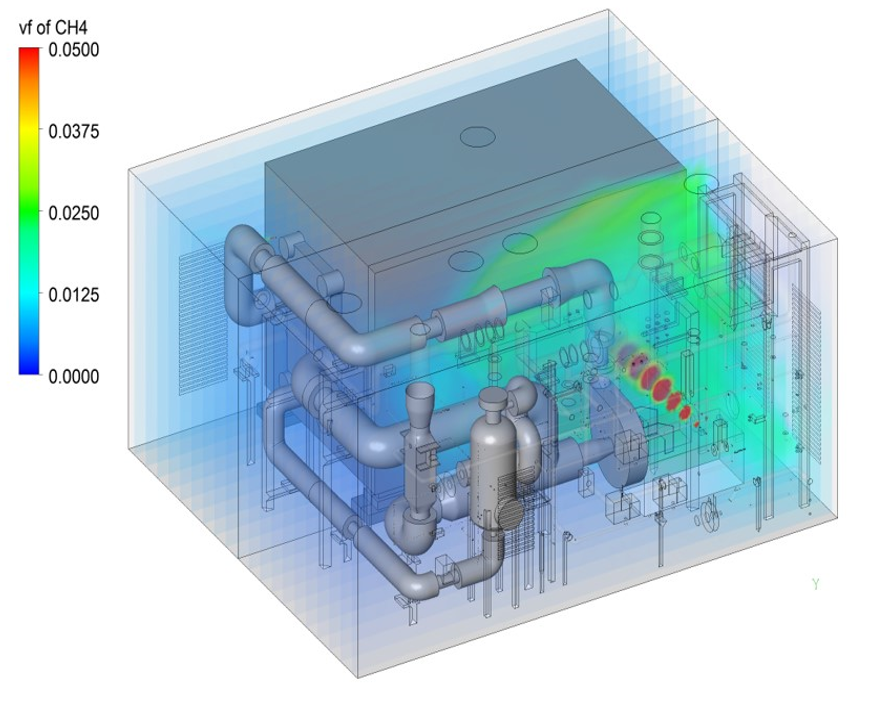
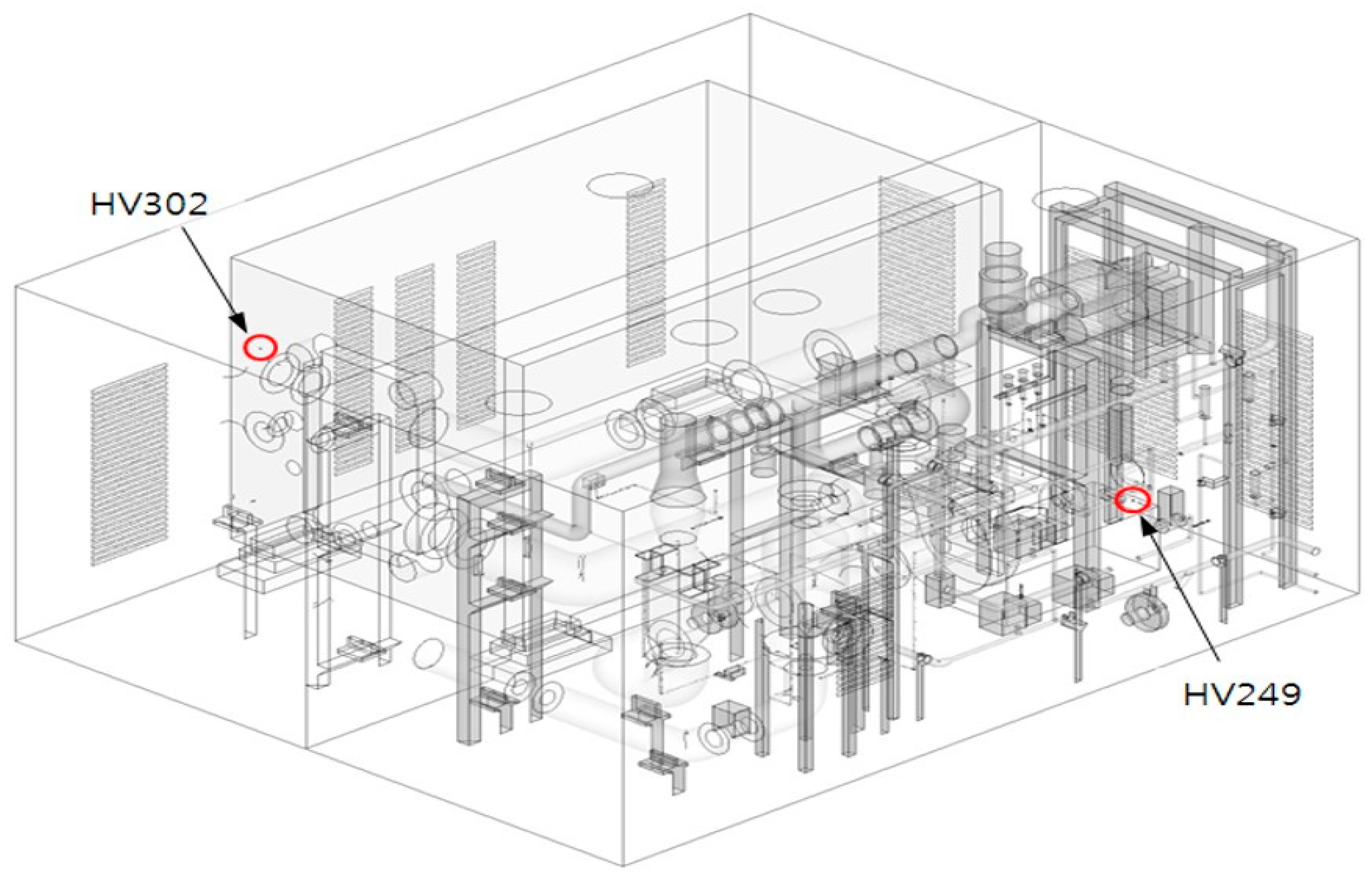
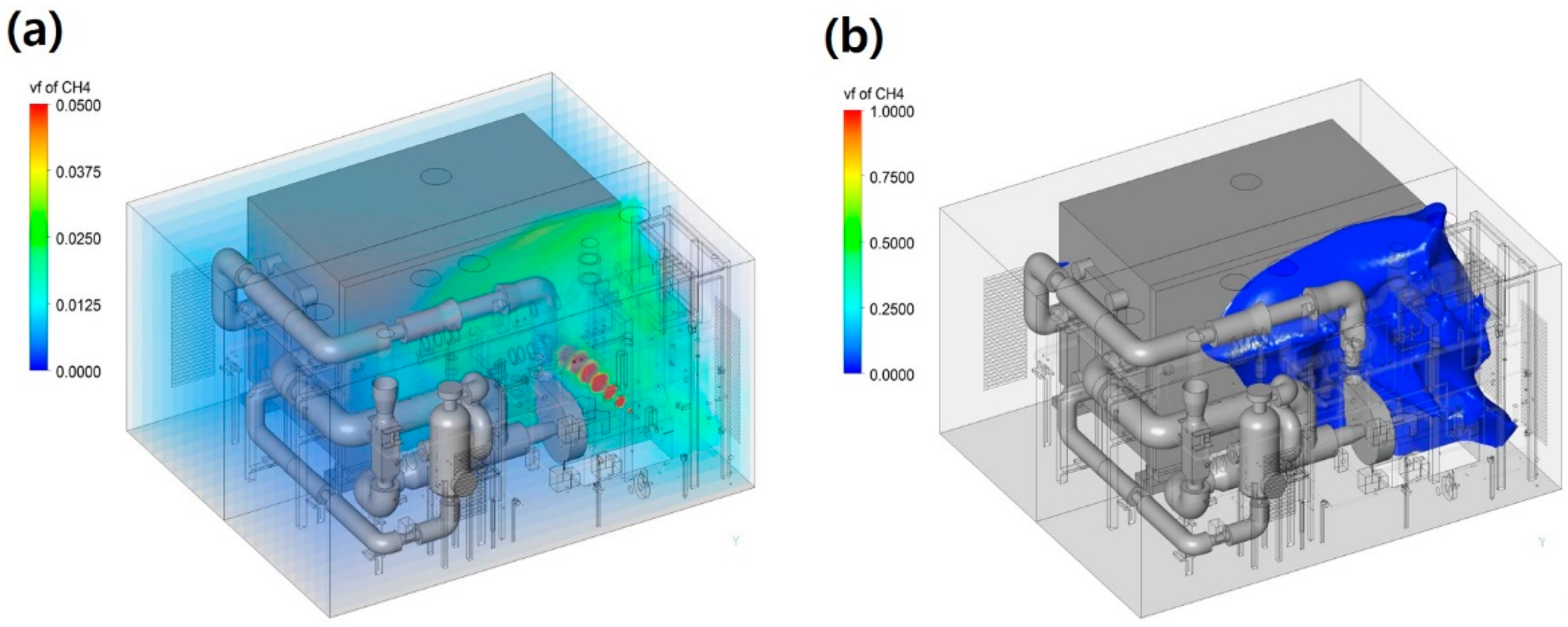
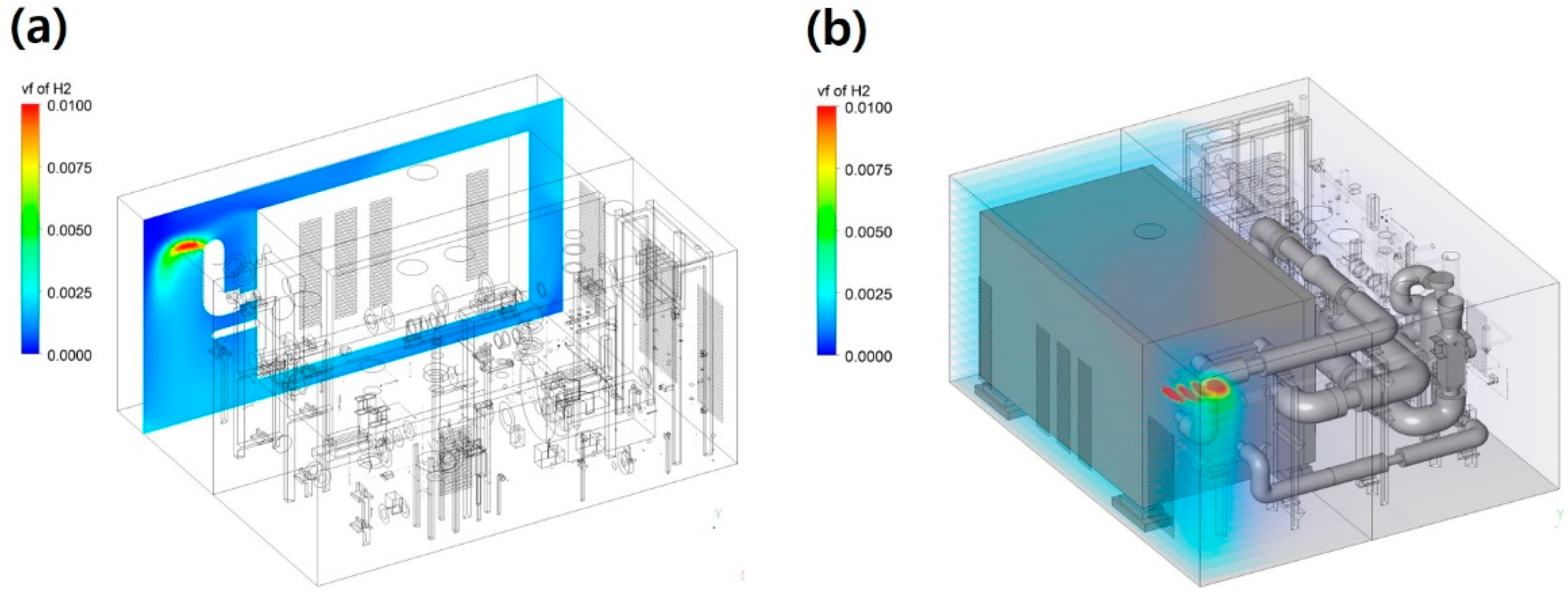
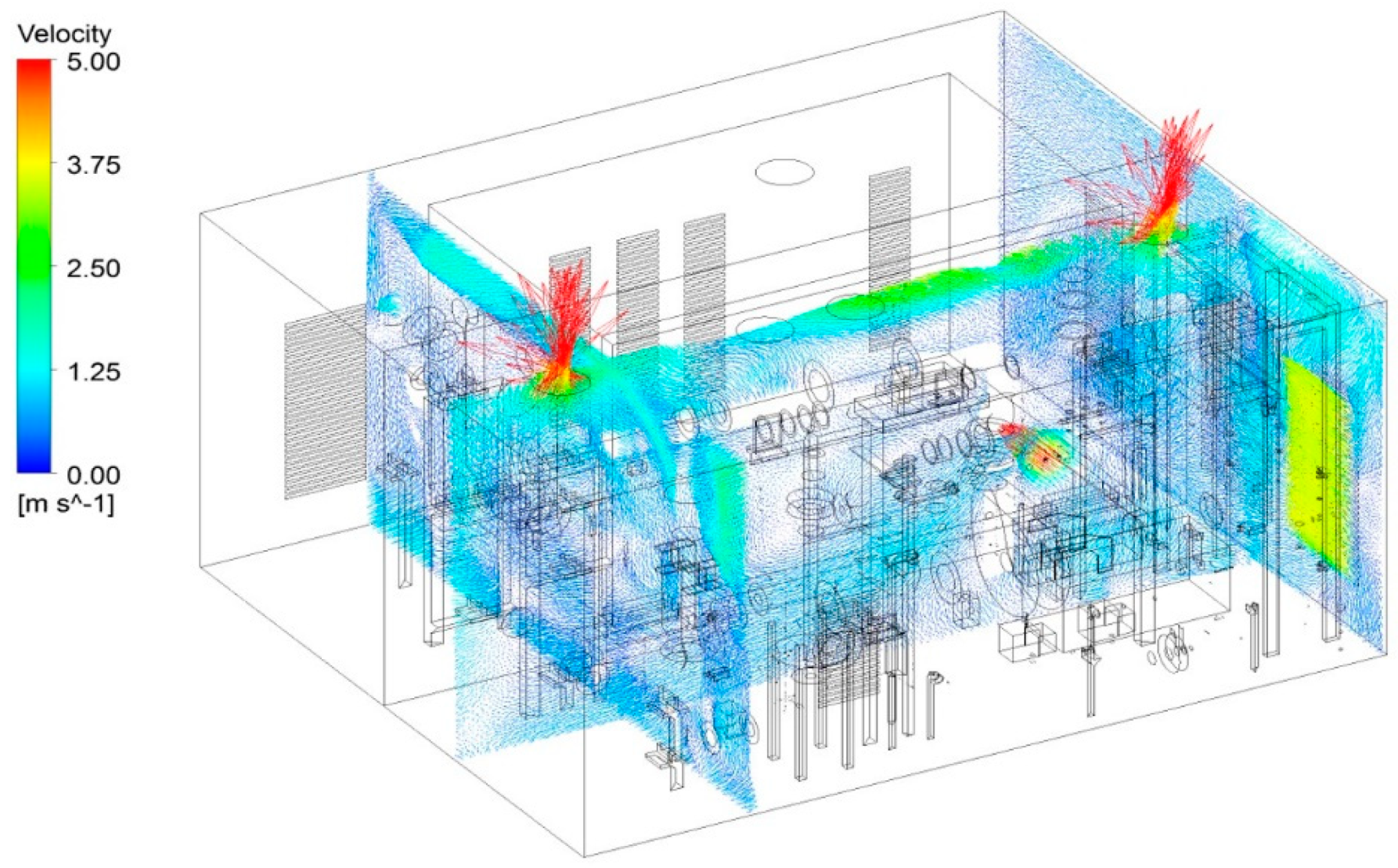
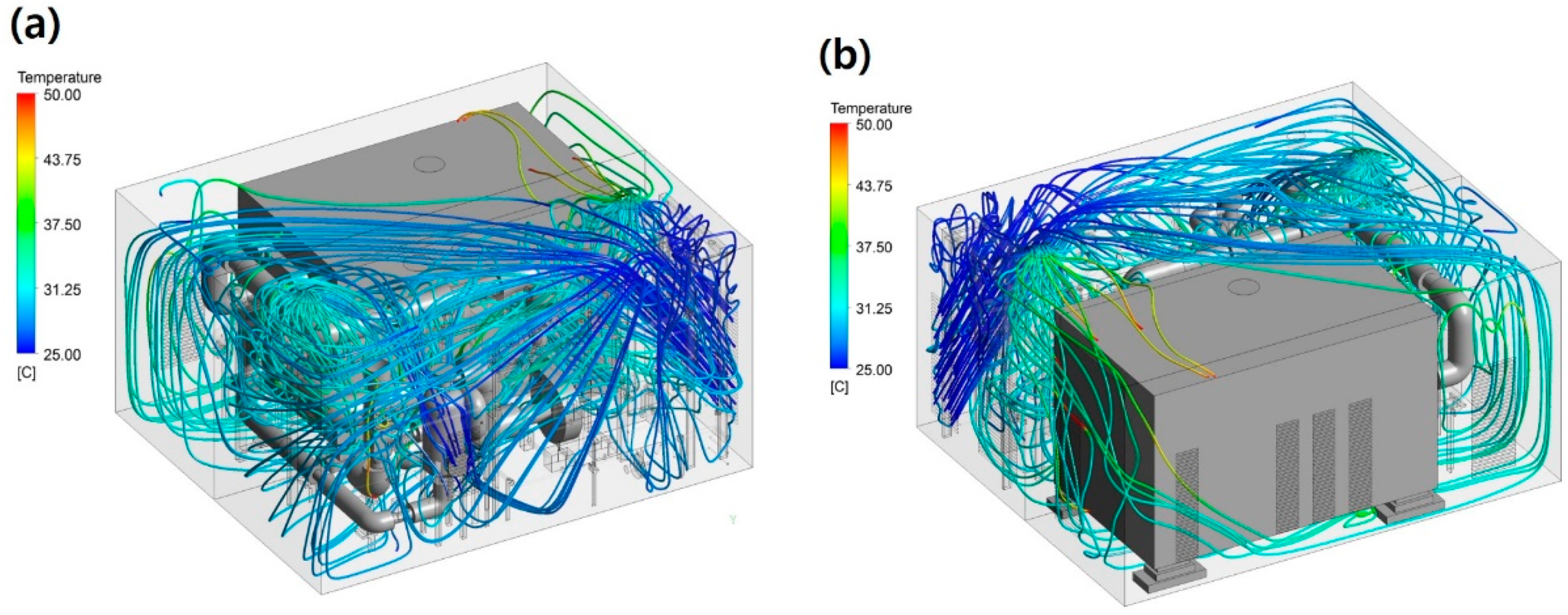
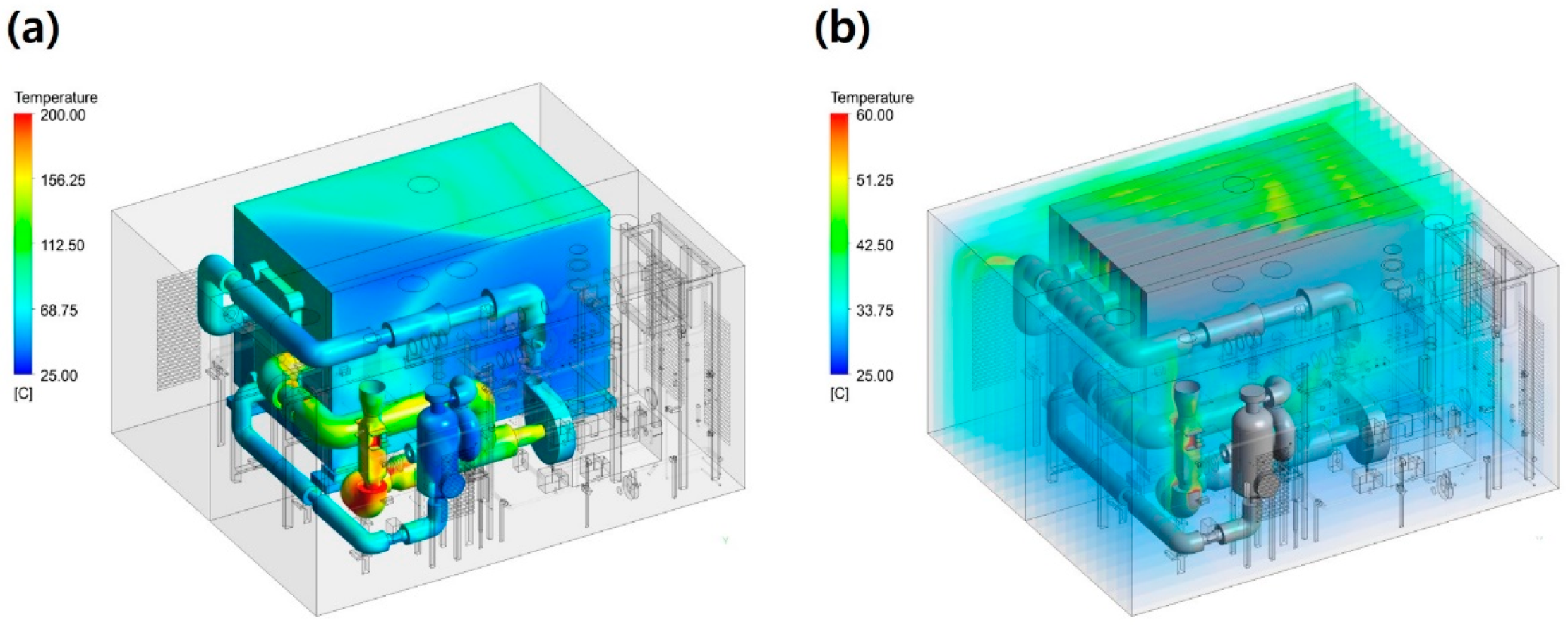
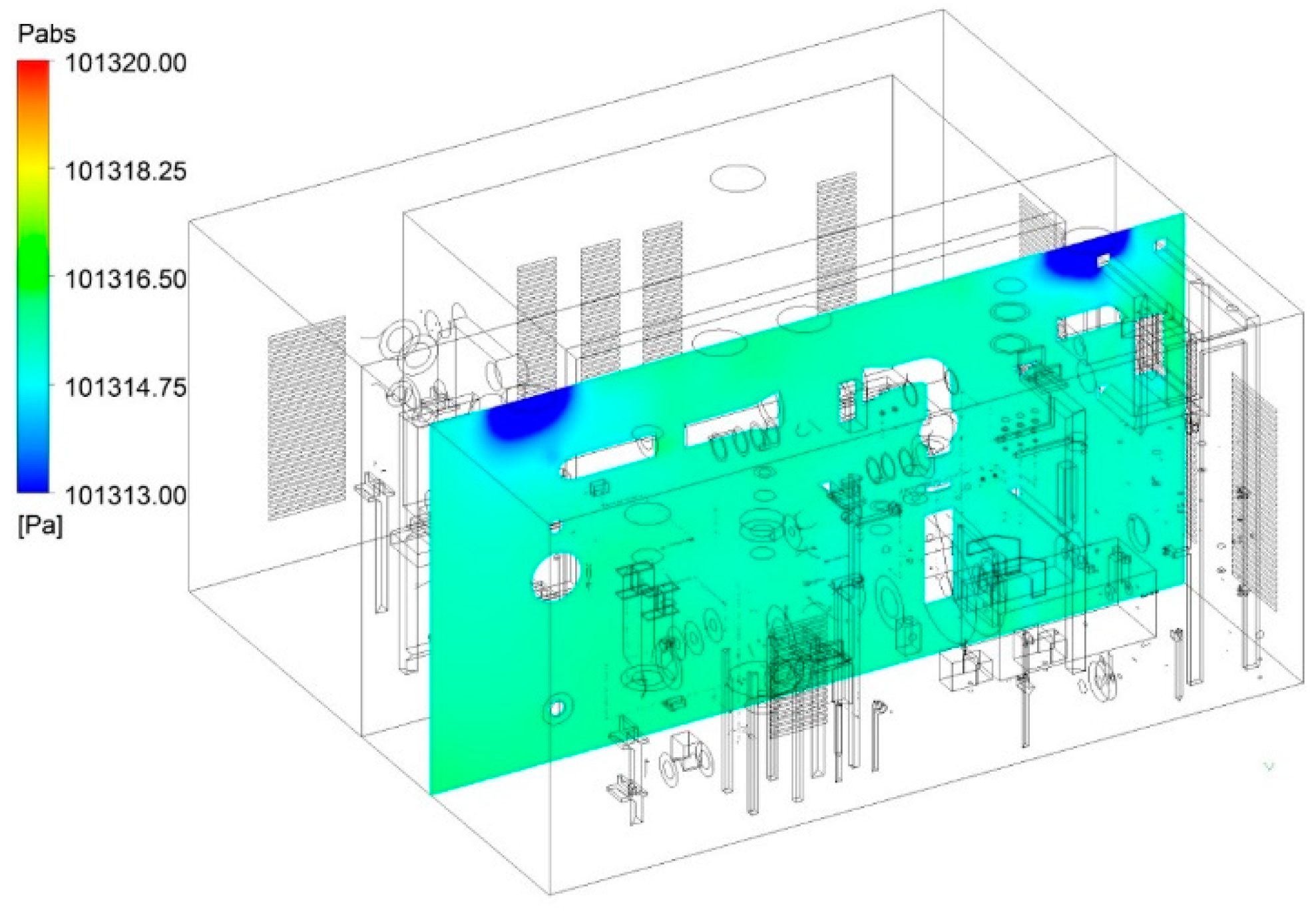
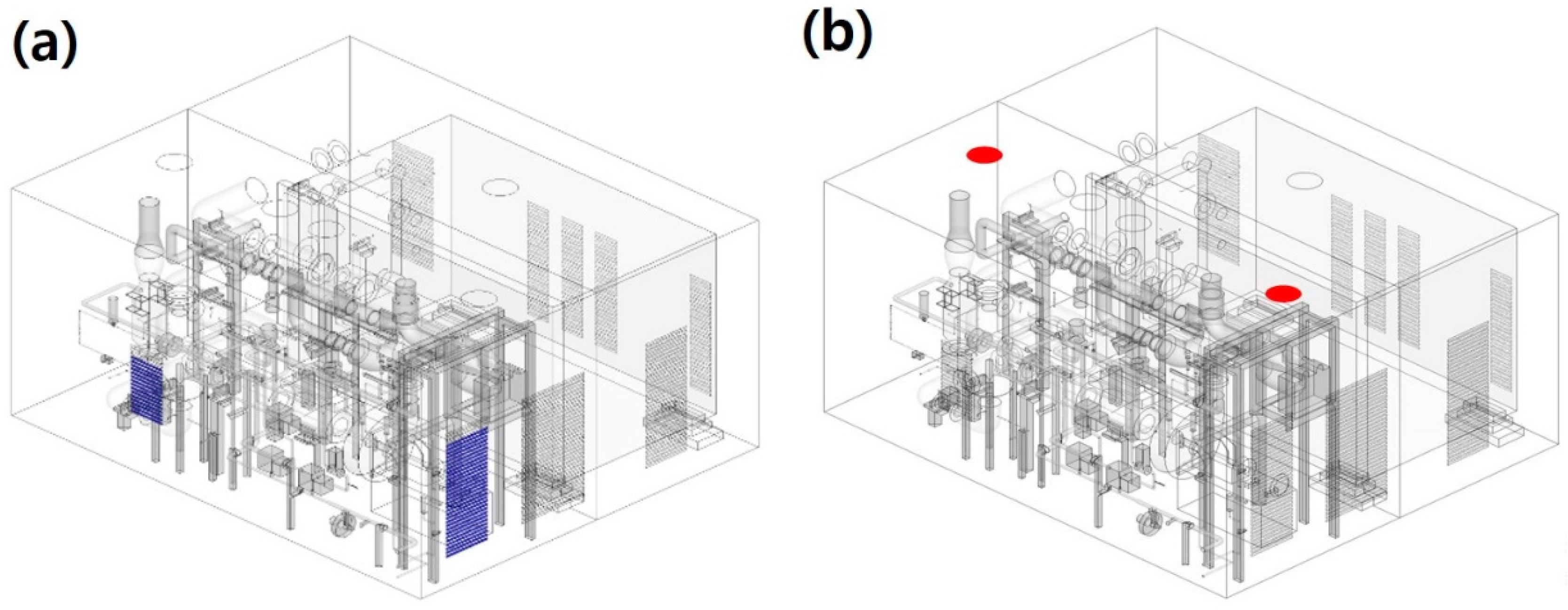
The airflow inside the housing of a 300-kW molten carbonate fuel cell (MCFC) system is designed to ensure safety in case of a gas leak by applying computational fluid dynamics (CFD) techniques. In particular, gas accumulating zones are identified to prevent damage to vulnerable components from high temperature and pressure. Furthermore, the location of the alarm unit with the gas-leak detector is recommended for construction of safe MCFC ships. In order to achieve this, a flow-tracking and contour field (for gas, temperature, and pressure) including a fuel-cell stack module, balance-of-plant, and various pipes is developed. With the simulated flow field, temperature flow is interpreted for the heating conditions of each component or pipe in order to find out where the temperature is concentrated inside the fuel cell system, as well as the increase in temperature at the exit. In addition, the gas leakage from the valves is investigated by using a flow simulation to analyze the gas and pressure distribution inside the fuel cell system.
Keywords: ship structure; LNG-fueled ship; green ship; numerical analysis; flow characteristics; molten carbonate fuel cell system ship structure; LNG-fueled ship; green ship; numerical analysis; flow characteristics; molten carbonate fuel cell system
Graphical Abstract