Article

Novel Phenotypic Elements of Type IV Collagenopathy Revealed by the Drosophila Model


1
Institute of Medical Biology, University of Szeged, H-6720 Szeged, Hungary
2
Creative Laboratory Ltd., H-6726 Szeged, Hungary, tubak.vilmos@brc.mta.hu
3
John A. Burns School of Medicine, University of Hawaii, Honolulu, HI 96822, USA
*
Author to whom correspondence should be addressed.
Appl. Sci. 2019, 9(10), 2083; https://doi.org/10.3390/app9102083
Submission received: 5 April 2019 / Revised: 7 May 2019 / Accepted: 13 May 2019 / Published: 21 May 2019
(This article belongs to the Section Applied Biosciences and Bioengineering)

Abstract

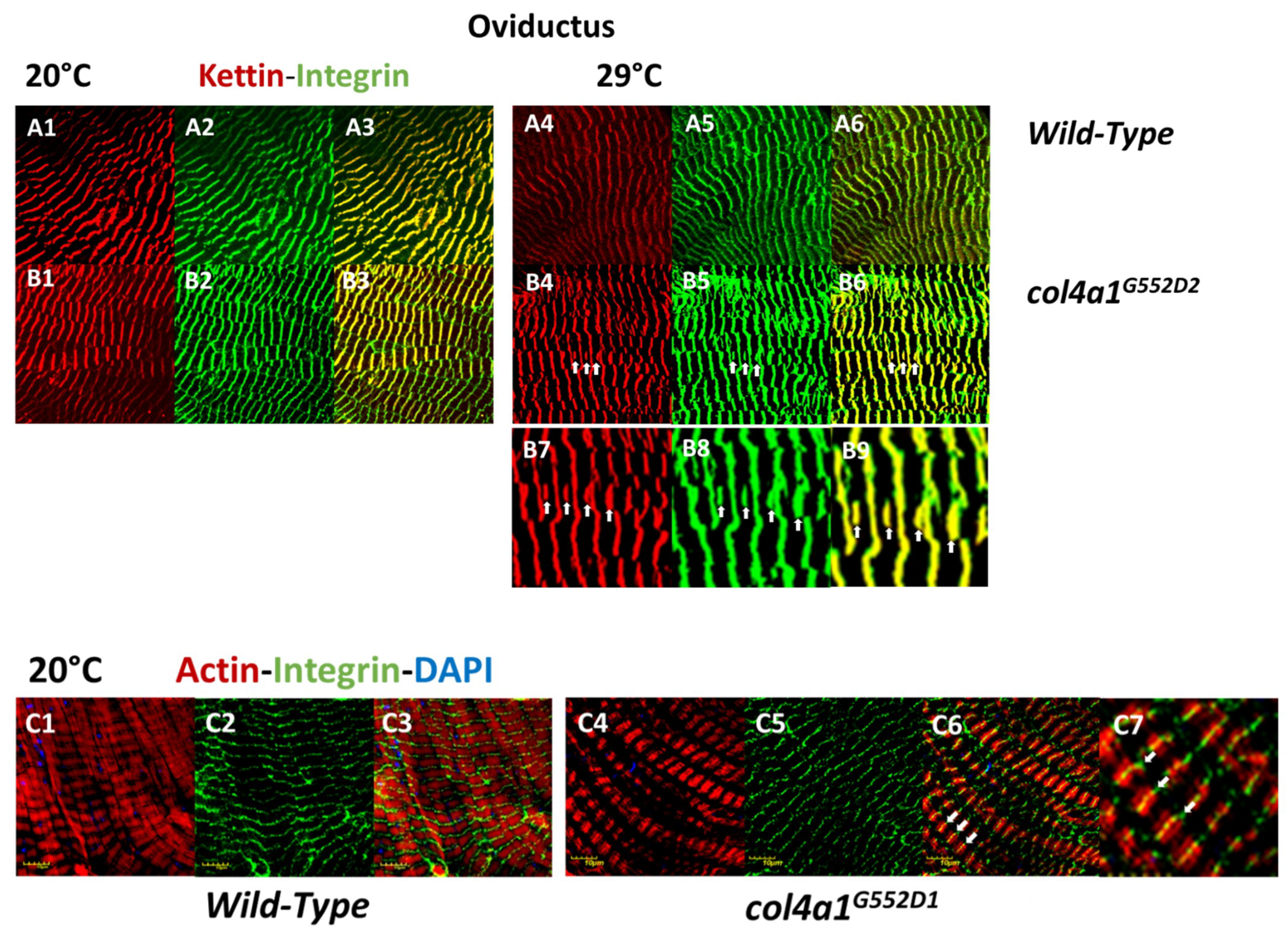
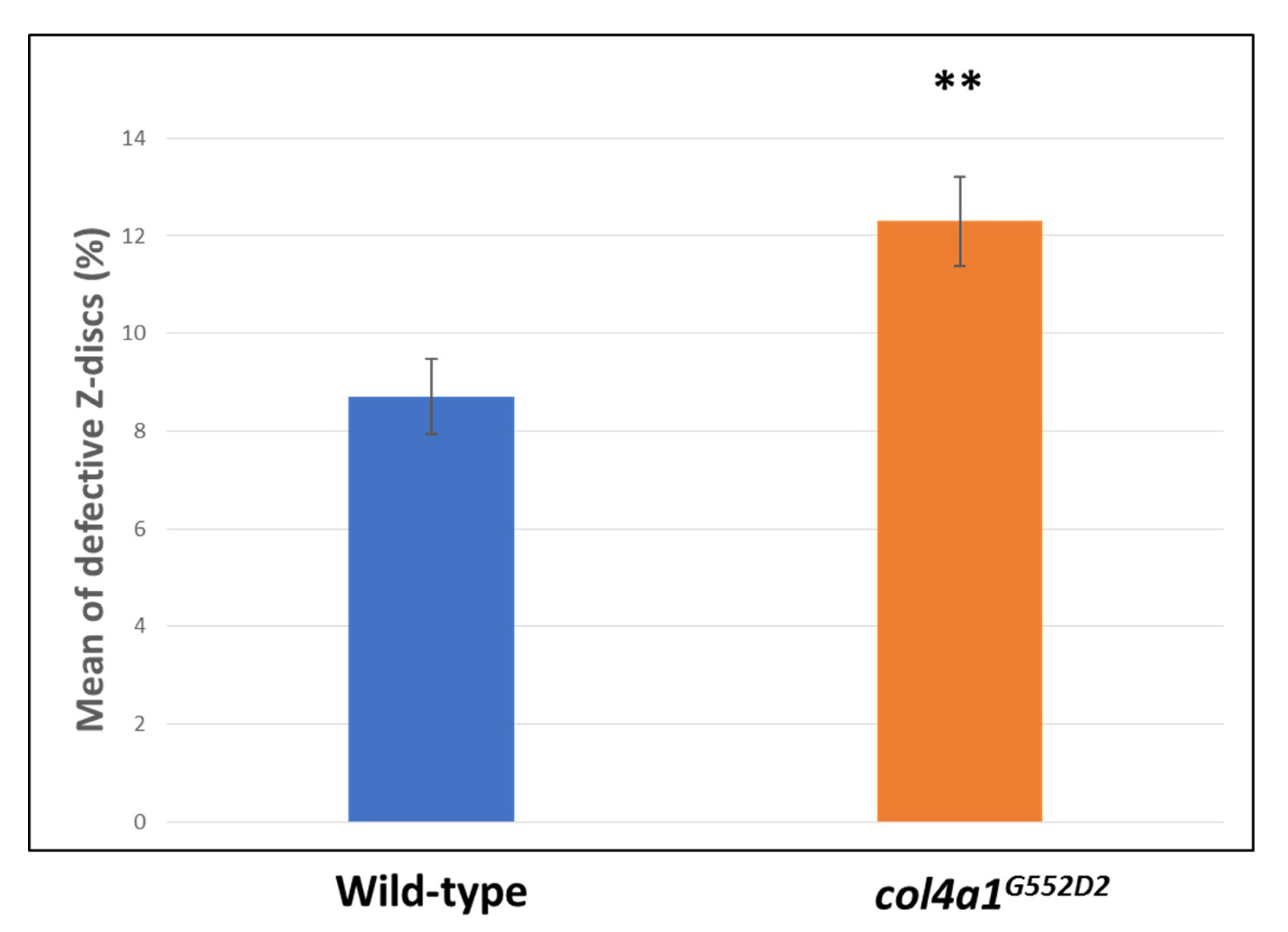
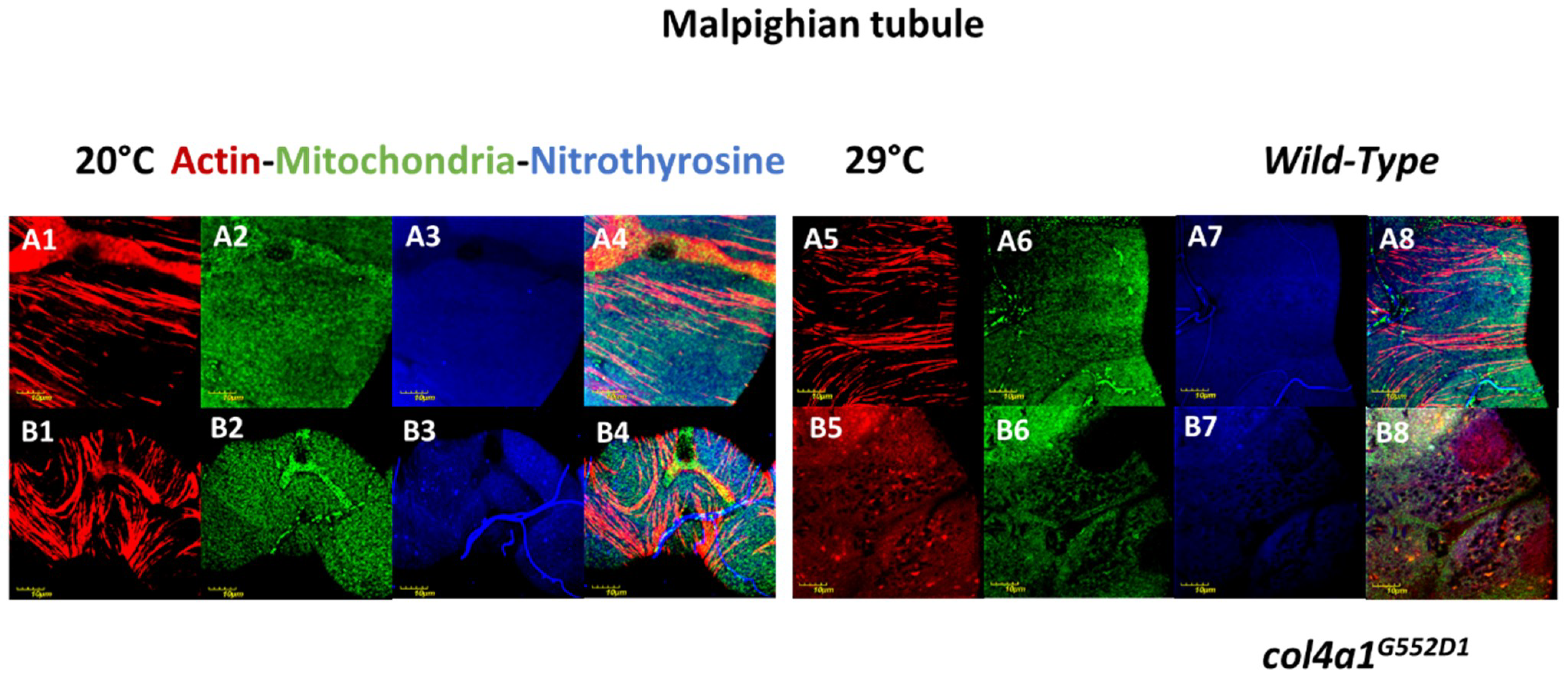
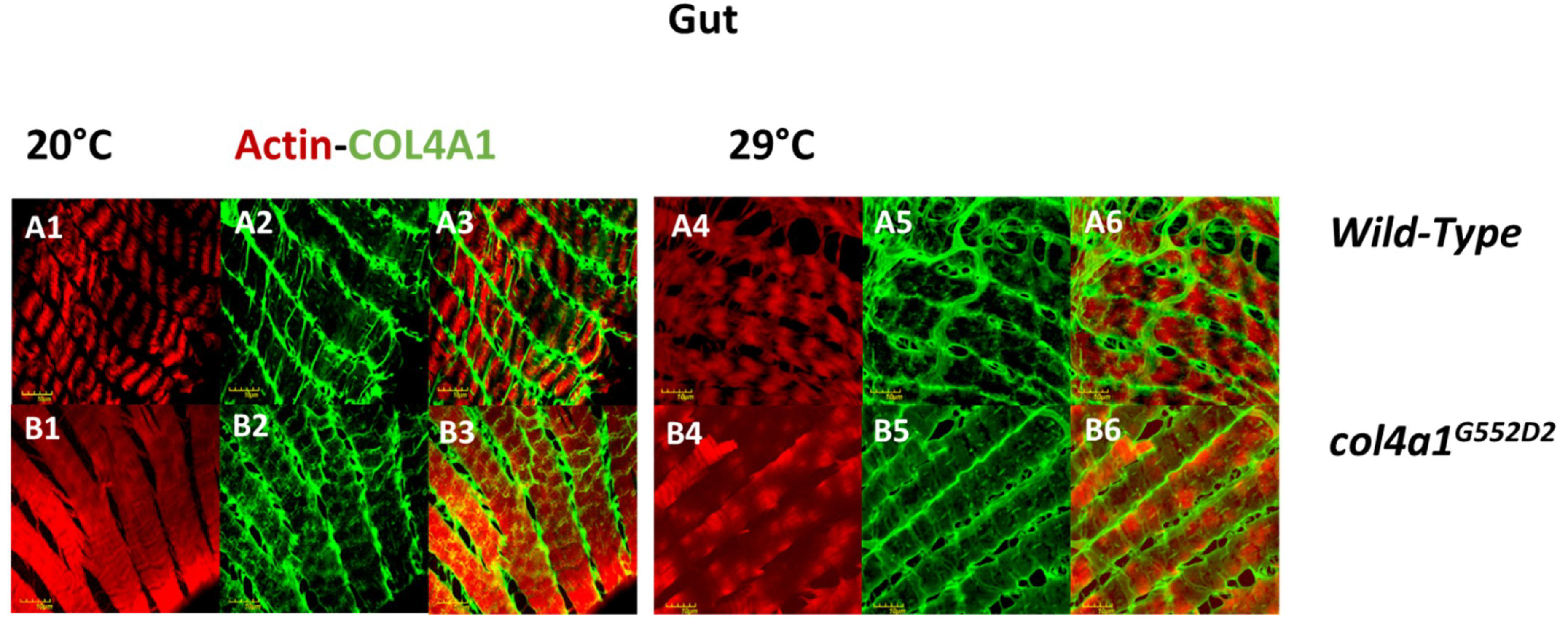
Type IV collagen is proposed to be a key molecule in the evolvement of multicellular animals by forming the architectural unit basement membrane, a specialized form of the extracellular matrix. Functions of the basement membrane include guiding organ regeneration, tissue repair, modulation of cell differentiation, apical–basal polarity identification, cell migration and adhesion, regulation of growth factor signaling gradients, maintenance of tissue architecture and compartmentalization. Type IV collagenopathy is a devastating systemic disease affecting the circulatory, renal and visual systems and the skeletal muscles. It is observed in patients carrying mutations in the COL4A1 gene, which codes for the ubiquitous basement membrane component. Col4a1 mouse mutants display the human symptoms of type IV collagenopathy. We chose the Drosophila melanogaster model as we recorded dominant, temperature-sensitive mutations in the cognate col4a1 gene of the fruit fly and demonstrated phenotypic elements which have not yet been explored in humans or in mouse models. In this paper we show a transition of the Z-discs, normally bordering each sarcomere, to the level of M-discs significantly penetrant in the mutants, uneven distribution of fused mitochondria in the Malpighian tubules of the excretory organ and a loss of sarcomere structure in the visceral muscles in the gut of mutants. Our observations demonstrate the systemic nature of the col4a1 mutations in the fruit fly. However, these traits are elements of the type IV collagen-associated pathology and may provide insights into approaches that can alleviate symptoms of the disease.
Keywords: type IV collagen; mutation; multisystem disease; Drosophila model type IV collagen; mutation; multisystem disease; Drosophila model