Scenario Parameters for Fatigue Induction in Truck-Driving Simulators: A Systematic Review of Experimental Designs


Abstract
1. Introduction
2. Methods
2.1. Protocol
2.2. Eligibility Criteria
2.3. Search Strategy
2.4. Data Collection and Extraction
2.5. Risk of Bias in Individual Studies
2.6. Data Synthesis
3. Results
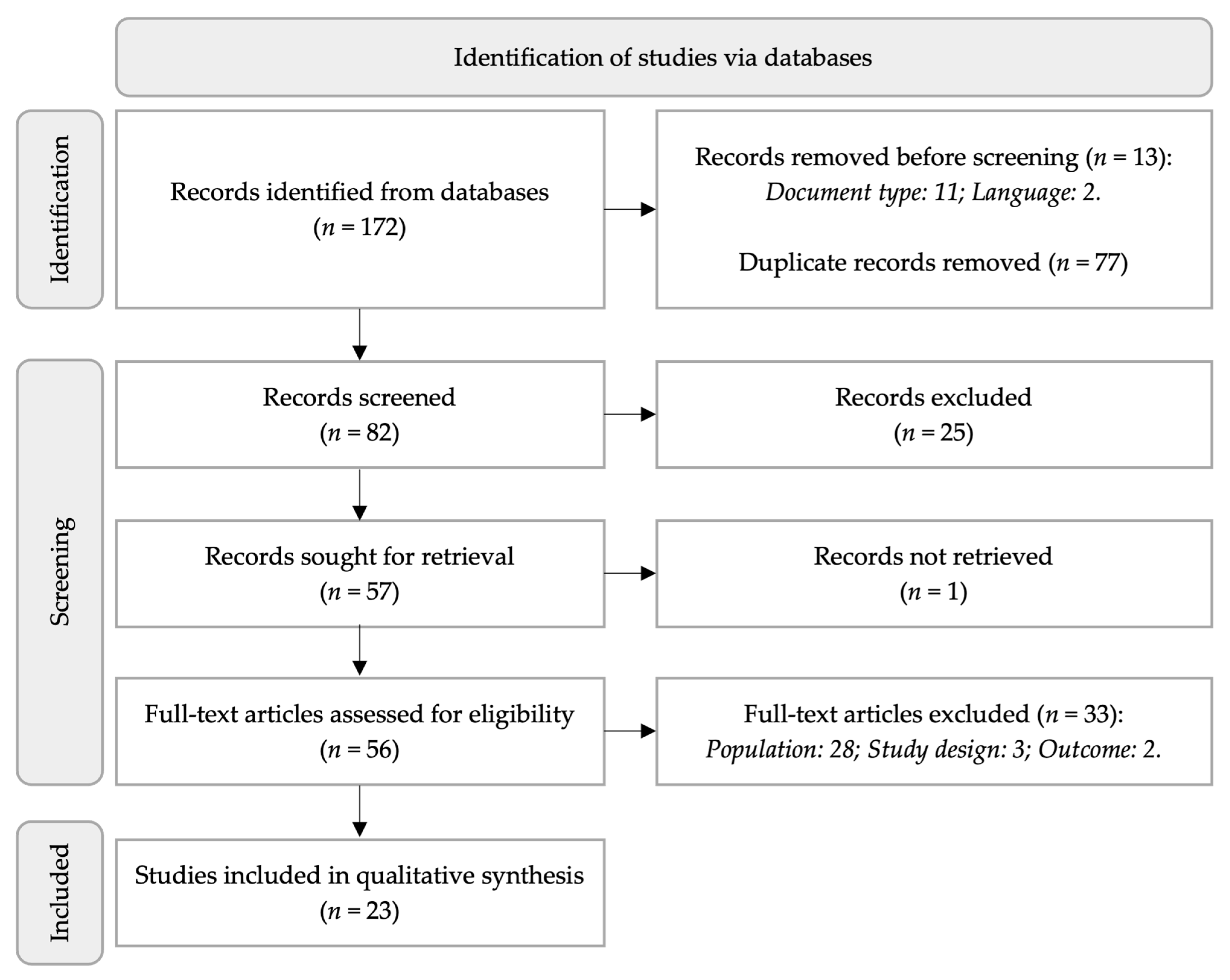
3.1. Study Selection
3.2. Overview of Included Studies
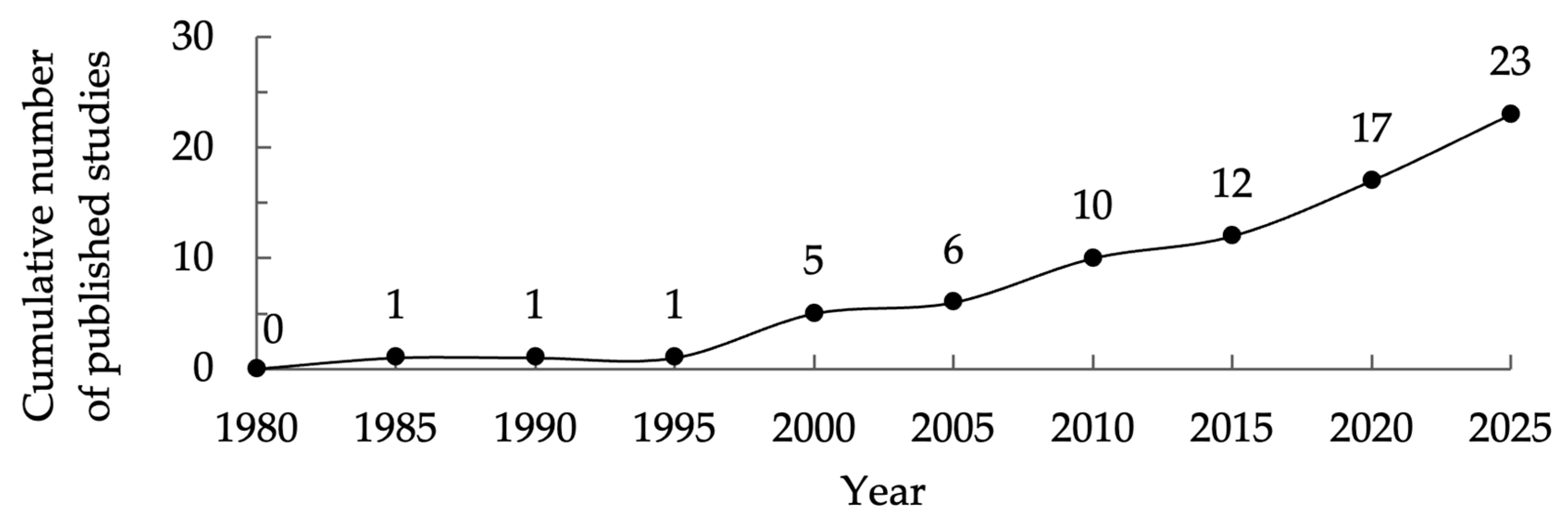
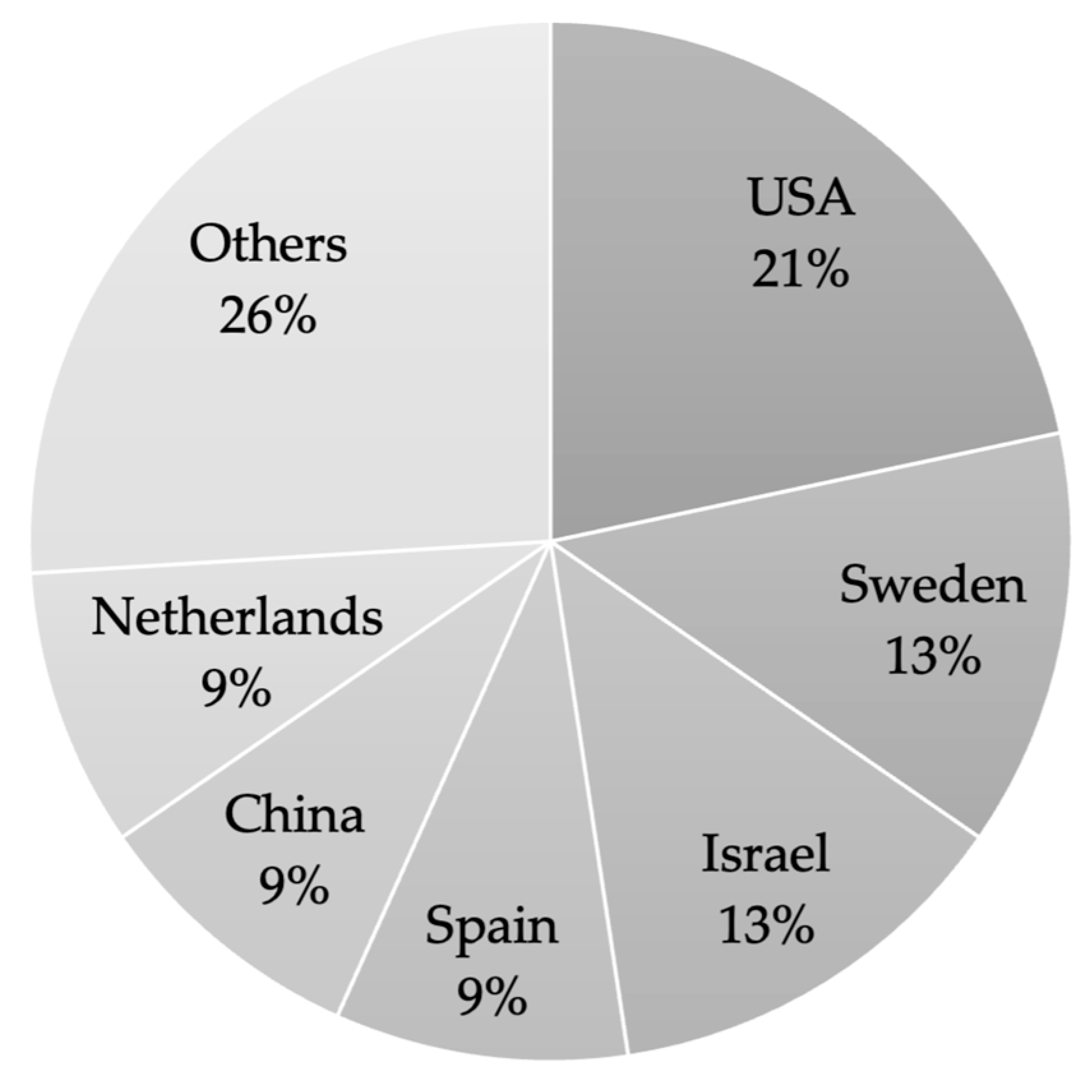
3.2.1. Temporal and Geographical Distribution
3.2.2. Research Objectives
3.2.3. Participant Sample Characteristics
3.2.4. Driving Simulator Characteristics
3.3. Risk of Bias Within Included Studies
3.4. Scenario Parameters Used to Induce Fatigue (RQ1)
3.4.1. Driving Duration and Exposure Structure
3.4.2. Road Type and Road Geometry
3.4.3. Monotony, Traffic Density, and Event Structure
3.4.4. Environmental Conditions, Time-of-Day, and Local Time Scheduling
3.4.5. Sleep Manipulation and Fatigue Priming Outside the Simulator
3.4.6. Secondary Tasks and Cognitive Demand Additions
3.4.7. Summary of Scenario Parameters Identified
3.5. Scenario Parameters Associated with Measurable Fatigue-Related Outcomes (RQ2)
3.6. Recurring Combinations of Scenario Parameters Associated with Interpretable Fatigue-Related Change (RQ3)
3.7. Methodological Limitations and Research Gaps in Simulator-Based Fatigue Induction Studies (RQ4)
4. Discussion
4.1. Key Findings
4.2. Strengths and Limitations
4.3. Future Research
5. Conclusions
Supplementary Materials
Author Contributions
Funding
Data Availability Statement
Acknowledgments
Conflicts of Interest
Abbreviations
| ADAS | Advanced driver assistance system |
| ANN | Artificial neural network |
| BMI | Body mass index |
| DOF | Degrees of freedom |
| EEG | Electroencephalogram |
| EOG | Electrooculography |
| FOV | Field of view |
| HMI | Human–machine interface |
| KSS | Karolinska Sleepiness Scale |
| LDW | Lane departure warning |
| LSTM | Long short-term memory |
| N | No |
| NA | Not applicable |
| NHLBI | National Heart, Lung, and Blood Institute |
| NR | Not reported |
| PDT | Peripheral Detection Task |
| PERCLOS | Percentage of eyelid closure over the pupil over time |
| PRISMA | Preferred Reporting Items for Systematic Reviews and Meta-Analyses |
| PROSPERO | International Prospective Register of Systematic Reviews |
| PVT | Psychomotor vigilance task |
| RQ | Research question |
| SD | Standard deviation |
| UFOV | Useful field of view |
| Y | Yes |
Appendix A

| Author, Year | Institution, Country | Objective | Main Findings |
|---|---|---|---|
| Afghari et al. (2022) [17] | Delft University of Technology, Netherlands | To collect real-time heart-rate-based sleepiness indicators in professional truck drivers using a truck simulator and investigate, via an instrumental variable framework, how sleepiness affects headway while accounting for endogeneity and unobserved heterogeneity. | Younger and more experienced drivers, four-lane rural roads and lower weekly distance travelled were associated with higher probability of sleepy episodes; heavy and distribution transport drivers were less likely to be sleepy; instrumented sleepiness, age and exposure had heterogeneous effects on headway, with some drivers reducing and others increasing headway when sleepy, strongly influenced by night-shift work. |
| Al Haddad et al. (2022) [20] | Technical University of Munich, Germany | To investigate truck drivers’ acceptance of an i-DREAMS warning–monitoring system (speeding and fatigue-related warnings) in a driving simulator and assess which acceptance factors are transferable to other modes (cars, trams). | Perceived usefulness and perceived ease of use strongly increased behavioral intention to use the system in truck drivers; prior positive attitudes toward advanced driver assistance systems (ADAS) also increased perceived usefulness. Sound clarity was perceived as weaker than visual clarity. The technology acceptance model was largely validated for trucks, with similar structure to cars but not trams. |
| Anund et al. (2018) [33] | Swedish National Road and Transport Research Institute, Sweden | To investigate whether professional drivers are more resistant to sleep deprivation than non-professional drivers by comparing the development of self-reported, physiological and behavioral sleepiness during day and night driving in a simulator. | Professional drivers reported significantly lower self-rated sleepiness than non-professional drivers, but showed longer blink durations, more line crossings, and drove faster, especially at night; both groups exhibited increased sleepiness, degraded performance, and worse psychomotor vigilance task (PVT) results at night and with time on task. |
| Cardoso et al. (2019) [29] | University of New Brunswick, Canada | To evaluate changes in fatigue, stress and vigilance among commercially licensed truck drivers during a prolonged driving task and to determine whether a new ergonomic seat design reduces physical and cognitive fatigue. compared with an industry standard seat. | Professional long-haul truck drivers showed significant increases in muscular fatigue, exhaustion–sleepiness and comfort-seeking after a 90 min highway drive plus simulated driving, especially when using the industry standard seat; boredom–demotivation was also higher with the standard seat, while vigilance remained stable, suggesting good coping and attentional maintenance despite fatigue. |
| Daza et al. (2011) [13] | University of Alcalá, Spain | To develop and evaluate a non-intrusive driver-drowsiness monitoring approach based on fusion of driver and driving signals using a multilayer perceptron neural network. | Fusion improved detection: individual-indicator detection rate (~70%) increased up to 94% with combined indicators; best artificial neural network (ANN) combination achieved 98.65% detection rate; PERCLOS (percentage of eyelid closure over the pupil over time) alone 97.61%; best driving-only indicator was standard lateral position 84.10%. |
| Drory (1985) [30] | Ben-Gurion University of the Negev, Israel | To examine the effects of extra task stimulation and extra rest on performance and fatigue of haul truck drivers engaged in a simulated driving task. | Performance and perceived fatigue differed by secondary-task type; adding a voice-communication task improved performance but increased reported fatigue versus basic driving/vigilance; an extra 30 min rest period reduced reported fatigue but did not affect performance. |
| Dziuda et al. (2021) [14] | Military Institute of Aviation Medicine, Poland | To evaluate a camera-based fatigue detector for truck drivers in a high-fidelity truck simulator using eye closure-associated indicators and relate them to subjective fatigue. | PERCLOS and eye closure duration were significant predictors of subjective fatigue, capturing within-driver changes and between-driver differences respectively, whereas eye closure frequency showed weak association; the prototype camera-based detector could monitor fatigue non-invasively in professional truck drivers. |
| Eskandarian & Mortazavi (2007) [15] | The George Washington University, USA | To evaluate a neural-network-based drowsiness detection algorithm for commercial vehicle drivers in a truck driving simulator using steering input only, and to examine correlations between steering behavior and drowsiness. | Night-session driving produced markedly higher drowsiness indicators and more crashes; steering degradation before crashes followed a two-phase pattern (erratic large corrections then flattened steering during doze-off). The ANN using 15 s steering-feature vectors achieved 85% correct identification of phase-I drowsy intervals with 11% false alarms, and issued at least one detection for 97% of observed crashes. |
| García et al. (2010) [12] | University of Alcalá, Spain | To develop and evaluate a non-intrusive vision-based drowsiness detector implemented in a realistic truck-driving simulator, and to compare PERCLOS against expert-based subjective ground truth. | PERCLOS estimation was implemented in real time and compared against expert ground truth; reported mean recall rates across users were 83.5% (awake), 57% (fatigue), 46% (drowsiness); paper also reports a three-level PERCLOS discretization using thresholds 15% and 23% for wake–fatigue–drowsiness classification. |
| Gillberg et al. (1996) [31] | Karolinska Institute and IPM, Sweden | To compare daytime versus night-time driving performance and sleepiness in professional drivers during a simulated truck-driving task, and to test whether a 30 min nap or 30 min rest pause during night driving affects performance or sleepiness. | Night driving showed small but significant decrements (lower mean speed, higher speed variability, higher lane-position variability, especially in the last 30 min) and clearly higher subjective and EEG/EOG (electrooculography) sleepiness versus day driving; reaction time was not significantly affected by condition; neither a 30 min nap nor a 30 min rest pause improved performance or sleepiness. |
| Giorgi et al. (2024) [19] | Sapienza University of Rome, Italy | To investigate visual attention changes at fatigue onset in professional van and truck drivers during a 45 min monotonous simulated driving task using an EEG-based mental drowsiness index to define fatigued periods. | Protocol successfully induced early fatigue; as fatigue onset occurred, drivers shifted visual attention away from task-related areas of interest (road, cockpit) toward non-informative external environment; EEG MDrow and subjective KSS/Chalder scores increased across the protocol; no differential fatigue effect between short-range (van) and long-range (truck) drivers. |
| Hjälmdahl et al. (2017) [22] | Swedish National Road and Transport Research Institute, Sweden | To examine how partially and fully automated truck platooning affect driver workload, trust, acceptance, performance and sleepiness when using a minimal in-vehicle human–machine interface (HMI). | Partial automation produced higher workload than full automation or baseline cruise control; trust and acceptance were highest in baseline and lower for both automation levels; both partial and full automation increased sleepiness compared with baseline, with full automation producing the highest KSS; partial automation increased steering activity and lane-position variability. |
| Howard et al. (2014) [32] | Institute for Breathing and Sleep, Australia | To compare performance changes during acute sleep deprivation between professional and nonprofessional drivers using simulated driving, psychomotor vigilance, and subjective sleepiness measures. | Across 24 h of continuous wakefulness, both groups showed progressive deterioration in simulated driving (lateral lane position variability and speed variability) and in PVT performance (reaction time and lapses), with performance worsening particularly after 17–24 h awake; crashes increased after 17–23 h awake; no differences in performance change trajectories between professional and nonprofessional drivers. |
| Macchi et al. (2002) [24] | Institute for Circadian Physiology, USA | To assess the effects of a scheduled 3 h afternoon nap versus no nap on nighttime alertness and psychomotor performance during a simulated night shift in professional long-haul drivers after partial sleep restriction. | The afternoon nap reduced subjective sleepiness and fatigue at night, improved psychomotor performance, and increased physiological arousal during simulated driving up to 7–14 h after the nap; completing the full overnight protocol was difficult for some drivers and unscheduled naps occurred. |
| O’Neill et al. (1999) [25] | Star Mountain Inc., USA | To assess the effects of nondriving on-duty loading/unloading activities on subsequent truck-driver alertness and safety-relevant driving performance using a truck-driving simulator. | Effects were mixed: after morning loading and short break, probe performance improved, but this benefit wore off; after afternoon loading, probe responses worsened in the first subsequent driving hour and cognitive errors increased; lane-keeping deteriorated immediately after morning loading (possibly upper-body muscle fatigue); overall performance may decrease after 12–14 h of duty. |
| Oron-Gilad & Ronen (2007) [34] | Ben-Gurion University of the Negev, Israel | To examine how road characteristics influence fatigue development and fatigue-related driving-performance changes during prolonged simulated driving. | Fatigue was induced by the simulator drive itself, with symptoms appearing within 45–75 min depending on measure; performance decrements depended on road type: straight segments showed deterioration in lane maintenance and steering quality, highway showed steering degradation and low vigilance from early in the drive, and winding segments showed increased speed over time; heart rate variability increased over time and subjective fatigue increased, with strategy differences consistent with road tolerance. |
| Oron-Gilad et al. (2008) [23] | Ben-Gurion University of the Negev, Israel | To evaluate whether three alertness maintaining tasks can mitigate passive fatigue during monotonous simulated driving in professional truck drivers, compared with driving only and driving while listening to music. | Trivia prevented driving-performance deterioration and increased alertness, whereas working memory interfered with driving (lower speed, higher subjective fatigue) and the choice reaction time task increased subjective sleepiness and reduced arousal; effects were time-limited, and music was more beneficial than expected (no performance deterioration or subjective fatigue). |
| Ranney, Simmons, & Masalonis (1999) [26] | Liberty Mutual Research Center for Safety and Health, USA | To determine whether intermittent indirect glare exposure over an 8 h simulated drive produces progressive impairment, and to assess time-of-day/time-on-task effects on driving performance, sleepiness, and critical tracking. | No evidence that prolonged intermittent glare caused progressive driving impairment. Clear time-related effects were observed: pedestrian detection response time and variability worsened in block 3 (post-lunch dip) with recovery in block 4; mean speed increased progressively across blocks; subjective sleepiness increased over time; critical tracking performance deteriorated after early blocks with partial recovery. |
| Ranney, Simmons, Boulos et al. (1999) [27] | Liberty Mutual Research Center for Safety and Health, USA | To examine the effects of a 3 h afternoon nap on simulated nighttime driving performance following a night of partial sleep restriction, during an extended overnight driving session. | Extended overnight driving after partial sleep restriction induced significant impairment (crash frequency increased over runs; mirror-target detection decreased; pedestrian detection responses slowed). The afternoon nap improved overall performance, reducing crash frequency and increasing the proportion of each run completed before the first crash (nap 72% vs. no-nap 51%). |
| Saeed et al. (2017) [16] | University of Twente, Netherlands | To detect under-, normal- and over-aroused states in professional truck drivers using deep learning on wearable physiological signals collected during simulator driving, based on a combined stress–sleepiness ground-truth scheme. | A 7-layer convolutional neural network trained on raw heart rate, skin conductance and skin temperature achieved weighted F-score 0.82 and Kappa 0.64, outperforming a baseline neural network and denoising autoencoder models; methods to handle class imbalance brought only marginal additional gains and normal versus over-arousal remained difficult to separate. |
| Sandström et al. (2017) [28] | University of Helsinki, Finland | To derive absolute lane position from steering-wheel signal and develop a non-video lane-departure warning algorithm that predicts lane departures up to 3 s before they occur. | Using steering-wheel data, lane position could be derived with moderate correlation to measured lane position (test set r ≈ 0.43–0.48 depending on simulator). The proposed lane departure warning (LDW) algorithm predicted lane departures up to 3 s ahead with sensitivity 47.1% and specificity 70.8% (best at 1 s time window), exceeding reported estimates for video-based LDW sensitivity. |
| Yu et al. (2025) [18] | Guangzhou Highway, China | To investigate driving behavior patterns of truck drivers under normal and fatigue states in a simulator and develop an in-transit driving risk assessment model integrating driver state and driving behavior using long short-term memory (LSTM). | LSTM-based in-transit risk model using speed, acceleration, steering and lateral position features plus KSS-based fatigue labels achieved high performance (accuracy 92.9%, sensitivity 94.5%, F-score 93.7%), and fatigue was associated with higher speed, steering wheel angle and lateral deviation than normal driving. |
| Zhou et al. (2025) [21] | Fuzhou University, China | To explore drivers’ interaction preferences with in-vehicle voice assistants under different fatigue states and experimentally evaluate how different voice interaction styles influence fatigue arousal and driving alertness. | High-intensity, highly interactive voice prompts significantly reduced reaction time, increased EEG-based arousal and lowered PERCLOS under severe fatigue, while low-intensity prompts were least effective; drivers’ preferred dialogue style depended on fatigue level and occupation (long-haul truck, taxi, private car). |
| Author, Year | Sample Size | Male | Female | Age (Mean ± SD) | Inclusion Criteria |
|---|---|---|---|---|---|
| Afghari et al. (2022) [17] | 35 | 29 | 6 | 41.97 ± 9.82 | Professional truck drivers working day, night, or mixed shifts; valid truck license; availability for simulator experiment. |
| Al Haddad et al. (2022) [20] | 34 | 28 | 6 | NR | Active professional truck drivers; at least 6 months of driving experience. |
| Anund et al. (2018) [33] | 11 | 11 | 0 | 23.5 ± 1.5 | Professional heavy-vehicle drivers; age 19–25; males; not working only night shifts; preferable self-reported evening types; body mass index < 30; no hearing aid; no sleep disorders; self-reported normal sensitivity to stressful situations; no extremes in terms of self-reported personalities (extrovert or introvert). |
| Cardoso et al. (2019) [29] | 20 | 20 | 0 | 50.4 ± 13.4 | Commercially licensed truck drivers with Class 1, 2 or 3 license; males; experienced with standard transmission. |
| Daza et al. (2011) [13] | 10 | NR | NR | NR | Professional drivers; driving at least 5000 km a year; no habitual sleep disturbances. |
| Drory (1985) [30] | 60 | 60 | 0 | 39.0 ± NR | Professional haul truck drivers employed by a large mining firm; randomly selected from a population of 300 drivers. |
| Dziuda et al. (2021) [14] | 8 | 8 | 0 | 33.13 ± 4.39 | Professional truck drivers; males. |
| Eskandarian & Mortazavi (2007) [15] | 13 | NR | NR | 41.0 ± NR | Commercially licensed truck drivers. |
| García et al. (2010) [12] | 20 | NR | NR | NR | Frequent drivers, driving at least 5000 km a year; no habitual sleep disturbances. |
| Gillberg et al. (1996) [31] | 9 | NR | NR | 42.0 ± NR | Professional drivers. |
| Giorgi et al. (2024) [19] | 10 | NR | NR | NR | Truck drivers with normal or corrected-to-normal vision. |
| Hjälmdahl et al. (2017) [22] | 24 | 24 | 0 | NR | Truck drivers; males; majority of participants’ usual driving was regional or long-haul. |
| Howard et al. (2014) [32] | 20 | 20 | 0 | 41.9 ± 8.3 | Professional drivers; at least 30 h of driving per week and duration of professional driving of at least 12 months. Excluded if contraindications to sleep deprivation; Epworth Sleepiness Scale > 15; high sleep propensity precluding driving; sleep disorder; medical conditions affecting neuropsychological performance. |
| Macchi et al. (2002) [24] | 8 | 7 | 1 | 40.9 ± 5.9 | Professional long-haul drivers recruited from the metropolitan Boston area; screened via general health questionnaire, Sleep Disorders Questionnaire, and Morningness–Eveningness Questionnaire. |
| O’Neill et al. (1999) [25] | 10 | 10 | 0 | 43.2 ± NR | Experienced holders of commercial driver licenses with long-haul experience; non-smokers; medically cleared; screened for simulator sickness. |
| Oron-Gilad & Ronen (2007) [34] | 10 | 10 | 0 | 22.0 ± NR | Mandatory-service military truck drivers randomly selected from two military transport centers. |
| Oron-Gilad et al. (2008) [23] | 12 | 12 | 0 | NR | Professional truck drivers; at least 10 years of truck-driving experience; termination criterion if the driver fell asleep repeatedly at the wheel. |
| Ranney, Simmons, & Masalonis (1999) [26] | 12 | 12 | 0 | NR | Valid commercial driver’s license; at least 3 years of truck-driving experience; screened for adequate visual acuity (20/40) and not extremely sensitive to glare. |
| Ranney, Simmons, Boulos et al. (1999) [27] | 8 | 7 | 1 | NR | Professional long-haul drivers recruited via newspaper advertisements; at least 2 years of long-haul experience; completed telephone screening and questionnaires on general health and sleep patterns. |
| Saeed et al. (2017) [16] | 11 | NR | NR | NR | Professional truck drivers. |
| Sandström et al. (2017) [28] | 34 | 32 | 2 | 30 ± 12; 34 ± 11 | Driver trainees at Työtehoseura; good health, good sleep, no medication affecting sleep/sleepiness; ability to abstain from caffeine for 37 h; BMI (body mass index) 22–30; no simulator sickness; rested prior to experiment with 10h time-in-bed per night. |
| Yu et al. (2025) [18] | 30 | NR | NR | 46.0 ± 5.4 | Truck drivers with normal or corrected-to-normal vision; at least 8 years of licensing; regular weekly driving. |
| Zhou et al. (2025) [21] | 10 | 10 | 0 | NR | Long-haul truck drivers; males; age 25–55; normal vision; good physical health; no history of epilepsy, mental illness or severe motion sickness; valid driving license; at least 3 years of driving experience; no serious traffic violations. |
| Author, Year | Simulator Type | Truck Cabin Simulated | Simulator FOV (Horizontal) | Simulator DOF |
|---|---|---|---|---|
| Afghari et al. (2022) [17] | Static | Yes | 135° | 0 |
| Al Haddad et al. (2022) [20] | Static | Yes | NR | 0 |
| Anund et al. (2018) [33] | Dynamic | No | 120° | 4 |
| Cardoso et al. (2019) [29] | Static | Yes | NR | 0 |
| Daza et al. (2011) [13] | Dynamic | Yes | 180° | 6 |
| Drory (1985) [30] | Static | Yes | NR | 0 |
| Dziuda et al. (2021) [14] | Dynamic | Yes | 180° | 6 |
| Eskandarian & Mortazavi (2007) [15] | Static | Yes | 135° | 0 |
| García et al. (2010) [12] | Dynamic | Yes | 180° | 6 |
| Gillberg et al. (1996) [31] | Dynamic | Yes | 120° | 3 |
| Giorgi et al. (2024) [19] | Static | No | 160° | 0 |
| Hjälmdahl et al. (2017) [22] | Dynamic | Yes | 120° | 3 |
| Howard et al. (2014) [32] | Static | No | NR | 0 |
| Macchi et al. (2002) [24] | Static | Yes | NR | 0 |
| O’Neill et al. (1999) [25] | NR | NR | NR | NR |
| Oron-Gilad & Ronen (2007) [34] | Static | No | 40° | 0 |
| Oron-Gilad et al. (2008) [23] | Static | No | 40° | 0 |
| Ranney, Simmons, & Masalonis (1999) [26] | Static | Yes | NR | 0 |
| Ranney, Simmons, Boulos et al. (1999) [27] | Static | Yes | NR | 0 |
| Saeed et al. (2017) [16] | NR | NR | NR | NR |
| Sandström et al. (2017) [28] | Static | Yes | NR | 0 |
| Yu et al. (2025) [18] | Static | No | NR | 0 |
| Zhou et al. (2025) [21] | Static | No | NR | 0 |
| ID | [17] | [20] | [33] | [29] | [13] | [30] | [14] | [15] | [12] | [31] | [19] | [22] | [32] | [24] | [25] | [34] | [23] | [26] | [27] | [16] | [28] | [18] | [21] |
|---|---|---|---|---|---|---|---|---|---|---|---|---|---|---|---|---|---|---|---|---|---|---|---|
| Was driving simulator apparatus suitable for the research intent? (Y/ N/NR) | Y | Y | Y | Y | Y | Y | Y | Y | Y | Y | Y | Y | Y | Y | Y | Y | Y | Y | Y | Y | Y | Y | Y |
| Was a method of randomization or counterbalance of scenarios performed? (Y/N/NR/NA) | Y | NR | Y | NA | NR | Y | Y | N | NR | Y | N | Y | N | NR | Y | Y | Y | Y | NR | NA | Y | NR | N |
| Was a method of randomization or counterbalance of geometries performed? (Y/N/NR/NA) | Y | NR | NR | NA | NR | NR | NA | NA | NR | Y | N | NA | N | NA | NR | N | NA | NR | NR | NA | NA | NA | NA |
| Was a statistical method of analysis applied? (Y/N) | Y | Y | Y | Y | Y | Y | Y | Y | Y | Y | Y | Y | Y | Y | Y | Y | Y | Y | Y | Y | Y | Y | Y |
| Does the sample represent the target population? (Y/N) | Y | Y | Y | Y | Y | Y | Y | Y | N | Y | Y | Y | Y | Y | Y | N | Y | Y | Y | Y | N | Y | Y |
| Was a practical trial performed? (Y/NR) | Y | Y | Y | NR | NR | Y | Y | Y | Y | NR | Y | Y | Y | Y | Y | Y | Y | Y | Y | Y | Y | Y | NR |
| Was a method to assess driver’s familiarization with the simulator specified? (Y/N/NR/ NA) | N | NR | N | NR | NR | Y | N | NR | NR | NR | N | Y | N | Y | NR | Y | N | Y | N | N | N | N | NR |
| Was motion sickness assessed? (Y/NR) | NR | NR | NR | NR | NR | NR | NR | NR | NR | NR | NR | NR | NR | NR | Y | Y | NR | NR | NR | NR | Y | Y | NR |
| Was there a clear description of the method to assess motion sickness? (Y/N/NR/NA) | NA | NA | NA | NA | NA | NA | NA | NA | NA | NA | NA | NA | NA | NA | N | N | NA | NA | NA | NA | N | N | NA |
| Was the existence of outliers assessed? (Y/ NR) | NR | NR | NR | NR | NR | NR | NR | NR | NR | NR | NR | NR | NR | NR | NR | NR | NR | NR | NR | NR | NR | NR | NR |
| Was there a clear description of the method to assess outliers? (Y/N/NR/NA) | NA | NA | NA | NA | NA | NA | NA | NA | NA | NA | NA | NA | NA | NA | NA | NA | NA | NA | NA | NA | NA | NA | NA |
| ∑Y/(11-∑NA) = % | 67% | 44% | 56% | 43% | 33% | 67% | 63% | 50% | 33% | 56% | 44% | 75% | 44% | 63% | 60% | 60% | 63% | 60% | 44% | 57% | 50% | 56% | 38% |
| Author, Year | Driving Block Duration | Block Structure & Breaks | Road Type | Sleep Manipulation Protocol |
|---|---|---|---|---|
| Afghari et al. (2022) [17] | 15 min | Two practice drives (duration not reported) preceded a single continuous scenario drive of ≈16.5–18 km (≤15 min), with no scheduled breaks and no interventions reported. | Mixed (rural/highway) | Sleepiness was not experimentally induced, although participants were shift-working truck drivers who may have presented underlying sleepiness due to their work schedules. |
| Al Haddad et al. (2022) [20] | 55 min | Two practice drives (5 min each) were followed by three experimental drives (15 min each): baseline (no interventions), speed-limit information and speed warnings, and the same interventions under a high sleepiness condition; questionnaires were completed between drives and a 10 min break occurred after Drive 2. | Mixed (rural/highway) | No explicit sleep restriction, deprivation, or post-shift protocol was reported. |
| Anund et al. (2018) [33] | 30 min | Each participant completed six lab visits (three day, three night); per visit, three 30 min drives were performed with 90 min breaks between drives for PVT test, food and rest; KSS was collected every 5 min and PVT was administered before the first drive and after each drive. | Rural | Sleepiness was manipulated by time-of-day (day vs night) without sleep restriction; participants were instructed to sleep ≥ 7 h for three nights before sessions, avoid alcohol for 72 h, and abstain from smoking/caffeine for 3 h pre-drive. |
| Cardoso et al. (2019) [29] | 110 min | On two separate days, participants completed a 10 min simulator session, followed by 90 min on-road highway driving in an instrumented truck, then a second 10 min simulator session; driving fatigue scale questionnaires and UFOV (useful field of view) tests were administered before and after each simulator session; no explicit rest breaks beyond transitions were reported. | Highway | No explicit sleep restriction, deprivation, or post-shift protocol was reported. |
| Daza et al. (2011) [13] | 60 min | Driving sessions under both sleep conditions spread over a 24 h period; each session 60 min; break schedule not reported. | Mixed (rural/urban) | Regular sleep vs partial sleep deprivation (4 h sleep night before); conditions implemented per driver across 24 h. |
| Drory (1985) [30] | 420 min | 21 blocks of 15 min with 6 min rest between blocks; extra-rest group received an additional 30 min rest after the first 3 h then resumed. | NR | No explicit sleep restriction, deprivation, or post-shift protocol was reported |
| Dziuda et al. (2021) [14] | 50 min | One practice drive (5 min) preceded a single continuous scenario drive of ~45 min, with no scheduled breaks. Fatigue symptoms scales questionnaires were administered 40 min before and after the main drive. | Mixed (urban/highway) | Sleepiness was induced via a post-night-shift condition: drivers were tested twice, once rested and once drowsy after working a night shift, with sessions separated by at least several days. |
| Eskandarian & Mortazavi (2007) [15] | 210 min | Two sessions per driver: one morning drive (single 52-mile scenario) and one night drive (same 52-mile scenario repeated between 01:30 a.m.–05:00 a.m.); break schedule not reported. | Highway | Sleep-related instructions consistent with sleep deprivation for night session (no daytime sleep; limited caffeine); exact deprivation duration not reported. |
| García et al. (2010) [12] | 60 min | Each subject completed 6 × 60 min sessions under each of two sleep conditions over 24 h; break schedule not reported. | Mixed (rural/urban) | Regular sleep schedule (2 nights) vs partial sleep deprivation (4 h sleep night before) |
| Gillberg et al. (1996) [31] | 90 min | Three consecutive 30 min periods (a, b, c); in NightRest/NightNap period b was a 30 min rest pause or nap; otherwise all periods were driving | NR | No explicit sleep restriction, deprivation, or post-shift protocol was reported |
| Giorgi et al. (2024) [19] | 60 min | Participants completed a 15 min high-demand circuit task, followed by 45 min monotonous urban driving task; no scheduled rest breaks beyond brief transitions were reported; eyes open condition and questionnaires were collected before and after each drive. | Urban | No explicit sleep restriction, deprivation, or post-shift protocol was reported. |
| Hjälmdahl et al. (2017) [22] | 55 min | Participants completed a 10 min practice drive, followed by three 45 min drives (baseline cruise control, partial automation, full automation), each comprising sequential situations of light traffic, heavy traffic, and heavy traffic + fog; break scheduling was not reported; a questionnaire was administered after finishing the training. | Highway | No explicit sleep restriction, deprivation, or post-shift protocol was reported |
| Howard et al. (2014) [32] | 210 min | Overnight laboratory session with repeated test batteries at 09:00, 12:00, 16:00, 20:00, 00:00, 03:00, 06:00; between tests participants remained awake under staff monitoring and engaged in passive activities; first 6 min of each 30 min drive excluded from analysis. | Highway | Total sleep deprivation: 24 h continuous wakefulness (wake 07:00 a.m., lab 08:30 a.m., awake until 07:00 a.m. next day); participants slept ≥ 7 h prior night. |
| Macchi et al. (2002) [24] | 600 min | Repeated 2 h driving runs across baseline and night sessions; additional testing at 21:30; snack substituted for one post-run test battery session; other break scheduling between runs not fully reported | NR | Partial sleep restriction each condition: laboratory sleep 00:00 a.m.–05:00 a.m. prior to testing; nap manipulation: scheduled 3 h afternoon nap opportunity vs no nap |
| O’Neill et al. (1999) [25] | 840 min | Driving day began 07:00 a.m. with eight 90 min scenarios; brief stretch breaks between scenarios; one 30 min rest break morning, one 60 min midday break (after scenario 4), one 30 min rest break evening; during loading week on days 2,3,5, scenario 2 and scenario 6 replaced by 90 min loading/unloading tasks. | Mixed (highway/urban) | No explicit sleep restriction, deprivation, or post-shift protocol was reported |
| Oron-Gilad & Ronen (2007) [34] | 92 min | Continuous prolonged drive with periodic verbal rating every 25 min; drive ended on sleep/accident/inability. | Mixed (highway/rural) | No explicit sleep restriction, deprivation, or post-shift protocol was reported |
| Oron-Gilad et al. (2008) [23] | NR | Five sessions per driver, each lasting approximately 2 h (including questionnaires and setup); within-session: 5 min rest baseline recording before drive; no planned breaks during drive; alertness maintaining tasks (when applicable) added during segment 1c (third straight segment); music condition applied for the entire drive. | Rural | No explicit sleep restriction, deprivation, or post-shift protocol was reported |
| Ranney, Simmons, & Masalonis (1999) [26] | 400 min | Eight simulator runs per session, each lasting approximately 50 min; breaks after every two runs (four 2 h blocks). | Rural | No explicit sleep restriction, deprivation, or post-shift protocol was reported |
| Ranney, Simmons, Boulos et al. (1999) [27] | 480 min | Overnight driving consisted of four 2 h runs separated by 30 min breaks; each 2 h run divided into four 30 min blocks matched for event frequency and workload. | Rural | Partial sleep restriction (5 h sleep period on the previous night) in both replications; nap condition included scheduled 3 h nap (02:00 p.m.–05:00 p.m.) in bed in darkness; no-nap condition involved sedentary activities during 02:00 p.m.–05:00 p.m. |
| Saeed et al. (2017) [16] | 130 min | Participants completed a 15 min practice trial, followed by a 25 min stress trial (baseline, moderate, high stress), then a 15 min break (varying between drivers), and a 90 min fatigue trial; KSS prompts were administered every 10 min during the fatigue trial. | NR | No explicit sleep restriction, deprivation, or post-shift protocol was reported |
| Sandström et al. (2017) [28] | 660 min | 12 test sessions over 36 h sustained wakefulness; 55 min drive every 3 h; each session included 10 min PVT, 55 min drive, 10 min PVT; participants had 90 min “own time” between sessions. | Rural | Sustained wakefulness (36 h); no caffeine allowed; prior week sleep schedule controlled via diaries (10 h time-in-bed) |
| Yu et al. (2025) [18] | 60 min | Participants drove continuously for about one hour on the experimental road with no scheduled breaks; interventions not reported. | Highway | A post-night-shift protocol was used to induce fatigue by scheduling simulator drives immediately after drivers’ night shifts, with no additional sleep restriction reported. |
| Zhou et al. (2025) [21] | 50 min | Each session consisted of a fatigue induction phase (~30 min continuous monotonous straight-line driving) followed by an awakening trial (~20 min) under one of three voice-interaction intensities at a given fatigue level; breaks not reported; KSS was assessed after each induction. | Rural | No explicit sleep restriction, deprivation, or post-shift protocol was reported |
| Reporting Domain | Minimum Information to Report | Rationale for Reporting |
|---|---|---|
| Population definition and eligibility | Target driver group (e.g., long-haul, regional, trainee), license status, professional experience criteria, inclusion/exclusion criteria, and any health-, sleep-, or duty-related restrictions | Clear population definition is necessary to support transferability across truck-driver populations and to interpret whether findings apply to professional, mixed, or trainee samples. |
| Sample description and attrition | Sample size, sex distribution, age, driving experience, recruitment source, withdrawals, exclusions, and tolerance-related attrition | External validity depends on adequate sample characterization, while poorly documented exclusions may distort interpretation of fatigue-related outcomes. |
| Baseline sleep–wake and duty state | Prior sleep duration, prior wake duration, recent duty schedule, post-shift status, sleep restriction/deprivation protocol if used, and method of verification | Baseline sleep pressure and circadian state are central determinants of fatigue expression and must be documented to support causal interpretation of scenario effects. |
| Stimulant and substance control | Restrictions or allowances for caffeine, nicotine, alcohol, medication, and other stimulants, including timing relative to testing | Observed state changes may be influenced by stimulant or substance effects unless these factors are explicitly controlled or reported. |
| Test scheduling and circadian context | Local start time, time-of-day window, day/night scheduling, lighting condition, and any explicit circadian or post-shift manipulation | Fatigue-related change is strongly conditioned by circadian timing and environmental light exposure; inconsistent reporting limits reproducibility and comparison across protocols. |
| Simulator system and configuration | Static/dynamic platform, cabin representation, field of view, motion capability, display configuration, and other hardware features relevant to immersion and control | Simulator characteristics may influence workload, realism, tolerance, and fatigue trajectories, and should therefore be reported to support inter-laboratory comparability. |
| Familiarization and stabilization procedures | Presence, duration, and structure of familiarization drives, criteria for adaptation/stabilization, and whether baseline was collected only after familiarization | Early-session outcomes may be biased if behavioral adaptation to the simulator has not been established before baseline measurement. |
| Exposure structure | Total time on task, duration of each block, number of runs, continuous versus segmented design, break schedule, and any interruptions for questionnaires or other procedures | Fatigue induction depends not only on total duration but also on continuity, segmentation, and interruption structure. |
| Road context and geometry | Road type (e.g., highway, rural, mixed), lane structure, straight versus curved segments, curvature characteristics, route repetitiveness, and any distinctive roadway features | Road type and geometry are core determinants of control demand and monotony, yet are often reported too broadly to allow direct benchmarking across studies. |
| Traffic configuration and interaction demand | Traffic density, lead-vehicle behavior, overtaking opportunities, interaction complexity, and whether traffic was fixed, scripted, or adaptive | Traffic complexity directly shapes underload versus active driving demand and is therefore essential for interpreting fatigue induction logic. |
| Monotony design | Whether monotony was an explicit manipulation or an implicit property of the scenario, and how it was operationalized (e.g., repetitive scenery, low traffic, prolonged straight segments, limited task switching) | Monotony is a central explanatory construct in the fatigue-induction literature and should be reported explicitly rather than inferred indirectly. |
| Event structure and workload probes | Event type, frequency, timing, distribution across the drive, and whether events functioned as sparse probes or as sustained workload drivers | Event schedules affect workload stability and determine whether performance measures reflect monotony-related fatigue or fluctuating task demand. |
| Secondary tasks, automation, and interventions | Any in-drive secondary task, vigilance probe, music, automation/platooning condition, feedback system, or countermeasure, including timing and implementation details | Additional task demands or control-support systems may attenuate or amplify fatigue-related change and should be separated clearly from core scenario effects. |
| Sequencing control and counterbalancing | Condition order, route order, randomization/counterbalancing procedures, and explicit modelling of sequence effects if balancing was not feasible | Apparent scenario effects may otherwise reflect time on task, habituation, learning, or recovery rather than the intended manipulation. |
| Simulator tolerance and sickness handling | Whether simulator sickness was assessed, instrument used, timing of assessment, mitigation procedures, sickness-related exclusions, and protocol adjustments due to discomfort | Simulator tolerance can affect exposure duration, participant retention, performance, and subjective fatigue reporting. |
| Outcome strategy and timing | Outcome domains used (subjective, vehicle-based, behavioral, physiological, performance-based), thresholds if applicable, timing and frequency of repeated measurements, and whether fatigue was analyzed as a trajectory or as a categorical state | Repeated within-session assessment is essential for capturing fatigue dynamics and for distinguishing progressive change from isolated endpoint differences. |
| Data handling and analytical transparency | Outlier definition and handling, missing-data treatment, exclusions from analysis, and analysis decisions affecting fatigue interpretation | Transparent data handling is necessary to judge the robustness of reported fatigue-related effects and to support reproducibility. |
References
- Shams, Z.; Mehdizadeh, M.; Khani Sanij, H. “I neither sleep well nor drive cautiously”: How does sleep quality relate to crash involvement directly and indirectly? J. Transp. Health 2020, 18, 100907. [Google Scholar] [CrossRef]
- Thiffault, P.; Bergeron, J. Fatigue and individual differences in monotonous simulated driving. Pers. Individ. Differ. 2003, 34, 159–176. [Google Scholar] [CrossRef]
- Dawson, D.; McCulloch, K. Managing fatigue: It’s about sleep. Sleep Med. Rev. 2005, 9, 365–380. [Google Scholar] [CrossRef] [PubMed]
- Williamson, A.; Lombardi, D.A.; Folkard, S.; Stutts, J.; Courtney, T.K.; Connor, J.L. The link between fatigue and safety. Accid. Anal. Prev. 2011, 43, 498–515. [Google Scholar] [CrossRef] [PubMed]
- Grandjean, E. Fatigue in industry. Br. J. Ind. Med. 1979, 36, 175–186. [Google Scholar] [CrossRef]
- Fonseca, T.; Ferreira, S. Drowsiness Detection in Drivers: A Systematic Review of Deep Learning-Based Models. Appl. Sci. 2025, 15, 9018. [Google Scholar] [CrossRef]
- Page, M.J.; McKenzie, J.E.; Bossuyt, P.M.; Boutron, I.; Hoffmann, T.C.; Mulrow, C.D.; Shamseer, L.; Tetzlaff, J.M.; Akl, E.A.; Brennan, S.E.; et al. The PRISMA 2020 statement: An updated guideline for reporting systematic reviews. BMJ 2021, 372, n71. [Google Scholar] [CrossRef]
- Fonseca, T.; Ferreira, S. Scenario Parameters for Fatigue Induction in Truck-Driving Simulators: A Systematic Review of Experimental Designs. PROSPERO 2025, CRD420261302272. Available online: https://www.crd.york.ac.uk/PROSPERO/view/CRD420261302272 (accessed on 18 February 2026).
- National Heart Lung and Blood Institute. Study Quality Assessment Tools. Available online: https://www.nhlbi.nih.gov/health-topics/study-quality-assessment-tools (accessed on 5 February 2026).
- Bobermin, M.P.; Silva, M.M.; Ferreira, S. Driving simulators to evaluate road geometric design effects on driver behaviour: A systematic review. Accid. Anal. Prev. 2021, 150, 105923. [Google Scholar] [CrossRef]
- Fonseca, T.; Ferreira, S. Monitoring Technologies for Truck Drivers: A Systematic Review of Safety and Driving Behavior. Appl. Sci. 2025, 15, 6513. [Google Scholar] [CrossRef]
- García, I.; Bronte, S.; Bergasa, L.M.; Hernández, N.; Delgado, B.; Sevillano, M. Vision-based drowsiness detector for a realistic driving simulator. In Proceedings of the 13th International IEEE Conference on Intelligent Transportation Systems, Funchal, Portugal, 19–22 September 2010; pp. 887–894. [Google Scholar] [CrossRef]
- Daza, I.G.; Hernández, N.; Bergasa, L.M.; Parra, I.; Yebes, J.J.; Gavilán, M.; Sotelo, M.A. Drowsiness monitoring based on driver and driving data fusion. In Proceedings of the 2011 14th International IEEE Conference on Intelligent Transportation Systems, Washington, DC, USA, 5–7 October 2011; pp. 1199–1204. [Google Scholar] [CrossRef]
- Dziuda, Ł.; Baran, P.; Zieliński, P.; Murawski, K.; Dziwosz, M.; Krej, M.; Piotrowski, M.; Stablewski, R.; Wojdas, A.; Strus, W.; et al. Evaluation of a fatigue detector using eye closure-associated indicators acquired from truck drivers in a simulator study. Sensors 2021, 21, 6449. [Google Scholar] [CrossRef]
- Eskandarian, A.; Mortazavi, A. Evaluation of a smart algorithm for commercial vehicle driver drowsiness detection. In Proceedings of the 2007 IEEE Intelligent Vehicles Symposium, Istanbul, Turkey, 13–15 June 2007; pp. 553–559. [Google Scholar] [CrossRef]
- Saeed, A.; Trajanovski, S.; Van Keulen, M.; Van Erp, J. Deep Physiological Arousal Detection in a Driving Simulator Using Wearable Sensors. In Proceedings of the IEEE International Conference on Data Mining Workshops, ICDMW, New Orleans, LA, USA, 18–21 November 2017; pp. 486–493. [Google Scholar] [CrossRef]
- Afghari, A.P.; Papadimitriou, E.; Pilkington-Cheney, F.; Filtness, A.; Brijs, T.; Brijs, K.; Cuenen, A.; De Vos, B.; Dirix, H.; Ross, V.; et al. Investigating the effects of sleepiness in truck drivers on their headway: An instrumental variable model with grouped random parameters and heterogeneity in their means. Anal. Methods Accid. Res. 2022, 36, 100241. [Google Scholar] [CrossRef]
- Yu, J.; Sun, M.; Liu, R.; Hao, S.; Li, J.; Zhao, N. In-Transit Driving Risk Assessment of Truck Drivers Using a Driving Simulator. Adv. Transdiscipl. Eng. 2025, 72, 330–338. [Google Scholar] [CrossRef]
- Giorgi, A.; Borghini, G.; Colaiuda, F.; Menicocci, S.; Ronca, V.; Vozzi, A.; Rossi, D.; Aricò, P.; Capotorto, R.; Sportiello, S.; et al. Driving Fatigue Onset and Visual Attention: An Electroencephalography-Driven Analysis of Ocular Behavior in a Driving Simulation Task. Behav. Sci. 2024, 14, 1090. [Google Scholar] [CrossRef]
- Al Haddad, C.; Abouelela, M.; Hancox, G.; Pilkington-Cheney, F.; Brijs, T.; Antoniou, C. A Multi-Modal Warning–Monitoring System Acceptance Study: What Findings Are Transferable? Sustainability 2022, 14, 12017. [Google Scholar] [CrossRef]
- Zhou, C.; Wang, L.; Yang, Y. Dialogue at the Edge of Fatigue: Personalized Voice Assistant Strategies in Intelligent Driving Systems. Appl. Sci. 2025, 15, 6792. [Google Scholar] [CrossRef]
- Hjälmdahl, M.; Krupenia, S.; Thorslund, B. Driver behaviour and driver experience of partial and fully automated truck platooning—A simulator study. Eur. Transp. Res. Rev. 2017, 9, 8. [Google Scholar] [CrossRef]
- Oron-Gilad, T.; Ronen, A.; Shinar, D. Alertness maintaining tasks (AMTs) while driving. Accid. Anal. Prev. 2008, 40, 851–860. [Google Scholar] [CrossRef] [PubMed]
- Macchi, M.M.; Boulos, Z.; Ranney, T.; Simmons, L.; Campbell, S.S. Effects of an afternoon nap on nighttime alertness and performance in long-haul drivers. Accid. Anal. Prev. 2002, 34, 825–834. [Google Scholar] [CrossRef] [PubMed]
- O’neill, T.R.; Krueger, G.P.; Van Hemel, S.B.; Mcgowan, A.L.; Rogers, W.C.; O’neill, T.R.; Krueger, G.P.; Van Hemel, S.B.; Mcgowan, A.L.; Moun, S. Effects of cargo loading and unloading on truck driver alertness. Transp. Res. Rec. 1999, 1686, 42–48. [Google Scholar] [CrossRef]
- Ranney, T.A.; Simmons, L.A.; Masalonis, A.J. Prolonged exposure to glare and driving time: Effects on performance in a driving simulator. Accid. Anal. Prev. 1999, 31, 601–610. [Google Scholar] [CrossRef]
- Ranney, T.A.; Simmons, L.A.; Boulos, Z.; Macchi, M.M. Effect of an afternoon nap on nighttime performance in a driving simulator. Transp. Res. Rec. 1999, 1686, 49–56. [Google Scholar] [CrossRef]
- Sandström, M.; Lampsijärvi, E.; Holmström, A.; Maconi, G.; Ahmadzai, S.; Meriläinen, A.; Hæggström, E.; Forsman, P. Detecting lane departures from steering wheel signal. Accid. Anal. Prev. 2017, 99, 272–278. [Google Scholar] [CrossRef]
- Cardoso, M.; Fulton, F.; Callaghan, J.P.; Johnson, M.; Albert, W.J. A pre/post evaluation of fatigue, stress and vigilance amongst commercially licensed truck drivers performing a prolonged driving task. Int. J. Occup. Saf. Ergon. 2019, 25, 344–354. [Google Scholar] [CrossRef] [PubMed]
- Drory, A. Effects of Rest and Secondary Task on Simulated Truck-Driving Task Performance. Hum. Factors 1985, 27, 201–207. [Google Scholar] [CrossRef]
- Gillberg, M.; Kecklund, G.; Åkerstedt, T. Sleepiness and performance of professional drivers in a truck simulator—Comparisons between day and night driving. J. Sleep Res. 1996, 5, 12–15. [Google Scholar] [CrossRef]
- Howard, M.E.; Jackson, M.L.; Swann, P.; Berlowitz, D.J.; Grunstein, R.R.; Pierce, R.J. Deterioration in Driving Performance During Sleep Deprivation Is Similar in Professional and Nonprofessional Drivers. Traffic Inj. Prev. 2014, 15, 132–137. [Google Scholar] [CrossRef]
- Anund, A.; Ahlström, C.; Lic, C.F.; Åkerstedt, T. Are professional drivers less sleepy than non-professional drivers? Scand. J. Work Environ. Health 2018, 44, 88–95. [Google Scholar] [CrossRef]
- Oron-Gilad, T.; Ronen, A. Road characteristics and driver fatigue: A simulator study. Traffic Inj. Prev. 2007, 8, 281–289. [Google Scholar] [CrossRef] [PubMed]


Disclaimer/Publisher’s Note: The statements, opinions and data contained in all publications are solely those of the individual author(s) and contributor(s) and not of MDPI and/or the editor(s). MDPI and/or the editor(s) disclaim responsibility for any injury to people or property resulting from any ideas, methods, instructions or products referred to in the content. |
© 2026 by the authors. Licensee MDPI, Basel, Switzerland. This article is an open access article distributed under the terms and conditions of the Creative Commons Attribution (CC BY) license.
Share and Cite
Fonseca, T.; Ferreira, S. Scenario Parameters for Fatigue Induction in Truck-Driving Simulators: A Systematic Review of Experimental Designs. Appl. Sci. 2026, 16, 3057. https://doi.org/10.3390/app16063057
Fonseca T, Ferreira S. Scenario Parameters for Fatigue Induction in Truck-Driving Simulators: A Systematic Review of Experimental Designs. Applied Sciences. 2026; 16(6):3057. https://doi.org/10.3390/app16063057
Chicago/Turabian StyleFonseca, Tiago, and Sara Ferreira. 2026. "Scenario Parameters for Fatigue Induction in Truck-Driving Simulators: A Systematic Review of Experimental Designs" Applied Sciences 16, no. 6: 3057. https://doi.org/10.3390/app16063057
APA StyleFonseca, T., & Ferreira, S. (2026). Scenario Parameters for Fatigue Induction in Truck-Driving Simulators: A Systematic Review of Experimental Designs. Applied Sciences, 16(6), 3057. https://doi.org/10.3390/app16063057