1. Introduction
Research on silicone-based elastomers has been continuing for decades, with recent work increasingly focused on moving beyond passive durability toward active functionality and circularity [
1,
2]. This shift, particularly evident in sustainable chemistry and advanced electronics, has driven the development of “smart” silicone elastomers that exhibit intrinsic self-healing behavior through supramolecular hydrogen bonding and dynamic covalent networks [
3]. The main reason for the continuous efforts in studying this class of materials is mostly due to the fact that elastomers exhibit a combination of advantageous physical and chemical properties, including high elasticity, thermal and radiative stability, chemical inertness, transparency, and biocompatibility [
4]. These attributes make them suitable in several fields for creating a range of products such as, for instance, compliant mechanisms [
5], soft actuators [
6], microfluidic components [
7], medical devices [
8], and prosthetics [
9].
Recently, Additive Manufacturing (AM) significantly accelerated the industrial relevance of silicone-based elastomers by offering practical solutions to many of the limitations traditionally encountered when fabricating silicone components using conventional manufacturing [
10]. However, unlike thermoplastic polymers traditionally used in fused filament fabrication or materials processed via photopolymerization, silicones cannot be melted and solidified through thermal control. Their fluidic state in the pre-crosslinked stage, coupled with significant curing time, defines a difficult scenario for a stable material deposition. Two-component (RTV-2) silicone introduces additional problems due to mixing and controlled curing kinetics, posing significant challenges for extrusion-based AM systems. Producing silicone components with a quality comparable to that of conventionally manufactured parts requires overcoming several additional limitations, including the development of formulations with suitable viscosity, precise control of curing kinetics, management of shear-thinning behavior, reliable printing of overhangs and fine features, optimization of printing speed, and enhancement of overall resolution.
Silicone-based AM techniques can be roughly classified into two main categories: indirect and direct AM of silicone [
11]. In indirect silicone AM workflows, a mold or cast, typically produced from thermoplastics via 3D printing, is first fabricated; then silicone structures are cast using traditional molding techniques. Nevertheless, because the silicone component is still formed through conventional casting, the overall production time is not substantially reduced compared to traditional methods. A variety of AM technologies have been explored for the direct, layer-by-layer fabrication of silicone and other soft viscoelastic materials. These include material extrusion processes [
12,
13,
14,
15], vat photopolymerization approaches [
16], powder-bed binder jetting [
17], and material jetting techniques [
18]. Increasing research attention has been also devoted to tailoring silicone chemistries for AM, with efforts focused on modifying curing systems [
19], tuning rheological behavior [
20], and enhancing mechanical performance to meet application-specific requirements [
21].
Among all available manufacturing approaches, Direct Ink Writing (DIW) systems demonstrated to be effective in depositing shear-thinning silicone inks, though they often rely on custom formulations with tightly controlled rheological profiles and limited structural stability immediately after deposition [
22]. Other strategies employ ultraviolet- or heat-curable silicone resins, though these require specialized chemistries or introduce constraints on mechanical performance and curing homogeneity [
23]. Furthermore, existing benchmark studies have shown that the geometric accuracy and structural fidelity of silicone prints remain highly sensitive to viscosity, thixotropy, curing rate, and extrusion pressure, underscoring the need for systematic material-process integration [
24].
While DIW is widely used for silicones [
25], achieving structural integrity during printing remains a challenge. Several competing methodologies have emerged recently to address this. For instance, Embedded 3D Printing (EMB) or FRESH (Freeform Reversible Embedding of Suspended Hydrogels) involves printing the silicone into a support bath or gel that physically sustains the structure until curing is complete. Other approaches utilize in-situ curing strategies, such as Ultraviolet-Follow Curing (UFC), where a UV source integrated into the nozzle triggers immediate crosslinking [
26], or In-Situ Dual Heating (ISDH), which accelerates the polyaddition kinetics through localized thermal control. While effective, these methods often require specialized hardware or complex post-processing.
This research focused on the study of the relationship between viscosity and manufacturability of a RTV-2 silicone inside a Material Extrusion AM system specifically designed for two-components silicones. There is indeed a strong connection between the rheological properties of a material processed in a fluidic state within a Material Extrusion AM process and the quality and properties of the parts manufactured, as examined by studies at the state of the art [
27,
28]. Specifically, the study hypothesizes that there exists an optimal concentration threshold that maximizes geometric fidelity across critical features (e.g., overhangs, thin walls) without compromising the extrudability of the silicone.
The system of choice is developed by Lynxter Company [
https://lynxter.com/en/, accessed on 12 December 2024], one of the few commercial entities to provide industrial-grade silicone 3D printers, notably through the S300X, an Independent Dual Extrusion (IDEX) system capable of processing two-component RTV silicones and soluble support materials. This configuration expands the geometric design space by enabling the fabrication of unsupported or overhanging features, thereby addressing limitations present in single-material DIW platforms. Despite its engineering advantages, the S300X supports a restricted set of proprietary silicone materials, which limits its adaptability across industrial sectors requiring specific mechanical or rheological characteristics. The need to broaden the available material palette for such systems remains largely unaddressed in scientific and technical literature, thus representing a barrier to a wider adoption of this technology.
Accordingly, the present study contributes to this emerging research area by developing a systematic methodology for adapting commercially available general purpose RTV-2 silicones into formulations compatible with the extrusion-based AM process implemented by Lynxter. In particular, it addresses the lack of systematic methodologies for adapting non-proprietary RTV-2 silicones to industrial extrusion-based AM systems.
Building on preliminary rheological assessments, six silicone formulations were produced through controlled addition of the thixotropic agent THI-VEX, enabling targeted tuning of viscosity. These materials are subsequently evaluated through a suite of geometric benchmark specimens designed to probe key failure modes in silicone AM, including deformation of unsupported thin walls, collapse of slender structures, bridging behavior, gap resolution, and overhang stability. The findings of this work provide practical guidelines for geometric design and process parameterization in silicone AM and, moreover, highlight the broader need for integrated material–process optimization frameworks. Such approaches are crucial for additive manufacturing of soft materials, where printability is governed both by machine parameters and by the complex interplay of rheology, curing kinetics, and structural mechanics.
In summary, the present work proposes three main contributions to the field of silicone additive manufacturing. First, it suggests a practical and reproducible methodology for tuning the viscosity of commercially available RTV-2 silicones, enabling their direct use in industrial extrusion-based silicone AM systems without relying on proprietary formulations. Second, it identifies an optimal thixotropy range for EcoFlex™ 00-50 silicone, under established machine and process parameters, that maximizes geometric fidelity and structural stability during printing on the Lynxter S300X platform. Third, it introduces a dedicated, reliability-checked geometric benchmark framework for soft-material additive manufacturing, combining purpose-designed test geometries with inter-rater agreement analysis to robustly assess printability limits.
The remainder of the paper is as follows: in
Section 2 and
Section 3, methods and materials of the experiment are presented. Results are discussed in
Section 4.
Section 5 provides the conclusions and outlines potential directions for future work.
2. Materials
2.1. Equipment and Reference Silicone
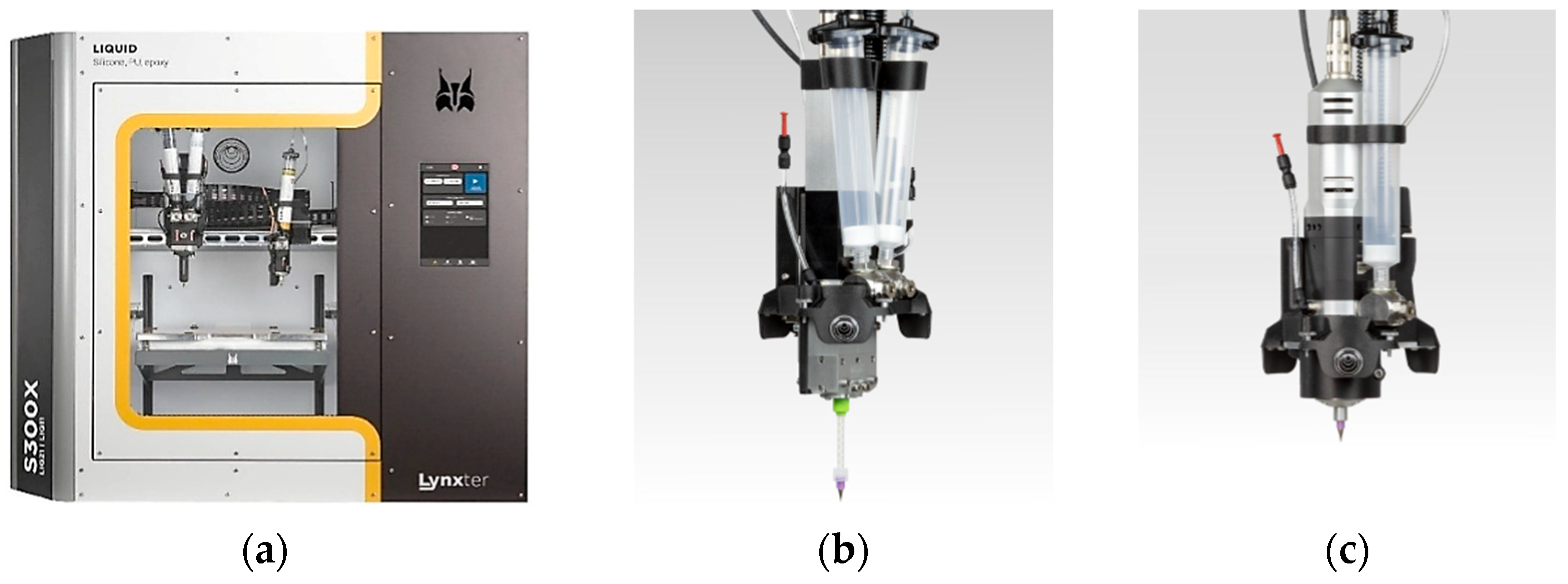
As mentioned before, the Lynxter S300X (Lunxter, Bayonne, France) is an industrial-grade direct AM system designed for processing (RTV-2) silicone elastomers. Unlike conventional extrusion-based 3D printers that work with thermoplastic filaments or UV-curable resins, the S300X is engineered to simultaneously mix and deposit viscoelastic silicone formulations.
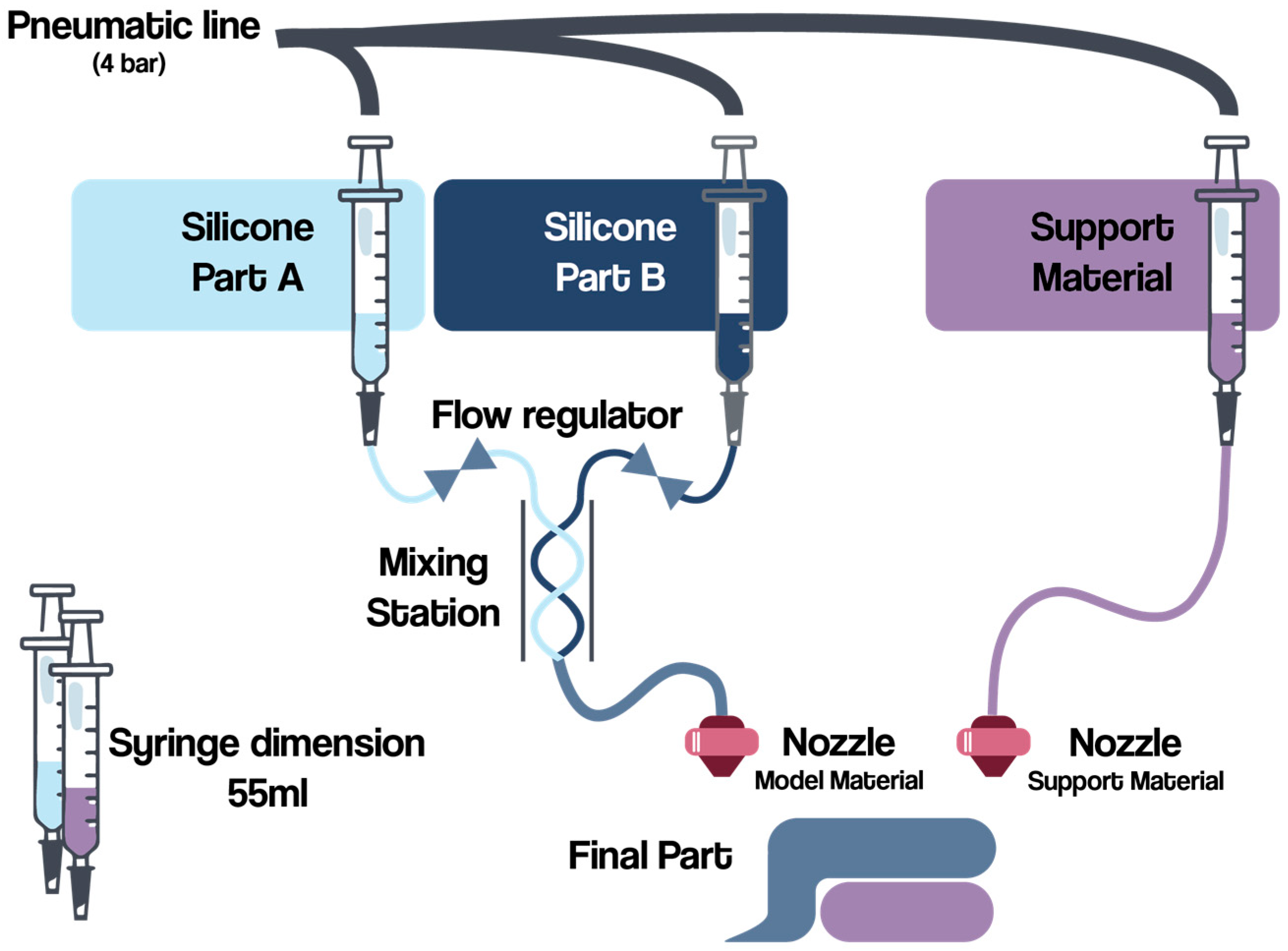
In detail, the machine is equipped with two independent extruders: the LIQ21, a two-component system for RTV-2 silicones, and the LIQ11, a single-component system dedicated to support material. A compressed air feeding mechanism (see
Figure 1) regulates the material feed of the syringes. The former ensures the correct ratio between base and catalyst as well as homogeneous mixing, which initiates vulcanization. The latter extrudes the water-soluble support material, enabling the fabrication of more complex structures and thereby extending the printing capabilities of the system. A schematic drawing of the machine, depicting its functioning, is provided in
Figure 2. This makes the machine suitable for a broader range of applications and sectors, including healthcare, biomedical engineering, aerospace, soft robotics, fashion, and textiles [
28].
With dedicated support deposition, the printer can fabricate overhangs, bridging structures, internal cavities, unsupported thin walls, and other complex features that would typically deform or collapse when printed on single-material DIW systems. The machine is optimized for precise control of extrusion, mixing, and curing, a critical requirement for silicone AM, where viscosity, shear thinning, thixotropy, and cure kinetics strongly affect printability.
The material offered by Lynxter for 3D printing is identified as SIL-001 and SIL-002. Both are two-component silicone curing at room temperature. Material properties are summarized in
Table 1.
The materials exhibit excellent mechanical and chemical properties: they withstand a wide temperature range from −50 °C to 250 °C, show remarkable resistance to chemicals, UV radiation, and aging. Despite their excellent physical properties, the silicones commercially available are limited in terms of hardness, as they are typically positioned at the higher end of the hardness scale. Moreover, advanced applications often require material properties to be tailored to specific design constraints, making the availability of tunable silicone formulations increasingly important. It is therefore useful to extend the range of materials compatible with a Material Extrusion system for silicone by developing a method to adapt general-purpose silicone, even those whose characteristics differ significantly from those required for extrusion-based 3D printing.
For this purpose, the low-hardness EcoFlex 00-50 silicone, produced by Smooth-On and characterized by a 00-50 shore hardness, was used as a basis material to create a new range of silicones working with the Lynxter 3D printing machine. This specific material was selected as it is characterized by hardness and rheological properties that significantly differ from the available 3D printing silicones, making it the perfect candidate for the tested methodology. Its typical applications are the fabrication of prosthetics, orthotic padding, and special-effects applications. This material is not suitable as it is for 3D printing process. In fact, beyond hardness, its relatively low viscosity renders this silicone incompatible for a material extrusion technology.
For this reason, THI-VEX [
29], a thickening agent also produced by Smooth-On, was added to increase the viscosity of the silicone. THI-VEX acts mainly as a thixotropic agent; evidently, however, even if it is not designed to actively modify any other property of the silicone, its introduction as an inert material surely produces a marginal effect on all the mechanical properties of the main material. This effect has already been studied in the literature, as documented in [
30]. The authors found that adding a thixotropic agent significantly decreased tear strength and elongation at break of all tested silicones (
p < 0.001). Tensile strength, however, shows no significant effect induced by the additive (
p > 0.05 with 2‰ additive by weight).
With the aim of creating a 3D printable silicone with mechanical characteristics comparable with the one provided by SIL-001, different mixes were created, according to the producer’s indications reported in
Table 2, where the term “part” refers to any amount of component used to respect proportions.
2.2. Viscosity Evaluation
Table 2 shows that the viscosity levels associated with different THI-VEX concentrations suggested by the producer for the Ecoflex 00-50 silicoe are only qualitatively assessed. Therefore, a dedicated methodology was developed to perform a preliminary study aimed at characterizing the influence of the additive and defining suitable silicone formulations for subsequent experimental work. This preliminary viscosity assessment is crucial for comparing the performances of low-cost, appositely devised, new materials with commercial ones. In fact, the proposed method provides a comparative, qualitative assessment to enable practical screening of silicone formulations under conditions representative of industrial additive manufacturing.
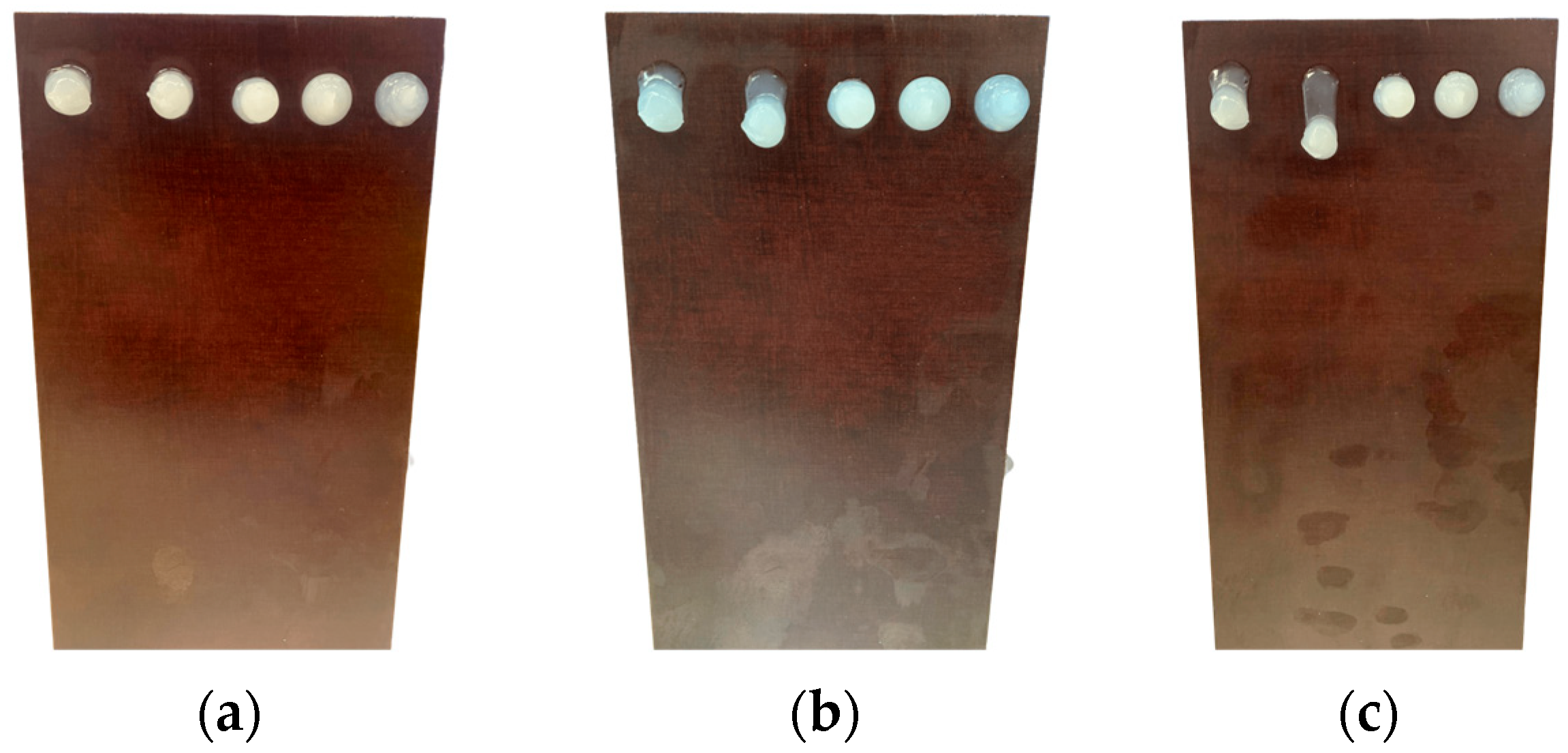
The investigation was conducted by comparing the resistance offered to gravity by a small amount of silicone deposited on a polymer panel. Specifically, the test evaluated the position and shape after one hour with the panel being in a vertical position. Test samples manufactured with different percentages of additives, were compared with the SIL-001. All samples were applied using the same mass, so that the only force capable of acting differently on each silicone was the friction between the samples and the panel, thus allowing viscosity to be evaluated indirectly. The silicone samples in question were prepared starting from 20 g of part A of EcoFlex 00-50, to which the following additive percentages were added, as shown in
Figure 3 from left to right: 0.75%, 0.50%, 1.00%, and 1.50% in weight with respect to Part A (see
Figure 3). In the
Figure 3, SIL-001 silicone is on the right.
From the test results, it was observed that the silicone formulations whose behavior most closely resembled that of SIL-001—and which are therefore more suitable for printing—were those containing the highest percentages of THI-VEX. This outcome provided a basis for selecting the initial formulations to be used in the fabrication of actual printed specimens. Accordingly, a range of THI-VEX formulations ranging from 1% to 5% with respect to the weight of Part A (0.5–2.5% of total weight) was defined for the full 3D printing experimentation.
A similar experiment was conducted to verify whether part B (the catalyst component) exhibited the same behavior and did not introduce unexpected issues. Repeating the test by applying 20 g of part A and 20 g of part B, each modified with 1% THI-VEX, showed that part B does not undergo any activation during the procedure and increases its viscosity in a manner analogous to part A. Consequently, it was possible to prepare the syringes used for loading the printer with identical amounts of THI-VEX in both components. This would not have been feasible had the results been unsatisfactory: if part B had been incompatible with the additive, it would have been necessary to add the THI-VEX exclusively to part A, resulting in a marked viscosity mismatch between the two components and ultimately preventing proper mixing during printing.
It is important to remark that the vertical panel test adopted in this work is not meant to provide an absolute or standardized measurement of viscosity. Instead, it is conceived as a practical tool aimed at comparatively evaluating the early-stage flow resistance and shape retention of different silicone formulations under gravity conditions. Conventional rheological measurements, while valuable for material characterization, often operate at shear rates and boundary conditions that differ substantially from those encountered during extrusion-based silicone additive manufacturing, particularly in the immediate post-deposition phase where structural stability is overseen by yield stress, thixotropy, and time-dependent recovery. The proposed qualitative approach in this work prioritizes material behavior during deposition and early curing, allowing fast and cost-effective identification of formulations compatible with the extrusion system prior to more detailed rheological or mechanical analyses.
In other words, the adopted approach prioritizes material behavior during deposition and early curing stages, which are critical for printability but not always fully captured by conventional rheological tests.
2.3. Preparation of New Silicone Compositions
Based on the results obtained, six silicone formulations were prepared (see
Table 2). Each formulation was produced by mixing 100 g of part A (base) with 100 g of part B (catalyst), while varying the concentration of the thickening agent THI-VEX. The additive was incorporated into both components in equal proportion, with THI-VEX total levels ranging from 0.5% to 2.5% in increments of 0.5% (such value is expressed with respect to either the weight of Part A or B); an additional test point at 2.5% in weight of part A was added to further refine the most interesting region. In other words, taking part A weight as reference value as the producer does (see
Table 1), the range tested in the experimentation was from 1% to 5%. The present manuscript will continue to use this as unit of measurement in order to allow comparison with other studies following the producer’s prescriptions.
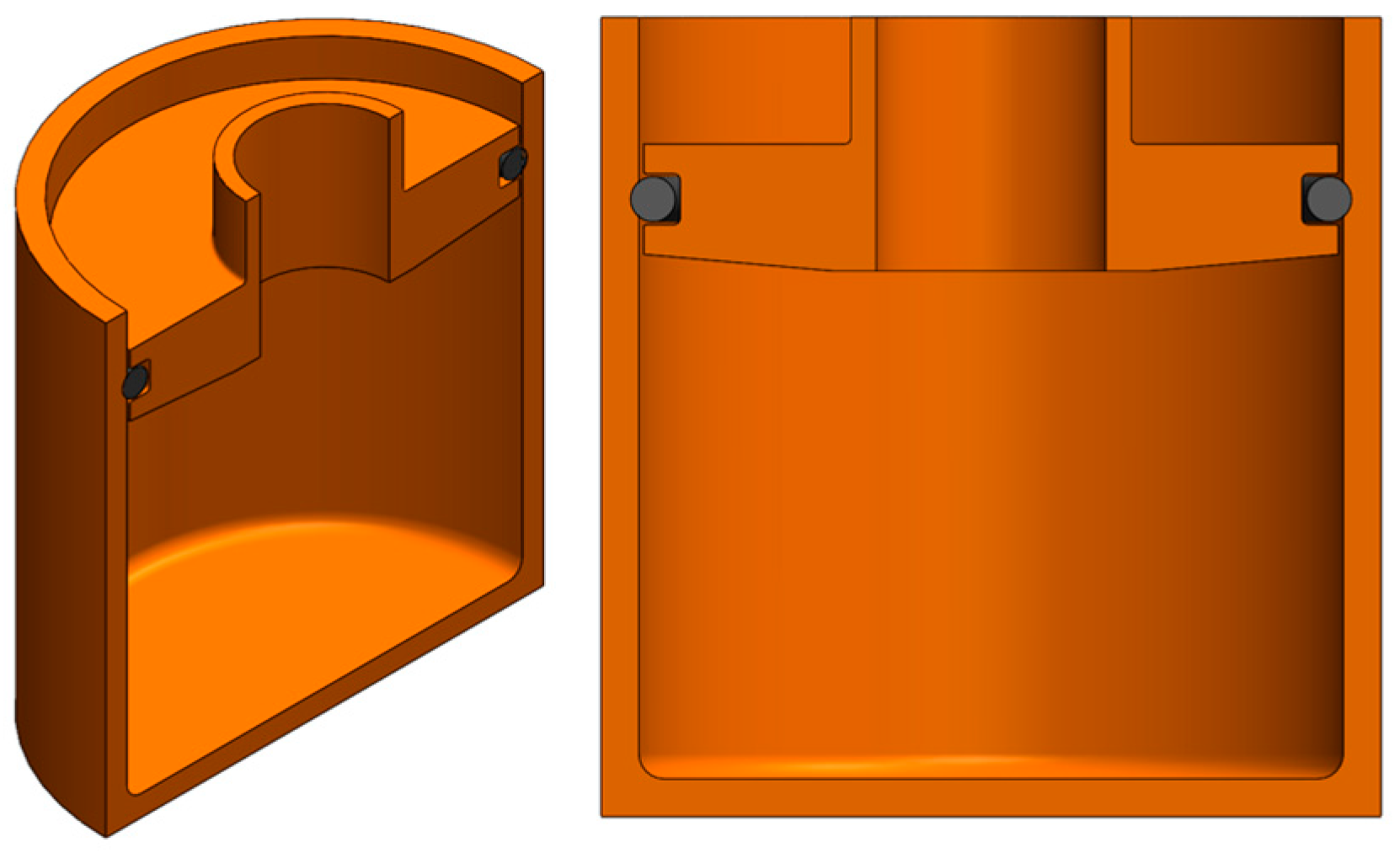
During the pouring of silicone into containers, it is common for air to become trapped within the material due to several factors that cannot always be avoided, even when appropriate precautions are taken. This results in the formation of air bubbles that may compromise both the aesthetic and mechanical properties of the printed component with surface imperfections or internal voids. To minimize this issue and obtain the highest-quality silicone possible, several measures were implemented. First, each individual component was thoroughly degassed thanks to a vacuum pump (5 min at 0.1 bar) to reduce the amount of entrapped air prior to mixing. Subsequently, a dedicated airtight system (
Figure 4) was developed to ensure reliable and contamination-free loading of the material into the syringes.
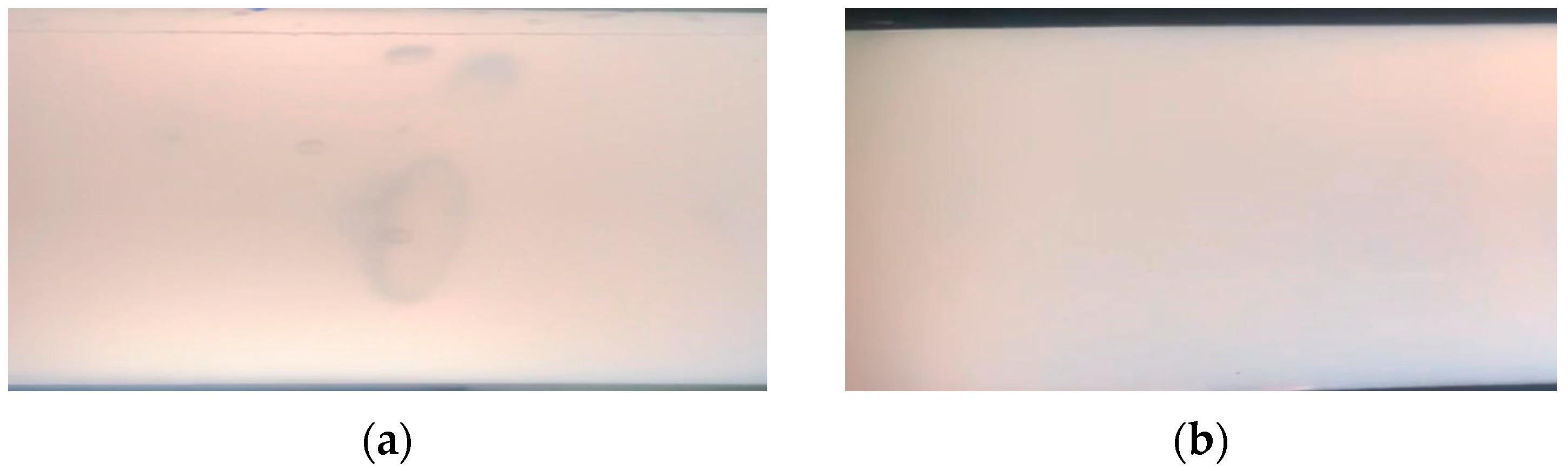
A cylindrical chamber was manufactured with a sufficient volume to fill an entire 55-mL syringe, along with a hollow plunger to allow silicone flow. The plunger includes a seat for an O-ring to ensure fluid sealing within the cylinder and an additional recess designed to accommodate the syringe nozzle. At the end of this phase, the syringes were stored at a temperature of approximately 5–10 °C for two days, allowing the remaining air bubbles to dissipate completely, as shown in
Figure 5. To ensure consistency across the experimental campaign, all specimens were fabricated within a strictly controlled timeframe, specifically between 48 and 52 h after the syringes were prepared.
2.4. 3D Printing Parameters
Before printing the various specimens, described in detail in the following sections, it was necessary to verify that the developed materials were compatible with the printing system and to identify the appropriate printing parameters.
The printer provides all the required steps and instructions for correctly loading the material. At the beginning of this procedure, the printer software, CONTROL, version 2.1., allows the user to select the material to be loaded from its internal database, where predefined parameters and printing-environment settings are associated with each material. Among the available options, COPSIL 3D 4050 was selected due to its similarity to EcoFlex 00-50, most notably the identical 1:1 mixing ratio.
After conducting a series of preliminary tests, the following printing parameters were defined:
Special attention was devoted to defining the extrusion multiplier, for which a dedicated section is provided later in this paper. These printing parameters were applied to all silicone formulations to ensure that only the effect of viscosity on specific recurring critical aspects, discussed in the following sections, was investigated, without introducing variability from other sources.
3. Characterization of the New Range of Silicones
Geometric fidelity and structural stability are essential performance metrics, as they directly constrain design freedom and process reliability. Furthermore, establishing the geometric limits of the process is a prerequisite for any subsequent characterization (e.g., mechanical testing) since the manufacturability and dimensional accuracy of the printed specimens must be confirmed before drawing conclusions from their measured properties. Consequently, a series of dedicated experiments was devised to systematically investigate these aspects [
31]. Although several benchmark models have been proposed for geometric assessment, most of them remain overly generic and often disregard the substantial differences that exist among additive manufacturing technologies [
32,
33], particularly those related to material behavior. Moreover, it is commonly suggested to evaluate multiple attributes using a single, geometrically complex specimen [
32]. While this strategy can streamline the characterization process, it introduces significant drawbacks: measurements become less tractable, and the risk of failure transfer increases. In extrusion-based systems, for example, material accumulated at the nozzle following a localized defect may be unintentionally redeposited elsewhere, thereby compromising independent features and biasing the results [
32]. For these reasons, each geometric limitation was assessed using a dedicated test specimen. The designs were developed according to the recommendations provided in Lynxter’s Liquid Deposition guidelines [
34], which specify appropriate feature dimensions as a function of material properties, nozzle diameter, and specimen geometry. The main aim of this investigation is, therefore, to establish the geometric performance envelope of the different silicone formulations.
3.1. Extrusion Multiplier
As a first step for the investigation, the appropriate setting for the extrusion multiplier was determined. This parameter controls the material flow rate working on extrusion width, nozzle diameter, travel speed, layer height, and other process variables. While the slicing software (Simplify3D 5.0. in this work) computes a nominal flow rate, this can be adjusted through the extrusion multiplier, which decreases the volumetric flow when set below unity and increases it when set above unity. In fact, several structural and dimensional accuracy issues may arise from an incorrect flow rate due to under or over extrusion. To determine an appropriate extrusion flow rate, a visual inspection method was adopted. This approach does not require any instrumentation yet yields reliable and repeatable results. In contrast, the commonly used wall thickness tuning method, which relies on measuring the thickness of a printed wall whose dimension is directly linked to the programmed flow rate, is sensitive to layer oscillation caused by axis miscalibration, extrusion irregularities, or fluctuations in the extruded filament diameter. Moreover, its evaluation in case of soft structures is even more complicated. Furthermore, when evaluating small features, even minor measurement errors become proportionally significant. Such errors may arise from instrument sensitivity, measurement location, or applied pressure. This is especially critical in this study, given the low hardness and high deformability of silicone-based materials. Reducing the impact of these uncertainties would require substantially larger specimens, as larger dimensions keep absolute measurement errors constant while lowering their relative magnitude. However, this solution is not feasible in the present context due to logistical constraints: both material preparation and loading are time-intensive, making the production of large specimens impractical.
For these reasons, the selected method consisted of fabricating a series of geometrically identical simple prismatic samples with progressively increasing extrusion multiplier values and visually inspecting them for inter-line gaps (indicative of under-extrusion) or surface ridges (indicative of over-extrusion). Particular attention was paid to the central region of each specimen, as it provides the most reliable indication of print quality. Slight over-extrusion at edges and corners is expected, as these areas correspond to transitions between different toolpath types.
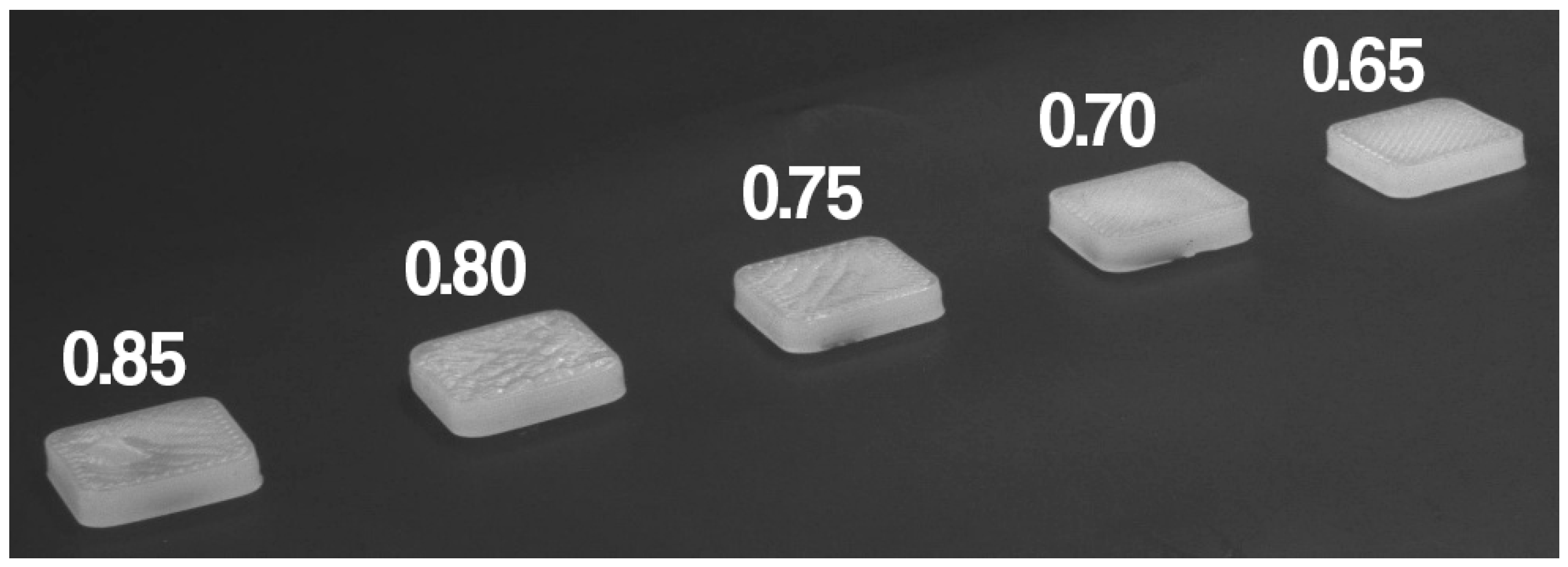
Preliminary tests were first conducted on the silicone formulation containing 2.5 wt% THI-VEX to narrow the effective tuning range. Specifically, five specimens measuring 20 × 20 × 5 mm were printed, employing extrusion multiplier values ranging from 0.65 to 0.85, in increments of 0.05 (
Figure 6).
The initial test revealed that the extremes of the selected range exhibited the previously discussed defects: surface ridges at an extrusion multiplier of 0.85 and inter-line gaps at 0.65. The optimal result was observed at a value of 0.75. Based on these findings, the experiment was repeated for each silicone formulation over a narrower range, from 0.72 to 0.78, with increments of 0.01 between specimens. As described earlier, a single extrusion multiplier value of 0.72 was ultimately selected for the fabrication of all samples.
3.2. Geometric Limit Characterization
The characterization of geometric limits was carried out through a series of tests based on simple, purpose-designed models intended to evaluate recurring critical features commonly encountered in printed components. Specifically, the following assessments were performed:
Thin walls: this test is conducted to qualitatively evaluate the stability of thin-wall structures, both when supported and when printed in an unsupported configuration. For each case, three models were fabricated with identical height but progressively decreasing wall thickness (2.1 mm, 2.5 mm and 3.0 mm, see
Figure 7).
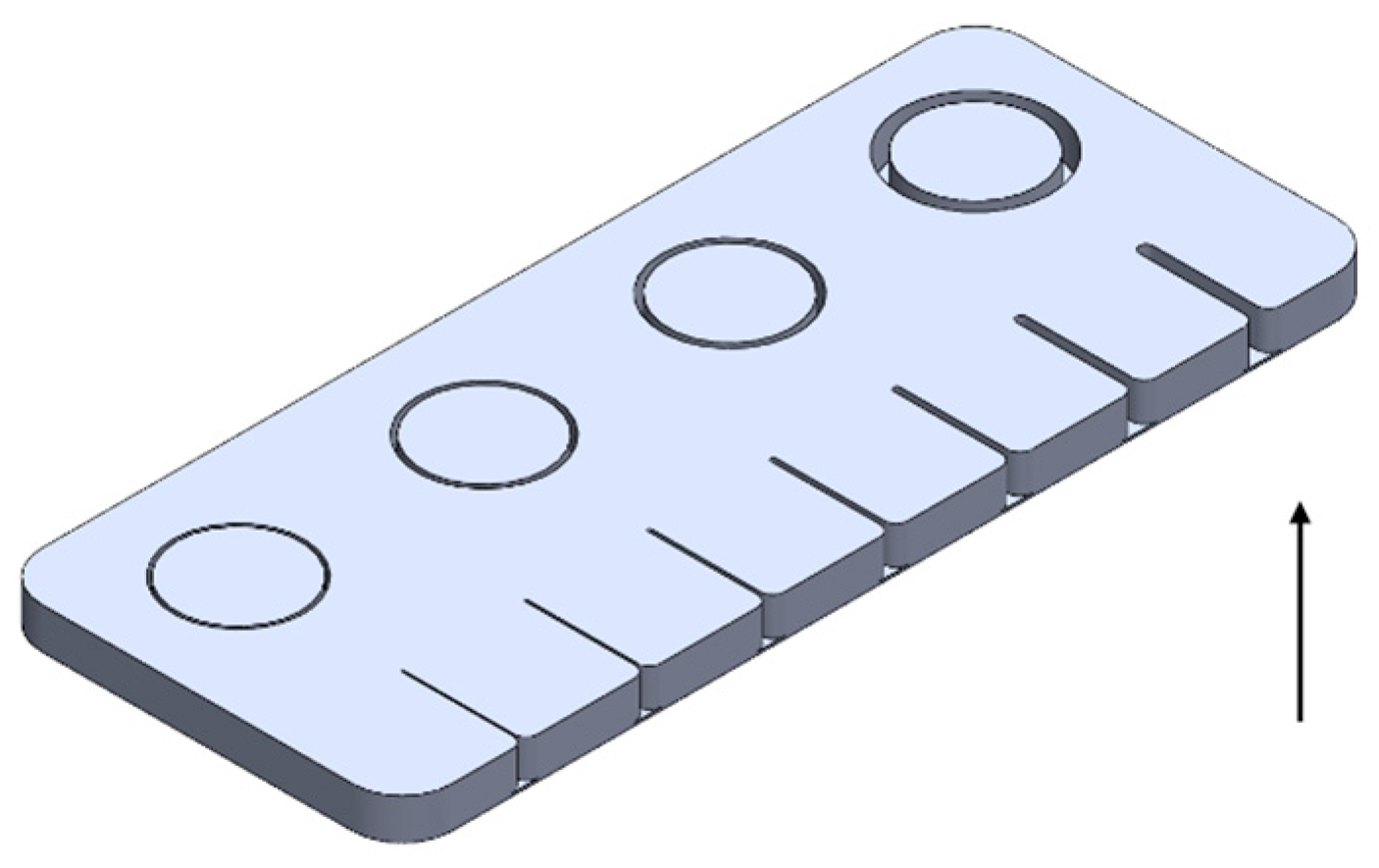
Gaps: This test is carried out to examine the material’s behavior in the presence of closely spaced surfaces. For each silicone formulation, a single specimen was fabricated containing a series of gaps with varying values (0.21 mm, 0.3 mm, 0.42 mm, 0.6 mm, 0.8 mm, 1.2 mm, 1.6 mm for the parallel gaps, see
Figure 8; 0.42 mm, 0.6 mm, 0.8 mm, 1.6 mm for the circular gaps).
Figure 8.
Gaps. The black arrow identifies the building direction.
Figure 8.
Gaps. The black arrow identifies the building direction.
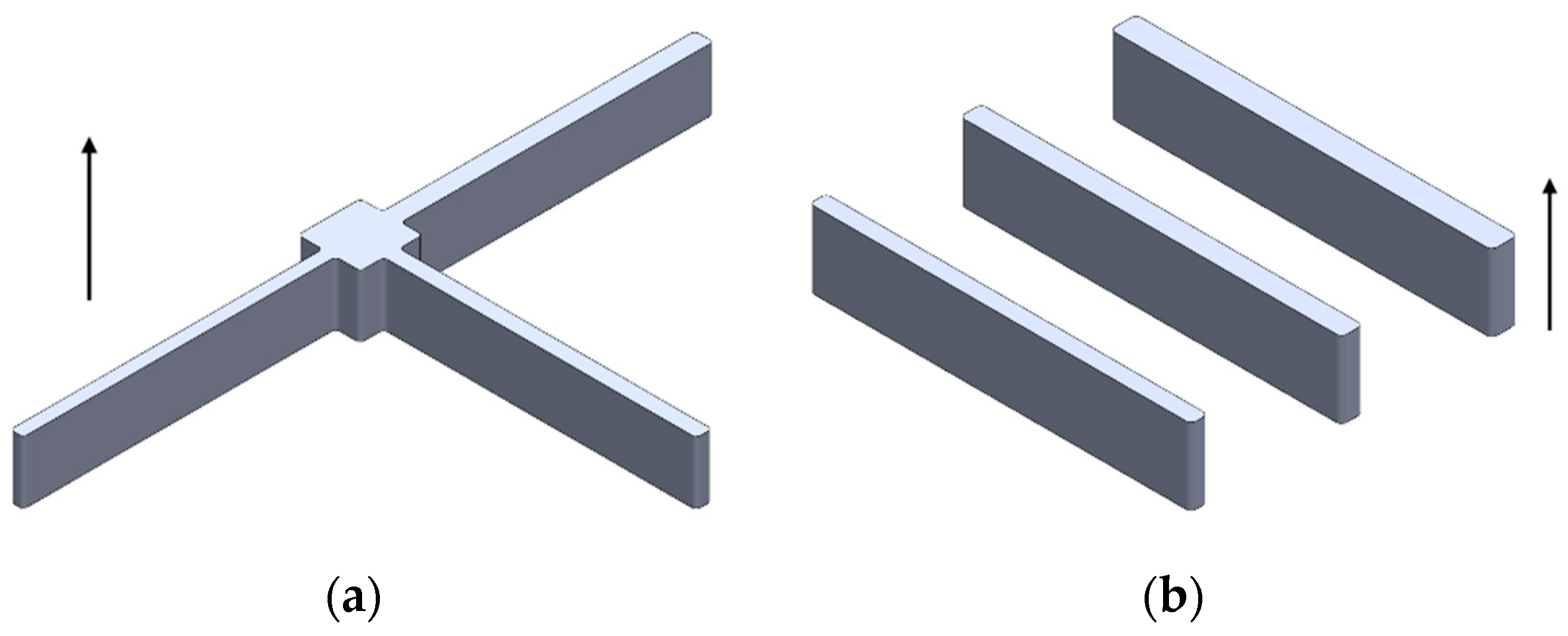
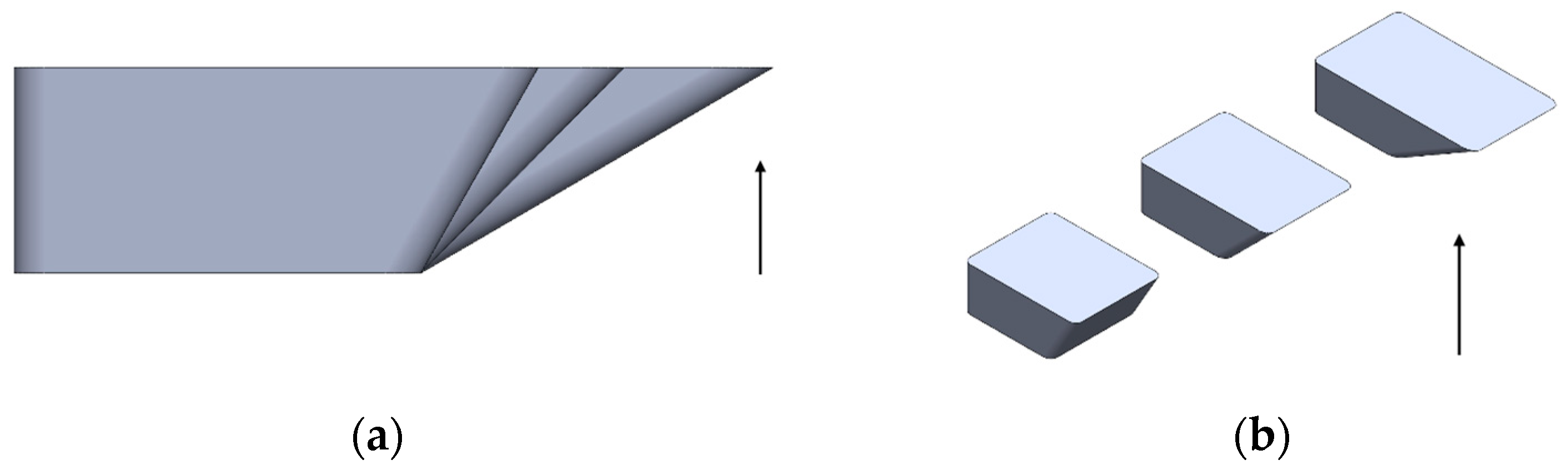
Overhangs: this test aims to determine the limiting inclination angle for structures featuring overhanging elements. Three specimens with progressively decreasing inclinations (30°, 45°, 60°) were designed, ensuring that their center of mass remained positioned above the first printed layer. The same 10.00 mm height was used for everyone. This prevents excessive deformation caused by the weight of the structure during printing and avoids distortion in the placement of subsequently deposited material (
Figure 9a,b).
Figure 9.
(a) Lateral view of overhangs; (b) overhangs. The black arrow identifies the building direction.
Figure 9.
(a) Lateral view of overhangs; (b) overhangs. The black arrow identifies the building direction.
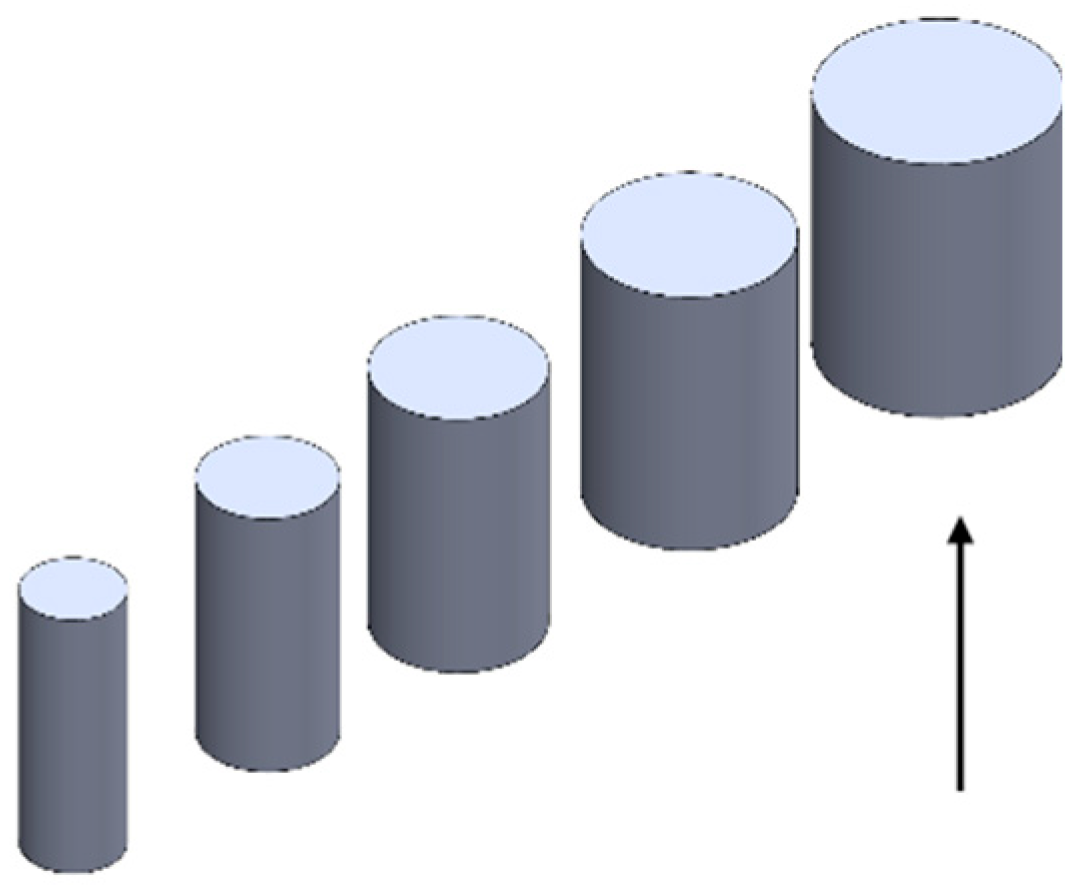
Pins: this test is conducted to determine the maximum slenderness ratio at which cylindrical structures remain stable without collapsing under their own weight. Five specimens were fabricated for this purpose, all with identical height (15 mm) but progressively decreasing diameters (5.25 mm, 7.00 mm, 8.75 mm, 10.50 mm, 12.25 mm, see
Figure 10).
Figure 10.
Pins. The black arrow identifies the building direction.
Figure 10.
Pins. The black arrow identifies the building direction.
4. Results
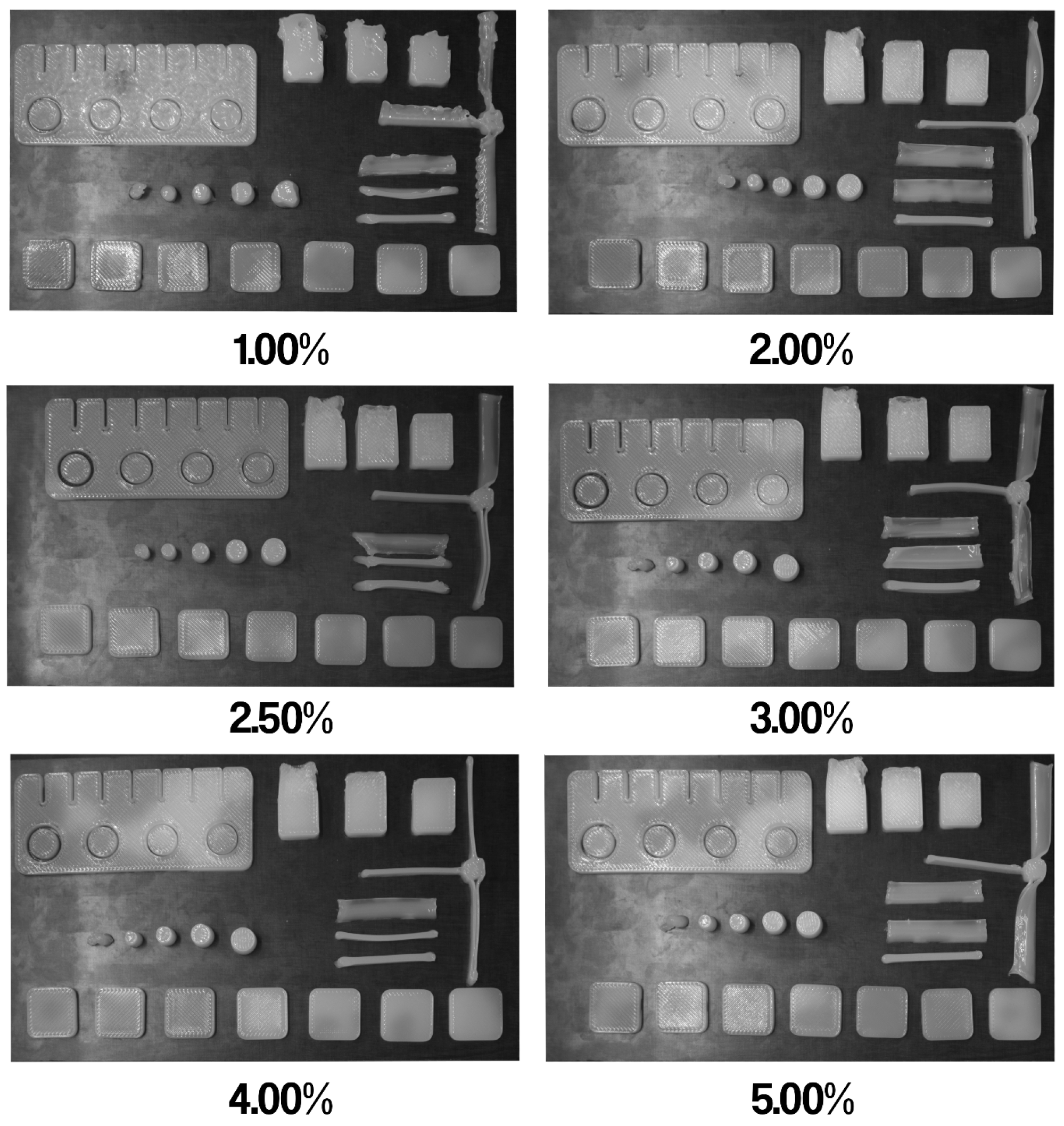
Once the test geometries had been designed, 3D printing was carried out to generate the specimens used for evaluation and data collection for each silicone formulation. To minimize the possibility of failure transfer, each test was printed individually in three repetitions, enabling corrective actions when necessary and ensuring that the nozzle remained clean in the event of a failed print that could otherwise lead to silicone accumulation (and reducing possible problems due bias in the batch-to-batch silicone formulations). Specimens printed for the experiment are depicted in
Figure 11, according to their THI-VEX composition. All printing tests were conducted in controlled conditions in the laboratory environment at a temperature of 22 °C ± 2 °C.
Assessment of Geometric Process Limits and Data Reliability
To define a clear and unambiguous evaluation method, a visual inspection was performed by different evaluators. The use of instrumental techniques such as profilometry or 3D scanning was not feasible due to the soft nature of the sample and their translucent appearance, which prevented optical acquisition. Moreover, most interesting phenomena were clearly visible at a macroscale level. Multiple independent evaluators were involved in the analysis, and an inter-rater reliability analysis was performed. This metric expresses the degree of concordance among subjective evaluations provided by independent judges and allows verification of the consistency of the adopted evaluation framework.
The method consists of assigning each specimen to one of the categories listed below. These categories were designed to be clear and easily distinguishable in order to minimize classification errors and increase overall reliability:
Failed: the structure collapsed, preventing evaluation of the specific geometric feature for which the model was designed.
Deformed: the structure exhibited some deformation but retained its overall integrity.
Successful: the structure reproduced the intended geometry as accurately as can be determined through visual inspection.
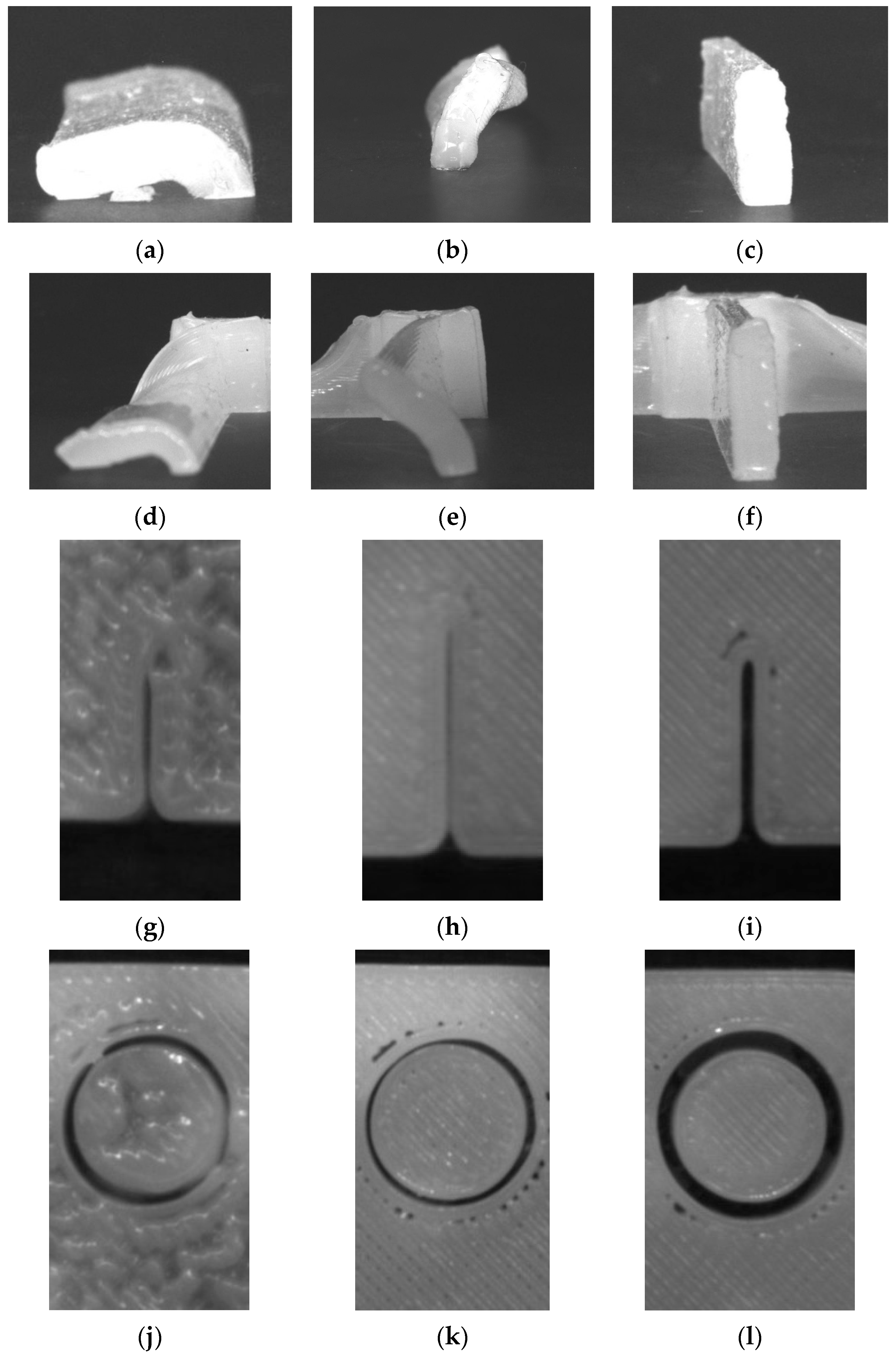
Figure 12 visually illustrates the results obtained for the three aforementioned categories and referred to, respectively, unsupported and supported thin walls (
Figure 12a–f), rectilinear gaps (
Figure 12g–i), and circular gaps (
Figure 12j–l).
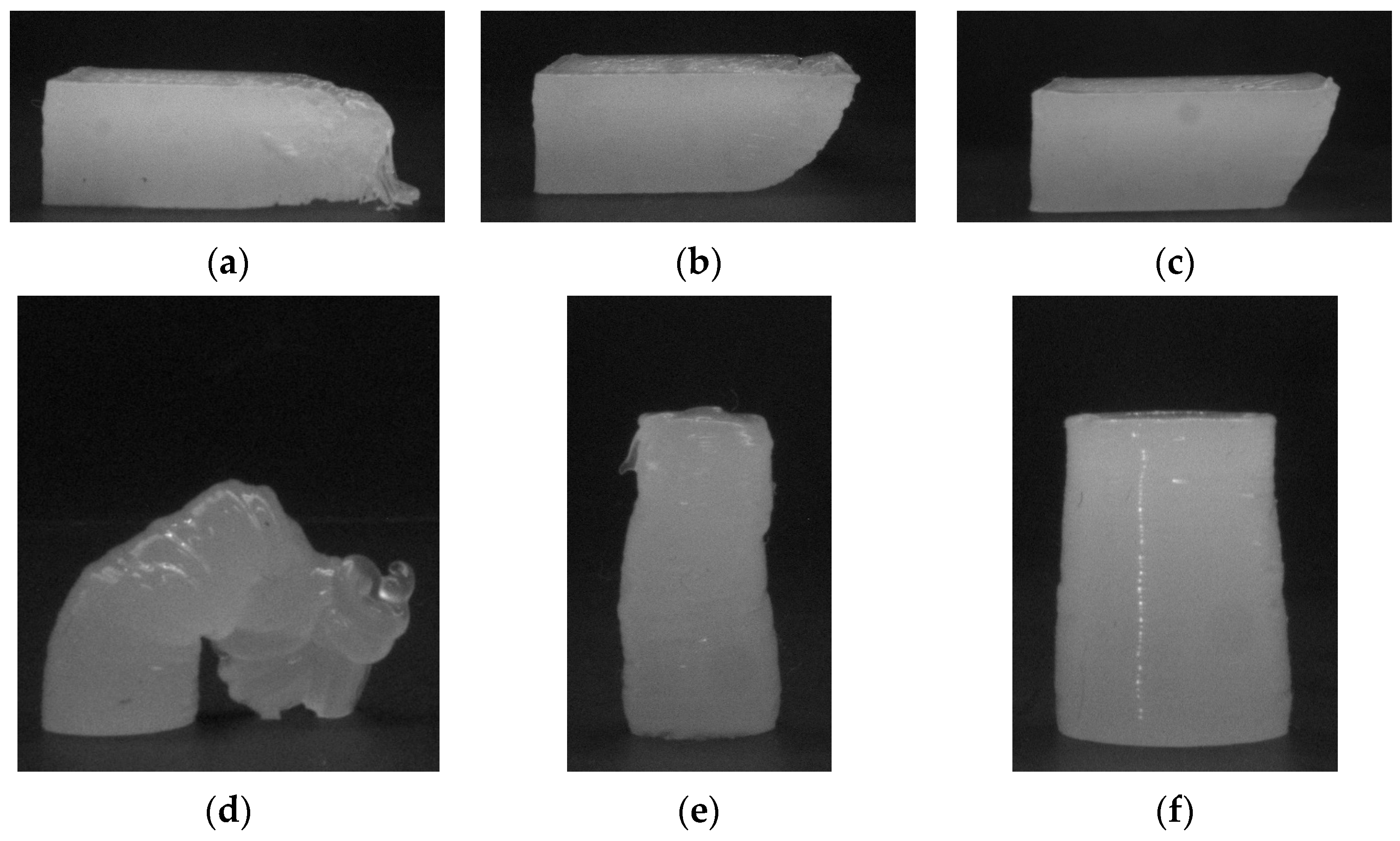
Figure 13 shows three examples of different categories for, respectively, overhang (
Figure 13a–c) and pins (
Figure 13d–f) geometries.
To make the evaluation more direct and comparable, each category was assigned a score: failed cases did not contribute any points, while the “deformed” and “successful” categories were assigned scores of 2 and 4, respectively.
Table 3 summarizes the results obtained from the assessment conducted by the independent judges.
Results listed in
Table 3 show that silicone with 4.00% THI-VEX (Test 5) consistently performs among the best in every individual test, achieving the highest score in each case and consequently obtaining the overall highest rating. This preliminary analysis identifies it as the silicone with highest geometric score for the use in extrusion-based 3D printing using the Lynxter S300X.
Conversely, the silicone formulation that proved least compatible with this technology was the one containing only 1.00% additive, i.e., the lowest percentage tested (Test 1), as previously suggested by the results of the viscosity evaluation test. To evaluate the internal consistency of results obtained from the panel of experts, the widely known method of “percentage agreement” is carried out [
35].
Despite its widespread use and straightforward interpretation, percentage agreement is subject to notable methodological limitations. The most relevant one is the failure to account for agreements occurring by chance, which can lead to inflated reliability estimates when the number of raters is substantial or when the observations involve categorical variables that are inherently difficult to discriminate. Moreover, this metric captures only absolute agreement and does not incorporate any gradation or strength of agreement. However, these limitations are unlikely to substantially affect the analysis proposed in this work, given the small number of well-defined categories employed.
Alternative reliability metrics such as Cohen’s or Fleiss’ kappa [
35] were not adopted in this study. Although these coefficients are correct for chance agreement, they are known to be sensitive to category prevalence and marginal distributions, particularly when the number of categories is small and unevenly populated, as in the present case. Under such conditions, kappa statistics may yield paradoxically low value despite high observed agreement, potentially leading to misleading interpretations of evaluator consistency. Given the clearly defined and easily distinguishable classification criteria, the limited number of evaluators, and the exploratory, application-oriented nature of the assessment, percentage agreement was considered a more transparent and appropriate indicator of inter-rater concordance.
Nonetheless, to further mitigate potential biases, two additional independent raters, blind to the aims and procedures of the work, were recruited. They conducted their assessments in parallel and were provided solely with a detailed description of the evaluation criteria. Percentage agreement was computed by first determining the number of concordant ratings for each pair of raters. With three raters, three unique pairwise comparisons are possible, yielding three potential agreements per sample [
36]. Agreement was recorded using a binary coding scheme, assigning a value of 1 for agreement and 0 for disagreement. For each sample, the total number of agreements was summed and divided by the maximum number of possible agreements, resulting in the final percentage agreement.
Table 4 shows the results obtained by applying the percentage agreement method to Test 1.
By repeating the procedure for each silicone sample and computing the average value for the resulting agreement percentages, it was possible to determine both the level of concordance associated with each material and an overall index representing the consistency of the entire experimental assessment (see
Table 5).
Table 6 reports the success rate of produced feature, considering only the feature marked as successful outcomes; the rate is expressed as percentage of evaluators who identified the specimens as successful.
As shown in
Table 5, the adopted method yielded a high percentage of agreement among the evaluators for each silicone formulation. In general, reliability values between 60% and 80% are considered modest, whereas percentages above 80% denote an excellent level of concordance. The formulation associated with the lowest percentage of additive produced the greatest uncertainty among the raters. It is crucial to note, however, that this disagreement is confined within the lower end of the quality scale; the raters consistently identified these specimens as sub-optimal, even if they differed on the specific qualitative score. This variance confirms the presence of a transition zone in material behavior and reinforces the validity of the overall trend, which culminates in the high-consensus, high-quality results observed for the 4.00% formulation. Indeed, all evaluators consistently identified the silicone deemed most suitable and, conversely, the one considered least performant. Therefore, the results can be regarded as both reliable and representative. Notably, the extrusion multiplier was also tested using the same criteria. Results agree across all THI-VEX compositions, identifying a 0.78-material extrusion coefficient as the best in all cases.
It can be observed that, for all silicone formulations, the selected value corresponds to the upper limit of the interval used in the test. This is due to the fact that, within the considered range, no instances of over-extrusion were recorded; only cases of under-extrusion occurred. Although the chosen value represents the most appropriate setting, each sample nevertheless exhibits a surface quality marked by slight fissuring.
In particular, unsupported thin walls should not be designed with a load-bearing cross-sectional area below 28.0 mm2, whereas supported thin walls should not fall below 21.0 mm2.
Moreover, the spacing between two parallel surfaces must remain above 0.21 mm for rectilinear gaps and 0.42 mm for circumferential gaps. For cylindrical geometries, it is advisable to maintain a minimum slenderness ratio of 0.58, while overhangs should not be inclined by less than 45° relative to the extrusion plane, as smaller angles increase the risk of collapse due to insufficient support. Finally, the extrusion multiplier should be kept at a value equal to 0.72, being 0.78 the upper recommended value to minimize under-extrusion to ensure proper material flow and prevent under-extrusion defects.
Based on the experimental results obtained under the fixed process parameters described in
Section 2.4, the main design and process guidelines for extrusion-based printing of EcoFlex™ 00-50 modified with THI-VEX are summarized in
Table 7.
Finally, the most interesting formulation (i.e., 4.0% Thi-Vex) was mechanically tested to assess its basic mechanical properties; such evaluation is important to understand the effects of the non neglectable amount of thixotropic additive. ASTM D412 was used as reference to assess tensile strength and elongation at break of the silicone. Data measured on a set sample of 5 specimens fabricated by mold casting is reported in
Table 8 and compared to the original material values, as declared by the producer. Data reveals a substantial degradation in mechanical performance compared to the neat silicone, suggesting that the thixotropic agent significantly disrupts the polymer matrix. However, tests performed to evaluate the hardness of the polymerized material showed no significant difference from the original material.
5. Conclusions
This study allowed the achievement of multiple goals. First and most importantly, it proved the feasibility of a methodology to tune the characteristics of silicone to change their predisposition for a material extrusion process. The results gathered in the experiment showed a strong correlation between thixotropic properties of the silicone and the quality of the print. Secondly the study identified a suitable condition, based on the adopted printing parameters, to 3D print the EcoFlex 00-50 with 4.00% THI-VEX by weight using the Lynxter S300X; furthermore, it identified a set of guidelines to optimize the results achieved printing with this formulation. These recommendations aim to improve the quality and appearance of the printed components while preventing geometric configurations that may compromise fabrication.
These guidelines provide a practical reference for designers and practitioners working with soft silicone materials in extrusion-based additive manufacturing and highlight the strong dependence of printability limits on material formulation and process conditions.
Such indications should be evaluated considering the process parameters mentioned in
Section 2.4. Obviously, the experiment carried out did not take under consideration a printing parameter optimization phase, which is one of the possible future directions this study could unlock.
Mechanical tests performed on the tested formulations highlight a significant effect at the tested concentration of thixotropic agent. A 47% reduction in tensile strength was observed; conversely, the material exhibited a marked increase in ductility, although this measure is characterized by a higher dispersion of the results. Such results do not preclude the functional utility of the tested formulation: the deliberate selection of a low-hardness silicone–with respect to the manufacturer’s ones described in
Table 1, does not typically correspond to the seek of a higher tensile strength, rather a high compliance. Most importantly, the tested hardness of the sample does not significantly differ from the original one, showing the limited impact of the thixotropic agent on such property.
Future work may extend the present study by increasing the number of evaluators and adopting more granular or continuous scoring schemes for geometric assessment. Under such conditions, the combined use of chance-corrected reliability coefficients, such as Cohen’s or Fleiss’ kappa, together with percentage agreement, would enable a more robust statistical characterization of evaluator consistency. In parallel, future investigations could integrate quantitative rheological measurements to further correlate material properties with printability and functional performance. Such extensions would support a more comprehensive validation framework while preserving the practical, application-oriented focus of the proposed methodology.