Electrophysiological Characterization of Aloe vera Under Abiotic Stress: A Quantitative Basis for Plant-Based Biodosimetry

 ,
,  , , , and
Abstract
1. Introduction
2. Materials and Methods
2.1. Plant Material and Experimental Replication
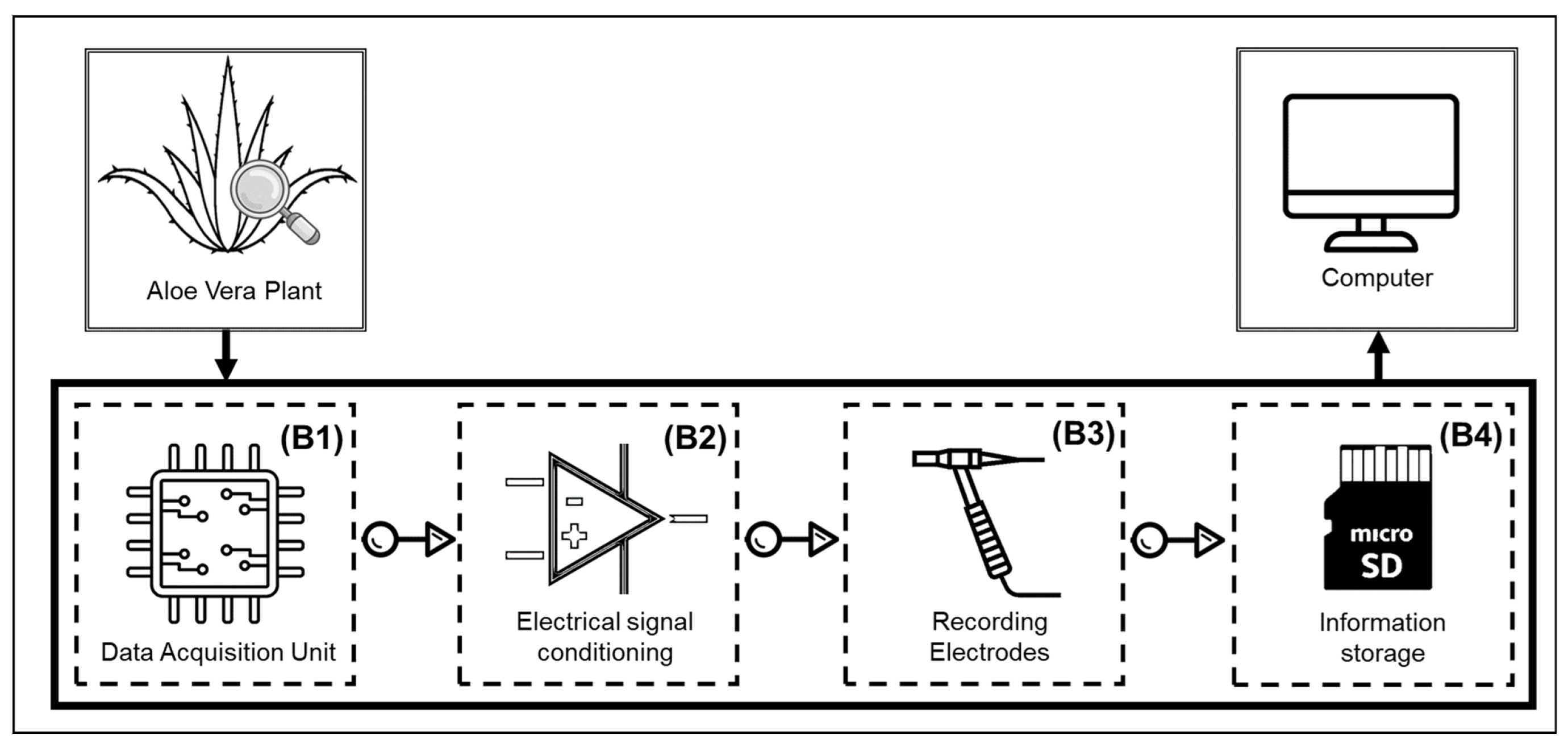
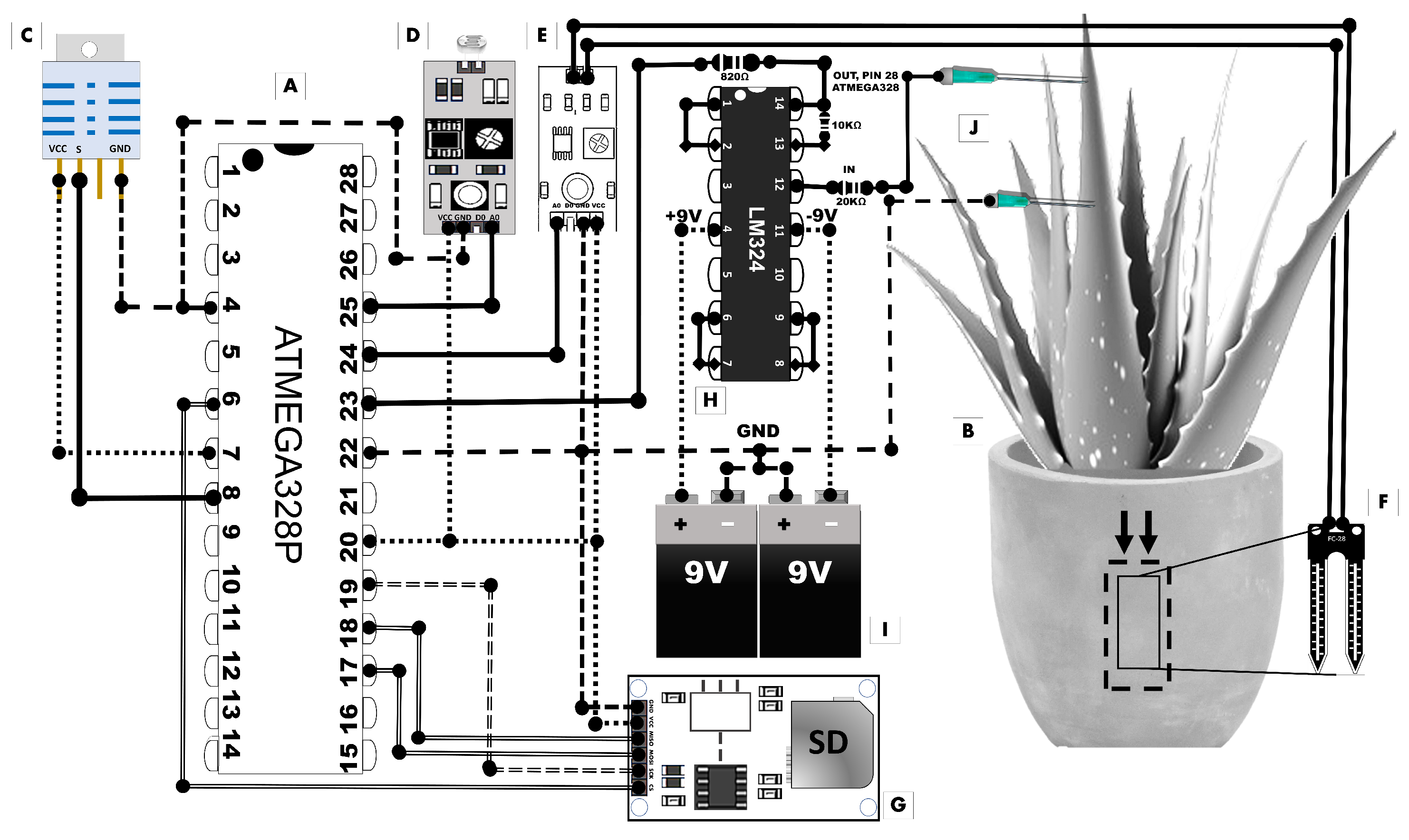
2.2. Electronic System Proposed for Signal Acquisition of the Aloe vera
2.3. Proposed Experimental Design for Acquiring the Electrical Signal of the Aloe vera Plant
- (i)
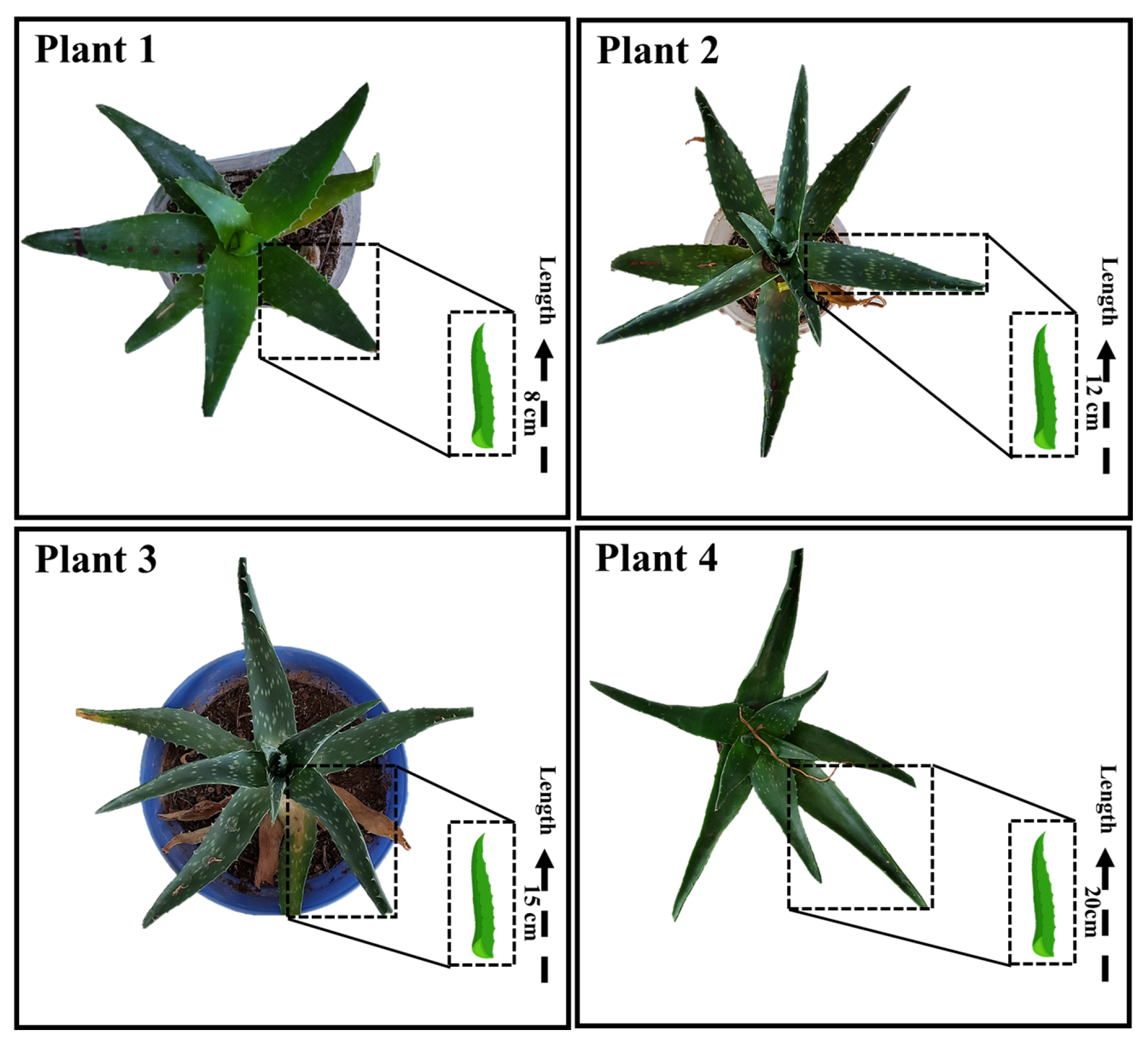
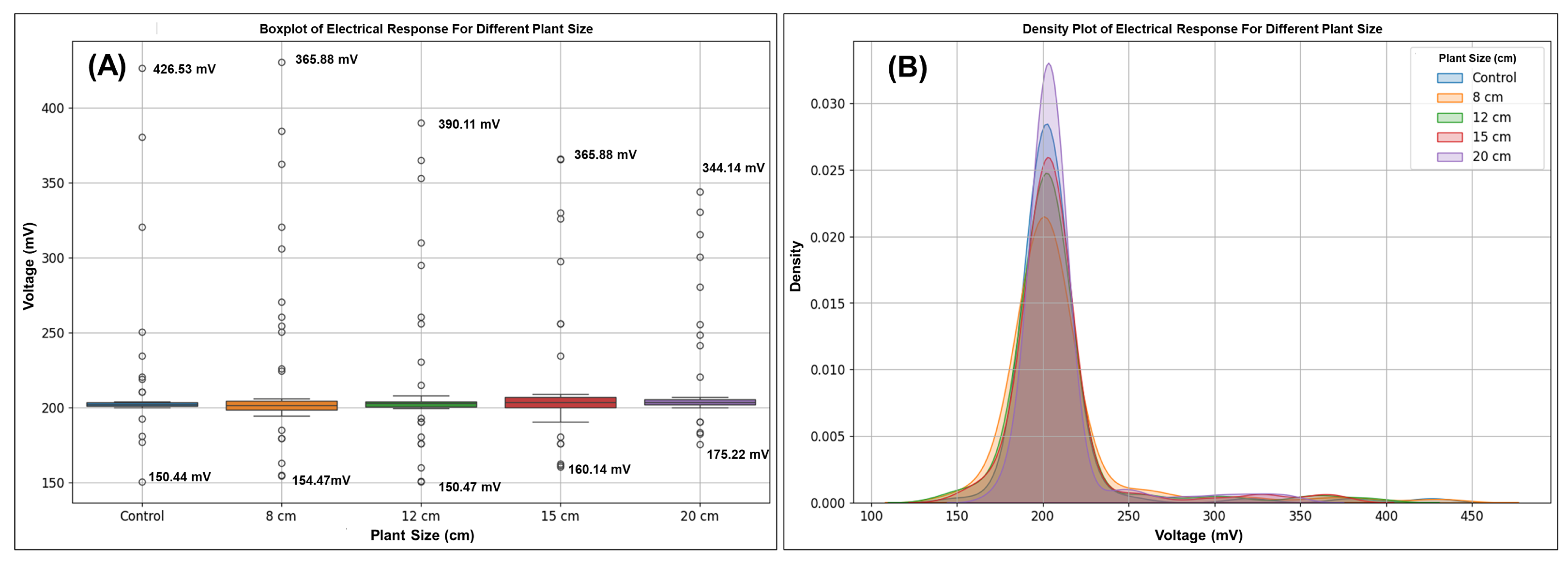
- Conditions of the Aloe vera plant. Mature Aloe vera plants grown under laboratory conditions in Zacatecas, Mexico, were used. Plants had an approximate height of ∼40 cm and uniform green coloration without visible tissue damage. For baseline/control recordings, leaves of approximately 7–8 cm length (and 3–4 cm width) were preferentially selected; for the leaf-size experiment, leaves were selected according to the predefined length categories (8, 12, 15, and 20 cm).
- (ii)
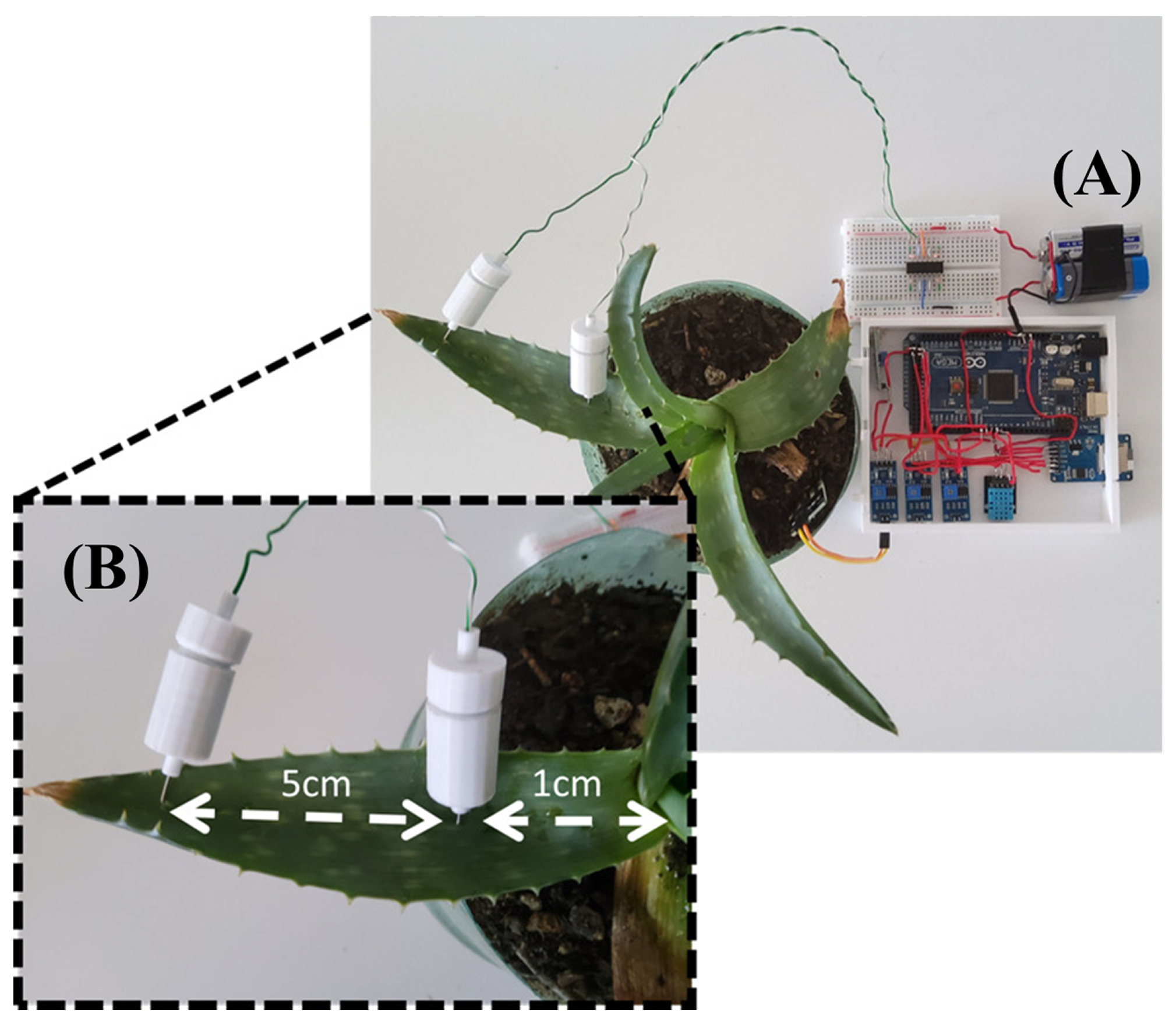
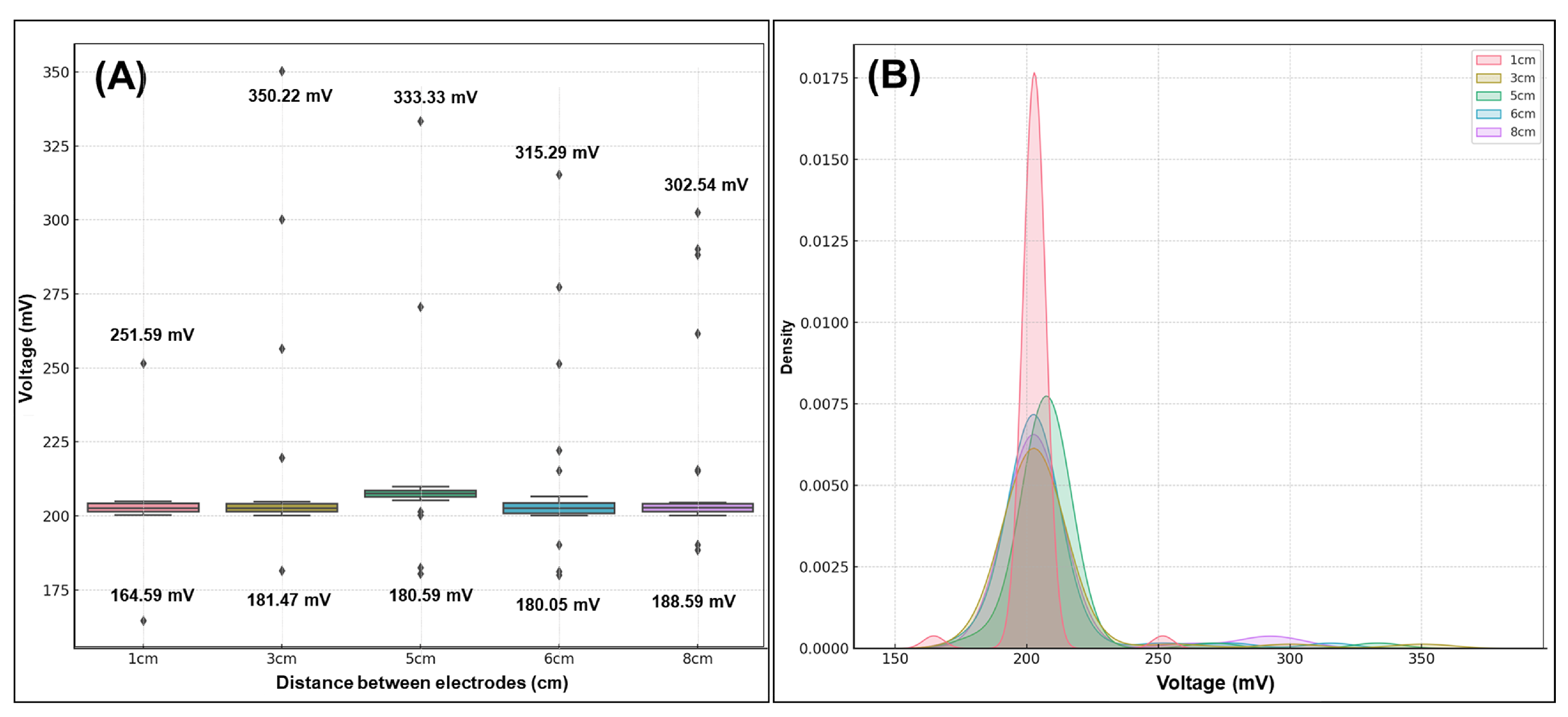
- Position of the electrodes. The first electrode is inserted into the Aloe vera leaf, near the stem, about 1 cm from the stem. The second one is inserted into the same Aloe vera leaf, near the tip of the leaf and in the direction of the first electrode. The distance between the tips of the two electrodes was 5 cm. The penetration of the electrodes was approximately 0.2 cm. See Figure 3.
- (iii)
- Electronic equipment. Once the electrodes are in place, the micro SD storage drive is inserted and the equipment is turned on. It is essential to allow a 60–120 min acclimation period for the plant to recover from electrode insertion wounding and re-establish baseline electrophysiological activity. Once this is done, data is acquired for 20 min, obtaining a sample every 1 s.
- (iv)
- Experiments and voltage condition variations. Once the electrodes were inserted, some additional characteristics of the measurement environment were recorded, such as a soil moisture of 60% at temperature of 25 °C with humidity of 37.9% and an LDR module resistor of 7 kΩ. Subsequently, the variations in the different conditions of stress and the recording of the biopotentials were carried out. The experiments are described in the subsections below.

2.3.1. Signal Reproducibility
2.3.2. Leaf-Size Difference
2.3.3. Distance Between Electrodes
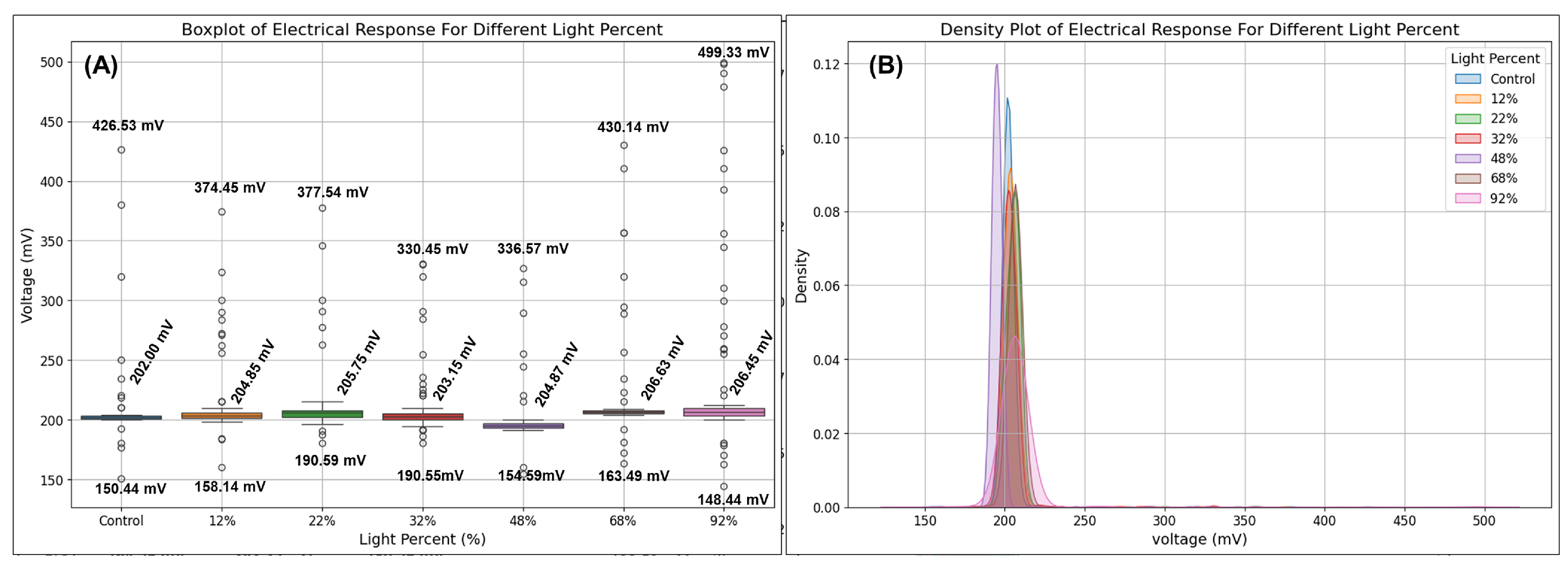
2.3.4. Stress from Different Light Levels
2.3.5. Stress from Different Percentages of Soil Moisture
2.3.6. Stress from Continuous Plant Watering
2.3.7. Stress Due to pH Level Change
3. Results and Discussion
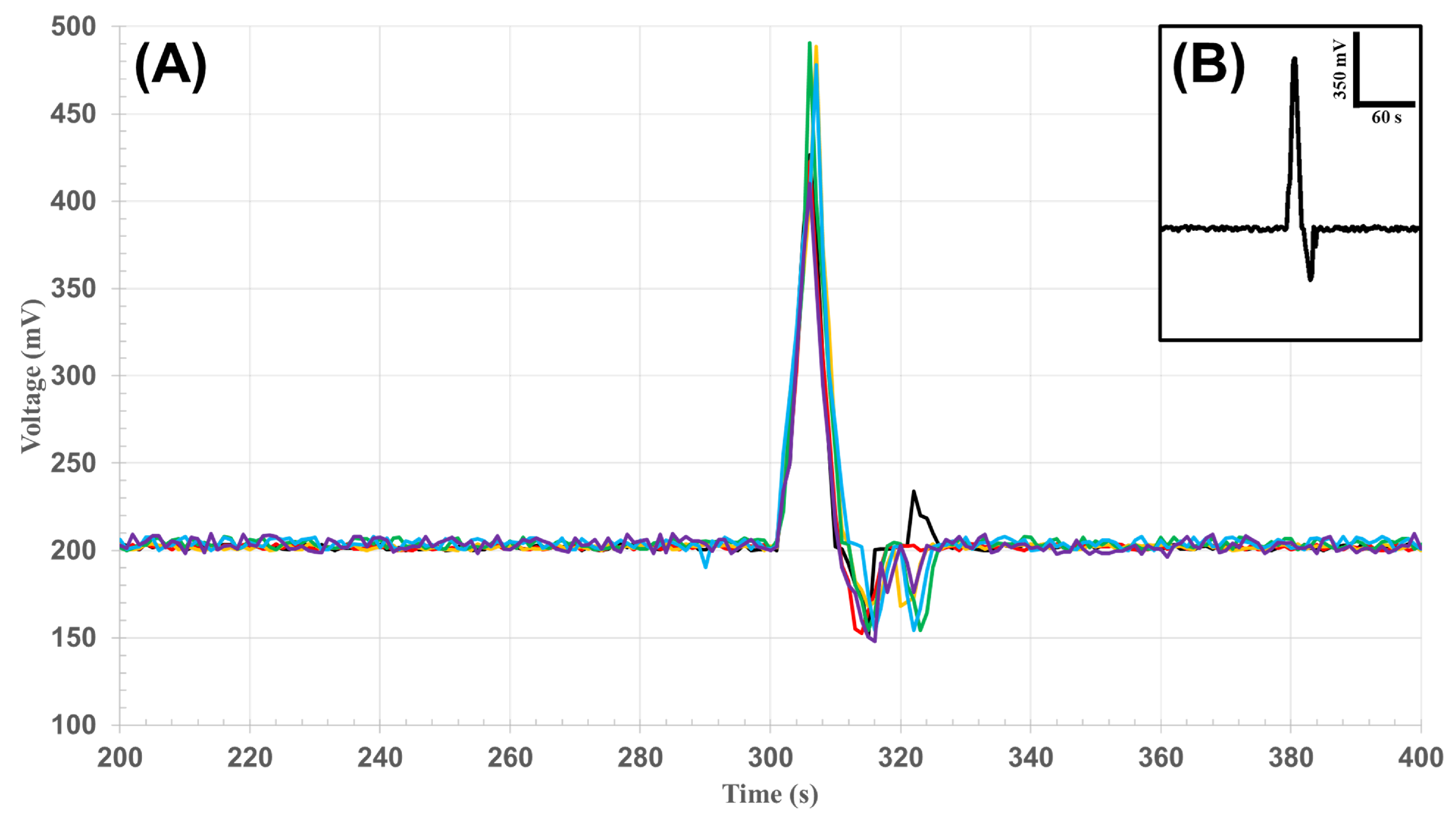
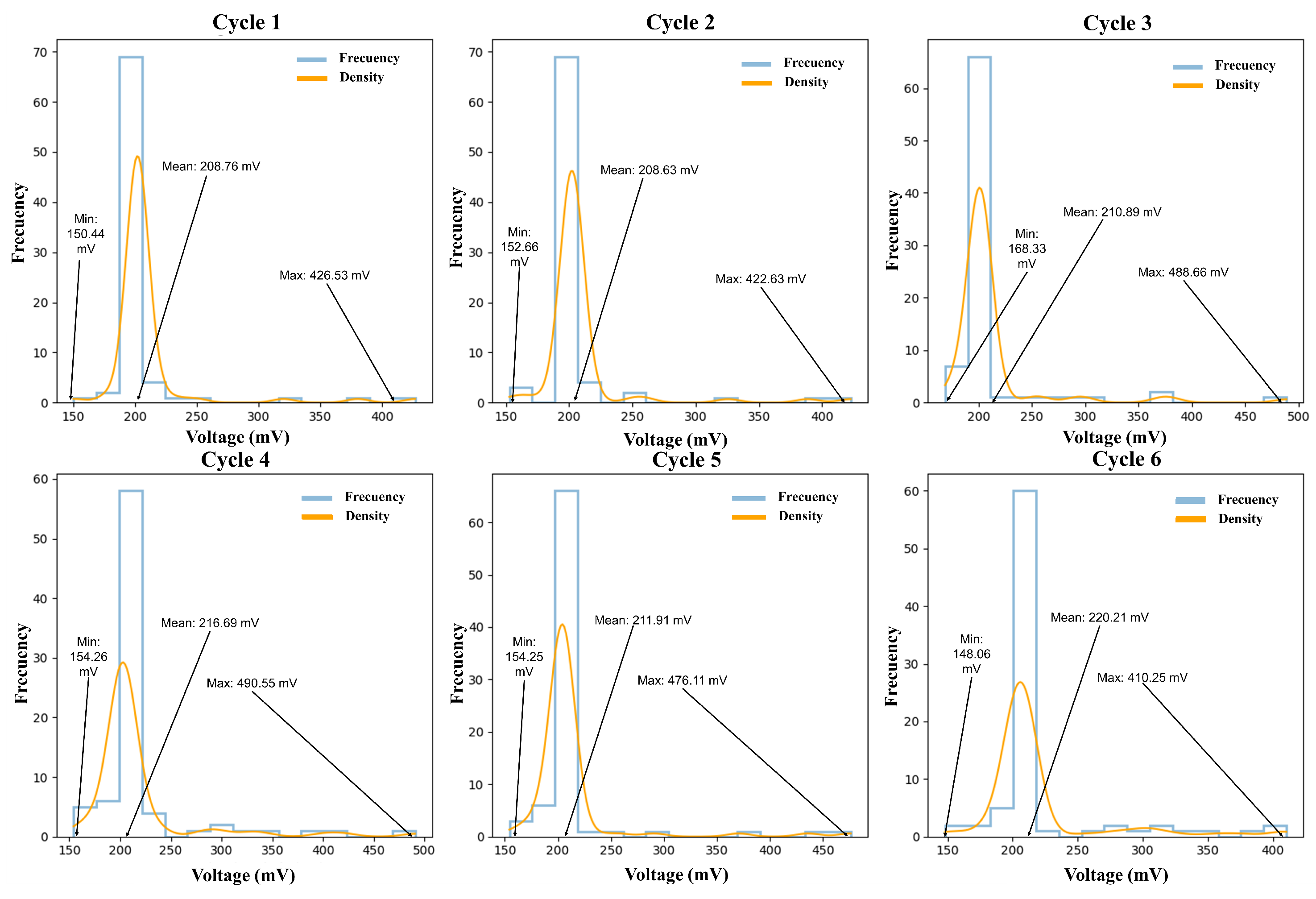
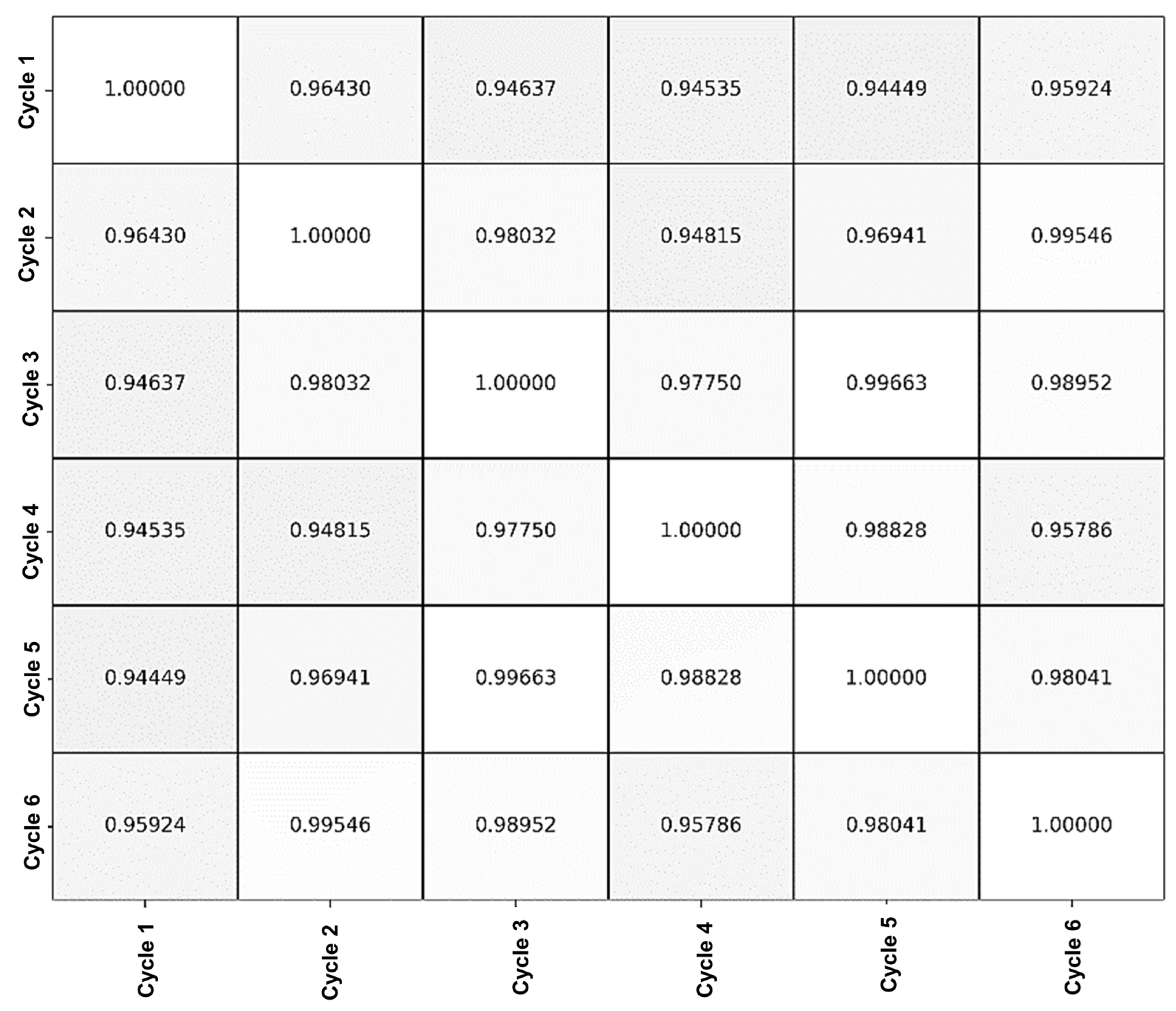
3.1. Signal Reproducibility
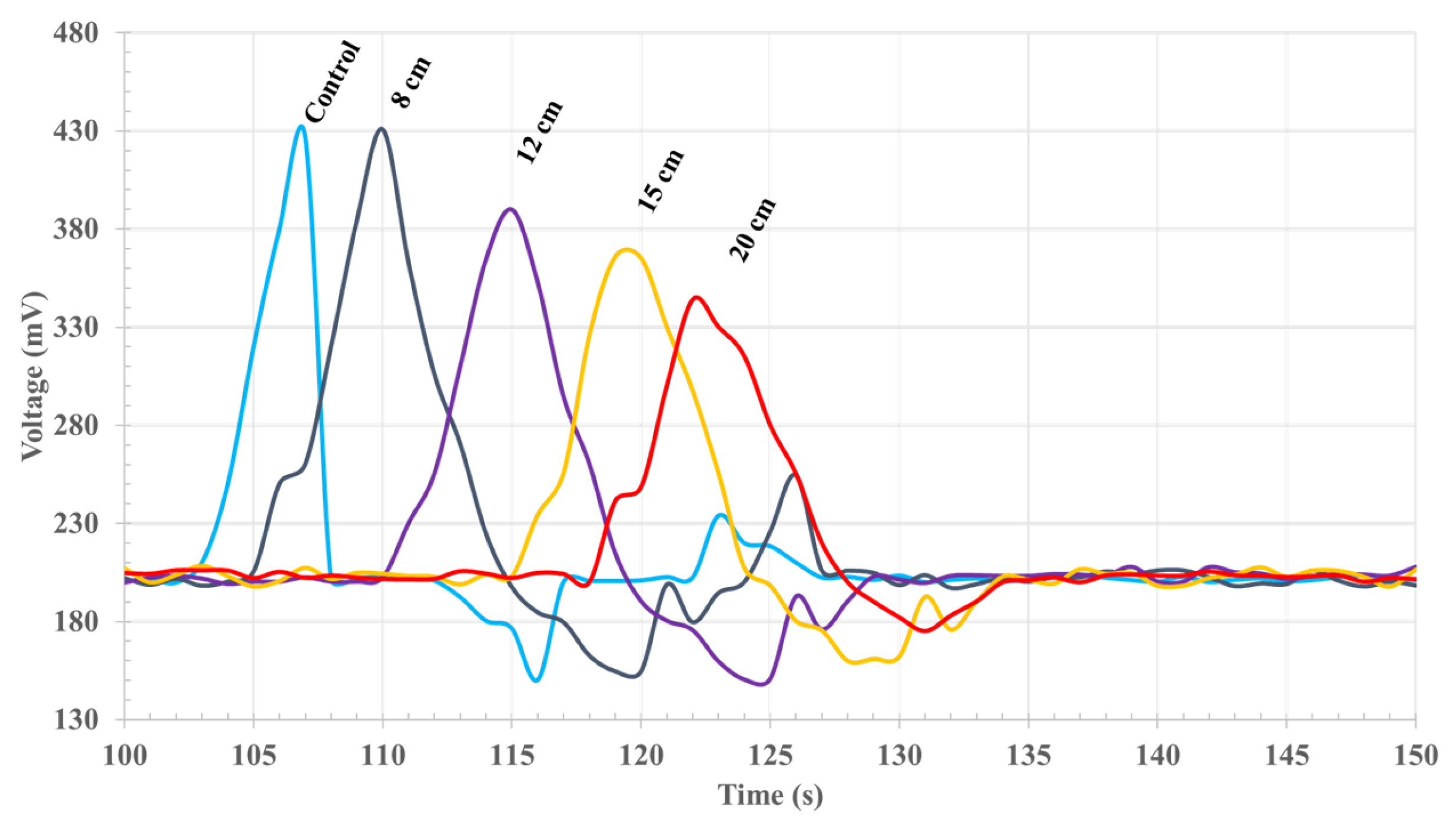
3.2. Leaf-Size Difference
3.3. Distance Between Electrodes
3.4. Stress from Different Light Levels
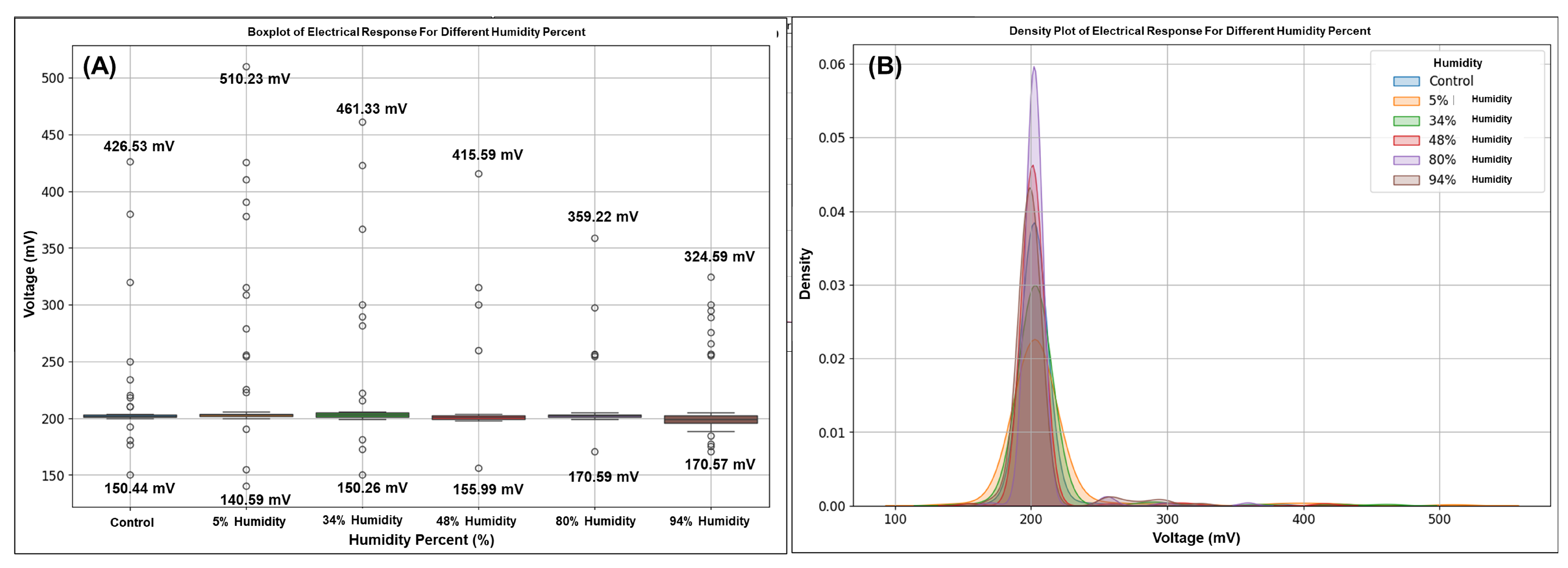
3.5. Stress from Different Percentages of Soil Moisture
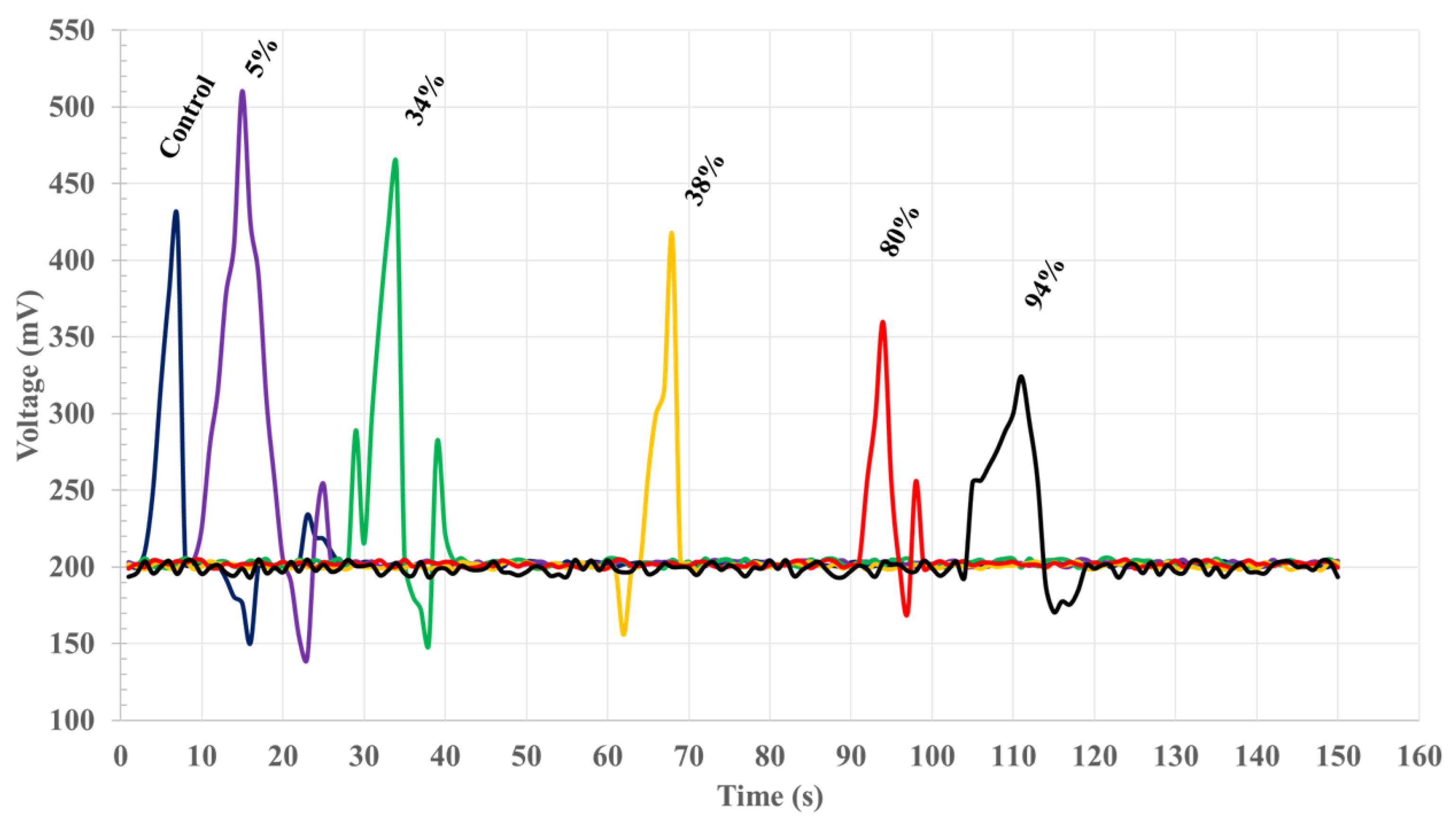
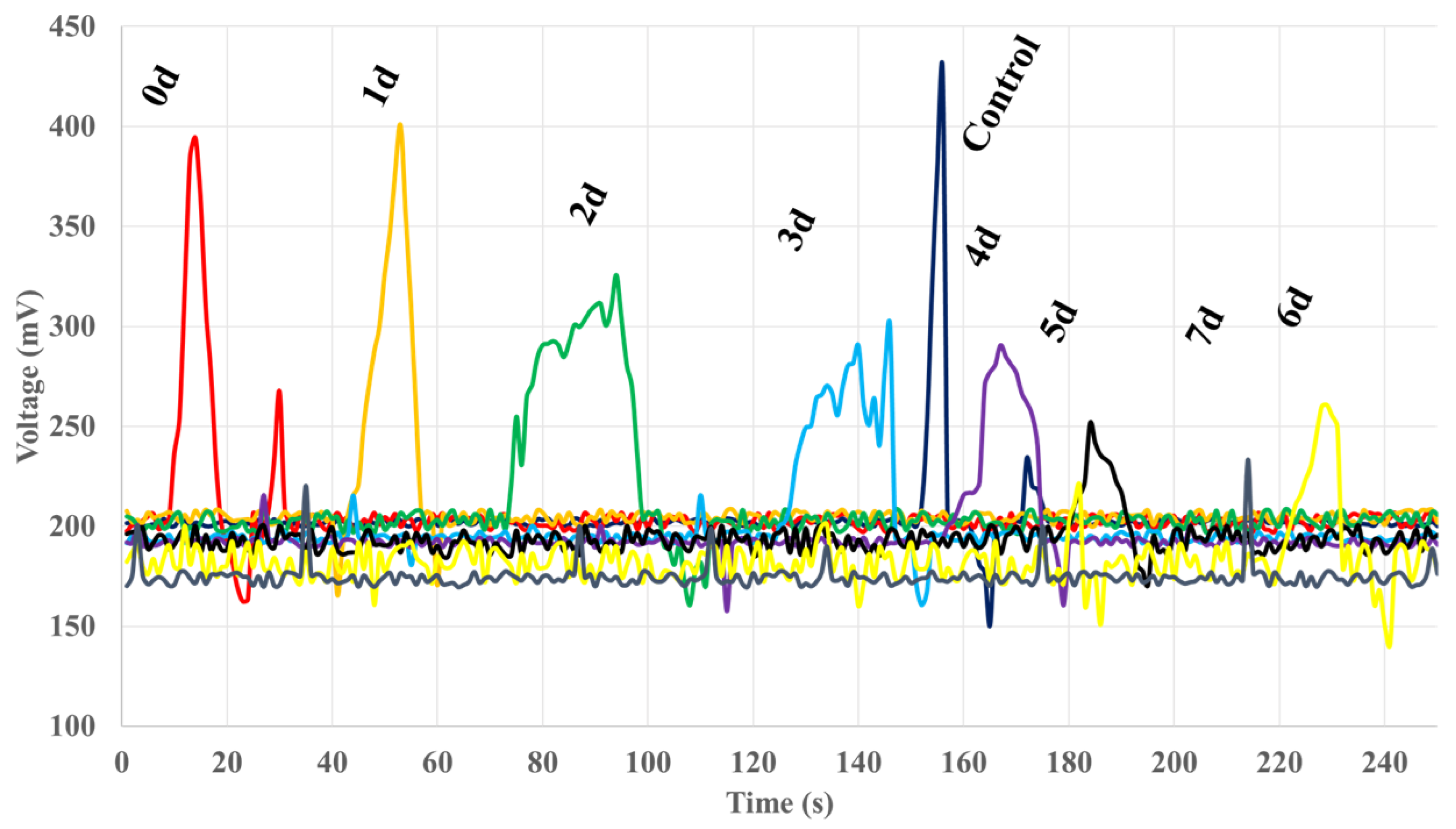
3.6. Stress from Continuous Plant Watering
3.7. Stress Due to pH Level Change
4. Conclusions
Author Contributions
Funding
Institutional Review Board Statement
Informed Consent Statement
Data Availability Statement
Conflicts of Interest
References
- Yan, X.; Wang, Z.; Huang, L.; Wang, C.; Hou, R.; Xu, Z.; Qiao, X. Research progress on electrical signals in higher plants. Prog. Nat. Sci. 2009, 19, 531–541. [Google Scholar] [CrossRef]
- Ndung’u, R.W.; Kamweru, P.K.; Kirwa, A.T. Action and variation potential electrical signals in higher plants. Afr. J. Biol. Sci. 2021, 3, 1–18. [Google Scholar] [CrossRef]
- Gil, R.; Bautista, I.; Boscaiu, M.; Lidón, A.; Wankhade, H.; Sánchez, H.; Llinares, J.; Vicente, O. Responses of five Mediterranean halophytes to seasonal changes in environmental conditions. AoB Plants 2014, 6, plu049. [Google Scholar] [CrossRef]
- Sukhov, V.; Sukhova, E.; Vodeneev, V. Long-distance electrical signals as a link between local action of stressors and systemic physiological responses in higher plants. Prog. Biophys. Mol. Biol. 2019, 146, 63–84. [Google Scholar] [CrossRef]
- Trebacz, K.; Dziubinska, H.; Krol, E. Electrical signals in long-distance communication in plants. In Communication in Plants: Neuronal Aspects of Plant Life; Baluška, F., Mancuso, S., Volkmann, D., Eds.; Springer: Berlin/Heidelberg, Germany, 2006; pp. 277–290. [Google Scholar] [CrossRef]
- Fromm, J.; Lautner, S. Electrical signals and their physiological significance in plants. Plant Cell Environ. 2007, 30, 249–257. [Google Scholar] [CrossRef]
- Beilby, M.J. Action Potential in Charophytes. Int. Rev. Cytol. 2007, 257, 43–82. [Google Scholar] [CrossRef]
- Macedo, F.d.C.O.; Daneluzzi, G.S.; Capelin, I.D.; Barbosa, F.d.S.; da Silva, A.R.; de Oliveira, R.F. Equipment and protocol for measurement of extracellular electrical signals, gas exchange and turgor pressure in plants. MethodsX 2021, 8, 101214. [Google Scholar] [CrossRef]
- Gunsé, B.; Poschenrieder, C.; Rankl, S.; Schröeder, P.; Rodrigo-Moreno, A.; Barceló, J. A highly versatile and easily configurable system for plant electrophysiology. MethodsX 2016, 3, 436–451. [Google Scholar] [CrossRef] [PubMed][Green Version]
- Meder, F.; Saar, J.S.; Taccola, C.; Filippeschi, C.; Mattoli, V.; Mazzolai, B. Ultraconformable, self-adhering surface electrodes for measuring electrical signals in plants. Adv. Mater. Technol. 2021, 6, 2001182. [Google Scholar] [CrossRef]
- Volkov, A.G.; Ranatunga, D.R.A. Plants as environmental biosensors. Plant Signal. Behav. 2006, 1, 105. [Google Scholar] [CrossRef] [PubMed]
- Mudrilov, M.; Ladeynova, M.; Grinberg, M.; Balalaeva, I.; Vodeneev, V. Electrical Signaling of Plants under Abiotic Stressors: Transmission of Stimulus-Specific Information. Int. J. Mol. Sci. 2021, 22, 10715. [Google Scholar] [CrossRef]
- Sukhova, E.; Sukhov, V. Electrical Signals, Plant Tolerance to Actions of Stressors, and Programmed Cell Death: Is Interaction Possible? Plants 2021, 10, 1704. [Google Scholar] [CrossRef]
- Barbosa-Caro, J.C.; Wudick, M.M. Revisiting plant electric signaling: Challenging an old phenomenon with novel discoveries. Curr. Opin. Plant Biol. 2024, 79, 102528. [Google Scholar] [CrossRef] [PubMed]
- Sai, K.; Sood, N.; Saini, I. Abiotic Stress Classification through Spectral Analysis of Enhanced Electrophysiological Signals of Plants. Biosyst. Eng. 2022, 219, 189–204. [Google Scholar] [CrossRef]
- Lysov, M.; Maximova, I.; Vasiliev, E.; Getmanskaya, A.; Turlapov, V. Entropy as a High-Level Feature for XAI-Based Early Plant Stress Detection. Entropy 2022, 24, 1597. [Google Scholar] [CrossRef]
- Lo Presti, D.; Di Tocco, J.; Massaroni, C.; Cimini, S.; De Gara, L.; Singh, S.; Raucci, A.; Manganiello, G.; Woo, S.L.; Schena, E.; et al. Current understanding, challenges and perspective on portable systems applied to plant monitoring and precision agriculture. Biosens. Bioelectron. 2023, 222, 115005. [Google Scholar] [CrossRef] [PubMed]
- Yan, X.; Pang, Y.; Niu, K.; Wang, M.; Li, J.; Zhou, S.; Lei, H. Wearable Sensors for Plants: Status and Prospects. Biosensors 2025, 15, 53. [Google Scholar] [CrossRef]
- Fernández, M.; Zambrano de la Torre, M.; Ortega-Sigala, J.; Guzmán-Valdivia, C.; Galván-Tejada, J.I.; Cruz-Domínguez, O.; Ortiz-Hernández, M.; Fraire-Hernández, Z.; Sifuentes-Gallardo, C.; Durán-Muñoz, H.A. Arduino: A novel solution to the problem of high-cost experimental equipment in higher education. Exp. Tech. 2021, 45, 613–625. [Google Scholar] [CrossRef]
- Volkov, A.G.; Baker, K.; Foster, J.C.; Clemmons, J.; Devanov, E.; Markin, V.S. Circadian variations in biologically closed electrochemical circuits in Aloe vera and Mimosa pudica. Bioelectrochemistry 2011, 81, 39–45. [Google Scholar] [CrossRef]
- Wang, L.; Li, H.; Li, D.; Zhao, J. A Prediction on Electric Signals Processing of Aloe vera var. Chinensis. In Proceedings of the Third International Conference on Natural Computation (ICNC 2007), Haikou, China, 24–27 August 2007; pp. 90–94. [Google Scholar] [CrossRef]
- Zambrano-de la Torre, M.; Olvera-Gonzalez, E.; Záyago-Lau, E.; Alaniz-Lumbreras, D.; González-Ramírez, E.; Sifuentes-Gallardo, C.; Durán-Muñoz, H.; Escalante-García, N.; Guzmán-Fernández, M.; De la Rosa-Vargas, J.I. Detection of Lead Contamination Using Bioelectrical Signals of Aloe vera var. Chinensis: A Wavelet-Based and Explainable Machine Learning Approach. Appl. Sci. 2025, 15, 9319. [Google Scholar] [CrossRef]
- Chatterjee, S.K.; Malik, O.; Gupta, S. Chemical Sensing Employing Plant Electrical Signal Response—Classification of Stimuli Using Curve Fitting Coefficients as Features. Biosensors 2018, 8, 83. [Google Scholar] [CrossRef] [PubMed]
- Volkov, A.I.; Volkovă-Gugeshashvili, M.I.; Osei, A.J. Plants as environmental biosensors: Non-invasive monitoring techniques. In Appropriate Technologies for Environmental Protection in the Developing World—Selected Papers from ERTEP 2007; Springer: Dordrecht, The Netherlands, 2009; pp. 349–356. [Google Scholar] [CrossRef]
- Mondal, C.; Azam, K.; Ahmad, S.M.; Hasan, S.M.K.; Islam, M.R. Design and implementation of a prototype electrooculography based data acquisition system. In Proceedings of the 2nd International Conference on Electrical Engineering and Information and Communication Technology (ICEEICT 2015), Dhaka, Bangladesh, 21–23 May 2015. [Google Scholar] [CrossRef]
- Cai, W.; Qi, Q. Study on electrophysiological signal monitoring of plant under stress based on integrated op-amps and patch electrode. J. Electr. Comput. Eng. 2017, 2017, 4182546. [Google Scholar] [CrossRef]
- Fletcher, S.; Isla, M.Z. Comparing sets of patterns with the Jaccard index. Australas. J. Inf. Syst. 2018, 22. [Google Scholar] [CrossRef]
- Ali, Z.; Bhaskar, S.B. Basic statistical analysis in research and data analysis. Indian J. Anaesth. 2016, 60, 662–669. [Google Scholar] [CrossRef]
- Zambrano-de la Torre, M.; Sifuentes-Gallardo, C.; González-Ramírez, E.; Cruz-Dominguez, O.; Ortega-Sigala, J.; Díaz-Flórez, G.; De la Rosa Vargas, J.I.; Durán-Muñoz, H. Electrical Signal Characterization of Aloe vera var. Chinensis Using Non-Parametric and Parametric Signal Analysis. Appl. Sci. 2025, 15, 1708. [Google Scholar] [CrossRef]
- Ostertagová, E.; Ostertag, O.; Kovač, J. Methodology and application of the Kruskal-Wallis test. Appl. Mech. Mater. 2014, 611, 115–120. [Google Scholar] [CrossRef]
- Shetty, R.; Vidaya, C.S.N.; Prakash, N.B.; Lux, A.; Vaculík, M. Aluminum toxicity in plants and its possible mitigation in acid soils by biochar: A review. Sci. Total Environ. 2021, 765, 142744. [Google Scholar] [CrossRef]
- Hossain, A.; Maitra, S.; Sarker, S.; Al Mahmud, A.; Ahmad, Z.; Emon, R.M.; Vemuri, H.; Malek, M.A.; Alam, M.A.; Rahman, M.A.; et al. Aluminium stress in plants. In Beneficial Chemical Elements of Plants: Recent Developments and Future Prospects; John Wiley & Sons: Hoboken, NJ, USA, 2023; pp. 123–168. [Google Scholar] [CrossRef]
- Roosta, H.R.; Samadi, A.; Bikeldoo, M. Different cultivation systems and foliar applications of calcium nanoparticles affect the growth and physiological characteristics of pennyroyal (Mentha pulegium L.). Sci. Rep. 2023, 13, 20334. [Google Scholar] [CrossRef]
- Gao, Y.; Chen, Y.; Li, Y.; Shi, H. Effect of nano-calcium carbonate on morphology, antioxidant enzyme activity and photosynthetic parameters of wheat (Triticum aestivum L.) Seedlings. Chem. Biol. Technol. Agric. 2023, 10, 31. [Google Scholar] [CrossRef]
- Jingxia, L.; Weimin, D. Study and evaluation of plant electrical signal processing method. In Proceedings of the 4th International Congress on Image and Signal Processing (CISP 2011), Shanghai, China, 15–17 October 2011; pp. 2788–2791. [Google Scholar] [CrossRef]
- Wang, J.; Zhao, X.; Wang, M. RBF neural network prediction on weak electrical signals in Aloe vera var. chinensis. In Proceedings of the Seventh International Symposium on Instrumentation and Control Technology: Sensors and Instruments, Computer Simulation, and Artificial Intelligence; SPIE: Bellingham, WA, USA, 2008; Volume 7127. [Google Scholar] [CrossRef]
- Bag, S.; Kumar, S.K.; Tiwari, M.K. An efficient recommendation generation using relevant Jaccard similarity. Inf. Sci. 2019, 483, 53–64. [Google Scholar] [CrossRef]
- Shimotohno, A.; Aki, S.; Takahashi, N.; Umeda, M. Regulation of the plant cell cycle in response to hormones and the environment. Annu. Rev. Plant Biol. 2021, 72, 273–296. [Google Scholar] [CrossRef] [PubMed]
- Gray, W.M. Hormonal regulation of plant growth and development. PLoS Biol. 2004, 2, e311. [Google Scholar] [CrossRef] [PubMed]
- Li, J.H.; Fan, L.; Fan, D.J.; Zhao, Q.; Zhou, J.P.; Yao, Z.Y.; Wang, Z.; Huang, L. Plant electrical signals: A multidisciplinary challenge. J. Plant Physiol. 2021, 261, 153418. [Google Scholar] [CrossRef]
- Yavari, N.; Tripathi, R.; Wu, S.; MacPherson, J.; Singh, J.; Lefsrud, M. The effect of light quality on plant physiology, photosynthetic, and stress response in Arab. thaliana Leaves. PLOS ONE 2021, 16, e0247380. [Google Scholar] [CrossRef]
- Tran, D.; Dutoit, E.; Najdenovska, N.; Wallbridge, C.; Plummer, M.; Mazza, L.E.; Raileanu, E.; Camps, C. Electrophysiological assessment of plant status outside a Faraday cage using supervised machine learning. Sci. Rep. 2019, 9. [Google Scholar] [CrossRef]
- Liang, X.; Wang, Q.; Ye, Y.; Zhang, J.; Liu, M.; Liu, H.; Yu, K.; Wang, Y.; Hou, E.; Zhong, B.; et al. Stomatal responses of terrestrial plants to global change. Nat. Commun. 2023, 14. [Google Scholar] [CrossRef]
- Tsai, H.H.; Schmidt, W. The enigma of environmental pH sensing in plants. Nat. Plants 2021, 7, 106–115. [Google Scholar] [CrossRef] [PubMed]
- Sukhova, E.; Akinchits, E.; Sukhov, V. Mathematical models of electrical activity in plants. J. Membr. Biol. 2017, 250, 407–423. [Google Scholar] [CrossRef]
- Chaparro-Cárdenas, S.L.; Ramirez-Bautista, J.A.; Gamboa-Contreras, W.; Moreno-Chacón, A.L.; Vargas-Tangua, F.C. Plant electrophysiology: Descriptive analysis, methods and applications in the monitoring of plant-environment interactions. Dyna 2021, 88, 212–223. [Google Scholar] [CrossRef]
- Muthuraman, G.; Sasikala, S. Removal of turbidity from drinking water using natural coagulants. J. Ind. Eng. Chem. 2014, 20, 1727–1731. [Google Scholar] [CrossRef]
- Yadav, V.K.; Yadav, K.K.; Cabral-Pinto, M.M.S.; Choudhary, N.; Gnanamoorthy, G.; Tirth, V.; Prasad, S.; Khan, A.H.; Islam, S.; Khan, N.A. The processing of calcium rich agricultural and industrial waste for recovery of calcium carbonate and calcium oxide and their application for environmental cleanup: A review. Appl. Sci. 2021, 11, 4212. [Google Scholar] [CrossRef]
- Kozlova, E.; Yudina, L.; Sukhova, E.; Sukhov, V. Analysis of Electrome as a Tool for Plant Monitoring: Progress and Perspectives. Plants 2025, 14, 1500. [Google Scholar] [CrossRef] [PubMed]



| Component | Cost [US$] |
|---|---|
| ATMega328p | 3 |
| DHT11 | 3 |
| LDR | 1 |
| Resistor 820, 20 KΩ | 1 |
| FC-28 | 2 |
| Micro SD Module | 2 |
| LM324 | 1 |
| Battery 9V | 2 |
| Electrodes | 1 |
| Micro SD Memory | 1 |
| Total | 17 |
Disclaimer/Publisher’s Note: The statements, opinions and data contained in all publications are solely those of the individual author(s) and contributor(s) and not of MDPI and/or the editor(s). MDPI and/or the editor(s) disclaim responsibility for any injury to people or property resulting from any ideas, methods, instructions or products referred to in the content. |
© 2026 by the authors. Licensee MDPI, Basel, Switzerland. This article is an open access article distributed under the terms and conditions of the Creative Commons Attribution (CC BY) license.
Share and Cite
Zambrano-de la Torre, M.; Guzman-Alfaro, S.; Guzmán-Fernández, M.; Robles-Ortiz, R.; Espino-Salinas, C.H.; Sánchez-Reyna, A.G. Electrophysiological Characterization of Aloe vera Under Abiotic Stress: A Quantitative Basis for Plant-Based Biodosimetry. Appl. Sci. 2026, 16, 2523. https://doi.org/10.3390/app16052523
Zambrano-de la Torre M, Guzman-Alfaro S, Guzmán-Fernández M, Robles-Ortiz R, Espino-Salinas CH, Sánchez-Reyna AG. Electrophysiological Characterization of Aloe vera Under Abiotic Stress: A Quantitative Basis for Plant-Based Biodosimetry. Applied Sciences. 2026; 16(5):2523. https://doi.org/10.3390/app16052523
Chicago/Turabian StyleZambrano-de la Torre, Misael, Sebastian Guzman-Alfaro, Maximiliano Guzmán-Fernández, Ricardo Robles-Ortiz, Carlos H. Espino-Salinas, and Ana G. Sánchez-Reyna. 2026. "Electrophysiological Characterization of Aloe vera Under Abiotic Stress: A Quantitative Basis for Plant-Based Biodosimetry" Applied Sciences 16, no. 5: 2523. https://doi.org/10.3390/app16052523
APA StyleZambrano-de la Torre, M., Guzman-Alfaro, S., Guzmán-Fernández, M., Robles-Ortiz, R., Espino-Salinas, C. H., & Sánchez-Reyna, A. G. (2026). Electrophysiological Characterization of Aloe vera Under Abiotic Stress: A Quantitative Basis for Plant-Based Biodosimetry. Applied Sciences, 16(5), 2523. https://doi.org/10.3390/app16052523