Article

Heat Transfer on an Internal Thermal Insulation Structure for a High-Temperature Device: Numerical Simulation and Experiment


1
China Aerodynamics Research and Development Center, Mianyang 621000, China
2
Aeronautics and Astronautics Institute, China Dalian University of Technology, Dalian 116000, China
*
Author to whom correspondence should be addressed.
Appl. Sci. 2026, 16(4), 2132; https://doi.org/10.3390/app16042132
Submission received: 24 January 2026 / Revised: 15 February 2026 / Accepted: 20 February 2026 / Published: 22 February 2026

Abstract

The internal thermal insulation structure serves as a vital subsystem within the thermal insulation system of high-temperature devices, playing a crucial role in effectively maintaining a high-temperature environment, reducing energy consumption, and enhancing testing efficiency. However, during the operation of these devices, the internal thermal insulation structure is inevitably subjected to high temperatures. Therefore, it is essential to focus on the heat transfer performance of this structure. Initially, the internal thermal insulation structure is designed, and the relative dimensions and materials of each component are determined. Subsequently, a finite element model of the internal thermal insulation structure is established, and numerical simulations of heat transfer are conducted under the device’s operating conditions to analyze the thermal insulation structure. This analysis is ultimately validated through high-temperature experiments conducted on specimens of the internal thermal insulation structure. The results indicate that the designed internal thermal insulation structure effectively maintains the high-temperature environment within the device and demonstrates excellent thermal insulation performance, with a maximum heat flux of 66.7 W/m2 and an outer wall surface temperature of 25.98 °C. This work is significant as it lays the groundwork for the design and construction of such devices.

1. Introduction

Due to the rapid development of modern aerospace vehicles, such as advanced fighters and reusable space vehicles, the relative environmental adaptability tests conducted in high-temperature devices have played a significant role in enhancing both economic efficiency and safety. However, during the operation of high-temperature devices, the internal flow channels experience elevated temperature, which can differ significantly from the external environment. Furthermore, in high-temperature conditions, the load-bearing capacity of the device’s structure is compromised due to reductions in material strength and elastic modulus [1,2]. High temperatures also generate substantial thermal stresses, which threaten the structural integrity of the device [3,4]. Under the influence of high temperatures and thermal stresses, the device’s structure may undergo excessive deformation, disrupting its aerodynamic shape and negatively impacting flow field performance, thereby increasing the complexity and cost of structural design. Consequently, thermal protection measures for the device’s structure are essential to reduce the energy consumption of electric heaters during operation, facilitate the optimization of heat exchanger design points, enhance testing efficiency, and ensure personnel safety.
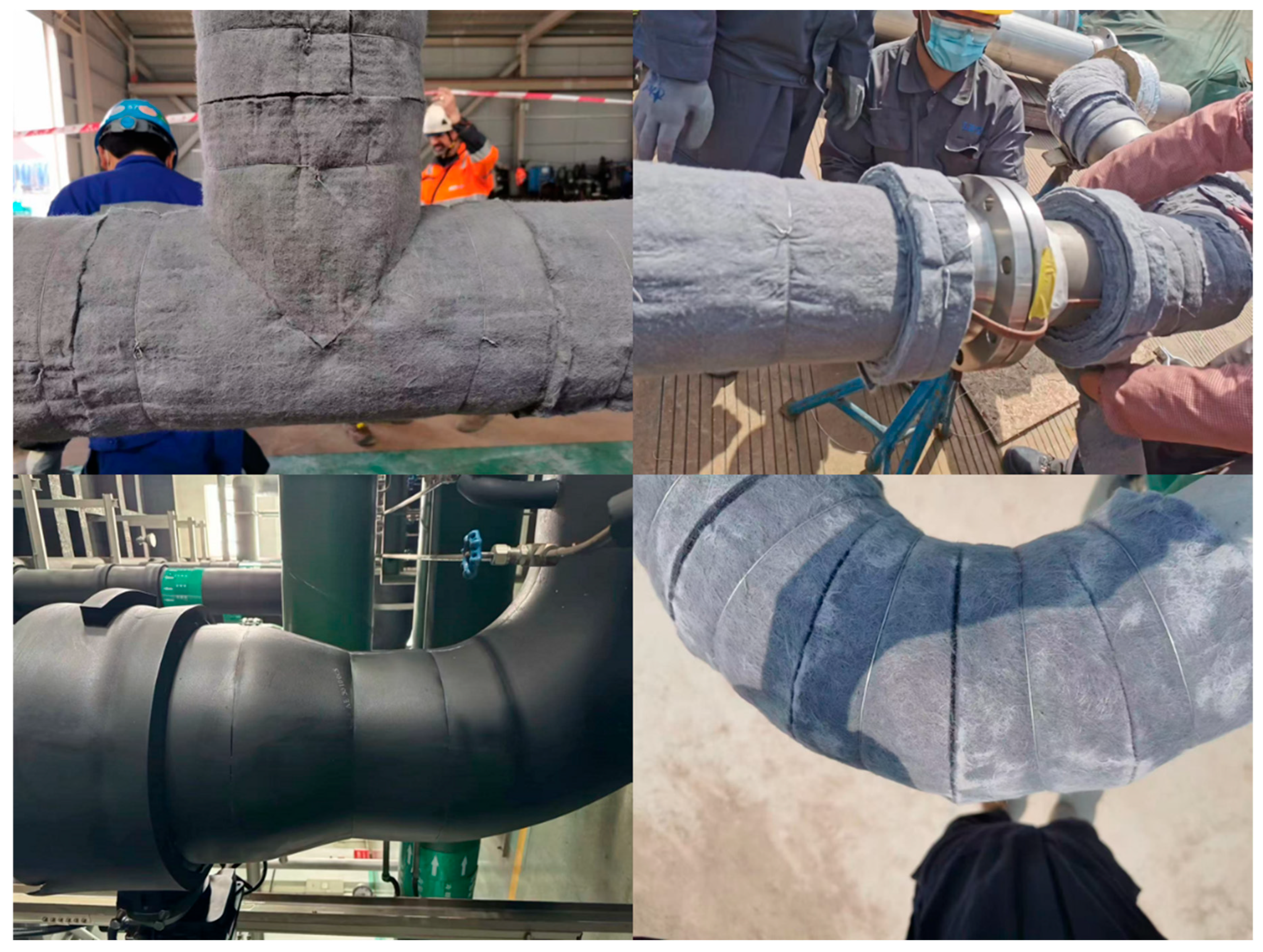
Thermal insulation structures are broadly categorized into two types: internal and external insulation structures [5,6,7,8,9,10]. External insulation is widely adopted, particularly in miniaturized piping devices, as shown in Figure 1, owing to its mature technology, structural simplicity, ease of maintenance, and relatively low implementation cost. However, its application to high-temperature devices presents several critical limitations. First, the pressure-bearing shell exhibits substantial mass and thermal inertia, necessitating considerable thermal energy input to achieve operational equilibrium, which significantly elevates the power demand and energy consumption of electric heating systems. Second, for intermittently operated devices, repeated cycling between ambient and elevated temperatures subjects the shell to cyclic thermal stresses, promoting cumulative thermal deformation over time. Consequently, effective thermal decoupling of the load-bearing shell becomes essential, which complicates structural design and integration. Third, conventional carbon steel shells suffer pronounced reductions in allowable stress and elastic modulus at elevated temperatures, compromising structural integrity and rendering them unsuitable for sustained high-temperature service. This necessitates substitution with high-temperature resistant alloys or composites, entailing higher material costs and more demanding fabrication processes. Given these constraints, internal insulation emerges as a technically superior and more viable solution for thermal protection in large-scale, high-temperature devices.
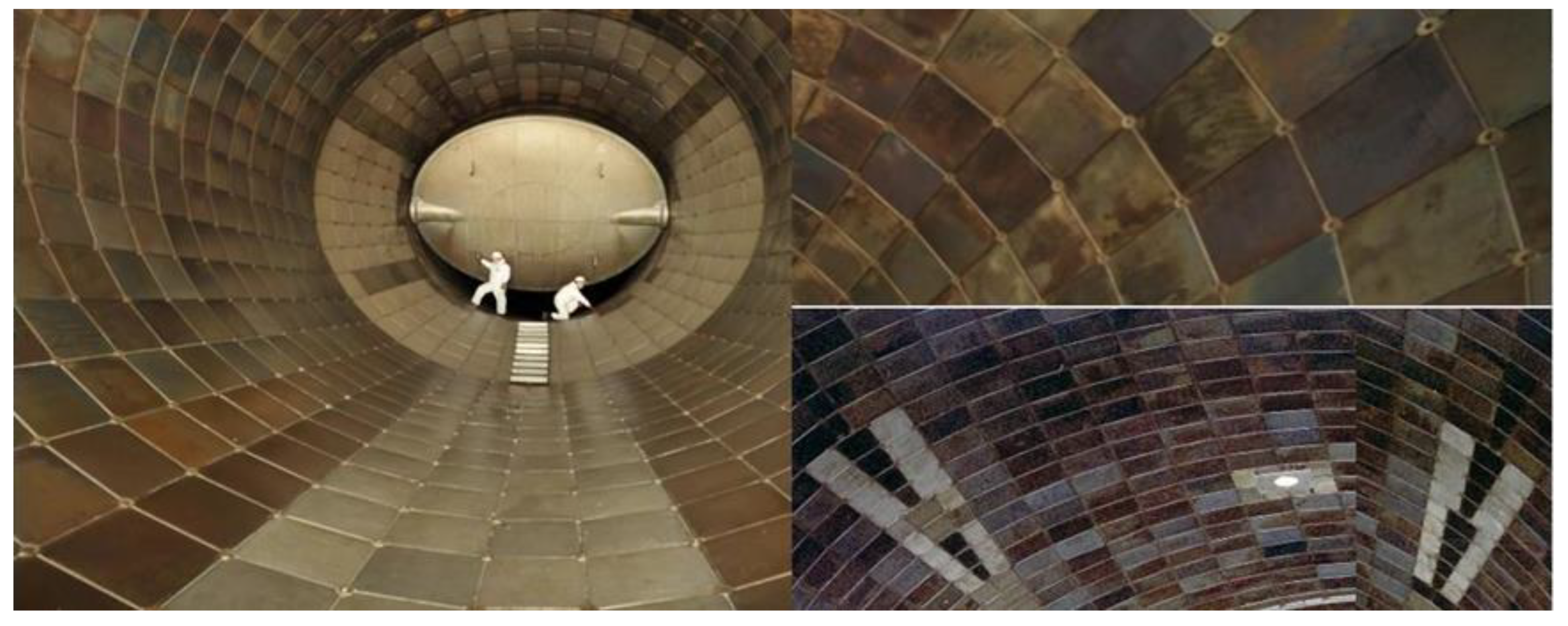
In fact, most high-temperature devices worldwide employ internal insulation for thermal protection. As noted by Peter et al. [11], insulation materials must be carefully selected to maintain the pressure shell temperature within an acceptable operational range, and multilayer insulation configurations are typically required. For instance, the 11-inch ceramic-heated tunnel at NASA Langley Research Center [12] utilizes an internal insulation system comprising hard zirconia brick, insulating zirconia brick, alumina brick, and insulating fire brick. Specifically, hard zirconia brick serves as the hot liner in the zirconia-sphere region, while alumina brick functions as the hot liner in the alumina-sphere region. Correspondingly, insulating zirconia brick and insulating fire brick constitute the intermediate insulation layers situated between the hot liners and the pressure shell. Similarly, the 127 cm diameter supersonic wind tunnel in Japan [13] adopts an internal insulation configuration consisting of a metallic inner liner and ceramic fiber, in which a 55.3 mm thick ceramic fiber layer is bonded to the internal pipe surface, and an 11 mm thick metallic inner liner is pressed against the outer surface of the ceramic fiber. This arrangement reduces the outer pipe wall temperature to approximately 127 °C. Furthermore, the 1-MW radiatively driven hypersonic wind tunnel at Princeton University [14] employs internal insulation composed of 2-inch-thick rock wool wrapped with an aluminum cladding to protect its piping system. Moreover, the 16-foot propulsion wind tunnel [15], the first large-scale facility designed for testing jet and rocket engines under simulated high-speed flight conditions, also relies on an internal insulation structure. However, detailed design parameters (e.g., material thicknesses, layer sequence, or thermal interface specifications) for this facility have not yet been reported in the literature. Limited documentation from Figure 2 indicates that the internal insulation system is implemented in a modular configuration. Each module comprises a metallic protective plate (serving as a hot-face barrier) and an underlying insulation layer composed of a flexible, felt-like material functionally analogous to high-temperature ceramic fiber batting. The metallic plates are secured at their four corners using flat-head screws, and controlled gaps are intentionally maintained between adjacent plates to accommodate thermally induced expansion and prevent buckling. Xin et al. [16,17,18] have demonstrated that multilayer insulation (MLI) systems, comprising alternating reflective and low-conductivity spacer layers, exhibit exceptional thermal insulation performance, particularly under high-vacuum or cryogenic conditions. Consequently, MLI has been widely adopted in critical thermal management applications, including liquid rocket propellant tanks, cryogenic hydrogen storage vessels, and insulated transfer pipelines. Given its proven efficacy in mitigating conductive, convective, and radiative heat transfer across extreme temperature gradients, a multilayer internal insulation structure is especially well-suited for thermal protection of high-temperature experimental facilities. Collectively, these studies establish a robust technical foundation for the systematic design and optimization of internal insulation structures in such high-temperature devices.
Therefore, it is significant to conduct the design and performance investigation on internal thermal insulation structures for developing a safe and reliable high-temperature test device. To this end, the heat transfer of the insulation structure is systematically investigated in this work. First, the structural design and material selection are carried out. Subsequently, considering the high-temperature operational environment in which the insulation structure is situated, a numerical heat transfer simulation model is established, and the thermal characteristics of the insulation structure are comprehensively analyzed via simulation. The numerical results are then validated experimentally through high-temperature measurements. This work is highly significant as it lays a foundational basis for the development of a large-scale high-temperature test device.

2. Internal Thermal Insulation Structure Design

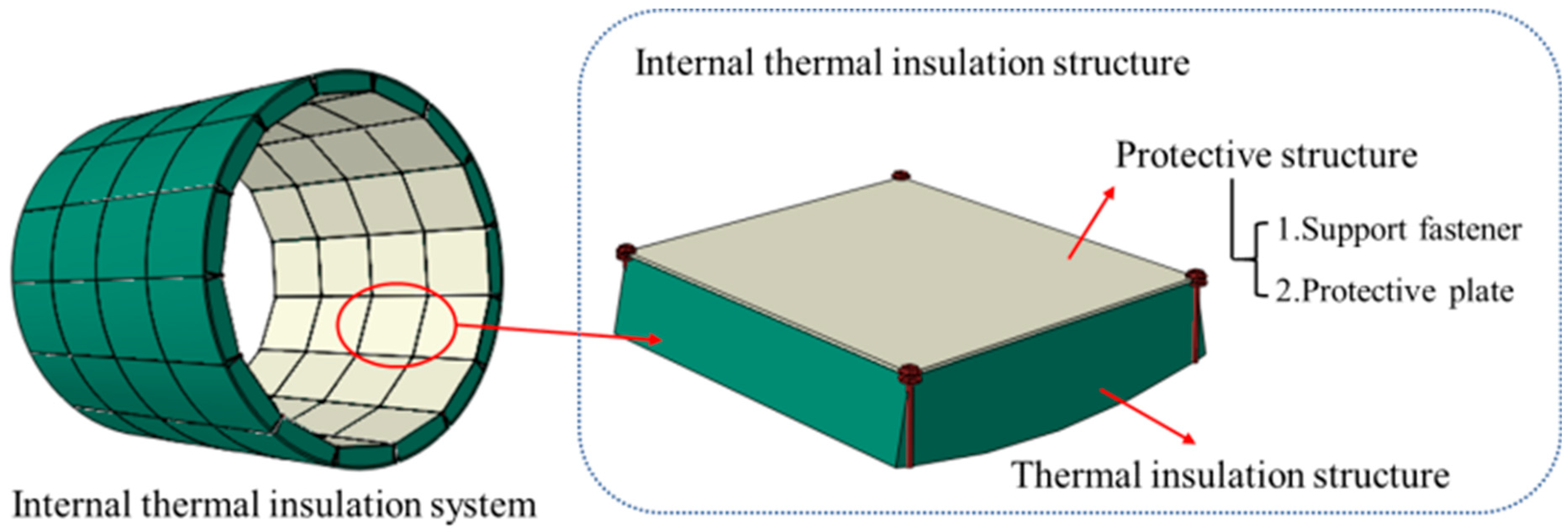
In high-temperature devices, the internal thermal insulation system is widely recognized as an integrated solution that simultaneously achieves cost-effectiveness and superior thermal insulation performance [19,20]. The internal thermal insulation system serves to maintain a stable high-temperature operating environment for the device, and its reliability critically governs the overall thermal insulation performance of the device. To prevent fracture of thermal insulation structure and to facilitate the manufacturing, transportation, assembly, and maintenance, the internal thermal insulation structure is deliberately designed as an assembly of multiple discrete insulation elements [7]. Moreover, beyond delivering excellent thermal insulation performance and ensuring internal environmental stability, the thermal insulation structure also contributes significantly to the device’s overall structural integrity [21]. Consequently, the internal thermal insulation structure is configured as a composite system comprising both a protective layer and a dedicated thermal insulation layer, as shown in Figure 3.
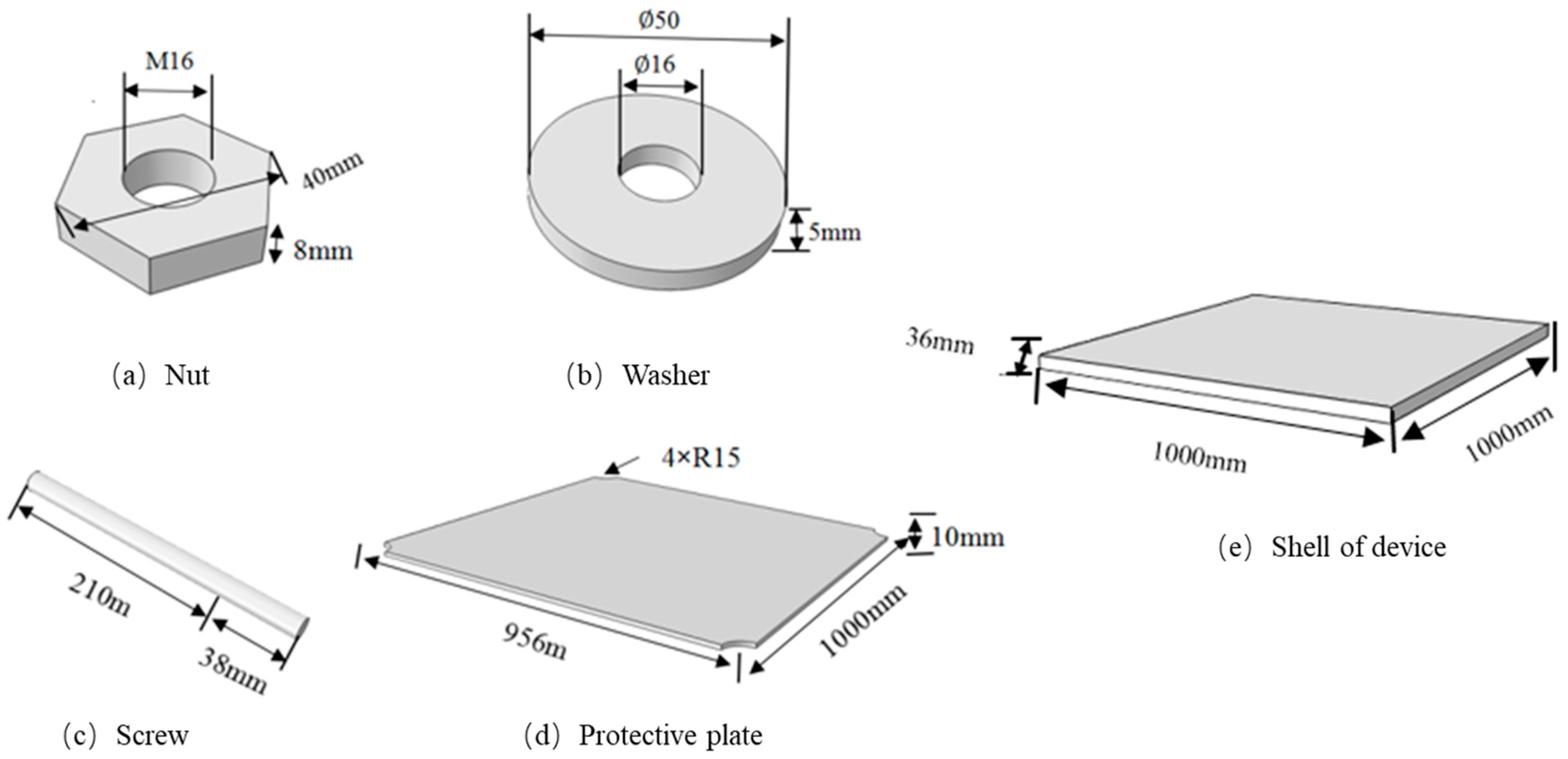
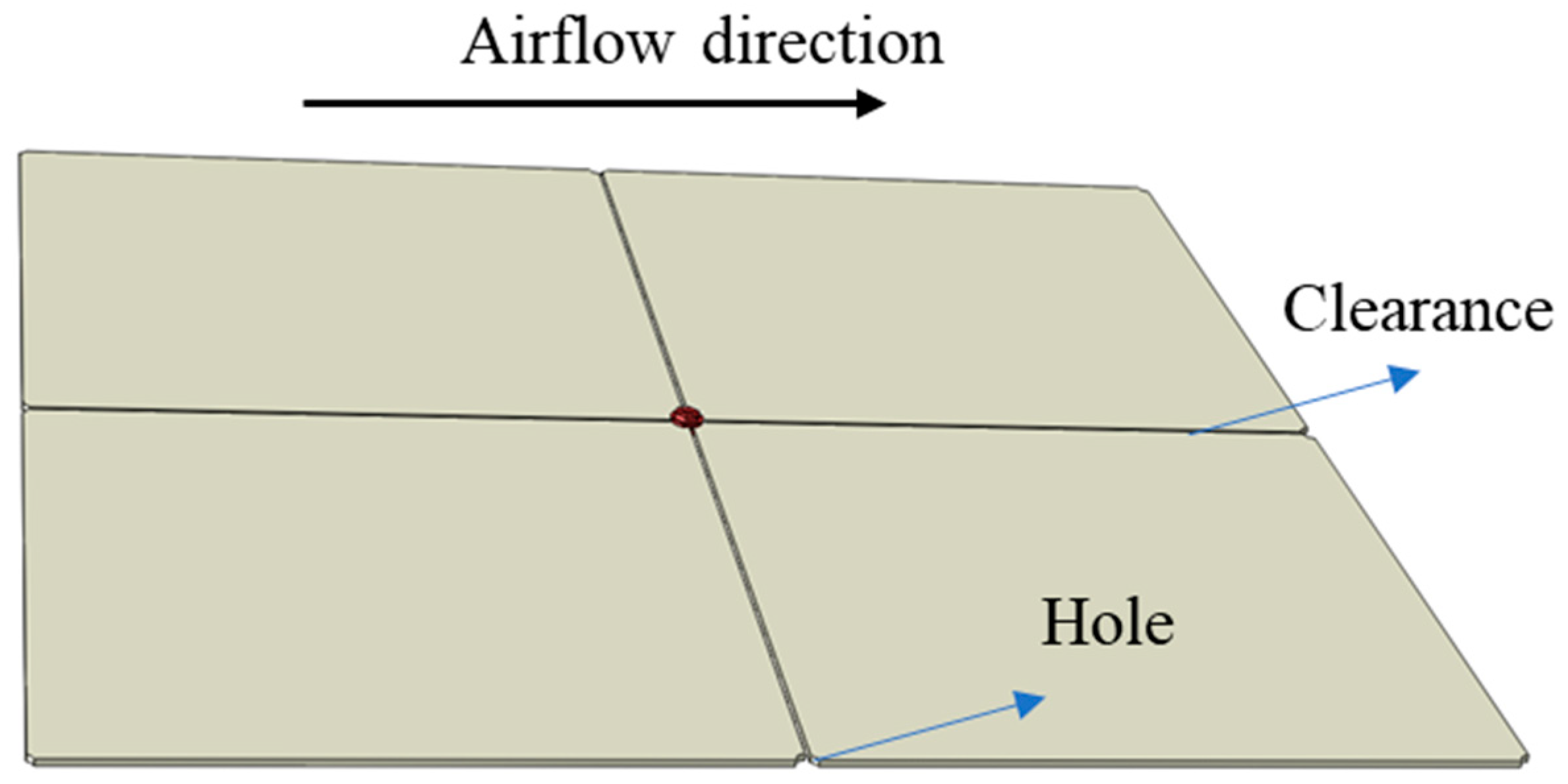
The protective structure comprises a support fastener and a protective plate. The protective plate, fabricated from 310S stainless steel and measuring 1000 mm × 956 mm × 10 mm, is affixed to the device’s inner wall via the support fastener, thereby establishing a stable internal field. Each protective panel is installed with an 8 mm clearance in both the circumferential and longitudinal directions, as shown in Figure 4, enabling free thermal expansion and contraction under elevated temperatures. This design prevents deformation of the internal flow surface, thereby enhancing the safety and reliability of the protective plate. Additionally, four quarter-circle holes, with a radius of 15 mm, are machined at the corners of the protective plate to accommodate the installation of the support fastener.
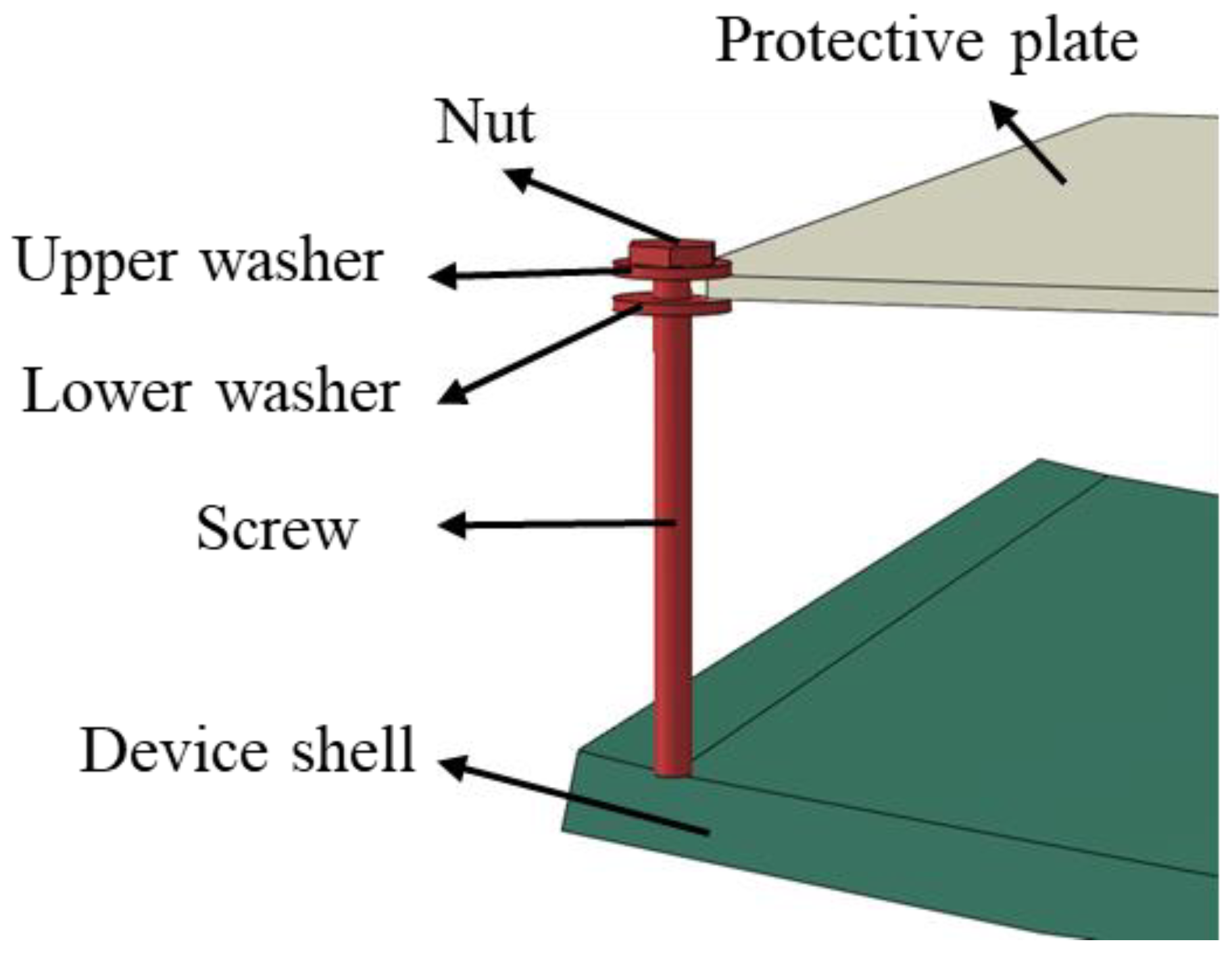
The support fastener comprises an M16 bolt assembly incorporating a non-standard nut, washer, and screw, all fabricated from 310S stainless steel. Non-standard washers and nuts are employed primarily because commercially available standard components are undersized. Their reduced dimensions compromise the required clamping force, thereby increasing the risk of protective plate detachment. The screw passes through the pre-drilled hole in the protective plate and is secured using upper and lower washers and nuts, as shown in Figure 5. The opposite end of the screw is welded directly to the inner wall of the device. A layer of thermal insulation material is applied circumferentially around the external surface of the screw to mitigate thermal bridging at the screw locations and to reduce thermal stress concentration at the welded joints.
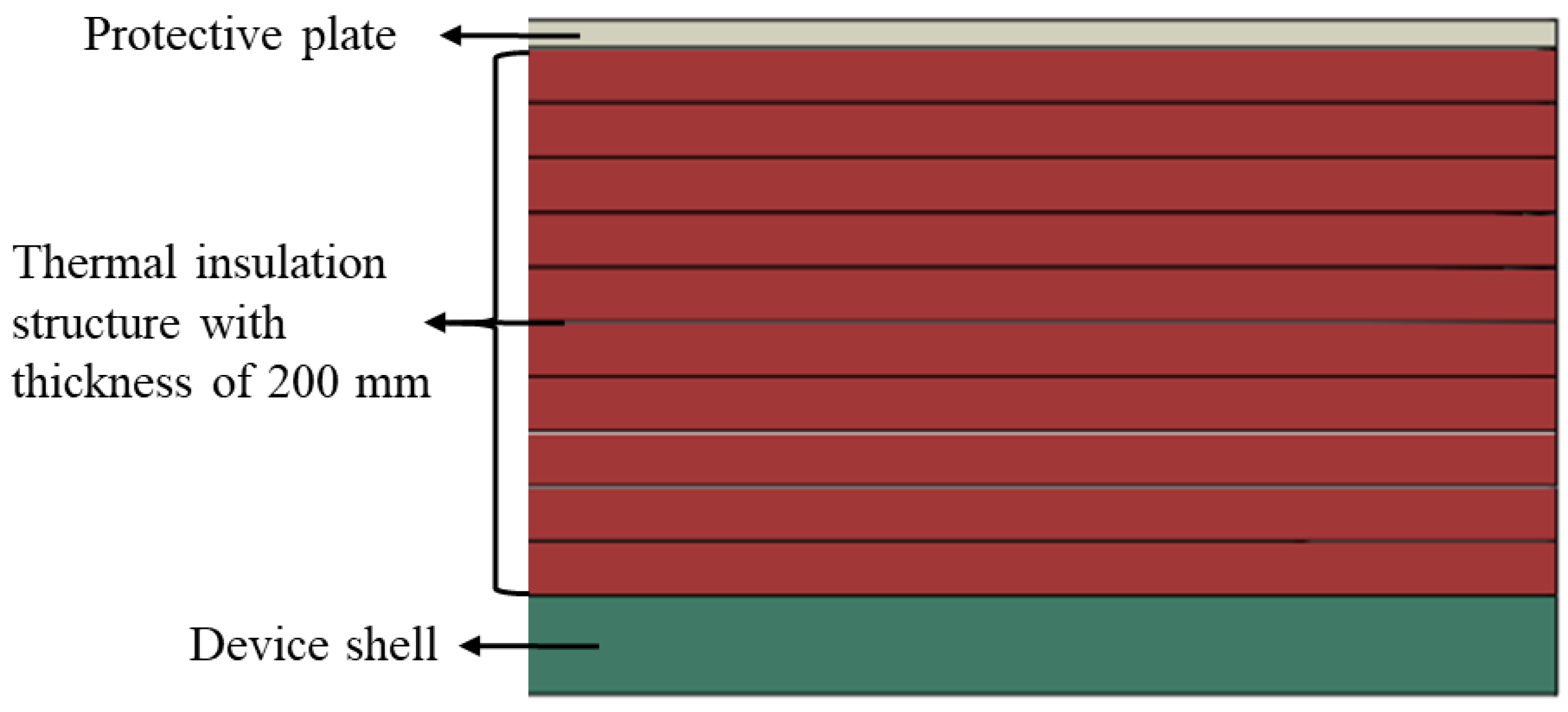
The thermal insulation structure comprises multiple layers of silica aerogel flexible mats, with each layer having a thickness of 20 mm. The thermal insulation material is enveloped in high-silica cloth and compressed to a total thickness of 200 mm by the protective plate, as shown in Figure 6.
Compared with the thermal insulation structure reported in Reference [12], the proposed thermal insulation structure in this work adopts 310S as the protective plate and silica aerogel flexible mats as the thermal insulation materials, which are lighter in weight, thereby mitigating the influence of self-weight on the wind tunnel. Compared with the thermal insulation structure reported in References [13,14], the proposed thermal insulation structure in this work adopts the silica aerogel flexible mats as the thermal insulation materials with a total thickness of 200 mm. This thickness is larger than that in References [13,14], which can exhibit excellent thermal insulation performance and reduce the temperature of the device shell, thereby consuming less energy in long-time use and being more environmentally friendly and economical.

3. Numerical Simulations on Heat Transfer for the Internal Thermal Insulation Structure

Because the internal thermal insulation structure is exposed to elevated temperatures during device operation, it is critical to maintain thermal insulation performance. Accordingly, numerical simulations of thermal insulation performance are conducted in this section to validate the rationality and reliability of the structural design.

3.1. Finite Element Model

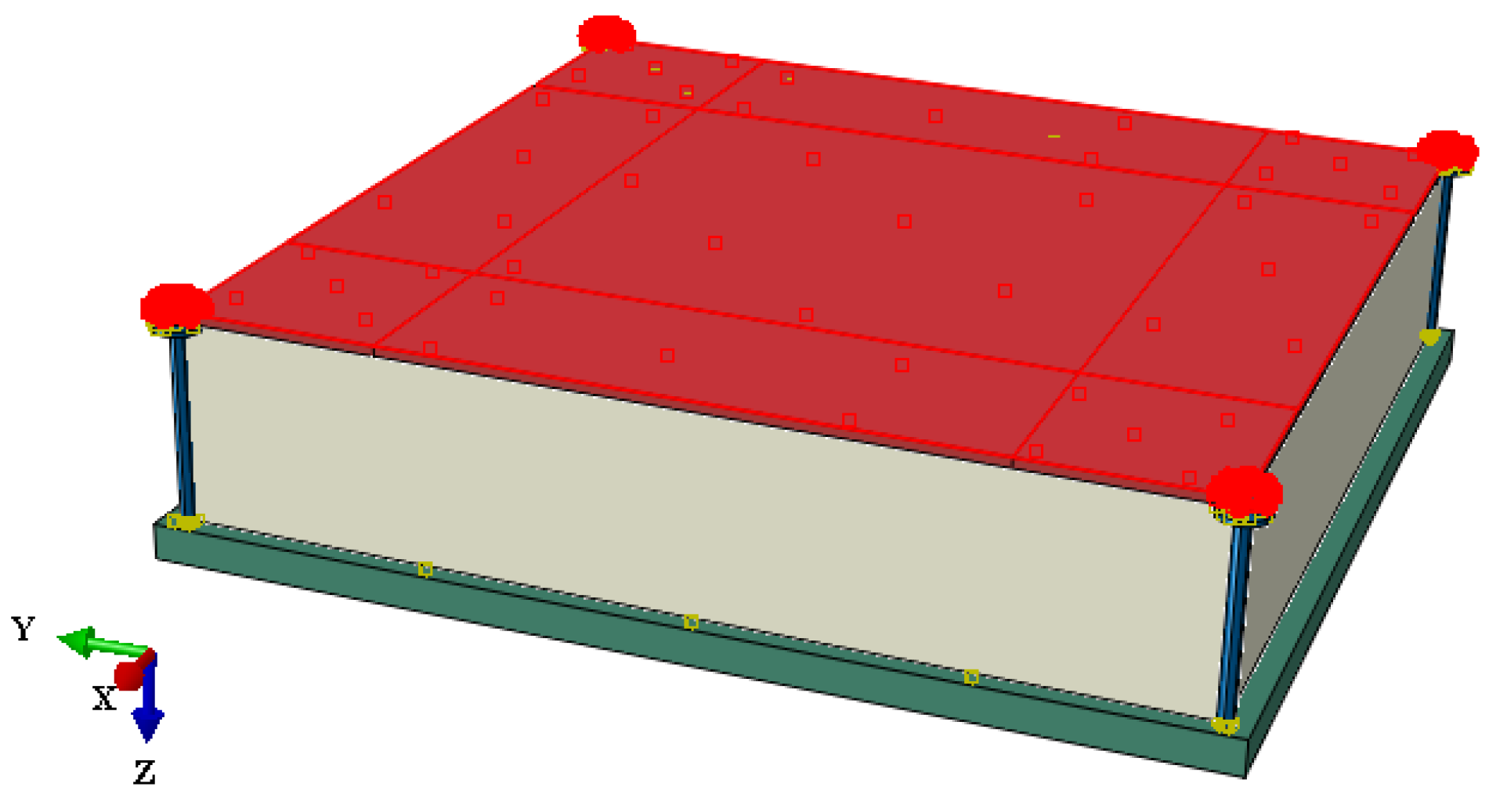
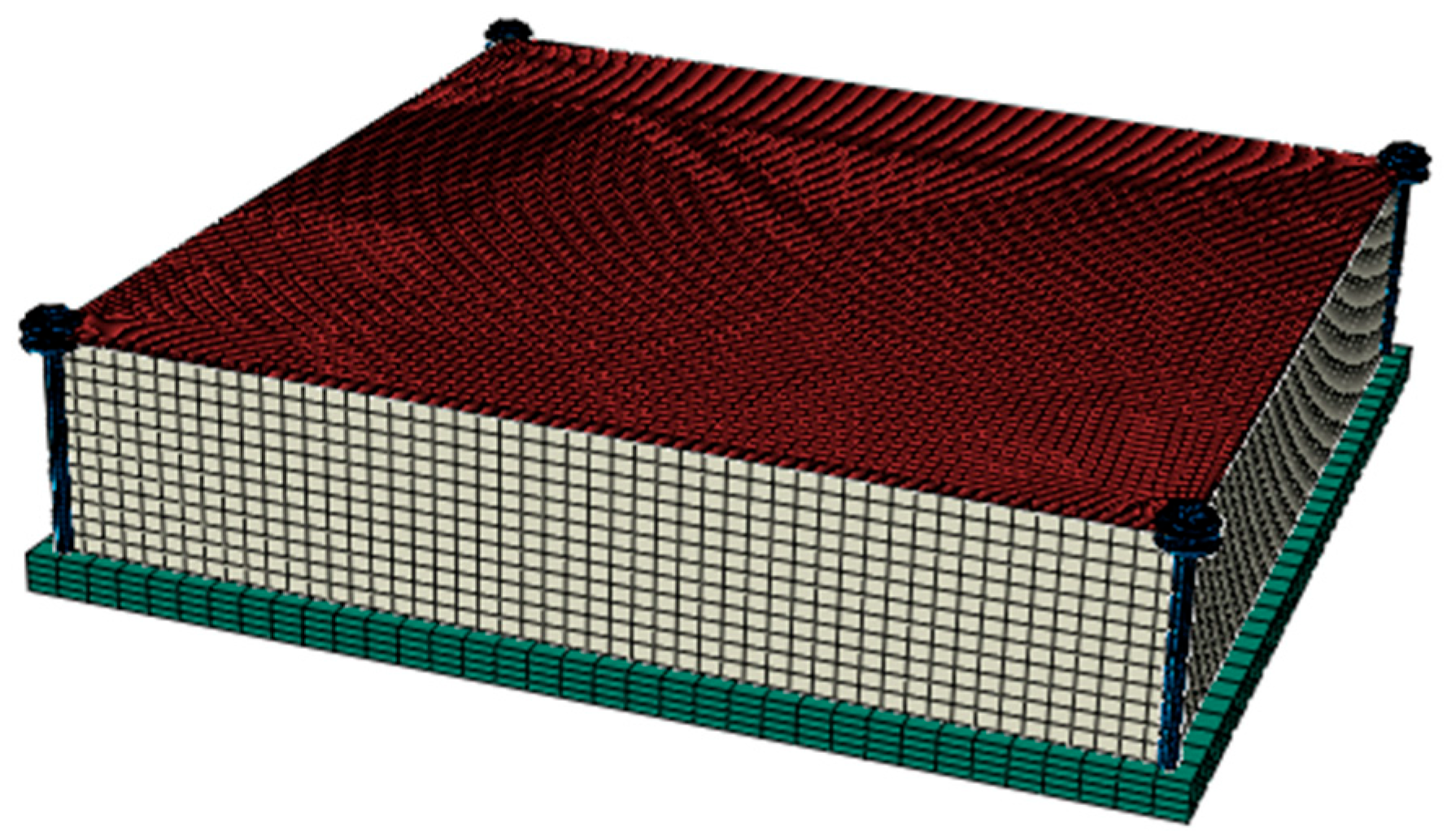
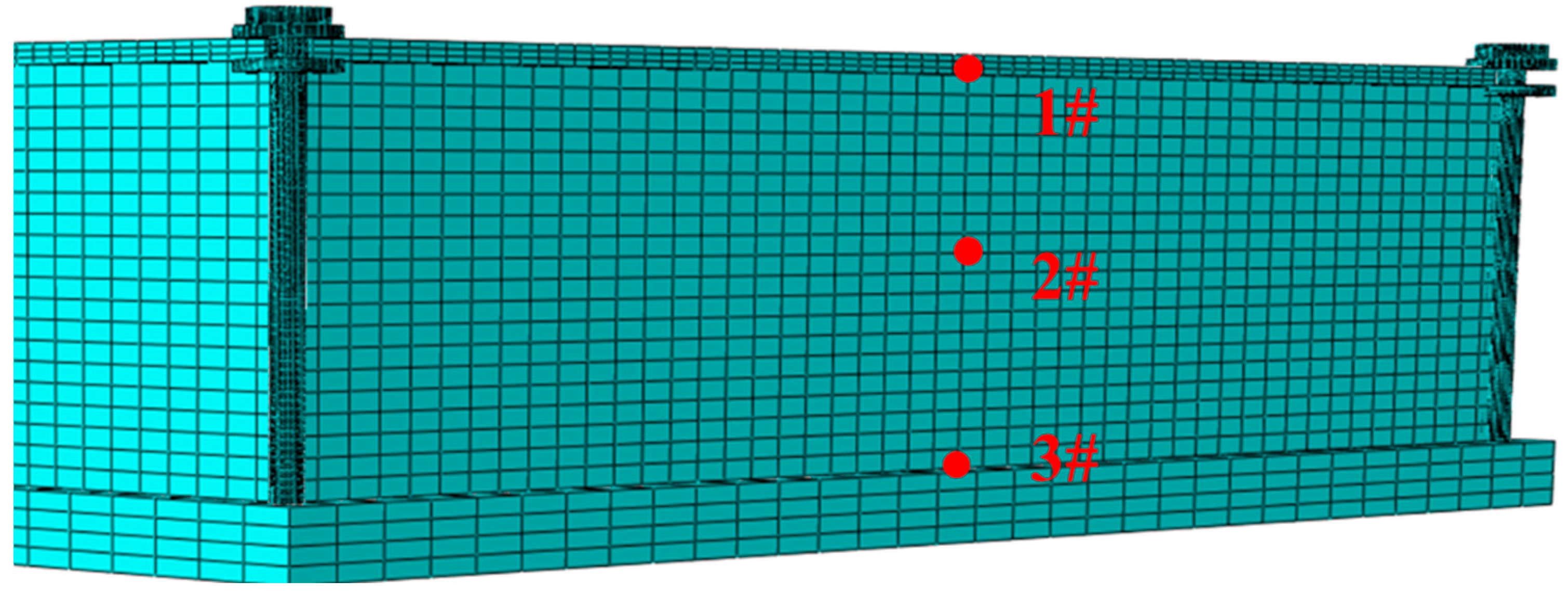
According to Section 2, the component parameters of the internal thermal insulation structure are shown in Figure 7, and the corresponding finite element model is established as shown in Figure 8. The relevant material physical parameters are summarized in Table 1.
For the heat transfer analysis, the finite element model is meshed by an eight-node linear heat transfer hexahedral element (DC3D8). To simplify the computational model, influencing factors such as airflow pulsation, noise, vibration, and gravitational load are neglected.
Additionally, the surface polishing treatment is carried out on the protective plate, which can significantly reduce the infrared radiation absorption rate of the protective plate. Therefore, the radiation heat transfer is neglected in the numerical simulation.

3.2. Loading Conditions

During the heat transfer analysis, the primary thermal loading condition is the temperature load, denoted as T, which is described as follows.
Temperature load, T: The operational temperature of the device is 647 °C, the environmental temperature is 25 °C, and the initial temperature is set as 25 °C.
Additionally, based on the device’s operational duration, the heat transfer simulation time is set as 3600 s.

3.3. Boundary Conditions

As shown in Figure 9, the upper surfaces of the protective plate, nut, and washer are exposed to the high-temperature airflow at 647 °C. The corresponding convective heat transfer coefficient between the upper surfaces of the protective plate, nut, washer, and the hot airflow is 60 W/(m2·°C). In contrast, the outer surface of the device shell is exposed to an ambient temperature of 25 °C, with the convective heat transfer coefficient of 10 W/(m2·°C) between the shell surface and the surrounding environment [22]. Additionally, all other boundaries of the computational model are assumed to be adiabatic by default. To accurately capture interface heat conduction between the protective plate and washer, the interfacial thermal contact conductance is prescribed as 100 W/(m2·°C).

3.4. Numerical Simulation Results

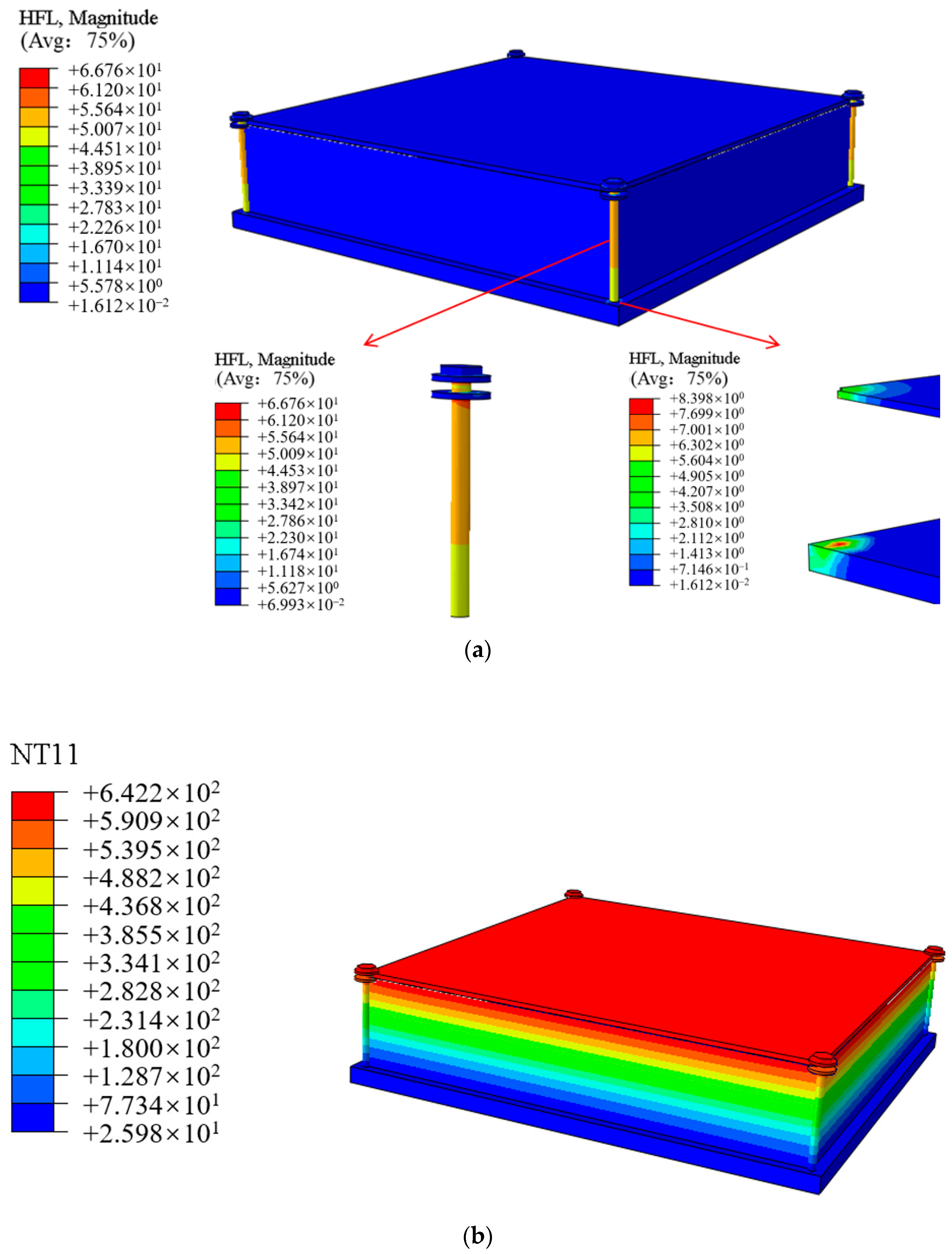
According to the above-mentioned loading and boundary conditions, the temperature field and heat flux within the internal insulation structure are numerically calculated, as shown in Figure 10. As depicted in Figure 10a, the heat flux through the insulation structure remains low, less than 10 W/m2, indicating effective thermal resistance. In contrast, the heat flux along the screw is markedly higher than that in adjacent components. This pronounced local increase arises primarily because the screw, fabricated from 310S stainless steel, mechanically bridges the high-temperature protective plate and the relatively cool device shell, thereby forming a thermal bridge that facilitates substantial conductive heat transfer. In detail, the heat flux along the screw decreases gradually in the direction from the thermal source towards the device shell. The maximum heat flux, with the value of 66.7 W/m2, occurs at the contact interface between the screw and washer, whereas the minimum heat flux, with the value of 8.40 W/m2, is located at the contact interface between the screw and the inner wall of the device shell. As shown in Figure 10b, the temperature decreases monotonically across the thickness of the insulation layer. Specifically, the temperature of the protective plate is 642.2 °C, while the outer surface temperature of the device shell is 25.98 °C, nearly identical to the initial environmental temperature. In contrast, the outer wall temperature of the thermal insulation structure reported in Reference [12] reaches approximately 127 °C, larger than that of the proposed thermal insulation structure. This confirms that the silica aerogel flexible mat insulation effectively maintains the high-temperature environment inside the device and exhibits excellent thermal insulation performance.
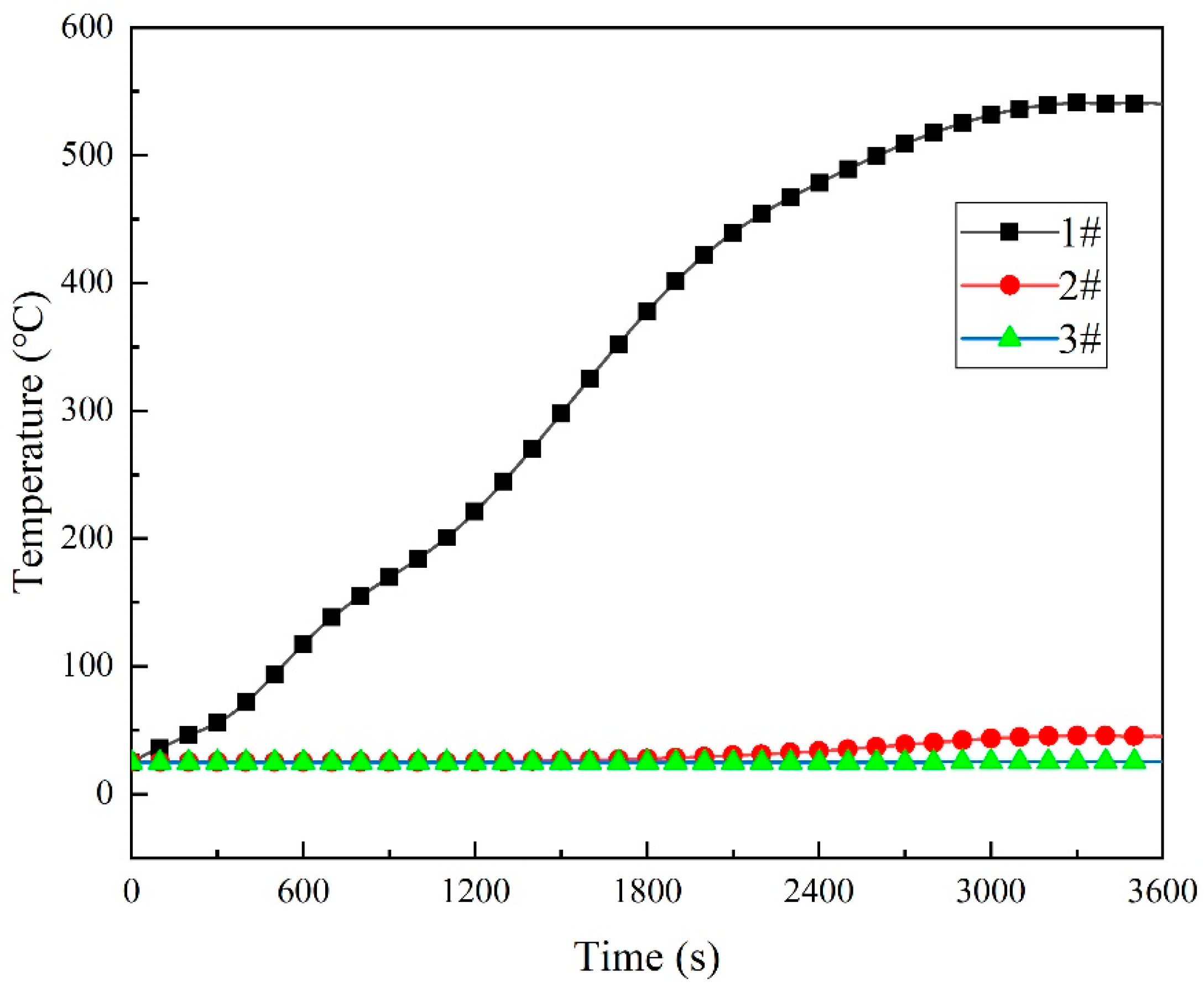
To directly illustrate the temperature distribution across the thickness of the insulation layer, three representative points, 1–3, are marked along the thickness direction, respectively, as shown in Figure 11. Point 1 is located at the upper surface of the insulation layer, point 2# is located in the mid-thickness of the insulation layer, and point 3# is located at the lower surface. The corresponding curves of temperature vs. time for these three points are presented in Figure 12. As shown in Figure 12, under the influence of a high-temperature boundary condition, the temperature at point 1 rises rapidly from the initial temperature to approximately 540 °C and subsequently stabilizes. In contrast, the temperature at point 2 rises extremely slowly to about 45 °C, while the temperature at point 3 remains virtually unchanged from the initial temperature. These observations unequivocally demonstrate the superior insulation capability of the silica aerogel flexible mat, which is fully consistent with the temperature field distribution in Figure 10.
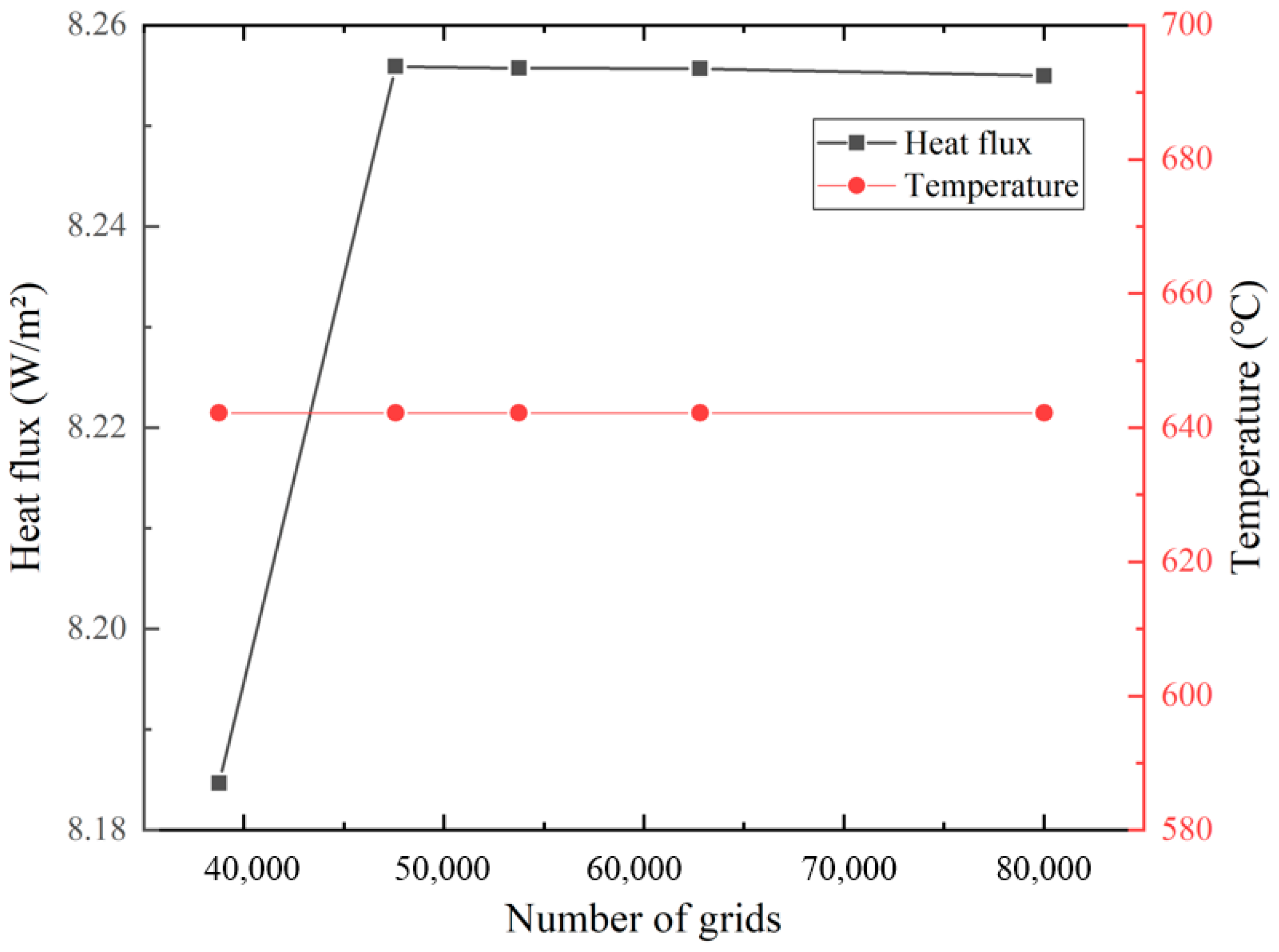
Additionally, the calculations on mesh independence are conducted, and the corresponding results of a center point on the surface of the nut are shown in Figure 13. We find that both the heat flux and the temperature of the point tend to stabilize and reach convergence.

4. Theoretical Calculation on Heat Transfer for the Internal Thermal Insulation Structure

4.1. Theoretical Model

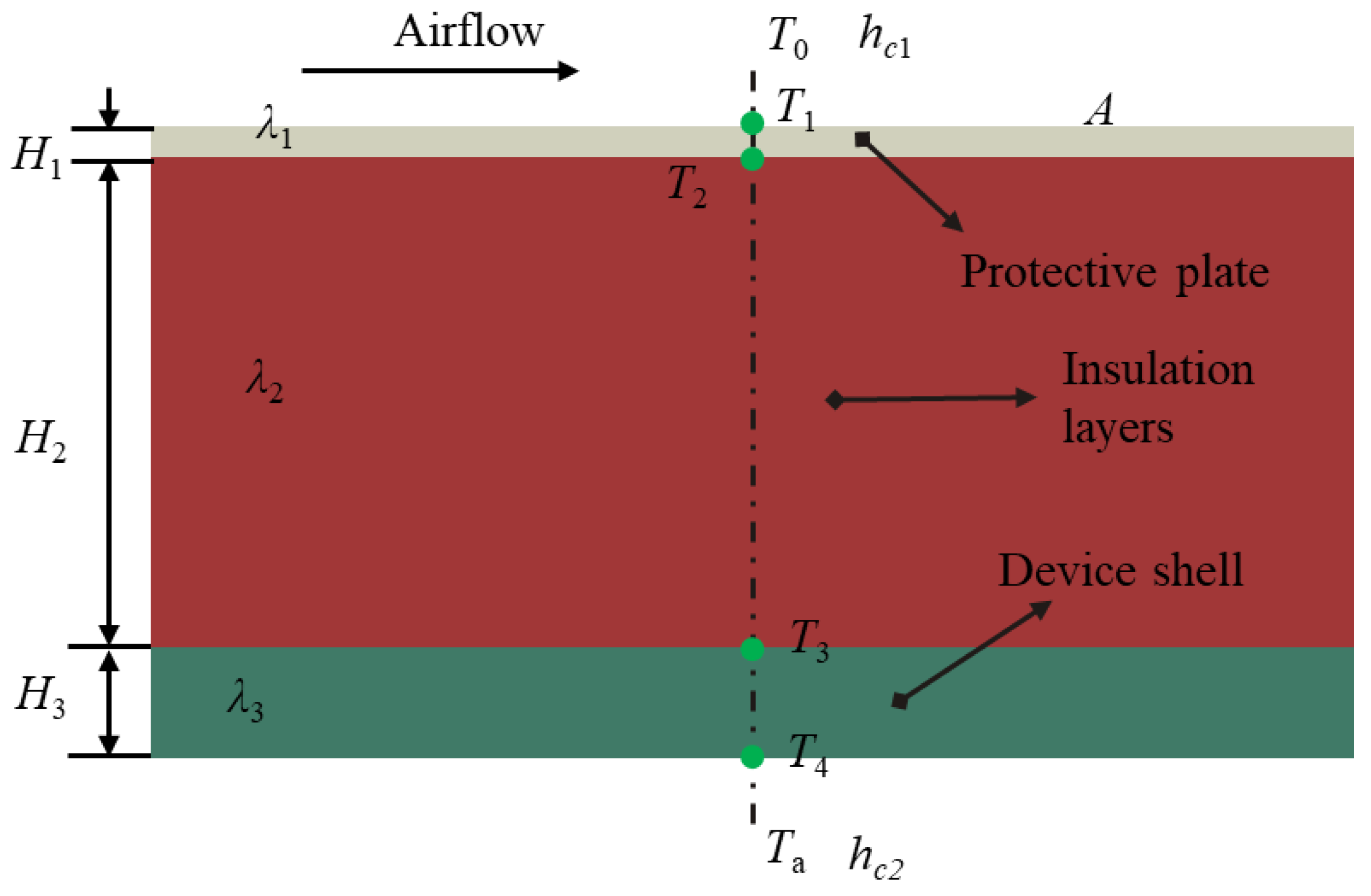
According to the numerical simulation results, the temperatures at points 1–3 remain unchanged at approximately 3600 s, thereby reaching a steady state. Accordingly, a one-dimensional heat transfer model of the internal thermal insulation structure is established, as shown in Figure 14, based on the following assumptions:
(1)
Stable state.
(2)
One-dimensional (1D) heat conduction across the layered structure.
(3)
Constant thermophysical properties for all materials.
(4)
Negligible thermal influence of support fasteners.
(5)
Omission of interfacial thermal resistances, both between adjacent insulation layers and between the insulation layer and the device wall, due to intimate physical contact at these interfaces.
In Figure 14, A is the cross-sectional area, hc1 is the convective heat transfer coefficient between the airflow and protective plate, H1 and λ1 are the thickness and heat conductivity of protective plate, respectively, H2 and λ2 are the thickness and heat conductivity of insulation layer, respectively, H3 and λ3 are the thickness and heat conductivity of device shell, respectively, hc2 is the convective heat transfer coefficient between the device shell and environment, and T0, T1, T2, T3, T4, and Ta are the temperatures of airflow, the inner surface of protective plate, the interface between the protective plate and the insulation layer, the interface between the insulation layer and the device shell, the outer surface of the device shell, and the environment, respectively.

4.2. Theoretical Calculation

According to the theoretical model in Figure 15, the heat quantity, Q, can be obtained by Equation (1).
Q = T 0 T a R
where R is the total heat resistance, as shown in Equation (2).
R = R c 1 + R 1 + R 2 + R 3 + R c 2
With R c 1 = 1 h c 1 A , R 1 = H 1 λ 1 A , R 2 = H 2 λ 2 A , R 3 = H 3 λ 3 A , R c 2 = 1 h c 2 A .
Replacing Equation (1) with Equation (2) yields
Q = T 0 T a 1 A ( 1 h c 1 + H 1 λ 1 + H 2 λ 2 + H 3 λ 3 + 1 h c 2 )
Thus, the heat flux, q, of the internal thermal insulation structure can be obtained.
q = Q A = T 0 T a 1 h c 1 + H 1 λ 1 + H 2 λ 2 + H 3 λ 3 + 1 h c 2
Considering the multilayer characteristic of the internal thermal insulation structure, the temperature gradient exists between the different layers, which is described in detail as follows.
In the layer of the protective plate:
q = λ 1 T 1 T 2 H 1 T 2 = T 1 q H 1 λ 1
In the layer of the insulation material:
q = λ 2 T 2 T 3 H 2 T 3 = T 2 q H 2 λ 2
In the layer of the device shell:
q = λ 3 T 3 T 4 H 3 T 4 = T 3 q H 3 λ 3
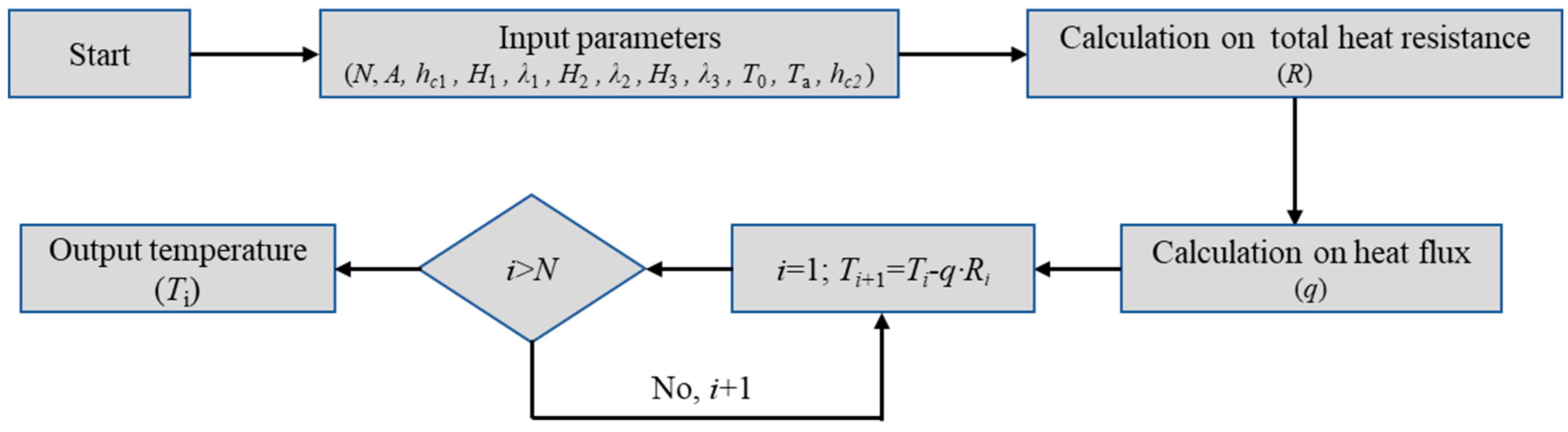
Thus, the temperature at different thicknesses can be calculated based on the above equations, and the corresponding calculation process is shown in Figure 15.
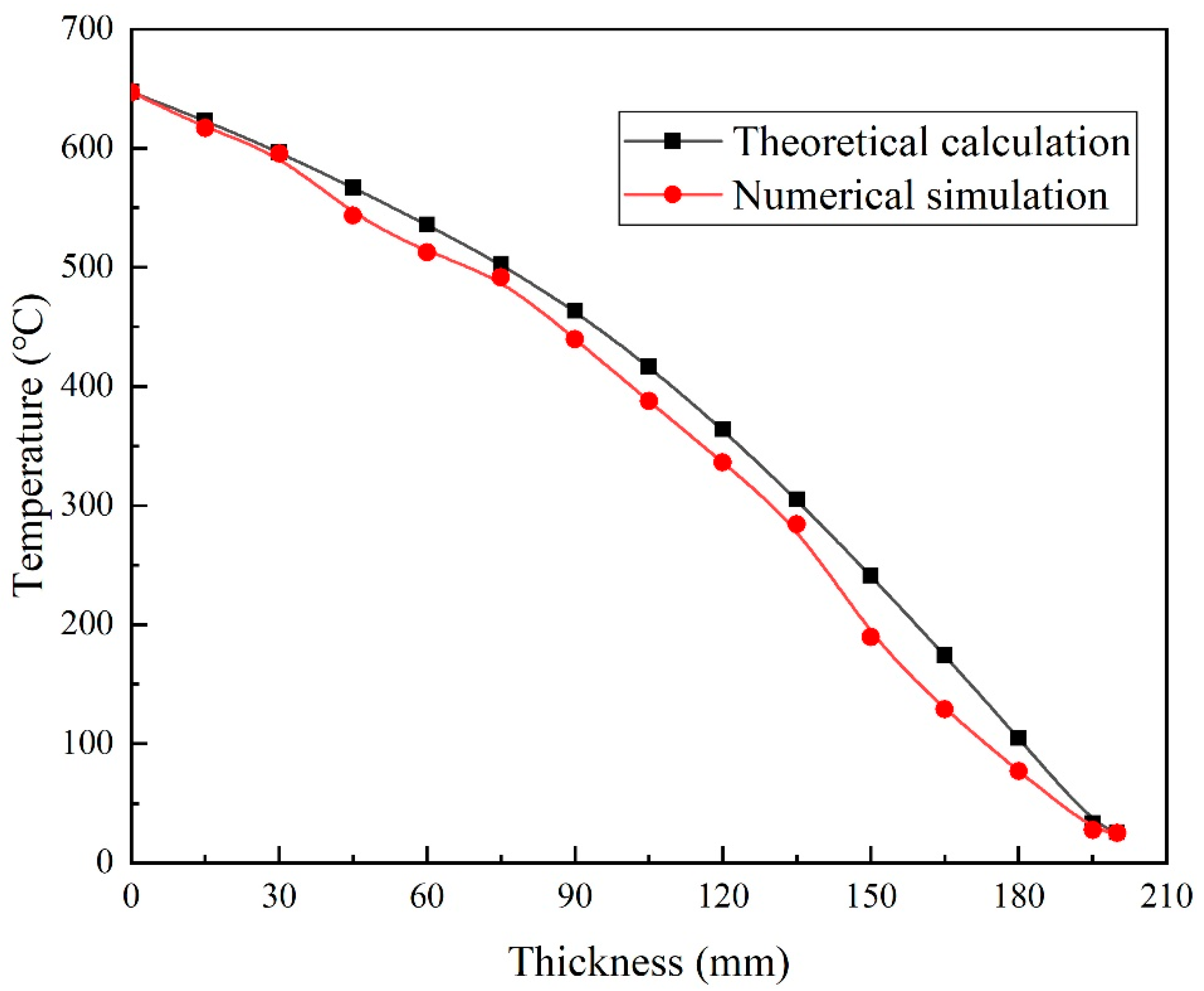
According to the above calculation process, the temperature along the thickness direction of the internal thermal insulation structure is calculated, and that obtained by numerical simulation is also gathered, as shown in Figure 16.
As shown in Figure 16, the temperature distribution along the thickness direction obtained by theoretical calculation is consistent with that obtained by numerical simulation, with a maximum deviation of less than 5%. This minor discrepancy is likely attributable to the constant thermophysical properties for all materials per Assumption (3) and the simplification of interfacial thermal resistances that were intentionally neglected per Assumption (5), in a complex manner. The close agreement validates the accuracy and applicability of the proposed analytical model. Additionally, the temperature distribution along the thickness direction obtained by numerical simulation exhibits slight oscillatory behavior, which is attributed to spurious temperature oscillations at the nodal points.
It is noticed that the one-dimensional heat conduction theoretical derivation and calculation are based on the above-mentioned assumptions. Therefore, the proposed one-dimensional theoretical model is only suitable for the first-order estimation rather than precise prediction.

5. Experiments

In this section, a specimen of internal insulation structure was first fabricated, followed by a high-temperature experiment to further validate the thermal insulation performance of the structure.

5.1. Manufacturing the Specimen

As indicated, the internal thermal insulation structure comprises three primary components, including a protective plate, support fasteners, and a thermal insulation layer, which are fabricated from 310S stainless steel, 310S stainless steel, and silica aerogel flexible mats, respectively. The structure is mounted on the inner wall device shell, which is constructed from Q345R steel. Furthermore, a uniform coating of anti-corrosion paint is applied to the outer surface of the device shell to mitigate corrosion.
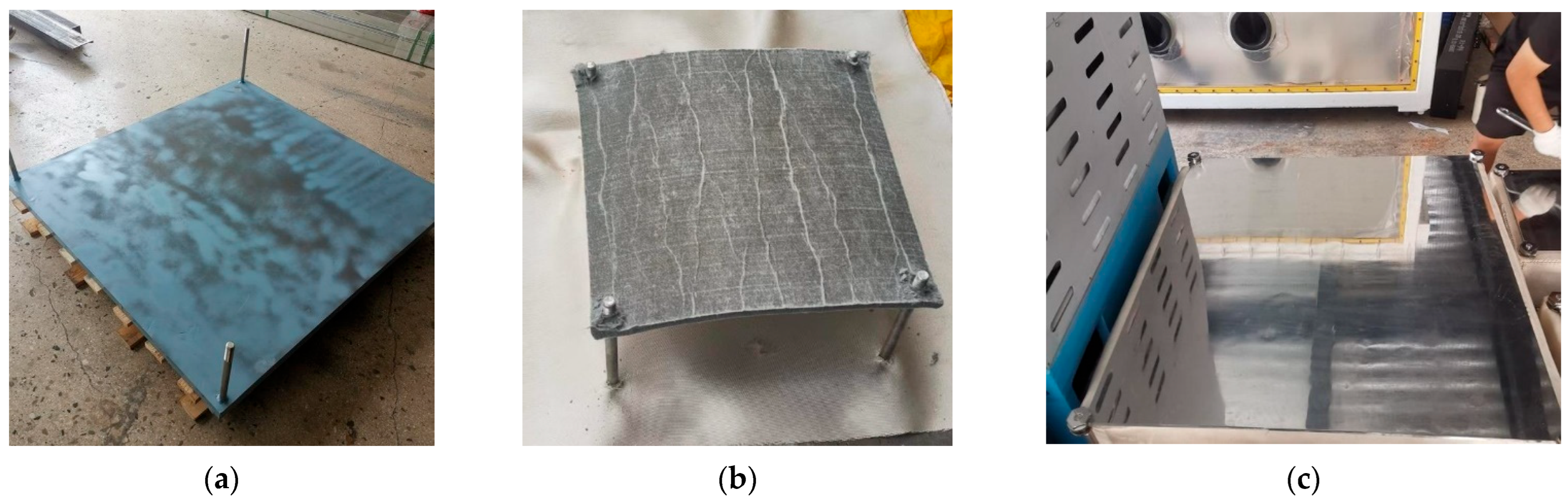
The fabrication process of the specimen is shown in Figure 17. First, screws are fully penetrated and welded perpendicularly onto the four corners of the device shell surface, as shown in Figure 17a. Then, four aligned holes are drilled through each insulation layer to accommodate the screws, enabling precise alignment and assembly, as shown in Figure 17b. Finally, the protective plate, washers, and nuts are assembled to compress and secure the multilayer thermal insulation materials, thereby completing the specimen of the internal thermal insulation structure, as shown in Figure 17c.

5.2. Experimental Details

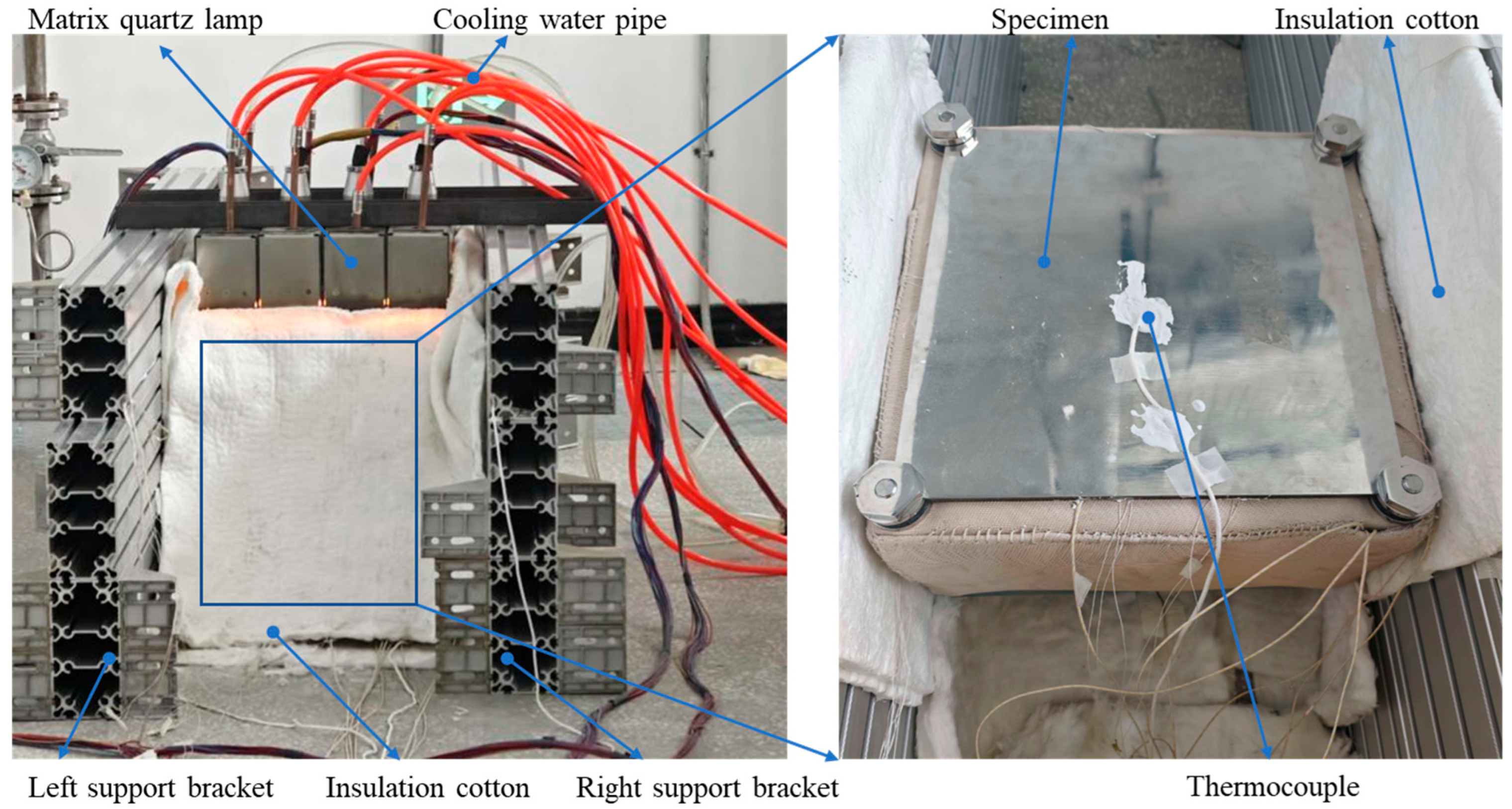
Given the elevated operating temperatures experienced by the insulation structure during device operation, an experimental platform is developed as shown in Figure 18. The platform mainly contains a matrix quartz lamp, a cooling water circuit, and a support bracket. The matrix quartz lamp serves as the controllable heat source for heating the specimen. The cooling water circuit is applied post-experiment to dissipate residual heat from the lamp. The support bracket, including the left support bracket and the right support bracket, is applied to support the lamp.
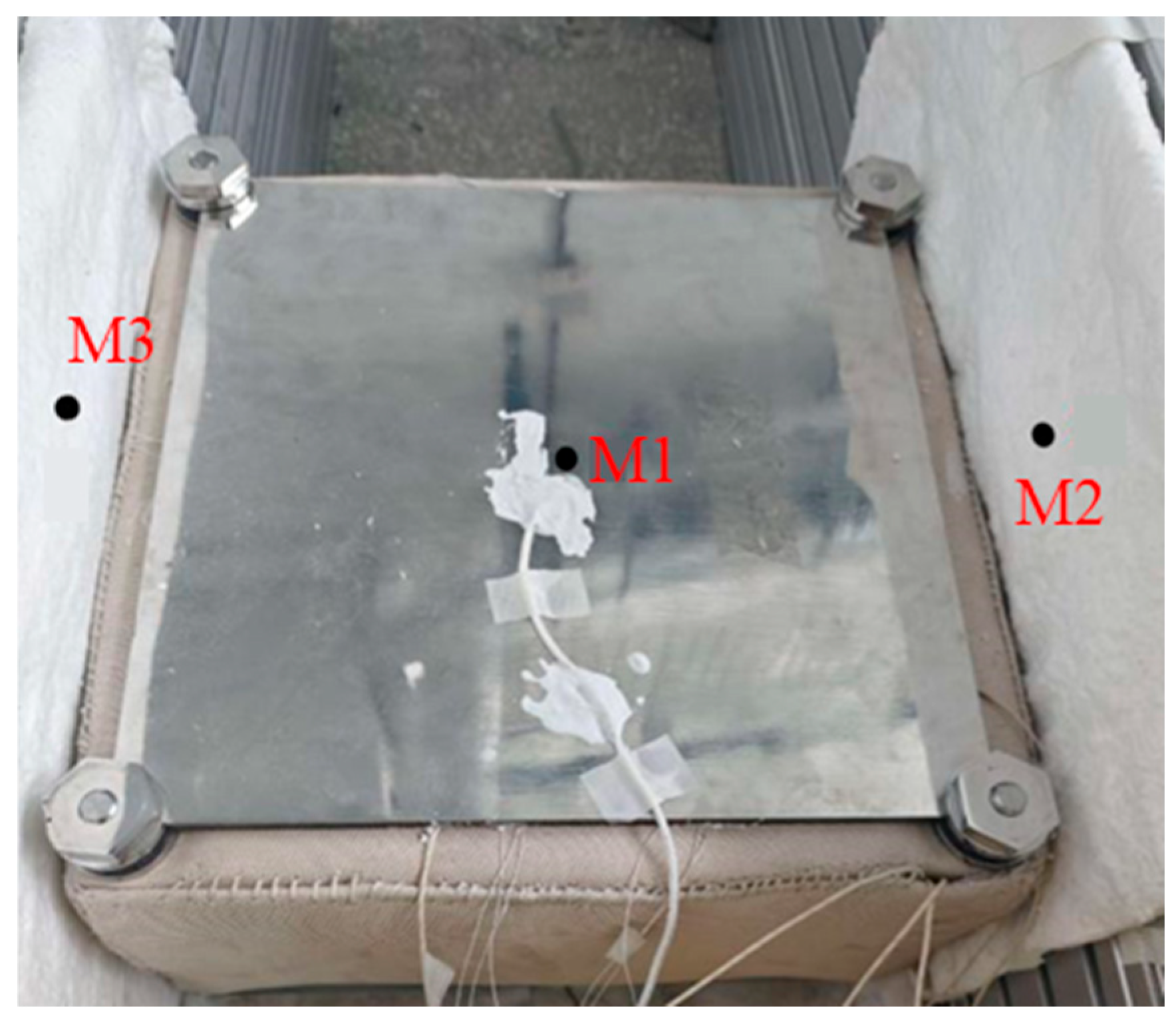
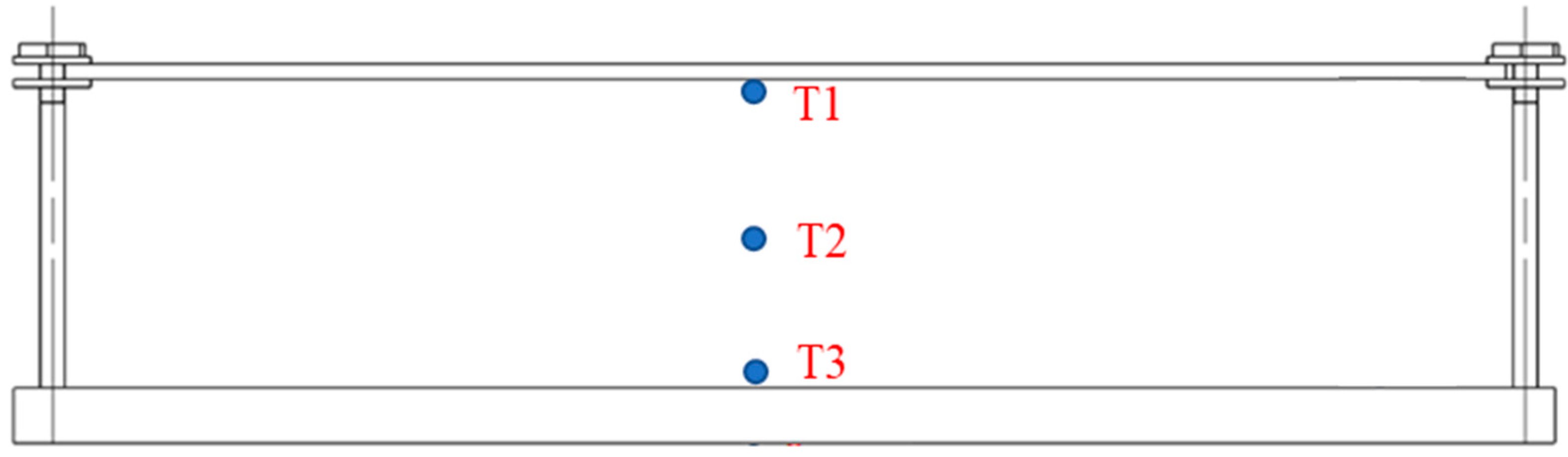
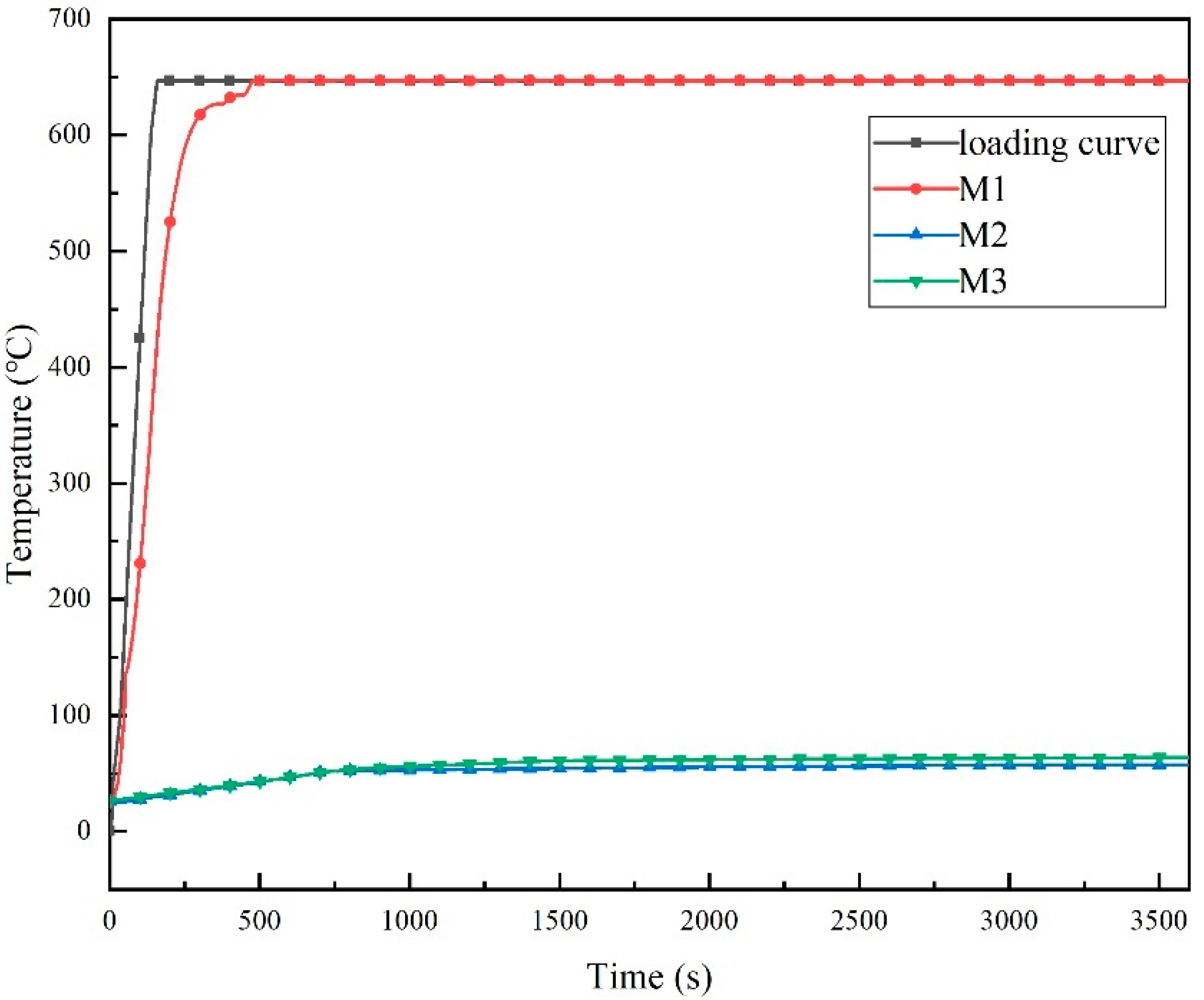
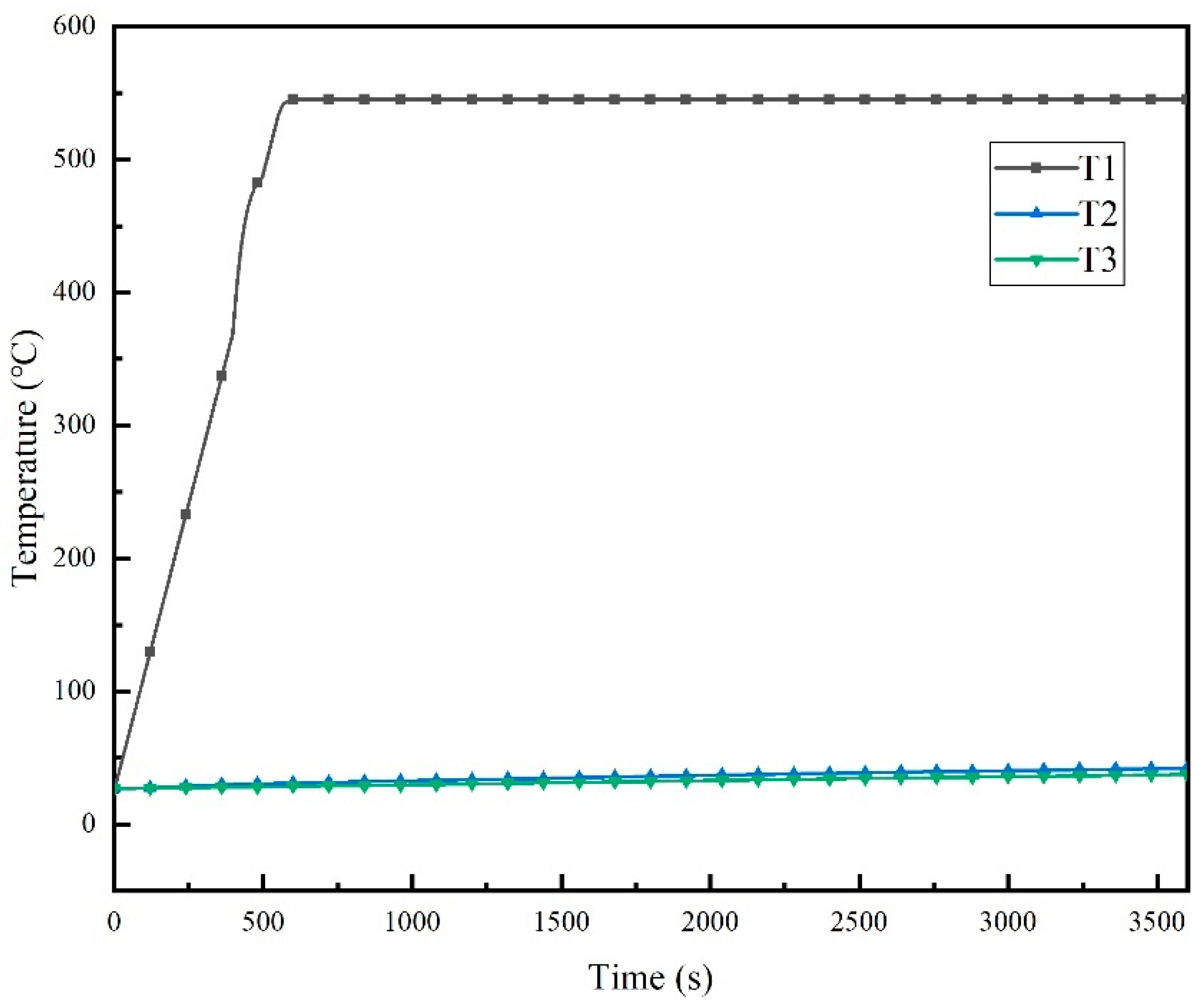
The specimen is placed beneath the matrix quartz lamp, positioned between the left and right support brackets. The insulation cotton is wrapped around the specimen to minimize the heat dissipation and to protect the support bracket. Additionally, six K-type thermocouples, constructed from a nickel–chromium/nickel–aluminum alloy and capable of measuring temperatures in the range of −40 °C to 704 °C, are installed. Among these, three thermocouples, numbered M1–M3, are mounted on the surface of the protective plate, the right support bracket, and the left support bracket, respectively, to monitor whether the temperature evolution follows the expected pattern, as shown in Figure 19. The remaining three thermocouples, numbered T1–T3, are embedded along the thickness direction of the insulation layer to measure the through-thickness temperature, as shown in Figure 20, corresponding to points 1–3 described in Section 3.4.

5.3. Experimental Results Analysis

During the experiment, the maximum target temperature and heat rate are set as 647 °C and 3 °C/s, respectively. The temperature loading profile of the experimental platform, together with the recording temperature histories of the monitoring points, i.e., M1–M3, is presented in Figure 21. The temperature histories of the embedded measurement points, i.e., T1–T3, are shown in Figure 22.
As shown in Figure 21, the imposed heating profile reaches 647 °C at approximately 120 s and remains constant thereafter. In contrast, the surface temperature at M1 reaches 647 °C after 480 s, exhibiting a notable delay relative to the imposed heating profile. This delay is likely attributable to the convective heat transfer resistance between the matrix quartz lamp and protective plate and the thermal response time inherent in thermocouples. Meanwhile, the temperature at M2 and M3 stabilizes at 57.2 °C and 64 °C after 1200 s, respectively, which remain well within the allowable thermal limits of the support bracket. This favorable thermal performance arises because M2 and M3 are located on the surface of the support bracket, which is insulated by the surrounding insulation cotton.
It can be observed from Figure 22 that the temperature at T1 peaks at 545.2 °C at approximately 600 s and remains nearly constant thereafter, while that at #1 peaks at 540 °C at approximately 3200 s and remains nearly constant thereafter, as obtained by numerical simulation in Figure 12. The peaking temperature error between T1 and #1 is 0.9%. This error is likely attributable to some uncertainty factors, such as the measurement error of the thermocouple and heat dissipation from the quartz lamp to the surrounding environment. However, the temperature rise rate of T1 is higher than that of #1, primarily because the numerical model incorporates an empirically calibrated heat transfer coefficient between the hot airflow and the surface of the protective plate, which enhances convective heating. In contrast, the temperatures at T2 and T3 exhibit negligible change throughout the experiment. This stability arises because both T2 and T3 are embedded within the insulation layer and fully surrounded by silica aerogel flexible mats, thereby placing them in a highly thermally insulated environment. These experimental observations confirm the excellent insulation performance of the proposed insulation structure, in good agreement with the numerical simulation results.

6. Conclusions

In this work, an internal thermal insulation structure for a high-temperature device is designed. On this basis, the insulation performance is evaluated via numerical simulation and subsequently validated through high-temperature experiments.
(1)
The numerical simulation results show that the maximum heat flux occurs at the contact interface between the screw and the washer, with the value of 66.7 W/m2. Concurrently, the outer wall surface temperature remains at 25.98 °C. These findings indicate that the proposed internal thermal insulation structure effectively maintains the required high-temperature environment within the device and exhibits outstanding thermal insulation performance from a numerical perspective.
(2)
A dedicated high-temperature experiment is conducted to assess the thermal performance of the internal insulation structure. The experimental results demonstrate excellent agreement with the numerical simulation results, thereby confirming the accuracy and reliability of the simulation model. Moreover, the experimental data further corroborate the superior thermal insulation capability of the designed structure.
In summary, this work successfully develops and validates an effective internal thermal insulation structure through both numerical simulation and experimental testing. The combined validation approach establishes a robust foundation for the future design and implementation of high-temperature devices. Additionally, the thermal insulation structure can make the high-temperature devices consume less energy in long-term use and be more environmentally friendly and economical.

Author Contributions

Conceptualization, Y.L. and H.L.; methodology, H.L. and Z.G.; software, H.L.; validation, Y.L., W.C. and W.Y.; formal analysis, B.L.; investigation, B.L.; resources, B.L.; data curation, Y.L.; writing—original draft preparation, Y.L.; writing—review and editing, B.L.; visualization, B.L.; supervision, B.L.; project administration, Z.G.; funding acquisition, B.L. All authors have read and agreed to the published version of the manuscript.

Funding

This research received no external funding.

Institutional Review Board Statement

Not applicable.

Informed Consent Statement

Not applicable.

Data Availability Statement

The original contributions presented in this study are included in the article. Further inquiries can be directed to the corresponding author.

Acknowledgments

The authors would like to acknowledge financial support from the Equipment Integrated Research of China (No. JK2022A001500).

Conflicts of Interest

The authors declare no conflict of interest.

References

  1. Yan, Z.G.; Zhang, Y.; Shen, Y.; Zhu, H.H.; Lu, Y. A multilayer thermo-elastic damage model for the bending deflection of the tunnel lining segment exposed to high temperatures. Tunn. Undergr. Space Technol. 2020, 95, 103142. [Google Scholar] [CrossRef]
  2. Zhou, X. Study on Mechanical Properties of Square Steel Tube Recycled Concrete Axially Compressed Short Columns at Normal and High Temperatures. Master’s Thesis, Shenyang Jianzhu University, Shenyang, China, 2021. [Google Scholar]
  3. Liang, S.; Liu, N.; Xu, X.; Liu, H.; Zeng, W. Study on the influence of various factors on the scope of numerical models for thermal analysis in high-geothermal tunnels. Water Resour. Hydropower Eng. 2023, 54, 69–77. [Google Scholar]
  4. Zhang, W.; Wu, K.; Wei, X.; Zhang, Z.; Zhang, Q.; Jin, F. Theoretical analysis and numerical simulation of crushing behavior of multi-walled tube-reinforced aluminum foam under high-temperature environment. Chin. J. Appl. Mech. 2024, 41, 1034–1041. [Google Scholar]
  5. Song, Y.J.; Chen, Z.H.; Lai, H.; Chen, W.H.; Liu, X.F.; Hou, Y. Development and key technology of cryogenic wind tunnel insulation system. J. Harbin Inst. Technol. 2019, 51, 63–69. [Google Scholar]
  6. Qi, G.; Xin, P.; Li, X.; Xu, D.; Yang, H.; Dai, L.; Zhong, G. Insulation structure and thickness verification for LNG process tanks. Pet. Chem. Equip. 2020, 23, 78–80. [Google Scholar]
  7. Yuanjia, S.; Daxiong, L.; Wanhua, C.; Huan, L.; Yu, H. Design and property analysis on the insulation structure of cryogenic wind tunnel. J. Exp. Fluid Mech. 2021, 35, 61–67. [Google Scholar]
  8. Wu, H.; Tan, H.; Xu, Z. Interlayer pressure inversion in high-vacuum multilayer insulation structures. Vac. Cryog. 2023, 29, 121–128. [Google Scholar]
  9. Jin, L.; Zhang, C.; Nie, Q.; Chen, K.; Song, L. Integrated thermal simulation analysis of internal-external domains for end-burning motor insulation structures. Missiles Space Veh. 2023, 6, 57–60. [Google Scholar]
  10. Zhang, Y.; Li, W.; Su, J.; Chen, L.; Zhang, J. Study and analysis of thermal insulation performance of foam glass in LNG terminal insulation structures. Pet. Chem. Equip. 2023, 26, 22–26. [Google Scholar]
  11. Chu, P.; Marksberry, C.; Saari, D. High Temperature Storage Heater Technology for Hypersonic Wind Tunnels and Propulsion Test Facilities. In Proceedings of the AIAA/Cira International Space Planes & Hypersonics Systems & Technologies Conference, Capua, Italy, 16–20 May 2006. [Google Scholar]
  12. Trout, O.F., Jr. Design, Operation and Testing Capabilities of the Langley 11-Inch Ceramic-Heated Tunnel; Technical Note; National Aeronautics and Space Administration: Washington, DC, USA, 1963.
  13. Nomura, S.; Sakakibara, S.; Hozumi, K.; Soga, K. On NAL’s New Large Hypersonic Wind Tunnel. Aeronaut. Space Sci. Jpn. 1994, 42, 32–38. [Google Scholar]
  14. Mansfield, D.K.; Grinstead, J.H.; Howard, P.J.; Brown, G.L.; Girgis, I.; Miles, R.B. A 1 MW radiatively-heated hypersonic wind tunnel experiment. In Proceedings of the 22nd AIAA Aerodynamic Measurement Technology and Ground Testing Conference, St. Louis, MO, USA, 24–26 June 2002. [Google Scholar]
  15. Sverdrup, L.J.; Parcel, J.R.; Smith, B.; Cook, W. The Propulsion Wind Tunnel an International Historic Mechanical Engineering Landmark; The American Society of Mechanical Engineers: New York, NY, USA, 1989. [Google Scholar]
  16. Xin, B.; Wen, J.; Li, K.; Chen, Q.; Wang, S. Performance Analysis of Vapor-Cooled Shield Multilayer Insulation for Liquid Hydrogen Storage Tanks. Chem. Eng. 2023, 51, 42–47+52. [Google Scholar]
  17. Wu, S. Optimization Design of Multi-channel Cryogenic Pipelines and Heat Transfer Study of Vacuum Multilayer Insulation. Master’s Thesis, University of Science and Technology of China, Hefei, China, 2023. [Google Scholar]
  18. Ma, X.; Chen, S.; Jin, S.; Zhu, M.; Wang, Y.; Xiong, Z.; Wu, H.; Yu, Y.; Wang, X. Research Progress on Thermal Insulation Performance of Multilayer Insulation Materials for Cryogenic Vessels. Mater. Rep. 2024, 38, 242–252. [Google Scholar]
  19. Li, H.; Wang, Y.; Zhu, K.; Han, Z.; Wu, X.; Wang, S.; Zhang, W.; Liu, W. General Figures of Merit ZQ for Thermoelectric Generators Under Constant Heat-In Flux Boundary. Adv. Sci. 2023, 10, 202303695. [Google Scholar] [CrossRef] [PubMed]
  20. Zhang, J.; Ye, C.; Wei, G.; Guo, L.; Cai, Y.; Li, Z.; Wu, X.; Sun, F.; Li, Q.; Wang, Y.; et al. Polaron interfacial entropy as a route to high thermoelectric performance in DAE-doped PEDOT: PSS films. Natl. Sci. Rev. 2024, 11, nwae009. [Google Scholar] [CrossRef] [PubMed]
  21. Zhang, C.; Han, C.; Zhu, J.; Du, W. Low-velocity impact characteristics and residual compressive strength of hybrid composite sandwich structures. J. Mech. Strength 2023, 45, 646–652. [Google Scholar]
  22. Shiming, Y.; Wenquan, T. Heat Transfer, 4th ed.; Higher Education Press: Beijing, China, 2006. [Google Scholar]
Figure 1. External insulation structure applied to the miniaturized piping devices.
Applsci 16 02132 g001
Figure 2. Internal insulation structure applied to the propulsion wind tunnel [15].
Applsci 16 02132 g002
Figure 3. Internal thermal insulation structure.
Applsci 16 02132 g003
Figure 4. The clearance for each protective panel.
Applsci 16 02132 g004
Figure 5. The support fastener.
Applsci 16 02132 g005
Figure 6. Thermal insulation structure.
Applsci 16 02132 g006
Figure 7. The component parameters of the internal thermal insulation structure.
Applsci 16 02132 g007
Figure 8. The finite element model of the internal thermal insulation structure.
Applsci 16 02132 g008
Figure 9. Thermal boundary condition.
Applsci 16 02132 g009
Figure 10. Numerical simulation results on heat transfer. (a) Heat flux map. (b) Temperature field map.
Applsci 16 02132 g010
Figure 11. Three points along the thickness direction of the insulation layer.
Applsci 16 02132 g011
Figure 12. Temperature vs. time of points.
Applsci 16 02132 g012
Figure 13. The heat flux and the temperature at different grid numbers.
Applsci 16 02132 g013
Figure 14. Heat transfer model of the internal thermal insulation structure.
Applsci 16 02132 g014
Figure 15. The calculation process for the temperature at different thicknesses.
Applsci 16 02132 g015
Figure 16. Temperature vs. thickness obtained by theoretical calculation and by numerical simulation.
Applsci 16 02132 g016
Figure 17. The manufacturing process of the specimen. (a) Screw welding. (b) Insulation layer drilling. (c) Compaction and fastening.
Applsci 16 02132 g017
Figure 18. The experimental platform.
Applsci 16 02132 g018
Figure 19. The thermocouples for monitoring.
Applsci 16 02132 g019
Figure 20. The thermocouples for measuring.
Applsci 16 02132 g020
Figure 21. The temperature curve of loading and monitoring.
Applsci 16 02132 g021
Figure 22. The temperature curve of measuring.
Applsci 16 02132 g022
Table 1. Material physical parameters.
MaterialsQ345R310SSilica Aerogel Flexible Mats
Coefficient of linear expansion
(°C)
1.3 × 10−51.45 × 10−55.6 × 10⁻⁵
Density
(kg/m3)
78507930180
Heat conductivity
(W/(m·°C))
4713.70.019 at 25 °C
0.025 at 300 °C
0.026 at 371 °C
Specific heat
(J/(kg·°C))
470500130
Disclaimer/Publisher’s Note: The statements, opinions and data contained in all publications are solely those of the individual author(s) and contributor(s) and not of MDPI and/or the editor(s). MDPI and/or the editor(s) disclaim responsibility for any injury to people or property resulting from any ideas, methods, instructions or products referred to in the content.