1. Introduction
When a sound source excites an enclosed space, a portion of the acoustic energy is absorbed by the surrounding surfaces, while the remainder undergoes reflection, leading to a complex pattern of multiple reflections. A thorough understanding of the interaction between sound waves and room boundaries is fundamental to guarantee a proper sound field and for effective acoustic treatment design [
1,
2,
3]. Several studies have addressed the importance of sound scattering from surfaces in the sound field of a room, employing different methodologies [
3,
4,
5,
6,
7,
8]. The evaluation of sound scattering provided by an acoustic diffuser can be performed by using the random-incidence scattering coefficient and/or by the directional diffusion coefficient [
9,
10,
11]. The former refers to the ratio of non-specular reflected sound energy to the total reflected energy, while the latter is a measure that describes the quality of diffusing surfaces, and it refers to the polar distribution of the reflections that are scattered. Cox et al. [
12] have shown that the random-incidence scattering coefficient is more appropriate for use in geometric room acoustics (GAs), since it better represents the assumptions of room acoustic models that fragment specular and diffuse components. Significantly better accuracy is achieved in all frequencies when modelling the sound field in concert halls that take into account the scattering coefficient, even though using different algorithms [
13,
14]. Other investigations have shown that adopting the scattering coefficient improves the reliability and accuracy of the GA models [
14,
15].
There are several modelling alternatives of diffusive surfaces in GA models that can affect the reliability and accuracy of sound distribution prediction [
16]. The most common algorithm makes use of random incident coefficient and for each ray that reaches a surface, it is either reflected in the specular direction or in a random direction using a Lambertian distribution. A less common approach is assuming that the scattered energy forms a cone around specular reflection. Both approaches are quite similar and easy to adapt in the GA algorithm and mainly differ in the direction the rays that are reflected after hitting the surface. Diffuse field algorithms employ scattering differently by assuming that as a sound wave is reflected from a surface, part is reflected according to the plane wave assumption and partly converted into scattered energy and added to the diffuse field. These algorithms do not rely solely on ray tracing and may be less affected by random noise, being more reliable and faster. Of the three approaches, the first is the only one directly related to the random-incidence scattering coefficient of the ISO standard. Autio et al. [
17] evaluated the accuracy of these different algorithms for sound surface scattering in ray tracing models by comparing simulated room acoustic parameters to in situ measurements. They found that the choice of the surface scattering algorithm employed has an impact on the simulation outcomes, both in terms of physical accuracy and in terms of usability. From the tested algorithms, the most commonly used algorithm was found to have the best properties for simulations. The model’s level of detail may also affect accuracy in GA modelling. Within this aim, the importance of surface topology has been investigated by Shtrepi et al. [
18,
19], who evaluated two different modelling approaches, namely, assuming flat surfaces with a surface scattering coefficient, and taking a detailed 3D model of prismatic structures placed in one lateral wall of a shoe concert hall. They found that the two modelling alternatives led to very similar objective acoustic parameters.
Several studies have investigated the impact of sound surface scattering on the acoustic quality of performance rooms by means of scaled models or in situ measurements [
20,
21,
22,
23]. According to the study by Lam [
24], who used ray tracing predictions to analyze scaled models, the most affected acoustic parameter to changes in the scattering coefficient is the reverberation time (
T30), especially at low frequencies and in larger auditoriums. In the analysis conducted by Wang et al. [
25] using computer simulation, the sensitivity of the acoustic models, regarding the variations in the scattering coefficients, was quantified using the concept of JND (just noticeable difference), in relation to the initial decay time (
EDT), the reverberation time (
RT), the clarity (
C80) and the initial lateral energy fraction (
LF). The authors found that the parameters most affected by the variation in the scattering coefficient of the surfaces were the reverberation time and the early decay time, and no perceptual differences were encountered on the other parameters. Shtrepi et al. [
26] investigated, both objectively and perceptually, the effects of different scattering coefficients applied to the walls and ceiling of a simulated rectangular concert hall, using three prediction models based on geometrical acoustics. The authors reported that the values of the analyzed acoustic parameters (
T30,
EDT,
C80, and sound strength
G) depend mainly on the source-to-receiver distance and on the scattering coefficient variation, rather than on the distance from the considered lateral wall. They also found a decreasing trend for
T30 with increasing wall diffusion, an increase in
EDT and a decrease in
C80 for increasing scattering coefficient values for all three models, while no similar trend was observed for the parameter G. Mateus et al. [
27] compared experiments with modelling using ray tracing of an empty rectangular room, where linings were placed in different surfaces, and found a tendency towards simulation values of the reverberation time being higher than the experimental results, especially when the sound absorption area increases, if assuming the usual sound scattering for flat surfaces in the model.
In the work by Zhu et al. [
28], the impact of surface scattering on reverberation time in differently shaped spaces, was addressed through simulation. A rectangular space was employed as the reference space model and, on this basis, spatial shapes were adjusted. They concluded that T
20 was affected by both the inherent morphology diffusivity and surface scattering coefficient. The analyses performed assume that the rooms employed surfaces with a uniform sound absorption coefficient of 0.5; therefore, the conclusions are limited to this absorbent scenario. In a recent work, Zhu et al. [
29] performed simulations on six real theatres to analyze the variation patterns in the acoustic-quality parameters as functions of scattering coefficients assigned in the ceiling or in the side walls. The results for the reverberation time and early decay time showed minimal changes when the ceiling scattering coefficient increased; however, visible changes were found when employing scattering in the side walls. In most cases, the definition and sound strength did not display significant changes.
Despite important advances in understanding the influence of sound scattering on acoustic parameters, prior studies exhibit several limitations. Most works are restricted to narrow case studies, either (i) reporting results from specific real rooms with complex geometries and non-uniform, variable absorption, which confound the interpretation of scattering effects, or (ii) relying on over-simplified configurations in which only limited conditions are assumed (e.g., a single average absorption value for the entire room). As a result, findings are often context-dependent, not easily generalizable, and provide incomplete coverage of the coupled interactions among geometry, absorption distribution, and scattering across a broader design space.
Therefore, a key scientific challenge lies in isolating the specific contribution of sound scattering from other interdependent factors such as sound absorption, room geometry, and volume within a geometric acoustics framework. From a practical design perspective, there is also a lack of clear guidance on whether acoustic improvements should primarily be achieved through increased absorption, the introduction of diffusive treatments, or geometric modifications such as non-parallel surfaces.
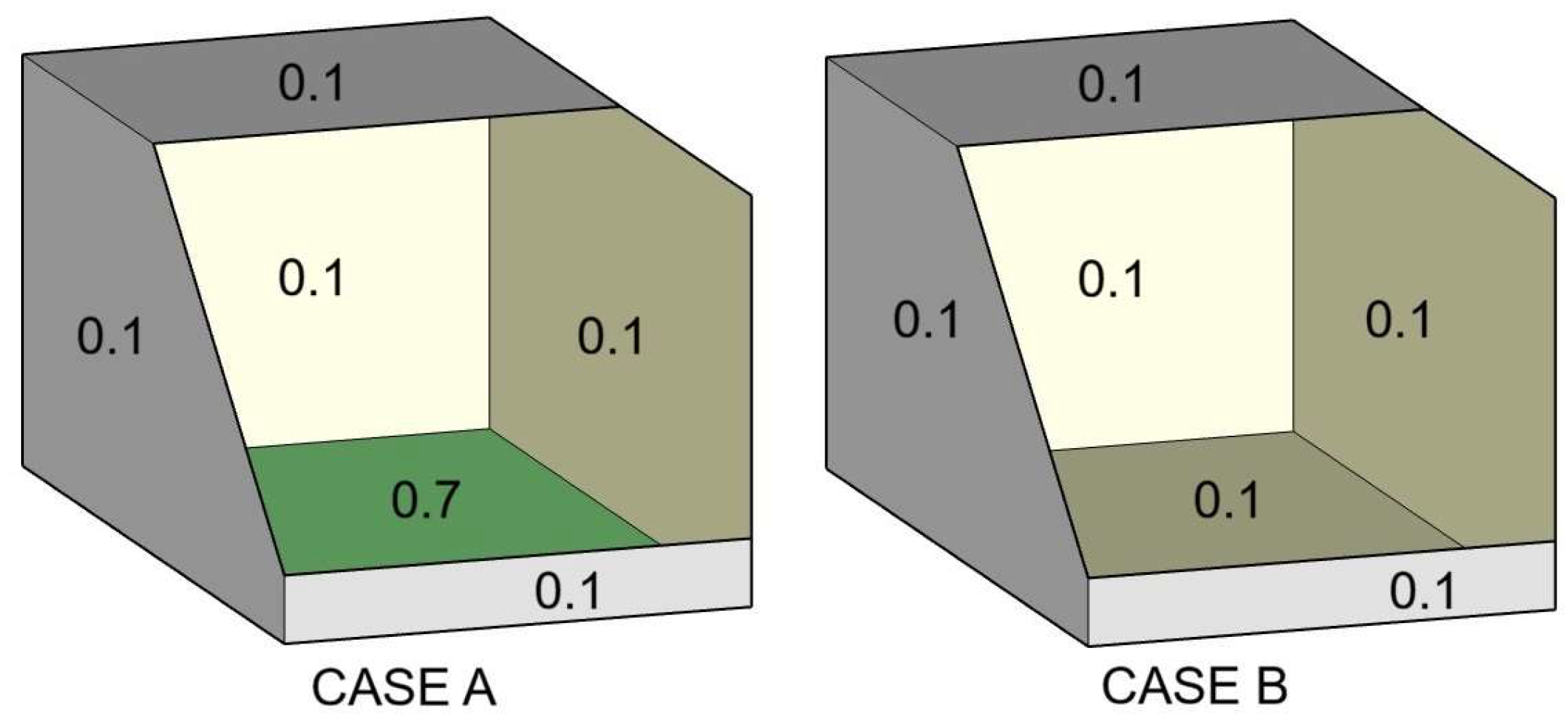
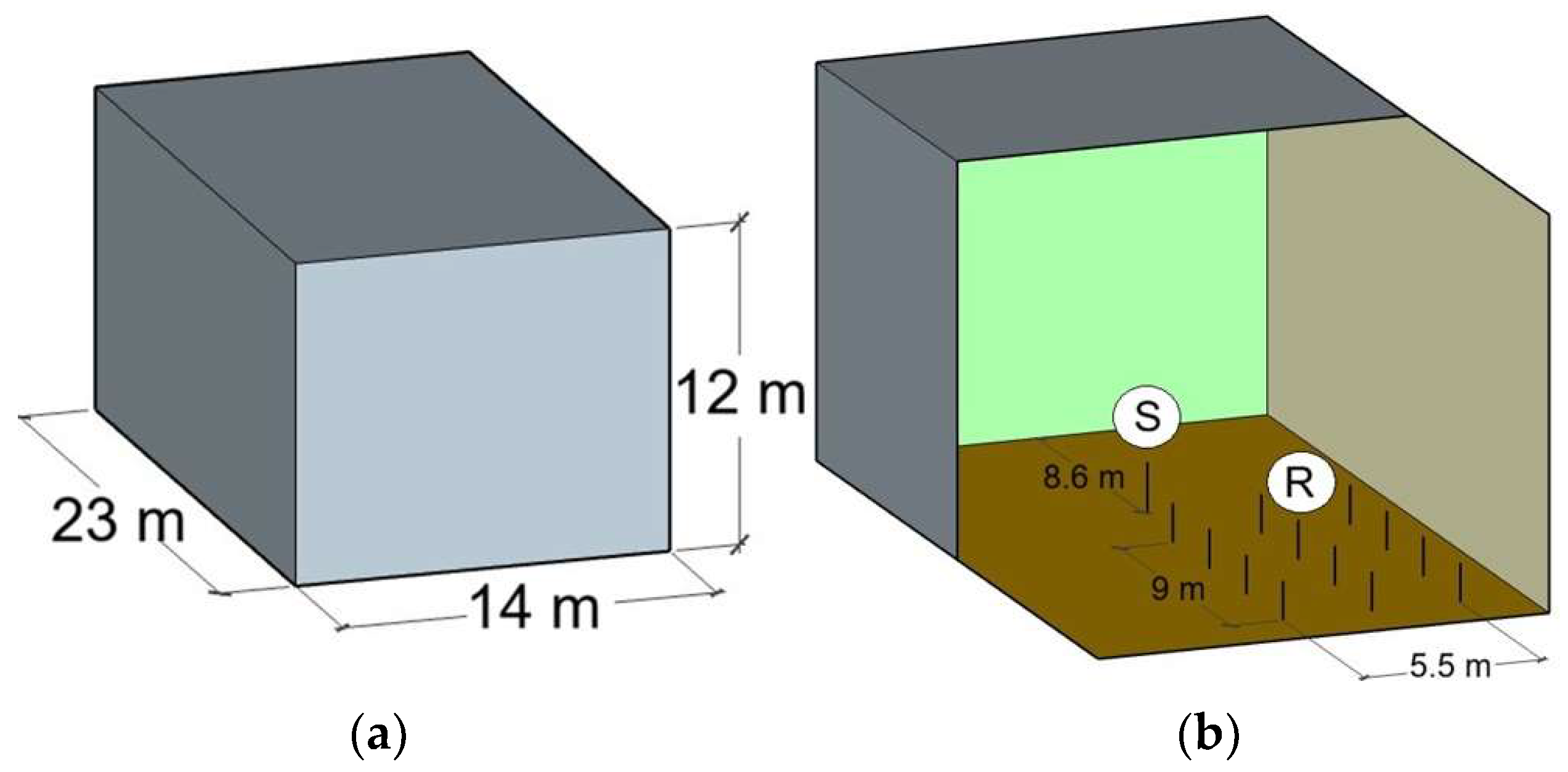
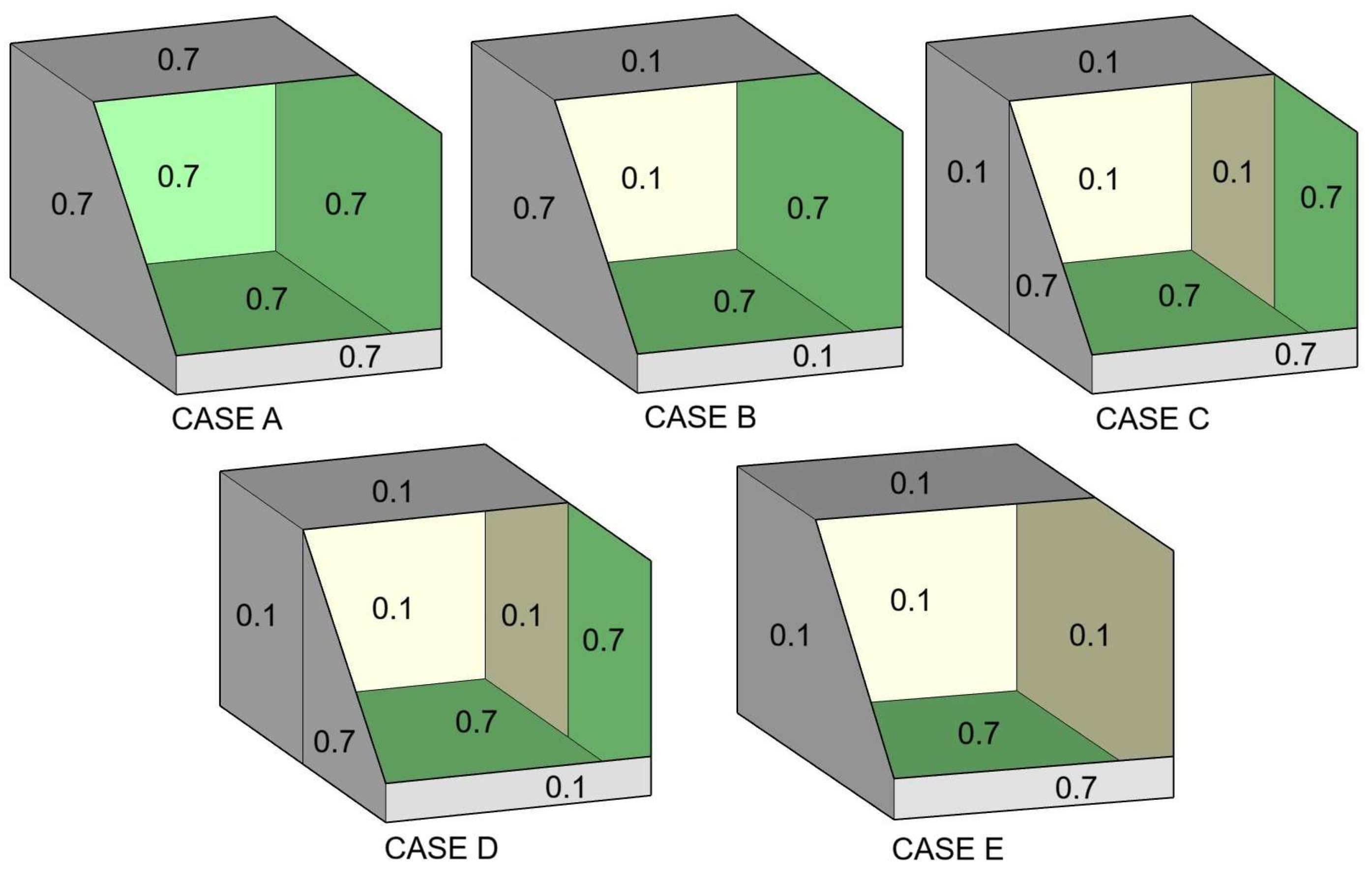
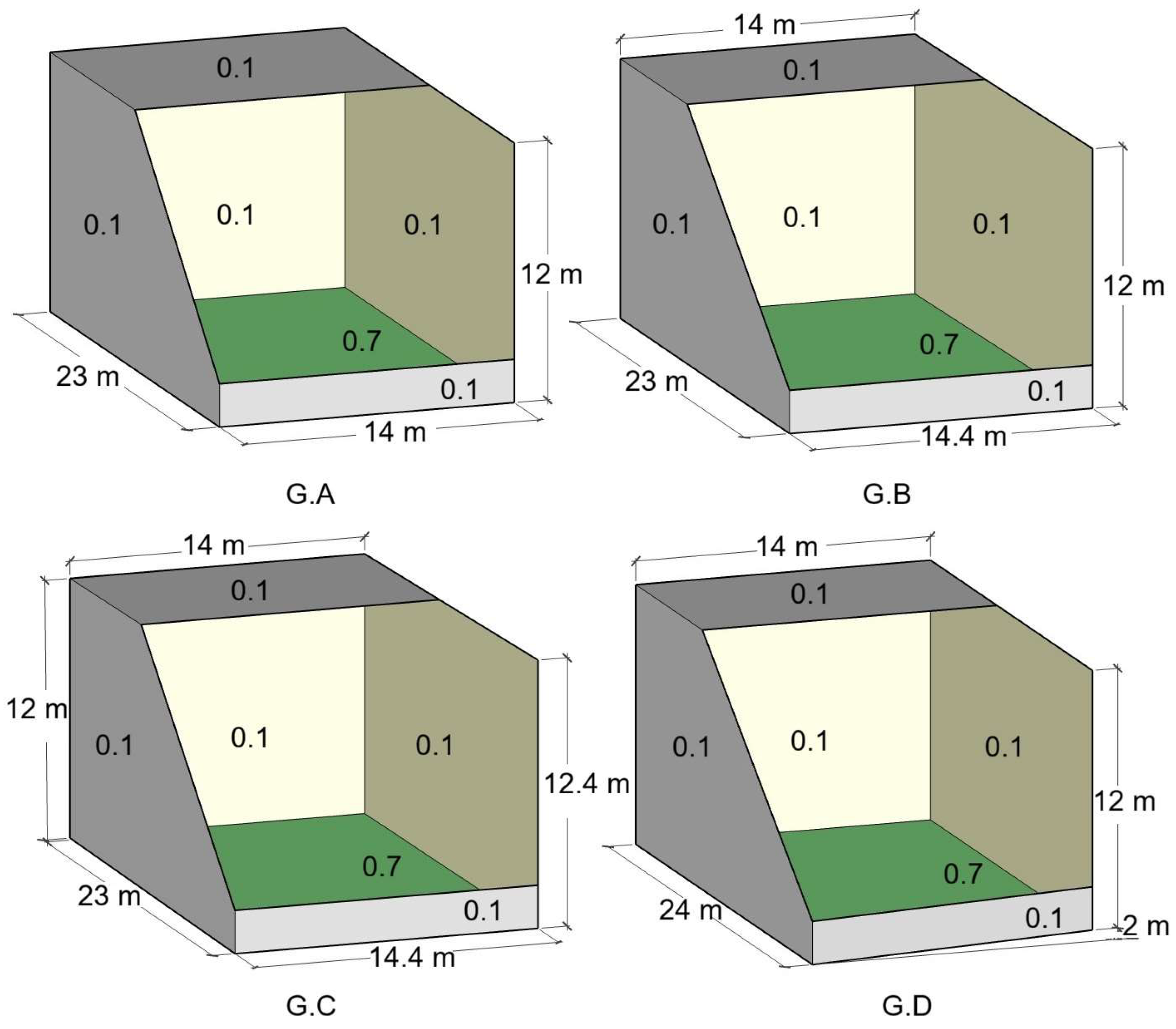
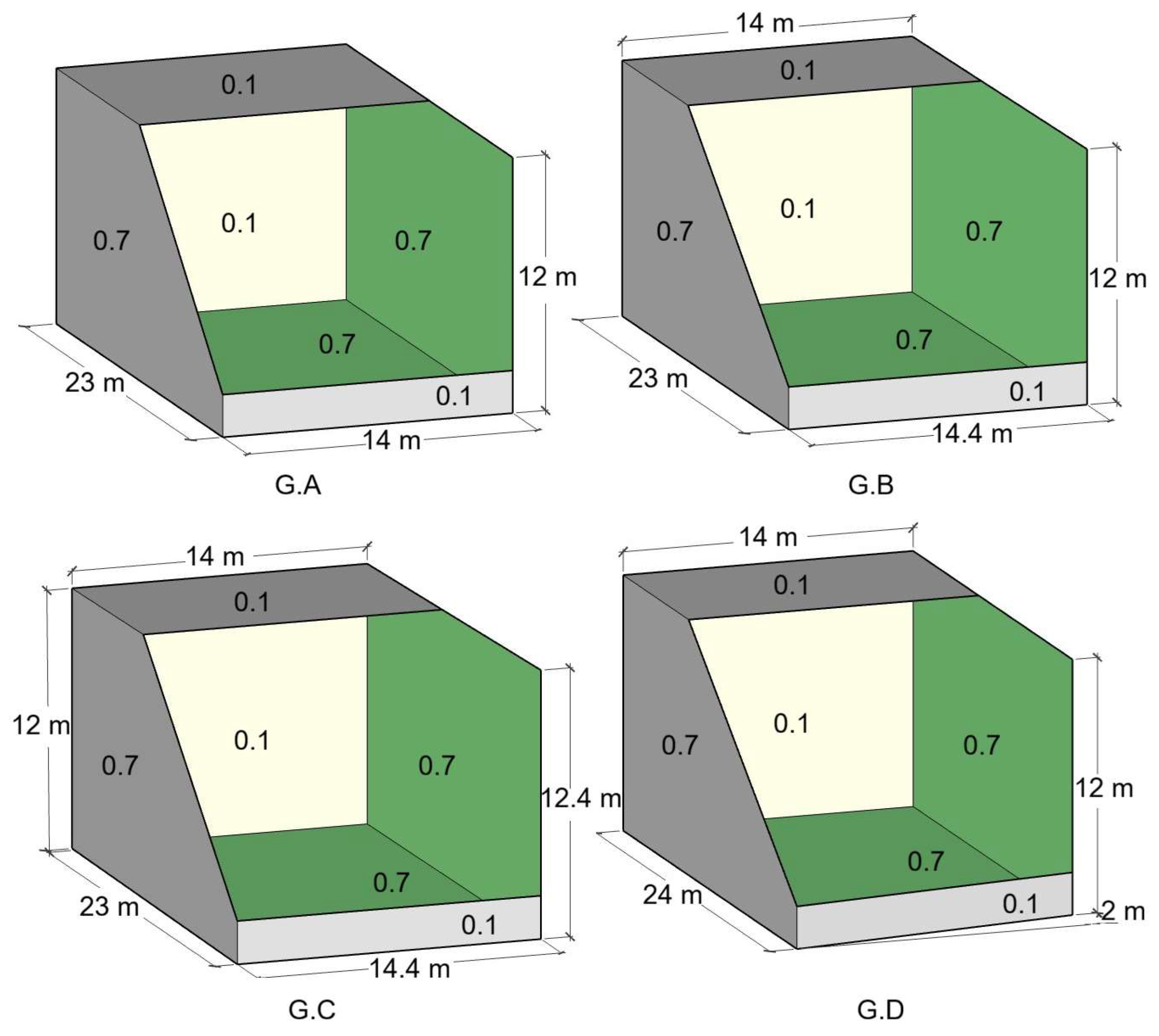
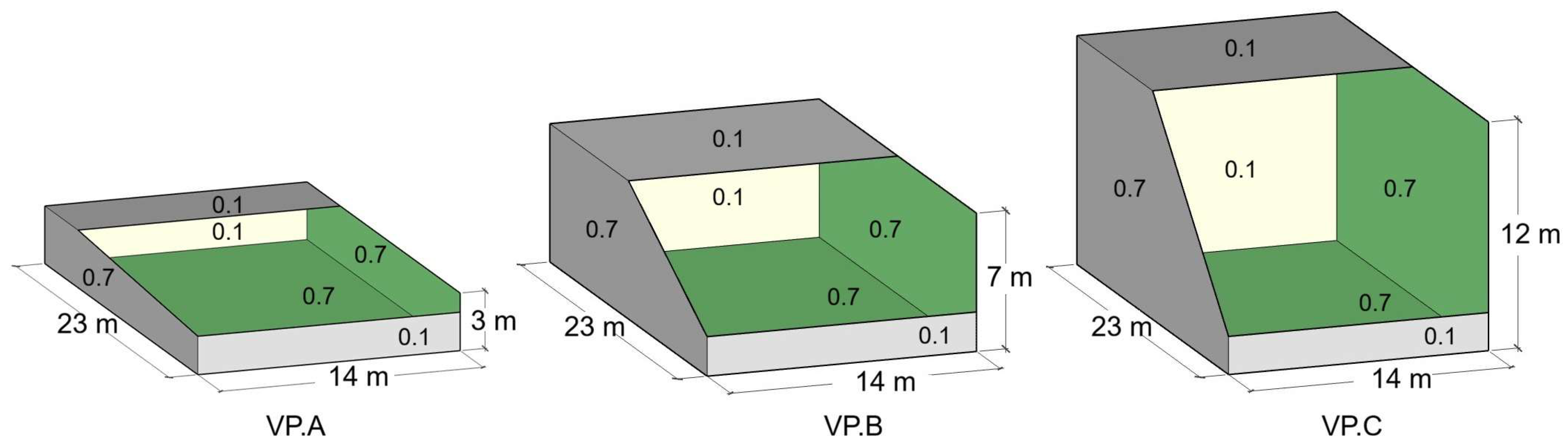
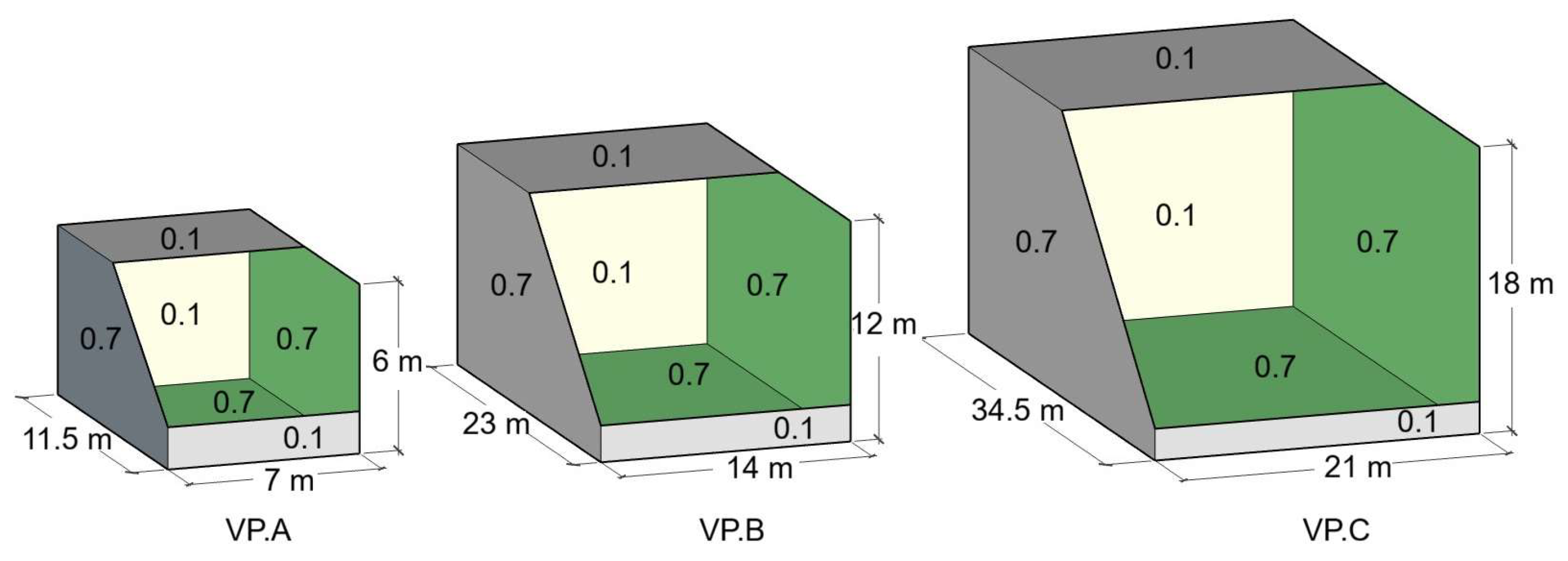
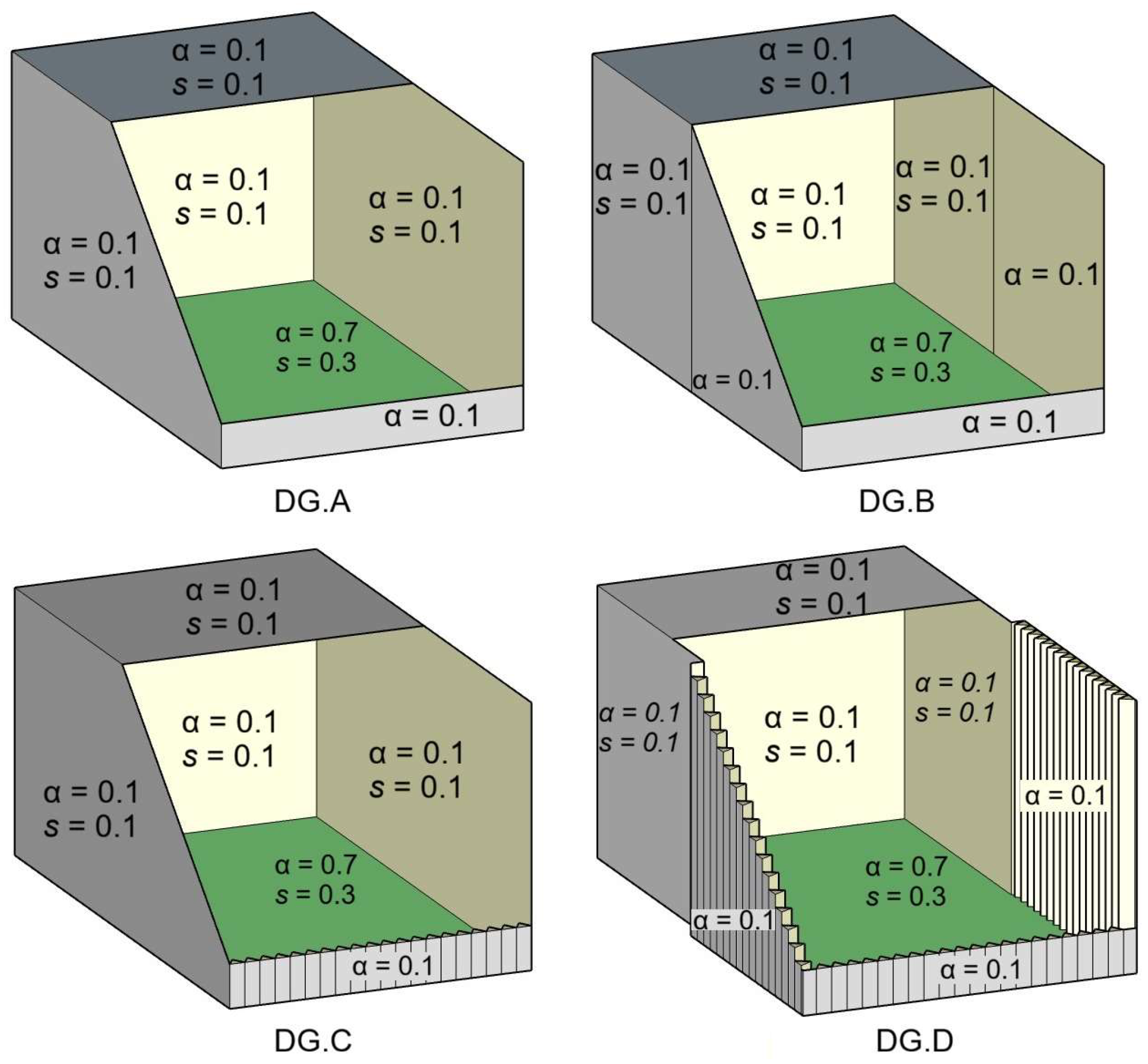
In the present work, the authors revisit the topic, so as to evaluate the impact of the introduction of sound scattering by means of numerical modelling, using ray tracing and employing a vector mixing approach to evaluate the contribution of scattering. The main objective of this study is to systematically evaluate the role of sound scattering in geometrical room acoustic modelling under controlled and well-defined conditions. To achieve this, a theoretical shoebox-shaped auditorium is analyzed and a parametric approach is adopted to isolate and assess the influence of key variables, including the following: surface scattering coefficients; average sound absorption of the room; geometric modifications aimed at eliminating parallel surfaces; room volume and dimensional proportions; and the inclusion of a triangular prismatic diffuser modelled explicitly through geometry. By using this simplified geometry and controlled parameter variations, the study aims to clarify causal relationships that are often difficult to identify in more complex modelling scenarios.
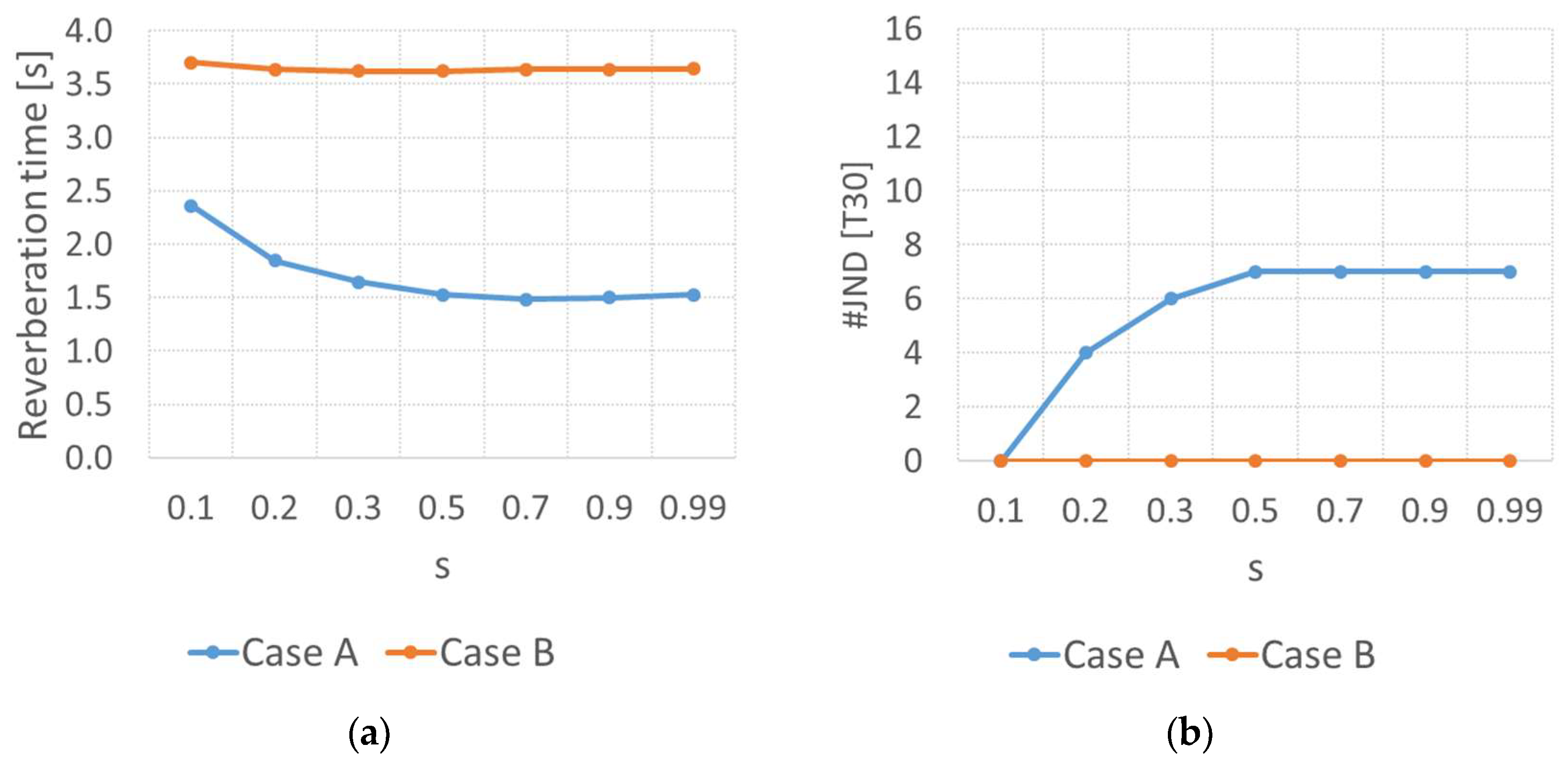
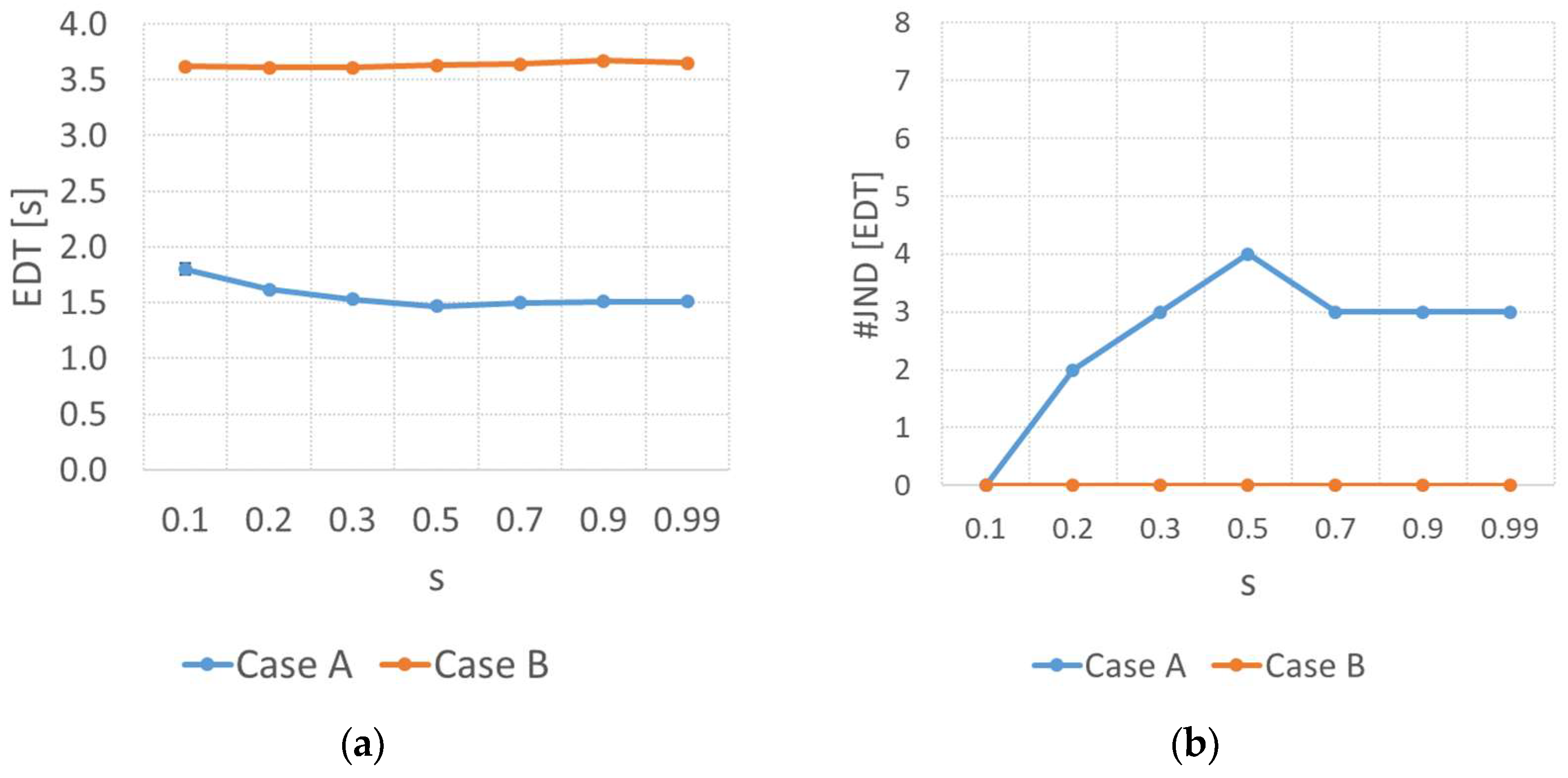
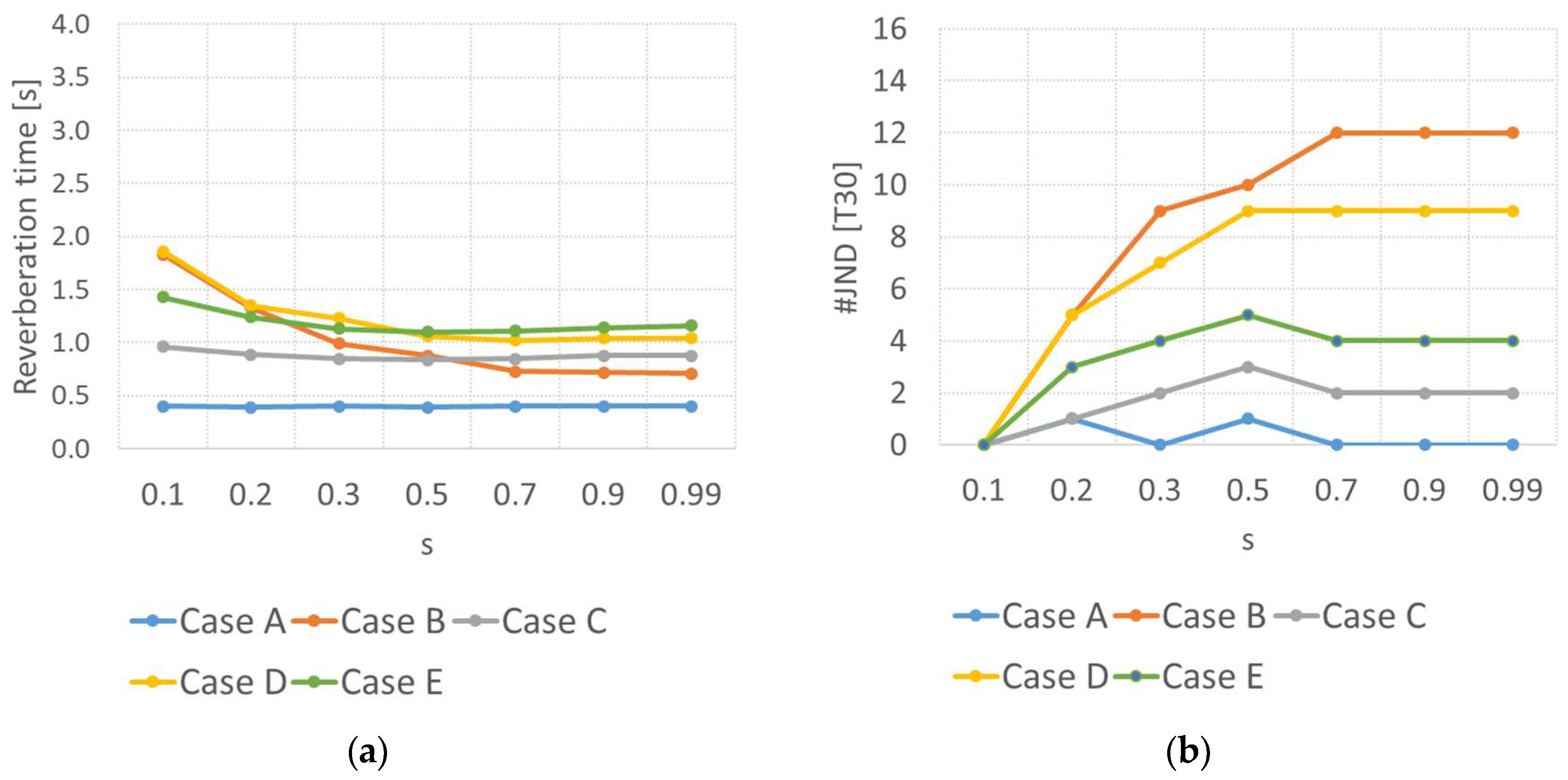
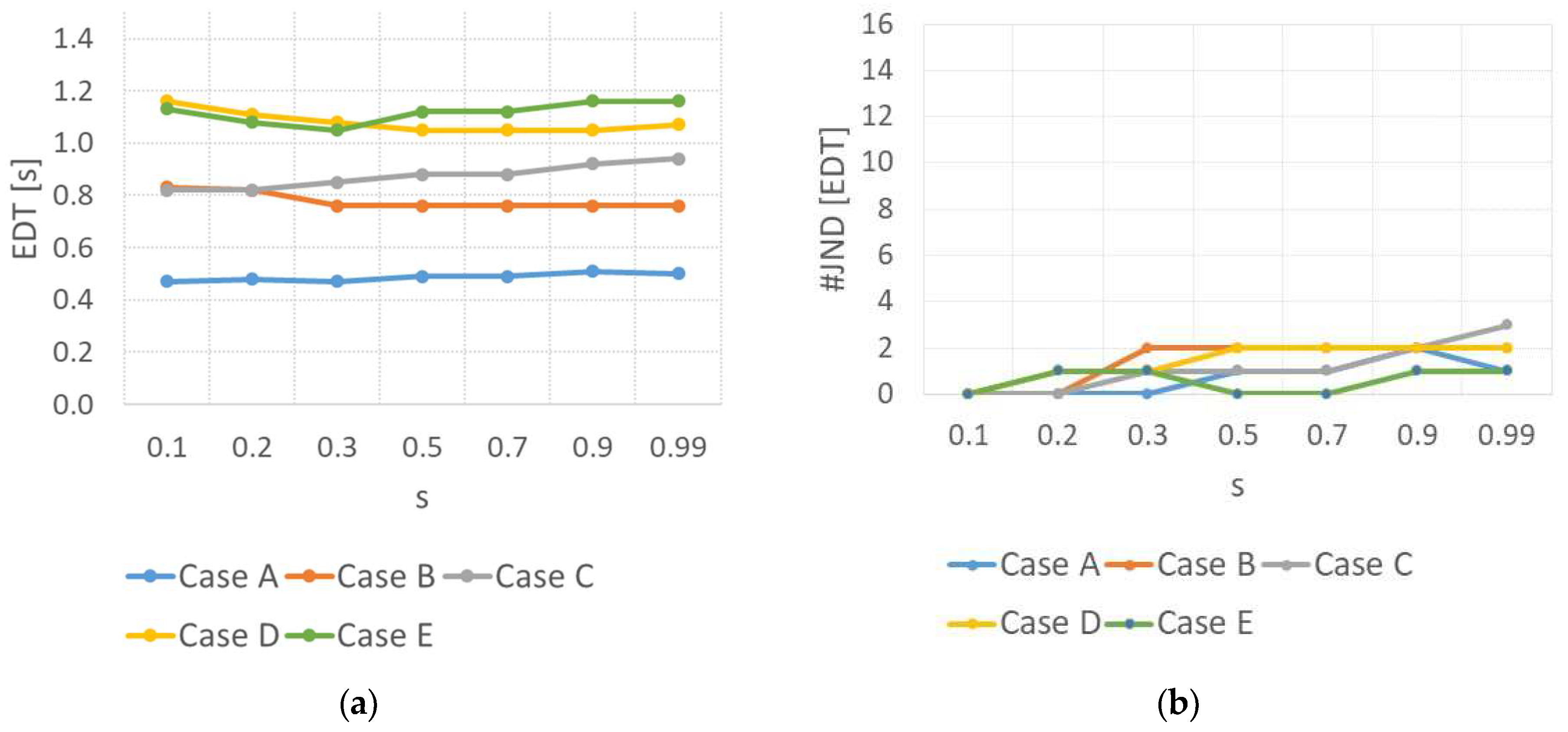
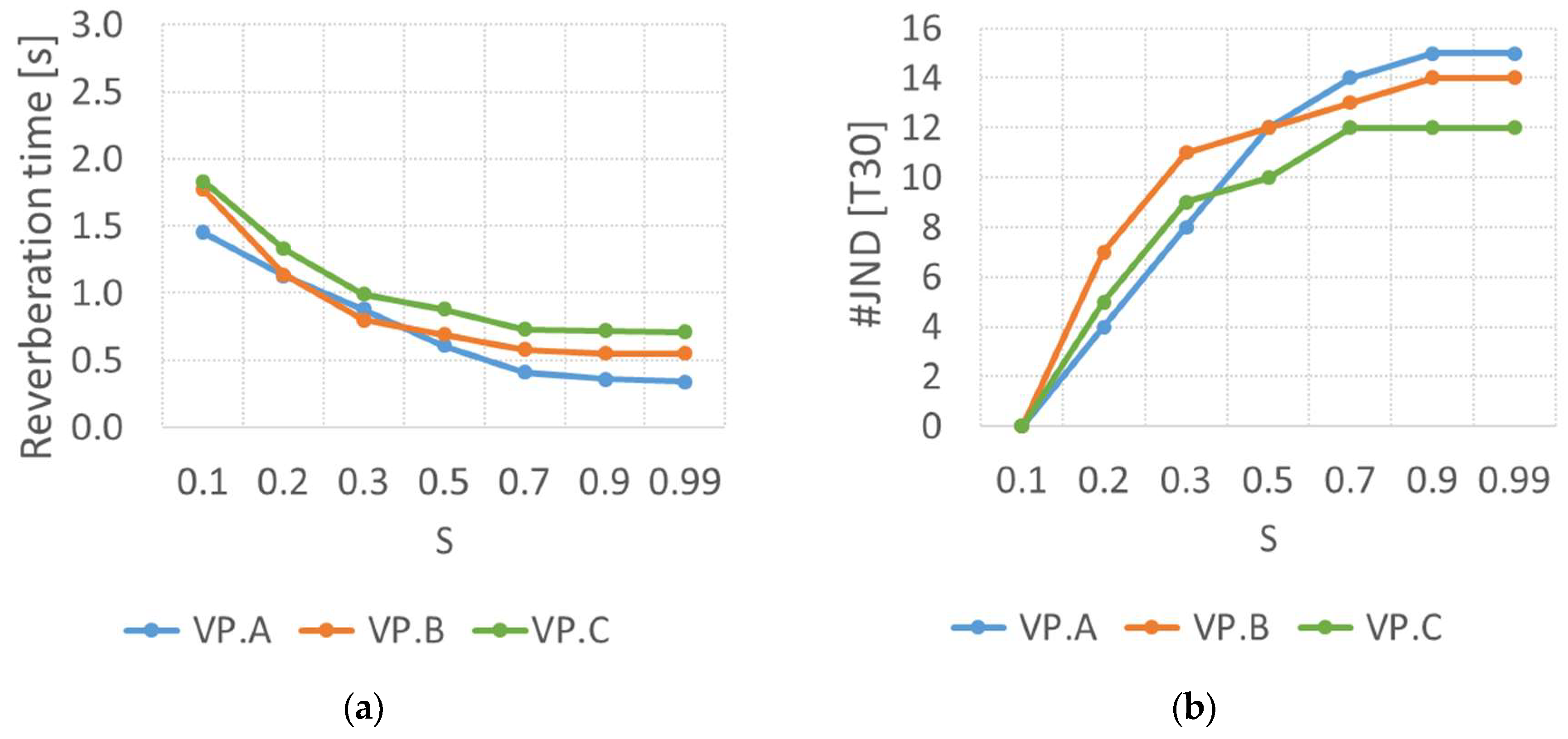
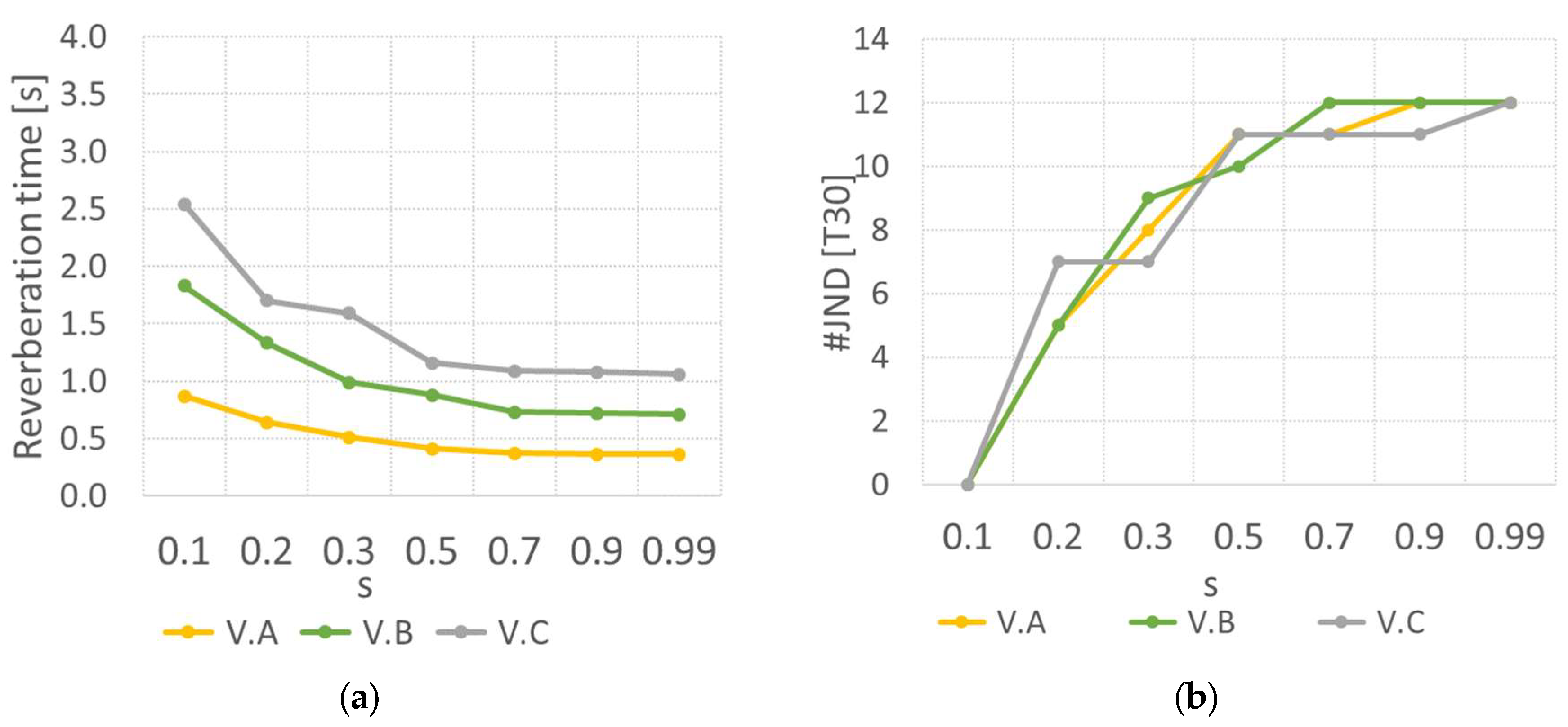
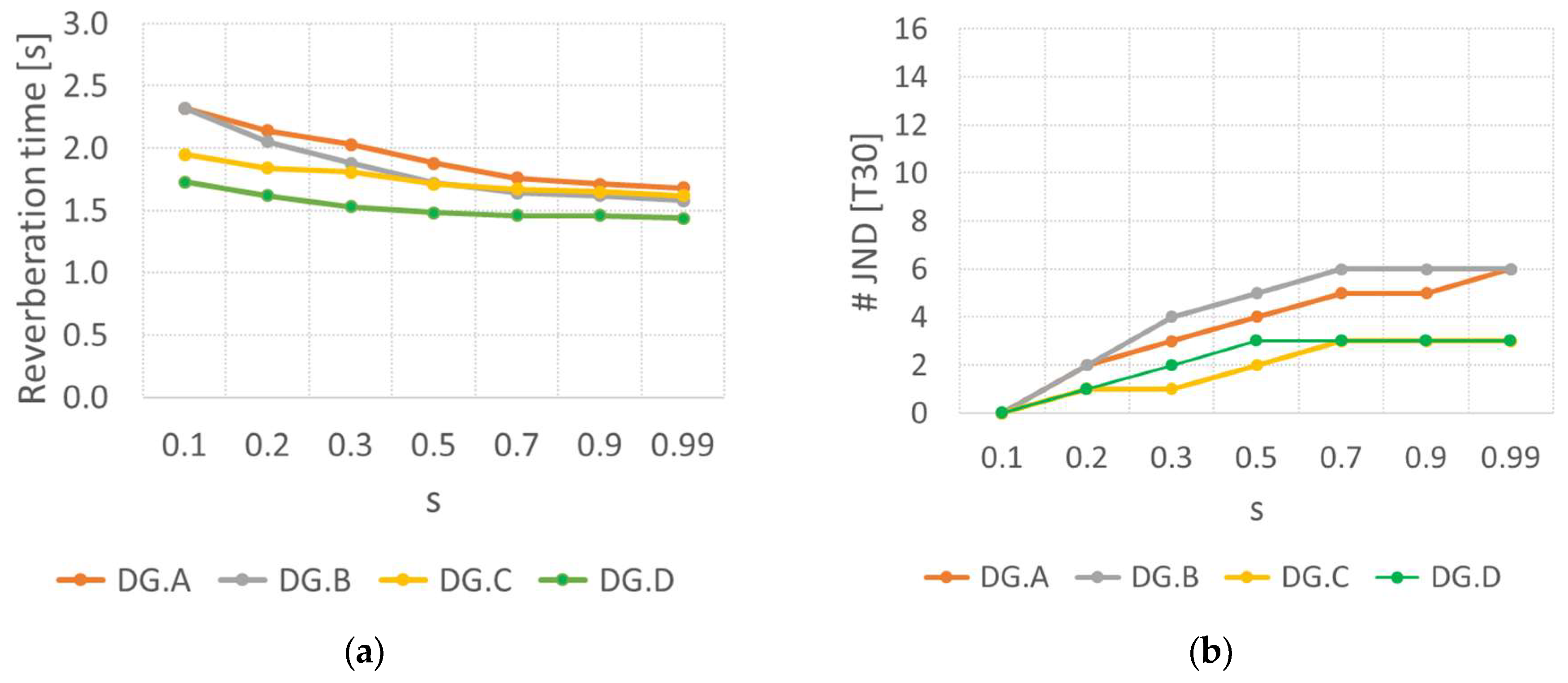
Taking into consideration the above-mentioned previous studies, the authors have chosen to analyze changes in the sound field through the calculation of the reverberation time (T30) and determining the corresponding just noticeable difference (JND) changes.
Compared to the existing literature, this work provides a systematic assessment of scattering, absorption, geometry, and volume within a single modelling framework. It clarifies the conditions under which scattering coefficients are effective and perceptually significant, and identifies scenarios in which geometric solutions, such as non-parallel surfaces, offer a more robust and efficient alternative. Furthermore, the study distinguishes between the effects of uniform volume scaling and changes in room proportions, and explicitly compares modelled diffusers with equivalent surface-based scattering representations. By isolating these factors and relating them to practical design implications, this study aims to contribute to a clearer and more reliable use of sound scattering in both room acoustic simulation and architectural acoustics practice.
The paper is structured as follows: first, a Materials and Methods section (
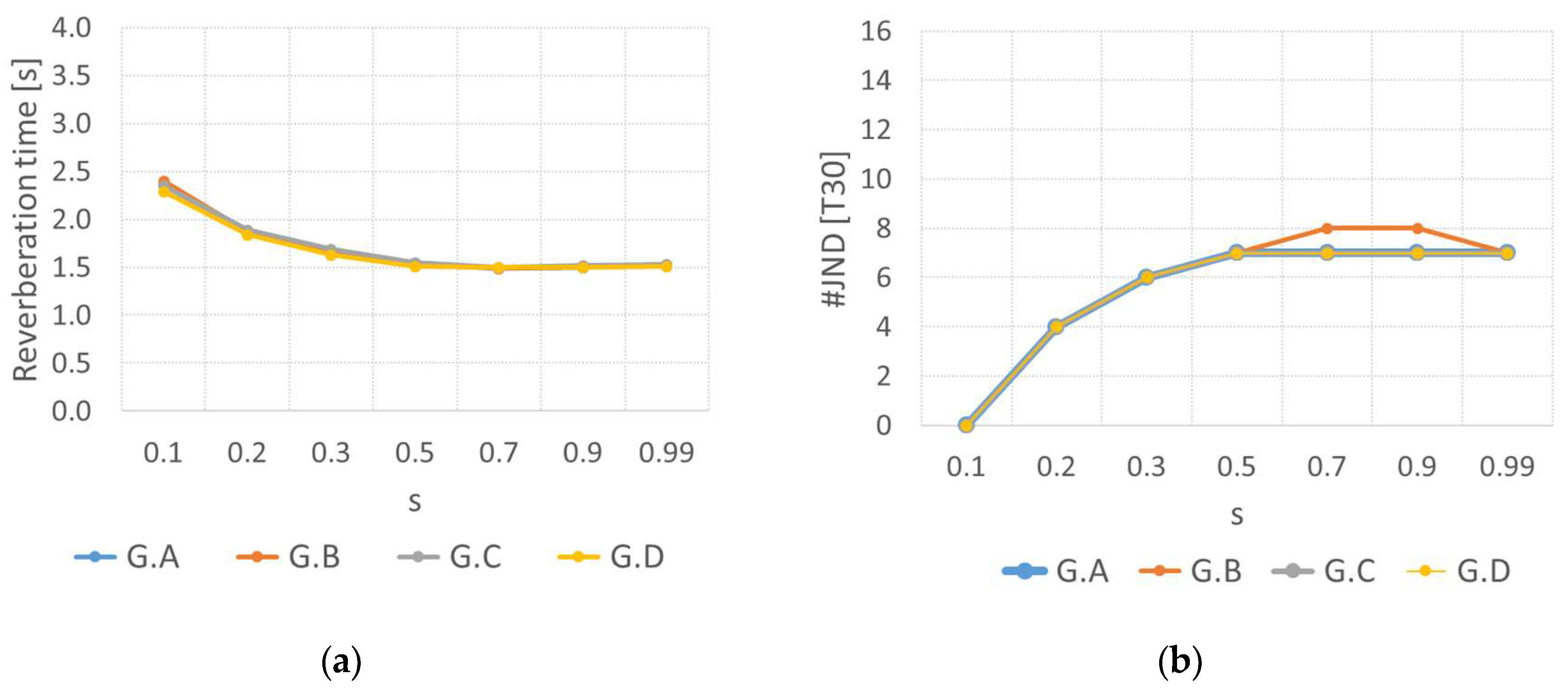
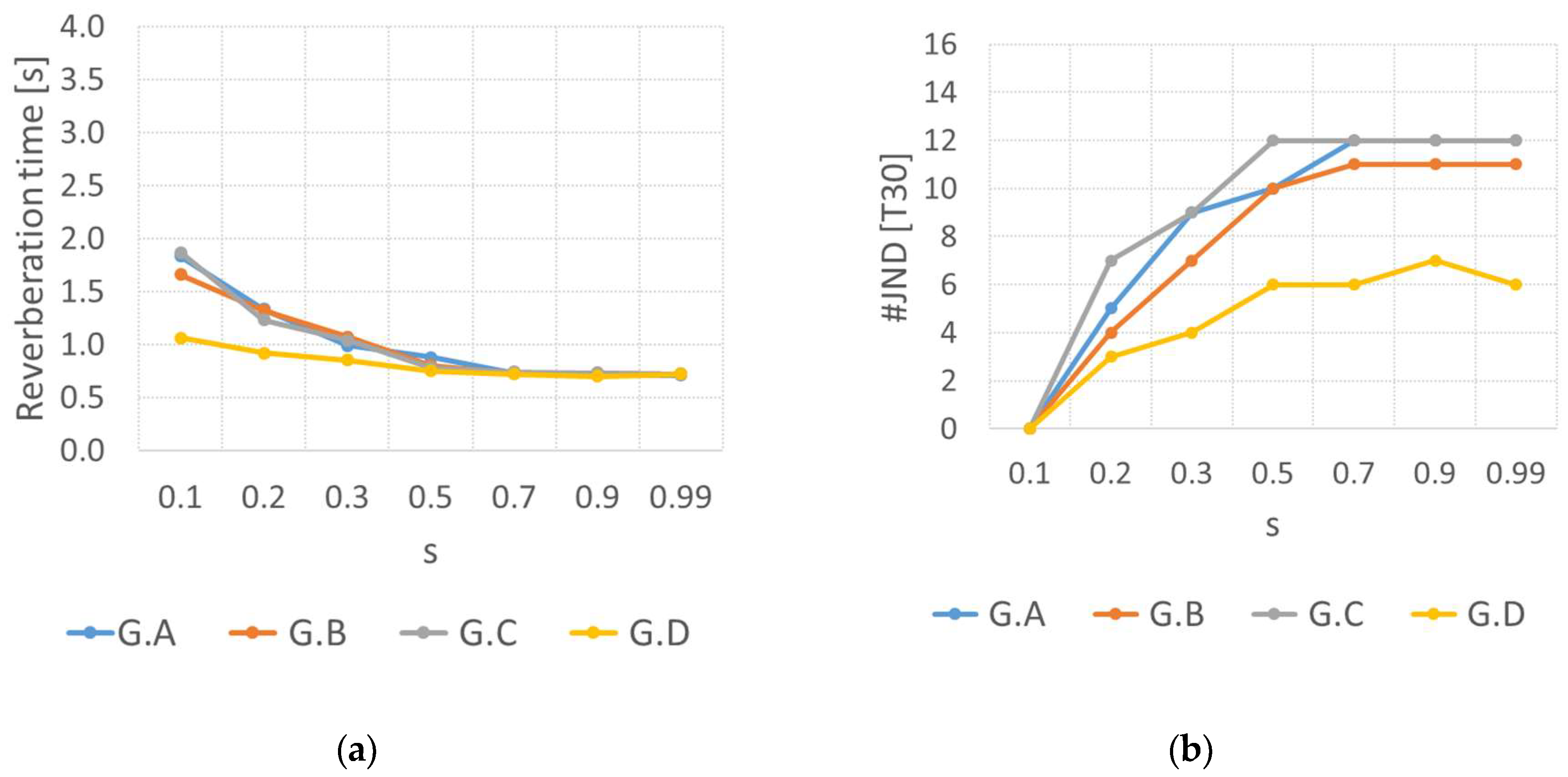
Section 2) is included, describing the analyzed reference shoebox auditorium and the simulation methodology; then, results are presented, organized in five different simulation scenarios (absorbent room, reflective room, effect of geometry changes, effect of volume changes, and effect of including geometric diffusers in the geometry of the room), together with a detailed discussion for each case; finally, the conclusions drawn from the present study are presented, together with an objective identification of the present study’s limitations.
4. Conclusions
In the present paper, the influence of sound scattering on the acoustic performance of a theoretical shoebox-shaped room has been addressed, using ray-tracing simulations, where scattering by the surfaces was assumed by means of a vector mixing approach. A systematic parametric analysis was performed, focusing on the reverberation time (T30) and its perceptual relevance by means of #JND, regarding the effect of the following: sound absorption of the room, eliminating parallel surfaces through surfaces inclination, changes in room volume of the space and proportions or the geometrical modelling of a triangular prismatic-shape diffuser.
The results demonstrated that the introduction of sound scattering is efficient in the redistribution of acoustic energy, enabling reductions in reverberation time in rooms with parallel surfaces that tend to generate floating reflections, provided that sufficient and well-distributed absorption is present. In highly reverberant rooms, increasing scattering alone is inefficient, so absorption must be established as a primary design strategy before scattering can yield meaningful benefits. Additionally, geometric modifications, achieved by introducing non-parallel (angled) surfaces, have shown to be particularly effective in mitigating floating reflections and reducing the dependence of scattering. From a practical design perspective, such geometric solutions should be prioritized as a robust and cost-effective means of improving acoustic quality. In rooms employing non-parallel surfaces, the contribution of additional surface scattering to reverberation control becomes less significant.
The analysis carried out with respect to volume scaling suggests that the perceptual impact of scattering on the reverberation time is negligible. However, modifications to the room’s dimensional proportions exert a stronger effect on the perception of reverberation, suggesting that scattering is more effective in geometries where one dimension is significantly lower than the remaining ones when increasing scattering. This finding highlights the importance of considering room proportions, rather than volume alone, when employing scattering as a design or modelling parameter.
Finally, it was also found from the geometric modelling of prismatic diffusers that this shape provided efficient sound scattering. producing an acoustic behaviour comparable to that obtained with flat surfaces assigned with medium scattering coefficients. This result has practical implications for acoustic modelling, indicating that these complex diffusive geometries may be simplified using flat surfaces with proper surface scattering coefficients, thereby decreasing modelling complexity and computation time.
Finally, the study has several limitations that should be acknowledged. The results presented here were not compared with experimental measurements, and therefore the conclusions are valid in the context of computational simulation algorithms for room acoustics. Moreover, the ray-tracing approach used here is an energy-based, high-frequency approximation that neglects wave-related phenomena such as diffraction and interference, which limits its validity at low frequencies. Although material properties are inherently frequency-dependent, the analysis was restricted to the 500 Hz and 1000 Hz octave bands, as these mid-frequencies fall within the reliable operating range of geometrical acoustics and are widely used as reference bands for assessing room behaviour. Additionally, the simulations considered frequency-independent scattering coefficients and focused solely on reverberation time metrics. Future research should extend this work by incorporating frequency-dependent scattering, additional acoustic parameters, different geometries, early reflection behaviour, and experimental validation to further refine the understanding of scattering effects in room acoustics.