Article

Kinematics-Guided Transformer for Early Warning of Slope Failures Using Embedded IoT Displacement Sensors


1
Graduate School of Data Science, Pusan National University, Busan 46241, Republic of Korea
2
Smart E&C, Chuncheon 24341, Republic of Korea
3
Seoul Facilities Corporation, Seoul 04704, Republic of Korea
4
Department of Regional Infrastructure Engineering, Kangwon National University, Chuncheon 24341, Republic of Korea
*
Author to whom correspondence should be addressed.
Appl. Sci. 2026, 16(4), 1922; https://doi.org/10.3390/app16041922
Submission received: 15 January 2026 / Revised: 11 February 2026 / Accepted: 12 February 2026 / Published: 14 February 2026

Abstract

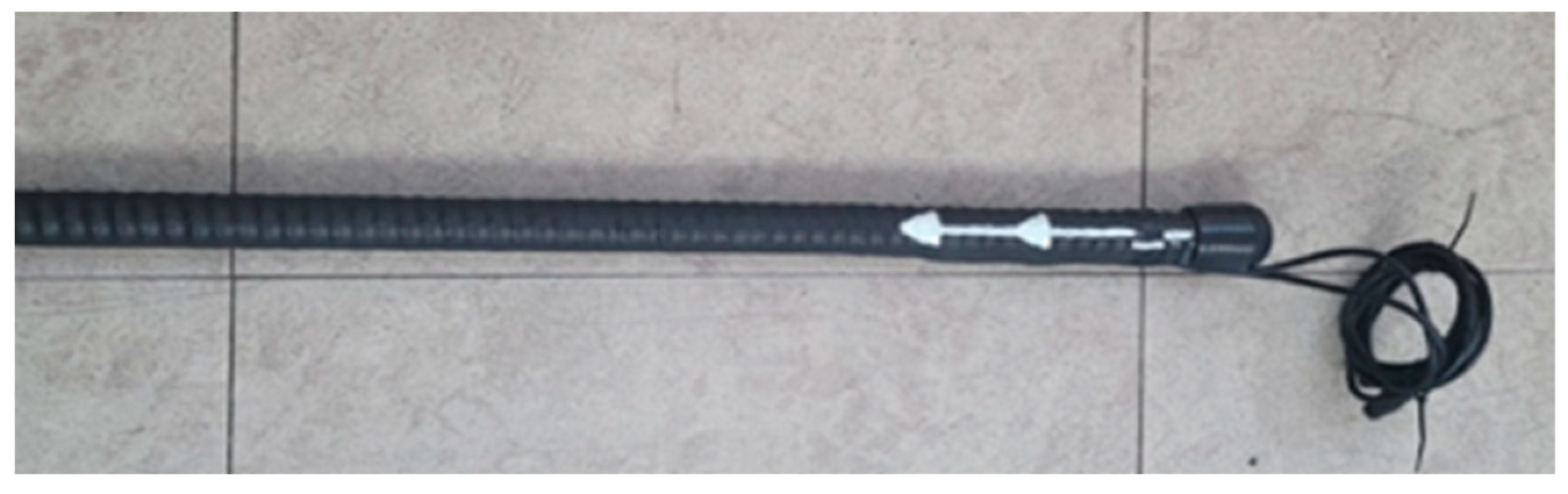
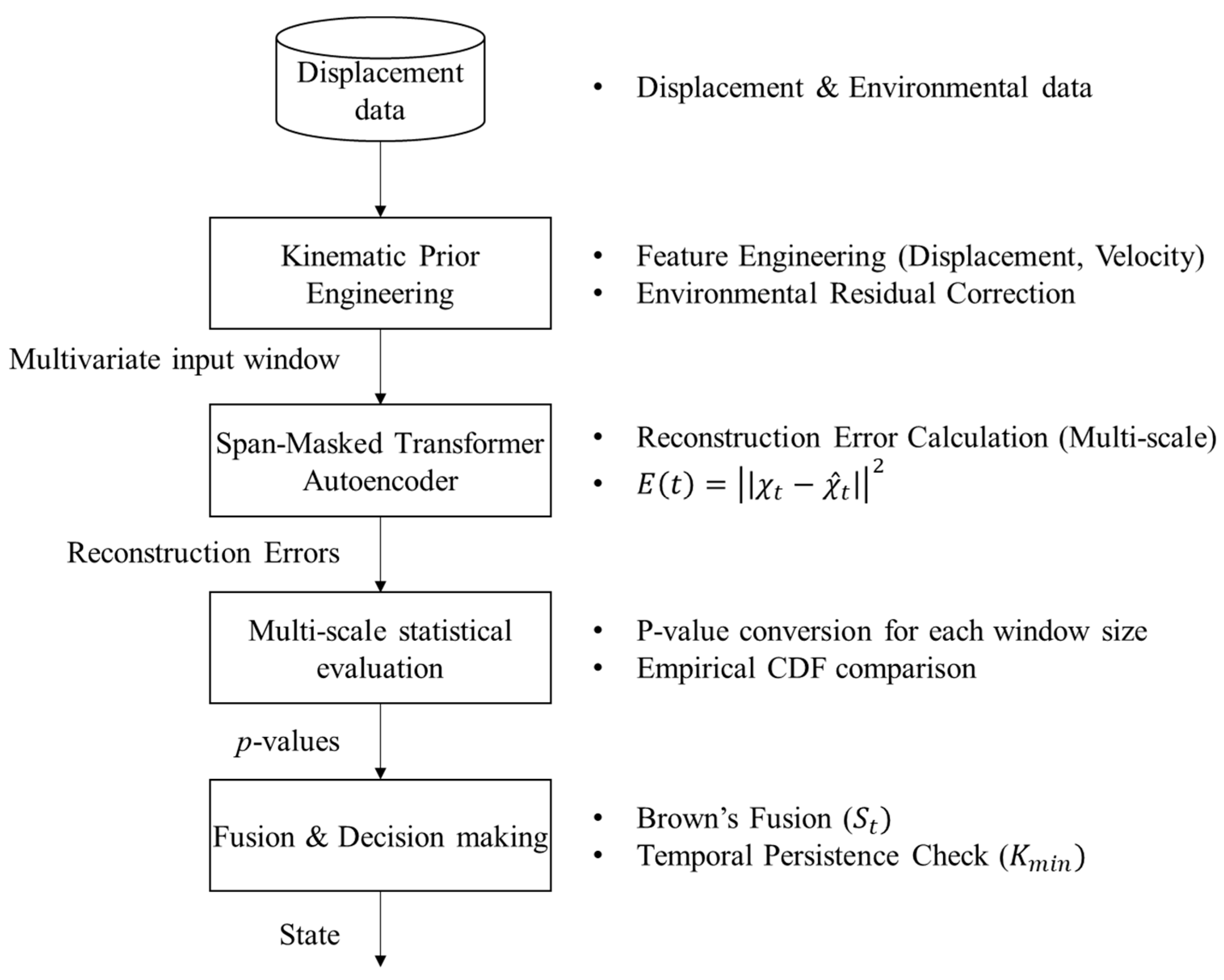
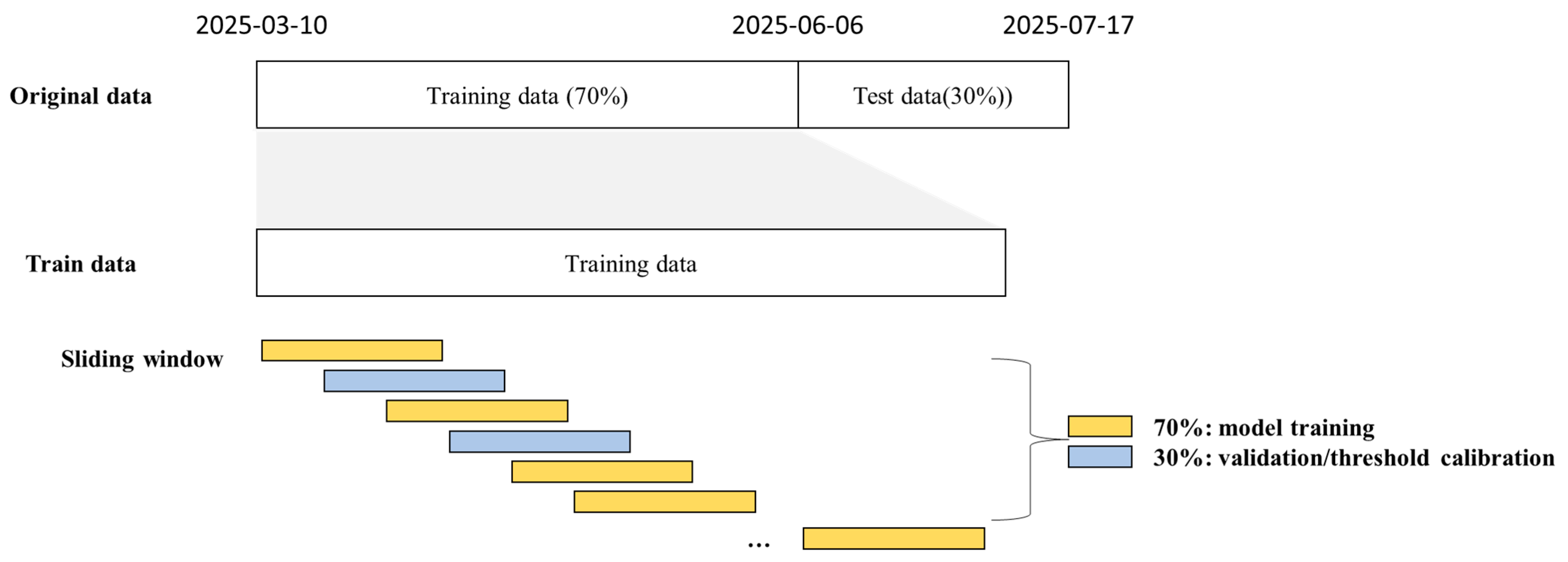
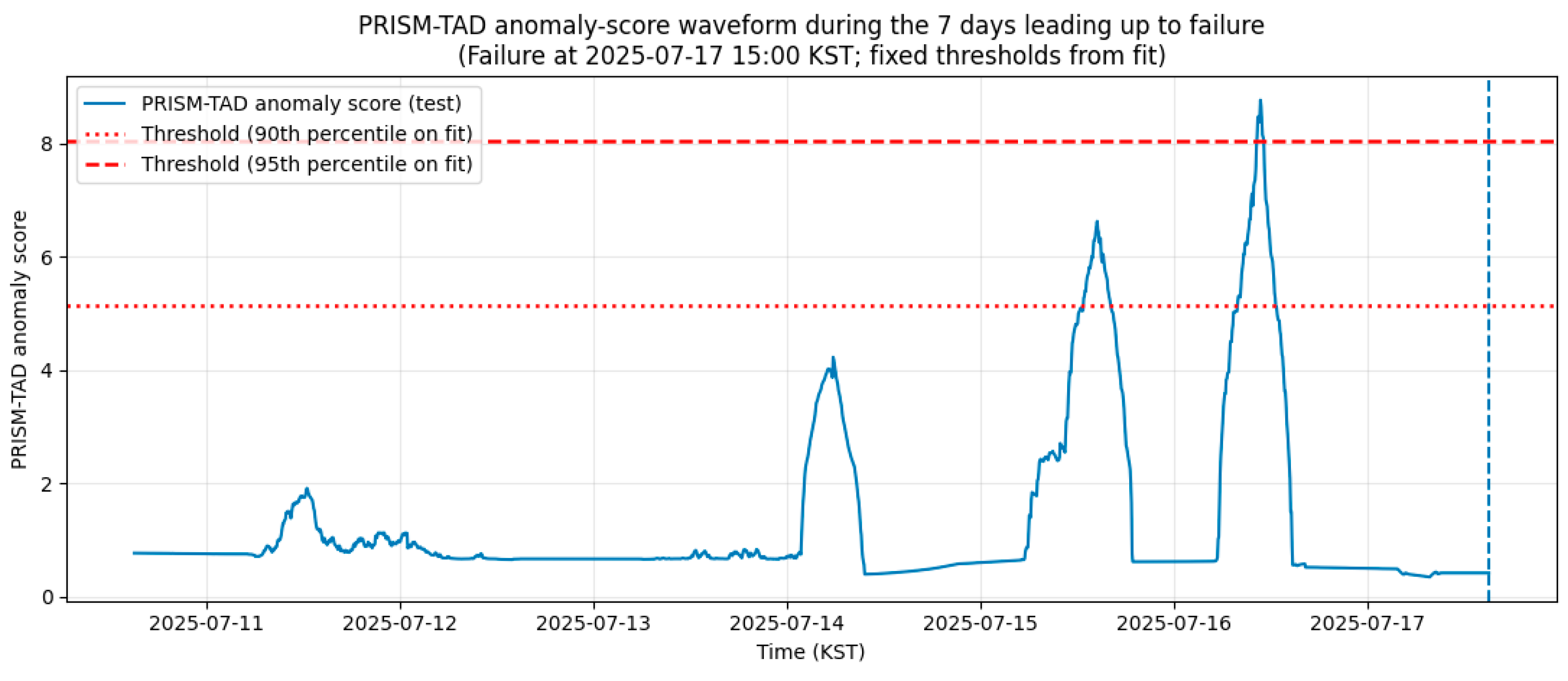
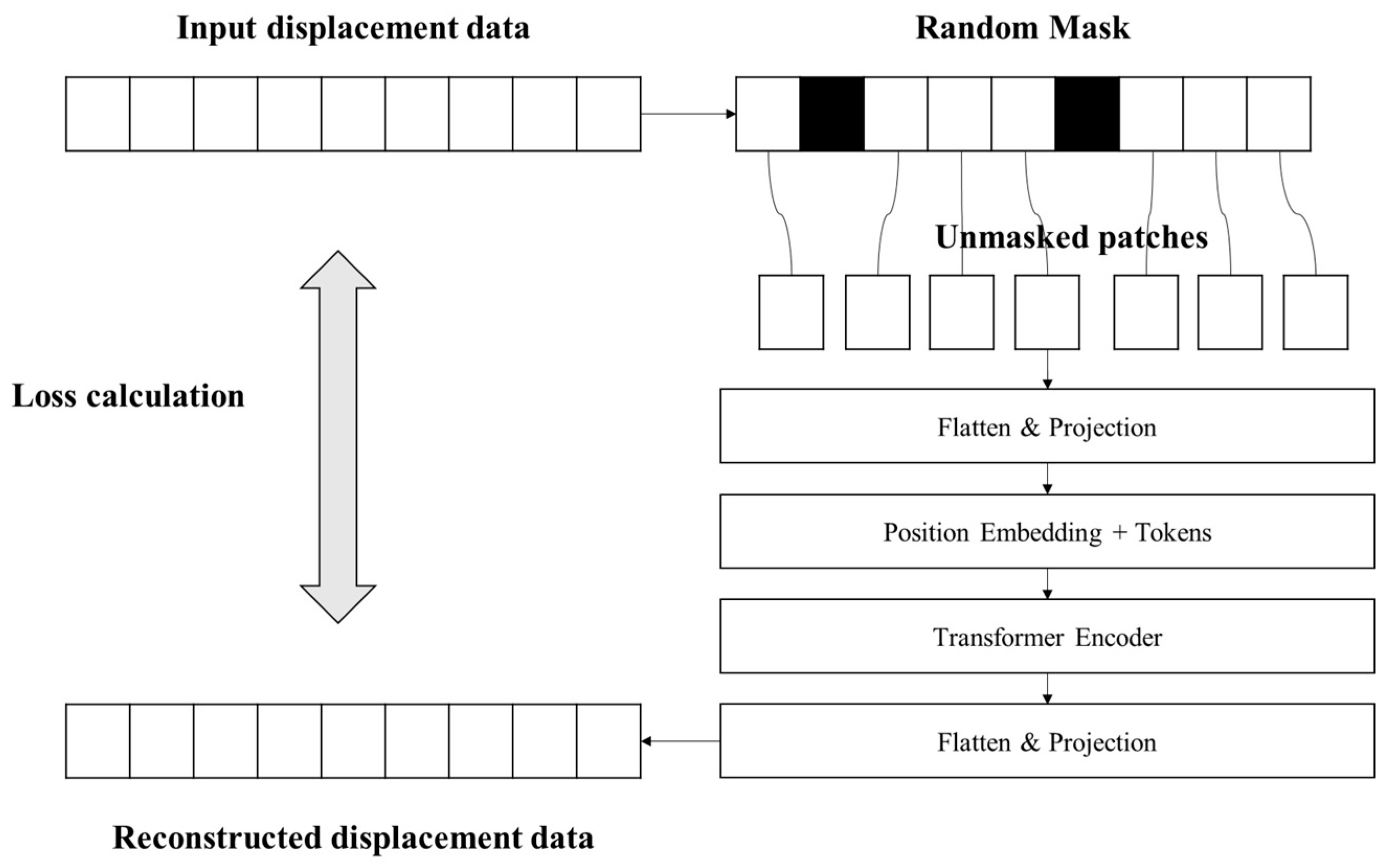
Steep slope failures adjacent to residential areas are becoming an increasingly serious hazard. However, satellite-based monitoring is often limited by revisit time and spatial resolution, which can impede the timely identification of small, precursory deformations. To support dense in situ surveillance, embedded glass fiber-reinforced polymer (GFRP) sensor rods were installed in a susceptible slope, and ground-displacement data were recorded at 5 min intervals for five months. Based on these multivariate time series, we propose PRISM-TAD, a masked Transformer-based anomaly detection approach that integrates kinematic priors computed from displacement and velocity to model normal slope dynamics and detect departures from typical behavior. The proposed method was benchmarked against six baselines: robust velocity threshold screening, PCA-based reconstruction, Isolation Forest, one-class SVM, a 1D convolutional autoencoder, and a standard Transformer reconstructor. In a field test using a documented slope failure case in Seocheon, PRISM-TAD generated an alert approximately 22 h before collapse while yielding the lowest false alarm rate. Although some baseline methods showed longer nominal lead times, they produced substantially more false positives. Overall, the results suggest that coupling high-frequency IoT displacement sensing with domain-informed deep learning can enhance the operational reliability of early warning for slope failures.
Keywords: slope failure; displacement monitoring; GFRP sensor; anomaly detection; geotechnical time series slope failure; displacement monitoring; GFRP sensor; anomaly detection; geotechnical time series