1. Introduction
The X Gas Field is located in the central part of the central uplift belt of the Pearl River Mouth Basin, bordered by the Enping hydrocarbon-generating sag to the north and adjacent to the Baiyun hydrocarbon-rich sag to the south, situated in a favorable zone for hydrocarbon accumulation in the region. A series of structures drilled based on shallow bright spots and other reflection anomalies observed in seismic profiles have shown good natural gas indications.
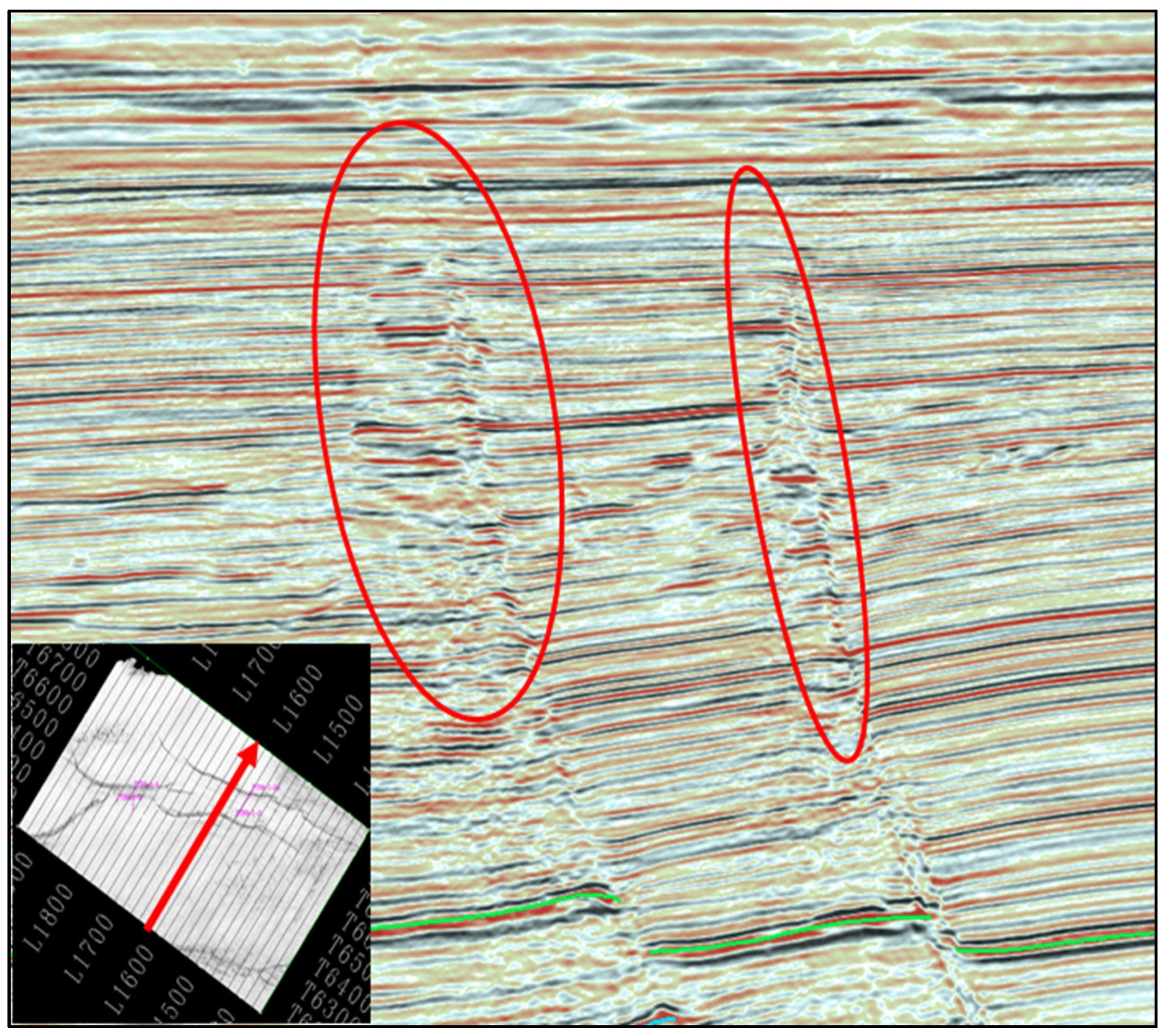
During the development of the X Gas Field, significant errors were observed in the depth structure of the target layer, which impacted operational implementation and subsequently delayed the overall development progress of the gas field. Drilling and research have revealed that shallow gas is locally developed above the target layer of this gas field, with significant variations in thickness (
Figure 1), which has noticeably affected the accuracy of time-depth conversion for the main gas-bearing structures. Time-depth conversion is one of the key steps to ensure the success of target drilling [
1,
2]. Influenced by shallow gas or overlying gas reservoirs, the propagation velocity of seismic waves in the strata decreases, leading to an increase in reflection time [
3,
4], which in turn causes varying degrees of “pull-down” in the reflections of the underlying strata. This effect distorts the time structure morphology, making it difficult to accurately reflect the subsurface structural relief [
5,
6,
7]. Currently, in the mapping of structural gas reservoirs, how to effectively eliminate the impact of low velocity caused by shallow gas and achieve accurate time-depth conversion of seismic interpretation results remains a technical challenge. Although tomographic methods can address velocity distortion to some extent, they lack sufficient resolution for thin-layer anomalies [
8,
9,
10]. Seismic attributes have been successfully used for direct gas reservoir identification [
11,
12,
13], but their quantitative relationship with depth correction values requires further study. While Pre-Stack Depth Migration (PSDM) can better resolve structural imaging issues caused by geological anomalies and velocity distortions [
14,
15,
16], its process is complex and costly.
This study systematically analyzes the formation conditions of shallow gas reservoirs based on their geological characteristics and achieves effective identification through forward modeling and seismic profile characteristics. On this basis, seismic attributes sensitive to shallow gas responses are further extracted to obtain the time thickness of the shallow gas. By thoroughly analyzing the velocity differences between shallow gas and the surrounding rocks, the characteristics of velocity anomalies caused by shallow gas are clarified, and an innovative shallow gas anomaly thickness correction method is proposed. This method calculates the corresponding depth correction value by multiplying the shallow gas time thickness by the velocity difference. The structural map after shallow gas thickness correction shows good agreement with the Pre-Stack Depth Migration (PSDM) structural results, with small errors in verification wells. Therefore, this shallow gas anomaly thickness correction method, as a simpler, lower-cost, and equally effective alternative technique, holds significant application value in practical exploration and development.
2. Geological Background
The Pearl River Mouth Basin is situated on the continental shelf of the northern South China Sea, offshore from Guangdong Province. From north to south, the basin can be divided into five major NE-trending structural zones: the Northern Fault Terrace Zone, Northern Depression Zone, Central Uplift Zone, Southern Depression Zone, and Southern Uplift Zone. Each structural zone can be further subdivided into several sags and low uplifts. The study area, X Gas Field, is located in the central part of the Central Uplift Zone.
Since the Paleocene, the Pearl River Mouth Basin has undergone two major evolutionary stages. The first stage, from the Paleocene to the Early Oligocene, was characterized by rift development. During this period, intense block faulting occurred [
17,
18], forming a series of half-grabens, horsts, and half-horsts. This rifting phase concluded with the South China Sea Movement in the early Oligocene. Following the Late Oligocene, the basin entered a phase of comprehensive subsidence, marking the onset of the depression stage. In the early phase (Late Oligocene to Middle Miocene), the basin experienced overall subsidence with relatively calm tectonic activity and limited fault development. In the later phase (since the Late Miocene), influenced by the Dongsha Movement, the basin entered a stage of differential block uplift and subsidence, leading to a resurgence in tectonic activity. This period was marked by the reactivation of pre-existing faults and the formation of numerous new faults. The activity of these faults has provided favorable geological conditions for the formation and accumulation of shallow gas in the region.
3. Shallow Gas Impact Analysis
3.1. Formation Conditions of Shallow Gas and Seismic Profile Characteristics
Research on the Pearl River Mouth Basin indicates that the distribution of shallow gas is primarily controlled by faults. Fault activity provides crucial pathways for the migration and accumulation of shallow gas. When faults cut into deep-seated local traps, a clear genetic relationship is often observed between shallow gas and deep gas reservoirs. This relationship suggests that deep-seated traps may serve as the source of shallow gas. However, the formation of shallow gas depends not only on the supply of deep gas sources but is also constrained by multiple geological conditions, such as the sealing capacity of faults, the effectiveness of cap rocks, and the timing of trap formation.
Specifically, the main conditions for shallow gas formation include the following two aspects:
(1) Lateral Sealing Capacity of Faults: Faults closely associated with shallow gas must possess effective lateral sealing capacity. This sealing is typically determined by the lithological contrast across the fault plane. For instance, the juxtaposition of sandstone against mudstone can effectively prevent hydrocarbons from escaping updip along the formation, forcing them to migrate upwards along the fault. The development of fault gouge plays a key role in the sealing mechanism. Fault gouge, a low-permeability material formed through rock crushing, grinding, and water-rock interaction during fault activity, significantly enhances the fault’s sealing effectiveness due to its plasticity and compactness.
(2) Caprock Effectiveness and Fault Activity Timing: Faults controlling shallow gas distribution should have ceased activity relatively early, allowing sufficient thickness of overlying caprock strata to be deposited. The lithology (e.g., mudstone, shale) and thickness of the caprock jointly determine its sealing capacity for natural gas, serving as a crucial guarantee for the accumulation and preservation of shallow gas.
Taking the X Gas Field in the Pearl River Mouth Basin as an example,
Figure 1 shows the typical seismic profile characteristics of shallow gas in this area. Multiple amplitude anomalies, often manifesting as “bright spot” reflections, are observed above the target layer in the profile. These anomalies are mostly distributed spatially along the fault planes, further confirming the dominant role of faults in the migration and accumulation of shallow gas. This phenomenon not only reveals the importance of faults as migration conduits but also provides reliable geophysical evidence for identifying and evaluating shallow gas reservoirs.
3.2. Shallow Gas Forward Model
When oil and gas accumulate in shallow formations, the presence of hydrocarbons leads to a significant decrease in formation velocity compared to the surrounding rocks, resulting in a low-velocity anomaly. This velocity contrast inevitably affects the seismic reflection characteristics of deeper underlying strata. By constructing forward models, the specific influence of shallow gas-induced low-velocity anomalies on the reflection structure of deeper formations can be effectively analyzed.
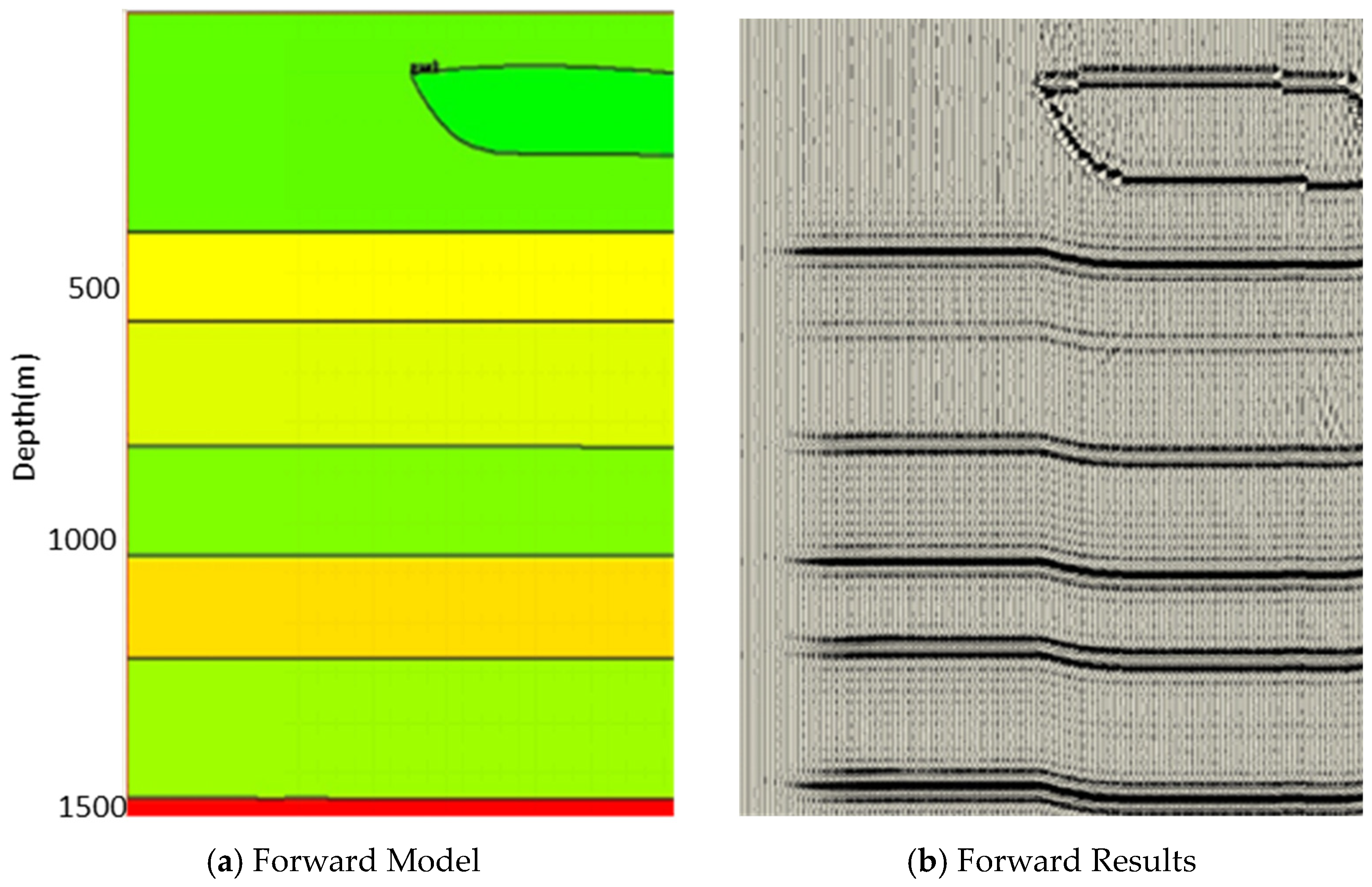
To verify the impact of shallow gas on the reflections from underlying gas-bearing layers, a specific geological model was developed, incorporating a geological anomaly filled with low-velocity material above the target layer.
Figure 2a illustrates the constructed forward geological model, while
Figure 2b presents the prestack time migration profile simulated based on this model.
The forward modeling results indicate that shallow gas has a noticeable influence on the reflections from deeper strata, manifesting as a “pull-down” effect of the underlying seismic events in the time section. This phenomenon occurs because the low-velocity anomaly in the shallow layer increases the travel time of seismic waves, causing the deeper reflection interfaces to appear concave in the time domain. Therefore, in practical structural interpretation, if such velocity pull-down effects are adequately considered and corrected during mapping, it will contribute to a more accurate restoration of the true structural configuration. This, in turn, enhances the reliability of structural maps and provides a solid foundation for precise target positioning and reservoir prediction in hydrocarbon exploration.
4. Materials and Method
To effectively eliminate the impact of shallow gas on seismic imaging and structural interpretation, this study conducted a systematic analysis based on pre-stack time migration seismic data from the X Gas Field in the Pearl River Mouth Basin and well log data from four drilling wells. The results indicate that shallow gas and overlying gas reservoirs in this area exhibit distinct amplitude anomalies on seismic profiles. Their spatial distribution and gas layer thickness can be effectively identified and characterized using spectral attenuation attributes. Further statistical analysis of acoustic time difference and velocity parameters from well log data revealed that gas-bearing shallow layers have significantly higher acoustic time difference values, with their interval velocities generally reduced by approximately 300 m/s compared to surrounding rocks, demonstrating the notable slowing effect of shallow gas on seismic wave propagation velocity.
Building on these findings, a correction model for shallow gas effects was developed by integrating the time thickness of shallow gas layers, characteristics of the seismic velocity field, and discrepancies between well log and seismic velocities. By subtracting this correction from the depth structural grid of the target layer, a high-precision structural map corrected for shallow gas influence was ultimately obtained. This method effectively enhances the accuracy of structural characterization of the target layer, providing reliable geological support for the detailed exploration and development of the gas field.
4.1. Sensitive Attribute Analysis
To effectively delineate the planar distribution of shallow gas, it is first necessary to select key attributes from various seismic attributes that are sensitive to gas-bearing reservoir responses. Theoretical studies indicate that the presence of gas in formations leads to significant attenuation of seismic wave energy [
19], and the degree of attenuation is generally positively correlated with the development of gas layers. Therefore, utilizing the attenuation characteristics in the seismic wave spectrum can effectively identify gas-bearing reservoirs, with high-attenuation areas often indicating relatively well-developed gas zones. Based on this, spectral attenuation attributes have become an important technical means for predicting the spatial distribution and effective thickness of gas layers [
20,
21].
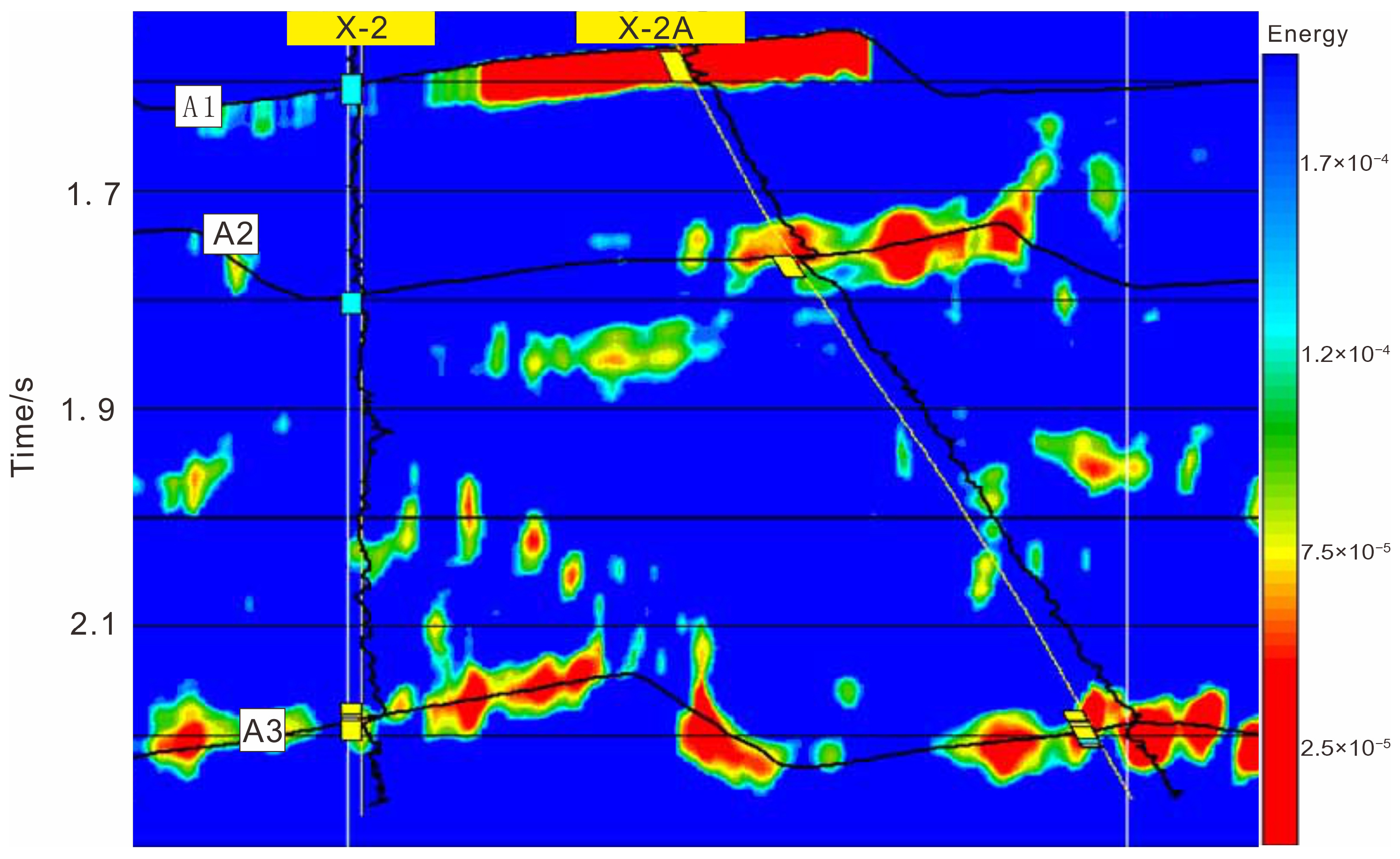
Figure 3 shows a cross-well attenuation attribute profile through Wells X-2 and X-2A. From the profile, it can be observed that Well X-2 exhibits weak or negligible seismic attenuation responses at the A1 and A2 layers, whereas a significant attenuation feature is observed in the A3 interval. Drilling results confirm the accuracy of this prediction: the well encountered only water-bearing zones in the A1 and A2 intervals, with no gas layers detected, while a gas layer with a thickness of 55.5 m was successfully drilled in the A3 interval, which is highly consistent with the prediction based on seismic attenuation attributes. At Well X-2A, the profile shows strong attenuation features across all three layers—A1, A2, and A3. Subsequent well-log interpretation confirmed the development of gas layers with thicknesses of 35.1 m, 28.3 m, and 47.5 m in these intervals, respectively, further demonstrating the strong indicative role of attenuation attributes in gas layer identification.
Table 1 summarizes the prediction errors in gas layer thickness across 12 intervals from four wells. The data indicate that the prediction errors for the majority of intervals are within the range of 0–5 m, with only a few intervals showing errors of up to 10 m. These results demonstrate that, even under conditions without well constraints, the hydrocarbon detection method based on spectral imaging maintains high prediction accuracy, with overall prediction errors at a low level, showcasing good engineering applicability and reliability.
4.2. Shallow Gas Time Thickness Extraction
In summary, the prediction results of the spectral attenuation attribute show good consistency with actual drilling data, further confirming its high sensitivity and reliability in responding to gas-bearing formations. Therefore, this attribute can serve as an effective technical means for identifying and characterizing the planar distribution and thickness of shallow gas.
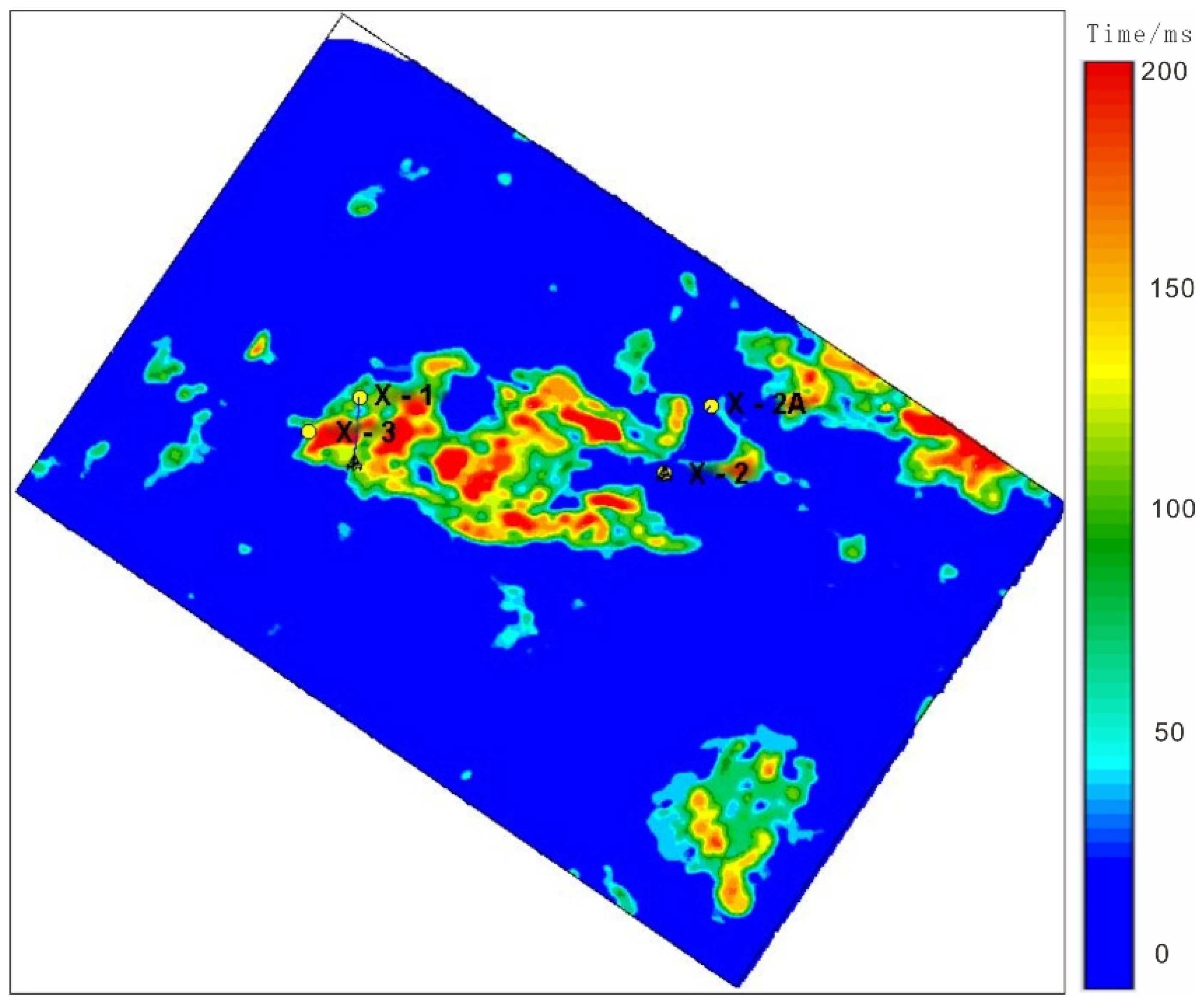
According to the principle of spectral attenuation, the presence of gas in a reservoir leads to the attenuation of seismic wave energy, with this effect being particularly pronounced in the high-frequency components. The degree of attenuation can reflect the extent of gas development, and areas with high attenuation are generally associated with relatively developed gas zones. By integrating drilling data from this gas field and analyzing energy attribute profiles corresponding to the maximum effective frequency, it has been observed that when the seismic energy falls below 7.5 × 10⁻⁵ (this threshold may vary across different gas fields and should be calibrated based on actual drilling data), the likelihood of gas presence in the formation is high. Therefore, seismic interpretation software (Petrel 2022) can be utilized to extract sand bodies with energy values below 7.5 × 10⁻⁵ from the spectral attenuation energy volume and further calculate their time thickness.
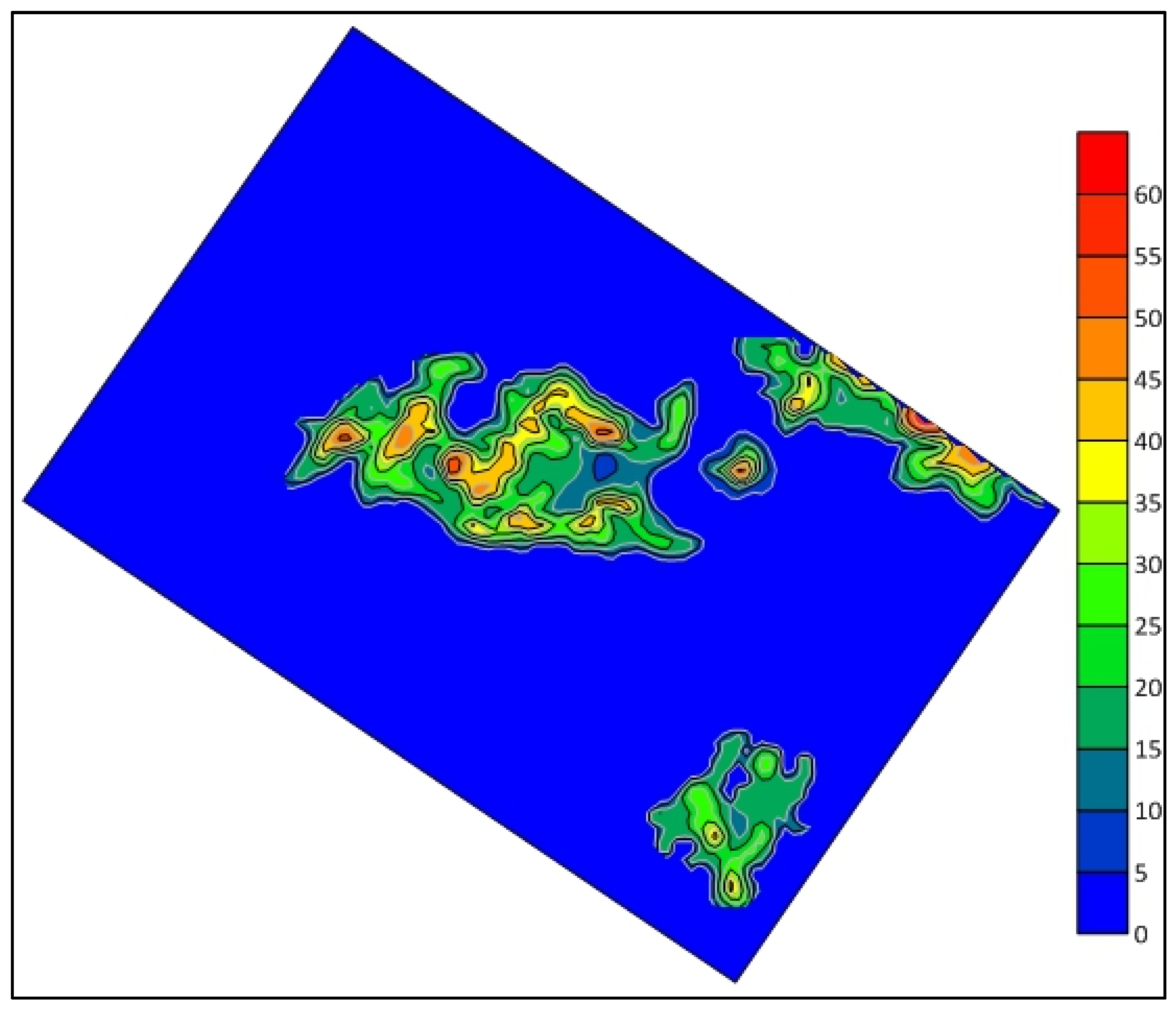
Figure 4 presents a time-thickness distribution map of shallow gas extracted based on the spectral attenuation attribute. This map visually illustrates the spatial distribution patterns and relative development degree of shallow gas in the study area, providing a basis for subsequent shallow gas calibration.
4.3. Calculation of Shallow Gas Correction
On the basis of the shallow gas time-thickness map, by selecting appropriate velocity parameters, the influence of shallow gas on the structural morphology of the underlying strata can be effectively quantified, thereby enabling precise correction of the structural map of the target horizon.
Table 2 summarizes the logging data from the upper section of Well X-1. Comprehensive analysis indicates that within the gas-bearing intervals, the acoustic travel time increases significantly, and the formation velocity is generally reduced by approximately 260–400 m/s compared to the surrounding rock.
When seismic waves pass through shallow gas-bearing layers, their propagation velocity decreases significantly. Although this velocity anomaly is reflected in the seismic velocity volume, its sensitivity to gas content is generally lower than that of high-resolution acoustic logging curves. Further calibration and comparison between logging data and the seismic velocity field reveal a systematic difference of approximately 300 m/s between the seismic velocity and the logging velocity in the shallow gas-bearing intervals.
Based on the above understanding, the time-depth correction caused by shallow gas can be calculated by multiplying the velocity difference by the time thickness of the shallow gas. The specific formula for the depth correction (Δh) is as follows:
Here, Δt represents the time thickness of the shallow gas, and Δv denotes the velocity difference between the velocity field and logging data. This velocity difference (Δv) can be interpolated into a planar grid using velocity differences from individual wells. Due to the limited availability of shallow logging data in this gas field, a constant value of 300 m/s is adopted for approximate estimation.
Figure 5 presents the resulting planar distribution map of the shallow gas correction, clearly illustrating the spatial influence of shallow gas on the structural morphology of the underlying layers. This provides important support for subsequent structural interpretation and target evaluation.
4.4. Time-Depth Conversion and Structural Mapping
Currently, in the field of structural interpretation and mapping, traditional time-depth conversion methods primarily include the following categories: first, the fitting curve method, which establishes time-depth relationships based on single-well or regional integrated velocity curves; second, the method of deriving velocity trends by interpolating velocity data from multiple wells; third, the velocity volume method, which utilizes stacking or migration velocities and applies the DIX formula to calculate the velocity field; and fourth, the approach of directly obtaining velocity fields through seismic data inversion. These methods each have their own advantages and limitations in terms of applicable data types, computational accuracy, and implementation conditions, but they share the commonality of directly deriving velocity information to perform time-depth conversion. However, since the average velocity of deeper strata inherently reflects the cumulative effects of overlying strata velocities, traditional methods often fail to effectively identify and address errors caused by local velocity anomalies, thereby frequently avoiding systematic corrections for such anomalies in practical applications.
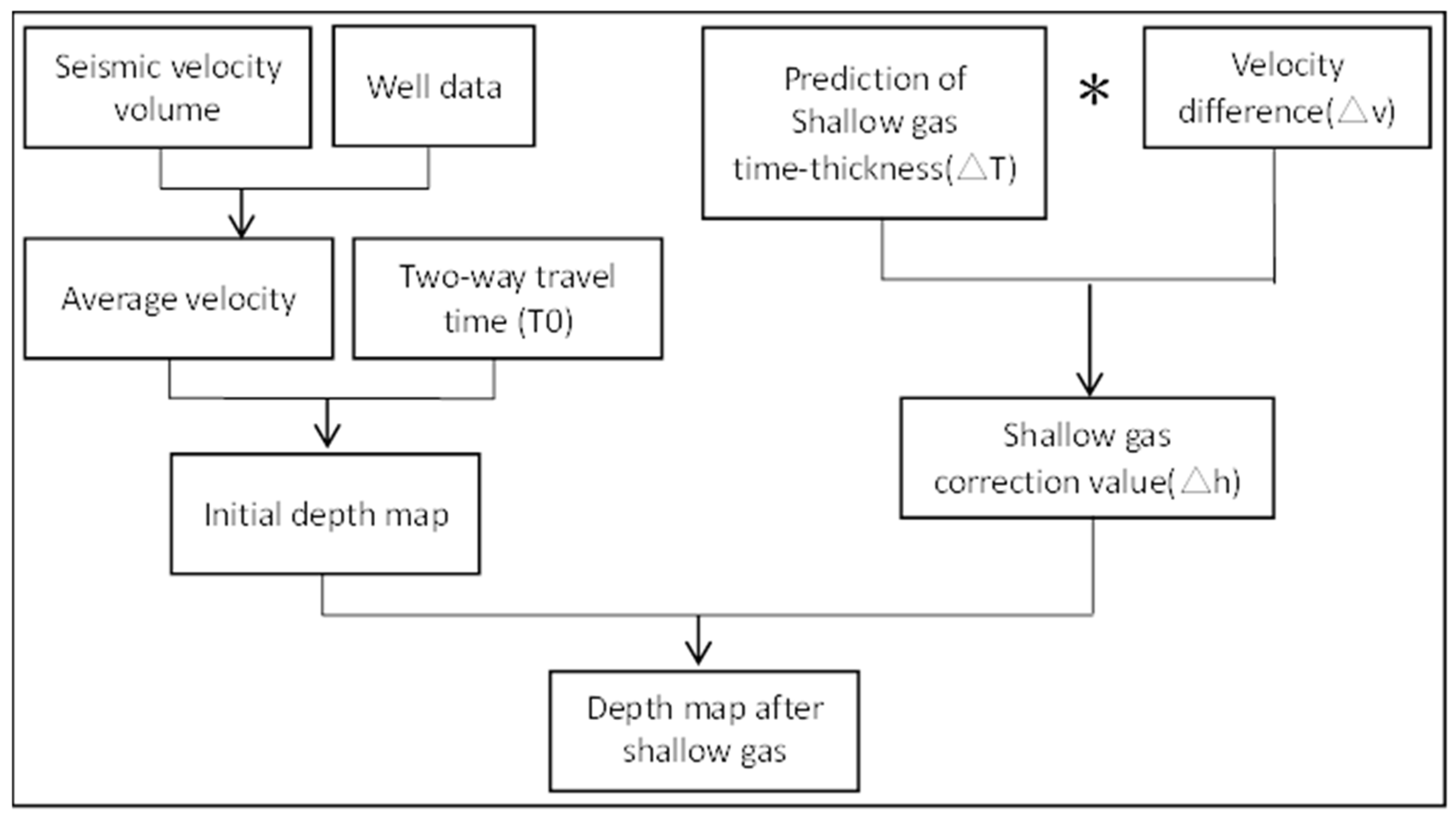
This study employs the average velocity method as the core approach for initial time-depth conversion. This method first integrates velocity spectrum data and drilling data to establish a three-dimensional velocity field for the study area, from which the average velocity plane of the target horizon is extracted. This average velocity is then multiplied by the corresponding time grid map (T0 map) to generate an initial depth structural map. Subsequently, the influence of shallow gas on velocity is analyzed and eliminated to obtain a more accurate depth structural result. The specific implementation steps, as illustrated in
Figure 6, include:
Generation of the initial depth map: Based on the constructed velocity field, the average velocity plane of the target horizon top is calculated and multiplied by the two-way travel time (T0) map to produce the initial depth structural map for the layer, serving as the foundation for subsequent corrections.
Calculation of shallow gas correction: Using the time thickness of shallow gas and the velocity difference (Δv) between the velocity field and well log data, the depth correction value (Δh) caused by shallow gas is computed.
Generation of the final depth map: By subtracting the corresponding shallow gas correction value (Δh) from each node in the initial depth structural map, the influence of the gas layer is eliminated, resulting in a high-precision final depth structural map.
Through a stepwise processing and progressive correction strategy, this method effectively overcomes the shortcomings of traditional structural mapping in identifying and correcting velocity anomalies, thereby enhancing the reliability of deep structural interpretation and the accuracy of the final map.
5. Results
The accuracy of the target layer top depth structural map (
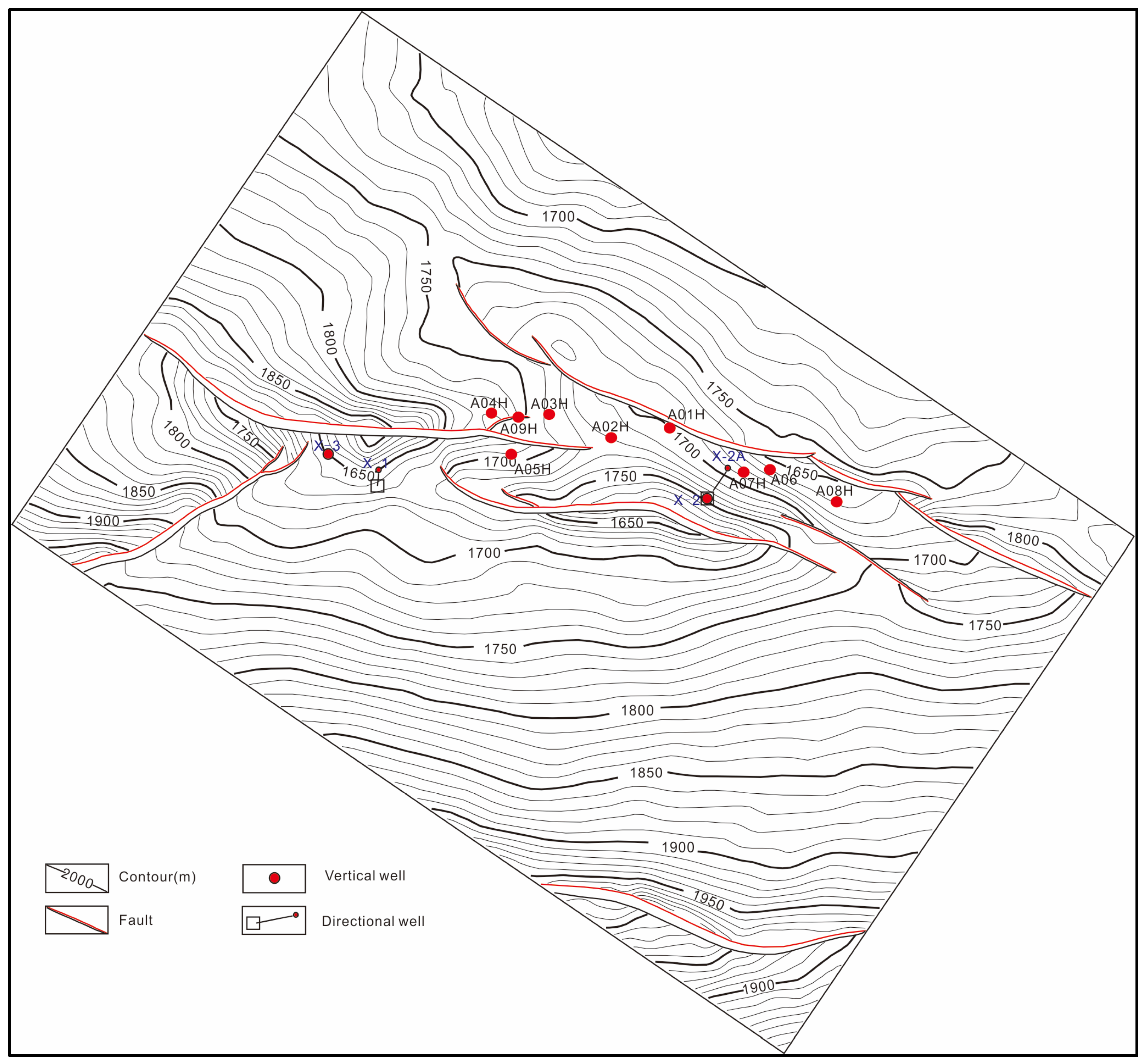
Figure 7) has been effectively verified, with errors in validation wells generally within 5 m. This map was generated based on horizon and fault interpretations from the PSTM data volume, utilizing techniques of variable-velocity mapping and shallow gas correction. The high precision benefits from the method’s incorporation of lateral velocity variations, integration of additional well data vertically, and elimination of the influence of overlying gas layers on structural configuration.
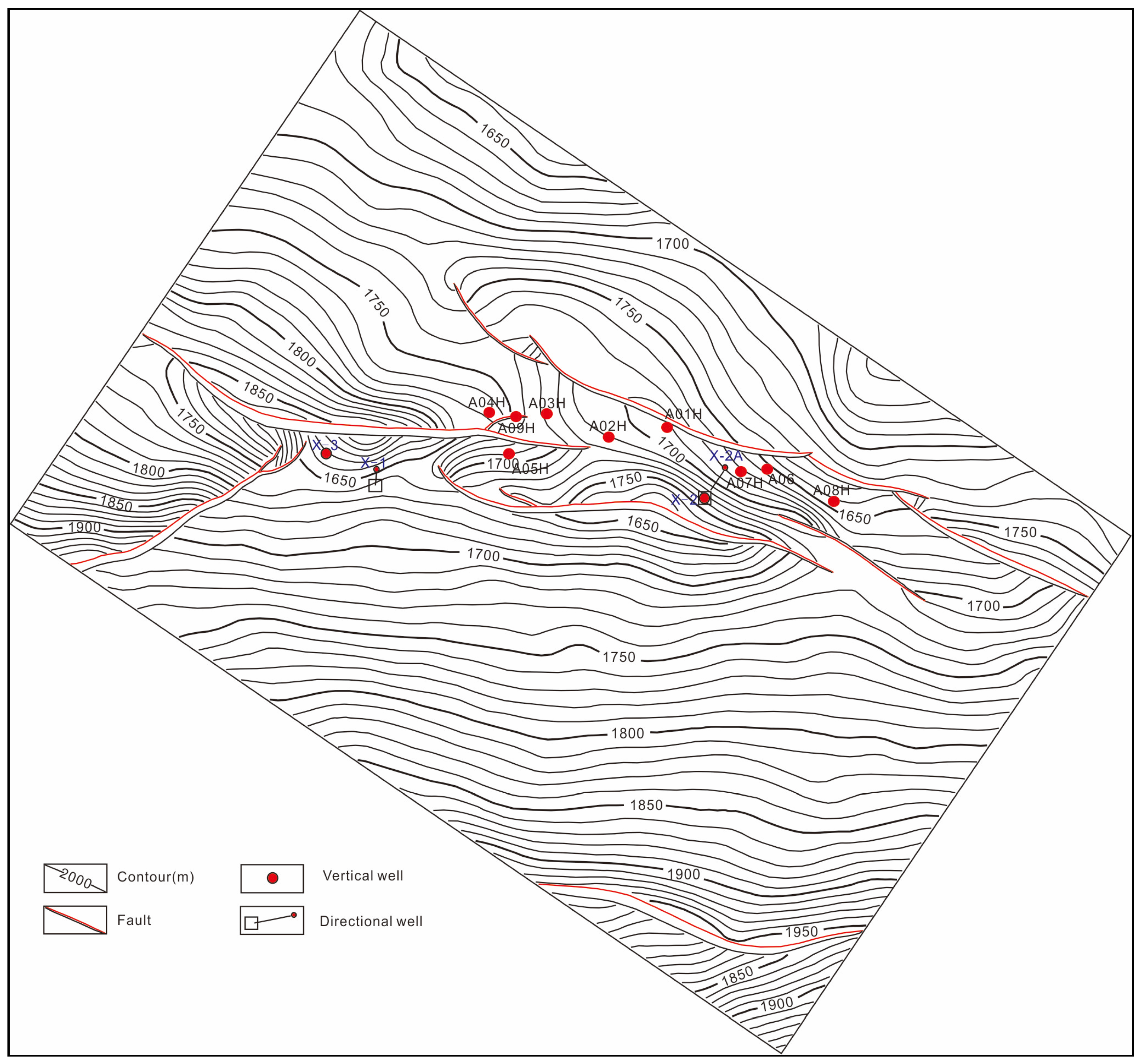
To evaluate the structural accuracy of the shallow gas correction method used in generating the map, we also sampled other time-depth conversion methods for comparison. Initially, structural mapping using time-domain integration of the inverted velocity volume was attempted, but the resulting errors at well points reached nearly 20 m. Subsequently, the results obtained by directly mapping the pre-stack depth migration (PSDM) data (
Figure 8) were used as a benchmark for comparison. After eliminating systematic errors, we obtained the structural map of the target layer top surface and the corresponding validation well errors (i.e., the difference between predicted depth and actual drilling depth).
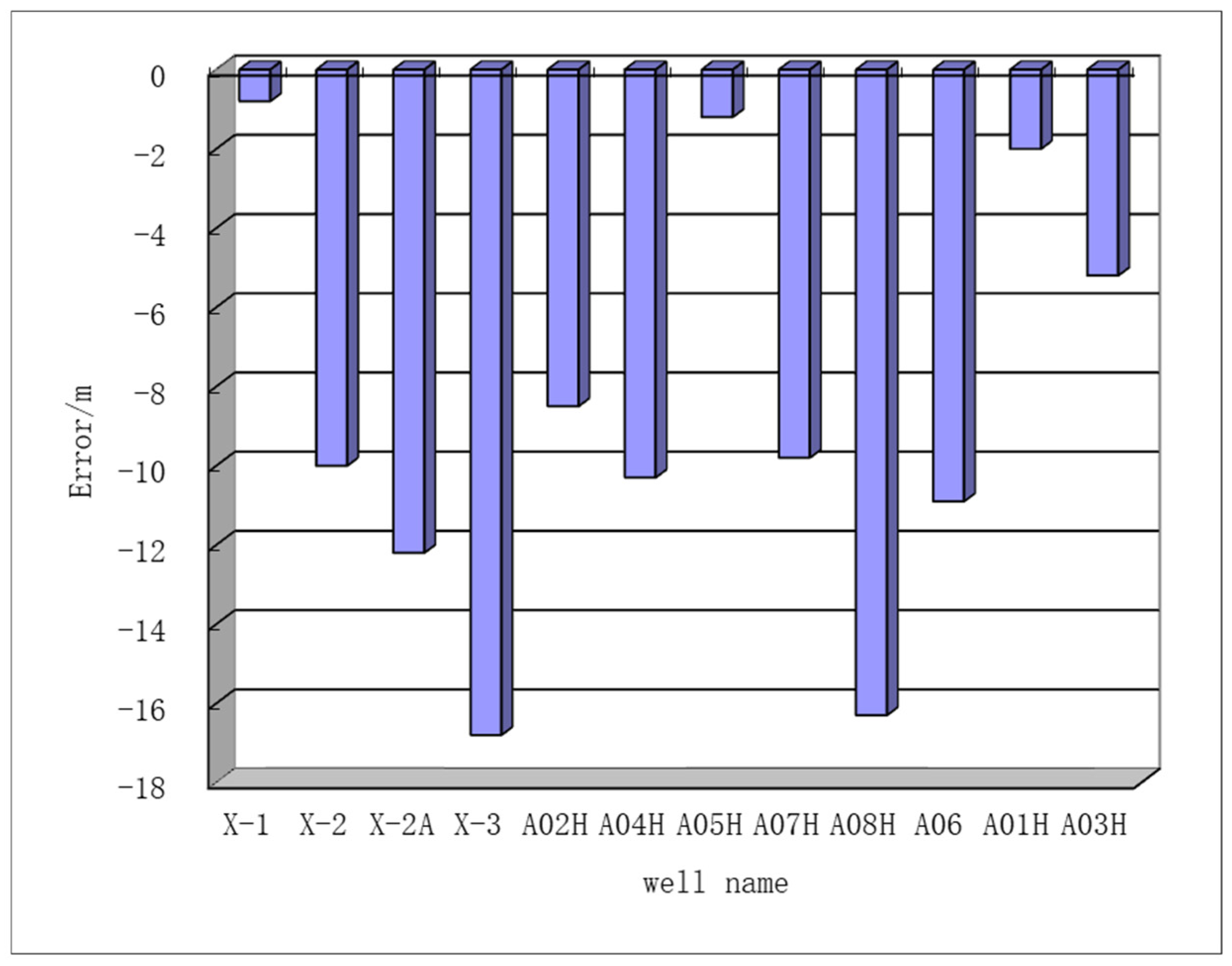
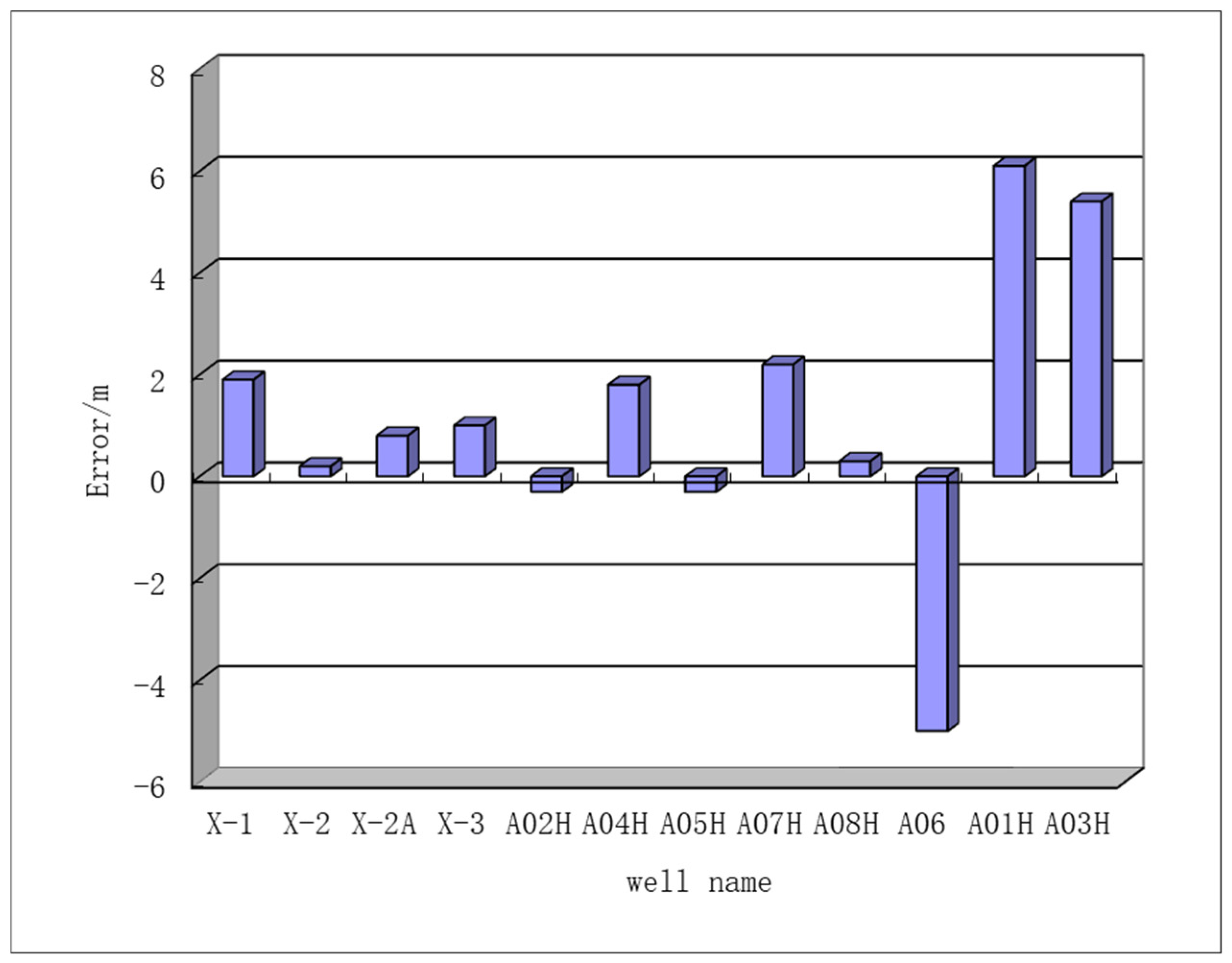
Figure 9 and
Figure 10 display the target layer top surface structural errors derived from PSDM interpretation results and the shallow gas-corrected method, respectively. The results indicate that the PSTM results, after shallow gas correction, exhibit validation well errors comparable to those of PSDM, with both methods demonstrating significantly higher structural accuracy than the time-domain integration method using inverted velocity.
Although pre-stack depth migration (PSDM), as a relatively mature seismic imaging technique, offers high accuracy in structural identification and characterization, its imaging results still significantly depend on the accuracy of the velocity model. A comparison of the depth structural maps of the target layer top surface obtained using two methods—PSDM and pre-stack time migration (PSTM) corrected for shallow gas effects—reveals good consistency in the overall structural morphology, with only minor differences in the burial depth of structural highs and the amplitude of traps. Based on geological analysis and validation results from drilled wells in the study area, the depth structural map generated after time-to-depth conversion using shallow gas-corrected PSTM interpretation results aligns with actual geological understanding and accurately reflects subsurface structural features. Therefore, in cases where establishing an optimal PSDM model is challenging, this shallow gas correction method serves as a practical and effective approach for depth model refinement.
6. Discussion
The methodology employed in this study is subject to the following limitations and uncertainties:
- (1)
Impact of Seismic Data Quality
The identification of shallow gas thickness primarily relies on seismic attribute analysis, the reliability of which is constrained by the quality of the original seismic data. If the data exhibit a low signal-to-noise ratio or significant multiple reflections, the accuracy of shallow gas thickness interpretation may be compromised. Therefore, prior to applying this method, it is advisable to conduct high-resolution seismic data processing tailored to the target area, aiming to relatively preserve amplitude, frequency, phase, and waveform characteristics, thereby enhancing the precision of shallow gas identification.
- (2)
Multi-solution Nature of Seismic Attributes
Theoretically, the presence of gas in a reservoir leads to notable attenuation of seismic wave energy. However, in practice, such attenuation may also result from a combination of other factors, such as lithological variations and the properties of other fluids. Consequently, interpreting gas presence based solely on seismic attributes is inherently ambiguous and requires integration with other geological and geophysical information for comprehensive analysis.
- (3)
Lateral Variation in Velocity Discrepancy (Δv)
In the study area, well logging data are primarily focused on the interpretation of the main gas reservoirs in the lower section, with limited data available for shallow gas—only one well, X-1, provides relevant information. The study adopts an approximate velocity difference of about 300 m/s between seismic velocity and well log velocity as the basis for depth correction, which is a simplified approach under the condition of insufficient well control. If more comprehensive well logging data were available, sensitivity analysis of the relationship between gas layer thickness and velocity discrepancy could be conducted to more accurately assess uncertainties in the velocity model. Additionally, Δv may exhibit significant lateral variations across the plane. Employing multi-well Δv grid interpolation to generate a velocity difference map could further improve the accuracy of structural mapping.
- (4)
Influence of Lithological Heterogeneity
This study assumes that structural errors are mainly attributable to the distribution of shallow gas, based on years of exploration practice and drilling data in the Pearl River Mouth Basin, which indicate that the Zhujiang Formation in the study area is characterized by a marine sandstone depositional environment with relatively stable lithology. However, lithological variations in other parts of the Pearl River Mouth Basin can be complex, often featuring both low-velocity and high-velocity anomalies. Therefore, for broader applications, it is essential to systematically evaluate the impacts of lithological heterogeneity, velocity anisotropy, and uncertainties in migration imaging on structural interpretation.
During the oil and gas field development phase, high precision in structural maps is crucial. Velocity-model-based mapping techniques serve as essential tools for this task. Various methods are available, each with inherent advantages and limitations. In practical applications, based on the specific characteristics of the data and in-depth velocity studies, it is important to select and flexibly apply the most suitable method to enhance the reliability and applicability of the results.
7. Conclusions and Future Development
(1) Velocity study and time-depth conversion are critical steps in the process of structural depth mapping. During the oil and gas field development stage, the accuracy requirements for structural maps are extremely high. Variable velocity mapping technology has become an essential means to achieve high-precision structural mapping. Currently, various methods exist for implementing this technology, including interval velocity and average velocity methods, each with its specific applicable conditions and inherent limitations. In practical application, based on the characteristics of the actual data in the work area and systematic velocity analysis, suitable methods should be optimally selected and applied flexibly to ensure the reliability of the structural model and prediction accuracy.
(2) Spectral attenuation attributes are sensitive to the presence of natural gas in reservoirs and can effectively delineate the distribution range and thickness variation in shallow gas. Based on the accurate extraction of the time thickness of shallow gas, combined with reasonable velocity parameters, a quantitative assessment of the impact of shallow gas can be further achieved, providing strong evidence for identifying gas reservoir boundaries and thickness distribution.
(3) Shallow gas is the primary geological factor affecting the structural prediction accuracy in the X Gas Field. The variable velocity mapping method based on shallow gas correction, employing the technical approach of “lateral velocity variation and vertical correction,” effectively compensates for the velocity anomalies caused by shallow gas. This significantly reduces errors in structural depth prediction and enhances the accuracy of mapping and its conformity with actual drilling results.
(4) Using a single velocity model for time-depth conversion or conventional variable velocity mapping methods struggles to reveal the lateral variation patterns of the same structural layer under complex geological conditions and fails to meet the accuracy demands for structural mapping in the development stage. To accurately define complex structures and precisely locate structural highs, it is essential to adopt 3D spatial migration positioning technology to restore structures to their true spatial positions. Future development trends should focus on the deep integration of seismic data processing and interpretation, promoting an integrated interpretation-processing workflow. This enables dynamic feedback and mutual verification between processing parameters and geological interpretation results, thereby further enhancing the accuracy and geological reliability of structural modeling.