Article

Addressing Memorization and Aggregation Risks in AI: A Knowledge Graph Approach to Privacy †
1
Department of Artificial Intelligence, Ajou University, Suwon-si 16499, Republic of Korea
2
Department of Software and Computer Engineering, Ajou University, Suwon-si 16499, Republic of Korea
*
Author to whom correspondence should be addressed.
This paper is an extended version published in the Conference paper: PrivGraph: Modeling Personal Privacy Information Using Knowledge Graph. In Proccedings of the 2025 The 25th IEEE International Conference on Software Quality, Reliability and Security (QRS), Hangzhou, China, 16–20 July 2025.
Appl. Sci. 2026, 16(4), 1796; https://doi.org/10.3390/app16041796
Submission received: 13 December 2025 / Revised: 5 February 2026 / Accepted: 6 February 2026 / Published: 11 February 2026
(This article belongs to the Special Issue Advances in Technologies for Data Privacy and Security)

Abstract

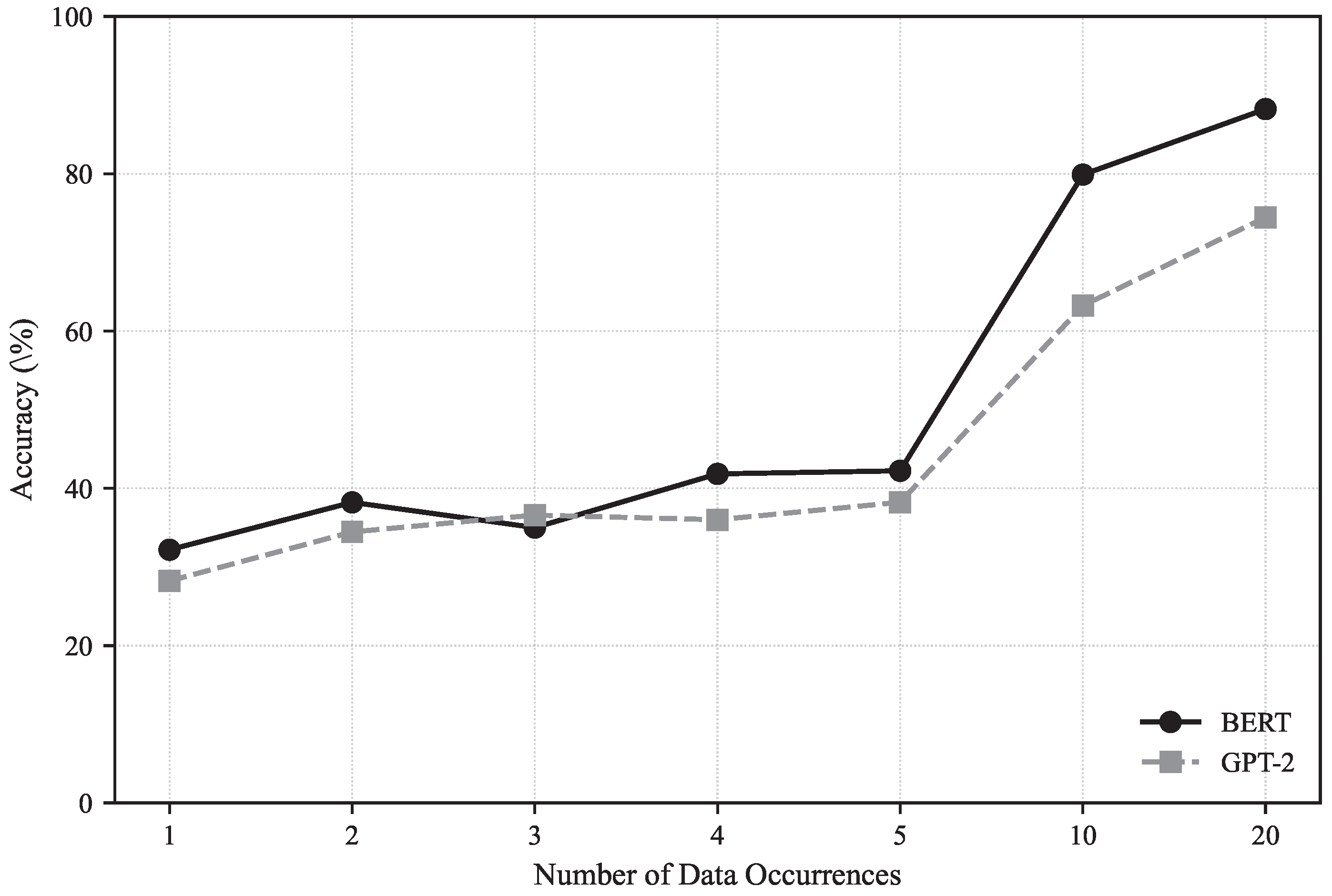
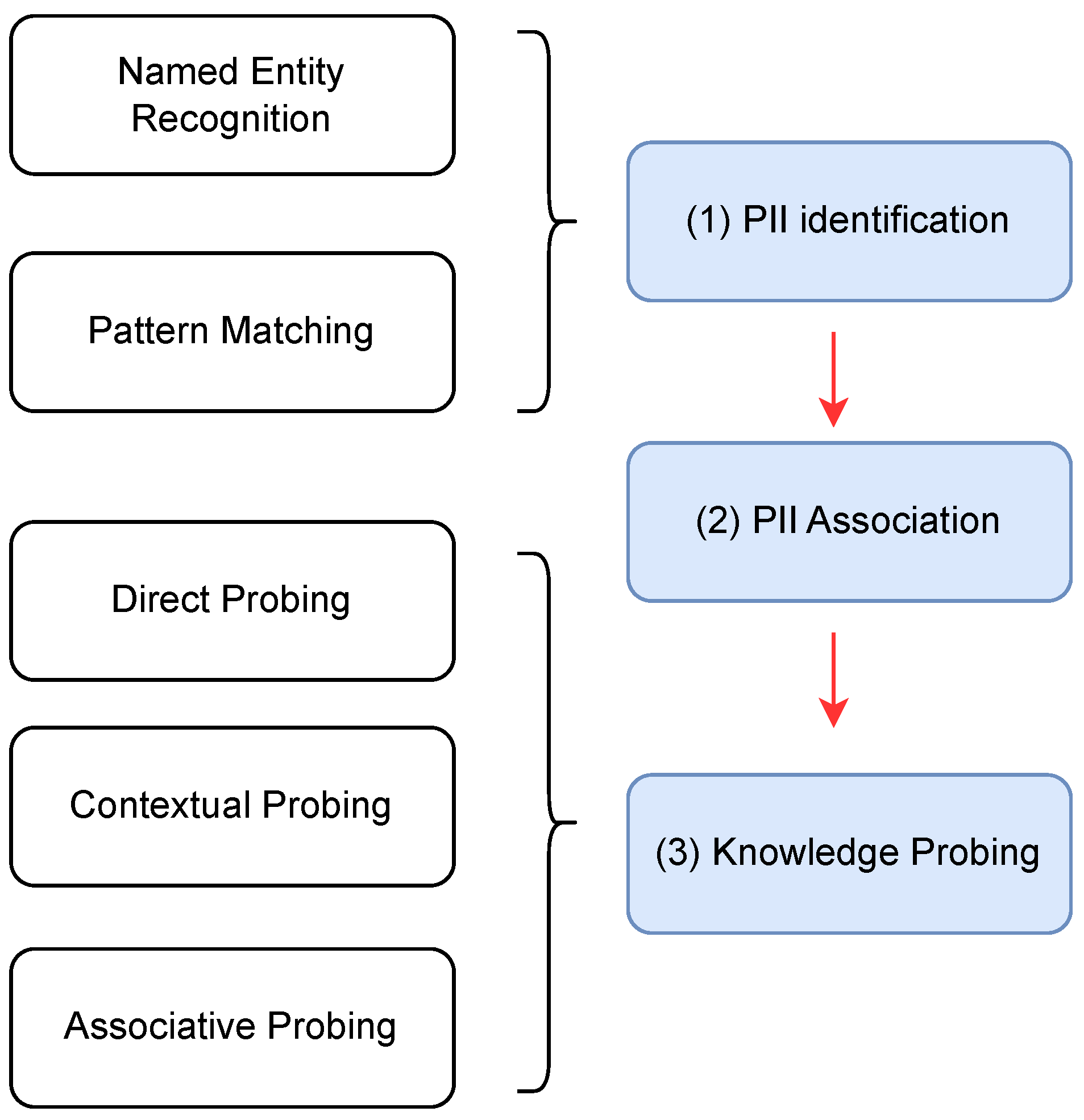
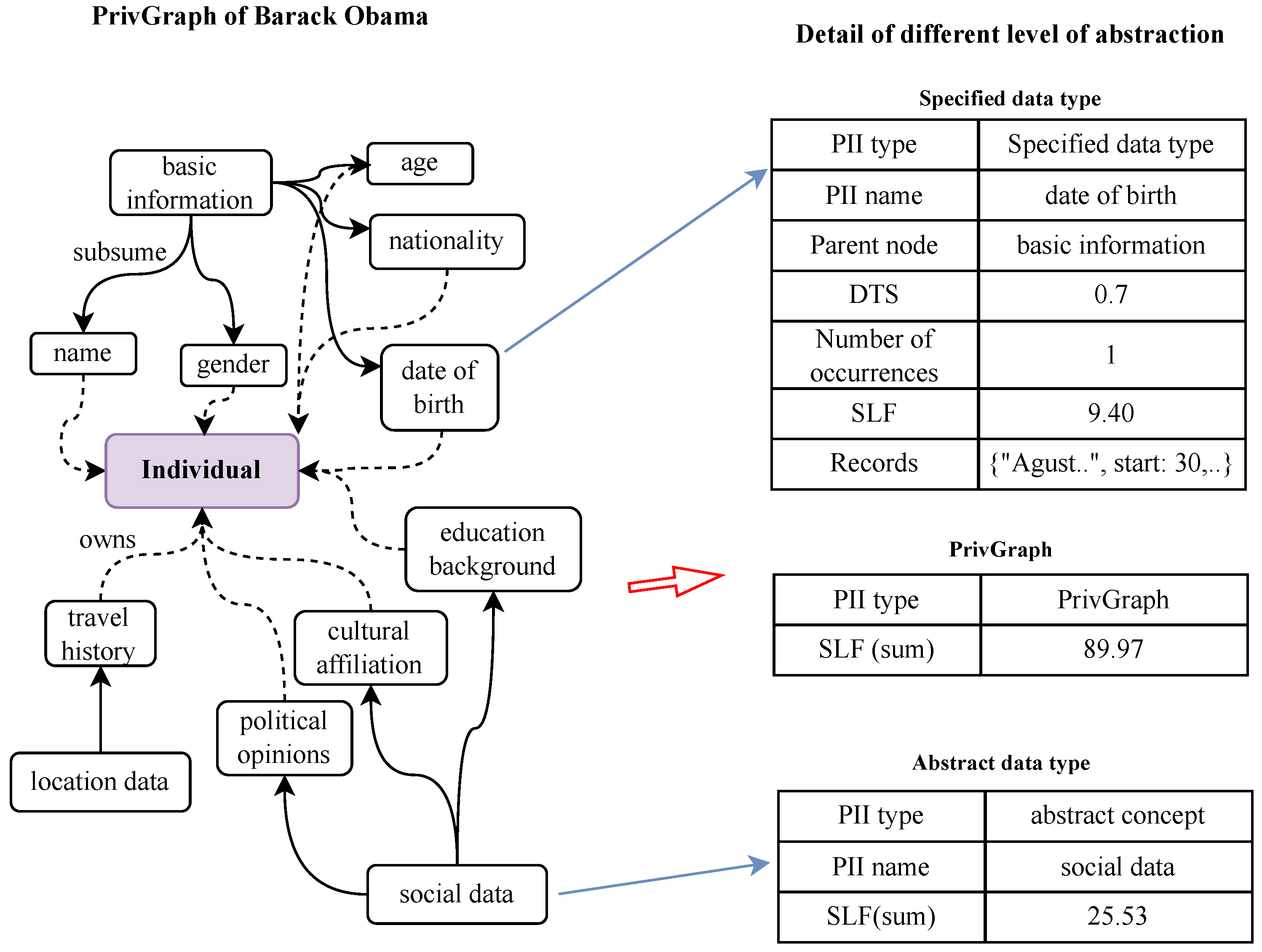
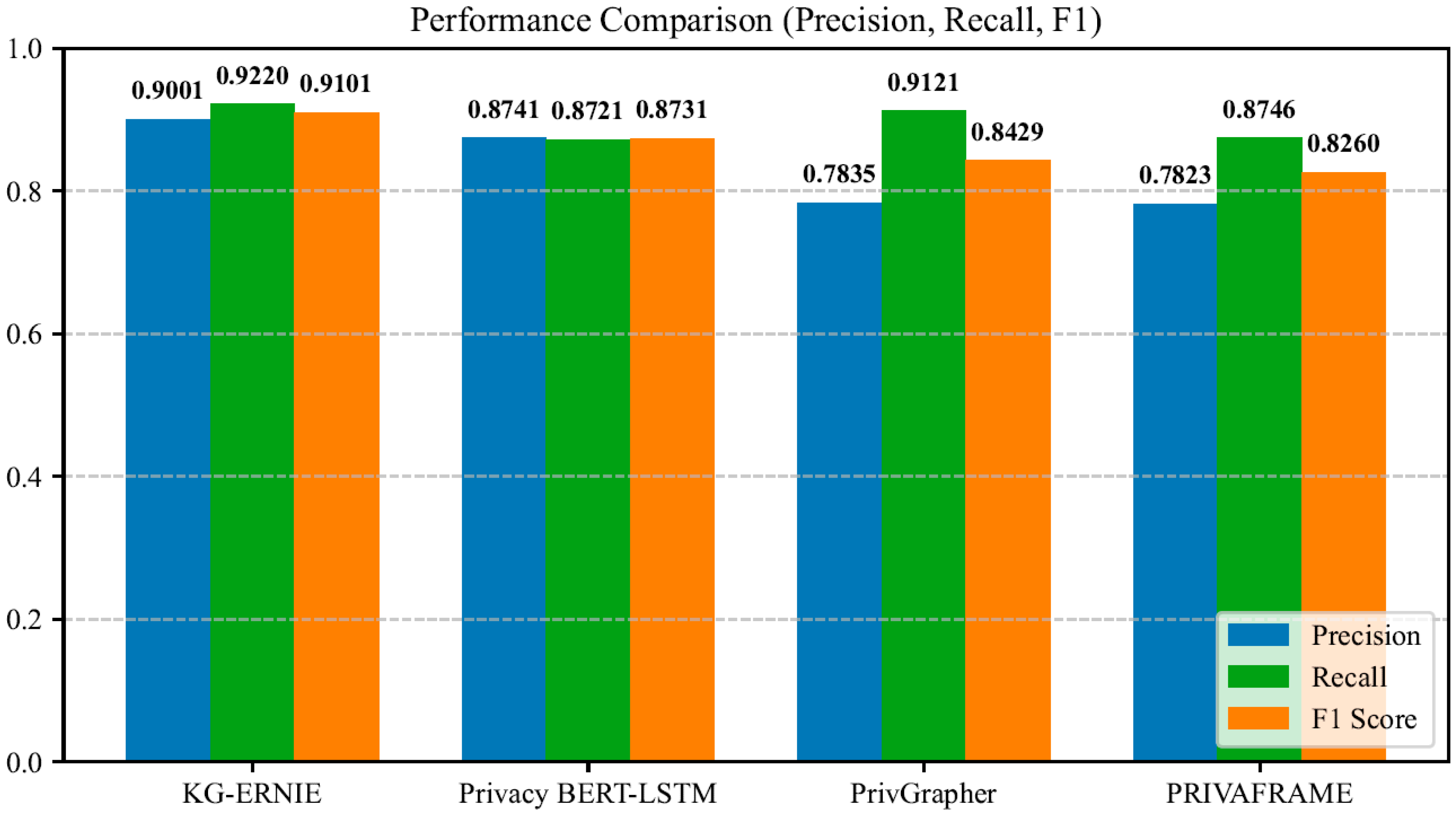
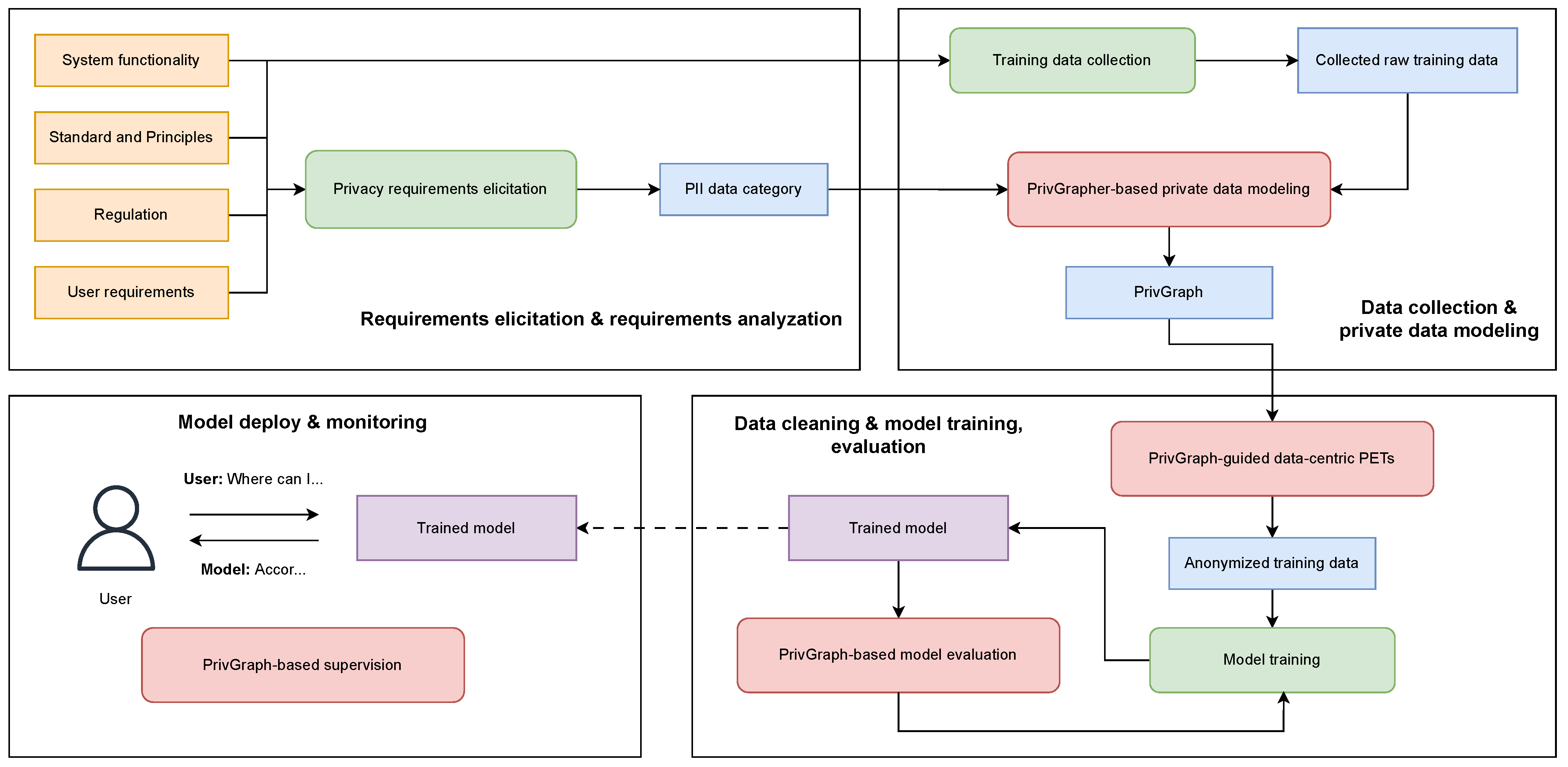
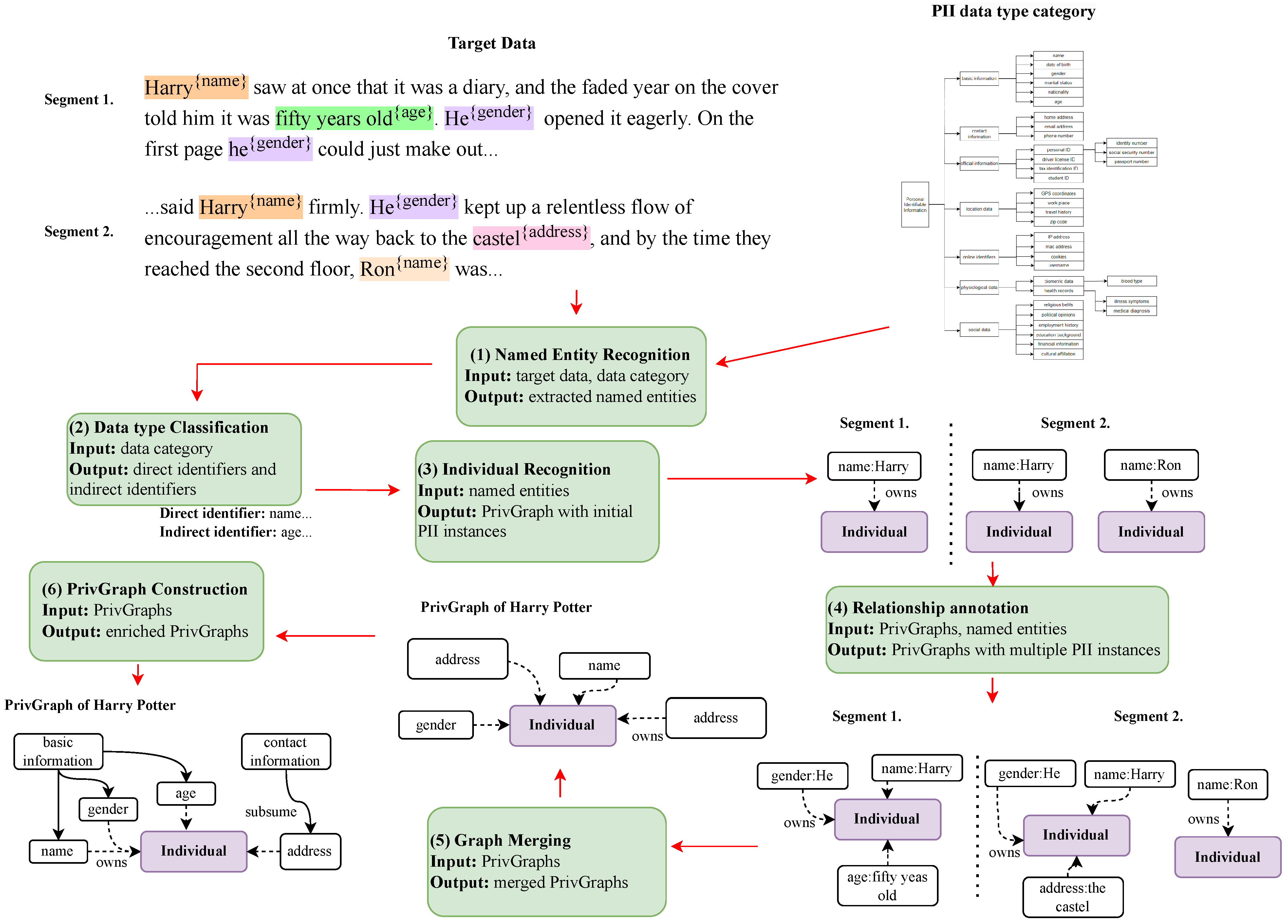
Recent studies have shown that AI models can memorize specific data records, resulting in sensitive data exposure through model access. Current privacy-enhancing technologies often overlook the crucial, context-dependent nature of privacy risk as they largely fail to account for the inherent relationships and complex interactions between data records, leading to high risks associated with memorization and potential data aggregation. Our research first investigates two key factors influencing AI privacy risks: implicit connections and data redundancy. These experiments have shown that AI models learn subtle links between private data, even when they are discretely distributed. To address the privacy issue, we introduce PrivGraph, a hierarchically structured knowledge graph for modeling and aggregating private information. Based on PrivGraph, we introduce the Sensitivity Level Factor (SLF) to quantify the degree to which an individual’s private information is embedded in the data. In addition, we propose a PrivGraph-based knowledge probing method to facilitate post-training privacy assessments. Our experiments demonstrated that PrivGraph achieves comparable performance to existing models in the Personally Identifiable Information (PII) detection task, while effectively modeling the aggregation of private information even with lengthy texts and data obtained from multiple origins. Finally, we discuss PrivGraph’s integration into the AI engineering lifecycle for full-spectrum, full-lifecycle, and traceable privacy protection.
Keywords: data privacy; Artificial Intelligence; personally identifiable information; personal privacy protection; natural language processing data privacy; Artificial Intelligence; personally identifiable information; personal privacy protection; natural language processing