Material and Technological Optimization of a 3D-Printed Hand Exoskeleton Within the Industry 4.0/5.0/6.0 Paradigms: A Short Review



Featured Application
Abstract
1. Introduction
2. Materials and Methods
2.1. Dataset
- RQ 1: How are additive manufacturing methods currently used to produce exoskeletons, including wrist exoskeletons?
- RQ 2: What research gaps, material and technological constraints, and unexplored opportunities currently exist within this interdisciplinary field?
- RQ 3: What new developments in this area are currently being researched or implemented?
- RQ 4: To what degree do current solutions satisfy the required criteria of Industry 4.0/5.0 and eHealth?
2.2. Methods
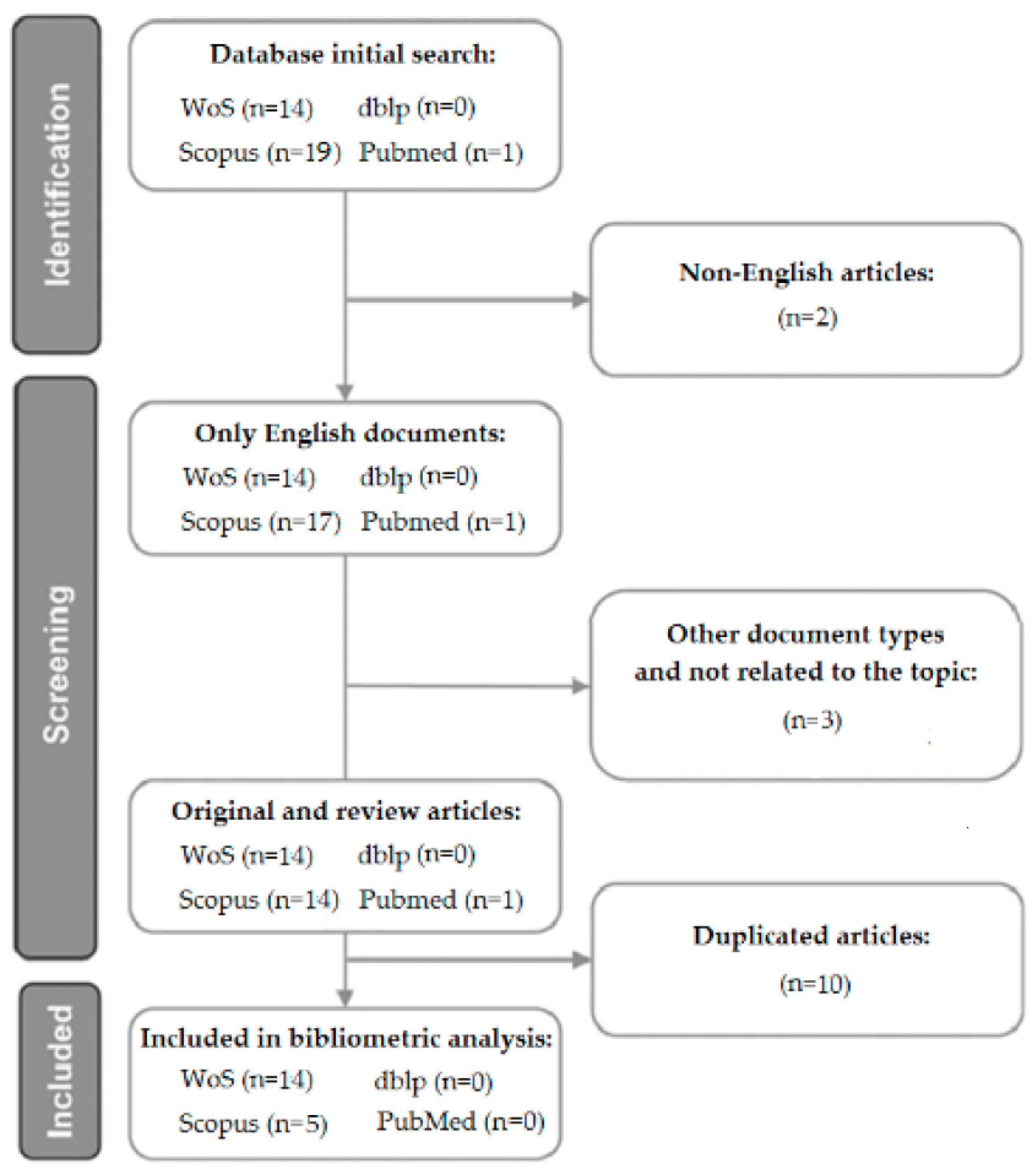
2.3. Data Selection
3. Results
3.1. Key Areas of Material Optimization
3.2. Key Areas of Technological Optimization
3.3. Key Areas of Clinical Optimization
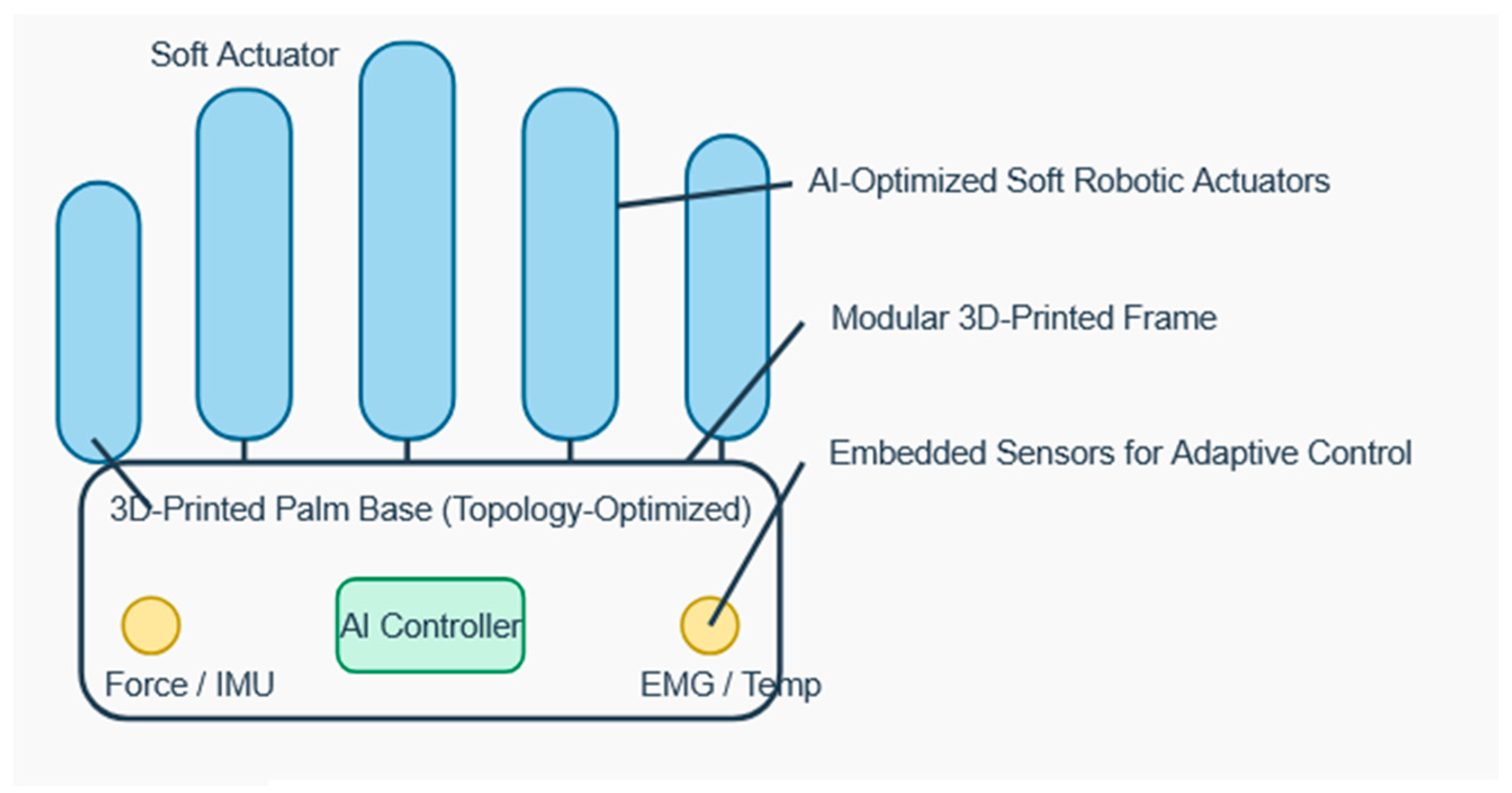
- The 3D-printed main frame utilizes AI-based topology optimization for maximum strength while minimizing weight;
- Soft actuators: each finger utilizes AI-designed soft actuators (e.g., TPU/hydrogel hybrids) that mimic natural flexion and reduce user fatigue;
- Built-in smart sensors: integrated IMU microsensors, force sensors, and temperature sensors transmit data to the AI control unit, providing adaptive assistance and real-time gait learning;
- Modular architecture: modular actuators and sensors enable easy upgrades and configurations tailored to various therapeutic goals;
- Comfort Interfaces: soft inserts (e.g., polysaccharide-based gels) improve comfort and reduce skin irritation.
3.4. Key Role of High-Resolution DTs in Improving Hand Exoskeletons
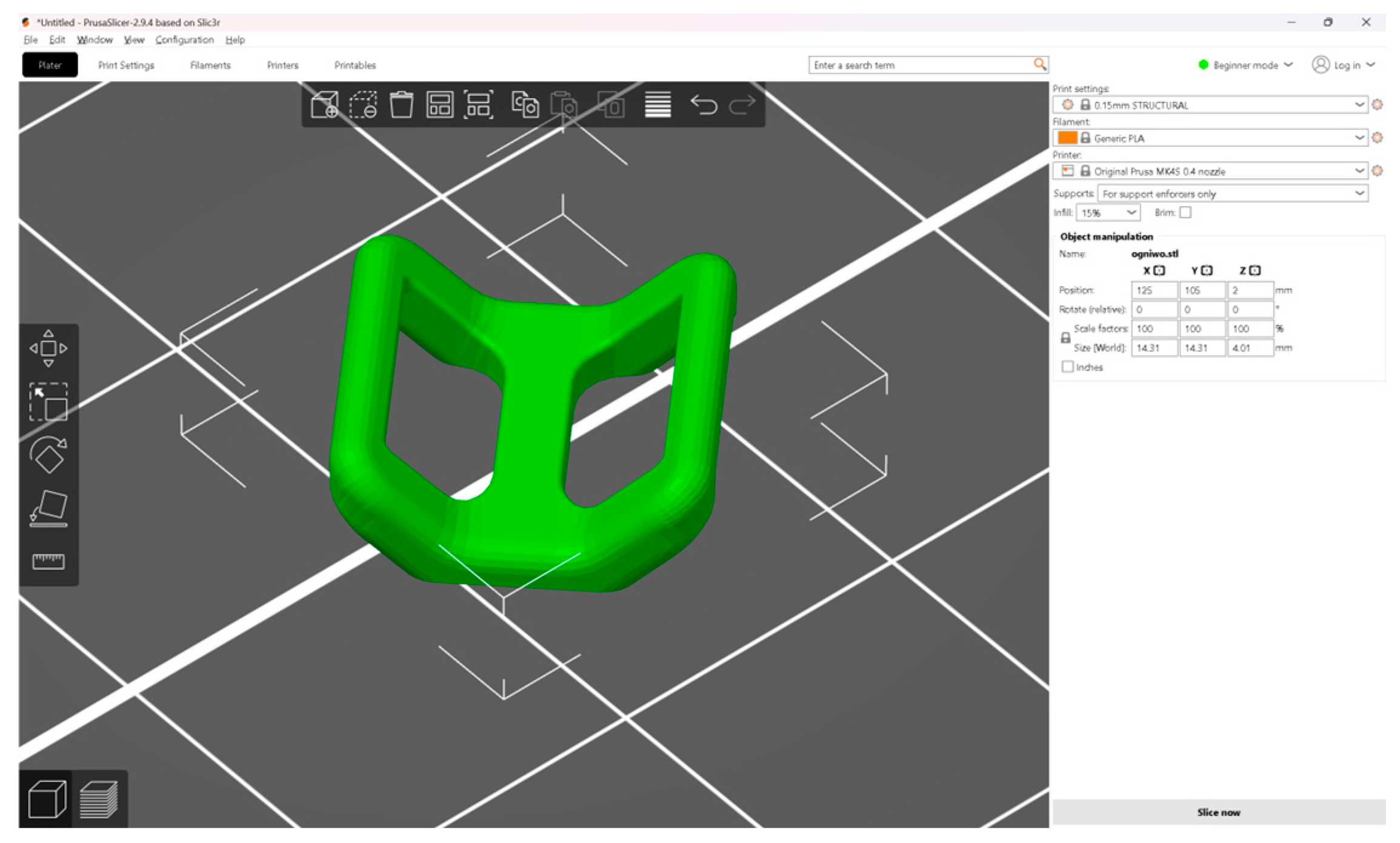
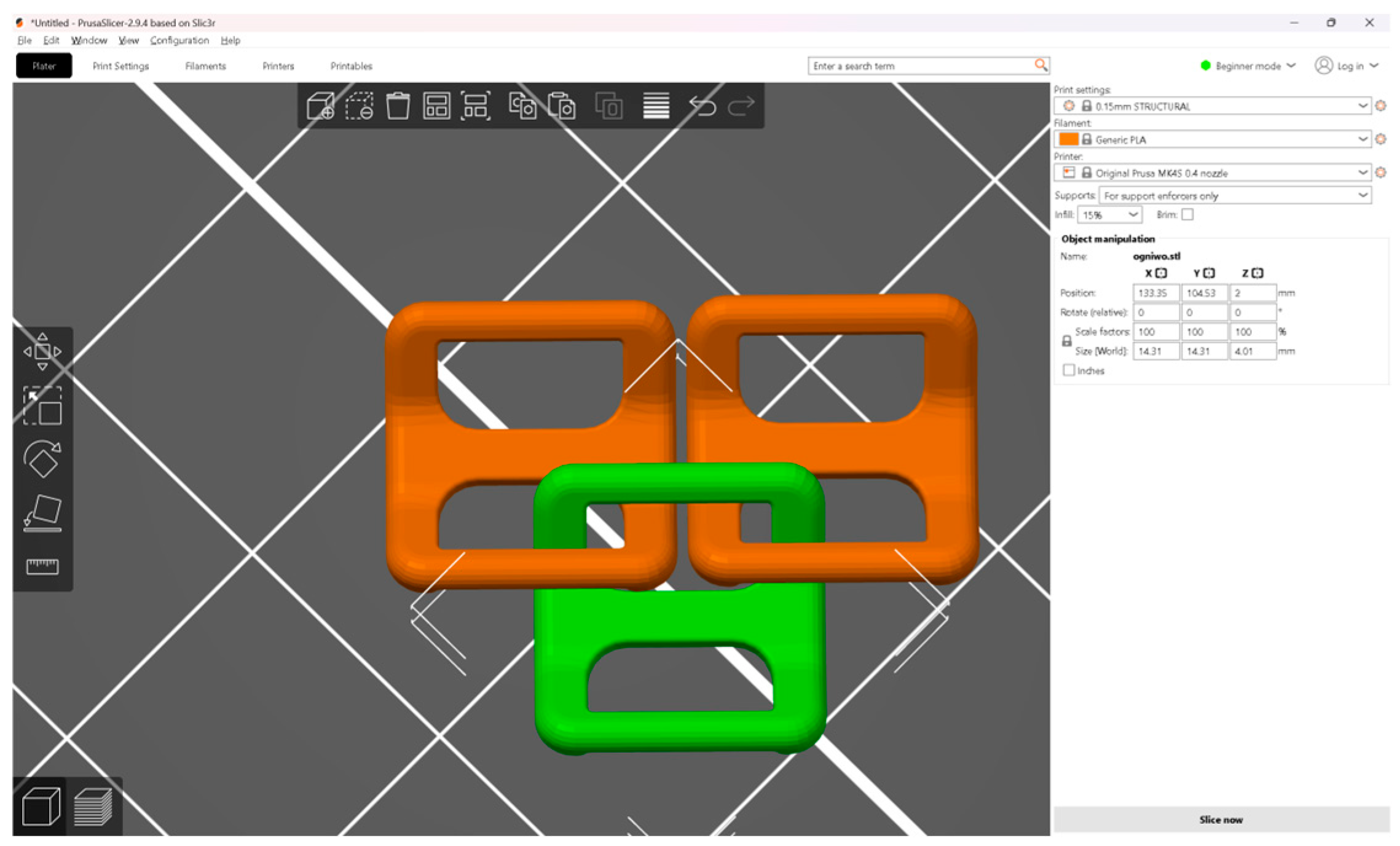
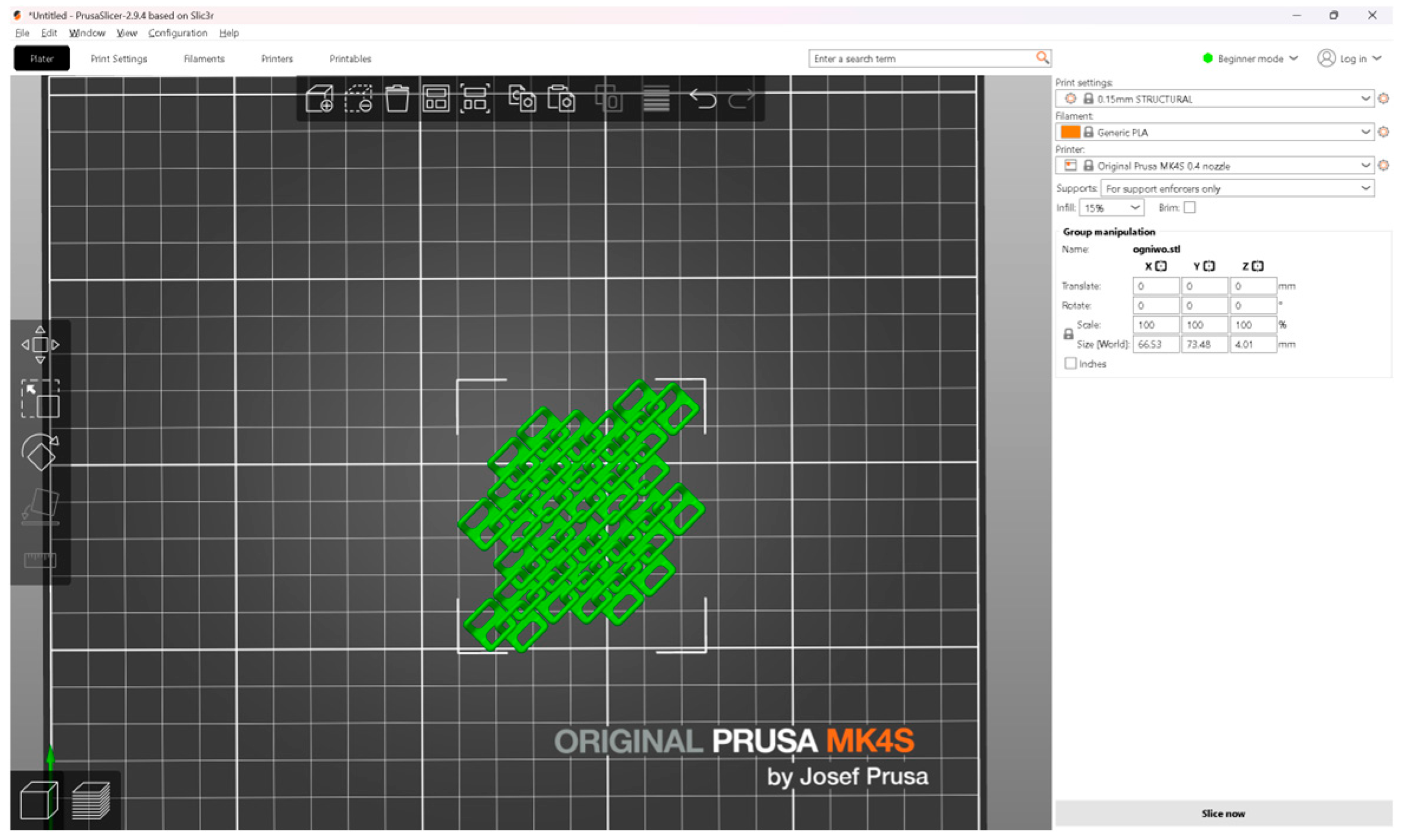
3.5. Personal Experience
- Personalized selection and optimization of exoskeleton materials (weight, mechanical, and chemical properties);
- Individual functional assessment, including the selection of an exoskeleton model/settings based on the type and level of a specific user’s deficit(s);
- User-specific exoskeleton design based on a template;
- 3D printing optimized with AI for material consumption and waste (preferring green technologies);
- Individual settings of the exoskeleton control system;
4. Discussion
4.1. Limitations of Current Research
4.2. Technological Implications
4.3. Economic Implications
4.4. Societal Implications
4.5. Ethical and Legal Implications
4.6. Implications for Global Sustainability
4.7. Directions for Further Research
5. Conclusions
Supplementary Materials
Author Contributions
Funding
Institutional Review Board Statement
Informed Consent Statement
Data Availability Statement
Conflicts of Interest
Abbreviations
| AI | Artificial intelligence |
| DT | Digital twin |
| EMG | Electromyography |
| EVA | Ethylene vinyl acetate |
| genAI | Generative AI |
| IoT | Internet of things |
| kNN | k-nearest neighbors |
| ML | Machine learning |
| NLP | Natural language processing |
| PLA | Polylacticacid |
| PlA+ | PLA Plus, enhanced version of PLA |
| R&D | Research and development |
| SDG | Sustainable development goal |
References
- Fernandes da Silva, J.L.G.; Barroso Gonçalves, S.M.; Plácido da Silva, H.H.; Tavares da Silva, M.P. Three-dimensional printed exoskeletons and orthoses for the upper limb—Asystematic review. Prosthet. Orthot. Int. 2024, 8, 590–602. [Google Scholar] [CrossRef] [PubMed]
- Łukaniszyn, M.; Majka, Ł.; Grochowicz, B.; Mikołajewski, D.; Kawala-Sterniuk, A. Digital Twins Generated by Artificial Intelligence in Personalized Healthcare. Appl. Sci. 2024, 14, 9404. [Google Scholar] [CrossRef]
- Gopura, R.A.R.C.; Kiguchi, K. Mechanical Designs of Active Upper-Limb Exoskeleton Robots: State-of-the-Art and Design Difficulties. In Proceedings of the 2009 IEEE International Conference on Rehabilitation Robotics, Kyoto, Japan, 23–26 June 2009; pp. 178–187. [Google Scholar]
- Li, Z.; Xie, H.; Li, W.; Yao, Z. Proceeding of Human Exoskeleton Technology and Discussions on Future Research. Chin. J. Mech. Eng. 2014, 27, 437–447. [Google Scholar] [CrossRef]
- Rojek, I.; Kotlarz, P.; Dorożyński, J.; Mikołajewski, D. Sixth-Generation (6G) Networks for Improved Machine-to-Machine (M2M) Communication in Industry 4.0. Electronics 2024, 13, 1832. [Google Scholar] [CrossRef]
- Gupta, R.; Grove, K.; Wei, A.; Lee, J.; Akkouch, A. Ankle and Foot Arthroplasty and Prosthesis: A Review on the Current and Upcoming State of Designs and Manufacturing. Micromachines 2023, 14, 2081. [Google Scholar] [CrossRef]
- Preethichandra, D.M.G.; Piyathilaka, L.; Sul, J.H.; Izhar, U.; Samarasinghe, R.; Arachchige, S.D.; de Silva, L.C. Passive and Active Exoskeleton Solutions: Sensors, Actuators, Applications, and Recent Trends. Sensors 2024, 24, 7095. [Google Scholar] [CrossRef]
- Gkintoni, E.; Halkiopoulos, C. Digital Twin Cognition: AI-Biomarker Integration in Biomimetic Neuropsychology. Biomimetics 2025, 10, 640. [Google Scholar] [CrossRef]
- Kunkel, M.E.; Sauer, A.; Isaacs, C.; Ganga, T.A.F.; Fazan, L.H.; Keller Rorato, E. Teaching Bioinspired Design for Assistive Technologies Using Additive Manufacturing: A Collaborative Experience. Biomimetics 2025, 10, 391. [Google Scholar] [CrossRef]
- Domingos Dias, W.; Soares, J.H.; Corrêa Guimarães, L.; Espinosa Martínez, N.; Ramos Luz, T.; da Costa Soares Sousa Lima, Y.M.; Huebner, R. Exploring Additive Manufacturing in Assistive Technologies to Transform the Educational Experience: Empowering Inclusion. J. Complex. Health Sci. 2024, 7, 81–94. [Google Scholar] [CrossRef]
- Leone, S.; Lago, F.; Lavia, G.; Macrì, F.P.; Sgamba, F.; Tozzo, A.; Adamo, D.; Avila, J.M.N.; Carbone, G. Design and Experimental Validation of a Unidirectional Cable-Driven Exoskeleton for Upper Limb Rehabilitation. Appl. Sci. 2025, 15, 11996. [Google Scholar] [CrossRef]
- Hornik, T.; Krause, M.; Ramlawi, A.; Lagos-Antonakos, J.; Catterlin, J.K.; Kartalov, E.P. Advanced Architectures of Microfluidic Microcapacitor Arrays for 3D-Printable Biomimetic Electrostatic Artificial Muscles. Appl. Sci. 2025, 15, 3293. [Google Scholar] [CrossRef]
- Rudd, G.; Daly, L.; Jovanovic, V.; Cuckov, F. A Low-Cost Soft Robotic Hand Exoskeleton for Use in Therapy of Limited Hand–Motor Function. Appl. Sci. 2019, 9, 3751. [Google Scholar] [CrossRef]
- Çalıkuşu, İ.; Fidan, U. The impact of different material types on ergonomics in lower extremity exoskeleton construction. Comput. Biol. Med. 2025, 193, 110403. [Google Scholar] [CrossRef]
- Ahmed, I.; Feng, B.; Emmanuel Yeboah, K.; Feng, J.; Jumani, M.S.; Ali, S.A. Leveraging Industry 4.0 for marketing strategies in the medical device industry of emerging economies. Sci. Rep. 2024, 14, 27664. [Google Scholar] [CrossRef]
- Ferdaus, M.M.; Dam, T.; Anavatti, S.; Das, S. Digital technologies for a net-zero energy future: A comprehensive review. Renew. Sustain. Energy Rev. 2024, 202, 114681. [Google Scholar] [CrossRef]
- Zaway, I.; Jallouli-Khlif, R.; Maalej, B.; Derbel, N. A Robust Fuzzy Fractional Order PID Design Based On Multi-Objective Optimization for Rehabilitation Device Control. J. Robot. Control (JRC) 2023, 4, 388–402. [Google Scholar]
- Huang, S.; Jin, Y.; Hou, X.; Huang, Z.; Hu, J.; Yu, H.; He, Z. Mapping the Evolution of Artificial Intelligence in Medical Materials. ACS Omega 2025, 10, 43077–43088. [Google Scholar] [CrossRef]
- Tuli, N.T.; Rashid, A.B.; Hoque, M.E. Artificial intelligence in additive manufacturing for biomedical engineering. In 3D Printing for Biomedical Engineering; Elsevier: Amsterdam, The Netherlands, 2026; pp. 561–594. [Google Scholar]
- Jenks, B.; Levan, H.; Stefanovic, F. Open SEA: A 3D printed planetary gear series elastic actuator for a compliant elbow joint exoskeleton. Front. Robot. AI 2025, 12, 1528266. [Google Scholar] [CrossRef] [PubMed]
- Bhardwaj, H.; Jangde, R.K. Biomedical Application of 3D Printing. In 3D Printing and Microfluidics in Dermatology; CRC Press: Boca Raton, FL, USA, 2024; pp. 56–80. [Google Scholar]
- Łapczyńska, D. Fuzzy FMEA in risk assessment of human-factor in production process. In International Conference on Intelligent Systems in Production Engineering and Maintenance; Springer Nature: Cham, Switzerland, 2023; pp. 677–689. [Google Scholar]
- Bochnia, J.; Kozior, T.; Hajnys, J. 3D Printing of Thin-Walled Models- State-of-Art. Mechanics 2024, 66, 34–39. [Google Scholar]
- John, P.; Selvam, A.K.; Uppal, M.; Mohammed Adhil, S. Futuristic Biomaterials for 3D Printed Healthcare Devices. In Digital Design and Manufacturing of Medical Devices and Systems; Springer Nature: Singapore, 2024; pp. 33–62. [Google Scholar]
- Grira, S.; Mozumder, M.S.; Mourad, A.H.I.; Ramadan, M.; Khalifeh, H.A.; Alkhedher, M. 3D bioprinting of natural materials and their AI-Enhanced printability: A review. Bioprinting 2025, 46, e00385. [Google Scholar] [CrossRef]
- Musiałek, M. Comparative analysis of selected parameters of thin-walled samples produced using FFF/FDM 3D printing technology. Mechanik 2024, 98, 40–42. [Google Scholar] [CrossRef]
- Alam, N.; Hasan, S.; Mashud, G.A.; Bhujel, S. Neural Network for Enhancing Robot-Assisted Rehabilitation: A Systematic Review. Actuators 2025, 14, 16. [Google Scholar] [CrossRef]
- Alli, Y.A.; Anuar, H.; Manshor, M.R.; Okafor, C.E.; Kamarulzaman, A.F.; Akçakale, N.; Nasir, N.A.M. Optimization of 4D/3D printing via machine learning: A systematic review. Hybrid. Adv. 2024, 6, 100242. [Google Scholar]
- Bănică, C.-F.; Sover, A.; Anghel, D.-C. Printing the Future Layer by Layer: A Comprehensive Exploration of Additive Manufacturing in the Era of Industry 4.0. Appl. Sci. 2024, 14, 9919. [Google Scholar] [CrossRef]
- Martínez-Cano, A.; Mendoza-Báez, R.; Zenteno-Mateo, B.; Rodríguez-Mora, J.I.; Agustín-Serrano, R.; Morales, M.A. Study by DFT of the functionalization of amylose/amylopectin with glycerin monoacetate: Characterization by FTIR, electronic and adsorption properties. J. Mol. Struct. 2022, 1269, 133761. [Google Scholar] [CrossRef]
- Muntean, E.; Leba, M.; Ionica, A.C. AI-Driven Arm Movement Estimation for Sustainable Wearable Systems in Industry 4.0. Sustainability 2025, 17, 6372. [Google Scholar] [CrossRef]
- Ashta, G.; Finco, S.; Battini, D.; Persona, A. Passive Exoskeletons to Enhance Workforce Sustainability: Literature Review and Future Research Agenda. Sustainability 2023, 15, 7339. [Google Scholar] [CrossRef]
- Śpiewak, S.; Wojnicz, W.; Awrejcewicz, J.; Mazur, M.; Ludwicki, M.; Stańczyk, B.; Zagrodny, B. Modeling and Strength Calculations of Parts Made Using 3D Printing Technology and Mounted in a Custom-Made Lower Limb Exoskeleton. Materials 2024, 17, 3406. [Google Scholar] [CrossRef]
- Leal-Junior, A.; Theodosiou, A.; Díaz, C.; Marques, C.; Pontes, M.J.; Kalli, K.; Frizera-Neto, A. Fiber Bragg Gratings in CYTOP Fibers Embedded in a 3D-Printed Flexible Support for Assessment of Human–Robot Interaction Forces. Materials 2018, 11, 2305. [Google Scholar] [CrossRef]
- Hassan, M.; Misra, M.; Taylor, G.W.; Mohanty, A.K. A review of AI for optimization of 3D printing of sustainable polymers and composites. Compos. Part C Open Access 2024, 15, 100513. [Google Scholar] [CrossRef]
- De-la-Cruz-Diaz, M.; Alvarez-Risco, A.; Jaramillo-Arévalo, M.; de las Mercedes Anderson-Seminario, M.; Del-Aguila-Arcentales, S. 3Dprint, circularity, and footprints. In Circular Economy: Impact on Carbon and Water Footprint; Springer: Singapore, 2022; pp. 93–112. [Google Scholar]
- Shinkawa, H.; Ishizawa, T. Artificial intelligence-based technology for enhancing the quality of simulation, navigation, and outcome prediction for hepatectomy. Artif. Intell. Surg. 2023, 3, 69–79. [Google Scholar] [CrossRef]
- Liu, X.; Zhao, H.; Yang, H.; Li, Z.; Dai, Y. Adaptive Admittance Control of Human–Space suit Interaction for Joint-Assisted Exoskeleton Robot in Active Space suit. Electronics 2025, 14, 1969. [Google Scholar] [CrossRef]
- Meng, Q.; Liu, G.; Meng, Q.; Xu, X.; Qin, L.; Yu, H. Bionic Design of a Novel Portable Hand-Elbow Coordinate Exoskeleton for Activities of Daily Living. Electronics 2023, 12, 3326. [Google Scholar] [CrossRef]
- Chiou, S.-J.; Chu, H.-R.; Li, I.-H.; Lee, L.-W. A Novel Wearable Upper-Limb Rehabilitation Assistance Exoskeleton System Driven by Fluidic Muscle Actuators. Electronics 2023, 12, 196. [Google Scholar] [CrossRef]
- Shi, Y.; Dong, W.; Lin, W.; He, L.; Wang, X.; Li, P.; Gao, Y. Human Joint Torque Estimation Based on Mechanomyography for Upper Extremity Exosuit. Electronics 2022, 11, 1335. [Google Scholar] [CrossRef]
- Imtiaz, M.S.b.; Babar Ali, C.; Kausar, Z.; Shah, S.Y.; Shah, S.A.; Ahmad, J.; Imran, M.A.; Abbasi, Q.H. Design of Portable Exoskeleton Forearm for Rehabilitation of Monoparesis Patients Using Tendon Flexion Sensing Mechanism for Health Care Applications. Electronics 2021, 10, 1279. [Google Scholar] [CrossRef]
- Li, Z.; Dai, Y.; Tang, P. Adaptive Neural Network Control with Fuzzy Compensation for Upper Limb Exoskeleton in Active Spacesuit. Electronics 2021, 10, 638. [Google Scholar] [CrossRef]
- Ismail, R.; Ariyanto, M.; Perkasa, I.A.; Adirianto, R.; Putri, F.T.; Glowacz, A.; Caesarendra, W. Soft Elbow Exoskeleton for Upper Limb Assistance Incorporating Dual Motor-Tendon Actuator. Electronics 2019, 8, 1184. [Google Scholar] [CrossRef]
- Joyo, M.K.; Raza, Y.; Ahmed, S.F.; Billah, M.M.; Kadir, K.; Naidu, K.; Ali, A.; Mohd Yusof, Z. Optimized Proportional-Integral-Derivative Controller for Upper Limb Rehabilitation Robot. Electronics 2019, 8, 826. [Google Scholar] [CrossRef]
- Lee, S.; Yoon, J.; Lee, D.; Seong, D.; Lee, S.; Jang, M.; Choi, J.; Yu, K.J.; Kim, J.; Lee, S.; et al. Wireless Epidermal Electromyogram Sensing System. Electronics 2020, 9, 269. [Google Scholar] [CrossRef]
- García-Rudolph, A.; Wright, M.A.; Teixidó-Font, C.; Sanchez-Carrion, R.; Cedersund, G.; Opisso, E. Digital twins in stroke rehabilitation: A scoping review of objectives, data sources, mechanisms, outcomes, and desirable properties. Top. Stroke Rehabil. 2025, 1–15. [Google Scholar] [CrossRef]
- van der Kooij, H.; van Asseldonk, E.H.F.; Sartori, M.; Basla, C.; Esser, A.; Riener, R. AI in therapeutic and assistive exoskeletons and exosuits: Influences on performance and autonomy. Sci. Robot. 2025, 10, eadt7329. [Google Scholar] [CrossRef] [PubMed]
- Misir, A.; Yuce, A. AI in Orthopedic Research: A Comprehensive Review. J. Orthop. Res. 2025, 43, 1508–1527. [Google Scholar] [CrossRef]
- Falkowski, P.; Osiak, T.; Wilk, J.; Prokopiuk, N.; Leczkowski, B.; Pilat, Z.; Rzymkowski, C. Study on the Applicability of Digital Twins for Home Remote Motor Rehabilitation. Sensors 2023, 23, 911. [Google Scholar] [CrossRef]
- Pizzolato, C.; Saxby, D.J.; Palipana, D.; Diamond, L.E.; Barrett, R.S.; Teng, Y.D.; Lloyd, D.G. Neuromusculoskeletal Modeling-Based Prostheses for Recovery After Spinal Cord Injury. Front. Neurorobot. 2019, 13, 97. [Google Scholar] [CrossRef]
- Zhao, F.; Wu, Y.; Hu, M.; Chang, C.W.; Liu, R.; Qiu, R.; Yang, X. Current progress of digital twin construction using medical imaging. J. Appl. Clin. Med. Phys. 2025, 26, e70226. [Google Scholar] [CrossRef]
- Beck, M.; Covino, R.; Hänelt, I.; Müller-McNicoll, M. Understanding the cell: Future views of structural biology. Cell 2024, 187, 545–562. [Google Scholar] [CrossRef] [PubMed]
- Guillevin, R.; Naudin, M.; Fayolle, P.; Giraud, C.; Le Guillou, X.; Thomas, C.; Herpe, G.; Miranville, A.; Fernandez-Maloigne, C.; Pellerin, L.; et al. Diagnostic and Therapeutic Issues in Glioma Using Imaging Data: The Challenge of Numerical Twinning. J. Clin. Med. 2023, 12, 7706. [Google Scholar] [CrossRef]
- Terranova, N.; Venkatakrishnan, K. Machine Learning in Modeling Disease Trajectory and Treatment Outcomes: An Emerging Enabler for Model-Informed Precision Medicine. Clin. Pharmacol. Ther. 2024, 115, 720–726. [Google Scholar] [CrossRef]
- Zhou, X.; Zheng, L. Model-Based Comparison of Passive and Active Assistance Designs in an Occupational Upper Limb Exoskeleton for Overhead Lifting. IISE Trans. Occup. Ergon. Hum. Factors 2021, 9, 167–185. [Google Scholar] [CrossRef] [PubMed]
- Mikołajewski, D.; Rojek, I.; Kotlarz, P.; Dorożyński, J.; Kopowski, J. Personalization of the 3D-Printed Upper Limb Exoskeleton Design—Mechanical and IT Aspects. Appl. Sci. 2023, 13, 7236. [Google Scholar] [CrossRef]
- Rojek, I.; Kaczmarek, M.; Kotlarz, P.; Kempiński, M.; Mikołajewski, D.; Szczepański, Z.; Kopowski, J.; Nowak, J.; Macko, M.; Szczepańczyk, A.; et al. Hand Exoskeleton—Development of Own Concept. Appl. Sci. 2023, 13, 3238. [Google Scholar] [CrossRef]
- Rojek, I.; Kopowski, J.; Kotlarz, P.; Dorożyński, J.; Dostatni, E.; Mikołajewski, D. Deep Learning in Design of Semi-Automated 3D Printed Chainmail with Pre-Programmed Directional Functions for Hand Exoskeleton. Appl. Sci. 2022, 12, 8106. [Google Scholar] [CrossRef]
- Kopowski, J.; Mikołajewski, D.; Kotlarz, P.; Dostatni, E.; Rojek, I. A Semi-Automated 3D-Printed Chainmail Design Algorithm with Preprogrammed Directional Functions for Hand Exoskeleton. Appl. Sci. 2022, 12, 5007. [Google Scholar] [CrossRef]
- Rojek, I.; Mikołajewski, D.; Kopowski, J.; Kotlarz, P.; Piechowiak, M.; Dostatni, E. Reducing Waste in 3D Printing Using a Neural Network Based on an Own Elbow Exoskeleton. Materials 2021, 14, 5074. [Google Scholar] [CrossRef] [PubMed]
- Javaid, M.; Haleem, A.; Singh, R.P.; Suman, R. 3D printing applications for healthcare research and development. Glob. Health J. 2022, 6, 217–226. [Google Scholar] [CrossRef]
- Rojek, I.; Kopowski, J.; Andryszczyk, M.; Mikołajewski, D. From Shore-A85 to Shore-D70: Multimaterial Transitions in 3D-Printed Exoskeleton. Electronics 2025, 14, 3316. [Google Scholar] [CrossRef]
- Alenjareghi, M.J.; Sekkay, F.; Dadouchi, C.; Keivanpour, S. Wearable sensors in Industry 4.0: Preventing work-related musculoskeletal disorders. Sens. Int. 2026, 7, 100343. [Google Scholar]
- BG, P.K.; Mehrotra, S.; Marques, S.M.; Kumar, L.; Verma, R. 3D printing in personalized medicines: A focus on applications of the technology. Mater. Today Commun. 2023, 35, 105875. [Google Scholar] [CrossRef]
- Ng, W.L.; Goh, G.L.; Goh, G.D.; Ten, J.S.J.; Yeong, W.Y. Progress and opportunities for machine learning in materials and processes of additive manufacturing. Adv. Mater. 2024, 36, 2310006. [Google Scholar] [CrossRef]
- Alzoubi, L.; Aljabali, A.A.; Tambuwala, M.M. Empowering precision medicine: The impact of 3D printing on personalized therapeutic. AAPS Pharmscitech 2023, 24, 228. [Google Scholar] [CrossRef] [PubMed]
- Nain, G.; Samal, U. Concurrence of artificial intelligence and additive manufacturing: A bibliometric analysis. Total Qual. Manag. Bus. Excell. 2025, 36, 1405–1437. [Google Scholar] [CrossRef]
- Chen, Y.; Wu, G.; Wang, Q.; Ding, Y.; Wu, L.; Shi, H.; Sun, Z.; Ou, Z.; Miao, Y.; Ji, X.; et al. Applications of Robotic Exoskeletons as Motion-Assistive Systems in Cancer Rehabilitation. Research 2025, 8, 0855. [Google Scholar] [CrossRef]
- Fortin-Bédard, N.; Déry, J.; Simon, M.; Blanchette, A.K.; Bouyer, L.; Gagnon, M.; Routhier, F.; Lamontagne, M.E. Acceptability of rehabilitation exoskeletons of users with spinal cord injury and healthcare professionals: A systematic review. Ann. Phys. Rehabil. Med. 2025, 69, 102033. [Google Scholar] [CrossRef]
- Lee, S.H.; Ko, M.J.; Lee, Y.S.; Lee, B.J.; Lee, S.; Kwon, W.K.; Kang, S.H. State-of-the-Art in Robotic Rehabilitation for Spinal Cord Injury Patients: A Literature Review. Korean J. Neurotrauma 2025, 21, 278–292. [Google Scholar] [CrossRef]
- Liu, H.; Xie, Q. Applications of artificial intelligence in rehabilitation: Technological innovation and transformation of clinical practice. SLAS Technol. 2025, 35, 100360. [Google Scholar] [CrossRef]
- Luo, Z.; Wang, Y.; Zhang, T.; Wang, J. Effectiveness of AI-assisted rehabilitation for musculoskeletal disorders: A network meta-analysis of pain, range of motion, and functional outcomes. Front. Bioeng. Biotechnol. 2025, 13, 1660524. [Google Scholar] [CrossRef] [PubMed]
- Supriyono, C.S.A.; Dragusanu, M.; Malvezzi, M. A Comprehensive Review of Elbow Exoskeletons: Classification by Structure, Actuation, and Sensing Technologies. Sensors 2025, 25, 4263. [Google Scholar] [CrossRef] [PubMed]
- Liu, X.; Wang, W.; Zhao, Y.; Wu, H.; Chen, S.; Wang, L. Nature-Inspired Gradient Material Structure with Exceptional Properties for Automotive Parts. Materials 2025, 18, 4069. [Google Scholar] [CrossRef]
- Steinhilber, B.; Luger, T.; Schwenkreis, P.; Middeldorf, S.; Bork, H.; Mann, B.; von Glinski, A.; Schildhauer, T.A.; Weiler, S.; Schmauder, M.; et al. The use of exoskeletons in the occupational context for primary, secondary, and tertiary prevention of work-related musculoskeletal complaints. IISE Trans. Occup. Ergon. Hum. Factors 2020, 8, 132–144. [Google Scholar] [CrossRef]
- den Brave, M.; Beaudart, C.; de Noordhout, B.M.; Gillot, V.; Kaux, J.F. Effect of robot-assisted gait training on quality of life and depression in neurological impairment: A systematic review and meta-analysis. Clin. Rehabil. 2023, 37, 876–890. [Google Scholar] [CrossRef] [PubMed]
- Erden, Y.J.; Rainey, S. An Ethical Assessment of Powered Exoskeletons: Implications from Clinical Use to Industry and Military Contexts. Artif. Organs 2024, 48, 1077–1084. [Google Scholar] [CrossRef] [PubMed]
- Bonnechère, B. Animals as Architects: Building the Future of Technology-Supported Rehabilitation with Biomimetic Principles. Biomimetics 2024, 9, 723. [Google Scholar] [CrossRef] [PubMed]
- Page, M.J.; Moher, D.; Bossuyt, P.M.; Boutron, I.; Hoffmann, T.C.; Mulrow, C.D.; Shamseer, L.; Tetzlaff, J.M.; Akl, E.A.; Brennan, S.E.; et al. The PRISMA 2020 statement: An updated guideline for reporting systematic reviews. BMJ 2021, 372, n71. [Google Scholar] [CrossRef]



| Stage Name | Tasks |
|---|---|
| Defining research objectives | Establishing the objectives of the bibliometric analysis |
| Selecting databases and data collections | Selecting appropriate datasets and developing research queries in line with the study objectives |
| Data preprocessing | Cleaning the collected data to remove duplicates and irrelevant records |
| Bibliometric software selection | Choosing the right bibliometric tool for analysis |
| Data analysis | Author(s), Area/Topics, Journal, Institution/Country, etc. |
| Visualization (where possible) | Visualization of analysis results for clear presentation of findings |
| Interpretation and discussion | Interpretation of results from the perspective of research objectives |
| Parameter | Description |
|---|---|
| Inclusion criteria | Articles (original, reviews), books and chapters published since 2015, including conference proceedings, in English |
| Exclusion criteria | Books published before 2015, letters, communication, editorials, conference abstracts without full text, other languages than English |
| Keywords used | “additive manufacturing” AND exoskeleton AND optimization OR optimisation |
| Used field codes (WoS) | “Subject” field (consisting of title, abstract, keyword plus and other keywords) |
| Used field codes (Scopus) | article title, abstract and keywords |
| Used field codes (PubMed, dblp) | Manually |
| Boolean operators used | Yes (e.g., “additive manufacturing” AND exoskeleton AND optimization OR optimisation) |
| Applied filters | Results refined by publication year, document type (e.g., articles, reviews), and subject area (e.g., industry, engineering). |
| Iteration and validation options | Query run iteratively, refinement based on the results, and validation by ensuring relevant articles appear among the top hits |
| Leverage truncation and wildcards used | Used symbols like * for word variations (e.g., “additiv*manufactur*”) and ? for alternative spellings (e.g., “optimi?ation”) |
| Parameter/Feature | Value |
|---|---|
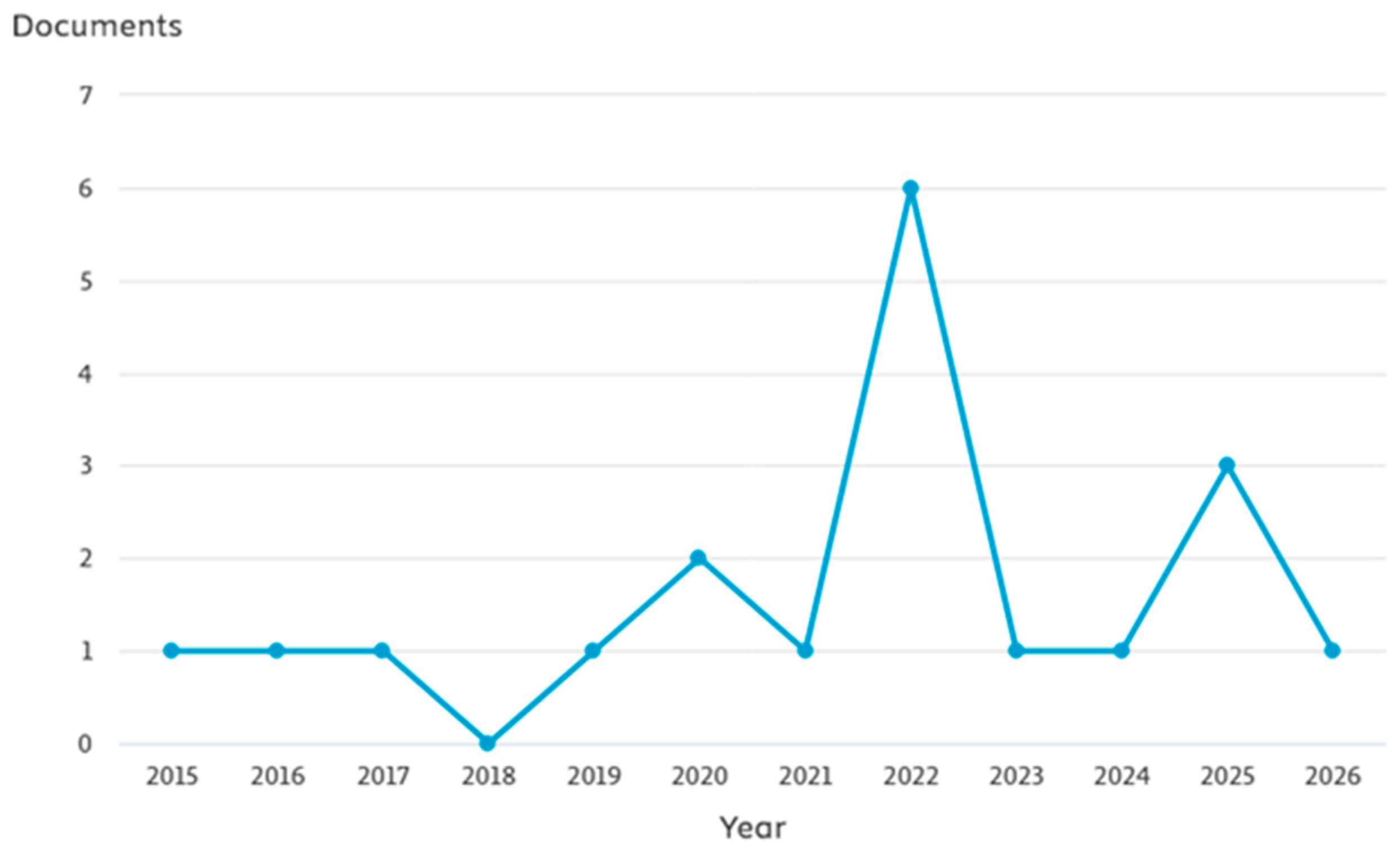
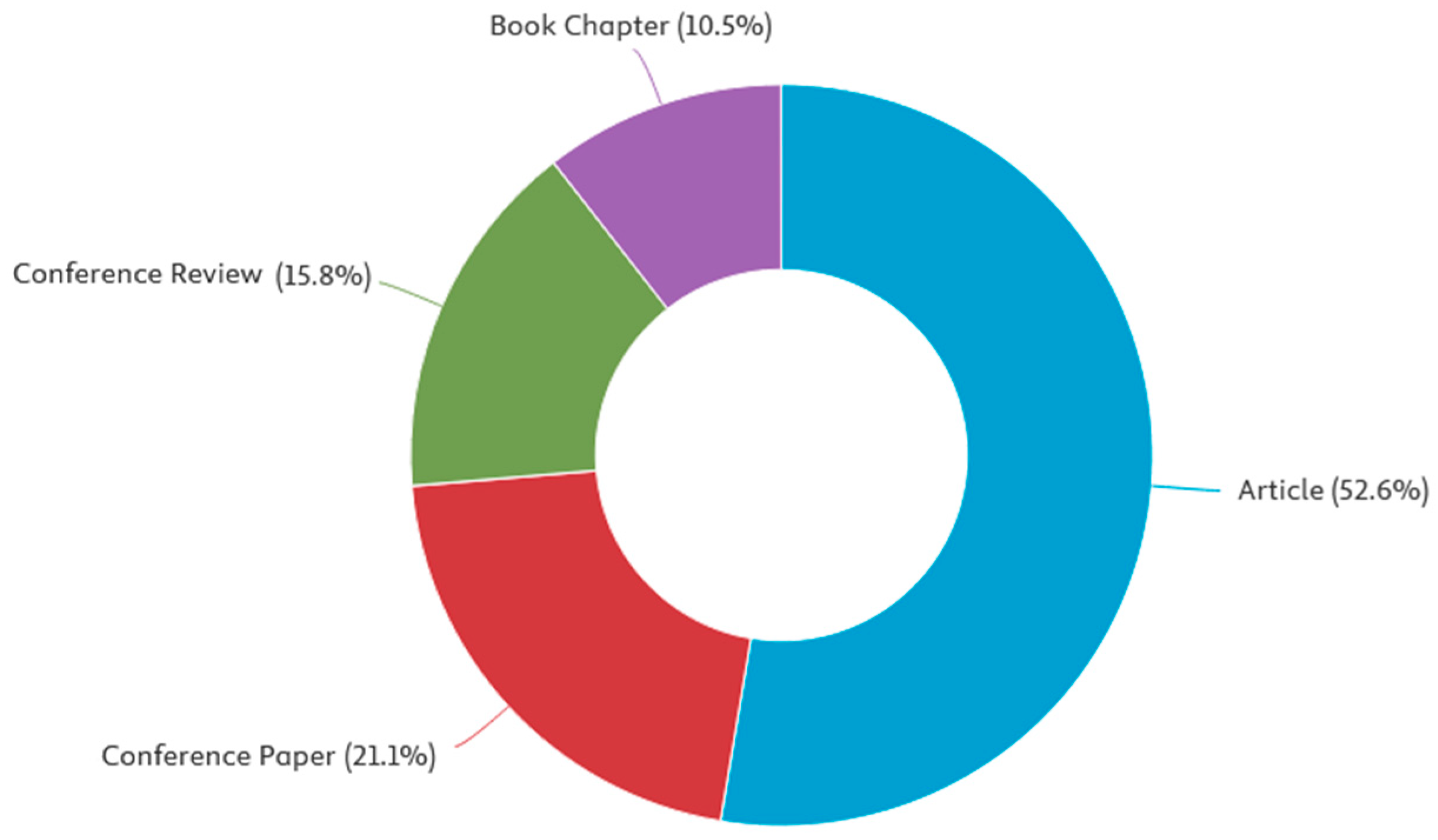
| Leading types of publication | Article (52.60%), Conference paper (21.10%) |
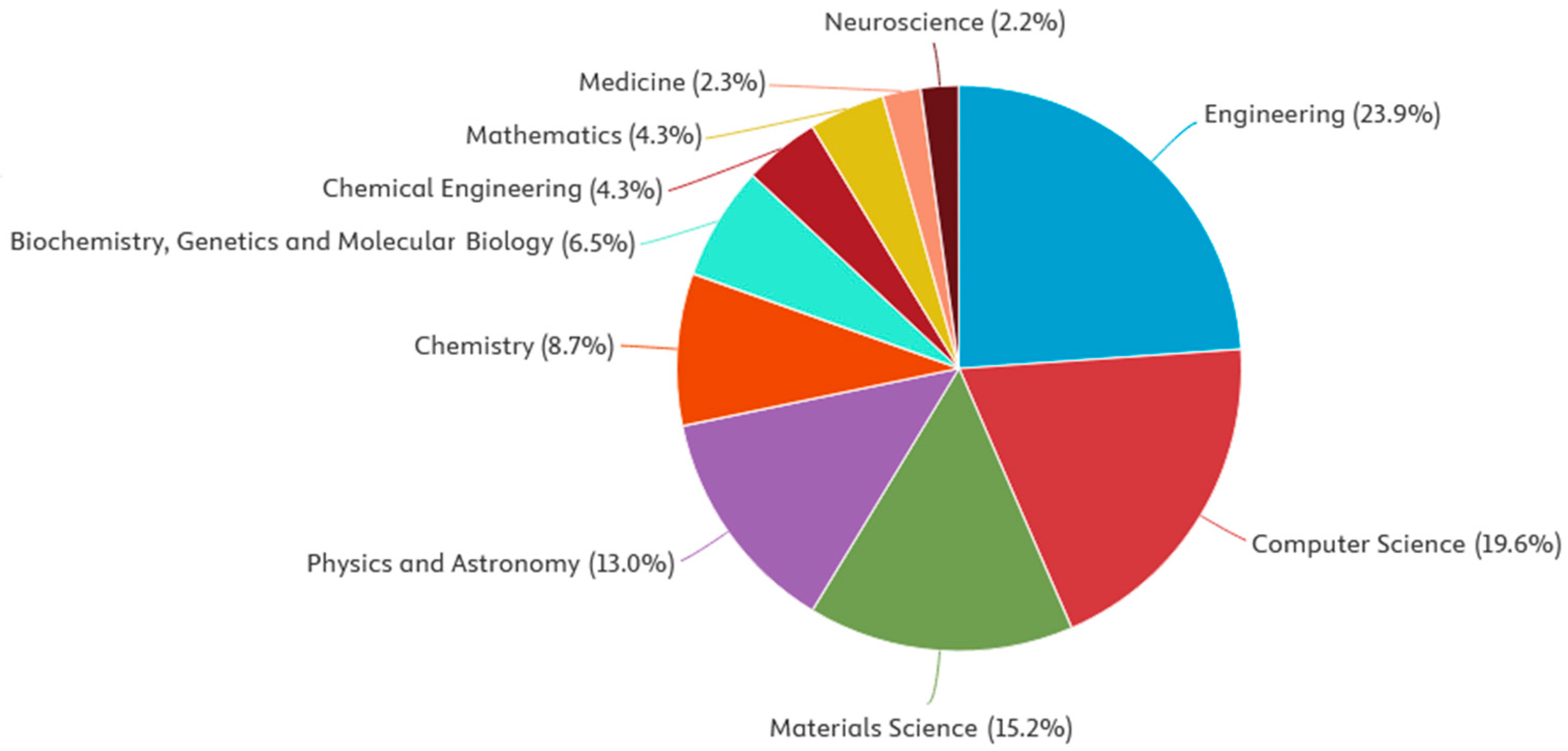
| Leading areas of science | Engineering (23.9%), Computer science (19.60%) |
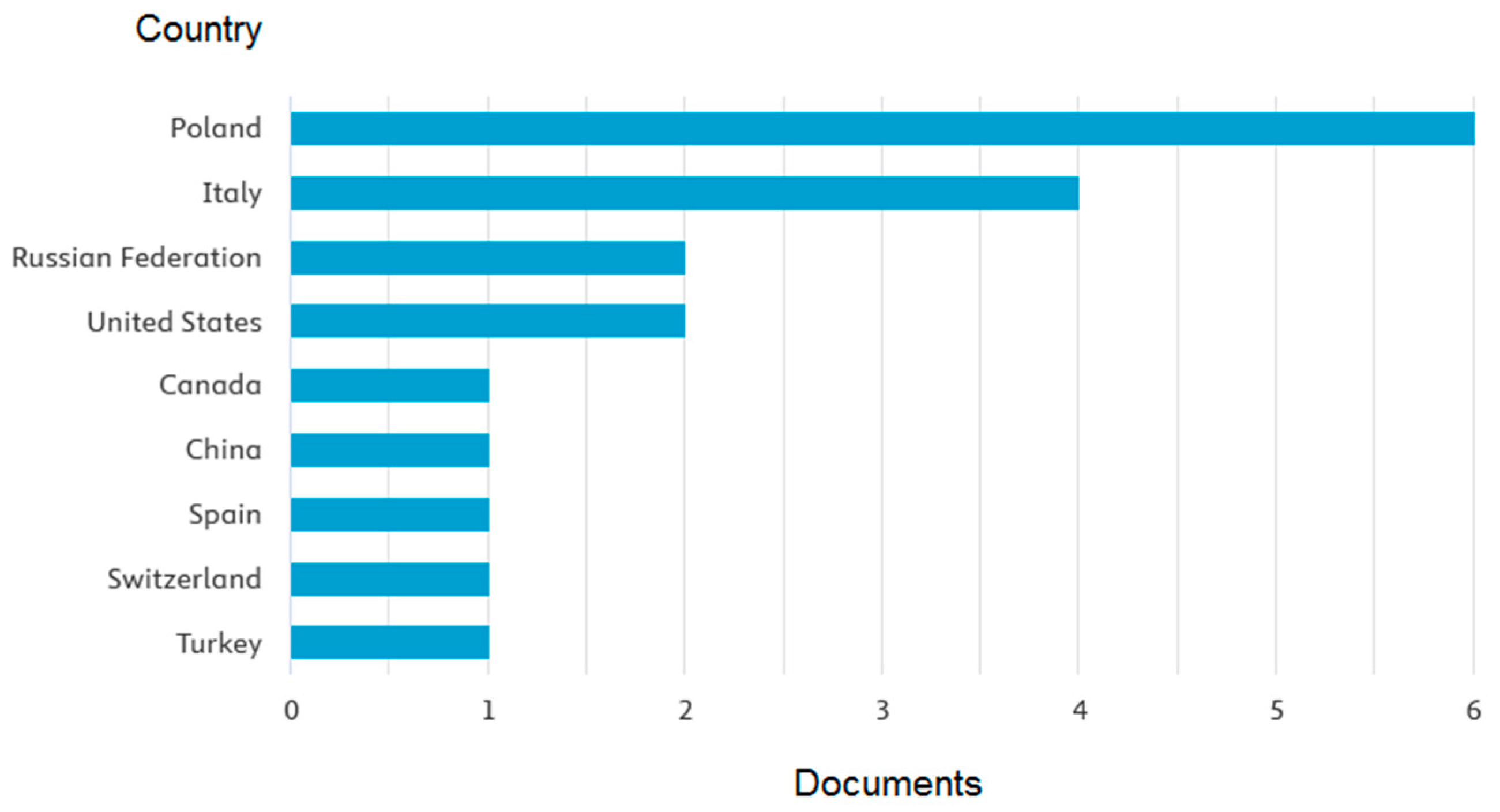
| Leading countries | Poland (6), Italy (4) |
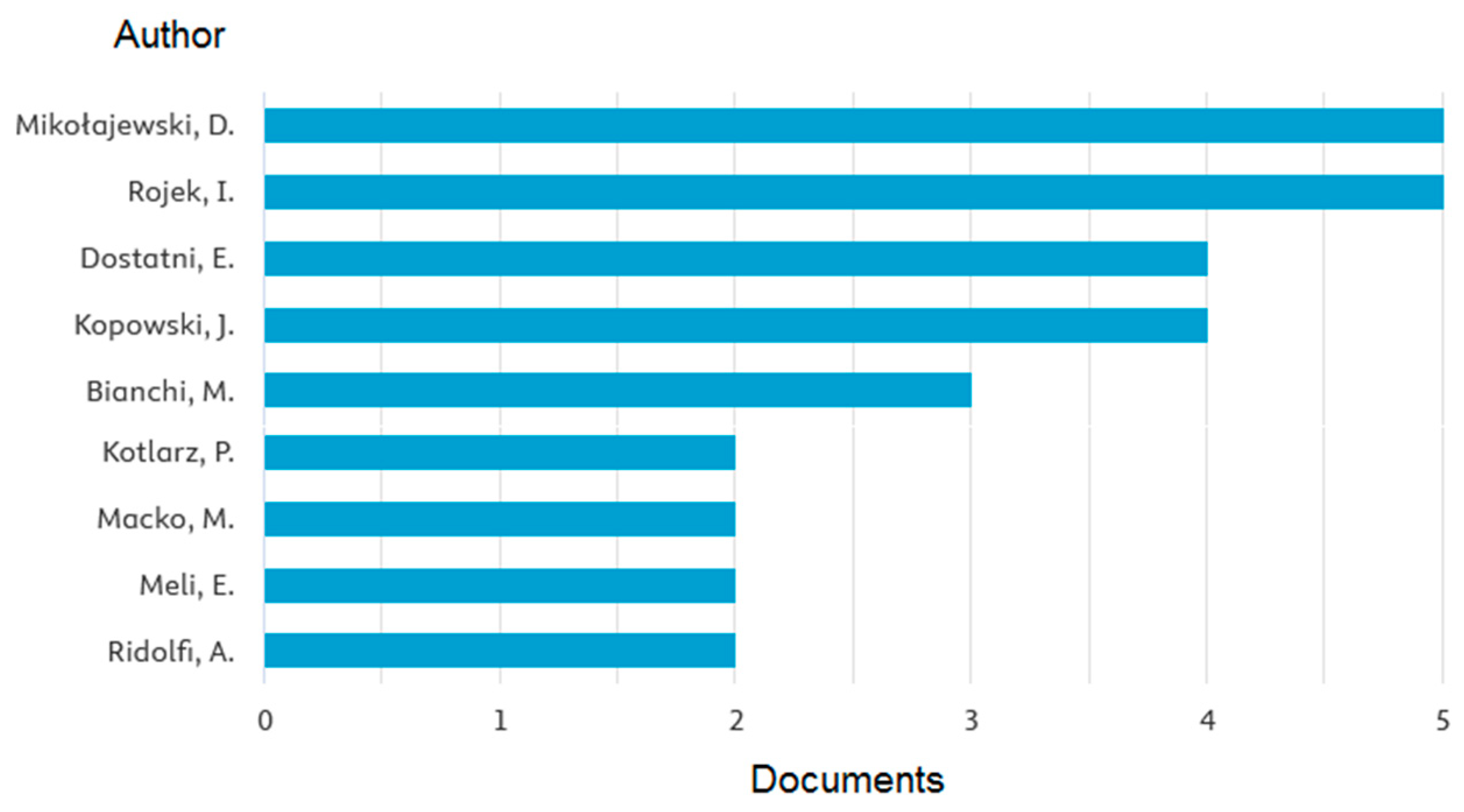
| Leading scientists | Mikołajewski D. (5), Rojek I. (5), Dostatni E. (4), Kopowski J. (4), Bianchi M. (3) |
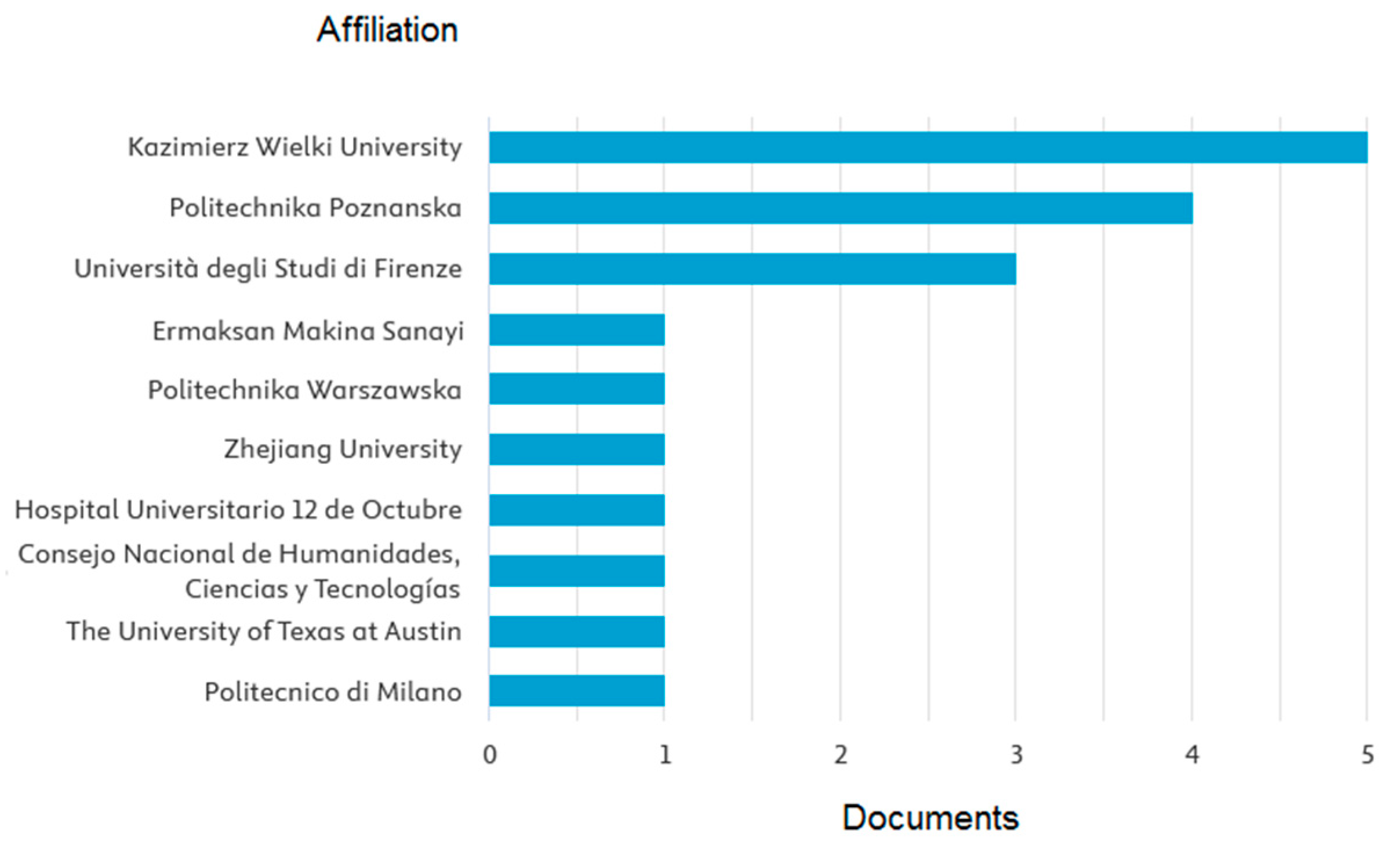
| Leading affiliations | Kazimierz Wielki University (5), Politechnika Poznańska (4), Universitadegli Studi di Firenze (3) |
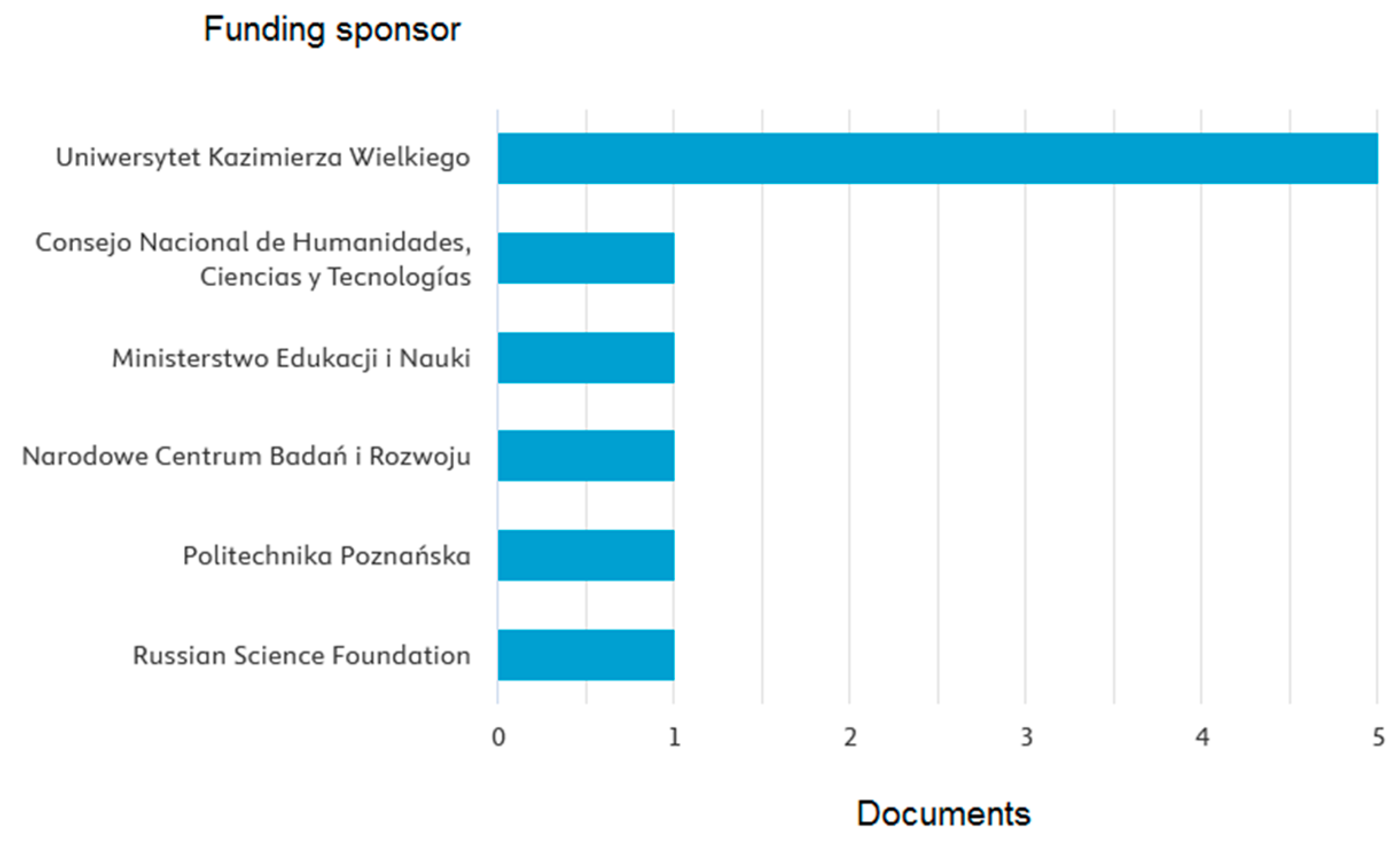
| Leading funders (where information available) | Kazimierz Wielki University (5) |
| Sustainable development goals (SDGs) | Industry Innovation and Infrastructure (5) (only one SDG) |
| Material Category | Specific Materials | Key Properties | Advantages | Disadvantages |
|---|---|---|---|---|
| Thermoplastics (rigid/semi-rigid) | PLA, ABS, PETG | Moderate strength, lightweight, printable at low temperatures | Low cost, easy fabrication, good dimensional accuracy | Limited flexibility, poor fatigue resistance for long-term use |
| Engineering thermoplastics | Nylon (PA), TPU blends | High toughness, wear resistance, moderate flexibility | Durable, suitable for joints and load-bearing parts | Higher printing complexity, moisture sensitivity |
| Elastomers (soft structures) | TPU, TPE, Silicone-based resins | High elasticity, flexible, skin-safe | Comfortable, suitable for soft exoskeletons | Lower load capacity, reduced precision |
| Composites | Carbon fiber-reinforced PLA/Nylon | High stiffness-to-weight ratio | Enhanced strength without excessive weight | Abrasive to nozzles, reduced flexibility |
| Hydrogels | PEG-based hydrogels, GelMA | High water content, soft, biocompatible | Mimic biological tissue, suitable for soft actuators and interfaces | Low mechanical strength, dehydration over time |
| Polysaccharides | Alginate, Chitosan, Cellulose derivatives | Biodegradable, biocompatible, flexible | Safe for skin contact, eco-friendly | Poor structural strength, limited durability |
| Macromolecules/polymers | Polyethylene glycol (PEG), Polycaprolactone (PCL) | Tunable mechanical and degradation properties | Customizable stiffness, good biocompatibility | Often require blending or reinforcement |
| Shape memory polymers (SMPs) | SMP-based PLA, Polyurethane SMPs | Ability to recover predefined shape with heat | Enables adaptive motion and actuation | Slow response time, limited force output |
| Conductive polymers | PEDOT:PSS, Carbon-infused TPU | Electrical conductivity, flexibility | Enables sensing and control integration | Lower conductivity than metals, printing challenges |
| Metal additives (hybrid designs) | Aluminum inserts, Steel pins | High strength and rigidity | Improves joint durability and load-bearing capacity | Increased weight, reduced comfort |
| Bio-inspired/Smart materials | Ionic polymer–metal composites, dielectric elastomers | Actuation capability, soft robotics compatibility | Allows biomimetic movement | High cost, complex control systems |
Disclaimer/Publisher’s Note: The statements, opinions and data contained in all publications are solely those of the individual author(s) and contributor(s) and not of MDPI and/or the editor(s). MDPI and/or the editor(s) disclaim responsibility for any injury to people or property resulting from any ideas, methods, instructions or products referred to in the content. |
© 2026 by the authors. Licensee MDPI, Basel, Switzerland. This article is an open access article distributed under the terms and conditions of the Creative Commons Attribution (CC BY) license.
Share and Cite
Rojek, I.; Kopowski, J.; Osińska, A.; Mikołajewski, D. Material and Technological Optimization of a 3D-Printed Hand Exoskeleton Within the Industry 4.0/5.0/6.0 Paradigms: A Short Review. Appl. Sci. 2026, 16, 1538. https://doi.org/10.3390/app16031538
Rojek I, Kopowski J, Osińska A, Mikołajewski D. Material and Technological Optimization of a 3D-Printed Hand Exoskeleton Within the Industry 4.0/5.0/6.0 Paradigms: A Short Review. Applied Sciences. 2026; 16(3):1538. https://doi.org/10.3390/app16031538
Chicago/Turabian StyleRojek, Izabela, Jakub Kopowski, Agnieszka Osińska, and Dariusz Mikołajewski. 2026. "Material and Technological Optimization of a 3D-Printed Hand Exoskeleton Within the Industry 4.0/5.0/6.0 Paradigms: A Short Review" Applied Sciences 16, no. 3: 1538. https://doi.org/10.3390/app16031538
APA StyleRojek, I., Kopowski, J., Osińska, A., & Mikołajewski, D. (2026). Material and Technological Optimization of a 3D-Printed Hand Exoskeleton Within the Industry 4.0/5.0/6.0 Paradigms: A Short Review. Applied Sciences, 16(3), 1538. https://doi.org/10.3390/app16031538