Article

Gripper Used in an Educational Mechatronic System Used for Characteristics Analysis of the Post-Cryogenic Treatment


by
Edgar Moraru
,
Robert-Valentin Răbuga
,
Cristian-Gabriel Alionte
*,
Eugenia Tanasă
and
Mircea-Iulian Nistor
Department of Mechatronics and Precision Mechanics, Faculty of Mechanical Engineering and Mechatronics, National University of Science and Technology Politehnica Bucharest, 060042 Bucharest, Romania
*
Author to whom correspondence should be addressed.
Appl. Sci. 2026, 16(3), 1385; https://doi.org/10.3390/app16031385
Submission received: 31 December 2025 / Revised: 23 January 2026 / Accepted: 27 January 2026 / Published: 29 January 2026

Abstract

This paper presents a gripper, part of the mechatronic system for positioning a parallelepiped sample from a cryogenic treatment system to the devices for evaluating and investigating the properties arising from the application of heat treatment. The system is part of a complex educational framework that enables students to research the effects of combined treatments, where a component is selectively heat-treated in specific areas using a laser system, followed by cooling the entire component with a cryogenic system. Also, the investigation methodology performed by students is illustrated. The system allows structural changes to be investigated with other methods, and the paper exemplified the analysis of the material using the SEM-EDX and XRD systems.

1. Introduction

1.1. Post-Cryogenic Treatment Optical Characterization

Optical characterization systems are essential for evaluating material properties after thermal processing. The chosen method depends on the sample material, the changes in properties that are expected, and the exact information needed about the thermal history and structural changes. The following is a complete list of the main optical technologies used to analyze post-thermal samples. Spectroscopic absorption and emission techniques are ways to find out how materials interact with electromagnetic radiation. These methods use either the light that a sample absorbs or the light that the sample gives out. These approaches can figure out the molecular and atomic structure of a material, find its structural features, and show how heat treatment changes its properties by looking at various wavelengths and intensities of radiation. For post-thermal characterization of the material, there are absorption-based methods that give us information about its electrical band structure, molecular vibrations, and the properties of its crystal lattice. These methods include UV–visible spectroscopy, Fourier Transform Infrared Spectroscopy (FTIR), and Raman spectroscopy [1]. These techniques determine how much light a sample absorbs at specific wavelengths. Another technique, which uses photoluminescence and luminescence, is emission-based. These methods assess how much light the sample emits, which can reveal defect states, changes in energy levels, and the history of heat treatment.
UV–Visible–NIR spectroscopy constitutes the basis for the optical characterization of thermally processed samples. This technique measures the transmittance and reflectance of samples across the ultraviolet, visible, and near-infrared wavelength ranges. Following thermal treatment, optical band gaps generally move because of structural reorganization and alterations in crystallinity. The approach measures absorption coefficients and can indicate alterations in the fundamental absorption edge, which are suggestive of phase transitions or defect evolution [2]. Fourier Transform Infrared Spectroscopy (FTIR) provides complementary information about molecular structural changes following thermal treatment. FTIR measures infrared absorption in the mid-IR region (typically 400–4000 cm−1), revealing vibrational fingerprints of constituent materials [3].
Raman spectroscopy provides elevated spatial resolution and material specificity for observing post-thermal alterations. The approach examines vibrational modes and can identify even slight structural disorders via D and G band intensity ratios. The Raman optothermal technique, when integrated with temperature-dependent measurements, facilitates the quantification of thermal conductivity by linking laser-induced heating to spectral shifts. This method has been effectively utilized to characterize two-dimensional materials and evaluate the suppression of thermal resistance caused by defects. Raman is very useful for monitoring crystallization processes and distinguishing between amorphous and crystalline phases [4].
One more category consists of methods that involve photoluminescence and luminescence. The quantification of emission intensity, quantum yield, and spectrum characteristics of thermally treated samples can be accomplished using photoluminescence (PL) spectroscopy. Measurements of photoluminescence that are dependent on temperature shed light on the development of defect states, exciton dynamics, and radiative and nonradiative recombination mechanisms [5]. The technique is nondestructive and provides rapid feedback on the success of thermal processing—for instance, quantum dot films exhibited enhanced emission intensities following 180 °C annealing, indicating defect passivation through thermal treatment [6].
Total photoluminescence (TPL) spectroscopy is an extension of traditional photoluminescence (PL) that maps the intensity of emission and the quantum yield over all possible combinations of excitation and emission wavelengths. This delivers an unprecedented level of detail on temperature-induced spectrum changes. This cutting-edge method discloses the wavelength-dependent temperature impacts on fluorophore optical characteristics, which enables the rational design of photoluminescent materials that are either thermally stable or temperature-sensitive [7].
In addition, the ellipsometry- and polarization-based optical methods are potential candidates for inclusion in a different category. Spectroscopic Ellipsometry (SE) is a technique that allows for the non-destructive assessment of refractive index, extinction coefficient, and layer thickness. It does this by measuring the fluctuation in the polarization state of light that has been transmitted or reflected. In contrast to transmittance and reflectance measurements, which record the absolute intensity, the dual-parameter technique (Ψ and Δ) utilized in ellipsometry offers sufficient information to directly extract optical constants without the need for Kramers–Kronig relations. SE is especially useful for the characterization of thin films after annealing, which is a process in which minute changes in optical characteristics need to be quantified with a high degree of accuracy. Measurements made using an atomic force microscope (AFM) are complemented by this method, which can be paired with suitable optical models to characterize intricate layered structures [8]. Transmittance and Reflectance spectroscopy is a technique that directly measures the percentage of light that is either transmitted through or reflected from a sample over a predetermined range of wavelengths. Changes in optical transmission windows, interference effects, and the position of absorption edges are revealed by these measurements after heat treatment has been applied [9].
STOP Analysis, which is an integrated multidisciplinary technique that forecasts changes in system performance as a result of thermal loading, is a technique that combines structural deformation prediction, optical ray-tracing, and finite element thermal analysis. STOP Analysis is an acronym that stands for Structural–Thermal–Optical–Performance Analysis. In the beginning, the STOP analysis was developed specifically for use in optical systems used in flight. In addition to evaluating wavefront deterioration and mapping temperature gradients onto structural meshes, it also anticipates the deformation of optical elements. In spite of the fact that it is generally used for optical systems that are already in operation, the approach provides a foundation for understanding the fundamental ways in which heat treatment affects optical performance through the utilization of refractive index gradients and geometric distortion [10]. The Thermo-Optical Oscillating Refraction Characterization (TORC) methodology is a specialized method that involves the application of minimal sinusoidal temperature modulation (with an amplitude of around 0.1 K) to a sample, followed by the measurement of the refractive index modulation that is produced as a result. TORC can ascertain the temperature dependence of the refractive index (dn/dT), the coefficient of thermal expansion, and the phase transition temperatures by utilizing the amplitude and phase shift in the optical response. The technique is especially useful for determining the thermal transitions and glass transition points that occur in the post-processing of materials [11]. The way of conducting research that is known as Microscopy-Based Optical Characterization is an investigation that is of great assistance. High-resolution surface morphology can be obtained using scanning electron microscopy (SEM), which exposes the microstructural changes that are brought about by the application of thermal treatment. The characterization of samples that have been thermally annealed using a scanning electron microscope reveals grain development, particle coalescence, the production of crystalline phases, and the evolution of surface roughness. SEM is a technique that exploits electron-optical principles and can be combined with elemental analysis (EDS) and thermal stages for in situ research of annealing effects [12]. Using Atomic Force Microscopy (AFM), it is possible to perform nanoscale topographic mapping with a vertical resolution of less than an angstrom. This allows for the visualization of surface roughness, grain boundary structure, and variations in mechanical properties across annealed materials. Temperature-sensitive probes are incorporated into advanced AFM modes, such as scanning thermal microscopy (SThM), in order to assess the local thermal conductivity and temperature distribution on sample surfaces. To offer a full assessment of the ways in which thermal treatment alters both surface structure and mechanical responsiveness, the combination of AFM topography and mechanical property measurements using contact resonance AFM is utilized [13].
Methods of structural diffraction constitute another field of investigation. In the field of post-thermal characterization, X-ray diffraction (XRD) is considered a fundamental technique since it allows for the non-destructive identification of crystalline phases, the measurement of crystallite size, and the evaluation of residual strain and preferred orientation (texture). A distinct diffraction pattern is generated by every crystalline phase, which acts as a fingerprint for the purpose of phase identification using database matching (either the ICDD PDF-2 or COD databases). When applied to materials that have been subjected to heat processing, X-ray diffraction (XRD) exposes phase transformation sequences, grain development rates, and the degree of crystallinity. This information is essential for comprehending how thermal processing influences the structure of the material [14]. The technique can be extended to High-Temperature XRD (HT-XRD) for in situ monitoring during or immediately following thermal cycles at temperatures of up to 1600 °C [15].
There are further specialized optical techniques that can be described. After annealing, photothermal methods, such as photothermal beam deflection (PTBD) and photopyroelectric (PPE) techniques, are ideally suited for the purpose of characterization of samples that are highly scattering or optically opaque. When using these techniques, a pump laser is used to heat the sample, and a probe laser is used to detect changes in the refractive index of the sample or the medium that is near to it. It is typically challenging to directly evaluate qualities like thermal diffusivity, optical absorption, and refractive index on specimens that are difficult to define. The signal that is produced as a result provides quantitative information on these properties [16].
Optical absorption spectroscopy is a technique that analyzes the absorption edge and Urbach slope parameter to precisely assess the evolution of the optical band gap after thermal treatment. When it comes to phase-change materials and semiconductors, this spectroscopic method is particularly useful since heat annealing causes crystallization and, as a result, changes in the structure of the electronic band. Using typical changes in absorption profiles, the method can quantify the degree of structural order and differentiate between amorphous and crystalline phases [17].
Utilizing temperature-dependent emissions from luminescent nanothermometers, Luminescence Thermometry is a technique that allows for the remote evaluation of thermal distribution and thermal history in materials. Temperature-sensitive luminous materials, such as quantum dots and rare-earth-doped phosphors, display spectral shifts and intensity changes that relate to temperature. These materials, when paired with machine-learning methods, make it possible to perform non-invasive thermal readouts and three-dimensional thermal imaging [18].
The selection among these optical systems depends on several factors, such as sample transparency (highly absorbent or opaque samples require ellipsometry, PTBD, or Raman spectroscopy rather than transmission measurements), property investigation sought (phase identification uses XRD, surface morphology uses SEM or AFM, optical constants use ellipsometry, or thermal history can use FTIR or TORC), spatial resolution (microscopies techniques such as SEM, AFM, or optical systems provide micrometer-to-nanometer resolution, while spectroscopy integrates over larger sample volumes), measurement environment (some techniques such as Raman or luminescence tolerate room-temperature air, while others such as ellipsometry or FTIR may require vacuum or controlled atmospheres) and sample preparation (XRD, Raman, and many spectroscopic methods require minimal sample preparation, whereas some optical techniques may demand specific substrate geometries or polished surfaces).

1.2. Educational Mechatronic System

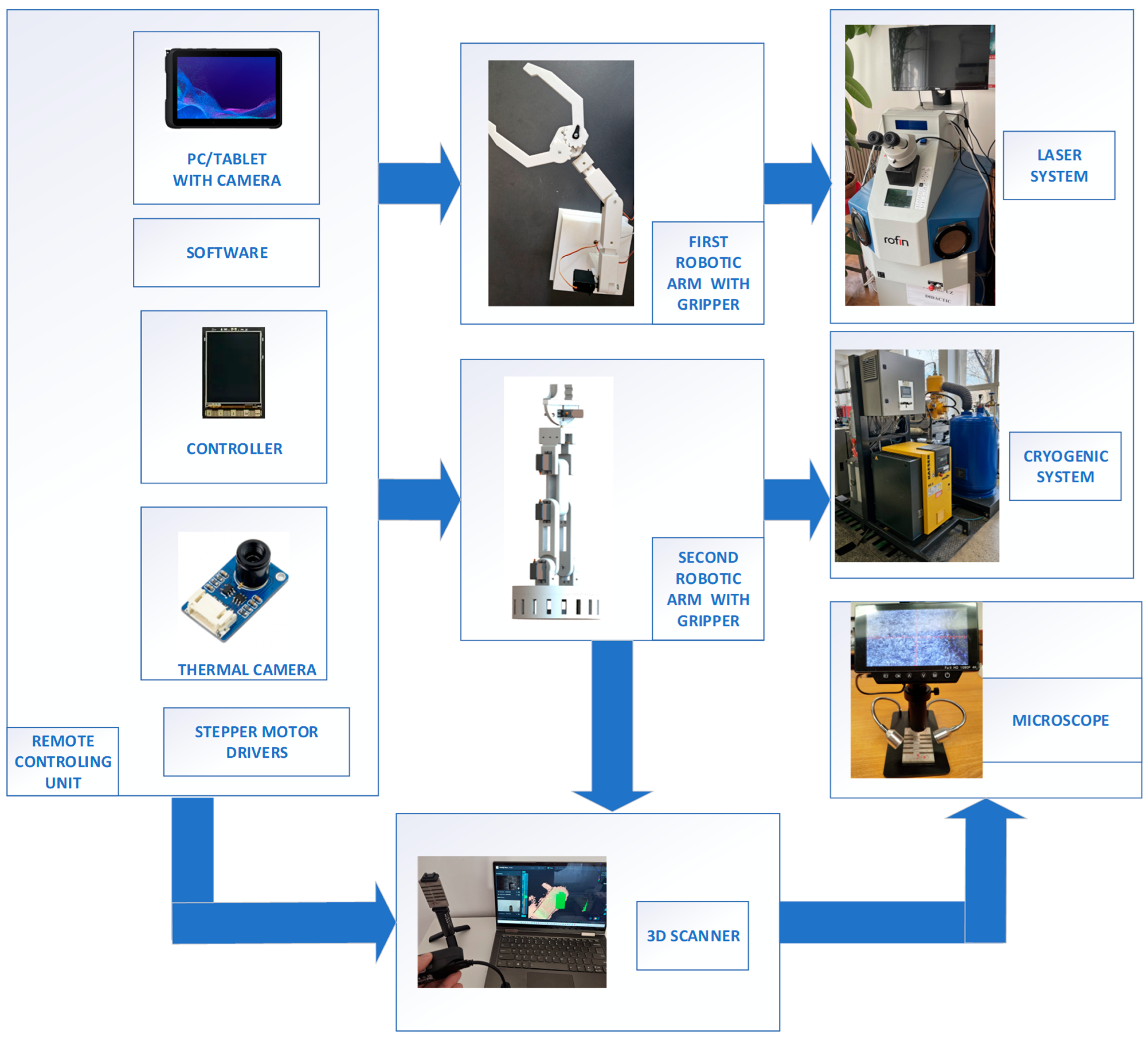
The mechatronic system is instructional and designed for students. They must manage the samples securely and employ non-invasive methods to examine the characteristics of the materials analyzed, which have been altered through thermal treatments and are comprehensible to individuals with average expertise. Another objective is to explore the diverse materials subjected to heat treatments with more sophisticated and costly procedures. In Figure 1, the proposed system can be seen, comprising a remotely operated robotic arm that facilitates remote temperature monitoring of the examined sample utilizing an MLX90640 thermal imaging camera equipped with an infrared sensor compatible with Raspberry Pi, Arduino, and STM32 controllers (manufactured by Melexis Technologies NV (Ieper, Belgium)). The camera facilitates measurements between −40 °C and +300 °C, encompassing 768 measurement points. The sample, digitized with a 3D scanner (CR Scan Ferret, produced by Creality (Shenzhen, China)), undergoes heat treatment with the technique described in article [19] within a virtual world that includes both the robotic arm and the sample. The sample is manipulated by a robotic arm solely when its temperature permits. The students will utilize a controller (Unihiker-DFR0992 manufactured by DFRobot (Shanghai, China)), enabling touchscreen functionality to operate the robot and monitor temperature.
The students will examine samples with a Hayear HY-1080 digital microscope (Shenzhen Hayear Electronics Co., Ltd., Longgang District, Shenzhen, China) with a magnification of 2400× for preliminary analysis. The sample is subsequently scanned again for examination with FEM analysis software systems (Autodesk Fusion 2605.1.39).
The treated samples facilitate subsequent analysis such as SEM-EDX and XRD, as demonstrated in the concluding section of this article.

2. Materials and Methods

2.1. Gripper Used in Educational Mechatronic System

A key component of the robotic positioning system is the gripper, which is required to secure the heat-treated object. It must contain some active methods for orienting the transported object to specific spatial positions indicated by the necessities of the thermal processing systems. Before providing alternatives, it is vital to examine the grippers that can be utilized in thermal processing or in hazardous or unconventional environments.
Following that, we will perform a bibliographic analysis of grippers utilized in many fields, since they may be modified for our application. To comply with the safety regulations in the educational environment, it was determined that sample handling would occur only once the processed item had attained a standard temperature that did not necessitate special handling circumstances. Nonetheless, we must permit the system’s use even when safety criteria are satisfied and the components can be managed by persons specifically educated for this task.
Yifeng G. [20] divides object manipulation into several categories and subcategories: object interactions without grasping (locomoting into an object—pushing; imparting an impulse—kicking, non-prehensile lifting), manipulation with walking legs (grasping with a single leg, multi-legged grasping, whole-body grasping), dedicated non-locomotive arms, and legged teams for manipulation. Three primary challenges that apply to various forms of legged robot manipulation in open environments are outlined and condensed: using multifunctional arms or legs, navigating difficult terrain, and employing learning-based control for arm displacement. The first type can easily change its limbs to function as both legs and arms, and it can utilize all possible movements more effectively in any unpredictable environment. The second type can be especially valuable in hazardous or unstable environments that are unsuitable for humans, such as search and rescue tasks in natural disaster scenarios, remote sample collection, or habitat construction for space exploration missions. The last type, model-based control methods for real-time planning, faces the challenge of overcoming high computational costs due to its extensive degrees of freedom. Although the article refers to walking robots, their prehension and manipulation systems can be generalized to a wider scale of robots and robotic systems.
In his article, Jiawei M. [21] focuses on the capabilities of airborne robots of handling objects. He studies both grasping and manipulation mechanisms. The first device category must be easily portable, light in weight, and capable of being mounted on various aerial platforms. Most of the grippers analyzed are underactuated and flexible. Grippers with fixed joints have lower grasping efficiency compared to aerial grippers with flexible joints. The second category is used mostly with helicopters and multicopters because of their stable flight and ability to hover and approach targets slowly for capture.
Mazzeo A. [22] conducted widespread research on grippers used in submersible robots. In the case of the topic addressed by our work, this study is useful because the parts have wet surfaces and low temperatures. The complexity of achieving the necessary level of dexterity to control the manipulators increases the operator’s workload. This analysis by Mazzeo A. focuses on the grippers and tools typically utilized in underwater sampling procedures. In this examination, the development stages of underwater grippers and the types of grippers used for marine sampling are examined. The studied gripper prototypes were categorized into models that were tested in a lab tank to validate and test the proposed technology, providing an initial level of confidence for future development; models that were evaluated in pools or shallow sea water; and models that were ROVs: a prototype of the technology, very similar to the final version, was tested in the deep sea by incorporating it into a remotely operated vehicle. The grippers used under water are used mainly for sampling. Another classification criterion uses the following categories: grippers, known as the end-effectors of manipulators, which are utilized specifically for obtaining samples; tools for sampling that are controlled by the gripper and expand its capabilities for operation; and storage systems. After analyzing the reviewed systems, the authors discovered four types of manipulator claws, five types of sampling equipment, and four types of storage systems.
Baohua Z. [23] is analyzing several types of grippers used in agriculture. Those types are intriguing for the purpose of this research because they must overcome the task of transporting objects with different morphologies. The authors state that recently, different types of grippers have been installed on agricultural robots to enable them to grasp food and agricultural products. In agriculture, the need for grasping is increasing compared to industrial grasping because many food and agricultural products are delicate, prone to damage, sticky, and slippery. The grippers’ classification strategies encompass the quantity of fingers, actuation methods, gripping modes, mechanism types, and physical gripping principles. Robotic grippers can be categorized into four main types based on the number of fingers they have—two-finger, three-finger gripper, four-finger gripper, and anthropomorphic hand. Based on the methods of operation, robotic grippers can be categorized as vacuum grippers, magnetic grippers, hydraulic grippers, pneumatic grippers, and electric grippers. Based on the gripping modes, the following types have been found: internal, external, and external–internal. Grippers can be classified into five main categories based on their mechanism types: screw-driven, rack and pinion, cam and follower, rope and pulley, and worm gear. Based on how they work, grippers can be divided into four main groups: impactive, ingressive, astrictive, and contigutive. Based on physical operation principles, there are effects: penetrative, restrictive, and continuous.
Bajaj N. M. [24] classifies artificial grippers by degrees of freedom, type of mechanism (serial, parallel, or hybrid), and method of actuation (passive, body-powered, or actively actuated). Despite differences in looks and structure, many grippers aim to accomplish comparable goals. In other words, devices must be created to allow spherical rotational movement, which requires the axes of rotation to have several degrees of freedom that either intersect or have minimal distance between them. The end-effector typically achieves straight movements through the use of joints located near the base of the arm.
Hernandez J. [25] instead describes in detail the different types of gripping and handling systems used for robotic positioning systems. They divide these systems into three categories: completely constrained grippers, underconstrained grippers, and deformable grippers. The grippers from the first category can generate higher forces, making them ideal for tasks that involve moving large objects, even over 10 kg. The grippers from the second category provide an equilibrium of flexibility and durability. Having inflexible joints allows it to withstand heavy loads (up to 5 kg) while conforming to the shapes of various objects. The grippers from the third category cannot generate significant force (they can carry loads up to a few kilograms). They adapt to the shape of the item, even if it is irregular. This classification includes items with irregular shapes.
Birglen L. [26], following a statistical examination of the data collected on grippers, showed that it seemed there are many grippers available on the market, and most of them have comparable features, like a short stroke and restricted force. The significant gap between the average and median values of various specifications emphasizes the strong focus on lower values in the spectrum. Ultimately, when looking at these current products alongside the demands of new robotic systems, it becomes clear that there is a necessity for creating innovative products that are more adaptable and lighter in weight. As an example, the gripper presented by Bevin P. M. [27] can be used. It is an origami-like system that can manipulate objects with dimensions varying between 40 mm and 170 mm and with masses between 50 g and 323 g.
In this section, grippers that can be used in extreme situations were analyzed to find a viable model. No such model was found, so this section is used to demonstrate that there are no such systems that can be used at the same time for two situations in opposing extreme situations: very high and very low temperatures.
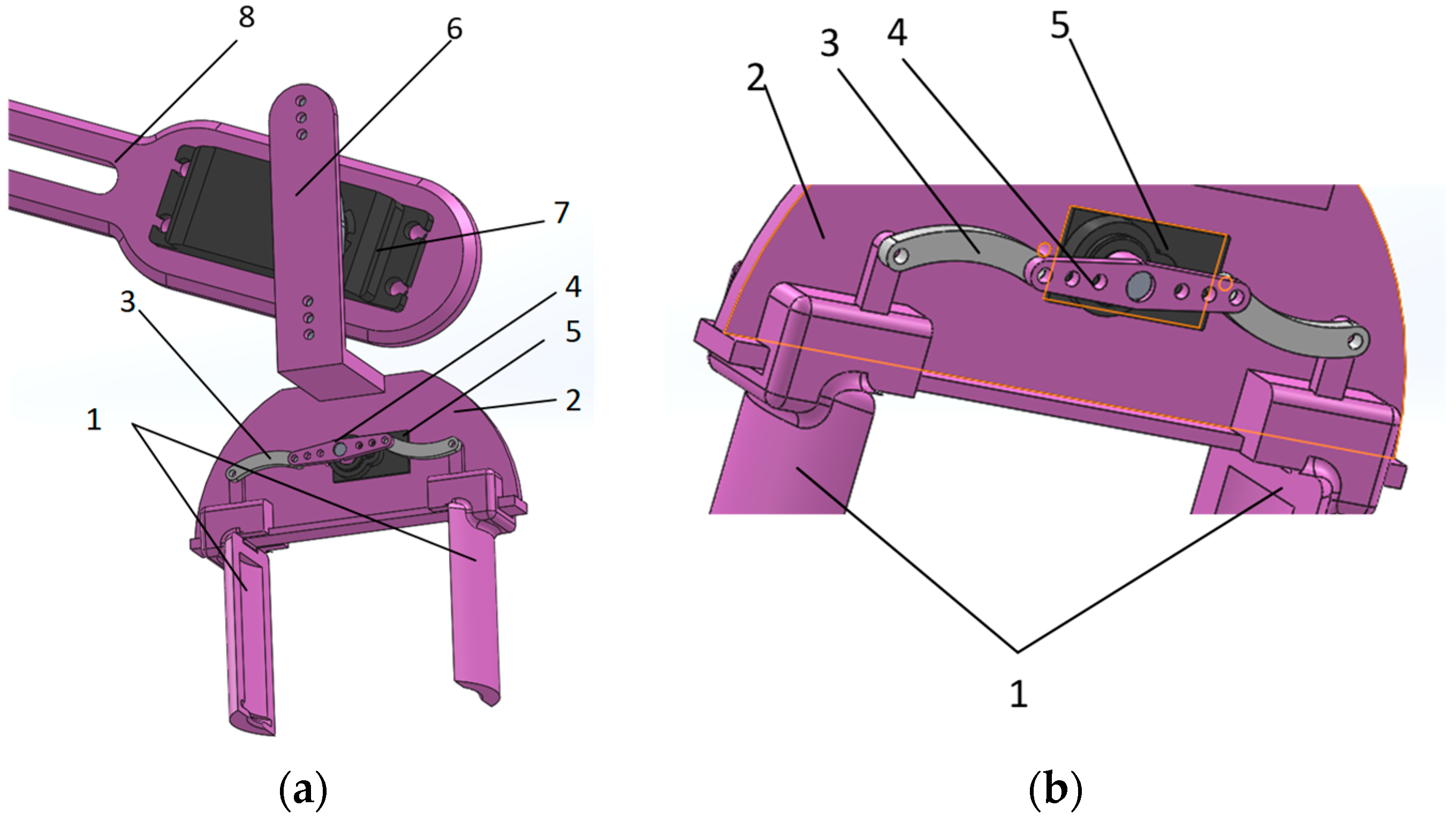
Starting from the analysis presented before, a gripper has been developed, and as can be seen in Figure 2, the designed gripper has the following elements: fingers with a translational movement on the fingers (1), base of the gripper (2), gripper arm (3), part for transmitting the rotation of the motor to the gripper arm (4), and stepper motor (5). The gripper has a rotational movement with element (6) under the action of motor (7) with respect to arm (8).
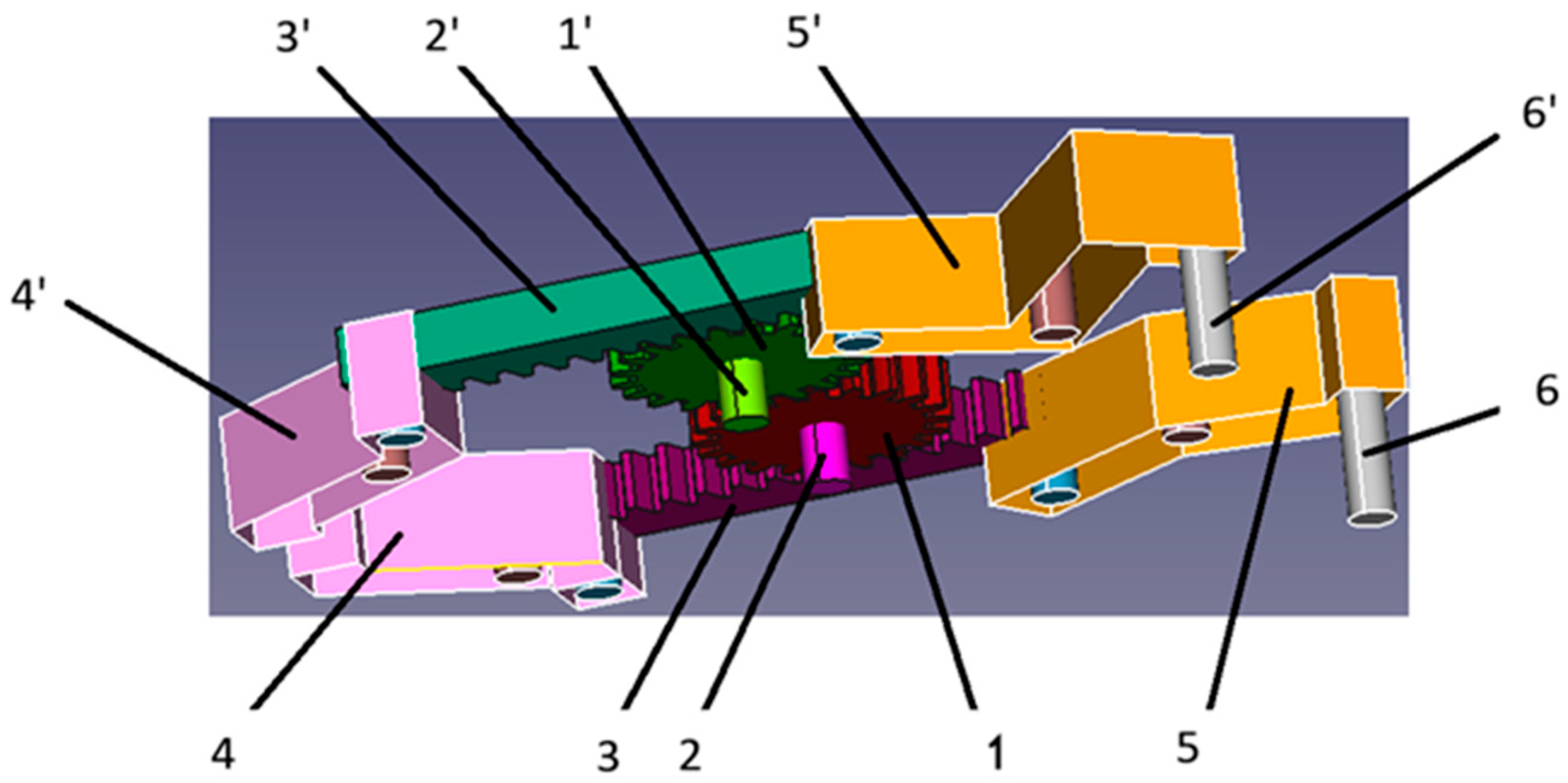
The second gripper, presented in Figure 3, was designed based on the studies performed by Grămescu B. [28].
It consists of two parts, one that will transport objects at high temperatures and the other that will transport objects with very low temperatures. The actuation is performed with an electric motor connected to the motor shaft 2. The motor gear 1, assembled on the motor shaft 2, transmits the movement simultaneously to the rack 3 and to the driven gear 1′. This is mounted on the driven shaft 2′ and will transmit the movement to the rack 3′. The hot item grips (4 and 4′) are mounted at the opposite ends of the racks 3 and 3′ from the very low temperature grips (5 and 5′). These are provided with longer gripping elements, symbolized in Figure 3 by gripping pins 6 and 6′, to enable the gripping of objects from containers of cryogenic fluids.
It was decided to use this type of gripper so that the very large temperature differences affect both the handled parts and the gripper itself as little as possible. We can use materials with low thermal conductivity that can also withstand the imposed stresses to build the grab. Using a single gripper for both types of surfaces (with very high temperature and with very low temperature) allows a single robotic arm to be used for both types of research, reducing the space, time and cost of handling. It also increases safety and reduces human error because operator intervention is reduced to a minimum.
From the multitude of constructive solutions researched during the documentation period, it was decided to use an electrically operated gripper and a transmission with gear wheels because both the position and therefore the clamping precision, as well as the clamping force, can be controlled very precisely. This feature is useful because objects with high temperatures have less hardness and could be deformed if their grip is not performed in optimal conditions. In addition, objects with very low temperatures can become brittle and dislodge during handling.
The geometry, the actual dimensions, and the materials to be used require further research, and the strength of the component elements, especially the gears, must be studied using the method described by Ciobanu R. [29].
When considering laser heat treatment, such as laser hardening or annealing, specific advantages can be highlighted: ultra-high locality (selectivity), treatment of hard-to-reach areas, obtaining unique structures, integration into digital production and so on [30,31]. Cryogenic treatment, in turn, increases the hardness, wear resistance and strength of materials due to deep freezing, removing internal stresses [32].
Both methods are ecological, automated, and effective, being modern methods of changing the properties of materials that often complement each other and can even be used together. Traditional combined heat treatments are already successfully used to improve the material structure [33,34,35,36].
In the following chapters, we proposed a case study that permits the illustration of the possible investigation of the influence of cryogenic treatment on the resulting characteristics. Specimens of an aluminum alloy were treated in a cryogenic atmosphere in four different regimes and then compared with a control (untreated) sample.

2.2. A Study Case Regarding the Investigation of the Influence of Cryogenic Treatment on the Resulting Characteristics

In this study, the key requirements for the operation of robotic handling systems in cryogenic conditions are highlighted. The application components, such as samples, can be exposed to temperatures as low as −196 °C. Under these conditions, standard aluminum alloys are more likely to become dimensionally unstable and undergo a transition from ductility to brittleness, in which the material becomes less ductile until it becomes brittle [37]. As a result, material selection and the evaluation of microstructural stability under cryogenic stress conditions become imperative. This research evaluates whether heat treatment can stabilize the microstructure of the AW-2007 aluminum alloy and improve its reliability for precision robotic components. The material used for this study is the AW-2007 aluminum alloy. It is known for its frequent use in manufacturing due to the mechanical strength provided by the copper alloy and lead content. This alloy is often selected when it is necessary to have a favorable combination of machinability and high mechanical properties [38]. Table 1 shows the actual chemical composition of the AW-2007 aluminum alloy measured experimentally by EDX.
The samples were subjected to a controlled heat treatment protocol. The procedure consisted mainly of
I. Preparatory stage
(a)
Determination of the initial condition of the tested samples.
(b)
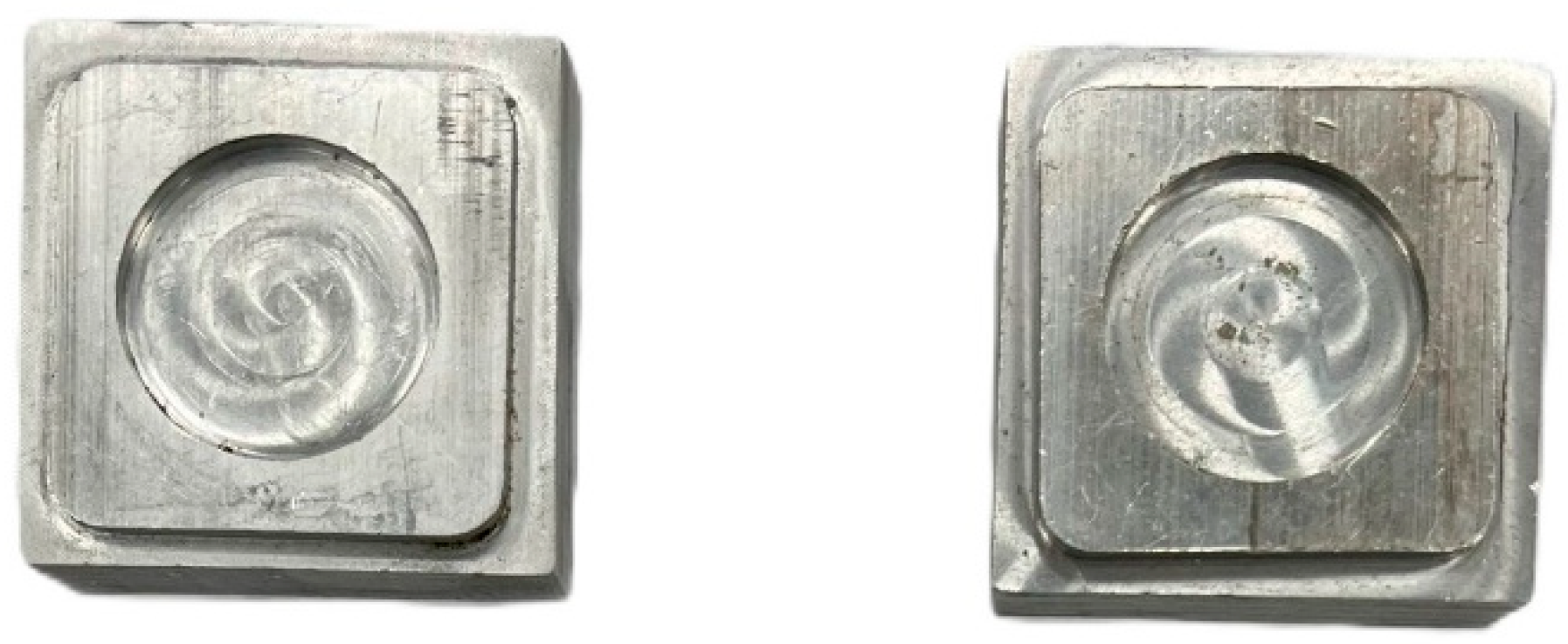
Cleaning, preparation of samples, and re-checking the surface of the tested samples (Figure 4).
(c)
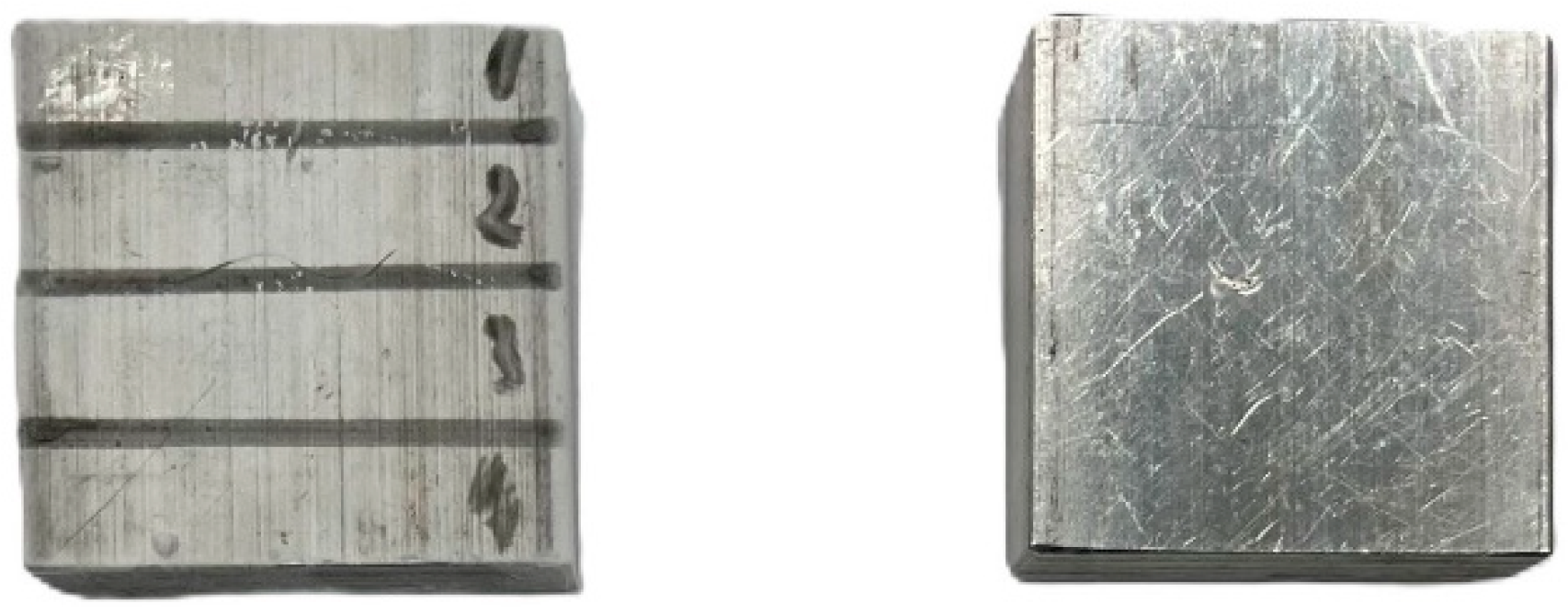
Determination of the study and testing regions for tracking reference (Figure 5).
(d)
Correctly labeling and classifying the samples.
II. Testing stage
Testing under cryogenic conditions was performed as follows: The declared (labeled) samples are tested in aging cycles in a cryogenic atmosphere by completely immersing the sample in liquid nitrogen (−196 °C) for a specified time (15 min/cycle). The return to atmospheric conditions is performed in a controlled manner by extracting the sample and storing it in a desiccator. The condition after the test is then evaluated.
The procedure involved immersion, which is the direct submersion of samples in a bath of liquid nitrogen (LN2), and soaking: samples were kept at −196 °C for four different durations to evaluate any time-dependent effects.
A total of 4 specimens were investigated, starting with 15 min immersion (L1), 30 min immersion (L2), 45 min immersion (L3), and, finally, 60 min immersion (L4) in a cryogenic atmosphere, all compared to the untreated control sample (L).
The aluminum alloy specimens, approximately 50 × 50 mm in dimensions and 20 mm in thickness, were obtained from the same raw material. The metallographic procedure for the samples comprises two stages. The first step involves mechanical polishing, during which the samples were abraded using various grit sizes (ranging from 320 to 2500) and subjected to a 90-degree rotation at each stage to guarantee comprehensive surface coverage. The subsequent phase involves chemical etching, utilizing Keller’s reagent to elucidate the microstructure and grain boundaries.
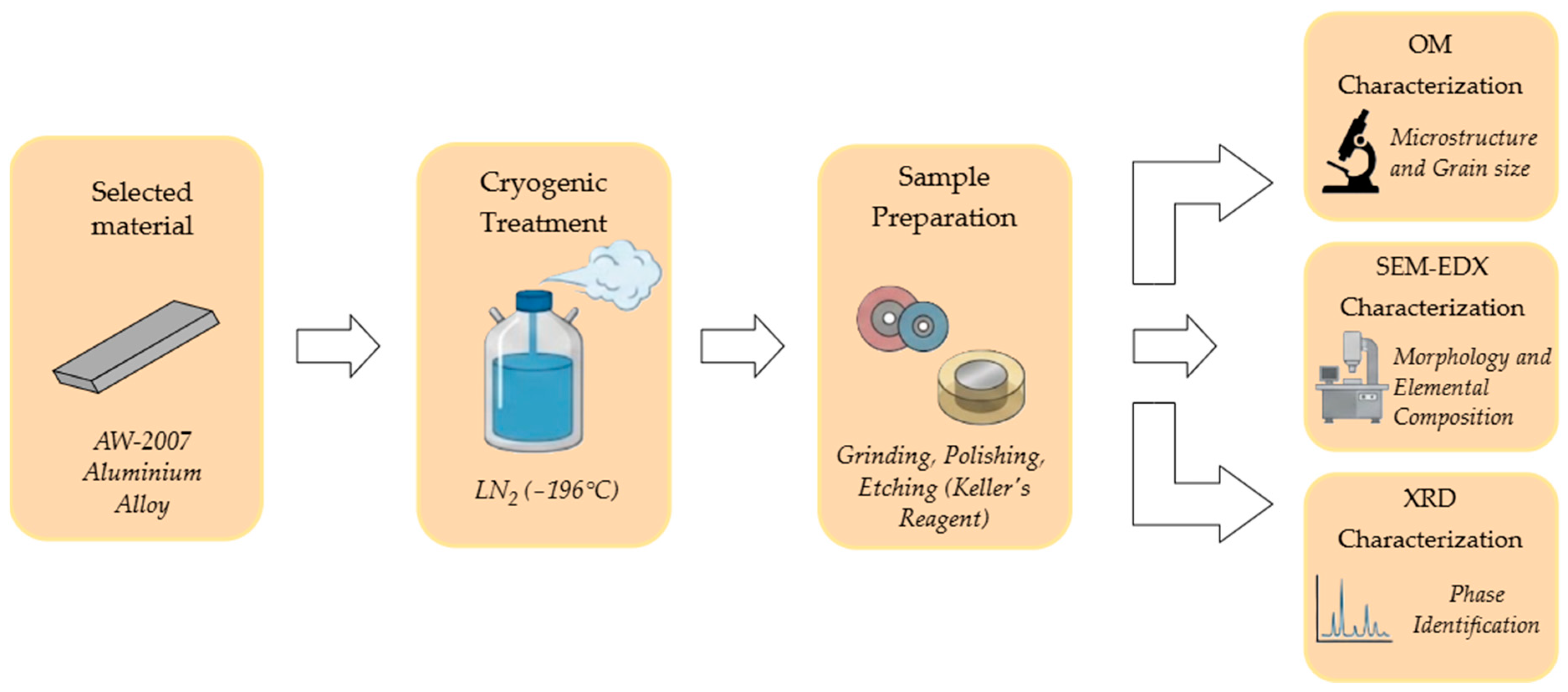
The analysis aims to examine the microstructure and composition of the AW 2007 aluminum alloy using scanning electron microscopy (SEM) and energy dispersive X-ray (EDX) spectroscopy to detect alterations resulting from the cryogenic heat treatment conducted at various phases. A scanning electron microscope (SEM) was utilized for microstructural examination. A voltage of 30 kV was selected to optimize the excitation of heavy elements (Cu, Pb) for precise compositional representation. Furthermore, the XRD (X-ray diffraction) method was employed to examine the impact of cryogenic treatment on the phases and crystalline characteristics. Figure 6 illustrates the schematics of the investigative process.

3. Results and Discussion

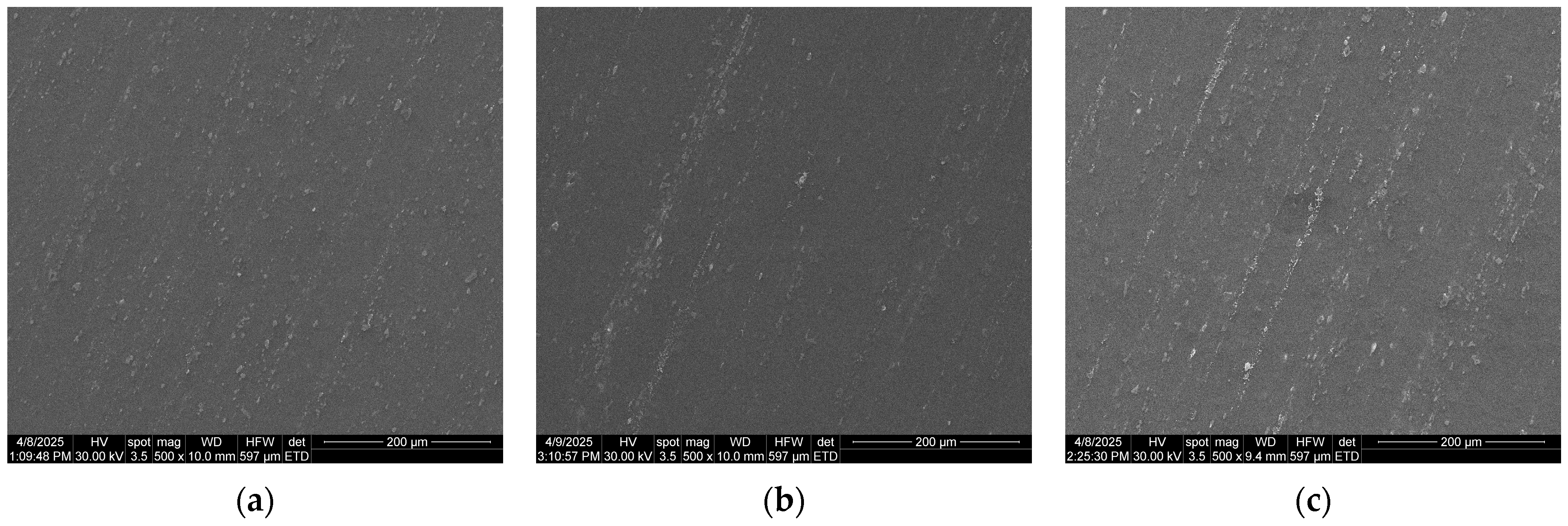
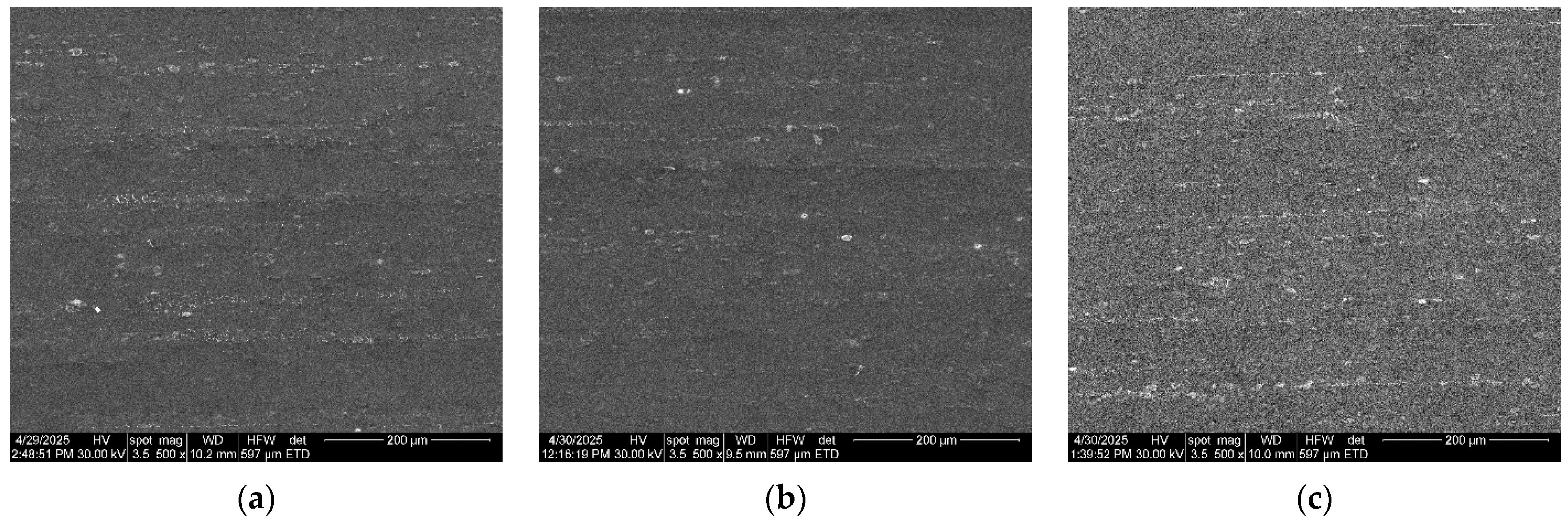
The SEM images of the 15 min (L1) and 60 min (L4) cryogenically treated samples are shown in Figure 7 and Figure 8, respectively, in comparison to the control sample (L) in both cases, which are unetched and etched. The presence of elements with a higher average atomic number may be suggested by the brighter areas that become more prominent as the duration of cryogenic treatment increases, despite the absence of any substantial differences in terms of morphology. In other words, it is conceivable that the white areas are particles of a secondary phase (such as copper or lead) that contain heavier elements, which could significantly alter the alloy’s properties.
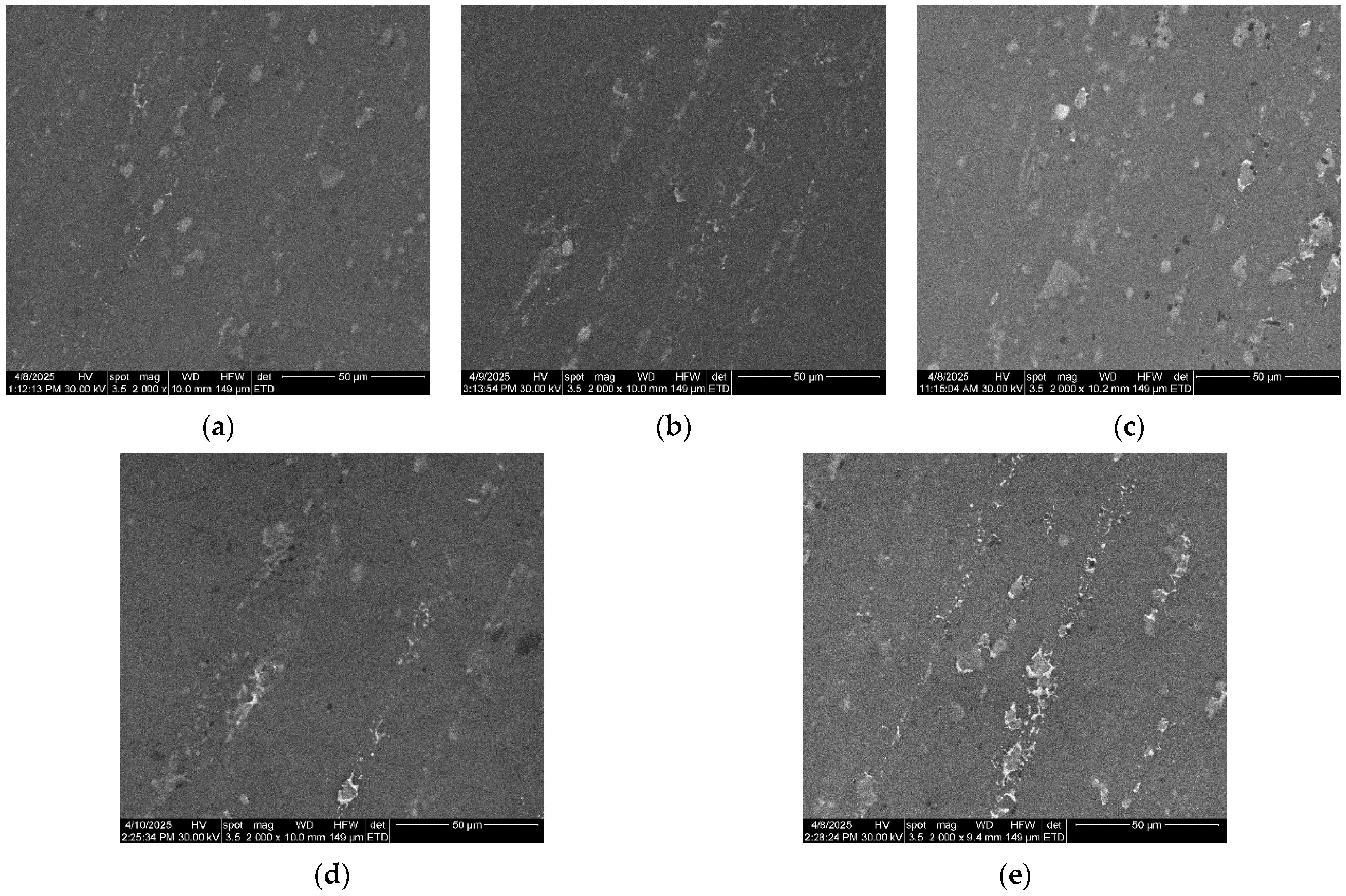
In Figure 9, the same trend previously is observed when comparing all cryogenically treated samples (unetched) to the control sample, with a magnification of 2000× in all instances.
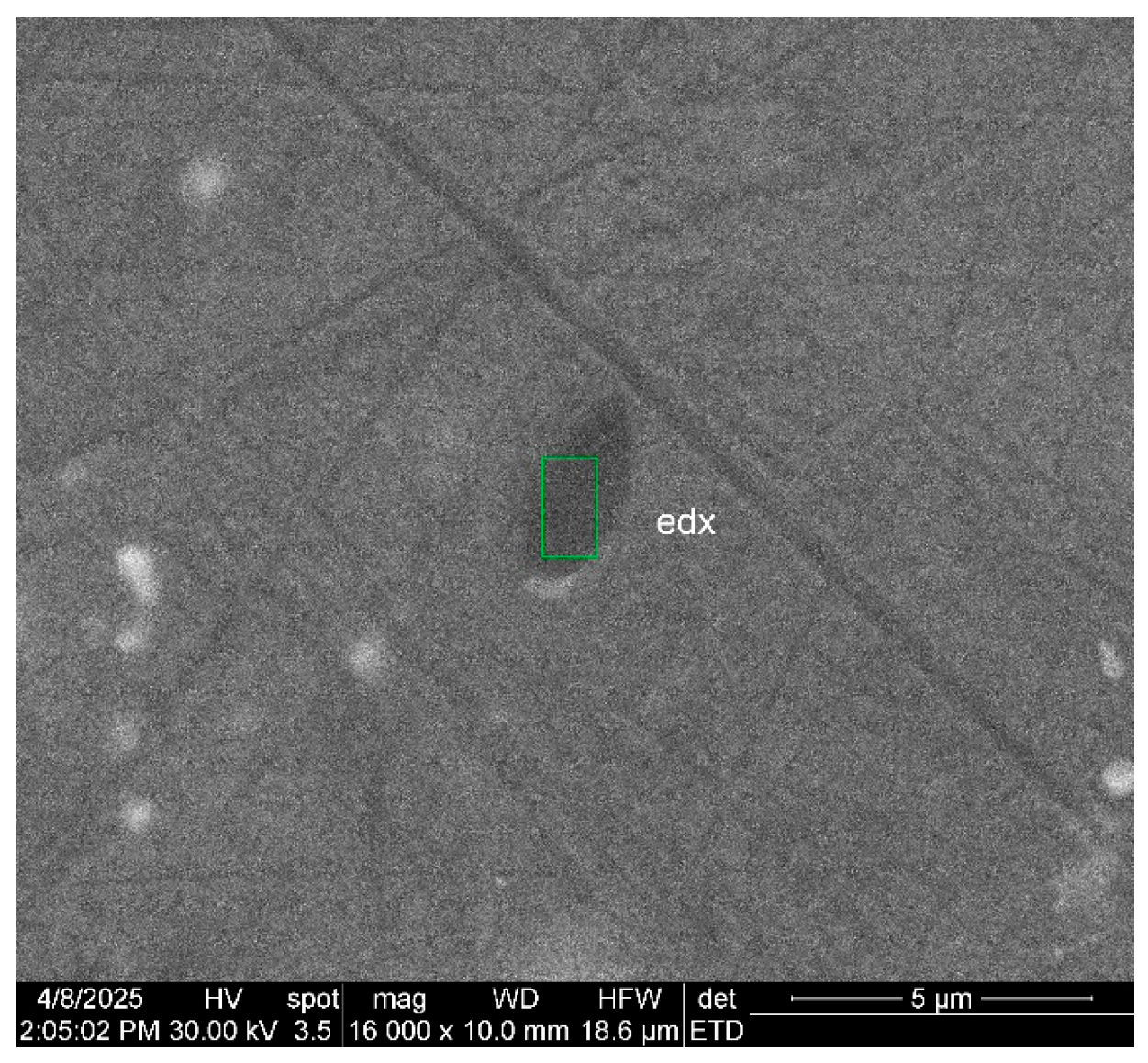
The analyzed alloy corresponds to the composition of AW 2007, which is characterized by a high content of Al, Cu, Mg, and Mn. An oval black compound can also be observed (Figure 10) where Mg and Si phases are present, suggesting the formation of Mg2Si, a hard phase that influences the mechanical properties of the alloy. In addition, the high Pb content in analyses indicates technological contamination or an addition that improves machining (e.g., AW 2007/3). This area contains a relatively high content of Mg (Wt 8.16%) and Si (Wt 10.31%), while aluminum is present in a reduced quantity compared to the matrix (approximately 75%).
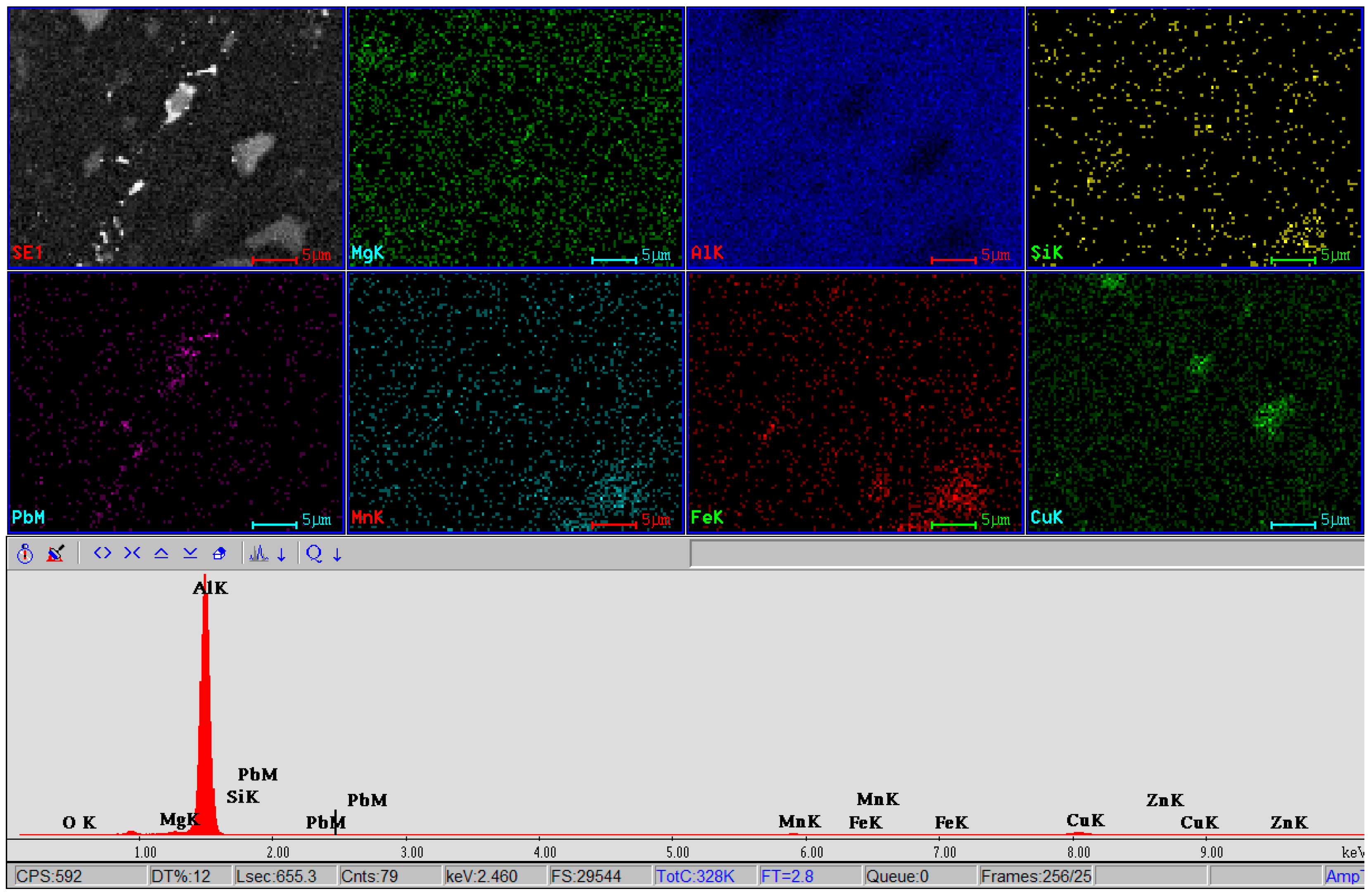
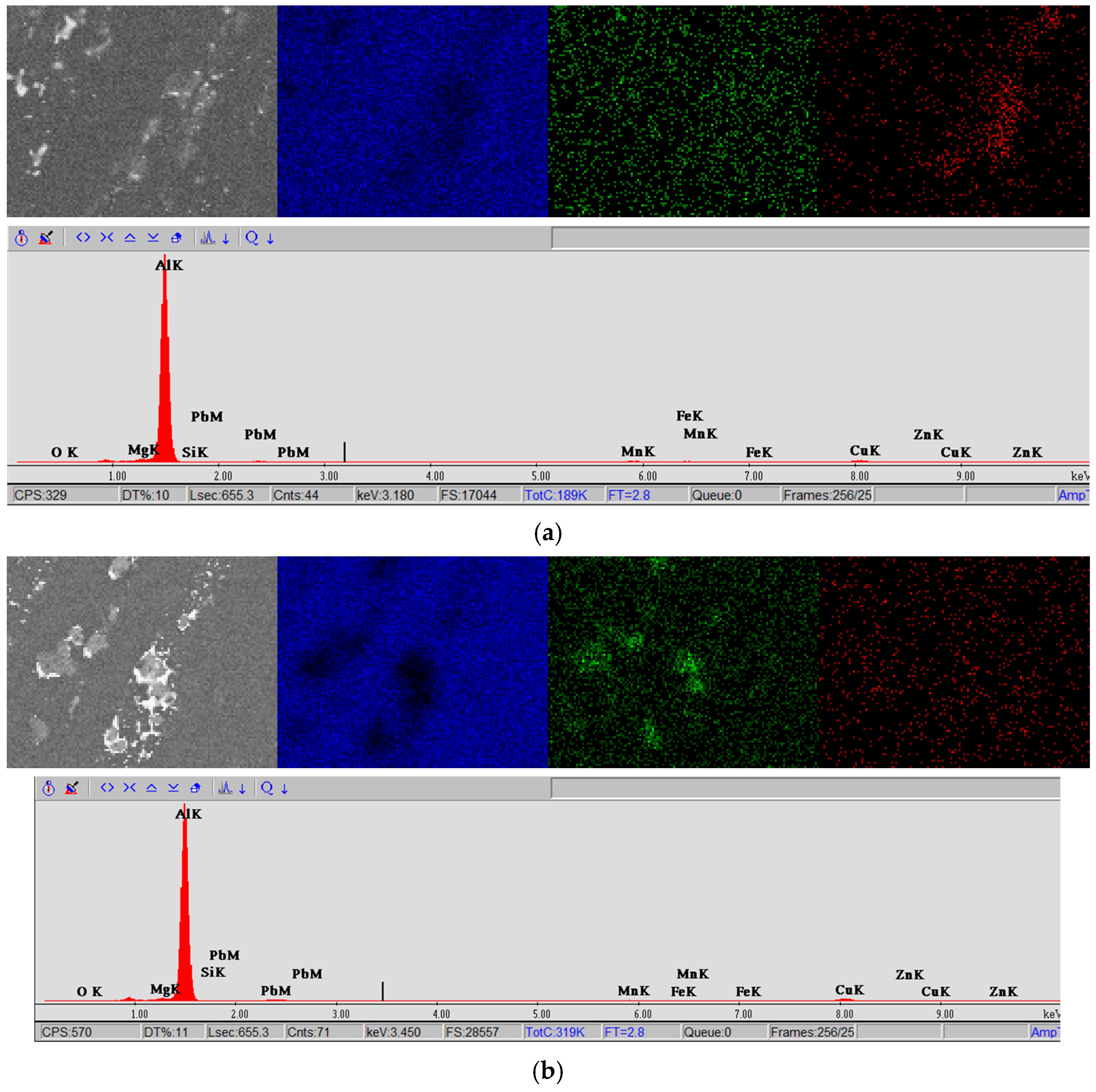
Figure 11 shows the energy dispersive spectroscopy results for an untreated sample of AW 2007 aluminum alloy. The spectrum shows intensity peaks for various elements at specific energies (keV). The predominant peak is Al K, the main alloying element. Other notable peaks correspond to major alloying elements, such as Cu K, Mg K, Pb M, Mn K, and Si K. Elemental maps show the spatial distribution of each element in the scanned area. Aluminum, being the matrix of the alloy, is uniformly distributed throughout the area. The alloying elements indicate a relatively homogeneous distribution, although there are also areas of segregation or the presence of secondary phases or inclusions. Figure 12 shows comparative images of the distribution of elements obtained and EDX results for L1 and L4 (unetched samples). Although the elemental maps show a nearly similar distribution of key elements, there are still small differences. The EDX spectra for both samples are practically identical, confirming that the cryogenic treatment did not alter the overall chemical composition of the surface. Rather, the differences may be caused by forcing atoms such as lead or copper out of the aluminum matrix. This may possibly lead to a finer and more uniform distribution of secondary phases. In other words, cryogenic treatment possibly only changed the way the heavier elements are arranged at the microscopic level to improve the characteristics.
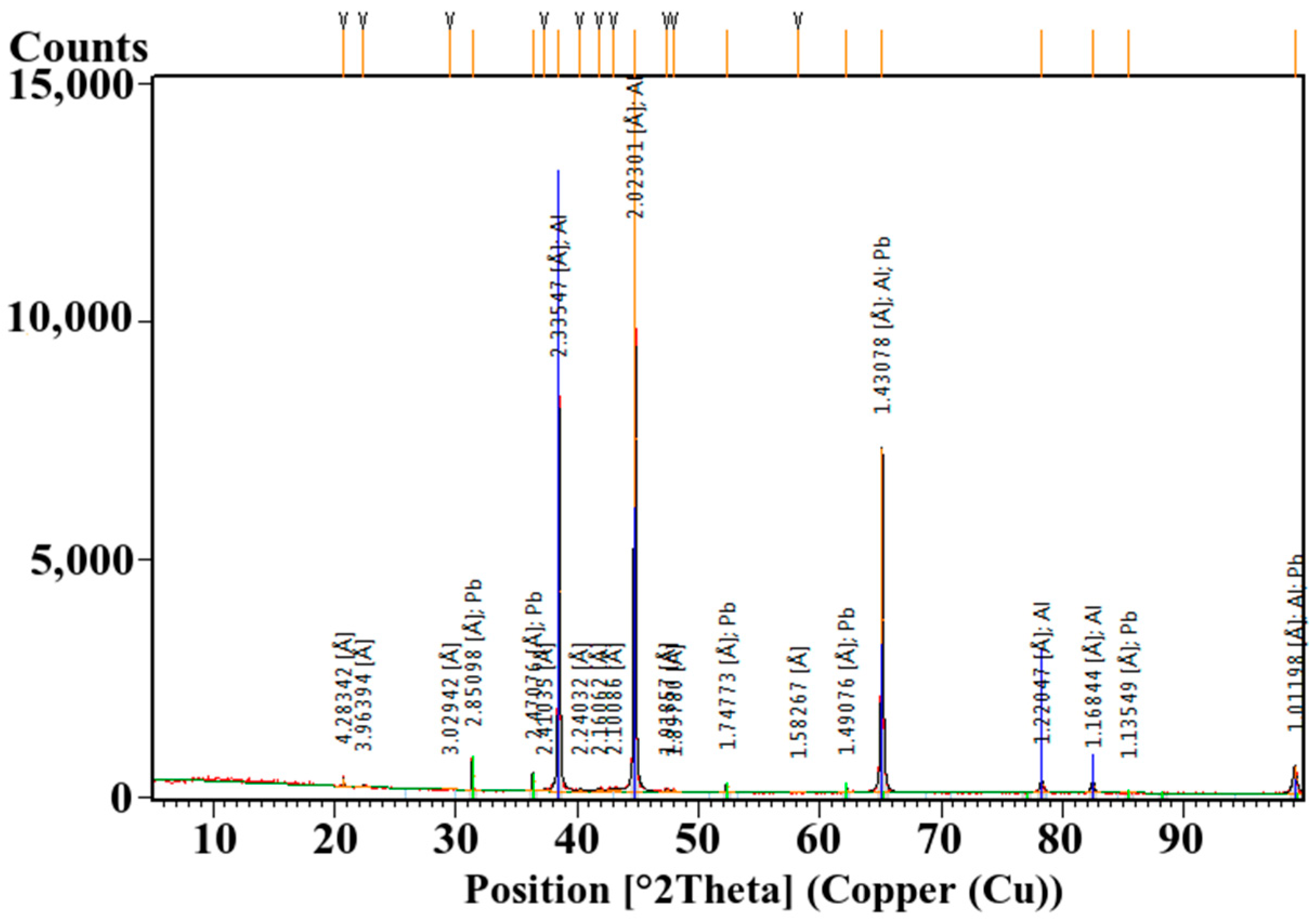
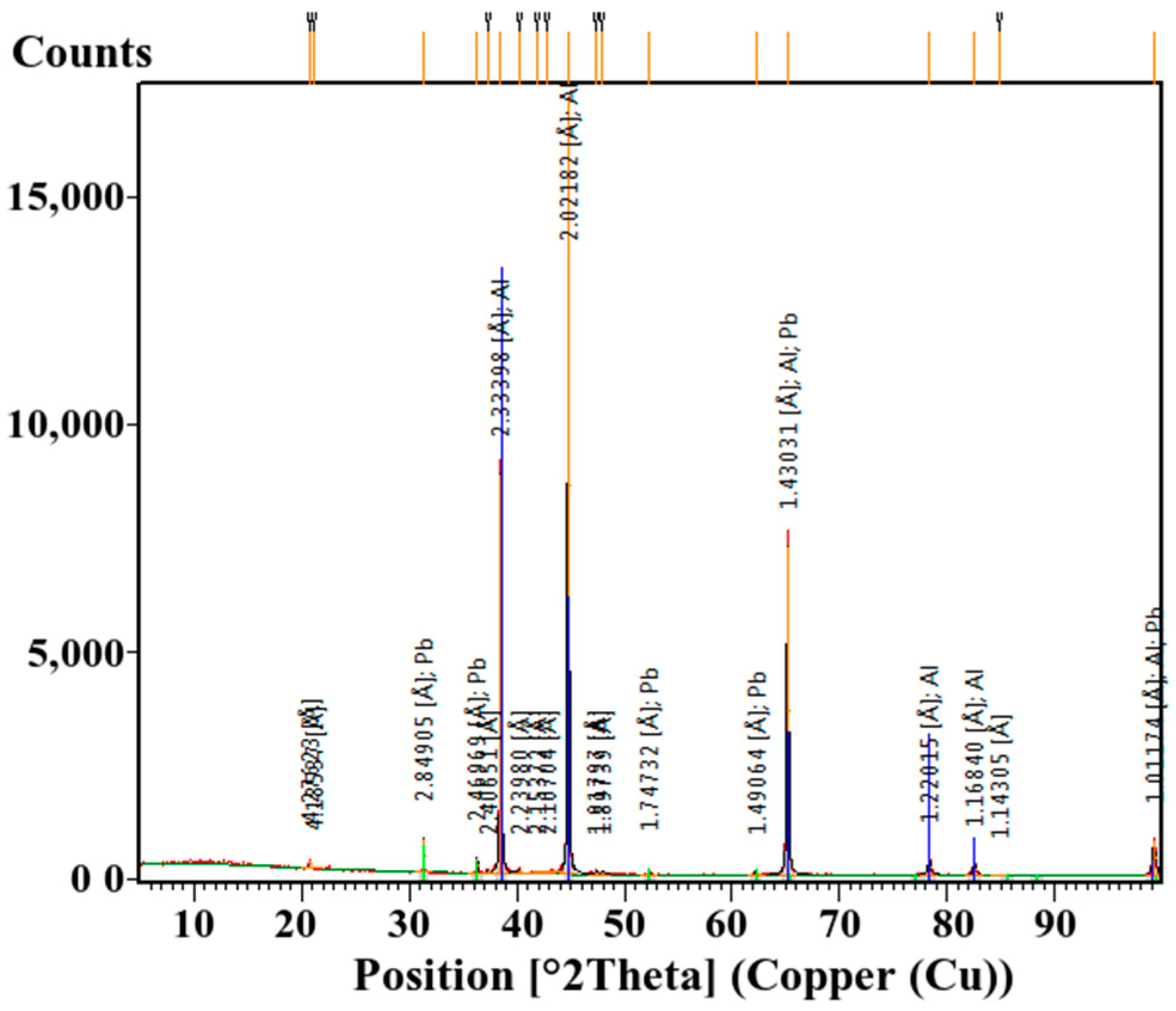
Figure 13 presents the X-ray diffraction spectrum results obtained for the L1 sample of an AW 2007 aluminum alloy, where the identification of the crystalline phases present in the aluminum alloy sample can be mainly deduced, i.e., Al represents the majority phase of the alloy, and Pb is present as a secondary or precipitated phase in the structure. For comparison, Figure 14 shows the XRD results for the sample that was cryogenically treated for 60 min. Subtle differences in the intensity and position of some peaks can be observed between the two X-ray diffraction (XRD) plots, indicating that extending the cryogenic treatment from 15 min to 60 min led to additional microstructural changes in the AW 2007 alloy. Most likely, this suggests a refinement of the crystalline structure or a more efficient reduction in residual stresses in the sample treated for 60 min.
To validate the results and conclude the contributions of cryogenic treatment, a more comprehensive treatment methodology must first be developed, but additional tests must also be performed, for example, lattice parameters, grain-size distribution, residual stresses, micro-hardness and so on.

4. Conclusions

This work presents an enhanced design for a gripper specifically intended for transferring samples from a heat treatment system to an area designated for non-destructive analysis, as well as research on the impacts of laser heat treatments followed by low-temperature cooling. The safety regulations placed on students limit their access to heat treatment systems and requires remote monitoring of the samples. The system facilitates the advanced examination of heat treatment effects through the utilization of sophisticated techniques such as SEM-EDX and XRD.
An experiment was undertaken to exemplify the utilization of such a system. The impact of cryogenic treatment on alloy material samples was demonstrated following the application of laser therapy. Both treatments provide numerous substantial benefits for the characteristics of metallic materials, including aluminum alloys like AW 2007, via permanent microstructural alterations. In further experiments, it is possible to demonstrate that the treatment may facilitate atomic-level rearrangement, thereby refining and optimizing the structure.
Future research intends to enhance investigations on heat treatments, particularly those augmented by a mechatronic specimen handling system. These aspects need to be validated through additional testing. In future research, it can be possible to demonstrate how this treatment can enhance wear resistance, augment durability and fatigue resistance, alleviate residual stress, and provide other significant advantages. Also, we want to develop a more comprehensive treatment methodology with more additional specific microstructural and mechanical tests in order to validate and observe the effect of cryogenic or/and laser heat treatment

Author Contributions

Conceptualization, R.-V.R. and E.M.; methodology, C.-G.A. and E.M.; software, R.-V.R. and E.T.; investigation, R.-V.R., C.-G.A. and E.M.; resources, E.T. and M.-I.N.; writing—review and editing, R.-V.R. and E.M.; supervision, C.-G.A. All authors have read and agreed to the published version of the manuscript.

Funding

This research was funded by the National University of Science and Technology Politehnica Bucharest, grant GNAC ARUT 2023 number 73 from 12 October 2023, with the title “Laser Treatments Followed by Cooling at Low Temperatures,” acronym TTLRTJ.

Institutional Review Board Statement

Not applicable.

Informed Consent Statement

Not applicable.

Data Availability Statement

Data are contained within the article.

Conflicts of Interest

The authors declare no conflicts of interest.

References

  1. Zhang, J.; Tian, Z.; Wang, K. Effects of Thermal Annealing on the Optical Properties of the Potassium Dihydrogen Phosphate Measured Using UV-Vis-NIR Spectroscopy. Int. J. At. Nucl. Phys. 2020, 5, 022. [Google Scholar]
  2. Touka, N.; Tabli, D.; Badari, K. Effect of annealing temperature on structural and optical properties of copper oxide thin films deposited by sol-gel spin coating method. J. Optoelectron. Adv. Mater. 2019, 21, 698–701. [Google Scholar]
  3. Yan, B.; Liu, S.; Chastain, M.L.; Yang, S.; Chen, J. A new FTIR method for estimating the firing temperature of ceramic bronze-casting moulds from early China. Sci. Rep. 2021, 11, 3316. [Google Scholar] [CrossRef]
  4. Falco, G.D.; Bocchicchio, S.; Commodo, M.; Minutolo, P.; D’Anna, A. Raman Spectroscopy of Nasent Soot Oxidation: Structural Analysis During Heating. Front. Energy Res. 2022, 10, 878171. [Google Scholar] [CrossRef]
  5. Chukova, O.; Borkovska, L.; Khomenkova, L.; Korsunska, N.; Ponomaryov, S.; Androulidaki, M.; Stratakis, E. Effects of thermal treatment on the complex structure of luminescence emission of Li-doped ZnO screen-printed films. Front. Phys. 2023, 11, 1305114. [Google Scholar] [CrossRef]
  6. Zhang, B.; Wei, Z.; Wang, X.; Fan, G.X.; Wang, D.; Gao, X.; Fang, D.; Wang, X.; Chen, R. Effect of Post Thermal Annealing on the Optical Properties of InP/ZnS Quantum Dot Films. Nanoscale Res. Lett. 2018, 13, 369. [Google Scholar] [CrossRef]
  7. Wamsley, M.; Peng, W.; Tan, W.; Wathudura, P.; Cui, X.; Zou, S.; Zhang, D. Total Luminescence Spectroscopy for Quantification of Temperature Effects on Photophysical Properties of Photoluminescent Materials. ACS Meas. Sci. Au 2022, 3, 10–20. [Google Scholar] [CrossRef]
  8. Ogieglo, W.; Wormeester, H.; Weßling, M.; Benes, N.E. Spectroscopic Ellipsometry Analysis of a Thin Film Composite Membrane Consisting of Polysulfone on a Porous α-Alumina Support. ACS Appl. Mater. Interfaces 2012, 4, 935–943. [Google Scholar] [CrossRef]
  9. Wisz, G.; Sibiński, M.; Łabuz, M.B.; Potera, P.; Płoch, D.; Bester, M.; Yavorskyi, R. Effect of Annealing in Air on the Structural and Optical Properties and Efficiency Improvement of TiO2/CuxO Solar Cells Obtained via Direct-Current Reactive Magnetron Sputtering. Materials 2025, 18, 888. [Google Scholar] [CrossRef] [PubMed]
  10. Navarro-Medina, F.; Oudijk, A.E.; Henriksen, M.B.; García-Luis, U.; Juan, A.G.; Johansen, T.A. Structural thermal optical performance (STOP) analysis and experimental verification of an hyperspectral imager for the HYPSO CubeSat. Opt. Lasers Eng. 2024, 173, 107919. [Google Scholar] [CrossRef]
  11. Müller, U.; Philipp, M.; Thomassey, M.; Sanctuary, R.; Krüger, J.K. Temperature modulated optical refractometry: A quasi-isothermal method to determine the dynamic volume expansion coefficient. Thermochim. Acta 2013, 555, 17–22. [Google Scholar] [CrossRef]
  12. Fell, J.; Pauly, C.; Maisl, M.; Zabler, S.; Mücklich, F.; Herrmann, H.-G. Three-dimensional imaging of microstructural evolution in SEM-based nano-CT, Tomography of Materials and Structures. Tomogr. Mater. Struct. 2023, 2, 100009. [Google Scholar] [CrossRef]
  13. Mathias, T.; Bennewitz, R.; Egberts, P. Mechanical property measurements enabled by short-term Fourier-transform of atomic force microscopy thermal deflection analysis. Beilstein J. Nanotechnol. 2025, 16, 1952–1962. [Google Scholar] [CrossRef] [PubMed]
  14. Ali, A.; Chiang, Y.W.; Santos, R.M. X-ray Diffraction Techniques for Mineral Characterization: A Review for Engineers of the Fundamentals, Applications, and Research Directions. Minerals 2022, 12, 205. [Google Scholar] [CrossRef]
  15. Balaguer, M.; Fabuel, M.; Kriele, A.; Stark, A.; Serra, J.M.; Solís, C. In situ high temperature X-ray diffraction and dilatometric analysis of CGO–Cu composites for solid oxide devices. Sci. Rep. 2026, 16, 1315. [Google Scholar] [CrossRef] [PubMed]
  16. Wang, C.; Zhang, G.; Zhang, X. Experimental and Photothermal Performance Evaluation of Multi-Wall Carbon-Nanotube-Enhanced Microencapsulation Phase Change Slurry for Efficient Photothermal Conversion and Storage. Energies 2022, 15, 7627. [Google Scholar] [CrossRef]
  17. Schücke, L.; Bodnar, A.; Friedrichs, N.; Böddecker, A.; Peters, N.; Ollegott, K.; Awakowicz, P. Optical absorption spectroscopy of reactive oxygen and nitrogen species in a surface dielectric barrier discharge. J. Phys. D Appl. Phys. 2022, 55, 215205. [Google Scholar] [CrossRef]
  18. Ming, L.; Romelli, A.; Lifante, J.; Canton, P.; Lifante-Pedrola, G.; Jaque, D.; Ximendes, E.; Marin, R. Luminescence-enabled three-dimensional temperature bioimaging. Nat. Commun. 2025, 16, 6429. [Google Scholar] [CrossRef] [PubMed]
  19. Alionte, C.G.; Moraru, E.; Alionte, A.D.; Gheorghe, M.V.; Nistor, M.I. Manufacturing and Control of a Robotic Arm Used in an Educational Mechatronic Platform for Laser Treatments, Followed by Cooling at Low Temperatures. Appl. Sci. 2025, 15, 12157. [Google Scholar] [CrossRef]
  20. Yifeng, G.; Ge, S.; Nair, A.; Bidwai, A.; Raghuram, C.S.; Grezmak, J.; Sartoretti, G.; Daltorio, K.A. Legged robots for object manipulation: A review. Front. Mech. Eng. 2023, 9, 1142421. [Google Scholar] [CrossRef]
  21. Meng, J.; Buzzatto, J.; Liu, Y.; Liarokapis, M. On Aerial Robots with Grasping and Perching Capabilities: A Comprehensive Review. Front. Robot. AI 2022, 8, 739173. [Google Scholar] [CrossRef]
  22. Mazzeo, A.; Aguzzi, J.; Calisti, M.; Canese, S.; Vecchi, F.; Stefanni, S.; Controzzi, M. Marine Robotics for Deep-Sea Specimen Collection: A Systematic Review of Underwater Grippers. Sensors 2022, 22, 648. [Google Scholar] [CrossRef]
  23. Baohua, Z.; Xie, Y.; Zhou, J.; Wang, K.; Zhang, Z. State-of-the-art robotic grippers, grasping and control strategies, as well as their applications in agricultural robots: A review. Comput. Electron. Agric. 2020, 177, 105694. [Google Scholar] [CrossRef]
  24. Bajaj, N.M.; Spiers, A.J.; Dollar, A.M. State of the Art in Artificial Wrists: A Review of Prosthetic and Robotic Wrist Design. IEEE Trans. Robot. 2019, 35, 261–277. [Google Scholar] [CrossRef]
  25. Hernandez, J.; Sunny, M.S.H.; Sanjuan, J.; Rulik, I.; Zarif, M.I.I.; Ahamed, S.I.; Ahmed, H.U.; Rahman, M.H. Current Designs of Robotic Arm Grippers: A Comprehensive Systematic Review. Robotics 2023, 12, 5. [Google Scholar] [CrossRef]
  26. Birglen, L.; Schlicht, T. A statistical review of industrial robotic grippers. Robot. Comput.–Integr. Manuf. 2018, 49, 88–97. [Google Scholar] [CrossRef]
  27. Bevin, P.M.; Devasia, F.; Asok, A.; Jayadevu, P.R.; Baby, R. Implementation of an origami inspired gripper robot for picking objects of variable geometry. Mater. Today Proc. 2022, 58, 176–183. [Google Scholar] [CrossRef]
  28. Grămescu, B.; Cartal, L.A.; Hashim, A.S.; Nițu, C. Clamping Mechanisms of an Inspection Robot Working on External Pipe Surface. In Proceedings of the ICOMECYME 2019: International Conference of Mechatronics and Cyber-MixMechatronics, Bucharest, Romania, 5–6 September 2019; Springer: Berlin/Heidelberg, Germany, 2019; pp. 218–230. [Google Scholar]
  29. Ciobanu, R.; Rizescu, C.I.; Rizescu, D.; Gramescu, B. Surface Durability of 3D-Printed Polymer Gears. Appl. Sci. 2024, 14, 2531. [Google Scholar] [CrossRef]
  30. Neugebauer, R.; Scheffler, S.; Poprawe, R.; Weisheit, A. Local laser heat treatment of ultra high strength steels to improve formability. Prod. Eng. 2009, 3, 347–351. [Google Scholar] [CrossRef]
  31. Merklein, M.; Böhm, W.; Lechner, M. Tailoring material properties of aluminum by local laser heat treatment. Phys. Procedia 2012, 39, 232–239. [Google Scholar] [CrossRef]
  32. Madhloom, M.A.; Ataiwi, A.H.; Dawood, J.J. Influence of cryogenic treatment on hardness, tensile properties, and microstructure of aluminum alloy AA6061. Mater. Today Proc. 2022, 60, 2157–2161. [Google Scholar] [CrossRef]
  33. Gruber, M.; Ploberger, S.; Ressel, G.; Wiessner, M.; Hausbauer, M.; Marsoner, S.; Ebner, R. Effects of the combined heat and cryogenic treatment on the stability of austenite in a high Co-Ni steel. Arch. Metall. Mater. 2015, 60, 2131–2137. [Google Scholar] [CrossRef]
  34. Gecu, R. Combined effects of cryogenic treatment and tempering on microstructural and tribological features of AISI H13 steel. Mater. Chem. Phys. 2022, 292, 126802. [Google Scholar] [CrossRef]
  35. Li, Z.; Wang, Y.; Wang, J.; Zhang, Y. Effect of Cryogenic Heat Treatment and Heat Treatment on the Influence of Mechanical, Energy, and Wear Properties of 316L Stainless Steel by Selective Laser Melting. JOM 2022, 74, 3855–3868. [Google Scholar] [CrossRef]
  36. Li, D.H.; He, W.C.; Zhang, X.; Xiao, M.G.; Li, S.H.; Zhao, K.Y.; Yang, M.S. Effects of traditional heat treatment and a novel deep cryogenic treatment on microstructure and mechanical properties of low-carbon high-alloy martensitic bearing steel. J. Iron Steel Res. Int. 2021, 28, 370–382. [Google Scholar] [CrossRef]
  37. Yao, E.; Zhang, H.; Ma, K.; Ai, C.; Gao, Q.; Lin, X. Effect of Deep Cryogenic Treatment on Microstructures and Performances of Aluminum Alloys: A Review. J. Mater. Res. Technol. 2023, 26, 3661–3675. [Google Scholar] [CrossRef]
  38. Jovičević-Klug, M.; Tegg, L.; Jovičević-Klug, P.; Dražić, G.; Almásy, L.; Lim, B.; Cairney, J.M.; Podgornik, B. Multiscale Modification of Aluminum Alloys with Deep Cryogenic Treatment for Advanced Properties. J. Mater. Res. Technol. 2022, 21, 3062–3073. [Google Scholar] [CrossRef]
Figure 1. Diagram of mechatronic system proposed concept.
Applsci 16 01385 g001
Figure 2. The gripper: (a) isometric view of the whole gripper; (b) isometric view of the gripper with the focus on the actioning mechanism.
Applsci 16 01385 g002
Figure 3. Gripper for cold and hot surfaces.
Applsci 16 01385 g003
Figure 4. Initial AW 2007 samples.
Applsci 16 01385 g004
Figure 5. Tracking of testing regions of the AW 2007 alloy.
Applsci 16 01385 g005
Figure 6. Diagram of workflow for investigation of the influence of cryogenic treatment on the characteristics of aluminum alloys.
Applsci 16 01385 g006
Figure 7. SEM obtained micrographs for unetched samples: (a)—L control sample (500×); (b)—thermally treated L1 (500×); (c)—thermally treated L4 sample (500×).
Applsci 16 01385 g007
Figure 8. SEM obtained micrographs for etched samples: (a)—L control sample (500×); (b)—thermally treated L1 sample (500×); (c)—thermally treated L4 (500×).
Applsci 16 01385 g008
Figure 9. SEM obtained micrographs details for control sample and unetched sample: (a)—L control sample; (b)—thermally treated L1 sample; (c)—thermally treated L2 sample; (d)—thermally treated L3 sample; (e)—thermally treated L4 sample.
Applsci 16 01385 g009
Figure 10. SEM obtained micrographs details for control sample—oval black phase (inclusion)—magnification 16,000×.
Applsci 16 01385 g010
Figure 11. Distribution maps and EDX results for control sample.
Applsci 16 01385 g011
Figure 12. Distribution of elements obtained and EDX results (unetched samples)—the image on the left represents the SE image, followed by the distribution maps for Al (blue), Cu (green), and Fe (red): (a)—L1; (b)—L4.
Applsci 16 01385 g012
Figure 13. XRD results for L1.
Applsci 16 01385 g013
Figure 14. XRD results for L4.
Applsci 16 01385 g014
Table 1. Elemental composition of aluminum alloy AW-2007 used.
ElementContent (Wt%)
Al91.18%
Cu4.34%
Mg1.54%
Mn0.68%
Fe0.40%
Pb1.39%
Si0.47%
Disclaimer/Publisher’s Note: The statements, opinions and data contained in all publications are solely those of the individual author(s) and contributor(s) and not of MDPI and/or the editor(s). MDPI and/or the editor(s) disclaim responsibility for any injury to people or property resulting from any ideas, methods, instructions or products referred to in the content.