1. Introduction
The continuous growth of air traffic and increasingly stringent environmental targets imposed by ACARE and ICAO [
1] have intensified the search for technologies capable of significantly reducing fuel burn and emissions for future transport aircraft [
2].
Multiple technological pathways have been pursued to reduce fuel consumption in commercial aviation, including improvements in propulsive efficiency and the adoption of alternative fuels, the integration of advanced lightweight materials and optimized aerodynamic configurations, as well as the implementation of flow-control systems aimed at reducing aerodynamic drag [
3,
4]. In this context, laminar-flow technologies—and, in particular, Hybrid Laminar Flow Control (HLFC)—have emerged as a promising solution capable of delivering substantial fuel-burn reductions by lowering skin-friction over lifting surfaces [
5].
HLFC offers the potential for friction-drag reductions that translate into fuel savings on long-range missions [
6]. HLFC combines a relatively small amount of active boundary-layer suction near the leading edge with a downstream airfoil pressure distribution tailored for natural laminar flow (NLF), thereby relaxing some of the stringent tolerances associated with purely passive NLF wings while maintaining attractive performance gains [
7].
Over the past decades, extensive numerical and experimental work has been devoted to assessing HLFC concepts on generic airfoils, swept wings and complete aircraft configurations. Early feasibility studies and design investigations at NASA and DLR already highlighted the strong potential of laminarization for transonic transport aircraft [
8,
9,
10], while more recent work has focused on realistic wing architectures, including the integration of suction systems, structural constraints and system-level aspects [
6,
7,
8,
9]. For example, Jentys et al. performed high-fidelity CFD analyses of a transonic transport wing equipped with HLFC, showing substantial reductions in drag and fuel burn compared to a turbulent baseline [
5], whereas Karpuk et al. investigated HLFC capabilities from an aero-structural perspective, quantifying performance benefits in the context of a medium-range commercial aircraft [
11]. Complementary work at the Aircraft Research Association and within various European projects has addressed HLFC design methodologies, system architectures and experimental validations on wind-tunnel models and flight demonstrators [
12,
13,
14].
A key enabler for practical HLFC implementation is the development of robust, manufacturable suction surfaces and internal flow circuits. Current solutions typically employ micro-perforated metallic or composite skins, combined with tailored inner chambering or, more recently, chamberless concepts relying on variable skin porosity [
15,
16,
17,
18]. Kilian and Horn successfully demonstrated a chamberless HLFC leading edge with an outer skin of variable porosity on a vertical tail-plane model at flight Reynolds number, using a CEAS Aeronautical Journal configuration tailored to industrialization and weight reduction [
17]. In parallel, studies have examined the structural behavior and manufacturability of Ti-6Al-4V skins for HLFC applications [
16], as well as the integration of suction panels into wings for all-electric short-range aircraft [
15]. Additional research at DLR has explored additive and laminated porous sheets as alternatives to etched or laser-drilled panels, aiming to extend the design space and reduce manufacturing effort while preserving the required pressure-loss characteristics [
18].
Despite these advances, maintaining laminar flow in operational conditions remains challenging due to the extreme sensitivity of boundary-layer stability to surface contamination, roughness and degradations. Even small perturbations caused by insect residue, erosion or surface waviness can trigger premature transition, thereby reducing HLFC benefits [
6,
19]. Ice accretion is particularly critical for laminar wings because it modifies both the geometry and roughness of the leading edge, often leading to large performance penalties or even loss of controllability. Comprehensive reviews by Bragg et al. and Gent et al. have documented the flow field physics and aerodynamic consequences of various ice shapes—including roughness, horn ice and spanwise ridges—as well as the performance degradation mechanisms on iced airfoils [
20]. NASA and other research organizations have subsequently developed advanced numerical tools and wind-tunnel facilities to support the design and certification of aircraft ice protection systems (IPSs) [
21].
For Hybrid Laminar Flow Control (HLFC) wings, icing imposes stringent requirements on the Wing Ice Protection System (WIPS), which must be integrated directly beneath the micro-perforated suction surface. Conventional thermal anti-icing solutions, based on hot-air or electro-thermal systems, must operate within a highly constrained volume while ensuring uniform heating and avoiding thermal gradients or structural distortions that could degrade suction uniformity and laminar-flow stability [
16,
17,
22]. Moreover, WIPS components must be compatible with hybrid structures combining titanium leading edges, CFRP wing boxes and aluminum sub-structures, resulting in a strong coupling between aerodynamic, thermal and structural design. Although recent studies have explored advanced HLFC leading-edge concepts, including chamberless and variable-porosity configurations, fully integrated ice-protected HLFC wings remain at a relatively low Technology Readiness Level (TRL) [
13,
14,
18,
23].
In parallel, the integration of an efficient high-lift system is essential for protecting the laminarized leading edge during take-off and landing. Krueger flaps have emerged as a promising alternative to conventional slats for laminar wings, providing both lift augmentation and protection against surface contamination [
24,
25,
26]. While experimental and numerical studies have demonstrated their aerodynamic viability, the combined integration of ice protection and Krueger systems within HLFC wings remains a significant challenge. Large European programmes such as AFLoNext and Clean Sky have therefore focused on integrated demonstrators combining HLFC, ice protection and high-lift systems [
13,
14], yet comprehensive full-scale validations of such multifunctional leading edges are still scarce in the open literature.
This article presents selected results that focused on the development and validation of several large-scale demonstrators implementing advanced flow-control technologies. Within this context, this study examines the integration of a Hybrid Laminar Flow Control (HLFC) system—based on a micro-perforated titanium skin and incorporating an anti-icing protection solution into a full-scale wing segment demonstrator equipped with a “bull-nose” Krueger configuration. Particular emphasis is placed on the manufacturing process and the experimental validation of suction and thermal performance. This study contributes to the development of an integrated solution capable of ensuring both effective ice protection and the preservation of laminar-flow control—an essential requirement for the application of HLFC technology in next-generation commercial aircraft.
2. Conceptual Design and Functional Requirements
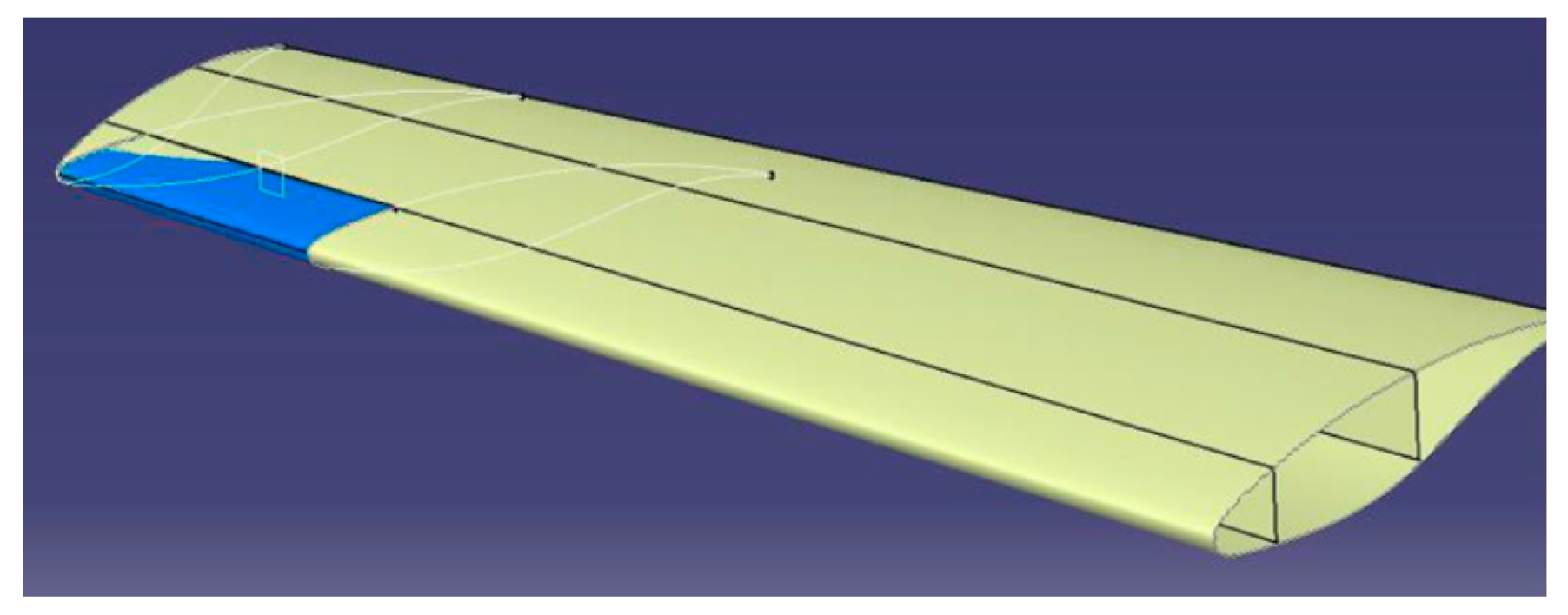
The present study focuses on a representative wing segment of the Airbus A330 aircraft. A baseline HLFC (Hybrid Laminar Flow Control) panel was provided by Airbus, derived from the outer wing platform of the A330 model and corresponding to two design sections, as illustrated in
Figure 1.
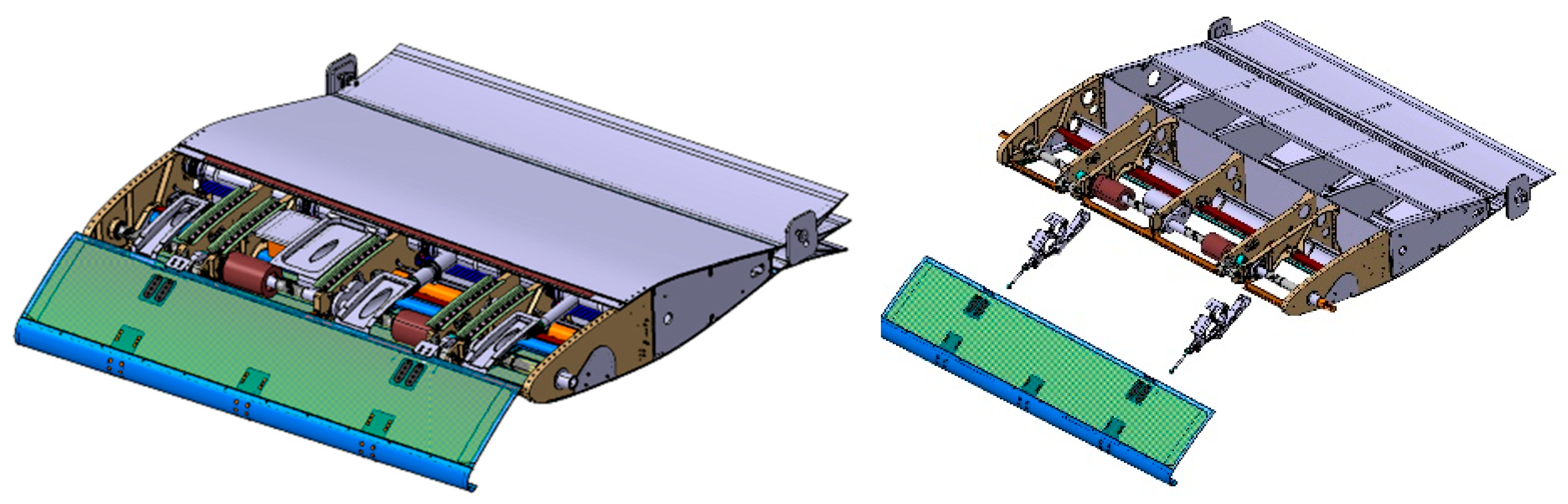
The primary objective of the Ground-Based Demonstrator (GBD) development was to reproduce, at full scale, a leading-edge wing section equipped with fully functional systems for laminar flow suction (HLFC), anti-icing protection (WIPS—Wing Ice Protection System) and a Krueger-type high-lift device. This demonstrator served as a validation platform for assessing multi-material integration and the simultaneous operation of aerodynamic, thermal and structural subsystems. The GBD was specifically designed to evaluate the compatibility between a CFRP (Carbon Fiber Reinforced Polymer) wing box structure and a metallic leading-edge section incorporating active HLFC and WIPS technologies. Geometrically, the demonstrator represents an outer wing portion with a 2.3-m span, comprising the wing box, the fixed leading edge (FLE) and a movable Krueger panel (
Figure 2).
The overall assembly adopts a hybrid material concept: the wing box is manufactured from CFRP composite, while the leading-edge section and the HLFC/WIPS components employ titanium and aluminum alloys to ensure adequate thermal and mechanical resistance. Through the integration of these subsystems, this study pursued three major objectives:
- ✓
To demonstrate the technological feasibility of manufacturing and assembling the titanium perforated skin using the SPF/DB (Superplastic Forming and Diffusion Bonding) process;
- ✓
To achieve the functional integration of the suction and anti-icing systems within a compact, shared and easily accessible architecture;
- ✓
To validate the kinematic behavior of the Krueger panel and its structural compatibility with the laminar leading-edge configuration.
This work therefore provides an essential experimental foundation for future applications of integrated Hybrid Laminar Flow Control and ice protection technologies in next-generation commercial aircraft, where aerodynamic efficiency, system integration and structural reliability must coexist within stringent design constraints.
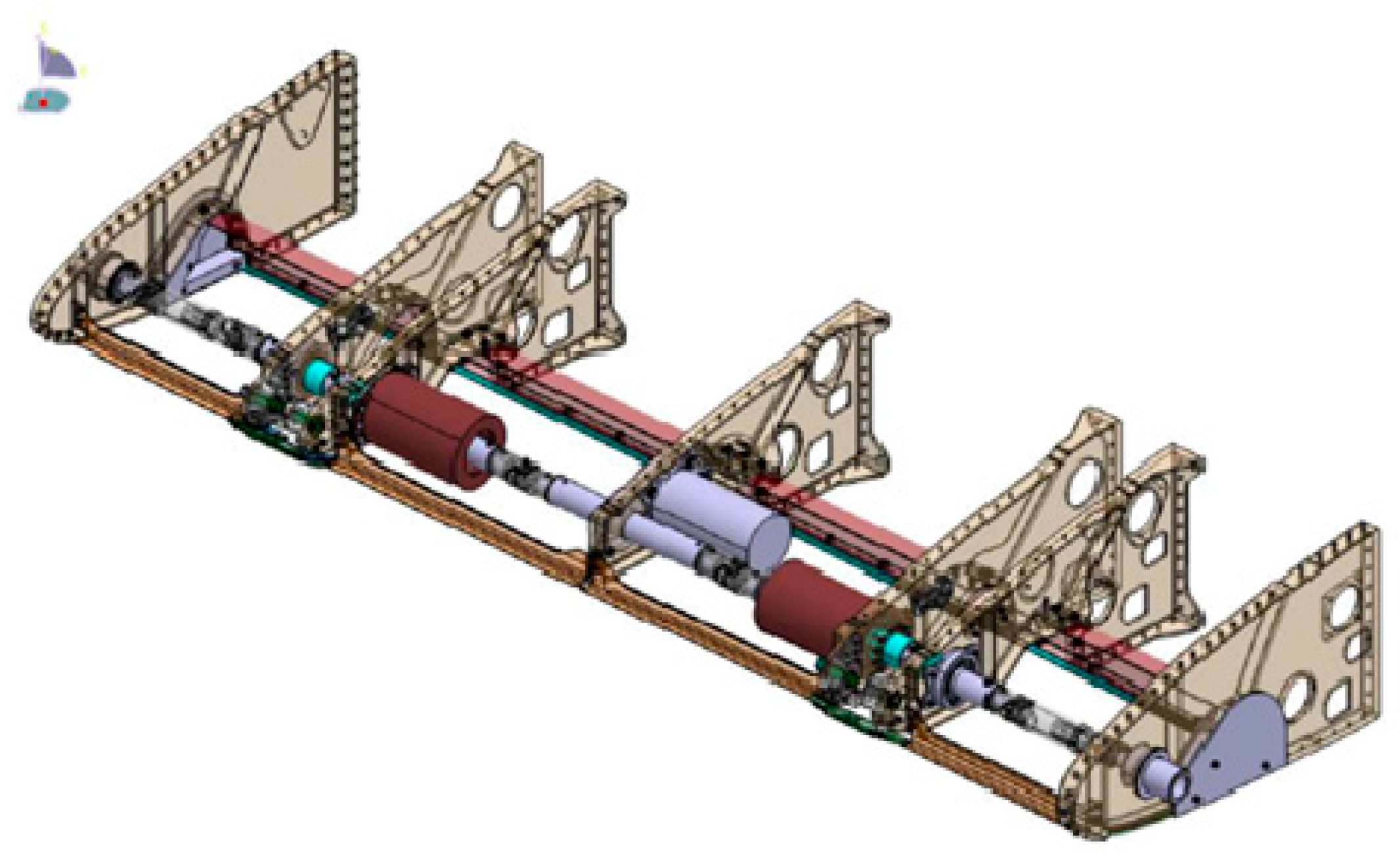
The leading-edge structural assembly was designed to integrate components with distinct mechanical and thermal properties into a coherent and functional configuration. It comprises metallic ribs made of 7050-T7651 aluminum alloy, precisely machined to ensure effective load transfer between the skin and the spar. A bird-strike protection sub-spar, manufactured from 7475-T761 aluminum alloy with a thickness of 4.5 mm, provides additional structural integrity in the event of impact. The assembly also incorporates front landing brackets and lower fixation straps (SS Straps) that ensure proper attachment and stability of the leading-edge elements. In addition, titanium thermal shields are installed to provide insulation for the regions exposed to elevated temperatures generated during the operation of the Wing Ice Protection System (WIPS) (
Figure 3).
The Hybrid Laminar Flow Control (HLFC) and Wing Ice Protection System (WIPS) were integrated within a unified leading-edge architecture designed to combine, in an efficient and compact manner, the functionalities of laminar flow control and thermal protection. The configuration was conceived to ensure structural, thermal and functional compatibility between the metallic and composite subsystems forming the leading-edge assembly.
The final design comprised two primary flow circuits: the first dedicated to hot-air distribution for anti-icing purposes and the second to air suction through the perforated titanium skin. Both networks were interconnected via a common control valve capable of simultaneously regulating pressure and mass flow rate in the two systems. This integrated dual-line solution reduced overall system mass and complexity, while maintaining the reliability and safety standards required for aerospace applications.
All ducts, manifolds and fittings were manufactured from Ti-6Al-4V titanium alloy, selected for its high mechanical strength at elevated temperatures and compatibility with dry suction environments. The pneumatic lines were thermally insulated to prevent mutual interference between the hot and cold zones of the structure, while the routing geometry was optimized through 3D CAD analyses to preserve the clearance necessary for the Krueger panel kinematics.
The internal configuration of the perforated titanium skin chambers was finalized following an extensive geometric optimization process. The dimensional requirement drawing was subsequently approved, freezing the design and defining the critical HLFC parameters, including suction pressure uniformity, distribution channel length and manifold port positioning.
To validate the installation envelope and mechanical interfaces between the HLFC and WIPS subsystems, a full-scale 3D-printed dummy valve was fabricated. This mock-up accurately reproduced the physical volume of the functional components, enabling direct assessment of assembly accessibility, maintainability and inspection feasibility. Concurrently, the physical verification confirmed compliance with segregation criteria between pneumatic circuits and electrical control zones, thereby ensuring system integrability within the leading-edge environment.
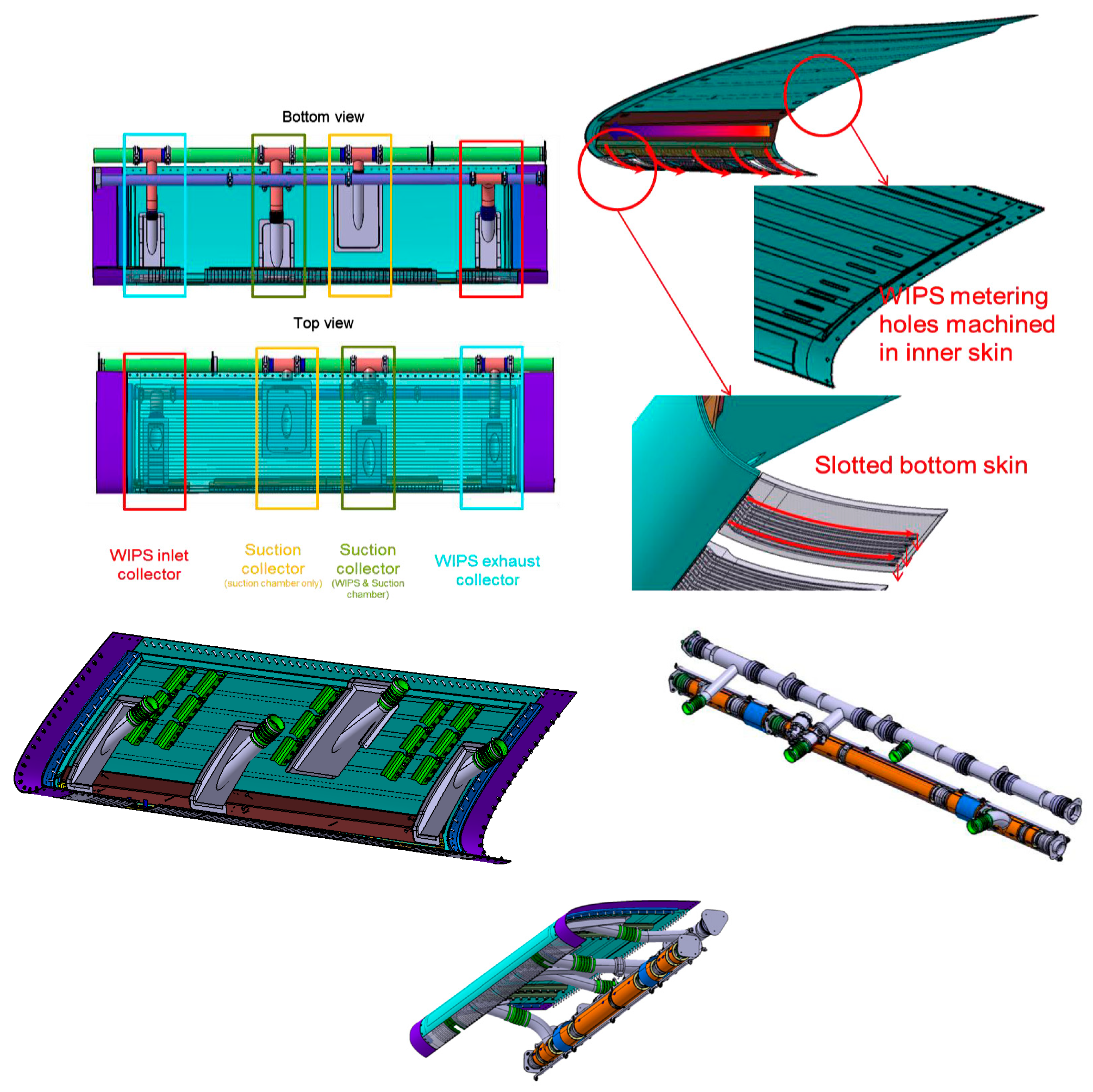
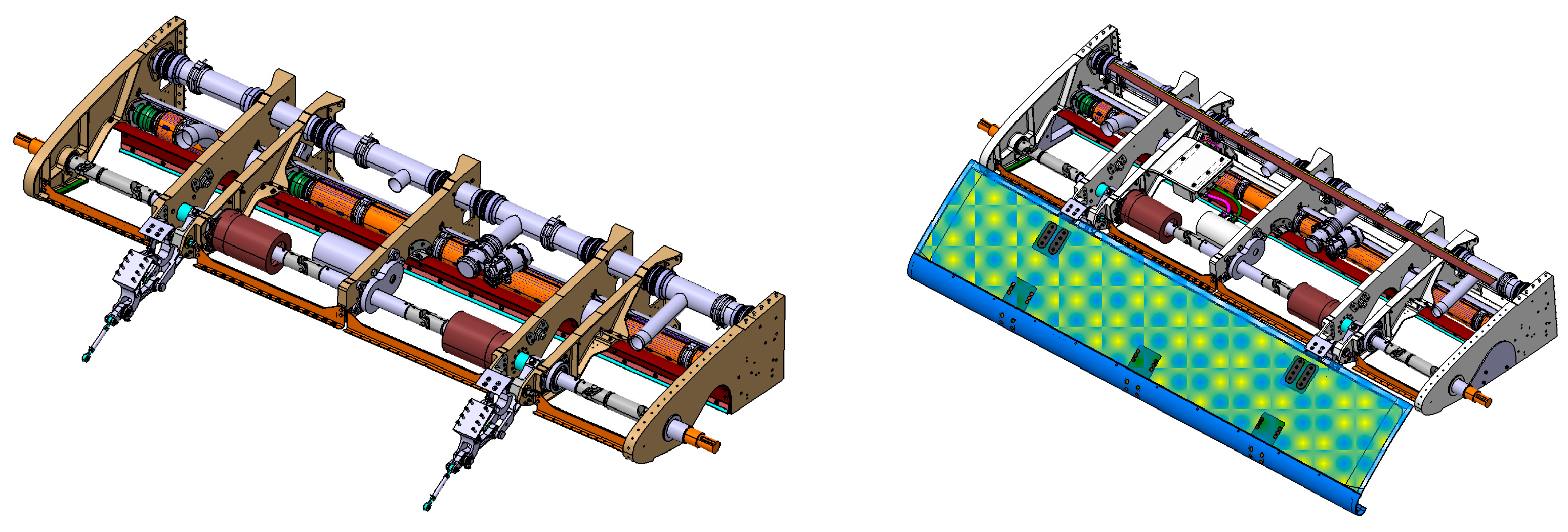
Figure 4 presents the final integrated configuration of the HLFC and WIPS subsystems, highlighting the arrangement of the internal suction chambers, hot and cold air manifolds, main fittings and the control valve implemented in the geometric simulations. Detailed renderings of the ducting and connecting components, including the 3D-printed dummy valve, emphasize the high level of integration and design sophistication achieved between the aerodynamic and thermal functionalities of the system.
This stage allowed for a thorough validation of the functional interfaces between the wing structure, the pneumatic circuits and the actuation mechanisms. The results confirmed that these subsystems can be successfully integrated within a laminar-flow aerodynamic configuration without introducing penalties in terms of maintainability or operational safety.
In the HLFC demonstrator, the Krueger panel was implemented as a deployable element positioned beneath the leading edge. Its design serves two primary functions: to increase lift during low-speed flight and to protect the laminarized surface during cruise conditions. The concept was developed to reproduce the behavior of a full-scale high-lift device while maintaining strict geometric and functional compatibility with the laminar leading-edge configuration.
The Krueger system for the HLFC ground-based demonstrator [
27] was designed in accordance with a set of geometric and aerodynamic constraints defined to ensure compatibility with laminar-flow operation (
Figure 5). Specifically, the Krueger configuration was required to exhibit a minimum chord, measured normal to the leading edge, equal to 11% of the sectional reference chord. For the outboard HLFC panel, which features a reference chord of 3.489 m, this requirement yields a minimum normal-to-LE Krueger chord of 0.349 m.
In the stowed position, the forward extent of the Krueger panel was mandated to remain no farther forward than 1% of the reference chord and to lie aft of the cruise aerodynamic attachment line. This ensures that the stowed high-lift device does not interfere with the suction-based laminarization strategy or disturb the pressure distribution over the leading edge during cruise.
Furthermore, the Krueger aerodynamic surface and associated kinematic mechanisms were required to preserve the ability to apply laminar-flow suction across the full span of the ground-based demonstrator panel, except for small margins near the panel edges where spanwise joints are expected to generate a localized turbulent wedge (
Figure 6). All structural attachments linking the Krueger system to the HLFC leading edge were incorporated directly into the demonstrator to provide a representative integration environment.
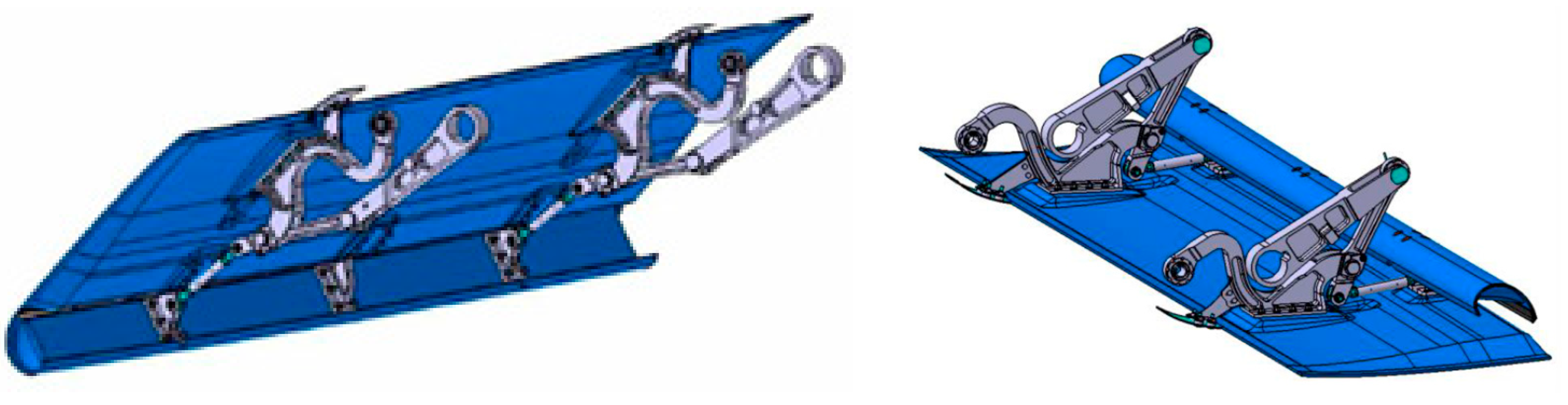
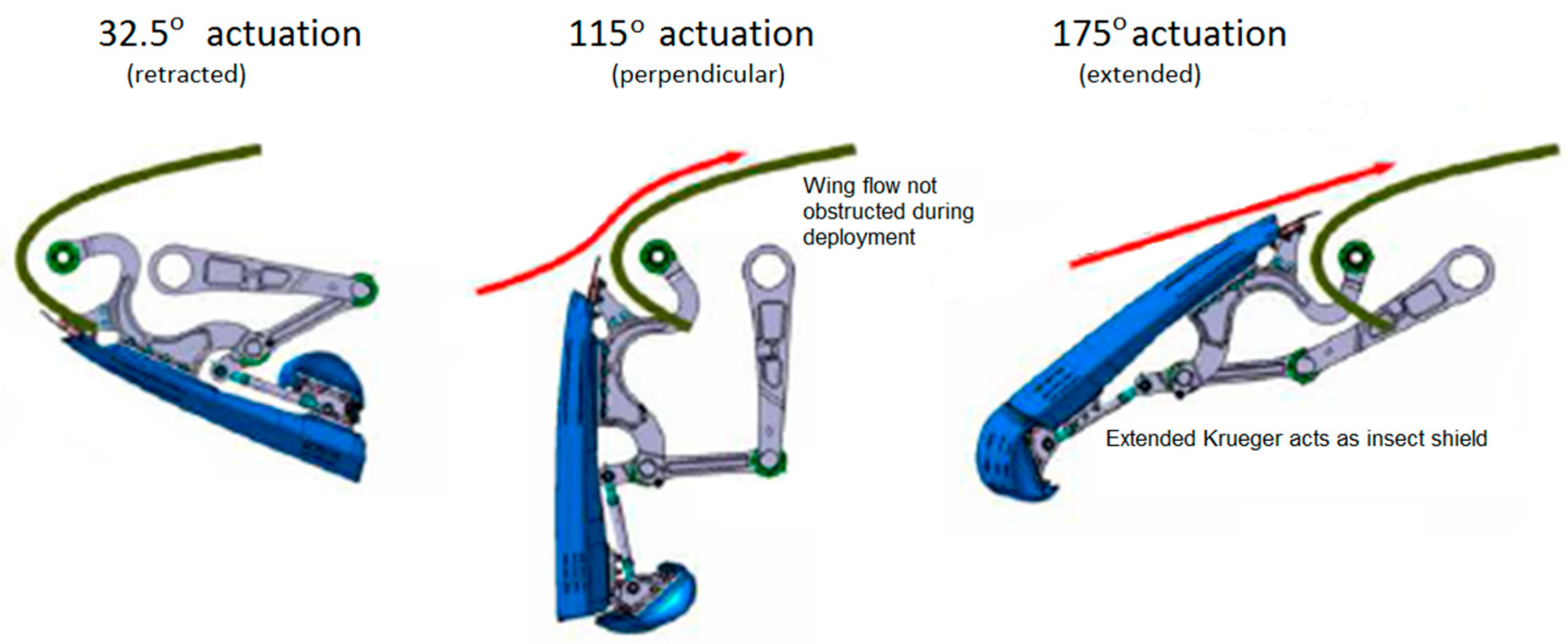
The finalized Krueger flap configuration enables a rotation of approximately 140° between the fully deployed and fully retracted positions, achieved through a goose-neck–type kinematic mechanism that satisfies all geometric and operational constraints related to hinge-point placement and actuator integration. The bull-nose element undergoes an additional rotation of about 125°, which substantially improves the available stowage volume in the retracted position. The kinematic layout is further characterized by a delayed deployment of the bull-nose during the overall deflection sequence, thereby reducing transient aerodynamic loads acting on the mechanism.
Because the kinematic assembly intersects the lower surface of the wing, dedicated cut-outs were incorporated into the lower Leading Edge structure. These openings are sealed in cruise conditions by rigid sealing plates attached to both the flap and the kinematic links. The foremost points of the sealing plates and corresponding cut-outs were verified to remain downstream of the attachment line, ensuring that the laminar flow on the upper wing surface remains undisturbed during cruise.
A final, critical feature of the designed mechanism is that, in its vertical orientation, the Krueger flap remains fully below the wing leading-edge contour. This prevents unintended shielding of the wing flow and preserves the aerodynamic functionality of the leading edge throughout the operational envelope.
The assembly consists of the actuator lever, the drive link, the eccentric rigging device for fine adjustment and the gooseneck-type support brackets that attach the mechanism to the internal structure (
Figure 7).
Finite Element Method (FEM) analyses performed in NASTRAN and PATRAN confirmed the mechanical integrity of the mechanism, indicating safety factors between 1.22 and 1.29 under maximum load conditions, including bird-strike impact scenarios. To provide overload protection, a calibrated shear pin was incorporated at the interface between the drive shaft and the main lever, designed to fail at a load of 2.3 ± 0.1 kN, thereby preventing damage to the adjoining joints.
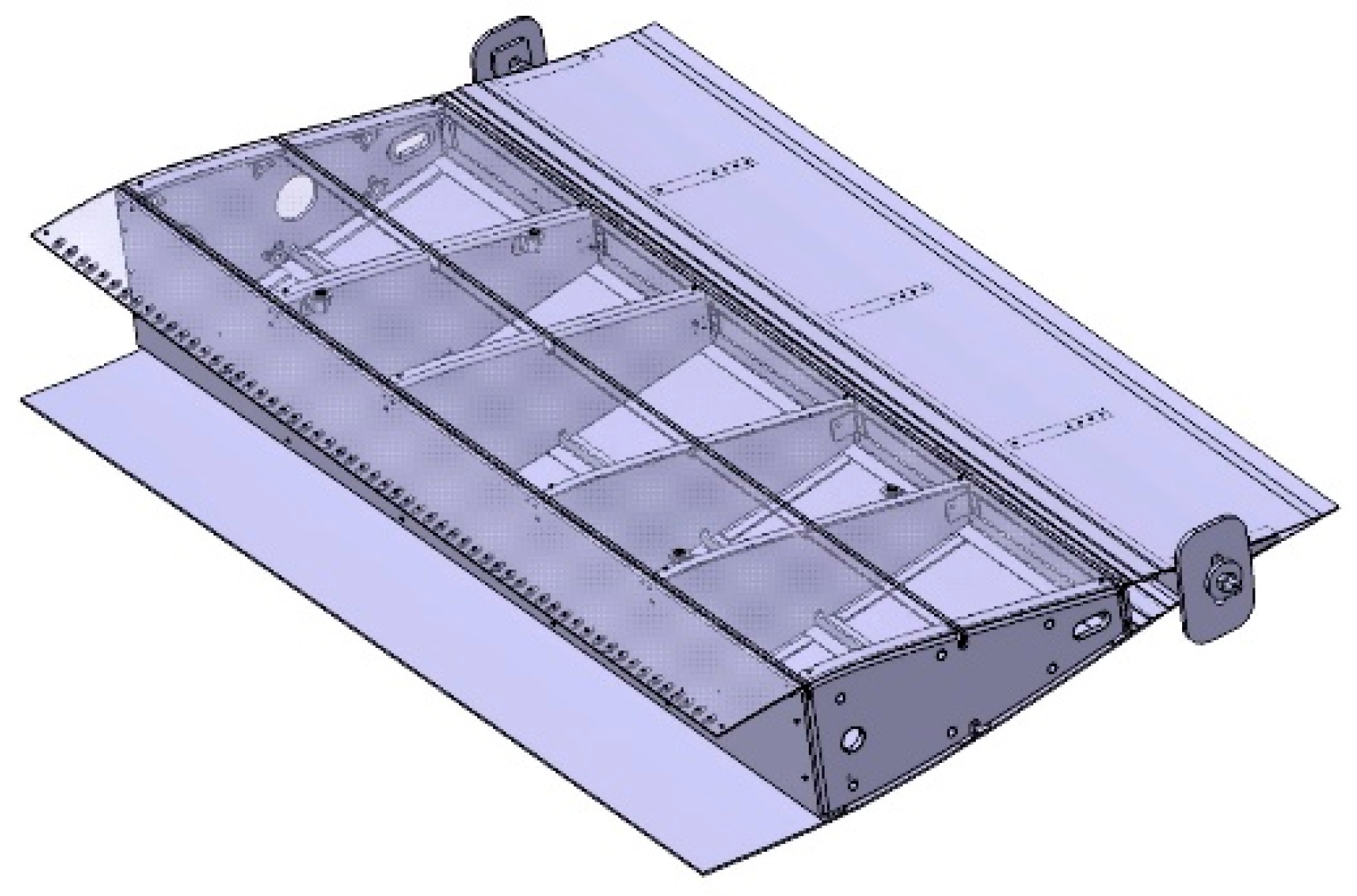
The wing box,
Figure 8, constitutes the primary load-bearing element of the demonstrator, integrating both composite and metallic components within a hybrid architecture optimized for stiffness, weight efficiency and manufacturability. The main spar and the upper and lower covers are made of carbon-fiber-reinforced polymer (CFRP) to ensure a high strength-to-weight ratio, whereas the internal ribs are metallic, providing improved load transfer capability and damage tolerance.
Two types of ribs were employed in the design: end ribs, machined from 7050-T7651 aluminum alloy, which provide structural reinforcement and mounting interfaces for subassemblies and intermediate ribs made of CFRP laminates. To compensate for thickness variations inherent to composite laminates, liquid shims were applied to guarantee uniform contact between the ribs and the skin panels. The joints were secured using blind bolts, ensuring a smooth external surface consistent with aerodynamic requirements.
In the leading-edge region, titanium thermal shields were installed to thermally isolate the composite spar from the Wing Ice Protection System (WIPS) ducting, thus preventing thermal degradation during anti-icing operation.
The entire assembly was designed with modular architecture, allowing rapid disassembly and inspection, a key requirement in the aeronautical field and a practical necessity during ground-based functional testing.
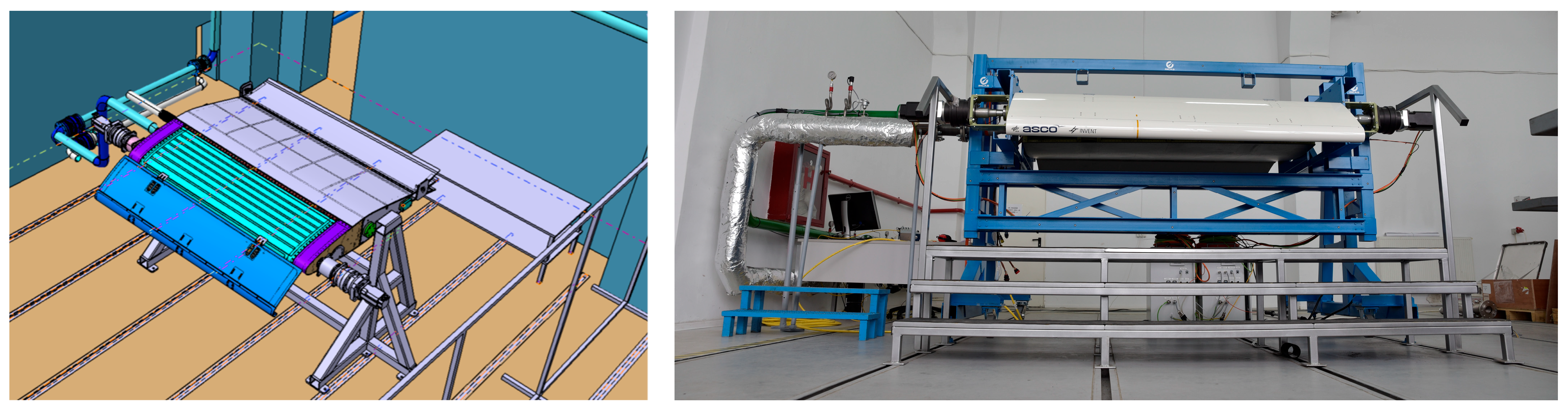
The Ground-Based Demonstrator (GBD) was conceived as an experimental platform for the development and validation of advanced technologies dedicated to Hybrid Laminar Flow Control (HLFC) at the leading edge of commercial aircraft wings. The primary objective of the demonstrator was to reproduce, at full scale, a representative wing section incorporating all relevant functional systems, thereby enabling integrated testing of multi-material architectures, movable mechanisms and pneumatic and thermal subsystems.
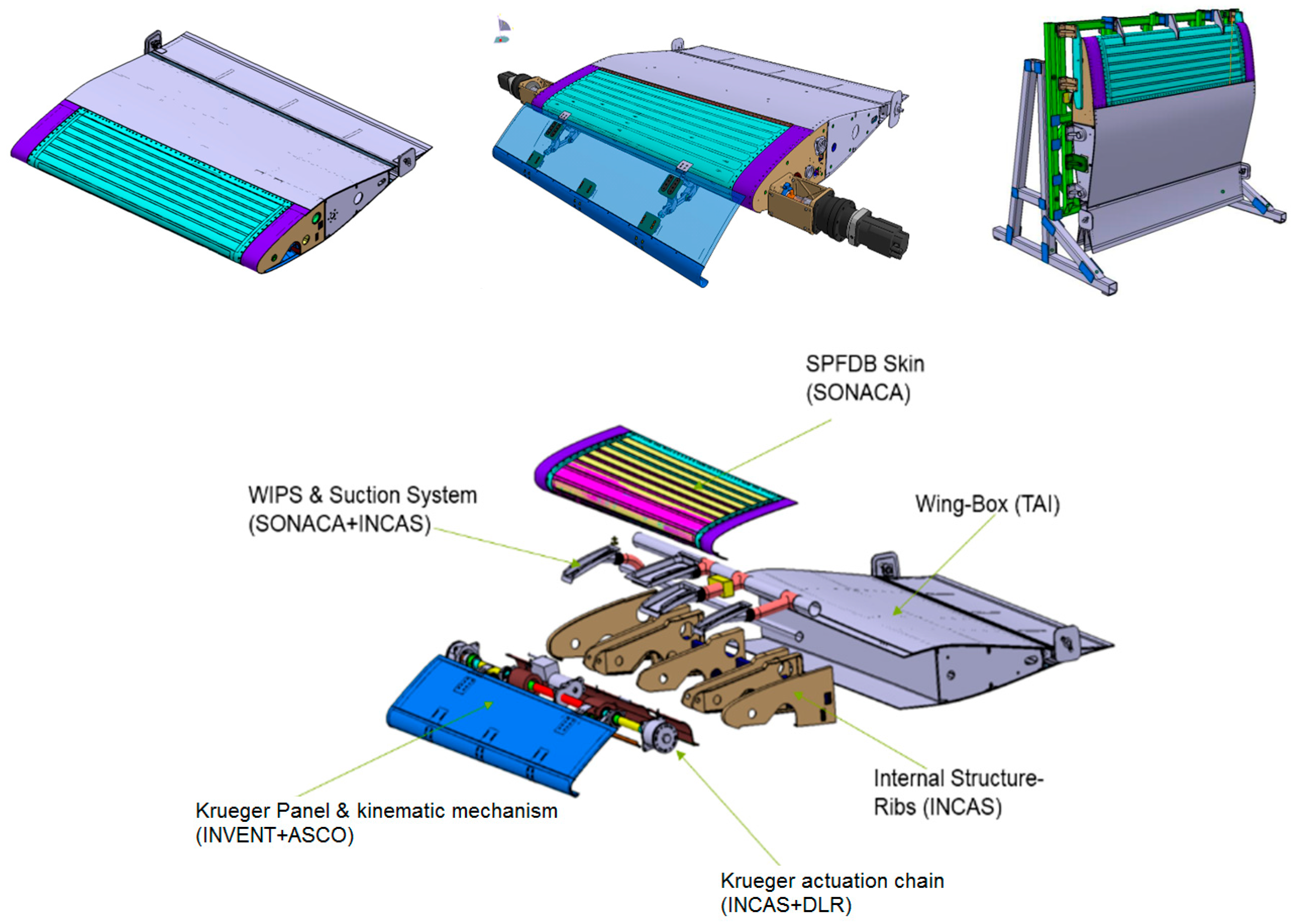
The demonstrator structure consists of a wing box (WB) manufactured from carbon-fiber-reinforced polymer (CFRP) and equipped with a main spar, upper and lower covers and a full-chord movable flap. The leading edge integrates titanium alloy components produced through SPF/DB (Superplastic Forming and Diffusion Bonding) technology, along with the Wing Ice Protection System (WIPS), the HLFC suction network and the movable CFRP Krueger panel with its actuation mechanism, as illustrated in
Figure 9.
The design of the wing box structure for the HLFC demonstrator aimed to achieve a geometrically and structurally representative configuration, capable of accommodating the SPF/DB titanium perforated skin, the HLFC suction channels, the WIPS thermal circuit and the movable Krueger panel, while maintaining the aerodynamic quality necessary for laminarity validation tests. The 3D model of the assembly was used to define the boundary details and three-dimensional interfaces, while finite element analysis (FEA) was applied to critical junctions—including the front spar support, FLE interfaces and intermediate rib attachments—to justify material selection and sizing. These studies led to the freezing of the internal chamber layout, the definition of manifold routing and the specification of geometric features such as cut-outs and sealing interfaces with the kinematic mechanism.
In parallel, key design characteristics and tolerance chains were established to define the geometric datums used during manufacturing, ensuring a “no-fastener” aerodynamic surface in critical laminar flow regions. These design decisions were taken to minimize rework requirements and guarantee repeatable assembly within the ground test rig. Furthermore, the design process included the definition of rib-to-spar attachment solutions (blind-bolt joints for closed structures), titanium thermal shield placement in the WIPS zones and the integration of measurement and access points for instrumentation. All design aspects were structurally substantiated and verified through CAD and FEM analyses to ensure compliance with aerospace standards.
3. Manufacturing and Assembly Process
As part of the development of the Hybrid Laminar Flow Control (HLFC) leading-edge demonstrator, the manufacturing process constituted a critical phase in which the preliminary design concepts were transformed into viable technological solutions that satisfy aeronautical requirements for geometric precision, reduced mass and adequate structural integrity. At this stage, particular attention was devoted to the selection and implementation of advanced materials—namely, titanium alloys and carbon-fiber-reinforced polymer (CFRP) composites—as well as to the validation of cutting-edge fabrication technologies. Among these, Superplastic Forming combined with Diffusion Bonding (SPF/DB) was employed for the production of the perforated titanium suction skin, enabling the required micro-perforation quality and structural performance.
The manufacturing workflow was defined to ensure coherent integration of all primary subsystems, including the CFRP structure (wing box), the titanium suction skin mounted on LE internal structure made out of aluminium ribs, the Krueger panel and actuation mechanism and, last but not least, the internal anti-icing and suction titanium pipes. Each technological step was specified in detail to guarantee dimensional fidelity, thermal and electrical compatibility among materials and a streamlined approach to assembly and maintenance.
The subsequent sections describe the main steps of the demonstrator’s manufacturing process. These include the fabrication of the perforated titanium panel, entire leading edge structure-aluminium alloy ribs, the production of the CFRP structure, Krueger panel and associated kinematic arms and shaft, WIPS and suction systems and the final integration and assembly on the dedicated ground-test rig.
3.1. SPF/DB Titanium Perforated Skin Production Process
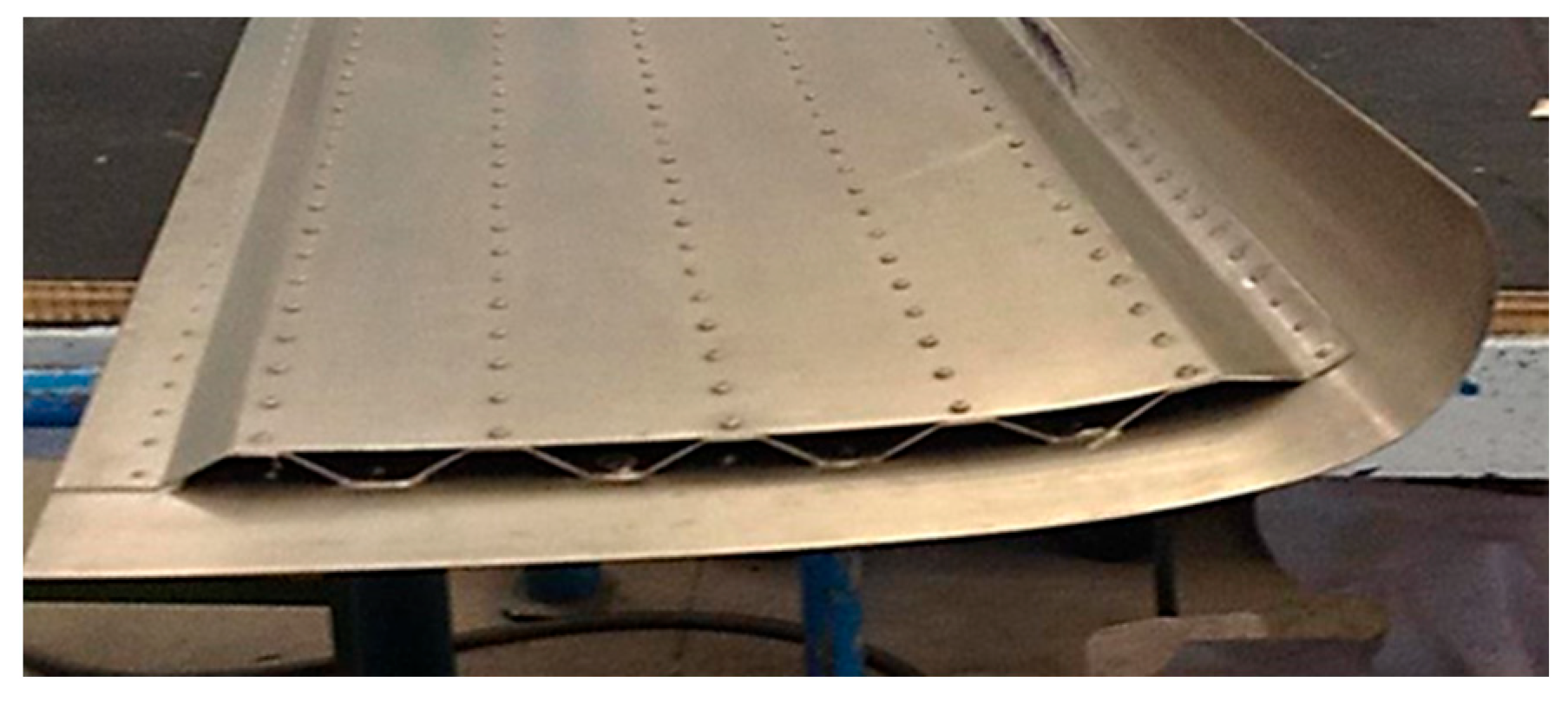
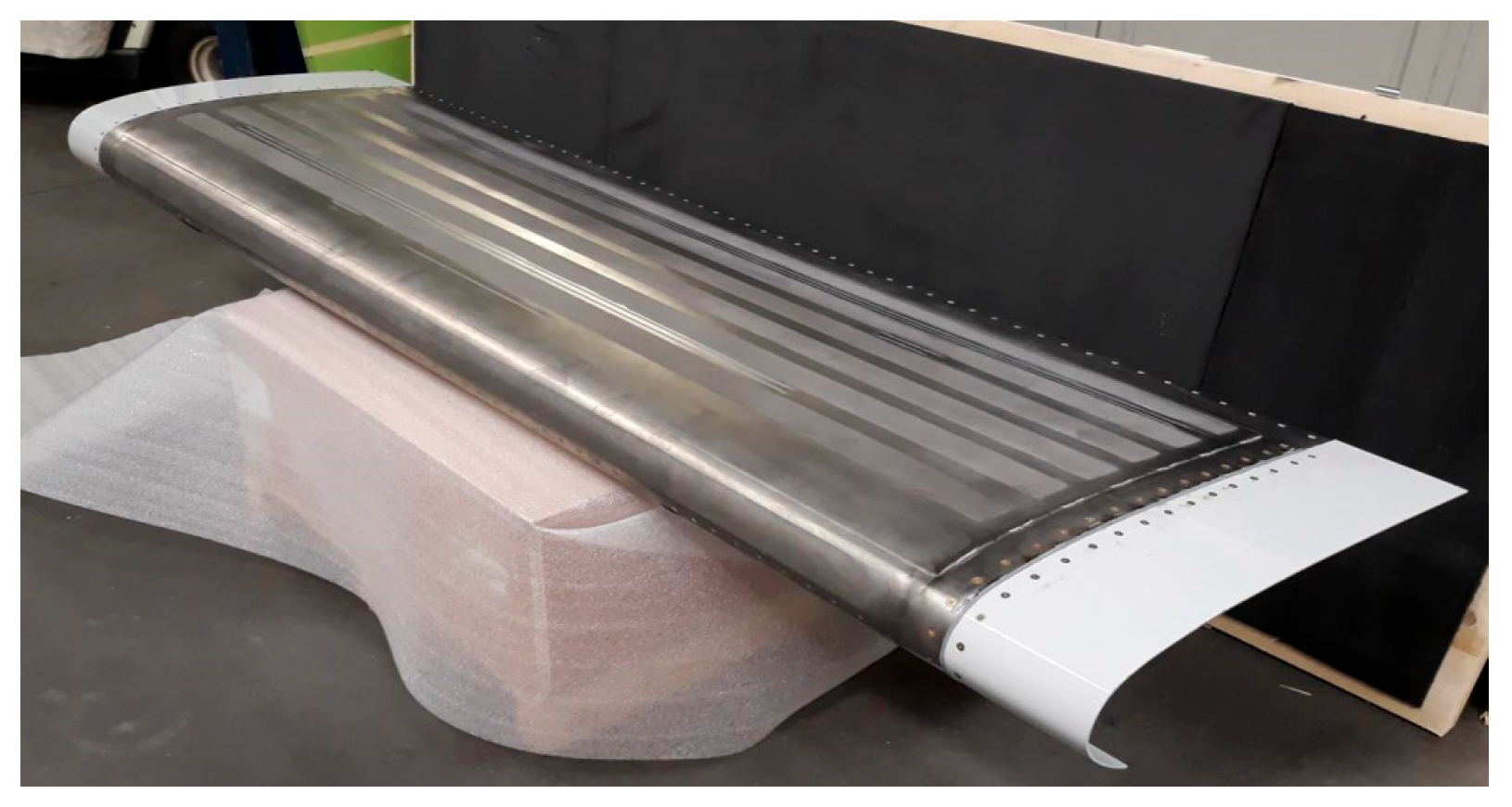
The fabrication of the suction panel for the Hybrid Laminar Flow Control (HLFC) system represented one of the most complex stages in the development of the demonstrator. The main objective was to obtain a double-curved titanium surface equipped with internal chambers capable of uniformly distributing suction along the entire leading-edge span (
Figure 10).
This was achieved using the Superplastic Forming and Diffusion Bonding (SPF/DB) technology applied to titanium alloy sheets of Ti-6Al-4V (
Figure 11).
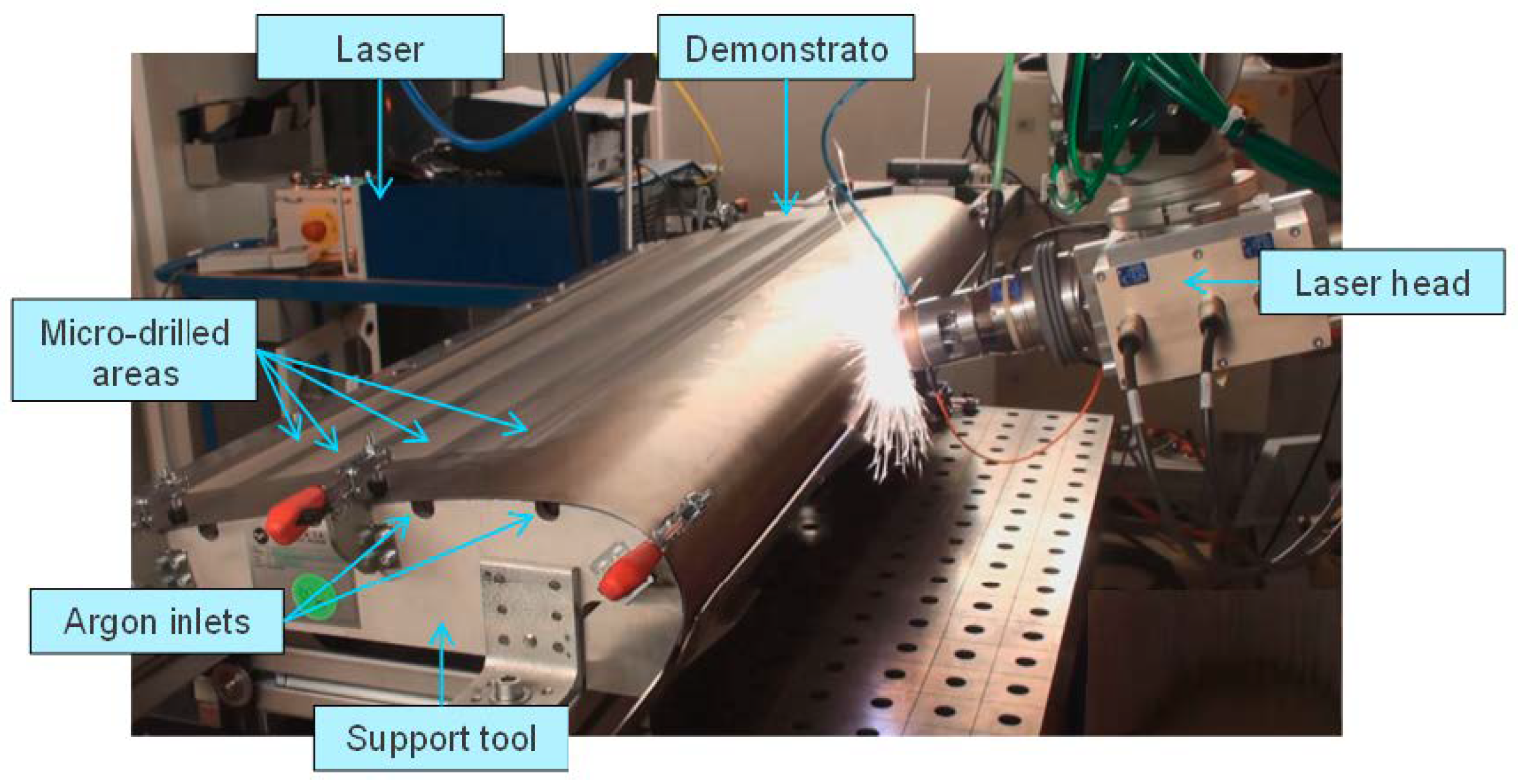
The process began with the preparation of the titanium layers, which were chemically cleaned and locally coated with stop-off materials in the areas where diffusion bonding was to be prevented, in order to form the internal chambers. The superplastic forming was carried out in an argon atmosphere, at a temperature of approximately 900 °C and a pressure of 7 bar, followed by a vacuum diffusion bonding stage to achieve a complete metallurgical bond between the layers.
After bonding, the outer surface was laser-perforated, creating holes with diameters ranging from 80 to 120 µm, distributed at a 0.5 mm pitch, in order to ensure the required permeability for the HLFC suction system (
Figure 12).
Post-processing included mechanical polishing to achieve a surface roughness of Ra ≤ 0.8 µm, a critical condition for maintaining laminar flow.
Dimensional inspections performed after bonding and machining indicated geometric deviations within ±0.15 mm, consistent with the precision requirements for aerodynamic surfaces. The internal integrity of the panel was verified through ultrasonic (C-scan) inspection and liquid penetrant testing, both confirming the absence of delamination and blockages within the suction channels.
In conclusion, the SPF/DB process proved to be reliable and reproducible, ensuring high structural quality. However, maintaining uniform perforation on curved surfaces required precise adjustments of the laser drilling parameters and accurate positioning within the forming fixture.
3.2. Manufacturing and Integration of the Suction and Wing Ice Protection Systems (WIPSs)
The manufacturing stage of the suction and ice protection systems represented a key component in the development of the HLFC demonstrator, aiming to reproduce the functional behavior of the hot-air and suction circuits for validating the Hybrid Laminar Flow Control concept for testing conditions. The design of these systems had already been finalized (including the suction chamber layout and manifold geometry), so the manufacturing activities focused on transforming the 3D models into high-precision metallic components, in compliance with applicable aerospace standards for pipes, fittings and thermal insulation elements.
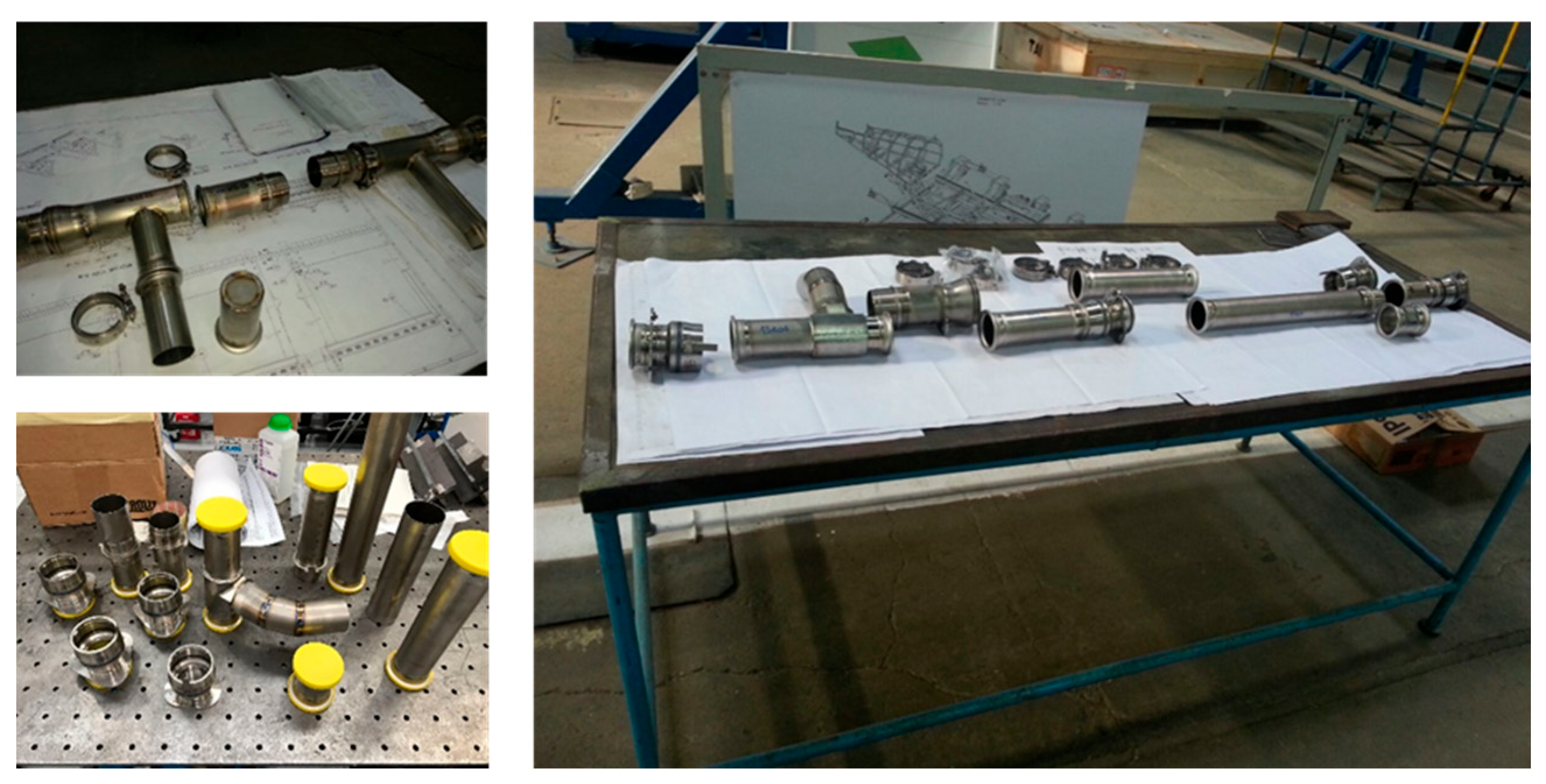
The manufacturing processes began with the fabrication of the main pipes and manifolds made of titanium (Ti6Al4V), using high-precision CNC machining, followed by TIG welding in an inert argon atmosphere to ensure tightness. Each section was subsequently pressure-tested individually to verify the absence of leaks and the uniformity of the internal cross-section. In high-temperature areas, the pipes were equipped with local thermal insulation, designed to minimize heat loss and protect the leading-edge supporting structure (
Figure 13).
Within the Wing Ice Protection System (WIPS) subassembly, transfer ducts and machined collectors mounted under the skin were manufactured to supply hot air to the critical regions of the titanium skin. These ducts were fitted with standardized couplings and connectors compliant with civil aircraft specifications.
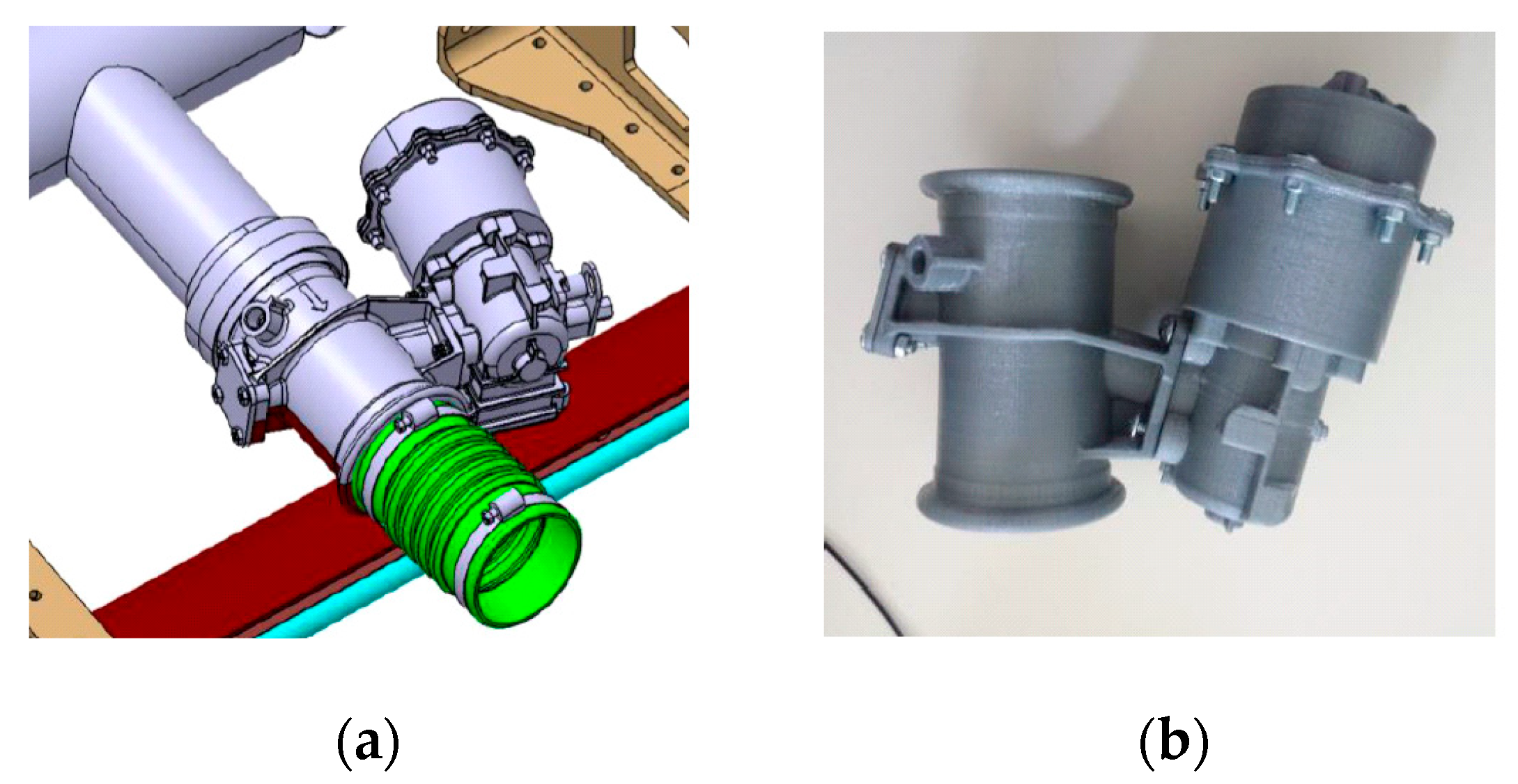
For the validation of geometric integration, a “dummy valve”—a non-functional 3D-printed component—was produced to simulate the space allocated for the real part and to verify accessibility, segregation compliance and compatibility with cable routes and adjacent structures (
Figure 14). This component allowed fine-tuning of assembly tolerances and served as a reference element during the final assembly process.
The final assembly of the WIPS and HLFC systems was carried out in parallel with the integration of the metallic leading-edge structure. The pipes were positioned in the jig according to the integration drawings, fixed using aluminum clamps and elastomeric seals and all connections were dimensionally and functionally verified using compressed air tests at pressures between 0.5 and 1.5 bar. At the same time, the air collection and distribution components of the HLFC system—also made of titanium—were installed to ensure uniform flow through the perforated skin chambers.
In the final stage, the complete system was equipped with pressure and flow sensors for initial calibration, and its compatibility with the air supply installation (previously described) was verified. The result of the manufacturing process was a compact, easy-to-maintain assembly, fully integrated into the leading-edge structure and fully compliant with segregation requirements between the pneumatic, thermal and electrical circuits. The quality of workmanship was confirmed through leak tests and non-destructive inspections (NDTs) performed at INCAS, which demonstrated compliance with design requirements and dimensional stability throughout assembly.
3.3. Leading Edge Structure Manufacturing and Assembly
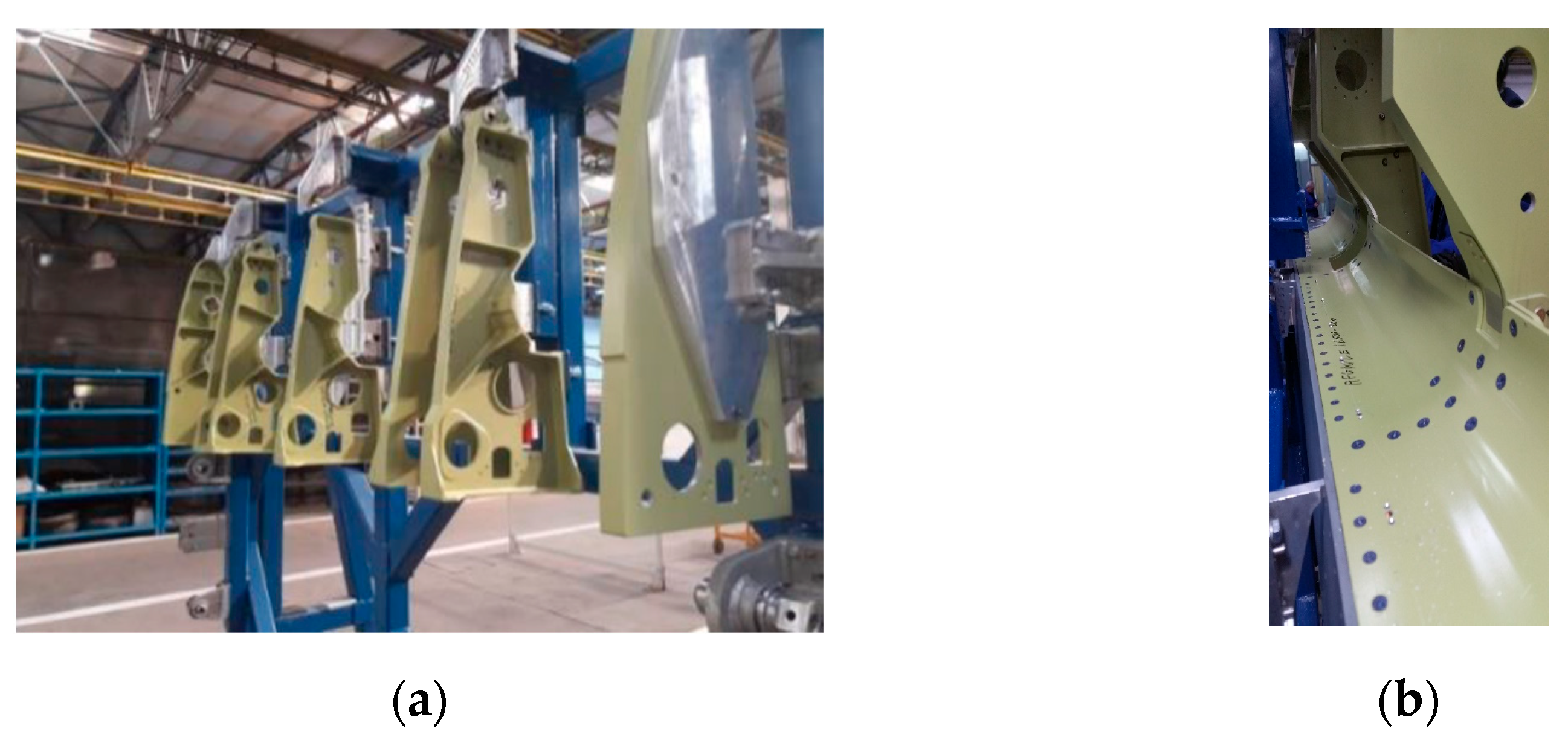
The internal structure of the leading edge consists of the primary ribs, the Bird Impact Protection (BIP) system, the forward and lower attachment spars, as well as titanium thermal shields designed to isolate the regions exposed to the hot-air flow of the de-icing system (
Figure 15).
The ribs, stoppers and spacers were machined from 7050-T7651 aluminum alloy, selected for its combination of mechanical strength, dimensional stability and low density. Components subjected to impact loading were manufactured from 7475-T761 aluminum alloy with a nominal thickness of 4.5 mm. The mounting brackets were formed through a deep-drawing process followed by CNC finishing on five-axis machining centers and subsequently hard-anodized to ensure corrosion protection.
For the assembly of the structure, liquid shims were applied between the ribs and the CFRP components (spar and skin) to compensate for thickness variations and to ensure uniform distribution of contact loads. The ribs were attached to the spar using blind bolts, a solution essential for closed-section structures. Following the integration of the Bird Impact Protection System, the titanium sheet thermal shields—machined to the CAD contour and cold-formed—were installed, followed by the placement of silicone sealing gaskets along the interface with the Krueger panel. The entire assembly was dimensionally inspected in the integration jig with an accuracy of ±0.1 mm, in accordance with the design requirements.
3.4. Krueger Flap and Kinematics Fabrication and Integration + Actuation Shaft
The Krueger panel is manufactured from carbon-fiber-reinforced polymer (CFRP) in a sandwich configuration incorporating a structural foam core, providing high bending stiffness at minimal weight. This architecture was selected for its favorable strength-to-weight ratio, superior fatigue resistance and dimensional stability under moderate thermal gradients. During the detailed design phase, the external geometry of the panel was refined to ensure aerodynamic continuity with the fixed leading-edge contour and to minimize gaps in the retracted position that could disturb the local flow.
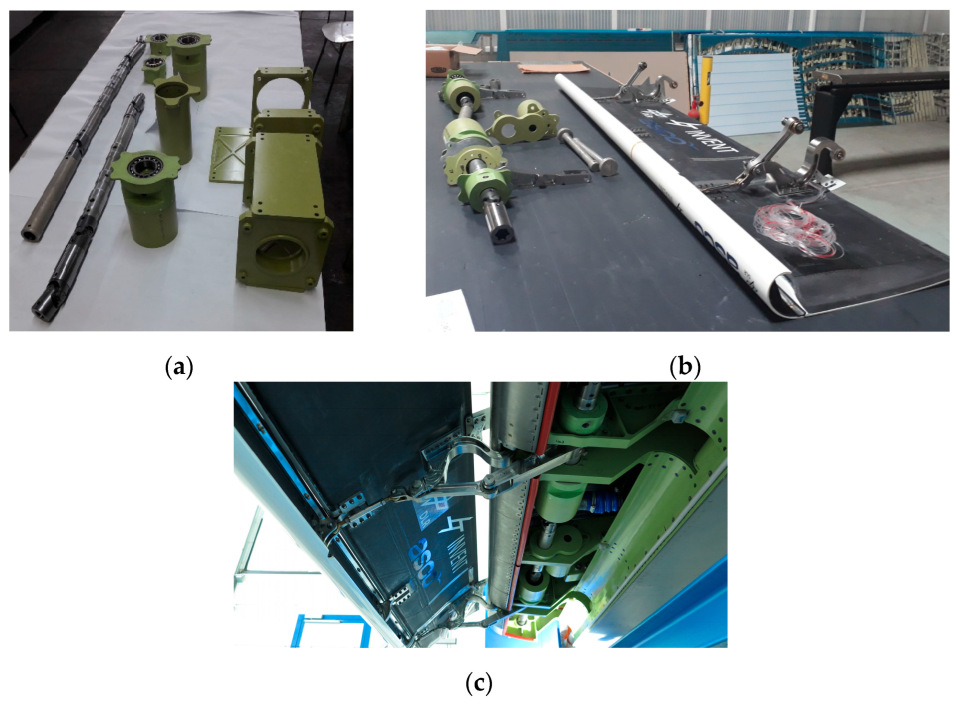
The actuation system, fabricated entirely from high-strength 15-5 PH stainless steel, employs a kinematic arrangement that produces a controlled rotational deployment. The mechanism consists of a primary actuator lever, a drive-link shaft and an articulated guiding linkage that together allow smooth motion throughout the deployment and retraction cycle without interfering with the surrounding wing structure (
Figure 16).
The kinematics were further optimized to guarantee a positional alignment within 0.2 mm in the stowed configuration—a critical requirement to ensure proper sealing and to preserve laminar-flow continuity across the upper surface of the leading edge.
The actuation shaft is basically a segmented shaft made from standard parts (all the interfaces are) and machined ones—steel was used to sustain the high stress values that will occur during the icing test and bird strike test. The gearboxes in our case are only designed to fulfill the space allocation model; in reality, these parts house the bearings for the actuation chain.
The manufacturing processes of the Krueger mechanism followed the same precision standards as those applied to the internal structure. All major components were manufactured from high-strength steel [
28] (EN 34CrNiMo6), machined on 5-axis CNC centers, while the contact surfaces were finished by grinding and lapping, achieving a concentricity below 0.02 mm and a surface roughness of Ra ≤ 0.8 µm.
After the hardening heat treatment (38–42 HRC), the components were cadmium-plated and passivated, while the aluminum parts were hard-anodized. The bearing–lever–shaft subassemblies were manually assembled using pneumatically controlled presses with force monitoring, and the self-lubricating bushings were installed by hot pressing to ensure dimensional stability.
3.5. Wing Box Manufacturing
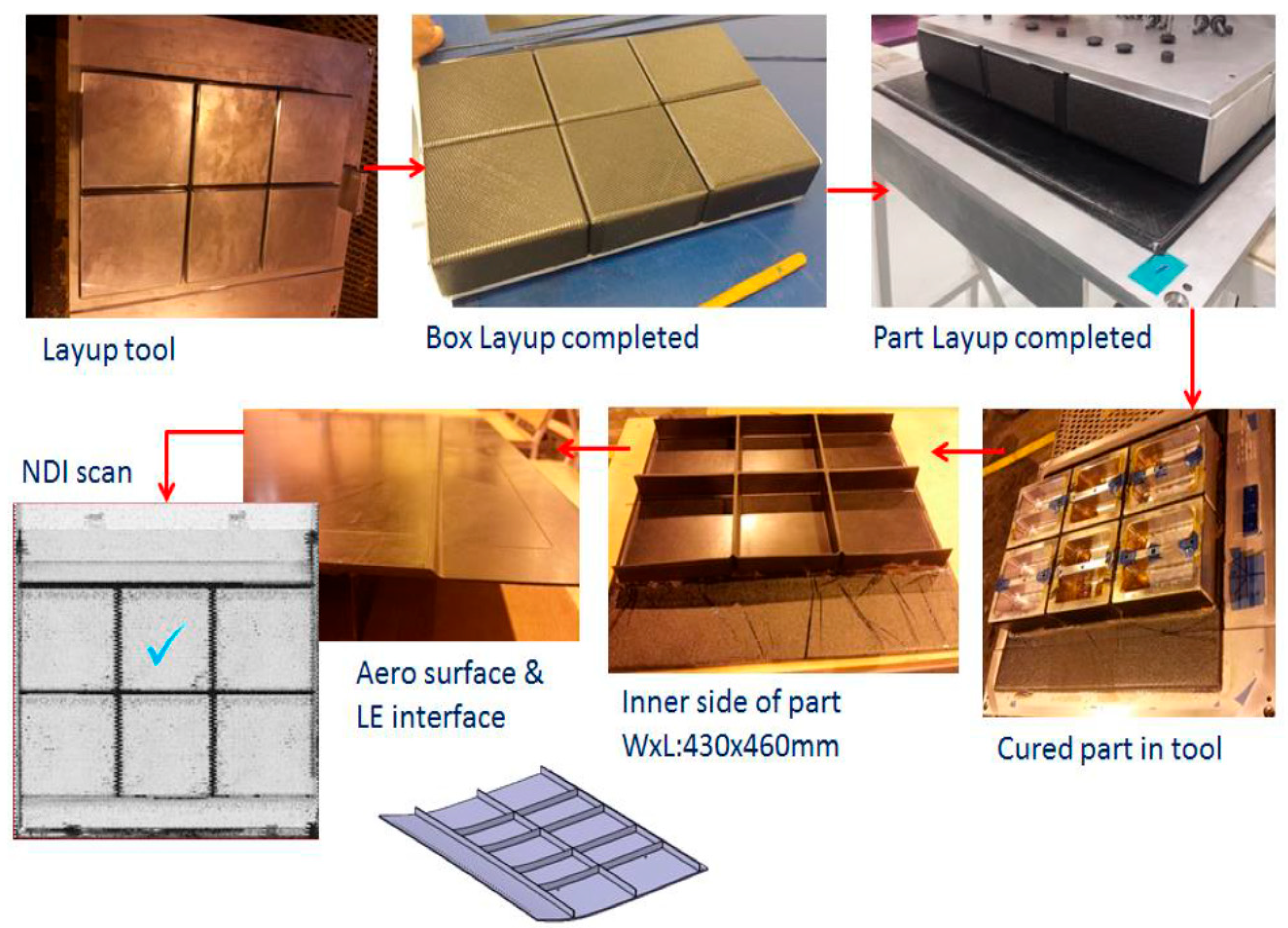
Wing Box subscales demonstrators have been prepared and implemented in order to de-risk the concept for high-quality aero surface (no fastener) composite wing structures (
Figure 17).
The manufacturing process of the wing box began with the definition of tooling and assembly jigs based on the final CAD model, to ensure the geometric referencing (“datums”) required for the subsequent assembly of subassemblies. The tooling was designed to maintain the positioning of the front spar and the panel edges within the tolerance limits imposed by aerodynamic analyses and by the “no-fastener surface” requirement on the external surfaces.
The fabrication of the CFRP components followed conventional manual and automated lay-up processes on molds conforming to the final contour. Prepreg materials were applied to mandrels and forming meshes, followed by autoclave curing cycles in accordance with the approved thermal parameters. After demolding, trimming and mechanical finishing operations were performed to obtain the final edges and assembly interfaces. Layer thickness and fiber/resin orientation were verified post-cure through 3D measurements and metrological inspection procedures.
The internal metallic components (ribs, stoppers, spacers) were CNC-machined from aluminum alloys (Al 7050-T7651 for the ribs and Al 7475-T761 for bird-impact components), including milling, drilling and grinding operations performed to tight tolerances. After machining, these parts underwent surface treatments (anodizing or passivation) and, where required, bending/forming operations followed by final finishing. Critical features (punch holes, attachment flanges) were verified through CAD-to-part comparison prior to release for assembly.
3.6. Integration of the Components and Final Assembly of the HLFC Wing Demonstrator
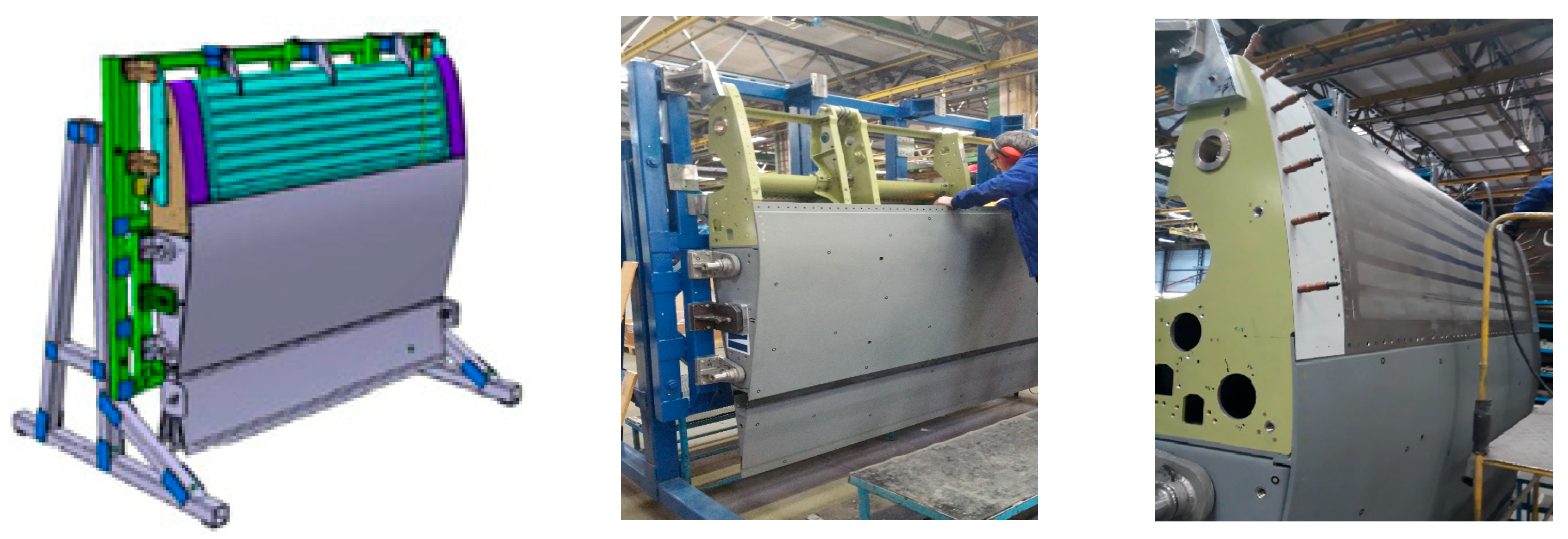
The final assembly of the Hybrid Laminar Flow Control (HLFC) demonstrator was carried out at INCAS using a dedicated high-tolerance assembly jig specifically designed to ensure accurate three-dimensional positioning of all major subassemblies. These included the CFRP wing-box structure, the aluminum leading edge ribs, the SPF/DB-formed titanium suction panel and the CFRP Krueger panel and stainless steel kinematic system. The jig incorporated micrometric clamping systems and adjustable transverse supports (0.1 mm increment), while its rigid steel frame was calibrated prior to use to eliminate elastic deformations during component handling (
Figure 18).
The assembly process followed a staged workflow. It began with the positioning and fixation of the CFRP wing box, which provided the geometric reference for the entire demonstrator. Leading-edge metallic ribs and the bird-impact-protection (BIP) sub-spar were subsequently installed on this baseline structure, followed by the routing and placement of the HLFC and WIPS system ducts. All pneumatic and thermal interfaces were initially sealed using temporary fittings to facilitate further positional adjustment and preliminary functional checks. The ducts and manifolds were secured with aluminum brackets and silicone insulating inserts to prevent vibration transfer into the structure.
In parallel, the Krueger kinematic mechanism was integrated and bench-tested in its extreme deployed and retracted positions, demonstrating smooth operation without interference between moving elements and support structure.
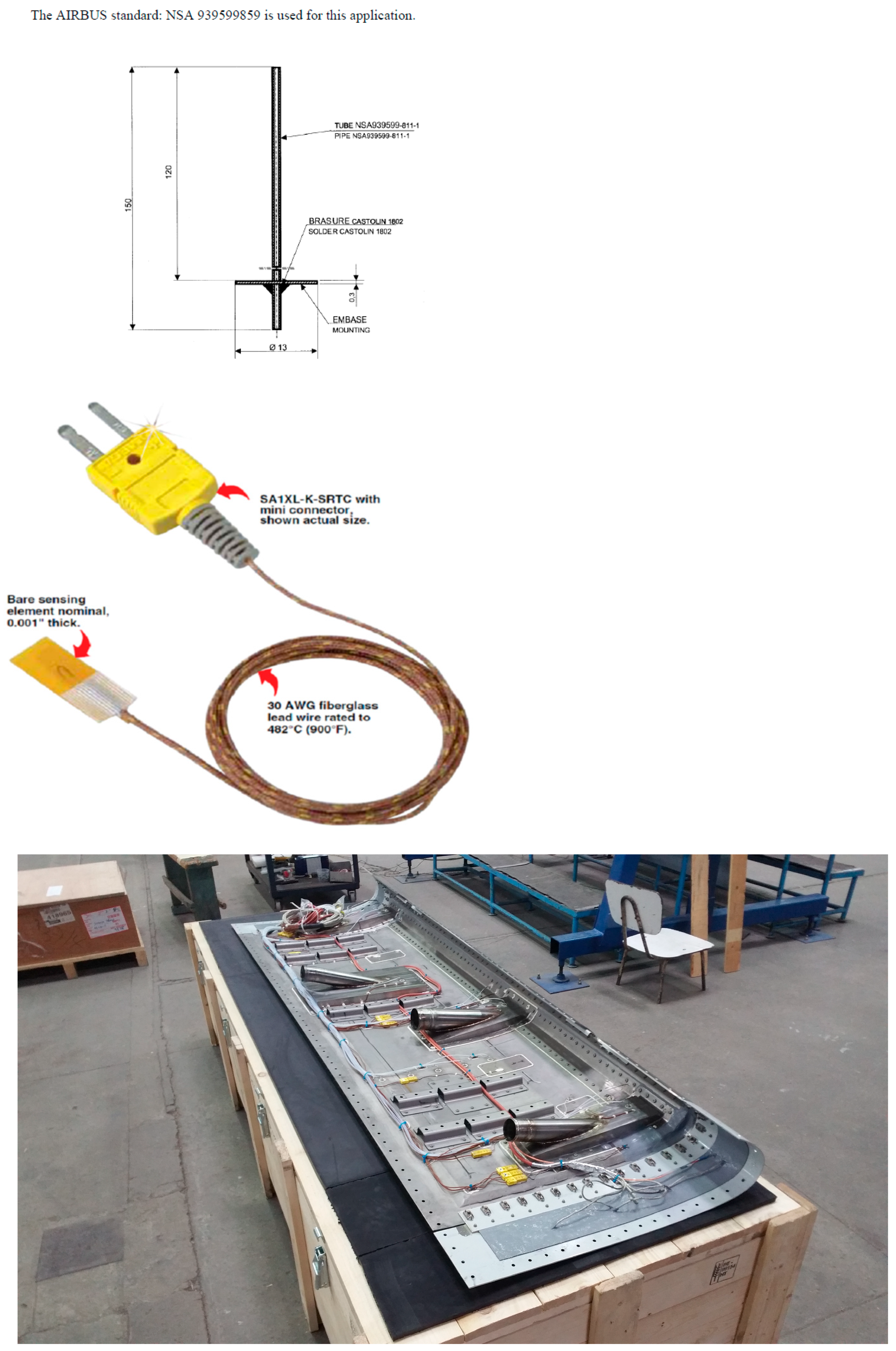
Following completion of the structural assembly, the pressure, flow and temperature sensors for the HLFC and WIPS systems were installed. All electrical connections were routed along shielded, electromagnetically protected pathways to prevent interference during functional testing.
After completion of the internal pipe system integration, the SPF/DB-manufactured perforated titanium panel was installed on the leading edge. This step represented one of the most critical phases, as the external surface had to remain flush and uninterrupted (“no-fastener surface”) to preserve laminar-flow conditions. The panel was joined using blind fasteners and silicone gaskets rated for temperatures up to 200 °C. Dimensional verification performed using a CREAFORM measurement system confirmed installation tolerances within ±0.2 mm.
The final inspection results confirmed full compatibility among all integrated subsystems and compliance with the design specifications. Metrological measurements indicated a total mass of 311 kg and a center-of-gravity location of x = 42.455 mm, y = −22.850 mm and z = 839 mm, in agreement with the digital model requirements. Assembly using the dedicated jig demonstrated not only the feasibility of multi-material integration (CFRP, titanium, aluminum and steel) but also the dimensional stability necessary for functional validation of the HLFC system under laboratory test conditions.
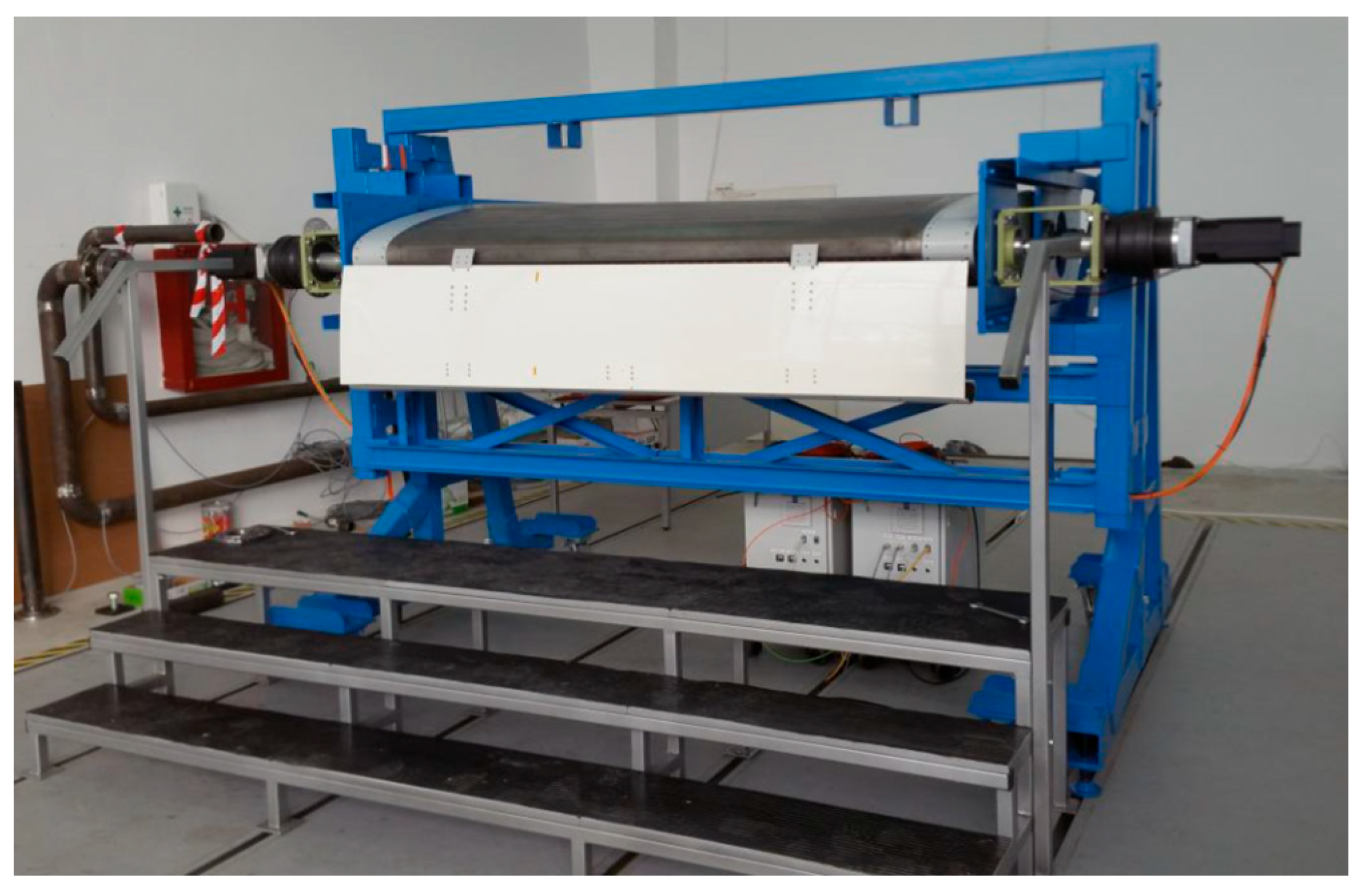
In the final phase, the fully assembled demonstrator was connected to the compressed-air supply installation and to the 35 kW electric heating system, enabling calibration procedures and leak-tightness verification (
Figure 19).
5. Ground Testing (Vacuum and Hot Air) Results
Pneumatic Test Bench (Heated Air and Vacuum)
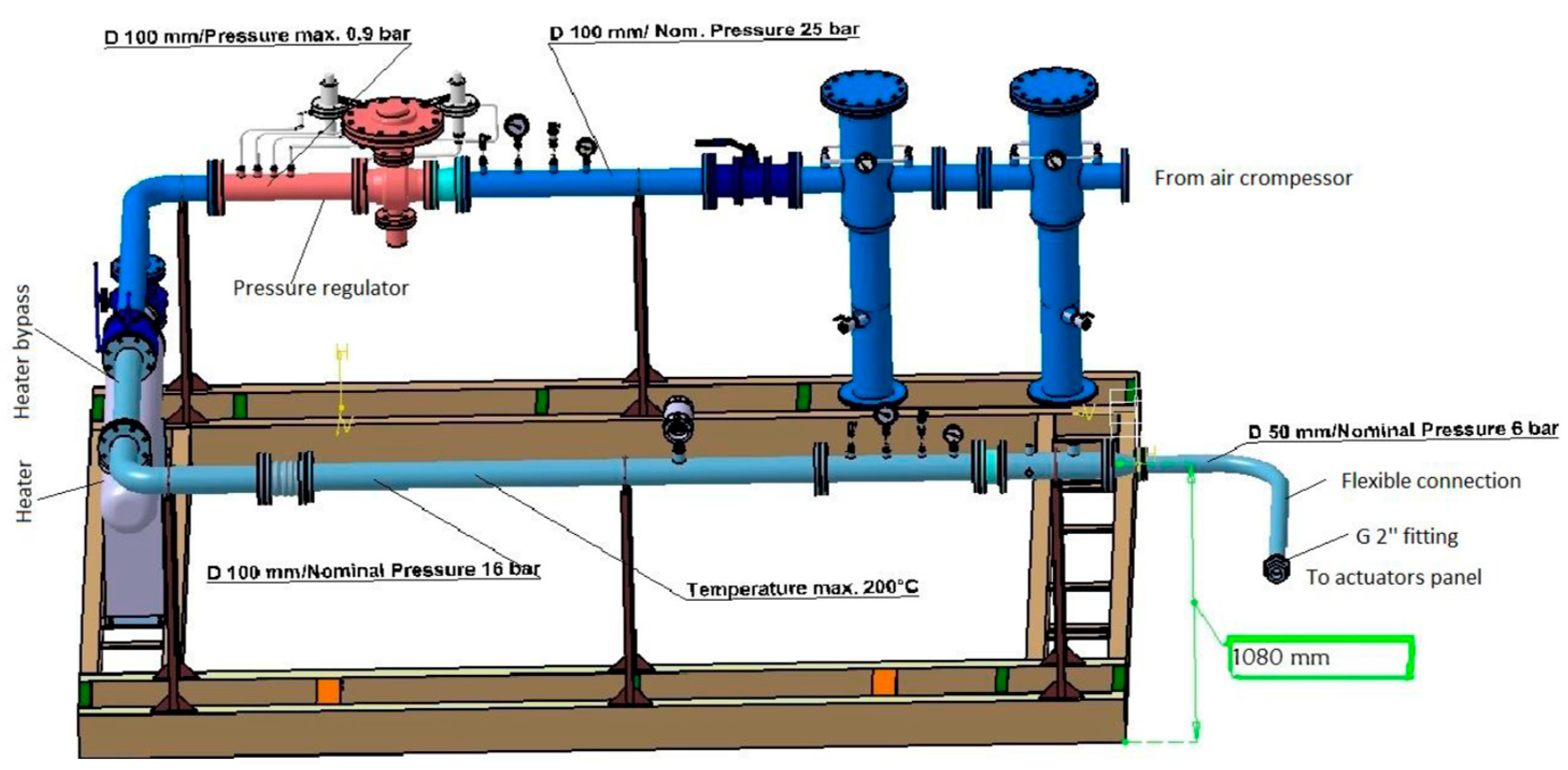
For the purpose of ground-based functional testing of the Hybrid Laminar Flow Control (HLFC) and Wing Ice Protection System (WIPS), a complex air supply installation was designed to reproduce the pressure, temperature and flow rate conditions characteristic of real flight regimes. The installation design was developed by INCAS, aiming for seamless integration within a laboratory environment and full compatibility with the HLFC demonstrator testing infrastructure (
Figure 21).
The installation was conceived with modular architecture to ensure adaptability to multiple experimental scenarios. From a functional point of view, it includes a compression system, an air conditioning unit, an active heating section and a real-time control and monitoring system. The two compressors can operate either independently or in parallel, reaching pressures up to 18 bar and maximum flow rates of approximately 620 kg/h. The compressed air is subsequently passed through a purification filter and then directed to the conditioning unit, where temperature and pressure are adjusted to match the nominal testing conditions.
The central element of the installation is a 35 kW electric heater, capable of increasing the air temperature from −30 °C up to +200 °C, while maintaining thermal stability throughout the entire operating range. The system was dimensioned to allow testing of the HLFC and WIPS components under variable regimes, ranging from cold, low-pressure flow conditions to intense thermal regimes simulating in-flight de-icing scenarios (
Figure 22).
From an architectural standpoint, the pneumatic circuit consists of stainless-steel and titanium pipes and fittings, locally insulated in high-temperature areas. The configuration of the pipelines was analyzed in detail within a 3D CAD environment to minimize pressure losses and optimize flow uniformity at the outlet of the heating system. Additionally, to prevent any risk of overpressure or overheating, the installation was equipped with redundant safety systems, including a passive thermal protection mechanism that shuts down the power supply when the temperature exceeds 90 °C and an electronic control system that interrupts operation in the absence of airflow or under excessive flow rate conditions.
The WIPS test was performed at the following pressures: 1.6 bar, 1.4 bar, 1.2 bar, 1 bar, 0.8 bar, 0.6 bar, 0.4 bar and 0.2 bar. The results are presented in
Table 2.
The measurements vacuum test was performed in three configurations at the following absolute pressures:
First Configuration (orifice place—small diam.): 0.9, 0.8, 0.7, 0.6 and 0.5 bar;
Table 3.
Second Configuration (WIPS duct blocked—full plate)
Table 4.
Third Configuration (micro-perforated holes sealed—adhesive tape on stripes).
Table 5. Cells marked with “–” indicate locations where thermocouples were not installed, and, therefore, no measurements were taken.
The pressure range of 1.6–0.2 bar was selected to cover the operational envelope of the Wing Ice Protection System (WIPS) and the HLFC suction system for ground test conditions, and this range was used also for future calibration of the virtual tool that was used for this study.
Table 2 summarizes the experimental results obtained during the ground tests of the Wing Ice Protection System (WIPS) under hot-air operating conditions, for supply pressures ranging from 1.6 bar down to 0.2 bar. The measurements include local temperatures and pressures recorded at multiple locations along the leading-edge structure, as well as the corresponding mass flow rates.
The results indicate a high level of thermal uniformity along the protected region. For the highest operating pressure (1.6 bar), the measured temperatures are predominantly within a narrow band of around 31–33 °C, with localized lower values near the extremities, attributable to boundary effects and heat losses. As the supply pressure decreases, a gradual reduction in temperature is observed, following the expected thermodynamic behavior of the system.
Pressure measurements confirm a stable and well-distributed pressure field within the WIPS ducting, with negligible pressure drops between adjacent measurement points. This behavior demonstrates the effectiveness of the internal duct layout and validates the design assumptions regarding hot-air distribution.
Overall, the data in
Table 2 confirm that the WIPS is capable of delivering consistent thermal performance over a wide operating envelope, without inducing excessive pressure losses or temperature gradients that could compromise structural integrity or laminar-flow compatibility.
Table 3 presents the results of the vacuum tests performed in the first configuration, corresponding to the reference suction layout with the standard orifice geometry. Measurements were conducted at absolute pressures between 0.9 bar and 0.5 bar, covering the representative operational range of the HLFC suction system.
The recorded temperatures remain nearly constant, with variations typically below ±0.2 °C, indicating that suction-induced cooling effects are minimal and do not introduce thermal disturbances. This behavior is particularly important for HLFC applications, where temperature gradients can affect boundary-layer stability.
Pressure measurements show a consistent pressure decay along the suction path, with smooth gradients and no evidence of flow separation or localized choking. The measured mass flow rates increase as the absolute pressure decreases, confirming the expected inverse relationship between suction pressure and flow rate.
These results validate the baseline suction configuration, demonstrating stable operation, predictable flow behavior and compatibility with the HLFC design requirements.
Table 4 reports the vacuum test results obtained in the second configuration, in which the WIPS duct was blocked, isolating the suction system to evaluate its intrinsic behavior without interaction with the hot-air circuit.
Compared to Configuration 1, the measured mass flow rates are generally lower at higher pressures, reflecting the modified boundary conditions imposed by the blocked duct. However, as the pressure decreases toward 0.6–0.5 bar, the flow rates converge toward values comparable to those observed in the reference configuration.
Temperature measurements again exhibit very limited variation, confirming that the suction process remains thermally benign. The pressure data show a more uniform distribution across several measurement points, indicating reduced interaction effects and validating the internal suction chamber design.
This configuration demonstrates that the HLFC suction system can operate independently of the WIPS circuit, an important finding for system robustness and failure-tolerance considerations.
Table 5 summarizes the results of the vacuum tests conducted in the third configuration, where the micro-perforated holes were sealed. This setup was intended to characterize parasitic losses and baseline system behavior in the absence of active suction through the skin.
As expected, the measured mass flow rates are significantly reduced compared to Configurations 1 and 2, confirming that the majority of the airflow in previous tests is effectively driven through the perforated titanium skin. The pressure levels measured along the circuit show a more homogeneous distribution, with reduced gradients, reflecting the absence of distributed suction sources.
Temperature values remain stable and comparable to the other configurations, further supporting the conclusion that thermal effects are decoupled from suction behavior under the tested conditions.
The results of
Table 5 provide a reference baseline, allowing clear discrimination between active suction effects and system-intrinsic losses. This comparison reinforces the validity of the suction concept and supports the interpretation of the results obtained in the previous configurations.
Taken together, the results presented in
Table 2,
Table 3,
Table 4 and
Table 5 demonstrate the stable, predictable and robust operation of both the Wing Ice Protection System and the HLFC suction network over a wide range of operating conditions. The experimental data confirm the effectiveness of the integrated design, validate the underlying numerical assumptions and provide a solid experimental foundation for subsequent icing wind tunnel and aerodynamic performance tests.