


Abstract
As the global transportation sector accelerates toward net-zero targets, the rapid deployment of alternative fuels like hydrogen, ammonia, and batteries introduces complex and novel safety challenges. This study systematically maps the intellectual structure of safety and risk research on zero-emission transportation systems to evaluate field maturity and identify critical knowledge gaps. We conducted a comprehensive bibliometric analysis of 151 core publications retrieved from the Web of Science from 2000 to 2025. By integrating quantitative performance analysis with qualitative science mapping techniques, the results identify that the domain is nascent and rapidly expanding, and a distinct inflection in publication occurred in 2020. However, science mapping reveals a fragmented intellectual structure. Among the four identified research clusters, two dominant streams emerge as the primary drivers of the field. The first is a “motor theme” focused on lithium-ion battery reliability and thermal runaway, while the second is a “basic theme” focused on hydrogen dispersion and toxicity risks. The analysis exposes a blind spot regarding the lack of cross-modal research addressing the physical safety interactions between different fuel systems operating in the shared infrastructure. Finally, this study proposes a future research agenda focusing on gathering real-world accident data and using system-theoretic approaches to manage integrated alternative fuel risks.
1. Introduction
Driven by the United Nations’ Net-Zero Coalition to cut greenhouse gas emissions to near-zero levels [1], the global transportation sector is transitioning from fossil fuel dependence to zero-emission technologies. For example, in the maritime sector, the International Maritime Organization (IMO) has established decarbonization targets to reduce greenhouse gas emissions from ships. This strategy mandates a reduction in the carbon intensity of international shipping by an average of 40 percent by 2030 and 70 percent by 2040, while aiming to reach net-zero greenhouse gas emissions by or around 2050 [2,3]. These net-zero regulations represent significant policy shifts in the maritime sector and are driving the rapid adoption of alternative fuels, including hydrogen, ammonia, methanol, battery-electric, and fuel cell systems, across the shipping industry [4]. Similar decarbonization policies are reshaping the automotive and multimodal transportation sectors, where electric vehicles and hydrogen fuel cell vehicles are emerging as viable alternatives to conventional internal combustion engines [5].
However, the widespread transition to zero-emission transportation systems presents new technical challenges [6]. Each alternative fuel technology carries distinct hazards and risk profiles that differ substantially from those of conventional hydrocarbon fuels [7]. For instance, hydrogen presents risks associated with rapid flame propagation and invisible flame characteristics [8,9,10], ammonia exhibits toxic hazards and corrosive properties [11,12,13], lithium-ion battery systems face thermal runaway and fire propagation challenges [14,15], and methanol presents flammability and toxicity concerns [16,17].
Risks emerge alongside the operational deployment of zero-emission vessels such as the liquefied hydrogen carrier Suiso Frontier [18] and the liquid hydrogen-fueled ferry MF Hydra [19]. The urgency of addressing these hazards is evidenced by recent major accidents. In 2022, the car carrier Felicity Ace sank after a fire involving lithium-ion battery electric vehicles, which proved difficult to extinguish using conventional methods due to thermal runaway [20]. Similarly, in 2019, the hybrid ferry Ytterøyningen experienced a battery room explosion, highlighting the severe risks of gas buildup and thermal propagation in enclosed maritime spaces [21]. These incidents serve as a warning that the introduction of alternative fuels creates a complex and evolving risk landscape that the industry is struggling to manage [6,22].
Beyond individual vessel accidents, the potential for large-scale disasters in shared infrastructure is a significant concern when considering the specific hazards of fuels like ammonia [23]. Unlike conventional hydrocarbons, ammonia poses a severe toxicity risk. For instance, a leakage of liquid ammonia at a refrigeration plant in Shanghai (2013) resulted in 15 fatalities [24,25], and a pipe failure in Alabama (2010) affected over 800 people in the vicinity [26]. While these incidents occurred in non-transport industrial contexts, they serve as essential proxies for risk assessment because ammonia-powered vessels and vehicles have not yet reached widespread commercial operation. The intrinsic chemical properties and toxic hazards of ammonia remain constant across applications; therefore, these industrial disasters share an identical physical risk profile with potential leakage scenarios in maritime bunkering operations or port-side storage infrastructure. These accidents illustrate the catastrophic potential of ammonia leaks and highlight that the transition to zero-emission technologies like ammonia must be managed through continuous research and rigorous safety efforts. In this context, it is important to evaluate whether scientific knowledge and safety practices are advancing quickly enough to deal with the emerging challenges brought by the newly introduced technologies in the transportation sector.
To address this need, this study provides a comprehensive review of safety and risk research regarding zero-emission transportation. The primary objective is to systematically analyze the current research to identify knowledge gaps and outline a clear pathway for future investigations. Specifically, this review limits its scope to safety risks associated with onboard alternative fuel storage, including hydrogen, ammonia, and lithium-ion batteries. We therefore exclude electrified railway systems, as they rely on external power via catenary infrastructure and present a risk profile distinct from onboard storage concerns. Our analysis primarily focuses on the maritime and automotive sectors, as these industries are undergoing a rapid commercial transition driven by regulatory pressures such as the IMO Strategy and global electric vehicle policy initiatives. While zero-emission aviation remains in a nascent stage, it is worth noting that early aviation safety research, particularly concerning high-reliability requirements, could offer valuable transferable insights for energy storage safety in the maritime and automotive domains. However, as alternative fuel technologies are not yet actively deployed in the aviation sector, the specific extent of these cross-sectoral insights remains uncertain. Consequently, investigating the potential synergies between aviation safety standards and other zero-emission transport modes represents a significant opportunity for future research and should be addressed as a sub-research question in subsequent studies.
Given this scope, we adopted a bibliometric approach to systematically assess research growth, thematic developments, and intellectual structures that traditional narrative reviews may overlook. Ultimately, this review aims to help establish an evidence-based foundation for the safe operation of next-generation transportation systems. To achieve these objectives, this research addresses five research questions (RQ):
- RQ1. What are the research focuses and evolutionary status of this field? This involves analyzing publication trajectories, growth patterns, and citation performance to determine if the domain constitutes an established and expanding field.
- RQ2. Who are the primary contributors to this domain? This identifies the most influential authors, institutions, and countries, alongside the collaboration patterns that characterize the field.
- RQ3. What is the intellectual structure of this domain? This examines the foundational research clusters and seminal works that define the field’s organization.
- RQ4. What research gaps exist? This highlights specific areas where future research directions merit priority investigation.
- RQ5. What are the emerging research trends? This explores dominant conceptual and methodological frameworks within each cluster to assess whether current trends are addressing identified gaps.
To answer these questions, the present bibliometric review systematically maps the scientific literature on safety and risk for zero-emission transportation systems published between 2000 and 2025. This study combines quantitative bibliometric analysis with qualitative content analysis to provide a comprehensive overview of the research landscape. The bibliometric analysis employs citation metrics, publication trend analysis, and Lotka’s law validation to assess field maturity and productivity patterns. Network analysis techniques identify the most influential authors, institutions, and countries contributing to this domain. Science mapping methodologies reveal the underlying intellectual structure and identify foundational research clusters. Finally, thematic content analysis of full-text publications within each cluster provides detailed insight into current research trends, dominant methodological approaches, and conceptual frameworks. This dual quantitative-qualitative approach enables not only objective assessment of the field’s bibliographic characteristics but also substantive understanding of its knowledge content and architecture.
This paper is structured as follows. Section 2 presents comprehensive research methodology, including data collection and curation procedures, bibliometric analysis techniques, and content analysis approaches. Section 3 presents the results of bibliometric analysis addressing the performance characteristics, contributor networks, and intellectual structure of the research field. Section 4 provides an in-depth thematic content review of each identified research cluster, synthesizing findings and identifying research gaps and future research directions. Section 5 discusses the integrated findings from both bibliometric and thematic analyses, synthesizing key insights to reveal limitations in current safety frameworks and proposing a structured research agenda to bridge these gaps. Finally, Section 6 concludes with key contributions, practical implications, and recommendations for advancing safety and risk research in zero-emission transportation systems.
2. Research Methodology
2.1. Research Design and Workflow
This review employs bibliometric methodology to map the intellectual structure and evolution of research on safety and risk for zero-emission transportation systems. The research design integrates the two complementary approaches of quantitative bibliometric analysis and qualitative thematic content analysis, following established guidelines for bibliometric studies. This dual approach enables both objective assessment of the field’s performance and science mapping, and in-depth understanding of the underlying research themes and gaps.
2.1.1. Research Workflow
As shown in Figure 1, the research process is structured into six sequential steps.
Figure 1.
Research workflow for bibliometric review.
- Step 1: Research question definition
The research is guided by five comprehensive research questions that systematically address different aspects of the safety and risk literature for zero-emission transportation. First, what are the publication trajectory, growth patterns, and citation performance of this research domain, and does it constitute an established and growing field? Second, who are the most influential and productive authors, institutions, and countries contributing to this research, and what collaboration patterns characterize the field? Third, what are the foundational research clusters and seminal works that define the intellectual structure of this domain? Fourth, what are the current research trends, emerging topics, and dominant conceptual and methodological frameworks within each identified cluster? Fifth, what research gaps exist, and what future research directions merit priority investigation?
- Step 2: Data collection and curation
Bibliometric data were retrieved from the Web of Science (WoS) Core Collection database using a comprehensive keyword search strategy. The search employed Boolean operators to combine three conceptual dimensions: (a) safety and risk-related terms, (b) zero-emission and alternative fuel technologies, and (c) transportation systems. The initial search yielded 371 documents, of which 151 were selected after a systematic screening process.
- Step 3: Data cleaning and preprocessing
Raw bibliometric data were exported in plain text format with full records, including bibliographic information, abstracts, author keywords, KeyWords Plus, cited references, and citation counts. Data cleaning procedures addressed duplicate entries, standardized author names, disambiguated institutional affiliations, and verified metadata completeness using R (version 4.5.1, R Foundation for Statistical Computing, Vienna, Austria) software and Microsoft Excel (version 2510, Microsoft Corporation, Redmond, WA, USA).
- Step 4: Bibliometric analysis
Based on the research questions, bibliometric techniques were selected, including performance analysis to evaluate productivity and impact metrics and science mapping to uncover intellectual and conceptual structures. Specific techniques used included Lotka’s law validation, bibliographic coupling for cluster identification, keyword co-occurrence analysis, and collaboration network analysis. The analysis was conducted using the Bibliometrix R package (version 5.1.0, University of Naples Federico II, Naples, Italy) and VOSviewer software (version 1.6.20, Leiden University, Leiden, The Netherlands).
- Step 5: Thematic content analysis
Following the cluster identification via bibliographic coupling, a content analysis was performed on the most influential documents within each cluster. From each cluster, we selected the top six documents ranked by the highest Normalized Global Citations (NGC). Each publication was then systematically analyzed to identify its (a) main research themes, (b) key methodologies, (c) dominant research trends and (d) current limitations and future research directions. This iterative analysis enabled the identification of prevailing research trends and future research avenues within each cluster.
- Step 6: Synthesis and future research agenda
The final step integrated findings from both bibliometric analysis and thematic review to synthesize the current state of knowledge, identify research gaps and propose a future research agenda. This synthesis explicitly articulates the current study’s contributions and highlights priority areas for advancing the field.
2.1.2. Rationale for Methodological Choices
Several factors justify selecting bibliometric analysis as the primary methodology. First, the research domain includes a large and rapidly growing body of literature, which renders traditional narrative reviews inadequate for capturing the field’s breadth and complexity [27]. Second, bibliometric techniques enable objective, reproducible, and transparent assessment of publication and citation patterns, collaboration networks, and knowledge structures, thereby minimizing subjective interpretation bias [28,29,30]. Third, the combination of quantitative bibliometrics with qualitative content analysis addresses limitations inherent in purely quantitative approaches, which may overlook theoretical depth and contextual nuances [31,32].
The choice of the WoS Core Collection as the primary data source is justified by several advantages. WoS is widely recognized as the most representative and authoritative database for bibliometric mapping, and its use is consistent with established precedents in transportation safety research. First, WoS employs strict journal selection criteria, ensuring high-quality coverage of peer-reviewed publications in relevant domains such as engineering, environmental science, and transportation [33,34]. Second, it provides comprehensive, standardized bibliographic metadata (e.g., author keywords, KeyWords Plus, cited references) essential for citation analysis and knowledge mapping [35,36]. Third, its temporal consistency in indexing and citation tracking enables a reliable assessment of publication trends over the study period [37]. To further ensure high academic rigor and methodological maturity, the dataset for this review was restricted to peer-reviewed journal articles, which have undergone stringent evaluation processes. While acknowledging that other databases (e.g., Scopus and Google Scholar) could complement the analysis, selecting a single primary database ensures data consistency, facilitating a transparent and reproducible research methodology. A more detailed reflection on potential database bias and the implications of excluding grey literature is provided in Section 5.5.
2.2. Data Collection and Curation
Bibliographic data for this review was retrieved from the WoS Core Collection database in October 2025. The search query was constructed to operationalize the research scope defined in the Introduction, specifically targeting onboard energy storage technologies within the maritime and automotive sectors while omitting terminology specific to the railway and aviation domains. The search strategy, detailed in Table 1, employed Boolean operators to combine three conceptual dimensions. The first part (“safety” OR “risk*” …) targeted safety and risk concepts. The second part (“zero emission*” OR “decarboni*ation*” …) focused on decarbonization and alternative fuels. The third part (“transportation system*” OR “maritime*” …) limited the scope to the transportation sector. The search was filtered to include only Articles and Review articles published in English between 2000 and 2025. A comprehensive exclusion list (e.g., “cardiac*”, “patient*”, “market*”) was applied to remove irrelevant fields, yielding an initial set of 432 documents. This set was further refined by adjusting the WoS categories, which reduced the dataset to 371 documents. We then manually screened the titles, abstracts, and, where necessary, full texts of these 371 documents to ensure relevance. The screening focused on studies addressing the safety and risk of decarbonized transportation systems. This process excluded 220 irrelevant documents, including:
Table 1.
Search strategy and keyword configuration in the Web of Science (Asterisks [*] denote truncation symbols to capture word variations).
- Medical or biological studies, particularly those using homonyms like “vessel” (in a cardiovascular context) or “risk” (in a clinical/health context).
- General economic, financial, or policy studies where “risk” pertained to market investment or regulatory compliance rather than technological or operational safety.
- Material science studies focused purely on performance enhancement (e.g., improving battery energy density through new chemistry) rather than safety.
- Studies on ancillary systems or non-safety-related performance, such as Vehicle-to-Grid (V2G) for urban power distribution or improvements to vehicle driving dynamics.
This screening process resulted in a final dataset of 151 studies selected for bibliometric analysis. The extracted bibliographic data for each document included the author, title, abstract, source, keywords, and cited references.
2.3. Bibliometric Analysis Methods
Bibliometric analysis is a quantitative methodological approach that provides a systematic, transparent, and reproducible way to analyze large volumes of scientific literature. It enables researchers to map the cumulative scientific knowledge, intellectual structure, and evolutionary nuances of a specific research field. This methodology typically comprises two complementary approaches: performance analysis, which assesses research productivity and impact, and science mapping, which uncovers intellectual structures and research clusters. Following this framework, this section details the specific methods and computational tools employed to implement both approaches in this study. This study adopts the bibliometric analysis procedures outlined by Passas [38] and Donthu et al. [39].
2.3.1. Performance Analysis
Performance analysis is a descriptive approach that assesses the contribution and impact of the primary research entities: authors, institutions, countries, and journals. It employs quantitative metrics to evaluate the field’s productivity and scientific influence. Key indicators include publication metrics (e.g., total publications) to measure research output volume, citation metrics (e.g., average citations per publication) to reflect research impact, and combined indicators like the h-index that measure both productivity and impact. This analysis identifies the leading and prominent contributors within the research domain.
Specifically, this study applies Lotka’s law to assess whether zero-emission transportation safety research constitutes an independent research domain. This law models author productivity distribution, positing that a minority of authors produce the majority of publications, while most produce single contributions [40]. The mathematical formulation is given as:
where represents the frequency of authors producing publications, is a constant scaling, and is the slope parameter indicating authorship concentration. Established research fields typically exhibit values between 1.78 and 3.77 [41]. Therefore, the parameter was computed from the curated dataset and compared against this established range to determine if the field demonstrates a comparable, concentrated productivity pattern.
2.3.2. Science Mapping
Science Mapping, in contrast to performance analysis, visualizes the intellectual and conceptual structure of the research field by examining the relationships between publications and concepts. This study employs two principal science mapping techniques: bibliographic coupling and keyword co-occurrence analysis. Bibliographic Coupling (BC) is used to identify research clusters and emerging themes. BC links two publications that share one or more common references, operating on the assumption that documents citing the same foundational works address related research problems. This approach is particularly effective for identifying the current research front, as it groups contemporary documents that may not yet have accrued substantial citations. The bibliographic coupling strength between publications and is quantified using the Association Strength [42,43] normalization technique, which is the foundational metric employed by VOSviewer for mapping similarities. The formula is defined as follows:
where represents the number of common references shared between publications and , while and denote the total number of references cited in the reference lists of publications and , respectively. This normalization enables a comparison across publications with varying reference list lengths, ensuring that documents with extensive bibliographies do not disproportionately influence the similarity scores. Complementing the document-level mapping provided by bibliographic coupling, Keyword Co-occurrence Analysis maps the conceptual structure of the field by analyzing the co-occurrence patterns of keywords. This technique operates on the assumption that keywords appearing together frequently within the same document represent a common research topic. This analysis draws upon both author-supplied keywords and the automatically generated KeyWords Plus from WoS to identify topical associations. Additionally, a temporal analysis of keyword evolution is used to identify emerging topics and declining research interests over time.
2.3.3. Analytical Software
The analyses detailed in the previous sections were implemented using the following computational tools:
- Bibliometrix R package (Version 5.1.0): This package served as the primary engine for the Performance Analysis. It was used to automate the calculation of performance metrics, including publication counts, citation indicators, Lotka’s law parameters, and collaboration coefficients.
- VOSviewer (Version 1.6.20): This software was employed as the primary tool for visualization and network analysis, supporting the Science Mapping. It was specifically used to generate, visualize, and explore the bibliometric networks, including the keyword co-occurrence maps and bibliographic coupling clusters. VOSviewer enables the creation of interactive visualizations where node size can represent indicator magnitude and link thickness reflects relationship strength.
3. Bibliometric Analysis: Results and Findings
3.1. Overview of the Dataset
The final dataset comprises 151 publications spanning from 2006 to 2025. Figure 2 summarizes the key descriptive statistics of this dataset, providing a quantitative overview of the research landscape. The data reveals a rapidly expanding and highly collaborative field. The high annual growth rate (21.43%) confirms the growing global attention to this topic. Collaboration is substantial, with an average of 4.83 co-authors per document and an international co-authorship rate of 19.21%. This suggests that safety and risk research often requires interdisciplinary expertise spanning institutional and national boundaries.
Figure 2.
Descriptive statistics of the dataset.
The low average document age of 3.82 years (as of 2025) highlights the field’s recency, indicating a strong focus on recent developments. This recency is further highlighted by the fact that over 70% (106 of 151 documents) of the dataset was published from 2022 onwards. In terms of impact, the dataset shows substantial scientific engagement, with an average of 21.79 citations per document. Finally, the 151 documents are disseminated across 72 distinct sources, reflecting the field’s multidisciplinary nature.
3.2. Performance Analysis: Productivity and Impact
3.2.1. Yearly Publication and Time Trend
The annual publication output and citation impact (2006–2025), as depicted in Figure 3, reveal a recent acceleration in research. The publication trajectory shows two distinct phases: a nascent phase (2006–2019) with minimal and sporadic output (max 4 publications annually) and a rapid growth phase starting in 2020. An inflection occurred in 2020 (7 documents), with output accelerating to 40 documents in 2025, signaling the field’s emergence as a significant research area.
Figure 3.
Annual publication output and average citation impact (Note: The dashed line for 2023–2025 indicates partial-year data and potential citation lag).
In contrast, the citation impact (Average Citations Per Year) was highly variable during the nascent phase, with prominent peaks in 2014 and 2018. Given the low publication volume in those years (three documents each), these spikes suggest a few highly influential or foundational publications. Following the 2020 inflection point, as publication volume increased, the average citation rate normalized into a stable range (4.62–6.82) between 2020 and 2024, a characteristic of a maturing field. Finally, the sharp decline in average citations in 2025 (0.62) is an anticipated methodological artifact known as citation lag, reflecting the insufficient time for recent publications to accrue citations.
3.2.2. Author Productivity
To assess the productivity patterns of researchers within this domain, the distribution of author contributions was analyzed in accordance with Lotka’s Law. The findings deviate significantly from the theoretical model, as shown in Figure 4, indicating a field structure heavily dominated by occasional or transient authors. The solid line (observed data) shows a much steeper concentration of authors at the lowest productivity level than the dashed line (theoretical model). Table 2 confirms this divergence: 88.8% of all authors (562 out of 633) contributed only one document, a figure substantially higher than the 67.8% predicted by the theoretical model for a mature field. This extreme concentration on a single publication is followed by a dramatic drop-off, with the observed proportion of authors falling significantly below the theoretical expectation at every subsequent level:
Figure 4.
Author productivity distribution.
Table 2.
Results of Lotka’s Law analysis on author productivity.
- For two documents, the observed proportion is 9.3% (59 authors), far less than the theoretical prediction of 16.9%.
- For three documents, the gap widens further: the observed proportion is merely 1.1% (7 authors), versus a theoretical expectation of 7.5%.
- For four or more documents, the observed contribution is negligible at less than 1% (only 5 authors combined), again falling far short of the model.
This productivity structure suggests a research area with very low author continuity. The field’s growth and intellectual contributions appear to be driven by a wide and diffused array of researchers contributing a single document, rather than by an established and stable core group of dedicated specialists.
3.2.3. Most Influential Journals
To evaluate the impact and influence of publication venues, a hierarchical ranking of journals was performed based on three key bibliometric indicators. The h-index serves as the primary ranking metric, measuring a journal’s balance of productivity and citation impact. A journal with an h-index of ‘h’ has published ‘h’ documents within this dataset, each receiving at least ‘h’ citations [44]. In cases of a tied h-index, the g-index was used as the first tiebreaker. The g-index gives greater weight to highly cited publications, defined as the largest number ‘g’ such that the top ‘g’ documents have cumulatively received at least g2 citations [45]. If both indices were tied, the Total Citations, which is the cumulative sum of all citations received by the journal’s documents within this dataset, was used as the final tiebreaker.
Table 3 highlights not only a dominant leader but also the field’s interdisciplinary nature and the distinct roles different journals play in its development. The International Journal of Hydrogen Energy is the dominant force, with its top-ranking h-index (14) and g-index (25) demonstrating a consistent, high-impact publishing record and serving as the central intellectual hub. In contrast, a key insight emerges from the Journal of Power Sources. Despite a modest h-index (3), its massive Total Citation count (613 TC) suggests its influence stems from one or two seminal documents rather than a high volume of consistent work. Energies (h = 8) stands out as the primary high-volume outlet, and its balanced metrics indicate a significant role in disseminating the field’s growing body of research. The rankings also underscore the importance of specialized, applied niches, as journals like the Journal of Energy Storage (h = 4) and Engineering Failure Analysis (h = 3) show high g-indices relative to their h-indices, suggesting their publications are considered high-impact. Finally, the presence of journals such as the Journal of Marine Science and Engineering, Fire Technology and eTransportation confirms the topic’s interdisciplinary nature, showing that the research is actively bridging into related applied fields.
Table 3.
Top 10 most influential journals.
3.2.4. Most Influential Documents
To identify the dataset’s most influential publications, a dual-analysis approach was adopted to distinguish between broad scientific impact and topic-specific foundational importance. Table 4 ranks documents by NGC to measure their overall influence across all scientific disciplines, while Table 5 ranks documents by Normalized Local Citations (NLC) to identify the documents most foundational within this 151-document dataset. To ensure the rankings reflect stable, established influence, publications from the final year of the study (2025) were excluded from this specific analysis. This methodological step is necessary as normalization formulas, which are year-dependent, can be heavily skewed by the near-zero average citation rates of documents with insufficient time to accrue citations, a well-known phenomenon called citation lag.
Table 4.
Top 10 most influential documents based on Normalized Global Citations.
Table 5.
Top 10 foundational documents based on Normalized Local Citations.
The NGC ranking in Table 4 identifies the documents that have achieved the broadest recognition across the scientific community. Kojima (2024) [12] leads this list with the highest global impact score (6.74), followed by Cai et al. (2021) [46] and Zhao et al. (2023) [47].
In contrast, the NLC ranking in Table 5 reveals the documents that form the intellectual bedrock of this specific research domain. Wang et al. (2024) [49] emerges as a highly central and foundational document, achieving the highest NLC score (9.67) from four local citations. This is followed by a significant cluster of five documents (Ehrhart et al., 2021 [55]; Li et al., 2023 [56]; Hong et al., 2023 [57]; Duong et al., 2023 [58]; and Zhao et al., 2023 [47]) that are tied with a high NLC of 5.00, indicating their shared role in shaping the field’s core dialogue. The tie-breaking LC/GC ratio further helps distinguish these, with Ehrhart et al. [55] (12.50%) and Han et al. [59] (20.00%) demonstrating a particularly high concentration of influence within this niche.
The synthesis of both rankings is particularly insightful. Several documents, most notably Wang et al. (2024) [49], Zhao et al. (2023) [47], and Li et al. (2019) [54], appear on both lists, confirming their dual status as documents that are both foundational to the niche and highly visible globally. This dual-list analysis also differentiates core documents from external influencers. For example, Rezvanizaniani et al. (2014) [52], one of the most cited documents in the dataset (531 Global Citations), ranks highly for global influence (NGC 2.80) but does not appear in the NLC Top 10, suggesting it is a key document from an adjacent field that provided an early foundation.
3.2.5. Most Influential Authors
An analysis of author productivity and impact identifies the key researchers shaping this field, as detailed in Table 6. Authors were ranked using a hierarchical methodology, prioritizing sustained contribution, measured by the Number of Publications (NP), as the primary criterion. In cases of a tie in NP, the h-index was used as the first tiebreaker to assess balanced impact, followed by the g-index to give greater weight to highly cited papers, and finally by Total Citations to determine cumulative influence.
Table 6.
Top 10 most influential authors.
The results reveal a field led by a dominant researcher, Wang ZP, who ranks first across all four metrics: productivity (NP = 9), balanced impact (h = 6), high impact (g = 9), and cumulative citations (TC = 312). Below this lead, the rankings show a significant divergence between productivity and influence. For instance, among the authors with five publications, Zhang L (TC = 250) demonstrates substantially greater citation impact than Liu P (TC = 58) or Wang J (TC = 101). This pattern, where only a few authors combine high productivity with high impact, reinforces the finding from Lotka’s Law that the field, while growing, is heavily reliant on a very small core of highly influential specialists.
3.2.6. Most Influential Affiliations and Countries
The top-ranking affiliations, ranked by the total number of documents, highlight the key institutions driving research in this field. Table 7 shows that Chinese universities are particularly dominant, with the Beijing Institute of Technology leading the field with 14 publications, followed by Tongji University with 11. The Korea Maritime and Ocean University and the United States Department of Energy (DOE) are tied for the next position, each contributing 9 documents. This top tier is followed by a group of institutions with 6 documents each: Chongqing University, Sandia National Laboratories, Tsinghua University, and the University of Strathclyde. This concentration indicates that a few specialized universities and national laboratories are producing a significant portion of the research.
Table 7.
Top 10 most productive affiliations.
At the national level, the analysis reveals a distinction between research volume and citation impact. As shown in Table 8, China is the most prolific country by a significant margin, with 63 documents. It is followed in productivity by the Republic of Korea with 17 documents, the USA with 15, and the United Kingdom with 11. However, the ranking for cumulative impact, measured by Total Citations, presents a different picture. The USA leads in this metric with 1352 total citations, surpassing China’s 1080 citations despite having less than one-quarter of the publication output. This strong influence is even more pronounced when examining the average citation rate, where the USA’s 15 publications have an exceptionally high average of 90.10 citations per document, substantially higher than other major contributors like China (17.10) and the Republic of Korea (10.30).
Table 8.
Country performance: Citation impact versus research productivity.
3.3. Science Mapping: Intellectual and Conceptual Structure
3.3.1. Social Structure
To analyze the social structure and collaboration patterns within the field, a co-authorship network was generated. The analysis was restricted to authors meeting a threshold of at least two publications and two citations, thereby focusing the map on researchers with a sustained, albeit minimal, presence in the domain. The resulting network, shown in Figure 5, reveals a fragmented research landscape. Instead of a single, large, connected component, the map features numerous small, disconnected clusters. This structure indicates that the field lacks a cohesive, integrated collaborative core.
Figure 5.
Author collaboration network.
This fragmentation is consistent with the earlier findings from Lotka’s Law, suggesting the field’s growth is driven by many independent research groups rather than a unified community. The network consists of several distinct research islands. The most prominent cluster is centered around Wang and Zhang, with another significant group led by Liu and Liang. Other notable, yet separate, clusters are visible around key authors such as Jeong, Burke, and Noh. The presence of at least eight unconnected clusters, along with isolated authors like Liu and Zhou, confirms that research in this area is being conducted in parallel by multiple teams with little to no cross-collaboration.
3.3.2. Conceptual Structure
To map the conceptual structure of the field, keyword co-occurrence analysis was conducted, resulting in the network of clusters visualized in Figure 6. This network is further interpreted through a thematic map in Figure 7, which plots the main themes along two axes: Relevance degree (Centrality), which measures the theme’s importance in the overall network, and Development degree (Density), which measures the internal coherence and maturity of the theme itself. The co-occurrence network was resolved into four primary clusters, revealing the main research domains: Lithium-ion Battery Safety and Failure Mechanisms (Red Cluster), Hydrogen and Fuel Cell Safety Management (Green Cluster), Energy System Design and Optimization (Blue Cluster), and Fire and Emergency Response Systems (Yellow Cluster).
Figure 6.
Keyword co-occurrence network.
Figure 7.
Thematic map of research clusters (Node size indicates the frequency of the keyword’s occurrence within the dataset).
The co-occurrence network in Figure 6 illustrates the field’s thematic architecture, which is defined by two dominant, technology-specific research streams. The red cluster (Lithium-ion battery) and the green cluster (hydrogen) represent the two largest and densest thematic areas, indicating a primary focus on these two zero-emission technologies. These two streams are linked by the blue cluster (containing high-level methodological keywords like risk assessment, design, and optimization), which acts as a conceptual bridge that unifies the field. The smaller yellow cluster, focused on fire and emergency response, is closely linked to the red lithium-ion battery cluster, suggesting it is a specialized sub-theme concerned with the consequences and mitigation of battery failures.
The thematic map in Figure 7 provides a strategic diagnosis of these clusters. The lithium-ion battery theme is identified as a Motor Theme (top-right quadrant), characterized by both high relevance and high development. This indicates it is a mature, well-researched, and central topic that drives the entire field. In contrast, the hydrogen and risk assessment themes are categorized as Basic Themes (bottom-right quadrant). Their high relevance signifies their foundational importance, but their lower development degree suggests they are less mature and serve as core concepts that are applied across the field rather than being a highly developed, insular research stream.
Finally, the remaining themes show the field’s specialization and future directions. Themes like failure mode and lifetime are classified as Niche Themes (top-left quadrant), indicating they are well-developed, specialized topics but are not central to the main research conversation. Notably, the fire and emergency response theme appears in the Emerging or Declining Themes quadrant (bottom-left). Given the dataset’s recent and rapid growth, this position, defined by low centrality and low density, signals an emerging topic that is just beginning to form and is poised for future research.
3.3.3. Intellectual Structure
To visualize the current research fronts and intellectual structure of the dataset, a bibliographic coupling analysis was performed. This method links two documents from the 151-document collection if they share one or more common references, with stronger links indicating a greater overlap in their cited literature. The analysis was thresholded to include only documents with a minimum of ten citations. Of the total 151 documents in the dataset, 58 met this criterion and are included in the resulting network, shown in Figure 8. The map reveals that the field is organized into several distinct, large-scale research fronts, which are largely separate from one another, reinforcing the theme of parallel, non-collaborative development seen in the co-authorship analysis.
Figure 8.
Intellectual structure of the research field based on bibliographic coupling.
The network is dominated by a large, central component (comprising the green, yellow, cyan, and purple clusters) and two smaller, independent clusters. The green cluster is anchored by Rezvanizaniani (2014) [52], a document previously identified for its high global impact. Its large node size and central position in this map confirm its role as a primary intellectual foundation for much of the current research in this domain. It serves as the primary bridge, coupling the research streams led by Deng (2018) [62] in the yellow cluster, Zhang (2018) [63] in the cyan cluster and the one led by Zhao (2022) [64] in the purple cluster.
In contrast, other research fronts appear to be intellectually independent. The red cluster, centered on Zhang (2022) [50] and Hirayama (2018, 2019) [65,66], forms a dense and self-contained research stream with no strong coupling to the main component. Similarly, the blue and orange clusters at the bottom right, featuring recent, high-impact papers by Kojima (2024) [12] and Zhou (2022) [51], represent another emerging research front. This structure indicates that the field is advancing along at least three separate, parallel intellectual trajectories, all of which are developing new knowledge based on different sets of foundational literature.
3.3.4. Integrated Structure
To synthesize the field’s complex structure, two three-field plots were generated to map the flow and relationship between key research constituents. The first plot, shown in Figure 9, visualizes the thematic landscape by mapping the flow among author keywords (DE), sources (SO), and countries of origin (AU_CO). This visualization reveals a structured and specialized publication landscape. A dominant, concentrated stream links hydrogen-related keywords such as “hydrogen”, “hydrogen leakage”, and “hydrogen safety” almost exclusively to the International Journal of Hydrogen Energy. This entire research stream is, in turn, dominated by contributions from China. A second major stream is visible connecting the keywords “lithium-ion battery”, “electric vehicle”, and “thermal runaway”. This flow is more diversified, channeling research into a wider array of journals, including Energies and the Journal of Energy Storage. While China is also the most significant contributor to this theme, this stream shows a more multipolar landscape with substantial contributions from the Republic of Korea and the USA. General keywords like “risk assessment” and “safety” demonstrate a diffuse pattern, linking to numerous journals and countries, which confirms their status as foundational, cross-cutting concepts.
Figure 9.
Three-field plot mapping the relationships between keywords (DE), sources (SO) and countries (AU_CO).
The second plot, Figure 10, provides a more granular analysis of the institutional research portfolios, mapping the flow from countries (AU_CO) to their most productive affiliations (AU_UN) and then to their corresponding thematic specializations (DE). This map illustrates the national specializations driving the field. The massive flow from China is channeled through its top institutions, such as the Beijing Institute of Technology and Tongji University, which show a research focus on the lithium-ion battery and electric vehicle theme. In sharp contrast, the flow from the USA is directed primarily to its national laboratories, namely the United States Department of Energy (DOE) and Sandia National Laboratories. These institutions demonstrate a portfolio focused on “hydrogen” and “electric vehicle”. The flow from the Republic of Korea offers another example of specialization, primarily channeled through the Korea Maritime and Ocean University, which shows a distinct focus on themes like “risk assessment”, “hydrogen leakage”, and “ammonia”. This finding helps explain the earlier performance analysis. China’s high publication volume is driven by its focus on the dominant lithium-ion battery theme, while the USA’s high citation impact is likely derived from its foundational work in key technology-specific safety areas.
Figure 10.
Three-field plot mapping the relationships between countries (AU_CO), affiliations (AU_UN) and keywords (DE).
3.4. Chapter Summary
This chapter provided a comprehensive bibliometric review of the 151-document dataset, detailing the field’s performance and structure. The performance analysis revealed that research on integrated safety in zero-emission transportation is a nascent and rapidly expanding domain, with an exponential increase in publications occurring only after an inflection point in 2020. This recency is reflected in a productivity structure that deviates significantly from Lotka’s Law, indicating the field is dominated by a wide array of occasional authors rather than a stable core of specialists. The analysis of key constituents identified a distinction between productivity and impact. At the national level, China leads in publication volume, while the USA demonstrates superior citation impact. At the journal level, the International Journal of Hydrogen Energy was identified as the central hub for this research.
The subsequent science mapping analysis characterized a research landscape defined by fragmentation and thematic specialization. Both the co-authorship and bibliographic coupling networks confirmed that the field is advancing along separate, parallel intellectual trajectories with minimal collaboration or intellectual overlap between the main research groups. The conceptual structure is bifurcated into two dominant, technology-specific streams: lithium-ion battery safety, which functions as a mature motor theme, and hydrogen safety, which acts as a foundational basic theme. Finally, the three-field plots synthesized these findings, illustrating the strong association between China, its universities, and the battery theme, while linking the USA and its national laboratories to foundational work in key technology-specific safety areas, particularly hydrogen and electric vehicles.
4. Thematic Area Review
This chapter presents an in-depth thematic review of the four primary clusters identified in the conceptual structure analysis (Section 3.3.2). Specifically, these clusters encompass Lithium-ion battery safety and failure mechanisms, Hydrogen and fuel cell safety management, Energy system design and optimization, and Fire and emergency response systems. These clusters represent distinct, yet interconnected, research domains. This review systematically examines the most prominent publications from each cluster, which were selected based on their top NGC scores. In bibliometric research, sampling the most influential documents is a standard practice to effectively characterize the intellectual core and boundary of a specific research front. We limited the selection to the top six publications per cluster to maintain an optimal balance between qualitative analytical depth and broad thematic representation. This sample size was considered sufficient to capture the dominant methodologies, research trends, and limitations within each cluster, ensuring that the qualitative review remains focused on the most impactful contributions. Furthermore, as these top-ranked documents define the primary conceptual and theoretical foundations of their respective clusters, the resulting thematic conclusions are expected to have low sensitivity to minor variations in the sample size.
4.1. Lithium-Ion Battery Safety and Failure Mechanisms
Table 9 presents the most influential publications within the lithium-ion battery safety cluster, selected based on their NGC.
Table 9.
Top influential publications reviewed in the lithium-ion battery safety and failure mechanisms cluster.
4.1.1. Current Research Overview and Trends in Lithium-Ion Battery Safety Cluster
The research within this cluster exhibits three dominant methodological trends. The first is computational simulation and optimization. Finite Element (FE) modeling is the primary methodology for assessing mechanical safety and crashworthiness. This approach is utilized to simulate high-impact events that are difficult or costly to reproduce experimentally, such as side pole impacts. This simulation-based approach is also coupled with multi-objective optimization algorithms, including NSGA-II, and surrogate models like SVR and RBF. These methods are used to systematically improve structural designs by maximizing Specific Energy Absorption (SEA) and minimizing Peak Crushing Force (PCF).
The second major trend is the application of data-driven Machine Learning (ML) models for fault diagnosis and prognosis. This involves training algorithms on battery performance data such as voltage, current, and temperature to predict failures. A key methodology is the development of specialized neural network architectures, such as the two-tower spatio-temporal Transformer (BERTtery), to analyze real-world field data from large-scale packs and identify pre-failure anomalies. An emerging trend is the use of high-fidelity computational models to generate large datasets that are otherwise impossible to acquire physically. Li et al. (2019) [64] used a detailed FE model to generate over 2500 simulation data points, which then served as training and testing data for ML algorithms (ANN, SVM) to create a data-driven safety envelope. Physical experiments are used for two specific purposes: to validate the accuracy of foundational FE models before optimization and to validate specific sensor-based detection concepts, such as using a Nondispersive Infrared (NDIR) sensor to measure CO2 release.
Analysis of the research content reveals a consensus on the nature of the problem but a divergence in proposed solutions. There is a strong consensus that most real-world EV field accidents are not caused by abuse conditions, such as overcharging or impact, that are tested by current standards. Instead, they are self-triggered by reliability issues, which include internal manufacturing defects, material degradation, or other “hidden killers”, that incubate over time. All papers agree that the primary goal is the early detection of these internal failures before they cascade into catastrophic thermal runaway. This detection can be prognostic or diagnostic.
The papers diverge into three distinct solution paths. The first path is structural mitigation, which focuses on mechanically protecting cells from failure during an accident. A key finding is that the crashworthiness of a battery box can be significantly improved using aluminum foam-filled structures. Multi-objective optimization of this structure’s design yielded a 50.71% increase in SEA and an 11.56% reduction in PCF in a side-pole impact simulation. The second path is internal detection using new sensors. A literature review of vent-gas composition reveals that CO2 is the most suitable target gas for detection. It is consistently produced in high concentrations, appears early during first venting, and can indicate slow leaks. An NDIR CO2 sensor demonstrated a fast and clear response in an overcharging experiment, detecting high concentrations within 26 s of the cell venting. The third path is prognostic prediction using ML models and existing sensor data. A specialized two-tower Transformer (BERTtery) model can detect early-warning signals in large-scale packs 24 h to 7 days before a fault occurs by analyzing spatio-temporal correlations. Additionally, a data-driven safety envelope can be created by training ML models on thousands of FE simulation data points, enabling the model to instantly classify mechanical loading conditions as safe or short-circuit.
4.1.2. Limitations and Future Research Directions in Lithium-Ion Battery Safety Cluster
The papers collectively identify several gaps in the existing research landscape. The most prominent gap is that most research focuses on abuse thermal runaway, while self-triggered thermal runaway from reliability issues is the root cause of most field accidents. Current safety standards fall short in guaranteeing product safety because they do not test for this reliability component. Another gap exists in mechanical safety analysis, which is described as a “blind spot” for the EV community. Specifically, the crashworthiness of battery boxes under side pole impact is a less-explored scenario compared to axial crushing.
A prevailing challenge is the gap in data availability, described as a “daunting challenge” and the “biggest challenge”. Acquiring a large data bank of battery failure tests is difficult, and performing thousands of physical experiments is noted as impossible. This data scarcity is a major barrier to developing data-driven models. Gaps in detection methodology also exist. Fault signals from voltage and temperature monitoring can be suppressed in packs with many parallel-connected cells. Furthermore, there is still some debate about which vent gas is the most suitable for detection. A final gap exists in scaling models from the cell to the system level. Insights from cell-level electrochemical models are hardly translated to the system level, and these models are still far from being applied in practice.
The studies in this cluster also acknowledge specific limitations in their own methodologies. The models presented lack universality. The data-driven safety envelope is not universal and was developed for only one type of pouch cell. Similarly, the BERTtery model was trained on NCM/graphite cell data. Computational models also rely on idealized simulation. The FE model of the battery box used an idealized geometry and was isolated from the surrounding vehicle structure. The FEA data used for the safety envelope always carries errors as compared to the real world, which is described as a needed compromise. Several studies also explicitly state the exclusion of key physical parameters. The mechanical safety envelope simulations did not account for the battery’s State of Charge (SoC) or the wetting of the electrolyte. The crashworthiness simulation did not model the dynamic effects and thermal properties of individual battery cells. A major consolidated limitation is the insufficient experimental validation for the final optimized or predictive models. The crashworthiness study acknowledges the need for further experimental studies to validate its optimized design. The safety envelope study states that dynamic tests were not performed as validation for its simulation data, noting such tests are “extremely challenging”.
These limitations and gaps converge on several clear directions for future research. The most urgent, universally acknowledged direction is the need for physical experimental validation of simulation-based findings. This includes dynamic impact tests to confirm simulation-predicted loading angles and tests of optimized structural designs. Future models must also integrate more physics to better reflect reality. This includes incorporating the SoC and the presence of electrolyte into mechanical failure models and modeling the battery box within the full vehicle structure. There is also a strong call to action to shift the research focus toward reliability. Future work should focus on a more aggressive research effort into the reliability of lithium-ion batteries and on establishing testing protocols for the self-triggered safety probability. Finally, future prognostics and health management research should develop models that account for the critical factors in the operation condition on battery uncertainty, such as dynamic, real-world factors like road slopes.
The emphasis on reliability-driven, self-triggered thermal runaway is justified by real-world forensic evidence. For instance, the extensive Chevrolet Bolt EV recalls (2020–2021) [69] highlighted that manufacturing defects, such as the simultaneous presence of a torn anode tab and a folded separator, could trigger catastrophic fires in parked, unattended vehicles without any external abuse. These incidents underscore critical regulatory shortcomings, particularly regarding the temporal and environmental scope of current safety standards. For instance, Clause 23A.2 of United Nations Economic Commission for Europe (UNECE) Global Technical Regulations (GTR) No. 20 [70] defines the success criteria for thermal propagation at both pack and vehicle levels as the absence of external fire, explosion, or smoke entering the passenger cabin within 5 min after a thermal event warning is activated.
Although this ‘5-min rule’ is designed to allow for basic occupant egress in standard road scenarios, it is increasingly viewed as insufficient for the complex, integrated environments identified in this review. In shared infrastructures such as ferry car decks, subsea tunnels, or multimodal bunkering hubs, a 5-min window is fundamentally inadequate for large-scale emergency response or for preventing a self-triggered battery fire from cascading into nearby high-risk assets, such as hydrogen storage tanks. Furthermore, current standards rely heavily on visual inspection without disassembly, which may fail to identify latent internal reliability risks that lead to self-triggered events under normal operating conditions. Consequently, there is a clear regulatory gap between individual vehicle safety requirements and the system-level safety needs of shared zero-emission infrastructures.
While the current body of high-impact research within this cluster is predominantly focused on automotive applications, the fundamental safety challenges identified, particularly regarding internal reliability and thermal runaway propagation, are equally critical for the maritime sector. The transition to large-scale battery energy storage systems on vessels introduces unique risks that are often exacerbated by the enclosed nature of maritime environments. For instance, the explosion on the hybrid ferry Ytterøyningen (2019) [21] and the fire on the sightseeing vessel MS Brim (2021) [71] highlight the severe consequences of gas accumulation and subsequent ignition within confined battery rooms. These incidents demonstrate that while the root causes of failure may be similar to those in electric vehicles, such as internal short circuits or manufacturing defects, the maritime context presents distinct challenges in terms of emergency response and fire suppression. Therefore, the prognostic models and structural mitigation strategies developed for the automotive industry must be adapted to account for maritime-specific stressors, such as salt-mist corrosion and mechanical vibrations, to ensure the robust operation of zero-emission vessels.
4.2. Hydrogen and Fuel Cell Safety Management
Table 10 presents the foundational studies within the hydrogen and fuel cell safety management cluster, highlighting key works on risk assessment and leakage modeling.
Table 10.
Top influential publications reviewed in the hydrogen and fuel cell safety management cluster.
4.2.1. Current Research Overview and Trends in Hydrogen and Fuel Cell Safety Cluster
The research methodologies in this cluster are primarily computational and analytical, focused on modeling risk, consequences, and structural integrity. A dominant trend is Probabilistic Risk Assessment (PRA). Li et al. (2025) [72] employs a hybrid PRA approach, combining a Bow-tie model to identify faults, a Bayesian Network (BN) to model probabilities, and Fuzzy Set Theory to compensate for the lack of complete failure case datasets by quantifying expert judgments. This is complemented by Deterministic Risk Assessment (DRA), which evaluates worst-case scenarios using tools like Computational Fluid Dynamics (CFD) to create 3D simulations of hydrogen dispersion and deflagration. Other methods include formal safety and structural analysis, such as FE modeling for structural failure modes, Failure Modes and Effects Analysis (FMEA) to identify and qualitatively rank failures, and reviews of Safety, Codes, and Standards (SCS). Finally, comparative hazard analysis is used to benchmark the relative hazards of fuels like ammonia against conventional fuels.
The studies investigate safety across the hydrogen value chain, including ammonia as a carrier, liquid hydrogen (LH2) onboard storage, and gaseous hydrogen (GH2) leakage. All papers agree that hydrogen and its carriers pose unique safety risks, such as wide flammability, low ignition energy, embrittlement, and toxicity, that are distinct from hydrocarbon fuels. There is also a consensus that these risks are manageable through proper engineering design and safety protocols.
Key findings show divergences based on the specific application. The safety profile of ammonia is identified as a trade-off, where its fire hazard is low, but its health hazard is large due to high toxicity. For liquid hydrogen, LH2 is identified as a promising solution for heavy-duty trucks, as their large tanks and frequent use mitigate the boil-off losses that make it impractical for passenger cars. A formal FMEA on a conceptual LH2 tank design identified no high-risk failures, and an SCS review confirmed its compliance.
Regarding gaseous hydrogen leakage, human factors are identified as the primary drivers of risk in ship-based systems. A BN model calculated that improper maintenance procedures, inadequate operational protocols, and insufficient operator training are the key risk factors. In a semi-confined Hydrogen Refueling Station (HRS), the primary hazard is not fire, as CFD modeling showed that thermal radiation from a flame is insignificant. Instead, the most significant hazard is overpressure from a deflagration, which poses an indirect risk to human life via structural collapse or flying debris. Proposed mitigation solutions include zirconium phosphate as a novel ammonia remover, Aluminum 2219 for LH2 tank structural integrity, and addressing the design of large roofs at HRSs, which promotes possible hydrogen accumulation.
4.2.2. Limitations and Future Research Directions in Hydrogen and Fuel Cell Safety Cluster
A dominant trend across the cluster is the challenge of performing safety assessments for emerging technologies where historical data is unavailable. The most significant and prevailing gap is the lack of complete failure case datasets for hydrogen systems. This data scarcity forces researchers to use methodologies like Fuzzy Set Theory to translate expert linguistic judgments into quantitative probabilities or to rely on deterministic CFD modeling of worst-case scenarios. Further gaps are identified in specific applications, including the safety of hydrogen-powered internal combustion engine vessels, the risk of fuel cell trucks in real-scale HRSs with large roofs, and the viability of LH2 storage for heavy-duty trucks.
Gaps also exist in mitigation techniques and hazard understanding. Standard water sprinklers are noted as insufficient for large ammonia leaks in confined spaces, creating a need for new techniques for the safe removal of escaped ammonia. Wang et al. (2023) [49] argues that a common feature of past accidents is a limited understanding of the actual hydrogen hazard. They use the DRA methodology to show that the intuitive fear of fire is insignificant, while the less-obvious hazard of overpressure is the critical risk.
The studies acknowledge several limitations. Probabilistic models are dependent on the quality and completeness of the input data and subject to expert judgment bias. Deterministic CFD models are time-consuming and require specialized knowledge, which can introduce human errors and biases. Furthermore, analyses are often based on conceptual storage system configurations for which dynamic tests were not performed as validation. These models are simplified, excluding real-world variables such as equipment degradation, extreme environmental conditions, or the effect of the wind.
These gaps and limitations converge in several key directions for future research. A primary priority is to refine the model by gathering more real-world data from hydrogen dual-fuel ships. A second direction is to optimize the physical design of infrastructure. Future work should study the effect of roof inclination and configuration at refueling stations, with the goal of developing standards that limit the maximum roof coverage. There is also a call to develop and test new mitigation technologies, such as the use of zirconium phosphate as an emergency ammonia remover. Given that human factors were identified as a primary cause of leaks, an important direction is to focus on strengthening both operator training and the enforcement of stringent maintenance protocols and to design more automated systems and fail-safe mechanisms. Finally, future risk assessments should be expanded to include additional risk scenarios, such as extreme weather events or equipment failures.
4.3. Energy System Design and Optimization
Table 11 presents the prominent research contributions within the energy system design and optimization cluster, focusing on reliability and complex system integration.
Table 11.
Top influential publications reviewed in the energy system design and optimization cluster.
4.3.1. Current Research Overview and Trends in Energy System Design and Optimization Cluster
The research in this cluster demonstrates a clear shift toward simulation and advanced analytical modeling to solve complex, multi-domain system design and reliability challenges. Methodological trends include accelerated reliability testing, where components like motor winding insulation are subjected to stressors beyond their nominal ratings to predict long-term durability. This experimental data is then used to validate reliability models. A second trend is physics-based analytical modeling, which uses established physical laws such as rate theory and the Arrhenius law to extrapolate experimental data. Ji et al. (2025) [73] uses this approach to model the degradation of Partial Discharge Inception Voltage (PDIV) as a function of both temperature and time.
For large-scale systems, system-level simulation is the dominant methodology. This includes using platforms like MATLAB/Simulink/Stateflow for control strategy validation to test rule-based strategies under normal and failure scenarios. It also includes Time Sequential Monte Carlo simulation for reliability assessment, such as modeling the probabilistic interactions between the power grid and EV battery exchange stations. A further trend is coupled multi-physics modeling to address design trade-offs. Asgari et al. (2024) [75] uses a coupled electromagnetic-thermal network model to analyze how changes in the Electrical Insulation System (EIS) simultaneously affect the machine’s electrical losses and thermal performance.
The core content reveals a unanimous consensus that traditional, single-objective design and reliability methods are insufficient for modern electrified systems. This insufficiency is driven by new hardware, such as 800V architectures and SiC inverters, new operational environments like maritime applications, and new system paradigms including battery exchange and complex hybrids. The key findings focus on identifying and resolving the conflicts that arise from this new complexity.
The first conflict identified is between reliability and performance in electric machine design. A more reliable EIS, using thicker insulation to resist Partial Discharge (PD) at 800V, is necessary. However, this reduces the copper fill factor, which worsens machine performance by increasing losses and temperature. This conflict can be resolved through a reliability-oriented design methodology. By using thicker insulation and simultaneously increasing the slot width, a designer can maintain the copper fill factor, achieving both high reliability and performance with negligible change in losses.
A second conflict exists between grid reliability and user reliability in EV charging. EV Battery Exchange (BE) stations can act as dispatchable Energy Storage Systems (ESS) to support the grid. This creates a conflict: discharging batteries to help the grid improves power system reliability, measured by Expected Energy Not Served (EENS), but it depletes the inventory of charged batteries, harming EV user reliability, measured by User Demand Not Satisfied (UDNS). Cheng et al. (2013) [53] finds that an optimal balance can be achieved by adjusting operating strategies, such as implementing a reservation of batteries for users.
A third conflict is identified between normal operation and failure modes in hybrid electric vehicle (HEV) control. Most hybrid control strategies are optimized for normal conditions but neglect component failures. An Integral Power Management Strategy (IPMS) can provide fault tolerance by pre-defining rule-based actions for abnormal conditions. In a simulated engine failure, the IPMS successfully initiated a limp-home operation, allowing the vehicle to continue on battery power. A final conflict relates to inadequate reliability standards. Existing IEC standards are insufficient due to the thermal aging factor for PD being a rough estimation that ignores aging time. An improved thermal aging enhancement factor is proposed that incorporates both temperature and time based on Arrhenius law. These standards are also only for land-based applications and fail to address unique maritime stressors.
4.3.2. Limitations and Future Research Directions in Energy System Design and Optimization Cluster
The cluster is defined by a prevailing trend of addressing the failures of existing design paradigms and standards. The most prominent gap identified is that existing HEV control strategies only consider normal operations and neglect component failures, creating a need for fault-tolerant strategies. There is also a clear gap in existing IEC standards for insulation systems, which are identified as inaccurate for lacking an aging time component and incomplete for lacking methods for maritime-specific stressors like humidity and vibration. Further, a conflict of objectives exists between performance-oriented and reliability-oriented design, as current methods are based on rules of thumb and experience, leading to over-engineering. A final gap exists in the research focus, with limited investigation into BE mode and minimal public literature regarding its impact on power system reliability.
The papers acknowledge several limitations, primarily related to the scope and completeness of their models. The proposed control strategies are still oversimplified for implementation. They do not yet consider multiple failures occurring simultaneously or complex “postfailure charging strategies”. The reliability testing frameworks also do not capture all real-world stressors. Kim and Kim (2025) [74] did not address the long-term effects of inverter surges and did not include rapid temperature fluctuations or saltwater spray. Ji et al. (2025) [73] notes that high-humidity and high-temperature conditions do not typically coexist simultaneously in its test, and states that analytical models are also based on limited experimental data, with only three data points used to fit the linear line for its Arrhenius plot. Finally, discrepancies exist regarding how well test objects like “motorettes” represent the reliability of a full machine.
The identified limitations and gaps point to several convergent paths for future research. A clear next step is to develop advanced, optimized control strategies. This involves optimizing the rule-based strategy by using ECMS or DP methodologies and expanding grid reliability strategies to model controlled charging strategies and “postfailure” recovery. The most important direction for reliability testing is to integrate multifactor stressors. Future work must expand the work to include high-stress conditions, explicitly investigating the simultaneous effects of inverter surges, thermal stress, and environmental factors. Another direction is the development of real-time monitoring systems to track insulation degradation during operation. Finally, future work is needed to develop fault-tolerant strategies that can handle multiple failures at once.
4.4. Fire and Emergency Response Systems
Table 12 presents the literature within the fire and emergency response systems cluster, addressing early warning strategies and suppression tactics. As this cluster is comparatively minor in size and can be regarded as a functional subset of the lithium-ion battery cluster, this section reviews only the three most significant papers identified by their NGC scores.
Table 12.
Top influential publications reviewed in the fire and emergency response systems cluster.
4.4.1. Current Research Overview and Trends in Fire and Emergency Response Systems Cluster
The methodologies in this cluster are split between proactive, data-driven prognostics and reactive, experimental mitigation. A dominant trend is advanced signal-based fault detection for early warning. Researchers are developing new signal-processing techniques to analyze real-world EV operating data. These methods include the Longitudinal Outlier Average (LOA), a statistical method that amplifies anomalous battery voltage signals, and Discrete Wavelet Decomposition (DWD), a frequency-domain method used to extract early hidden fault signals from high-frequency detail wavelet components of voltage data. The second methodological trend is physical experimentation for fire suppression, which involves full-scale testing to evaluate emergency response tactics after thermal runaway has begun. This includes measuring the effectiveness of different fire suppression systems, such as external water spray versus internal water mist. A third methodology is qualitative and literature-based risk assessment, using tools like bow-tie models to identify hazards and establish procedures for safely handling damaged EVs.
The cluster investigates the full lifecycle of a thermal runaway event, from early warning to post-fire extinguishment and handling. There is a strong consensus that traditional methods for both detection and response are failing. Standard monitoring systems provide delayed warning time, and conventional firefighting tactics are hard to extinguish battery fires. EV battery failures are highly concealed and pose unique risks, such as reignition due to stranded energy and the release of flammable, toxic gases that create a gas explosion risk.
Key findings demonstrate that prognostic warning is possible. By analyzing subtle voltage anomalies, the LOA method can provide a week-level early warning. The NDWD method was able to detect and locate fault cells seven days before the thermal runaway in a real-world accident case. In fire suppression, findings show that external suppression, like sprinklers, is insignificant for cooling the battery itself. However, tests confirm that internal fire suppression, applying water mist or spray inside the battery pack, has a positive effect on fire safety. It successfully limits peak temperatures and delays propagation of thermal runaway, giving first responders a chance to gain control of a thermal runaway event. Finally, safe handling procedures for damaged EVs are identified as a key preventive measure, including open perimeter isolation and proper de-energizing procedures.
4.4.2. Limitations and Future Research Directions in Fire and Emergency Response Systems Cluster
The prevailing trend in this cluster is responding to the failure of existing safety and emergency protocols to manage EV-specific hazards. The most critical gap is that traditional thermal runaway detection methods provide delayed warning time. A gap in fault diagnosis also exists, as simple time-domain analysis is insufficient to detect highly concealed or subtle voltage changes that are precursors to failure. For emergency response, a major gap exists in firefighting tactics. EV fires require more suppressant and time than conventional fires, and methods for handling damaged EVs are underdeveloped. A recurring challenge is the gap in data availability, as the confidential nature of real-world EV accident data significantly hinders the development of high-safety battery systems.
The studies acknowledge several limitations. The data-driven early warning models were validated on a very small number of actual thermal runaway accidents. A key limitation of these warning systems is that while they can identify a risk, they are unable to predict the remaining time until thermal runaway. The fire suppression tests were also performed on a specific battery pack for heavy vehicles, and the authors caution that these results may not apply universally. It is recommended that tests be performed on each unique battery installation. Additionally, internal suppression systems create a secondary gas explosion risk from the venting of flammable gas, which is not fully resolved.
The papers converge on a clear set of next steps. The most urgent, universally cited need is to collect more data from accident vehicles to verify the robustness and universality of the proposed early warning models. Future work must also move beyond just detecting risk to developing true prognostic models that can predict the remaining time until thermal runaway. Research should also explore the contribution of other sensor data and combine analytical methods to create multidomain and multiscale battery fault prognosis. Finally, there is a clear need to optimize internal fire suppression systems, including studying the minimum amount of suppressant needed and the optimal nozzle placement for different battery pack designs.
4.5. Cross-Cluster Analysis
The thematic review in Chapter 4 provides a qualitative confirmation of the fragmented intellectual structure identified in the bibliometric analysis. The research landscape is dominated by two large, technology-specific, and intellectually insular domains: Cluster 1 (Lithium-ion Battery Safety) and Cluster 2 (Hydrogen Safety). These clusters demonstrate minimal overlap in their core problems, methodologies, and foundational literature. Cluster 1 is primarily concerned with internal reliability issues, thermal runaway propagation, and prognostic model development. In contrast, Cluster 2 focuses on managing distinct physical hazards like toxicity and embrittlement, quantifying risk via PRA/DRA, and modeling leakage dispersion and overpressure. This deep specialization confirms that the field advances along parallel, non-interacting trajectories.
Despite this thematic separation, the clusters are unified by a methodological challenge: a profound scarcity of real-world failure data. This gap is explicitly identified as the biggest challenge in Cluster 1, the primary justification for using expert judgment models in Cluster 2, and a major barrier to prognostic model validation in Cluster 4. This shared data deficit has in turn shaped the field’s research methodologies. It has forced a heavy reliance on computational simulation, such as FE modeling and CFD, to generate data and explore worst-case scenarios. It also drives the development of advanced data-driven and analytical techniques designed to extract maximum insight from limited available data.
A third cross-cluster consensus is the field’s unified response to the perceived inadequacy of existing safety paradigms. Research in Cluster 1 is motivated by the consensus that standard abuse testing falls short of addressing the root cause of field accidents, which are self-triggered reliability issues. Similarly, Cluster 3 research is explicitly driven by the failure of existing IEC standards, which are inaccurate for new high-voltage applications and incomplete for maritime environments. This trend is mirrored in Cluster 4, where the development of new detection and suppression systems is a direct response to the failure of traditional methods in managing EV-specific hazards like reignition.
Finally, this cross-cluster analysis provides validation for the central research gap identified in this paper. The thematic review confirms that the field’s fragmentation is not only structural but also conceptual. While Clusters 1, 2, and 4 address the failure of individual technologies, and Cluster 3 addresses their integration at an electrical and control level, no cluster addresses their interaction at a physical safety level. The risk of hazardous interactions between different fuel systems operating in shared infrastructure, such as a battery thermal runaway event occurring in proximity to a hydrogen storage tank, remains largely unaddressed. This confirms that cross-modal and multi-fuel safety is a critical, virtually unexplored domain that must be the focus of a future research agenda.
5. Discussion
This bibliometric review has provided a comprehensive understanding of the safety and risk research for zero-emission transportation systems. This analysis was guided by five research questions, with the fifth aiming to identify research gaps and outline a future research agenda. This section synthesizes the findings from the performance and science mapping analyses to answer this final question. The synthesis highlights an unaddressed domain that requires a new, systems-oriented research direction.
5.1. Synthesis of a Fragmented and Nascent Field
The performance analysis and thematic review have illustrated the research landscape. This is a nascent and rapidly expanding field, with a distinct inflection point in 2020 after which publication output accelerated dramatically. This recency is reflected in a productivity structure dominated by a wide array of “occasional authors” rather than a stable, dedicated core of specialists.
Moreover, the science mapping and cross-cluster analysis reveal that this field is not only new but also fragmented. This fragmentation is not merely social, with co-authorship networks showing numerous disconnected “research islands”, but it is fundamentally intellectual and conceptual. The research domain is divided into two intellectual streams.
- Lithium-ion battery safety: This functions as a mature “motor theme”, primarily concerned with internal reliability issues, prognostic models, and managing thermal runaway propagation.
- Hydrogen and fuel cell safety: This acts as a “basic theme”, focusing on external physical hazards like leakage, dispersion, overpressure, and toxicity, often quantified using traditional PRA or DRA.
These two communities are advancing along separate, parallel intellectual trajectories, citing different foundational works and solving different problems. The underlying causes of this fragmentation are multifaceted, spanning institutional, regulatory, technological, and disciplinary dimensions.
First, institutional separation between the maritime and automotive sectors has hindered knowledge transfer. Research is often conducted by specialized national laboratories or universities with narrow mandates. For instance, the Korea Maritime and Ocean University focuses on maritime bunkering, while the Beijing Institute of Technology centers on road electric vehicles. Second, the regulatory frameworks are fundamentally divergent. Maritime safety is governed by the IMO through ship-specific strategies and safety codes, whereas the automotive sector is driven by the UNECE World Forum for Harmonization of Vehicle Regulations (WP.29) through distinct global electric vehicle policies and road transportation standards. Third, the technological characteristics of the hazards differ significantly. Battery safety is rooted in electrochemistry and internal reliability, while hydrogen safety is defined by fluid dynamics and external dispersion hazards. Finally, academic disciplinary boundaries further entrench this divide. In most institutions, marine engineering and automotive engineering are managed by separate departments with distinct academic backgrounds, leading to a lack of cross-disciplinary collaboration in addressing the common goal of safe zero-emission transportation.
5.2. The Critical Gap: Unexplored Risk
This documented fragmentation provides an answer to the research inquiry regarding the field’s capacity to address complex, system-level hazards. While the introduction highlighted the severe safety risks associated with individual alternative fuels, such as the toxicity of ammonia and the thermal runaway of lithium-ion batteries, the bibliometric results reveal that the academic response remains fundamentally siloed. The performance and mapping analyses demonstrate that the field’s two largest clusters are largely technology-specific, operating with minimal intellectual crossover. Furthermore, the thematic review confirms that no cluster currently addresses the potential physical safety interactions that may arise when these different fuel systems operate in proximity.
The urgency of addressing this gap is underscored by the reality that zero-emission technologies will co-exist in shared infrastructures, such as ferry terminals and multimodal hubs. A concrete example of such hazardous interaction was investigated by Lee et al. (2025) [80], where the safety of LH2 bunkering was analyzed in a shared port environment. The study identified a critical scenario where a thermal runaway event in a battery-electric vehicle loading onto a ferry could act as a continuous high-temperature ignition source for a localized hydrogen leak from nearby bunkering infrastructure. Their analysis revealed that thermal radiation from a battery fire could significantly accelerate the pressure build-up in cryogenic LH2 tanks, potentially triggering a Boiling Liquid Expanding Vapor Explosion (BLEVE).
Furthermore, this study highlighted a mitigation conflict where traditional fire suppression tactics, such as water mist used to cool a battery fire, could inadvertently interfere with the natural buoyancy of a hydrogen cloud. This interaction potentially creates trapped explosive pockets in semi-confined spaces. These findings suggest that numerous unidentified risks likely exist, including interactions between ammonia plumes and battery venting gases. Consequently, the critical real-world risk of a secondary failure triggered by the interaction of different fuel types remains unaddressed and “virtually unexplored” within the scientific literature.
This paper has also highlighted a significant methodological gap regarding the limited application of system-theoretic approaches like System-Theoretic Process Analysis (STPA), which are specifically designed to handle emergent hazards in complex systems. The thematic review confirms that the dominant methodologies remain traditional frameworks such as FMEA, PRA/DRA, and CFD modeling. However, using STPA allowed for the identification of Unsafe Control Actions (UCAs) and control feedback errors that arise from the operational coupling of diverse zero-emission technologies. These represent risks that traditional, component-based failure models often fail to capture. This analysis, therefore, answers the fifth research question by identifying a critical research gap characterized by the lack of integrated, cross-modal, and multi-fuel safety analysis. The field’s current trajectory is insufficient to ensure safety in the complex, shared infrastructure where these technologies will co-exist.
5.3. Policy and Regulatory Implications
The policy and regulatory implications of the identified research fragmentation are significant, particularly as the global transportation sector strives to meet the ambitious decarbonization targets set by the IMO and the vehicle safety standards harmonized by the UNECE WP.29. The bibliometric analysis reveals that the scientific community has established robust knowledge bases for individual fuels. However, these insights remain siloed and serve as a reflection of the current fragmented regulatory landscape.
At present, international safety standards are fundamentally technology-specific and sectorally divided. The maritime sector is governed by the IMO through instruments such as the IGF Code for gas-fueled ships and various class society guidelines for battery installations, focusing on the vessel as a closed system. Simultaneously, the automotive sector is regulated through the UNECE WP.29 framework, such as GTR No. 13 (Hydrogen and Fuel Cell Vehicles) [81] and GTR No. 20 (Electric Vehicle Safety) [70]. While these standards ensure high safety levels for individual transport modes, this study’s finding of “intellectual insularity” highlights a critical blind spot in shared environments where these regimes intersect, such as ferry decks and multi-fuel ports. In these spaces, a vehicle complying with UNECE WP.29 standards operates within an infrastructure governed by IMO codes, yet there is currently limited regulatory correspondence to manage the risk of cross-system hazards, such as a vehicle-level battery fire impacting maritime fuel storage.
To bridge this gap, policy-makers must transition from sector-specific safety protocols to integrated, risk-informed governance frameworks. It is recommended that international bodies like the IMO and UNECE WP.29 establish collaborative mechanisms to harmonize safety protocols for multimodal interfaces. This coordination should focus on developing an “Integrated Safety Certification Framework” for shared infrastructures, ensuring that emergency response tactics and safety distances are evaluated based on the interaction of diverse fuel systems. Ultimately, the safety of the zero-emission transition depends on a regulatory shift that mirrors the intellectual integration proposed in this review, moving from managing isolated components to governing complex, cross-modal transportation ecosystems.
5.4. Scope and Generalizability of Findings
The scope of this bibliometric review was intentionally centered on the maritime and automotive sectors. This decision is justified by the current technological landscape, where these two industries have demonstrated a significantly higher adoption rate and a more mature deployment of onboard alternative fuel storage compared to the aviation and railway sectors. Consequently, the safety literature and regulatory frameworks for zero-emission ships and road vehicles are more substantially developed, providing a robust dataset for bibliometric analysis.
However, it is important to acknowledge that this targeted focus limits the direct generalizability of our findings to all transportation modes. For instance, electrified railways primarily rely on external catenary infrastructure, and zero-emission aviation is still in an early, experimental stage with distinct weight and energy density constraints. While this study captures the intellectual structure of the most dominant and rapidly transitioning domains, the identified safety gaps and trends may not fully represent the unique operational risks of air and rail transport. Therefore, as these sectors continue to evolve, integrating aviation and railway systems into future bibliometric and thematic studies will be an essential next step in developing a truly holistic, cross-modal safety governance framework for the entire zero-emission transportation ecosystem.
5.5. Methodological Limitations and Database Selection
Despite the systematic mapping provided in this study, several methodological limitations regarding the data source and selection criteria must be acknowledged. First, the exclusive reliance on the WoS Core Collection as the primary data source may introduce a potential database bias. However, this choice was driven by the need for high-quality, standardized metadata and consistent citation metrics, which are essential for reliable science mapping and are consistent with established precedents in transportation safety research.
Second, while industry-led safety reports, international regulatory standards, and accident investigation data were not directly indexed in the primary dataset, their critical technical insights were indirectly incorporated. This is because these sources are frequently cited and extensively discussed within the 151 peer-reviewed journal articles analyzed, thereby ensuring that industrial safety practices are reflected in the thematic synthesis. Furthermore, the decision to prioritize journal articles over conference proceedings was a strategy to ensure the methodological maturity and theoretical rigor of the findings.
Finally, the inherent citation lag associated with recent publications, particularly those from 2024 and 2025, remains an unavoidable constraint in bibliometric analysis. To mitigate this effect, this study utilized NGC for document selection, which partially compensates for the citation disadvantage of newer works by accounting for their specific publication year. Given the rapid technological evolution in zero-emission transport, future research should consider a multi-database approach and the integration of diverse regulatory datasets to capture the full spectrum of industrial and academic safety developments as the field matures.
5.6. A Proposed Future Research Agenda
Bridging this gap requires a future research agenda that pivots from the current fragmented, single-technology focus to an integrated, empirical systems approach. The findings justify a future research direction structured in three phases.
First, an empirical foundation must be established. A recurring challenge identified in the thematic review was a profound scarcity of real-world failure data, which currently forces a heavy reliance on simulation. Therefore, a priority is to collect and analyze accident cases involving ships and automobiles that use alternative fuels. This effort would build a comprehensive database of accident cases, providing an empirical basis to move beyond isolated models and understand real-world failure progression, especially the role of fuel interactions. To move beyond a generic approach, this phase should employ data-mining and natural language processing (NLP) to systematically extract failure precursors and “hidden” reliability issues from disparate industrial safety reports and insurance data that are not currently indexed in academic databases.
Second, this empirical data should be used to analyze hazardous interactions using system-theoretic methods. This phase confronts the primary conceptual and methodological gaps identified in this review. Future research should examine the interactions between different alternative fuel systems operating in proximity, such as hydrogen-fueled ships and battery-powered vehicles. This analysis would tackle the central, unexplored gap identified in Section 4.5. A critical use case for this phase is provided by Lee et al. (2025) [80], who demonstrated how a battery-electric vehicle fire can act as an external ignition source, triggering a secondary BLEVE in liquid hydrogen bunkering infrastructure through cross-modal thermal radiation. Crucially, this work should employ the methodologies this review identified as underutilized: STPA and dynamic risk analysis. This would address the methodological gap by applying tools designed to identify UCAs and emergent hazards in complex, multi-fuel systems that traditional, component-based failure models often overlook.
Third, these analytical insights must be translated into practical, integrated safety protocols. The findings from the interaction analysis should be used to develop safety protocols and guidelines for the safe operation of integrated zero-emission transportation systems. The current literature provides safety guidance in “clusters,” focusing on areas like battery storage or hydrogen bunkering rather than addressing both simultaneously. This research would produce a set of safety protocols explicitly designed to mitigate the risks of interactions between fuel types. For instance, these protocols would resolve the conflict between battery fire suppression and hydrogen dispersion, ensuring the work has a practical impact on the transportation industry. To guide this integration, we propose two research questions for priority investigation:
RQ 1: How do the divergent failure mechanisms of different types of zero-emission energy carriers interact within shared, semi-confined infrastructures, and what modeling frameworks are required to capture these cross-platform hazards?
RQ 2: How can system-theoretic frameworks be utilized to harmonize fragmented, sector-specific safety standards and effectively manage integrated risks within evolving transportation ecosystems?
In summary, this bibliometric review has mapped the current state of zero-emission safety research and, in doing so, has illuminated a blind spot. The proposed research agenda provides a necessary path forward, shifting the field from its current fragmented state to a unified, system-level approach.
6. Conclusions
This bibliometric review systematically mapped the intellectual landscape of safety and risk for zero-emission transportation systems, analyzing 151 core documents published between 2006 and 2025. The objective was to provide a comprehensive overview of the field’s performance, structure, and thematic evolution, with a specific aim to identify critical research gaps. The science mapping and subsequent thematic review confirmed the paper’s hypothesis. The research landscape is fragmented, advancing along parallel, non-interacting trajectories.
This study contributes to the field in several key ways. First, to our knowledge, this is the first comprehensive bibliometric review to holistically map the zero-emission transportation safety field, moving beyond the numerous existing reviews that focus on a single fuel type or a single transport mode. Second, by integrating quantitative science mapping with a qualitative thematic review, this paper provides objective, data-driven evidence of the field’s intellectual fragmentation. It demonstrates the “intellectual insularity” of the battery and hydrogen safety communities, identifying this as the primary barrier to addressing complex, system-level safety challenges. Third, beyond a descriptive mapping, this study offers a critical theoretical indicator for the advancement of integrated safety governance. It highlights the urgent necessity of adopting frameworks like the Systems-Theoretic Accident Model and Processes (STAMP). Within this paradigm, modern zero-emission transportation must be viewed as a “system of systems” rather than a collection of separate components. By highlighting the limitations of traditional, siloed methodologies, this paper provides the conceptual justification for a shift toward system-theoretic approaches that treat safety as an emergent property of the entire system architecture. Fourth, this review synthesizes cross-cutting methodological challenges that unify the fragmented clusters, most notably the profound scarcity of real-world failure data and a universal consensus that existing safety standards are inadequate to address the novel reliability challenges of these technologies. Finally, this paper translates these identified gaps into a structured, actionable research agenda, as detailed in the discussion, providing a pathway from the field’s current state to its necessary future state.
The global transition to zero-emission transportation is an irreversible and essential imperative. This study demonstrates that the scientific community has successfully built a foundational knowledge base for managing the risks of individual alternative fuels. However, it also reveals that this research is developing in isolated clusters. The field’s next phase of research must be one of integration. In practical terms, this study suggests that stakeholders and regulators must transition from fuel-specific safety protocols to integrated risk management frameworks capable of addressing the complex interactions in future multi-fuel environments. The safety of our future transportation ecosystems, where diverse zero-emission technologies operate in close proximity, depends on our ability to bridge the intellectual and collaborative gaps identified in this review.
Author Contributions
Conceptualization, D.L. and H.K.; methodology, D.L. and H.K.; software, D.L.; validation, H.K., H.N., S.K., Y.L. and K.K.Y.; formal analysis, D.L.; investigation, D.L. and H.K.; resources, D.L. and H.K.; data curation, D.L. and H.N.; writing—original draft preparation, D.L.; writing—review and editing, H.K., H.N., S.K., Y.L. and K.K.Y.; visualization, D.L.; supervision, H.K., Y.L. and K.K.Y.; project administration, H.K. and S.K.; funding acquisition, H.K. and S.K. All authors have read and agreed to the published version of the manuscript.
Funding
This research was supported by Korea Institute of Marine Science & Technology Promotion (KIMST) funded by the Ministry of Oceans and Fisheries (RS-2022-KS221571).
Institutional Review Board Statement
Not applicable.
Informed Consent Statement
Not applicable.
Data Availability Statement
No new data were created or analyzed in this study. Data sharing is not applicable to this article.
Acknowledgments
During the preparation of this manuscript, the authors used Gemini 3 for the purpose of language editing and grammar corrections. The authors have reviewed and edited the output and take full responsibility for the content of this publication.
Conflicts of Interest
The authors declare no conflicts of interest.
References
- United Nations. Net Zero Coalition. Available online: https://www.un.org/en/climatechange/net-zero-coalition (accessed on 20 November 2025).
- IMO’s Work to Cut GHG Emissions from Ships. Available online: https://www.imo.org/en/mediacentre/hottopics/pages/cutting-ghg-emissions.aspx (accessed on 20 November 2025).
- International Maritime Organization (IMO). Resolution MEPC.304(72): Initial IMO Strategy on Reduction of GHG Emissions from Ships; International Maritime Organization (IMO)/Marine Environment Protection Committee (MEPC): London, UK, 2018. [Google Scholar]
- LR. Alternative-Fuelled Ship Orders Grow 50% in 2024. Available online: https://www.lr.org/en/knowledge/insights-articles/alternative-fuelled-ship-orders-grow-50-in-2024/ (accessed on 20 November 2025).
- International Energy Agency. Global EV Outlook 2023: Catching up with Climate Ambitions; Global EV Outlook; OECD: Paris, France, 2023; ISBN 978-92-64-85692-9. [Google Scholar]
- Wang, Q.; Zhang, H.; Huang, J.; Zhang, P. The Use of Alternative Fuels for Maritime Decarbonization: Special Marine Environmental Risks and Solutions from an International Law Perspective. Front. Mar. Sci. 2023, 9, 1082453. [Google Scholar] [CrossRef] [Scilit]
- Wan, M.; Ryste, J.A. Comparison of Alternative Marine Fuels; DNV GL: Høvik, Norway, 2019. [Google Scholar]
- Xiao, H.; Duan, Q.; Sun, J. Premixed Flame Propagation in Hydrogen Explosions. Renew. Sustain. Energy Rev. 2018, 81, 1988–2001. [Google Scholar] [CrossRef] [Scilit]
- Wen, J.X.; Hecht, E.S.; Mevel, R. Recent Advances in Combustion Science Related to Hydrogen Safety. Prog. Energy Combust. Sci. 2025, 107, 101202. [Google Scholar] [CrossRef] [Scilit]
- Molkov, V. Hydrogen Safety Engineering. In Comprehensive Renewable Energy; Elsevier: Amsterdam, The Netherlands, 2012; pp. 97–129. ISBN 978-0-08-087873-7. [Google Scholar]
- Pocitarenco, N.; Aneziris, O.; Koromila, I.; Nivolianitou, Z.; Gerbec, M.; Maras, V.; Salzano, E. A Systematic Literature Review on Safety of Ammonia as a Marine Fuel. Chem. Eng. Trans. 2025, 116, 733–738. [Google Scholar] [CrossRef]
- Kojima, Y. Safety of Ammonia as a Hydrogen Energy Carrier. Int. J. Hydrogen Energy 2024, 50, 732–739. [Google Scholar] [CrossRef] [Scilit]
- Ammonia: Toxicological Overview. Available online: https://www.gov.uk/government/publications/ammonia-properties-incident-management-and-toxicology/ammonia-toxicological-overview (accessed on 20 November 2025).
- Chen, H.; Buston, J.E.H.; Gill, J.; Howard, D.; Williams, R.C.E.; Rao Vendra, C.M.; Shelke, A.; Wen, J.X. An Experimental Study on Thermal Runaway Characteristics of Lithium-Ion Batteries with High Specific Energy and Prediction of Heat Release Rate. J. Power Sources 2020, 472, 228585. [Google Scholar] [CrossRef] [Scilit]
- Feng, X.; Ouyang, M.; Liu, X.; Lu, L.; Xia, Y.; He, X. Thermal Runaway Mechanism of Lithium Ion Battery for Electric Vehicles: A Review. Energy Storage Mater. 2018, 10, 246–267. [Google Scholar] [CrossRef] [Scilit]
- Ashurst, J.V.; Schaffer, D.H.; Nappe, T.M. Methanol Toxicity. In StatPearls; StatPearls Publishing: Treasure Island, FL, USA, 2025. [Google Scholar]
- Chen, Z.; Zhao, P.; Zhang, H.; Chen, H.; He, H.; Wu, J.; Wang, L.; Lou, H. An Optical Study on the Cross-Spray Characteristics and Combustion Flames of Automobile Engine Fueled with Diesel/Methanol under Various Injection Timings. Energy 2024, 290, 130286. [Google Scholar] [CrossRef] [Scilit]
- News & Events. Available online: https://global.kawasaki.com/en/corp/newsroom/news/detail/?f=20191211_3487 (accessed on 21 November 2025).
- NORLED. MF “Hydra” the World’s First. Available online: https://www.norled.no/en/nyhet/mf-hydra-the-worlds-first/ (accessed on 21 November 2025).
- Evnews. Lithium-Ion Batteries in Electric Vehicles Fuel Cargo Ship Fire; Prosol UK Ltd.: Sheffield, UK, 2022. [Google Scholar]
- Battery Fire with Subsequent Gas Explosion. Available online: https://www.sdir.no/en/legislation/circulars/battery-fire-with-subsequent-gas-explosion/ (accessed on 21 November 2025).
- Baalisampang, T.; Abbassi, R.; Garaniya, V.; Khan, F.; Dadashzadeh, M. Review and Analysis of Fire and Explosion Accidents in Maritime Transportation. Ocean. Eng. 2018, 158, 350–366. [Google Scholar] [CrossRef] [Scilit]
- Boyland, J. From Pilots to Practice: Methanol and Ammonia as Shipping Fuels; Getting to Zero Coalition; Global Maritime Forum: Copenhagen, Denmark, 2025. [Google Scholar]
- Ammonia Leak Kills 15 in Shanghai. Available online: https://www.independent.co.uk/news/world/asia/ammonia-leak-kills-15-in-shanghai-8792600.html (accessed on 21 November 2025).
- Zhang, F.; Zheng, X.-F.; Ma, B.; Fan, X.-M.; Wang, G.-Y.; Xia, Z.-F. Mass Chemical Casualties: Treatment of 41 Patients with Burns by Anhydrous Ammonia. Burns 2015, 41, 1360–1367. [Google Scholar] [CrossRef] [Scilit]
- CSB. CSB Releases Safety Bulletin on Anhydrous Ammonia Incident near Mobile, Alabama Safety Bulletin Notes Five Key Lessons to Prevent Hydraulic Shock—General News—News. Available online: https://www.csb.gov/csb-releases-safety-bulletin-on-anhydrous-ammonia-incident-near-mobile-alabama-safety-bulletin-notes-five-key-lessons-to-prevent-hydraulic-shock/ (accessed on 21 November 2025).
- Cheng, K.; Li, Z.; Sun, Z.; Guo, Q.; Li, W.; Lu, Y.; Qi, S.; Shen, Z.; Xie, R.; Wang, Y.; et al. The Rapid Growth of Bibliometric Studies: A Call for International Guidelines. Int. J. Surg. 2024, 110, 2446–2448. [Google Scholar] [CrossRef] [Scilit]
- Öztürk, O.; Kocaman, R.; Kanbach, D.K. How to Design Bibliometric Research: An Overview and a Framework Proposal. Rev. Manag. Sci. 2024, 18, 3333–3361. [Google Scholar] [CrossRef] [Scilit]
- Antunes, I.F.S.; Veríssimo, J.M.C. A Bibliometric Review and Content Analysis of Research Trends in Sensory Marketing. Cogent Bus. Manag. 2024, 11, 2338879. [Google Scholar] [CrossRef] [Scilit]
- Zupic, I.; Čater, T. Bibliometric Methods in Management and Organization. Organ. Res. Methods 2015, 18, 429–472. [Google Scholar] [CrossRef] [Scilit]
- Costa, A.P.; Moresi, E.D.; Pinho, I.; Halaweh, M. Integrating Bibliometrics and Qualitative Content Analysis for Conducting a Literature Review. In Proceedings of the 2023 24th International Arab Conference on Information Technology (ACIT), Ajman, United Arab Emirates, 6–8 December 2023; pp. 1–8. [Google Scholar]
- Marzi, G.; Balzano, M.; Caputo, A.; Pellegrini, M.M. Guidelines for Bibliometric-Systematic Literature Reviews: 10 Steps to Combine Analysis, Synthesis and Theory Development. Int. J. Manag. Rev. 2025, 27, 81–103. [Google Scholar] [CrossRef] [Scilit]
- Clarivate. Journal Evaluation Process and Selection Criteria. Available online: https://clarivate.com/academia-government/scientific-and-academic-research/research-discovery-and-referencing/web-of-science/web-of-science-core-collection/editorial-selection-process/journal-evaluation-process-selection-criteria/ (accessed on 10 November 2025).
- Birkle, C.; Pendlebury, D.A.; Schnell, J.; Adams, J. Web of Science as a Data Source for Research on Scientific and Scholarly Activity. Quant. Sci. Stud. 2020, 1, 363–376. [Google Scholar] [CrossRef] [Scilit]
- Zhang, J.; Yu, Q.; Zheng, F.; Long, C.; Lu, Z.; Duan, Z. Comparing Keywords plus of WOS and Author Keywords: A Case Study of Patient Adherence Research. Assoc. Inf. Sci. Technol. 2016, 67, 967–972. [Google Scholar] [CrossRef] [Scilit]
- Tomaszewski, R. Visibility, Impact, and Applications of Bibliometric Software Tools through Citation Analysis. Scientometrics 2023, 128, 4007–4028. [Google Scholar] [CrossRef] [Scilit]
- Hoang, A.-D. Evaluating Bibliometrics Reviews: A Practical Guide for Peer Review and Critical Reading. Eval. Rev. 2025, 49, 1074–1102. [Google Scholar] [CrossRef] [Scilit]
- Passas, I. Bibliometric Analysis: The Main Steps. Encyclopedia 2024, 4, 1014–1025. [Google Scholar] [CrossRef] [Scilit]
- Donthu, N.; Kumar, S.; Mukherjee, D.; Pandey, N.; Lim, W.M. How to Conduct a Bibliometric Analysis: An Overview and Guidelines. J. Bus. Res. 2021, 133, 285–296. [Google Scholar] [CrossRef] [Scilit]
- Lotka, A.J. The Frequency Distribution of Scientific Productivity. J. Wash. Acad. Sci. 1926, 16, 317–323. [Google Scholar]
- Pao, M.L. An Empirical Examination of Lotka’s Law. J. Am. Soc. Inf. Sci. 1986, 37, 26–33. [Google Scholar] [CrossRef]
- Eck, N.J.V.; Waltman, L. How to Normalize Cooccurrence Data? An Analysis of Some Well-known Similarity Measures. J. Am. Soc. Inf. Sci. 2009, 60, 1635–1651. [Google Scholar] [CrossRef] [Scilit]
- Van Eck, N.J.; Waltman, L. Software Survey: VOSviewer, a Computer Program for Bibliometric Mapping. Scientometrics 2010, 84, 523–538. [Google Scholar] [CrossRef] [Scilit] [PubMed]
- Hirsch, J.E. An Index to Quantify an Individual’s Scientific Research Output. Proc. Natl. Acad. Sci. USA 2005, 102, 16569–16572. [Google Scholar] [CrossRef] [Scilit]
- Egghe, L. Theory and Practise of the G-Index. Scientometrics 2006, 69, 131–152. [Google Scholar] [CrossRef] [Scilit]
- Cai, T.; Valecha, P.; Tran, V.; Engle, B.; Stefanopoulou, A.; Siegel, J. Detection of Li-Ion Battery Failure and Venting with Carbon Dioxide Sensors. eTransportation 2021, 7, 100100. [Google Scholar] [CrossRef] [Scilit]
- Zhao, J.; Feng, X.; Wang, J.; Lian, Y.; Ouyang, M.; Burke, A. Battery Fault Diagnosis and Failure Prognosis for Electric Vehicles Using Spatio-Temporal Transformer Networks. Appl. Energy 2023, 352, 121949. [Google Scholar] [CrossRef] [Scilit]
- Ahluwalia, R.; Roh, H.; Peng, J.; Papadias, D.; Baird, A.; Hecht, E.; Ehrhart, B.; Ronevich, J.; Houchins, C.; Killingsworth, N.; et al. Liquid Hydrogen Storage System for Heavy Duty Trucks: Configuration, Performance, Cost, and Safety. Int. J. Hydrogen Energy 2023, 48, 13308–13323. [Google Scholar] [CrossRef] [Scilit]
- Wang, F.; Xiao, J.; Kuznetsov, M.; Breitung, W.; He, B.; Rui, S.; Zhou, S.; Jordan, T.; Song, K.; Zhang, L. Deterministic Risk Assessment of Hydrogen Leak from a Fuel Cell Truck in a Real-Scale Hydrogen Refueling Station. Int. J. Hydrogen Energy 2024, 50, 1103–1118. [Google Scholar] [CrossRef] [Scilit]
- Zhang, C.; Cao, X.; Bujlo, P.; Chen, B.; Zhang, X.; Sheng, X.; Liang, C. Review on the Safety Analysis and Protection Strategies of Fast Filling Hydrogen Storage System for Fuel Cell Vehicle Application. J. Energy Storage 2022, 45, 103451. [Google Scholar] [CrossRef] [Scilit]
- Zhou, W.; Wang, J.; Pan, Z.; Liu, J.; Ma, L.; Zhou, J.; Su, Y. Review on Optimization Design, Failure Analysis and Non-Destructive Testing of Composite Hydrogen Storage Vessel. Int. J. Hydrogen Energy 2022, 47, 38862–38883. [Google Scholar] [CrossRef] [Scilit]
- Rezvanizaniani, S.; Liu, Z.; Chen, Y.; Lee, J. Review and Recent Advances in Battery Health Monitoring and Prognostics Technologies for Electric Vehicle (EV) Safety and Mobility. J. Power Sources 2014, 256, 110–124. [Google Scholar] [CrossRef] [Scilit]
- Cheng, L.; Chang, Y.; Lin, J.; Singh, C. Power System Reliability Assessment With Electric Vehicle Integration Using Battery Exchange Mode. IEEE Trans. Sustain. Energy 2013, 4, 1034–1042. [Google Scholar] [CrossRef] [Scilit]
- Li, W.; Zhu, J.; Xia, Y.; Gorji, M.; Wierzbicki, T. Data-Driven Safety Envelope of Lithium-Ion Batteries for Electric Vehicles. Joule 2019, 3, 2703–2715. [Google Scholar] [CrossRef] [Scilit]
- Ehrhart, B.; Harris, S.; Blaylock, M.; Muna, A.; Quong, S. Risk Assessment and Ventilation Modeling for Hydrogen Releases in Vehicle Repair Garages. Int. J. Hydrogen Energy 2021, 46, 12429–12438. [Google Scholar] [CrossRef] [Scilit]
- Li, D.; Deng, J.; Zhang, Z.; Wang, Z.; Zhou, L.; Liu, P. Battery Safety Risk Assessment in Real-World Electric Vehicles Based on Abnormal Internal Resistance Using Proposed Robust Estimation Method and Hybrid Neural Networks. IEEE Trans. Power Electron. 2023, 38, 7661–7673. [Google Scholar] [CrossRef] [Scilit]
- Hong, J.; Wang, Z.; Qu, C.; Ma, F.; Xu, X.; Yang, J.; Zhang, J.; Zhou, Y.; Shan, T.; Hou, Y. Fault Prognosis and Isolation of Lithium-Ion Batteries in Electric Vehicles Considering Real-Scenario Thermal Runaway Risks. IEEE J. Emerg. Sel. Top. Power Electron. 2023, 11, 88–99. [Google Scholar] [CrossRef] [Scilit]
- Duong, P.; Ryu, B.; Song, M.; Nguyen, H.; Nam, D.; Kang, H. Safety Assessment of the Ammonia Bunkering Process in the Maritime Sector: A Review. Energies 2023, 16, 4019. [Google Scholar] [CrossRef] [Scilit]
- Han, H.; Kim, S.; Park, J.; Kim, G.; Jung, S. Risk Mitigation Study for Hydrogen Releases from Hydrogen Fuel Cell Vehicles. Int. J. Hydrogen Energy 2024, 54, 1593–1602. [Google Scholar] [CrossRef] [Scilit]
- Song, B.; Wang, X.; Kang, Y.; Li, H. Research on Hydrogen Leakage Diffusion and Safety Analysis in Hydrogen Fuel Cell Vehicles with Regard to Leakage Location and Ventilation Ports. Int. J. Hydrogen Energy 2024, 83, 173–187. [Google Scholar] [CrossRef] [Scilit]
- Dorsz, A.; Lewandowski, M. Analysis of Fire Hazards Associated with the Operation of Electric Vehicles in Enclosed Structures. Energies 2021, 15, 11. [Google Scholar] [CrossRef] [Scilit]
- Deng, J.; Bae, C.; Marcicki, J.; Masias, A.; Miller, T. Safety Modelling and Testing of Lithium-Ion Batteries in Electrified Vehicles. Nat. Energy 2018, 3, 261–266. [Google Scholar] [CrossRef] [Scilit]
- Zhang, J.; Zhang, L.; Sun, F.; Wang, Z. An Overview on Thermal Safety Issues of Lithium-Ion Batteries for Electric Vehicle Application. IEEE Access 2018, 6, 23848–23863. [Google Scholar] [CrossRef] [Scilit]
- Zhao, J.; Ling, H.; Wang, J.; Burke, A.; Lian, Y. Data-Driven Prediction of Battery Failure for Electric Vehicles. iScience 2022, 25, 104172. [Google Scholar] [CrossRef] [Scilit] [PubMed]
- Hirayama, M.; Shinozaki, H.; Kasai, N.; Otaki, T. Comparative Risk Study of Hydrogen and Gasoline Dispensers for Vehicles. Int. J. Hydrogen Energy 2018, 43, 12584–12594. [Google Scholar] [CrossRef] [Scilit]
- Hirayama, M.; Ito, Y.; Kamada, H.; Kasai, N.; Otaki, T. Simplified Approach to Evaluating Safety Distances for Hydrogen Vehicle Fuel Dispensers. Int. J. Hydrogen Energy 2019, 44, 18639–18647. [Google Scholar] [CrossRef] [Scilit]
- Zhang, S.; Zhu, X.; Wang, Z.; Wang, L.; Zhang, Z.; Liu, Y.; Qiu, J.; Zhang, H.; He, X. The Significance of Enhancing the Reliability of Lithium-Ion Batteries in Reducing Electric Vehicle Field Safety Accidents. Batter. Supercaps 2025, 8, e202400355. [Google Scholar] [CrossRef] [Scilit]
- Yay, I.; Demirci, E.; Özcan, A. Multi-Objective Optimization of Aluminum Foam-Filled Battery Boxes for Electric Vehicle Safety. Lat. Am. J. Solids Struct. 2025, 22, 8408. [Google Scholar] [CrossRef] [Scilit]
- National Highway Traffic Safety Administration (NHTSA). Consumer Alert: GM Expands Recall, All Chevrolet Bolt Vehicles Now Recalled. Available online: https://www.nhtsa.gov/press-releases/recall-all-chevy-bolt-vehicles-fire-risk (accessed on 12 January 2026).
- World Forum for Harmonization of Vehicle Regulations (WP.29). Global Technical Regulation No. 20 (Electric Vehicle Safety (EVS)); United Nations Economic Commission for Europe (UNECE): Geneva, Switzerland, 2018. [Google Scholar]
- Norwegian Safety Investigation Authority (NSIA). Fire on Board ‘MS Brim’ in the Outer Oslofjord on 11 March 2021; Norwegian Safety Investigation Authority (NSIA): Lillestrøm, Norway, 2023. [Google Scholar]
- Li, G.; Zhang, H.; Li, S.; Zhang, C. Risk Assessment of Hydrogen Fuel System Leakage in Ships Based on Noisy-OR Gate Model Bayesian Network. J. Mar. Sci. Eng. 2025, 13, 523. [Google Scholar] [CrossRef] [Scilit]
- Ji, Y.; Giangrande, P.; Zhao, W.; Zhang, J.; Zhang, P. Improved Aging Enhancement Factor for Reliability Assessment of Motor Windings in Electric Vehicle Applications. IEEE Trans. Energy Convers. 2025, 40, 2364–2374. [Google Scholar] [CrossRef] [Scilit]
- Kim, H.; Kim, J. Development and Validation of Reliability Testing Methods for Insulation Systems in High-Voltage Rotating Electrical Machinery on Ships. J. Mar. Sci. Eng. 2025, 13, 186. [Google Scholar] [CrossRef] [Scilit]
- Asgari, A.; Hanisch, L.; Anspach, J.; Franzki, J.; Kahn, M.; Kurrat, M.; Henke, M. Reliability of Insulation Systems and Its Impact on Electric Machine Design for Automotive and Aviation Applications. Energies 2025, 18, 92. [Google Scholar] [CrossRef] [Scilit]
- Zhang, P.; Yin, C.; Zhang, J.; Chen, L. Integral Power Management Strategy for a Complex Hybrid Electric Vehicle—Catering for the Failure of an Individual Component. Proc. Inst. Mech. Eng. Part D J. Automob. Eng. 2008, 222, 719–727. [Google Scholar] [CrossRef] [Scilit]
- Ahn, J.; Noh, Y.; Park, S.; Choi, B.; Chang, D. Fuzzy-Based Failure Mode and Effect Analysis (FMEA) of a Hybrid Molten Carbonate Fuel Cell (MCFC) and Gas Turbine System for Marine Propulsion. J. Power Sources 2017, 364, 226–233. [Google Scholar] [CrossRef] [Scilit]
- Bisschop, R.; Willstrand, O.; Rosengren, M. Handling Lithium-Ion Batteries in Electric Vehicles: Preventing and Recovering from Hazardous Events. Fire Technol. 2020, 56, 2671–2694. [Google Scholar] [CrossRef] [Scilit]
- Tang, A.; Wu, Z.; Xu, T.; Wu, X.; Hu, Y.; Yu, Q. Week-Level Early Warning Strategy for Thermal Runaway Risk Based on Real-Scenario Operating Data of Electric Vehicles. eTransportation 2024, 19, 100308. [Google Scholar] [CrossRef] [Scilit]
- Lee, D.; Nam, H.; Kim, H. Systematic Risk Assessment of Hydrogen-Fueled Vessels Transporting Electric Vehicles. In Proceedings of the ICHS 2025 Proceedings, Seoul, Republic of Korea, 23–25 September 2025; International Association for Hydrogen Safety: Brussels, Belgium, 2025; pp. 1509–1525. [Google Scholar]
- World Forum for Harmonization of Vehicle Regulations (WP.29). Global Technical Regulation No. 13 (Hydrogen and Fuel Cell Vehicles); United Nations Economic Commission for Europe (UNECE): Geneva, Switzerland, 2013. [Google Scholar]
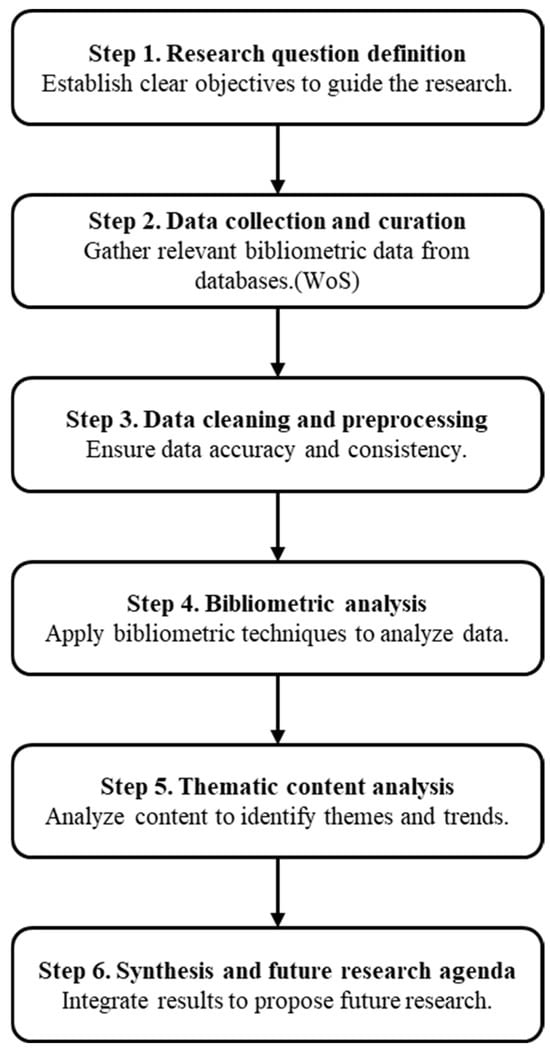
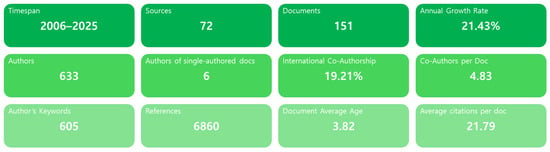
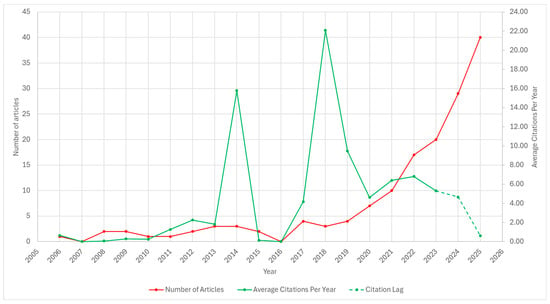
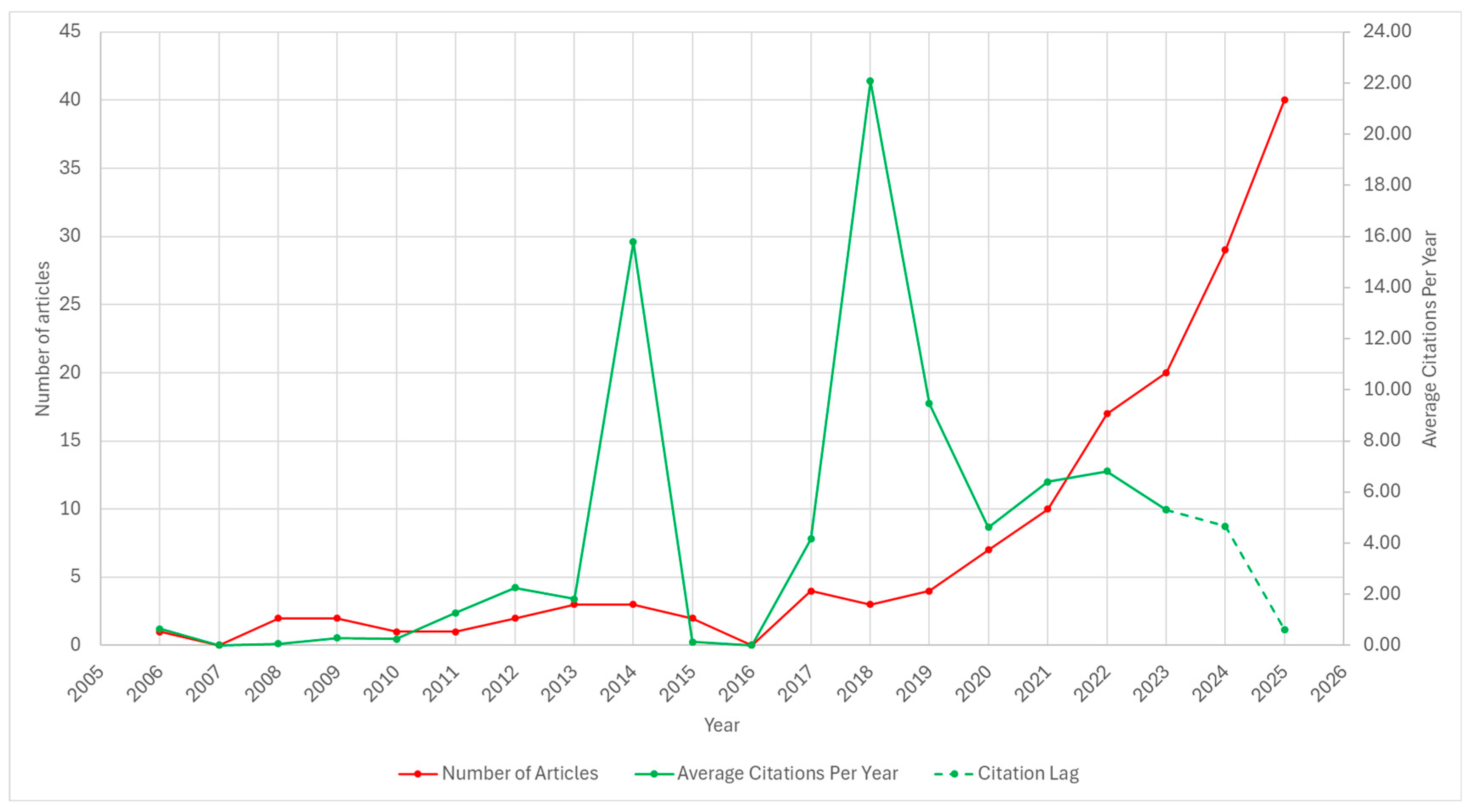
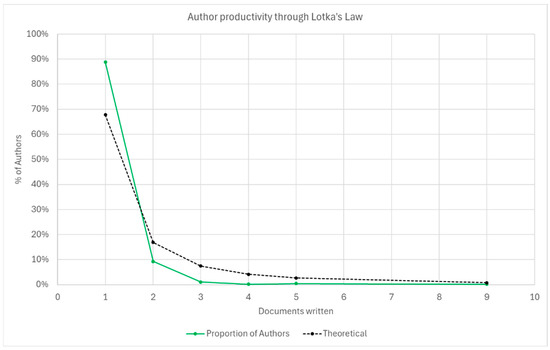
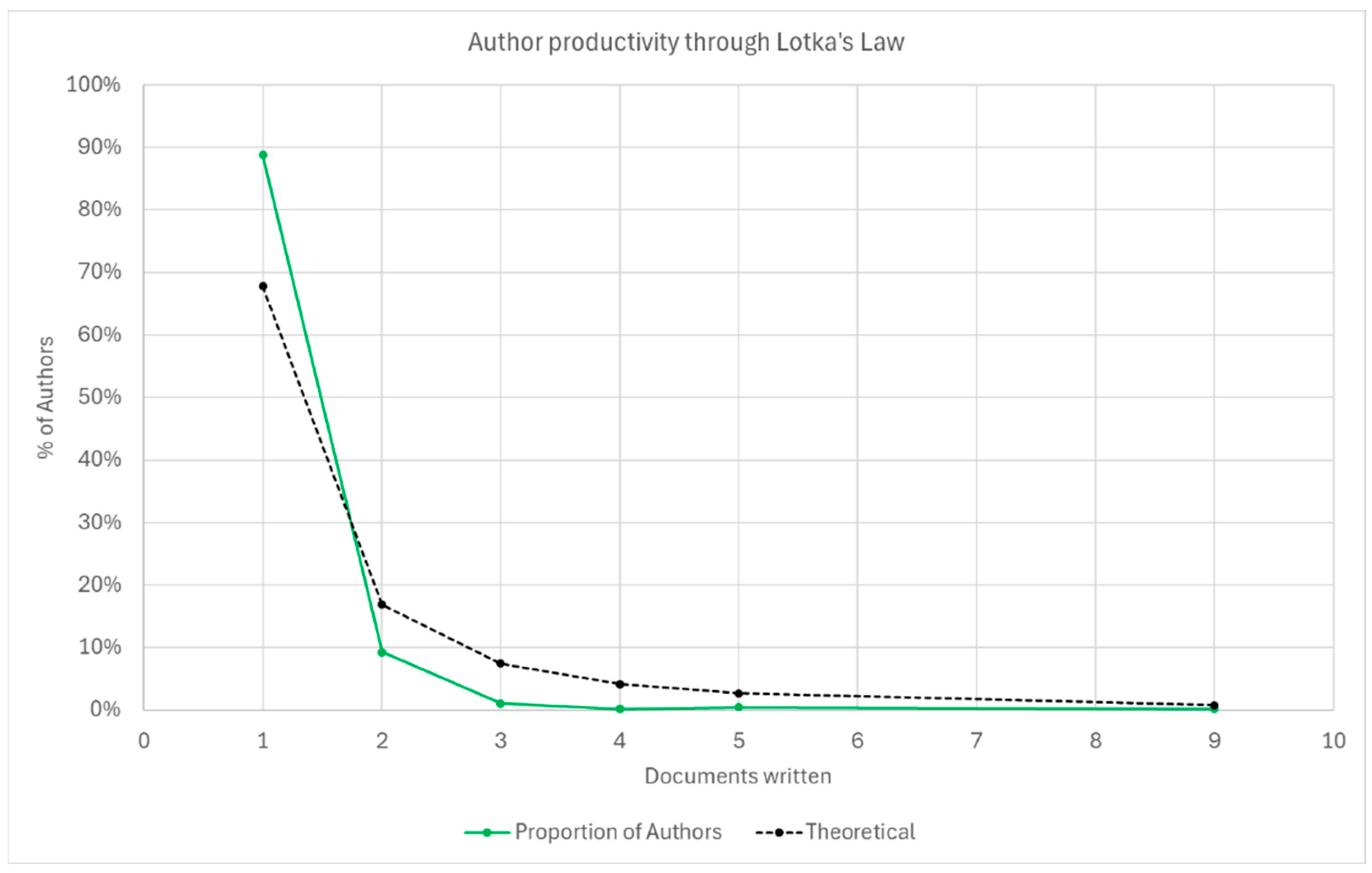
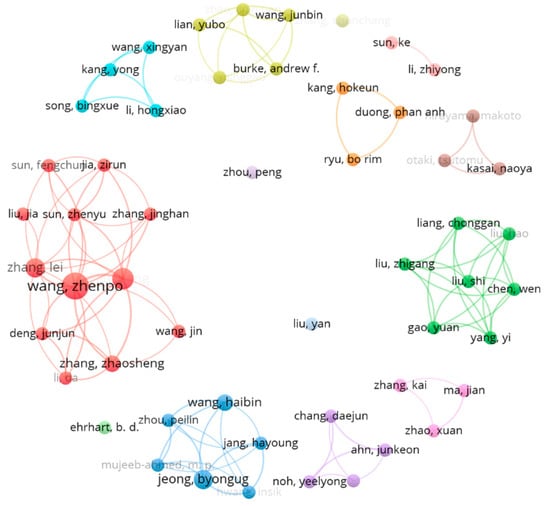
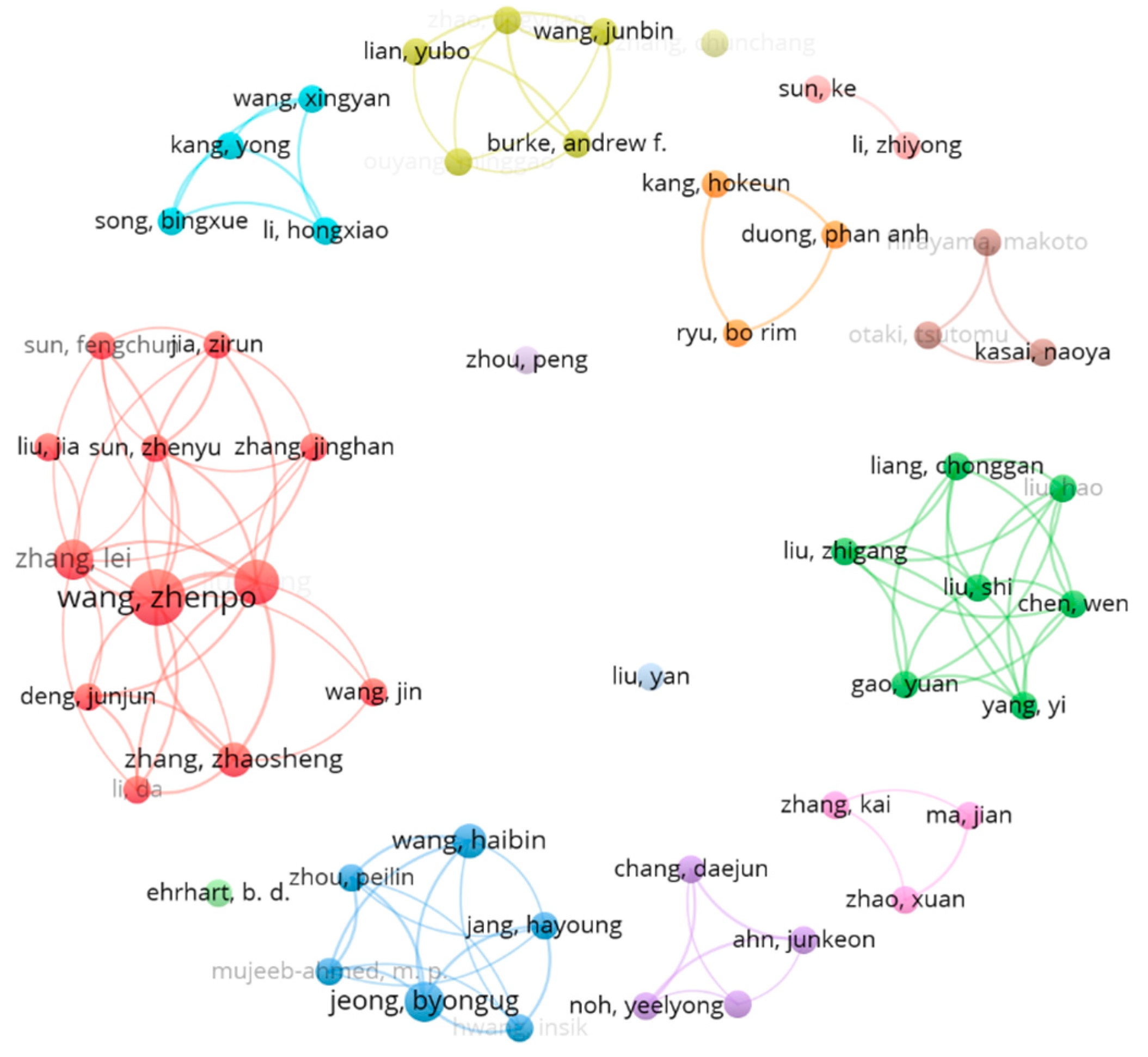
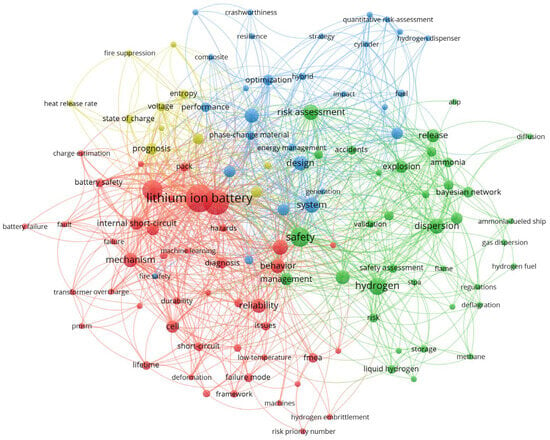
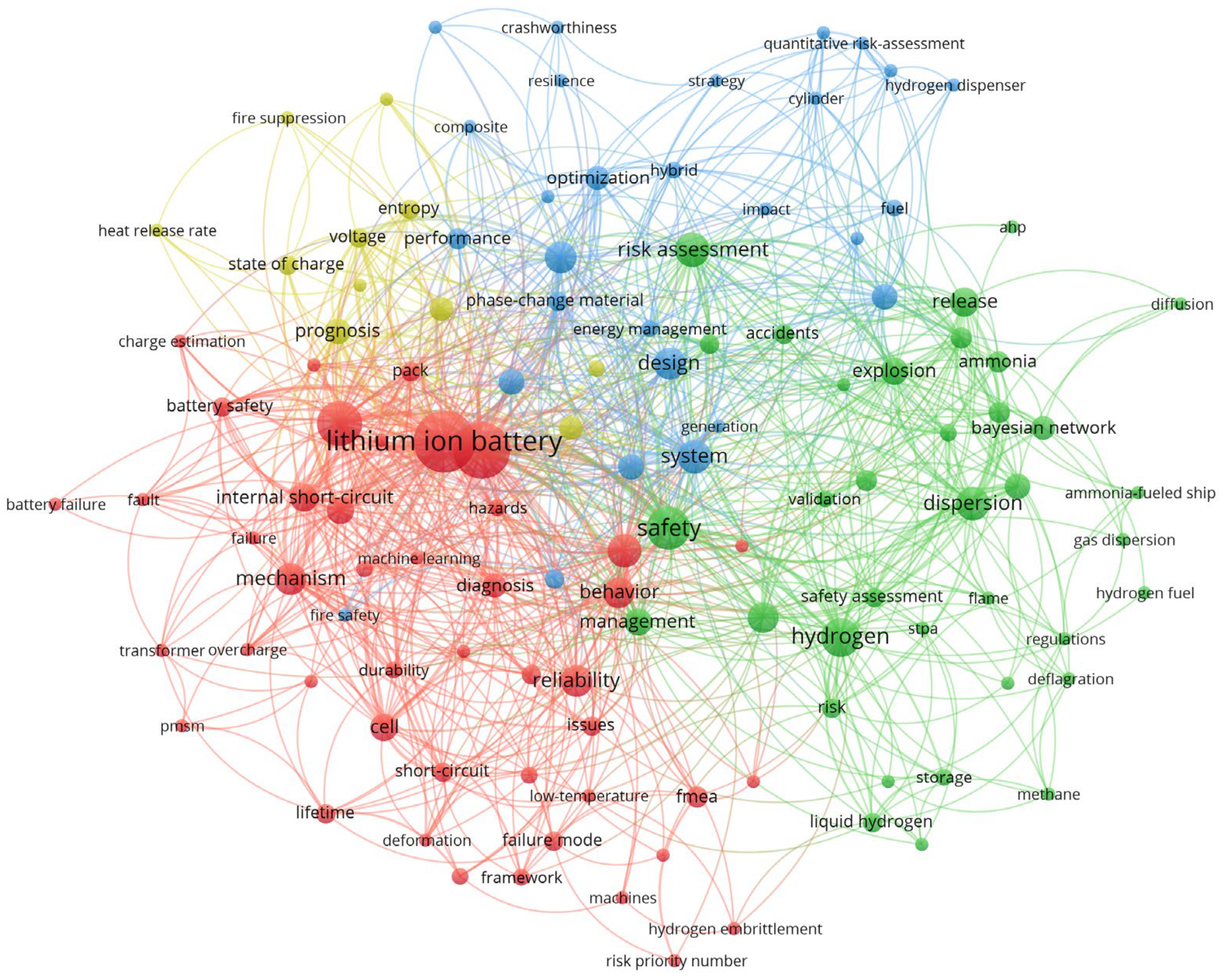
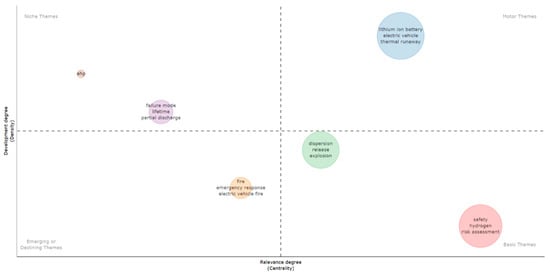
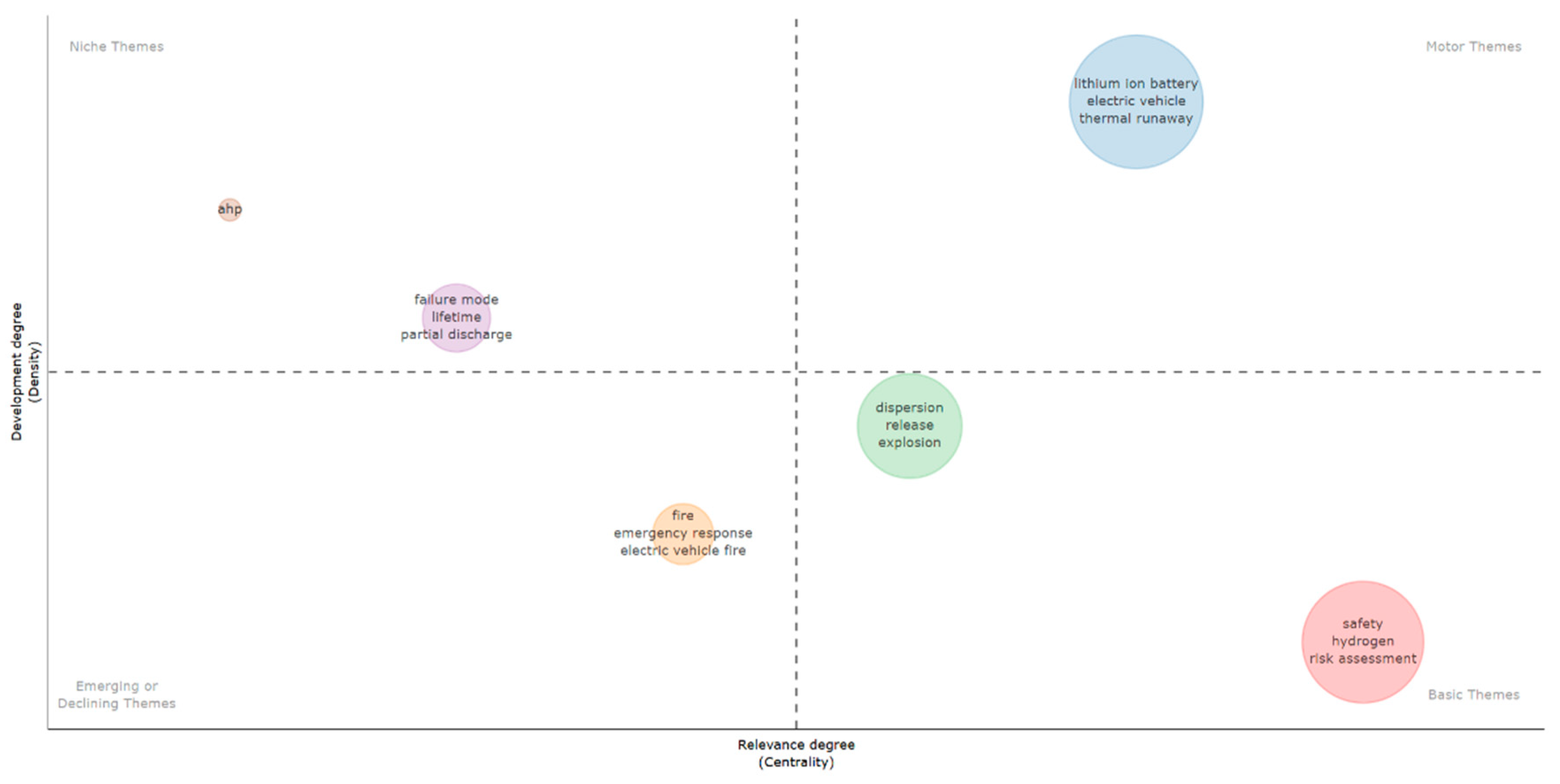
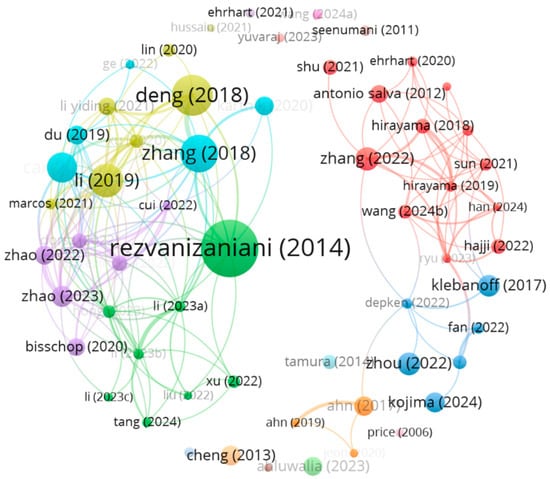
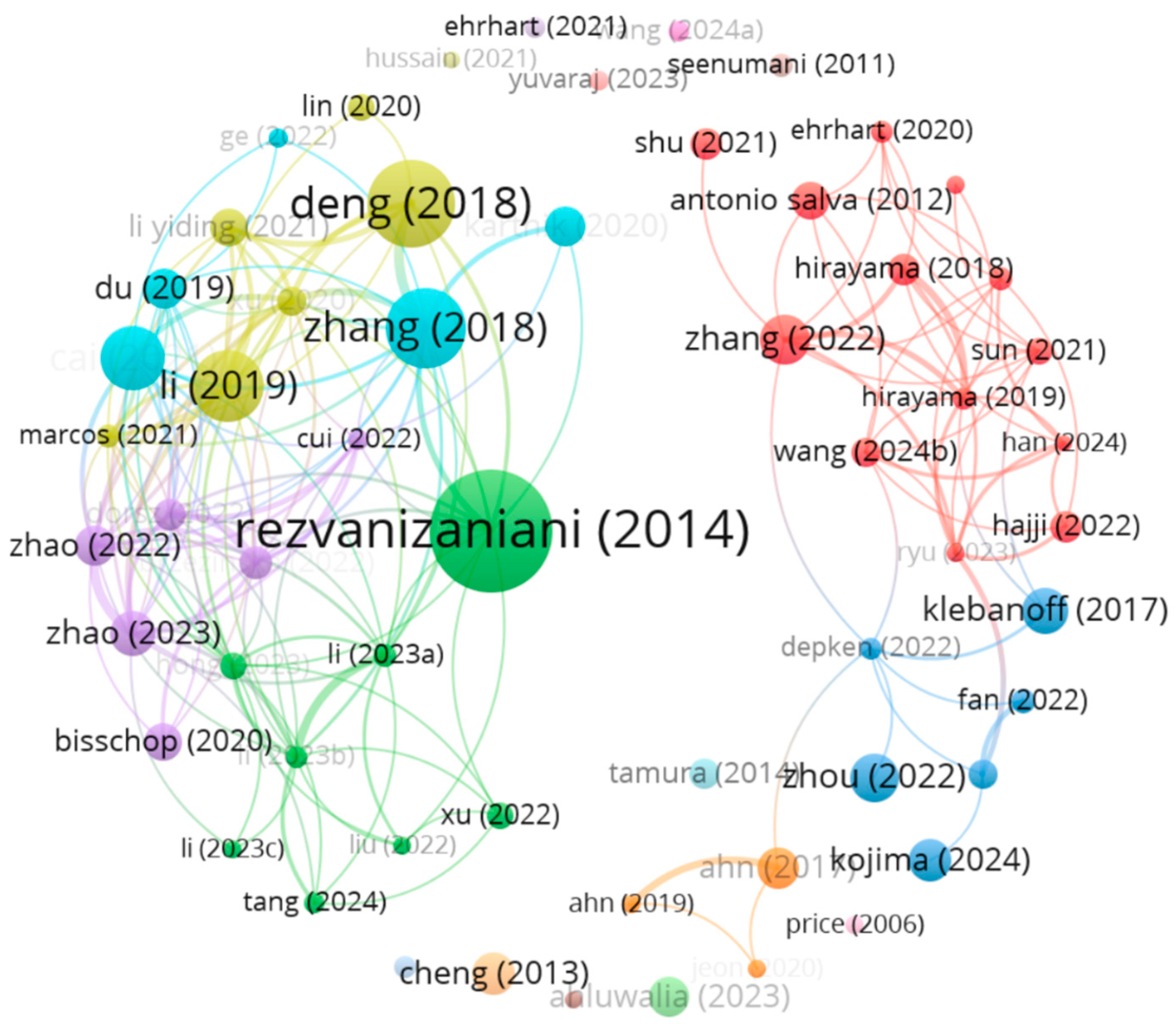
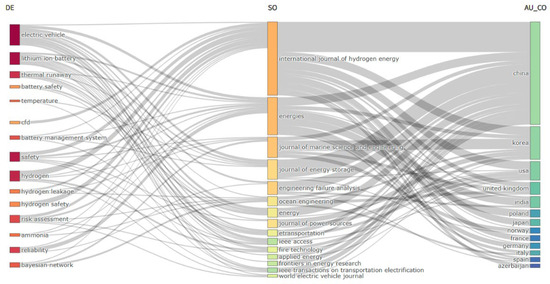
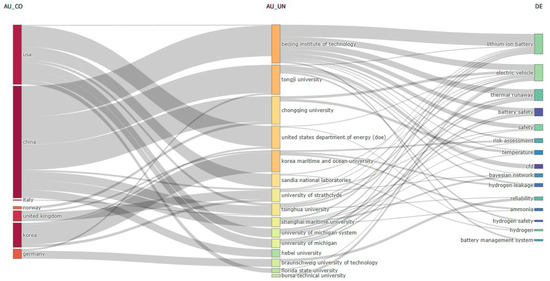

Disclaimer/Publisher’s Note: The statements, opinions and data contained in all publications are solely those of the individual author(s) and contributor(s) and not of MDPI and/or the editor(s). MDPI and/or the editor(s) disclaim responsibility for any injury to people or property resulting from any ideas, methods, instructions or products referred to in the content. |
© 2026 by the authors. Licensee MDPI, Basel, Switzerland. This article is an open access article distributed under the terms and conditions of the Creative Commons Attribution (CC BY) license.