Article

Sustainable Valorization of Framiré Sawdust: Extraction of Secondary Metabolites and Conversion of Residues into Fuel Briquettes


by
Junior Maimou Nganko
1,2,*,
Narcis Barsan
3,*,
Paul Magloire Ekoun Koffi
1,
Andrei Zaharia
3,
Kouassi Esaie Kouadio Appiah
1,2,
Echua Elisabeth Jasmine Bilé
1,2,
Emilian Mosnegutu
3,
Valex Nzouengo Djeukui
1,2,
Florin-Marian Nedeff
3,
Prosper Gbaha
1,
Diana Mirila
3,
Kouassi Benjamin Yao
1,
Claudia Tomozei
3 and
Valentin Nedeff
3
1
African Center of Excellence for the Valorization of Waste into High Value Products (CEA-VALOPRO), World Bank Excellence Center, Félix Houphouet-Boigny National Polytechnic Institute (INP-HB), Yamoussoukro BP 1093, Côte d’Ivoire
2
Laboratory of Industrial Processes for the Synthesis of the Environment and New Energies (LAPISEN), Felix Houphouet-Boigny National Polytechnic Institute, Yamoussoukro BP 1093, Côte d’Ivoire
3
Faculty of Engineering, “Vasile Alecsandri” University of Bacau, Calea Marasesti 156, 600115 Bacau, Romania
*
Authors to whom correspondence should be addressed.
Appl. Sci. 2026, 16(2), 716; https://doi.org/10.3390/app16020716
Submission received: 28 November 2025 / Revised: 26 December 2025 / Accepted: 7 January 2026 / Published: 9 January 2026

Abstract

Faced with the depletion of fossil resources and the need to promote a circular economy, lignocellulosic biomass represents a solution for energy transition and bioeconomy. However, wood sawdust, which contains bioactive compounds (secondary metabolites), is often burned in the open by many sawmills. This study aims to valorize Framiré wood sawdust by extracting its secondary metabolites through maceration and infusion, then converting the depleted residue into combustible briquettes. The yellowness index of the extracts ranged from 73.490 ± 0.021 (maceration) to 81.720 ± 0.014 (infusion). The total phenolic content varied from 0.097 ± 0.001 to 0.63 ± 0.049 gGAE/100 g dry matter for maceration and infusion, respectively. The extraction of bioactive compounds did not significantly affect the energy or mechanical properties of the fuels. Their higher heating value ranged from 26,153 ± 92 to 26,201 ± 90 kJ/kg for fuels with and without secondary metabolites, respectively. The Shock Resistance Index ranged from 139.33 ± 7.51% (without metabolites) to 153.00 ± 5.20% (with metabolites). A significant difference was observed in the specific consumption of the fuels, decreasing from 1.400 ± 0.100 to 0.861 ± 0.001 kg/L for fuels without and with secondary metabolites, respectively. These results open promising prospects, particularly for the use of Framiré extracts to develop flame-retardant products for wood and its derivatives.

1. Introduction

The energy valorization of biomass is a current topic that generates significant interest due to growing concerns about climate change, dependence on fossil fuels, and the transition to renewable energy sources. However, despite advances in renewable energies such as solar, wind, hydroelectric, biomass, and geothermal energy, fossil fuels (coal, crude oil, and natural gas) continue to dominate global energy supply. In 2020, they accounted for 80% of the total primary energy supply [1]. The same source indicates that regarding electricity, coal and gas were the main suppliers, generating nearly 60% of the world’s electricity that year. Meanwhile, renewable energies contributed 29% to global electricity production. Hydroelectric power within these renewable energies accounted for about 58%, followed by wind at 21%, solar at 11%, and finally biomass, which generated 685 terawatt-hours (TWh), corresponding to approximately 9% [1]. Biomass production is estimated at around 220 billion dry tons per year [2]. The availability of plant biomass, which contains 90% lignocellulosic materials, would be a key asset for the development of energy and chemical industries. Indeed, the global production of lignocellulosic biomass is estimated at 200 × 109 tons per year, of which only 8 to 20 billion tons are potentially utilized [3]. The lignocellulosic biomass encompasses a wide range of materials, making it a highly versatile and widely available feedstock for transportation fuels, biochemical products, as well as heat and electricity production [4]. With the growing population and rising living standards, global energy demand continues to increase. Fossil resources are widely used to produce energy and chemicals essential for societal development [5]. Therefore, it is imperative to find alternative sources for energy and chemical production in a clean and environmentally friendly manner [6]. Still, some bioresources, such as sawdust, are often burned in the open air, contributing to major environmental issues such as global warming, climate change, and environmental pollution [7,8]. In addition, deforestation for energy needs further exacerbates the problem [8]. According to the World Bioenergy Association (2023), global firewood production in 2020 reached approximately 720 million cubic meters (m3), while charcoal production amounted to about 36 million tons [1]. Yet, the efficient valorization of sawdust could alleviate environmental challenges and provide a sustainable option for bio-based processes and the circular economy [9]. Nevertheless, some of its undesirable properties, such as its heterogeneous and fibrous structure, shape, particle size, low energy density, and high moisture content, sometimes limit its industrial use. Nevertheless, technologies such as pelletization, briquetting, torrefaction, hydrothermal carbonization, and pyrolysis help improve the properties of biomass [10,11,12,13]. The main advantage of these technologies lies in their ability to generate, on the one hand, solid fuels that can substitute for wood in stoves and boilers [14], thereby contributing to the reduction in deforestation; on the other hand, gaseous products such as synthesis gas [15]; and finally, pyrolytic liquids known as bio-oils, consisting of an aqueous phase and a viscous phase generally referred to as tar [16]. Concerning the thermochemical valorization of wood sawdust, several studies in the literature have addressed this topic. Alizadeh et al. conducted a life cycle analysis of pellet production from sawdust for electricity generation and concluded that using torrefied pellets (at 230 °C for 45 min) for power production is more beneficial in terms of ecosystem quality, climate change mitigation, and resource depletion compared to steam-exploded pellets (at 180 °C for 9 min) [17]. Elhenawy et al. studied the yield and energy production performance of wood sawdust pyrolysis. They reported that a temperature of 450 °C resulted in the maximum bio-oil yield (55%), while 250 °C provided the optimal biochar yield (60%) [18]. After characterizing the obtained products, they concluded that wood sawdust can be used for the production of valuable and sustainable energy products. Imberti et al. produced briquettes made from wood sawdust and chicken fat as solid fuel. They found that the optimal formulation consisted of 21.25% Eucalyptus grandis (EG) sawdust, 63.75% Pinus elliottii (PE) sawdust, 3.75% roasted chicken oil (CVO), and 11.25% chicken visceral oil (RCO) by mass [19]. After characterization, they established that increasing the chicken oil content improved the higher heating value, initial energy density, thermal degradation performance, and reduced ash content. However, oil content above 15% led to wastage during pressing. Zhou et al. conducted co-pyrolysis of sewage sludge and wood sawdust, studying the synergistic effects on product yield and the calorific value of syngas [20]. After characterization, they reported that, considering both yield and product quality, the optimal conditions for co-pyrolysis were a temperature of 750 °C and a sawdust ratio of 10% by weight. They also noted that the biochar yield decreased with increasing temperature, thereby enhancing the bio-oil yield. Makepa et al. (2023) carried out a techno-economic analysis and environmental impact assessment of biodiesel production from bio-oil obtained via microwave-assisted pyrolysis of pine sawdust [21]. They concluded that the pyrolysis process yielded 65.8 wt% bio-oil, 8.9 wt% biochar, and 25.3 wt% non-condensable gases (NCG). The biodiesel product yield was 48 wt% of the crude bio-oil, equivalent to 631.7 tons of biodiesel per day. With a selling price estimated at $2.31 per liter, the study concluded that the method is economically viable. Yang et al. (2023) investigated the torrefaction kinetics of pine sawdust [22]. They examined three reaction order models and concluded that the Distributed Activation Energy Model (DAEM) can adequately describe the kinetic behaviors of pine sawdust torrefaction and reflects the reactivity distribution of the thermal decomposition reactions involved in the torrefaction process. Finally, Nganko et al. used principal component analysis (PCA) to determine the effects of thermochemical treatment types on the properties of the resulting fuels from wood sawdust. By studying carbonization and torrefaction processes, they concluded that the properties of the resulting fuels depend simultaneously on the initial biomass characteristics and the type of treatment applied [10].
To date, no study in the literature consulted has explored the integration of sequential biomass valorization concepts into the valorization of lignocellulosic biomass in order to ensure process sustainability while simultaneously addressing two essential objectives: the production of high-value molecules and the provision of a clean alternative energy source. To bridge this gap, the present study is distinguished by its multi-purpose approach, which combines biomolecular chemistry with energy conversion techniques. The key innovations of this work include: (i) coupling biorefinery techniques with biomass energy conversion processes to develop environmentally friendly, value-added chemicals; (ii) reducing the environmental footprint while creating added value in both the wood and energy sectors; and (iii) substituting polluting products and mitigating deforestation through waste valorization, while emphasizing the impact of the extracts on biofuel quality.

2. Materials and Methods

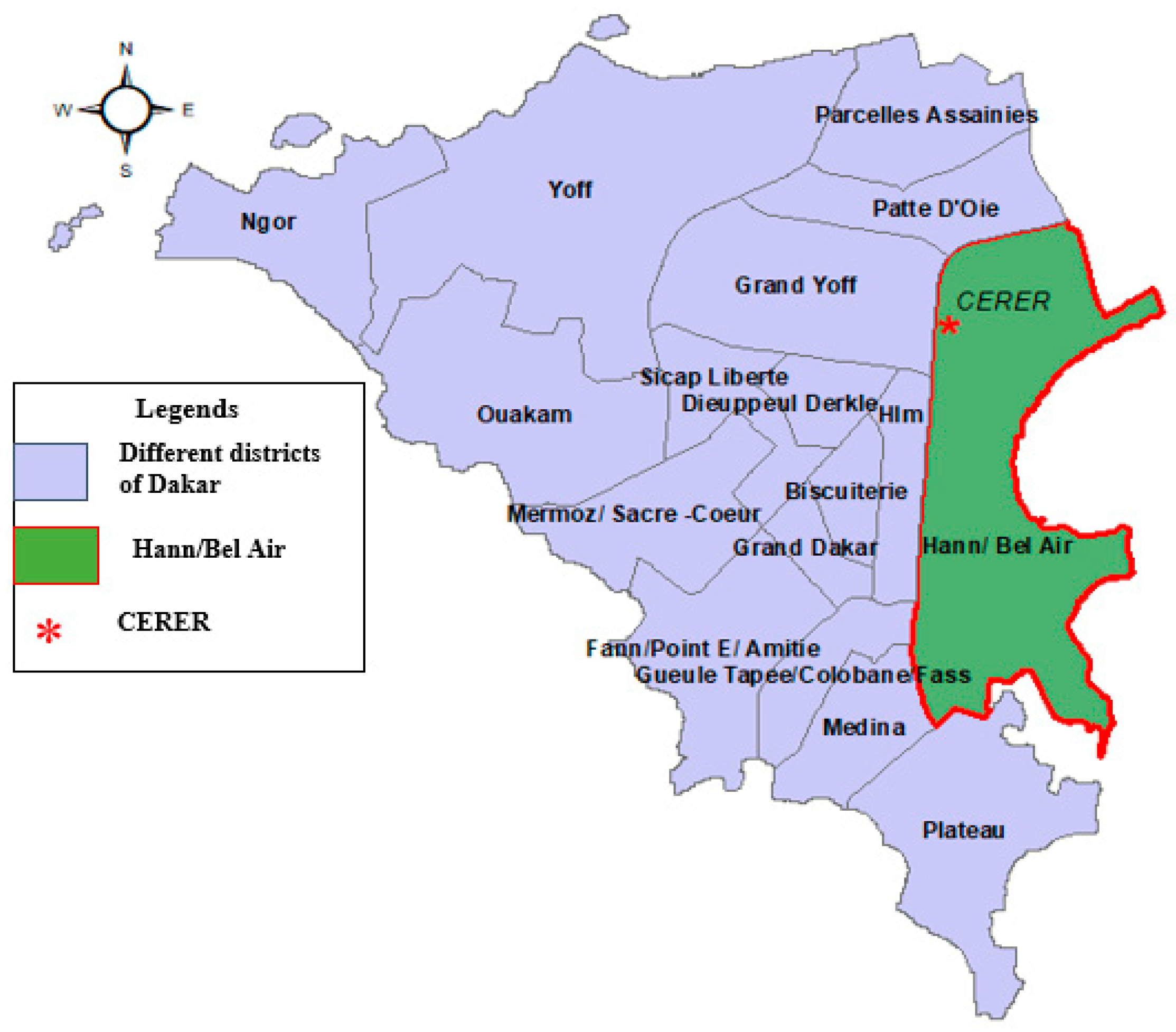
Figure 1 provides a structured illustration of the methodological approach adopted in this study. Figure 2 presents the study area from previous studies [8]. Table 1 presents the analytical methods used, including the name of each analysis and the corresponding method.

2.1. Collection and Drying of Samples

The sawdust used in this study was collected from carpenters in the industrial area of Yopougon, Ivory Coast. The pronounced coloration and the availability of Framiré wood (Terminalia ivorensis A. Chev), with a density of 0.5, were the main criteria guiding the choice of this species for the study. A random sampling from the sawdust streams generated during production operations allowed for the specific collection of this biomass without any mixing. The samples with the means particle size ≤ 3 mm were stored in clean containers and labeled with specific information regarding the collection site, date, and time.
The biomass was dried for 3 days in a solar dryer. The glass surface of the dryer allowed sunlight to penetrate inside and be converted into heat. The biomass was spread out on trays within the dryer. The air, heated by solar energy, circulated around the sawdust, absorbing moisture from the center to the surface. The water contained in the sawdust gradually evaporated through the renewal of the air within the dryer.

2.2. Isolation of Extractable Molecules

Two different techniques (maceration and infusion with water as solvent) were used to isolate the extractable molecules from Framiré sawdust before torrefaction. These approaches are more environmentally friendly and consistent with the principles of green chemistry, as they avoid the use of potentially toxic or costly organic solvents. The extraction yield is determined according to Equation (1):
R d % = m e x t r a c t   m s u b s t r a t e   × 100
where Rd (%) is the extraction yield, mextract represents the difference between the mass of the substrate before and after extraction, and msubstrate indicates the mass of the sawdust before extraction.

2.2.1. Extraction by Maceration

Maceration is a process that involves immersing the material in an appropriate solvent to dissolve the desired compounds [31]. The solvent used for extraction was distilled water. The mass ratio between the sawdust and water was 1/5 (w/v) (1 g dry sawdust per 5 mL water). The mixture was stirred for 24 h using a magnetic stirrer equipped with a 25 mm magnetic bar. The sawdust particles were less than 3 mm in diameter. The mixture was agitated at a speed of 75 rpm at room temperature.

2.2.2. Extraction by Infusion

Infusion involves immersing the biomass in water heated to 100 °C and maintaining the mixture in a water bath at a constant temperature for 1.5 h [32]. Distilled water was also used as the solvent for the infusion. The mass ratio between the sawdust and water was also 1/5 (w/v).
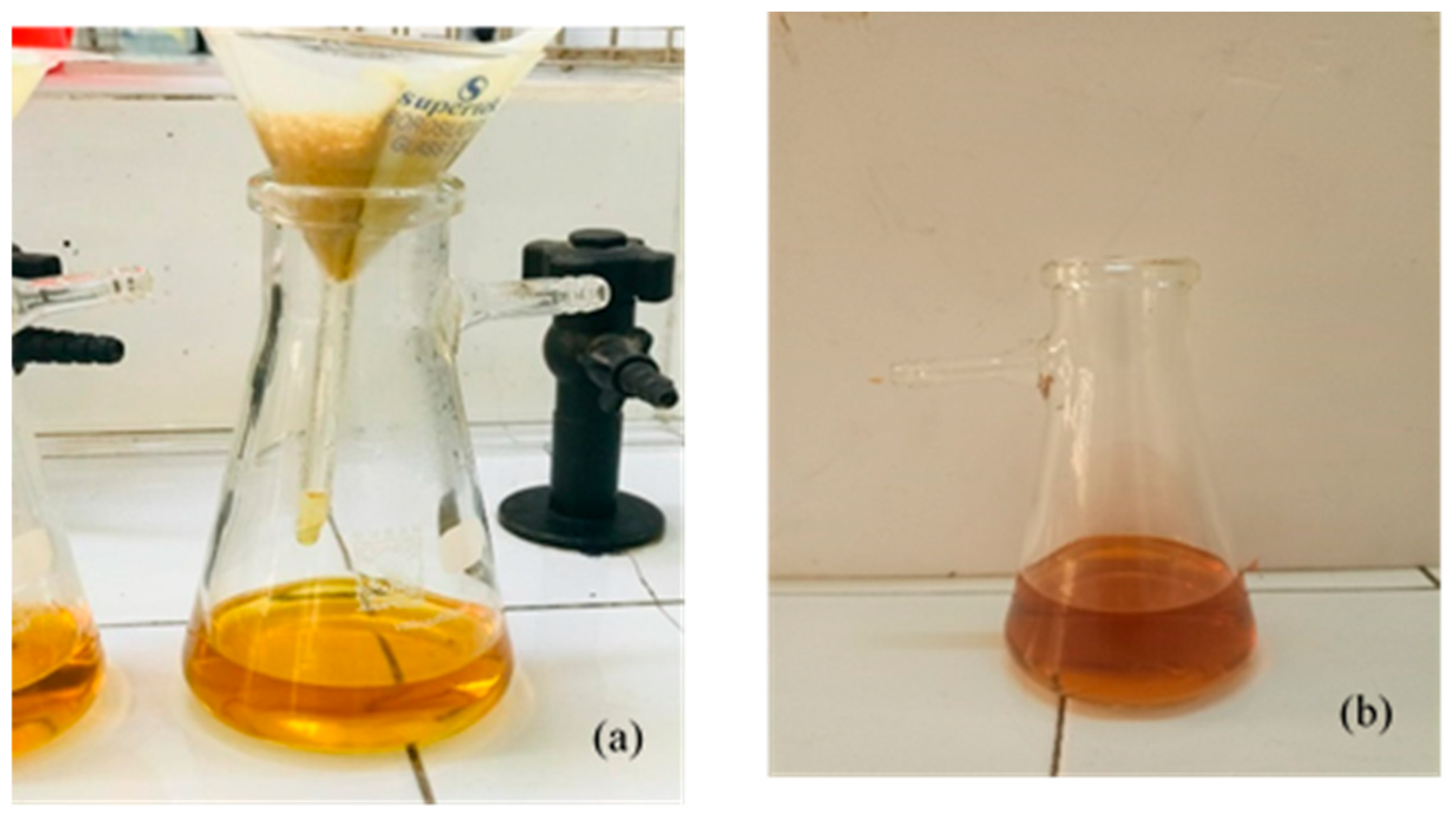
Figure 3a,b present the extracts obtained by maceration and infusion.

2.2.3. Characterization of Extracts

The pH of the extracts was measured using a WTW Weilheim pH meter (serial number 13471422) made in Germany. The density of the extracts was determined using a pycnometer with distilled water as the base solution. Equation (2) is used for this purpose:
ρ l i q u i d = m   l i q u i d   ×   ρ w a t e r m   w a t e r
where ρ l i q u i d is the density of the liquid; m   l i q u i d   represents the mass of the liquid; ρ w a t e r is the density of distilled water; m   w a t e r is the mass of distilled water.
The Polyphenols were quantified using the Folin–Ciocalteu method, which consists of oxidizing oxidizable phenolic groups under basic conditions [23]. In practice, 50 μL of extract was reacted with the Folin–Ciocalteu reagent according to the protocol described by [24]. For each tube, 90 μL of distilled water was added, followed by 10 μL of sample or standard and 10 μL of Folin–Ciocalteu phenolic reagent. After mixing and standing for 5 min, 100 μL of NaHCO3 solution (7.5 g·L−1) was added to each tube. The solutions were mixed again and incubated in the dark at 40 °C for 45 min. The absorbance was then recorded at 550 nm using a spectrophotometer (CamSpec M550, No0: 501-124). Each sample solution was repeated three times. Gallic acid (GA) was used as the standard to establish the calibration curve. The total polyphenol concentration is given by Equation (3), obtained from the standard calibration curve of gallic acid (GA). This TPC concentration is expressed in terms of gallic acid equivalent (mg GAE/g extract).
T P c = A b a × f d × 10 1000 × 100 m
where Tpc represents the total polyphenol content expressed in gallic acid equivalent per 100 g of extract (GAE), A is the absorbance of the sample, and α denotes the slope of the calibration curve = 3.12. b illustrates the y-intercept of the calibration curve = 0.0696, fd is the dilution factor, and m refers to the mass of the test sample (g).
The Total Flavonoid Content (TFC) in the extract was determined using the colorimetric method with aluminum chloride (AlCl3) reagent [25] with slight modifications. In the different tubes, 25 μL of sample was added, followed by 75 μL of ethanol. Then, 5 μL of AlCl3 (10% prepared in methanol) and 140 μL of distilled water were added to the mixture. The tubes were shaken for 30 min before measuring the absorbance at 420 nm. All samples and standards were measured relative to a blank prepared simultaneously, except for AlCl3. The samples were prepared in triplicates for each analysis, and the average absorbance value was obtained. The TFC of each extract was determined using Equation (4). The results are expressed in µg catechin equivalent per 1 g of dry matter.
T F C = A × P m ε × f d × v 1000 × 100 m
where TFC represents the total flavonoid content expressed in micrograms of catechin equivalent per 1 g of dry matter (μg CE/g DM); A indicates the absorbance of the sample, Pm is the molar mass of catechin = 290.26 g/mol, and ε illustrates the molar extinction coefficient = 10,332 L/mol cm. fd refers to the dilution factor, ν represents the volume of the extraction (mL), and m is the mass of the sample taken (g).
The determination of tannins in the extract strictly followed the protocol reported by [23], based on the colorimetric reaction of the Folin–Ciocalteu reagent with phenolic compounds and tannins. Equation (5) is used for this purpose.
C T = D O b a × f d × v 1000 × 100 m
where CT is the concentration of tannins in micrograms equivalent to tannic acid per gram of dry matter (μg ETA/g DM), DO represents the absorbance of the extract, b refers to the y-intercept of the calibration curve (b = −0.034), a is the slope of the calibration curve (a = 7.28), fd is the dilution factor, v symbolizes the volume of the extraction (mL), and m is the mass of the sample (g).
Color measurements were performed using a Konica Minolta CM-5 (Sensing Americas Inc., Ramsey, NJ, USA) spectrophotometer under D65 illumination and a 10° standard observer angle. The reflectance was measured using a 30 mm aperture port, and samples were analyzed in a glass cuvette (10 mm optical path). Each measurement was carried out in triplicate, and the mean values were used for statistical analysis. The yellowness index was directly read on the device’s screen.

2.3. Production and Characterization of Fuel Briquettes

2.3.1. Torrefaction and Densification of Biofuels

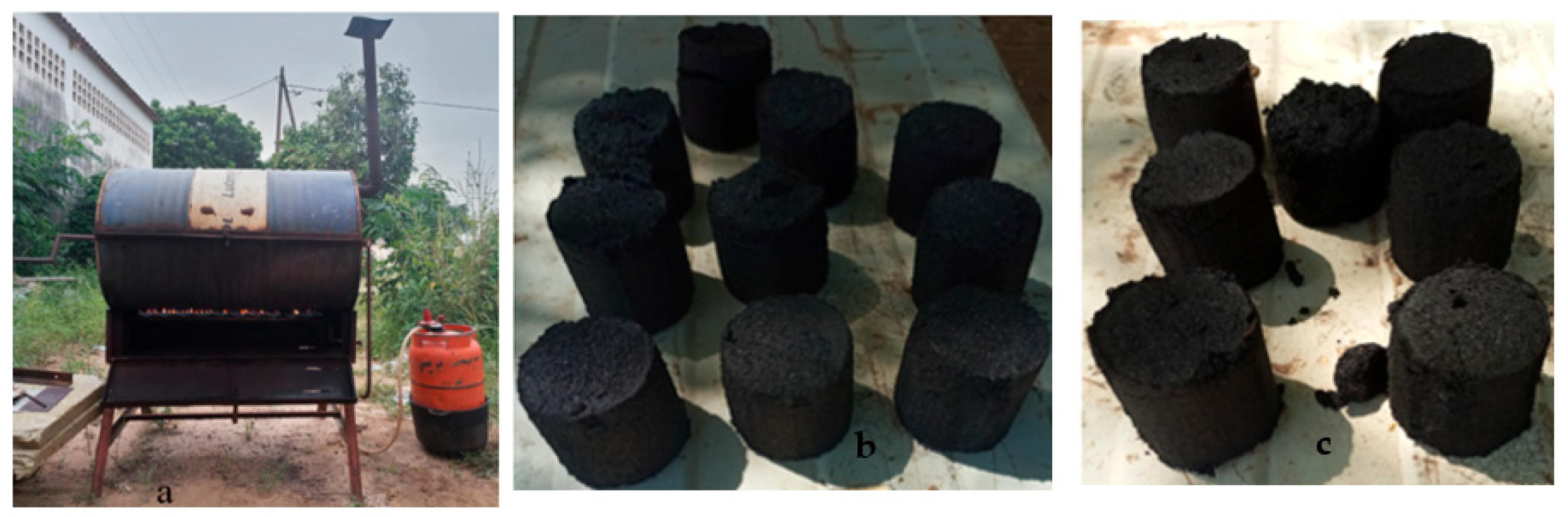
After drying in a solar dryer, the sawdust was divided into two distinct portions. The first half was directly torrefied, while secondary metabolites were extracted from the second half before torrefaction. The torrefaction was carried out in a rotary chamber reactor (maximum temperature during the tests 425 °C, retention time 60 min, under an inert atmosphere), as described in detail in the previous work of [10]. The same source indicates that this reactor allows for high torrefaction mass yields and describes how to calculate them. This torrefaction reactor model offers several advantages, including uniform heat distribution and precise control of the torrefaction conditions. The reactor used for the torrefaction process is shown in Figure 4a.
After torrefaction, both portions of sawdust were densified under a pressure of 150 kPa using a mechanical press, with a binder accounting for 10% (starch of potato peels) of the total mass of each portion. These values are optimal values previously reported by [33]. The resulting briquettes are shown in Figure 4b and Figure 4c, respectively, for the briquettes with and without secondary metabolites.

2.3.2. Characterization of Fuel Briquettes

The characterization of the briquettes considered several properties, ranging from physicochemical properties to combustion properties, including mechanical and energy properties (Table 1).

2.3.3. Proximate Analysis

The proximate analysis (moisture, ash, volatile matter, and fixed carbon) of the samples was conducted in accordance with the American Society for Testing and Materials (ASTM) standards. Three samples from each batch of fuel were analyzed, and the average value was considered.
Practically, about 1 ± 0.005 g of each sample was ground and placed in an oven at 105 ± 5 °C until a constant weight was achieved between successive weighing. The difference between the initial and dried mass was used to determine the moisture content of the sample according to Equation (6) [34] (ASTM E871).
H % = M 2 M 3 M 2 M 1 × 100
where H represents the moisture content (%), M1 is the mass of the empty crucible (g), M2 refers to the mass of the crucible plus the sample (g), and M3 is the mass of the crucible plus the sample after heating (g).
The volatile matter was measured by heating the dried samples at 950 ± 20 °C for 7 min in covered crucibles, followed by weighing after cooling in a desiccator. Equation (7) was used for this calculation [25].
M v = M 5 M 6 M 5 M 4 × 100
where Mν indicates the volatile matter content (%), M4 is the mass of the empty crucible (g), M5 represents the mass of the crucible plus the sample (g), and M6 refers to the mass of the crucible plus the sample after heating (g).
The previously dried samples were heated at 710 ± 5 °C for 2 h in a muffle furnace to determine the ash content percentage according to Equation (8) [35] (ASTM E1755).
A s h = M 9 M 7 M 8 M 7 × 100
where Ash represents the ash content (%), M7 is the mass of the empty crucible (g), M8 indicates the mass of the crucible plus the sample (g), and M9 is the mass of the crucible plus the sample after heating (g).
The moisture, ash, and volatile matter contents were subtracted from 100% to determine the fixed carbon content of the samples [8].

2.3.4. Physical, Mechanical and Energy Properties

The bulk density of the briquettes is determined by air drying under shelter. The bulk density ρ (kg/m3) is calculated by Equation (9) [10]:
ρ = m π ×   r 2 × h
where m is the mass of the sample in (kg), r is the radius of the briquette in (m) and h is the height of the briquette in (m).
The Shock Resistance Index (SRI) ensures the integrity and durability of briquettes throughout the supply chain, from production to end use. This index is determined using the drop test, which involves repeatedly dropping the briquette (5 times) from a height of 2 m onto a cement floor until it breaks apart. The SRI is then calculated using Equation (10) [25].
S R I = N n × 100
where SRI stands for Shock Resistance Index (%), N is the number of drops, and n is the number of components that weighed at least 5% of the initial briquette weight after N drops.
The energy density is determined by estimation according to the equation presented by [10].
E D = H H V × ρ
ED is the energy density, HHV is the higher heating value, and ρ is the bulk density of the samples.

2.3.5. Combustion Properties Conducted According to ISO 19867:2018

The water boiling test (WBT) was performed following ISO 19867-1:2018 [30]. A cylindrical aluminum pot (capacity 5.0 L; diameter 22 cm; height 18 cm) was used, filled with 2.5 ± 0.01 kg of water at an initial temperature of 25 ± 1 °C. The test stove was ignited using a standardized ignition protocol (5 g of kerosene was used for ignition), and the initial fuel mass was recorded before each trial. The endpoint for “water evaporated” was defined when the remaining water mass reached 50% of the initial value. Ambient temperature and humidity were monitored during experiments (28 ± 2 °C; 65 ± 5% RH). Each condition was tested in triplicate, and mean values were used for analysis. The specific fuel consumption is an indicator used to evaluate the energy efficiency of a combustion system. It represents the ratio between the mass of fuel used (kg) and the amount of water evaporated (L). The specific fuel consumption is calculated using Equation (12) [8,10].
S c = M f c M b w
where Sc is the specific fuel consumption (kg/L), Mfc is the mass of fuel consumed (kg), Mbw is the total quantity of water evaporated (L).
This property indicates how well the fuel can sustain flame propagation after ignition. It is determined by dividing the mass of the biofuel burned (in grams) by the combustion time (in minutes). Combustion rate is calculated using Equation (13) [25].
V c = M f c t
where Vc is the combustion speed (g/min), Mfc is the mass of fuel consumed (g), t is the combustion time (min).

2.3.6. Fourier-Transform Infrared (FTIR) Analysis

Fourier-transform infrared (FTIR) spectroscopy was performed to identify the functional groups present in the briquette samples. Spectra were recorded using a Thermo Scientific Nicolet iS50 spectrometer equipped with an attenuated total reflectance (ATR) accessory. Samples were analyzed directly in ATR mode without additional preparation, ensuring good contact with the crystal. The spectra were collected over a wavenumber range of 4000–400 cm−1, with a resolution of 4 cm−1 and 32 scans averaged per sample to improve the signal-to-noise ratio. For comparison, some samples were also analyzed in KBr pellet mode, where 1 mg of finely ground sample was mixed with 100 mg of KBr and pressed into a transparent pellet. Baseline correction and smoothing were applied to all spectra before interpretation.

2.3.7. Scanning Electron Microscopy (SEM) and Energy-Dispersive X-Ray Spectroscopy (EDS) Analysis

The microstructure and elemental composition of the briquette samples were analyzed using a TESCAN MIRA scanning electron microscope (Brno, Czech Republic) equipped with an energy-dispersive X-ray spectroscopy (EDS) detector. Samples were mounted on aluminum stubs with double-sided carbon tape and sputter-coated with a thin layer (~5 nm) of gold to prevent charging. Imaging was performed under high vacuum at an accelerating voltage of 15 kV and a working distance of 10 mm, using the secondary electron detector (SE), with magnifications ranging from 100× to 2000×. For EDS, spectra were acquired at 15 kV, with a live acquisition time of 60 s per point and standardless quantification performed using the built-in software. Elemental detection limits (LOD) were defined as 0.1 wt%, and values below this threshold are reported as <LOD.

2.4. Data Analysis

The experimental data was processed using the statistical analysis software Minitab Version 8.1. The mean values of the fuel properties were subjected to analysis of variance (ANOVA), followed by mean comparison using Fisher’s test at a 5% (LSD) significance level. Numerical calculations and graph plotting were performed using Origin Pro 21 and GraphPad Prism (version 8.0.2).

3. Results and Discussion

3.1. Survey and Sampling

Based on data obtained from the forestry administration, the average volume of Framiré wood processed between 2017 and 2021 was 33,830.65 m3, generating approximately 16% sawdust (5412.90 m3), equivalent to about 1082.58 m3 per year.

3.2. Results After Extracts Characterization

The analysis of variance of the data from Framiré sawdust extracts obtained using the two extraction methods (maceration and infusion) are presented as means values in Table 2.
The data from Table 2 show that the extraction yields range from 4.725 ± 0.247 to 4.50 ± 0.212 (%) for maceration and infusion, respectively. The analysis of variance revealed no significant difference in the yield values. These values are lower than the 5.49% reported by [36] using water as the solvent and Tinospora bakis as the substrate with different method (namely ultrasound-assisted, supercritical fluid, microwave-assisted, and Soxhlet). The difference in substrates used may explain the observed variations in extraction yields.
The total phenolic content (TPC) ranges from 0.097 ± 0.001 to 0.63 ± 0.049 (g GAE/100 g DW) for maceration and infusion, respectively. ANOVA reveals a significant difference in these data. The amounts of phenolic compounds present in the extracts are very low compared to the value of 0.578 ± 0.08 gGAE/100 g of gallic acid equivalent/g of sample reported by [36] using water as the solvent and Maerua pseudopetalosa as the substrate after two hours in a water bath. The differences in substrates used, as well as the extraction protocols implemented, may explain the discrepancies between the present study and the one referenced. The tannin content of the extract’s ranges from 0.006 ± 0.001 to 0.007 ± 0.001 (g TAE/100 g DW) for maceration and infusion, respectively. No significant difference was observed between the two techniques. This value is lower than the 2.17 ± 0.14 (mg catechin equivalent/g dry sample) reported by [33] using water as the solvent and artichoke stems (Cynara scolymus L.) as the substrate. This difference may be attributed to the different protocols and substrates used. The flavonoid content of the extract’s ranges from 0.018 ± 0.001 to 0.005 ± 0.001 for maceration and infusion, respectively. Statistical tests reveal a significant difference between the two extraction techniques. This difference may be due to the contact time between the solvent and the substrate, as maceration lasts 24 h compared to 1.5 h for infusion. However, the flavonoid contents obtained remain lower than the 4.04 ± 0.08 (mg QCE/g DFLA) (mg quercetin equivalent/g dry Limnophila aromatica) reported by [37] using water as the solvent and Limnophila aromatica as the substrate. The type of substrate and the extraction technique are likely responsible for the observed differences. The density of the extracts ranged from 1003.0 ± 2.00 to 1006.5 ± 0.050 kg/m3 for infusion and maceration, respectively. Fisher’s tests revealed a significant difference between the values. This difference may be attributed to factors such as temperature. Indeed, a higher temperature during extraction can increase the solubility of certain compounds and cause partial evaporation of the solvent, thereby influencing the density. Extraction time may also affect the density of an extract, as a longer duration can extract more compounds, increasing the density of the resulting solution. These factors explain why extracts obtained by maceration are denser than those obtained by infusion. However, the densities of the extracts obtained in this study are higher than the 0.84 reported by [38] for orange peel (Citrus sinensis) extracts. The different substrates as well as the extraction techniques are responsible for the observed differences. The yellowness index of the extracts ranges from 73.49 ± 0.021 to 81.72 ± 0.014 for maceration and infusion, respectively. There is a significant difference between the values obtained. This may be due to the difference in temperatures used during extraction. In fact, high temperatures during extraction or storage accelerate chemical reactions that alter the color of the extracts.

3.3. Results After Fuel Briquettes Characterization

3.3.1. Immediate Properties of Briquettes

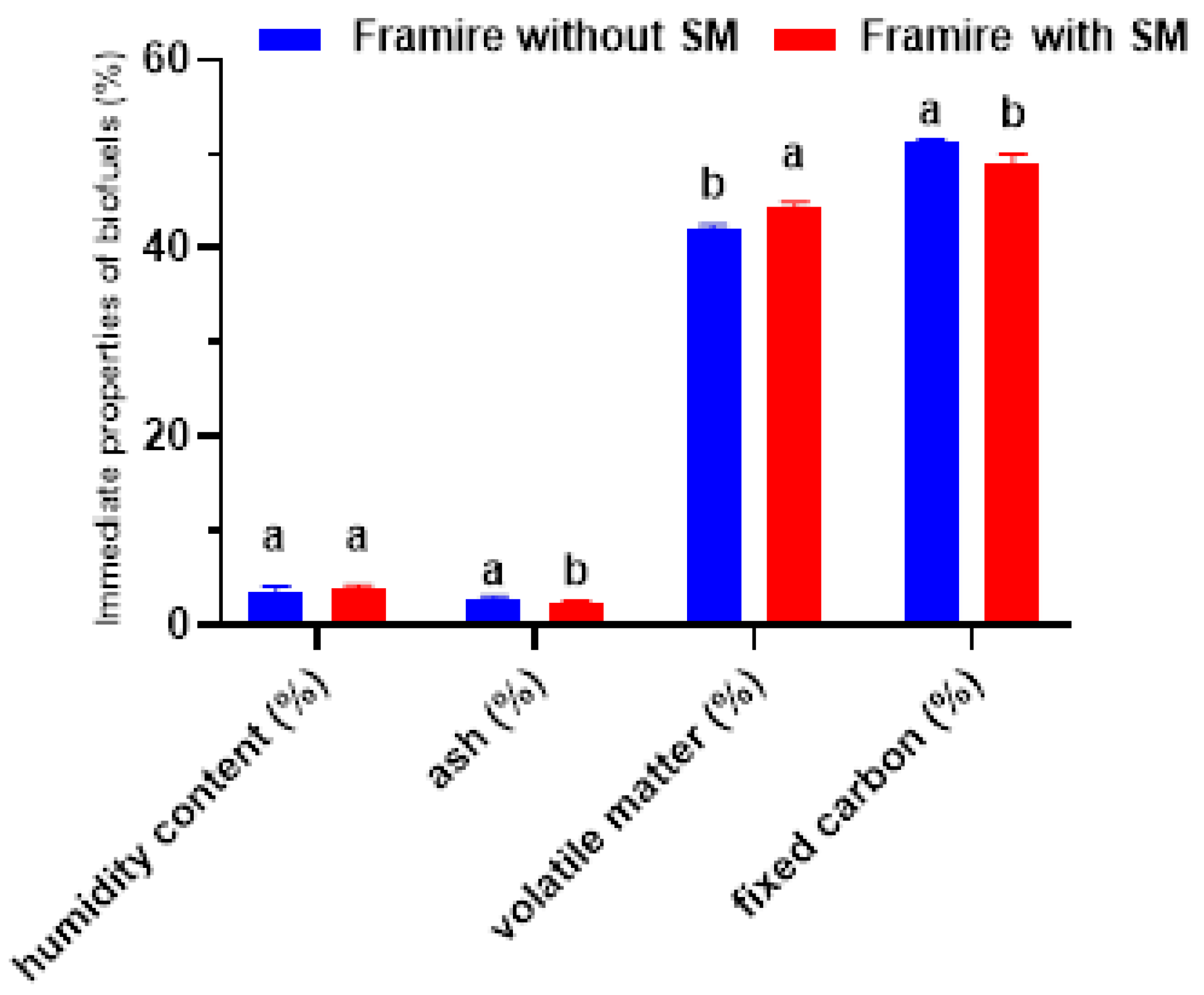
Figure 5 shows the immediate analysis properties of fuel briquettes. The proximate properties are shown on the x-axis and the contents in percentages are shown on the y-axis. Fisher’s tests revealed significant differences in ash content, volatile matter, and fixed carbon.
Moisture content ranged from 3.677 ± 0.445% to 3.857 ± 0.398% for samples without secondary metabolites and those with secondary metabolites, respectively. No significant difference was identified by Fisher’s tests. These values are lower than the range of 11.52% to 13.26% reported by other researchers [39] who studied Pinus spp. wood waste. This difference may be due to variations in raw materials and treatment techniques. A low moisture content promotes rapid ignition of fuels while limiting smoke emissions. This property is a critical parameter, as it is strongly and negatively correlated with the higher heating value [10]. The ash content of the samples ranged from 2.923 ± 0.200% to 2.5167 ± 0.115% for fuels without secondary metabolites and those with secondary metabolites, respectively. This range is lower than the 0.9% reported in other studies using wood cutting residues [40]. The difference may be attributed to the type of raw material used, as the present study utilized torrefied sawdust, while [40] used non-carbonized wood cutting residues. This property represents a key parameter in the optimization of combustion systems and offers a threefold advantage. Technically, a low ash content implies a higher proportion of combustible material available for energy production, thereby improving combustion efficiency. It also helps to limit the formation of solid deposits (slag and clinker) in the combustion chamber and on heat exchange surfaces, thus reducing equipment fouling. Economically, the reduction in the amount of ash to be removed, transported, and stored translates into lower operating costs. Finally, from an environmental perspective, the limitation of fine particles from fly ash and the reduction in the volume of solid waste after combustion are major benefits. These characteristics are particularly valued in modern combustion systems such as biomass boilers, industrial furnaces, and thermal power plants [8]. The volatile matter content ranged from 41.967 ± 0.529% to 44.533 ± 0.398% for fuels without secondary metabolites and those with secondary metabolites, respectively. These values are lower than the range of 65.3% to 95.01% reported in some literature [39]. The different raw materials used could explain these differences. Indeed, ref. [39] used Pinus spp. wood waste, whereas the present study used carbonized Framiré sawdust. The results show that fuels without secondary metabolites exhibit a slightly higher fixed carbon content (51.43 ± 0.16%) compared to those containing secondary metabolites (49.09 ± 0.92%). This difference is significant and suggests that the presence of secondary metabolites may slightly reduce the fraction of carbon available for complete combustion. Higher fixed carbon content is generally associated with greater heating value [8] and more efficient combustion, indicating that fuels without secondary metabolites could provide slightly higher energy yield.

3.3.2. Physical and Mechanical Properties of Fuels

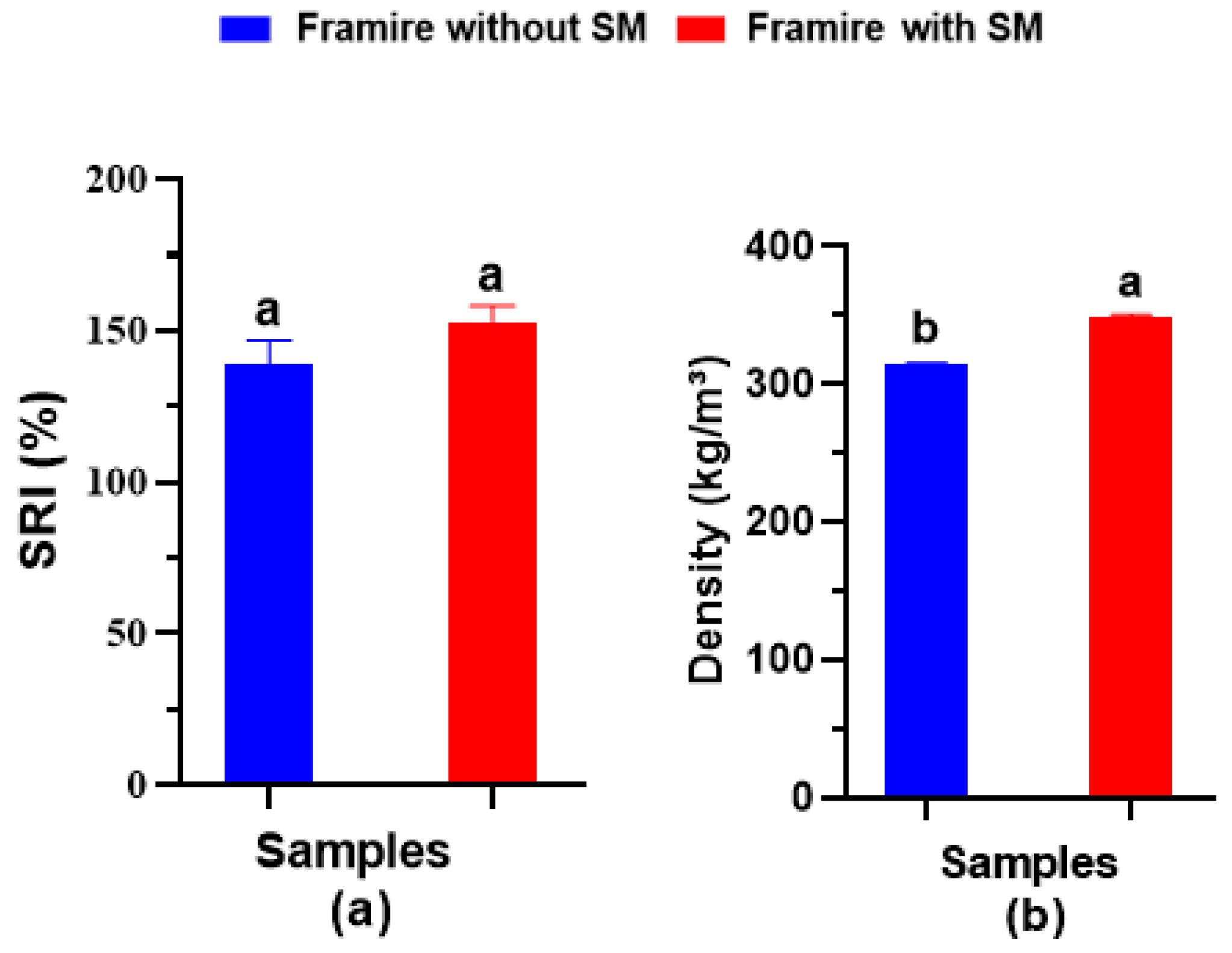
Figure 6a,b presents the mechanical and physical properties of the fuels produced during the study: Shock Resistance Index (a) and Bulk Density (b).
Figure 6a and Figure 6b, respectively, shows the Shock Resistance Index (SRI) (in %) and the bulk density (in kg/m3) of the fuels produced. The x-axis represents the samples, while the y-axis shows the SRI and bulk density for Figure 6a and Figure 6b, respectively. The SRI values range from 139.33 ± 7.51% to 153.00 ± 5.20%. No significant difference was identified. These values are higher than the 125% reported in other studies on cocoa waste [41]. They also fall within the range of 115% to 500% reported by other researchers who produced briquettes using corn cobs and Ceiba pentandra [42]. According to [42], the SRI values above 80% classify briquettes as durable. Conversely, low SRI values suggest that the fuel may crumble if mishandled during transport or storage. Several factors such as moisture content, compaction pressure, and particle size distribution may account for the observed differences.
The bulk density values in Figure 6b range from 314.493 ± 0.995 to 349.323 ± 1.108 kg/m3 for the samples without and with secondary metabolites, respectively. A significant difference is observed between the samples. The obtained bulk densities are lower than the range of 497.39 ± 3.13 to 680.50 ± 8.58 kg/m3 reported by some researchers using Azadirachta indica and Vitellaria paradoxa as raw materials, respectively [43]. Various factors can explain the observed discrepancies. According to several authors [25,41], the bulk density of briquettes is generally influenced by factors such as the binder-to-carbonized material ratio, compaction pressure, type of binder, raw material used, and the dwell time under compression.

3.3.3. Energy Properties of Fuels

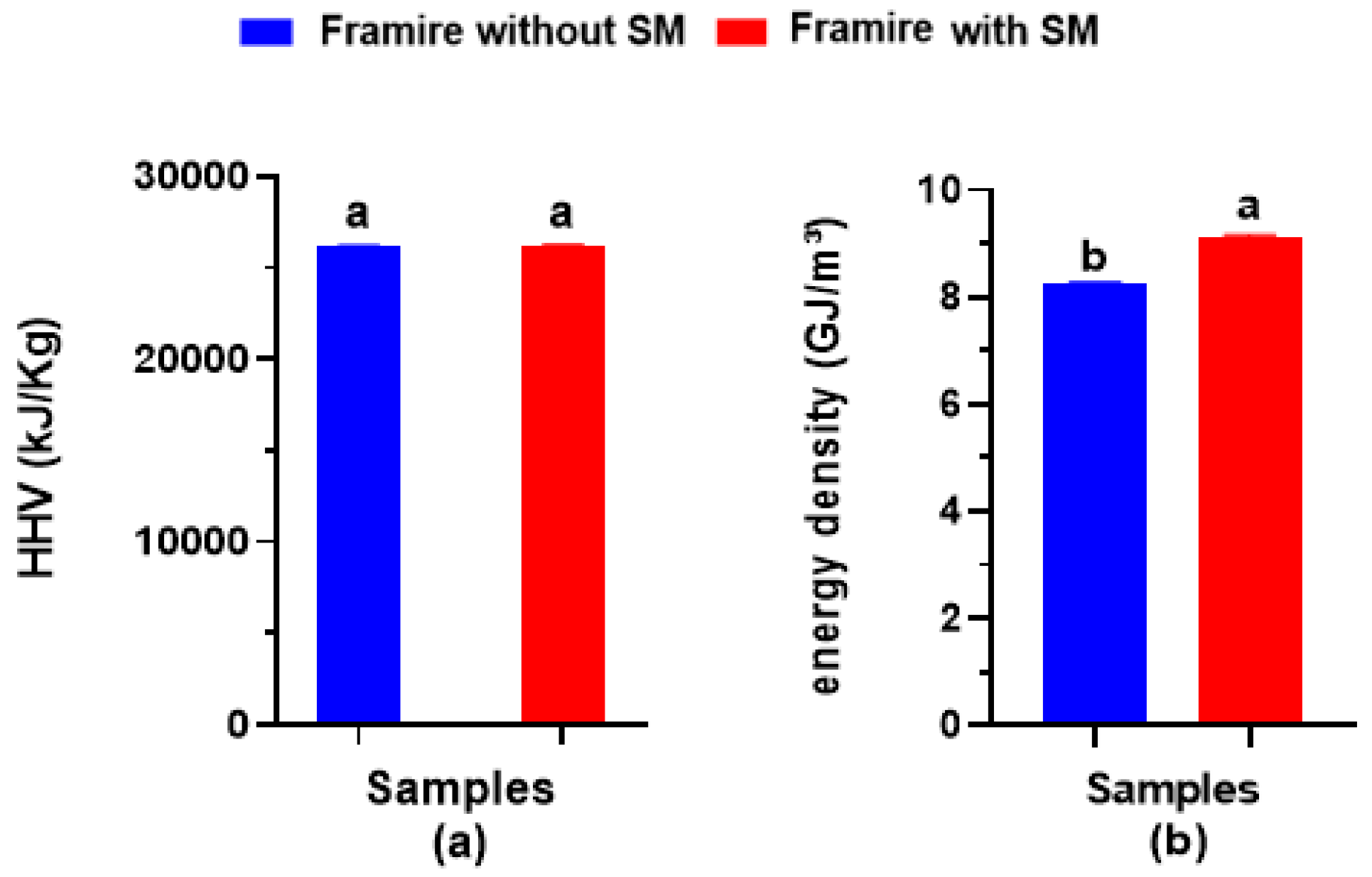
Figure 7a,b present the Higher Heating Value (HHV) and Energy Density (ED) of the fuels.
The x-axis represents the samples, while the y-axis shows the HHV and ED for Figure 7a and Figure 7b, respectively. The HHV ranges from 26,153 ± 92 to 26,201 ± 90 kJ/kg for the fuels with and without secondary metabolites, respectively. No significant difference was identified. The obtained HHVs are lower than the range of 26.5 to 33.8 MJ/kg reported by other researchers [44]. The precursor biomass could explain these differences. Indeed, the authors reported higher HHVs using a waste mixture ratio of 50% charcoal dust, 40% plastic, and 10% sawdust (C50–P40–S10). The energy density of the fuels ranged from 8.24 ± 0.028 to 9.136 ± 0.027 GJ/m3 for the samples without and with secondary metabolites, respectively. The difference in energy density (ED) between the fuels is significant. The ED values obtained in this study are lower than the range of 19.13 to 19.89 GJ/m3 reported by other researchers [45]. The observed difference can be attributed to the disparity in bulk density values. The aforementioned authors reported bulk densities ranging from 1107 to 1163 kg/m3, whereas this study recorded values between 314.493 ± 0.995 and 349.323 ± 1.108 kg/m3. Additionally, ref. [25] concluded that there is a strong positive correlation between the Higher Heating Value (HHV) and the bulk density of the fuels.

3.3.4. Combustion Properties

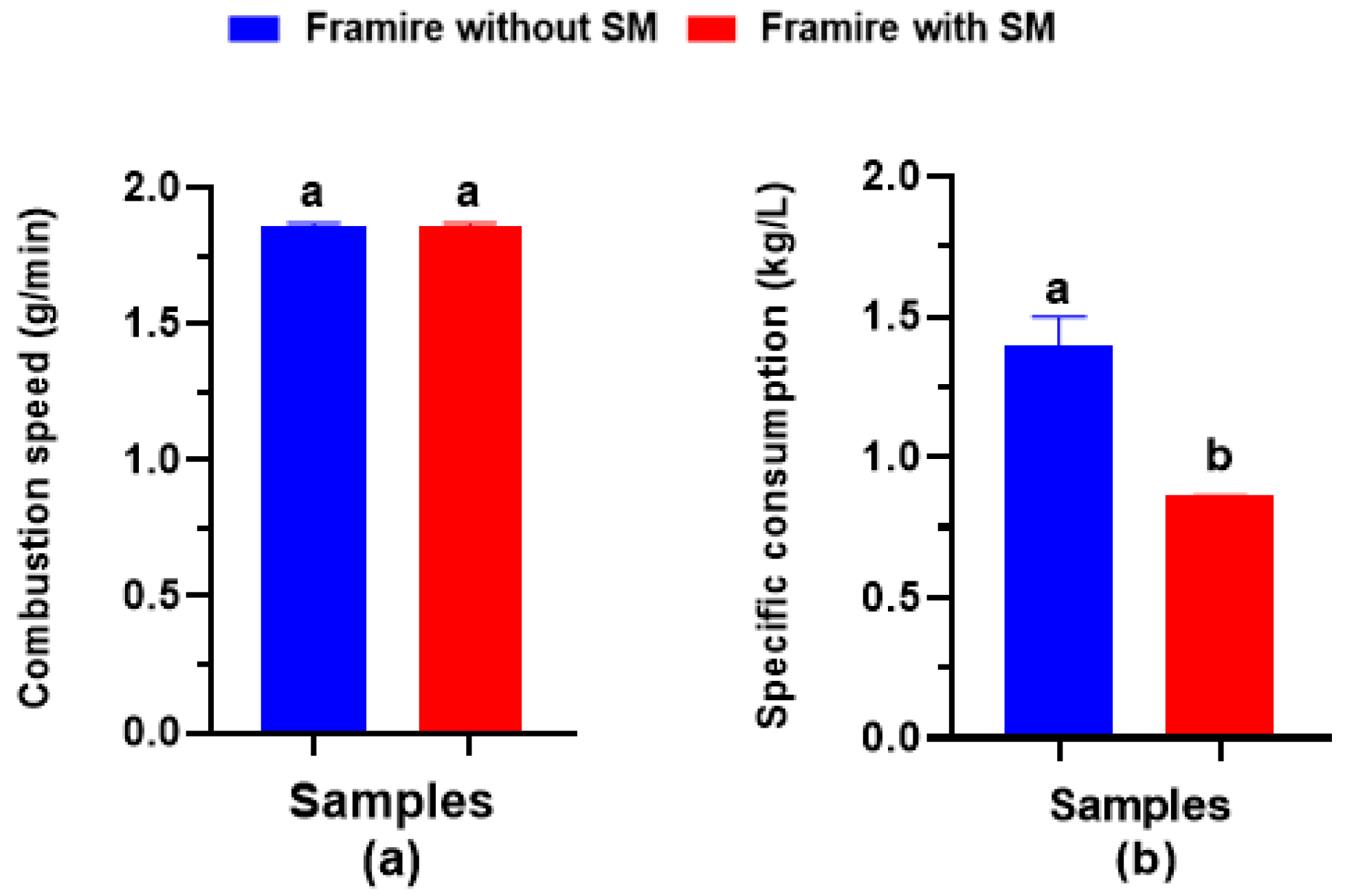
Figure 8a,b illustrates the combustion rate and the specific consumption. The observed difference in combustion rates is not significant. The combustion rates range from 1.862 ± 0.01 to 1.868 ± 0.01 (g/min) for fuels with and without secondary metabolites, respectively. These values are higher than the range of 0.37 to 0.50 g/min reported in a previous study [46]. The precursor biomass, the type of binder, and its percentage are likely responsible for the observed differences, as the previously cited researchers used TC2TB1BC20 (Leucaena leucocephala wood (TC2) and tapioca starch (TB1)) as the binder, and a binder percentage of 20% (BC20). In addition, a range of 0.3 to 0.7 g/min was reported by other researchers [47]. The lower values may be explained by the bioethanol ratio of 15 mL for 56 g of briquettes incorporated in their study. However, the values obtained in this study are much lower compared to the 10.51 g/min reported by other researchers [48], who worked on the co-carbonization of sewage sludge from wastewater treatment and wood chips. A lower combustion rate indicates a higher-quality fuel, as it provides more continuous and longer-lasting energy.
The specific fuel consumption ranged from 1.400 ± 0.100 to 0.861 ± 0.001 kg/L for fuels without and with secondary metabolites, respectively. The difference between the obtained values is statistically significant. One of the factors that could explain the slower combustion in fuels containing secondary metabolites may be the non-flammable properties associated with these compounds. The specific fuel consumption values obtained in this study are higher than the 0.107 kg/L reported by [48], likely due to differences in fuel raw material, working conditions (temperature, humidity), sample HHV, stove type, and test protocols. As noted by [8], multiple factors can lead to discrepancies between studies.

3.3.5. Characterization by Fourier Transform Infrared Spectroscopy (FTIR)

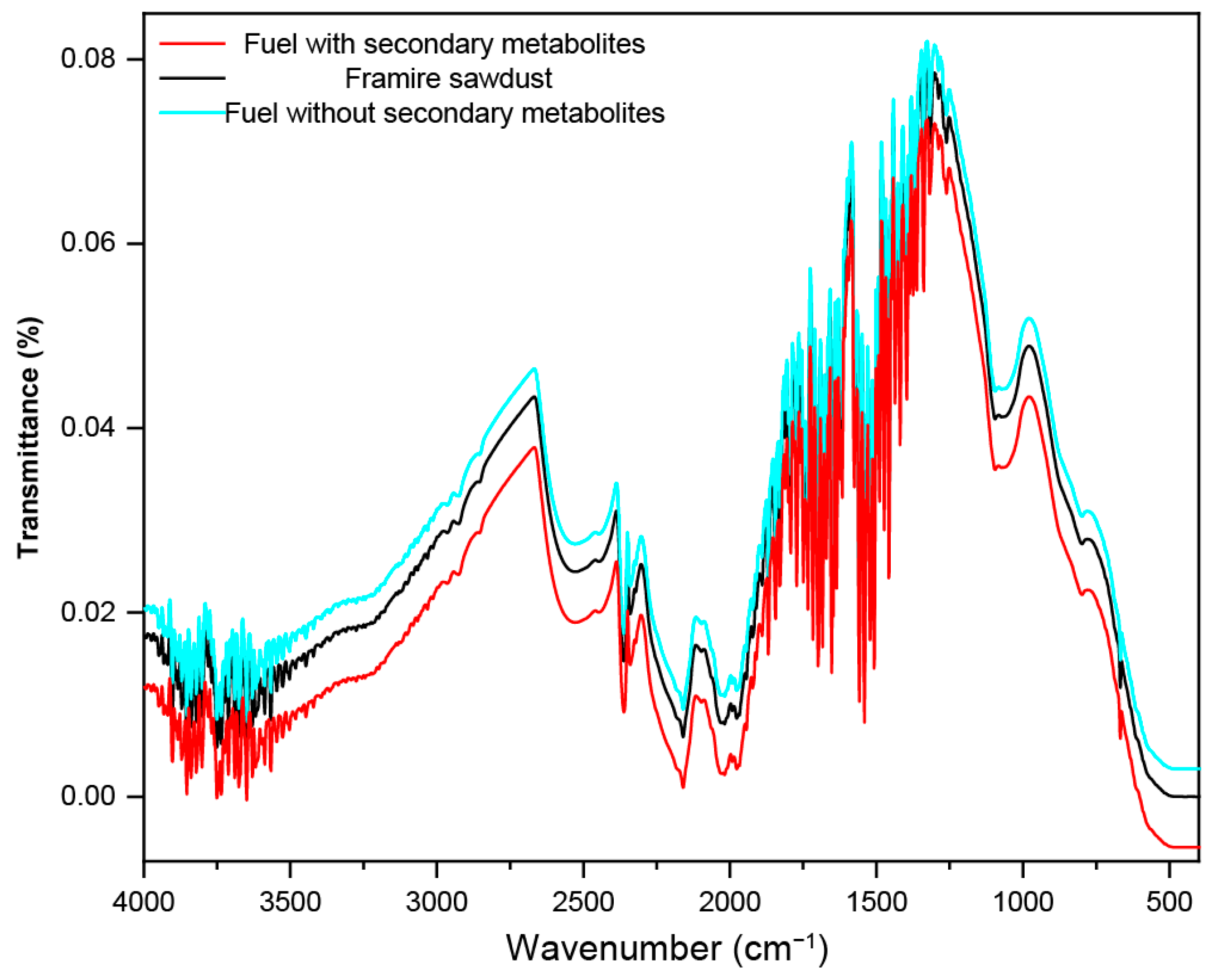
Figure 9 presents the FTIR spectra of fuels. The overall analysis of the Fourier Transform Infrared (FTIR) spectroscopy curves highlights characteristic absorption bands and their corresponding interpretations.
The range of 3000–3500 cm−1 corresponds to the stretching vibrations of O–H bonds (alcohols, phenols, water) or N–H bonds (amines or amides). A broad band in this region likely indicates the presence of hydroxyl (O–H) groups, which are typical in lignocellulosic materials such as wood or biomass. A similar observation was reported by Magalhães [49].
The range of 2800–3000 cm−1 corresponds to the stretching vibrations of C–H bonds in alkanes (CH2 and CH3). These bands indicate the presence of aliphatic chains in organic components reported by [50].
The range of 1600–1700 cm−1 corresponds to the stretching vibrations of C=O (carbonyl groups) or C=C bonds (in aromatic compounds). This may indicate the presence of lignin in the Framire sawdust spectrum or oxidized degradation products in the fuels.
The range of 1500–1300 cm−1 corresponds to the bending vibrations of C–H groups and the vibrations of aromatic rings in lignin or aromatic hydrocarbons.
The range of 1000–1300 cm−1 corresponds to the vibrations of C–O bonds (alcohols, ethers, esters) or out-of-plane C–H vibrations. This region is often characteristic of carbohydrates or polysaccharides such as cellulose or hemicellulose.
The range below 800 cm−1 corresponds to out-of-plane vibrations specific to aromatic rings or C–H bonds in hydrocarbons [49]. The following Table 3 summarizes the interpretations of the FTIR curves.

3.3.6. SEM Evaluation of the Samples

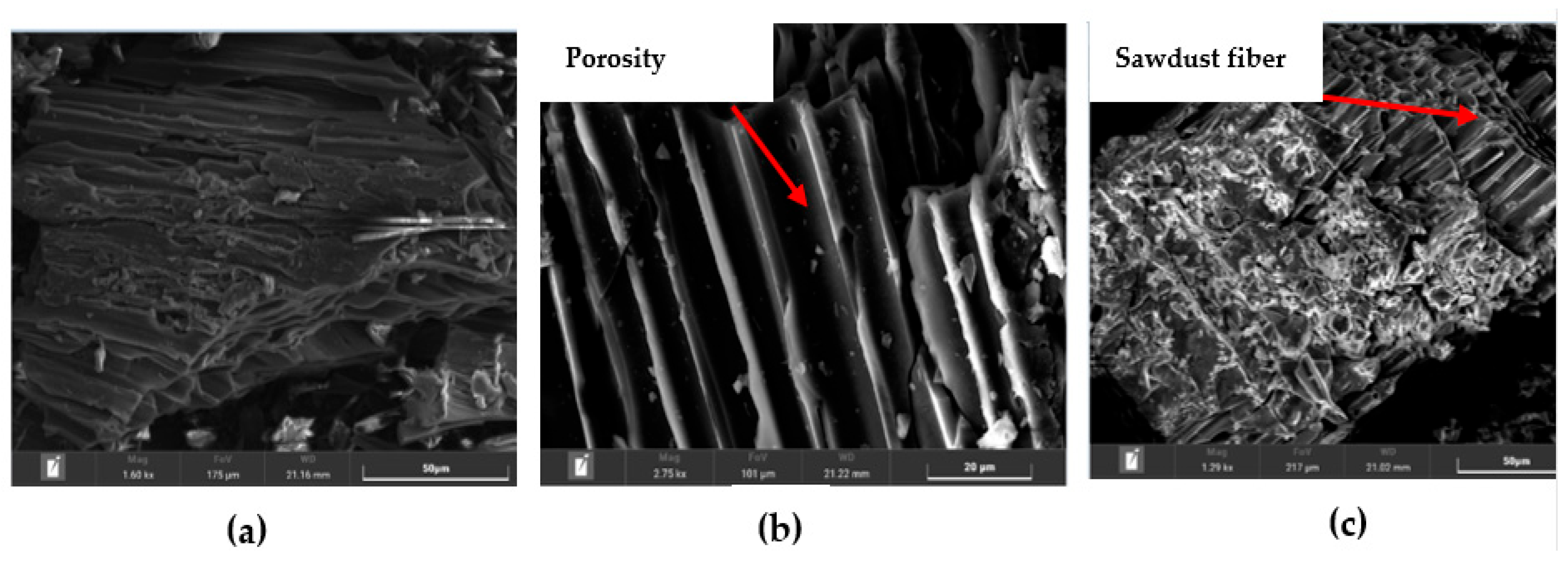
Figure 10a, Figure 10b and Figure 10c, respectively, presents the microscopic structure of Framiré sawdust, and the fuels with and without secondary metabolites.
Table 4 presents the elemental composition of Framiré sawdust Figure 10a as well as that of the fuels with and without secondary metabolites (Figure 10b,c). Before thermochemical treatment, the raw sawdust was primarily composed of carbon (C) and oxygen (O), while nitrogen (N) and sulfur (S) were present in negligible amounts, below the detection limit. After treatment, a significant increase in carbon content was observed, along with a substantial reduction in oxygen, whose percentage decreased by 59.49% compared to the initial material. However, the residual oxygen content in Framiré sawdust remains higher than the 32.13% reported by [51] for rice straw biochar materials. This difference is likely due to the higher lignin content of the wood. The thermochemical treatment facilitated carbon enrichment by selectively eliminating volatile matter and non-carbon elements, resulting in a carbon-rich matrix.

4. Conclusions

This study explored the potential valorization of Framiré sawdust through a two-step process: isolation of secondary metabolites and production of fuel briquettes from the solid fraction. Two techniques (maceration and infusion) enabled the extraction of secondary metabolites. The total phenolic content (TPC) ranged from 0.097 ± 0.001 to 0.63 ± 0.049 g GAE/100 g DM for maceration and infusion, respectively. Extraction yields ranged between 4.73 ± 0.247% and 4.50 ± 0.212% for maceration and infusion, respectively. The higher heating value (HHV) of the fuels varied from 26,153 ± 92 to 26,201 ± 90 kJ/kg for briquettes with and without secondary metabolites, respectively. Fourier-transform infrared spectroscopy (FTIR) confirmed that aromatic peaks (~1600 cm−1) were more intense in carbonized fuels, indicating the formation of stable aromatic structures and fixed carbon. Following thermochemical treatment of the sawdust, a significant increase in carbon content was observed, rising from 62.36% to 84.81%, corresponding to an approximate 36% increase compared to the initial value. Conversely, oxygen content decreased markedly by about 59.49%, dropping from 37.50% to 15.19% relative to the raw material. The statistical tests revealed no significant differences in most fuel properties between briquettes with and without secondary metabolites. This finding is particularly important as it highlights a dual valorization pathway: the solid fraction can be converted into efficient biofuels, while the extracts, later to be characterized by HPLC, could serve as a source of high-value bioactive compounds. In addition, chemical identification and functional tests such as LOI or cone calorimeter analyses will be carried out on the samples. This integrated approach supports both the sustainable use of biomass and the development of bio-based products with strong economic potential.

Author Contributions

Conceptualization, J.M.N.; validation N.B. and P.M.E.K.; methodology, A.Z. and K.E.K.A.; software, E.E.J.B. and E.M.; investigation, J.M.N. and V.N.D.; writing—original draft preparation, J.M.N.; writing—review and editing, J.M.N. and N.B.; formal analysis F.-M.N., P.G. and D.M.; visualization, K.B.Y. and C.T.; supervision, V.N. All authors have read and agreed to the published version of the manuscript.

Funding

The research that led to these results received funding from the European Union (EU) through the project’s Intra-African Academic Mobility Program (ResIng) under grant agreement [624193—ResIng]. This study also received technical and financial support from the French development agency through the African center of excellence for waste-to-value products at the Institute National Felix Houphouet Boigny in Yamoussoukro. The French Development Agency, through the Eugen Ionescu mobility program, also provided financial and technical support for this study.

Institutional Review Board Statement

Not applicable.

Informed Consent Statement

Not applicable.

Data Availability Statement

The original contributions presented in this study are included in the article. Further inquiries can be directed to the corresponding author.

Acknowledgments

The authors acknowledge and thank the following people and organizations for their support: Africa’s center of excellence for the valorization of waste into high value-added products (CEA-VALOPRO) and for its technical support, and the Faculty of Engineering at “Vasile Alecsandri” University of Bacau for providing access to the laboratory and equipment for testing.

Conflicts of Interest

The authors declare no conflicts of interest.

References

  1. World Bioenergy Association. Global Bioenergy Statistics Report 2023, 10th ed.; Word Bioenergy Statistics; World Bioenergy Association: Stockholm, Sweden, 2023; Available online: https://bioenergyinternational.com/wba-releases-10th-global-bioenergy-statistics-report/ (accessed on 22 June 2024).
  2. The State of Food and Agriculture 2020. Overcoming Water Challenges in Agriculture, Rome, Italy, 2020. Available online: https://openknowledge.fao.org/handle/20.500.14283/cb1447en (accessed on 24 June 2024).
  3. Al-Battashi, H.S.; Annamalai, N.; Sivakumar, N.; Al-Bahry, S.; Tripathi, B.N.; Nguyen, Q.D.; Gupta, V.K. Lignocellulosic biomass (LCB): A potential alternative biorefinery feedstock for polyhydroxyalkanoates production. Rev. Environ. Sci. Biotechnol. 2019, 18, 183–205. [Google Scholar] [CrossRef]
  4. Sermyagina, E.; Martinez, C.M.; Lahti, J.; Nikku, M.; Mänttäri, M.; Kallioinen-Mänttäri, M.; Vakkilainen, E. Characterization of pellets produced from extracted sawdust: Effect of cooling conditions and binder addition on composition, mechanical and thermochemical properties. Biomass Bioenergy 2022, 164, 106562. [Google Scholar] [CrossRef]
  5. Devi, A.; Bajar, S.; Kour, H.; Kothari, R.; Pant, D.; Singh, A. Lignocellulosic Biomass Valorization for Bioethanol Production: A Circular Bioeconomy Approach. Bioenerg. Res. 2022, 15, 1820–1841. [Google Scholar] [CrossRef] [PubMed]
  6. Cassoni, A.C.; Gómez-García, R.; Pintado, M. Valorization of Agricultural Lignocellulosic Plant Byproducts Following Biorefinery Approach Toward Circular Bioeconomy. In Agricultural Waste: Environmental Impact, Useful Metabolites and Energy Production; Ramawat, K.G., Mérillon, J.-M., Arora, J., Eds.; Springer Nature: Singapore, 2023; Volume 31, pp. 109–137. [Google Scholar] [CrossRef]
  7. Renewable Energy Market Update—June 2023; International Energy Agency: Paris, France, 2023. Available online: https://www.iea.org/reports/renewable-energy-market-update-june-2023 (accessed on 22 June 2024).
  8. Nganko, J.M.; Koffi, E.P.M.; Toure, A.O.; Gbaha, P.; Tiogue, C.T.; Ndiaye, B.; Ba, K.; Benjamin Yao, K. Comparative assessment of pollutant emissions between biofuel briquettes and charcoal: Implications for domestic cooking fuel selection. Carbon Res. 2025, 4, 15. [Google Scholar] [CrossRef]
  9. Kapoor, R.; Ghosh, P.; Kumar, M.; Sengupta, S.; Gupta, A.; Kumar, S.S.; Vijay, V.; Kumar, V.; Vijay, V.K.; Pant, D. Valorization of agricultural waste for biogas based circular economy in India: A research outlook. Bioresour. Technol. 2020, 304, 123036. [Google Scholar] [CrossRef]
  10. Nganko, J.M.; Koffi, E.P.M.; Kane, M.; Gbaha, P.; Yao, K.B. Application of principal component analysis (PCA) to the study of the influence of the thermochemical treatment process of tropical wood sawdust on the calorific, mechanical, physicochemical and combustion properties of the resulting fuel briquettes. Biofuels 2024, 15, 1281–1294. [Google Scholar] [CrossRef]
  11. Jerzak, W.; Reinmöller, M.; Magdziarz, A. Estimation of the heat required for intermediate pyrolysis of biomass. Clean Technol. Environ. Policy 2022, 24, 3061–3075. [Google Scholar] [CrossRef]
  12. Paczkowski, S.; Sarquah, K.; Yankyera, J.; Derkyi, N.S.A.; Empl, F.; Jaeger, D.; Pelz, S. Hydrothermal treatment (HTT) improves the combustion properties of regional biomass waste to face the increasing sustainable energy demand in Africa. Fuel 2023, 351, 128928. [Google Scholar] [CrossRef]
  13. Yue, Y.; Singh, H.; Singh, B.; Mani, S. Torrefaction of sorghum biomass to improve fuel properties. Bioresour. Technol. 2017, 232, 372–379. [Google Scholar] [CrossRef]
  14. Yunusa, S.U.; Kohli, S.; Ravi, M.R.; Ray, A. Biomass cookstoves: A review of technical aspects and recent advances. Energy Nexus 2023, 11, 100225. [Google Scholar] [CrossRef]
  15. Wang, L.; Yang, Y.; Ou, Y.; Zhong, Q.; Tang, P.; Zhang, Y.; Yi, L.; Li, Q.; Huang, Z.; Jiang, T. Synergistic recycling of biochar from sawdust pyrolysis and waste coke breeze to produce metallurgical quality biocoke with syngas as a by-product. Fuel 2023, 354, 129365. [Google Scholar] [CrossRef]
  16. Saires, P.; Barraza, C.A.; Bertero, M.; Pujro, R.; Falco, M.; Sedran, U. Characterization of Pyrolytic Tars Derived from Different Biomasses. Processes 2024, 12, 817. [Google Scholar] [CrossRef]
  17. Alizadeh, P.; Mupondwa, E.; Tabil, L.G.; Li, X.; Cree, D. Life cycle assessment of bioenergy production from wood sawdust. J. Clean. Prod. 2023, 427, 138936. [Google Scholar] [CrossRef]
  18. Elhenawy, Y.; Fouad, K.; Bassyouni, M.; Al-Qabandi, O.A.; Majozi, T. Yield and energy outputs analysis of sawdust biomass pyrolysis. Energy Convers. Manag. X 2024, 22, 100583. [Google Scholar] [CrossRef]
  19. Imberti, R.M.; Padilha, J.C.; da Silva Arrieche, L. Production of sawdust and chicken fat briquettes as an alternative solid fuel. Renew. Energy 2024, 228, 120638. [Google Scholar] [CrossRef]
  20. Zhou, W.; Guo, Z.; Li, X.; Ding, Y.; Wang, Y.; Bai, B. Co-pyrolysis of sewage sludge and sawdust: Synergistic effects of product yield and synthetic gas calorific value. J. Energy Inst. 2024, 114, 101599. [Google Scholar] [CrossRef]
  21. Makepa, D.C.; Chihobo, C.H.; Musademba, D. Techno-economic analysis and environmental impact assessment of biodiesel production from bio-oil derived from microwave-assisted pyrolysis of pine sawdust. Heliyon 2023, 9, e22261. [Google Scholar] [CrossRef]
  22. Yang, Y.; Qu, X.; Huang, G.; Ren, S.; Dong, L.; Sun, T.; Liu, P.; Li, Y.; Lei, T.; Cai, J. Insight into lignocellulosic biomass torrefaction kinetics with case study of pinewood sawdust torrefaction. Renew. Energy 2023, 215, 118941. [Google Scholar] [CrossRef]
  23. Singleton, V.L.; Orthofer, R.; Lamuela-Raventós, R.M. Analysis of total phenols and other oxidation substrates and antioxidants by means of folin-ciocalteu reagent. In Methods in Enzymology; Oxidants and Antioxidants Part A; Academic Press: Cambridge, MA, USA, 1999; Volume 299, pp. 152–178. [Google Scholar] [CrossRef]
  24. Georgé, S.; Brat, P.; Alter, P.; Amiot, M.J. Rapid Determination of Polyphenols and Vitamin C in Plant-Derived Products. J. Agric. Food Chem. 2005, 53, 1370–1373. [Google Scholar] [CrossRef]
  25. Chang, C.-C.; Yang, M.-H.; Wen, H.-M.; Chern, J.-C. Estimation of total flavonoid content in propolis by two complementary colometric methods. J. Food Drug Anal. 2002, 10, 3. [Google Scholar] [CrossRef]
  26. Nganko, J.M.; Koffi, E.P.M.; Gbaha, P.; Kane, M.; Ndiaye, B.; Faye, M.; Nkounga, W.M.; Tekounegning, C.T.; Bile, E.E.J.; Yao, K.B. Modeling and optimization of compaction pressure, binder percentage and retention time in the production process of carbonized sawdust-based biofuel briquettes using response surface methodology (RSM). Heliyon 2024, 10, e25376. [Google Scholar] [CrossRef] [PubMed]
  27. ASTM D-3172; Standard Method for the Determination of Ash in Biomass. American Society for Testing and Materials International: West Conshohocken, PA, USA, 2021.
  28. ISO 17892-2; Geotechnical Investigation and Testing, Laboratory Testing of Soil. Part 2: Determination of Bulk Density. International Organization for Standardization: Geneva, Switzerland, 2014.
  29. ISO 21654; Solid Recovered Fuels. Determination of Calorific Value. International Organization for Standardization: Geneva, Switzerland, 2021.
  30. ISO 19867-1; Clean Cookstoves and Clean Cooking Solutions. Harmonized Laboratory Test Protocols. Part 1: Standard Test Sequence for Emissions and Performance, Safety and Durability. International Organization for Standardization: Geneva, Switzerland, 2018.
  31. Osorio-Tobón, J.F. Recent advances and comparisons of conventional and alternative extraction techniques of phenolic compounds. J. Food Sci. Technol. 2020, 57, 4299–4315. [Google Scholar] [CrossRef] [PubMed]
  32. Zielinski, A.A.F.; Haminiuk, C.W.I.; Alberti, A.; Nogueira, A.; Demiate, I.M.; Granato, D. A comparative study of the phenolic compounds and the in vitro antioxidant activity of different Brazilian teas using multivariate statistical techniques. Food Res. Int. 2014, 60, 246–254. [Google Scholar] [CrossRef]
  33. Mahmoudi, S.; Khali, M.; Mahmoudi, N. Etude de l’extraction des composés phénoliques de différentes parties de la fleur d’artichaut (Cynara scolymus L.). Nat. Technol. 2013, 9, 35–40. Available online: https://www.asjp.cerist.dz/en/downArticle/47/5/2/43126 (accessed on 10 June 2024).
  34. ASTM E871-82; Standard Test Method for Moisture Analysis of Particulate Wood Fuels. American Society for Testing and Materials International: West Conshohocken, PA, USA, 2019.
  35. ASTM E1755-01; Standard Test Method for Ash in Biomass. American Society for Testing and Materials International: West Conshohocken, PA, USA, 2010.
  36. Dirar, A.I.; Alsaadi, D.H.M.; Wada, M.; Mohamed, M.A.; Watanabe, T.; Devkota, H.P. Effects of extraction solvents on total phenolic and flavonoid contents and biological activities of extracts from Sudanese medicinal plants. S. Afr. J. Bot. 2019, 120, 261–267. [Google Scholar] [CrossRef]
  37. Do, Q.D.; Angkawijaya, A.E.; Tran-Nguyen, P.L.; Huynh, L.H.; Soetaredjo, F.E.; Ismadji, S.; Ju, Y.-H. Effet du solvant d’extraction sur la teneur totale en phénols, la teneur totale en flavonoïdes et l’activité antioxydante de Limnophila aromatica. J. Food Drug Anal. 2014, 22, 296–302. [Google Scholar] [CrossRef]
  38. Fakayode, O.A.; Abobi, K.E. Optimization of oil and pectin extraction from orange (Citrus sinensis) peels: A response surface approach. J. Anal. Sci. Technol. 2018, 9, 20. [Google Scholar] [CrossRef]
  39. Morales-Máximo, M.; Ruíz-García, V.M.; López-Sosa, L.B.; Rutiaga-Quiñones, J.G. Exploitation of Wood Waste of Pinus spp. for Briquette Production: A Case Study in the Community of San Francisco Pichátaro, Michoacán, Mexico. Appl. Sci. 2020, 10, 2933. [Google Scholar] [CrossRef]
  40. Raslavičius, L. Characterization of the woody cutting waste briquettes containing absorbed glycerol. Biomass Bioenergy 2012, 45, 144–151. [Google Scholar] [CrossRef]
  41. Akam, N.G.; Diboma, B.S.; Mfomo, J.Z.; Ndiwe, B.; Bôt, B.V.; Biwolé, A.B. Physicochemical characterization of briquette fuel produced from cocoa pod husk case of Cameroon. Energy Rep. 2024, 11, 1580–1589. [Google Scholar] [CrossRef]
  42. Mitchual, S.J.; Frimpong-Mensah, K.; Darkwa, N.A.; Akowuah, J.O. Briquettes from maize cobs and Ceiba pentandra at room temperature and low compacting pressure without a binder. Int. J. Energy Environ. Eng. 2013, 4, 38. [Google Scholar] [CrossRef]
  43. Antwi-Boasiako, C.; Glalah, M. Proximate Analysis and Strength Properties of Carbonized Woods from the Most-Used Tropical Timbers from the Afram Plains, Ghana’s Charcoal Production Hub. J. Sustain. For. 2022, 41, 1064–1077. [Google Scholar] [CrossRef]
  44. Gwenzi, W.; Ncube, R.S.; Rukuni, T. Development, properties and potential applications of high-energy fuel briquettes incorporating coal dust, biowastes and post-consumer plastics. SN Appl. Sci. 2020, 2, 1006. [Google Scholar] [CrossRef]
  45. Martinez, C.L.M.; Sermyagina, E.; de Cassia Oliveira Carneiro, A.; Vakkilainen, E.; Cardoso, M. Production and characterization of coffee-pine wood residue briquettes as an alternative fuel for local firing systems in Brazil. Biomass Bioenergy 2019, 123, 70–77. [Google Scholar] [CrossRef]
  46. Nonsawang, S.; Juntahum, S.; Sanchumpu, P.; Suaili, W.; Senawong, K.; Laloon, K. Unlocking renewable fuel: Charcoal briquettes production from agro-industrial waste with cassava industrial binders. Energy Rep. 2024, 12, 4966–4982. [Google Scholar] [CrossRef]
  47. Gesase, L.E.; King’ondu, C.K.; Jande, Y.A.C. Manihot glaziovii-Bonded and Bioethanol-Infused Charcoal Dust Briquettes: A New Route of Addressing Sustainability, Ignition, and Food Security Issues in Briquette Production. Bioenerg. Res. 2020, 13, 378–386. [Google Scholar] [CrossRef]
  48. Oduro, W.O.; Von-Kiti, E.; Animpong, M.A.B.; Ampomah-Benefo, K.; Boafo-Mensah, G.; Dazugo, E.; Yankson, I.K.; Akon-Yamga, G.; Issahaku, A.; Ofori-Amanfo, D. Production of sustainable fuel briquettes from the co-carbonization of sewage sludge derived from wastewater treatment and wood shavings as a sustainable solid fuel for heating energy. S. Afr. J. Chem. Eng. 2024, 50, 437–444. [Google Scholar] [CrossRef]
  49. Magalhães, S.; Filipe, A.; Melro, E.; Fernandes, C.; Vitorino, C.; Alves, L.; Romano, A.; Rasteiro, M.G.; Medronho, B. Lignin Extraction from Waste Pine Sawdust Using a Biomass Derived Binary Solvent System. Polymers 2021, 13, 1090. [Google Scholar] [CrossRef]
  50. Ufodike, C.O.; Eze, V.O.; Ahmed, M.F.; Oluwalowo, A.; Park, J.G.; Liang, Z.; Wang, H. Investigation of molecular and supramolecular assemblies of cellulose and lignin of lignocellulosic materials by spectroscopy and thermal analysis. Int. J. Biol. Macromol. 2020, 146, 916–921. [Google Scholar] [CrossRef]
  51. Phuong, D.T.M.; Loc, N.X. Rice Straw Biochar and Magnetic Rice Straw Biochar for Safranin O Adsorption from Aqueous Solution. Water 2022, 14, 186. [Google Scholar] [CrossRef]
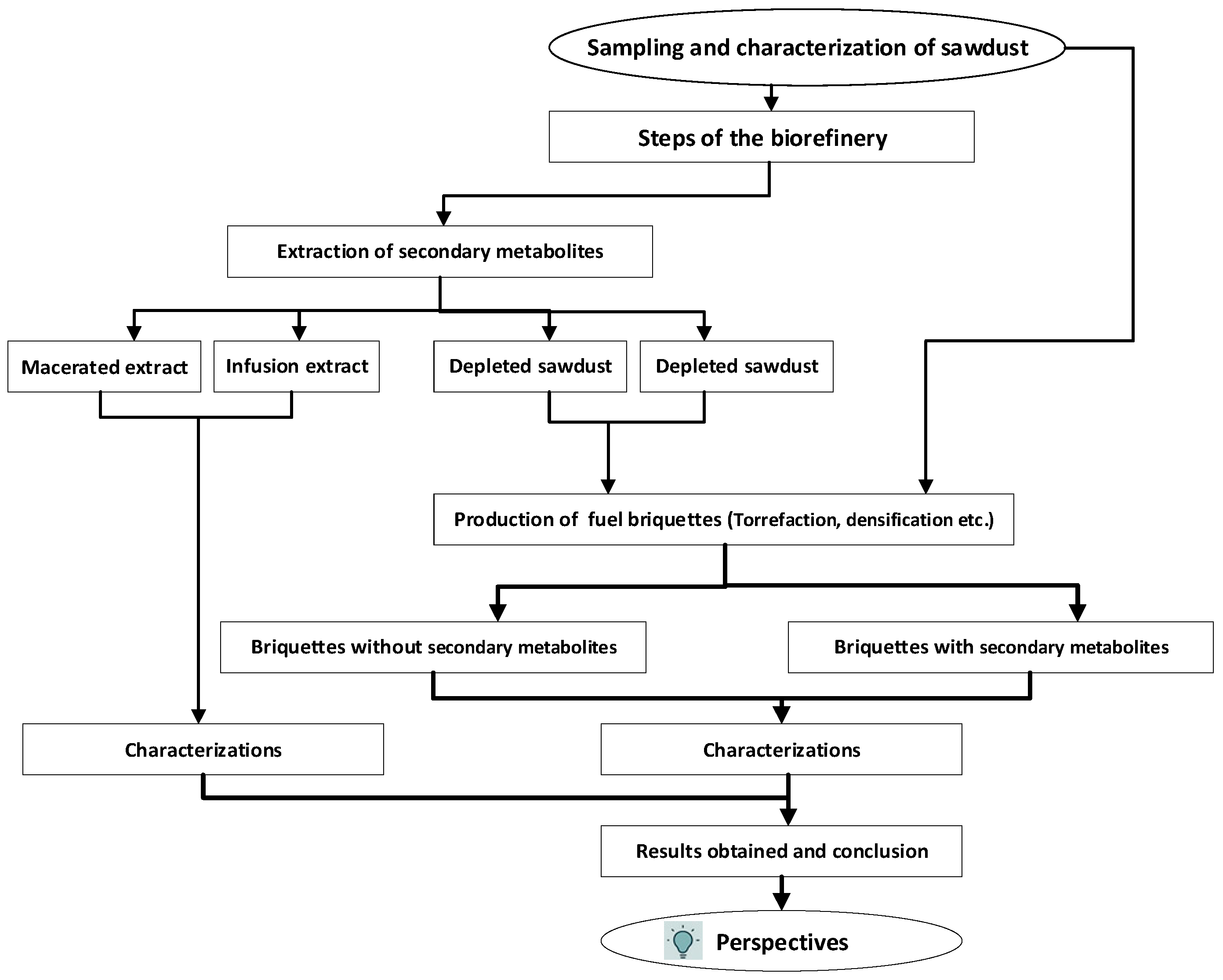
Figure 1. Methodology deployed for the work.
Applsci 16 00716 g001
Figure 2. Study area [8].
Applsci 16 00716 g002
Figure 3. Extracts: (a) macerated extract; (b) infused extract.
Applsci 16 00716 g003
Figure 4. Reactor used for the torrefaction process: (a) torrefaction reactor, (b) samples with secondary metabolites, (c) samples without secondary metabolites.
Applsci 16 00716 g004
Figure 5. Immediate properties of fuel briquettes. The means that do not share any letter (a and b) are significantly different.
Applsci 16 00716 g005
Figure 6. Mechanical properties (a) and physical properties (b) of samples. The means do not share any letter (a and b) are significantly different.
Applsci 16 00716 g006
Figure 7. Energy properties of fuels: (a) Higher Heating Value, (b) Energy Density. The means that do not share any letter (a and b) are significantly different.
Applsci 16 00716 g007
Figure 8. Combustion properties of fuels: (a) combustion rate, (b) specific consumption. The means that do not share any letter (a and b) are significantly different.
Applsci 16 00716 g008
Figure 9. FTIR spectrum of different fuels.
Applsci 16 00716 g009
Figure 10. Microscopic morphology of the samples observed using a scanning electron microscope at 50 µm: (a) initial microscopic structure of Framiré sawdust, (b) microscopic structure of Framiré sawdust with secondary metabolites, (c) microscopic structure of Framiré sawdust without secondary metabolites.
Applsci 16 00716 g010
Table 1. Different parameters and methods plus references used.
Parameters Methods References
Total Phenolic Content (TPC) and Tannin content (Ct)Folin–Ciocalteu[23,24]
Total Flavonoid Content (TFC)Colorimetric [25]
Proximal analysis (moisture, ash, volatile matter and fixed carbon) ASTM D-(3172), 2021[26,27]
Bulk density ISO 17892-2, 2014[8,10,28]
Shock Resistance IndexDrop test [26]
Higher heating value (HHV)EN ISO 21654, 2021 [8,26,29]
Combustion properties (specific fuel consumption and Combustion rateWBT: ISO 19867:2018 [8,30]
Table 2. Extracted secondary metabolite data.
Extraction TechniquesYields (%) Total Polyphenol Content (g GAE/100 g MS)Tanin Content (g TAE/100 g MS)Flavonoid Content (g CE/100 g MS)Density (kg/m3)Yellowness IndexPH
maceration4.725 ± 0.2470.097 ± 0.0010.006 ± 0.0000.018 ± 0.0011006.5 ± 0.05073.49 ± 0.0215.95 ± 0.010
infusion4.50 ± 0.2120.63 ± 0.0490.007 ± 0.0010.005 ± 0.0001003.0 ± 2.0081.72 ± 0.0144.90 ± 0.03
Polyphenol content is expressed as g GAE/100 g DW (grams of gallic acid equivalents per 100 g of dry weight). Total flavonoids were quantified and are reported as g CE/100 g DW (grams of catechin equivalents per 100 g of dry weight). Total tannins are expressed as g TAE/100 g DW (grams of tannic acid equivalents per 100 g of dry weight).
Table 3. Summary of interpretations of the FTIR curves.
Wavenumber (cm−1)Functional Group/VibrationRaw Sawdust (Framire)Fuel Without SMFuel with SMInterpretation
~3400O–H stretching (alcohols, phenols, water)Intense, broadReducedReducedDisappearance indicates dehydration and breakdown of hydroxyl groups during carbonization
~2920C–H stretching (aliphatic CH2, CH3)Clear peakWeakerWeakerDecrease shows loss of aliphatic compounds with heat treatment
~1700C=O stretching (carbonyl, carboxylic acids)Present, distinctStrongly reducedStrongly reducedIndicates decomposition of hemicellulose and extractives
~1600Aromatic C=C stretching (lignin derivatives, aromatic rings)ModerateEnhancedEnhancedReflects formation of aromatic carbon structures (char formation)
~1450CH2 bendingDistinctPresentSlightly more intenseStable structural vibrations; persistence suggests residual lignin structures
~1380CH3 bendingWeakWeakSlightly more visibleSuggests influence of secondary metabolites on aliphatic side chains
1100–1000C–O stretching (cellulose, hemicellulose, polysaccharides)StrongReducedMore reducedIndicates cleavage of glycosidic bonds; stronger reduction with SM suggests higher degradation
~900C–H out-of-plane bending (aromatic rings)AbsentPresentPresentConfirms development of condensed aromatic structures during carbonization
It emerges from this table that torrefaction reduces hydroxyl and carbonyl groups compared to raw sawdust. The presence of secondary metabolites seems to slightly modify the intensity of the C-O and CH peaks, which could influence the fuel’s reactivity. Aromatic peaks (~1600 cm−1) are more intense in torrefied fuels, indicating the formation of stable aromatic structures and fixed carbon.
Table 4. Elemental composition of the samples.
ElementsRaw SawdustSamples with Secondary MetabolitesSamples Without Secondary Metabolites
Carbon (%)62.3684.8184.99
Oxygen (%)37.5015.1915.01
Silicon (%)0.13<LOD *<LOD *
Nitrogen (%)<LOD *<LOD *<LOD *
* <LOD: Below the detection limit.
Disclaimer/Publisher’s Note: The statements, opinions and data contained in all publications are solely those of the individual author(s) and contributor(s) and not of MDPI and/or the editor(s). MDPI and/or the editor(s) disclaim responsibility for any injury to people or property resulting from any ideas, methods, instructions or products referred to in the content.