1. Introduction
Soil plays a critical role in environmental quality by regulating the fate and transformation of contaminants through physicochemical and biological processes [
1]. However, intensified anthropogenic activities, including industrialization, improper waste disposal, and untreated effluent discharge, have led to the accumulation of hydrocarbons, heavy metals, and other toxic compounds, compromising soil functionality and ecological health [
2]. These challenges underscore the need for efficient biocatalytic strategies, such as bacterial lipase-mediated remediation, to restore contaminated environments [
3].
Microbial bioremediation has emerged as a sustainable and cost-effective strategy to mitigate soil contamination, relying on the metabolic versatility of microorganisms to transform pollutants into less toxic or mineralized forms [
3]. This process can be implemented either in situ or ex situ, depending on site-specific conditions, and its efficiency is strongly influenced by environmental parameters including temperature, pH, oxygen availability, nutrient levels, and contaminant characteristics [
4]. Central to these processes are microbial enzymes, which mediate the biochemical conversion of complex pollutants. Bacteria, in particular, possess diverse enzymatic systems, both intracellular and extracellular, that enable the degradation of a wide spectrum of organic and inorganic contaminants [
5].
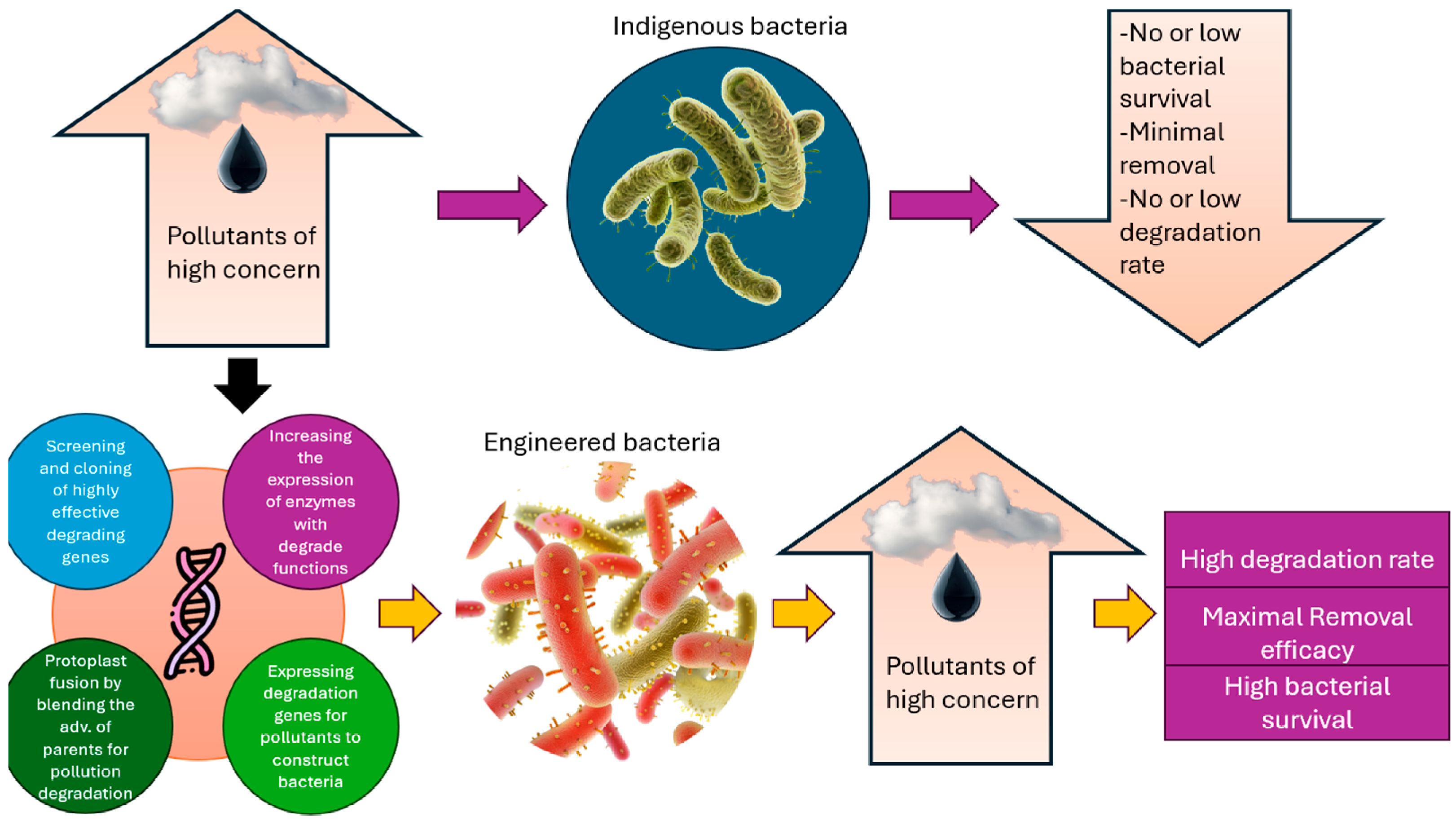
Figure 1 reveals how engineered bacteria are involved in the degradation of oil-contaminated soil.
Within this enzymatic framework, bacterial lipases (EC 3.1.1.3) play a critical role in the biodegradation of lipid-rich and hydrophobic pollutants, especially in oil-contaminated environments. As members of the serine hydrolase family, lipases catalyse the hydrolysis of triglycerides into glycerol and free fatty acids, while also facilitating reverse reactions such as esterification and transesterification under low-water conditions [
6]. These catalytic properties make lipases highly adaptable to fluctuating environmental conditions. Lipolytic bacteria are commonly isolated from oil-polluted habitats, including industrial waste sites and contaminated soils, highlighting their ecological relevance in hydrocarbon degradation. Genera such as
Pseudomonas,
Serratia,
Bacillus,
Acinetobacter,
Flavobacterium,
Achromobacter,
Nocardia,
Corynebacterium,
Mycobacterium,
Rhodococcus,
Alcaligenes,
Sphingomonas, and
Streptomyces are particularly noted for producing robust, solvent-tolerant lipases with significant bioremediation potential [
5]. Bacterial lipases are among the most important biocatalysts involved in the microbial degradation of hydrophobic and lipid-rich pollutants, making them highly relevant in bioremediation processes [
5]. Structurally, most bacterial lipases are glycoproteins, although some extracellular forms are lipoproteins, reflecting their functional adaptation to diverse environmental conditions. The production of these enzymes is tightly regulated by both nutritional and physicochemical factors, including medium composition, temperature, pH, and dissolved oxygen [
7].
Advances in molecular and omics technologies have further enhanced our understanding of microbial bioremediation mechanisms. Genomics and metagenomics enable the identification of functional genes and metabolic pathways involved in pollutant degradation, facilitating the design of targeted bioaugmentation strategies [
8]. Transcriptomics and metatranscriptomics provide insights into gene expression dynamics under contaminant stress, while proteomics allows the characterization of key biodegradative enzymes, including lipases, and their regulatory networks [
8]. Additionally, metabolomics offers a comprehensive view of metabolic responses and intermediate products formed during degradation processes. Collectively, these integrative approaches provide a systems-level understanding of microbial function, enabling the optimization and engineering of bacterial lipases and microbial consortia for enhanced, efficient, and sustainable bioremediation applications [
9]. Notably, lipases are inducible enzymes, and their expression is strongly influenced by the availability of suitable carbon sources, particularly lipid substrates. Compounds such as natural oils, fatty acids, triacylglycerols, bile salts, and synthetic surfactants (e.g., Tweens) act as inducers, enhancing lipase synthesis in bacterial systems [
9].
At the molecular level, understanding lipase structure is critical for optimizing their production and engineering improved variants for environmental applications. Bacterial lipases typically exhibit a conserved α/β hydrolase fold, characterized by a central twisted β-sheet composed of eight parallel β-strands surrounded by α-helices [
10]. Their catalytic mechanism is governed by a highly conserved catalytic triad consisting of serine, histidine, and an acidic residue (aspartate or glutamate), which together facilitate the hydrolysis of the ester bond. The presence of an oxyanion hole stabilizes the transition state during catalysis, thereby enhancing reaction efficiency [
11]. A distinctive structural feature of many lipases is the presence of a mobile “lid” domain that covers the active site; this lid undergoes conformational changes upon interaction with lipid–water interfaces, a phenomenon known as interfacial activation, which regulates substrate accessibility and catalytic activity [
11].
Advances in molecular and omics-driven approaches have significantly expanded the discovery and optimization of bacterial lipases for bioremediation. Metagenomics, in particular, enables exploration of uncultured microbial diversity by constructing and screening environmental DNA libraries [
5]. These libraries can be interrogated using both functional assays and sequence-based approaches to identify novel lipase genes with desirable properties, such as enhanced stability, substrate specificity, and tolerance to extreme environmental conditions. Such insights not only deepen our understanding of lipase-mediated biodegradation mechanisms but also support the development of engineered enzymes and microbial consortia tailored for efficient and sustainable bioremediation of contaminated environments [
5].
Unlike recent reviews that broadly address microbial enzymes in bioremediation or emphasize industrial applications of lipases, this work specifically focuses on bacterial lipases as key drivers of environmental remediation, with detailed attention to their catalytic mechanisms and pollutant-specific interactions. It further integrates emerging omics- and AI-driven molecular insights with comparative environmental performance data, including lipase-mediated wastewater and hydrocarbon treatment systems, thereby providing a more cohesive and application-oriented framework for advancing enzyme-based bioremediation.
This review is therefore undertaken to critically evaluate the role of bacterial lipases in bioremediation by linking enzyme structure, catalytic mechanisms, and functional performance to real-world environmental applications. It aims to move beyond descriptive accounts by assessing the effectiveness and limitations of current approaches, including microbial consortia, immobilisation strategies, and the use of low-cost substrates for enzyme production. Furthermore, the review examines recent advances in molecular and omics technologies, protein engineering, and artificial intelligence, with a focus on their practical relevance, scalability, and current limitations in environmental systems.
The purpose of this work is to provide a comprehensive and critical synthesis of existing knowledge and to identify key gaps that hinder the translation of laboratory findings into field-scale applications. By emphasising quantitative, systems-level, and integrative approaches, this review seeks to define strategic research directions to enhance the reliability and efficiency of bacterial lipases as tools for the sustainable bioremediation of lipid-based pollutants.
Figure 1.
Engineered bacteria in the degradation of oil-contaminated soil [
12].
Figure 1.
Engineered bacteria in the degradation of oil-contaminated soil [
12].
Literature Search
A comprehensive literature survey was conducted using major scientific databases, including Scopus, Web of Science, PubMed, and Google Scholar. The search primarily covered publications from approximately 2000 to 2025, with particular emphasis on recent studies (last 5–7 years) to capture emerging molecular and computational advances. Keywords and their combinations included “bacterial lipases,” “lipase-mediated bioremediation,” “hydrocarbon degradation,” “enzyme-based remediation,” “wastewater treatment lipase,” “omics in bioremediation,” and “enzyme engineering and AI in biodegradation.” Additional relevant articles were identified through reference list screening. Studies were selected based on their relevance to bacterial lipases in environmental remediation, with priority given to those providing mechanistic insights, comparative performance data, and integration of molecular or computational approaches.
3. Bacterial Lipases: Structure, Function, and Catalytic Properties
Lipases (EC 3.1.1.3) are widely distributed enzymes found in many living organisms, including bacteria, yeasts, fungi, plants, and animals. They play an essential role in lipid metabolism by catalysing the hydrolysis of triglycerides into glycerol and free fatty acids at the oil–water interface [
7]. Under appropriate conditions, lipases can also catalyse the reverse reaction, enabling the synthesis of ester bonds in both aqueous and non-aqueous environments. Because of this catalytic flexibility, lipases can hydrolyse or synthesise a broad range of carboxylic esters, releasing organic acids and glycerol as reaction products [
8].
Microbial lipases have been extensively studied due to their diverse biochemical and physiological properties. Their ability to act on hydrophobic and lipid-like substrates makes them valuable in many industrial processes. These enzymes are commonly used in the production of oils and fats, detergent formulations, baking, cheese production, hard-surface cleaning, and leather and paper processing [
11]. In addition, lipases are widely applied in the pharmaceutical industry for the resolution of racemic mixtures, allowing the production of optically pure (chiral) compounds that serve as important building blocks for drug synthesis. The catalytic efficiency and stability of lipases are influenced by several structural and environmental factors [
8].
Protein stability, especially thermal stability, can be affected by factors such as increased hydrophobic interactions, more hydrogen bonds, amino acid composition, improved side-chain packing, shorter loop regions, and greater protein surface area. Studies have also shown that specific structural modifications, such as amino acid substitutions within or outside secondary structural regions, an increased proportion of proline residues, reduced numbers of thermostable amino acids, and increased α-helical content, can contribute to enhanced thermostability [
7]. Additional stabilising factors include increased polar surface area, stronger hydrogen-bonding networks, and the formation of salt bridges. Despite these observations, the relationship between specific amino acid changes and enzyme stability is complex, and no universal rule has been established to predict thermostability or cold adaptation in lipases [
78]. Nevertheless, the structural adaptability and catalytic versatility of microbial lipases make them highly valuable in environmental biotechnology. In the context of lipid-based pollutants, these enzymes can facilitate the breakdown of hydrophobic compounds present in contaminated environments.
Consequently, lipase-producing microorganisms are increasingly explored for lipase-mediated bioremediation, in which enzymatic hydrolysis contributes to the transformation and degradation of lipid-like pollutants, including components of crude oil and other hydrophobic organic contaminants [
8]. Bacterial lipases are enzymes that catalyse the hydrolysis of triglycerides into glycerol and free fatty acids, enabling microorganisms to utilise lipid-based substrates as sources of carbon and energy. Structurally, many bacterial lipases belong to Subfamilies I.1 and I.2 within the larger Family I group of lipolytic enzymes [
9]. A common characteristic of lipases in these subfamilies is their dependence on a lipase-specific foldase (Lif), a chaperone protein that assists in proper enzyme folding. During enzyme synthesis, the lipase polypeptide must fold into a specific three-dimensional structure to become catalytically active [
10]. In many bacteria, this process requires the Lif protein, which facilitates the correct folding pathway and stabilises intermediate structures during enzyme maturation. Without Lif’s assistance, these lipases often misfold and accumulate as inactive aggregates.
As a result, the presence of Lif is essential for the production of functional enzymes in their native host organisms. However, not all bacterial lipases require this foldase [
11]. Several Lif-independent lipases have been identified within Subfamily I.1. These enzymes can fold into their active conformation without the assistance of a specific chaperone protein. This property makes them particularly attractive for biotechnological and industrial applications, as they can be more readily produced via heterologous expression systems, such as
Escherichia coli. In such systems, Lif-dependent lipases often require co-expression with the foldase gene to obtain active enzymes, which can complicate large-scale production [
5].
In contrast, lipases independent of Lif can be expressed directly in their active, soluble forms. From a functional perspective, bacterial lipases exhibit catalytic versatility and can act on a variety of lipid and hydrophobic substrates. Their catalytic mechanism typically involves a serine-based active site, commonly referred to as the Ser–His–Asp catalytic triad, which facilitates the cleavage of ester bonds in triglycerides and other lipid molecules [
5]. This catalytic activity enables bacterial lipases to degrade lipid-rich compounds, including fats, oils, and certain hydrophobic organic pollutants. The catalytic properties of bacterial lipases, such as substrate specificity, temperature tolerance, and stability in organic solvents, make them particularly valuable for industrial and environmental applications [
6]. In the context of lipid-based pollutants, these enzymes contribute to the microbial breakdown of hydrophobic compounds found in contaminated environments, including oils and petroleum-derived substances. Consequently, bacterial lipases, especially those that are Lif-independent and easily produced, represent promising biocatalysts for lipase-mediated bioremediation and other biotechnological processes aimed at reducing environmental pollution [
6].
3.1. Classification and Sources of Bacterial Lipases
Bacterial lipases are a diverse group of enzymes that differ in their structure, catalytic properties, and biological functions. To better understand these differences, lipolytic enzymes from bacteria have been classified based on comparisons of their amino acid sequences and biochemical characteristics [
1]. One of the earliest and most widely recognised classification systems was proposed by Arpigny and Jaeger, who grouped bacterial lipolytic enzymes into eight families (Family I–VIII) [
79]. Among these, Family I represents the largest group and was initially subdivided into six subfamilies based on sequence similarity and functional properties [
2]. With the discovery of additional enzymes through genomic and metagenomic studies, the classification system has expanded, and more recent analyses suggest the existence of over 35 families of bacterial lipolytic enzymes, with 11 subfamilies within Family I [
75,
80].
Family I contains enzymes referred to as “true lipases.” These enzymes preferentially hydrolyse long-chain triglycerides, which are typically insoluble in water [
81]. Such catalytic activity is particularly relevant in the degradation of hydrophobic and lipid-like substrates, including fats, oils, and certain components of petroleum-derived pollutants. Within this family, Subfamilies I.1 and I.2 are among the most studied and industrially significant groups [
75]. These subfamilies mainly include lipases produced by bacterial genera such as
Pseudomonas (Subfamily I.1) and
Burkholderia (Subfamily I.2). Lipases from these groups share relatively high sequence similarity and are evolutionarily related. A distinctive characteristic of many lipases in Subfamilies I.1 and I.2 is their requirement for a lipase-specific foldase (Lif), a specialised chaperone protein that assists in proper enzyme folding [
4]. During biosynthesis, these lipases are typically transported into the periplasm via the Sec secretion pathway, where interaction with the membrane-associated Lif protein helps them adopt their active three-dimensional structure [
82].
After proper folding, the enzymes are secreted into the extracellular environment via a type II secretion system [
6]. The Lif protein is species-specific and usually activates lipases produced by the same or closely related bacterial species. In many bacterial genomes, the lipase gene and its corresponding Lif gene are located together in an operon, which facilitates coordinated expression. Although lipases from Subfamilies I.1 and I.2 are important for industrial and environmental applications, their production through heterologous expression systems (such as
Escherichia coli) can be challenging [
5].
Without the presence of the Lif chaperone, these enzymes often accumulate as inactive inclusion bodies, requiring complex refolding procedures to restore activity. Even when the Lif protein is co-expressed, a significant proportion of the enzyme may remain insoluble, making large-scale, cost-effective production difficult. Interestingly, some lipases that belong to Subfamily I.1 have been found to fold into their active form without the assistance of Lif proteins [
5]. Examples include lipases from
Pseudomonas fragi and
Proteus vulgaris. These enzymes belong to a distinct evolutionary group known as the
P. fragi/
P. vulgaris clade. Lipases in this clade differ from typical Subfamily I.1 lipases in several structural aspects. For example, most lipases in Subfamilies I.1 and I.2 possess an N-terminal secretion signal that directs the enzyme through classical secretion pathways [
5].
In contrast, lipases from the
P. fragi/P. vulgaris clade lack this signal sequence yet are still released into the extracellular environment [
11]. Additionally, these lipases typically lack intramolecular disulfide bonds, which are commonly present in other lipases of the same family. Lif-independent lipases are particularly attractive for biotechnological and environmental applications because they can be easily produced in heterologous hosts without the need for additional folding proteins [
10]. For example, a metagenomically derived lipase, LipC12, demonstrates several desirable characteristics, including high stability at elevated temperatures, tolerance to organic solvents, significant catalytic activity at room temperature, and efficient soluble expression in heterologous systems [
9]. These properties make such enzymes suitable candidates for industrial processes and environmental bioremediation strategies.
The ability to engineer lipases for improved performance is also enhanced when working with Lif-independent enzymes [
9]. For instance, targeted mutations introduced into lipases from
Proteus mirabilis have successfully increased their tolerance to methanol, improving their efficiency in biodiesel production. Similar protein engineering approaches could be used to enhance lipase activity, stability, and substrate specificity for applications such as the biodegradation of lipid-based pollutants and hydrocarbon contaminants [
8]. Despite these advances, predicting whether a lipase is Lif-dependent or Lif-independent remains difficult. Current studies suggest that the presence of a Lif gene near a lipase gene in bacterial genomes often indicates a Lif-dependent enzyme, but this relationship remains poorly understood. Continued genomic and biochemical research is therefore necessary to identify new lipases with desirable catalytic properties and to better understand their folding mechanisms [
8]. Overall, bacterial lipases are produced by a wide variety of microorganisms found in soil, water, sediments, and contaminated environments, including oil-polluted habitats. These environments often select microorganisms capable of metabolising hydrophobic substrates [
7]. As a result, bacterial lipases represent an important group of enzymes for lipase-mediated bioremediation, contributing to the breakdown and transformation of lipid-rich, hydrophobic pollutants in contaminated ecosystems [
7].
3.2. Catalytic Mechanism of Lipases in Contaminated Environments
Bacteria in natural and contaminated environments frequently produce and secrete lipases, enzymes that catalyse both the hydrolysis and synthesis of long-chain acylglycerols [
73]. These reactions often occur with high regioselectivity (preference for specific positions on a molecule) and enantioselectivity (preference for a particular stereoisomer), making lipases highly valuable stereoselective biocatalysts in biochemical and environmental processes [
73].
Efficient production of bacterial lipases requires coordinated regulation of gene expression, protein folding, and secretion. The transcription of lipase genes in bacteria may be controlled by regulatory systems such as quorum sensing and two-component regulatory systems, which allow microorganisms to respond to environmental conditions and cell density [
1]. After synthesis in the cytoplasm, lipases are secreted from the cell via specific secretion pathways. These include the Sec-dependent general secretory pathway or ATP-binding cassette (ABC) transporter systems. In some cases, lipases also require folding catalysts, such as lipase-specific foldases (Lif) and disulfide-bond-forming proteins, to achieve a properly folded, secretion-competent structure [
83].
Structural studies of bacterial lipases have provided important insights into their catalytic mechanisms. Most lipases share a common structural motif known as the α/β hydrolase fold, which forms the core of the enzyme’s catalytic domain [
83]. The nucleophilic serine residue is located within a highly conserved Gly-X-Ser-X-Gly pentapeptide motif, which is characteristic of many lipolytic enzymes. During catalysis, the serine residue attacks the ester bond of the substrate, cleaving it and forming reaction intermediates that ultimately release fatty acids and glycerol [
82].
These include an oxyanion hole, which stabilises reaction intermediates, and several substrate-binding pockets that accommodate the fatty acid chains of triglycerides at the sn-1, sn-2, and sn-3 positions [
84]. Understanding these structure–function relationships allows researchers to design and engineer lipases with improved catalytic properties for industrial and environmental applications [
84].
In contaminated environments, the hydrolytic activity of lipases and related enzymes plays a key role in detoxifying organic pollutants. Many environmental contaminants contain ester or amide bonds, which can be cleaved by hydrolytic enzymes such as lipases, esterases, and amidases [
76]. By breaking these bonds, the enzymes convert complex and often toxic compounds into simpler molecules that are less harmful and more susceptible to further microbial degradation [
13]. For example, several agricultural herbicides and pesticides are degraded through enzymatic hydrolysis [
2]. Aryloxyphenoxypropionate (AOPP) herbicides, including fenoxaprop-ethyl, cyhalofop-butyl, haloxyfop-R-methyl, quizalofop-p-ethyl, and clodinafop-propargyl, contain ester bonds that can be cleaved by microbial enzymes [
85].
The enzyme fenoxaprop-ethyl hydrolase (Feh) from
Rhodococcus species catalyses the initial step in the biodegradation of fenoxaprop-ethyl, converting it into fenoxaprop acid by cleaving the ester bond [
86]. Similarly, the enzyme ChbH, an esterase produced by
Pseudomonas azotoformans, hydrolyses cyhalofop-butyl to form cyhalofop acid. Hydrolytic enzymes are also involved in the degradation of amide-containing herbicides. For instance, arylamidase AmpA from
Paracoccus species catalyses the cleavage of amide bonds in herbicides such as propanil, propham, and chlorpropham, thereby reducing their environmental persistence and toxicity [
87].
Another important group of environmental contaminants includes pyrethroid insecticides, which are widely used in agriculture and domestic pest control. Several microbial enzymes capable of degrading pyrethroids have been identified, including PytY, PytH, EstP, and Sys410 [
87]. Although many of these enzymes exhibit moderate activity, protein engineering approaches, such as random mutagenesis, have been used to improve their catalytic efficiency and thermostability [
88]. In some cases, engineered variants can degrade multiple pyrethroid compounds with hydrolysis efficiencies exceeding 98%. Similarly, organophosphate pesticides, which account for a significant proportion of global pesticide usage, can be degraded through hydrolysis of phosphorus-ester bonds [
89].
The most well-characterised bacterial enzymes involved in this process are organophosphorus hydrolases, including phosphotriesterases (PTEs). These enzymes belong to the amidohydrolase superfamily and are encoded by genes such as opd, opdA, opdB, ophc2, hocA, and adpB. The opd gene, originally identified on plasmids in bacteria such as
Sphingobium fuliginis and
Brevundimonas diminuta, has since been detected in numerous bacterial species, indicating widespread horizontal transfer among environmental microorganisms [
90].
The catalytic mechanisms of lipases and related hydrolytic enzymes are critical for the biotransformation and detoxification of environmental pollutants. By cleaving ester and amide bonds in complex organic compounds, these enzymes convert persistent contaminants into simpler molecules that can be further metabolised by microbial communities [
91]. This catalytic capability highlights the importance of lipase-mediated biodegradation in the remediation of contaminated soils and aquatic ecosystems, particularly those impacted by lipid-rich pollutants, pesticides, and other hydrophobic organic compounds [
91].
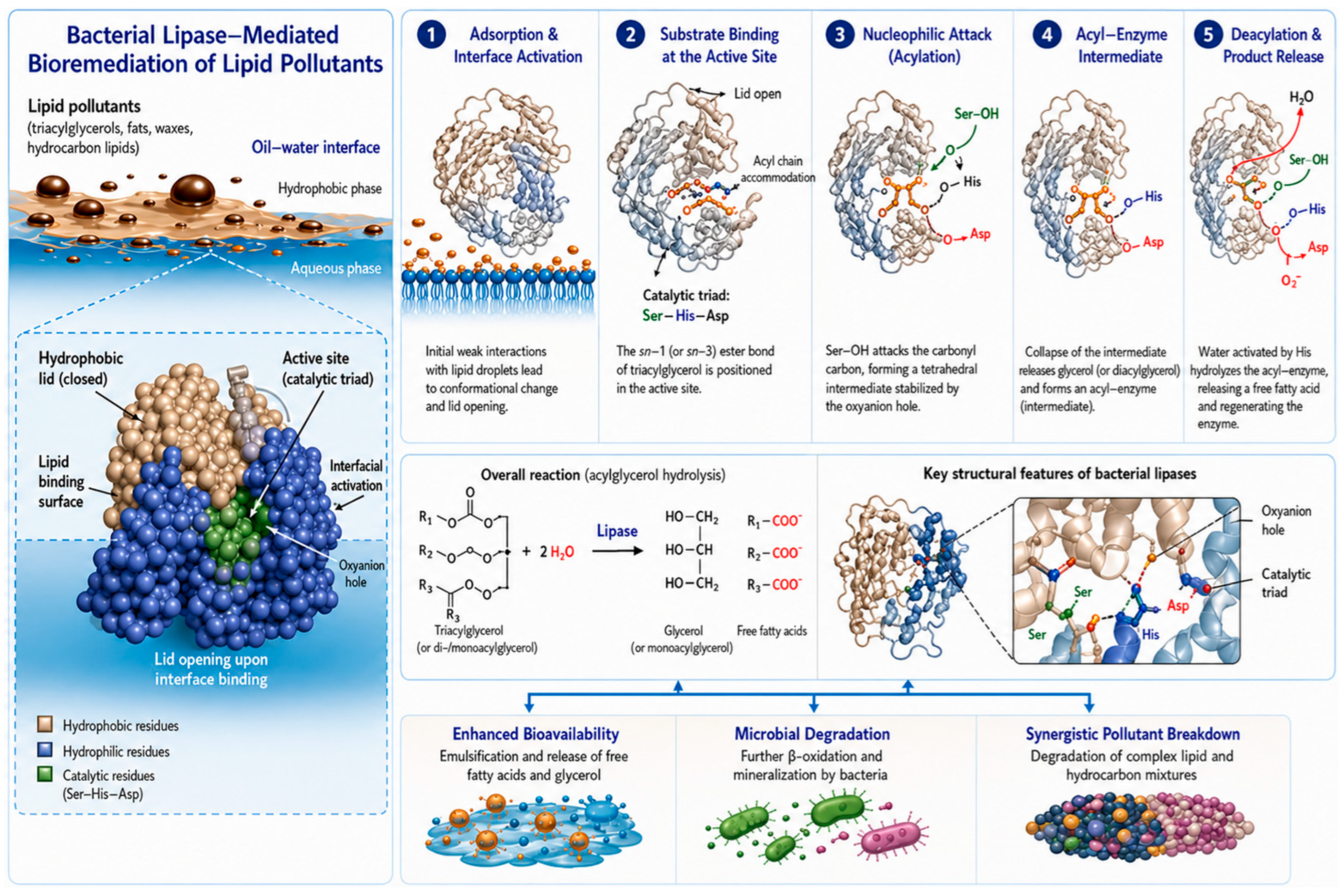
Figure 3 describes the catalytic mechanism of Lipases in contaminated environments and
Table 2 describes Lipase-Mediated Bioremediation of Water.
3.3. Lipase Activity in Soil and Aquatic Systems
Recent studies through early 2026 have highlighted the important role of microbial lipases in soil and aquatic environments, particularly in bioremediation of oil-contaminated sites and in the treatment of lipid-rich wastewater [
93]. Lipases are produced by microorganisms, especially bacteria such as
Bacillus and
Pseudomonas, as well as certain fungi, have been shown to effectively degrade fats, oils, and grease, thereby reducing the concentration of organic pollutants in contaminated ecosystems. Through enzymatic hydrolysis, these lipases convert complex lipid compounds into simpler molecules such as glycerol and free fatty acids, which can be further metabolised by microbial communities [
94].
One important application of lipase activity in environmental monitoring is its use as a biochemical indicator of hydrocarbon biodegradation in contaminated soils. Elevated soil lipase activity is often associated with active microbial degradation of petroleum hydrocarbons, including diesel and other oil-derived pollutants [
93]. Consequently, measuring lipase activity in soil can provide valuable information about the progress and efficiency of natural or enhanced bioremediation processes. Environmental conditions strongly influence the activity and stability of microbial lipases in soil and aquatic systems. Most microbial lipases exhibit optimal activity at approximately 30–45 °C, with many soil-derived isolates demonstrating maximum activity near 37 °C [
95]. The enzymes also function over a relatively broad pH range, typically between pH 5.0 and 9.0, although certain alkaline lipases remain active even at pH values as high as 11.0.
In addition, the presence of specific metal ions can influence enzyme performance. For example, divalent ions such as calcium (Ca
2+) and magnesium (Mg
2+) often enhance lipase stability and catalytic efficiency, while some heavy metals may inhibit enzymatic activity by interfering with the enzyme’s structure or active site [
96]. In aquatic environments, lipase-producing microorganisms play an important role in degrading oil layers that accumulate on water surfaces following contamination events. By hydrolysing the lipid components of these floating oil films, microbial lipases help disperse and degrade the pollutants, thereby reducing surface tension and improving oxygen diffusion into the water column [
97]. This process contributes to the restoration of aquatic ecosystems by supporting the survival of fish, microorganisms, and other aquatic organisms that depend on dissolved oxygen.
Research has also focused on optimising microbial lipase production for environmental applications. Studies have shown that the composition of growth media significantly influences enzyme yield [
97]. For instance, the use of olive oil as a carbon source and yeast extract as a nitrogen source has been reported to enhance microbial lipase production, with enzyme activities reaching 2780 U mL
−1 under optimised conditions. Several representative studies published in 2026 further demonstrate the growing interest in microbial lipases for environmental biotechnology [
96].
Some investigations have focused on isolating and molecularly identifying lipase-producing bacteria from oil-contaminated environments. In these studies, screening methods such as Tween 80 agar plates are commonly used to detect lipase-producing strains, followed by optimisation of culture conditions, often around 37 °C, to maximise enzyme production [
10]. Other research has explored marine bacterial isolates, including Bacillus safensis strains, which have demonstrated efficient lipase production when cultivated with waste cooking oil as a substrate. In these systems, enzyme activity was optimal at approximately 30 ± 2 °C, suggesting that marine microorganisms can biodegrade lipid-based pollutants in coastal and marine environments [
97]. In soil remediation studies, the addition of nutrient amendments, such as nitrogen–phosphorus–k potassium (N–P–K) fertilisers, has been shown to stimulate microbial growth and increase soil lipase activity. Enhanced enzyme activity in fertilised soils has been associated with accelerated degradation of petroleum hydrocarbons, leading to significant reductions in contaminant concentrations within 30 days [
97].
These findings highlight the significant ecological and biotechnological importance of lipase-producing microorganisms in both soil and aquatic systems. By facilitating the breakdown of lipid-rich and hydrophobic pollutants, microbial lipases contribute to the natural attenuation and engineered bioremediation of contaminated environments, supporting sustainable strategies for environmental cleanup and pollution management [
9].
5. Mechanistic Role of Bacterial Lipases in Bioremediation
Wastewater generated from animal production, meat processing, slaughterhouses, and the oil industry often contains large amounts of oils, fats, and greases (OFG). If discharged untreated, these lipid-rich wastes can accumulate in water bodies, forming surface films that reduce oxygen transfer, disrupt aquatic ecosystems, and increase chemical oxygen demand (COD) [
1].
To address this problem, lipases are widely used as biological catalysts for the biodegradation of oils and greases in contaminated wastewater. Lipases are versatile enzymes capable of catalysing several reactions involving ester bonds, including, acidolysis, interesterification, alcoholysis, and esterification [
2]. However, in environmental remediation, their primary function is hydrolysis, which breaks down complex lipid molecules into simpler, more biodegradable compounds. Through this process, lipases convert insoluble oils and fats into smaller molecules that can be further metabolised by microbial communities. The catalytic action of lipases involves the hydrolysis of ester bonds in triglycerides, the primary components of oils and greases [
1].
The degradation process typically occurs in sequential stages [
75]. First, lipases hydrolyse triglycerides to form diacylglycerols and free fatty acids. The diacylglycerols are then further hydrolysed into monoacylglycerols by diacylglycerol lipases. Finally, monoglyceride lipases catalyse the conversion of monoacylglycerols into glycerol and free fatty acids [
77]. These end products are more soluble and can be readily utilised by microorganisms as sources of carbon and energy, thereby facilitating further biodegradation. Lipases can hydrolyse short-, medium-, and long-chain fatty acid esters, although they generally show a preference for long-chain fatty acid esters containing more than ten carbon atoms [
77].
This substrate preference is particularly important in environmental remediation, as many pollutants from industrial and agricultural sources consist of long-chain lipid molecules that are otherwise difficult to degrade. Research has demonstrated the effectiveness of lipases in treating oil-contaminated wastewater [
4]. For example, a lipase, PersiLipase1, isolated from tannery wastewater, has been shown to biodegrade approximately 91 ± 1% of the oils and greases present in the wastewater. Such findings highlight the potential of microbial lipases for efficient pollutant removal in industrial effluents [
6].
In addition to free enzymes, lipases can also be applied in immobilised forms to improve their stability and reusability. For instance, lipase from
Aspergillus oryzae immobilised on an α-alumina membrane has been used in oily wastewater treatment systems [
5]. The hydrolytic activity of the immobilised enzyme helps break down lipid contaminants on the membrane surface, thereby enhancing antifouling properties and self-cleaning capability. This approach improves the efficiency and longevity of membrane-based wastewater treatment technologies [
11].
Although lipases are produced by animals, plants, and microorganisms, most studies on lipase-mediated bioremediation focus on microbial sources, particularly bacteria and fungi. Microorganisms such as
Pseudomonas aeruginosa,
Aspergillus oryzae, and
Candida rugosa are well-known producers of lipases with strong hydrolytic activity against lipid-based pollutants [
7].
Microbial lipases are preferred because they are easier to produce in large quantities, exhibit high catalytic efficiency, and can function under diverse environmental conditions. Overall, bacterial lipases play a crucial mechanistic role in bioremediation processes by converting complex lipid pollutants into simpler, biodegradable compounds [
8]. Their ability to hydrolyse long-chain triglycerides and other lipid-based contaminants makes them valuable tools for treating oil-contaminated wastewater, industrial effluents, and other lipid-rich environmental pollutants, contributing to more sustainable environmental management practices [
8].
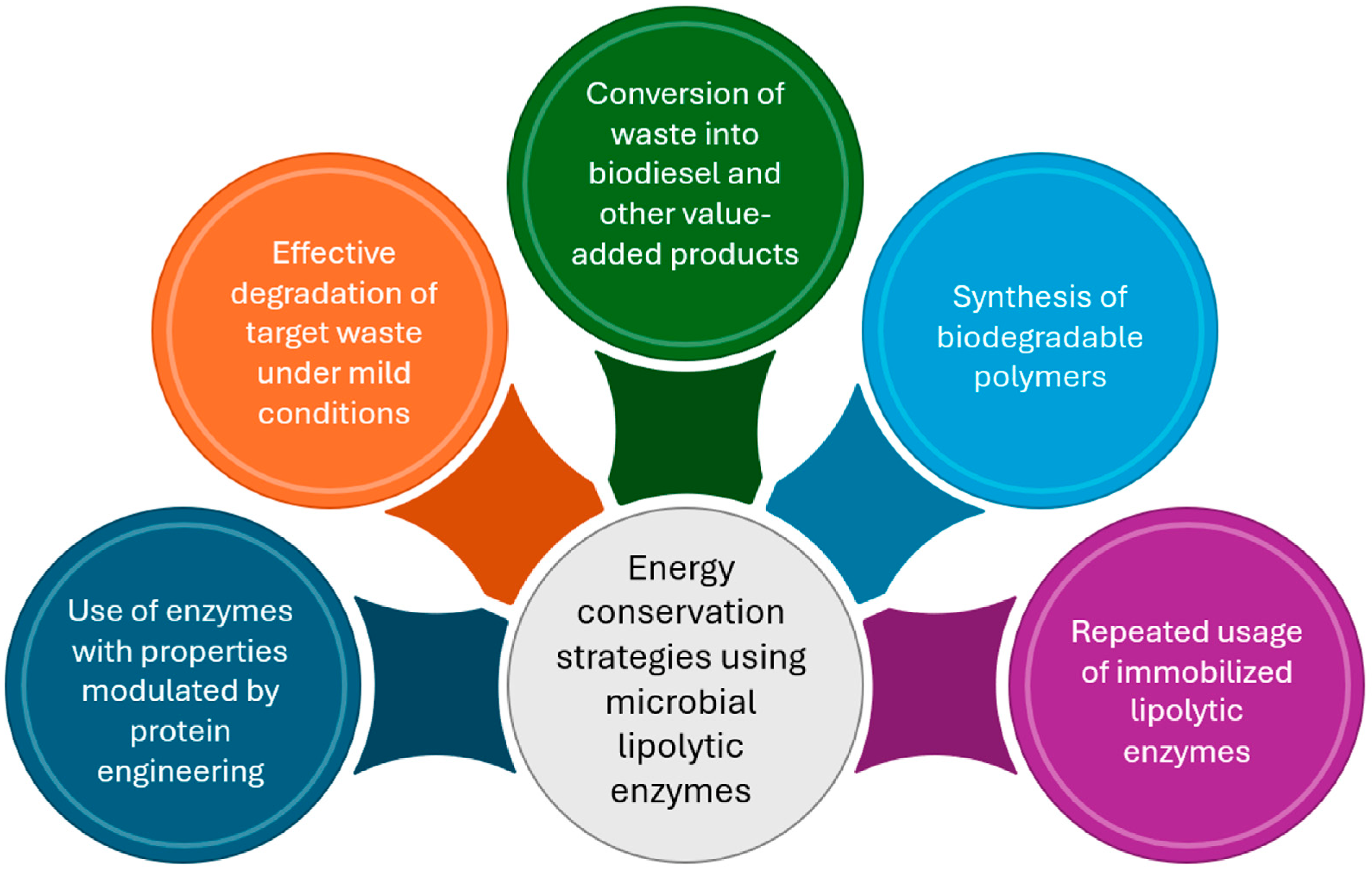
Figure 4 describes the energy-conserving strategies using microbial lipolytic enzymes.
5.1. Degradation of Diverse Lipid-Rich and Hydrophobic Pollutants
Understanding the structure of bacterial lipases has significantly advanced understanding of how these enzymes degrade lipid-rich, hydrophobic pollutants. The first X-ray crystal structure of a bacterial lipase was reported in 1993 by
Burkholderia glumae. Later, additional lipase structures were determined from microorganisms such as
Chromobacterium viscosum,
Burkholderia cepacia,
Streptomyces exfoliatus,
Streptomyces scabies, and an esterase from
Pseudomonas fluorescens [
73].
These structural studies revealed that although bacterial lipases often show limited amino acid sequence similarity, they share a common structural framework, indicating a conserved catalytic mechanism. Detailed structural comparisons showed that lipases possess a characteristic α/β hydrolase fold, a structural motif also found in several other hydrolytic enzymes, including haloalkane dehalogenases, acetylcholinesterases, dienelactone hydrolases, and serine carboxypeptidases [
1].
This structural fold is associated with enzymes that catalyse hydrolysis reactions. The α/β hydrolase fold typically consists of a central β-sheet composed mainly of parallel β-strands, surrounded by α-helices on both sides. The arrangement of these structural elements forms a stable catalytic scaffold that supports the enzyme’s active site and allows it to interact with a wide variety of substrates [
83]. Within this structural framework, variations in the binding domains allow lipases to accommodate different lipid molecules and hydrophobic substrates.
These structural variations contribute to the wide substrate diversity and catalytic specificity observed among lipases [
82]. For example, bacterial lipases from
Burkholderia glumae,
Burkholderia cepacia, and
Chromobacterium viscosum share a similar structural organisation, while lipases from other bacteria, such as Streptomyces and Pseudomonas, show slight differences in the number and arrangement of β-strands within the α/β hydrolase fold [
84].
Lipases produced by
Pseudomonas species are particularly important due to their extensive industrial and environmental applications. These enzymes belong to closely related lipase families that share significant amino acid sequence similarity but may differ in regioselectivity and enantioselectivity, meaning they act on different positions of lipid molecules or prefer specific stereochemical forms of substrates [
76]. Such catalytic specificity is important in processes ranging from the synthesis of chiral compounds used in pharmaceuticals, pesticides, and insecticides to the biodegradation of environmental pollutants [
2].
Lipases are ubiquitous enzymes that occur in plants, animals, and microorganisms, but microbial lipases, especially those produced by bacteria, are of particular interest for environmental applications. These enzymes catalyse the hydrolysis of triacylglycerols, converting them sequentially into diacylglycerols, monoacylglycerols, glycerol, and free fatty acids [
85]. Under conditions of limited water availability, lipases can also catalyse reverse reactions, such as esterification and interesterification, demonstrating their catalytic versatility.
Microorganisms capable of producing lipases are commonly isolated from oil-rich environments, including oil-contaminated soils, oil industry wastewater, vegetable oil processing waste, dairy effluents, and industrial waste streams [
86]. These habitats select microorganisms that can metabolise lipids and other hydrophobic organic compounds. Consequently, lipase-producing bacteria play an important role in the biodegradation of lipid-based pollutants, including oils and greases present in contaminated soils and aquatic ecosystems. Several bacterial genera are recognised as important producers of industrially and environmentally relevant lipases [
87]. These include
Achromobacter,
Alcaligenes,
Pseudomonas, and
Chromobacterium. Among these,
Pseudomonas species are particularly notable because their lipases often exhibit high catalytic activity and tolerance to organic solvents, enabling them to function effectively in harsh environmental conditions [
75].
This property enhances their usefulness in both biotechnological processes and environmental bioremediation. In environmental management, lipases are used to treat wastewater and contaminated soils, where they facilitate the breakdown of oils, fats, and other hydrophobic organic pollutants [
3]. By hydrolysing complex lipid molecules into smaller and more biodegradable components, these enzymes help reduce the accumulation of organic solids, improve wastewater quality, and support the removal of grease from sewer systems. Overall, the structural adaptability and catalytic efficiency of bacterial lipases make them essential tools for the biodegradation of diverse lipid-rich pollutants and the remediation of contaminated environments [
89].
Table 3 describes enzymes involved in bioremediation.
5.2. Synergistic Interactions Between Lipases and Other Microbial Enzymes
The biodegradation of complex environmental pollutants often requires the combined activity of multiple microbial enzymes. In contaminated ecosystems, lipases often work in concert with other enzyme systems, such as oxygenases, laccases, esterases, and hydrolases, to enhance the breakdown of diverse organic pollutants [
89]. This synergistic interaction enables microorganisms to degrade complex mixtures of lipid-rich, hydrophobic, and aromatic compounds commonly found in industrial wastes, petroleum-contaminated soils, and polluted water bodies [
77]. Oxygenases are an important class of oxidative enzymes that degrade many environmental pollutants. They are generally classified into two major groups: monooxygenases and dioxygenases [
90]. These enzymes participate in several biochemical processes, including desulfurization, dehalogenation, hydroxylation, and the oxidative removal of nitro groups from both aromatic and aliphatic compounds [
4]. Through these reactions, oxygenases introduce oxygen atoms into otherwise stable molecules, making them more reactive and easier for other enzymes to metabolise. Among monooxygenases, alkane monooxygenases are some of the most extensively studied enzymes [
6]. They catalyse the initial step in the degradation of alkanes, converting hydrocarbons into alcohols through hydroxylation reactions. Two major groups of alkane monooxygenases are the AlkB-related monooxygenases and the cytochrome P450 enzyme family [
5].
These enzymes enable microorganisms to utilise short-chain hydrocarbons as carbon and energy sources. In addition, other enzymes such as flavin-binding monooxygenases and thermophilic long-chain alkane monooxygenases, including AlmA and LadA, participate in the hydroxylation of long-chain hydrocarbons [
11]. Interestingly, many hydrocarbon-degrading bacteria possess multiple alkane monooxygenases within their genomes. The coexistence of different monooxygenases broadens the range of hydrocarbons that microorganisms can degrade, thereby improving their ability to survive and function in hydrocarbon-contaminated environments [
91].
Recent studies have also identified monooxygenases involved in the degradation of specific environmental pollutants. For example, a conserved gene known as bapA, identified in
Aspergillus species, encodes a cytochrome P450 monooxygenase required for the metabolic utilisation of benzo[a]pyrene, a major component of polycyclic aromatic hydrocarbons (PAHs) [
10]. Similarly, para-nitrophenol 4-monooxygenase (PnpA), found in
Pseudomonas species, converts p-nitrophenol (PNP) into para-benzoquinone through a denitration reaction, representing an important step in the degradation of nitroaromatic pollutants. Dioxygenases are another group of enzymes that play a key role in the aerobic degradation of aromatic hydrocarbons, including PAHs and polychlorinated biphenyls (PCBs) [
97]. These enzymes initiate biodegradation by introducing two hydroxyl groups into aromatic rings, destabilising the ring structure and allowing subsequent enzymatic breakdown. For example, the degradation of naphthalene, a common PAH pollutant, is initiated by naphthalene dioxygenase (NDO) [
96]. A wide range of bacteria, including species of
Pseudomonas,
Rhodococcus, and
Mycobacterium, possess this enzyme. NDO typically functions as a multi-component enzyme system consisting of an electron transport chain and a terminal oxygenase component that catalyses the hydroxylation reaction.
Another important enzyme involved in the degradation of aromatic pollutants is biphenyl dioxygenase (BPDO), which catalyses the oxidation of biphenyl and certain PCBs to chlorobenzoic acids [
95]. This enzyme system usually consists of three components: a catalytic oxygenase (BphAE), a ferredoxin (BphF), and a ferredoxin reductase (BphG). The latter two components transfer electrons from NADH to the catalytic oxygenase, enabling the oxidation reaction. Another group of enzymes that contribute to pollutant degradation are laccases, which are broad-spectrum oxidoreductases capable of oxidising phenols, polyphenols, and certain PAHs. These compounds are frequently found in industrial and hospital wastewater [
7]. Due to their hydrophobic nature, PAHs are often difficult for microorganisms to degrade directly. However, laccases can oxidise PAHs with the assistance of redox mediators, forming aryl radicals that subsequently undergo oxidation to quinone derivatives [
15].
Studies have shown that the catalytic activity of laccases can be enhanced by the presence of copper ions, which are important cofactors for many laccases. Interestingly, a bacterial laccase, CotA, produced by Bacillus subtilis, has been shown to oxidise PAHs even in the absence of additional copper ions, suggesting its potential for use in environmental remediation technologies [
94]. Laccases are also effective in degrading phenolic compounds. During this process, phenols are oxidised to form phenoxy radicals, which can undergo further polymerisation or coupling reactions through carbon–oxygen (C–O) or carbon–carbon (C–C) bonds. The resulting products are often insoluble polymeric compounds that can be easily removed by sedimentation. This transformation converts toxic phenolic pollutants into less harmful and more stable forms, making laccases promising tools for environmentally friendly remediation strategies [
93]. While oxygenases and laccases primarily catalyse oxidative reactions, lipases and other hydrolytic enzymes play a complementary role by hydrolysing ester bonds in many environmental contaminants. Hydrolysis is an important mechanism for detoxifying persistent organic pollutants, as it converts complex molecules into simpler, less toxic products [
93].
Lipases and esterases can degrade a wide range of compounds containing ester bonds, including plastic additives, pesticides, and industrial chemicals. For instance, aryloxyphenoxypropionate (AOPP) herbicides, such as fenoxaprop-ethyl, cyhalofop-butyl, haloxyfop-R-methyl, quizalofop-p-ethyl, and clodinafop-propargyl, are widely used agricultural chemicals that can be degraded through enzymatic hydrolysis. The enzyme fenoxaprop-ethyl hydrolase (Feh) from
Rhodococcus species catalyses the first step in fenoxaprop-ethyl degradation by cleaving the ester bond to form fenoxaprop acid [
73]. Similarly, the esterase ChbH from
Pseudomonas azotoformans hydrolyses cyhalofop-butyl to produce cyhalofop acid. Other enzymes also contribute to pesticide degradation. For example, the enzyme AmpA, an arylamidase from
Paracoccus species, catalyses the cleavage of amide bonds in herbicides such as propanil, propham, and chlorpropham [
86].
In addition, enzymes capable of degrading pyrethroid insecticides, including PytY, PytH, EstP, and Sys410, have been identified and characterized [
73]. Through protein engineering techniques such as random mutagenesis, improved enzyme variants with enhanced activity and thermostability have been developed, enabling degradation efficiencies exceeding 98% for certain pyrethroid compounds. Another major group of pollutants, organophosphate pesticides, can be degraded through hydrolysis of phosphorus–ester bonds [
1]. The most well-known enzymes involved in this process are organophosphorus hydrolases, such as phosphotriesterases (PTEs) [
1]. These enzymes belong to the amidohydrolase superfamily and are encoded by genes including opd, opdA, opdB, ophc2, hocA, and adpB. The opd gene, first identified in bacteria such as
Sphingobium fuliginis and
Brevundimonas diminuta, is often plasmid-encoded and has spread widely among different bacterial species through horizontal gene transfer [
83].
The degradation of environmental pollutants is rarely achieved by a single enzyme. Instead, microorganisms rely on synergistic enzyme systems, in which lipases, oxygenases, laccases, and other hydrolases function sequentially in metabolic pathways [
83]. Lipases often initiate the breakdown of lipid-rich or ester-containing compounds, while oxygenases and laccases further oxidise the resulting intermediates, ultimately leading to complete mineralisation of pollutants. This coordinated enzymatic activity plays a critical role in the bioremediation of contaminated soils, wastewater, and aquatic environments [
84].
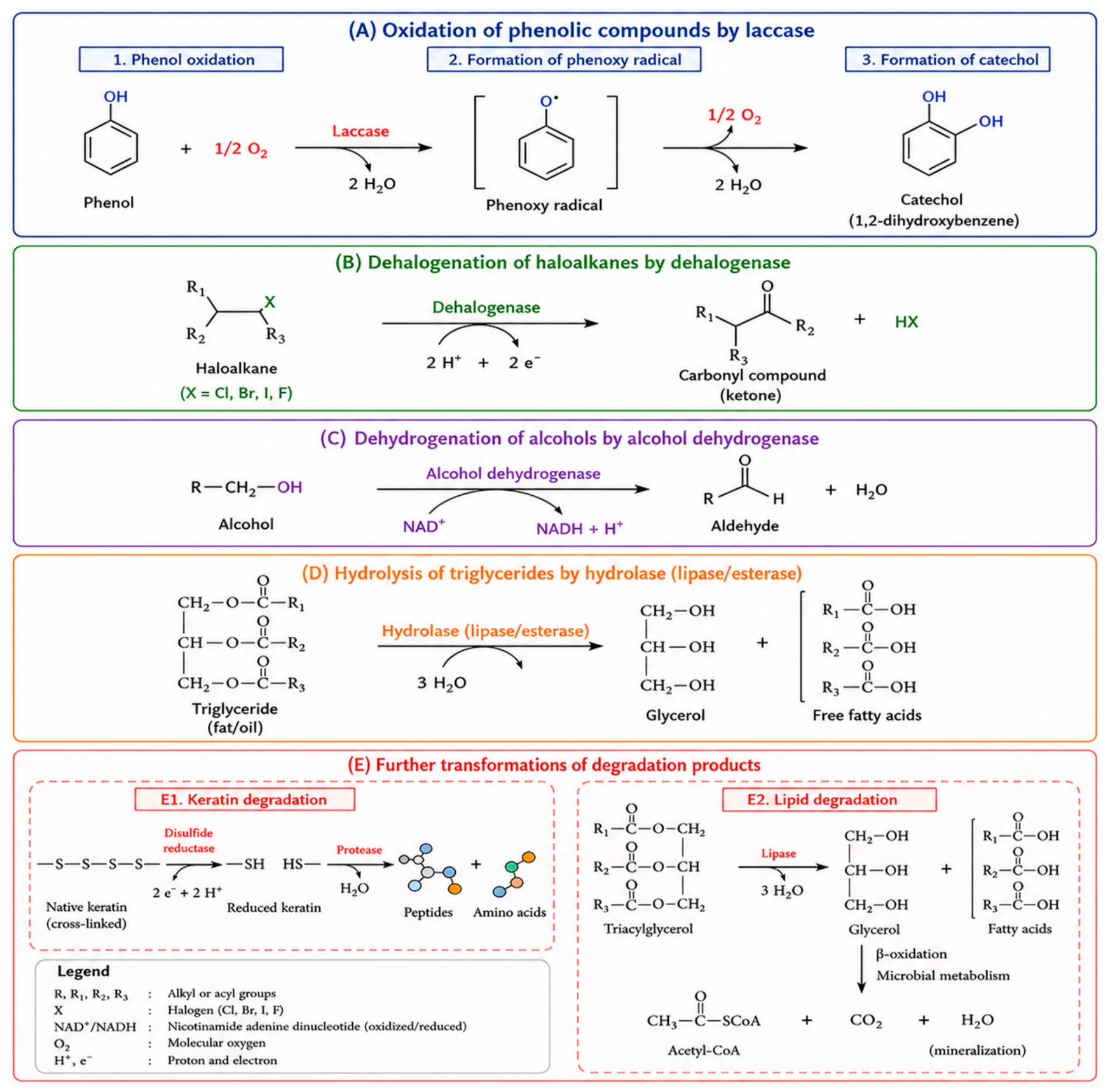
Figure 5 describes the general enzymatic reactions catalysed by key enzymes involved in microbial bioremediation.
5.3. Environmental and Biological Factors Limiting Lipase-Driven Bioremediation
Enzymatic treatment of environmental contaminants is generally considered advantageous compared with many conventional chemical or physical remediation methods. Enzyme-based approaches often produce fewer secondary pollutants and do not lead to the accumulation of excess chemical reagents or microbial biomass that require additional removal [
84]. Despite these benefits, lipase-driven and other enzyme-based bioremediation strategies still face several environmental, biological, and technological limitations that can reduce their effectiveness in contaminated ecosystems. One major challenge is the difficulty in degrading highly persistent pollutants, such as high–molecular–weight polycyclic aromatic hydrocarbons (PAHs) and highly chlorinated organic compounds [
76].
These compounds are often strongly hydrophobic, chemically stable, and resistant to enzymatic attack. During partial degradation, some pollutants may produce intermediate metabolites that are more toxic than the original compounds, thereby posing additional environmental risks [
2]. For this reason, effective bioremediation requires a detailed understanding of the microbial metabolic pathways, enzyme interactions, and transformation products involved in pollutant degradation. Another limitation arises from the biological characteristics of enzymes themselves [
85]. Unlike microorganisms, enzymes cannot reproduce or increase their concentration in response to environmental demands. Microbial populations can multiply under favourable conditions, thereby enhancing degradation capacity, whereas enzymes remain limited to the amount initially introduced into the system [
86]. This restriction can reduce the overall efficiency of enzyme-based remediation processes. Enzymes are also highly sensitive to environmental conditions, including temperature, pH, salinity, and the presence of inhibitory chemicals.
In polluted environments, contaminants or their transformation products may interact directly with enzymes, leading to denaturation or loss of catalytic activity [
87]. In situations with high pollutant concentrations, enzyme molecules may become inactivated before significant degradation occurs. Once inactivated, enzymes are generally unable to be reused effectively, further reducing treatment efficiency. The cost of enzyme production is another significant limitation. Many lipases used in environmental applications are extracellular enzymes, and their production and purification can involve multiple downstream processing steps [
75].
Producing highly purified enzymes with specific catalytic properties increases operational costs. Although crude enzyme extracts are less expensive to produce, they may contain unwanted components that reduce efficiency or cause undesirable side effects. Consequently, the large-scale application of enzyme-based remediation technologies often requires further technological development and the exploration of cost-effective production systems and alternative raw materials [
89]. Environmental complexity also affects the performance of enzymatic remediation. Polluted wastewater and contaminated soils often contain mixtures of organic and inorganic pollutants that may interact with enzymes in unpredictable ways. Some compounds may inhibit enzymatic reactions, while others may enhance or interfere with catalytic activity through synergistic or antagonistic effects [
90].
These interactions can complicate the degradation process and limit the overall efficiency of lipase-driven remediation. In addition, some enzymes require cofactors or additional substrates to function effectively. When such cofactors are required, they must be added during remediation, which can further increase operational costs and complicate large-scale environmental applications [
4]. Despite these challenges, several strategies have been developed to improve the efficiency of enzyme-based bioremediation. Enzyme engineering and structural modification can enhance enzyme stability, catalytic efficiency, and resistance to environmental stress [
6]. For example, the addition of mediators or cosubstrates can improve enzyme-catalysed degradation by facilitating electron transfer or increasing substrate accessibility. Studies have shown that the fungal enzyme laccase from
Coriolopsis gallica can effectively transform several halogenated pesticides, including 2,4-D, niclosamide, bromoxynil, pentachlorophenol, and propanil, when combined with mediators such as syringaldehyde and acetosyringone. Optimal mediator–substrate ratios have been reported to significantly enhance pesticide transformation rates [
11].
Another promising approach is enzyme immobilisation, in which enzymes are attached to solid support materials. Immobilisation can improve enzyme stability, resistance to environmental fluctuations, and operational lifespan. It also allows enzymes to be recovered and reused in multiple treatment cycles, thereby reducing costs and improving process efficiency [
11]. Advances in genetic engineering and protein engineering have also contributed to the development of improved enzymes for environmental remediation. Techniques such as site-directed mutagenesis and DNA shuffling can generate modified enzymes with higher catalytic efficiency and broader substrate specificity. Similarly, genetically engineered microorganisms can be designed to produce enhanced enzyme systems capable of degrading recalcitrant pollutants more effectively [
91]. However, the environmental release of genetically modified organisms is subject to strict regulatory control, and their application must comply with governmental and environmental safety guidelines.
While lipase-driven bioremediation offers an environmentally friendly approach to pollutant degradation, its effectiveness can be limited by environmental conditions, enzyme stability, economic constraints, and the complexity of contaminated ecosystems [
10]. Continued research into enzyme engineering, microbial ecology, and advanced biotechnological strategies is therefore essential for improving the practical application of lipase-mediated bioremediation in environmental management [
10].
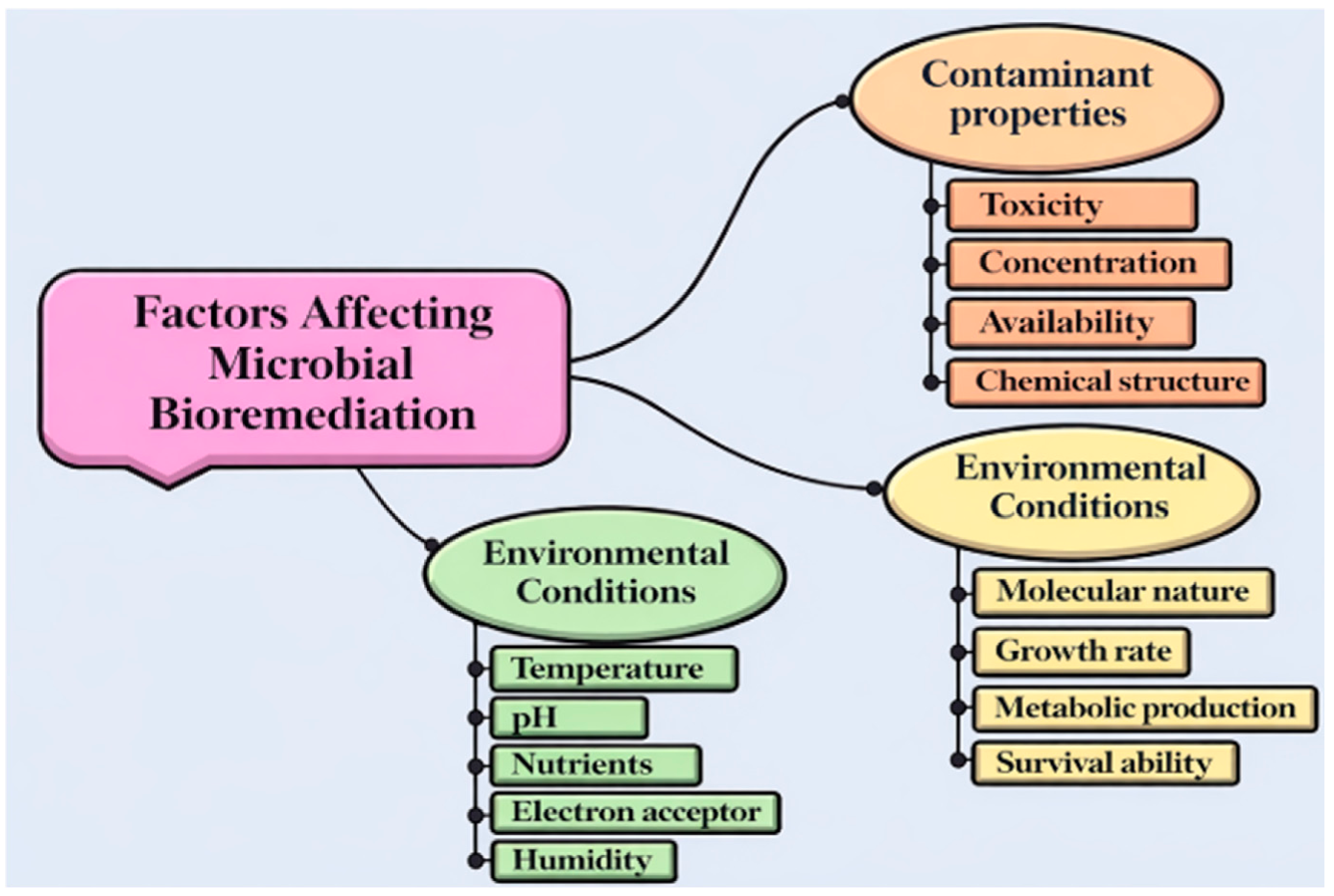
Figure 6 elucidates the factors affecting microbial bioremediation.
6. Molecular and Omics-Based Approaches in Lipase-Mediated Bioremediation
Understanding the molecular structure and catalytic mechanism of lipases is essential for improving their production and enhancing their efficiency in bioremediation processes. Lipases generally possess a characteristic α/β hydrolase fold, which forms the core of the enzyme’s catalytic structure. This structure consists of eight parallel β-strands forming a central twisted β-sheet, surrounded by several α-helices that stabilise the enzyme structure [
9].
The catalytic activity of lipases is governed by a conserved catalytic triad composed of serine, histidine, and an acidic residue (aspartate or glutamate). In this mechanism, the serine residue acts as a nucleophile to initiate the hydrolysis of lipid substrates, while histidine and an acidic residue assist in proton transfer and stabilisation of the catalytic process [
8]. The oxyanion hole plays an important role in stabilising the transition state during the catalytic reaction. In many lipases, the catalytic site is covered by a flexible lid domain consisting of mobile peptide segments. This lid regulates access of substrates to the active site and undergoes conformational changes during interfacial activation, thereby controlling enzyme activity and substrate specificity [
97].
Protein engineering has become an important strategy for improving lipase performance. This approach involves modifying enzyme amino acid sequences to generate improved variants with enhanced catalytic efficiency, stability, and substrate selectivity. Techniques such as directed evolution and rational design are widely used for developing optimised lipases for industrial and environmental applications [
96]. Directed evolution involves generating large libraries of mutated genes followed by screening to identify improved enzyme variants, whereas rational design relies on detailed knowledge of enzyme structure and computational modelling to introduce targeted mutations. Databases containing protein structures and sequences, such as the Protein Data Bank (PDB), provide valuable information that supports rational enzyme design [
95].
In addition, molecular dynamics (MD) simulations provide atomistic insights into protein stability, conformational flexibility, and molecular interactions that influence enzyme activity. Semi-rational design approaches, which combine rational design with techniques such as saturation mutagenesis, further enable the development of improved enzyme variants with desired catalytic properties [
7].
Advances in artificial intelligence (AI) and machine learning have further strengthened enzyme engineering strategies. AI-based predictive models analyse large datasets of enzyme sequences and structures to estimate properties such as catalytic efficiency, substrate specificity, stability, and production yield. Network-based computational models and optimisation algorithms can also predict optimal conditions for lipase production and assist in the design of improved enzyme variants [
94]. The emergence of omics technologies has significantly enhanced the understanding of microbial systems involved in bioremediation. Biological systems operate through the transfer of genetic information from DNA to RNA to proteins, and these processes can be studied through genomics, transcriptomics, and proteomics.
More recently, metabolomics and epigenomics have also been applied to investigate metabolic pathways and regulatory mechanisms in microorganisms [
93]. The rapid development of high-throughput sequencing and analytical technologies has greatly increased the amount of biological data that can be generated from environmental samples while reducing the time and cost required for analysis. Traditional molecular biology approaches have primarily relied on reductionist strategies, where complex biological systems are divided into smaller components for individual analysis [
7]. Although this approach has provided valuable insights into specific biochemical reactions, it has limitations in understanding complex microbial ecosystems. In contrast, omics-based approaches enable system-level analysis, allowing researchers to study microbial communities and metabolic networks under conditions that closely resemble natural environments [
1].
One important omics approach in environmental biotechnology is metagenomics, which analyses genetic material directly obtained from environmental samples. Metagenomic libraries consist of cloned DNA fragments derived from diverse microorganisms present in environments such as soil, water, sediments, or wastewater. These libraries can be screened to identify genes encoding enzymes of interest, including lipases [
1]. Two main strategies are used for screening metagenomic libraries. Functional screening identifies clones that express specific biochemical activities, such as enzyme production or biosurfactant synthesis. In contrast, sequence-based screening identifies genes based on DNA sequence similarity to known enzymes [
2].
The success of metagenomic discovery depends on factors such as the genetic diversity of the environmental sample, the efficiency of cloning systems, and the sensitivity of screening methods. Because metagenomic libraries often contain thousands of DNA fragments, developing efficient high-throughput screening techniques remains a significant challenge [
75]. Metagenomic studies have led to the discovery of numerous novel lipases and esterases with desirable biochemical properties, including high catalytic efficiency and stability under extreme environmental conditions. Some of these enzymes have demonstrated potential for use in industrial processes, including detergent formulations, polymer synthesis, biodiesel production, and racemic compound resolution [
4]. For example, lipases identified from environmental metagenomic libraries have shown catalytic properties comparable to those of established industrial enzymes such as
Thermomyces lanuginosus lipase. Despite these advances, only a limited number of metagenomically identified lipases have been fully explored for industrial or synthetic applications [
6].
Earlier studies indicated that only a small fraction of discovered lipases had been evaluated in synthetic reactions, highlighting the need for further research to assess their practical potential. The rapid development of next-generation sequencing technologies, bioinformatics tools, and high-throughput analytical methods has significantly improved the ability to study microbial communities involved in environmental remediation [
5]. Integrated omics approaches, including metagenomics, metatranscriptomics, metaproteomics, and metabolomics, provide comprehensive insights into the microorganisms, enzymes, and metabolic pathways responsible for pollutant degradation. These approaches enable researchers to identify key microbial species, enzymes, and regulatory mechanisms involved in bioremediation processes and to evaluate how environmental conditions influence microbial activity [
11].
Regulatory organisations have also emphasised the importance of molecular and omics technologies for understanding microbial processes in contaminated environments and for monitoring the effectiveness of bioremediation strategies. Overall, integrating molecular biology, protein engineering, computational modelling, and multi-omics technologies provides a powerful framework for improving lipase-mediated bioremediation [
10]. These advances facilitate the discovery and development of more efficient biocatalysts capable of degrading complex environmental pollutants in a sustainable and environmentally friendly manner [
10].
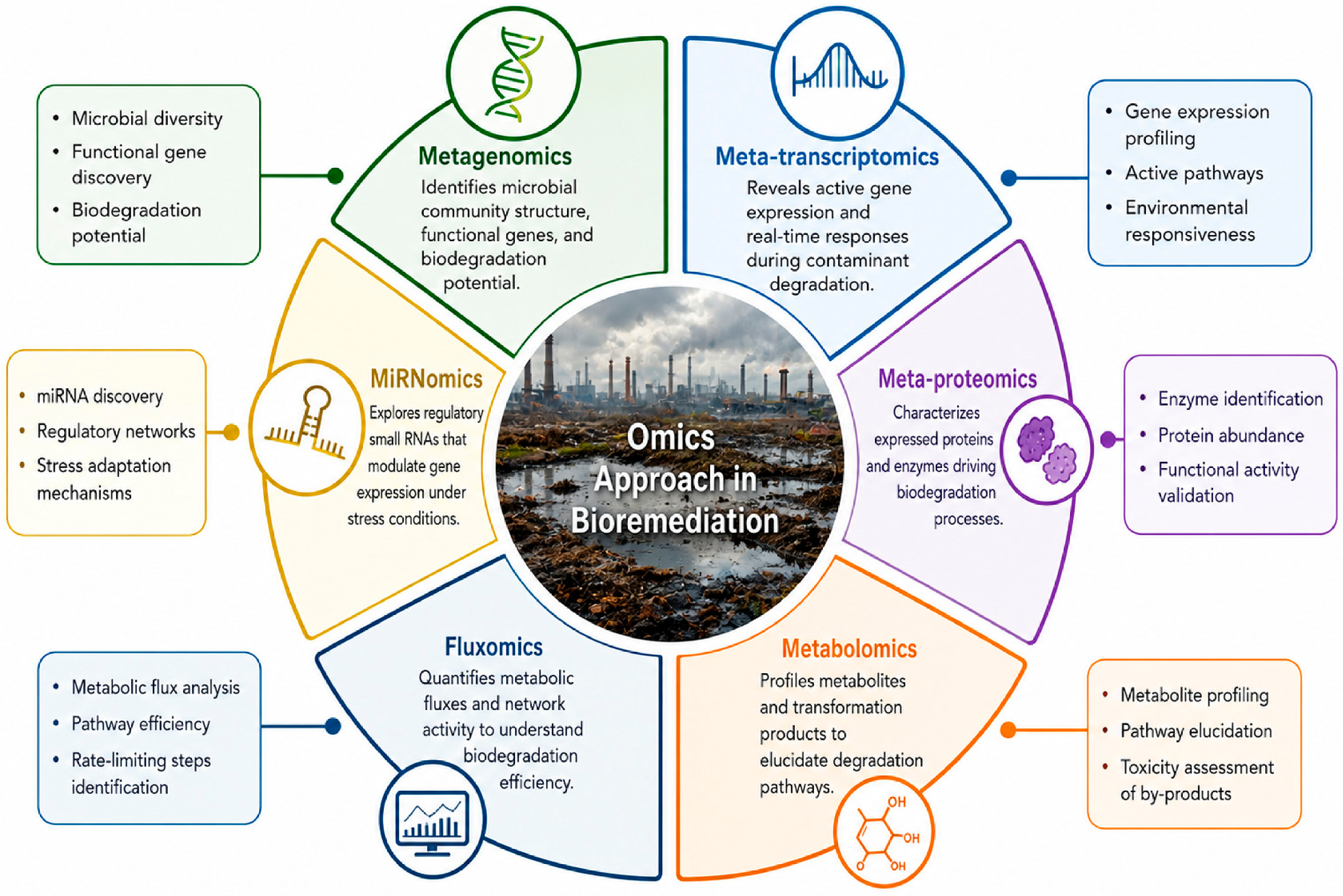
Figure 7 describes the omics approach in Bioremediation.
6.1. Molecular Probes and Functional Gene Markers in Environmental Bioremediation
Many biodegradation pathways, operating under both aerobic and anaerobic conditions, have been extensively characterised in microorganisms. The phylogenetic relationships among catabolic genes involved in these pathways have also been widely studied [
9]. However, new biodegradation mechanisms and their associated genes continue to be discovered, particularly those involved in the degradation of emerging contaminants and compounds previously considered non-biodegradable. Understanding these genetic systems is essential for improving environmental bioremediation strategies [
8].
Gene regulation plays a crucial role in efficient biodegradation. The expression of biodegradation genes is typically controlled by regulatory mechanisms that respond to the presence of specific substrates. When a contaminant is present in the environment, it can act as an inducer, triggering the expression of genes responsible for its degradation. In addition to substrate-specific regulation, global regulatory networks control gene expression according to the physiological needs of the microorganism [
7]. These regulatory systems ensure that catabolic enzymes are produced only when required, thereby conserving cellular energy and resources.
Biodegradation pathways can also evolve rapidly through horizontal gene transfer, a process by which microorganisms acquire genetic material from other organisms. Through this mechanism, bacteria can recruit catabolic genes from diverse sources and assemble new degradation pathways within a single strain or a microbial consortium [
1]. Mobile genetic elements, such as plasmids, transposons, and integrative conjugative elements, often facilitate the transfer of genetic information. As a result, microorganisms can quickly adapt to the presence of new environmental contaminants. The abundance and diversity of biodegradation genes in environmental samples provide important indicators of the degradation potential of a particular ecosystem [
1].
Modern genomic and metagenomic approaches enable researchers to analyse these genes directly from environmental DNA, thereby identifying microbial populations capable of degrading specific pollutants. These genetic markers serve as functional indicators of gene expression to monitor the effectiveness of bioremediation processes [
1]. Industrialisation has led to the large-scale release of various persistent contaminants into the environment. Many of these compounds possess stable chemical structures, low biodegradability, or toxic properties, which allow them to accumulate in soil, water, and sediments [
83]. Nevertheless, certain microorganisms, particularly bacteria, have evolved metabolic pathways that enable them to utilise these contaminants as sources of carbon and energy. Studying the metabolic pathways used by these microorganisms provides valuable insights into how biodegradation processes evolve and spread among microbial communities [
82]. For example, biodegradation pathways for aromatic compounds such as naphthalene and carbaryl appear to have evolved by recruiting multiple catabolic genes from different origins via horizontal gene transfer [
82].
Similar mechanisms have been observed in the degradation of tetralin, a compound structurally related to naphthalene but containing both aromatic and alicyclic rings. Specialised enzyme systems allow microorganisms to metabolise both types of ring structures through coordinated biochemical pathways [
84]. Complex organic molecules such as steroids also present significant biodegradation challenges due to their hydrophobic nature and lack of reactive functional groups. Despite these difficulties, several steroid-degrading bacteria have been isolated and their metabolic pathways characterized [
76].
Comparative studies of genes involved in steroid degradation have revealed multiple biochemical strategies used by different microbial species to degrade these complex molecules. In addition to the presence of catabolic genes, effective gene expression is essential for successful biodegradation [
2]. Regulatory proteins ensure that biodegradation genes are expressed at sufficiently high levels only when the appropriate substrates are available. This prevents unnecessary production of enzymes when they are not required. Regulatory systems must therefore respond specifically to molecules that can actually be metabolised by the organism, avoiding wasteful activation by unrelated compounds [
110].
Biodegradation pathways are also influenced by global regulatory mechanisms, such as catabolite repression. This regulatory process suppresses the expression of degradation pathways when microorganisms have access to more favourable carbon sources [
85]. Consequently, biodegradation efficiency may depend not only on the presence of catabolic genes but also on environmental conditions that affect gene regulation. Genomic studies have shown that biodegradation genes often exist within specific genetic contexts. These genes may be located on the chromosome or on extrachromosomal elements such as plasmids [
101,
111].
The genomic context determines the mobility and transfer potential of these genes between different bacterial species. For instance, genomic analysis of certain pollutant-degrading bacteria has identified genes responsible for degrading multiple contaminants, including hydrocarbons, aromatic compounds, and industrial chemicals. Such findings demonstrate the metabolic versatility of environmental microorganisms [
87]. Several studies have also shown that biodegradation genes are frequently associated with mobile DNA elements, which facilitate their spread among microbial populations. This genetic mobility enables microbial communities to rapidly adapt to contaminated environments and enhances their capacity to degrade a wide range of pollutants [
75].
In natural environments, microorganisms rarely function in isolation. Instead, biodegradation processes often involve microbial consortia, where different species cooperate to degrade complex mixtures of contaminants. Each member of the consortium may possess specific metabolic capabilities, and together they can degrade pollutants that would be difficult for a single microorganism to metabolise [
75]. This cooperative degradation is particularly important in environments contaminated with petroleum hydrocarbons or other complex pollutant mixtures. In such cases, different bacterial populations contribute distinct enzymatic activities that collectively transform and mineralise the contaminants [
75].
Understanding the composition and functional roles of these microbial communities is therefore essential for optimising bioremediation strategies. Overall, the study of molecular probes and functional gene markers provides valuable insights into the genetic and metabolic potential of microbial communities involved in environmental cleanup [
5]. Identifying and monitoring these genes help researchers evaluate the biodegradation capacity of contaminated ecosystems and design more effective bioremediation strategies. Furthermore, knowledge of microorganisms’ genetic adaptability supports the development of systems and metabolic engineering approaches to convert environmental contaminants into useful products within a circular bioeconomy framework [
5].
6.2. Molecular and Omics Approaches in Lipase-Mediated Bioremediation: Critical Advances and Limitations
Current literature on molecular and omics approaches in lipase-driven bioremediation remains largely descriptive, often cataloguing techniques such as genomics, transcriptomics, proteomics, and metabolomics without critically evaluating their translational impact [
112]. While these tools have undeniably transformed our understanding of microbial communities, their practical contribution to lipase-mediated pollutant degradation remains under-realised and insufficiently quantified [
113].
Omics technologies, particularly metagenomics and metatranscriptomics, have enabled the identification of unculturable lipase-producing microorganisms and functional genes in contaminated environments [
114]. These approaches reveal community composition and functional potential, allowing the discovery of novel lipases with desirable properties such as solvent tolerance and thermostability. However, a major limitation is the disconnect between gene presence and enzymatic activity, as metagenomic datasets often fail to predict catalytic performance under environmental conditions [
115].
Proteomics and metabolomics provide a more functional perspective by identifying expressed enzymes and metabolic intermediates during hydrocarbon degradation. Yet, these approaches are still underutilised in lipase-specific bioremediation studies, and quantitative datasets linking enzyme abundance to degradation kinetics remain scarce. Even when multi-omics data are generated, integration across datasets is rarely achieved at the systems level, limiting the ability to reconstruct complete lipid degradation pathways or predict metabolic fluxes in situ [
116].
A critical gap is the lack of standardized pipelines for multi-omics integration, which hinders reproducibility and cross-study comparisons. Although integrated omics can theoretically link microbial identity (metagenomics), gene expression (transcriptomics), enzyme production (proteomics), and metabolic outcomes (metabolomics), in practice, these layers are often analyzed independently. This fragmented approach restricts the development of predictive models for lipase-mediated hydrocarbon degradation [
117].
6.3. Lipase Engineering Through Omics and Computational Biology
Bacterial lipases are indispensable biocatalysts in industrial and environmental biotechnology, particularly in the biodegradation of lipid-rich pollutants. Their widespread application in bioremediation has driven sustained efforts to identify enzymes with enhanced functional properties, including tolerance to extreme pH and temperature, resilience under acidic and alkaline conditions, high catalytic efficiency, and refined substrate specificity [
17]. Such traits are essential for maintaining activity in complex and often harsh contaminated environments.
The emergence of omics technologies has significantly accelerated the discovery of novel lipases by enabling the exploration of microbial diversity across diverse and previously inaccessible ecological niches. Through integrated analyses of genomic, transcriptomic, and proteomic data, researchers can uncover new enzyme candidates, elucidate their functional roles, and identify regulatory networks governing lipid metabolism in situ [
19].
Complementing these approaches, modern protein engineering strategies have enabled the rational improvement of lipase performance. Techniques such as directed evolution, structure-guided rational design, and de novo enzyme design allow precise modification of native enzymes to enhance their stability, activity, and adaptability. Together, these advances provide a powerful framework for tailoring bacterial lipases to meet the demands of efficient and sustainable bioremediation processes [
22].
6.3.1. Omics Technology
Omics technologies have transformed the way biological systems are studied by enabling the large-scale analysis of genes, transcripts, proteins, and metabolites within a single, integrated framework. Rather than examining individual components in isolation, these approaches provide a holistic view of cellular structure and function. In the context of bacterial lipases and bioremediation, omics platforms, including genomics, transcriptomics, proteomics, and metabolomics, allow researchers to identify enzymes, map metabolic pathways, and understand how microorganisms respond to complex pollutant environments [
22].
A major advantage of omics-based approaches is their culture-independent nature. Many environmentally relevant microorganisms cannot be readily grown under laboratory conditions due to unknown nutritional or ecological requirements [
23]. Techniques such as metagenomics and metatranscriptomics overcome this limitation by directly analyzing genetic material and expressing RNA from environmental samples. This enables access to the full functional potential of microbial communities, including previously undiscovered lipases and other degradative enzymes. Metagenomics reveals the diversity and functional capacity of microbial genes, linking enzymatic activity to specific organisms, even those that remain uncultured [
24].
The discovery and optimization of novel enzymes typically follow a multi-stage workflow. The first stage involves sampling diverse environments, often extreme habitats such as hydrothermal vents, saline ecosystems, or contaminated soils, to identify microorganisms with desirable catalytic traits [
25]. High-throughput sequencing and functional screening are then used to pinpoint candidate genes. Subsequent stages focus on enzyme identification and characterization, where proteomic tools such as mass spectrometry help confirm protein expression, activity, and regulation. By comparing protein profiles under different environmental conditions, researchers can identify enzymes that are specifically induced during pollutant degradation [
27].
Metatranscriptomics adds another layer of insight by revealing which genes are actively expressed, thereby highlighting metabolically active pathways. Meanwhile, metabolomics provides a direct measure of biochemical activity by tracking the conversion of substrates into products, offering a functional readout of microbial metabolism. The integration of these datasets enables a comprehensive understanding of enzyme function, regulation, and environmental adaptation [
28].
The final stage involves translating these discoveries into practical applications. Identified genes are cloned, expressed, and structurally characterized, after which protein engineering strategies, such as site-directed mutagenesis, are applied to enhance enzyme performance. By combining omics-driven discovery with rational design, researchers can develop lipases with improved stability, specificity, and efficiency for bioremediation [
34].
The integration of omics technologies provides a powerful and systematic platform for discovering and optimizing bacterial lipases. This approach not only expands the known repertoire of biocatalysts but also accelerates their deployment in sustainable environmental remediation strategies [
35].
6.3.2. Recombinant Technology and Gene Editing in Lipase Engineering
Genome editing and recombinant DNA technology (RDT) are foundational tools in modern molecular biology, enabling precise manipulation of genetic material to enhance enzyme function and microbial performance. In the context of bacterial lipases for bioremediation, these approaches allow targeted modification of genes involved in lipid degradation, thereby improving enzyme expression, catalytic efficiency, and environmental adaptability [
36].
Traditional methods such as homologous recombination have been complemented and in many cases surpassed by advanced genome-editing platforms that offer greater precision and efficiency. These include zinc-finger nucleases (ZFNs), transcription activator-like effector nucleases (TALENs), and the CRISPR-Cas9 system. While ZFNs, TALENs, and meganucleases rely on engineered protein–DNA interactions to recognize specific genomic sequences, CRISPR-Cas9 uses an RNA-guided mechanism, making it more versatile, scalable, and easier to design for diverse applications [
37].
Protein engineering has played a critical role in refining these genome-editing tools. For protein-based systems such as ZFNs and TALENs, structural modifications have improved DNA-binding specificity and cleavage efficiency. Similarly, engineered variants of Cas9 and related proteins have been developed to enhance targeting accuracy and reduce off-target effects [
39].
Together, recombinant DNA technology and advanced genome-editing systems provide a powerful toolkit for lipase engineering. They enable the development of tailored microbial strains with enhanced degradative capabilities, supporting more efficient and sustainable bioremediation of lipid-rich and polymeric environmental pollutants [
40].
6.3.3. Zinc-Finger Nucleases (ZFNs)
Zinc-finger nucleases (ZFNs) were among the first widely adopted tools for targeted genome editing and laid the foundation for modern genetic engineering strategies. Structurally, ZFNs are chimeric proteins composed of two key domains: a DNA-binding region derived from zinc-finger proteins (ZFPs), and a DNA-cleaving domain from the bacterial restriction enzyme FokI, originally identified in Flavobacterium okeanokoites [
42].
The FokI nuclease itself lacks sequence specificity and can cleave DNA at non-specific sites. Target specificity is instead conferred by the zinc-finger domains, which are modular motifs typically arranged as arrays of three to six Cys
2-His
2 “fingers.” Each finger recognizes a specific three-nucleotide DNA sequence, allowing the engineered ZFPs to bind precise genomic regions. For effective DNA cleavage, two ZFN monomers must bind adjacent DNA sequences, enabling the FokI domains to dimerize and form an active nuclease that introduces a double-strand break at the target site [
45].
This modular design allows independent optimization of both DNA-binding and cleavage functions. Protein engineering has been central to improving ZFN performance, particularly by refining the ZFP domains to enhance DNA-binding specificity and affinity [
46]. Advances have been achieved through bioinformatic analysis of naturally occurring zinc-finger proteins, identification of key amino acid residues responsible for DNA recognition, and their subsequent modification. In addition, linker sequences connecting the ZFP and FokI domains have been optimized to improve structural stability and functional efficiency [
48].
Techniques such as directed evolution, phage display, and high-throughput screening have further enabled the development of ZFN variants with enhanced sequence selectivity and reduced off-target activity. Strategies to control nuclease activity—such as incorporating destabilizing domains (e.g., ubiquitin or FKBP12) at the N-terminus—have also been employed to minimize unintended DNA cleavage [
49].
In the context of lipase engineering for bioremediation, ZFNs provide a precise method for modifying genes involved in lipid metabolism. By enabling targeted gene disruption or insertion via homologous recombination, they facilitate the development of microbial strains with improved lipase production and enhanced capacity for degrading lipid-rich environmental pollutants [
51].
6.3.4. TALEN
Transcription activator-like effector nucleases (TALENs) are genome-editing tools conceptually like zinc-finger nucleases but offer greater flexibility in DNA recognition [
52]. TALENs are engineered fusion proteins composed of a DNA-binding domain derived from transcription activator-like effectors (TALEs) and a DNA-cleaving domain typically from the FokI restriction endonuclease. TALE proteins originate from plant-associated bacteria and possess modular repeat regions that can be tailored to recognize specific DNA sequences [
53].
In TALEN design, the native TALE protein is truncated to retain only the essential regions required for DNA binding. The central repeat domain responsible for sequence recognition is composed of highly conserved repeats, each targeting a single nucleotide. Specificity is governed by two critical amino acid positions within each repeat, known as the repeat variable di-residues (RVDs), which determine binding affinity and selectivity. Similar to ZFNs, two TALEN monomers bind adjacent DNA sequences, allowing the FokI nuclease domains to dimerize and introduce a double-strand break at the target site [
57].
Protein engineering has played a pivotal role in optimizing TALEN functionality. Variants have been developed by replacing the classical FokI nuclease with alternative endonucleases such as PvuII, I-TevI, and I-AniI, thereby expanding the versatility of these systems [
60]. Rational design strategies targeting RVDs have enabled the generation of TALENs with customized DNA-binding specificities, improved targeting accuracy, and reduced off-target effects. Engineered heterodimeric TALENs exhibit enhanced cleavage efficiency while minimizing unintended genomic damage [
16].
Further innovations include domain fusion strategies that extend TALEN applications beyond nuclear DNA editing. For example, mitochondria-targeted TALENs (mitoTALENs) have been developed by fusing TALENs with mitochondrial targeting signals, enabling selective modification or elimination of mutated mitochondrial DNA. Although mitochondrial DNA repair pathways, such as non-homologous end joining and homology-directed repair, are limited, these tools offer potential for removing defective mitochondrial genomes [
64].
Within the framework of bacterial lipase engineering for bioremediation, TALENs provide a precise platform for modifying genes involved in lipid metabolism and stress adaptation. By enabling targeted genome modifications, they facilitate the development of microbial strains with enhanced lipase production, improved catalytic performance, and increased resilience in pollutant-rich environments [
12].
6.3.5. CRISPR
The CRISPR-based genome editing system has emerged as the most widely adopted and versatile tool in modern molecular biology, with expanding applications in gene regulation, epigenetic modification, and chromatin-level studies [
65]. Originally discovered as a set of clustered regularly interspaced short palindromic repeat (CRISPR) sequences in prokaryotic genomes, this system was later recognized as a naturally occurring adaptive immune mechanism in bacteria. It protects microbial cells against invading genetic elements such as viruses by capturing and storing fragments of foreign DNA as “spacer” sequences within the CRISPR array [
66].
These spacer sequences are transcribed into small guide RNAs (sgRNAs), which provide sequence specificity by base-pairing with complementary target DNA (protospacer regions) [
67]. Target recognition is further refined by the presence of a protospacer adjacent motif (PAM), a short conserved sequence required for Cas enzyme binding and discrimination between self and non-self DNA. Among the various CRISPR-associated (Cas) proteins, CRISPR-Cas9 is the most extensively studied and functions as an RNA-guided endonuclease that introduces precise double-strand breaks at target genomic loci [
69].
In bioremediation and bacterial lipase engineering, this system provides a powerful platform for precisely modifying genes involved in lipid metabolism, stress tolerance, and pollutant degradation pathways [
71]. Once introduced into a host cell, the Cas9–sgRNA complex can be programmed to disrupt, insert, or modify specific genes, enabling the development of engineered bacterial strains with enhanced lipase production and improved catalytic performance in contaminated environments [
54].
Protein engineering has significantly expanded the capabilities of CRISPR-Cas9 by improving its specificity, efficiency, and functional versatility. Rational design strategies and domain fusion approaches have been used to reduce off-target activity and generate Cas9 variants with novel properties. For example, fusion with zinc-finger or FokI nuclease domains has increased target specificity, while reducing unwanted genomic cleavage. Similarly, engineered chimeric forms incorporating auxiliary domains such as RecJ exonuclease or fluorescent proteins have enhanced editing efficiency without compromising precision [
55].
Further modifications of Cas9 orthologs through targeted mutations in PAM-interacting regions have expanded the range of recognizable DNA sequences, increasing the system’s applicability across diverse organisms. Additionally, delivery of Cas9 as ribonucleoprotein (RNP) complexes has improved editing accuracy and reduced long-term off-target effects. Advanced variants have also been developed for light-responsive gene regulation and epigenetic editing, enabling temporal and spatial control of gene expression [
58].
Importantly, CRISPR-Cas9 has already demonstrated therapeutic potential in correcting disease-causing mutations, including those responsible for sickle-cell disease, by targeting genes such as HBB, IL2RG, CCR5, HEXB, and TRAC in human CD34
+ cells. The recent approval of CRISPR-based therapy for sickle-cell disease further underscores its clinical relevance and translational potential [
59].
In the context of bacterial lipase-driven bioremediation, these advances provide a powerful molecular toolkit for precise genome editing, enabling the rational design of microbial systems with enhanced degradative capacity, improved environmental resilience, and optimized enzymatic performance.
6.4. Protein Engineering and AI: Promise vs. Reality
Protein engineering strategies—including directed evolution and rational design—have been proposed to enhance lipase stability, substrate specificity, and catalytic efficiency. However, most studies remain confined to laboratory-scale optimization using model substrates (e.g., p-nitrophenyl esters), which do not accurately reflect the complexity of petroleum hydrocarbons or mixed waste oils. Consequently, engineered lipases often fail to perform consistently in heterogeneous, real-world, contaminated environments [
118].
Artificial intelligence (AI) and machine learning (ML) have recently emerged as powerful tools for enzyme design and functional prediction. These approaches can accelerate the identification of beneficial mutations, predict enzyme–substrate interactions, and screen large sequence datasets. Despite this potential, their application in lipase-based bioremediation remains limited [
119]. Current models are limited by: Insufficient high-quality training datasets, particularly for environmental lipases; Poor representation of complex substrates such as polycyclic hydrocarbons; and Limited validation of in silico predictions under environmental conditions. As a result, AI-driven lipase engineering remains largely predictive rather than experimentally validated, highlighting a significant gap between computational design and field application [
120].
6.5. Toward Quantitative and Predictive Multi-Omics Frameworks
To move beyond descriptive studies, future research must adopt quantitative, hypothesis-driven multi-omics strategies. For example: Coupling metagenomics with enzyme assays to correlate gene abundance with lipase activity, Integrating metatranscriptomics and proteomics to identify actively expressed lipases during pollutant degradation, linking metabolomics data to lipid breakdown intermediates to quantify degradation pathways [
8].
Recent studies combining metagenomics and metabolomics in petroleum-contaminated soils demonstrate the potential to map functional pathways and identify key degradative taxa, but such approaches remain limited in scale and rarely focus specifically on lipase-mediated processes [
92].
A promising direction is the integration of omics data with computational modeling and digital-twin systems, enabling predictive simulations of microbial activity and pollutant degradation under varying environmental conditions. However, challenges such as soil heterogeneity, data standardization, and computational complexity currently restrict field-scale implementation [
103].
6.6. Microbial Community Dynamics and Lipase Expression in Environmental Bioremediation
Microorganisms play an essential role in environmental bioremediation by producing extracellular and intracellular enzymes, including lipases, which degrade lipid-based pollutants such as oils, fats, and hydrocarbons [
11]. Lipases catalyse the hydrolysis of triglycerides and other lipid compounds into glycerol and free fatty acids, which can subsequently enter microbial metabolic pathways for further degradation. Through these enzymatic reactions, complex hydrophobic pollutants are converted into simpler and less toxic compounds that can be assimilated or mineralised by microbial cells [
91].
The production and activity of lipases are typically regulated at the genetic level and are strongly influenced by the presence of lipid substrates in the environment. When microorganisms encounter oil or fat contaminants, specific regulatory systems activate the expression of lipase-encoding genes, enabling the microorganisms to utilize these compounds as carbon and energy sources [
10]. This substrate-induced expression enables microbes to adjust their metabolic activity in response to environmental conditions and pollutant availability. In addition to lipase-mediated hydrolysis, several complementary processes contribute to pollutant transformation during microbial remediation [
9]. These include enzymatic oxidation, reduction, biosorption, bioaccumulation, and mineralisation.
Lipase activity often represents the initial step in the degradation of lipid-rich contaminants by converting hydrophobic molecules into more accessible intermediates. These intermediates can then be further metabolised by other enzymes within microbial metabolic networks, ultimately leading to the formation of non-toxic end products such as carbon dioxide, water, and biomass [
8]. Modern molecular and omics-based approaches have significantly improved the understanding of lipase expression and function within microbial communities. Techniques such as metagenomics, metatranscriptomics, metaproteomics, and metabolomics enable researchers to identify lipase-producing microorganisms and analyze the genes, proteins, and metabolic pathways involved in lipid degradation directly in environmental samples [
93].
These approaches provide valuable insights into how microbial communities respond to contamination and help identify key enzymes and organisms responsible for pollutant breakdown. Microorganisms capable of producing lipases include bacteria, fungi, and algae, many of which play important roles in oil and hydrocarbon degradation [
94]. For example, bacterial genera such as
Pseudomonas,
Bacillus,
Acinetobacter, and
Geobacillus are known for producing lipases that degrade lipid-rich pollutants. These microorganisms can break down complex oils and fats present in contaminated soils, wastewater, and marine environments. In some cases, microbial strains may also be genetically modified or selected for enhanced lipase production and improved degradation efficiency [
73]. One important strategy for improving environmental remediation is bioaugmentation, which involves introducing lipase-producing microorganisms into contaminated environments.
This approach is particularly useful when native microbial populations lack sufficient enzymatic capacity to degrade lipid-based pollutants. The addition of specialised lipase-producing strains can accelerate the breakdown of oils and fats, thereby enhancing overall remediation performance [
1]. In many environments, however, pollutant degradation is not carried out by individual microbial species but by microbial consortia, which consist of diverse microbial populations working together. Within these communities, different microorganisms contribute complementary metabolic functions. Lipase-producing microorganisms initiate the degradation of lipid compounds, while other community members further metabolise the resulting intermediates. These synergistic interactions improve the overall efficiency and stability of the biodegradation process [
83].
Microbial communities are highly dynamic and can change in response to environmental conditions and pollutant exposure. Factors such as temperature, pH, oxygen availability, nutrient concentration, and pollutant composition strongly influence microbial population structure and lipase expression levels. Changes in these environmental conditions may alter the abundance of lipase-producing microorganisms and affect the rate of lipid degradation [
83]. Another important factor contributing to microbial adaptation is horizontal gene transfer, which enables microorganisms to exchange genetic material within a community. Genes encoding lipases or other hydrolytic enzymes may spread between microbial species through plasmids or other mobile genetic elements. This transfer of functional genes enhances the adaptability of microbial communities and improves their ability to degrade newly introduced or emerging pollutants [
84].
The overall efficiency of lipase-mediated bioremediation is therefore closely linked to the composition, diversity, and metabolic activity of microbial communities. Monitoring these microbial dynamics is essential for understanding how remediation processes progress over time [
2]. Changes in microbial populations can occur across different environmental zones, such as soil layers, sediments, or aquatic systems, and may also vary as pollutant concentrations decrease during treatment. To enhance microbial degradation, two commonly used strategies are biostimulation and bioaugmentation [
110]. Biostimulation involves adding nutrients, oxygen, or other growth-promoting substances to stimulate the activity of indigenous lipase-producing microorganisms. Bioaugmentation introduces selected microbial strains with high lipase activity to improve degradation capacity in contaminated environments. Advanced high-resolution monitoring techniques that combine omics-based analyses with geochemical measurements provide powerful tools for studying microbial community dynamics and in situ lipase expression [
85].
These integrated approaches allow researchers to track changes in microbial populations, identify key lipase-producing organisms, and evaluate the effectiveness of remediation strategies. Understanding microbial community dynamics and lipase expression is essential for optimising lipase-mediated environmental bioremediation. By integrating microbial ecology, molecular biology, and enzymology, researchers can develop more effective strategies for degrading lipid-rich pollutants and improve the sustainability of environmental cleanup technologies [
111].
8. Future Perspectives
Current studies have begun to identify novel bacterial strains, lipase enzymes, and metabolic pathways involved in the degradation of lipid-rich contaminants. Many bacteria capable of producing highly active lipases have been isolated from contaminated environments such as oil spills, industrial wastewater, and petroleum-contaminated soils. These microorganisms often possess specialised metabolic systems that allow them to utilise lipid compounds as carbon and energy sources [
99].
Recent advances in biotechnology and molecular biology have significantly improved the discovery and characterisation of lipase-producing microorganisms. Modern omics technologies, including metagenomics, transcriptomics, proteomics, and metabolomics, have enabled the identification of previously unknown lipase genes and enzymes, including those from difficult-to-culture microorganisms. These approaches provide detailed insights into the structure, function, and regulation of lipases, as well as the metabolic pathways involved in lipid degradation [
8].
The integration of omics technologies with bioinformatics tools has enabled the discovery of novel lipases with desirable properties, including high catalytic activity, thermal stability, and tolerance to extreme environmental conditions. Such enzymes are particularly valuable for environmental applications because they can function effectively in contaminated environments where conventional enzymes may become inactive. As a result, these naturally adapted biocatalysts offer promising opportunities for improving the efficiency of lipase-based bioremediation systems [
8].
Beyond environmental cleanup, bacterial lipases also possess significant industrial and biotechnological potential. These enzymes are widely used in various sectors, including food processing, detergent formulation, biodiesel production, pharmaceutical synthesis, and biosensor development. The application of bacterial lipases in these areas promotes the sustainable utilisation of microbial resources while also contributing to economic and technological development. However, despite the large number of lipase-producing microorganisms identified in nature, only a small proportion of these enzymes have been fully characterised and applied in practical environmental or industrial processes [
9].
One limitation in the application of natural lipases is that many enzymes exhibit limited stability, catalytic efficiency, or substrate specificity under industrial or environmental conditions. To overcome these limitations, protein engineering techniques are increasingly used to improve enzyme performance. Methods such as directed evolution, rational design, and site-directed mutagenesis enable researchers to modify lipase amino acid sequences to enhance catalytic activity, substrate range, and environmental stability. Advances in computational biology and artificial intelligence have further accelerated enzyme engineering. Computational modelling can predict structural changes that improve enzyme properties, including substrate binding, catalytic efficiency, structural stability, and flexibility [
10].
Combining in silico enzyme design with high-throughput screening methods provides a powerful strategy for developing highly efficient lipases tailored for environmental remediation applications. Future developments in lipase-mediated bioremediation will likely involve integrating multiple scientific disciplines, including microbial ecology, systems biology, and metabolic engineering. Understanding how lipase-producing bacteria interact with pollutants and with other microorganisms in natural environments will be essential for improving remediation efficiency. Additionally, the development of engineered microbial strains and artificial microbial consortia may enhance the degradation of complex mixtures of lipid-rich pollutants [
91]. The design of microbial consortia containing complementary metabolic activities, including lipase-producing bacteria, may provide more effective solutions for treating contaminated environments. Such cooperative systems can enhance the breakdown of complex pollutants and improve the stability and adaptability of bioremediation processes under varying environmental conditions.
9. Conclusions
Bacterial lipases occupy a strategically important yet underexploited niche in the bioremediation of lipid-rich pollutants. While their catalytic role in hydrolysing hydrophobic substrates is well established, current research remains largely confined to descriptive studies that reiterate known enzymatic properties without translating these insights into predictive or scalable remediation strategies. This disconnect underscores a critical limitation in the field: the absence of integrative frameworks that link molecular-level enzyme function to system-level environmental performance.
A key insight emerging from this review is that the bottleneck in lipase-mediated bioremediation is not enzymatic capability per se, but contextual functionality. Lipases demonstrate high catalytic efficiency under controlled laboratory conditions; however, their performance becomes inconsistent in situ due to environmental heterogeneity, including fluctuating physicochemical parameters and complex pollutant matrices. This variability highlights the need to move beyond single-enzyme optimisation toward understanding enzyme behaviour within dynamic ecological networks, where substrate accessibility, microbial interactions, and environmental stressors collectively dictate degradation outcomes.
Importantly, current applications, whether based on free enzymes, immobilised systems, or lipase-producing consortia, lack standardised evaluation metrics, making cross-study comparisons and scalability assessments difficult. The field would benefit from the development of unified performance indicators that integrate enzymatic activity, pollutant degradation kinetics, and ecological impact. Such metrics are essential for transitioning from proof-of-concept studies to deployable technologies.
Although omics-driven approaches have significantly expanded the catalog of putative lipases, their functional annotation remains largely inferential. A major research gap lies in the absence of quantitative models that correlate gene abundance or expression levels with actual biodegradation efficiency in environmental settings. Addressing this will require the integration of metagenomics, metatranscriptomics, and metabolomics with kinetic modelling to establish causal links between genetic potential and functional output.
Emerging tools in protein engineering and artificial intelligence offer transformative potential, but their application in this domain remains largely exploratory. Future efforts should prioritise the design of lipases with context-specific robustness, enzymes engineered not only for enhanced catalytic activity but also for resilience to environmental stressors such as salinity, temperature fluctuations, and inhibitory compounds. Crucially, these engineered variants must be validated under realistic field conditions rather than relying solely on laboratory assays.
Looking forward, advancing lipase-based bioremediation will require a paradigm shift toward systems-level and application-driven research. Three priority directions are proposed: (i) the development of integrated multi-omics and modelling pipelines to predict in situ enzyme performance; (ii) the establishment of standardised, field-relevant evaluation frameworks; and (iii) the coupling of enzyme engineering with pilot-scale and field-scale validation studies. Additionally, the exploration of synergistic strategies—such as combining lipases with biosurfactants or engineered microbial consortia—represents a promising avenue for enhancing pollutant bioavailability and degradation efficiency.
In conclusion, the future of bacterial lipases in bioremediation hinges on bridging the gap between molecular understanding and environmental application. By transitioning from descriptive studies to predictive, quantitative, and scalable approaches, the field can unlock the full potential of lipases as reliable and sustainable tools for the remediation of lipid-based pollutants.




 ,
,