


Abstract
Mixed cotton–polyester textile waste remains difficult to recycle because processes that recover synthetic polymers often leave the cotton fraction underused, while cellulose extraction methods may compromise the polyester component. This study investigates whether cotton in such blends can be converted into high-quality microcrystalline cellulose while retaining the potential value of the recovered polyester fraction. Cotton waste and cotton–polyester blends were treated using aqueous sulfuric acid at different conditions: from 15 to 20% acid concentration and from 70 to 80 °C for five to ten hours. The recovered microcrystalline cellulose was characterised and compared to commercial microcrystalline cellulose, while the polyester fraction was assessed using tensile testing. Enzymatic hydrolysis and a dimethyl sulfoxide co-solvent approach were evaluated as alternatives. The aqueous acid process yielded 82 to 97% microcrystalline cellulose from cotton waste and up to 51% from blended waste. The recovered cellulose showed around 10% higher crystallinity than commercial material and a similar particle size distribution, although morphology depended on the feedstock. The polyester fraction showed only minor reductions in tensile performance. The novelty of this study lies in the demonstration of a simple, ionic-liquid-free, single-reagent route that valorises both material streams from cotton–polyester textile waste.
1. Introduction
Waste reduction through broader 3R–9R resource-efficiency frameworks (e.g., Refuse, Reduce, Reuse, Repair, Refurbish, Remanufacture, Repurpose, Recycle, Recover, and Re-mine) [1] is fundamental for industrial development. This is especially true for textiles, whose manufacture spans energy- and resource-intensive, multi-step value chains; the complexity and embodied resources argue strongly for circular strategies rather than end-of-life discard [2,3]. At the same time, recent industry analyses indicate a growing demand for microcrystalline cellulose (MCC): the global market is valued at ~USD 3.72–3.96 billion (2024–2025) with projections up to ~USD 6.07 billion by 2032 (CAGR ~ 6.3%) or, by an alternative methodology, USD 1.11 billion in 2023 rising to USD 1.81 billion by 2030, driven primarily by pharmaceutical excipient, food, and personal-care applications [4,5]. In parallel, UN/UNEP communications estimate ~92 million tonnes of textile waste annually, underscoring the scale of the problem and the market pull for scalable valorisation [6,7,8].
Despite playing a huge part in waste streams, the management of textile waste has received limited attention [9]. Polyester (polyethylene terephthalate, PET, in textile applications) and cotton are the most common fibre blends and are widely used in textiles because of their complementary qualities, such as durability, wrinkle resistance, softness, and moisture-wicking ability [10]. However, the unique characteristics of these two types of fibres have made their post-consumer recycling a major challenge in the textile industry. Additionally, the different structures of these textiles and the inconsistent proportions used in various products create significant difficulties in developing a standard method for their fractionation and separation [11]. By framing this study around the 12 Principles of Green Chemistry, the authors highlight waste prevention, safer or benign media, energy efficiency, and design for separation or reuse as key criteria for textile waste valorisation [12,13]. Recent reviews show that many nominally “circular” processes still rely on hazardous solvents, salt-heavy baths, or high energy inputs, revealing a gap between rhetoric and practice [14,15]. Recycling of polyester and cotton fibres from textile waste into usable raw materials for further processing [10,16] or as filler in composite materials can significantly reduce water usage, land consumption, pesticide use required for cotton cultivation [2], and lower air pollution [17]. Mechanical recycling of polyester/cotton fibre blends appears to be simple and cost-effective. However, it results in short and low-quality fibres, which could limit their reuse [18].
Instead, cellulose extracted from pure or blended textiles waste can serve as a valuable starting material for producing MCC. MCC is widely used in the pharmaceutical, food, beverage, and cosmetic industries because of its unique properties [19,20,21,22,23]. Prolonged acid treatments reduce cellulose powder recovery efficiency [24], whereas shorter hydrolysis times allow for the selective separation of cotton/polyester blends, preserving cellulose as an undissolved powder [25]. Consistent with the green-chemistry framing above, our study prioritises the avoidance of ionic liquids—given concerns around hazardous synthesis routes/precursors [26] and poor biodegradability/persistence [27]—the use of an aqueous mineral-acid window at moderate temperature (80 °C) and duration (5 h), and the co-recovery of PET with only minor integrity loss, thereby reducing auxiliary chemicals and enabling component reuse. Trade-offs, such as base neutralisation and wash waters producing Na2SO4-rich effluents, must also be considered, and low-impact improvements that support waste reduction and energy efficiency were briefly outlined [12,13,14,15]. As examples of process-side greening in finishing/blends, Pei et al. (water-less, salt-free dyeing) and Yi et al. (short-time, low-reagent dyeing) point to reduced auxiliaries/effluent loads in adjacent parts of the value chain [28,29]. A number of studies have investigated the extraction of MCC from cotton-derived wastes using different hydrolysis conditions. These studies demonstrate the feasibility of producing MCC from various cotton-based waste materials, although recovery strongly depends on feedstock composition and hydrolysis conditions. Using 35% (w/w) H2SO4, Jayasinghe et al. obtained an MCC yield of 42% from pre-consumer cotton waste [30]. Higher yields of approximately 80% were reported by Singhal et al. from cotton/polyester (19:1) blends using 8% H2SO4 followed by mechanical grinding [31], and by Yulina et al. from cotton lint using 1.25 M H2SO4 [32]. Kazemi, Karchangi, and Behrooz, as well as Rashid et al., focused on cellulose extraction from cotton-based wastes, although MCC yields were not reported [33,34]. Other feedstocks investigated include cotton yarn waste, cotton textiles, cotton wool, and mixed cotton/polyester textile waste. For example, Shi et al. achieved the highest reported yield of 85% from waste cotton fabrics using 0.6 mol/L HCl at temperatures between 110 and 170 °C [35]. In contrast, Elkamel et al. reported a yield of 46.7% from cotton/polyester waste using acid hydrolysis combined with a two-step alkaline treatment [36]. Overall, the literature indicates that MCC recovery strongly depends on the feedstock composition and hydrolysis conditions, with reported yields ranging from 42% to 85%.
Jayasinghe et al. [30] and Singhal et al. [31] investigated the extraction of MCC from blended fabrics. However, the cotton fibre proportions in their studies closely matched those reported in [32,33]. The recovery of MCC and polyester fibres from blended textile or garment waste streams with roughly equal proportions of both fibres (e.g., 50/50 each) remains underexplored [37]. This is because of the complexity of the blend and the difficulties involved in separating cotton and polyester fibres to isolate MCC as a distinct cellulose product. Wang et al. [38] investigated the separation of waste PET–cotton blended fabrics before consumption (WPBFs) where the PET-to-cotton ratio was 65/35, using deep eutectic solvents (DES) and an orthogonal experimental method. They successfully recovered 99.2% of polyester and extracted 69.5% of MCC. Lui et al. [39] completely degraded polyester fibres from a purchased (unworn) PET–cotton blend into purified monomers, bis(2-hydroxyethyl terephthalate) (BHET), while preserving the cotton in its original form. The blend ratio was not determined; however, the respective yield was 85% for BHET and 95% for cotton. Haslinger et al. [40] successfully separated PET–cotton blends (50/50) from white post-consumer textiles using hydraulic pressure filtration and [DBNH] [OAc] 1,5-diazabicyclo [4.3.0]non-5-enium acetate. As a result, they recovered a cellulosic solution and polyester fibres. Ma et al. [41] dissolved coloured denim waste using dimethyl sulfoxide (DMSO) as a co-solvent with ionic liquid 1-butyl-3-methylimidazolium acetate ([Bmim]OAc) to spin multi-filaments using a lab-scale customised wet-spinning process setup. The presence of DMSO reduced the viscosity of the polymer solution and enabled the quick dissolution of the cellulosic materials. This technology is important for energy recovery and enhances the sustainability of chemical recycling for textile and garment fibres. Related fibre wet-spinning/electrospinning efforts likewise leverage IL/DMSO systems for cellulose dope preparation [39,40], with ILs that are powerful yet sometimes costly and with context-dependent toxicity considerations [26,27,36,41]. Overall, many reported routes for blends rely on specialised solvents or multi-step schemes; comparatively simple, IL-free processing that yields MCC while retaining PET remains less explored in textile waste streams [34,35,36,37].
This study therefore explores the extraction of MCC from PET–cotton blends using a sustainable and straightforward method without IL. The extraction of MCC was investigated by treating both pure cotton T-shirt waste and PET–cotton blend waste with diluted sulphuric acid under different conditions. The study also tested DMSO as a co-solvent, based on the positive effects for dissolution reported in some of the previously discussed approaches, to examine whether the known swelling effect of DMSO on cellulose could further enhance MCC generation in terms of extraction efficiency, foster uniformity of MCC particle size distributions, or generally improve handling/processability [39,42,43,44]. This side aspect could thus be useful, e.g., in specialised applications, such as the fabrication of cellulose-based membranes, since DMSO is considered to have comparatively low toxicity, is used in electrospinning, and is established in membrane work [45], which would also ensure that no additional foreign components are introduced apart from sulfuric acid. Furthermore, the potential for partial enzymatic hydrolysis of cellulose for MCC extraction was screened as a biocatalytic alternative, noting prior evidence that enzymatic depolymerisation of regenerated cellulose fibres [46]—if tuned for partial rather than exhaustive hydrolysis—could provide a complementary recycling pathway for PET–cotton blends by generating MCC-sized particulates from cotton while leaving the PET fibre backbone largely intact, thereby lowering auxiliary chemical use at moderate process temperatures. The yield of MCC extraction for each approach was determined. Subsequently, the physicochemical properties of the extracted MCC were analysed. While prior studies on MCC from pure cotton textiles sometimes report particle sizes—typically as SEM-estimated ranges rather than full distributions (e.g., [30])—quantitative particle-size distributions are seldom provided and are particularly scarce in the context of PET–cotton blends. Therefore, microscopy was complemented with laser diffraction to quantify size distributions in extracted MCC, including modal size and D10/D50/D90 values, and to track distribution shifts across conditions. To support concurrent materials valorisation, the single-fibre tensile properties of the separated PET fraction were additionally assessed as a key quality criterion. Since recycling processes should be designed to recover as many components as possible in a reusable state, an initial validation for the potential reuse of the separated polyester fibres (i.e., the constituting polymer) in textile manufacturing was conducted by assessing their mechanical properties. Ultimately, the significantly improved MCC recovery—up to 97% from pure cotton waste and up to 51% from blended polyester/cotton waste compared with values reported in the literature—highlights the potential of this process as a highly efficient method for producing MCC with superior structural integrity and physicochemical properties.
Prior work has largely produced MCC from pure cotton using mineral acids or has addressed PET–cotton blends via complex solvent systems (ILs/DES), typically without evaluating the PET co-fraction. Taken together, the problem addressed in this study is the lack of simple, low-auxiliary processes that recover cellulose as microcrystalline cellulose from cotton–polyester textile waste while retaining the value of the polyester-containing fraction. The relevance of this problem lies in the high volume of blended textile waste and the need to valorise both major components rather than focusing on only one material stream. Therefore, this study evaluates an ionic-liquid-free aqueous sulfuric acid process for microcrystalline cellulose recovery from cotton waste and a 55/45 polyester–cotton blend. The study first establishes suitable conditions using cotton waste and then transfers them to the blend; enzymatic hydrolysis and a dimethyl sulfoxide-assisted route are screened for comparison. The scientific novelty lies in the simultaneous conversion of the cotton component into microcrystalline cellulose and the preservation of a mechanically usable polyester fraction using a simple, single-reagent aqueous process, without relying on costly specialty solvents such as ionic liquids or deep eutectic solvents.
2. Materials and Methods
2.1. Materials
Two types of waste textiles were used to extract MCC. First, a pure-white cotton T-shirt (100% cotton) from a separate used textiles collection (post-consumer), labelled cotton waste (CW). To remove dust and dirt before the experimental programme, CW was cleaned in a washing machine at 30 °C with laundry detergent. On the other hand, a clean blend textile (BW) from bed linen waste (post-business) with a nominal composition of polyester (PET)–cotton = 50/50, verified as 55/45 according to AATCC test method 20-1977 [47], was investigated. Commercial microcrystalline cellulose (CMCC) from Merck Millipore (CAS: 9004-34-6, 1.02331.0500, Lot.: K52131831 204, Merck KGaA, Darmstadt, Germany), was used as a benchmark for comparison to the extracted MCC extracted from CW and BW. The different reagents used for the extraction of MCC are: (i) concentrated sulphuric acid, 96% mass content H2SO4 (CAS: 7664-93-9); (ii) dimethyl sulfoxide, distilled (DMSO, CAS: 67-68-5 ≥ 99.5%, for synthesis); (iii) alkaline solutions for neutralisation and pretreatment at 50% (w/w), 20% (w/w, and 1N, prepared from sodium hydroxide solution (NaOH, CAS: 1310-73-2, 50%, extra pure); (iv) citric acid monohydrate for pH adjustment (CAS: 5949-29-1), substances in (i–iv) obtained from Carl Roth GmbH + Co. KG, Karlsruhe, Germany; (v) cellulase preparations NS 59116 and NS 59143 (aqueous; activities not disclosed), provided for research use by Novozymes, Aesch, Switzerland, stored at 4 °C, and equilibrated to room temperature before dosing; Deionised H2O grade 3 for reagent preparation. All aqueous solutions used in this study were prepared from deionised water (Grade 3). Sulfuric acid solutions (15–25% (w/w)) were prepared by gradual dilution of concentrated sulfuric acid (96% w/w) with deionised water under continuous stirring. Sodium hydroxide solutions of the required concentrations were prepared by dilution of the commercial 50% (w/w) stock solution with deionised water. Citric acid solutions were prepared by dissolving the required mass of citric acid monohydrate in deionised water immediately before use.
2.2. Methods
The overall technological process consisted of textile size reduction, batch hydrolysis using aqueous sulfuric acid under defined acid concentration, temperature, residence time, and liquor ratio, followed by neutralisation, washing, freeze-drying, sieving, and gravimetric yield determination of the recovered microcrystalline cellulose fraction. The experimental approach was designed as a feasibility screening rather than as a replicated factorial optimisation or response-surface study. Therefore, the influence of process parameters was evaluated based on observed experimental trends and directly calculated response variables, including recovery yield, crystallinity index, crystallite size, and particle-size distribution. This approach was used to identify suitable treatment conditions and to assess the resulting material properties, while a detailed quantitative optimisation of individual process parameters remains a subject for future work. In addition to the main sulfuric acid route, dimethyl sulfoxide-assisted treatment and enzymatic hydrolysis were screened as alternative approaches under separately defined conditions. To select the most effective treatment of materials, various chemical solutions were applied to CW. The chemical treatment parameters that maximised MCC yield from CW were then used on BW to evaluate the yield of extracted MCC. Subsequently, the physicochemical characteristics of the MCC and the mechanical properties of the recovered PET fibres were assessed. Before starting the chemical treatment, CW and BW were cut into pieces of approximately 1 cm2, and 5 or 10 g were used per experiment (depending on the specific test).
2.2.1. Treatments
Borosilicate glass bottles (250 mL and 500 mL) with screw caps (loose) were used to contain the samples and solvent, which were mixed and heated using magnetic stirring plates. A stirring speed of 200 min−1 was maintained. Chemical treatments were performed as batch hydrolysis experiments, in which the textile samples were fully immersed in the prepared reaction solutions and maintained under continuous stirring and controlled temperature for the specified treatment duration. Temperatures were stabilised and maintained at the desired levels using a Pt100 control probe attached to the outside of the reaction bottles, secured with metal adhesive tape and a multilayer aluminium foil shield to block thermal radiation. Treatments were carried out on cotton waste (Table 1) and, subsequently, using an optimised parameter set, for blended textile waste (Table 2).
Table 1.
Parameters used to treat cotton waste (CW).
Table 2.
Summary of the parameters used to treat the blended waste samples (volume of solvent 400 mL/sample).
2.2.2. Treatment of CW
The analyses used in this study comprised different hydrolysis approaches. The main goal was to achieve a breakdown of cellulose fibre integrity to a suitable degree (partial hydrolysis) in order to recover MCC. The core approach was to use diluted sulfuric acid prepared from concentrated H2SO4 and deionised water. The textile prepared samples were then added to the acid solution at the prescribed liquor ratio and maintained under continuous stirring throughout the hydrolysis process. For the experiment matrix, acid concentration, treatment temperature and time, and initial mass (liquor ratio) were varied. At moderate acidity/temperature, reported hydrolysis times ranged from tens of minutes [33] to a few hours [32]; 5 h were fixed as a single benchmark to enable comparison across the screening while avoiding the handling burdens of very short, high-severity treatments. Table 1 provides an overview of the parameter sets used. The matrix also includes co-treatments using DMSO and enzymatic hydrolyses as an alternative method, which are described in Section Co-Solvent (DMSO) and Enzymatic Hydrolysis Trials—Purpose and Implementation. A detailed rationale for treatment parameter choice is provided in Section Treatment Parameter Rationale. After treatment, the samples were neutralised (pH 7), washed, freeze-dried, and sieved following the recovery procedure described in Section 2.2.4.
Co-Solvent (DMSO) and Enzymatic Hydrolysis Trials—Purpose and Implementation
DMSO was evaluated as a low-toxicity auxiliary/co-solvent because it can swell cellulose [44] and improves dope processability in certain wet-spinning contexts (including fibre-to-fibre routes) [41]. Accordingly, incorporating DMSO has been tested, either during or after mineral-acid treatment—to evaluate whether it could enhance MCC recovery. In addition, because DMSO is established in membrane synthesis [45] and IL/DMSO mixtures reduce viscosity in cellulose systems [48], these trials were also intended to capture solvent-system considerations relevant to downstream solution-processing (e.g., dope formulation for casting or electrospinning).
Two variants were examined: (i) simultaneous 20% (w/w) H2SO4 with DMSO (total 20 h); and (ii) sequential pretreatment in 25% (w/w) H2SO4 (70 °C, 1 h) followed—without washing—by transfer to 200 mL DMSO (70 °C, 19 h), maintaining the same total residence time. The sequential design intentionally couples a brief, higher-severity acid step with a prolonged swelling step to assess whether short-term destabilisation of cotton could improve MCC release under DMSO-only conditions.
In addition, enzymatic treatment was applied to test for partial hydrolysis of cotton. Compared to many other approaches, such as solvent systems, this method would present a resource-efficient (lower requirement, recyclable), inherently selective, and relatively mild processing option, largely avoiding damage to other fibres within a textile blend [25]. Two different enzyme preparations (NS 59116, NS 59143) from Novozymes (Bagsværd, Denmark) were used independently, and the buffered reaction environment was prepared as follows: 5 g of CW was pretreated/mercerised with 20% (w/w) sodium hydroxide solution for 1 h to enhance enzyme accessibility [10], then manually pressed to remove most of the excess pretreatment agent (residual moisture content (dry basis) ~50%) and transferred to a glass beaker containing approx. 380 mL of a citric acid solution. This dilute acid solution was previously prepared in bulk by mixing 10.5 g/L of citric acid monohydrate in deionised water, equivalent to 50 mmol/L, which is proven to provide for a suitable buffer strength for the enzymatic reaction in earlier studies [46]. Under magnetic stirring, the chemical buffer was generated in-situ by the remaining NaOH in the textile reacting with the acid to form sodium citrate. The resulting pH was slightly alkaline; therefore, an additional 50% (w/w) citric acid solution was slowly added to react further remaining NaOH—yielding an overall buffer strength slightly higher compared to that reported in the literature [46]—until the pH stabilised at 4.8–5.0 using a digital pH probe. An 8 g enzyme preparation was then added, and the mixture was stirred while the volume was adjusted to 400 mL with deionised water. The pH was then re-checked (4.8–5.0) and the samples were transferred to reaction bottles and incubated at 53 °C for 24 h. The samples were periodically checked visually for the liberation of particulates. The same procedure was then repeated with the second enzyme preparation under identical pretreatment and buffer conditions.
Treatment Parameter Rationale
General approach. Because the three routes act by different mechanisms, route-appropriate windows were selected and key factors varied to establish feasibility while avoiding a combinatorial expansion of conditions.
Aqueous H2SO4. A simple, transferable window (15–20% (w/w) H2SO4; 80 °C; 5 h) was used after preliminary cotton runs gave high MCC yields and blends showed workable performance (see Section 3.1). The concentration range of 15–20% (w/w) sulfuric acid was selected as a compromise between sufficient cellulose hydrolysis, recovery of a particulate MCC fraction, and limitation of excessive acid severity. Previous studies used markedly different acid systems, concentrations, temperatures, and auxiliary processing steps, indicating that MCC recovery depends strongly on feedstock composition and the combined hydrolysis conditions rather than on acid concentration alone. In addition, the textile feedstocks used may already contain mechanically, chemically, or thermally pre-damaged cellulose fractions due to prior use and laundering, which should be considered when selecting acid severity. In this screening, lower-severity conditions, particularly reduced temperature and reduced acid concentration, resulted in insufficient cellulose breakdown, lower recovery, and less favourable particle-size distributions. In contrast, substantially higher acid concentrations were not pursued for the main aqueous route in order to limit over-hydrolysis, material losses, salt formation during neutralisation, and unnecessary chemical demand. Thus, 15–20% (w/w) sulfuric acid was considered the most suitable screening window for balancing yield, product quality, polyester preservation, and process feasibility. Temperatures for the aqueous series were bracketed at 60 °C and 80 °C.
DMSO (co-solvent/auxiliary). DMSO trials were run at an intermediate 70 °C to keep a common temperature across the two variants (simultaneous and sequential). In the sequential variant, a short, slightly higher-severity pretreatment (25% (w/w) H2SO4, 70 °C, 1 h) was followed by DMSO-only swelling (70 °C, 19 h) to give 20 h total time, contrasting a “catalysis + swelling” mode with a brief acid ‘nudge’ plus extended swelling. After observing that both 70 °C settings did not improve MCC extraction or promote dissolution within the aqueous acid window, DMSO trials were not extended to additional temperatures within project constraints. Regarding the general utility of DMSO-assisted solvent systems for (blended) cellulosic textile waste, the authors believe that formal optimisation is certainly worth considering in future work.
Enzymatic feasibility screen. The pH 4.8–5.0 was set and ~ 53 °C to fall within widely used cellulase operating windows for cellulose substrates (roughly pH ≈ 4.8–5.5, 45–55 °C), as reflected in industry guidance and enzymatic-saccharification literature [49,50], and aligned with textile-context practice [10,46]. Because the cotton was mercerised with NaOH immediately prior to incubation, residual alkalinity can elevate the local fibre-surface pH above the bulk value; the lower edge of the standard pH window was therefore chosen to keep the effective interface pH near the nominal optimum [49]. While some studies report improved saccharification at a moderately higher pH (≈5.2–6.2), those findings pertain mainly to lignocellulosic feedstocks where lignin influences enzyme performance and do not directly translate to lignin-free cotton, which is essentially cellulose-only [50].
A single operating point (fixed enzyme mass, target pH/temperature, fixed duration) was therefore used to test whether partial hydrolysis would occur within ≤24 h and yield MCC-sized particulates. This timeframe was reported to lead to full depolymerisation in regenerated cellulose [46]. The working hypothesis was that cotton—typically more hydrolysis-resistant than viscose under like conditions [10]—might still yield MCC before complete depolymerisation. To detect any formulation effect on selectivity towards the desired partial rather than exhaustive hydrolysis, two research-use cellulase preparations with different application contexts—NS 59116 (textile finishing/biopolishing) and NS 59143 (lignocellulosic biorefinery)—were compared, while holding the pH, temperature, liquor ratio, and residence time constant. Both preparations were dosed on a fixed mass basis (20 g∙L−1) rather than activity-normalised (assay data not disclosed). Because the materials were provided in a standard, proprietary form and not designed for partial hydrolysis, the claims are limited here to feasibility under shared conditions, without component-level attribution at this stage.
Liquor ratio and loading rationale. Because hydrodynamics and fibre accessibility differ between acid/solvent hydrolysis and enzyme catalysis, as well as between pure cotton and blends, textile-to-liquor ratios were set route- and substrate-appropriately. For CW acid screening, 1:20 and 1:40 (5 or 10 g in 200 mL) ratios were used; the 1:40 ratio was also used for the DMSO co-solvent approach since it facilitated higher MCC extraction yields in the acid-only trials. For the enzymatic screen, solids loading was halved to 5 g in 400 mL (~1:80) to minimise steric hindrance and local viscosity or accessibility effects.
2.2.3. Acid Treatment of Blended Textiles
Among the previous chemical treatments, those that produced the highest mass yield of particulate cellulose from CW were tested for extracting MCC from a blended model fabric BW. Four combinations were prepared using 15% or 20% (w/w) H2SO4, and textile-to-liquor ratios of 1:40 and 1:80 (10 g or 5 g total textile in 400 mL; Table 2) were treated at 80 °C for 5 h (see Table 2).
To preserve a comparable cotton mass per run while keeping accessibility/mixing referenced to the total textile input, the working volume for BW (400 mL) was doubled relative to CW runs. A 1:20 loading was not pursued for BW because CW pre-screens indicated slightly reduced MCC recovery at that solids level under our bench-scale mixing constraints; BW runs were therefore limited to ≤1:40 to minimise crowding artefacts. This choice also helps avoid introducing mixing-regime variability as a confounding factor in subsequent quality comparisons (FT-IR, XRD, microscopy, laser diffraction sizing) of the recovered MCC.
Work-up followed MCC recovery: neutralisation with NaOH to near-neutral pH, washing, freezing, lyophilisation, and sieving. The <100 µm fraction was used as the MCC product. All non-varied parameters (labware, centrifugation, wash protocol) were held constant across BW conditions.
2.2.4. Recovery Procedure
For all trials yielding recoverable cellulose particles, the reaction mass was centrifuged (10 min, 3500 min−1) and the collected centrifuge sediment was neutralised under magnetic stirring using sodium hydroxide solution to near-neutral pH (7), brought back to the original volume with deionised water, and centrifuged again. In the first run, aqueous NaOH was added to neutralise the remaining H2SO4; the textile was manually pressed to remove most of the liquid; and the recovered cellulose cakes were frozen at approximately −27 °C and lyophilised to obtain pure MCC. Subsequently, all samples were sieved with a Retsch vibration screening machine (5 min, 0.5 mm sieving amplitude), using a stack of a 1 mm mesh and a 100 µm mesh analytical sieve (200 mm diameter) to classify the extracted materials into fractions with nominal particle sizes ≤ 100 µm and >100 µm. Additionally, for BW samples, the remaining PET fibre backbone was mechanically pressed after the chemical treatment to remove most of the remaining liquid, then simultaneously washed and neutralised (pH ≈ 7) in aqueous NaOH (deionised water, ~10 mL∙g−1 textile; sodium hydroxide solution) and pressed again. Washing was repeated in 15 °C temperature tap water (~100 mL∙g−1 textile), and then the textile was pressed once more and dried at ambient conditions. A complementary vibration screening step was carried out in the same setup on the remaining textile and liberated particles were combined with the respective MCC fractions. NaOH was selected at lab scale for precise pH control with minimal dilution; this does not pre-judge the neutralisation/recovery strategy in a scaled process. Figure 1 shows the schematic illustration of the materials, reagents and procedures.
Figure 1.
Schematic illustration of the materials, reagents, and products involved in each stage of the study. The arrow refers to the use of the optimum conditions obtained in the CW treatment step on the BW material.
2.2.5. Characterisation of Materials
Mass Balance
After freeze-drying, masses of recovered cotton were determined to decide which method provided the highest yield of particulate cellulose compared to the initial cellulose content. The yield y of the product was evaluated according to Equation (1):
where:
refers to the mass-based extraction yield for the cellulose product considered as MCC in %;
refers to the mass of cellulose powder that passed the 100 µm sieve in g;
refers to the initial cotton mass within the textile before the chemical treatment in g.
The extraction-yield experiments were conducted as a feasibility screening with one run per condition (n = 1). Reported yields are single measurements derived from Equation (1) after freeze-drying and sieving; dispersion metrics are therefore not available at this point. Replication is reported for other measurements, as specified in their respective subsections.
Fourier-Transform Infrared Spectroscopy (FT-IR)
IR spectra were acquired in reflectance mode with a PerkinElmer Spectrum GX1 spectrometer (PerkinElmer, Waltham, MA, USA) using the ATR accessory equipped with a ZnSe crystal. The spectral range was 4000−550 cm−1, with a spectral resolution of 4 cm−1; each spectrum resulted from 32 scans. The extracted MCC from different samples, as well as the benchmark MCC sample, were placed directly onto the ZnSe crystal without any preparation. Then, five IR spectra were acquired for each sample, and the average absorbance spectrum was calculated; the background spectrum was collected on the clean crystal under the same conditions. Raw IR spectra were converted to absorbance mode and vector-normalised. Spectrum 10.4.0 software (PerkinElmer, Waltham, MA, USA) was used to identify and confirm the MCC spectra.
X-Ray Diffraction
Representative samples from the recovered MCC fractions were selected, and approximately 0.020 g was analysed to determine their degree of crystallinity or amorphousness. Measurements were performed using a Philips PW 1730 X-ray diffractometer (Philips Analytical division, Almelo, The Netherlands) with operating voltage/current of 40 kV/30 mA; scan mode: continuous speed, 3°/min, at an angle of diffraction (2θ) between 10° and 60°, with a Cu-α radiation source having a wavelength λ = 1.5406 Å. The crystallinity index (CrI) of the samples was calculated using the diffraction peak height intensity method, known as the Segal method [34], as provided in Equation (2):
where:
refers to the crystallinity index for the analysed MCC sample (extraction products and benchmark) in %;
I002 is the peak intensity corresponding to the crystalline domain at about 2θ = 22°;
Iam is the peak intensity corresponding to the amorphous domain at about 2θ = 16°.
The crystallite size was calculated using the Scherrer equation (Equation (3)):
where D is the crystallite size, K is the shape factor (0.94), λ is the X-ray wavelength (1.5406 Å), β is the full width at half maximum (FWHM) of the diffraction peak, and θ is the Bragg angle.
Thermal Stability
To better characterise the samples and verify the quality of the recovered cellulosic material, calorimetric analyses were carried out from 25 °C to 550 °C in nitrogen at a heating rate of 10 °C/min using a DSC92 Calorimeter SETARAM (Caluire, France).
Morphological Analysis
A Keyence VHX-6000 digital light microscope (KEYENCE CORPORATION, Osaka, Japan) was used to investigate the morphological properties of the recovered MCC, using the reflected-light operation mode. Representative samples (recovered MCC and fabric fraction) were chosen both to observe the morphology of the recovered cellulose fraction and to discuss the composition of the sample. Using the VHX-6000 device’s embedded workstation software to analyse the images, it was possible to provide a visual characterisation of the remaining textile fraction from the blends. SEM imaging of the untreated polyester–cotton blend (BW) was recorded using a Coxem EM-30PLUS (COXEM Co., Ltd., Daejeon, Republic of Korea) scanning electron microscope. A ~ 0.5 × 0.5 cm sample was mounted on conductive carbon tape, sputter-coated (Au, 2 runs at 5 mA for 120 s) using a Coxem SPT-20 ion coater (COXEM Co., Ltd., Daejeon, Republic of Korea), and imaged in secondary-electron mode at 20 kV (working distance ~8–10 mm). The magnification was selected to capture the yarn interfaces. A reflected-light optical image of the same material was recorded at lower magnification to show the fabric architecture for direct comparison.
Laser Diffraction Particle Size Analysis
The laser diffraction particle size analysis method was used to assess the particle size distribution of the recovered MCC (Malvern Mastersizer 2000, hydro-dispersion unit Hydro 2000S, Malvern Instruments Ltd., Malvern, UK). It complements the qualitative microscopic analysis by providing specific quantitative data. For each recovered MCC fraction, approximately 0.015–0.020 g of powder was thoroughly homogenised and dispersed in 10 mL of deionised water, followed by manually shaking for 5 min each. This dispersion was then added to the dispersion unit and circulated continuously through the analyser’s measuring cell. A mean particle size distribution was generated from triplicate measurements from three consecutive runs on the same aliquot (without flushing or replacing the sample between runs), using the instrument’s internal averaging routine; the resulting mean distribution is reported for each sample. This protocol assesses instrument repeatability while avoiding clutter in the figure. A standard operating procedure (SOP) for automatic measurement was configured by entering the required optical properties and defining sampling/measurement settings, as described in [51].
Tearing Test
A standard method, laid out in DIN EN ISO 5079 [52], for testing mechanical properties of fibres is the single-fibre tearing test, which provides information on fibre tenacity and elongation. The analysis was conducted on individual fibres from segments of polyester sewing yarn test material treated with H2SO4 under the conditions used in the most successful chemical treatment test series. Lenzing Vibroskop 400 and Vibrodyn 400, along with VPNX software (version V1.55), were used for the measurement setup.
3. Results and Discussion
The extraction efficiency of MCC was calculated for all the samples reported in Table 1 and Table 2. In addition, the MCC characterisation (FT-IR, XRD, morphology, particle size distribution) took place for the samples that recorded the best extraction efficiency from CW and BW. The results were compared to the CMCC benchmark.
3.1. MCC Extraction Efficiency
After post-processing of CW, white cellulose powder was obtained from all the samples described in Table 1. The powder was later sieved at 100 µm (as indicated in Section 2.2.4); the yield of MCC was calculated following Equation (1) and the results are shown in Figure 2. According to [53], the particles considered as MCC were the ones that passed through the 100 µm sieve. Because the extraction study was designed for screening, the acid/co-solvent and enzymatic sets were not intended to serve as matched controls. Each tested condition was run once (n = 1) and represents a suitable processing window for the feasibility assessment (see Section Treatment Parameter Rationale); therefore, yield differences should be viewed as directional trends.
Figure 2.
Recovery efficiency of MCC (%) from cotton T-shirt waste after different chemical treatment approaches. Sample IDs listed in Table 1. The data represent single experimental runs (n = 1). Green shades represent H2SO4-treated samples, with darker shades indicating higher acid concentration and treatment temperature. Yellow shades represent DMSO/H2SO4-treated samples, with darker shades indicating higher acid concentration.
Figure 2 reveals that CW samples that were treated with 20% (w/w) and 15% (w/w) of H2SO4 and 80 °C achieved the highest extraction rate, ranging from 81.6% to 97%. Conversely, when the temperature was reduced to 60 °C, the highest extraction rate was dramatically decreased to only 4.4%, representing a reduction of approximately 95.5% compared with the maximum extraction rate obtained at 80 °C. Additionally, when samples treated with DMSO and H2SO4 were stabilised at 70 °C using two different concentrations of H2SO4, 20% (w/w) and 25% (w/w), it was not possible to recover a significant amount of MCC after 5 h. Therefore, the treatment time was extended to 20 h, which improved MCC extraction efficiency to 48.2% and 73%, respectively. Compared with the maximum MCC extraction rate obtained using H2SO4 at 80 °C, the DMSO-based approaches showed a 24.7–50.3% reduction in extraction efficiency despite requiring a longer treatment duration. This outcome was unexpected, since the co-solvent approach was tested with the aim of achieving higher yields at lower temperatures and/or duration of treatment. Since relative to aqueous H2SO4 at 80 °C, 5 h (high MCC yields from CW), the 70 °C DMSO routes required a 4-fold treatment duration to achieve a substantial yield, and because a 5 h treatment at this temperature did not exceed the low yields of the 60 °C H2SO4 treatment, the DMSO routes did not meet expectations under the chosen conditions. The fact that the sequential approach—pretreatment in 25% (w/w) H2SO4 (70 °C, 1 h) directly followed by DMSO (70 °C, 19 h)—reached a yield approximately 25% higher than that of the co-solvent approach agrees with DMSO’s expected swelling role, which proved particularly effective in the neat solvent. Yet in our context, these effects did not translate into higher MCC recovery at a reduced temperature.
Similarly, the enzymatic treatment had no measurable effect on CW release under the chosen conditions (Table 1). Under the conditions of pH 4.8–5.0; ~53 °C; fixed enzyme mass; 24 h, a full hydrolysation of CW occurred and no MCC-sized particulates were obtained at any stage; specifically, no recoverable solids at the ≤100 µm sieve cut were found. During the method development, shorter incubations (<24 h) did not produce MCC-sized particulates, consistent with the strong dependence of cellulase action on time, dosage, and substrate accessibility in textile substrates [10,46]. No particulate MCC could be recovered by centrifugation/sieving; the enzymatic treatment under the chosen conditions is most consistent with conversion to soluble cellodextrins and glucose. This is mechanistically plausible near the typical operating window for industrial cellulase compositions [49,50], where the synergy of endoglucanases, exoglucanases and β-glucosidases promotes rapid chain scission and deconstruction to soluble products [54]; comparably fast textile-context enzymatic depolymerisation to glucose has been documented for cellulose regenerates as well [29]. Conversely, considering certain studies [50], our pH range might even have been favourable towards partial hydrolysis; furthermore, considering that cotton is more resistant to enzymatic hydrolysis [10], the fact that no intermediate solid products were liberated into the liquor was surprising. This observation could be attributed to differences in the polymer chain length, intermolecular bonding structure, and morphology of cotton compared to cellulose regenerates [55,56], where certain sets of those factors could be beneficial to or hinder the formation of intermediate cellulose particulates during enzymatic hydrolysis.
Future work should include time-resolved characterisation of enzymatic hydrolysates—quantifying soluble sugar and oligomer profiles under shortened incubations and reduced enzyme loadings—to delineate operating windows that could possibly yield MCC-sized particulates. In our opinion, however, the most sensible lever here would be rebalancing the enzyme composition itself (e.g., relatively more endoglucanase, tuned β-glucosidase/exoglucanase, and, where appropriate, LPMOs) [54,57]. Therefore, a comprehensive enzyme-engineering and cocktail-formulation programme is warranted to develop preparations that explicitly favour partial, rather than exhaustive, hydrolysis in cotton, but this is outside the scope of this study.
Consequently, for the MCC extraction from BW, only chemical treatment by H2SO4 was used. For BW as a textile substrate, the remaining PET fibre backbone trapped a small proportion of MCC particulates, which therefore required additional treatment in the vibration screening machine to release adhering particulates and improve extraction efficiency. MCC release was then calculated in the same way as for CW, and the results are reported in Figure 3. It was found that the extraction rate of MCC decreased when the same parameters were applied to BW, which can be attributed to several factors, such as the complexity of cotton/polyester yarns, MCC mass loss after stopping the reactions, transferring residual BW textile fractions, rinsing and neutralising them, and performing multiple centrifugation rounds on the solution to maximise extraction MCC. Additionally, the extraction rate of MCC from BW reached 51% for sample BW_20_80_5, but this percentage decreased to 22% for sample BW_20_80_10 due to the aforementioned reasons and the higher fibre concentration in the solution, which hindered the chemical reaction and led to lower extraction efficiency.
Figure 3.
Recovery efficiency of MCC (%) from textile blends waste by H2SO4 treatment. Sample IDs listed in Table 2. The data represent single experimental runs (n = 1). Green shades represent H2SO4-treated samples, with darker shades indicating higher acid concentration.
Therefore, it can be inferred that the recovery rates for blended textiles were roughly half the yield of pure cotton fabric. Despite potential spatial barriers or adherence to synthetic fibres, even with complete cellulose breakdown, losses might occur in washing water or supernatant from separation. Reprocessing these fluids could avoid this, though it would require significant time and energy. Lastly, although BW_20_80_10 had a higher acid concentration than BW_15_80_10 and BW_15_80_5, the yield of extracted MCC was approximately the same. Interestingly, when the textile mass ratio in the reaction solution was decreased to half, 5% (w/w), the treatment efficiency obtained while using the higher acid concentration, 20% (w/w), was doubled, as shown in Figure 3, due to the increment in the surface contact between the solvent and the fibres. In other words, cotton fibres were more accessible by acid. In addition, the higher the fibre content in the solvent, the lower the mixing efficiency, thus lower the extracting efficiency. Despite that, Ref. [38] recovered a higher percentage of MCC, 69%; however, the study at hand represents a lower-cost, more straightforward approach without any chemical pretreatment step.
3.2. Structural Integrity, Crystallinity, and Thermal Stability of Extracted MCC
Given that the primary objective of this research was to extract MCC from blends, the spectra of the samples CW_20_80_5, BW_20_80_5 and BW_15_80_5 powders were analysed and compared with the reference cellulose spectrum available in the software library, as well as CMCC. Figure 4 shows that the spectra of the samples generated after acid treatment resemble those of the reference sample as well as the benchmark sample, which clearly indicates that the samples maintain the cellulose backbone during acid treatment. Moreover, BW_15_80_5 and BW_20_80_5 appear to retain more characteristic cellulose peaks, indicating higher purity.
Figure 4.
FT-IR spectra for samples gathered in the different stages of the development process in contrast to a cellulose reference spectrum.
Similar to Wang et al., the diffraction peaks of CW_20_80_5, BW_20_80_5, and BW_15_80_5 presented in Figure 5 correspond to four characteristic peaks of cellulose at 14.8°, 16.7°, and 22.7°, and the low-intensity peak at 34.6°, corresponding to (101), , (002), and (040) [58], which confirms that only the cotton component was degraded from the blends samples.
Figure 5.
X-Ray diffraction patterns of the samples where the triangles refer to the four peaks of cellulose, while the dashed vertical lines indicate the reference positions of the characteristic cellulose diffraction peaks ((101), (101), and (002)).
As shown in Figure 5, cellulose extracted from textiles (CW_20_80_5, BW_20_80_5, and BW_15_80_5) exhibits sharper and more intense diffraction peaks compared to commercial CMCC, indicating higher crystallinity and improved structural order.
Crystallinity indices and crystallite sizes were calculated using Equations (2) and (3), respectively, and are presented in Table 3. All extracted samples exhibited crystallinity indices of 73–75%, compared with 65% for the commercial MCC benchmark, corresponding to an absolute increase of approximately 10 percentage points, which suggests that acid hydrolysis effectively removed amorphous regions while preserving the crystalline domains.
Table 3.
The crystallinity index and crystallite sizes of the samples.
The crystallite sizes of CW_20_80_5, BW_20_80_5, and BW_15_80_5 were 7.58, 7.79, and 7.77 nm, respectively, corresponding to an increase of approximately 40% compared to commercial CMCC (5.45 nm). The limited variation among the extracted samples indicates good reproducibility of the process. This increase in crystallite size is consistent with the higher crystallinity indices and confirms that acid hydrolysis effectively removed amorphous domains, resulting in a more ordered cellulose structure compared to the commercial reference.
The calorimetric analyses confirmed the crystallinity of the recovered MCC and showed a pattern similar to that of the commercial MCC standard. The first peak, which is very broad, with a maximum at 100 °C, suggests water evaporation: this peak is always present in high-surface-area fibres. Then, a neat peak with a maximum at 350 °C indicates melting of the crystalline fibres, immediately followed by a combustion peak. Nothing else occurs until the end, and both the high percentage of weight loss (82%) and a flat cooling curve confirm that the last event is combustion or a pyrolytic rearrangement of the fibre glucan backbone (carbonaceous structures). All the samples prepared (CW_D20_70_5, CW_20_80_5, BW_20_80_5, CW_D25_70_5, BW_15) show a very similar calorimetric pattern, with most of the water evaporation overlapping and smaller, higher-temperature melting peaks. This indicates that the thermal stability of the fibres, meaning a higher temperature for combustion triggering, increases. All the samples show a similar high overall percentage of weight loss around 82%, indicating that water evaporation is the main phenomenon, except for CW_20_80_5, which lost only 75% of its overall weight and showed a further small rearrangement peak at about 300 °C.
3.3. Morphological Results
Microscopy images were recorded to assess the morphology of the generated MCC particle collective (Figure 6 and Figure 7). The baseline morphology of the untreated PET–cotton blend is provided in Figure 8, depicting representative magnifications for treated pure-cotton and blended textiles for the approaches with the best yield; Figure 7 highlights recovered MCC from BW, void formation, and the persistence of the PET fraction after cellulose removal.
Figure 6.
CW_20_80_5: Light microscope images of microcrystalline cellulose recovered after H2SO4 treatment of pure cotton sample shown in two magnifications (100×, and 200×).
Figure 7.
Light microscope images of products recovered from sulfuric-acid-treated blended waste samples: (a) microcrystalline cellulose recovered from BW_15_80_5, (b) remaining polyester-containing fabric fraction from BW_15_80_5, (c) microcrystalline cellulose recovered from BW_20_80_5, (d) remaining polyester-containing fabric fraction from BW_20_80_5, and (e) untreated polyester–cotton blended fabric. Red squares indicate openings formed after partial removal of the cellulose component.
Figure 8.
Baseline SEM micrographs of the untreated PET–cotton blended fabric (BW) at different magnifications: (a) 0.5 kX, (b) 1 kX, (c) 2 kX.
Figure 6 displays uniformly distributed, rod-like cellulose particles; in addition, the acquired measurements of the particles were in the range of 100 µm, which is suitable for potential industrial applications [59]. Figure 7 shows the recovered microcrystalline cellulose particles and the remaining polyester-containing fabric fraction after sulfuric acid treatment of the blended waste samples. Compared with the microcrystalline cellulose recovered from pure cotton, the particles obtained from the blends appear more heterogeneous, reflecting the greater complexity of separating cellulose from a mixed polyester–cotton structure. The red squares highlight larger openings formed in the fabric after removal of part of the cellulose component, leaving behind a polyester-rich fibre network. This morphology supports the interpretation that the acid treatment selectively hydrolysed and released the cotton-derived cellulose fraction while largely retaining the synthetic fibre backbone. This structural alteration confirms the effective partial separation of the natural cotton component [18]. Additionally, it emphasises the more intricate process of handling blended textiles, where synthetic components stay intact and cellulose is selectively extracted. This observation supports the aim of separating cellulose from blends for potential reuse, while keeping the synthetic fibres for other purposes applications.
3.4. Particle Size Distribution
The effect of the chemical treatment approach on the particle size of the recovered MCC after treatment (sieved fraction < 100 µm) is portrayed in Figure 9 and Figure 10. The highest yielding samples in terms of MCC extraction from CW and BW were compared with CMCC. Therefore, the relative class frequencies and cumulative class frequencies of the samples CW_20_80_5, BW_15_80_5, and BW_20_80_5 were analysed and plotted to compare them to the particle size distribution of CMCC. Each curve shown is the instrument-averaged distribution from three consecutive SOP runs on the same homogenised aliquot (see Section Laser Diffraction Particle Size Analysis).
Figure 9.
Comparison plot for the particle size density functions of the chosen samples after chemical treatment with the benchmark sample. Each curve represents the mean of three consecutive SOP runs on a single homogenised aliquot; individual runs not shown for clarity (see Section Laser Diffraction Particle Size Analysis).
Figure 10.
Comparison plot for the particle size cumulative functions of the chosen samples after chemical treatment with the benchmark. Each curve represents the mean of three consecutive SOP runs on a single homogenised aliquot; individual runs not shown for clarity (see Section Morphological Analysis).
Figure 9 compares the particle-size distribution of the samples CW_20_80_5, BW_15_80_5, and BW_20_80_5 and shows that the type of textile can influence the distribution indirectly—via the pre-degradation state of the cotton fraction—because in all cases, the cellulose fraction is converted to MCC. Specifically, the BW (post-business, PET–cotton blend) is likely more pre-damaged due to repeated industrial laundering, which would shorten chains and weaken fibres prior to acid hydrolysis. Under otherwise identical conditions, this would allow sufficient conversion to MCC at lower acid concentrations and promote earlier fragmentation of residual long fibres—the very fragments that typically cause bimodality and a broadened right tail. This interpretation is consistent with both the size distributions (Figure 9) and the recovered-MCC morphologies (Figure 6 and Figure 7). In BW, increasing the sulphuric acid concentration by 5% (BW_15_80_5, BW_20_80_5) suppresses the high-diameter secondary peak and truncates the right tail of the distribution, rendering it monomodal; the upper end of the density curve shifts from ~400 µm (BW_15_80_5) to ~200 µm (BW_20_80_5). By contrast, the CW feedstock (post-consumer, pure cotton T-shirt), which is expected to be less pre-damaged, still retains more long fragments under the same 20% (w/w) acid, 80 °C, 5 h conditions, resulting in a slightly more pronounced bimodality and a broader right flank. Taken together, these observations indicate that acid concentration is a major, adjustable lever that should be tuned to the condition of the incoming textile, which would also imply studying fibre length/morphology and the degree of polymerisation for new input fractions, since cotton qualities, for example, can differ due to origin of the fibres and the use-pattern of the textile.
Despite these differences in the tails, the modes of all treated samples cluster around 22 to 25 µm—compared to approx. 39 µm for the commercial MCC reference (CMCC), which is moderately higher. This suggests that further hydrolysis towards slightly smaller particles occurred but is of relatively low concern at the chosen treatment conditions, and that acid concentration primarily governs the persistence (or removal) of long fibre remnants. This is substantiated when comparing the distance between modes and median values for the two samples showing bimodal distributions (CW_20_80_5; BW_15_80_5) to the unimodal MCC sample (BW_20_80_5) and the benchmark CMCC: while, for the first two, this distance is around (+) 11 µm and (+) 10 µm, respectively, the BW sample exposed to the slightly higher acid concentration experiences around (+) 5 µm, i.e., approx. half the distance, and the CMCC sample shows around (−) 5 µm. It can therefore be stated that in choosing an acid concentration adequate to the input material and within our given temperature range and time frame, the proportion of long fibres was reduced, resulting in a narrowed distribution for the relevant sieve fraction for BW that is comparable to the distribution width of the commercial MCC to which it was referenced. This is also supported when contrasting cumulative size functions (Figure 10), where both CMCC and BW_20_80_5 present steeper slopes relative to CW_20_80_5 and BW_15_80_5, implying greater particle size uniformity. In particular, the evident, sudden decrease in slope at the inflection points observed for the latter two is much less pronounced for BW_20_80_5, although the distribution is still slightly less symmetric (i.e., slightly right-skewed) than that for the benchmark CMCC.
As detailed in Section 3.1 (“MCC extraction efficiency”), the mass yield of recovered MCC from the blended textiles was markedly lower than from cotton-only textiles and possible reasons have been discussed. Importantly, this particle-size analysis does not indicate that these reduced yields markedly affect size distribution: aside from the bimodality and right-tail differences already attributed to residual long fibres and concentration effects, the distributions are roughly similarly shaped and percentile diameters reside within the same orders of magnitude for the samples treated at 80 °C). Thus, the diminished yield should be regarded as largely independent of the recovered MCC quality.
Further Process Influences on the Particle Size and Practical Implications
Methodological factors were controlled to avoid confounding the above trends. Long fibres are known to distort laser diffraction sizing and can fracture during sieving; a more aggressive chemical attack can also render cotton “brittle”, facilitating additional break-up during the sieving step itself. While a pass of particulates in the desired MCC size range can be tolerated or could even be part of the process design to further increase yield, the homogeneity of this effect is difficult to govern. The sieving protocol was kept and all non-varied process parameters constant to the best extent possible across experiments. Quantifying the absolute magnitude of such sieving-induced artefacts would require a dedicated, combined vertical and horizontal multi-parameter analysis, which was beyond the scope of this study.
Using moderate processing temperatures is desirable from an energy perspective, because providing lower process temperatures can also offer a better opportunity for process integration. When lowering the processing temperature by just 20 °C, however, a rapid decline in MCC yield was observed, paired with an almost doubling in particle size within the desired sieve fraction (i.e., a corresponding right-shift of the particle-size distribution); samples treated at a 5% (w/w) reduced acid concentration behaved similarly. Although a slightly higher, but still moderate, acid concentration might paint a different picture, it should not be assumed that this difference would be decisive, and high acid concentrations are ruled out for process feasibility and ecological aspects. As such, the authors are confident that a lower limit for the required temperature would be set to fall within a feasible particle size range for the recovered MCC while not rendering the handling too complex.
Treatment time, on the other hand, can, in principle, produce effects similar to those achieved by slightly higher acid concentrations, but here too a good compromise must be found in order to avoid the process becoming uneconomical. For example, studying a somewhat prolonged residence time for CW, while maintaining the chosen acid concentration to yield sufficient MCC, could be useful for lowering the proportion of long fibres penetrating to the MCC sieve fraction still observed in particle-size analysis; for BW, this could facilitate a higher yield, but it might also induce a shift in the overall particle size distribution to lower particle sizes. While this is an interesting aspect, in this study, a single residence time was chosen as a compromise between yield and acid-catalysed degradation; consequently, time effects cannot be disentangled from concentration effects here and should be explored systematically in future work.
The liquor ratio may also affect distribution shape and width via solvent accessibility and steric hindrance. To guarantee adequate conversion of the cellulose fraction and to minimise steric limitations, comparatively dilute baths were used (1:20–1:80), i.e., well outside the regime where textile masses become difficult to agitate and reaction fields turn inhomogeneous (≈1:10). Within this window, a strong influence of liquor ratio on the reported distributions is not expected. However, at substantially lower liquor ratios reduced accessibility would likely broaden the distributions and re-introduce bimodality—an important consideration for industrial scaling.
Finally, comparison of the BW and CW curves does not point to a dominant role of the polyester fraction itself in determining the final MCC size distribution. Rather, the pre-damage history of the cotton (feedstock-dependent) together with the acid concentration (process-dependent) govern whether long fibre fragments survive the treatment or are fully converted into smaller, monomodal MCC particles. In practical use, high–aspect ratio particles present with an MCC product increase interparticle friction and interlocking, which degrades bulk flowability and promotes erratic hopper discharge and die filling [59,60]. By contrast, a monomodal, fibre-lean distribution yields more predictable packing and shear response and lowers the risk of size/shape segregation during handling; improvements in flow and compaction behaviour as particle shape becomes more equant and size distributions narrow, are well documented for MCC-containing systems [59,60,61]. Accordingly, the suppression of the secondary peak and truncation of the right tail observed for BW at a higher acid concentration is not merely an analytical simplification but a functionally relevant shift towards more reliable powder handling and compaction performance relative to the bimodal cases [62].
3.5. Mechanical Properties of Treated Polyester Fraction
To test how the chosen treatment may affect the mechanical properties of the polyester within the textile blend, single-fibre tearing tests were performed to record the average fibre tenacity (cN/tex) over elongation (%) from measurements of 30 individual fibres each from virgin polyester sewing yarn and chemically treated polyester sewing yarn with 20% (w/w) H2SO4. The single-fibre tensile test results are summarised in Figure 11, which compares untreated and sulfuric-acid-treated polyester sewing yarns. For each condition, the plotted curve represents the average tensile curve calculated from 30 individual fibre measurements generated by the evaluation software’s internal routine. The mean ± standard deviation of tenacity and elongation at break is indicated for each dataset. Since the properties of the PET polymer in polyester yarns from waste textiles can be considered similar to those of virgin sewing yarn, the latter was used as a reference material. This is because preparing individual fibres from this material is more easily achievable and hence, measurements are more reproducible.
Figure 11.
Single-fibre tensile behaviour of polyester sewing yarns: (a) untreated polyester reference and (b) sulfuric-acid-treated polyester after exposure to 20% (w/w) sulfuric acid at 80 °C for 5 h. For each condition, the plotted curve represents the software-generated average tensile curve calculated from 30 individual fibre measurements. Marked rectangles indicate the mean ± standard deviation of tenacity and elongation at break.
For the untreated material, a tenacity of 42.1 ± 3.2 cN∙tex−1 and elongation at break of 13.8 ± 1.9% were determined; for the treated material, the corresponding values are 39.5 ± 4.6 cN∙tex−1 and 12.0 ± 2.1% (all values are mean ± SD; n = 30 fibres). The measurements show a slight decrease (tenacity: −6.1%, elongation: −12.7%) after acid treatment under the same conditions used for the blended textiles (20% (w/w) H2SO4, 80 °C, 5 h). The retention of polyester integrity can be attributed to the comparatively moderate treatment window and the limited exposure time, which are sufficient to hydrolyse the cotton-derived cellulose fraction but do not strongly affect the polyester backbone under the tested conditions. Although polyester can undergo hydrolysis under sufficiently severe acidic or alkaline conditions, the selected aqueous sulfuric acid treatment window was sufficiently mild and time-limited to avoid extensive degradation of the polyester backbone. The subsequent neutralisation and washing steps further limit prolonged acid exposure. Therefore, the small reductions in tenacity and elongation indicate that the polyester fraction was mainly affected by surface-level or handling-related damage rather than substantial degradation of the polymer structure. The accuracy for the treated sample was probably reduced due to mechanical stirring, making existing fibre imperfections more noticeable. Overall, the results suggest that, for the selected chemical treatment, any damage to the polyester component will likely be minor. Although other test methods can provide a more detailed evaluation of polymer quality, this result already indicates that the polymer structure of the polyester in the textile blends will remain intact.
3.6. Sustainability and Process Integration Considerations
3.6.1. Chemical Usage and Neutralisation
In the lab protocol employed, NaOH was used to neutralise carryover H2SO4 in the wet cellulose cake and for the remaining PET fibre backbone before drying. At the process scale, sulfuric acid functions catalytically; therefore, base demand is driven by the small fraction of acid retained in expressed solids rather than by bulk consumption. Mechanical dewatering (pressing, centrifugation) and counter-current rinsing can reduce retained acidity prior to any neutralisation step. Where neutralisation is still needed, targeted pH adjustment of the pressed cake (rather than the whole bath) limits salt formation and water use.
3.6.2. Acid Bath Reuse and Recovery
Because the acid is not consumed, the reaction liquor can be reused across multiple batches with concentration control. Practical measures include periodic solids removal (screening/clarification), fine-filtration of colloids/oligomers (e.g., cartridge or membrane filtration), and top-up of water/acid to maintain 15–20% (w/w) H2SO4. Options such as diffusion dialysis or related membrane separations may enable selective acid recovery from dilute streams.
3.6.3. Liquor Ratio and Water/Energy Trade-Offs
The bench reactor required relatively dilute baths to avoid crowding and ensure mixing. At scale, improved hydrodynamics (agitated vessels, continuous washers) can lower liquor ratios, thereby reducing water/heat loads. Our screening therefore represents a conservative bound on utility consumption; subsequent engineering will target lower liquor ratios consistent with product quality.
3.6.4. The Motivation of Chemical Recycling in Recovery MCC and PET Integrity
PET–cotton blends are prevalent in post-consumer textiles, and routes that co-valorise both polymers remain limited. Recovering cotton as MCC while retaining PET in polymer form yields two usable outputs, aligning with the EU waste hierarchy’s preference for recycling over energy recovery which also applies to textiles [63], and may benefit from eco-modulated contributions under forthcoming textile EPR schemes [64] . From an energy standpoint, recoverable energy depends on polymer composition and in-situ moisture; hydrophilic fibres such as cotton can depress net calorific value via retained water. Although bench-scale neutralisation generates salts, process integration—bath reuse with concentration control, mechanical dewatering/pressing, and targeted pH control—can markedly reduce fresh-reagent demand and effluent volumes.
4. Conclusions
Microcrystalline cellulose was successfully recovered from cotton waste and polyester–cotton blended waste using a simple ionic-liquid-free aqueous sulfuric acid hydrolysis process while largely preserving the polyester-containing fraction. The optimal treatment window of 15–20% (w/w) sulfuric acid at 80 °C for 5 h produced high microcrystalline cellulose yields from cotton waste (82–97%) and moderate but meaningful yields from blended waste (22–51%). The lower recovery from blended waste reflects the greater complexity of separating and processing mixed textile materials.
The recovered microcrystalline cellulose showed crystallinity values approximately 10% higher than those of the commercial reference, with no evident structural degradation and particle-size distributions broadly comparable to the benchmark. Median particle sizes were around 30–35 µm, while microscopy showed more uniform, rod-like particles from cotton waste and more heterogeneous morphologies from blended waste. Tensile testing indicated only moderate losses in tensile properties of the polyester fraction, with reductions in tenacity and elongation of approximately 6% and 13%, respectively, supporting low physicochemical alterations and its potential reuse as a secondary raw material stream in various applications.
The alternative enzymatic and dimethyl sulfoxide-assisted routes did not outperform the aqueous acid process. Enzymatic hydrolysis did not yield recoverable microcrystalline cellulose under the tested conditions, while the dimethyl sulfoxide-assisted variants did not improve recovery compared with sulfuric acid treatment alone.
Overall, this study demonstrates a practical route for the simultaneous valorisation of cotton as microcrystalline cellulose and polyester as a reusable polymer-containing fraction from blended textile waste. Future work should focus on improving recovery from blended feedstocks, reducing material losses during separation and washing, assessing acid reuse strategies, further evaluating the recovered polyester fraction under recycling-relevant processing conditions, and systematically investigating the effects of treatment and downstream separation parameters on microcrystalline cellulose yield and quality using a dedicated experimental design.
Author Contributions
Conceptualisation, R.J. W.I., C.G., N.C., M.L.R. and R.D.M.; methodology, R.J., W.I., C.G., N.C., S.S. and P.K.; software, R.J., W.I., N.C. and S.S.; validation, N.C., C.G., P.K. and R.D.M.; formal analysis, R.J., N.C., C.G., S.S., W.I. and P.K.; investigation, R.J., W.I. and N.C.; resources, M.L.R. and A.B.; data curation, R.J. and W.I.; writing—original draft preparation, R.J., W.I., N.C., C.G. and P.K.; writing—review and editing, R.J., W.I., C.G., P.K., M.L.R., R.D.M. and A.B.; visualisation, R.J. and W.I.; supervision, M.L.R., C.G., A.B., V.C. and R.D.M.; project administration, M.L.R., V.C. and A.B.; funding acquisition, M.L.R., V.C. A.B. All authors have read and agreed to the published version of the manuscript.
Funding
This research is based in part upon a grant from COST Action CA18224—Green Chemical Engineering Network towards upscaling sustainable processes—GREENERING, (Grant reference: E-COST-GRANT-CA18224-03cc5b57), Lisbon, Portugal https://www.greenering.org (accessed on 26 June 2026). COST (European Cooperation in Science and Technology) is a funding organisation for research and innovation networks, https://www.cost.eu/ (accessed on 26 June 2026).
Institutional Review Board Statement
Not applicable.
Informed Consent Statement
Not applicable.
Data Availability Statement
The original data presented in this study are included in the article. Further inquiries can be directed to the corresponding author.
Acknowledgments
We gratefully acknowledge Elmar Janser at Novozymes Switzerland AG for generously providing the enzyme mixtures. Thanks are also extended to the Research Group for Particle Technology, Recycling Technology and Technology Assessment at the Institute of Chemical, Environmental and Bioscience Engineering, TU Wien—Austria, for their continued scientific support and providing their laboratories.
Conflicts of Interest
The authors declare no conflicts of interest.
References
- Reike, D.; Vermeulen, W.J.V.; Witjes, S. The circular economy: New or Refurbished as CE 3.0?—Exploring Controversies in the Conceptualization of the Circular Economy through a Focus on History and Resource Value Retention Options. Resour. Conserv. Recycl. 2018, 135, 246–264. [Google Scholar] [CrossRef] [Scilit]
- Ipsmiller, W.; Bartl, A. Sourcing and Re-Sourcing End-of-Use Textiles. In Polluting Textiles, 1st ed.; Routledge: London, UK, 2022; pp. 214–244. [Google Scholar] [CrossRef] [Scilit]
- Circularity of the EU Textiles Value Chain in Numbers. Available online: https://www.eea.europa.eu/en/analysis/publications/circularity-of-the-eu-textiles-value-chain-in-numbers (accessed on 10 November 2025).
- Fortune Business Insights. Microcrystalline Cellulose Market Size, Share|Report [2032]. Available online: https://www.fortunebusinessinsights.com/microcrystalline-cellulose-market-113435 (accessed on 20 October 2025).
- Grand View Research. Microcrystalline Cellulose Market Size & Share Report. 2030. Available online: https://www.grandviewresearch.com/industry-analysis/microcrystalline-cellulose-market-report (accessed on 29 October 2025).
- UNEP. Unsustainable Fashion and Textiles in Focus for International Day of Zero Waste. 2025. Available online: https://www.unep.org/news-and-stories/press-release/unsustainable-fashion-and-textiles-focus-international-day-zero (accessed on 20 October 2025).
- UNEP. Zero Waste Day Shines a Light on Fashion and Textiles. Available online: https://www.unep.org/news-and-stories/story/zero-waste-day-shines-light-fashion-and-textiles (accessed on 20 October 2025).
- United Nations. International Day of Zero Waste. United Nations. Available online: https://www.un.org/en/observances/zero-waste-day (accessed on 20 October 2025).
- Yadav, R.; Singh, S.; Kamble, Z.; Jajpura, L. End-of-life cotton textile-based engineered cellulose composites. Cellulose 2025, 32, 1273–1287. [Google Scholar] [CrossRef] [Scilit]
- Piribauer, B.; Bartl, A.; Ipsmiller, W. Enzymatic textile recycling—Best practices and outlook. Waste Manag. Res. J. Sustain. Circ. Econ. 2021, 39, 1277–1290. [Google Scholar] [CrossRef] [Scilit] [PubMed]
- Kahoush, M.; Kadi, N. Towards sustainable textile sector: Fractionation and separation of cotton/polyester fibers from blended textile waste. Sustain. Mater. Technol. 2022, 34, e00513. [Google Scholar] [CrossRef] [Scilit]
- US EPA. Basics of Green Chemistry. Available online: https://www.epa.gov/greenchemistry/basics-green-chemistry (accessed on 29 October 2025).
- American Chemical Society (ACS). 12 Principles of Green Chemistry. American Chemical Society. Available online: https://www.acs.org/green-chemistry-sustainability/principles/12-principles-of-green-chemistry.html (accessed on 29 October 2025).
- Voukkali, I.; Papamichael, I.; Loizia, P.; Economou, F.; Stylianou, M.; Naddeo, V.; Zorpas, A.A. Fashioning the Future: Green chemistry and engineering innovations in biofashion. Chem. Eng. J. 2024, 497, 155039. [Google Scholar] [CrossRef] [Scilit]
- Ghosh, J.; Repon, M.R.; Rupanty, N.S.; Asif, T.R.; Tamjid, M.I.; Reukov, V. Chemical Valorization of Textile Waste: Advancing Sustainable Recycling for a Circular Economy. ACS Omega 2025, 10, 11697–11722. [Google Scholar] [CrossRef] [Scilit] [PubMed]
- Bågenholm-Ruuth, E.; Sanchis-Sebastiá, M.; Hollinger, N.; Teleman, A.; Larsson, P.T.; Wallberg, O. Transforming post-consumer cotton waste textiles into viscose staple fiber using hydrated zinc chloride. Cellulose 2024, 31, 737–748. [Google Scholar] [CrossRef] [Scilit]
- Asaadi, S.; Hummel, M.; Hellsten, S.; Härkäsalmi, T.; Ma, Y.; Michud, A.; Sixta, H. Renewable High-Performance Fibers from the Chemical Recycling of Cotton Waste Utilizing an Ionic Liquid. ChemSusChem 2016, 9, 3250–3258. [Google Scholar] [CrossRef] [Scilit] [PubMed]
- Björquist, S. Separation for Regeneration—Chemical Recycling of Cotton and Polyester Textiles. Master’s Thesis, University of Boras, Borås, Sweden, 2017. Available online: www.hb.se/ths (accessed on 24 August 2024).
- Işıtan, A.; Pasquardini, L.; Bersani, M.; Gök, C.; Fioravanti, S.; Lunelli, L.; Çağlarer, E.; Koluman, A. Sustainable Production of Microcrystalline and Nanocrystalline Cellulose from Textile Waste Using HCl and NaOH/Urea Treatment. Polymers 2024, 17, 48. [Google Scholar] [CrossRef] [Scilit] [PubMed]
- Zulkifli, N.I.; Samat, N.; Anuar, H.; Zainuddin, N. Mechanical properties and failure modes of recycled polypropylene/microcrystalline cellulose composites. Mater. Des. 2015, 69, 114–123. [Google Scholar] [CrossRef] [Scilit]
- Sun, X.; Lu, C.; Liu, Y.; Zhang, W.; Zhang, X. Melt-processed poly(vinyl alcohol) composites filled with microcrystalline cellulose from waste cotton fabrics. Carbohydr. Polym. 2014, 101, 642–649. [Google Scholar] [CrossRef] [Scilit] [PubMed]
- Samir, M.A.S.A.; Alloin, F.; Dufresne, A. Review of Recent Research into Cellulosic Whiskers, Their Properties and Their Application in Nanocomposite Field. Biomacromolecules 2005, 6, 612–626. [Google Scholar] [CrossRef] [Scilit] [PubMed]
- Merci, A.; Urbano, A.; Grossmann, M.V.E.; Tischer, C.A.; Mali, S. Properties of microcrystalline cellulose extracted from soybean hulls by reactive extrusion. Food Res. Int. 2015, 73, 38–43. [Google Scholar] [CrossRef] [Scilit]
- Ouchi, A.; Toida, T.; Kumaresan, S.; Ando, W.; Kato, J. A new methodology to recycle polyester from fabric blends with cellulose. Cellulose 2010, 17, 215–222. [Google Scholar] [CrossRef] [Scilit]
- Haslinger, S.; Hietala, S.; Hummel, M.; Maunu, S.L.; Sixta, H. Solid-state NMR method for the quantification of cellulose and polyester in textile blends. Carbohydr. Polym. 2019, 207, 11–16. [Google Scholar] [CrossRef] [Scilit] [PubMed]
- Petkovic, M.; Seddon, K.R.; Rebelo, L.P.N.; Pereira, C.S. Ionic liquids: A pathway to environmental acceptability. Chem. Soc. Rev. 2011, 40, 1383–1403. [Google Scholar] [CrossRef] [Scilit] [PubMed]
- Flieger, J.; Flieger, M. Ionic Liquids Toxicity—Benefits and Threats. Int. J. Mol. Sci. 2020, 21, 6267. [Google Scholar] [CrossRef] [Scilit] [PubMed]
- Pei, L.; Zhu, J.; Lu, D.; Gong, S.; Gao, S.; Miao, H.; Wang, J. Influences of Commercial Dispersants on the Dyeing Performance and Dye–Fiber Interaction of Disperse Dyes in D5 Nonaqueous Medium Dyeing Systems. Langmuir 2025, 41, 20809–20823. [Google Scholar] [CrossRef] [Scilit] [PubMed]
- Yi, J.; Pei, L.; Lu, D.; Sun, S.; Hu, Q.; Luo, C.; Zhang, X.; Wang, J. A short-time, low-dosage chemicals dyeing of polyester/cotton blended fabric with benzothiazole dyes in water-less, salt-free dyeing system. Int. J. Biol. Macromol. 2025, 284, 138159. [Google Scholar] [CrossRef] [Scilit] [PubMed]
- Jayasinghe, J.M.R.; Samarasekara, A.M.P.B.; Amarasinghe, D.A.S. Synthesis and Characterization of Microcrystalline Cellulose from Cotton Textile Waste. In 2020 Moratuwa Engineering Research Conference (MERCon); IEEE: Moratuwa, Sri Lanka, 2020; pp. 187–192. [Google Scholar] [CrossRef] [Scilit]
- Singhal, S.; Agarwal, S.; Kumar, A.; Kumar, V.; Prajapati, S.K.; Kumar, T.; Singhal, N. Waste Clothes to Microcrystalline Cellulose: An Experimental Investigation. J. Polym. Environ. 2023, 31, 358–372. [Google Scholar] [CrossRef] [Scilit]
- Yulina, R.; Gustiani, R.S.; Kasipah, C.; Sukardan, M.D. Preparation of Microcrystalline Cellulose from Cotton Yarn Spinning Mills Wastes: Effect of Pretreatment and Hydrolysis Reaction Condition on the Product Characteristics. In E3S Web of Conferences; EDP Sciences: Les Ulis, France, 2020; Volume 148, p. 02004. [Google Scholar] [CrossRef] [Scilit]
- Karchangi, Z.K.; Behrooz, R. Preparation of microcrystalline cellulose using cotton yarn waste from the textile industry and evaluation of its characteristics. BioResources 2022, 18, 1115–1127. [Google Scholar] [CrossRef] [Scilit]
- Rashid, M.; Gafur, M.A.; Sharafat, M.K.; Minami, H.; Miah, M.A.J.; Ahmad, H. Biocompatible microcrystalline cellulose particles from cotton wool and magnetization via a simple in situ co-precipitation method. Carbohydr. Polym. 2017, 170, 72–79. [Google Scholar] [CrossRef] [Scilit] [PubMed]
- Shi, S.; Zhang, M.; Ling, C.; Hou, W.; Yan, Z. Extraction and characterization of microcrystalline cellulose from waste cotton fabrics via hydrothermal method. Waste Manag. 2018, 82, 139–146. [Google Scholar] [CrossRef] [Scilit] [PubMed]
- Elkamel, H.; Taşar, Ş.; Duranay, N.; Yılgın, M. Evaluation of textile industry wastes: Cellulose recovery from cotton/polyester blend shearing waste. Waste Manag. 2025, 203, 114850. [Google Scholar] [CrossRef] [Scilit] [PubMed]
- Briga-Sá, A.; Nascimento, D.; Teixeira, N.; Pinto, J.; Caldeira, F.; Varum, H.; Paiva, A. Textile waste as an alternative thermal insulation building material solution. Constr. Build. Mater. 2013, 38, 155–160. [Google Scholar] [CrossRef] [Scilit]
- Wang, M.; Shi, S.; Li, F.; Hou, W.; Guo, H.; Wang, S.; Jia, H.; Dai, J. Efficient recycling of polyester and microcrystalline cellulose through one-step extraction from waste polyester-cotton blended fabrics with deep eutectic solvents. Chem. Pap. 2022, 76, 5601–5612. [Google Scholar] [CrossRef] [Scilit]
- Liu, L.; Yao, H.; Zhou, Q.; Yao, X.; Yan, D.; Xu, J.; Lu, X. Recycling of full components of polyester/cotton blends catalyzed by betaine-based deep eutectic solvents. J. Environ. Chem. Eng. 2022, 10, 107512. [Google Scholar] [CrossRef] [Scilit]
- Haslinger, S.; Hummel, M.; Anghelescu-Hakala, A.; Määttänen, M.; Sixta, H. Upcycling of cotton polyester blended textile waste to new man-made cellulose fibers. Waste Manag. 2019, 97, 88–96. [Google Scholar] [CrossRef] [Scilit] [PubMed]
- Ma, Y.; Zeng, B.; Wang, X.; Byrne, N. Circular Textiles: Closed Loop Fiber to Fiber Wet Spun Process for Recycling Cotton from Denim. ACS Sustain. Chem. Eng. 2019, 7, 11937–11943. [Google Scholar] [CrossRef] [Scilit]
- Pauliukaitytė, I.; Čiužas, D.; Krugly, E.; Baniukaitienė, O.; Bulota, M.; Petrikaitė, V.; Martuzevičius, D. Regenerated nanofibrous cellulose electrospun from ionic liquid: Tuning properties toward tissue engineering. J. Biomed. Mater. Res. Part A 2025, 113, e37798. [Google Scholar] [CrossRef] [Scilit] [PubMed]
- Werner, S.; Haumann, M.; Wasserscheid, P. Ionic Liquids in Chemical Engineering. Annu. Rev. Chem. Biomol. Eng. 2010, 1, 203–230. [Google Scholar] [CrossRef] [Scilit] [PubMed]
- Fidale, L.C.; Ruiz, N.; Heinze, T.; Seoud, O.A.E. Cellulose Swelling by Aprotic and Protic Solvents: What are the Similarities and Differences? Macromol. Chem. Phys. 2008, 209, 1240–1254. [Google Scholar] [CrossRef] [Scilit]
- Russo, F.; Ursino, C.; Avruscio, E.; Desiderio, G.; Perrone, A.; Santoro, S.; Galiano, F.; Figoli, A. Innovative Poly (Vinylidene Fluoride) (PVDF) Electrospun Nanofiber Membrane Preparation Using DMSO as a Low Toxicity Solvent. Membranes 2020, 10, 36. [Google Scholar] [CrossRef] [Scilit] [PubMed]
- Vecchiato, S.; Skopek, L.; Jankova, S.; Pellis, A.; Ipsmiller, W.; Aldrian, A.; Mueller, B.; Acero, E.H.; Guebitz, G.M. Enzymatic Recycling of High-Value Phosphor Flame-Retardant Pigment and Glucose from Rayon Fibers. ACS Sustain. Chem. Eng. 2018, 6, 2386–2394. [Google Scholar] [CrossRef] [Scilit]
- American Association of Textile Chemist and Colorists AATCC. AATCC Test Method 20: Fiber Analysis: Qualitative. In AATCC Technical Manual; Research Triangle Park: Durham, NC, USA, 1977. [Google Scholar]
- Dignani, M.T.; Bioni, T.A.; Paixão, T.R.L.C.; El Seoud, O.A. Cellulose Dissolution in Mixtures of Ionic Liquids and Dimethyl Sulfoxide: A Quantitative Assessment of the Relative Importance of Temperature and Composition of the Binary Solvent. Molecules 2020, 25, 5975. [Google Scholar] [CrossRef] [Scilit] [PubMed]
- Novozymes. Secure Your Plant’s Lowest Cost. Novozymes Cellic® CTec3 HS. Available online: www.researchgate.net/profile/Rakesh-Bhatia/post/Has-anyone-estimated-the-cellulase-activity-FPU-of-CellicCTec-3-from-Novozymes/attachment/6059c675220bc500014acda5/AS%3A1004472209780742%401616496245795/download/Cellic%2BCTec3%2BHS%2Bapplication%2Bsheet.pdf (accessed on 16 October 2025).
- Lan, T.Q.; Lou, H.; Zhu, J.Y. Enzymatic Saccharification of Lignocelluloses Should be Conducted at Elevated pH 5.2–6.2. BioEnergy Res. 2013, 6, 476–485. [Google Scholar] [CrossRef] [Scilit]
- Malvern Instruments Ltd. Mastersizer 2000 User Manual; Malvern Instruments Ltd.: Worcestershire, UK, 2007; Available online: https://www.malvernpanalytical.com/en/learn/knowledge-center/user-manuals/man0384en (accessed on 26 June 2026).
- DIN EN ISO 5079; Textiles—Determination of Breaking Force of Individual Fibres (ISO 5079:1995). ISO: Geneva, Switzerland, 1996.
- Avicel® Microcrystalline Cellulose: A Guide to Grades and Uses. PharmaCentral|Materials and Knowledge Platform. Available online: https://bloomfire.com/industries/pharmaceutical/ (accessed on 17 November 2024).
- Bhardwaj, N.; Kumar, B.; Agrawal, K.; Verma, P. Current perspective on production and applications of microbial cellulases: A review. Bioresour. Bioprocess. 2021, 8, 95. [Google Scholar] [CrossRef] [Scilit] [PubMed]
- Klemm, D.; Heublein, B.; Fink, H.; Bohn, A. Cellulose: Fascinating Biopolymer and Sustainable Raw Material. Angew. Chem. Int. Ed. 2005, 44, 3358–3393. [Google Scholar] [CrossRef] [Scilit] [PubMed]
- French, A.D. Idealized powder diffraction patterns for cellulose polymorphs. Cellulose 2014, 21, 885–896. [Google Scholar] [CrossRef] [Scilit]
- Moreau, C.; Tapin-Lingua, S.; Grisel, S.; Gimbert, I.; Le Gall, S.; Meyer, V.; Petit-Conil, M.; Berrin, J.-G.; Cathala, B.; Villares, A. Lytic polysaccharide monooxygenases (LPMOs) facilitate cellulose nanofibrils production. Biotechnol. Biofuels 2019, 12, 156. [Google Scholar] [CrossRef] [Scilit] [PubMed]
- Wang, Z.; Yao, Z.; Zhou, J.; Zhang, Y. Reuse of waste cotton cloth for the extraction of cellulose nanocrystals. Carbohydr. Polym. 2017, 157, 945–952. [Google Scholar] [CrossRef] [Scilit] [PubMed]
- Sharma, A.; Thakur, M.; Bhattacharya, M.; Mandal, T.; Goswami, S. Commercial application of cellulose nano-composites—A review. Biotechnol. Rep. 2019, 21, e00316. [Google Scholar] [CrossRef] [Scilit] [PubMed]
- Horio, T.; Yasuda, M.; Matsusaka, S. Effect of particle shape on powder flowability of microcrystalline cellulose as determined using the vibration shear tube method. Int. J. Pharm. 2014, 473, 572–578. [Google Scholar] [CrossRef] [Scilit] [PubMed]
- Hou, H.; Sun, C.C. Quantifying Effects of Particulate Properties on Powder Flow Properties Using a Ring Shear Tester. J. Pharm. Sci. 2008, 97, 4030–4039. [Google Scholar] [CrossRef] [Scilit] [PubMed]
- Kaerger, J.S.; Edge, S.; Price, R. Influence of particle size and shape on flowability and compactibility of binary mixtures of paracetamol and microcrystalline cellulose. Eur. J. Pharm. Sci. 2004, 22, 173–179. [Google Scholar] [CrossRef] [PubMed]
- European Union. Directive (EU) 2018/851 of the European Parliament and of the Council of 30 May 2018 Amending Directive 2008/98/EC on Waste. 2018. Available online: https://eur-lex.europa.eu/legal-content/EN/TXT/PDF/?uri=CELEX:32018L0851 (accessed on 26 June 2026).
- Directive (EU) 2025/1892 of the European Parliament and of the Council of 10 September 2025 Amending Directive 2008/98/EC on Waste (Text with EEA Relevance). 2025. Available online: http://data.europa.eu/eli/dir/2025/1892/oj (accessed on 26 June 2026).
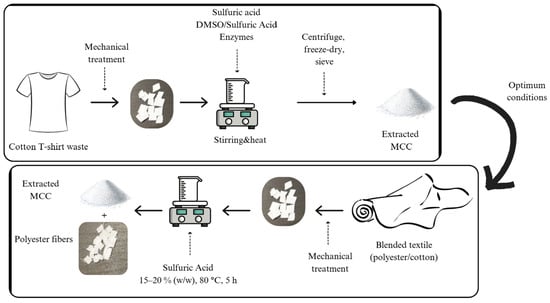
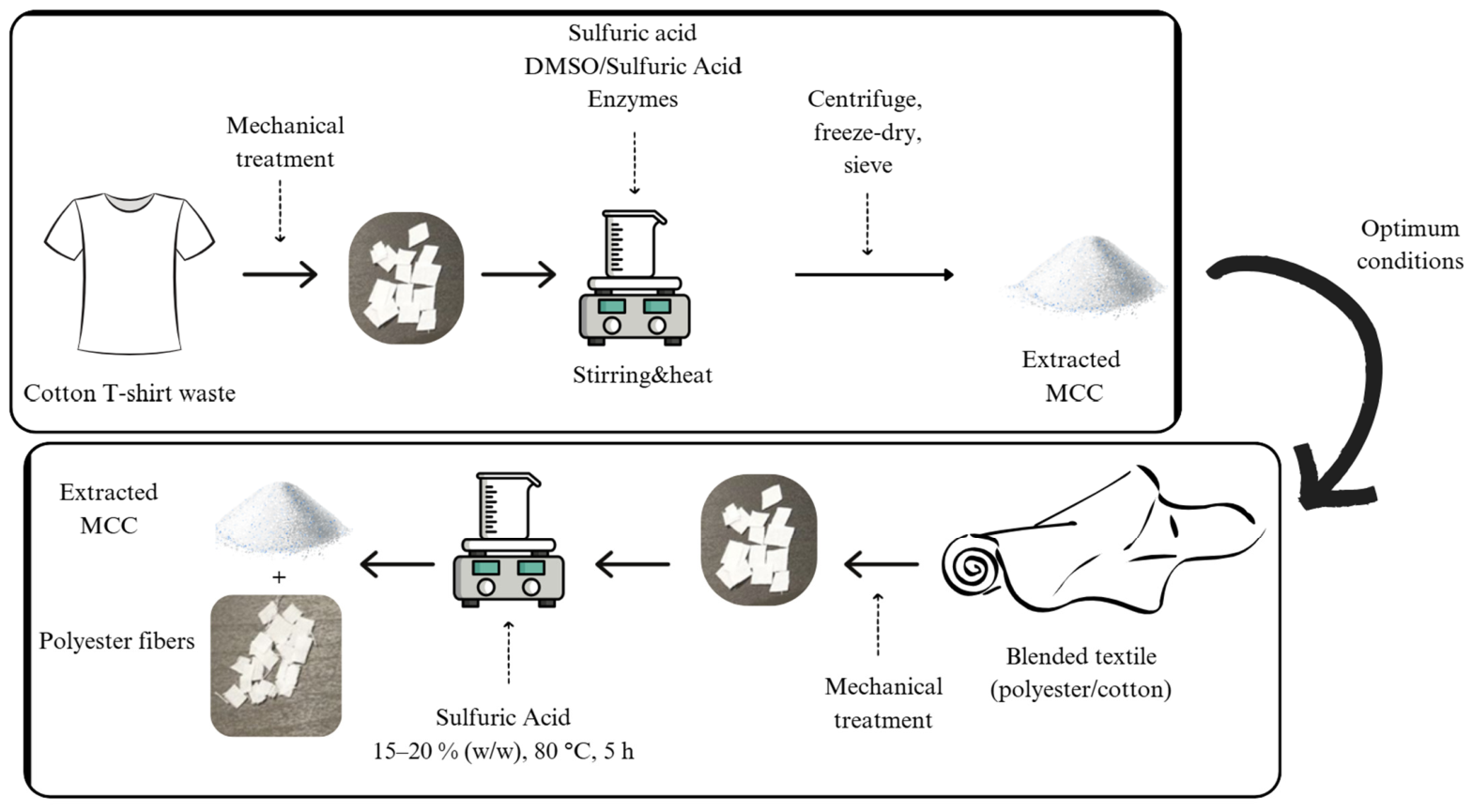
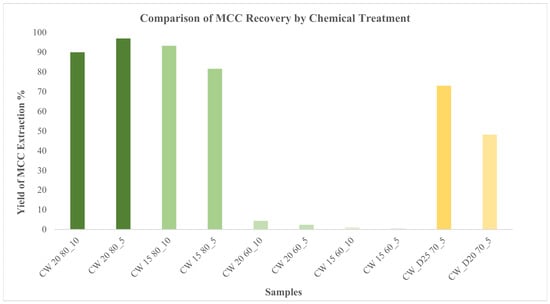
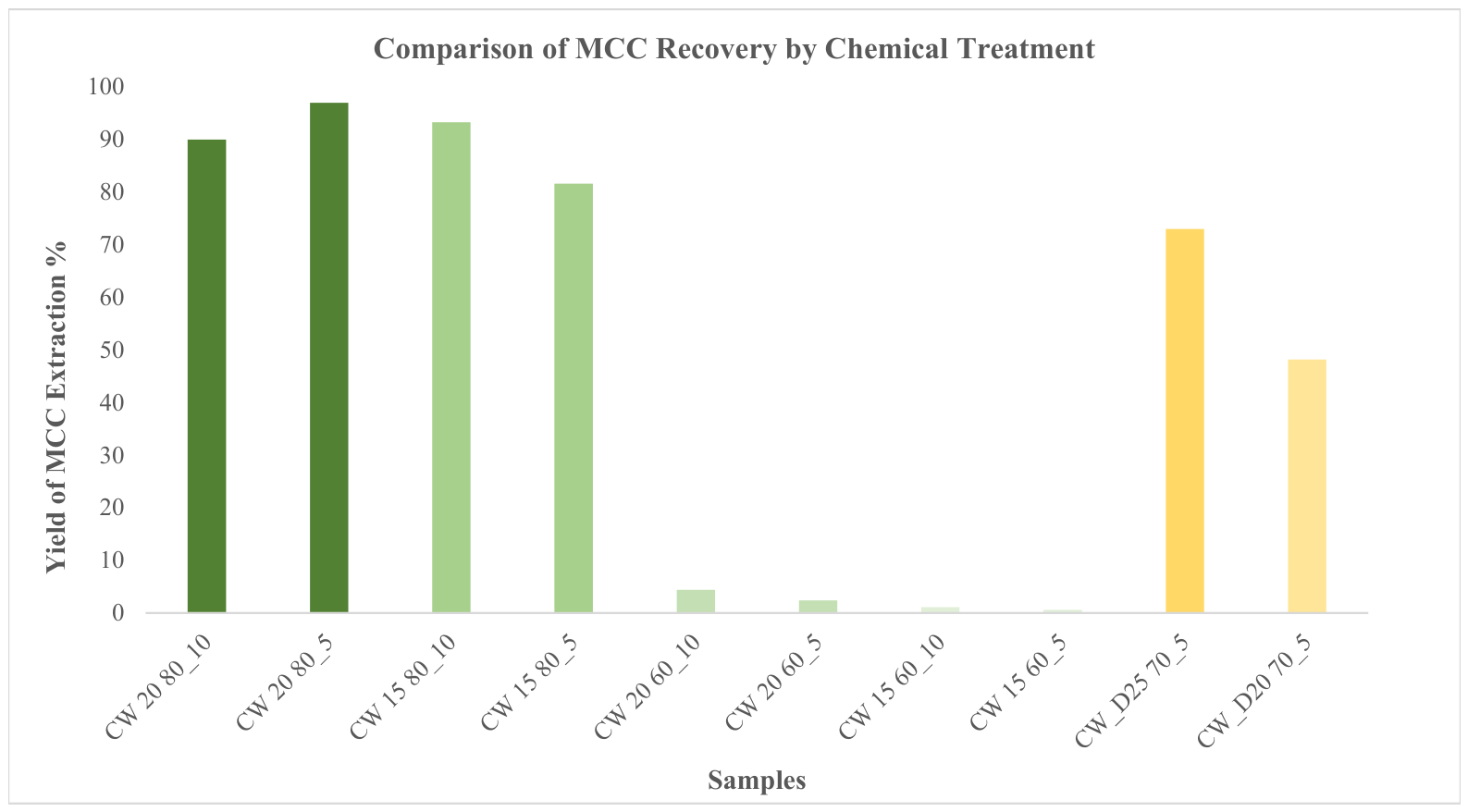
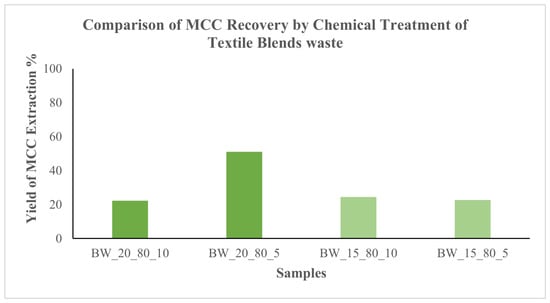
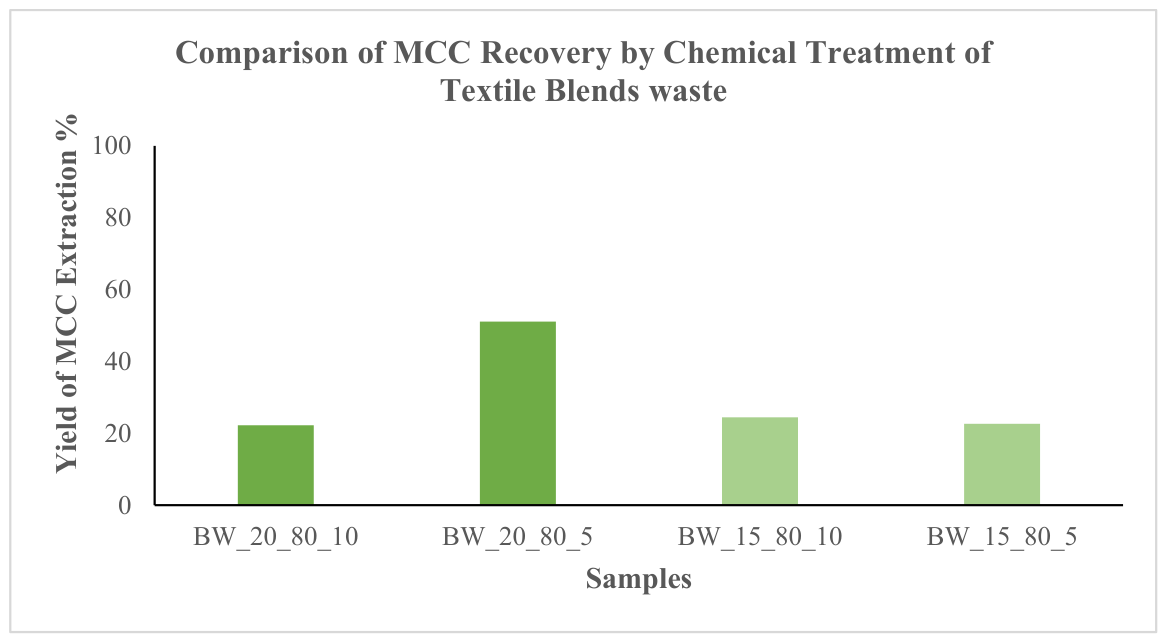
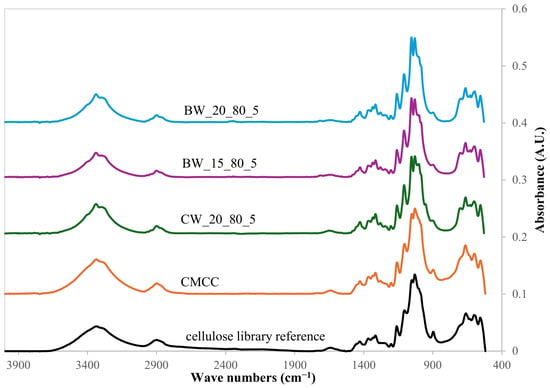
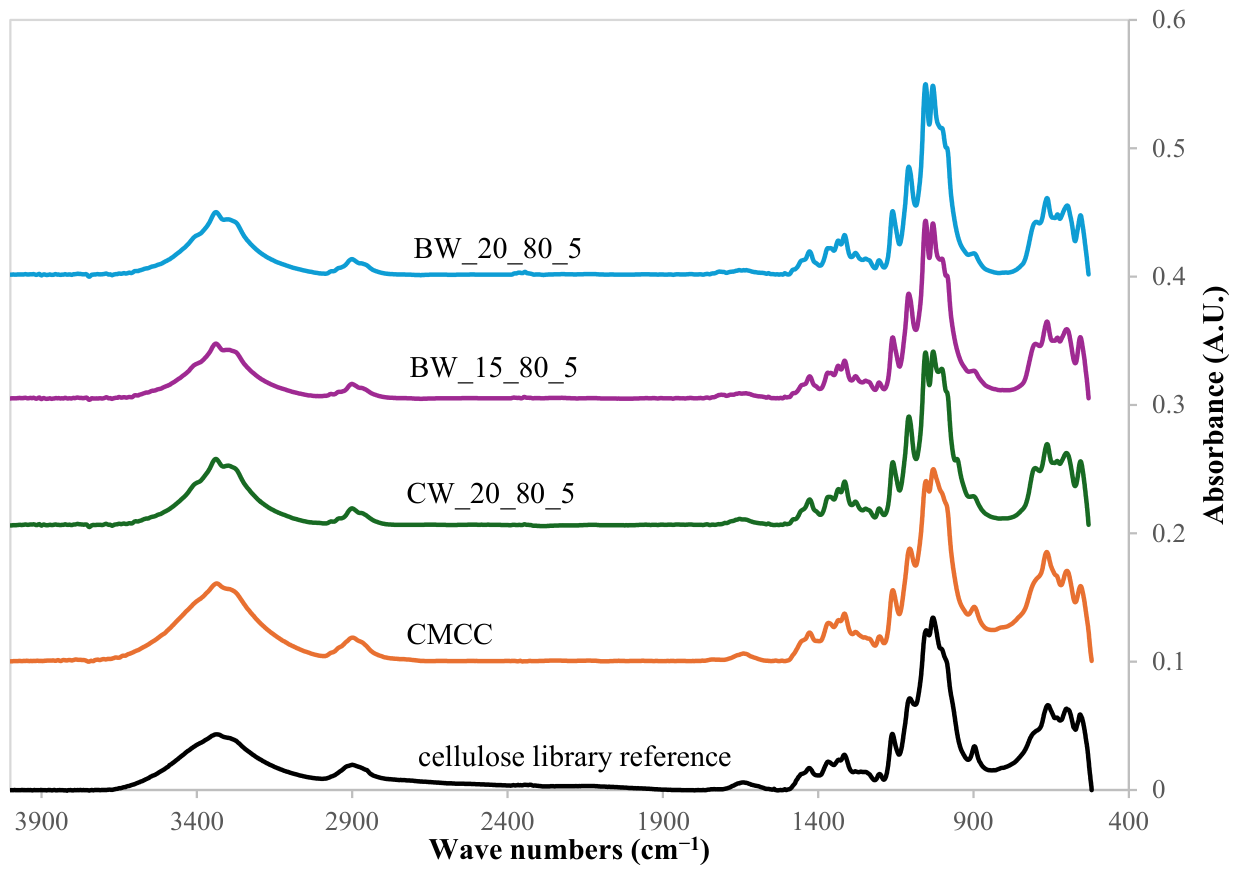
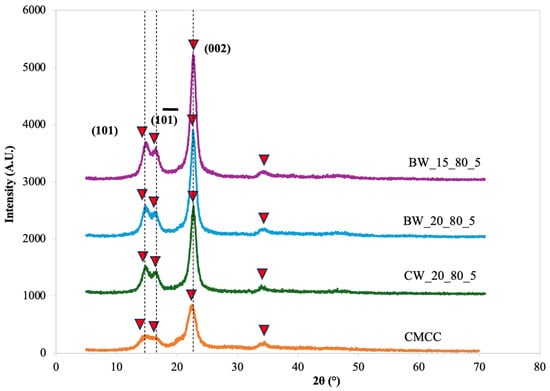
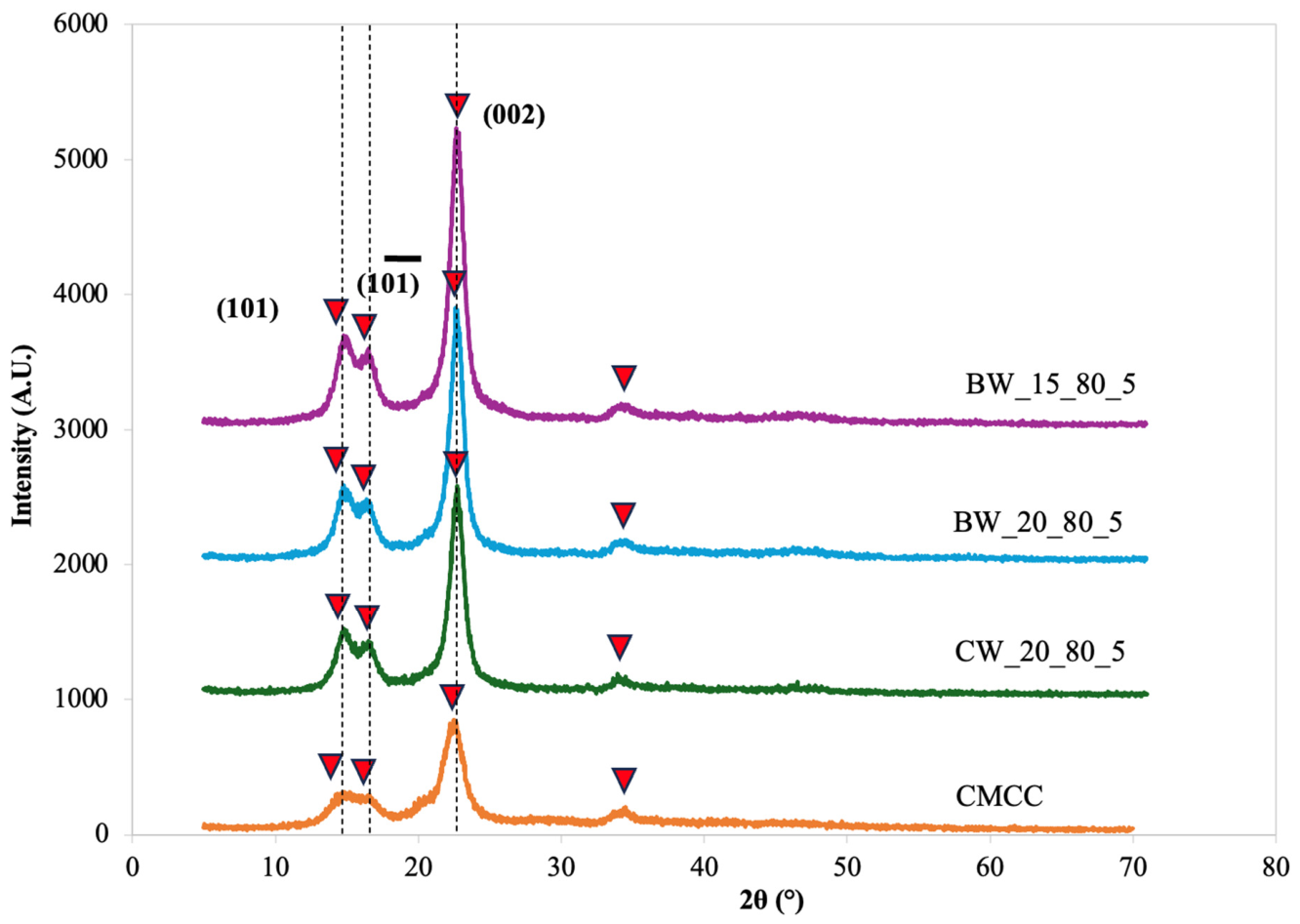
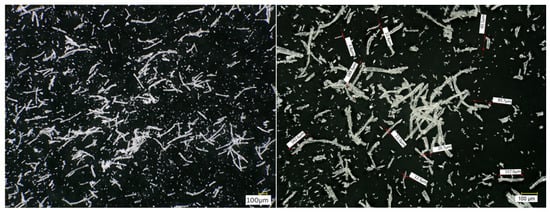
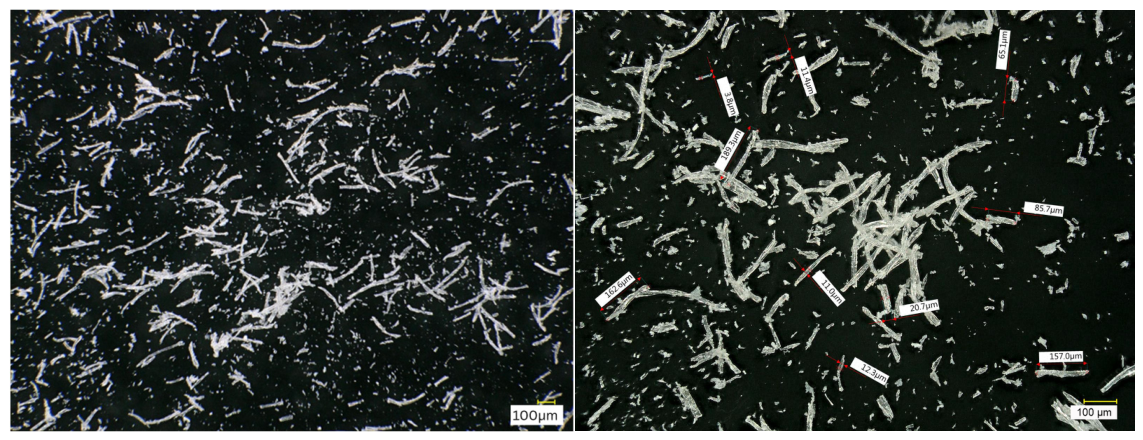
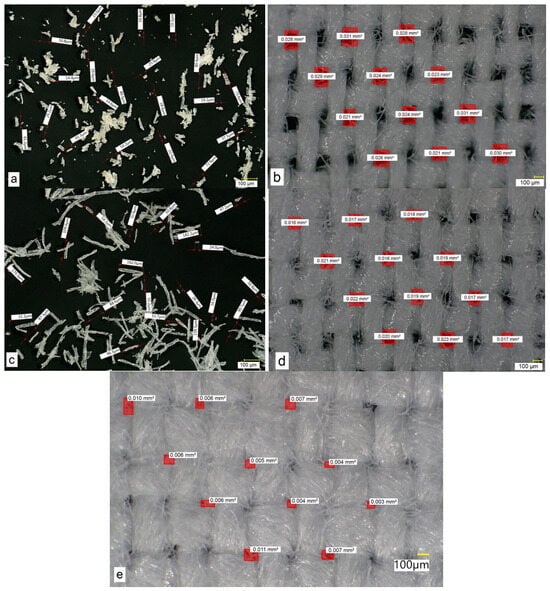
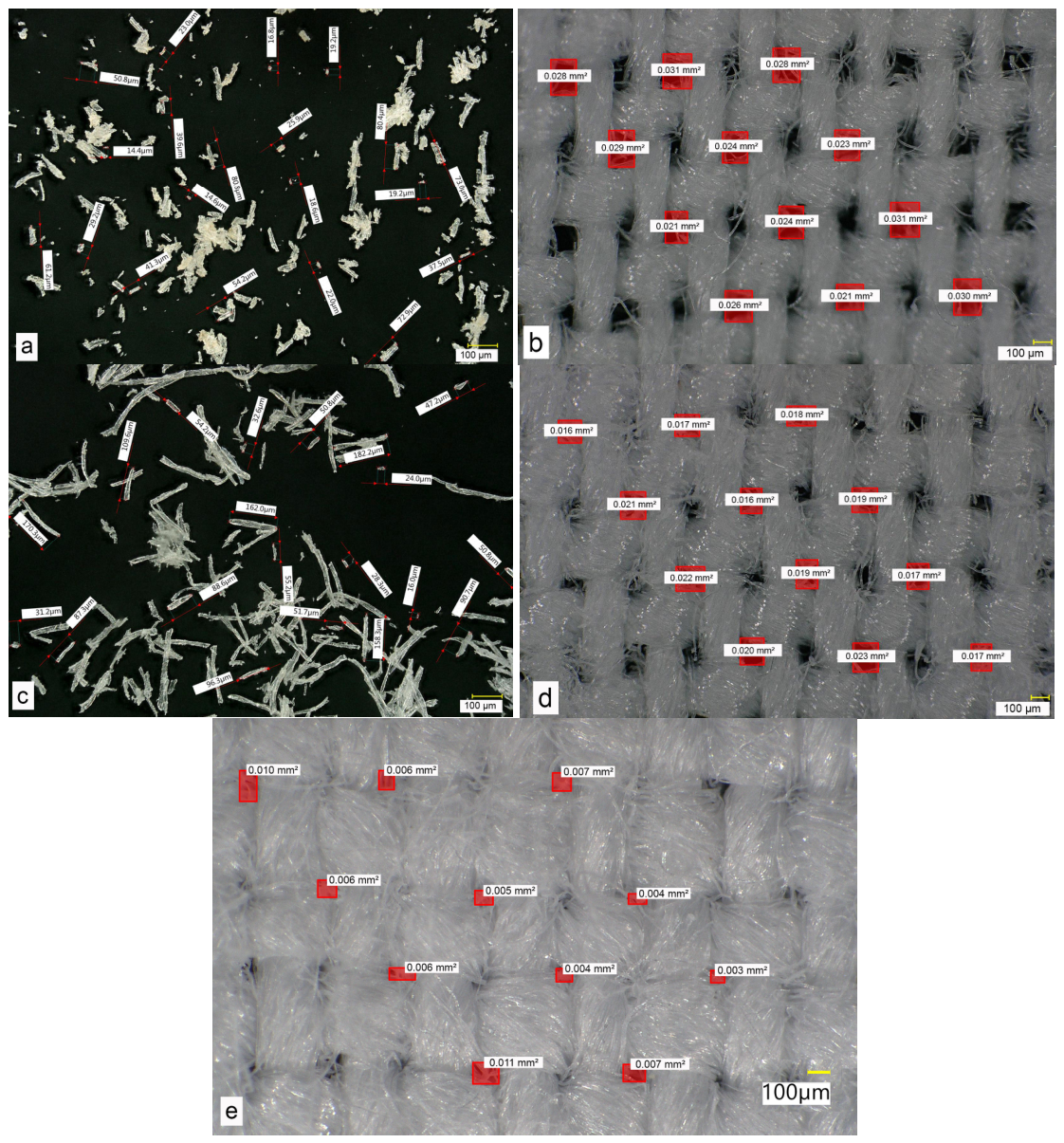
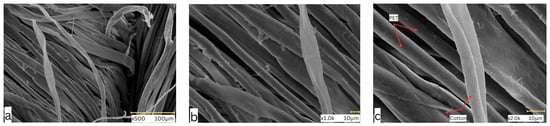
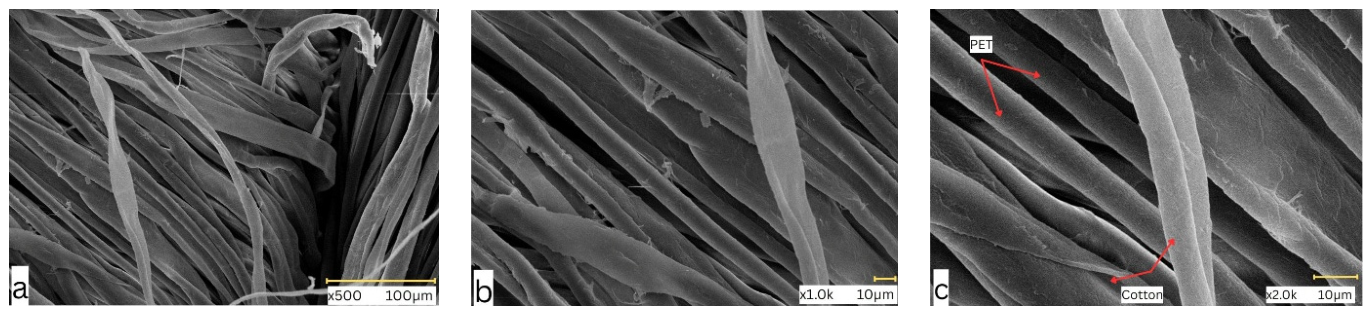
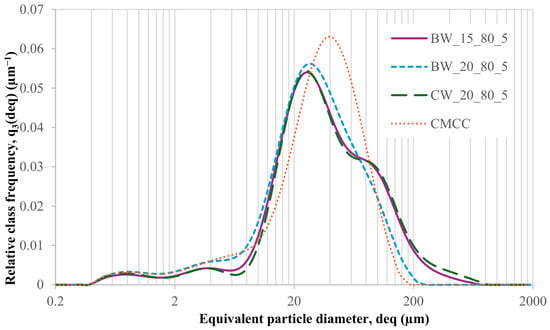
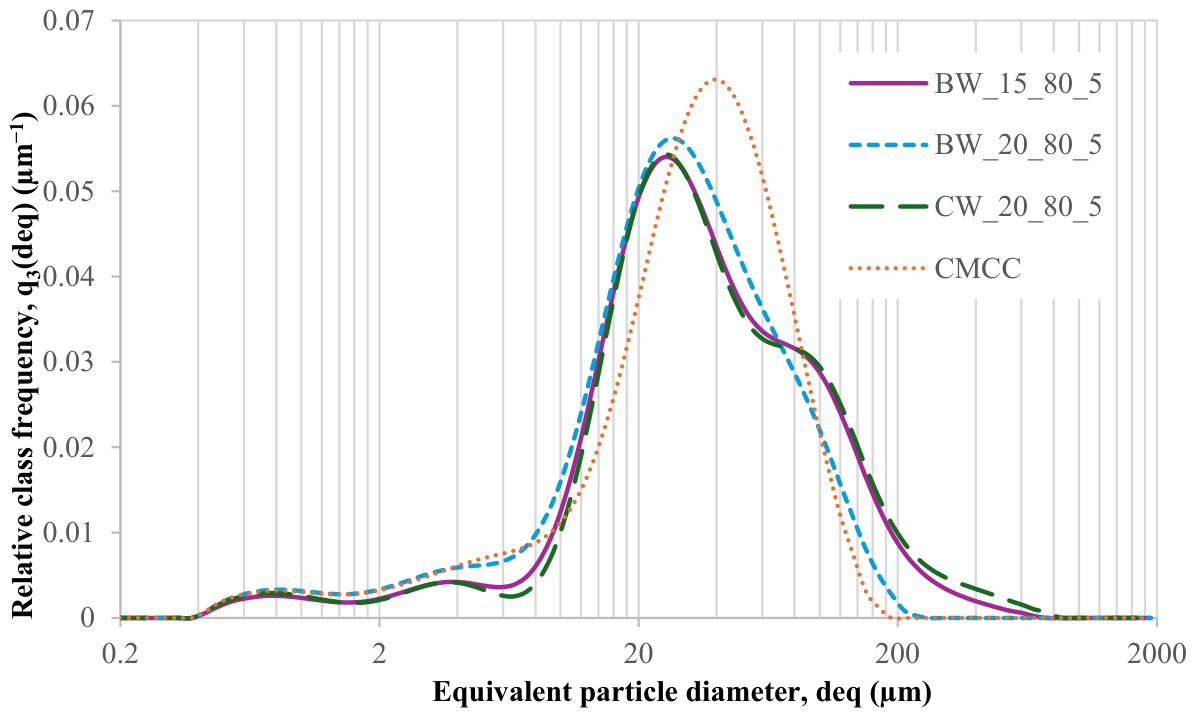
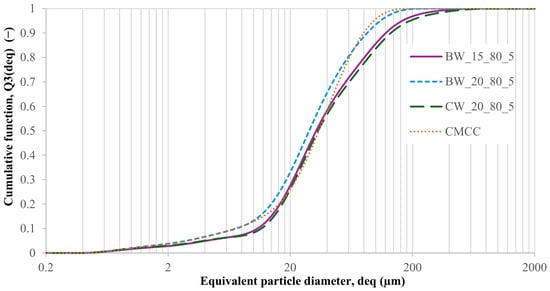
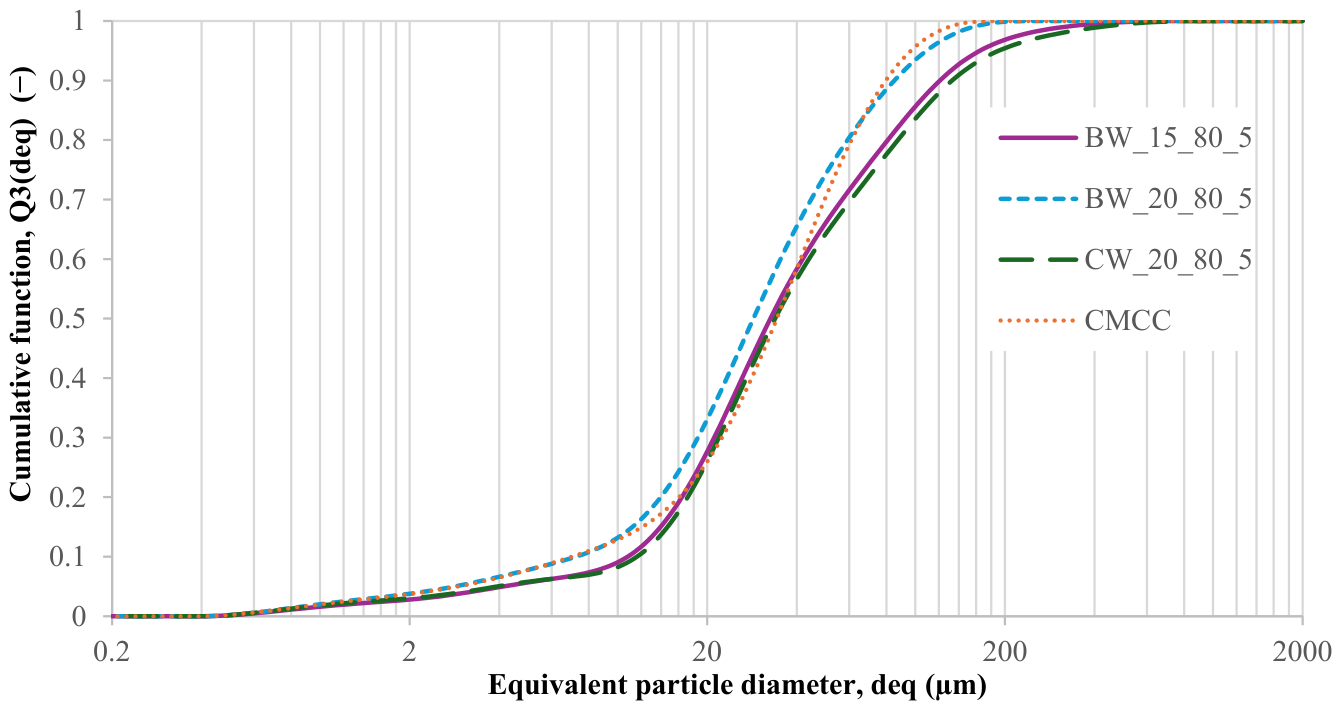
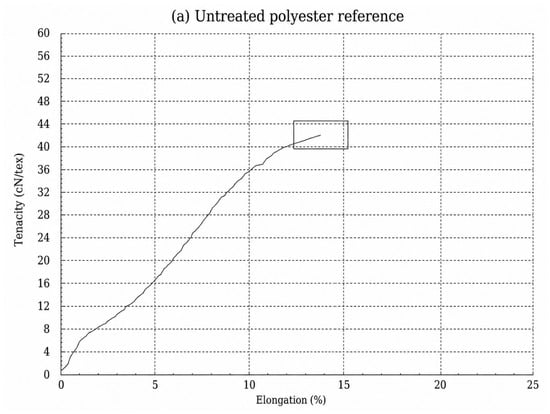
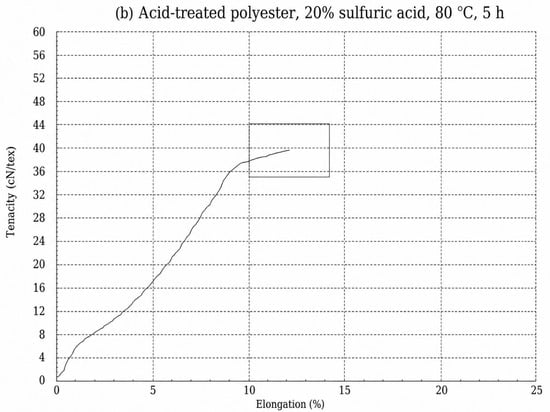
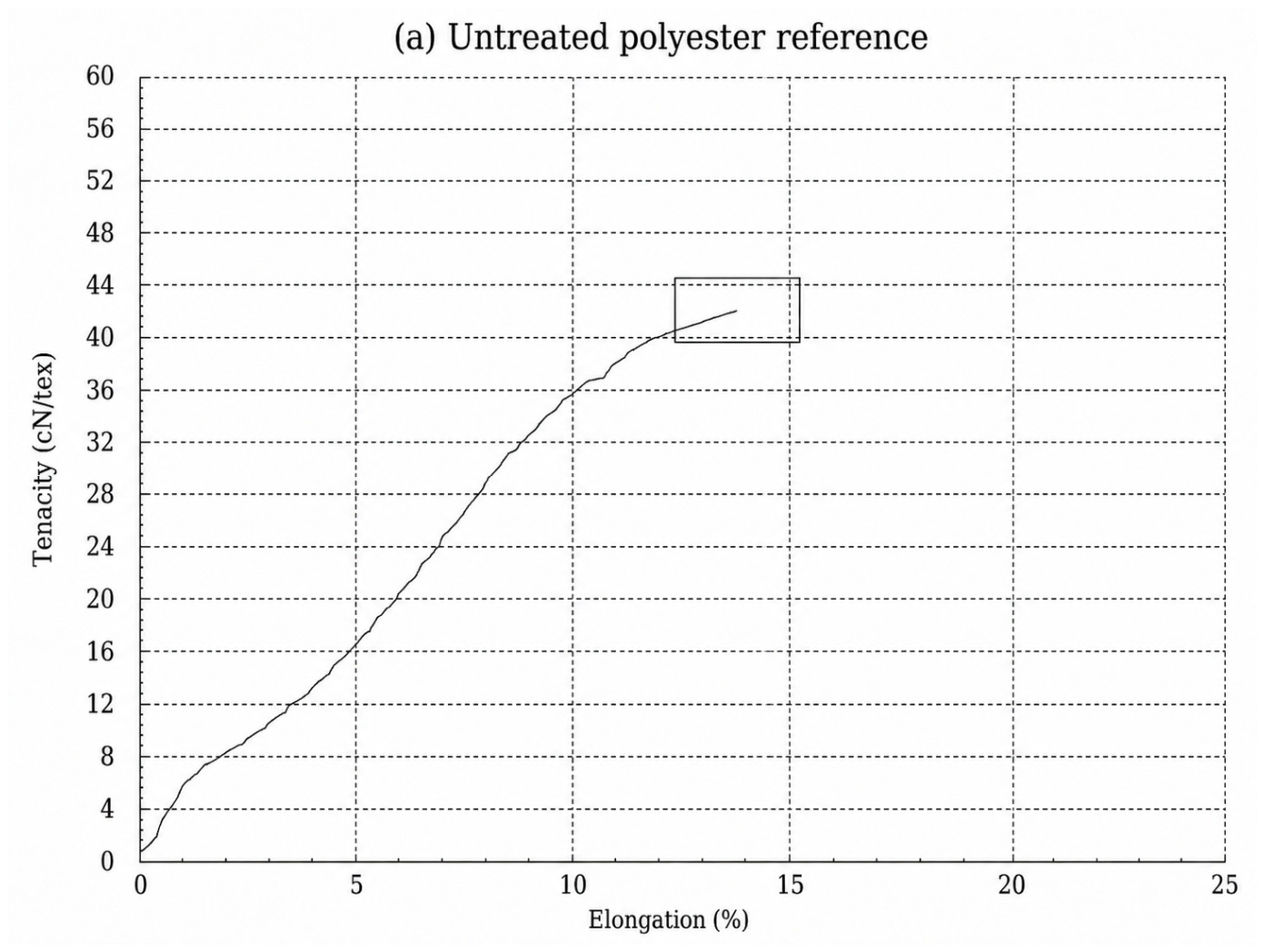
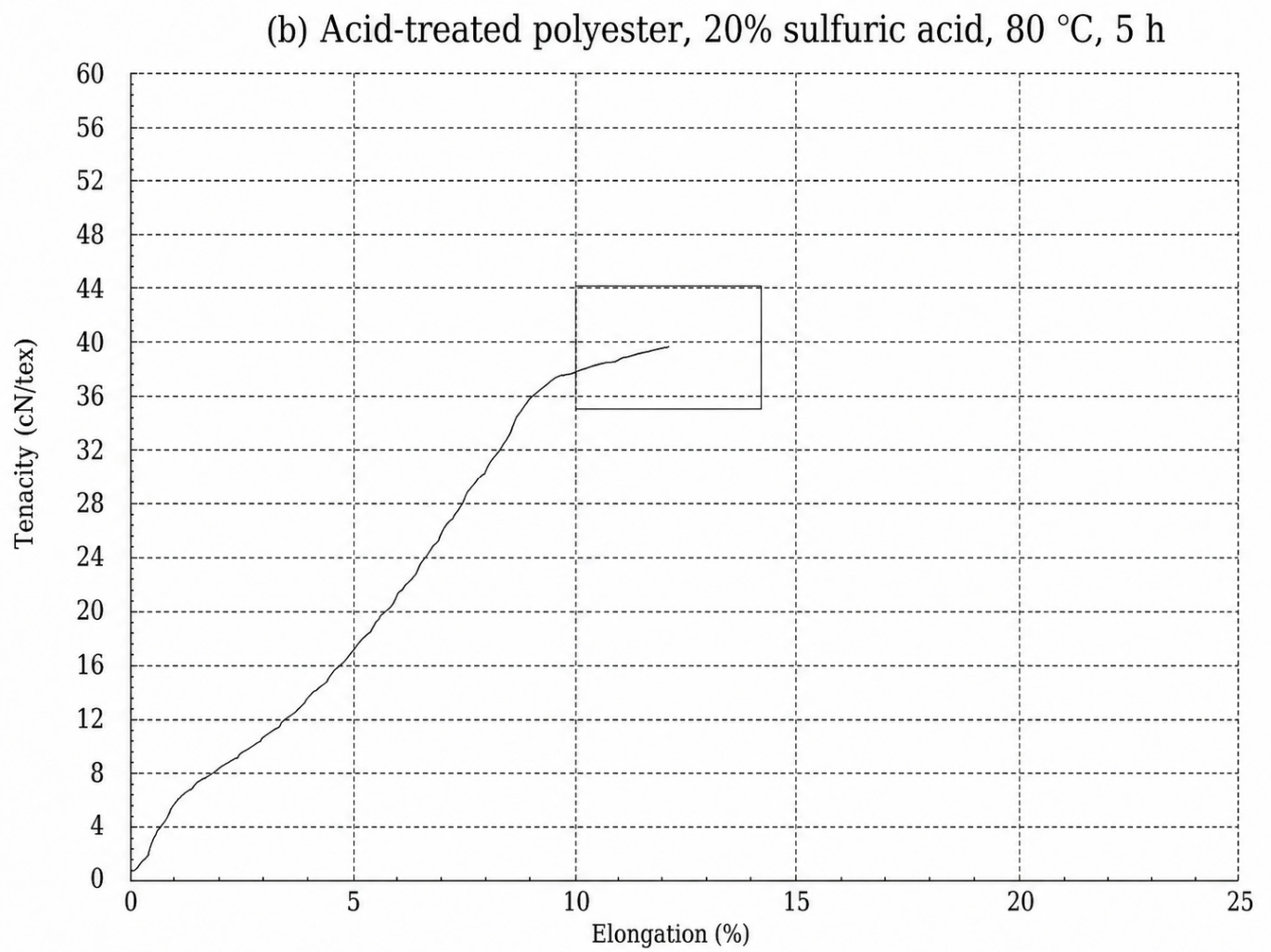

Disclaimer/Publisher’s Note: The statements, opinions and data contained in all publications are solely those of the individual author(s) and contributor(s) and not of MDPI and/or the editor(s). MDPI and/or the editor(s) disclaim responsibility for any injury to people or property resulting from any ideas, methods, instructions or products referred to in the content. |
© 2026 by the authors. Licensee MDPI, Basel, Switzerland. This article is an open access article distributed under the terms and conditions of the Creative Commons Attribution (CC BY) license.