3.1. Influence of Intact and Powder Litters on Okra Germination
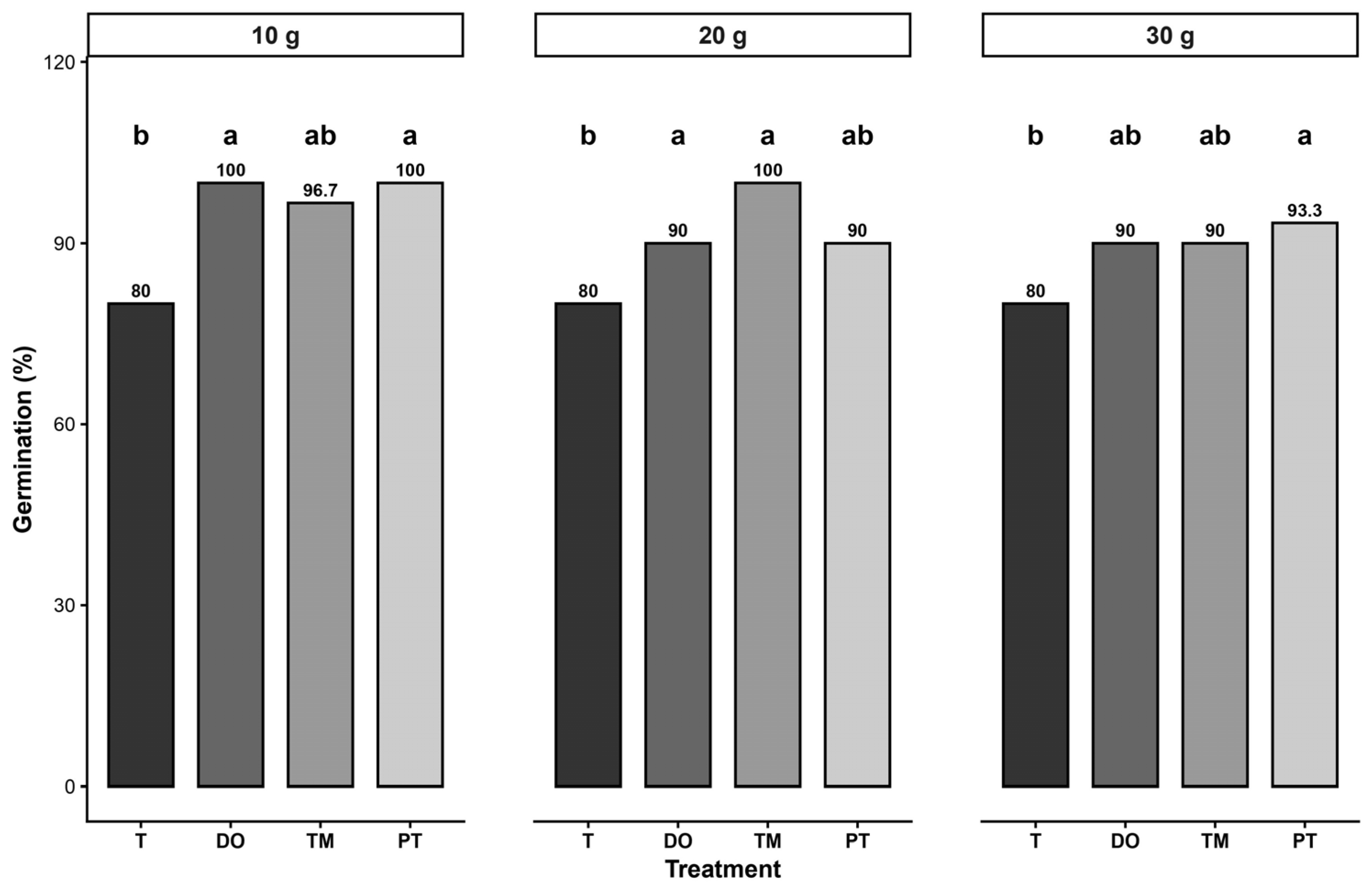
The germination of okra seeds was significantly influenced by litter treatments (p < 0.001). According to our results, under intact litter treatments, a highly significant effect of treatment type and interaction between treatment and dose was observed.
These results indicate that the response of okra seeds depended both on litter type source and on the quantity applied (
Table 2).
All litter treatments produced germination rates higher than 50% (
Figure 3), indicating the absence of phytotoxic effects on okra germination according to the criteria proposed by different researchers [
25,
26].
The higher germination rates, better than the control, were observed with
D. oliveri,
T. macroptera and
Piliostigma thonningii litter (
Figure 3). These results may be associated with more favorable litter quality and nutrient release during decomposition (
Figure 3).
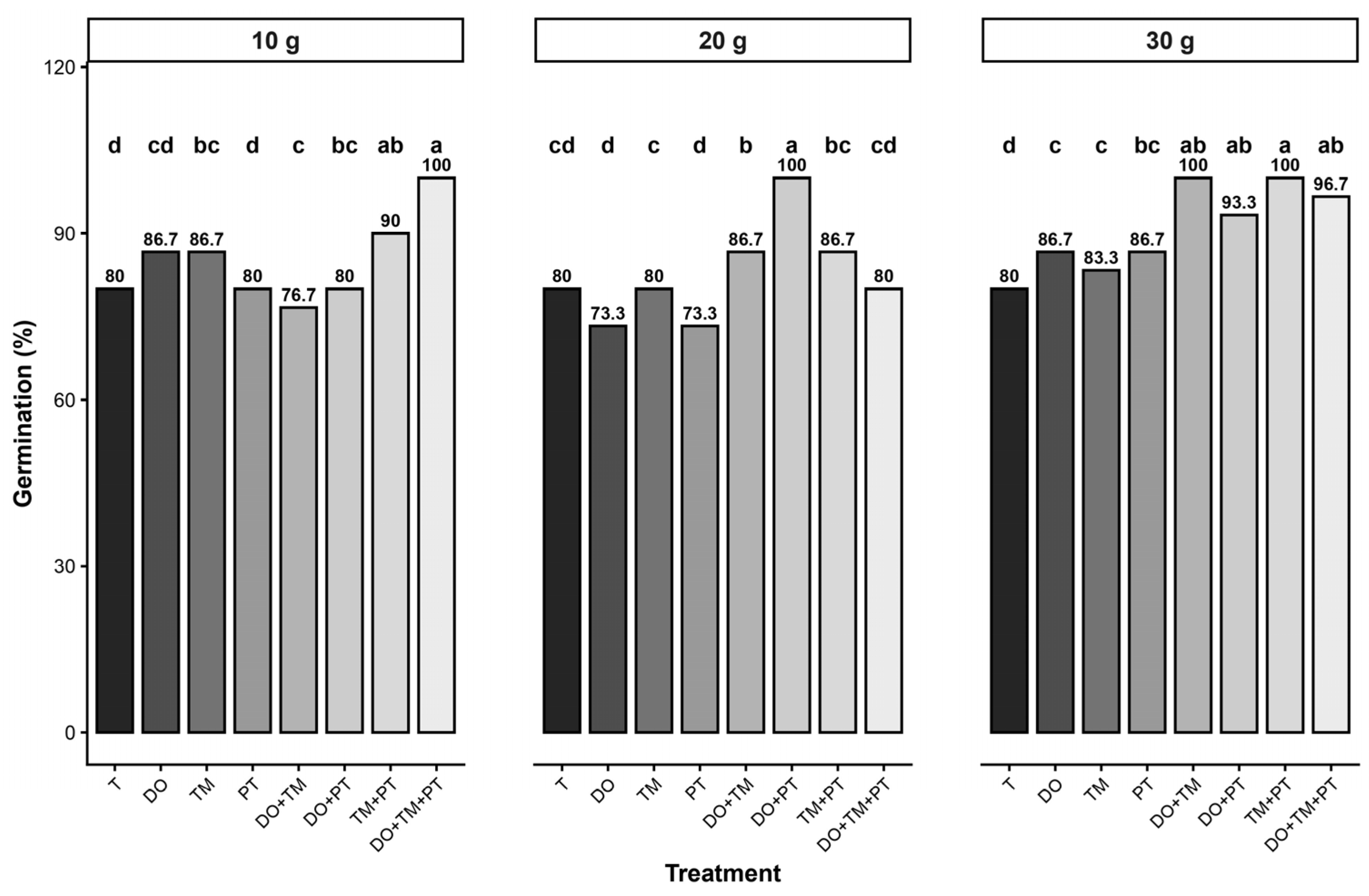
Similar results were observed for litter powder treatments regarding the ANOVA of the three factors (
Table 3). According to the results, type of treatment (source of litter) had a highly significant effect on germination (
p < 0.001).
Furthermore, germination changed significantly over time and the type of treatment during the experimental period (
p < 0.01). A significant interaction was observed between dose and treatment (
p < 0.001), indicating that the effect of litter dose depended on the type of litter treatment applied. On the other hand, the interaction between dose and day was non-significant (
p > 0.05) (
Table 3).
The results showed that mixtures of litter powders frequently produced higher germination rates than single-species powders. These findings suggest possible complementary interactions among litter types during decomposition and nutrient release (
Figure 4).
The variation in germination responses between treatments may therefore be explained by differences in litter quality, decomposition rate and nutrient release. These factors probably influenced the bioavailability of mineral elements required during the germination process. Scientific reports reveal that seed germination can be significantly influenced by nutrient availability, particularly nitrogen supply [
27].
The differences observed between intact litter and litter powders may also be related to differences in decomposition patterns (
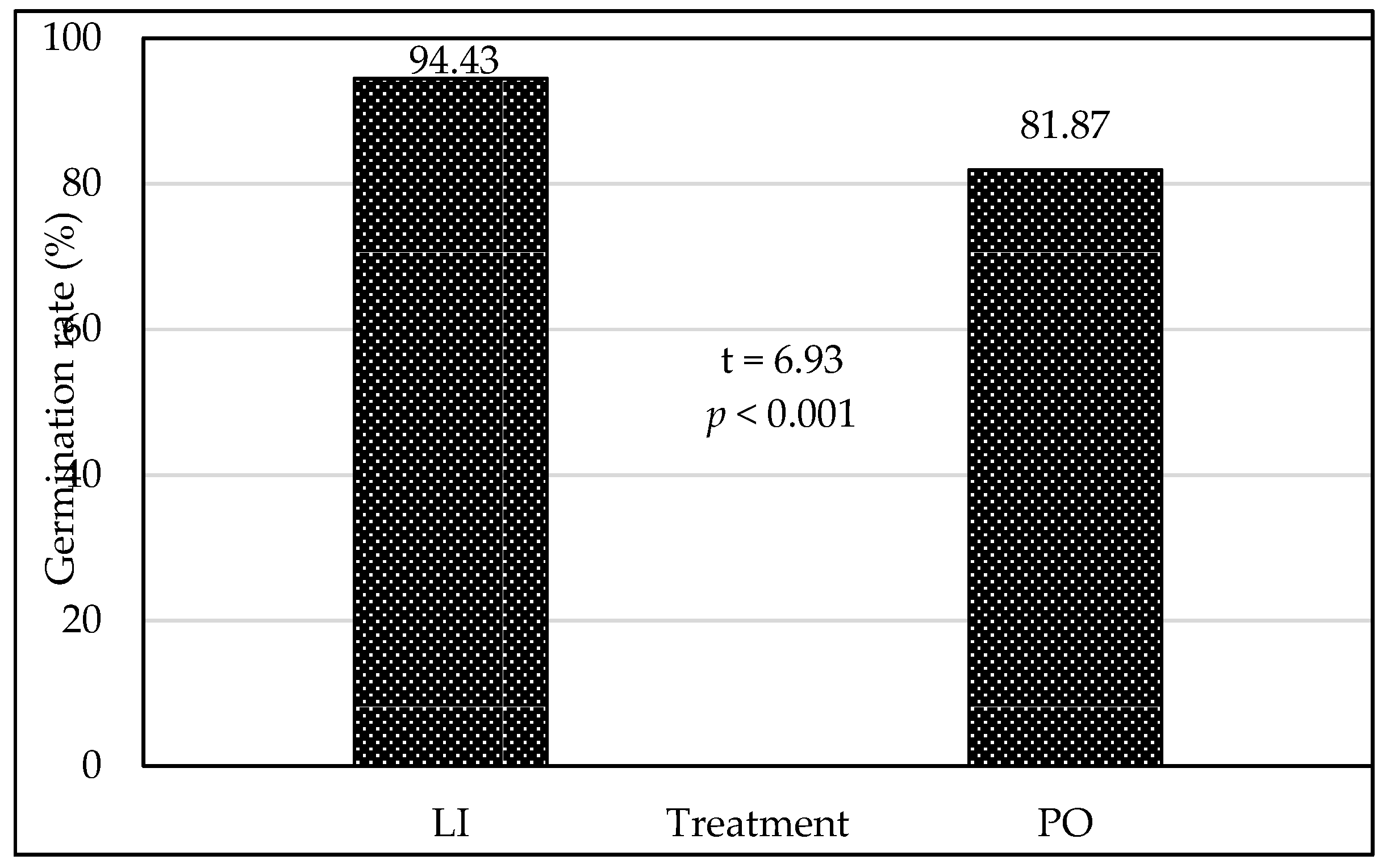
Figure 5). Intact litter produced significantly higher germination rates than litter powders (
p < 0.001). This result suggests that intact litter may ensure a slower and more progressive release of nutrients, whereas litter powders may cause localized nutrient excesses or temporary inhibitory effects during the early stages of germination.
3.2. Influence of Intact Litters and Their Powders on Okra Growth
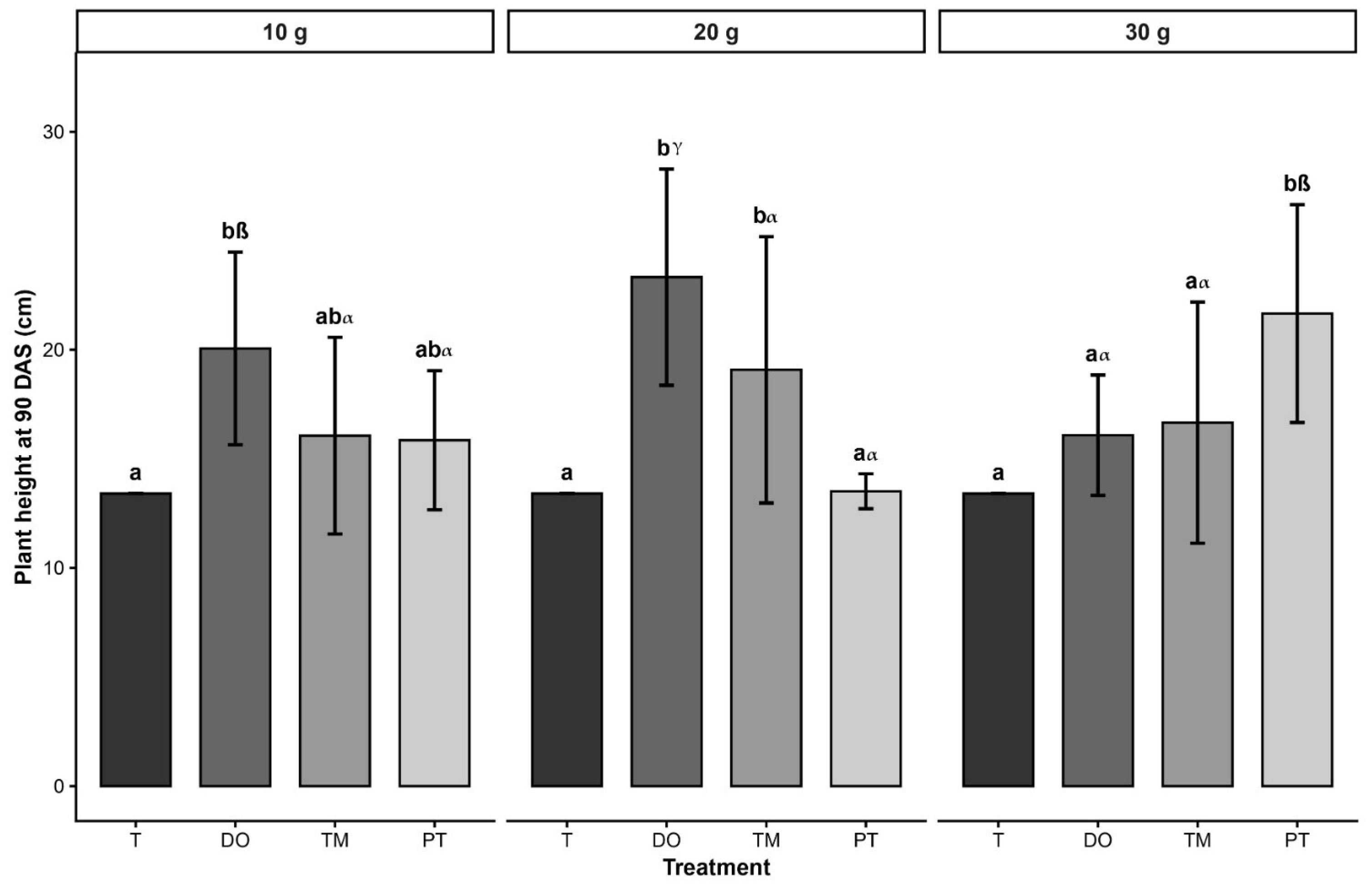
According to the results, the application of intact litter significantly influenced okra plant height depending on litter type and dose. Plant height increased progressively throughout the experimental period. At 90 days, all litter treatments produced higher plant height than the control, indicating a positive effect of litter incorporation on vegetative growth.
Among the intact litters,
D. oliveri produced the greatest improvement in okra height at 10 g and 20 g, whereas
P. thonningii showed the highest values at 30 g. The significant differences observed between treatments and doses suggest that okra growth responses depended on both litter quality and amendment level. Similar results were reported in other research reports that observed improved tomato growth following soil amendment with organic litter materials (
Table 4) [
28].
The positive effect of some litter types on plant height may be associated with improved nutrient availability during decomposition. Organic amendments can enhance soil fertility by supplying mineral elements essential for plant growth. The superior performance of
D. oliveri at moderate doses may indicate a more balanced nutrient release compared with the other litter types (
Figure 6 and
Table 4).
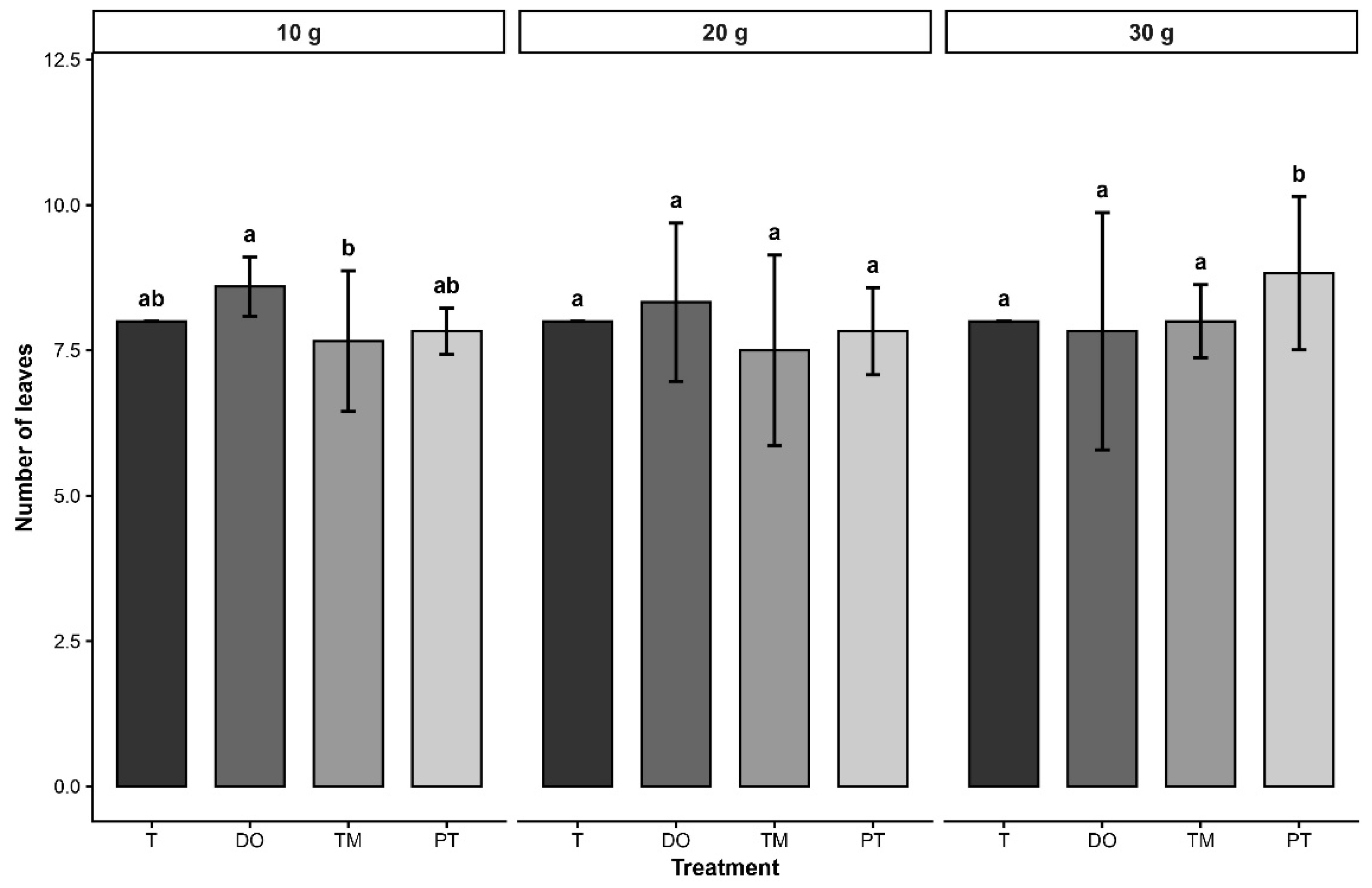
The number of leaves varied slightly among treatments and doses, but these differences were not statistically significant (
Table 5 and
Figure 7). Although some treatments showed numerically higher values than the control, intact litter amendments did not substantially improve leaf production in okra plants. The highest number of leaves was recorded with
D. oliveri at 10 g (8.60 leaves) and
P. thonningii at 30 g (8.83 leaves), whereas the control remained relatively stable across all doses.
These results are consistent with other reports [
29], which showed limited effects of decaying leaf litter amendments on maize vegetative growth. However, they differ from findings that observed significant improvements in leaf number following organic litter application in maize [
30].
The absence of significant differences between treatments and doses suggests that leaf production in okra was less sensitive to litter amendments than plant height. This may indicate that leaf development was controlled more by the plant’s genetic characteristics and general growing conditions than by the additional nutrient availability provided by the treatments included in this study (
Figure 7 and
Table 5).
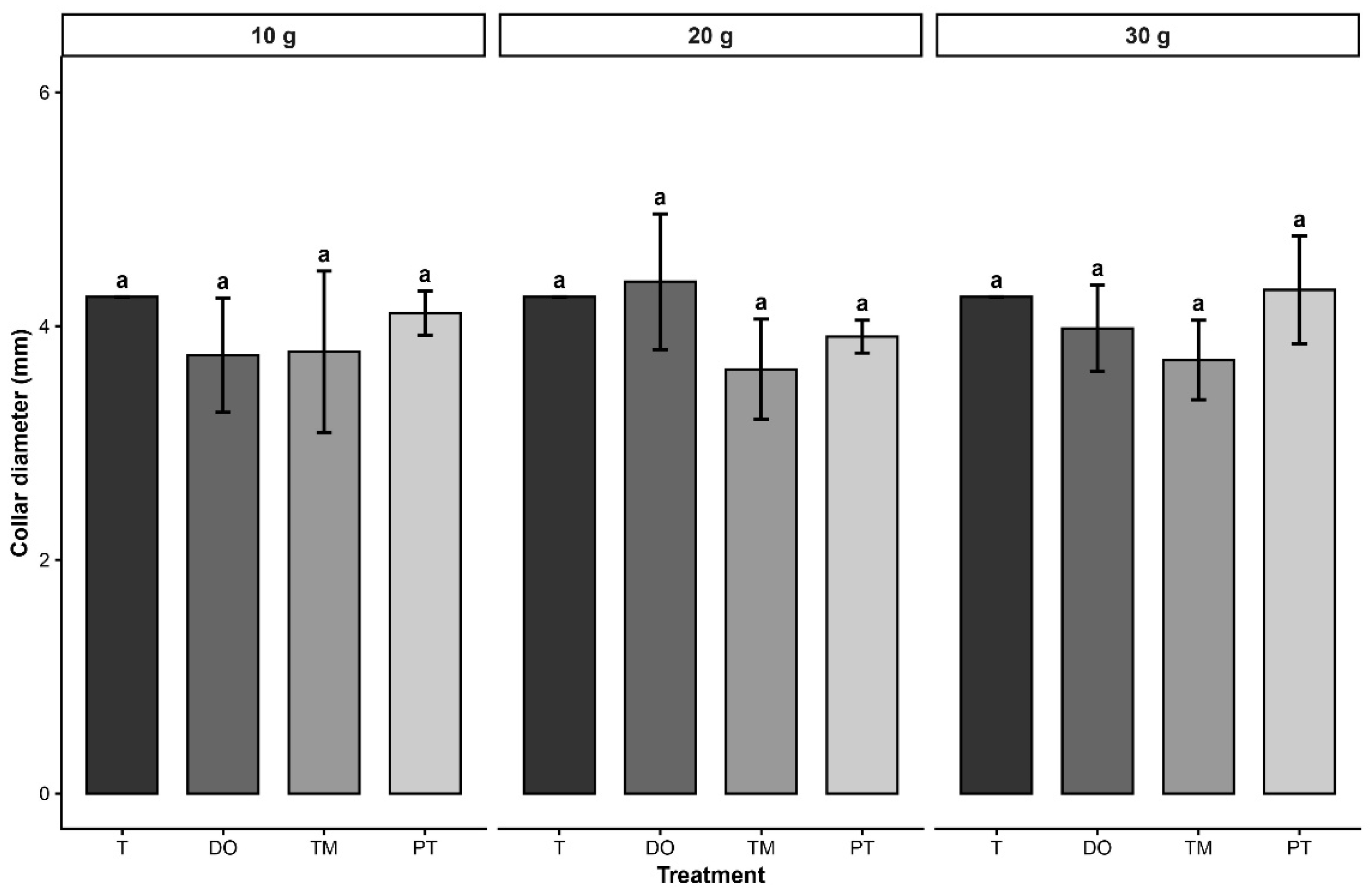
Collar diameter varied slightly among treatments and doses, but no statistically significant differences were observed at 90 days (
Table 6 and
Figure 8). Although some treatments such as
D. oliveri at 20 g (4.38 cm) and
P. thonningii at 30 g (4.31 cm) showed numerically higher values, these increases were not significantly different from the control.
Changes in collar diameter of okra plants are represented in litter treatments at doses of 10 g, 20 g and 30 g. Collar diameter increased progressively throughout the experimental period for all treatments, although the rate of increase varied among litter types and doses (
Figure 8).
Collar diameter varied among treatments and doses, but no significant differences were observed between treatments or doses at 90 days. This indicates that intact litter amendments did not substantially influence stem thickening in okra plants under the conditions of the experiment.
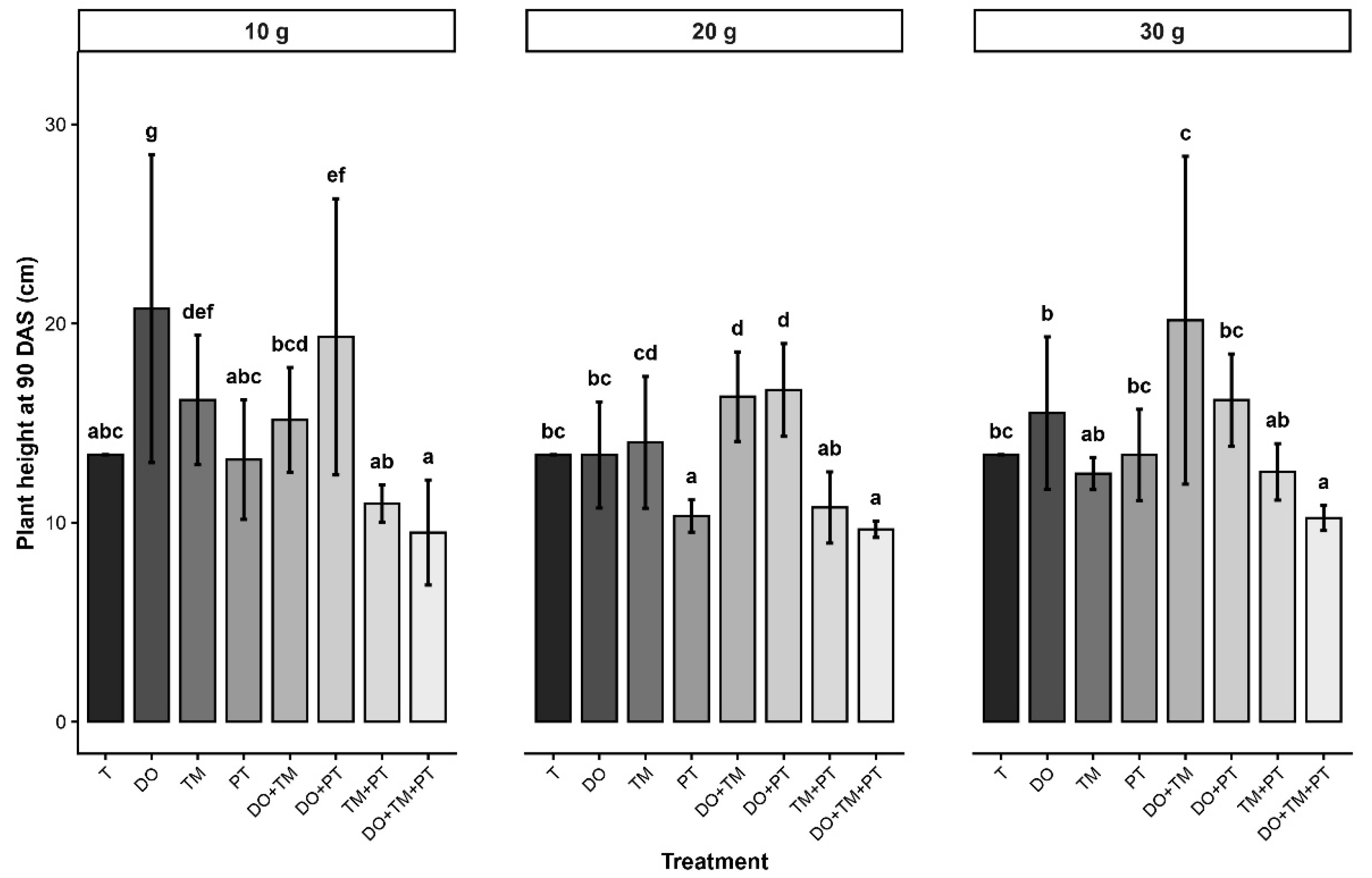
At the end of the experiment (90 days), okra plant height varied significantly according to treatment (
Table 7). Dose did not influence okra plant height, since the difference between the three doses (10, 20 and 30 g) was non-significant for each of the seven treatments. The interaction between dose and treatment was non-significant (
Figure 9).
Between treatments, however, the difference in okra plant height was significant, with values ranging from 9.50 to 20.75 cm for the 10 g dose, from 9.66 to 16.66 cm for the 20 g dose and from 10.23 to 20.16 cm for the 30 g dose. Some bedding powders showed a significant improvement in the height of okra plants.
This action could be justified by the fact that the powders release the minerals gradually, which may ensure that they are available when the plant actually needs them.
Treatments containing D. oliveri alone or in combination with other species generally produced higher plant height values compared with the control, especially at 10 g and 30 g.
In contrast, the mixture composed of the three species (DO + TM + PT) consistently showed the lowest plant height values, which may indicate an antagonistic effect among the mixture components or a possible temporary immobilization of nutrients during decomposition.
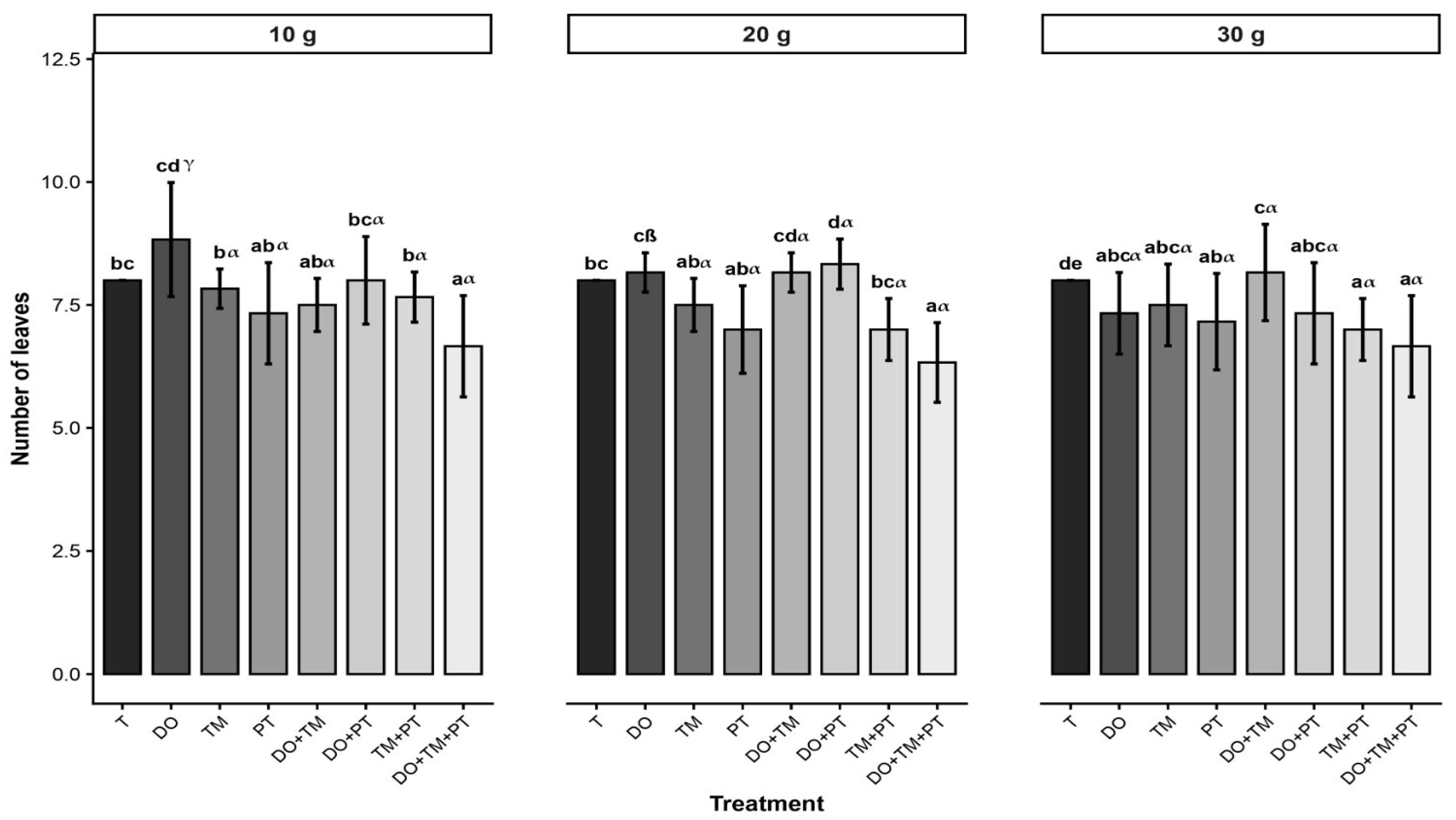
At 90 days, the number of leaves on okra plants varied according to treatment and dose (
Table 8 and
Figure 10). However, these differences were significant only between treatments at the 20 g dose, whereas between doses the differences were significant only for
D. oliveri litter powder. For the other treatments, no significant differences were observed. Likewise, the interaction between dose and treatment was non-significant.
The number of leaves ranged from 6.33 to 8.83 leaves per plant depending on treatment and dose. Treatments amended with D. oliveri powder alone or in combination with P. thonningii generally recorded the highest leaf numbers, while the mixture containing all three litter powders (DO + TM + PT) consistently produced the lowest values.
Only amendment with a mixture of D. oliveri and P. thonningii litter powders improved the number of leaves on okra plants compared with the control. In contrast, the mixture of the three types of litter powder consistently reduced the number of leaves, which may indicate an inhibitory effect on the vegetative development of the plants.
These differences may be associated with the mineralization rate and the varying availability of nutrients resulting from the decomposition of the litter powders. Some combinations may enhance the availability of nitrogen and other nutrients involved in leaf apparatus formation, whereas others may generate temporary nutritional imbalances.
These results are similar to those in other reports [
30], who showed that leaf powders from
Annona senegalensis,
Terminalia glaucescens and
Tithonia diversifolia improved the number of leaves in maize. Also, they agree with reports of inhibitory effects of certain tropical leaf litters on crop growth [
31].
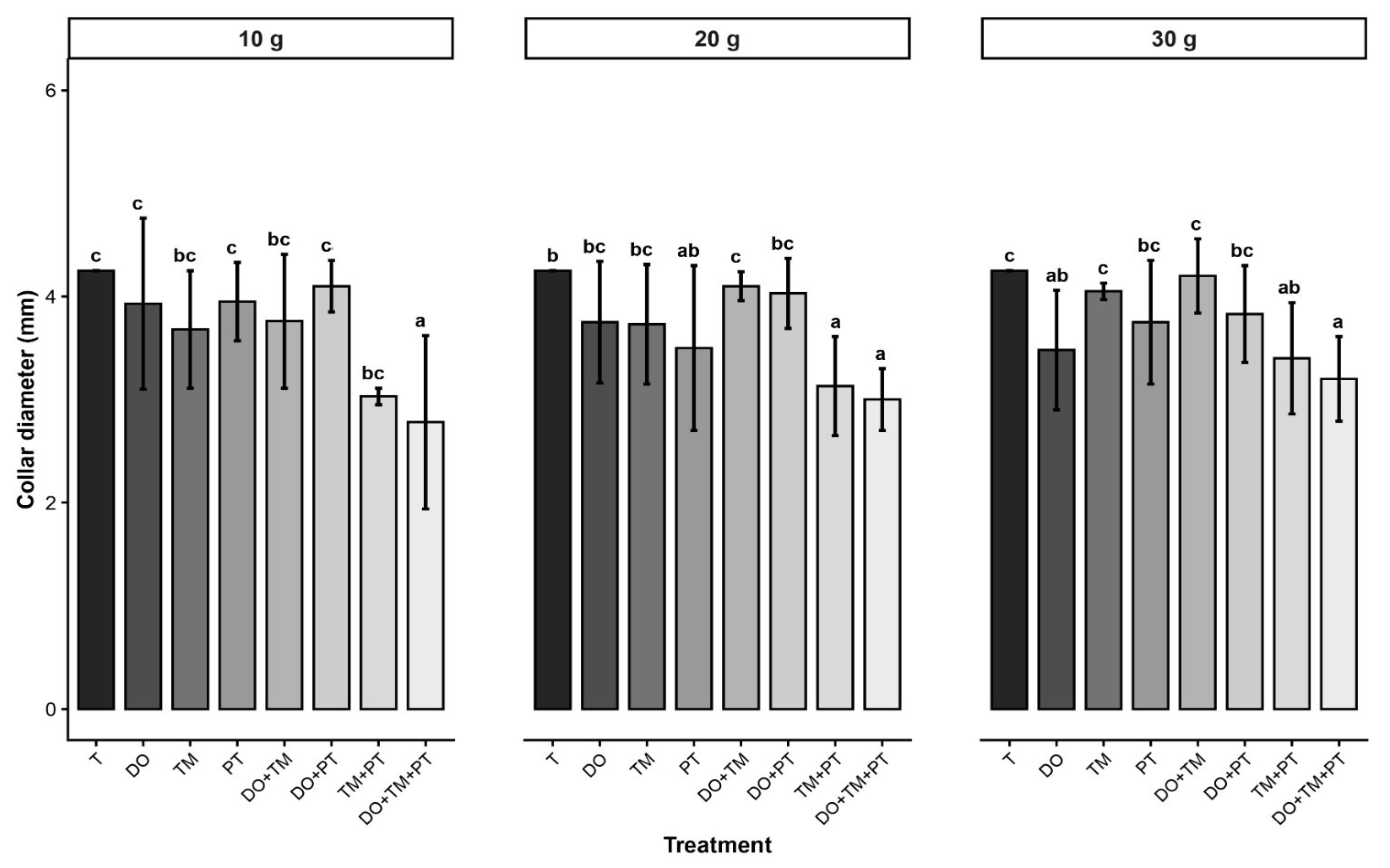
Collar diameter varied according to treatment and dose (
Table 9). Significant differences were observed between treatments at each dose level (10, 20 and 30 g), whereas differences between doses within the same treatment were non-significant. The interaction between dose and treatment was therefore limited.
Collar diameter values ranged from 2.78 to 4.25 cm depending on treatment and dose. The control maintained relatively stable values across all doses, while treatments amended with mixtures containing
D. oliveri and
T. macroptera generally produced the highest collar diameter values. In contrast, the mixture containing all three litter powders (
DO +
TM +
PT) consistently recorded the lowest stem diameter values (
Figure 11).
For the 20 g dose, the treatment combining D. oliveri and T. macroptera litter powders showed the greatest collar diameter (4.1 cm), approaching the control values. This result suggests that certain combinations of litter powder may support stem development more effectively through a more balanced release of nutrients.
In contrast, the combination of the three species (DO + TM + PT) consistently reduced the collar diameter at all applied rates. This effect may be associated with the occurrence of antagonistic interactions between the compounds resulting from the decomposition of litter powders or with reduced availability of certain elements essential for vegetative growth.
Although several treatments produced numerical variations in collar diameter, most values remained close to the control, indicating that stem thickening in okra was less responsive to litter powder amendments than plant height. These results partially agree with reports of positive effects of agroforestry litter powders on tomato stem diameter, confirming that the response may vary depending on crop species and litter composition [
30].
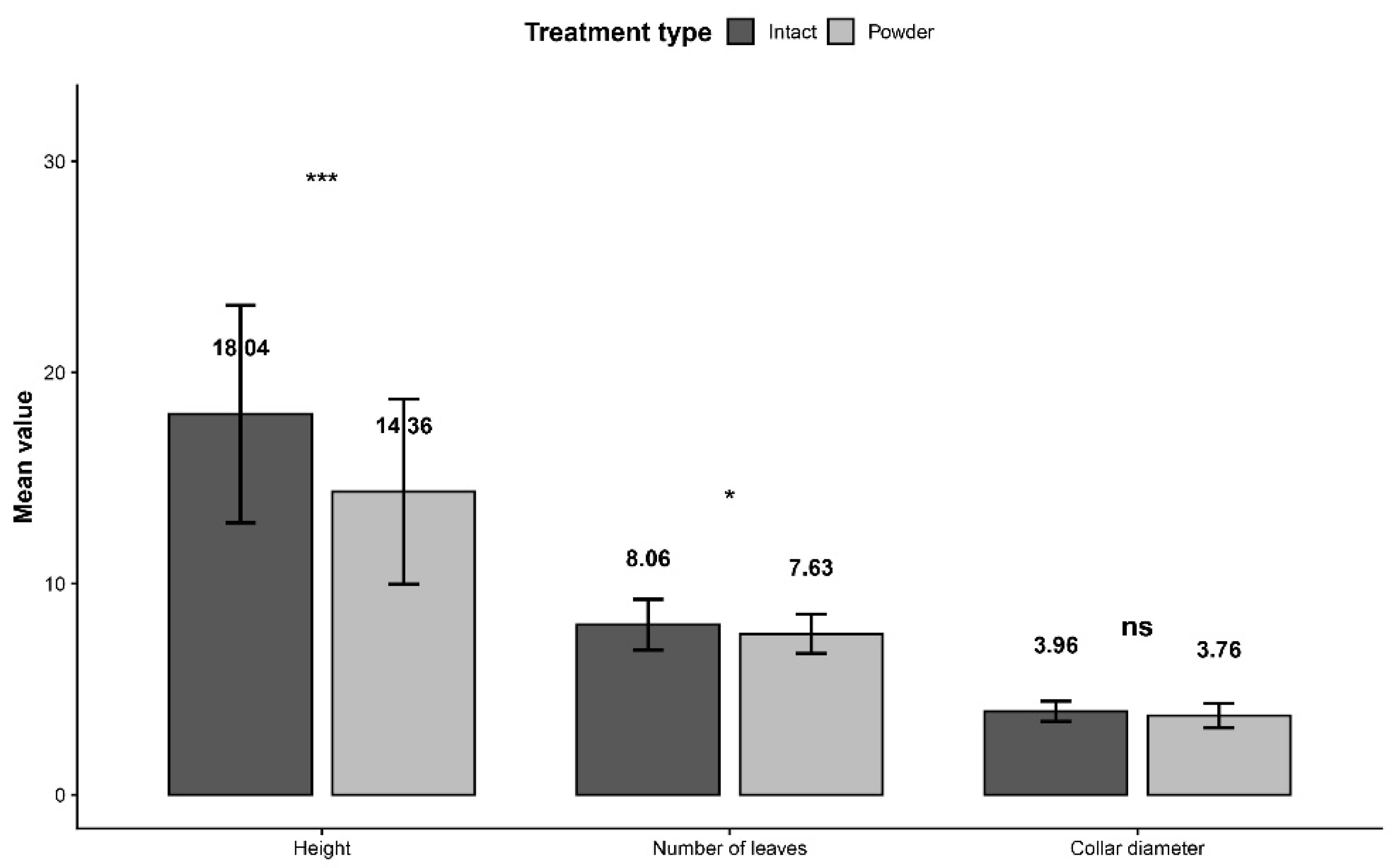
Okra plants grown with intact litter amendments recorded a higher average height (18.04 cm) compared with those treated with litter powders (14.36 cm). Similarly, the average number of leaves was higher under intact litter treatments (8.06 leaves) than under litter powder treatments (7.63 leaves). In contrast, collar diameter values remained relatively similar between intact litter (3.96 cm) and litter powder treatments (3.76 cm), with no significant statistical difference.
Table 10 and
Figure 12 present the average variation in okra growth parameters under intact litter and litter powder treatments. Significant differences were observed between the two amendment types for plant height and number of leaves, whereas collar diameter was not significantly affected (
Table 10). These results indicate that intact litter amendments promoted vegetative growth more effectively than litter powders.
Intact litter may contribute to moisture retention and to the improvement of the physical properties of the substrate, which can favor the vegetative development of okra plants. In the case of litter powders, the faster mineralization process may lead to nutrient losses or temporary imbalances in the availability of mineral elements for plants.
The absence of significant differences in collar diameter suggests that stem thickening was less sensitive to the form of litter applied than other growth parameters such as plant height and leaf production.




 ,
,