1. Introduction
Connectors, such as terminals for automotive applications, are manufactured by sheet metal stamping using progressive tooling with multiple operations. One of the most critical challenges in high-volume manufacturing is tool wear, which leads to machine downtime and unplanned maintenance, negatively affecting productivity and cost-efficiency. Tool wear is a well-established issue in manufacturing science and tribology, as it directly influences tool life, dimensional accuracy, and process stability [
1,
2]. Predicting tool wear should enable manufacturers to optimize maintenance schedules and prolong tool lifespan [
3,
4]. Currently, the practice in many industrial stamping processes to compensate for tool wear is replacing parts at predetermined intervals dictated by operator experience. This method interrupts the production process to the detriment of efficiency and cost. Finite element method (FEM) simulation offers a promising alternative by forecasting wear patterns and depths with precision, thus moving away from the reliance on operator experience [
5,
6,
7,
8]. Numerical wear simulation approaches based on finite element methods have been widely studied in the literature [
9]. However, developing an accurate simulation model for progressive dies is inherently complex, as multiple factors such as material properties, collective stress, and tribological interactions contribute to the wear process. Each forming stroke simultaneously engages several wear mechanisms, making it essential for the simulation to precisely map these influences to mirror real-world conditions [
10,
11].
Tool wear in metal forming has been studied extensively for a range of process types. Archard’s foundational model [
1] establishes the proportional relationship between worn volume, applied load, sliding distance, and material hardness, and has since been adopted as the basis for the majority of tribological wear simulations [
12,
13]. Modifications of the original model have been proposed to capture nonlinear effects arising from varying contact pressure, temperature, and surface coatings [
14,
15,
16]. In progressive stamping, wear-critical zones are typically the punch radii and draw beads, where material slides under high compressive stress [
17]. Bang et al. [
18] demonstrated efficient wear simulation for sheet forming without full geometry updating, achieving good agreement with experimental data for TRIP 1180 steel. High-speed continuous stamping introduces additional complexity because frictional heating can alter lubricant behaviour and contact mechanics [
19,
20,
21], while temperature-dependent effects in forming operations such as deep drawing have also been reported in the literature [
22]. Although these effects are secondary for moderate-conductivity alloys such as CuNiSi, as discussed in
Section 5.9. Optical metrology with focus-variation instruments has emerged as a reliable tool for quantifying die wear non-destructively and with sub-micrometre vertical resolution [
23], enabling point-by-point comparison of worn and unworn surfaces.
Despite these advances, several key research gaps remain in the field of wear simulation for progressive dies.
First, most existing studies are limited to relatively short simulation and validation horizons, typically ranging from 10,000 to 59,000 strokes [
18,
24]. While individual studies have demonstrated reasonable predictive capability under these conditions, including wear simulations without geometry updating for uncoated TRIP1180 steel sheets [
25], such approaches have not been extended to industrial scenarios involving significantly higher cycle counts or more complex material systems. In contrast, progressive dies in industrial environments operate over millions of strokes, where contact pressure and sliding conditions vary continuously across the tool surface, posing significant challenges for accurate long-term wear prediction [
26,
27].
Second, the integration of process-specific parameters into numerical wear models remains insufficient. While general insights into numerical sheet metal forming (SMF) simulations are provided in [
6], the detailed incorporation of tribological boundary conditions and their spatial variation during forming is often simplified or not fully described. Existing approaches, such as FEA-based simulations of coining operations [
28] or stamping models limited to early wear stages [
18], typically rely on simplified wear formulations and lack a comprehensive analysis of process-driven wear evolution.
Third, current calibration strategies frequently rely on controlled tribometer tests or literature-based wear coefficients [
29,
30,
31,
32], which are not fully representative of real industrial tribological systems. Recent work has also explored the integration of forming process simulation with structural analysis to improve predictive capabilities [
33]. Additional studies have investigated specific processes such as blanking [
24] and deep drawing with interactive geometry updates [
14], as well as the influence of contact pressure, particularly at bending radii [
17]. However, validation using actual production data is often missing, limiting the applicability of such approaches in high-volume manufacturing environments.
Finally, the transferability of calibrated wear models remains restricted, as the wear coefficient is typically tuned for a specific geometry and process configuration. This limits the applicability of existing models across similar forming operations without extensive recalibration [
34,
35,
36]. Furthermore, fundamental tribological relationships governing friction and wear have been extensively studied in classical literature [
11,
37,
38], while modern computational contact mechanics approaches provide the basis for accurately modelling tool–workpiece interactions in forming simulations [
39,
40].
The present work addresses these limitations by introducing a structured, production-data-driven calibration framework for progressive dies operating over millions of strokes under real industrial conditions. The proposed approach eliminates the need for dedicated wear experiments by directly calibrating the wear coefficient using production measurements. Furthermore, it explicitly separates geometry-induced contact mechanics from material-controlled wear kinetics, thereby improving the transferability of the model across comparable forming processes.
The novelty of this work therefore lies not in the introduction of a new wear law but in establishing a robust calibration-to-transfer workflow that enables the practical deployment of Archard-based wear simulations in industrial stamping environments.
A critical gap in the existing literature is the absence of a systematic, iterative calibration procedure that (i) uses only production data from the running process (no dedicated wear tests), (ii) separates geometry-induced contact mechanics from material-controlled wear kinetics, and (iii) transfers the calibrated coefficient to geometrically distinct tools. The present work fills this gap. In this paper, a robust numerical model designed to simulate and predict wear in progressive dies for embossing operations is presented. By incorporating experimental validation using actual production data, this study aims to bridge the gap between simulation accuracy and industrial application. The proposed model captures material behavior during embossing and provides realistic wear predictions for stamping operations on coated CuNiSi sheets. Accurately predicting the locality and extent of wear will allow for targeted interventions to be implemented in the wear zones. Through precise simulation configuration and validation using optical surface measurement techniques, this approach ensures a reliable method for establishing the optimal parameters within the tribological system that impact wear behaviours.
The main contributions of this work are as follows: (i) an iterative calibration procedure for the wear coefficient
based on optical surface measurements of production tooling; (ii) validation against wear data from a progressive die after more than 1.5 × 10
7 stamping operations; (iii) demonstration of transferability of the calibrated model to geometrically distinct stamping tools without re-calibration. The calibrated model predicts maximum wear depths with 1.4–3.7% deviation from measurements, corresponding to 96–99% accuracy for the embossing insert and punch after 15 million strokes. The wear coefficient converges to a stable value of
≈ 0.00737, with a variation in less than 0.5%, within two to three iterative cycles. The remainder of this paper is structured as follows.
Section 2 describes the experimental setup and methodology.
Section 3 details the FE simulation development.
Section 4 presents the results.
Section 5 provides the discussion, and
Section 6 states the conclusions.
2. Experimental Design and Methodology
The experiments involved bending and embossing 0.2 mm coated CuNiSi sheets using 15 million strokes. Various dies and embossing inserts are analyzed for wear depth at the insert radius under different stress conditions. The optical measuring machine Bruker Alicona µCMM (v6.4.1, Bruker Alicona, Graz, Austria) is used to assess the wear on the production components as well as the tools. The tool wear simulation software Simufact Forming (v2024.4; Hexagon, Hamburg, Germany) adapts tool geometry to calculate wear depth accurately. Stress collectives such as press movement and speed are integrated into the simulation. Measurement results are then compared with simulation outcomes for evaluation. One crucial aspect of this research is that the simulation parameters should match those of the real process precisely. To this end, all relevant process parameters are taken into consideration when designing the embossing station using CAD models (PTC Creo (v10; PTC Inc., Boston, MA, USA)). To guarantee ideal test conditions, the simulation is then verified by operational tests of an embossing insert on the die using the press. This method drastically reduces the time required to build a test apparatus and carry out experiments that mimic the actual procedure.
2.1. Press and Progressive Die
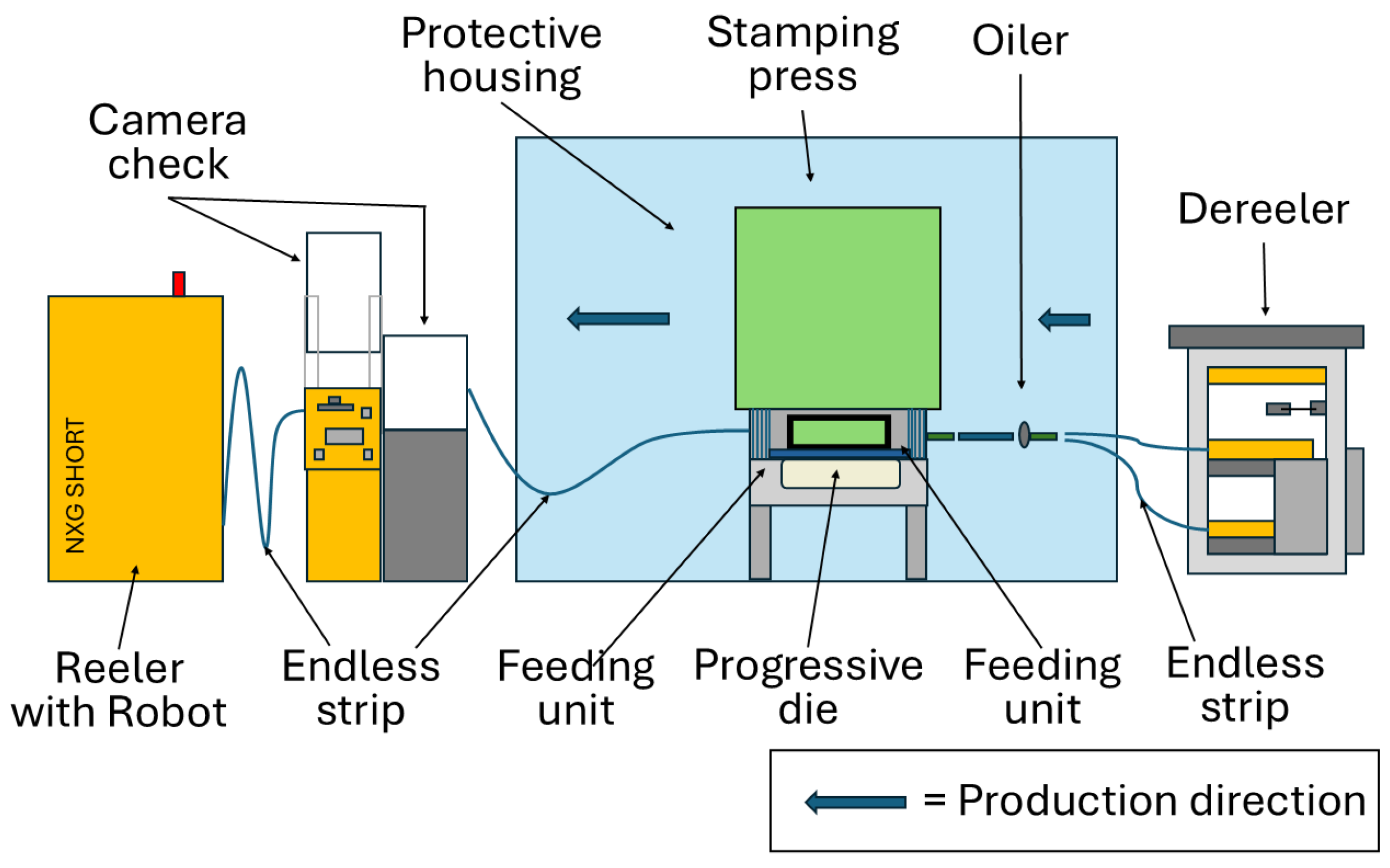
Figure 1 shows the connector stamping production line, which uses a Bruderer BSATA 510 high-speed press (Bruderer Presses AG, Frasnacht, Switzerland, 510 kN max. pressure, 25 mm stroke distance, stroke speed of 680 spm). A progressive die performs blanking and bending operations.
2.2. Bending Station and Operation
The simulation must include a bending operation since wear-critical areas are typically the radius and the draw beads of a forming tool, where the material slides under high compressive stress [
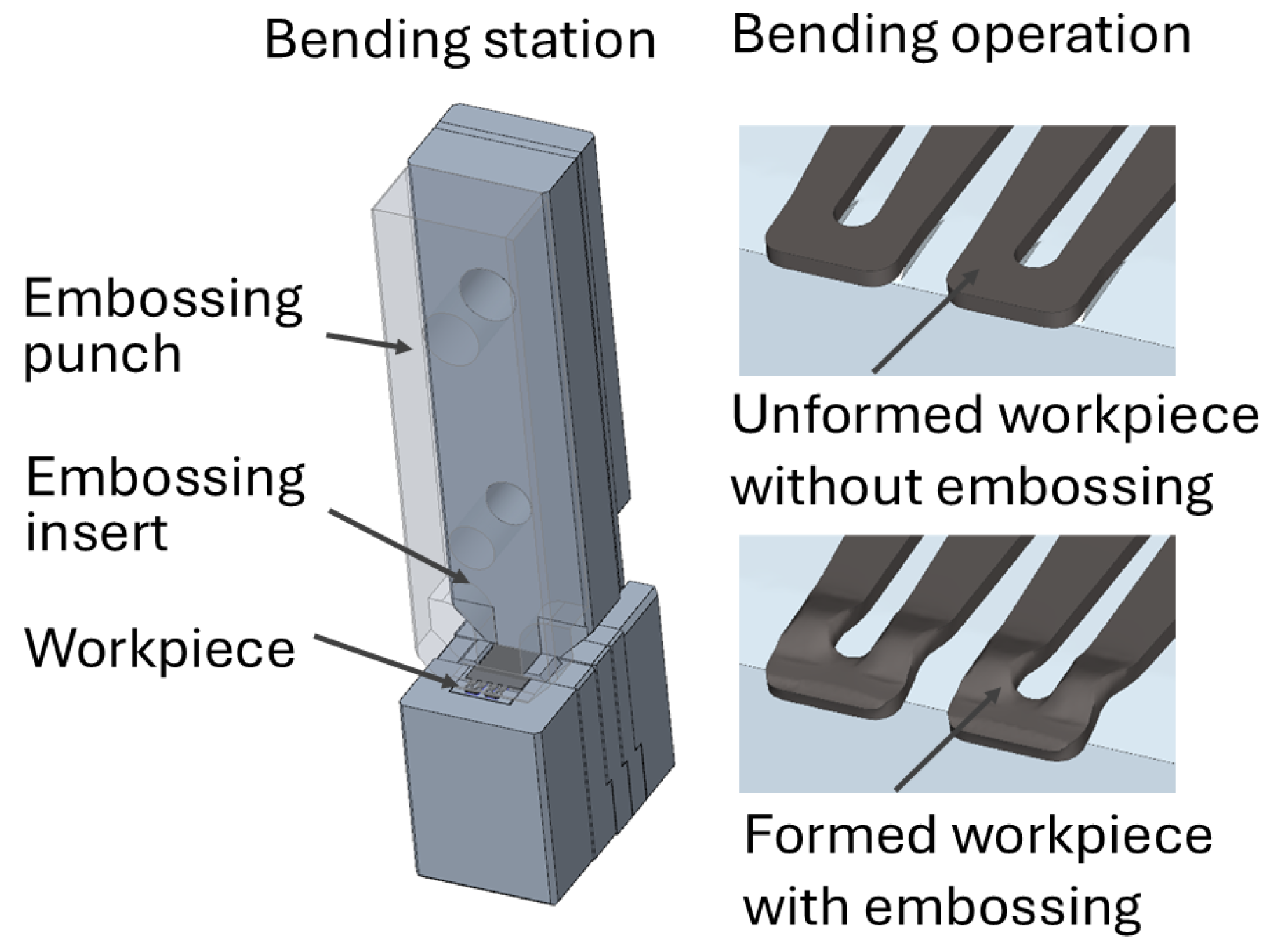
15]. This is accomplished by incorporating a bending station with cold-formed embossing (
Figure 2). At the downstream station, consisting of an embossing punch and inserts, a large surface area is engaged between the insert and the workpiece, causing increased friction, which in turn causes increased wear.
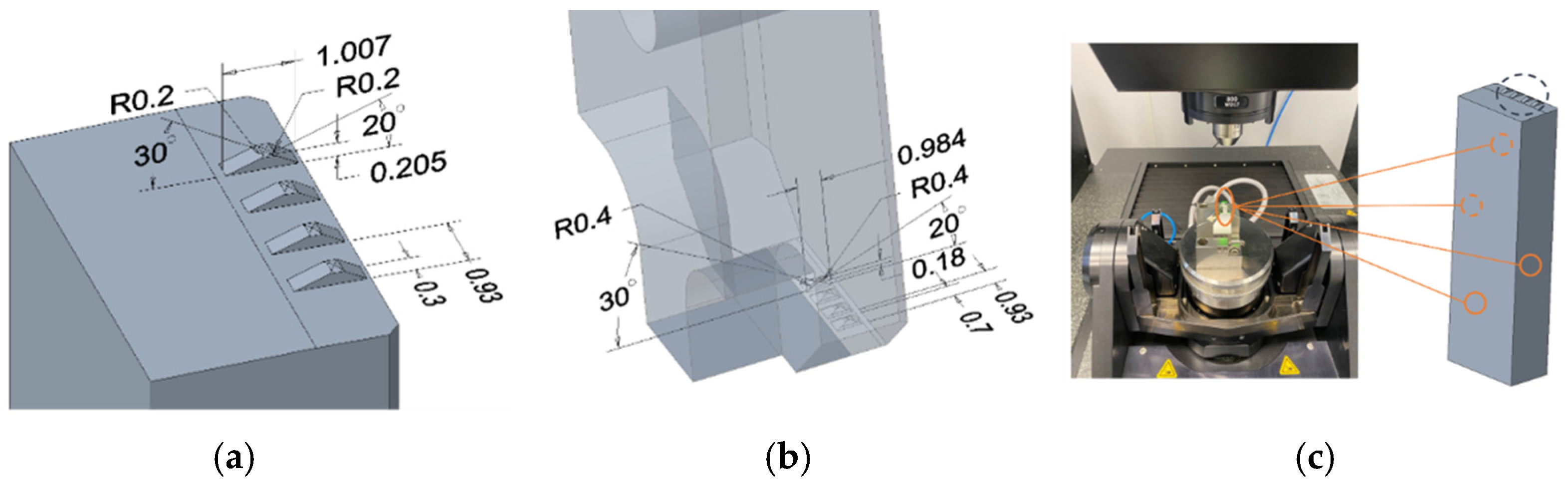
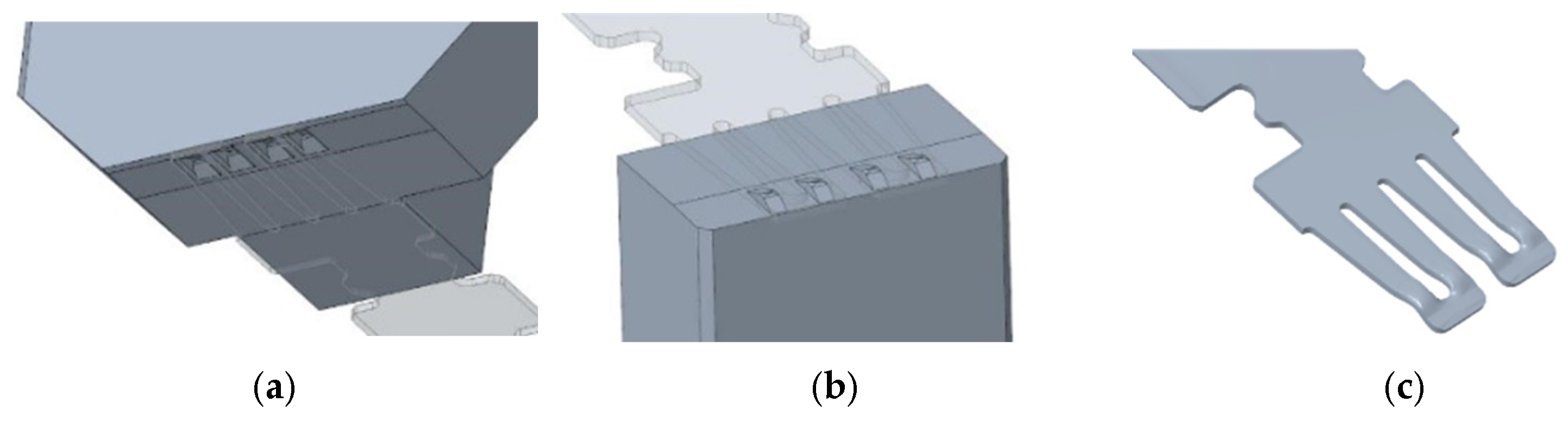
Expanded views of the areas concerned on the embossing punch and the insert are shown in
Figure 3a,b and the resulting product in
Figure 3c.
2.3. Geometry of the Embossing Insert
The geometries and measurement locations of the embossing insert and punch are shown in
Figure 4. The embossing insert (
Figure 4a) and the embossing punch (
Figure 4b) can achieve the specified dimensions to a tolerance of ±0.01 mm. The wear measurementlocation on the insert is shown in
Figure 4c. The blue circles indicates the region of interest where wear quantified, located at the shaped indentations in contact with both the workpiece and the die. The orange circles highlights the vertical reference surfaces used for alignment and fixation of the embossing insert during measurement.
2.4. Measurement Method and Comparison
A robust measurement methodology was developed to enable quantitative wear assessment and to support the validation of the numerical wear simulation. The approach integrates high-resolution optical surface acquisition with coordinate-based deviation analysis, allowing the spatial distribution and magnitude of wear to be determined with high accuracy.
Surface measurements were performed using an Alicona optical system, while data evaluation was conducted in GOM Inspect Professional (v2023; Carl Zeiss GOM Metrology GmbH, Braunschweig, Germany). By comparing an unworn reference geometry with surfaces measured at defined service intervals, wear evolution is quantified through surface superimposition, providing both local wear depth and volumetric wear information.
The optical measuring system Bruker Alicona µCMM (v6.4.1, Tribology Module v2.1) was used to quantify surface wear. Measurements were performed using the Measure-Suite software (v5.3.6) in combination with the Laboratory-Measurement-Module (v7.17.3). The length measurement deviation is specified as E = (0.8 + L/600) µm, with L in mm, over a measurement volume of 310 × 310 × 310 mm
3, in accordance with ISO 10360 [
41].
Surface topography was acquired using focus variation microscopy with a 20× objective (effective magnification 20.07×). Measurements were performed over an area of approximately 3.26 mm × 0.47 mm, yielding a vertical resolution of approximately 0.05 µm. The lateral sampling was 0.76 µm per pixel, while the effective lateral resolution during acquisition was approximately 3 µm due to data processing settings.
The stamping tool was subjected to more than 15 million strokes, while wear remained localized at the punch radii and the embossing edges. Tool inserts were removed at defined service intervals, cleaned and measured ex situ. An unworn reference insert, stored under identical ambient conditions, was used as the baseline for determining volumetric wear by surface superimposition.
It should be noted that the experimental measurements focus on the wear of the stamping tools, namely the embossing insert and punch, rather than on the sheet metal workpiece. The workpiece undergoes only a limited number of forming operations and is replaced after each cycle and therefore does not exhibit cumulative wear behaviour relevant for this study.
As illustrated in
Figure 4c, the embossing insert is mounted in the Alicona optical measurement system using defined clamping regions. The surfaces highlighted by orange circles serve as clamping and reference areas, enabling stable fixation and precise alignment of the component within the measurement coordinate system.
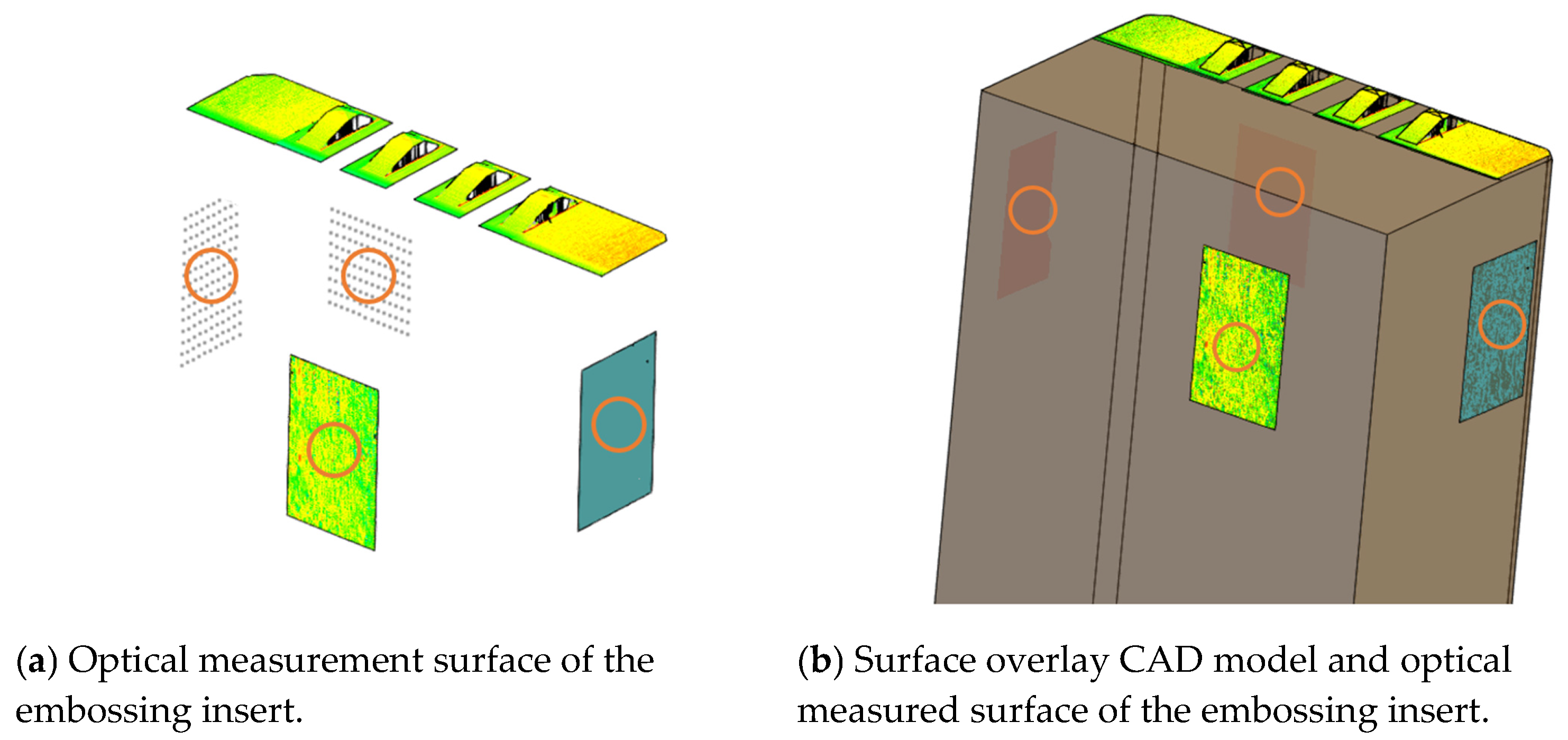
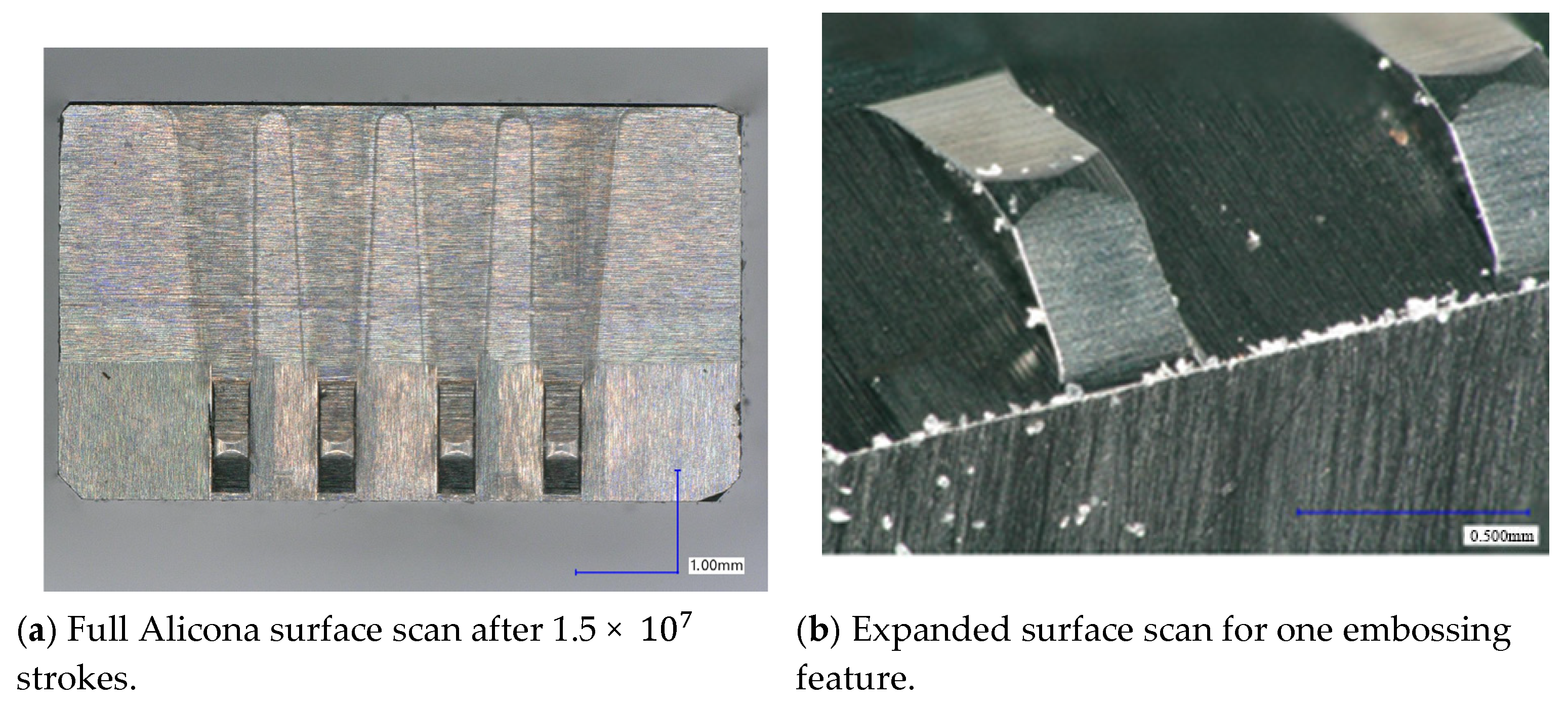
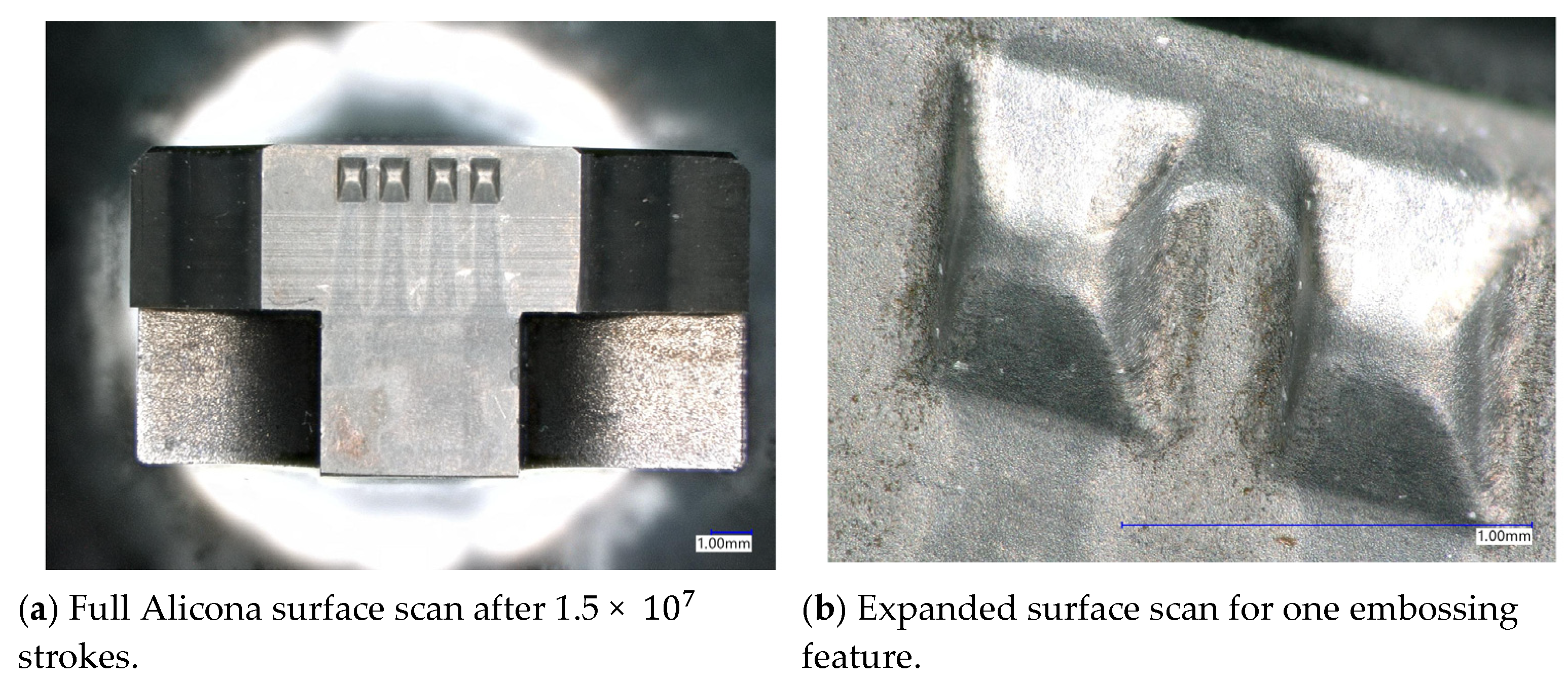
Figure 5a and
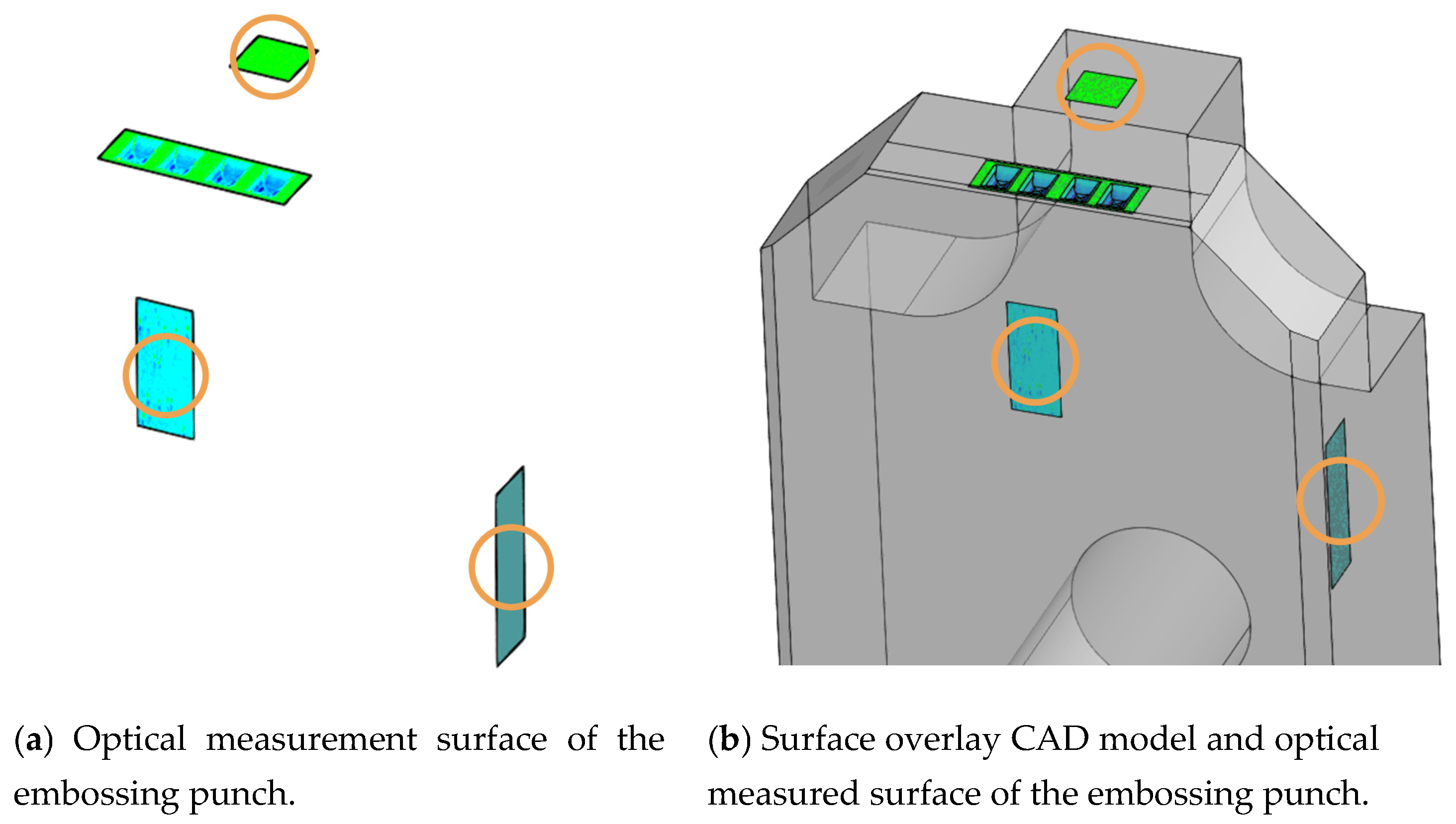
Figure 6a show the Alicona surface scans of the embossing insert and punch, including the reference surfaces used for alignment (indicated by orange circles). Initially, unworn embossing inserts and punches were measured and compared with the CAD model to evaluate manufacturing tolerances and establish a geometric baseline.
Figure 5b and
Figure 6b present the surface comparison between the CAD model and the corresponding Alicona scans. At defined service intervals, the worn components were remeasured using the Alicona system. The acquired surface data were then analyzed in GOM Inspect Professional, where the measured geometries were aligned and compared to the reference state.
This procedure enables the determination of local geometric deviations and wear depth by surface superimposition, with particular focus on the wear-prone regions of the embossing insert and punch.
2.5. Validation Process
Table 1 outlines the step-by-step procedure for validating the simulation with the physical process.
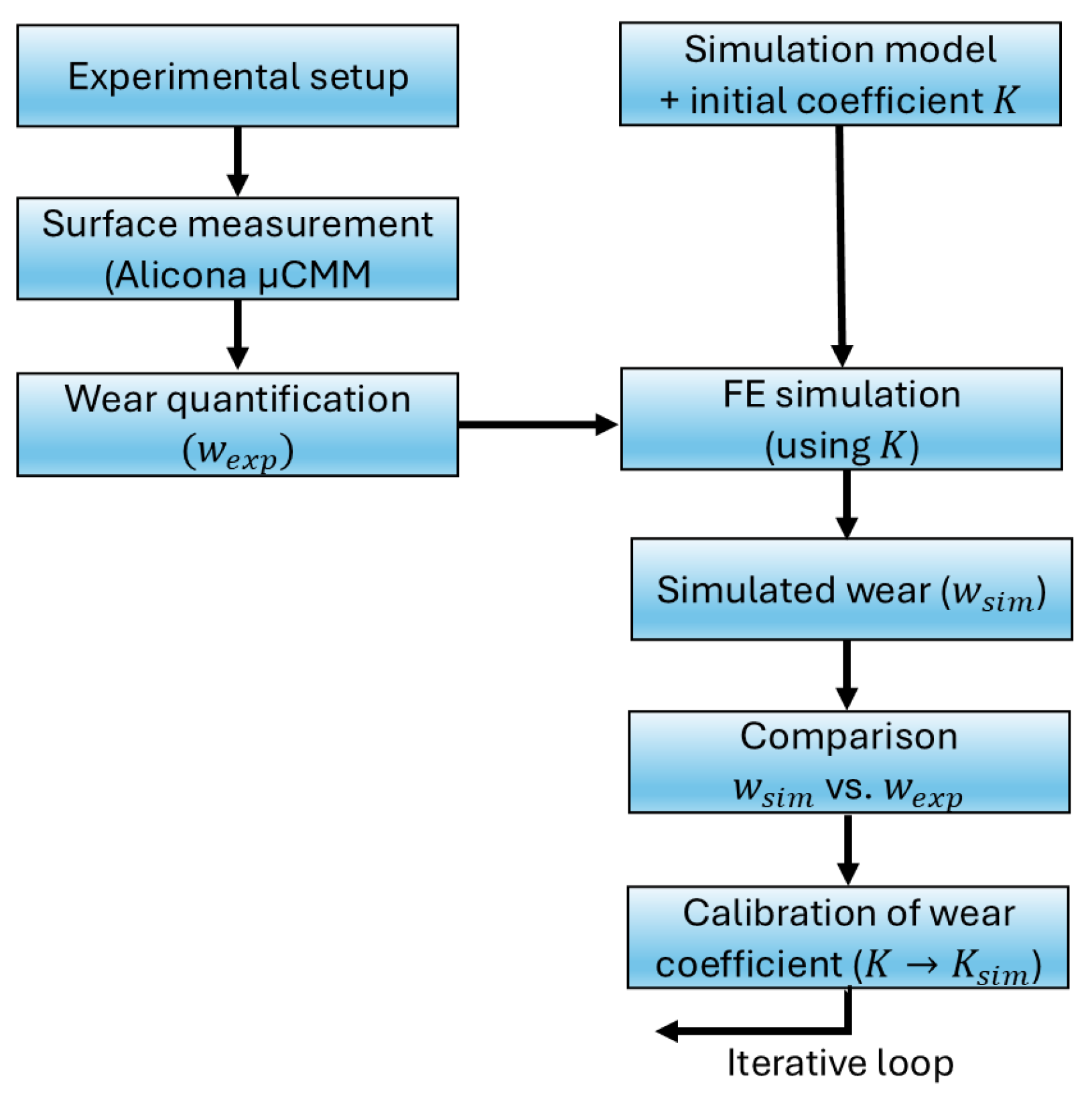
The validation process is based on the comparison between experimentally measured and simulated wear. To provide a structured overview, the calibration-to-simulation workflow is illustrated in
Figure 7. The workflow emphasizes the iterative calibration of the wear coefficient, linking experimental measurements with numerical simulation.
5. Discussion
5.1. Aim of the Investigation
The primary aim of this investigation was to develop and implement a wear prediction model for progressive dies tailored to industrial stamping processes. Unlike existing approaches, the model incorporates very thin workpiece materials and high stroke rates, closely reflecting industrial practice.
The investigated number of 15 million strokes corresponds to the typical end-of-life condition of the embossing insert and punch under industrial production conditions. At this stage, the tools reach their functional wear limit and are replaced within the production process. Therefore, the present study focuses on the wear behaviour within the relevant operational lifetime of the tools.
5.2. Simulation Process Improvement
The starting point was the Archard’s wear equation, which was modified to include a dynamic wear coefficient . The wear factor was derived empirically based on the actual wear conditions and adapted continuously using an iterative process. The results show that the simulation accurately predicted the wear depth and identified regions most susceptible to wear. The wear model can be adapted to account for different materials and operational conditions.
This iterative calibration introduces a structured methodology for aligning simulation results with real-world wear data. Unlike static wear models, the dynamic adjustment of based on experimental feedback enhances model fidelity and reduces the need for extensive trial-and-error in simulation parameter tuning. This represents a methodological advancement that bridges empirical calibration and generalized simulation.
In scenarios where experimental wear data is unavailable, the simulation can be initialized using estimated wear depths from literature or similar processes. A future extension could involve surrogate modelling or Bayesian updating to estimate probabilistically. This would allow the method to support tool design and wear prediction even in data-scarce environments.
Sensitivity analyses revealed that the calibrated remains stable under moderate variations in process parameters such as stroke rate and contact pressure. This robustness supports the applicability of the method in industrial settings where exact replication of conditions is often not feasible.
The wear coefficient can be applied to other wear evaluation applications in stamping, such as bending, coining, and blanking, with further adjustments extending its application across various industrial contexts.
5.2.1. Scientific Interpretation of Wear Mechanisms and Model Behaviour
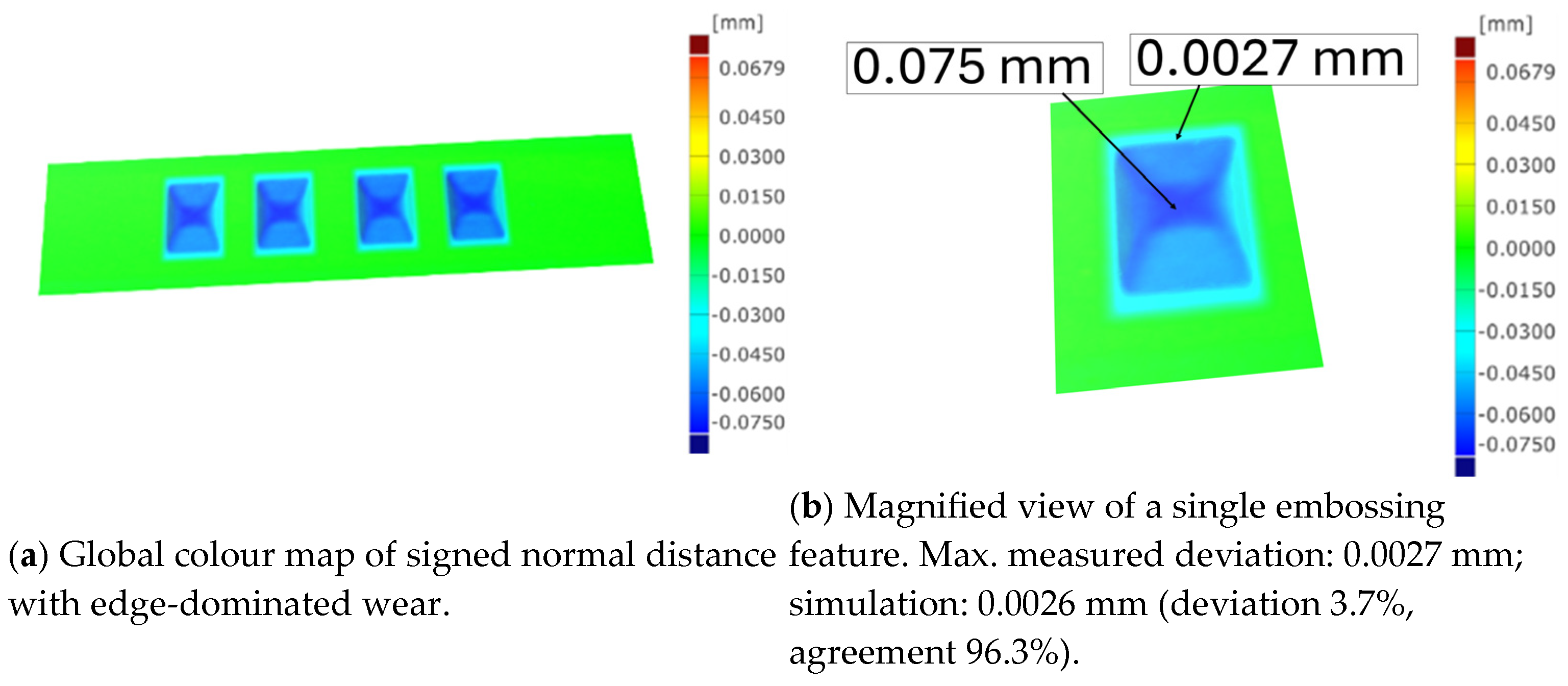
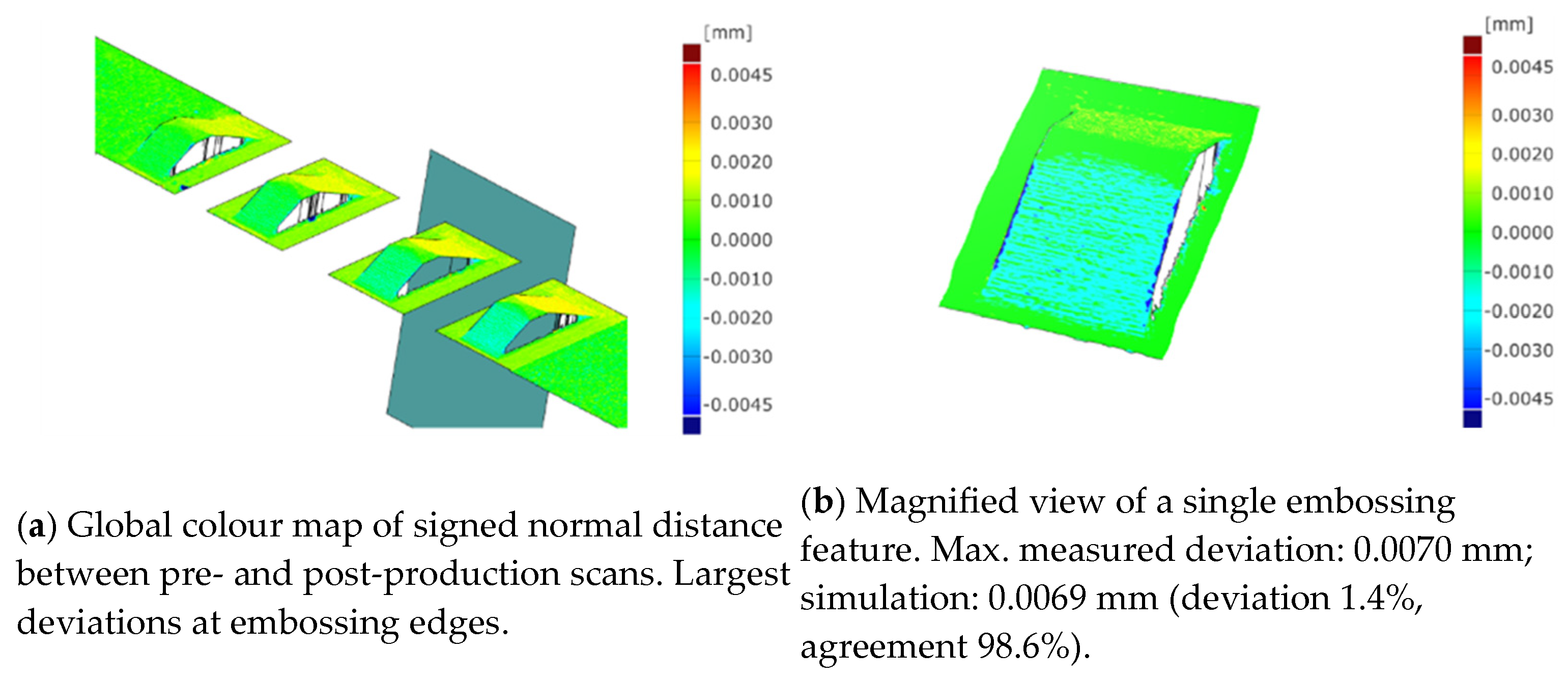
The calibrated wear coefficient demonstrates clear links to the underlying structure–property relationships governing adhesive and abrasive wear in progressive die stamping. The experimentally validated value emerges from a balance between the high hardness of the WC-Co tool material and the tribological loading imposed by the coated CuNiSi sheet. The close agreement between measured and simulated wear depths—98.6% for the embossing insert and 96.3% for the embossing punch—confirms that the model captures the dominant wear-governing mechanisms at the tool-workpiece interface.
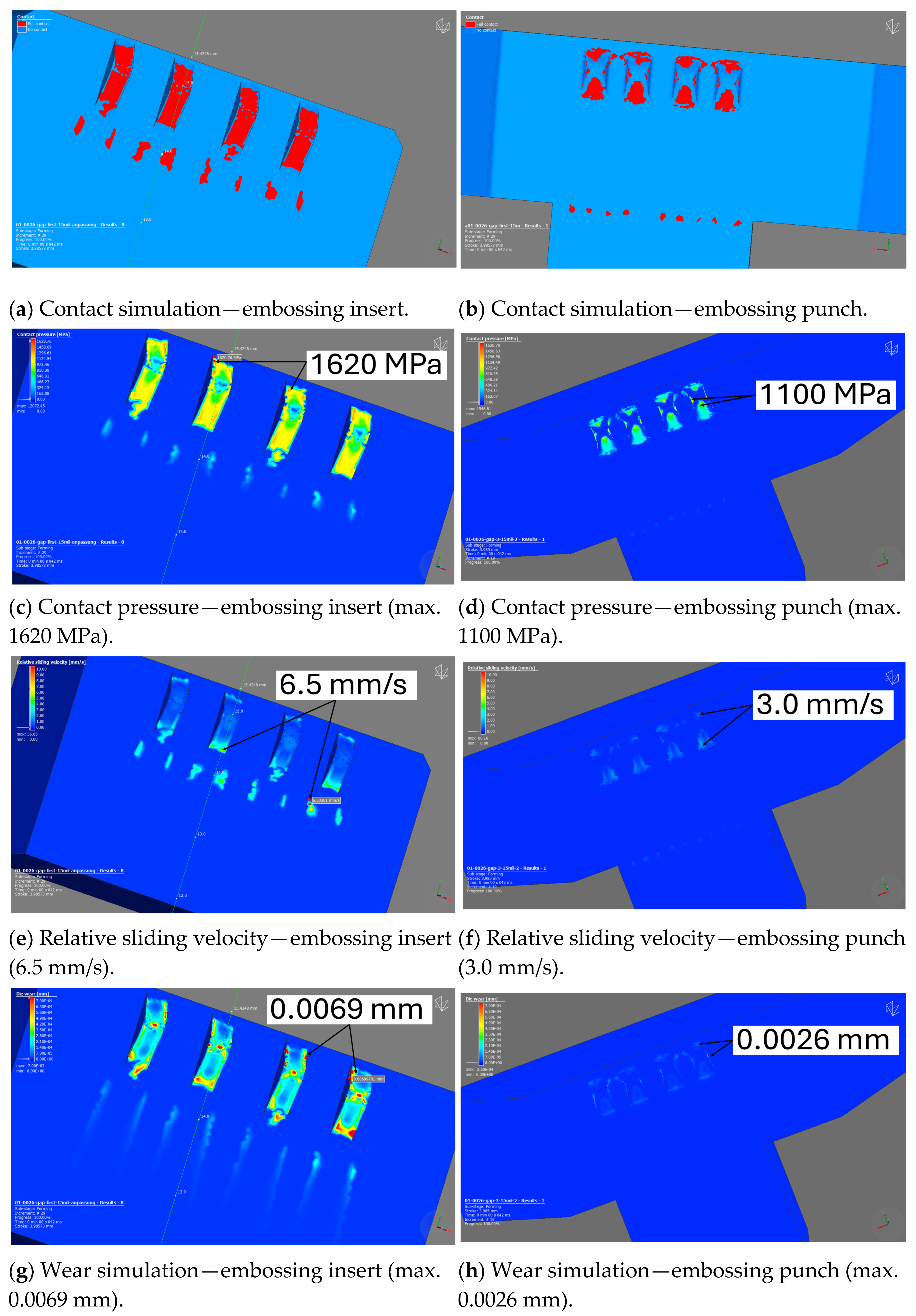
The contact simulations show that wear localizes at regions with elevated pressure-velocity (PV) levels and high sliding distances, coinciding with the sharp edges of the embossing structures where plastic microploughing is more likely to occur. Below these PV thresholds, the process remains largely elastic-adhesive, and the same wear coefficient accurately describes the behaviour across the surface, explaining why a globally calibrated value of remains valid despite locally varying pressure states.
The strong correlation between local contact pressure, sliding velocity, and the resulting wear depth highlights that tool wear in embossing operations is primarily governed by geometric factors influencing stress distribution.
5.2.2. Methodological Contribution Beyond Practical Application
While the iterative calibration of is tailored to industrial data, the approach introduces a generalized framework for wear model adaptation. This framework can be extended to other forming processes by using material-specific surrogate parameters or machine learning-based estimators for , bridging the gap between empirical calibration and generalized simulation models.
5.3. Validation of Simulation Model
Experimental tests on an embossing punch and insert from an actual stamping process were used to validate the simulation. The results of the FE model were further corroborated by wear measurements using optical surface techniques, with an accuracy range of 96–99%.
For the use of other processes, the validation of the simulation through operational tests will be needed. Conducting trials that mimic the actual manufacturing environment can help to refine the simulation and ensure its reliability across different applications.
5.4. Computing Resource Optimization
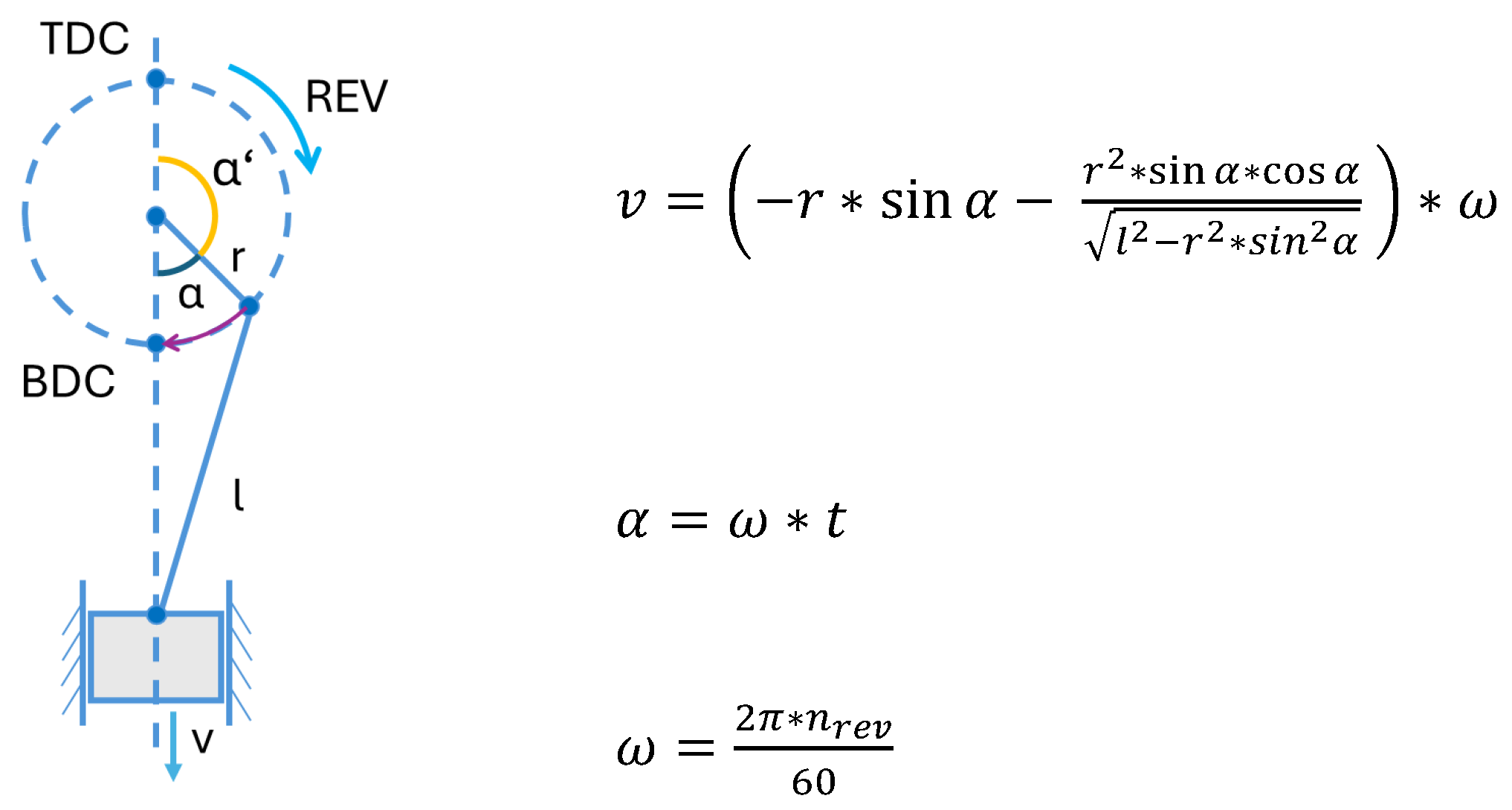
In the development of the model, the computational time was minimized to under 20 min mainly by adjusting parameters judiciously. For example, setting the rotational speed of the crank press to a much lower value than the actual speed. However, at lower speeds, the duration of contact between the tool and the material increases, leading to higher localized temperatures, which can accelerate the tool wear. For this model, no thermal factor was needed as speed was primarily a kinematic parameter.
While the current model may not require speed-dependent parameters, it is essential to consider that real-world applications may exhibit different thermal behaviours that could impact wear predictions. The relationship between speed, temperature, and wear is complex. Therefore, any changes in operational speed should be carefully evaluated in the context of their thermal impact on both the tool and the workpiece.
Although thermal effects were not explicitly modelled, future work should incorporate temperature-dependent wear behaviour, especially for high-speed operations where frictional heating may significantly influence tool life.
5.5. Enhancement of the Simulation Accuracy and Model Validation
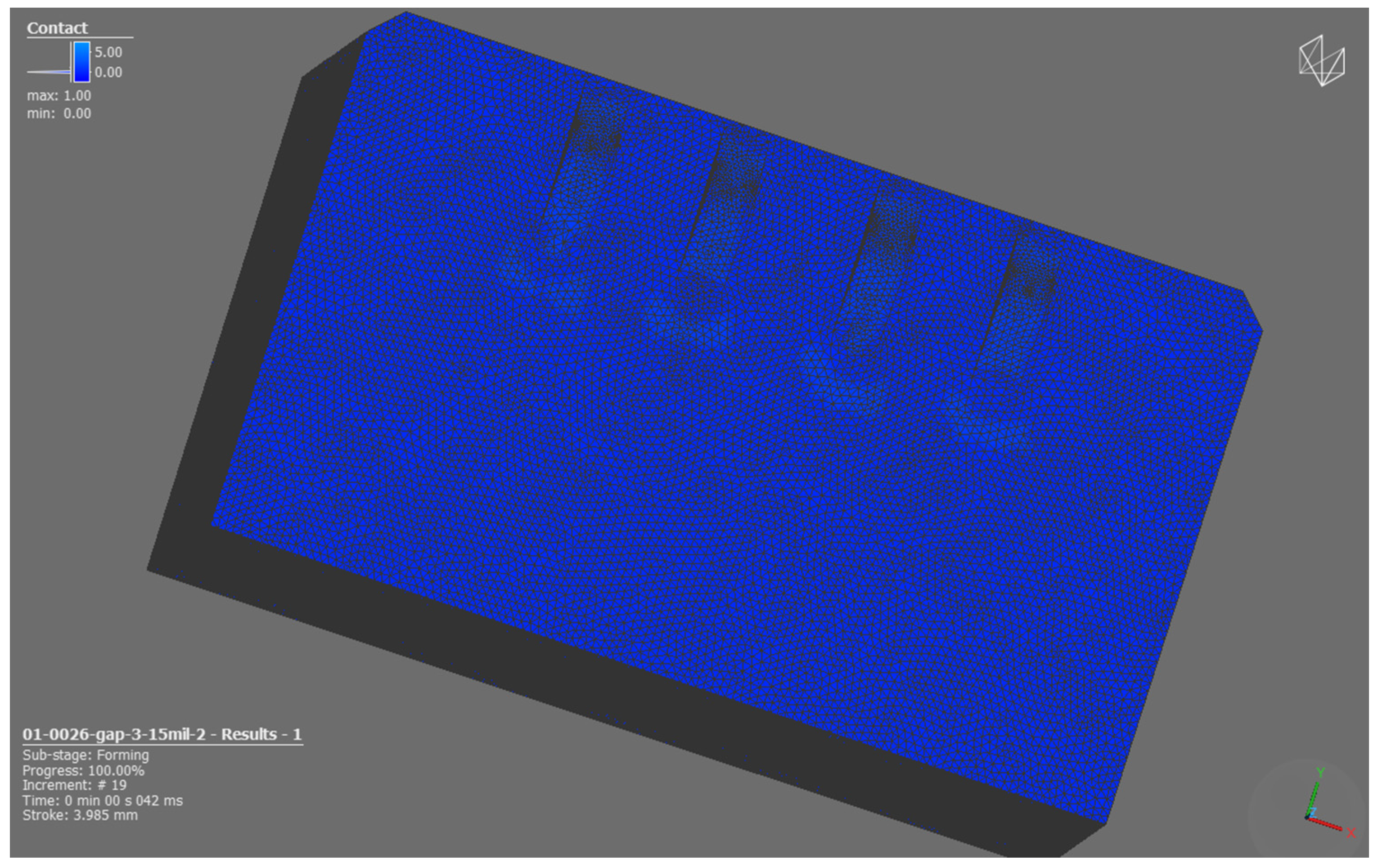
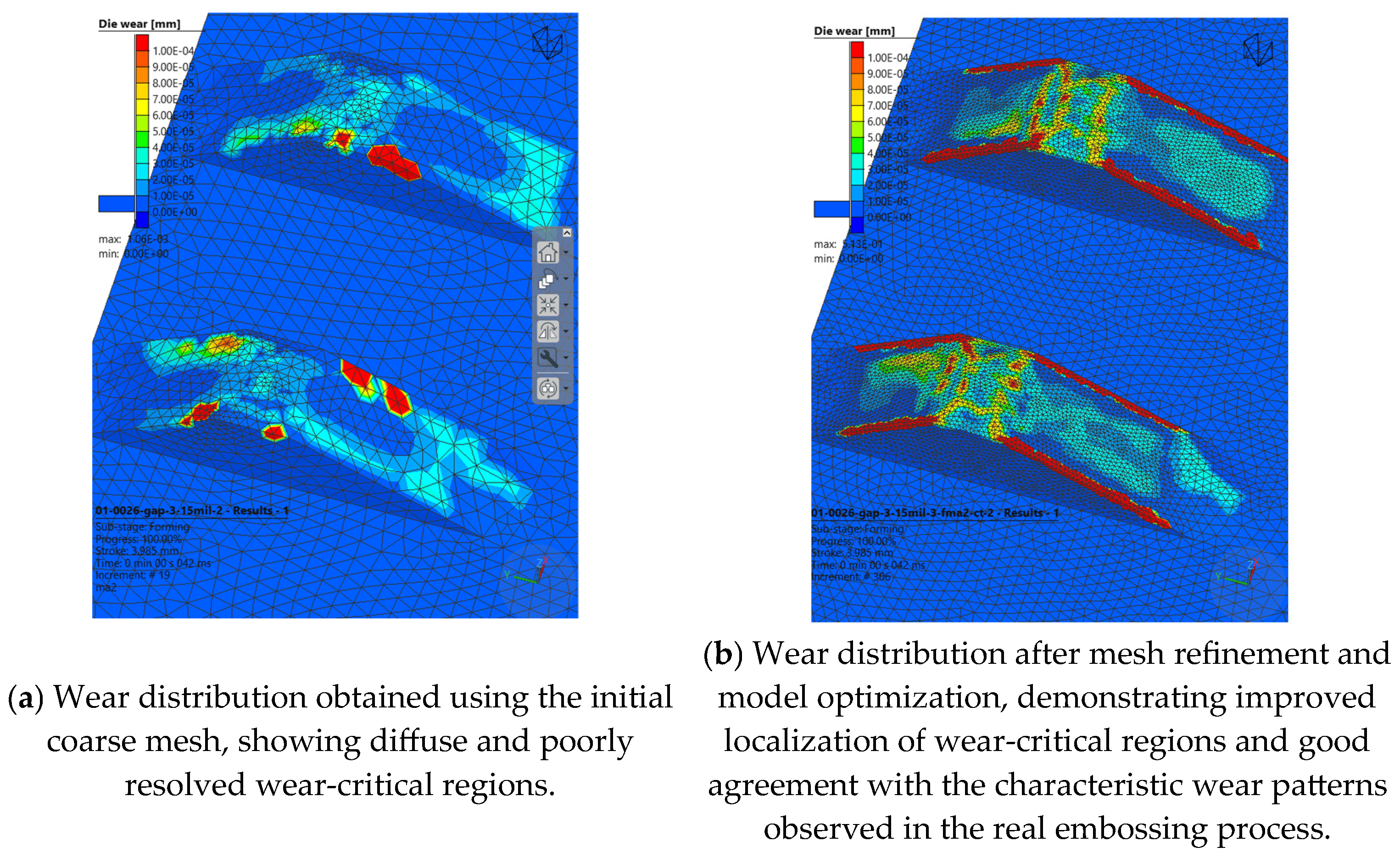
The predictive accuracy of the simulation can be significantly improved by enhancing the spatial resolution of the finite element discretization, particularly in regions subjected to elevated contact pressures. These regions, typically located at edges and surface transitions, are critical for a reliable prediction of wear behaviour.
In the initial model, the finite element mesh is relatively coarse and does not sufficiently resolve localized stress and contact pressure gradients. Consequently, the predicted surface pressure distribution lacks accuracy, resulting in a diffuse and partially smeared representation of wear-critical zones.
A localized mesh refinement strategy, combined with an overall optimization of the model, substantially improves the predictive capability. By reducing the element size in regions of high contact stress, the simulation achieves a more precise representation of pressure distributions and wear evolution.
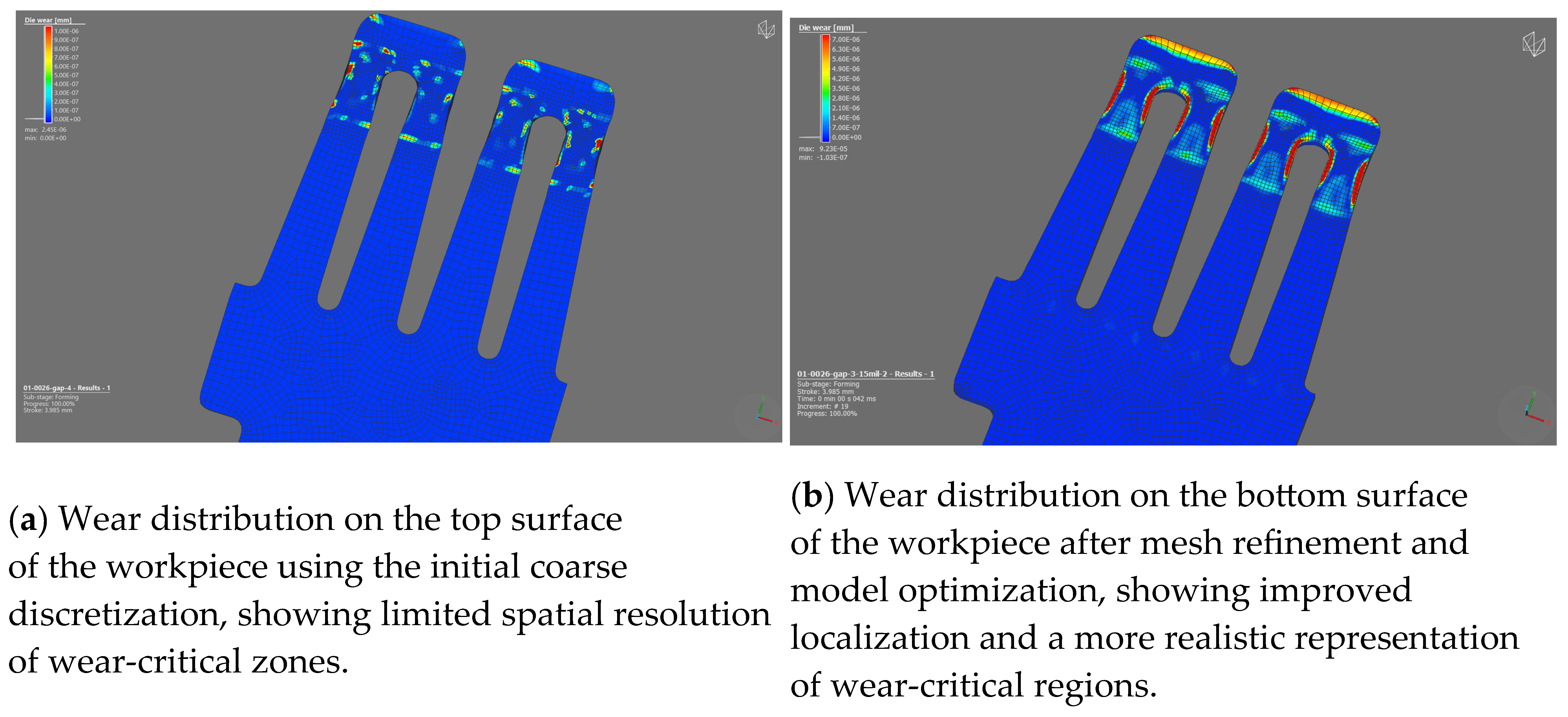
As shown in
Figure 16, the optimized model (b) not only enhances the spatial localization and resolution of wear-critical regions but also reproduces the characteristic wear patterns observed in the real embossing process. In contrast, the initial coarse model (a) fails to capture these process-specific features adequately. The improved agreement between simulation and real process indicates that the applied refinement strategy and model adjustments significantly increase the physical fidelity of the simulation.
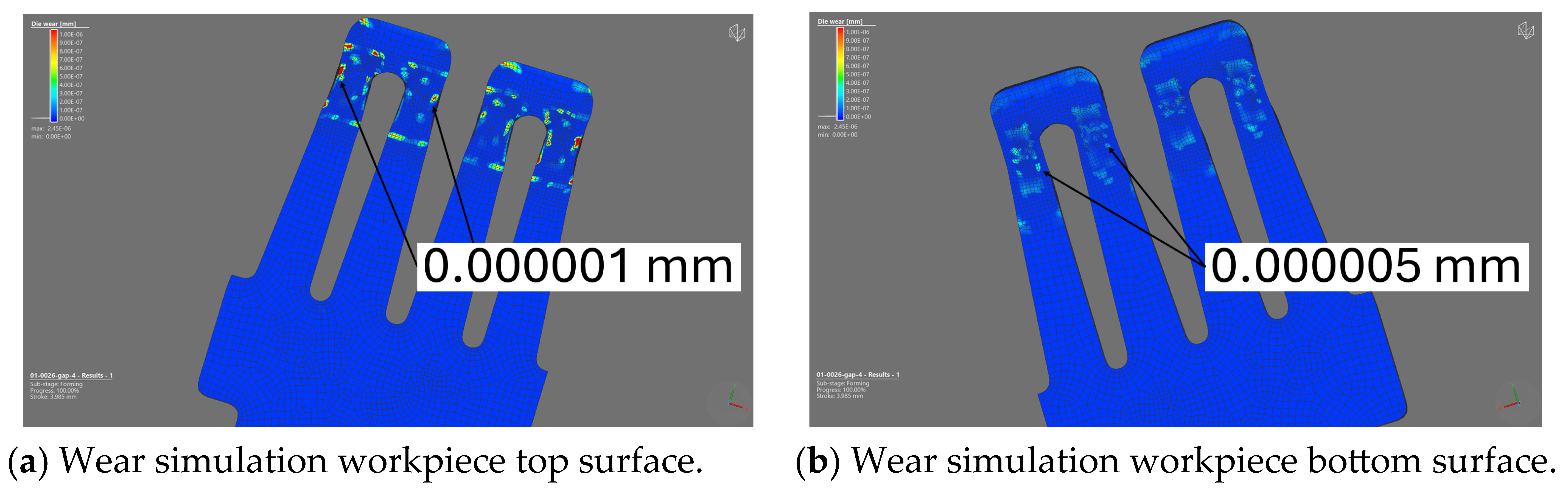
A comparable improvement is observed for the workpiece surfaces, as illustrated in
Figure 17. The refined and optimized model yields wear patterns that more closely reflect the actual contact conditions on both the top and bottom surfaces. This leads to a more reliable identification of highly loaded regions and improves the overall predictive quality of the simulation.
5.6. Utilization in Tool Design
The approach outlined in this study can be utilized in the tool design phase to identify the locations that exhibit accelerated wear. By doing so, wear can be mitigated in the raised areas through the adjustment of sliding speed or the reduction in the contact pressure. The wear rate of the simulation is a decisive factor in this regard. The iterative calibration process designed can minimize computational effort while improving accuracy. This efficiency can be beneficial in other complex systems where computational resources are limited, making it a valuable approach for industries looking to optimize their processes without extensive resource investment.
In scenarios where experimental data is scarce, the proposed iterative calibration method can be initialized using estimated wear depths from similar processes or literature values. Additionally, the simulation can be used in a predictive mode to identify critical wear zones, even without precise values, by analyzing relative wear distributions.
5.7. Key Findings
The following key findings summarize the main outcomes of the developed wear simulation approach:
A robust finite element (FEM) framework was established for the prediction of progressive die wear in sheet metal stamping under realistic production conditions.
The integration of Archard’s wear law required the introduction of a dynamically evolving wear coefficient, enabling the accurate representation of nonlinear wear behaviour.
The proposed model demonstrates high predictive accuracy, with wear deviations of 1–4% compared to experimental measurements, corresponding to an overall accuracy of 96–99%.
The calibration strategy enables reliable identification of process-relevant wear mechanisms by separating contact mechanics from material-dependent wear kinetics.
Critical wear regions can be systematically identified, providing a reliable basis for targeted tool optimization and improved die design.
5.8. Transferability of the Wear Coefficient
To address the applicability of the calibrated beyond the studied embossing process, a sensitivity analysis was conducted. Preliminary results indicate that Ksim can serve as a baseline for similar material combinations and contact conditions. For processes with limited data, surrogate models or similarity-based transfer of values can be employed, provided that key parameters such as contact pressure and sliding velocity are within comparable ranges.
5.9. Thermal Considerations in Stamping
Thermal effects can influence frictional behaviour, material flow, and lubrication in sheet metal forming; however, for the CuNiSi stamping conditions investigated in this study, both literature and process-specific evidence strongly indicate that temperature remains within a moderate regime that does not justify thermomechanical coupling in the wear model. Pereira at al. [
16] showed that high-strength steels such as DP780 can reach die temperatures as high as 181 °C during continuous high-speed stamping, whereas Yao et al. [
17] demonstrated that thermal accumulation toward the critical 200 °C threshold occurs only during uninterrupted high-frequency operation without any cooling pauses. Tröber et al. [
18] reported that severe thermal accumulation is typical in low-conductivity stainless steels, while materials with higher thermal conductivity dissipate heat more effectively. Furthermore, Wang et al. [
19] found that within the temperature range of 20–80 °C, frictional changes of approximately 10–15% are measurable but do not alter the dominant wear mechanisms.
CuNiSi alloys differ substantially from the high-strength steel systems examined in these studies. Their lower tensile strength (450–600 MPa), smaller sheet thickness (0.1–0.8 mm), and higher thermal conductivity (50–80 Wm
−1 K
−1) reduce deformation heat generated and enhance dissipation of frictional heat into the tool bulk. When scaling Pereira and Rolfe’s [
16] temperature-strength correlation to the process conditions investigated here, predicted peak temperatures fall within 50–70 °C, aligning with the moderate regime identified by Wang et al. [
19] as non-critical for wear modelling. This expectation is reinforced by the process constraints: stamping operations use moderate stroke rates, effective lubrication, and natural cooling intervals during strip feeding and part handling. Internal temperature assessments confirmed that the copper-alloy stamping investigated here remains below 150 °C and typically within the 50–70 °C range–far from the critical thresholds required to activate lubricant breakdown, thermal softening, or thermal wear transitions.
The strongest evidence supporting the isothermal assumption is the experimental validation of the wear model, which predicts wear depths with 96–99% accuracy across all investigated components. If thermal effects played a significant role, deviations from experimental measurements would be expected in the form of altered wear localisation or changes in stress distribution due to temperature-induced softening. None of these deviations were observed; wear behaviour correlated exclusively with mechanically driven quantities such as local contact pressure and sliding distance. Under the investigated operational window, thermal effects are therefore secondary, and the isothermal finite element formulation remains justified.
Although negligible under the investigated conditions, thermal-mechanical coupling may become relevant for high-speed continuous stamping without cooling breaks, stamping of higher-strength copper alloys, worn tooling that increases friction substantially, or insufficient lubrication.
6. Conclusions
The presented research provides a robust and industry-oriented framework for predictive wear modelling in progressive sheet metal stamping. By combining finite element simulation with production-based calibration, the proposed approach enables reliable prediction of tool wear under realistic operating conditions and significantly reduces the need for dedicated wear testing.
The selected research objectives of this paper were successfully achieved as follows:
An iterative calibration framework for Archard’s wear model was established, transforming a case-specific fitting procedure into a repeatable and industry-ready calibration-to-simulation workflow.
The methodology explicitly separates geometry-induced contact mechanics from material-controlled wear kinetics and enables robust calibration of the wear coefficient based on experimentally measured wear depths from production components.
The calibrated model predicts the maximum wear depth of embossing inserts and punches with deviations of 1.4–3.7% compared to experimental measurements after 15 million strokes (e.g., 0.0069 mm simulated vs. 0.0070 mm measured).
The wear coefficient converges reliably to K ≈ 7.37 × 10⁻³, with negligible variation across calibration cycles. Convergence is achieved within 2–3 iterations, significantly reducing computational effort while maintaining high predictive accuracy.
The calibrated wear coefficient reflects the actual tribological system, including coating, lubrication, and process history, making it more representative than literature-based values.
The stability of the calibrated coefficient across comparable pressure–velocity regimes indicates transferability to similar sheet metal forming processes, including bending, blanking, and coining.
The proposed approach establishes a generalized calibration-to-transfer workflow, enabling predictive wear modelling even in data-scarce industrial environments and supporting early-stage tool design.
The investigated range of 15 million strokes corresponds to the typical end-of-life condition of the tools in the industrial process, ensuring that the model is validated under realistic production conditions.
Overall, the results presented in this study represent a significant advancement in the application of wear simulation for industrial sheet metal stamping. The integration of experimentally measured wear data with simulation-driven process parameters provides a deeper understanding of wear mechanisms in progressive dies and enables accurate modelling of long-term wear behaviour.
The presented calibration-to-transfer framework establishes a foundation for predictive tool design and process optimization, reducing reliance on empirical trial-and-error approaches and supporting data-driven decision-making in manufacturing environments.
Future work will focus on extending the approach to nonlinear wear mechanisms, such as galling and third-body effects, as well as implementing adaptive recalibration strategies for evolving production conditions. These developments will further contribute to the realization of integrated digital twins for sheet metal forming processes.



 and
and