3.1. Mechanical Properties
Section 3 evaluates the mechanical performance and internal structure of the developed PCs. We analyzed parameters including compressive resistance, elastic modulus, and water absorption to assess long-term reliability.
While traditional concrete is limited by its brittle nature, our polymer matrix significantly boosts crack resistance, as evidenced by the splitting tensile tests. Furthermore, the ultrasonic pulse velocity (UPV) measurements confirmed a dense, defect-free internal structure. A strong correlation was observed between high pulse velocities and the material’s overall hardness, validating the effectiveness of our vibration-compaction manufacturing process.
To study the structural behavior of polymer concrete, a series of mechanical and durability tests were conducted. These experiments not only quantified key strength characteristics but also determined the material’s stiffness, deformation properties, surface quality, internal density, and permeability—parameters that collectively determine its long-term operational reliability.
Compressive strength testing served as the primary criterion for load-bearing capacity. Given that concrete structures under real-world operating conditions predominantly experience compressive loads (GOST 10180-2012), this type of testing is considered the most significant for assessing the material’s performance. The results obtained were also used as a benchmark when comparing Portland cement with traditional cement concrete.
Tensile strength testing by splitting allowed us to evaluate the material’s ability to resist tensile stresses, which are the primary cause of crack initiation and propagation. Since conventional concrete typically has low tensile strength, a significant improvement in this parameter demonstrates the effectiveness of the polymer matrix in increasing the crack resistance of polymer concrete. The elastic modulus and Poisson’s ratio were determined under axial loading. The elastic modulus characterizes the material’s stiffness and directly influences the magnitude of structural deflections and its vibration behavior. Poisson’s ratio, in turn, describes the transverse deformations under load. Together, these two parameters provide a more complete understanding of the stress–strain relationship in the material under study.
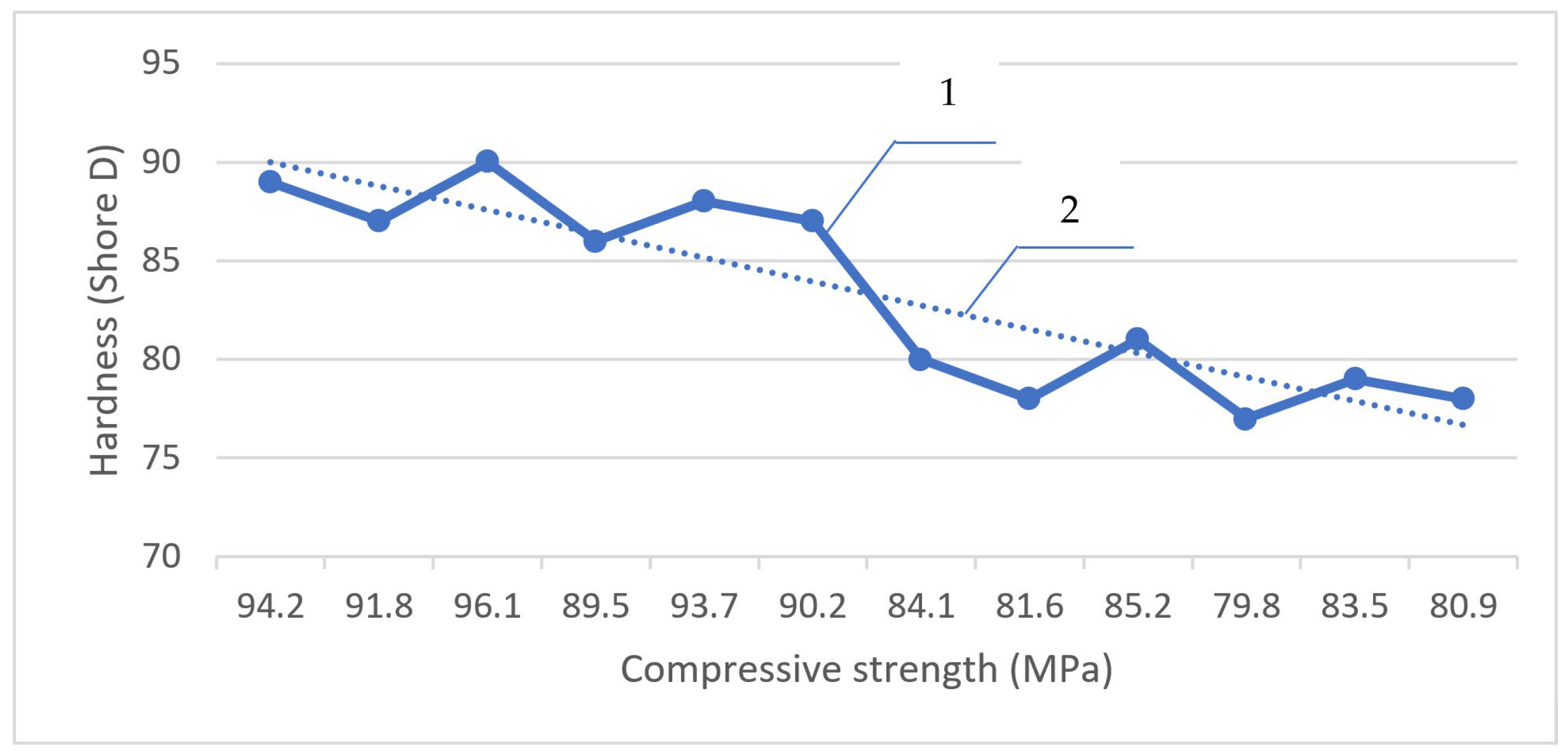
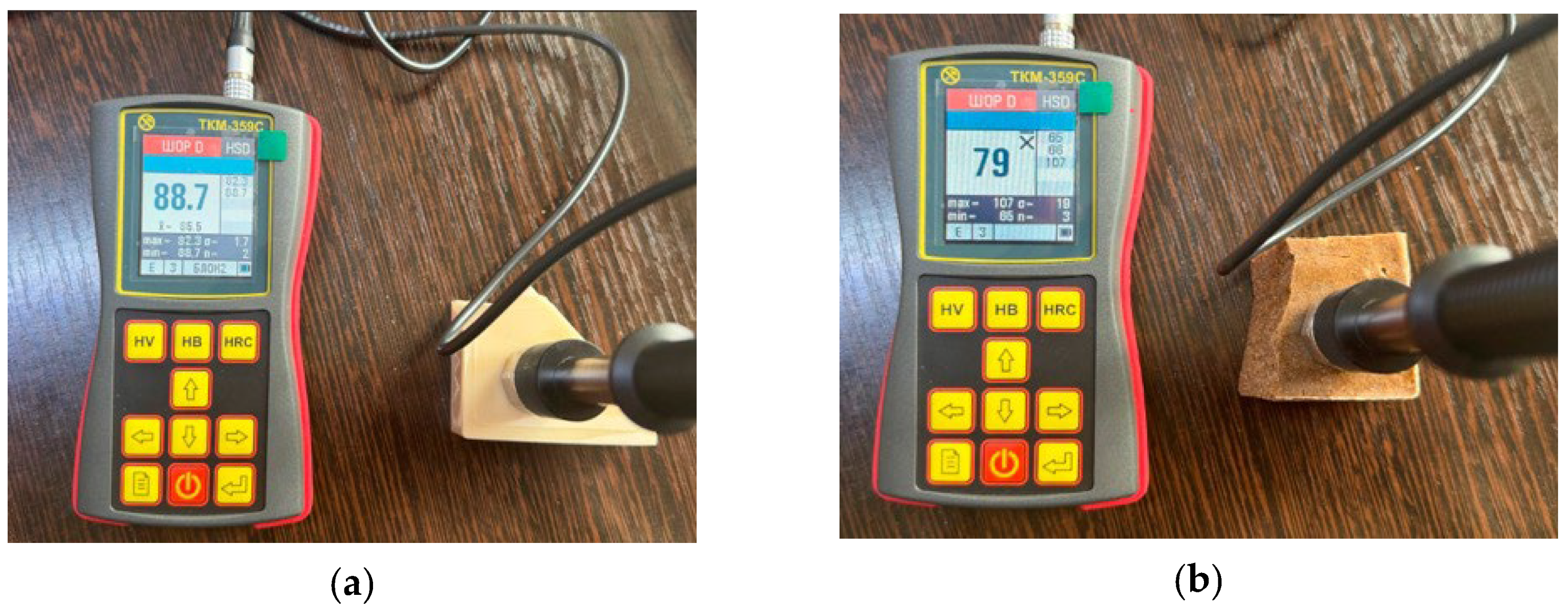
To assess the strength and homogeneity of the surface layer, a non-destructive rebound hardness test was used. In addition to operational quality control, the obtained hardness values demonstrated a good correlation with compressive strength and microstructural density, confirming the validity of the destructive testing results.
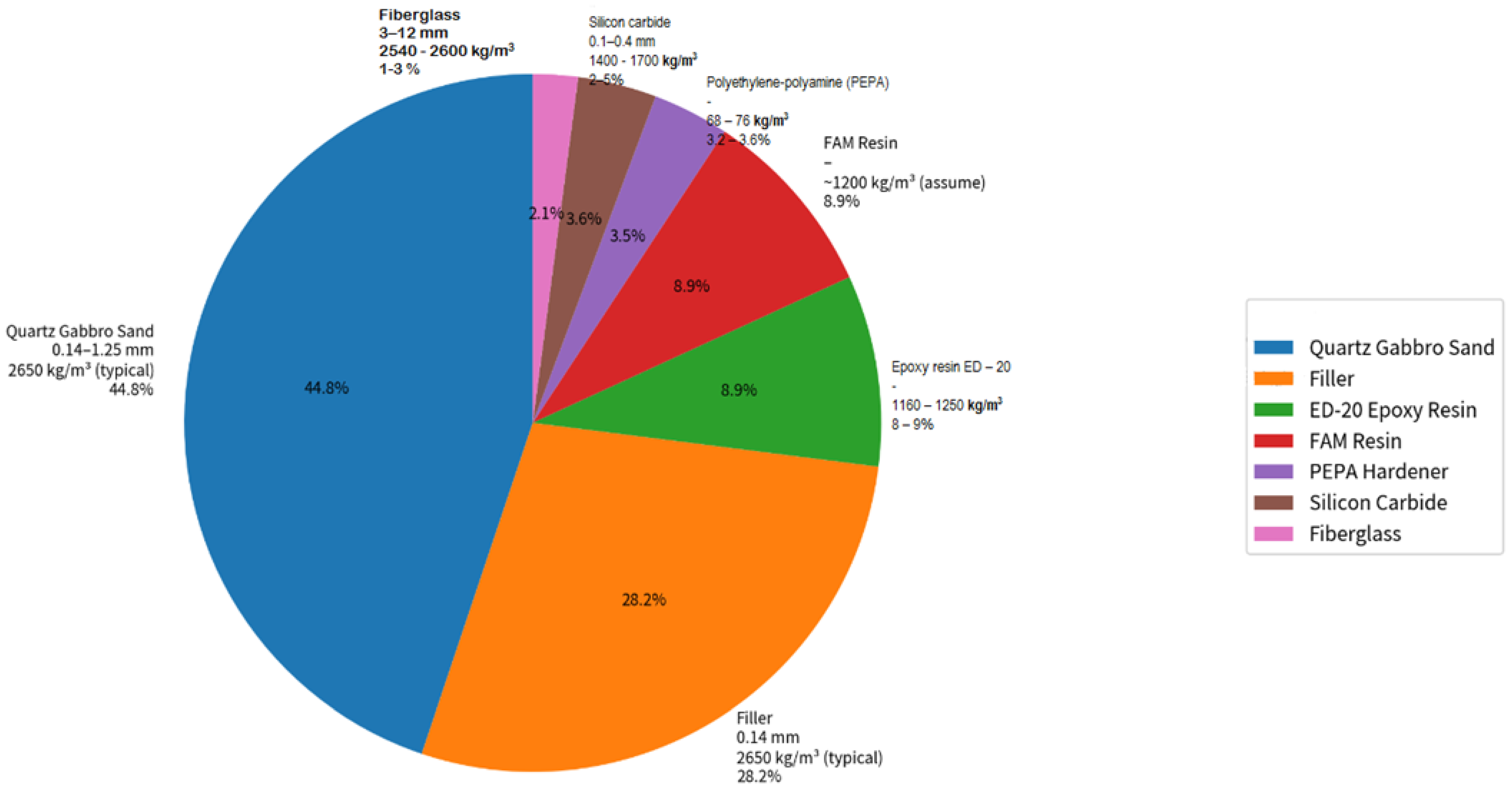
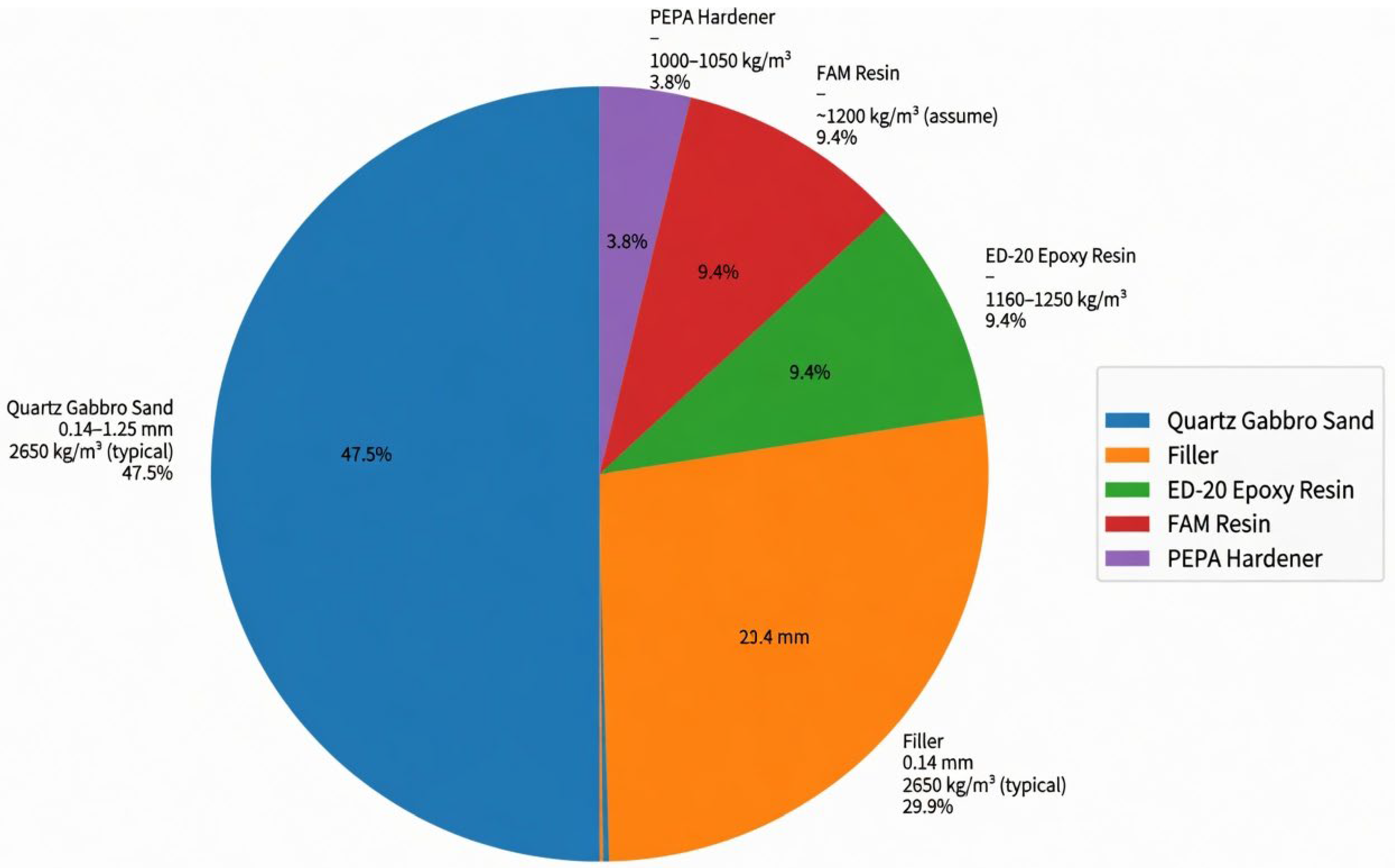
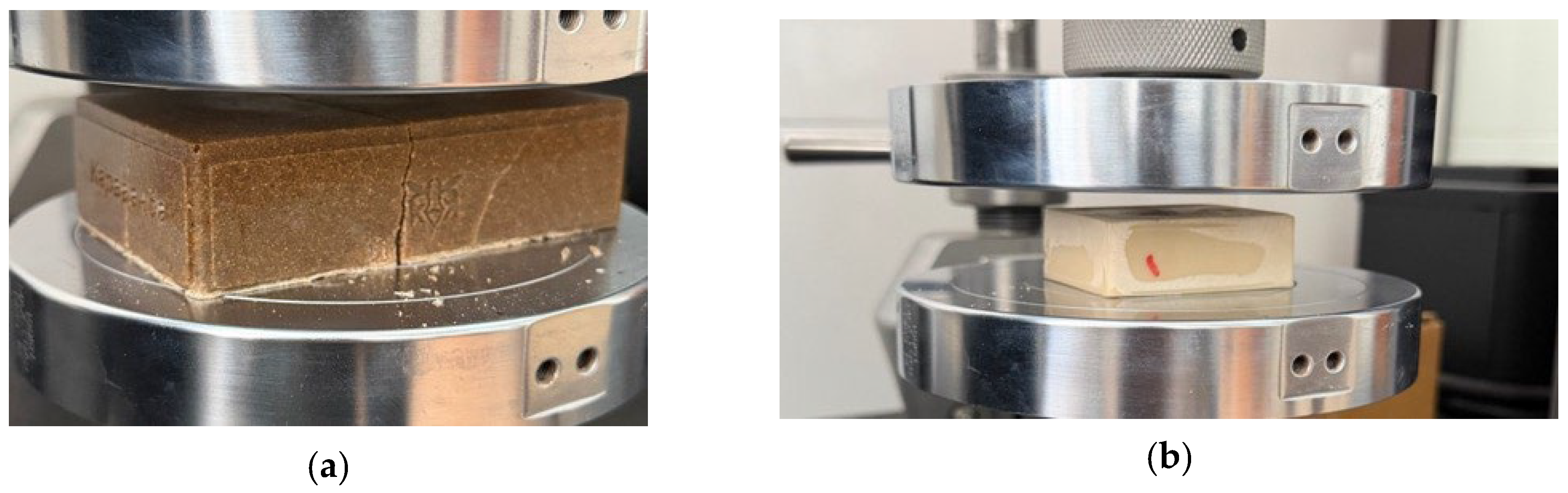
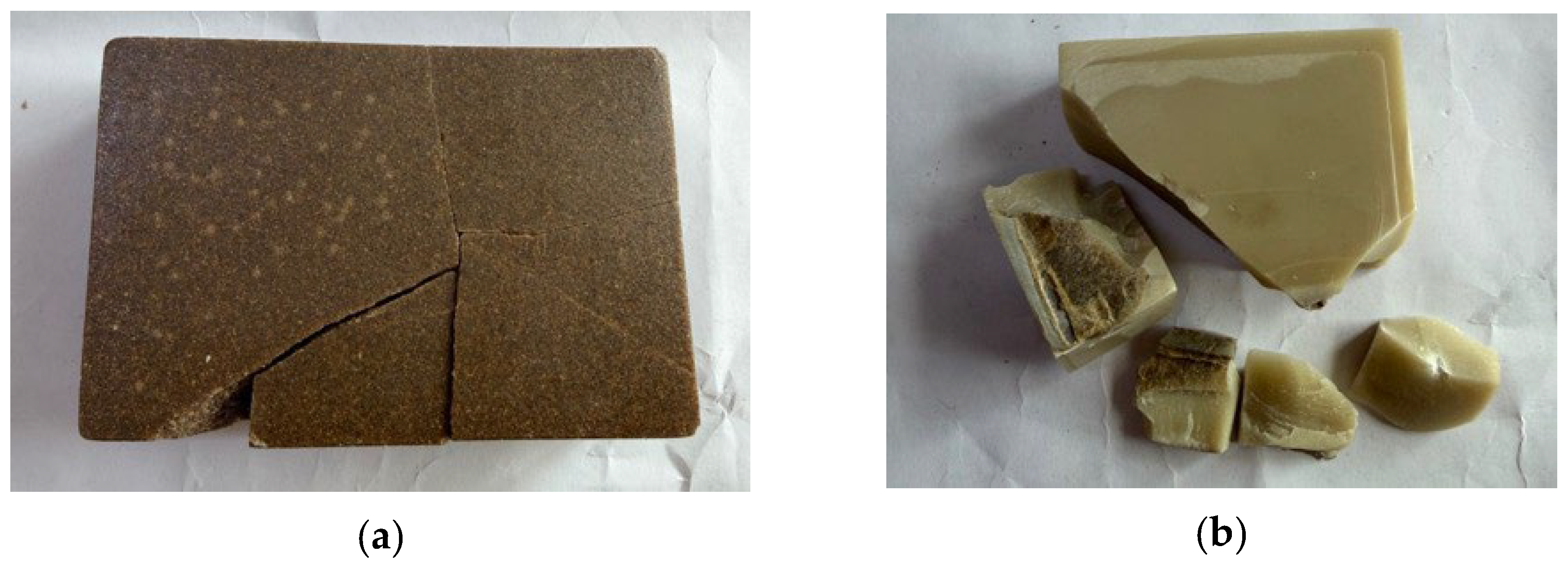
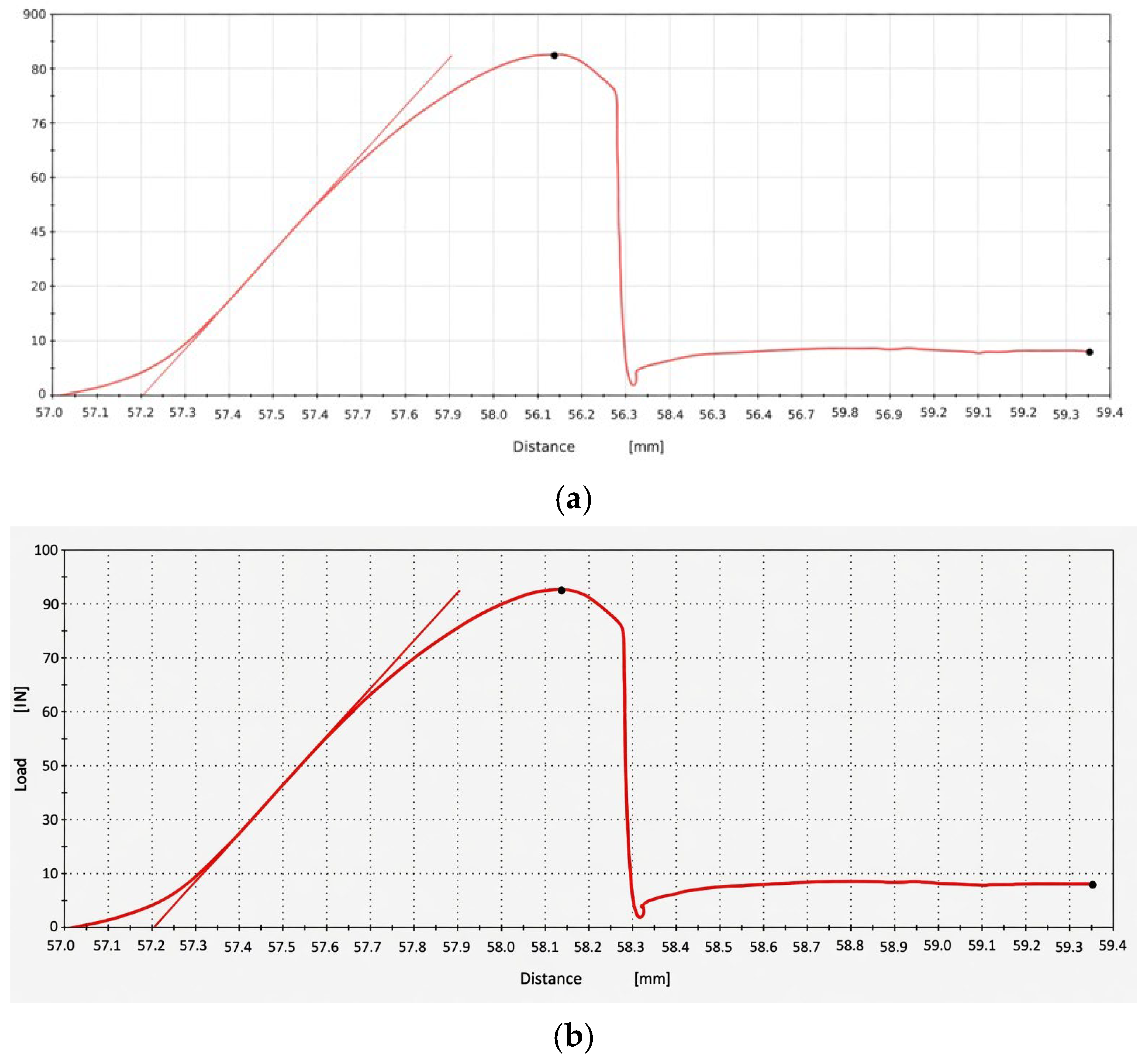
For a detailed study of the structural behavior of composites, a set of strength and durability tests was conducted (
Figure 4,
Figure 5,
Figure 6 and
Figure 7,
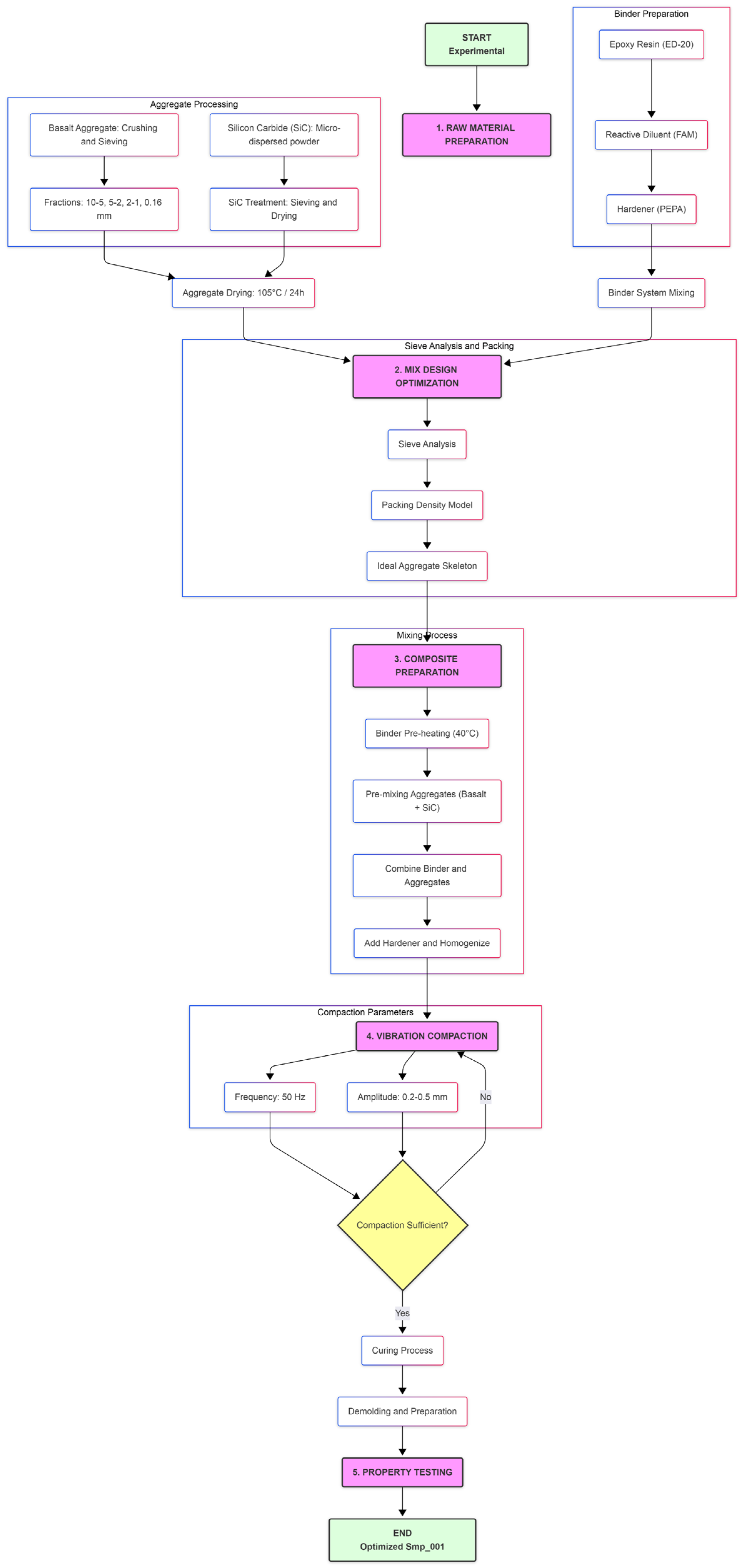
Table 9). In addition to quantifying strength, stiffness, deformation properties, surface quality, and permeability were determined. The experiment was conducted on the basis of GOST 17624-2021 and GOST 22690-2015 to ensure reliable non-destructive testing of the density and hardness of the structure, as well as in compliance with the manufacturers’ technological regulations on the dosage of hardeners and accelerators to achieve the maximum degree of polymerization and minimal shrinkage of the material.
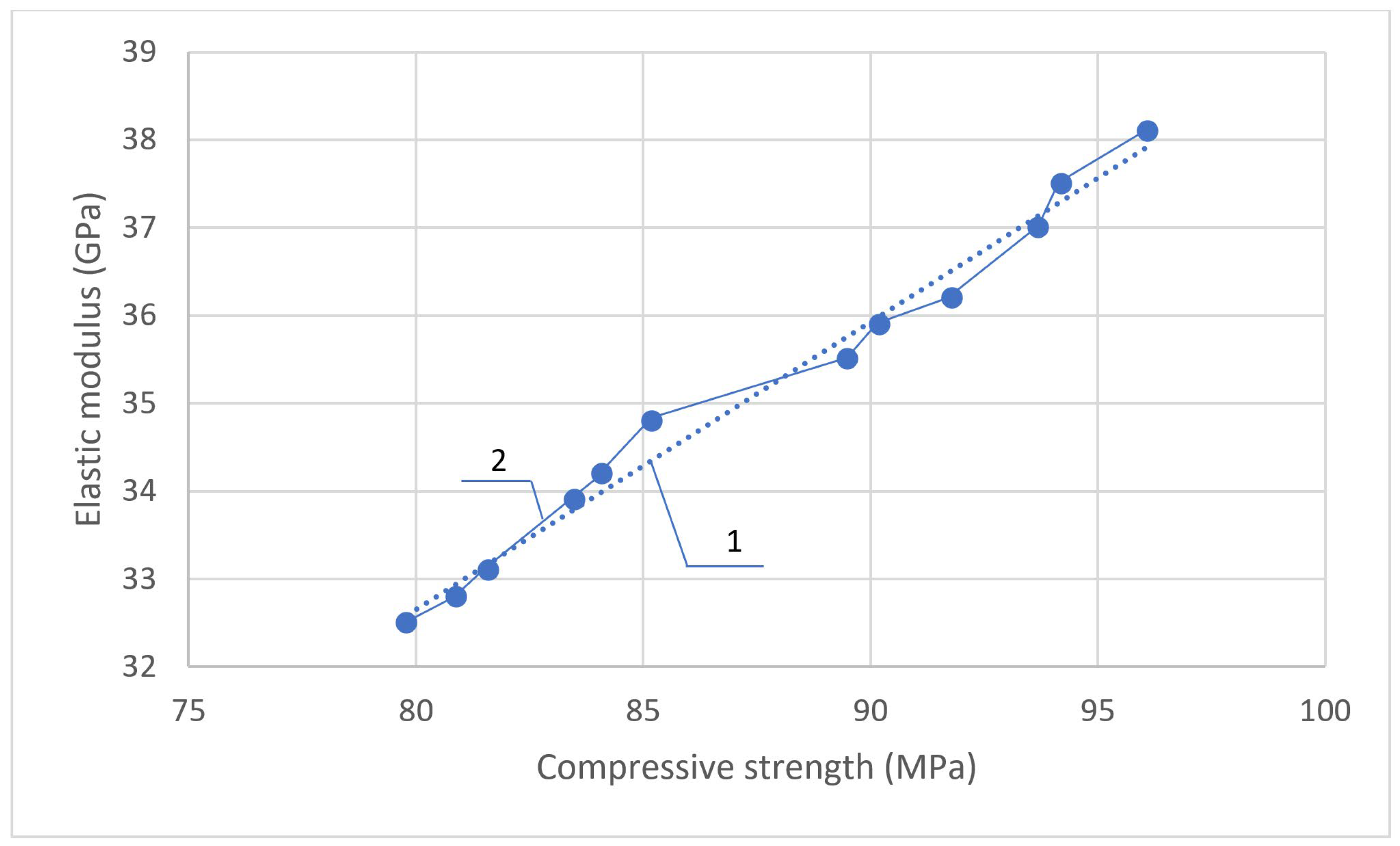
The main criterion for assessing load-bearing capacity is compressive strength. Since structures are most often subjected to compressive loads in real conditions, this test is the most indicative. Under axial loading, the modulus of elasticity and the Poisson’s ratio were determined. The elasticity module characterizes the rigidity of the material and directly affects the size of the deflections and the vibration behavior of the bed.
To control the uniformity of the surface layer, Shore hardness (rebound method) was determined, which correlates well with the data on the density of the microstructure and the results of destructive tests.
Ultrasonic testing (UCC) showed that the high pulse velocity in the samples indicates a dense packing of particles and a minimum number of internal voids, which is an important indicator of durability.
As shown in
Table 9, the Smp_001 composition exhibited a mean compressive strength of 92.6 ± 2.5 MPa (95% CI: 89.9–95.2 MPa), which is 2.2–2.5 times higher than that of high-strength M400 concrete and approaches the characteristics of structural composites. The difference between Smp_001 and Smp_002 was statistically significant (two-sample
t-test, t(9.6) = 7.54,
p < 0.001).
The average elastic modulus was 36.70 ± 1.00 GPa (95% CI: 35.66–37.74 GPa) for Smp_001 and 33.55 ± 0.89 GPa (95% CI: 32.62–34.48 GPa) for Smp_002. The difference was significant (t(9.9) = 5.76, p < 0.001).
Hardness values were 87.8 ± 1.5 (95% CI: 86.3–89.4) for Smp_001 and 78.8 ± 1.5 (95% CI: 77.3–80.4) for Smp_002 (t(10.0) = 10.61, p < 0.001).
The average elastic modulus was 36.8 ± 1.8 GPa, confirming the material’s high rigidity and its ability to minimize elastic deformations under load [
38]. Although this value is lower than that of steel, it is significantly higher than that of conventional concrete (25–30 GPa). Combined with the high damping coefficient, it effectively dampens vibrations while maintaining the precision of the equipment.
Poisson’s ratio was recorded at 0.24 ± 0.02, demonstrating the isotropic structure and stable behavior of the material under biaxial loading [
39]. These data correlate with values for gray cast iron (0.25–0.27). Taken together, the obtained results confirm that the developed hybrid composition based on an epoxy matrix and mineral fillers possesses a unique combination of high strength and dynamic stability, necessary for the construction of new-generation machine tools.
The material’s hardness was measured using a TKM-359S hardness tester (RPE "Mashproekt", St. Petersburg, Russia) using the Shore D scale, which is the preferred method for dense polymer composites and mineral castings. The hardness of the samples was 88.0 ± 1.5 units (Smp_001) and 79 ± 1.5 units (Smp_002). The minimal standard deviation of the results indicates a high degree of component homogenization and the absence of significant surface defects or air inclusions, which was achieved through the use of rational vibration compaction modes [
40]. The obtained hardness values, exceeding 85 units on the Shore D scale, not only guarantee high wear resistance of the future MRS frame during operation, but also confirm the complete polymerization of the binder, ensuring the stability of geometric parameters in the installation areas of precision equipment components. Thus, the achieved level of hardness, combined with the high homogeneity of the material, makes the developed composition optimal for use under the conditions of intense mechanical impacts typical of modern machine tool manufacturing.
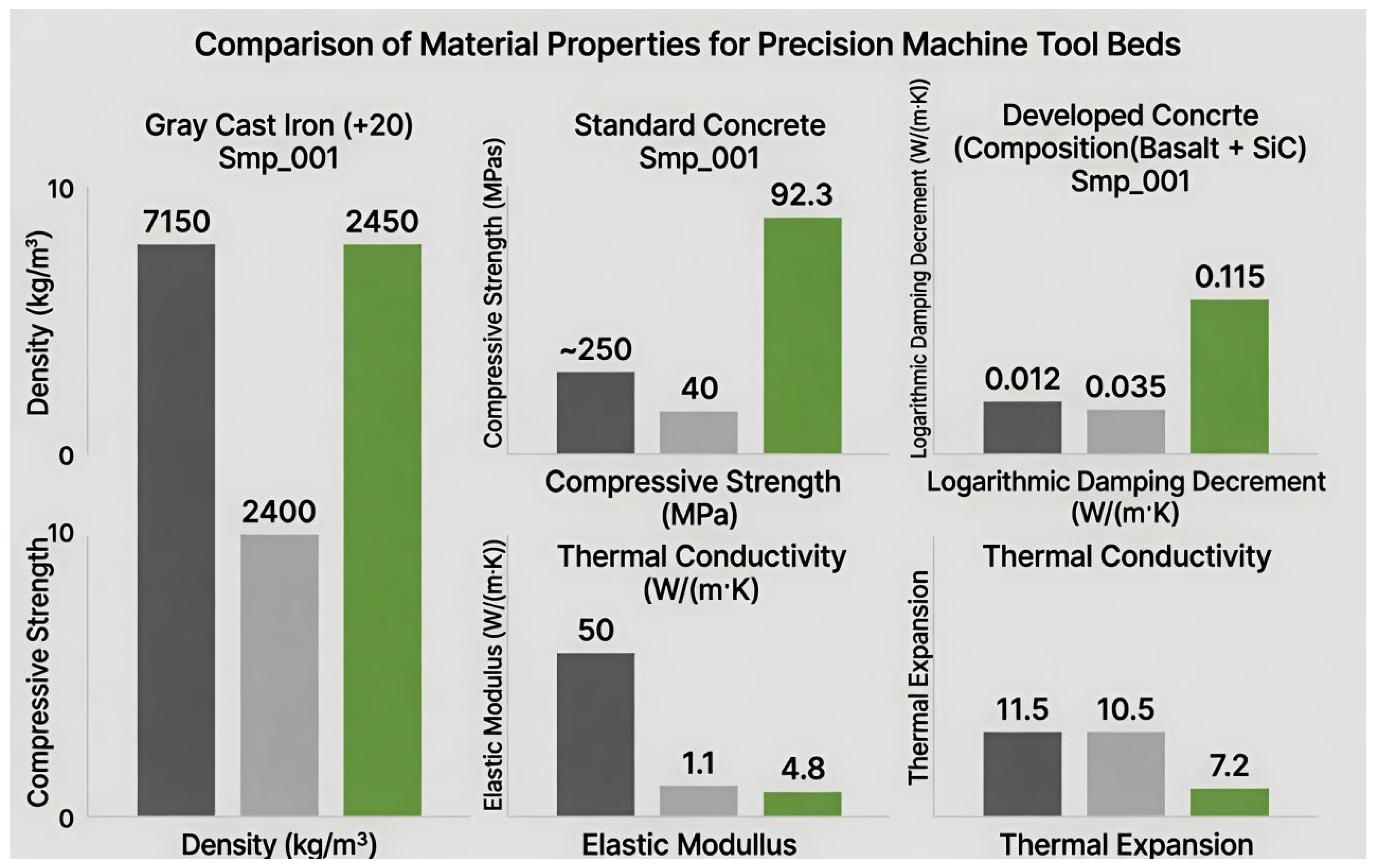
Figure 8 shows that the compressive strength (92.3 MPa) of the developed compound was higher than that of standard concrete and approached the requirements of highly loaded structures. The damping capacity was about 9.6 times better than that of gray cast iron SH20. The coefficient of thermal expansion (7.2 × 10
−6 K
−1) was the lowest among the compared materials, which ensures better dimensional stability.
3.3. Energy-Dispersive X-Ray Spectroscopy (EDS) Analysis
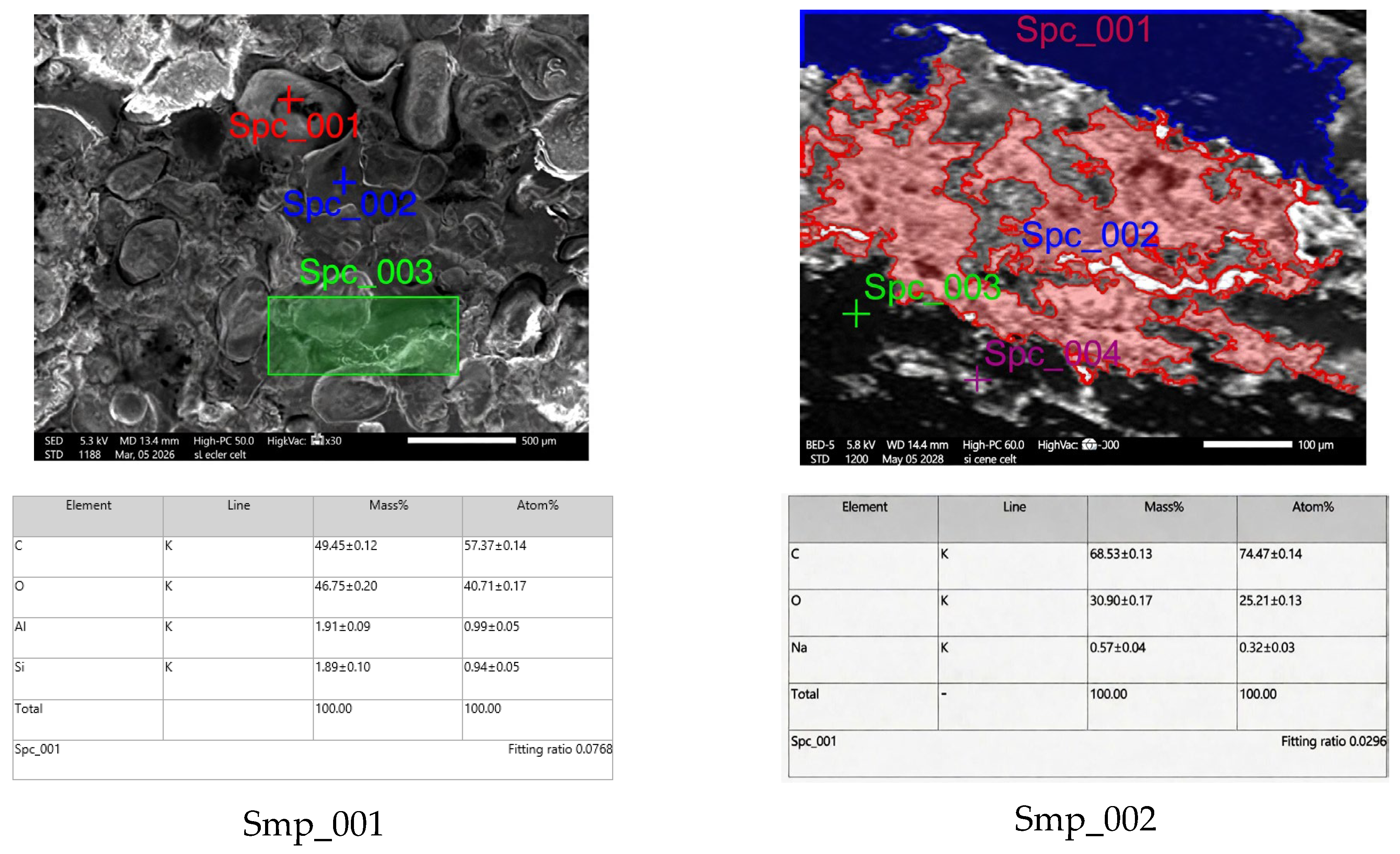
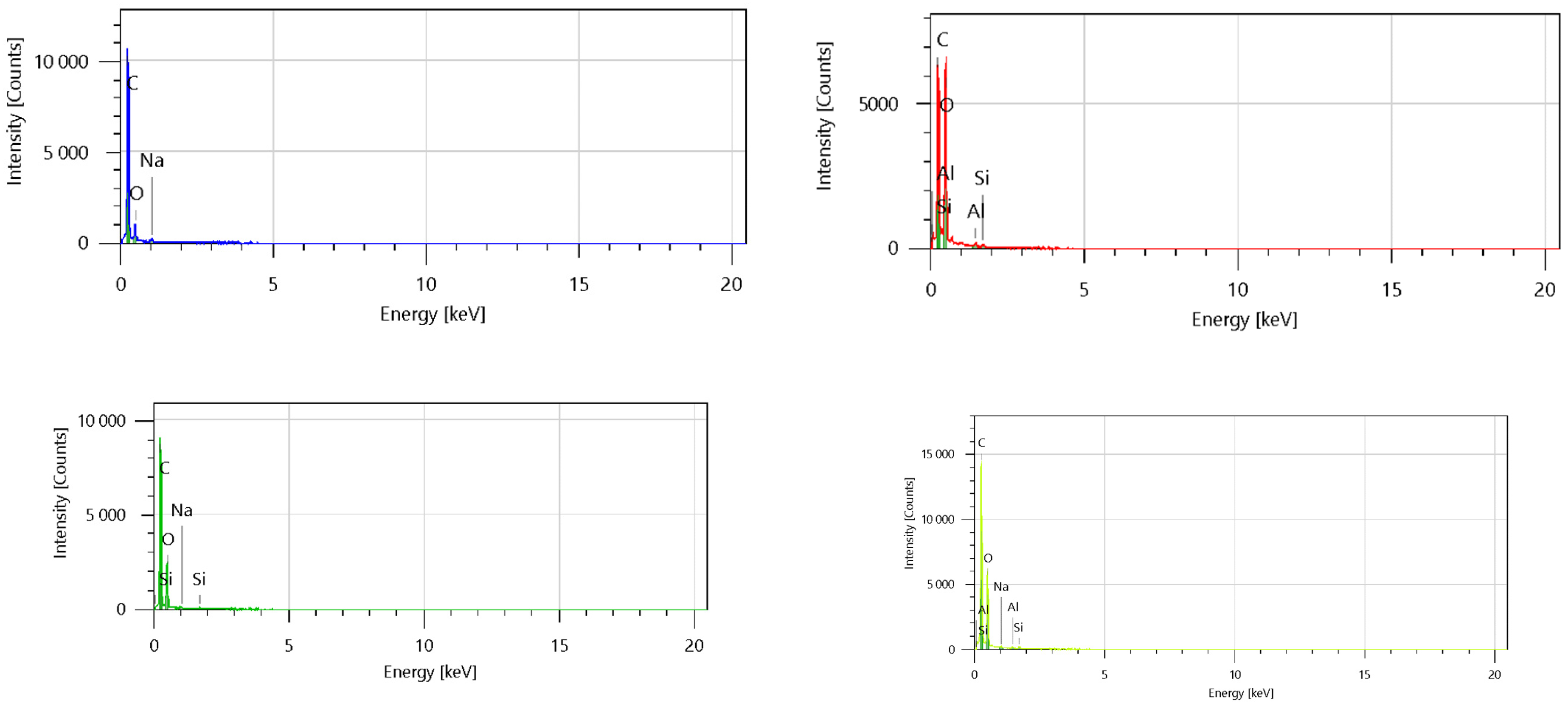
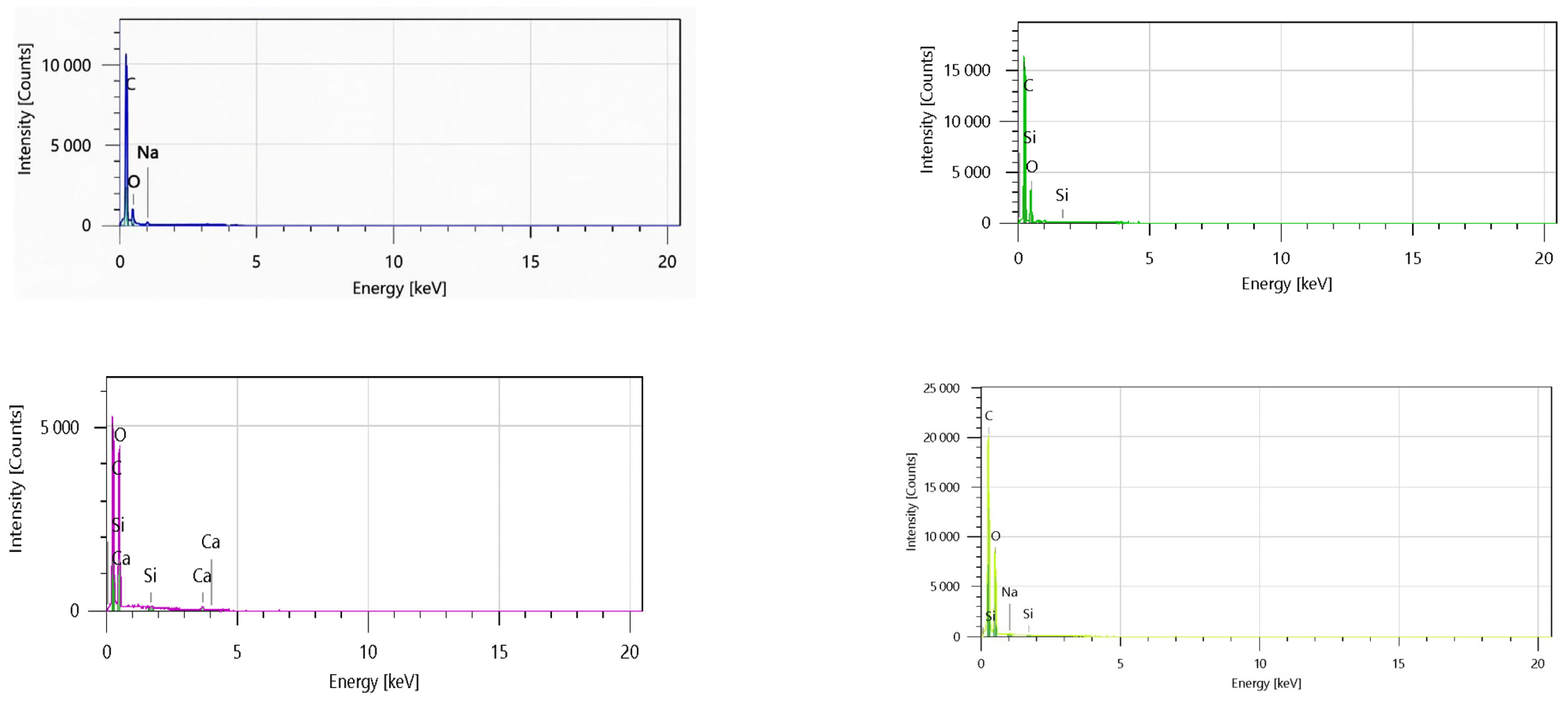
The elemental composition of polymer composites was determined by energy dispersive X-ray spectroscopy (EDS). The spectra are characterized by a predominance of carbon (75–87%) and oxygen due to the structure of the spatially crosslinked epoxy-diane matrix. The high local concentration of the carbon phase confirms the creation of a continuous viscoelastic polymer medium, which is a determining factor in increasing the damping capacity of machine tool bearing systems compared to traditional casting [
40].
Special attention was paid to the distribution of silicon (up to 2.3%) and aluminum (up to 1.9%). Unlike building concretes, these elements in the studied compositions are not bound into calcium hydrosilicates, but form a rigid mineral frame and high-hardness inclusions of silicon carbide (SiC). The elemental mapping data confirmed the homogeneous distribution of SiC particles in the matrix volume. In the structure of precision equipment, silicon carbide particles perform the function of dispersed hardening and simultaneously serve as heat-conducting bridges, which helps to stabilize the temperature field of the bed and reduce thermal deformations during intensive cutting conditions.
The presence of sodium (up to 2.1 wt.%) in the composition is explained by the use of alkaline modifiers and the introduction of spodumene, which helps to increase the adhesive strength at the binder–filler interface. The detection of traces of gold (Au) was a consequence of the preparation of samples by magnetron sputtering to ensure the electrical conductivity of the surface during electron bombardment. The complete absence of calcium (Ca) peaks confirms that the material belongs to the class of cementless polymer composites, where the integrity of the structure is ensured solely by the adhesive interaction of the resin with the active surface of crushed basalt and SiC filler particle.
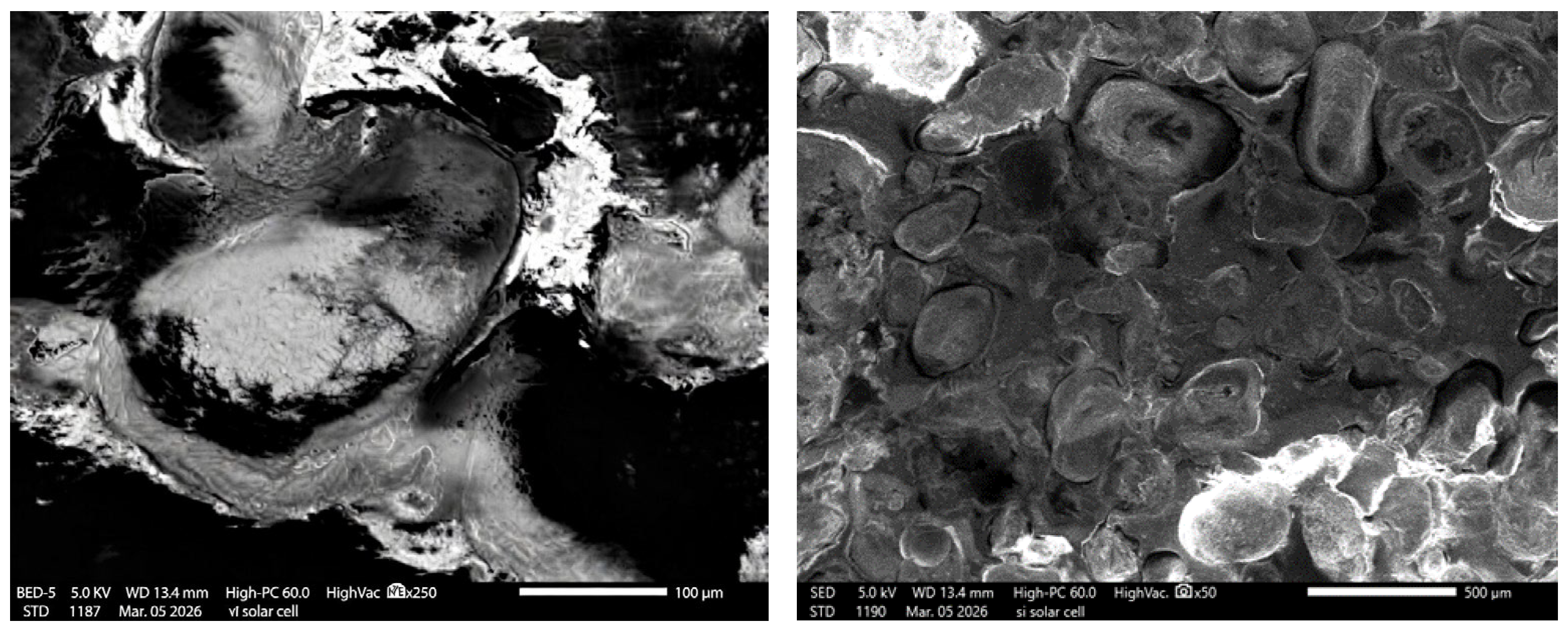
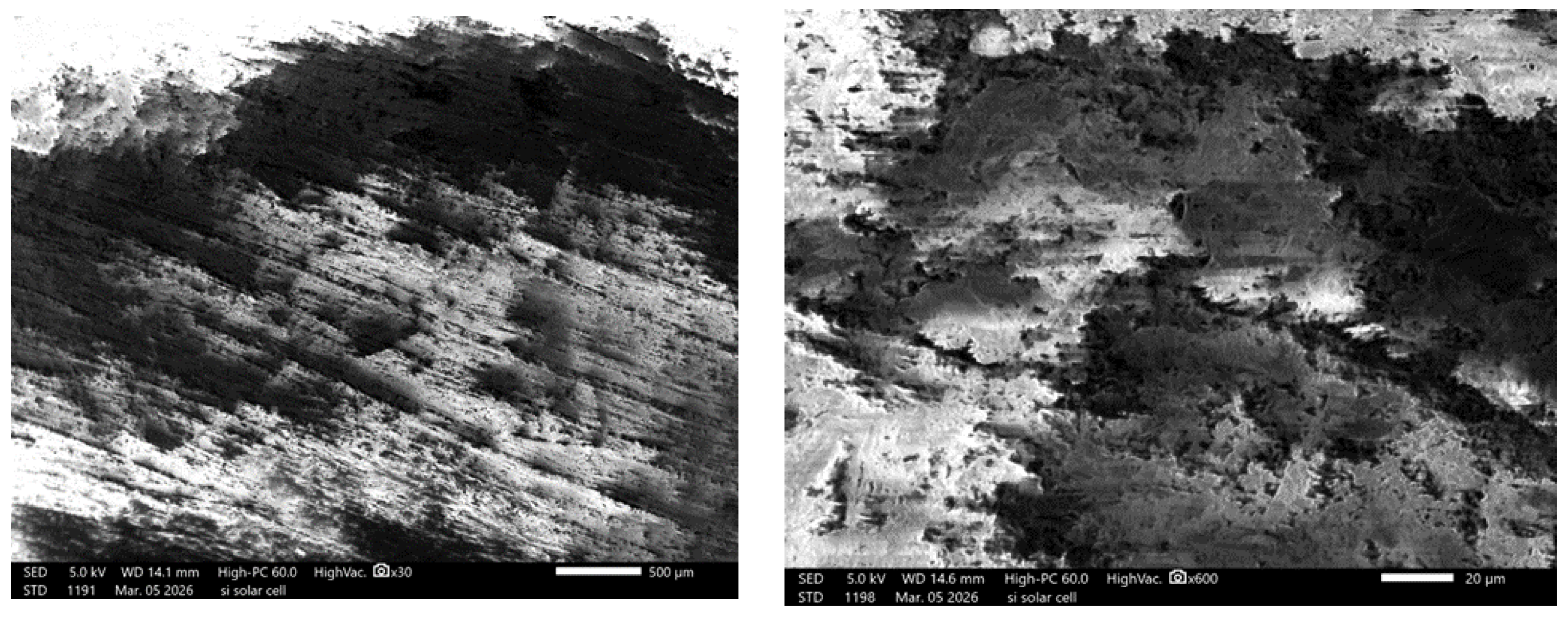
A study of the morphology of the fracture surface by scanning electron microscopy (
Figure 9 and
Figure 10) revealed a dense structure with a porosity coefficient of less than 2.5%. SiC particles exhibit tight mechanical engagement with the polymer phase without forming micro voids at the interfacial boundaries. A similar mechanism of interaction of solid inclusions of silicon carbide with a polymer matrix determines the achievement of the required indicators of static rigidity and effective vibration damping [
41].
The chemical composition and distribution of elements in the polymer-concrete structure were studied by energy dispersive X-ray spectroscopy (EDS) performed in parallel with electron microscopy. The obtained elemental mapping data (
Figure 11 and
Figure 12) made it possible to visualize the localization of the main components of the matrix and fillers, such as carbon (C), oxygen (O) and silicon (Si). The analysis of the spectra confirmed the presence of calcium (Ca), sodium (Na), and aluminum (Al), which are part of the mineral aggregates, and also identified the following amounts of related elements. The synchronous use of SEM and EDS analysis ensured the verification of the homogeneity of the mixture and confirmed the high-quality adhesion of the polymer binder to the surface of basalt and silicon inclusions.
X-ray diffraction analysis of the first polymer-concrete sample showed that the basis of the crystalline phase is calcium carbonate (CaCO3). The absence of pronounced impurities or accompanying phases indicates a high degree of homogeneity of the polymer matrix. According to calculations using the Williamson–Hall method, the crystallite sizes range from 640 microns to 4.2 mm, and the values of the microstress of the crystal lattice are 0.05–0.15%, depending on the type of composition under study. The data obtained confirm the formation of an ordered structure, which directly correlates with the high values of compressive strength recorded during mechanical tests.
When studying the microstructure of the Smp_001 composition, the presence of heterogeneous phase boundaries was recorded. Local distortions of the crystal lattice of mineral fillers are caused by internal stresses that occur during the curing of the binder. The integrity of the grain boundaries in the SEM images serves as indirect evidence that the level of microdeformations remains within acceptable values without compromising the stability of the physico-mechanical characteristics of the composite.
During the analysis of the second polymer-concrete composition, it was found that the dominant crystalline phases were calcium carbonate (CaCO3) and silicon carbide (SiC). The purity of the diffraction spectrum confirms the uniformity of the obtained material. The crystallite sizes for this composition, determined by the Williamson–Hall method, ranged from 5 to 120 microns. Scanning electron micrographs revealed that the polycarbonates had a dense and irregular particle morphology with strong bonds between the matrix and aggregates. A reduction in microcracks and limited void formation were observed on the surfaces, reflecting the low porosity values obtained during durability testing. The microstructure of the polycarbonates was significantly less porous and more compact, consistent with their superior mechanical strength and lower water absorption. The predominant phase is the carbon-containing amorphous phase (polymer). The crystalline component is represented primarily by silicates and aluminosilicates (quartz, basalt components) and oxide compounds, which provide the composite’s frame rigidity. The composition of sample Smp_002 was characterized by a highly uniform filler distribution within the matrix.
The elemental composition of the studied polymer-concrete composites is characterized by the dominance of the carbon phase, accounting for 49.4% to 87.5% by weight, confirming the formation of a dense organic matrix acting as a viscoelastic binder. The high oxygen content (up to 46.7%) combined with silicon (up to 2.33%) and aluminum (up to 0.81%) reflects the presence of a stable mineral framework of silicates and aluminosilicates, typical of basalt filler and fly ash. This chemical composition indicates the creation of a heterogeneous structure, where rigid crystalline inclusions are effectively integrated into the polymer environment, providing the final product with a unique combination of high static rigidity and excellent damping properties necessary for damping vibrations in machine tool beds [
42].
The distribution of trace inclusions, such as sodium (up to 2.1%), magnesium, and trace amounts of iron, plays a key role in modifying the microstructure and increasing adhesion strength at the interface. The uniform distribution of these microimpurities throughout the material facilitates the filling of nanoscale defects and pores, significantly reducing internal stresses that arise during thermal shrinkage of the polymer. The presence of sodium compounds may indicate the use of specific alkaline activators or filler surface modifiers, which improve the wettability of basalt grains with resin. Thus, the controlled amount of fine inclusions and their homogeneous distribution prevent localized stress concentration and minimize the risk of microcracks, ensuring the durability and dimensional stability of the upgraded machine tools.
The presence of silicon carbide (SiC) inclusions, which act as a highly hard reinforcing component, plays a key role in the structure of the second composition. Elemental analysis revealed localized concentrations of silicon and carbon in the stoichiometric ratio characteristic of this superhard phase. The introduction of silicon carbide into the polymer-concrete matrix significantly increased the modulus of elasticity and wear resistance of the bed material by creating additional crystallization centers and strengthening the interphase boundaries. Due to their high thermal conductivity, SiC microparticles facilitate more efficient heat dissipation generated during machine operation, minimizing thermal deformations and maintaining the precision of the equipment.
The finely dispersed distribution of silicon carbide inclusions ensures the creation of a rigid internal “skeleton” at the microscopic level. These particles effectively block the propagation of microcracks in the polymer matrix, redistributing mechanical stress from cutting tools and heavy workpieces [
43]. When combined with basalt filler, silicon carbide forms a multimodal structure, where particles of varying sizes and hardnesses are packed together in the most densely packed manner. This not only increases the overall rigidity of the upgraded frame, but also significantly improves its damping capacity, converting vibration energy into thermal energy at the interfaces between the solid inclusions and the viscous polymer.
Quantitative analysis using energy-dispersive spectroscopy (EDS) showed that the average elemental content in representative samples was approximately: carbon (C)—78.5%, oxygen (O)—18.2%, silicon (Si)—1.6%, sodium (Na)—1.2%, as well as minor inclusions of aluminum (Al)—0.4% and silicon carbide (SiC). The predominance of the carbon phase confirms the formation of a stable polymer matrix, while the presence of silicon and aluminum clearly reflects the integration of mineral fillers—basalt and fly ash—into the composite structure.
The identified element distribution indicates a high degree of mixture homogeneity, with silicon carbide and aluminosilicate microparticles uniformly dispersed throughout the binder. This ensures the creation of a rigid, finely dispersed framework that minimizes internal stresses and prevents the development of microcracks. The obtained data confirm the calculated material model, demonstrating the effective combination of a lightweight organic base with high-strength crystalline phases, a key factor in increasing the static rigidity and damping capacity of the modernized machine beds. Images obtained by energy dispersive spectroscopy (EDS) from samples Smp_001 and Smp_002 are shown in
Figure 13.




 ,
,