Article

Potential Application of Ferrate-Modified Commercial Biochar to Control Ammonia and Hydrogen Sulfide


by
Younghee Kim
1,2,* and
Sun-Hee Kim
2
1
Department of Environmental Engineering, Hoseo University, Asan 31499, Republic of Korea
2
Department of Convergence Engineering, Graduate School of Venture, Hoseo University, Seoul 06724, Republic of Korea
*
Author to whom correspondence should be addressed.
Appl. Sci. 2026, 16(10), 5140; https://doi.org/10.3390/app16105140
Submission received: 3 April 2026 / Revised: 18 May 2026 / Accepted: 18 May 2026 / Published: 21 May 2026

Abstract

Biochar produced from natural organic waste has attracted considerable attention as a promising resource for odor control due to its porous structure. In this study, the potential application of commercially available biochar as an adsorbent for ammonia (NH3) and hydrogen sulfide (H2S) removal was investigated. Among the tested samples, HT800 biochar pyrolyzed at 800 °C exhibited the highest adsorption capacity, showing superior performance compared to conventional activated carbon. Surface modification produced contrasting effects on the adsorption efficiencies of activated carbon and biochar, with ferrate-modified biochar demonstrating the highest adsorption performance. Fourier transform infrared spectroscopy (FT-IR) analysis confirmed that ferrate modification significantly enhanced Fe–O functional groups on the biochar surface. These findings suggest that the improved ammonia removal performance may be attributed not only to acid–base interactions associated with surface functional groups, but also to the direct oxidation of odor-causing compounds by iron oxide species.

1. Introduction

As demand for waste-derived organic resources is continuously growing, biogas plants using biological digestion of livestock manure are also increasing [1,2,3]. The residual manure discharged after biogas production is either converted into liquid fertilizer or treated through wastewater purification processes. However, during this process, incomplete degradation of residual organic matter—such as proteins, fermentable carbohydrates, and lipids—can occur, which serves as a primary source of odor emissions [4,5]. In animal manure, proteins act as precursors for odor-causing compounds such as sulfides, indoles, and phenolic compounds, while volatile fatty acids, ammonia, and volatile amines are also major contributors to malodor [6].
In particular, the leachate generated from biogas plants poses significant odor issues during the liquefaction process, as it contains high concentrations of residual nitrogenous and sulfur compounds. Ammonia (NH3) and hydrogen sulfide (H2S) are the dominant odorants emitted from the leachate storage and application stages, and their effective control remains a major environmental challenge [7,8,9].
Activated carbon, a widely used adsorbent, has demonstrated high adsorption efficiency for various odorous compounds, including ammonia and hydrogen sulfide [10]. Nevertheless, with growing concern over climate change and increasing emphasis on sustainable resource utilization, research has steadily expanded into developing eco-friendly odor adsorbents derived from naturally occurring waste materials such as waste wood, fruit peels, and herbaceous biomass [11,12,13].
Biochar generally exhibits a porous structure formed during pyrolysis, enabling its use as an adsorbent [14]. It has been shown to be effective in reducing emissions of volatile substances such as ammonia and methane and can be used to reduce greenhouse gases by absorbing carbon dioxide [15]. However, because of its lower specific surface area [16], its adsorption capacity for odorants is relatively lower than that of activated carbon. To address this limitation, efforts have been made to enhance the adsorptive performance of biochar through modification [17].
Modification, such as acid treatment with sulfuric acid or phosphoric acid or treatment with iron salts, increases the surface area of the biochar [18], thereby improving its adsorption capacity compared to the biochar before modification [19,20]. However, because the biochar resources vary from wood waste to livestock manure and pyrolysis temperature for biochar production significantly influences its surface area, porosity, pH, cation exchange capacity, carbon yield, and carbon stability [21,22], the adsorption performance of biochar can vary. In particular, the specific surface area and functional groups associated with the adsorption of odorous compounds in biochar vary widely depending on the feedstock and pyrolysis conditions. This variability makes it difficult to define the adsorption characteristics of biochar in a consistent manner and, consequently, to assess its potential as a substitute for activated carbon.
Therefore, this study aimed to evaluate the odor adsorption capacity of commercially available biochar and to compare the obtained results with those reported in previous studies in order to identify generalizable adsorption characteristics of biochar as an adsorbent. In addition, the effects of surface modification of commercial biochar on the adsorption of ammonia and hydrogen sulfide were investigated to determine whether changes in surface characteristics and functional group properties could enhance its odor adsorption performance. This assessment is essential for advancing the practical application and commercialization of biochar as an adsorbent.

2. Materials and Methods

2.1. Biochar and Activated Carbon

As a control adsorbent, 2~3 mm sized coal-based activated carbon was purchased from commercial seller (Shinkwang Chemical Industry Co., Ltd., Gyeonggi-do, Republic of Korea). Five commercial biochar products which were pyrolyzed at different temperatures with various source materials in Republic of Korea were selected: pyrolyzed biochar at 325 °C with oak tree (LT325, Korea Bichar Agricultural Corporation Co., Ltd., Jeonbuk Special Autonomous Province, Republic of Korea), pyrolyzed biochar at 700 °C with wood (HT700, Sanglim Agricultural Corporation Co., Ltd., Jeonbuk, Republic of Korea), at 800 °C with wood pellets (HT800, K-Agro Co., Ltd., Daegu Metropolitan City, Republic of Korea), and at 350 °C and 500 °C with forest byproduct (LT350 and MT500, Gyeongdong Development Co., Ltd., Chungcheongbuk-do, Republic of Korea). Characteristics of the biochar and activated carbon are summarized in Table 1.

2.2. Odor Adsorption by Commercial Biochar

To compare the effect of pyrolysis temperature on odor adsorption capacity, a complex odor test was conducted with five collected commercial biochars. As an odor source, pig manure sludge was collected from a pig manure treatment plant (Icheon-si, Gyeonggi-do, Republic of Korea) and stored in a dark refrigerator at 4 °C during the whole test period. A total of 0.3 L/min of ambient air was blown into 300 mL of sludge contained in 1 L glassware to generate odorous emission and was passed through the column filled with 500–1000 mL of adsorbent and through the blank column to measure initial odor level.
In the preliminary investigation of odor generation, odorants produced from pig manure sludge were classified and quantified as ammonia, hydrogen sulfide, and volatile organic compounds (VOCs). However, due to the low concentration of VOCs, only ammonia and hydrogen sulfide were measured in this experiment. Real-time measurements with GC based analysis and an oxidative electro sensor were conducted at 1 min intervals at both the inlet and outlet of the adsorbent reactor using a portable gas detector (Model: Sky2000-M3, SafeGas, Shenzhen, China). The tests were terminated when the concentration at the outlet surpassed the initial levels.

2.3. Surface Modification of Adsorbents

For surface modification, low-temperature biochar (LT325) and high-temperature biochar (HT700), which showed relatively high efficiency in odor adsorption experiments (HT800 was excluded as no breakthrough was observed), were selected and modified, and the adsorption performance after modification was compared with that of activated carbon (AC800).
A 5% phosphoric acid and a 5% sulfuric acid solution were prepared by diluting reagent-grade solutions purchased from Sigma-Aldrich (St. Louis, MO, USA) (phosphoric acid, CAS number: 7664-38-2, purity 85% and sulfuric acid, CAS number: 7664-93-9, purity 95%). The ferrate solution was prepared by the wet chemical method, in which ferric chloride (CAS No.: 7705-08-0, purity 58%, Daemyung Chemical Co., Ltd., Gyeonggi-do, Republic of Korea) was oxidized with hypochlorous acid (CAS No.: 7681-52-9, purity 12–15%, Samchun Pure Chemical Co., Ltd., Gyeonggi-do, Republic of Korea) under alkaline conditions.
For surface modification, the ferrate solution was mixed with the adsorbent at a volume ratio of 1:1 and immersed for 3.5 h, followed by filtration and air drying.
For sulfuric acid and phosphoric acid impregnation, the adsorbent was immersed in same volume of the prepared 5% (w/w) sulfuric acid solution and 5% (w/w) phosphoric acid solution for 1 h and filtered and then air dried, respectively.

2.4. NH3 and H2S Adsorption Test with Modified Biochars

The adsorption performance of the modified biochar was evaluated in a fixed-bed column system using a gas mixture prepared from NH3 (1000 ppm), H2S (100 ppm), and O2 (100%) standard gases controlled by mass flow controllers (MFCs). To simulate ambient atmospheric conditions, the oxygen concentration in the gas stream was adjusted to 21% by regulating the flow rates of the individual gases. The resulting inlet concentrations of NH3 and H2S were measured as 445 and 40 ppm, respectively. The gas mixture was passed through a column packed with 15 g of adsorbent, with a bed height of 40–60 mm, at a total flow rate of 0.4 L/min. The concentrations of NH3 and H2S in the effluent gas were continuously monitored at the column outlet using a portable gas detector (POLI MP400, mPower, Shanghai, China). Concentration measurements were recorded at 1 min intervals, and the breakthrough point was defined as the time at which the outlet concentration reached 10% of the inlet concentration (C/C0 = 0.1).

2.5. Analysis of Adsorbent Characteristics

The pore characteristics of the adsorbents were determined from N2 adsorption–desorption isotherms measured at 77 K using an Autosorb iQ analyzer (Quantachrome Instruments, Boca Raton, FL, USA). Prior to analysis, the samples were degassed to remove moisture and impurities by heating from room temperature to 100 °C at a rate of 5 °C/min, followed by degassing at 100 °C for 240 min. The specific surface area was calculated using the multipoint Brunauer–Emmett–Teller (BET) method, while the pore volume and average pore diameter were obtained from the N2 adsorption–desorption data.
The surface functional groups were analyzed by Fourier transform infrared spectroscopy (FT-IR; INVENIO, Bruker, Bremen, Germany). For FT-IR analysis, samples were mixed with KBr at a mass ratio of 1:100, ground, and compressed into pellets using a hydraulic press. The spectra were recorded over the range of 8000–350 cm−1.
The surface morphology of the adsorbents was observed using scanning electron microscopy (SEM; JSM-IT800SHL, JEOL, Tokyo, Japan) at an accelerating voltage of 5–10 kV and magnifications ranging from 500× to 5000×. Prior to SEM observation, the samples were coated with a 7 nm-thick platinum layer using an ion sputter coater at a current of 20 mA. The elemental composition and distribution on the surface of the modified biochar were analyzed by energy-dispersive X-ray spectroscopy (EDS) combined with elemental mapping.

3. Results

3.1. Odor Adsorption of Biochar and Effect of Pyrolysis Temperature

In the removal of malodorous compounds generated from pig manure, ammonia adsorption by the five biochars was generally low. The lowest adsorption capacity was observed for LT350 (0.08 mg/g), while the other biochars—excluding HT800—showed similar capacities in the range of 0.13–0.17 mg/g. These values were markedly lower than those of activated carbon (AC800), which exhibited an adsorption capacity of 116 mg/g. Notably, HT800 demonstrated the highest adsorption performance, with no breakthrough observed over 96 h.
Biochar produced from various feedstocks under different pyrolysis temperatures exhibits significant variations in structural characteristics and surface chemical properties. In general, specific surface area, pore volume, and pore size are widely recognized as key parameters governing adsorption performance. To investigate the effects of pore size and pore volume developed during pyrolysis as a function of temperature and feedstock type, previously reported data were collected and comparatively analyzed (Table 2).
In this study, MT500, derived from forest byproducts, exhibited a larger specific surface area and an adsorption capacity approximately twice that of LT350, indicating that the increased surface area developed at higher pyrolysis temperatures positively influences adsorption performance. However, among the wood-based biochars, HT800—produced at the highest pyrolysis temperature—demonstrated the greatest adsorption efficiency. Previous studies have reported that date palm biochar shows a marked increase in specific surface area at 500 °C [25], whereas pine biochar exhibits a rapid increase at 600 °C followed by stabilization at 700 °C, suggesting that the optimal pyrolysis temperature varies depending on the feedstock [26].
At relatively low pyrolysis temperatures (<350 °C), herbaceous biomass exhibited higher specific surface areas than woody biomass. At intermediate temperatures (400–600 °C), the specific surface area varied depending on the feedstock; however, in the case of corn stover, the specific surface area increased by approximately 15-fold from that at 350 °C, reaching 215.9 m2/g at 500 °C [23]. At higher temperatures (>700 °C), substantially greater specific surface areas were observed compared to those at lower temperatures, regardless of the feedstock type.
However, even if pyrolyzed at similar temperatures or the same raw materials are used, an increase in BET surface area does not lead to a proportional increase in odor gas adsorption capacity. This phenomenon was also observed in this study. When comparing adsorption capacities at different pyrolysis temperatures based on ammonia adsorption capacity, oak biochar pyrolyzed at 325 °C exhibited lower surface area (0.22 m2/g) than forest-byproduct biochar pyrolyzed at 350 °C (0.382 m2/g), yet showed a higher adsorption capacity (0.13 vs. 0.08 mg/g). Lumber biochar produced at 700 °C showed a surface area of 12.67 m2/g (≈58-fold higher than oak biochar), but its adsorption capacity (0.14 mg/g) remained similar. For forest-residue biochar, increasing the temperature from 350 to 500 °C increased the surface area from 0.382 to 205.7 m2/g (≈540-fold), whereas the adsorption capacity increased only from 0.08 to 0.17 mg/g (≈2.1-fold). These results indicate that surface structure such as surface area, pore volume and size is not directly correlated with adsorption capacity.

3.2. Adsorption by Surface-Modified Biochar

Biochar surface modification has been extensively reported as an effective strategy to enhance adsorption performance. In particular, acid functionalization using sulfuric acid or phosphoric acid has been widely employed to improve the removal of basic malodorants. In this study, biochar was modified via an impregnation approach using ferrate—an oxidant with high oxidative potential—in addition to conventional sulfuric and phosphoric acid treatments. Previous studies reported that sulfuric acid treatment can prolong ammonia adsorption time, although high impregnation concentrations can reduce surface area due to pore collapse or blockage [35]. Other activation strategies, such as phosphoric acid combined with oxidants, have been shown to increase adsorption capacity and, in some cases, to increase surface area proportionally with impregnation concentration [17,33].
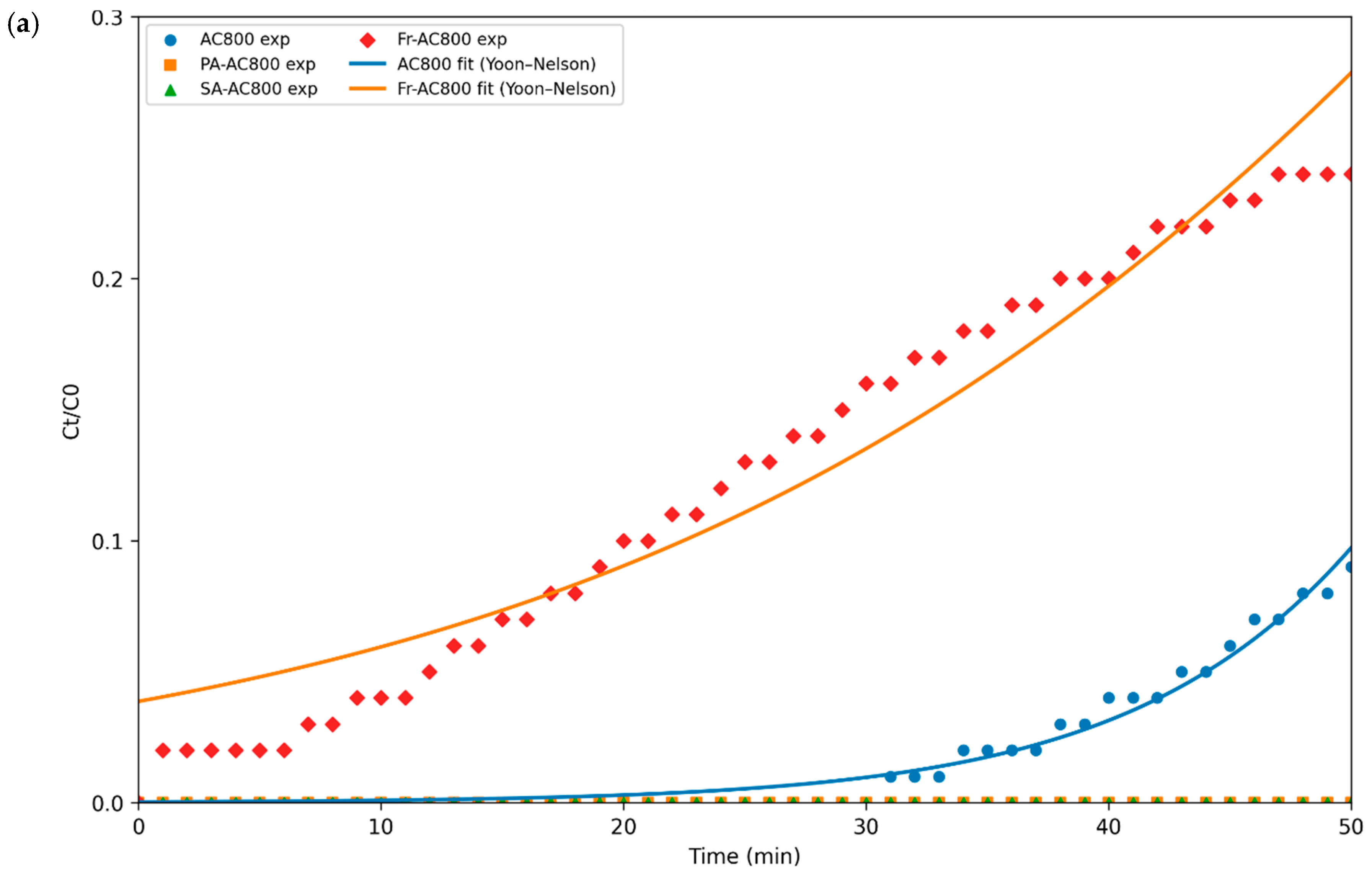
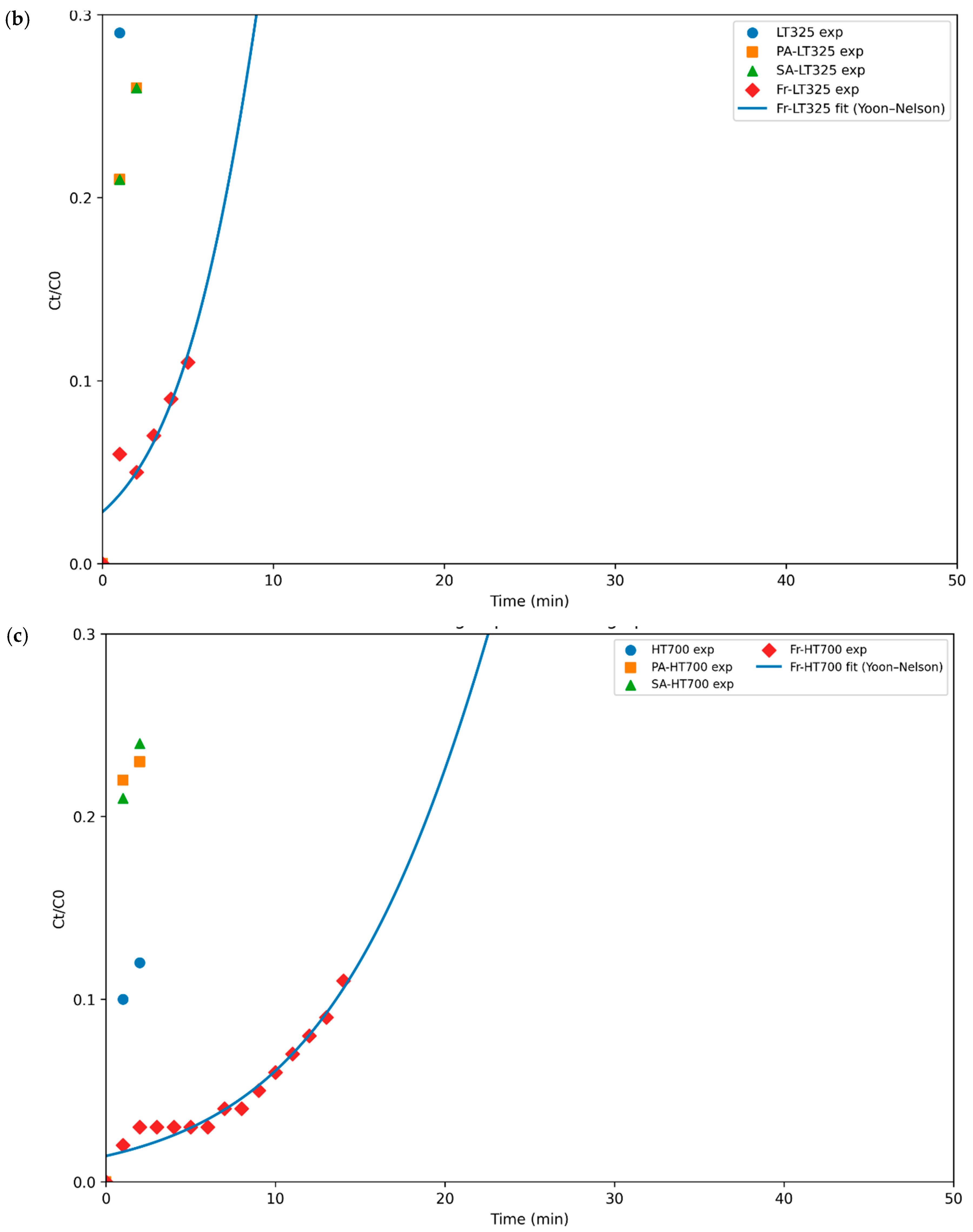
In this study, activated carbon modified with 5% sulfuric acid and 5% phosphoric acid exhibited enhanced ammonia adsorption efficiency, with no breakthrough observed during the experimental period (Figure 1a). In contrast, for biochar, breakthrough occurred within 1 min for both LT325 and HT700, before modification as well as after phosphoric acid and sulfuric acid modification, indicating that no significant improvement in adsorption performance could be achieved (Figure 1b,c).
The breakthrough curves were fitted to the Yoon–Nelson model using nonlinear regression analysis. Among the tested adsorbents, AC800, Fr-AC800, Fr-HT700, and Fr-LT325 exhibited breakthrough profiles suitable for model fitting. The remaining samples were excluded from model application because breakthrough was either not observed within the experimental monitoring period or occurred too rapidly to obtain reliable fitting results.
For the samples to which the model was successfully applied, the predicted time to 50% breakthrough, τ, increased slightly from 68.5 min for AC800 (R2 = 0.97, SSE = 0.0008) to 71.0 min for Fr-AC800 (R2 = 0.94, SSE = 0.017). In addition, ferrate modification of HT700 and LT325 increased the predicted 50% breakthrough time by 28.0 min (R2 = 0.95, SSE = 0.0005) and 11.8 min (R2 = 0.81, SSE = 0.001), respectively. These results suggest that ferrate modification may improve the adsorption performance of selected biochar adsorbents, although it has limitations in value credibility because of extrapolation in model prediction.
A similar trend was observed for ferrate modification: the adsorption efficiency of activated carbon decreased, whereas that of biochar increased. These results suggest that the surface modifications induce different, and in some cases opposite, effects on adsorption behavior in biochar compared to activated carbon.
For hydrogen sulfide removal, activated carbon exhibited markedly superior adsorption performance compared to biochar. Specifically, activated carbon successfully removed all incoming hydrogen sulfide throughout the entire observation period, regardless of its modification status, without any breakthrough occurring. In contrast, biochar demonstrated minimal adsorption capacity in its original, sulfuric acid-modified, and phosphoric acid-modified forms, with breakthrough observed immediately after start of the experiment, preventing the estimation of adsorption capacity. Although ferrate modification resulted in a slight improvement in H2S adsorption efficiency, breakthrough was still observed within the first 5 min in all cases. This behavior is consistent with previous findings on CO2-activated biochars, in which CO2 activation did not always enhance H2S adsorption and, in some cases, even decreased the adsorption capacity [30]. These observations indicate that surface activation or modification of biochar does not universally improve adsorption performance for all odorants but may exert compound-specific effects depending on the properties and adsorption mechanisms of individual odor compounds.
As summarized in Table 3, the observed trend may be partly attributed to reductions in BET surface area and total pore volume, particularly the loss of micropore volume, following ferrate impregnation, which likely contributed to the decreased adsorption capacity of activated carbon. However, because sulfuric acid and phosphoric acid impregnation also reduced surface area and pore volume while concurrently enhancing adsorption capacity, the overall correlation between textural properties and adsorption performance appears weak. This discrepancy may be associated with a shift in pore-size distribution, wherein micropore volume decreased whereas mesopore volume increased, thereby lowering the relative micropore fraction.
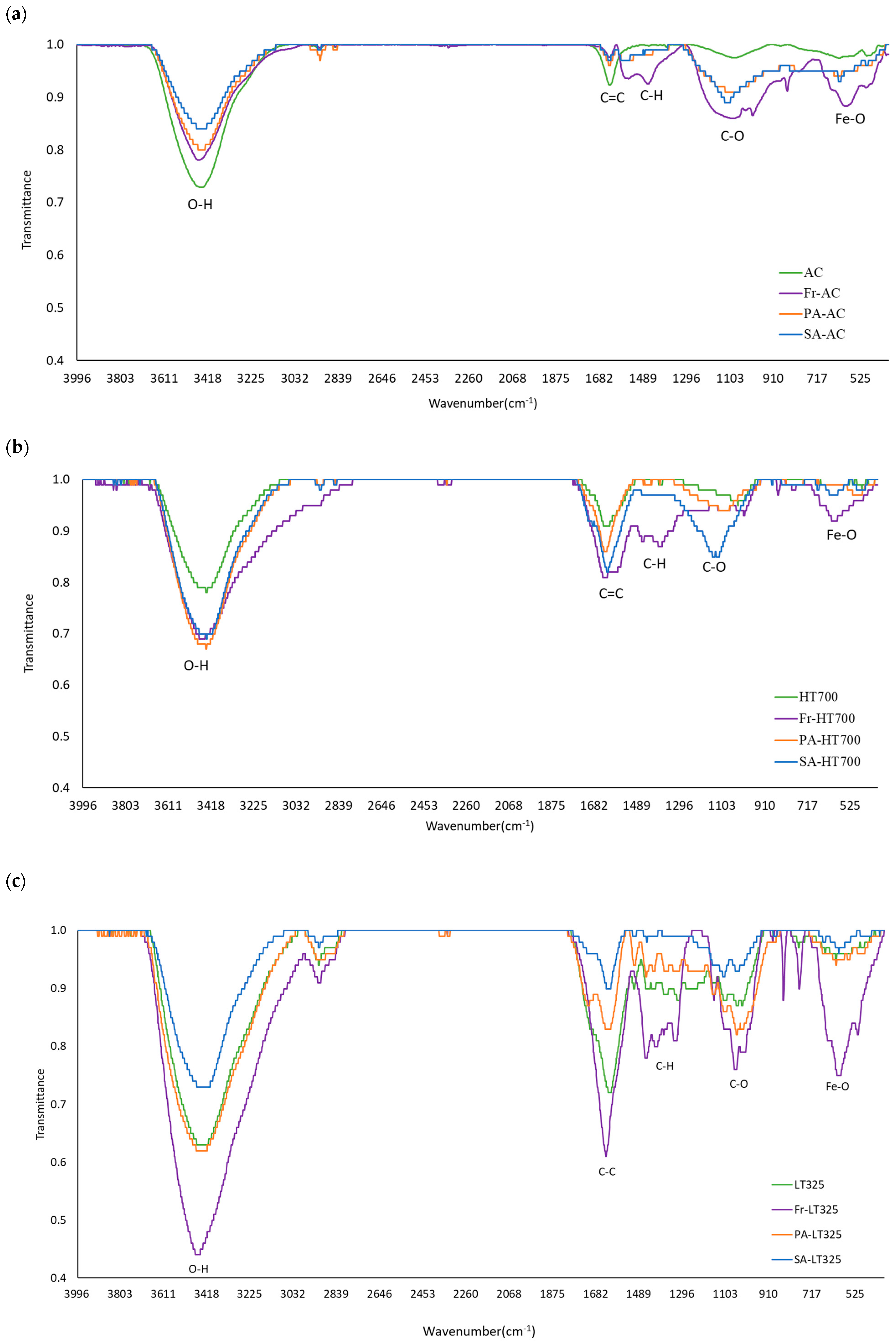
For biochar, surface modification generally increased specific surface area and pore volume, yet adsorption performance did not improve except in the case of ferrate modification. The differential effects of ferrate modification between Fr-LT325 and Fr-HT700 can be attributed to the combined influence of specific surface area, pore structure, and surface functional groups. In the case of Fr-LT325, ferrate modification resulted in an approximately 17-fold increase in specific surface area and a ~20-fold enhancement in adsorption capacity compared to the unmodified sample. This improvement in adsorption performance is supported by the distinct Fe–O functional group features observed in the FTIR spectra, indicating successful incorporation of iron-related functionalities.
However, the specific surface area of Fr-LT325 remained approximately one-third that of Fr-HT700, leading to an overall adsorption capacity that was about half that of the high-temperature biochar. In contrast, for high-temperature biochar, although the increase in specific surface area was limited, the adsorption capacity improved by approximately 15-fold. These results suggest that enhancing the adsorption capacity of biochar requires consideration not only of physical adsorption governed by pore structure but also of chemical adsorption associated with surface functional groups which are involved in surface chemistry and the introduction of Fe-containing surface species that can provide additional reactive sites (particularly for sulfur-containing gases) [31].

3.3. Surface Chemical Characteristics Induced by Modification

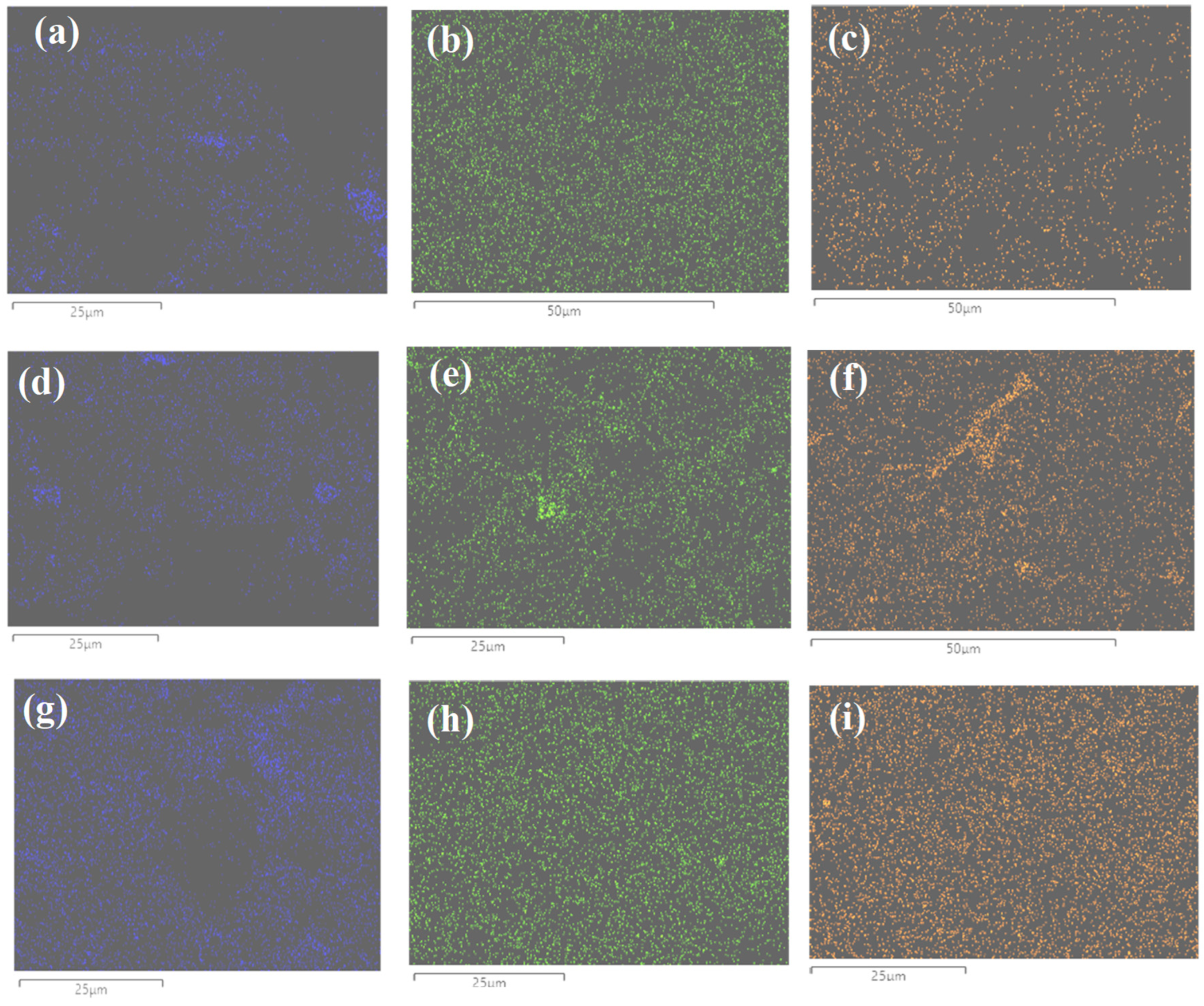
EDS analysis confirmed that impregnation increased the surface concentrations of sulfur, phosphorus, and iron depending on the modifying agent, indicating successful surface modification (Figure 2). Phosphoric acid impregnation increased the P content to 0.45, 0.34, and 0.62 at% for AC800, HT700 biochar, and LT325 biochar, respectively. Sulfuric acid impregnation increased the S content to 1.05 at% for AC (approximately twofold higher than unmodified AC) and to 0.65 and 0.75 at% for HT700 and LT325 biochars. Ferrate impregnation increased Fe content to 3.6 at% for AC and to 0.35 and 0.85 at% for HT700 and LT325 biochars, respectively.
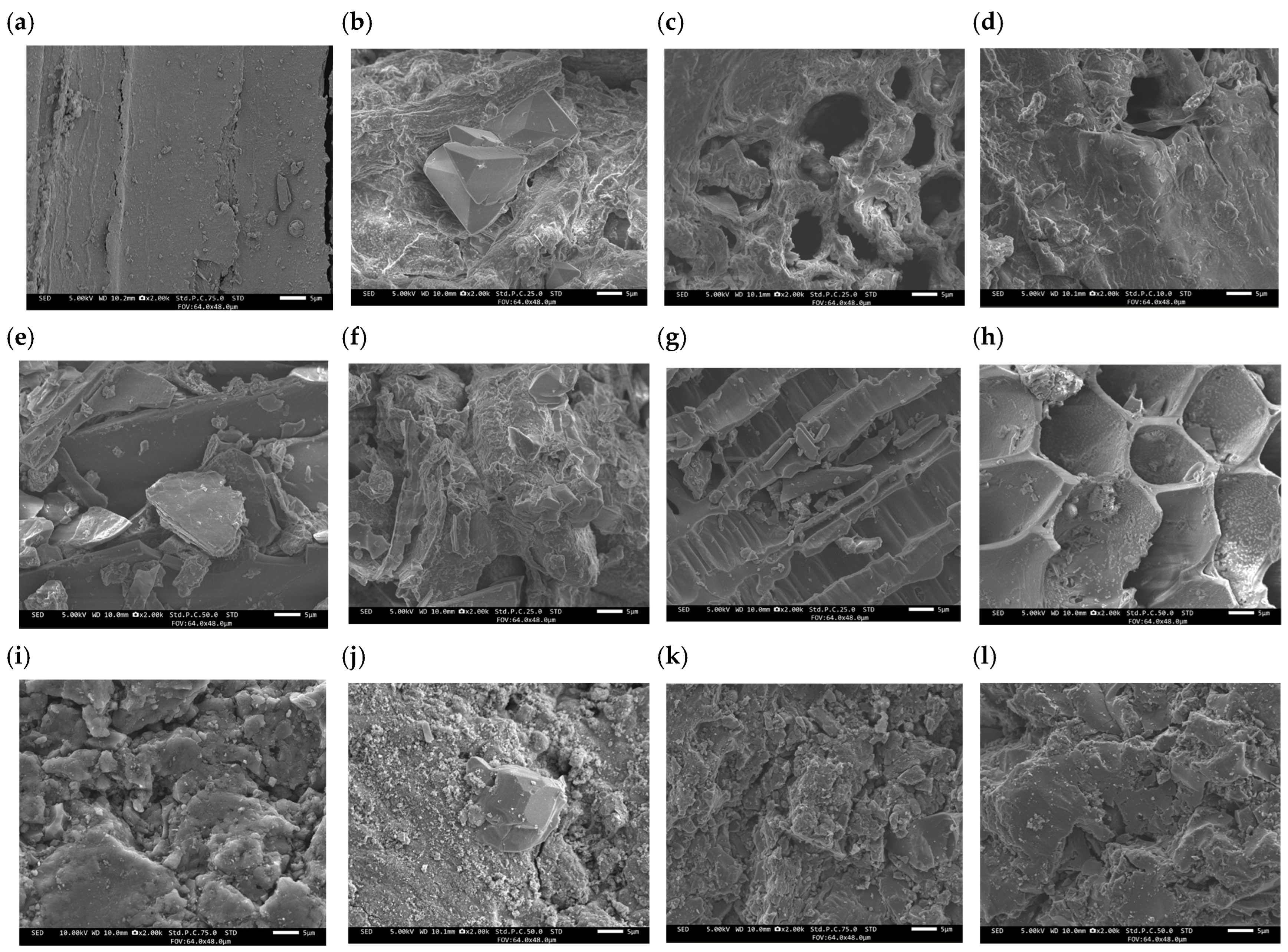
SEM images further showed that the modification route dictated the type of surface heterogeneity generated (Figure 3). Activated carbon exhibited limited morphological change after modification, whereas biochar showed pronounced structural alterations. Ferrate treatment produced a rougher and more heterogeneous surface with fine-scale deposits, whereas acid treatments predominantly created larger etched features and macropores. Although surface roughness was qualitatively assessed from SEM images, samples exhibiting greater surface heterogeneity tended to show better adsorption performance, suggesting that the distribution and accessibility of adsorption sites is as important as the total surface area.
The FT-IR spectra of biochar and activated carbon showed similar functional group characteristics, although different trends in peak changes were observed after modification (Figure 4). In activated carbon, the band near 3418 cm−1, corresponding to O–H functional groups, exhibited increased transmittance after modification, implying a reduction in O–H groups relative to the raw material. In other regions, however, decreased transmittance was observed after modification, indicating an increase in C=C, C–H, and C–O related functionalities. These changes may be associated with the improved adsorption performance resulting from phosphoric acid or sulfuric acid treatment.
In biochar, the changes in the peaks around 675 and 615 cm−1 following ferrate modification are likely attributable to Fe–O groups, indicating that Fe2O3 was successfully immobilized on the biochar surface [36,37]. As NH3 is a basic gas, it can react with acidic oxygen-containing functional groups, including –COOH, phenolic –OH, and lactone-type groups, via Brønsted or Lewis acid–base interactions, forming surface-bound NH4+ species and promoting chemisorption [19,38]. Therefore, the variations in the O–H, C–O, and C=O related bands after modification may indicate the introduction or increased exposure of oxygen-containing functional groups on the adsorbent surface.
However, although ferrate modification increased the number of surface functional groups and was accompanied by an improvement in adsorption capacity, the enhancement cannot be explained solely by changes in functional groups. In particular, the phosphoric acid- and sulfuric acid-modified samples also showed changes in functional groups, but these did not lead to a corresponding increase in adsorption efficiency. Therefore, the improved removal of malodorous substances after ferrate modification is more likely attributable to the oxidative activity of ferrate species bound to the adsorbent surface than to adsorption by the adsorbent itself.

4. Discussion

4.1. Effect of Pyrolysis Temperature on Textural Parameters of Biochar

The adsorption of malodorous substances is greatly affected by the specific surface area, pore volume, and pore size of the adsorbent, and micro-sized pores are known to contribute to increasing adsorption efficiency. Therefore, activated carbon that matches these characteristics is utilized to remove malodorous substances from various sources. In terms of organic resource recycling, biochar produced through pyrolysis of wood or natural byproducts is being studied as a potential substitute for activated carbon. To increase its usability, various methods such as surface modification to increase the specific surface area during biochar production are also being studied. In particular, it has been reported that a higher pyrolysis temperature has a positive effect on pore formation, and therefore a high pyrolysis temperature is preferred in the production of biochar.
However, the pyrolysis temperatures of biochar reported in the literature range widely from 250 to 800 °C, and the feedstocks also vary, including herbaceous and woody biomass, food waste, and animal manure. Accordingly, the specific surface area varies significantly depending on the feedstock. At pyrolysis temperatures of 250–350 °C, the specific surface area ranges from 0.22 to 14.4 m2/g, while at 400–600 °C, it increases to a broader range of 0.18–221 m2/g. At higher temperatures (700–800 °C), an even wider distribution is observed, ranging from 5.48 to 517 m2/g.
Correlation analysis between pyrolysis temperature and specific surface area indicates that, for a given feedstock, the specific surface area generally increases with increasing pyrolysis temperature. However, the overall correlation remains weak when different feedstocks are considered together. This finding suggests that pore development and the formation of specific surface area are strongly affected by feedstock composition, particularly by the content and characteristics of volatile components released during pyrolysis. Accordingly, the thermal stability of adsorbents is also an important factor in evaluating their practical applicability, especially in terms of regeneration and repeated use. Previous studies have used thermogravimetric analysis (TGA) to examine the thermal stability of biochar-based adsorbents and to relate it to adsorption–desorption behavior or regenerable performance. For instance, the thermal stability and repeated adsorption/regeneration performance of magnetic tea biochar were evaluated [39], and the thermal stability of pristine and magnetic olive-stone biochar was assessed together with their adsorption–desorption performance over six cycles [40]. In the present study, however, regeneration and reuse experiments for the modified biochar were beyond the scope of the work; therefore, the lack of direct evaluation of re-generability and repeated-use performance is acknowledged as a limitation.
Biochar produced at higher thermal decomposition temperatures generally exhibits enhanced carbonization, resulting in a larger specific surface area compared to low-temperature biochar [41]. An increase in specific surface area is typically associated with improved adsorption capacity. However, as discussed previously, low-temperature biochar does not necessarily demonstrate inferior adsorption performance relative to high-temperature biochar. Notably, although the specific surface area of low-temperature biochar was approximately 1/57 that of high-temperature biochar, the difference in adsorption capacity was only about 1/2.7. This discrepancy indicates that adsorption behavior cannot be sufficiently explained solely by differences in pore volume or pore size. It can be inferred that the optimal pyrolysis temperature, which influences adsorption performance, is contingent upon the chemical composition inherent to the material, as the temperature also affects the formation of surface functional groups [42].

4.2. Influence of Surface Modification on Adsorption Capacity and Textural Properties

Surface modification of activated carbon with acidic agents, such as sulfuric acid and phosphoric acid, is widely recognized as an effective approach for enhancing ammonia removal performance, and a similar trend was observed in the present study. In contrast, in the case of biochar, modification with sulfuric acid or phosphoric acid resulted in a decrease in specific surface area and an increase in pore size, which consequently led to a decline in adsorption performance. Ferrate modification, however, improved the removal efficiency, suggesting that the enhanced performance may be attributed to the oxidation of malodorous compounds by iron oxides formed on the surface.
The contrasting responses of activated carbon and biochar indicate that identical impregnation chemistries can modify the dominant adsorption mechanisms in different ways, depending on the nature of the parent carbon matrix. Microporous activated carbon appears to be more vulnerable to performance deterioration when its micropores are blocked or constricted, whereas biochar may derive greater benefit from the introduction of reactive functional groups or metal-containing species than from moderate changes in surface area alone. This matrix-dependent behavior has been frequently reported in studies on biochar modification, suggesting that improvements in adsorption performance are governed not only by increases in surface area, but also by the engineering of surface functional groups.
Iron-based modification has been widely reported as an effective strategy for improving the adsorption performance of biochar toward various contaminants. For example, FeCl3-modified biochar has been shown to enhance ammonium adsorption by increasing the abundance of oxygen-containing functional groups, such as carboxyl and hydroxyl groups, and by altering the surface properties of biochar [20]. In addition, Long et al. reported that metal modification changed the surface potential of biochar, and FeCl3-modified biochar exhibited the highest positive surface charge due to the formation of Fe2O3 on the biochar surface, which enhanced adsorption performance [43]. These findings suggest that iron-based modification can influence adsorption not only through changes in pore structure but also through changes in surface functional groups and surface charge.
However, regarding H2S removal, in contrast to the results of this study, there were also results from previous studies showing that iron impregnation of biochar increased the H2S adsorption capacity by up to 3.9 times and that the conversion of Fe3O4 to FeSO4 after H2S adsorption indicated the involvement of reactive chemisorption [31]. Fe-based biochar composites have shown high gaseous NH3 adsorption capacity, with the adsorption mechanism being attributed to both physical and chemical adsorption processes [44]. Ferrate-based modification has also been reported to generate iron oxides, oxygen-containing functional groups, and porous structures on biochar, thereby improving adsorption performance for target contaminants [45,46]. Therefore, the enhanced NH3 adsorption observed in the present study can be interpreted as being associated with ferrate-induced changes in surface functional groups and Fe-related active sites, as supported by the FTIR results showing Fe–O-related bands after modification. However, the contribution of surface charge, including zeta potential, should be interpreted as literature-based evidence because zeta potential was not directly measured in this study.

4.3. Adsorption Enhancement by Iron-Oxide and Its Surface Chemistry

Although biochar modification generally increased BET surface area and pore volume, adsorption performance did not improve except after ferrate modification. This indicates that improved textural properties alone were not sufficient to enhance odor gas adsorption on biochar. Instead, chemical adsorption associated with surface functional groups likely plays a more explanatory role.
Fe-containing surface species may provide additional reactive sites, which could be particularly important for the adsorption of sulfur-containing gases. This interpretation is consistent with previous findings for FeOOH/activated carbon composites [47], as well as with broader studies showing that metal- or metal oxide-modified biochar can enhance adsorption performance by introducing new chemisorption pathways and redox-active sites [17,20]. FT-IR analysis further suggested that oxygen-containing functional groups, including O–H, C=O, and C–O, were introduced or exposed during the modification process. Notably, only ferrate modification, unlike conventional acid impregnation, improved the performance of biochar, implying that the incorporation of Fe-containing species together with their associated surface redox activity may play a critical role in the capture of odorous gases in this system.
Previous studies have shown that chemical modification of biochar can alter surface functional groups and surface charge properties, including zeta potential, thereby affecting adsorption behavior. Metal modification changed the surface potential of corncob biochar, and FeCl3-modified biochar exhibited a highly positive surface charge due to the formation of Fe2O3 on the biochar surface [43]. Another research demonstrated that FeCl3/HCl modification of wheat straw biochar increased ammonium adsorption capacity by at least 14%, mainly due to increases in –OH and O–C=O functional groups, specific surface area, and Fe3+/Fe2+ redox coupling [20]. Furthermore, if the biochar is negatively charged then it showed electrostatic attraction to NH4+-N [48].
From previous findings, it is implied that ferrate impregnation may influence adsorption performance through changes in surface functional groups and surface charge properties to enhance Lewis acid–base interactions between NH3 and Fe-associated or oxygen-containing surface sites.

5. Conclusions

This study evaluated the potential use of commercially available biochar as an adsorbent for controlling NH3 and H2S, which differentiates it from many previous studies that mainly focused on laboratory-prepared biochar. The main conclusions are as follows.
(1)
Among the activated carbon and five commercially available biochars evaluated, HT800 exhibited superior ammonia adsorption performance compared to activated carbon despite possessing only one-tenth of its specific surface area. This result demonstrates the high efficiency of HT800 for ammonia removal and highlights its potential as an effective alternative to activated carbon without requiring additional modification.
(2)
Acid and ferrate modifications did not significantly affect the specific surface area of the adsorbents; however, they exhibited contrasting trends in ammonia adsorption performance. The adsorption efficiency of activated carbon increased following acid modification, whereas biochar showed improved ammonia removal efficiency after ferrate modification. These findings suggest that the effectiveness of surface modification for enhancing adsorption performance may vary depending on the intrinsic properties of the adsorbent, indicating the need for further investigation into adsorbent-specific modification strategies.
(3)
FTIR analysis confirmed that ferrate modification significantly enhanced the formation of iron-based surface species and oxygen-containing functional groups on the biochar surface compared to activated carbon. These results suggest that the improved ammonia removal performance may not only be attributed to the roles of surface functional groups, such as carboxyl and hydroxyl groups introduced through surface modification, but also to the direct oxidative interactions of iron oxide species with ammonia during the deodorization process.
Various studies have identified specific surface area, pore structure characteristics, and surface modification as important factors for the application of biochar as an adsorbent. In this study, ferrate modification demonstrated promising potential for enhancing the adsorption performance of biochar, and commercially available biochar, in particular, showed the possibility of serving as a viable alternative adsorbent. However, to further expand the practical application of biochar, additional integrated studies considering regeneration performance, reusability, and long-term durability will be necessary.

Author Contributions

Conceptualization, Y.K.; methodology, Y.K. and S.-H.K.; investigation, Y.K. and S.-H.K.; data curation, Y.K.; writing—original draft preparation, Y.K. and S.-H.K.; writing—review and editing, Y.K.; visualization, Y.K. and S.-H.K.; supervision, Y.K. All authors have read and agreed to the published version of the manuscript.

Funding

This research was funded by Korea Institute of Planning and Evaluation for Technology in Food, Agriculture and Forestry (IPET) through 2025 Livestock Industrialization Technology development Program, funded by Ministry of Agriculture, Food and Rural Affairs (MAFRA) (Development of odor reduction technology for large-scale composting facilities, 2540000626, RS-2021-IP321086).

Institutional Review Board Statement

Not applicable.

Informed Consent Statement

Not applicable.

Data Availability Statement

The data included in this article that support the results of this study can be obtained by contacting the corresponding author of this article.

Conflicts of Interest

The authors declare no conflicts of interest.

Abbreviations

The following abbreviations are used in this manuscript:
AC800Activated Carbon pyrolyzed at 800 °C
FrFerrate
HT700Biochar pyrolyzed at 700 °C
HT800Biochar pyrolyzed at 800 °C
LT325Biochar pyrolyzed at 325 °C
LT350Biochar pyrolyzed at 350 °C
MT500Biochar pyrolyzed at 500 °C
PAPhosphoric Acid
SASulfuric Acid

References

  1. Kadam, R.; Jo, S.; Lee, J.; Khanthong, K.; Jang, H.; Park, J. A review on the anaerobic co-digestion of livestock manures in the context of sustainable waste management. Energies 2024, 17, 546. [Google Scholar] [CrossRef]
  2. Ankathi, S.K.; Chaudhari, U.S.; Handler, R.M.; Shonnard, D.R. Sustainability of biogas production from anaerobic digestion of food waste and animal manure. Appl. Microbiol. 2024, 4, 418–438. [Google Scholar] [CrossRef]
  3. Phillip, A.; Bhat, S.M.; Sharma, N.; Poudel, B. Enhanced biogas production using anaerobic co-digestion of animal waste and food waste: A review. J. Sci. Res. Rep. 2024, 30, 761–781. [Google Scholar] [CrossRef]
  4. Miller, D.N.; Varel, V.H. In vitro study of the biochemical origin and production limits of odorous compounds in cattle feedlots. J. Anim. Sci. 2001, 79, 2949–2956. [Google Scholar] [CrossRef]
  5. Halder, J.N.; Lee, M.G. A review on techniques to control and mitigate odors in swine facilities. J. Agric. Life Environ. Sci. 2020, 32, 297–310. [Google Scholar] [CrossRef]
  6. Cho, S.; Hwang, O.; Park, S. Effect of dietary protein levels on composition of odorous compounds and bacterial ecology in pig manure. Asian Australas. J. Anim. Sci. 2015, 28, 1362–1370. [Google Scholar] [CrossRef]
  7. Zilio, M.; Orzi, V.; Chiodini, M.E.; Riva, C.; Acutis, M.; Boccasile, G.; Adani, F. Evaluation of ammonia and odour emissions from animal slurry and digestate storage in the Po Valley (Italy). Waste Manag. 2020, 103, 296–304. [Google Scholar] [CrossRef]
  8. Orzi, V.; Riva, C.; Scaglia, B.; D’Imporzano, G.; Tambone, F.; Adani, F. Anaerobic digestion coupled with digestate injection reduced odour emissions from soil during manure distribution. Sci. Total Environ. 2018, 621, 168–176. [Google Scholar] [CrossRef]
  9. Pedersen, J.; Hafner, S.D. Ammonia emissions after field application of anaerobically digested animal slurry: Literature review and perspectives. Agric. Ecosyst. Environ. 2023, 357, 108697. [Google Scholar] [CrossRef]
  10. Mochizuki, T.; Kubota, M.; Matsuda, H.; D’Elia Camacho, L.F. Adsorption behaviors of ammonia and hydrogen sulfide on activated carbon prepared from petroleum coke by KOH chemical activation. Fuel Process. Technol. 2016, 144, 164–169. [Google Scholar] [CrossRef]
  11. Zhou, X.; Moghaddam, T.B.; Chen, M.; Wu, S.; Adhikari, S. Biochar removes volatile organic compounds generated from asphalt. Sci. Total Environ. 2020, 745, 141096. [Google Scholar] [CrossRef]
  12. Kaikiti, K.; Stylianou, M.; Agapiou, A. Use of biochar for the sorption of volatile organic compounds (VOCs) emitted from cattle manure. Environ. Sci. Pollut. Res. 2021, 28, 59141–59149. [Google Scholar] [CrossRef]
  13. Piekarski, J.; Ignatowicz, K.; Dąbrowski, T.; Dąbrowski, B. Analysis of the possibility of applying biochars from biowaste as adsorbents to eliminate odors from wastewater treatment. Energies 2024, 17, 4129. [Google Scholar] [CrossRef]
  14. Chen, Y.; Zhang, X.; Chen, W.; Yang, H.; Chen, H. The structure evolution of biochar from biomass pyrolysis and its correlation with gas pollutant adsorption performance. Bioresour. Technol. 2017, 246, 101–109. [Google Scholar] [CrossRef]
  15. Sun, Y.; Wang, X.; Yang, C.; Xin, X.; Zheng, J.; Zong, T.; Dou, C. Effects of biochar on gaseous carbon and nitrogen emissions in paddy fields: A review. Agronomy 2024, 14, 1461. [Google Scholar] [CrossRef]
  16. Hwang, O.; Lee, S.R.; Cho, S.; Ro, K.S.; Spiehs, M.; Woodbury, B.; Silva, P.J.; Han, D.-W.; Choi, H.; Kim, K.-Y.; et al. Efficacy of different biochars in removing odorous volatile organic compounds (VOCs) emitted from swine manure. ACS Sustain. Chem. Eng. 2018, 6, 14239–14247. [Google Scholar] [CrossRef]
  17. Joshi, M.; Bhatt, D.; Srivastava, A. Enhanced adsorption efficiency through biochar modification: A comprehensive review. Ind. Eng. Chem. Res. 2023, 62, 13748–13761. [Google Scholar] [CrossRef]
  18. Lan, W.; Zhao, X.; Wang, Y.; Jin, X.; Ji, J.; Cheng, Z.; Yang, G.; Li, H.; Chen, G. Research progress of biochar modification technology and its application in environmental remediation. Biomass Bioenergy 2024, 184, 107178. [Google Scholar] [CrossRef]
  19. Chaisongkroh, N.; Chungsiriporn, J.; Bunyakan, C. Modeling and optimization of ammonia treatment by acidic biochar using response surface methodology. Songklanakarin J. Sci. Technol. 2012, 34, 423–432. [Google Scholar]
  20. Wang, S.; Ai, S.; Nzediegwu, C.; Kwak, J.-H.; Islam, M.S.; Li, Y.; Chang, S.X. Carboxyl and hydroxyl groups enhance ammonium adsorption capacity of iron (III) chloride and hydrochloric acid modified biochars. Bioresour. Technol. 2020, 309, 123390. [Google Scholar] [CrossRef]
  21. Ippolito, J.A.; Cui, L.; Kammann, C.; Wrage-Mönnig, N.; Estavillo, J.M.; Fuertes-Mendizabal, T.; Cayuela, M.L.; Sigua, G.; Novak, J.; Spokas, K.; et al. Feedstock choice, pyrolysis temperature and type influence biochar characteristics: A comprehensive meta-data analysis review. Biochar 2020, 2, 421–438. [Google Scholar] [CrossRef]
  22. Tu, P.; Zhang, G.; Wei, G.; Li, J.; Li, Y.; Deng, L.; Yuan, H. Influence of pyrolysis temperature on the physicochemical properties of biochars obtained from herbaceous and woody plants. Bioresour. Bioprocess. 2022, 9, 131. [Google Scholar] [CrossRef]
  23. Luo, Q.; Deng, Y.; Li, Y.; He, Q.; Wu, H.; Fang, X. Effects of pyrolysis temperatures on the structural properties of straw biochar and its adsorption of tris-(1-chloro-2-propyl) phosphate. Sci. Rep. 2024, 14, 25711. [Google Scholar] [CrossRef]
  24. Barszcz, W.; Łożyńska, M.; Molenda, J. Impact of pyrolysis process conditions on the structure of biochar obtained from apple waste. Sci. Rep. 2024, 14, 10501. [Google Scholar] [CrossRef]
  25. Elnour, A.Y.; Alghyamah, A.A.; Shaikh, H.M.; Poulose, A.M.; Al-Zahrani, S.M.; Anis, A.; Al-Wabel, M.I. Effect of pyrolysis temperature on biochar microstructural evolution, physicochemical characteristics, and its influence on biochar/polypropylene composites. Appl. Sci. 2019, 9, 1149. [Google Scholar] [CrossRef]
  26. Shabir, R.; Li, Y.; Megharaj, M.; Chen, C. Pyrolysis temperature affects biochar suitability as an alternative rhizobial carrier. Biol. Fertil. Soils 2024, 60, 681–697. [Google Scholar] [CrossRef]
  27. Chen, J.; Huang, L.; Sun, L.; Zhu, X. Desulfurization performance of MgO/rice straw biochar adsorbent prepared by co-precipitation/calcination route. BioResources 2020, 15, 4738–4752. [Google Scholar] [CrossRef]
  28. Manap, N.R.A.; Shamsudin, R.; Maghpor, M.N.; Hamid, M.A.A.; Jalar, A. Adsorption isotherm and kinetic study of gas-solid system of formaldehyde on oil palm mesocarp biochar: Pyrolysis effect. J. Environ. Chem. Eng. 2018, 6, 970–983. [Google Scholar] [CrossRef]
  29. Yuan, Y.; Huang, L.; Zhang, T.C.; Ouyang, L.; Yuan, S. One-step synthesis of ZnFe2O4-loaded biochar derived from leftover rice for high-performance H2S removal. Sep. Purif. Technol. 2021, 279, 119686. [Google Scholar] [CrossRef]
  30. Su, L.; Chen, M.; Zhuo, G.; Ji, R.; Wang, S.; Zhang, L.; Zhang, M.; Li, H. Comparison of biochar materials derived from coconut husks and various types of livestock manure, and their potential for use in removal of H2S from biogas. Sustainability 2021, 13, 6262. [Google Scholar] [CrossRef]
  31. Choudhury, A.; Lansing, S. Adsorption of hydrogen sulfide in biogas using a novel iron-impregnated biochar scrubbing system. J. Environ. Chem. Eng. 2021, 9, 104837. [Google Scholar] [CrossRef]
  32. Huang, D.; Wang, N.; Bai, X.; Chen, Y.; Xu, Q. The influencing mechanism of O2, H2O, and CO2 on the H2S removal of food waste digestate-derived biochar with abundant minerals. Biochar 2022, 4, 71. [Google Scholar] [CrossRef]
  33. Ma, Q.X.; Chen, W.H.; Jin, Z.H.; Chen, L.; Zhou, Q.Y.; Jiang, X. One-step synthesis of microporous nitrogen-doped biochar for efficient removal of CO2 and H2S. Fuel 2021, 289, 119932. [Google Scholar] [CrossRef]
  34. Pelaez-Samaniego, M.R.; Pérez, J.F.; Ayiania, M.; García-Pérez, T. Chars from wood gasification for removing H2S from biogas. Biomass Bioenergy 2020, 142, 105754. [Google Scholar] [CrossRef]
  35. Yakout, S.M.; Daifullah, A.E.H.M.; El-Reefy, S.A. Pore structure characterization of chemically modified biochar derived from rice straw. Environ. Eng. Manag. J. 2015, 14, 473–480. [Google Scholar] [CrossRef]
  36. Tam, N.; Liu, Y.; Bashir, H.; Yin, Z.; He, Y.; Zhou, X. Efficient Removal of Diclofenac from Aqueous Solution by Potassium Ferrate-Activated Porous Graphitic Biochar: Ambient Condition Influences and Adsorption Mechanism. Int. J. Environ. Res. Public Health 2020, 17, 291. [Google Scholar] [CrossRef]
  37. Feng, C.; Huang, M.; Huang, C. Specific chemical adsorption of selected divalent heavy metal ions onto hydrous γ-Fe2O3-biochar from dilute aqueous solutions with pH as a master variable. Chem. Eng. J. 2023, 451, 138921. [Google Scholar] [CrossRef]
  38. Ro, K.S.; Lima, I.M.; Reddy, G.B.; Jackson, M.A.; Gao, B. Removing Gaseous NH3 Using Biochar as an Adsorbent. Agriculture 2015, 5, 991–1002. [Google Scholar] [CrossRef]
  39. Altaf, A.R.; Teng, H.; Gang, L.; Adewuyi, Y.G.; Zheng, M. Effect of Sonochemical Treatment on Thermal Stability, Elemental Mercury (Hg0) Removal, and Regenerable Performance of Magnetic Tea Biochar. ACS Omega 2021, 6, 23913–23923. [Google Scholar] [CrossRef]
  40. El-Azazy, M.; Nabil, I.; Hassan, S.S.; El-Shafie, A.S. Adsorption Characteristics of Pristine and Magnetic Olive Stones Biochar with Respect to Clofazimine. Nanomaterials 2021, 11, 963. [Google Scholar] [CrossRef]
  41. Wystalska, K.; Kwarciak-Kozłowska, A. The Effect of Biodegradable Waste Pyrolysis Temperatures on Selected Biochar Properties. Materials 2021, 14, 1644. [Google Scholar] [CrossRef]
  42. Skic, K.; Adamczuk, A.; Gryta, A.; Boguta, P.; Tóth, T.; Jozefaciuk, G. Surface areas and adsorption energies of biochars estimated from nitrogen and water vapour adsorption isotherms. Sci. Rep. 2024, 14, 30362. [Google Scholar] [CrossRef]
  43. Long, L.; Xue, Y.; Hu, X.; Zhu, Y. Study on the influence of surface potential on the nitrate adsorption capacity of metal modified biochar. Environ. Sci. Pollut. Res. 2019, 26, 3065–3074. [Google Scholar] [CrossRef]
  44. Yuan, Y.; Wu, G.; Li, W.; Wang, Y.; Zhang, T.C.; He, G.; Yuan, S. In situ growth of MIL-100(Fe) onto the rice straw-derived biochar for efficient adsorption of gaseous ammonia. Sep. Purif. Technol. 2024, 342, 127034. [Google Scholar] [CrossRef]
  45. Qu, J.; Wu, Z.; Liu, Y.; Li, R.; Wang, D.; Wang, S.; Wei, S.; Zhang, J.; Tao, Y.; Jiang, Z.; et al. Ball milling potassium ferrate activated biochar for efficient chromium and tetracycline decontamination: Insights into activation and adsorption mechanisms. Bioresour. Technol. 2022, 360, 127407. [Google Scholar] [CrossRef]
  46. Hang, J.; Guo, Z.; Zhong, C.; Sun, A.; He, K.; Liu, X.; Song, H.; Li, J. A super magnetic porous biochar manufactured by potassium ferrate-accelerated hydrothermal carbonization for removal of tetracycline. J. Clean. Prod. 2024, 435, 140470. [Google Scholar] [CrossRef]
  47. Lee, S.; Lee, T.; Kim, D. Adsorption of Hydrogen Sulfide from Gas Streams Using the Amorphous Composite of α-FeOOH and Activated Carbon Powder. Ind. Eng. Chem. Res. 2017, 56, 3116–3122. [Google Scholar] [CrossRef]
  48. Hsu, D.; Lu, C.; Pang, T.; Wang, Y.; Wang, G. Adsorption of Ammonium Nitrogen from Aqueous Solution on Chemically Activated Biochar Prepared from Sorghum Distillers Grain. Appl. Sci. 2019, 9, 5249. [Google Scholar] [CrossRef]
Figure 1. Ammonia adsorption breakthrough curves of surface modified adsorbents with phosphoric acid(PA-), Sulfuric acid(SA-)and ferrate(Fr-): (a) activated carbon(AC800), (b) low-temperature pyrolyzed biochar(LT325) and (c) high-temperature pyrolyzed biochar(HT700).
Applsci 16 05140 g001aApplsci 16 05140 g001b
Figure 2. Surface elemental distribution of modified adsorbents (SEM–EDS analysis). (a) Fr-LT325-Fe, (b) PA-LT325-P, (c) SA-LT325-S, (d) Fr-HT700-Fe, (e) PA-HT700-P, (f) SA-HT700-S, (g) Fr-AC800-Fe, (h) PA-AC800-P, (i) SA-AC800-S.
Applsci 16 05140 g002
Figure 3. SEM images of raw and modified adsorbents. (a) LT325, (b) Fr-LT325, (c) SA-LT325, (d) PA-LT325, (e) HT700, (f) Fr-HT700, (g) SA-HT700, (h) PA-HT700, (i) AC800, (j) Fr-AC800, (k) SA-AC800, (l) PA-AC800.
Applsci 16 05140 g003
Figure 4. Fourier transform infrared spectroscopy of surface modified adsorbents, (a) activated carbon, (b) HT700 biochar and (c) LT325 biochar.
Applsci 16 05140 g004
Table 1. Characteristics of used biochar and activated carbon.
AdsorbentSample
Name
Source MaterialPyrolysis Temperature (°C)ShapeSurface Area
(m2/g)
Pore Size
(nm)
Activated carbonAC800coal8002~3 mm granules10062.02
BiocharLT325oak325Fragment12.75.25
HT700wood700Coarse granules0.224.78
LT350forest byproducts350Fragment0.3824.17
MT500forest byproducts500Small size fragment205.72.10
HT800Wood pellets800Coarse granules135.92.64
Table 2. Physiochemical characteristics and adsorption capacity of nonmodified biochar.
Pyrolysis
Temp (°C)
CatagoryRaw
Material
Surface
Area
(m2/g)
Total Pore
Volume
(cm3/g)
Pore Size
(nm)
Odor
Compound
Adsorption
Capa (mg/g)
Reference
250Herbal corn stover3.0830.01113.838tri-phosphate0.8837[23]
300Fruitsapple14.40.0154.323n.a.n.a.[24]
300Woody date palm2.0400.0047n.a.n.a.n.a.[25]
325Woodyoak tree0.220.00035.49manure odor0.13 (NH3)This study
350Woodyforest byproduct0.3820.00044.17manure odor0.08 (NH3)This study
350Herbalcorn stover14.2840.0205.688tri-phosphate1.0147[23]
400WoodyPinewood14.2n.a.3.64n.a.n.a.[26]
400Woodyoak11.5n.a.3.24n.a.n.a.[26]
400Woodydate palm5.5350.0055n.a.n.a.n.a.[25]
400HerbalRice straw10.60.0312.8SO211.1[27]
500Herbalparm mesocarp fiber19.800326.5formaldehyden.a.[28]
500WoodyPinewood25.5n.a.4.52n.a.n.a.[26]
500Woodyoak28.4n.a.5.32n.a.n.a.[26]
500Woodydate palm123.6250.0209n.a.n.a.n.a.[25]
500Herbalcorn stover215.9370.1352.492tri-phosphate1.1567[23]
500Woodyforest byproduct205.70.10782.1manure odor0.17 (NH3)This study
500FruitsLeftover rice2.76n.a.n.a.H2S12.11[29]
500Organic wasteCow dung7.01n.a.n.a.H2S29.81[30]
500FruitsCoconut husk0.18n.a.n.a.H2S30.44[30]
500WoodyMaple wood161n.a.n.a.H2S6.1[31]
600Herbalparm mesocarp fiber8.590.0135.9formaldehyden.a.[28]
600WoodyPinewood142.7n.a.6.35n.a.n.a.[26]
600Woodyoak138.4n.a.6.04n.a.n.a.[26]
600Woodydate palm221.2300.0317n.a.n.a.n.a.[25]
600Organic wasteFood waste
digestate
123.410.09384.0492H2S12.5[32]
700Herbalparm mesocarp fiber6.890.0137.1formaldehyden.a.[28]
700Fruitsapple314.70.1381.299n.a.n.a.[24]
700WoodyPinewood167.4n.a.6.87n.a.n.a.[26]
700Woodyoak154.2n.a.6.49n.a.n.a.[26]
700WoodySaw dust5240.45n.a.H2S0.24[33]
700Woodydate palm249.1300.0308n.a.n.a.n.a.[25]
700Herbalcorn stover435.5730.2582.368tri-phosphate2.2574[23]
700Woodylumber12.670.01534.78manure odor0.14 (NH3)This study
725WoodyWood logs3850.2002n.a.H2S18[34]
800Herbalparm mesocarp fiber5.480.017.1formaldehyden.a.[28]
800WoodyPinewood154.4n.a.6.24n.a.n.a.[26]
800Woodyoak152.4n.a.6.05n.a.n.a.[26]
800Woodywood pellet135.90.08982.64manure odorn.d.This study
838WoodyWood logs5170.2888n.a.H2S17.8[34]
n.a.: not available, n.d.: not detected.
Table 3. Surface physical characteristics and adsorption capacity of tested adsorbents.
AdsorbentsSurface Area
(m2/g)
Pore Volume
(cc/g)
Pore Size
(nm)
Adsorption Capacity
(mg/g)
Multi-PointMicroporeTotalMesoMicroAverage-
AC8001006857.60.50750.08790.35632.020.504
Fr-AC800706570.20.37610.09010.23642.130.322
SA-AC800821.2685.40.44350.11090.28422.161.036
PA-AC800866.5724.70.44100.08680.30022.041.135
HT70012.712.10.01530.01050.00514.780.016
Fr-HT70013.76-0.03760.03590.001010.940.237
SA-HT70013.29-0.03350.02990.000510.07-
PA-HT70010.31-0.05210.05030.000220.2-
LT3250.22-0.01100.01040.00025.250.006
Fr-LT3253.88-0.02940.02780.00052.860.124
SA-LT3257.90-0.02250.01900.00029.62-
PA-LT3256.93-0.02050.01670.00019.65-
Disclaimer/Publisher’s Note: The statements, opinions and data contained in all publications are solely those of the individual author(s) and contributor(s) and not of MDPI and/or the editor(s). MDPI and/or the editor(s) disclaim responsibility for any injury to people or property resulting from any ideas, methods, instructions or products referred to in the content.