Article

Carbon-Efficient Fur Processing: Integrating Embedded IoT Systems in Tanning and Synthetic Textile Manufacturing


by
Dimitris Ziouzios
*,
Aikaterini Tsepoura
and
Vasileios Vasileiadis
Chemical Engineering, University of Western Macedonia, 50100 Kozani, Greece
*
Author to whom correspondence should be addressed.
Appl. Sci. 2026, 16(10), 4920; https://doi.org/10.3390/app16104920
Submission received: 9 April 2026 / Revised: 22 April 2026 / Accepted: 28 April 2026 / Published: 14 May 2026
(This article belongs to the Special Issue Life Cycle Assessment in Sustainable Materials Manufacturing)

Abstract

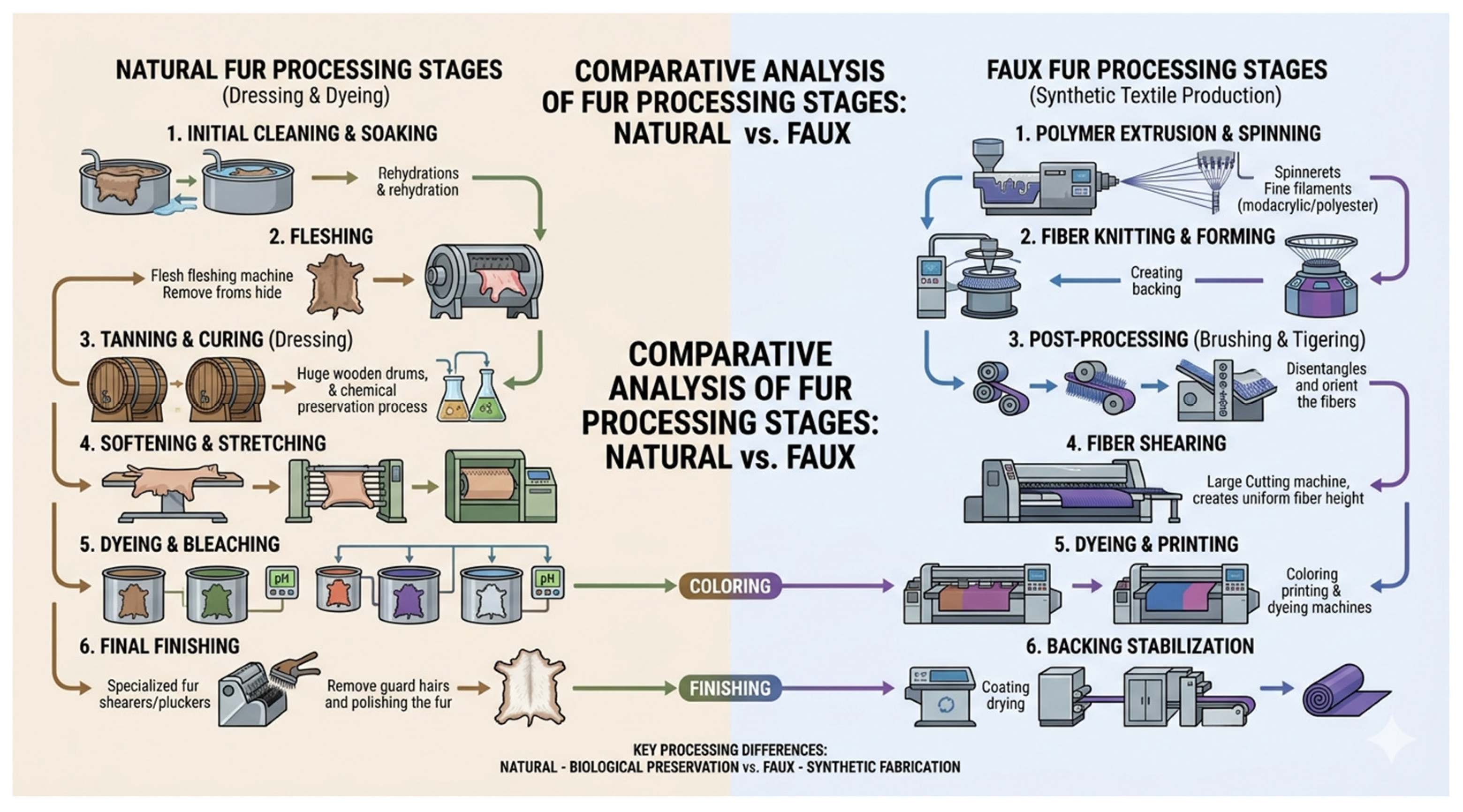
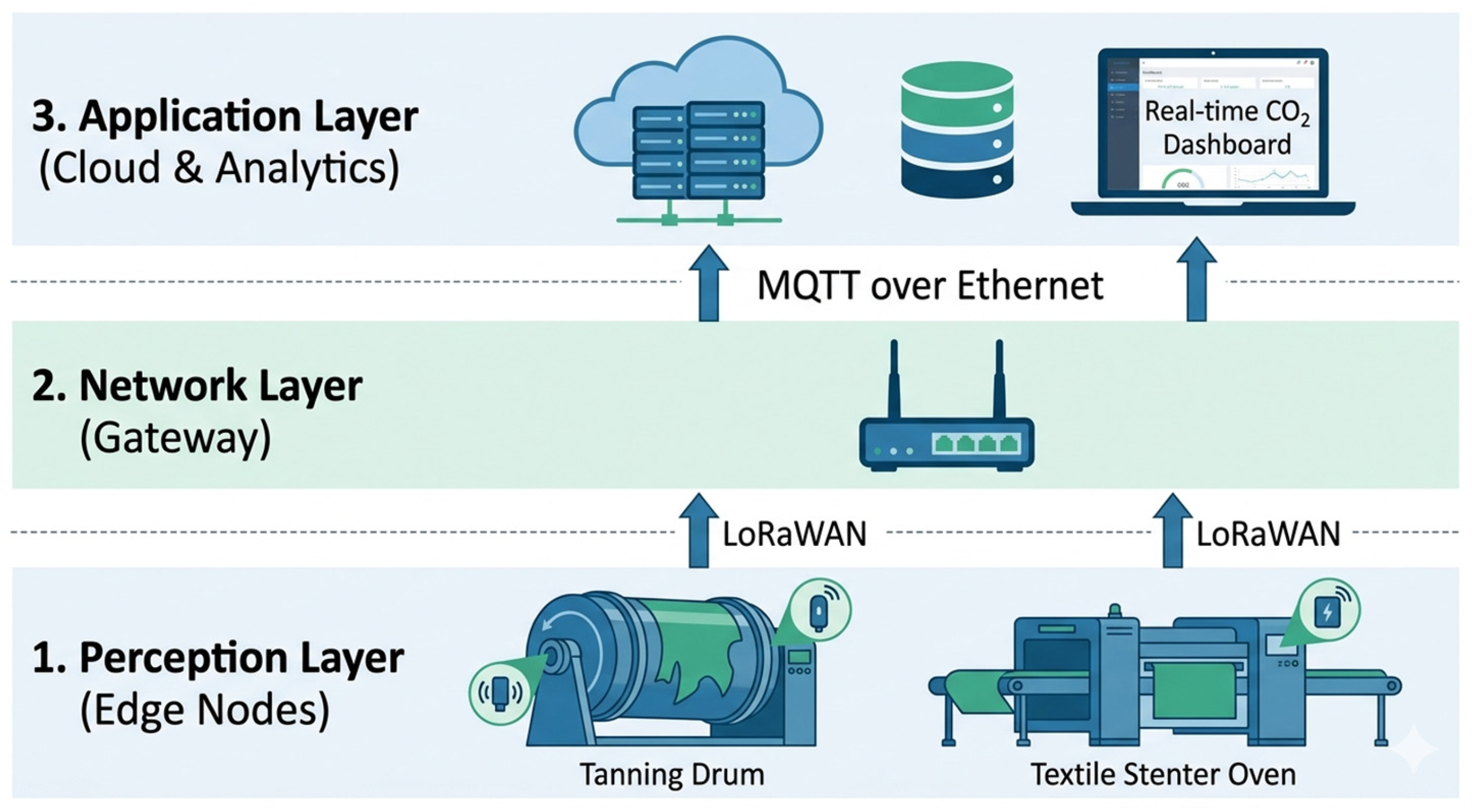
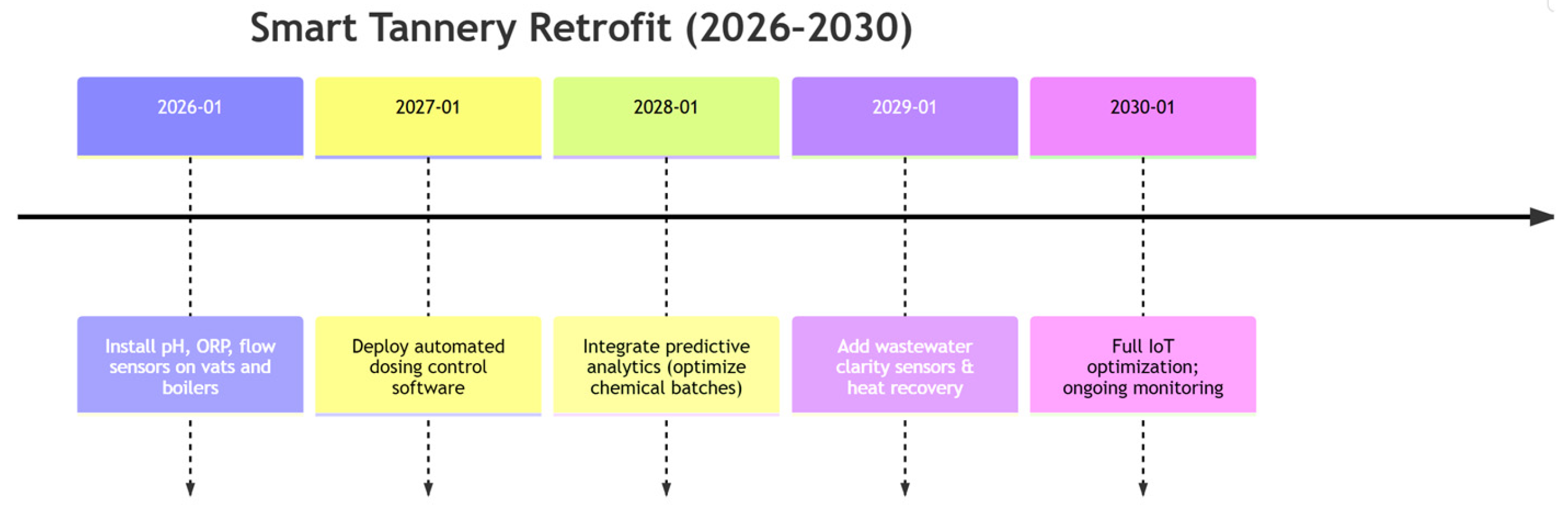
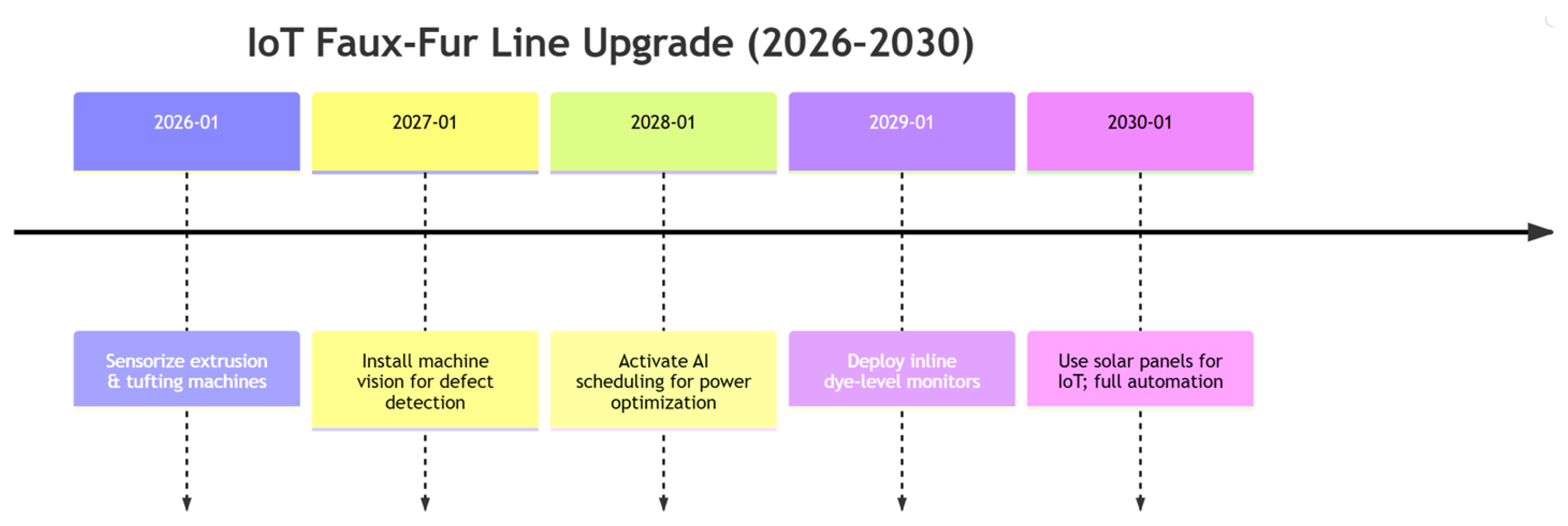
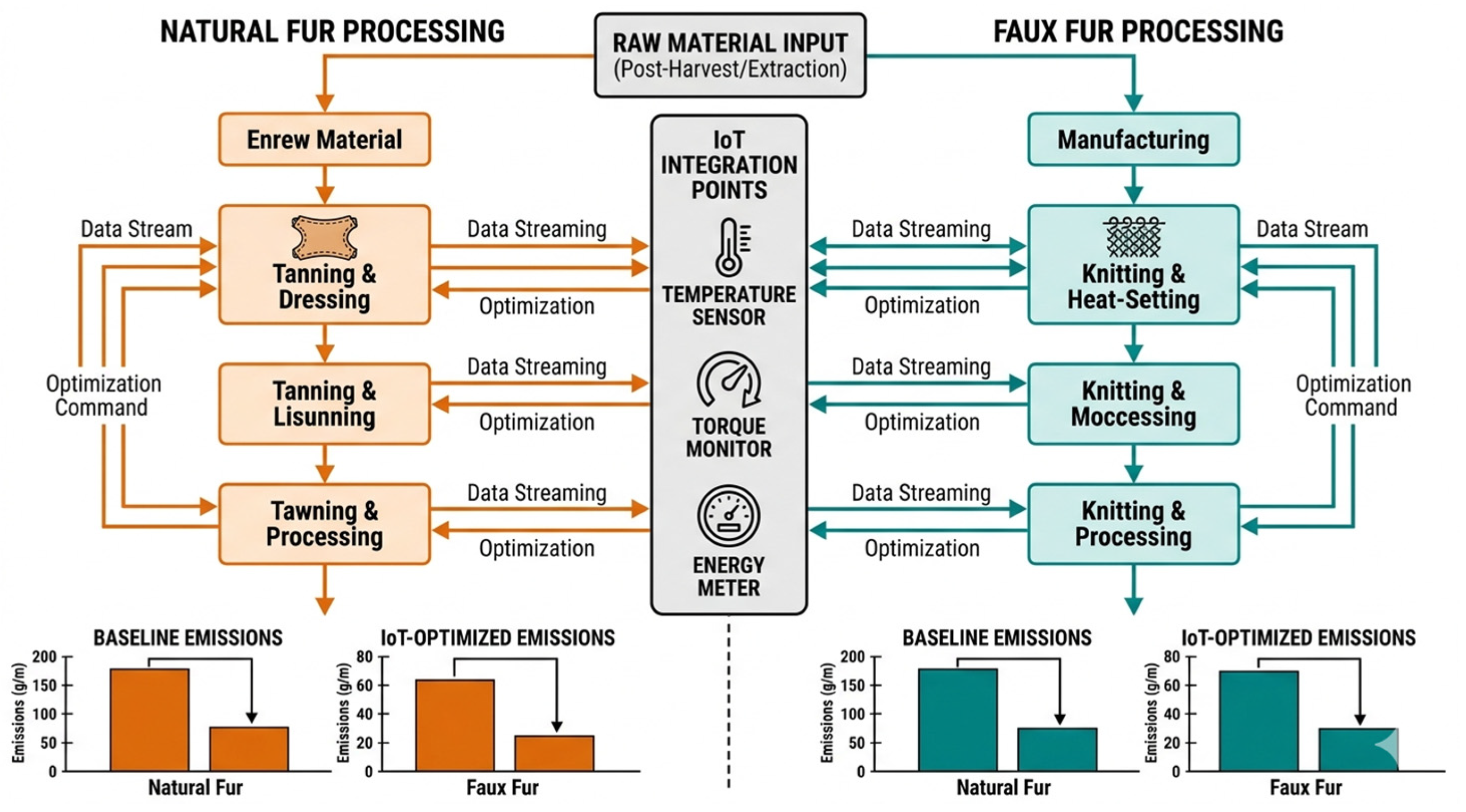
This research paper examines the environmental impact of natural and synthetic fur coats, focusing exclusively on the processing and manufacturing stages. Using one coat weighing approximately 5 kg as the functional unit, a comparative Life Cycle Assessment (LCA) is conducted from raw material processing to final garment production, explicitly excluding animal farming. The analysis includes key processes such as cleaning, tanning, dyeing, and sewing for natural fur, and polymer production, fabric formation, dyeing, and finishing for synthetic fur. Data from international academic literature (Google Scholar and Scopus) are used to evaluate CO2 emissions, energy and water consumption, chemical inputs, and waste generation. Results indicate that synthetic fur production is energy-intensive but requires relatively low water use, whereas natural fur processing involves high water consumption and chemical treatments, resulting in significantly higher emissions—often reaching hundreds to thousands of kg CO2e per coat. The study further investigates the role of embedded IoT systems in improving efficiency within tanneries and textile manufacturing. Real-time monitoring and automated dosing systems can reduce emissions and chemical use by approximately 10–20%. Case studies of a smart tannery and an IoT-enabled synthetic fur production line illustrate potential implementation pathways. Although such optimizations can reduce environmental impacts, the findings clearly show that natural fur processing remains considerably more carbon-intensive than synthetic alternatives. This research highlights the importance of integrating digital technologies into industrial processes and suggests directions for future work based on real-world operational data.
Keywords: embedded systems; Internet of Things; fur processing; life cycle assessment; fur processing; sustainability embedded systems; Internet of Things; fur processing; life cycle assessment; fur processing; sustainability