Review

Nanoformulations of Polyphenol-Rich Anticancer Botanical Extracts

1
Research Institute on Terrestrial Ecosystems (IRET)-CNR, Via Pietro Castellino 111, 80131 Naples, Italy
2
Department of Experimental Medicine, University of Campania “Luigi Vanvitelli”, Via Santa Maria di Costantinopoli 16, 80138 Naples, Italy
3
Faculty of Medicine and Surgery, Saint Camillus International University of Health Sciences, Via di Sant’Alessandro 8, 00131 Rome, Italy
*
Authors to whom correspondence should be addressed.
Appl. Sci. 2026, 16(10), 4792; https://doi.org/10.3390/app16104792
Submission received: 12 April 2026 / Revised: 30 April 2026 / Accepted: 7 May 2026 / Published: 12 May 2026

Abstract

Botanical extracts represent a rich and sustainable source of polyphenolic compounds with significant potential in anticancer research. Among these, hesperidin, naringenin, hydroxytyrosol, oleuropein, and quercetin have attracted considerable attention due to their abundance in widely consumed plants such as citrus fruits, olive derivatives, and various fruits and vegetables. However, their clinical translation is hindered by intrinsic limitations including poor solubility, low stability, and limited bioavailability. In this context, nanotechnology-based drug delivery systems have emerged as a promising strategy to enhance the therapeutic performance of these bioactive compounds. This review provides an overview of polyphenol-rich botanical matrices and focuses on recent advances in their nanoformulation. Various nanocarriers, including polymeric nanoparticles, liposomes, solid lipid nanoparticles, and nanoemulsions, are discussed in terms of their ability to improve physicochemical properties, protect against degradation, and enhance delivery efficiency. Special attention is given to the challenges associated with the encapsulation of complex botanical extracts and the need to preserve their compositional integrity and synergistic effects. Overall, nanoformulation represents a powerful approach to overcome current limitations and unlock the full potential of plant-derived polyphenols in anticancer applications.

1. Introduction

The increasing demand for sustainable and high-performance therapeutic strategies has intensified interest in plant-derived bioactive compounds as structurally diverse and biologically potent scaffolds for drug development [1]. Unlike synthetic chemical libraries, plant secondary metabolites are generated through tightly regulated biosynthetic pathways shaped by evolutionary pressure, resulting in a vast repertoire of chemically and stereochemically complex molecules, including flavonoids, phenolic acids, alkaloids, and terpenoids. These metabolites are characterized by high scaffold diversity, extensive functional group variability, and defined stereochemistry, which collectively enable selective and high-affinity interactions with a broad range of biological targets [2,3]. Within this framework, botanical extracts represent multicomponent systems in which structurally heterogeneous phytochemicals coexist, often giving rise to emergent properties driven by synergistic or additive interactions. Rather than acting as isolated entities, these complex mixtures often exhibit emergent biological properties driven by synergistic, additive, and sometimes potentiating interactions among constituents, leading to enhanced pharmacological outcomes compared to single compounds.
The chemical complexity of plant-derived metabolites extends beyond structural diversity to include conformational flexibility, multiple chiral centers, and redox-active moieties, all of which contribute to their pharmacological versatility. These features allow modulation of multiple signaling pathways involved in oncogenesis, including those regulating cell proliferation, apoptosis, angiogenesis, and metastasis [4]. Importantly, the pharmacologically different nature of botanical extracts aligns well with the multifactorial etiology of cancer, where simultaneous targeting of interconnected molecular networks is often required to achieve meaningful therapeutic outcomes. This multi-target capability represents a significant advantage over conventional single-target chemotherapeutics, particularly in the context of drug resistance and tumor heterogeneity [5,6].
Among plant-derived metabolites, polyphenols constitute a major class of compounds extensively investigated for their role in cancer prevention and therapy. Their chemical structures, typically characterized by multiple hydroxyl groups conjugated to aromatic rings, confer both redox activity and the ability to engage in diverse non-covalent interactions, including hydrogen bonding, π–π stacking, and hydrophobic interactions [7]. When present within botanical extracts, polyphenols contribute not only to biological activity but also to the physicochemical behavior of the system, influencing solubility, stability, and interaction with biological membranes [8]. Within complex extracts, polyphenols rarely act alone; instead, their anticancer effects are often amplified through synergistic interactions with other phytochemical classes, resulting in enhanced efficacy and multi-target biological modulation. However, despite their pharmacological potential, the clinical translation of polyphenol-rich botanical extracts is significantly hindered by unfavorable biopharmaceutical properties, including poor aqueous solubility, low permeability, extensive first-pass metabolism, and chemical instability under physiological conditions [9]. Importantly, beyond their well-established biomedical and anticancer applications, polyphenol-rich botanical extracts—particularly when nanoformulated—are increasingly being explored in other industrial sectors, highlighting their multidisciplinary relevance. In agriculture, for example, nanocarrier-based delivery systems have been employed to enhance the stability and bioactivity of plant-derived compounds, as demonstrated by liposome-encapsulated garlic extracts used as antifungal biostimulants capable of improving plant defense mechanisms and preventing Fusarium infections [10]. In the food industry, nanoencapsulation strategies are applied to improve the stability, solubility, and controlled release of natural antioxidants, thereby extending shelf life and preserving nutritional quality [11]. Similarly, in the cosmetic field, nanoformulated polyphenols have shown enhanced skin penetration, improved photostability, and prolonged bioactivity, supporting their use in anti-aging and protective formulations [12]. However, although a large body of preclinical evidence supports the anticancer potential of polyphenols, their clinical success remains limited, with only a small number of compounds progressing into well-controlled clinical trials. This gap between experimental efficacy and clinical translation highlights the urgent need for optimized delivery systems and standardized formulations capable of ensuring reproducible pharmacokinetic behavior and therapeutic efficacy in humans.
To overcome these limitations, significant efforts have been directed toward the development of advanced drug delivery systems capable of improving the pharmacokinetic and pharmacodynamic profiles of botanical extracts. In this regard, nanotechnology-based delivery platforms have emerged as a particularly effective strategy, offering the ability to engineer carriers with controlled size, surface chemistry, and internal architecture. Nanocarriers typically operate within the submicron scale, enabling enhanced interaction with biological barriers, improved cellular internalization, and preferential accumulation in tumor tissues via the enhanced permeability and retention (EPR) effect [13]. Furthermore, nanoscale systems provide a protective microenvironment that mitigates chemical degradation, enhances solubility of poorly water-soluble constituents, and allows for tunable and sustained release kinetics [14].
A broad spectrum of nanocarrier systems has been investigated for the encapsulation and delivery of botanical extracts, including polymeric nanoparticles, lipid-based systems (e.g., liposomes, solid lipid nanoparticles, and nanostructured lipid carriers), nanoemulsions, dendrimer-based systems, and inorganic nanoplatforms. Polymeric nanoparticles, particularly those based on biodegradable polymers such as poly(lactic-co-glycolic acid) (PLGA), chitosan, and polycaprolactone, offer precise control over drug release profiles and degradation kinetics. Lipid-based nanocarriers, on the other hand, provide superior biocompatibility and are particularly effective in enhancing the solubilization and intestinal absorption of hydrophobic phytochemicals [15]. Nanoemulsions, characterized by thermodynamically or kinetically stable dispersions with droplet sizes typically below 200 nm, facilitate improved oral bioavailability and rapid absorption due to their large interfacial surface area [16].
The nanoformulation of botanical extracts presents unique challenges compared to single-compound systems, primarily due to their intrinsic compositional heterogeneity. The coexistence of multiple phytochemicals with distinct physicochemical properties—such as polarity, molecular weight, and stability—can influence encapsulation efficiency, drug loading capacity, and release kinetics. Additionally, potential interactions among constituents may affect both formulation stability and biological activity. Consequently, the rational design of nanocarriers for botanical extracts requires a comprehensive understanding of extract composition, carrier–cargo interactions, and the influence of formulation parameters on system performance [17]. From a translational perspective, these complexities also represent an opportunity rather than a limitation, as preserving the native phytochemical synergy of crude extracts may enhance therapeutic efficacy compared to isolated compounds. However, this advantage can only be clinically exploited if reproducibility, standardization, and regulatory constraints are adequately addressed. Advanced formulation strategies, including co-encapsulation, surface functionalization, and the use of hybrid nanocarriers, are increasingly being explored to address these challenges. Nanoformulated botanical extracts demonstrate enhanced therapeutic performance through multiple interconnected processes. These include improved dissolution and dispersion in biological fluids, increased permeability across epithelial and endothelial barriers, enhanced cellular uptake via endocytic pathways, and more efficient intracellular trafficking. Moreover, surface engineering of nanocarriers with polyethylene glycol (PEG) or targeting ligands (e.g., antibodies, peptides, or small molecules) can significantly prolong systemic circulation time and improve tumor-specific accumulation [18]. Passive targeting via the EPR effect remains a key mechanism, although its variability across tumor types and patient populations necessitates the development of complementary active targeting strategies [19].
Recent advances have also focused on the development of stimuli-responsive nanocarriers capable of site-specific drug release in response to tumor-associated triggers, such as acidic pH, elevated redox potential, hypoxia, or enzymatic activity. These “smart” delivery systems enable spatiotemporal control over payload release, thereby maximizing therapeutic efficacy while minimizing systemic exposure. Such approaches are particularly advantageous for botanical extracts, as they allow the localized delivery of complex mixtures of bioactive compounds while preserving their synergistic interactions [20]. This review aims to highlight representative nanoformulation strategies developed for polyphenol-rich botanical extracts with recognized anticancer potential. Particular emphasis is placed on how these advanced delivery systems can enhance the stability, solubility, bioavailability, and targeted delivery of bioactive compounds. The review further examines the impact of nanoencapsulation on improving the pharmacokinetic and pharmacodynamic profiles of key extract-derived polyphenols.
Specifically, attention is given to well-characterized compounds such as quercetin, hesperidin, naringenin, oleuropein, and hydroxytyrosol, which have demonstrated significant anticancer, antioxidant, and anti-inflammatory properties in both in vitro and in vivo models. By analyzing these representative molecules, the review explores how different nanocarriers—including polymeric nanoparticles, liposomes, nanoemulsions, and lipid-based systems—modulate their biological performance.

2. Botanical Extract with Anticancer Polyphenols

Botanical extracts have a leading role in traditional and modern pharmacognosy, serving as complex reservoirs of bioactive compounds with significant therapeutic potential. These extracts are typically obtained from various parts of plants—including leaves, fruits, seeds, bark, roots, and flowers—through a range of extraction techniques designed to isolate and concentrate phytochemicals while preserving their structural integrity [21]. Conventional extraction methods such as maceration, percolation, Soxhlet extraction, and decoction remain widely used due to their simplicity and cost-effectiveness; however, they are often limited by long extraction times, high solvent consumption, and potential degradation of thermolabile compounds. In contrast, advanced techniques such as ultrasound-assisted extraction (UAE), microwave-assisted extraction (MAE), supercritical fluid extraction (SFE), and pressurized liquid extraction (PLE) have been increasingly adopted to improve extraction efficiency, selectivity, and sustainability [22]. The choice of solvent—ranging from water and ethanol to more non-polar organic solvents—plays a critical role in determining the phytochemical profile of the resulting extract, as does the optimization of parameters such as temperature, pressure, pH, and extraction time [23]. Following extraction, further purification and characterization steps, including chromatographic separation and spectrometric analysis (e.g., HPLC, LC-MS/MS), are often employed to identify and quantify the major constituents, particularly when targeting specific classes of compounds such as polyphenols [24]. Among the diverse array of phytochemicals present in botanical extracts, polyphenols constitute one of the most extensively studied groups due to their abundance in the plant kingdom and their broad spectrum of biological activities. The presence and concentration of polyphenols in a given extract are influenced by multiple factors, including plant species, geographical origin, cultivation conditions, harvesting time, and post-harvest processing [25,26]. Consequently, botanical extracts are inherently complex and variable matrices, which present both opportunities and challenges in their standardization and reproducibility for biomedical applications.
Citrus species represent one of the most important sources of polyphenolic compounds, particularly flavanones such as hesperidin and naringenin [27]. These compounds are predominantly found in the peels, pulp, and juice of fruits belonging to the Citrus genus, including oranges (Citrus sinensis), lemons (Citrus limon), grapefruits (Citrus paradisi), and mandarins (Citrus reticulata) [27]. Citrus processing by-products, especially peels, are particularly rich in these flavonoids and have gained attention as sustainable sources for extraction [27]. Typically, hydroalcoholic extraction methods are employed to recover hesperidin and its aglycone form, hesperetin, as well as naringenin and its glycoside naringin [28]. The extraction efficiency can be significantly enhanced using extraction techniques such as ultrasound-assisted extraction, which disrupts plant cell walls and facilitates solvent penetration [23]. In addition, enzymatic treatments may be used to hydrolyze glycosidic bonds, thereby increasing the yield of aglycone forms, which are often more bioavailable [29].
Another major source of polyphenols is the olive tree (Olea europaea), particularly its leaves and fruits, which are rich in hydroxytyrosol and oleuropein [30]. Olive leaf extracts have been extensively studied and are typically obtained using aqueous or hydroalcoholic solvents under controlled conditions to maximize the recovery of secoiridoid compounds [31]. Oleuropein, a glycosylated secoiridoid, is one of the main constituents of olive leaves and unripe olives, while hydroxytyrosol is often formed as a degradation product of oleuropein during processing or digestion. The concentration of these compounds can vary significantly depending on factors such as cultivar, seasonal variation, and agricultural practices [32]. Advanced extraction techniques, including microwave-assisted and supercritical fluid extraction, have been shown to improve the yield and purity of olive-derived polyphenols. Furthermore, the use of membrane filtration and chromatographic purification allows for the production of standardized extracts with defined polyphenolic profiles, which is essential for their reproducible application in biomedical research [33].
Quercetin, one of the most ubiquitous flavonols in the plant kingdom, is widely distributed across a variety of fruits, vegetables, and medicinal plants. Rich sources of quercetin include onions (Allium cepa), apples (Malus domestica), berries (such as Vaccinium spp.), capers (Capparis spinosa), and leafy greens such as kale and spinach [34]. In these matrices, quercetin is commonly present in glycosylated forms, such as quercetin-3-O-glucoside or quercetin rutinoside (rutin), which influence its solubility and extraction behavior [35]. The extraction of quercetin-rich fractions typically involves the use of polar organic solvents, often in combination with acidified conditions to stabilize the compound and prevent oxidation. Recent advancements in green extraction technologies, including deep eutectic solvents (DES) and natural solvent systems, have shown promise in improving the sustainability and efficiency of quercetin extraction from plant matrices [35]. Additionally, the integration of analytical techniques such as LC-MS/MS enables precise quantification and profiling of quercetin and its derivatives within complex botanical extracts [36].
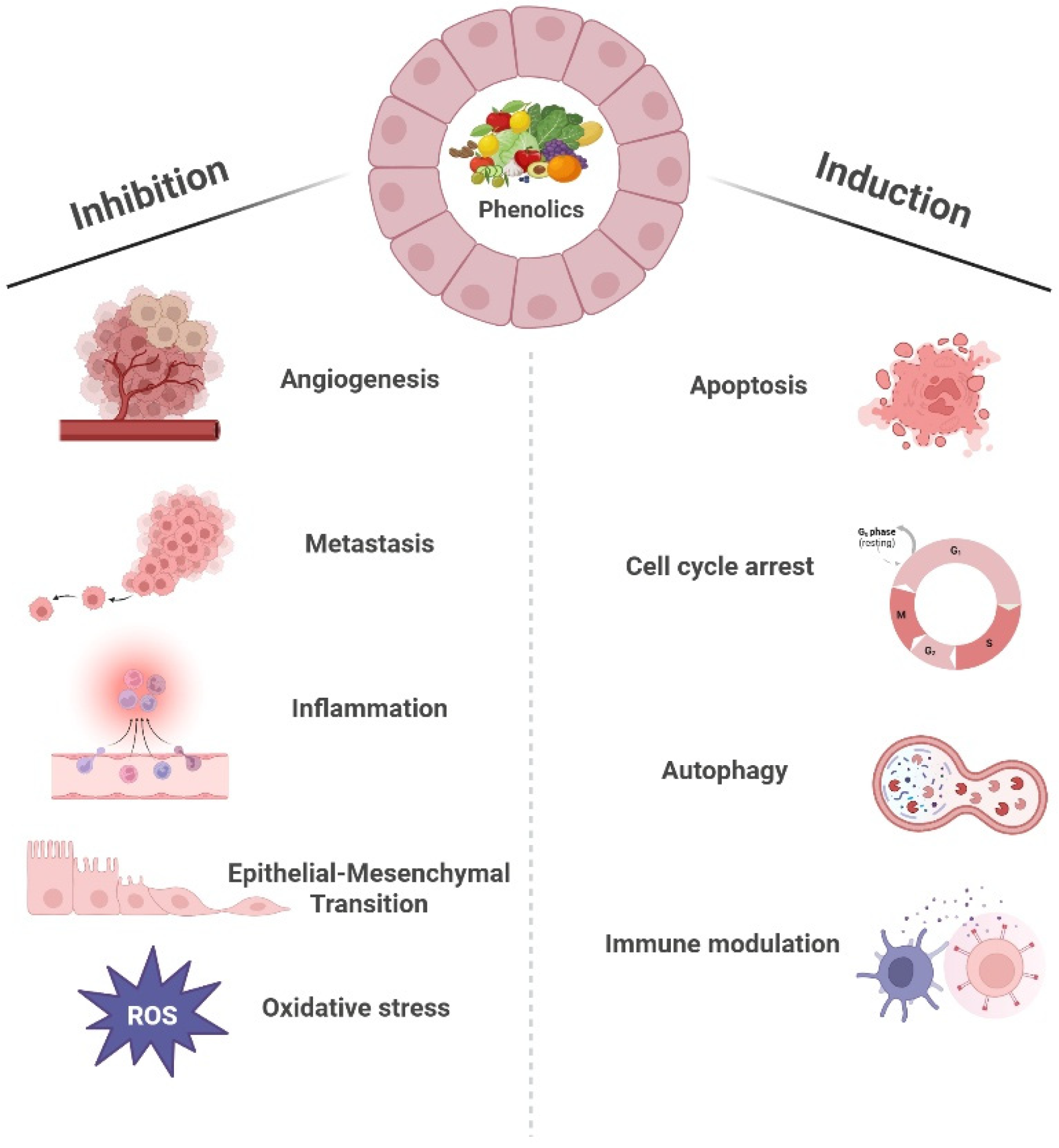
Botanical extracts rarely contain a single bioactive compound; rather, they represent complex mixtures in which multiple phytochemicals may interact synergistically or antagonistically. This compositional complexity can enhance the overall biological activity of the extract, a phenomenon often referred to as the “entourage effect” [37]. In the context of polyphenol-rich extracts, the coexistence of flavonoids, phenolic acids, and other secondary metabolites may contribute to improved stability, solubility, and bioavailability, as well as modulate pharmacokinetic and pharmacodynamic properties [38]. Moreover, the stability of polyphenols during extraction, storage, and formulation is a critical factor that must be carefully considered. Many polyphenols are sensitive to environmental conditions such as light, oxygen, temperature, and pH, which can lead to degradation and loss of bioactivity. To address these issues, various stabilization strategies have been explored, including the use of antioxidants, encapsulation techniques, and controlled storage conditions. These approaches are particularly relevant when dealing with large-scale production and commercialization of botanical extracts intended for therapeutic applications [39]. In addition to extraction and stabilization, the bioaccessibility and bioavailability of polyphenols from botanical extracts are key determinants of their biological efficacy. The matrix in which these compounds are present can significantly influence their release, absorption, and metabolism in the human body. Factors such as particle size, solubility, and interaction with other dietary components can affect the extent to which polyphenols are absorbed [39]. As such, the design and optimization of botanical extracts must consider not only the extraction efficiency but also the downstream processes that influence their biological performance. Figure 1 recaps the biological activities of polyphenols.

3. Anticancer Activities of Phenolic Compounds

3.1. Apoptosis and Anti-Metastasis

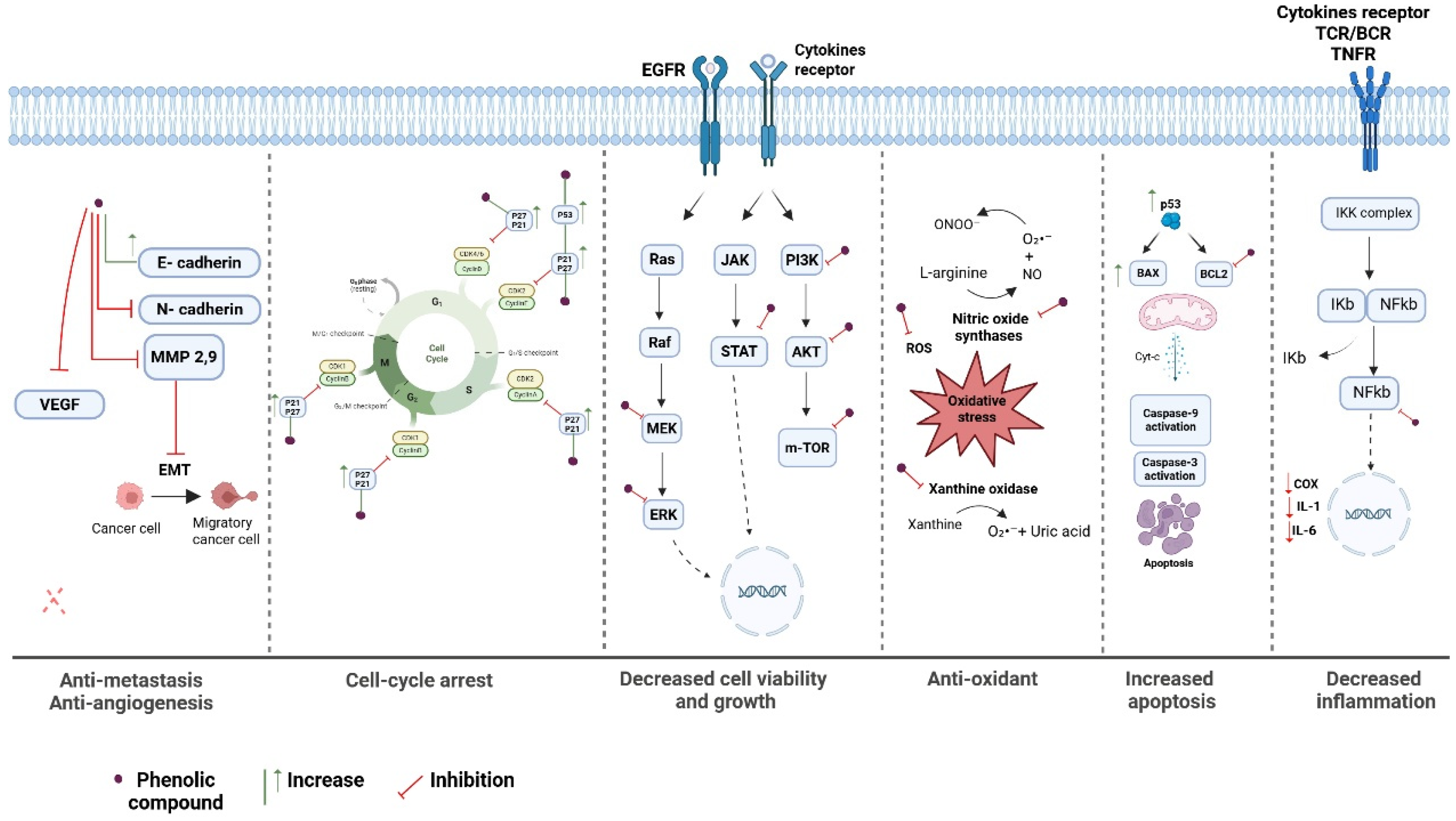
Phenolics influence apoptotic processes through multiple molecular mechanisms. For example, they may regulate intracellular ROS levels, acting either as antioxidants or pro-oxidants depending on cellular context, modulate the PI3K/Akt signaling pathway, increase calcium influx, and upregulate p53 expression. Through these coordinated actions, phenolic compounds regulate key signaling networks that determine cell survival and programmed cell death [40]. In addition to these mechanisms, phenolic compounds have been shown to activate intrinsic (mitochondrial) and extrinsic apoptotic pathways through modulation of Bcl-2 family proteins (e.g., downregulation of Bcl-2 and upregulation of Bax), cytochrome c release, and activation of caspases such as caspase-3, -8, and -9. Furthermore, several phenolics can induce cell cycle arrest at different checkpoints (G0/G1, S, or G2/M phases) through regulation of cyclins and cyclin-dependent kinases (CDKs), thereby inhibiting uncontrolled cancer cell proliferation. Epigenetic modulation has also emerged as a key mechanism, with phenolics influencing DNA methylation and histone acetylation, leading to reactivation of tumor suppressor genes [40]. These molecular effects have been consistently validated in natural extract-based systems. For example, green tea polyphenol-rich extracts (Camellia sinensis) have demonstrated significant induction of apoptosis in breast and prostate cancer models, with reported reductions in tumor volume of up to ~50% in xenograft studies, associated with caspase activation and downregulation of Bcl-2 expression. Similarly, olive leaf extracts rich in oleuropein have shown strong anti-proliferative effects in colorectal cancer cell lines (HT-29), inducing G0/G1 cell cycle arrest and reducing cell viability in a dose-dependent manner. Pomegranate peel extracts, rich in ellagitannins and flavonoids, have also been reported to suppress tumor growth and promote apoptosis in vivo through modulation of NF-κB and mitochondrial pathways [41]. Phenolic compounds have been reported to suppress metastatic progression by modulating or inhibiting key EMT-related proteins [42]. These EMT-associated factors drive the phenotypic transformation of cells from a polarized, epithelial configuration to a more motile and invasive mesenchymal phenotype. This shift enhances cellular detachment from the primary tumor mass and promotes migration to distant anatomical sites, thereby facilitating metastatic dissemination [43]. Moreover, phenolics can inhibit angiogenesis, a critical process for tumor growth and metastasis, by downregulating vascular endothelial growth factor (VEGF) expression and interfering with signaling pathways such as HIF-1α. This anti-angiogenic activity limits nutrient and oxygen supply to tumors, thereby restricting their progression [43]. In this context, several molecular regulators play critical roles in the control of metastasis. Among them, MMPs contribute to extracellular matrix degradation and tumor invasion; TGF-β functions as a key inducer of EMT; and TP53 indirectly suppresses metastasis through regulation of cell cycle control, apoptosis, and EMT-related pathways. Together, these factors form an interconnected regulatory network that governs tumor progression and metastasis [44]. Additionally, phenolic compounds have been reported to modulate cancer stem cell (CSC) populations, reducing tumor recurrence and resistance to therapy by targeting self-renewal signaling pathways such as Wnt/β-catenin, Notch, and Hedgehog [44].

3.2. Oxidative Stress and Anti-Inflammatory Pathways

An overproduction of ROS and free radicals, characteristic of oxidative stress, can result in structural and functional damage to proteins, cellular membranes, tissues, and nucleic acids, ultimately leading to cell death. Oxidative stress is recognized as a major contributing factor in the pathogenesis of metabolic syndrome [45], cancer, hepatic and renal injury, gastrointestinal and cardiovascular disorders, as well as neurodegenerative conditions and other health complications [46]. Owing to their potent antioxidant properties, phenolic compounds play a protective role by counteracting oxidative damage and supporting cellular homeostasis [47]. The antioxidant effects of phenolics are mediated through two principal mechanisms: direct scavenging of free radicals and suppression of their formation [48]. Reactive oxygen species (ROS) and reactive nitrogen species (RNS), which include both radical and non-radical reactive molecules, are major contributors to oxidative stress [49]. The radical-scavenging activity of phenolics primarily depends on the presence of hydroxyl groups attached to aromatic benzene rings, which enable these compounds to donate hydrogen atoms or electrons to unstable radicals. This donation stabilizes the reactive species and prevents them from inflicting damage on cellular components [50]. Beyond direct neutralization of free radicals, phenolic compounds can also attenuate oxidative stress by modulating enzymes involved in the generation of reactive oxygen and nitrogen species. These enzymes include nitric oxide synthases (particularly inducible NOS), xanthine oxidase, and certain peroxidase-related systems, whose activities may be regulated through interactions with phenolic compounds [50]. Overall, phenolics possess significant antioxidant properties that enable them to attenuate oxidative stress under physiological stress. Interestingly, phenolic compounds may also exert pro-oxidant effects under certain conditions, particularly within tumor microenvironments. In cancer cells, phenolics can promote the generation of reactive oxygen species beyond the cellular antioxidant capacity, thereby inducing oxidative damage, mitochondrial dysfunction, and activation of apoptosis pathways. This dual redox behavior—acting as antioxidants under physiological conditions while exhibiting pro-oxidant activity in tumorigenic states—contributes to the selective cytotoxicity of phenolic compounds toward cancer cells [51]. In addition, phenolic compounds have been shown to modulate autophagy, a cellular degradation process that can either promote survival or induce cell death depending on the context. By regulating key autophagy-related proteins such as Beclin-1 and LC3, phenolics may enhance autophagic cell death in cancer cells or sensitize tumors to chemotherapeutic agents [51]. By modulating intracellular reactive oxygen species (ROS) levels and maintaining redox homeostasis, phenolic compounds can indirectly regulate key signaling pathways that govern cell proliferation, apoptosis, and other processes involved in cancer initiation and progression. Moreover, given the close interplay between oxidative stress and inflammation, the ability of phenolics to influence ROS levels also extends to the modulation of inflammatory signaling pathways, further contributing to their anticancer potential [52]. Multiple intracellular signaling pathways are implicated in the regulation of inflammatory responses. Numerous phenolic compounds exert their biological effects through modulation of the NF-κB signaling pathway. Polyphenols such as hesperidin, luteolin, chrysin, naringin, and kaempferol have demonstrated anti-inflammatory properties by influencing the MAPK signaling cascade. In addition, quercetin has been identified as a potent anti-inflammatory agent, primarily through its inhibitory action on the PI3K/Akt signaling pathway [53]. These mechanisms have been validated in several plant-derived extract systems. For example, Curcuma longa (turmeric) extract, rich in curcuminoids, has demonstrated strong antioxidant activity by significantly reducing intracellular ROS levels (up to ~60% reduction in HepG2 models) and suppressing NF-κB activation in both in vitro and in vivo inflammation models. Similarly, green tea extract (Camellia sinensis), rich in epigallocatechin gallate (EGCG), has been shown to enhance endogenous antioxidant enzymes such as SOD, CAT, and GPx while reducing lipid peroxidation markers in animal models of oxidative stress. Olive leaf extract (Olea europaea), rich in oleuropein and hydroxytyrosol, has also exhibited strong inhibition of ROS-mediated DNA damage and significant reduction in pro-inflammatory cytokines (TNF-α, IL-6) in experimental models [54]. Experimental studies using pomegranate peel extract (Punica granatum) have shown significant downregulation of COX-2 expression and reduced prostaglandin E2 (PGE2) levels in colitis and cancer-associated inflammation models, further supporting its anti-inflammatory and chemopreventive potential [55].In addition to intracellular signaling pathways, various enzymes and cytokines play critical roles in the regulation of pro- and anti-inflammatory responses modulated by phenolic compounds. Among these, cyclooxygenase isoforms COX-1 and COX-2 play central roles. These enzymes catalyze the conversion of arachidonic acid into prostaglandins, lipid mediators that contribute to pain perception and promote inflammatory processes [56]. Furthermore, phenolic compounds can regulate immune responses within the tumor microenvironment by modulating cytokine production (e.g., TNF-α, IL-6, IL-1β) and enhancing antitumor immunity through activation of immune cells such as T lymphocytes and natural killer (NK) cells. This immunomodulatory activity represents an emerging mechanism contributing to their anticancer efficacy. For instance, grape seed extract has been reported to enhance NK cell activity and increase cytotoxic T-cell responses in tumor-bearing mouse models, leading to reduced tumor growth and improved immune surveillance [57]. Moreover, Prenylated flavonoids represent a particularly promising subclass of phenolic compounds due to their enhanced lipophilicity, which improves cellular uptake and bioavailability, thereby strengthening their biological activity. Among these, xanthohumol (Xn), a prenylated chalcone derived from Humulus lupulus L. (hops), has been extensively investigated for its multi-target anticancer properties. Xn is commonly present in dietary sources such as beer, where it can reach concentrations of up to approximately 0.96 mg/L. A growing body of evidence indicates that Xn exerts potent chemopreventive and therapeutic effects by selectively targeting cancer cells while sparing normal tissues. Mechanistically, Xn modulates multiple signaling pathways involved in tumor initiation and progression, including inhibition of the PI3K/Akt and NF-κB pathways, suppression of STAT3 activation, and downregulation of pro-survival and inflammatory mediators. In addition, Xn induces apoptosis through both intrinsic and extrinsic pathways, promotes cell cycle arrest, inhibits angiogenesis via VEGF suppression, and interferes with metastatic processes by modulating matrix metalloproteinases (MMPs) and epithelial–mesenchymal transition (EMT)-related markers [58].
Phenolic compounds implement distinct molecular pathways to exert their biological effects, rather than acting through a single mechanism (Figure 2).
In the following section, selected phenolics will be discussed with emphasis on the specific mechanisms underlying their biological activities (Table 1).

3.3. Hesperidin

In an in vivo experiment, hesperidin exhibited significant protective effects against renal cancer. It reduced lipid peroxidation, improved renal function, and restored antioxidant defenses, including GSH, GPx, GR, SOD, and catalase. Moreover, hesperidin downregulated COX-2, a key mediator of inflammation and tumor promotion, as well as VEGF, a critical regulator of angiogenesis and cellular survival under hypoxic conditions. These findings suggest that hesperidin may exert chemopreventive and antitumor effects through attenuation of oxidative stress and inhibition of the COX-2/PGE2 signaling pathway [59]. Consistent with these observations, hesperidin administration produced marked protective effects against hepatocellular carcinoma in an in vivo model. Hesperidin treatment significantly reduced elevated liver enzymes, serum alpha-fetoprotein levels, and oxidative stress markers. Additionally, hesperidin suppressed PI3K, Akt, and CDK-2 protein expression and preserved hepatic tissue architecture, thereby protecting against hepatocellular carcinoma development [60]. Similarly, another investigation evaluated the effects of hesperidin on ferric nitrilotriacetate (Fe-NTA)-induced renal oxidative stress and carcinogenesis in Wistar rats. Hesperidin treatment led to the upregulation of pro-apoptotic markers, including caspase-3, caspase-9, and Bax, while downregulating the anti-apoptotic marker Bcl-2. Additionally, it suppressed the expression of inflammatory mediators, such as NF-κB, iNOS, and TNF-α [61]. In vitro, studies further demonstrated that hesperidin inhibits cancer cell invasion by reducing MMP-9 expression in hepatocellular carcinoma HepG2 cells. This effect is mediated through the suppression of NF-κB and AP-1 activity and the inhibition of NF-κB nuclear translocation via the IκB pathway [62]. Upregulated expression of programmed death-ligand 1 (PD-L1) induced by IFN-γ has been associated with enhanced cancer cell survival and tumor immune evasion. Therefore, blocking PD-L1 expression represents a potential molecular target for cancer therapy. One study demonstrated that hesperidin exerts anticancer effects in oral cancer cells, HN6 and HN15 cells, by suppressing PD-L1 expression through the inactivation of STAT1 and STAT3 signaling pathways [63]. Experimental findings indicated that hesperidin exerts pro-apoptotic effects through promoting phosphatidylserine externalization, increasing caspase-3 activity, and causing loss of mitochondrial membrane potential. Additionally, hesperidin significantly upregulated proapoptotic Bax subgroup genes (Bax and Bik) while downregulating the anti-apoptotic protein Bcl-2 in endometrial cancer cell lines (CRL-2923). Furthermore, it was found that Hesperidin induces apoptosis by suppressing ESR1 signaling, which may influence ERK/MAPK-dependent proliferative signaling [64]. In A549 lung cancer cells, hesperidin promotes apoptosis via activation of the mitochondrial (intrinsic) apoptotic pathway. Furthermore, it suppresses A549 cell proliferation by inducing G0/G1 phase cell cycle arrest, which is associated with significant upregulation of p21 and p53 expression and concomitant downregulation of cyclin D1 [65].

3.4. Naringenin

Naringenin induced apoptosis and significantly reduced cell viability in MDA-MB-231 breast cancer cells. It upregulated the expression of the pro-apoptotic protein Bax while downregulating the anti-apoptotic protein Bcl-2. Additionally, naringenin activated caspases-3 and -9, further promoting apoptotic cell death. Mechanistic investigations revealed that naringenin inhibited STAT3 phosphorylation, as evidenced by reduced STAT3 phosphorylation following treatment, indicating inhibition of STAT3 signaling activity [66]. In line with these findings, naringenin in combination with curcumin was shown to induce apoptosis and suppress cell proliferation via the generation of ROS in MCF-7 human breast cancer cells. Additionally, it triggered cell cycle arrest and promoted apoptotic cell death through the upregulation of p53 and p21, as well as modulation of TNF-α and ROS-associated signaling pathways [67]. Similarly, this flavonoid was reported to inhibit the migration of A549 lung cancer cells. This effect was associated with suppression of AKT signaling and decreased activity of MMP-2 and MMP-9, highlighting its potential role in reducing tumor progression and metastatic potential [68]. Furthermore, Naringenin reduced the viability of NCI-H23 lung cancer cells, particularly when administered together with radiation. The expression of CASPASE3 mRNA and the enzymatic activity of caspase-3 were significantly increased, indicating activation of apoptotic pathways. In addition, Naringenin treatment decreased the protein levels of pAkt, Akt, MMP-2, and p21, suggesting suppression of signaling pathways associated with tumor progression and metastasis. Gene expression analysis further revealed reduced mRNA levels of the anti-apoptotic genes BCL2 and BCLXL, accompanied by an increase in BAX mRNA expression. Collectively, these findings demonstrate that naringenin, either alone or in combination with radiation therapy, can inhibit pro-tumorigenic and pro-metastatic proteins while promoting apoptosis in non-small cell lung cancer cells [69]. Naringenin reduced the expression of key pro-inflammatory mediators, including iNOS, COX-2, TNF-α, and IL-6, in dextran sulfate sodium-induced murine colitis. Mechanistically, these effects were associated with suppression of NF-κB signaling, as demonstrated by decreased phosphorylation of NF-κB p65 and IκBα in both in vivo and in vitro models [70].

3.5. Hydroxytyrosol

Hydroxytyrosol significantly inhibits the proliferation of the MCF-7 breast cancer cell line. This antiproliferative effect appears to be mediated through modulation of HIF-1α protein expression, potentially via attenuation of oxidative stress and suppression of the PI3K/Akt/mTOR signaling pathway [71]. A different study demonstrated that hydroxytyrosol treatment markedly reduced melanoma cell viability by inducing apoptotic cell death. Mechanistically, hydroxytyrosol significantly increased p53 expression while decreasing Akt expression, and it also impaired the cells’ colony-forming capacity, indicating suppression of proliferative potential [72]. This phenolic compound has been shown to exert anti-angiogenic effects by suppressing VEGF expression, thereby potentially inhibiting tumor-associated neovascularization [73]. Moreover, In LPS-stimulated RAW264.7 mouse macrophages, hydroxytyrosol suppressed NF-κB signaling and reduced the expression of pro-inflammatory mediators, including iNOS, COX-2, TNF-α, and IL-1β [74]. Hydroxytyrosol has been shown to reduce inflammatory biomarkers associated with inflammaging, including pro-inflammatory cytokines such as TNF-α, IL-1β, IL-6, and IFN-γ; chemokines such as CXCL10 and CXCL13; and various acute-phase proteins. These effects are mediated through modulation of multiple steps of the inflammatory process in both in vitro and in vivo models [75]. For instance, hydroxytyrosol reduces cell viability by triggering apoptosis and inducing cell cycle arrest in human colorectal cancer cells, HCT116 and LoVo cells. It exerts anti-inflammatory effects by inhibiting NF-κB phosphorylation and suppressing the expression of downstream pro-inflammatory cytokines, such as TNF-α and IL-8, at both transcriptional and protein levels [76]. Additionally, hydroxytyrosol downregulates the expression of the innate immune receptor TLR-4 and inhibits the activation of key intracellular signaling molecules involved in inflammation, including ERK, JNK, and p38 MAPK, which are components of the MAPK signaling pathway.

3.6. Oleuropein

Oleuropein was reported to inhibit NF-κB signaling and its downstream targets, including cyclin D1 and COX-2, in the MDA-MB-231 breast cancer cell line. This effect is likely associated with the downregulation of Akt expression induced by oleuropein [77]. Further research has demonstrated that oleuropein markedly reduced the phosphorylation of Akt, accompanied by upregulation of the pro-apoptotic protein Bax and downregulation of the anti-apoptotic protein Bcl-2 in glioma cells, U251 and A172 cells. Moreover, treatment with oleuropein resulted in decreased expression levels of MMP-2 and MMP-9, suggesting suppression of invasive and metastatic potential [78]. Furthermore, in vivo studies in murine models further demonstrated that oleuropein suppresses angiogenesis by reducing the expression of VEGF and HIF [79,80]. The anti-pancreatic cancer activity of oleuropein has been demonstrated in vitro. In MIA PaCa-2 pancreatic cancer cells, oleuropein induced cell cycle arrest, elevated the Bax/Bcl-2 ratio, enhanced caspase-3/7 activation, and promoted apoptotic cell death [81]. In line with its established anticancer potential, a study reported that oleuropein exerts significant antitumor effects in non-small cell lung cancer cells, H1299 cells. Treatment with oleuropein resulted in G2/M phase cell cycle arrest and induction of apoptosis. The elevation of the Bax/Bcl-2 ratio, cytochrome c release, and caspase-3 activation suggests involvement of the intrinsic mitochondrial apoptotic pathway. Additionally, further investigations indicated that the p38 MAPK signaling pathway plays a key role in oleuropein-mediated apoptosis [82]. Complementary findings were reported in an in vivo murine model of colorectal cancer, where oleuropein treatment significantly attenuated colitis-associated colorectal tumorigenesis in the AOM/DSS mouse model. Mice receiving oleuropein exhibited reduced colonic inflammation, improved clinical disease activity index (DAI), and a lower incidence of colonic dysplasia compared with untreated A/D group mice. Histological analysis confirmed decreased tissue damage and inflammatory infiltration. Molecular investigations revealed that oleuropein suppressed key inflammatory and tumor-promoting signaling pathways, including NF-κB, STAT3, PI3K/Akt, and Wnt/β-catenin, accompanied by reduced expression of pro-inflammatory cytokines such as IL-6, TNF-α, IL-17, and IFN-γ. In addition, oleuropein increased the expression of the pro-apoptotic protein Bax and inhibited Akt phosphorylation, suggesting activation of apoptosis and inhibition of pro-survival signaling [83].

3.7. Quercetin

Quercetin has been shown to exert antiproliferative and antimigratory effects in prostate cancer cells, PC3 and LNCaP cells. It significantly enhances apoptotic cell death, induces G1 phase cell cycle arrest, and suppresses cancer cell migration. These effects are mediated through modulation of key signaling pathways, including downregulation of PI3K, MAPK, and NF-κB pathways, thereby contributing to effective inhibition of tumor cell growth and survival [84]. This flavonoid has been shown to reduce cell viability and inhibit colony formation, while promoting G2/M phase cell cycle arrest and inducing DNA damage in cervical cancer cells, HeLa cells. It effectively triggers apoptosis through activation of both intrinsic and extrinsic apoptotic pathways, with a more pronounced effect on the extrinsic pathway mediated by TRAIL, FASL, and TNF signaling, along with upregulation of caspases and pro-apoptotic genes. Furthermore, quercetin suppresses key oncogenic signaling pathways, including PI3K, MAPK, and WNT, thereby contributing to its anticancer activity [85]. Quercetin induced both apoptotic and necrotic cell death in prostate cancer cells by disrupting mitochondrial integrity and altering cellular redox balance. These effects appeared to depend on the genetic background and oxidative status of the cells. In prostate cancer cells with an oxidative intracellular environment, quercetin reduced ROS levels. In contrast, in DU-145 cells, which exhibit a more reductive intracellular state, quercetin treatment increased ROS generation. Quercetin also produced differential effects on pro-survival signaling pathways. In DU-145 cells carrying mutant p53 and elevated ROS levels, quercetin markedly inhibited activation of the Akt signaling pathway while simultaneously activating the Raf/MEK pathway. Conversely, in PC-3 cells lacking both p53 and PTEN and characterized by lower ROS levels, quercetin treatment resulted in increased activation of the Akt and NF-κB pathways. These findings indicate that the effects of quercetin on ROS levels and Akt signaling are strongly dependent on the cellular genetic background and redox status [86]. In vivo, studies demonstrated that quercetin inhibits tumor growth and decreases lung metastasis in triple-negative breast cancer models. Complementary in vitro analyses further showed that quercetin suppresses ERK1/2 activation, leading to reduced expression of proliferation-related proteins such as c-Myc and PCNA, as well as migration-associated markers including MMP-2 and MMP-9. At the same time, quercetin enhanced E-cadherin expression, a critical regulator of cell adhesion and inhibitor of migration, thereby reinforcing its anti-metastatic potential [87]. The findings demonstrated that quercetin induces apoptosis in lung cancer cells. Mechanistic analysis indicated that quercetin suppresses NF-κB activity, leading to reduced IL-6 expression. The decrease in IL-6 subsequently inhibits STAT3 phosphorylation. Concurrent downregulation of both NF-κB and STAT3—key upstream regulators of Bcl-2—results in diminished Bcl-2 expression. This modulation disrupts the Bcl-2/Bax balance, favoring a pro-apoptotic shift and ultimately triggering mitochondria-mediated apoptosis in lung cancer cells [88].

4. Nanoformulations of Anticancer Botanical Extracts

The development of advanced drug delivery systems (DDS) has become a fundamental pillar in contemporary pharmaceutical and biomedical research, particularly in the context of enhancing the therapeutic performance of bioactive compounds derived from natural sources. Botanical extracts, especially those rich in polyphenols and flavonoids, have demonstrated remarkable anticancer potential through mechanisms involving oxidative stress modulation, apoptosis induction, anti-inflammatory activity, and inhibition of tumor proliferation and metastasis. However, their translation into clinically effective therapies remains significantly hindered by intrinsic physicochemical and pharmacokinetic limitations, including poor aqueous solubility, low permeability, rapid metabolism, and limited systemic bioavailability [89,90]. In this context, nanotechnology-based drug delivery systems have emerged as highly promising tools capable of overcoming these barriers. By enabling precise control over particle size, morphology, surface charge, and release kinetics, nanocarriers improve the pharmacokinetic profile of phytochemicals and enhance their accumulation at target sites, particularly within tumor tissues via the enhanced permeability and retention (EPR) effect [91]. Furthermore, nanosystems can be engineered to protect labile compounds from degradation, improve solubility, and enable controlled or stimuli-responsive release, thereby significantly increasing therapeutic efficacy [92].
Nanocarriers typically range from 1 to 1000 nm and include a broad spectrum of systems such as polymeric nanoparticles, liposomes, solid lipid nanoparticles (SLNs), nanostructured lipid carriers (NLCs), nanoemulsions, dendrimers, and mesoporous silica nanoparticles. Each system offers unique advantages depending on the physicochemical properties of the encapsulated compounds. Polymeric nanoparticles based on materials such as poly(lactic-co-glycolic acid) (PLGA) and chitosan are particularly valued for their biodegradability and controlled release capabilities. Lipid-based systems, including liposomes and SLNs, are highly suitable for encapsulating lipophilic compounds, while nanoemulsions are especially effective in improving the oral bioavailability of hydrophobic phytochemicals [93]. The nanoformulation of botanical extracts presents additional complexity due to their multicomponent nature. Unlike single-molecule drugs, botanical extracts contain diverse phytochemicals that may differ in polarity, molecular weight, and stability. Therefore, nanocarrier design must ensure the simultaneous encapsulation of multiple active constituents while preserving their synergistic interactions, which are often responsible for the overall biological activity [94,95,96,97,98].
Citrus-derived flavonoids such as hesperidin and naringenin have been extensively studied for their anticancer properties, including their ability to modulate signaling pathways involved in apoptosis, angiogenesis, and inflammation. However, both compounds exhibit poor water solubility and limited bioavailability, which restrict their therapeutic application. Nanoemulsion-based systems have shown significant promise in enhancing the solubility and absorption of hesperidin. For example, a study by Magura et al. demonstrated that hesperidin-loaded nanoemulsions exhibited significantly improved stability and bioavailability compared to free hesperidin, resulting in enhanced cytotoxic activity against cancer cell lines [99]. Similarly, liposomal formulations of hesperidin have been shown to improve its permeability and cellular uptake, thereby increasing its anticancer efficacy [100]. Naringenin has also been widely investigated in nanoformulation studies. PLA-based nanoparticles encapsulating naringenin have demonstrated sustained release profiles and enhanced antiproliferative activity in breast and colon cancer models [101]. In another study, chitosan-coated nanoparticles improved the mucoadhesive properties and intestinal absorption of naringenin, leading to increased systemic availability [102]. Tea polyphenol-based nanoplatforms have recently emerged as promising systems for intracellular protein delivery, addressing one of the major limitations in the clinical translation of protein therapeutics. In this context, nanoparticles derived from epigallocatechin gallate (EGCG) can be synthesized via oxidative self-polymerization, forming biocompatible tea polyphenol nanoparticles (TPNs). These nanostructures enable efficient protein encapsulation through noncovalent interactions, accommodating proteins with a wide range of molecular weights and isoelectric points under mild conditions that preserve protein integrity. Using urate oxidase (UOx) as a representative model, TPNs have been shown to protect proteins from enzymatic degradation while maintaining their native conformation and biological activity. Importantly, these systems facilitate effective cytosolic delivery through glutathione-responsive release mechanisms, allowing controlled intracellular activation. In relevant in vivo models, including hyperuricemia and gouty arthritis, TPN-based delivery significantly enhances protein circulation time, reduces serum uric acid levels, alleviates inflammation, and improves organ function, all while demonstrating favorable biocompatibility [95]. Moreover, Oil-in-dispersion emulsions stabilized by electrostatic repulsion between surfactants and tea polyphenol nanoparticles can be efficiently formed at exceptionally low additive concentrations (0.006 wt% epigallocatechin (EG)-NPs and 0.03 mM sodium dodecyl sulfate -SDS-). This system is governed by a same-charge cooperative mechanism, in which both anionic SDS and negatively charged epigallocatechin-based nanoparticles (EG-NPs) interact synergistically at the interface. The resulting electrostatic repulsion prevents droplet aggregation and enhances colloidal stability. Notably, this stabilization strategy allows reversible modulation of the emulsion structure and exhibits compatibility with a wide variety of oil phases [103]. Olive-derived polyphenols, particularly oleuropein and hydroxytyrosol, are well-known for their potent antioxidant and anticancer properties. However, their high susceptibility to environmental degradation significantly limits their stability and therapeutic efficacy. Liposomal encapsulation has been widely employed to enhance the stability of olive-derived polyphenols. For instance, Yao et al. reported that tyrosol-loaded liposomes exhibited improved protection against oxidative degradation and enhanced cellular uptake [104]. Similarly, solid lipid nanoparticles have been shown to improve the pharmacokinetic profile of hydroxytyrosol, allowing for sustained release and prolonged systemic circulation [105]. Oleuropein has also been successfully incorporated into nanostructured lipid carriers, resulting in enhanced bioavailability and improved anticancer activity. In vivo studies have demonstrated that oleuropein-loaded NLCs significantly increased plasma concentration and bioavailability compared to free oleuropein, improving their antioxidant action against lung cancer [106].
Quercetin is one of the most abundant flavonoids found in botanical extracts and has been extensively studied for its anticancer activity. However, its poor solubility and rapid metabolism significantly limit its clinical application. Polymeric nanoparticles, particularly those based on PLGA, have been widely used to improve the stability and bioavailability of quercetin. Yadav et al. demonstrated that quercetin-loaded PLGA nanoparticles significantly enhanced cellular uptake and prolonged circulation time, leading to improved anticancer efficacy [107]. Mesoporous silica nanoparticles have also been employed in quercetin encapsulation due to their high surface area and loading capacity, enabling efficient encapsulation and controlled release. Such devices were used to protect against cisplatin-induced ototoxicity [108]. Importantly, many of these formulations aim to preserve the integrity of quercetin-rich extracts rather than isolating the single compound, thereby maintaining synergistic interactions with other phytochemicals. The cited examples of nanocarriers were summarized in Table 2.
In addition, recent advances in nanotechnology have led to the development of multifunctional and stimuli-responsive nanocarriers capable of responding to specific physiological conditions [109]. For example, pH-sensitive nanocarriers are designed to release their payload in the acidic tumor microenvironment, while redox-responsive systems exploit the high intracellular glutathione concentration in cancer cells [110]. These systems significantly enhance targeting specificity and therapeutic efficacy. However, the scalability and reproducibility of nanoformulation processes remain critical challenges. Techniques such as high-pressure homogenization, nanoprecipitation, solvent evaporation, and microfluidics are widely used to produce nanocarriers with controlled size and distribution. Among these, microfluidic approaches offer superior control over particle formation, enabling the production of highly uniform nanoparticles with high encapsulation efficiency [111,112]. For botanical extracts, standardization is particularly important due to their inherent variability. Advanced analytical techniques such as LC-MS/MS and metabolomics are essential for ensuring consistent quality and reproducibility [113].

5. Conclusions

In recent years, the integration of nanotechnology with phytochemical research has opened new and promising avenues for the development of innovative therapeutic strategies based on natural compounds. Botanical extracts rich in polyphenols such as hesperidin, naringenin, hydroxytyrosol, oleuropein, and quercetin represent a valuable resource due to their wide availability, structural diversity, and biological potential. However, their practical application in the biomedical field, particularly in oncology, has long been limited by physicochemical and pharmacokinetic constraints, including poor solubility, low bioavailability, rapid metabolism, and instability under physiological conditions. The advancement of nanoformulation approaches has significantly contributed to overcoming these challenges by enabling the design of sophisticated drug delivery systems capable of enhancing the stability, solubility, and bioavailability of these compounds. Nanocarriers such as polymeric nanoparticles, lipid-based systems, and nanoemulsions provide protective environments that preserve the integrity of polyphenols and allow for controlled and sustained release. Moreover, these systems can be engineered to improve cellular uptake and, in some cases, to achieve targeted delivery, thereby potentially increasing therapeutic efficacy while minimizing undesired side effects. A key advantage of nanoformulating botanical extracts, rather than isolated compounds, lies in the preservation of their intrinsic compositional complexity. The coexistence of multiple phytochemicals within a single extract may lead to synergistic interactions that enhance biological activity, an aspect that is often lost when working with purified molecules. However, this complexity also introduces challenges in terms of standardization, reproducibility, and regulatory approval. Ensuring consistent quality and well-defined phytochemical profiles remains a critical requirement for the successful translation of these systems into clinical practice. Despite the encouraging progress reported in preclinical studies, several limitations must still be addressed. These include the scalability of production processes, long-term stability of nanoformulations, potential toxicity of nanomaterials, and the need for comprehensive in vivo and clinical evaluations. Furthermore, the variability inherent to botanical sources, influenced by factors such as geographical origin, cultivation conditions, and extraction methods, necessitates rigorous control and characterization at every stage of development. Importantly, significant clinical hurdles remain that limit the translation of nanoformulated botanical extracts into routine therapeutic use. These include insufficient pharmacokinetic and pharmacodynamic data in humans, limited standardization of dosing regimens, and the lack of large-scale, well-controlled clinical trials demonstrating efficacy and safety. Regulatory challenges also persist, particularly regarding the classification of complex botanical–nanocarrier systems, which often fall between conventional pharmaceuticals and nutraceuticals. Additionally, potential long-term toxicity, immunogenicity, and accumulation of nanocarriers in vivo require thorough investigation. Addressing these issues through harmonized regulatory frameworks, robust clinical validation, and advanced characterization strategies will be essential to fully realize the clinical potential of these systems. In conclusion, nanoformulation represents a powerful and versatile strategy to enhance the therapeutic potential of botanical extracts rich in anticancer polyphenols. By addressing the key limitations associated with these natural compounds, nanotechnology will lead to the development of more effective and reliable plant-based therapeutics. Future research should prioritize the development of standardized and scalable nanoformulation protocols, the integration of advanced analytical techniques for precise phytochemical characterization, and the implementation of well-designed in vivo and large-scale clinical studies to validate efficacy and safety. In addition, the exploration of targeted and stimuli-responsive nanocarriers, along with the application of emerging technologies such as artificial intelligence and machine learning for formulation optimization, may further accelerate progress in this field. Finally, establishing harmonized regulatory guidelines and fostering interdisciplinary collaboration between academia, industry, and regulatory agencies will be crucial to facilitate the successful clinical translation of nanoformulated botanical extracts.

Author Contributions

Conceptualization, R.C. and R.P.D.; resources, G.P.; data curation, R.C. and R.P.D.; writing—original draft preparation, S.Y., S.R. and R.C.; writing—review and editing, S.Y., S.R. and R.C.; supervision, R.C., R.P.D. and G.P.; project administration, G.P.; funding acquisition, R.C. and G.P.; All authors have read and agreed to the published version of the manuscript.

Funding

This research received no external funding.

Institutional Review Board Statement

Not applicable.

Informed Consent Statement

Not applicable.

Data Availability Statement

No new data were created or analyzed in this study. Data sharing is not applicable to this article.

Conflicts of Interest

The authors declare no conflicts of interest.

References

  1. Latif, R.; Nawaz, T. Medicinal plants and human health: A comprehensive review of bioactive compounds, therapeutic effects, and applications. Phytochem. Rev. 2026, 25, 2299–2342. [Google Scholar] [CrossRef]
  2. Scott, K.A.; Ropek, N.; Melillo, B.; Schreiber, S.L.; Cravatt, B.F.; Vinogradova, E.V. Stereochemical diversity as a source of discovery in chemical biology. Curr. Res. Chem. Biol. 2022, 2, 100028. [Google Scholar] [CrossRef]
  3. Kumar, N.; Goel, N. Phenolic acids: Natural versatile molecules with promising therapeutic applications. Biotechnol. Rep. 2019, 24, e00370. [Google Scholar] [CrossRef]
  4. Atalay Ekiner, S.; Gęgotek, A.; Skrzydlewska, E. Natural compounds modulating redox metabolism and Inflammation: New insights in skin cancer prevention and therapy. Redox Biol. 2025, 88, 103913. [Google Scholar] [CrossRef] [PubMed]
  5. Liu, W.; Wang, Y.; Xia, L.; Li, J. Research Progress of Plant-Derived Natural Products against Drug-Resistant Cancer. Nutrients 2024, 16, 797. [Google Scholar] [CrossRef]
  6. Mansouri, H.; Irchad, A.; Rubaka, C.; Kisula, L.; Hamza, A.A.; Sauli, E. Botanical Adjuvants in Oncology: A Review on Natural Compounds in Synergy with Conventional Therapies as Next-Generation Enhancers of Breast Cancer Treatment. Curr. Issues Mol. Biol. 2026, 48, 170. [Google Scholar] [CrossRef]
  7. Bas, T.G. Dietary Polyphenols (Flavonoids) Derived from Plants for Use in Therapeutic Health: Antioxidant Performance, ROS, Molecular Mechanisms, and Bioavailability Limitations. Int. J. Mol. Sci. 2026, 27, 1404. [Google Scholar] [CrossRef]
  8. El-Saadony, M.T.; Saad, A.M.; Mohammed, D.M.; Alkafaas, S.S.; Abd El-Mageed, T.A.; Fahmy, M.A.; Ezzat Ahmed, A.; Algopishi, U.B.; Abu-Elsaoud, A.M.; Mosa, W.F.A.; et al. Plant bioactive compounds: Extraction, biological activities, immunological, nutritional aspects, food application, and human health benefits—A comprehensive review. Front. Nutr. 2025, 12, 1659743. [Google Scholar] [CrossRef]
  9. Oriol-Caballo, M.; Moreno-Murciano, M.P.; López-Blanch, R.; Estrela, J.M.; Obrador, E. Polyphenols: Potential Applications in Cancer Therapy. Mol. Nutr. Food Res. 2025, 69, e70011. [Google Scholar] [CrossRef] [PubMed]
  10. Kutasy, B.; Hegedűs, G.; Kiniczky, M.; Pallos, J.P.; Nagy, Á.; Pócsi, I.; Pákozdi, K.; Kállai, M.; Weingart, C.; Andor, K.; et al. Garlic Extracts Nanoliposome as an Enhancer of Bioavailability of ABA and Thiamine Content and as an Antifungal Agent Against Fusarium oxysporum f. sp. pisi Infecting Pisum sativum. Agronomy 2025, 15, 991. [Google Scholar] [CrossRef]
  11. Taouzinet, L.; Djaoudene, O.; Fatmi, S.; Bouiche, C.; Amrane-Abider, M.; Hind, B.; Rezgui, F.; Madani, K. Trends of Nanoencapsulation Strategy for Natural Compounds in the Food Industry. Processes 2023, 11, 1459. [Google Scholar] [CrossRef]
  12. Suthar, M.; Malik, A.; Marwal, A. Role of nanotechnology in cosmetic development and skin care. Next Nanotechnol. 2026, 9, 100422. [Google Scholar] [CrossRef]
  13. Attia, M.F.; Anton, N.; Wallyn, J.; Omran, Z.; Vandamme, T.F. An overview of active and passive targeting strategies to improve the nanocarriers efficiency to tumour sites. J. Pharm. Pharmacol. 2019, 71, 1185–1198. [Google Scholar] [CrossRef]
  14. Chehelgerdi, M.; Chehelgerdi, M.; Allela, O.Q.B.; Pecho, R.D.C.; Jayasankar, N.; Rao, D.P.; Thamaraikani, T.; Vasanthan, M.; Viktor, P.; Lakshmaiya, N.; et al. Progressing nanotechnology to improve targeted cancer treatment: Overcoming hurdles in its clinical implementation. Mol. Cancer 2023, 22, 169. [Google Scholar] [CrossRef]
  15. Ranjbar, S.; Emamjomeh, A.; Sharifi, F.; Zarepour, A.; Aghaabbasi, K.; Dehshahri, A.; Sepahvand, A.M.; Zarrabi, A.; Beyzaei, H.; Zahedi, M.M.; et al. Lipid-Based Delivery Systems for Flavonoids and Flavonolignans: Liposomes, Nanoemulsions, and Solid Lipid Nanoparticles. Pharmaceutics 2023, 15, 1944. [Google Scholar] [CrossRef]
  16. Jacob, S.; Kather, F.S.; Boddu, S.H.S.; Shah, J.; Nair, A.B. Innovations in Nanoemulsion Technology: Enhancing Drug Delivery for Oral, Parenteral, and Ophthalmic Applications. Pharmaceutics 2024, 16, 1333. [Google Scholar] [CrossRef]
  17. Parvin, N.; Aslam, M.; Joo, S.W.; Mandal, T.K. Nano-Phytomedicine: Harnessing Plant-Derived Phytochemicals in Nanocarriers for Targeted Human Health Applications. Molecules 2025, 30, 3177. [Google Scholar] [CrossRef]
  18. Petrovic, S.; Bita, B.; Barbinta-Patrascu, M.E. Nanoformulations in Pharmaceutical and Biomedical Applications: Green Perspectives. Int. J. Mol. Sci. 2024, 25, 5842. [Google Scholar] [CrossRef] [PubMed]
  19. Minh Hoang, C.N.; Nguyen, S.H.; Tran, M.T. Nanoparticles in cancer therapy: Strategies to penetrate and modulate the tumor microenvironment—A review. Smart Mater. Med. 2025, 6, 270–284. [Google Scholar] [CrossRef]
  20. Mi, P. Stimuli-responsive nanocarriers for drug delivery, tumor imaging, therapy and theranostics. Theranostics 2020, 10, 4557–4588. [Google Scholar] [CrossRef] [PubMed]
  21. El-Saadony, M.T.; Saad, A.M.; Mohammed, D.M.; Korma, S.A.; Alshahrani, M.Y.; Ahmed, A.E.; Ibrahim, E.H.; Salem, H.M.; Alkafaas, S.S.; Saif, A.M.; et al. Medicinal plants: Bioactive compounds, biological activities, combating multidrug-resistant microorganisms, and human health benefits—A comprehensive review. Front. Immunol. 2025, 16, 1491777. [Google Scholar] [CrossRef]
  22. Alelah, S.M.A.; Abdulrazzaq, A.I.; Hussein, M.O.; Nasser, S.J.; Mssdf, A.K. Overview of extraction methods for phytochemicals: Principles, applications, and future directions. Results Chem. 2026, 24, 103221. [Google Scholar] [CrossRef]
  23. Sun, S.; Yu, Y.; Jo, Y.; Han, J.H.; Xue, Y.; Cho, M.; Bae, S.-J.; Ryu, D.; Park, W.; Ha, K.-T.; et al. Impact of extraction techniques on phytochemical composition and bioactivity of natural product mixtures. Front. Pharmacol. 2025, 16, 1615338. [Google Scholar] [CrossRef]
  24. Shi, L.; Zhao, W.; Yang, Z.; Subbiah, V.; Suleria, H.A.R. Extraction and characterization of phenolic compounds and their potential antioxidant activities. Environ. Sci. Pollut. Res. Int. 2022, 29, 81112–81129. [Google Scholar] [CrossRef]
  25. Makarova, K.; Sajkowska-Kozielewicz, J.J.; Zawada, K.; Olchowik-Grabarek, E.; Ciach, M.A.; Gogolewski, K.; Dobros, N.; Ciechowicz, P.; Freichels, H.; Gambin, A. Harvest time affects antioxidant capacity, total polyphenol and flavonoid content of Polish St John’s wort’s (Hypericum perforatum L.) flowers. Sci. Rep. 2021, 11, 3989. [Google Scholar] [CrossRef] [PubMed]
  26. Nhu-Trang, T.T.; Nguyen, Q.D.; Cong-Hau, N.; Anh-Dao, L.T.; Behra, P. Characteristics and Relationships between Total Polyphenol and Flavonoid Contents, Antioxidant Capacities, and the Content of Caffeine, Gallic Acid, and Major Catechins in Wild/Ancient and Cultivated Teas in Vietnam. Molecules 2023, 28, 3470. [Google Scholar] [CrossRef] [PubMed]
  27. Addi, M.; Elbouzidi, A.; Malika, A.; Tungmunnithum, D.; Elamrani, A.; Hano, C. An Overview of Bioactive Flavonoids from Citrus Fruits. Appl. Sci. 2021, 12, 29. [Google Scholar] [CrossRef]
  28. Pyrzynska, K. Hesperidin: A Review on Extraction Methods, Stability and Biological Activities. Nutrients 2022, 14, 2387. [Google Scholar] [CrossRef]
  29. Lee, C.-D.; Kim, E.-A.; Rho, H.; Lee, S. Enzymatic Transformation of Secondary Metabolites in Abeliophyllum distichum Extract by Viscozyme L Treatment. Chemosensors 2025, 13, 331. [Google Scholar] [CrossRef]
  30. Mir-Cerdà, A.; Granados, M.; Saurina, J.; Sentellas, S. Olive tree leaves as a great source of phenolic compounds: Comprehensive profiling of NaDES extracts. Food Chem. 2024, 456, 140042. [Google Scholar] [CrossRef]
  31. Clodoveo, M.L.; Crupi, P.; Annunziato, A.; Corbo, F. Innovative Extraction Technologies for Development of Functional Ingredients Based on Polyphenols from Olive Leaves. Foods 2021, 11, 103. [Google Scholar] [CrossRef]
  32. Khalil, A.A.; Rahman, M.; Rauf, A.; Islam, M.R.; Manna, J.; Khan, A.; Ullah, S.; Akhtar, M.; Aljohani, A.; Al Abdulmonem, W.; et al. Oleuropein: Chemistry, Extraction Techniques and Nutraceutical Perspectives-An Update. Crit. Rev. Food Sci. Nutr. 2023, 64, 9933–9954. [Google Scholar] [CrossRef] [PubMed]
  33. López-Salas, L.; Expósito-Almellón, X.; Valencia-Isaza, A.; Fernández-Arteaga, A.; Quirantes-Piné, R.; Borrás, I.; Lozano-Sánchez, J. Eco-Friendly Extraction of Olive Leaf Phenolics and Terpenes: A Comparative Performance Analysis Against Conventional Methods. Foods 2025, 14, 3030. [Google Scholar] [CrossRef] [PubMed]
  34. Vollmannová, A.; Bojňanská, T.; Musilová, J.; Lidiková, J.; Cifrová, M. Quercetin as one of the most abundant represented biological valuable plant components with remarkable chemoprotective effects—A review. Heliyon 2024, 10, e33342. [Google Scholar] [CrossRef] [PubMed]
  35. Terao, J. Potential Role of Quercetin Glycosides as Anti-Atherosclerotic Food-Derived Factors for Human Health. Antioxidants 2023, 12, 258. [Google Scholar] [CrossRef]
  36. D’Urso, G.; Capuano, A.; Fantasma, F.; Chini, M.G.; De Felice, V.; Saviano, G.; Lauro, G.; Casapullo, A.; Bifulco, G.; Iorizzi, M. The Role of LC-MS in Profiling Bioactive Compounds from Plant Waste for Cosmetic Applications: A General Overview. Plants 2025, 14, 2284. [Google Scholar] [CrossRef]
  37. Caesar, L.; Cech, N. Synergy and antagonism in natural product extracts: When 1 + 1 does not equal 2. Nat. Prod. Rep. 2019, 36, 869–888. [Google Scholar] [CrossRef]
  38. Williamson, G. Bioavailability of Food Polyphenols: Current State of Knowledge. Annu. Rev. Food Sci. Technol. 2025, 16, 315–332. [Google Scholar] [CrossRef]
  39. Cao, H.; Saroglu, O.; Karadag, A.; Diaconeasa, Z.; Zoccatelli, G.; Conte-Junior, C.A.; Gonzalez-Aguilar, G.A.; Ou, J.; Bai, W.; Zamarioli, C.M.; et al. Available technologies on improving the stability of polyphenols in food processing. Food Front. 2021, 2, 109–139. [Google Scholar] [CrossRef]
  40. Singaravelan, N.; Tollefsbol, T.O. Polyphenol-Based Prevention and Treatment of Cancer Through Epigenetic and Combinatorial Mechanisms. Nutrients 2025, 17, 616. [Google Scholar] [CrossRef]
  41. Boehm, K.; Borrelli, F.; Ernst, E.; Habacher, G.; Hung, S.K.; Milazzo, S.; Horneber, M. Green tea (Camellia sinensis) for the prevention of cancer. Cochrane Database Syst. Rev. 2009, 2009, Cd005004. [Google Scholar] [CrossRef]
  42. Amawi, H.; Ashby, C.R.; Samuel, T.; Peraman, R.; Tiwari, A.K. Polyphenolic Nutrients in Cancer Chemoprevention and Metastasis: Role of the Epithelial-to-Mesenchymal (EMT) Pathway. Nutrients 2017, 9, 911. [Google Scholar] [CrossRef]
  43. Hu, C.; Li, M.; Guo, T.; Wang, S.; Huang, W.; Yang, K.; Liao, Z.; Wang, J.; Zhang, F.; Wang, H. Anti-metastasis activity of curcumin against breast cancer via the inhibition of stem cell-like properties and EMT. Phytomedicine Int. J. Phytother. Phytopharm. 2019, 58, 152740. [Google Scholar] [CrossRef]
  44. Maleki Dana, P.; Sadoughi, F.; Asemi, Z.; Yousefi, B. The role of polyphenols in overcoming cancer drug resistance: A comprehensive review. Cell. Mol. Biol. Lett. 2022, 27, 1. [Google Scholar] [CrossRef] [PubMed]
  45. Gasmi, A.; Mujawdiya, P.K.; Noor, S.; Lysiuk, R.; Darmohray, R.; Piscopo, S.; Lenchyk, L.; Antonyak, H.; Dehtiarova, K.; Shanaida, M.; et al. Polyphenols in Metabolic Diseases. Molecules 2022, 27, 6280. [Google Scholar] [CrossRef]
  46. Talebi, M.; Talebi, M.; Farkhondeh, T.; Samarghandian, S. Molecular mechanism-based therapeutic properties of honey. Biomed. Pharmacother. Biomed. Pharmacother. 2020, 130, 110590. [Google Scholar] [CrossRef] [PubMed]
  47. Shi, Z.; Liu, Y.; Hu, Z.; Liu, L.; Yan, Q.; Geng, D.; Wei, M.; Wan, Y.; Fan, G.; Yang, H.; et al. Effect of radiation processing on phenolic antioxidants in cereal and legume seeds: A review. Food Chem. 2022, 396, 133661. [Google Scholar] [CrossRef]
  48. Perron, N.R.; Brumaghim, J.L. A review of the antioxidant mechanisms of polyphenol compounds related to iron binding. Cell Biochem. Biophys. 2009, 53, 75–100. [Google Scholar] [CrossRef]
  49. Kruk, J.; Aboul-Enein, H.Y. Reactive Oxygen and Nitrogen Species in Carcinogenesis: Implications of Oxidative Stress on the Progression and Development of Several Cancer Types. Mini Rev. Med. Chem. 2017, 17, 904–919. [Google Scholar] [CrossRef] [PubMed]
  50. Heim, K.E.; Tagliaferro, A.R.; Bobilya, D.J. Flavonoid antioxidants: Chemistry, metabolism and structure-activity relationships. J. Nutr. Biochem. 2002, 13, 572–584. [Google Scholar] [CrossRef]
  51. Fakhri, K.U.; Sharma, D.; Fatma, H.; Yasin, D.; Alam, M.; Sami, N.; Ahmad, F.J.; Shamsi, A.; Rizvi, M.A. The Dual Role of Dietary Phytochemicals in Oxidative Stress: Implications for Oncogenesis, Cancer Chemoprevention, and ncRNA Regulation. Antioxidants 2025, 14, 620. [Google Scholar] [CrossRef]
  52. Hussain, T.; Tan, B.; Yin, Y.; Blachier, F.; Tossou, M.C.; Rahu, N. Oxidative Stress and Inflammation: What Polyphenols Can Do for Us? Oxidative Med. Cell. Longev. 2016, 2016, 7432797. [Google Scholar] [CrossRef]
  53. Behl, T.; Mehta, K.; Sehgal, A.; Singh, S.; Sharma, N.; Ahmadi, A.; Arora, S.; Bungau, S. Exploring the role of polyphenols in rheumatoid arthritis. Crit. Rev. Food Sci. Nutr. 2022, 62, 5372–5393. [Google Scholar] [CrossRef]
  54. Cheng, M.; Ding, F.; Li, L.; Dai, C.; Sun, X.; Xu, J.; Chen, F.; Li, M.; Li, X. Exploring the role of curcumin in mitigating oxidative stress to alleviate lipid metabolism disorders. Front. Pharmacol. 2025, 16, 1517174. [Google Scholar] [CrossRef]
  55. Razzaghi, T.; Hasanvand, S.; Ghaffari, S.-B.; Miran, M.; Mallillin, M.C.; Zhao, S.; Homapour, M.; Serpe, M.J.; Loebenberg, R.; Salami, M.; et al. Pomegranate (Punica granatum L.) and Disease-Related Enzyme Modulation. J. Phytomed. 2026, 1, 3. [Google Scholar] [CrossRef]
  56. Jang, Y.; Kim, M.; Hwang, S.W. Molecular mechanisms underlying the actions of arachidonic acid-derived prostaglandins on peripheral nociception. J. Neuroinflamm. 2020, 17, 30. [Google Scholar] [CrossRef]
  57. Zhang, X.-Y.; Li, W.-G.; Wu, Y.-J.; Gao, M.-T. Amelioration of doxorubicin-induced myocardial oxidative stress and immunosuppression by grape seed proanthocyanidins in tumour-bearing mice. J. Pharm. Pharmacol. 2005, 57, 1043–1051. [Google Scholar] [CrossRef] [PubMed]
  58. Jiang, C.H.; Sun, T.L.; Xiang, D.X.; Wei, S.S.; Li, W.Q. Anticancer Activity and Mechanism of Xanthohumol: A Prenylated Flavonoid from Hops (Humulus lupulus L.). Front. Pharmacol. 2018, 9, 530. [Google Scholar] [CrossRef]
  59. Siddiqi, A.; Saidullah, B.; Sultana, S. Anti-carcinogenic effect of hesperidin against renal cell carcinoma by targeting COX-2/PGE2 pathway in Wistar rats. Environ. Toxicol. 2018, 33, 1069–1077. [Google Scholar] [CrossRef] [PubMed]
  60. Mo’men, Y.S.; Hussein, R.M.; Kandeil, M.A. Involvement of PI3K/Akt pathway in the protective effect of hesperidin against a chemically induced liver cancer in rats. J. Biochem. Mol. Toxicol. 2019, 33, e22305. [Google Scholar] [CrossRef]
  61. Siddiqi, A.; Hasan, S.K.; Nafees, S.; Rashid, S.; Saidullah, B.; Sultana, S. Chemopreventive efficacy of hesperidin against chemically induced nephrotoxicity and renal carcinogenesis via amelioration of oxidative stress and modulation of multiple molecular pathways. Exp. Mol. Pathol. 2015, 99, 641–653. [Google Scholar] [CrossRef]
  62. Yeh, M.H.; Kao, S.T.; Hung, C.M.; Liu, C.J.; Lee, K.H.; Yeh, C.C. Hesperidin inhibited acetaldehyde-induced matrix metalloproteinase-9 gene expression in human hepatocellular carcinoma cells. Toxicol. Lett. 2009, 184, 204–210. [Google Scholar] [CrossRef] [PubMed]
  63. Wudtiwai, B.; Makeudom, A.; Krisanaprakornkit, S.; Pothacharoen, P.; Kongtawelert, P. Anticancer Activities of Hesperidin via Suppression of Up-Regulated Programmed Death-Ligand 1 Expression in Oral Cancer Cells. Molecules 2021, 26, 5345. [Google Scholar] [CrossRef] [PubMed]
  64. Cincin, Z.B.; Kiran, B.; Baran, Y.; Cakmakoglu, B. Hesperidin promotes programmed cell death by downregulation of nongenomic estrogen receptor signalling pathway in endometrial cancer cells. Biomed. Pharmacother. Biomed. Pharmacother. 2018, 103, 336–345. [Google Scholar] [CrossRef] [PubMed]
  65. Xia, R.; Sheng, X.; Xu, X.; Yu, C.; Lu, H. Hesperidin induces apoptosis and G0/G1 arrest in human non-small cell lung cancer A549 cells. Int. J. Mol. Med. 2018, 41, 464–472. [Google Scholar] [CrossRef]
  66. Noori, S.; Rezaei Tavirani, M.; Deravi, N.; Mahboobi Rabbani, M.I.; Zarghi, A. Naringenin Enhances the Anti-Cancer Effect of Cyclophosphamide against MDA-MB-231 Breast Cancer Cells via Targeting the STAT3 Signaling Pathway. Iran. J. Pharm. Res. IJPR 2020, 19, 122–133. [Google Scholar] [CrossRef]
  67. Askar, M.A.; El Shawi, O.E.; Abou Zaid, O.A.R.; Mansour, N.A.; Hanafy, A.M. Breast cancer suppression by curcumin-naringenin-magnetic-nano-particles: In vitro and in vivo studies. Tumour Biol. J. Int. Soc. Oncodev. Biol. Med. 2021, 43, 225–247. [Google Scholar] [CrossRef]
  68. Chang, H.L.; Chang, Y.M.; Lai, S.C.; Chen, K.M.; Wang, K.C.; Chiu, T.T.; Chang, F.H.; Hsu, L.S. Naringenin inhibits migration of lung cancer cells via the inhibition of matrix metalloproteinases-2 and -9. Exp. Ther. Med. 2017, 13, 739–744. [Google Scholar] [CrossRef]
  69. Kma, L.; Baruah, T. Naringenin Sensitizes Lung Cancer NCI-H23 Cells to Radiation by Downregulation of Akt Expression and Metastasis while Promoting Apoptosis. Pharmacogn. Mag. 2020, 16, s229–s235. [Google Scholar] [CrossRef]
  70. Dou, W.; Zhang, J.; Sun, A.; Zhang, E.; Ding, L.; Mukherjee, S.; Wei, X.; Chou, G.; Wang, Z.T.; Mani, S. Protective effect of naringenin against experimental colitis via suppression of Toll-like receptor 4/NF-κB signalling. Br. J. Nutr. 2013, 110, 599–608. [Google Scholar] [CrossRef]
  71. Calahorra, J.; Martínez-Lara, E.; Granadino-Roldán, J.M.; Martí, J.M.; Cañuelo, A.; Blanco, S.; Oliver, F.J.; Siles, E. Crosstalk between hydroxytyrosol, a major olive oil phenol, and HIF-1 in MCF-7 breast cancer cells. Sci. Rep. 2020, 10, 6361. [Google Scholar] [CrossRef]
  72. Costantini, F.; Di Sano, C.; Barbieri, G. The Hydroxytyrosol Induces the Death for Apoptosis of Human Melanoma Cells. Int. J. Mol. Sci. 2020, 21, 8074. [Google Scholar] [CrossRef]
  73. Cerezo, A.B.; Labrador, M.; Gutiérrez, A.; Hornedo-Ortega, R.; Troncoso, A.M.; Garcia-Parrilla, M.C. Anti-VEGF Signalling Mechanism in HUVECs by Melatonin, Serotonin, Hydroxytyrosol and Other Bioactive Compounds. Nutrients 2019, 11, 2421. [Google Scholar] [CrossRef]
  74. Yonezawa, Y.; Miyashita, T.; Nejishima, H.; Takeda, Y.; Imai, K.; Ogawa, H. Anti-inflammatory effects of olive-derived hydroxytyrosol on lipopolysaccharide-induced inflammation in RAW264.7 cells. J. Vet. Med. Sci. 2018, 80, 1801–1807. [Google Scholar] [CrossRef]
  75. Velotti, F.; Bernini, R. Hydroxytyrosol Interference with Inflammaging via Modulation of Inflammation and Autophagy. Nutrients 2023, 15, 1774. [Google Scholar] [CrossRef]
  76. Leo, M.; Muccillo, L.; Dugo, L.; Bernini, R.; Santi, L.; Sabatino, L. Polyphenols Extracts from Oil Production Waste Products (OPWPs) Reduce Cell Viability and Exert Anti-Inflammatory Activity via PPARγ Induction in Colorectal Cancer Cells. Antioxidants 2022, 11, 624. [Google Scholar] [CrossRef] [PubMed]
  77. Liu, L.; Ahn, K.S.; Shanmugam, M.K.; Wang, H.; Shen, H.; Arfuso, F.; Chinnathambi, A.; Alharbi, S.A.; Chang, Y.; Sethi, G.; et al. Oleuropein induces apoptosis via abrogating NF-κB activation cascade in estrogen receptor-negative breast cancer cells. J. Cell. Biochem. 2019, 120, 4504–4513. [Google Scholar] [CrossRef] [PubMed]
  78. Liu, M.; Wang, J.; Huang, B.; Chen, A.; Li, X. Oleuropein inhibits the proliferation and invasion of glioma cells via suppression of the AKT signaling pathway. Oncol. Rep. 2016, 36, 2009–2016. [Google Scholar] [CrossRef]
  79. Milanizadeh, S.; Reza Bigdeli, M. Pro-Apoptotic and Anti-Angiogenesis Effects of Olive Leaf Extract on Spontaneous Mouse Mammary Tumor Model by Balancing Vascular Endothelial Growth Factor and Endostatin Levels. Nutr. Cancer 2019, 71, 1374–1381. [Google Scholar] [CrossRef]
  80. Song, H.; Lim, D.Y.; Jung, J.I.; Cho, H.J.; Park, S.Y.; Kwon, G.T.; Kang, Y.H.; Lee, K.W.; Choi, M.S.; Park, J.H.Y. Dietary oleuropein inhibits tumor angiogenesis and lymphangiogenesis in the B16F10 melanoma allograft model: A mechanism for the suppression of high-fat diet-induced solid tumor growth and lymph node metastasis. Oncotarget 2017, 8, 32027–32042. [Google Scholar] [CrossRef] [PubMed]
  81. Goldsmith, C.D.; Bond, D.R.; Jankowski, H.; Weidenhofer, J.; Stathopoulos, C.E.; Roach, P.D.; Scarlett, C.J. The Olive Biophenols Oleuropein and Hydroxytyrosol Selectively Reduce Proliferation, Influence the Cell Cycle, and Induce Apoptosis in Pancreatic Cancer Cells. Int. J. Mol. Sci. 2018, 19, 1937. [Google Scholar] [CrossRef]
  82. Wang, W.; Wu, J.; Zhang, Q.; Li, X.; Zhu, X.; Wang, Q.; Cao, S.; Du, L. Mitochondria-mediated apoptosis was induced by oleuropein in H1299 cells involving activation of p38 MAP kinase. J. Cell. Biochem. 2019, 120, 5480–5494. [Google Scholar] [CrossRef]
  83. Giner, E.; Recio, M.C.; Ríos, J.L.; Cerdá-Nicolás, J.M.; Giner, R.M. Chemopreventive effect of oleuropein in colitis-associated colorectal cancer in c57bl/6 mice. Mol. Nutr. Food Res. 2016, 60, 242–255. [Google Scholar] [CrossRef] [PubMed]
  84. Erdogan, S.; Turkekul, K.; Dibirdik, I.; Doganlar, O.; Doganlar, Z.B.; Bilir, A.; Oktem, G. Midkine downregulation increases the efficacy of quercetin on prostate cancer stem cell survival and migration through PI3K/AKT and MAPK/ERK pathway. Biomed. Pharmacother. Biomed. Pharmacother. 2018, 107, 793–805. [Google Scholar] [CrossRef]
  85. Kedhari Sundaram, M.; Raina, R.; Afroze, N.; Bajbouj, K.; Hamad, M.; Haque, S.; Hussain, A. Quercetin modulates signaling pathways and induces apoptosis in cervical cancer cells. Biosci. Rep. 2019, 39, 720. [Google Scholar] [CrossRef]
  86. Ward, A.B.; Mir, H.; Kapur, N.; Gales, D.N.; Carriere, P.P.; Singh, S. Quercetin inhibits prostate cancer by attenuating cell survival and inhibiting anti-apoptotic pathways. World J. Surg. Oncol. 2018, 16, 108. [Google Scholar] [CrossRef]
  87. Zhang, J.; Teng, F.; Wu, T.; Li, S.; Li, K. Quercetin inhibits chronic stress-mediated progression of triple-negative breast cancer by blocking β(2)-AR/ERK1/2 pathway. Biomed. Pharmacother. Biomed. Pharmacother. 2024, 177, 116985. [Google Scholar] [CrossRef] [PubMed]
  88. Mukherjee, A.; Khuda-Bukhsh, A.R. Quercetin Down-regulates IL-6/STAT-3 Signals to Induce Mitochondrial-mediated Apoptosis in a Nonsmall-cell Lung-cancer Cell Line, A549. J. Pharmacopunct. 2015, 18, 19–26. [Google Scholar] [CrossRef] [PubMed]
  89. Conte, R.; De Luca, I.; Calarco, A.; Finicelli, M.; Peluso, G. Polyphenol-Loaded Nanodevices as Innovative Therapeutic Strategies for Dry Eye Disease: Advances and Perspectives. Antioxidants 2025, 14, 1280. [Google Scholar] [CrossRef]
  90. Ozkan, G.; Ceyhan, T.; Çatalkaya, G.; Rajan, L.; Ullah, H.; Daglia, M.; Capanoglu, E. Encapsulated phenolic compounds: Clinical efficacy of a novel delivery method. Phytochem. Rev. 2024, 23, 781–819. [Google Scholar] [CrossRef]
  91. Patra, J.K.; Das, G.; Fraceto, L.F.; Campos, E.V.R.; Rodriguez-Torres, M.D.P.; Acosta-Torres, L.S.; Diaz-Torres, L.A.; Grillo, R.; Swamy, M.K.; Sharma, S.; et al. Nano based drug delivery systems: Recent developments and future prospects. J. Nanobiotechnol. 2018, 16, 71. [Google Scholar] [CrossRef] [PubMed]
  92. Conte, R.; Foggia, R.; Valentino, A.; Di Salle, A.; Kandsi, F.; Calarco, A. Nanotechnology advancements transforming molecular diagnostics: Applications in precision healthcare. Int. J. Nano Dimens. 2024, 15. [Google Scholar] [CrossRef]
  93. Conte, R.; Marturano, V.; Peluso, G.; Calarco, A.; Cerruti, P. Recent Advances in Nanoparticle-Mediated Delivery of Anti-Inflammatory Phytocompounds. Int. J. Mol. Sci. 2017, 18, 709. [Google Scholar] [CrossRef] [PubMed]
  94. Zeb, A.; Rana, I.; Choi, H.I.; Lee, C.H.; Baek, S.W.; Lim, C.W.; Khan, N.; Arif, S.T.; Sahar, N.U.; Alvi, A.M.; et al. Potential and Applications of Nanocarriers for Efficient Delivery of Biopharmaceuticals. Pharmaceutics 2020, 12, 1184. [Google Scholar] [CrossRef]
  95. Wang, H.; Tang, C.; Zhang, H.; Guo, L.; Zou, C.; Zhang, S.; Liu, J.; Huang, Q.; Liu, Y.; Zhou, W.; et al. A biocompatible tea polyphenol nanoplatform for efficient cytosolic delivery of protein therapeutics. J. Control. Release Off. J. Control. Release Soc. 2025, 388, 114347. [Google Scholar] [CrossRef]
  96. Yang, B.; Dong, Y.; Wang, F.; Zhang, Y. Nanoformulations to Enhance the Bioavailability and Physiological Functions of Polyphenols. Molecules 2020, 25, 4613. [Google Scholar] [CrossRef]
  97. Anand, S.; Sowbhagya, R.; Ansari, M.A.; Alzohairy, M.A.; Alomary, M.N.; Almalik, A.I.; Ahmad, W.; Tripathi, T.; Elderdery, A.Y. Polyphenols and Their Nanoformulations: Protective Effects against Human Diseases. Life 2022, 12, 1639. [Google Scholar] [CrossRef] [PubMed]
  98. Tomar, R.; Das, S.S.; Balaga, V.K.R.; Tambe, S.; Sahoo, J.; Rath, S.K.; Ruokolainen, J.; Kesari, K.K. Therapeutic Implications of Dietary Polyphenols-Loaded Nanoemulsions in Cancer Therapy. ACS Appl. Bio Mater. 2024, 7, 2036–2053. [Google Scholar] [CrossRef]
  99. Magura, J.; Hassan, D.; Moodley, R.; Mackraj, I. Hesperidin-loaded nanoemulsions improve cytotoxicity, induce apoptosis, and downregulate miR-21 and miR-155 expression in MCF-7. J. Microencapsul. 2021, 38, 486–495. [Google Scholar] [CrossRef]
  100. Wolfram, J.; Scott, B.; Boom, K.; Shen, J.; Borsoi, C.; Suri, K.; Grande, R.; Fresta, M.; Celia, C.; Zhao, Y.; et al. Hesperetin Liposomes for Cancer Therapy. Curr. Drug Deliv. 2016, 13, 711–719. [Google Scholar] [CrossRef]
  101. Pandi, J.S.; Pavadai, P.; Panneerselvam, T.; Sankaranarayanan, M.; Kunjiappan, S. Enhanced anticancer activity of naringenin-encapsulated poly (lactic acid)/neem gum nanoparticles for breast cancer cells. Biomed. Mater. 2026, 21, 015017. [Google Scholar] [CrossRef]
  102. Imam, S.; Alshehri, S.; Ghoneim, M.; Zafar, A.; Alsaidan, O.; Alruwaili, N.; Gilani, S.; Rizwanullah, M. Recent Advancement in Chitosan-Based Nanoparticles for Improved Oral Bioavailability and Bioactivity of Phytochemicals: Challenges and Perspectives. Polymers 2021, 13, 4036. [Google Scholar] [CrossRef] [PubMed]
  103. Yan, T.; Fan, S.; Yun, Y.; Jiang, Z.; Liu, M.; Zhou, L. Oil-in-dispersion emulsions stabilized by electrostatic repulsions between surfactant and tea polyphenol nanoparticles. Chem. Commun. 2026, 62, 4337–4341. [Google Scholar] [CrossRef] [PubMed]
  104. Yao, Y.; Ma, L.; Yu, C.; Cheng, C.; Gao, H.; Wei, T.; Li, L.; Wang, Z.; Liu, W.; Deng, Z.; et al. The improvement of tyrosol bioavailability by encapsulation into liposomes using pH-driven method. Food Chem. 2024, 445, 138661. [Google Scholar] [CrossRef]
  105. Nardi, M.; Brocchini, S.; Somavarapu, S.; Procopio, A. Hydroxytyrosol oleate: A promising neuroprotective nanocarrier delivery system of oleuropein and derivatives. Int. J. Pharm. 2022, 631, 122498. [Google Scholar] [CrossRef] [PubMed]
  106. Huguet-Casquero, A.; Moreno-Sastre, M.; López Méndez, T.; Gainza, E.; Pedraz, J. Encapsulation of Oleuropein in Nanostructured Lipid Carriers: Biocompatibility and Antioxidant Efficacy in Lung Epithelial Cells. Pharmaceutics 2020, 12, 429. [Google Scholar] [CrossRef]
  107. Yadav, N.; Tripathi, A.K.; Parveen, A.; Parveen, S.; Banerjee, M. PLGA-Quercetin Nano-Formulation Inhibits Cancer Progression via Mitochondrial Dependent Caspase-3,7 and Independent FoxO1 Activation with Concomitant PI3K/AKT Suppression. Pharmaceutics 2022, 14, 1326. [Google Scholar] [CrossRef]
  108. Shen, M.; Wang, H.; Liu, J.; Zhou, Z.; Wu, X.; Fan, H.; Du, H.; Qiu, Y.; Liu, D.; Ma, D.; et al. Mesoporous Silica Nanoparticles for Quercetin-Controlled Delivery to Protect Cisplatin-Induced Ototoxicity. ACS Appl. Bio Mater. 2025, 8, 10419–10435. [Google Scholar] [CrossRef]
  109. Kaushik, A.; Khan, S.; Pharasi, N.; Mani, S. Dual pH and ultrasound responsive nanocarriers: A smart approach in cancer theranostics. J. Drug Deliv. Sci. Technol. 2024, 95, 105560. [Google Scholar] [CrossRef]
  110. El Sadda, R.R. Glutathione responsive nanomedicine leverages tumor redox imbalance for targeted cancer theranostics. Discov. Oncol. 2026, 17, 288. [Google Scholar] [CrossRef]
  111. Bezelya, A.; Küçüktürkmen, B.; Bozkır, A. Microfluidic Devices for Precision Nanoparticle Production. Micro 2023, 3, 822–866. [Google Scholar] [CrossRef]
  112. Conte, R.; Valentino, A.; De Luca, I.; Soares Pontes, G.; Calarco, A.; Cerruti, P. Thermo-Responsive Hydrogel Containing Microfluidic Chitosan Nanoparticles Loaded with Opuntia ficus-indica Extract for Periodontitis Treatment. Int. J. Mol. Sci. 2024, 25, 9374. [Google Scholar] [CrossRef]
  113. Zhang, Q.; Yue, Y.; Li, X.; Zhang, C.; Guo, Y.; Wang, Z.; Li, J. Advances in analytical techniques for bioactive compound quantification in medicinal Plants: Innovations, Challenges, and pharmaceutical applications. Microchem. J. 2025, 214, 114119. [Google Scholar] [CrossRef]
Figure 1. Overview of the biological activities and anticancer mechanisms of phenolic compounds. Phenolic compounds exert a broad spectrum of biological effects that collectively contribute to their anticancer potential. These include the inhibition of tumor cell proliferation, migration, invasion, and angiogenesis through modulation of key signaling pathways such as PI3K/Akt, MAPK, and NF-κB. Phenolics also suppress epithelial–mesenchymal transition (EMT), thereby limiting metastatic dissemination. In parallel, they regulate oxidative stress by acting as both antioxidants and pro-oxidants, depending on the cellular context, and attenuate inflammation via the modulation of pro-inflammatory mediators and cytokines. Furthermore, phenolic compounds promote programmed cell death through induction of apoptosis and autophagy, trigger cell cycle arrest at specific checkpoints, and modulate immune responses within the tumor microenvironment.
Applsci 16 04792 g001
Figure 2. Schematic representation of the molecular mechanisms by which phenolic compounds modulate cancer-related signaling pathways. Phenolic compounds exert anti-metastatic and anti-angiogenic effects by inhibiting VEGF signaling, suppressing EMT, increasing E-cadherin expression, and reducing N-cadherin and MMP-2/9 levels. They induce cell-cycle arrest through upregulation of cyclin-dependent kinase inhibitors (e.g., p21 and p27) and inhibition of cyclins and CDKs. Phenolics attenuate proliferative signaling by suppressing key pathways including MEK/ERK, JNK, and PI3K/AKT/mTOR, as well as STAT activation. Additionally, they reduce oxidative stress by modulating reactive oxygen and nitrogen species (ROS/RNS) production and regulating oxidative enzymes. Apoptosis is promoted via activation of p53, modulation of BAX/BCL-2 balance, mitochondrial cytochrome-c release, and caspase activation. Furthermore, phenolic compounds suppress inflammatory responses by inhibiting NF-κB signaling and decreasing the expression of pro-inflammatory mediators such as COX-2, IL-1, IL-6, and TNF-α.
Applsci 16 04792 g002
Table 1. Summary of the anticancer effects of selected phenolic compounds across various cancer types in vitro and in vivo models.
Type of CancerCompoundExperimental ModelOutcome
Renal cancerHesperidinIn vivo—DEN-initiated & Fe-NTA-promoted renal carcinogenesis (Wistar rats)↑ GSH, GPx, GR, SOD, catalase; ↓ COX-2, VEGF
HesperidinIn vivo—Fe-NTA-induced renal carcinogenesis (Wistar rats)↑ Caspase-3, -9, Bax; ↓ Bcl-2; ↓ NF-κB, iNOS, TNF-α
Liver cancerHesperidinIn vitro- HEPG2 cells↓ MMP-9; ↓ NF-κB, AP-1
HesperidinIn vivo—DEN-induced HCC (Wistar rats)↓ PI3K, Akt, CDK-2
Oral cancerHesperidinIn vitro—HN6 and HN15 cells↓ STAT1, STAT3
Uterus cancerHesperidinIn vitro—CRL-2923 cells↑ Caspase-3; ↑ Bax; ↓ Bcl-2; ↓ ERK/MAPK
Lung cancerHesperidinIn vitro—A549 cellsG0/G1 arrest; ↑ p21, p53; ↓ cyclin D1
NaringeninIn vitro—A549 cells↓ Akt; ↓ MMP-2, MMP-9
NaringeninIn vitro—NCI-H23 cellsDNA damage; ↓ PI3K/Akt; ↓ Bcl-2/Bcl-xL; ↑ Bax, Caspase-3
OleuropeinIn vitro—H1299 cellsG2/M arrest; ↑ Bax; ↓ Bcl-2; ↑ Caspase-3
QuercetinIn vitro—A549 cells↓ NF-κB, IL-6, STAT3; ↑ Bax; ↓ Bcl-2
Breast cancerNaringeninIn vitro—MDA-MB-231cells↑ Bax; ↓ Bcl-2; ↑ Caspase-3, -9; ↓ STAT3
NaringeninIn vitro—MCF-7 cellsCell cycle arrest; ↑ ROS; ↑ p53 and p21, ↓TNF-α
HydroxytyrosolIn vitro—MCF-7 cells↓ HIF-1; ↓ PI3K/Akt/mTOR
OleuropeinIn vitro—MDA-MB-231↓ NF-κB; ↓ cyclin D1, COX-2
OleuropeinIn vivo—Female BALB/c mice↓ VEGF
QuercetinIn vivo (TNBC nude mice) & in vitro (MDA-MB-231, MDA-MB-468, 4T1)↓ ERK1/2, c-Myc, PCNA; ↓ MMP-2/-9; ↑ E-cadherin
Skin cancerHydroxytyrosolIn vitro—A375 cells↑ p53; ↓ Akt
OleuropeinIn vivo—C57BL/6N mice↓ VEGF, HIF
CNS cancerHydroxytyrosolIn vitro—U251 and A172 cells↓ Akt; ↑ Bax; ↓ Bcl-2; ↓ MMP-2/-9
Pancreas cancerOleuropeinIn vitro—MIA PaCa-2Cell cycle arrest; ↑ Bax; ↓ Bcl-2; ↑ Caspase-3/-7
Colon cancerOleuropeinIn vivo—C57BL/6 mice↓ IL-6, IFN-γ, TNF-α, IL-17A; ↓ COX-2; ↓ NF-κB, Wnt/β-catenin, PI3K/Akt, STAT3
HydroxytyrosolIn vitro—HCT116 and LoVo cells↓ NF-κB; ↓ TNF-α, IL-8
Prostate cancerQuercetinIn vitro—PC3 and LNCaP cellsG1 arrest; ↓ PI3K/PTEN, MAPK, NF-κB
QuercetinIn vitro—DU-145 cells and PC3 cellsDU-145: ↑ ROS, ↓ Akt, ↑ Raf/MEK; PC3: ↓ ROS, ↑ Akt/NF-κB
Cervix cancerQuercetinIn vitro—Hella cellsG2/M arrest; DNA damage; ↓ PI3K, MAPK, Wnt
Breast cancerResveratrol (stilbene)In vitro—MCF-7, MDA-MB-231↑ p53; ↑ apoptosis; ↓ NF-κB, STAT3; ↓ EMT markers
Colon cancerResveratrol (stilbene)In vivo—xenograft mice↓ tumor volume; ↓ COX-2; ↓ VEGF
Prostate cancerPterostilbene (stilbene)In vitro—PC3 cellsG1 arrest; ↑ ROS; ↓ PI3K/Akt/mTOR
Lung cancerEpigallocatechin gallate (EGCG, catechin)In vitro—A549 cells↑ Bax; ↓ Bcl-2; ↓ VEGF; ↓ EMT
Breast cancerEGCG (green tea extract)In vivo—mouse xenograft↓ tumor growth (~40–60%); ↓ angiogenesis
Liver cancerCurcumin (polyphenolic diketone)In vitro—HepG2↓ NF-κB; ↓ STAT3; ↑ caspase-3
Pancreatic cancerCurcumin (extract/phytosome)In vivo—xenograft↓ tumor volume; ↓ metastasis
Breast cancerGenistein (isoflavone)In vitro—MCF-7↑ p21; ↓ cyclin D1; ↓ ER signaling
Prostate cancerDaidzein (isoflavone)In vitro—LNCaP↓ androgen receptor signaling
Liver cancerSilymarin (flavonolignan complex)In vivo—rats↓ lipid peroxidation; ↓ TNF-α; hepatoprotection
Colon cancerChrysin (flavone)In vitro—HT-29↑ apoptosis; ↓ PI3K/Akt; ↓ MMPs
Breast cancerChalcone derivatives (plant-based extracts)In vitro—MDA-MB-231↑ ROS-mediated apoptosis; ↓ migration
Breast cancerAnthocyanin-rich berry extractIn vivo—mice↓ tumor growth; ↑ antioxidant enzymes
Colon cancerLignans (enterolactone)In vitro—HCT116↓ estrogen signaling; ↓ proliferation
Lung cancerPuerarin (isoflavone glycoside)In vitro—A549↓ EMT; ↓ TGF-β signaling
Breast cancerResveratrol (stilbene)In vitro—MCF-7, MDA-MB-231↑ p53; ↑ apoptosis; ↓ NF-κB, STAT3; ↓ EMT markers
Table 2. Examples of nanoformulations of polyphenol-rich Anticancer Botanical Extracts.
Botanical Extract SourceActive Compound(s)Nanocarrier/DeviceBiological Action/AdvantageReference
Citrus spp. (peel extracts)HesperidinNanoemulsionImproved solubility, enhanced stability, increased cytotoxic activity in cancer cells[99]
Citrus spp. (peel extracts)HesperidinLiposomesEnhanced cellular uptake and permeability, improved anticancer efficacy[100]
Citrus spp.NaringeninPLA-based nanoparticlesSustained release, enhanced antiproliferative activity in breast and colon cancer models[101]
Citrus spp.NaringeninChitosan-coated nanoparticlesImproved mucoadhesion, enhanced intestinal absorption and bioavailability[102]
Tea polyphenolepigallocatechin gallateNanoparticlesFacilitating effective cytosolic delivery through glutathione-responsive release mechanisms, allowing controlled intracellular activation[95]
Tea polyphenolPolyphenols (epigallocatechin)Oil-in-dispersion emulsionsPrevention of droplet aggregation and enhanced colloidal stability[103]
Olive (Olea europaea)TyrosolLiposomesProtection against oxidative degradation, enhanced cellular uptake[104]
Olive (Olea europaea)HydroxytyrosolSolid lipid nanoparticles (SLNs)Sustained release, improved pharmacokinetics and systemic circulation[105]
Olive (Olea europaea)OleuropeinNanostructured lipid carriers (NLCs)Increased bioavailability, enhanced antioxidant and anticancer activity (lung cancer models)[106]
Various plant sources (onion, apple, capers)QuercetinPLGA nanoparticlesEnhanced cellular uptake, prolonged circulation time, improved anticancer efficacy[107]
Various plant sourcesQuercetinMesoporous silica nanoparticlesHigh loading capacity, controlled release, protection against drug-induced toxicity (e.g., cisplatin ototoxicity)[108]
Disclaimer/Publisher’s Note: The statements, opinions and data contained in all publications are solely those of the individual author(s) and contributor(s) and not of MDPI and/or the editor(s). MDPI and/or the editor(s) disclaim responsibility for any injury to people or property resulting from any ideas, methods, instructions or products referred to in the content.