Article

The Decomposition Mechanism of C4F7N–Ag Gas Mixture Under High Temperature Arc

1
China Electric Power Research Institute, Beijing 100192, China
2
State Key Laboratory of Advanced Power Transmission Technology, State Grid Smart Grid Research Institute Co., Ltd., Beijing 102209, China
3
School of Emergency Management and Safety Engineering, China University of Mining and Technology Beijing, Beijing 100083, China
*
Authors to whom correspondence should be addressed.
Appl. Sci. 2026, 16(1), 356; https://doi.org/10.3390/app16010356
Submission received: 3 December 2025 / Revised: 17 December 2025 / Accepted: 23 December 2025 / Published: 29 December 2025

Abstract

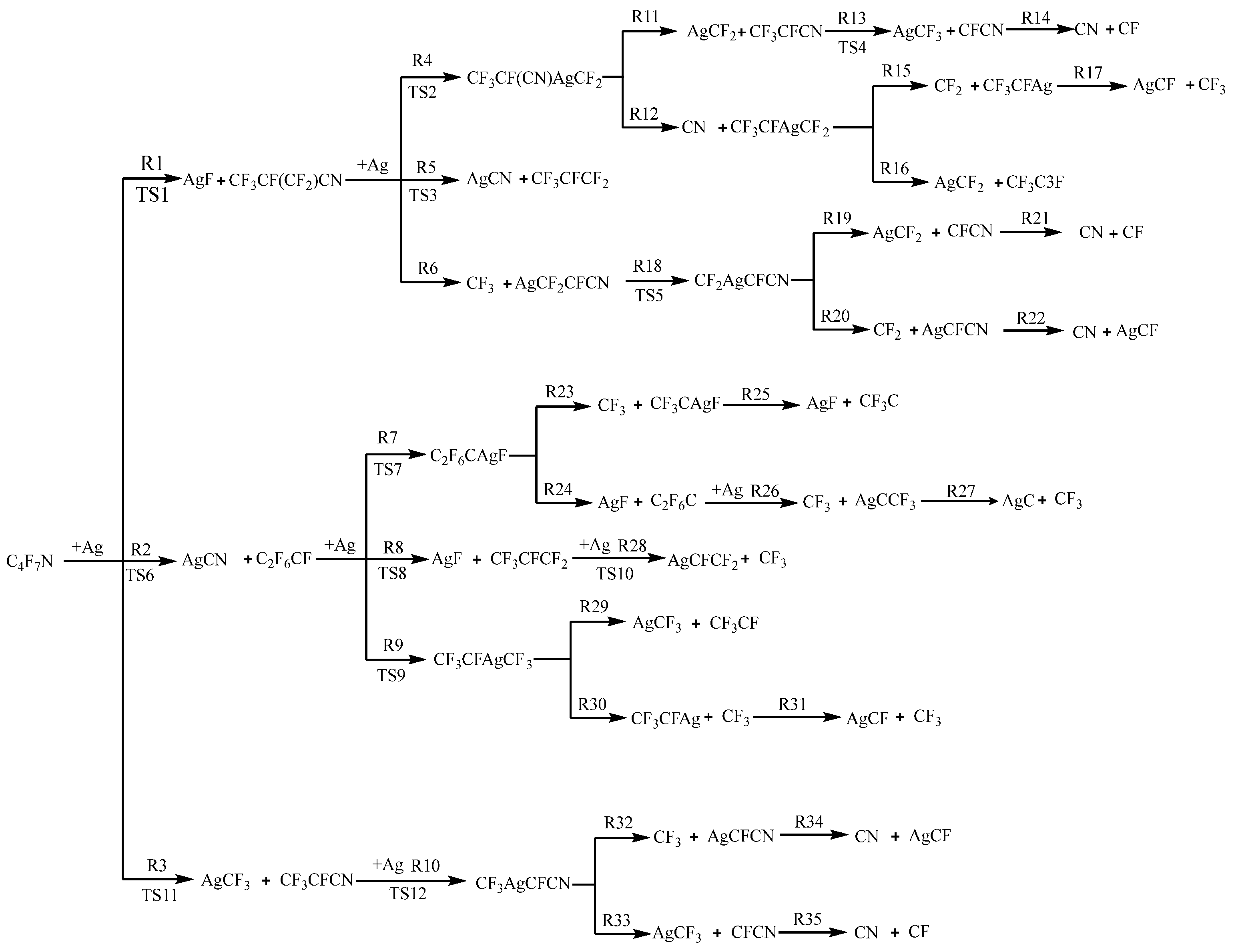
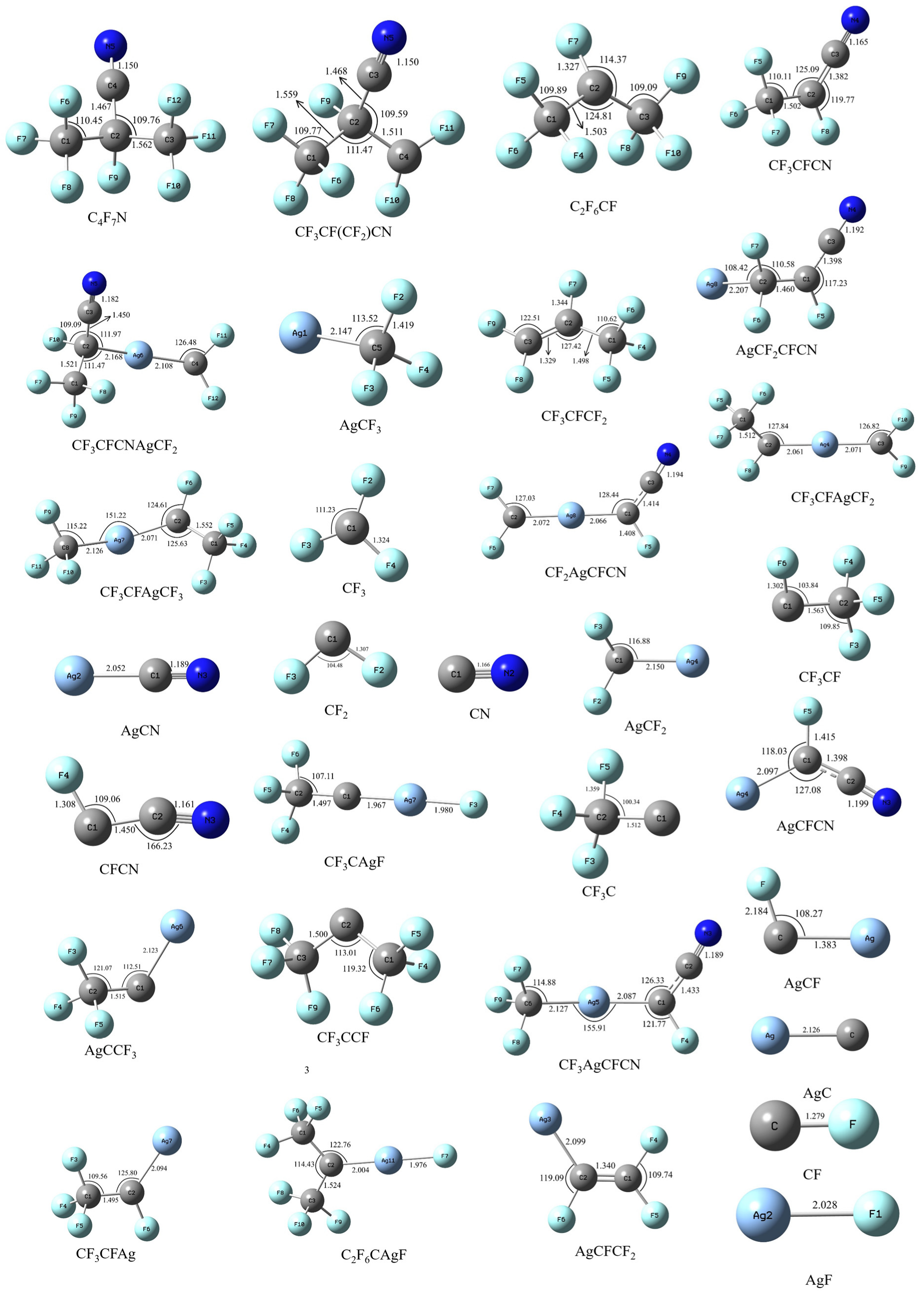
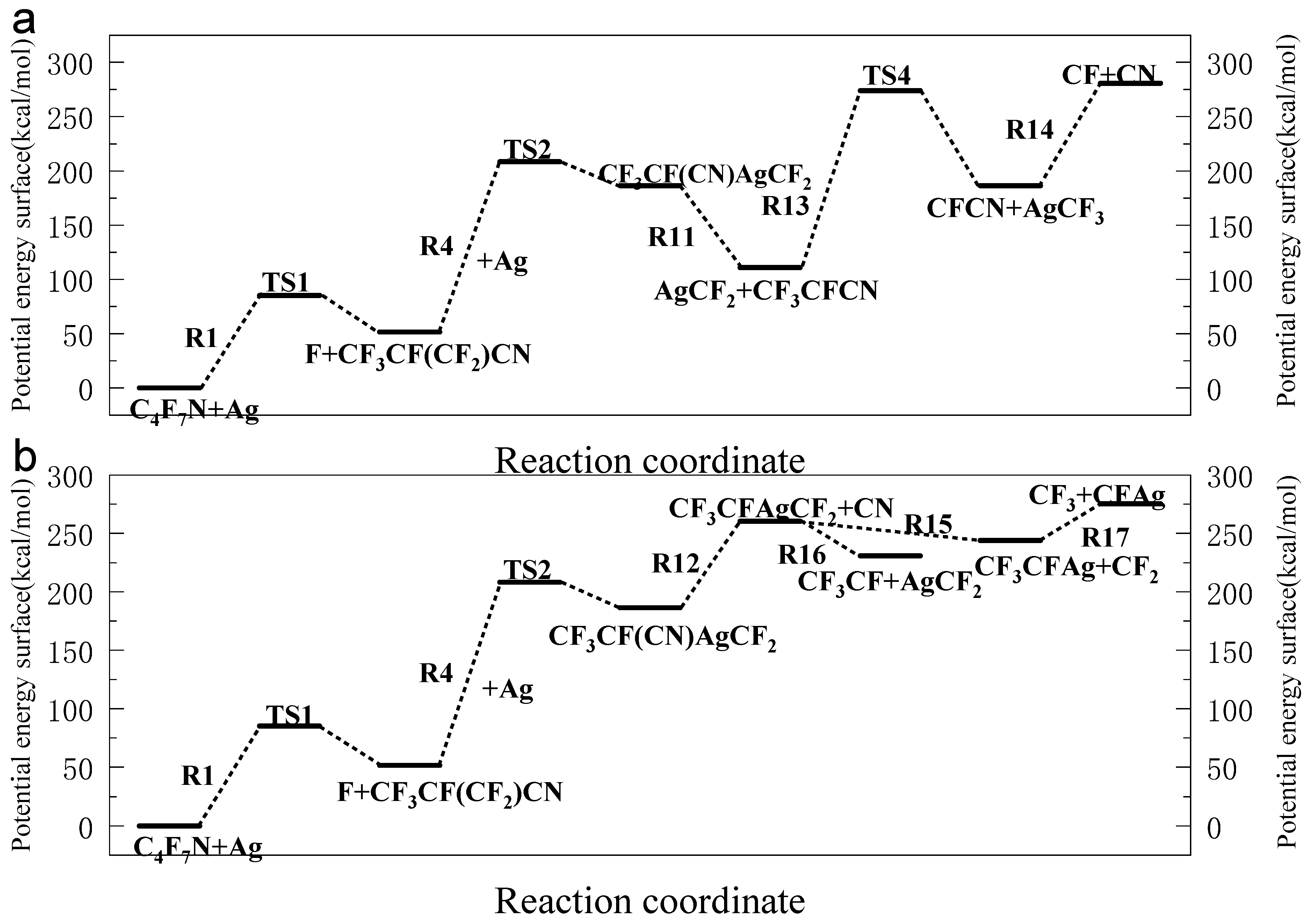
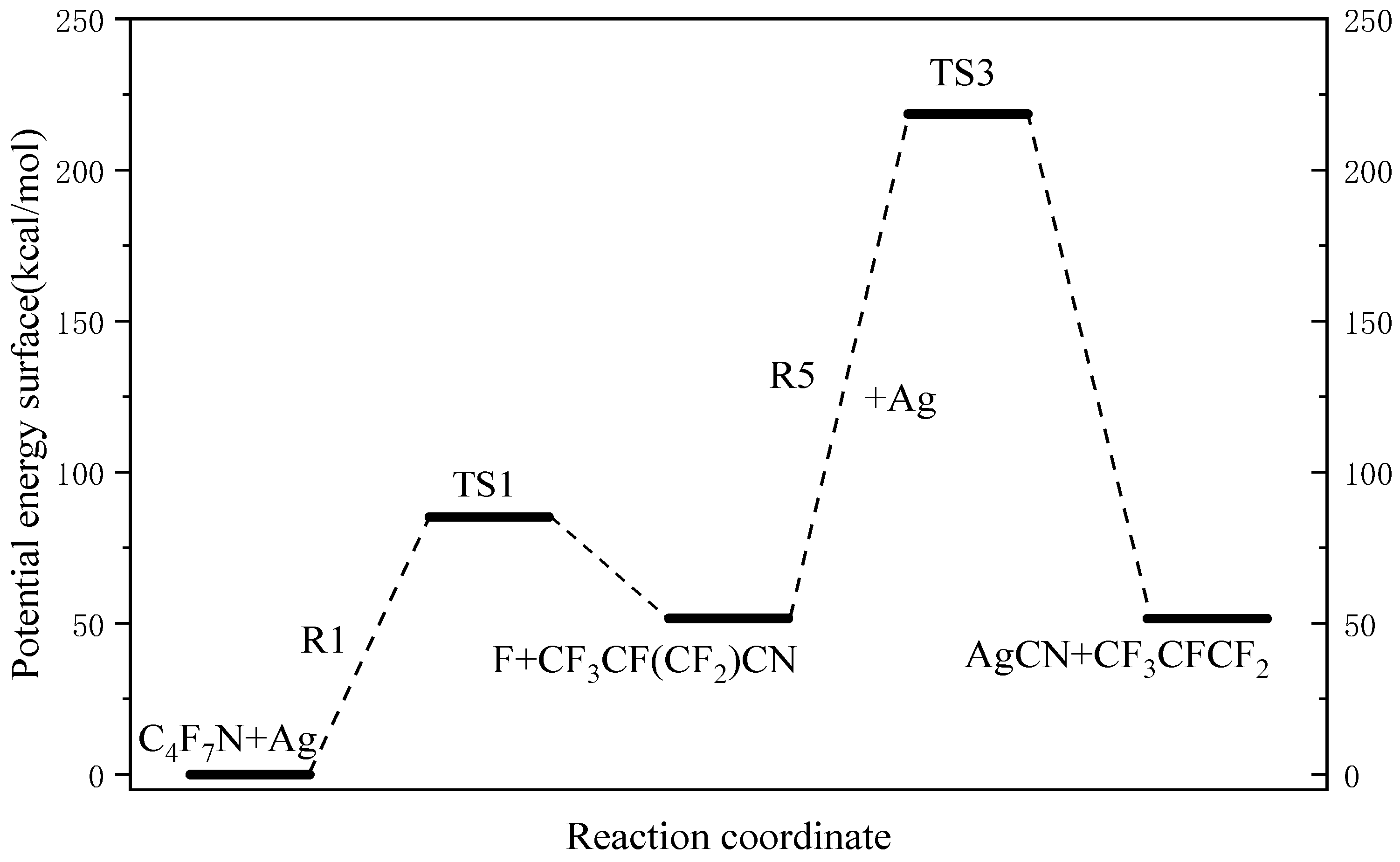
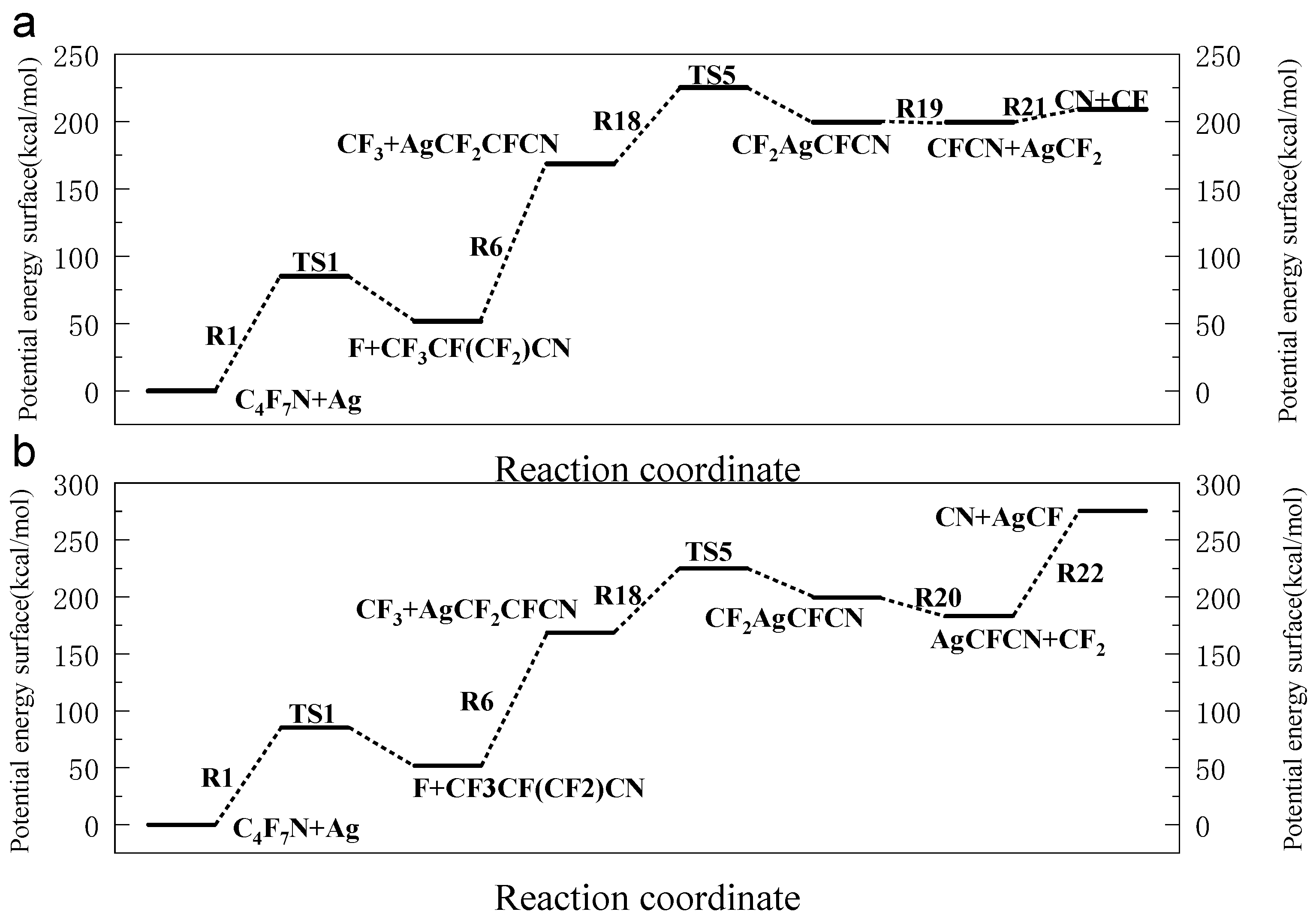
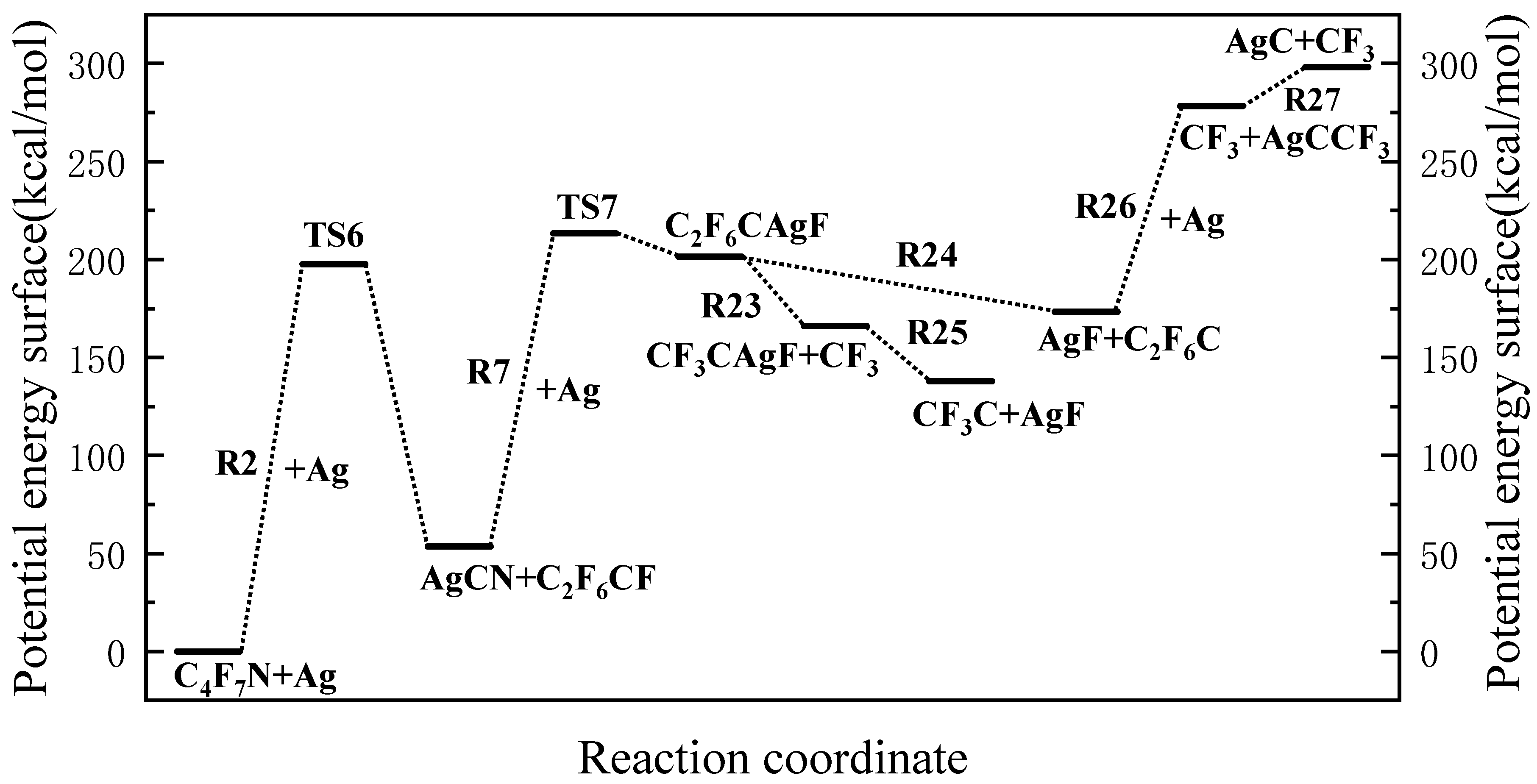
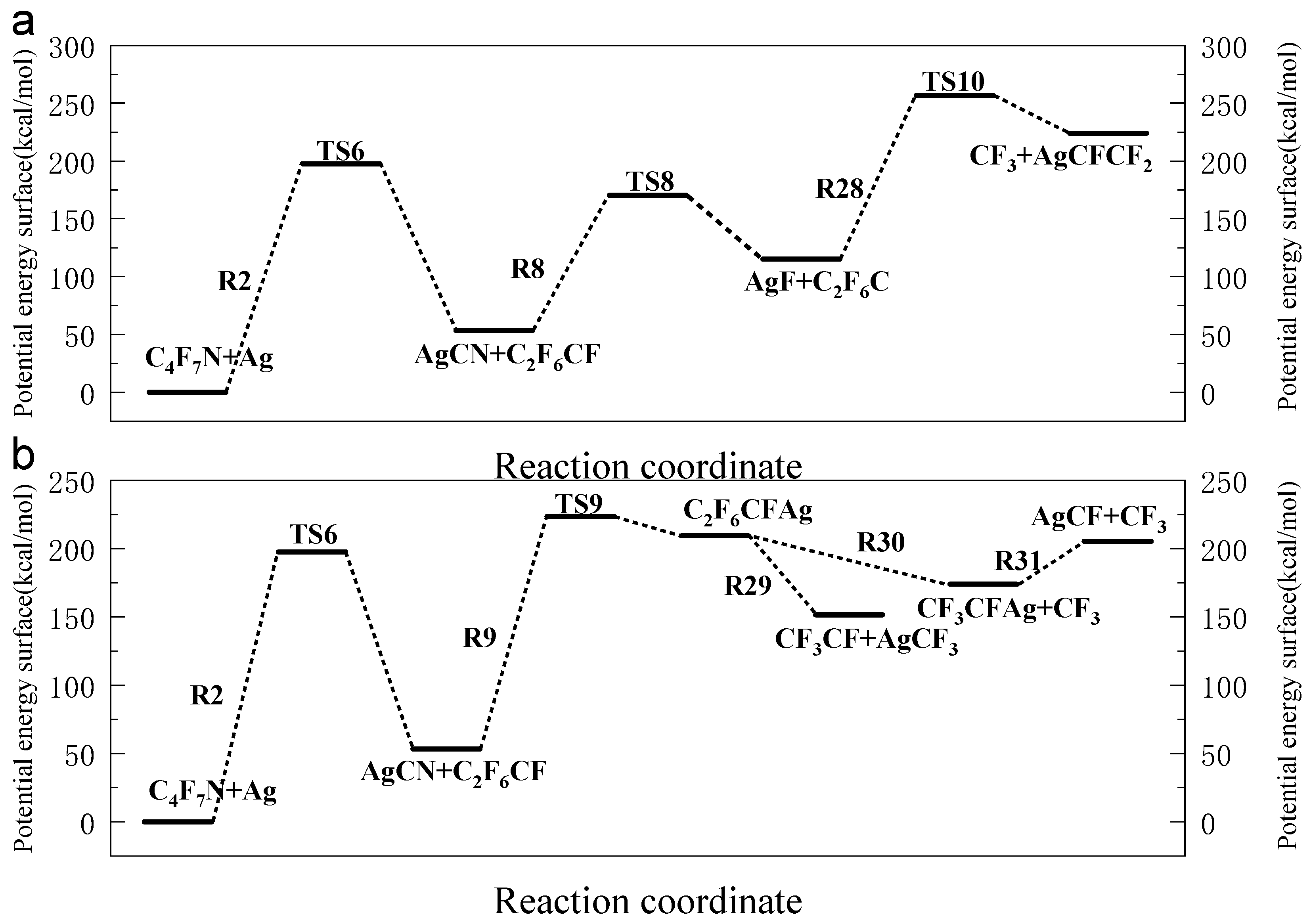
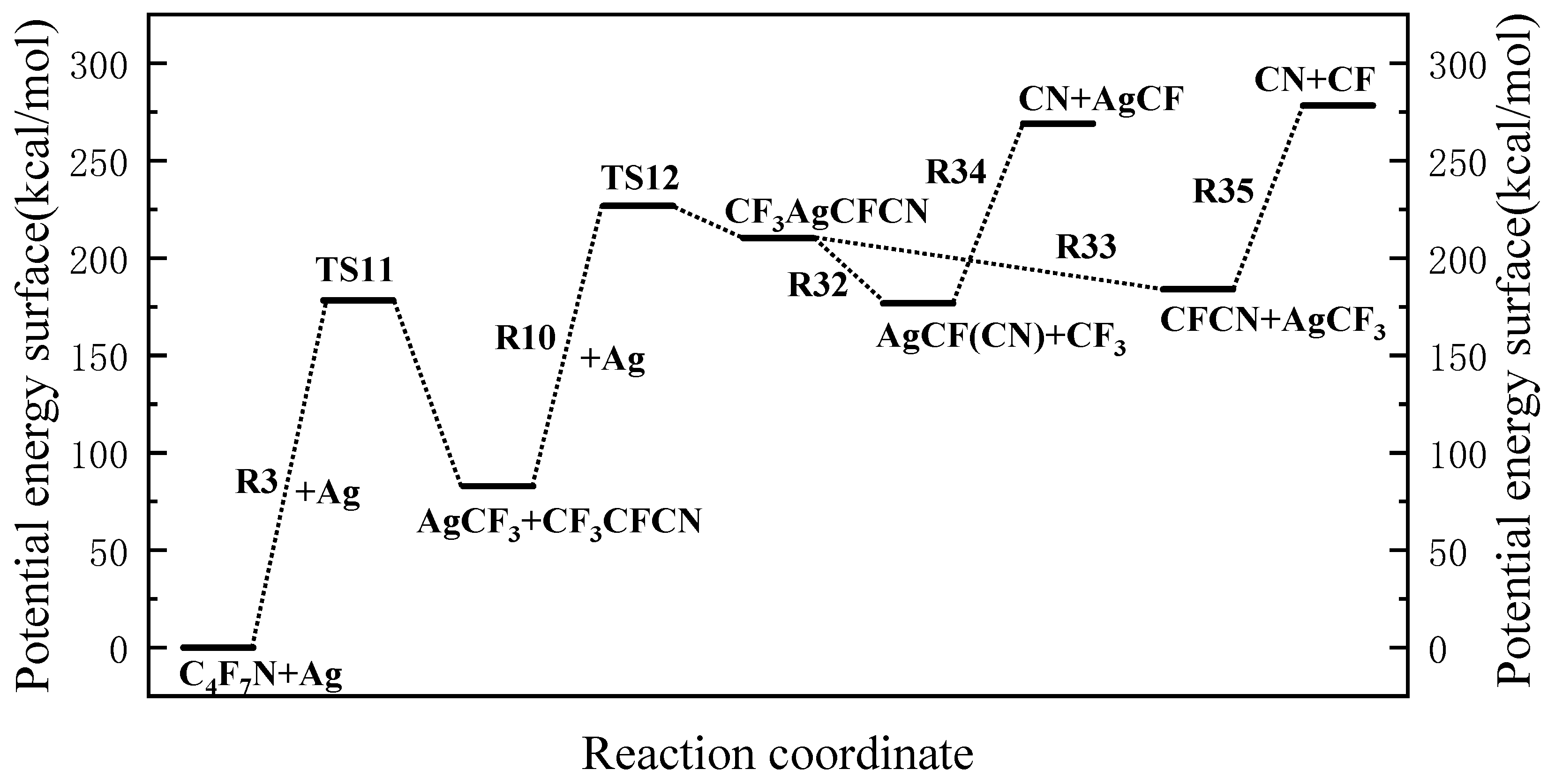
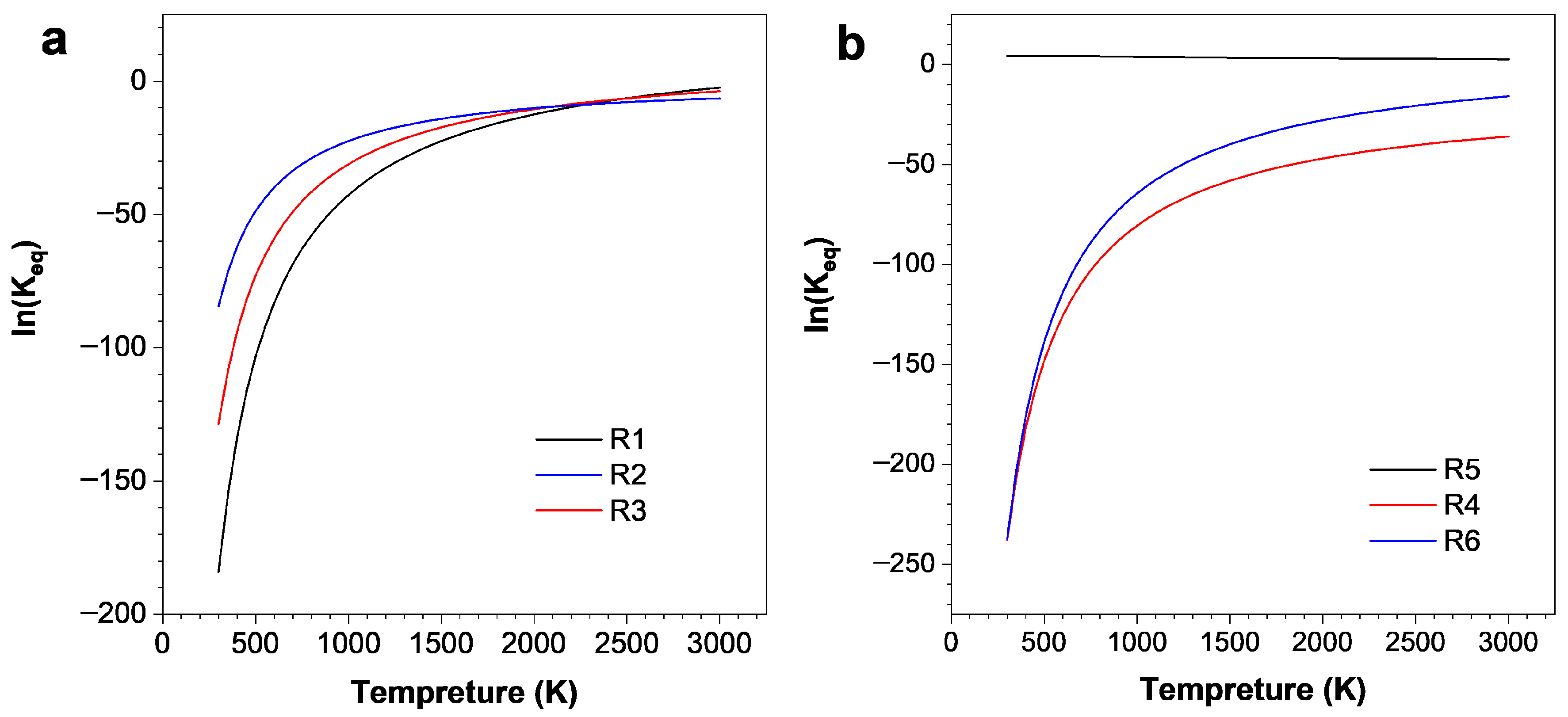
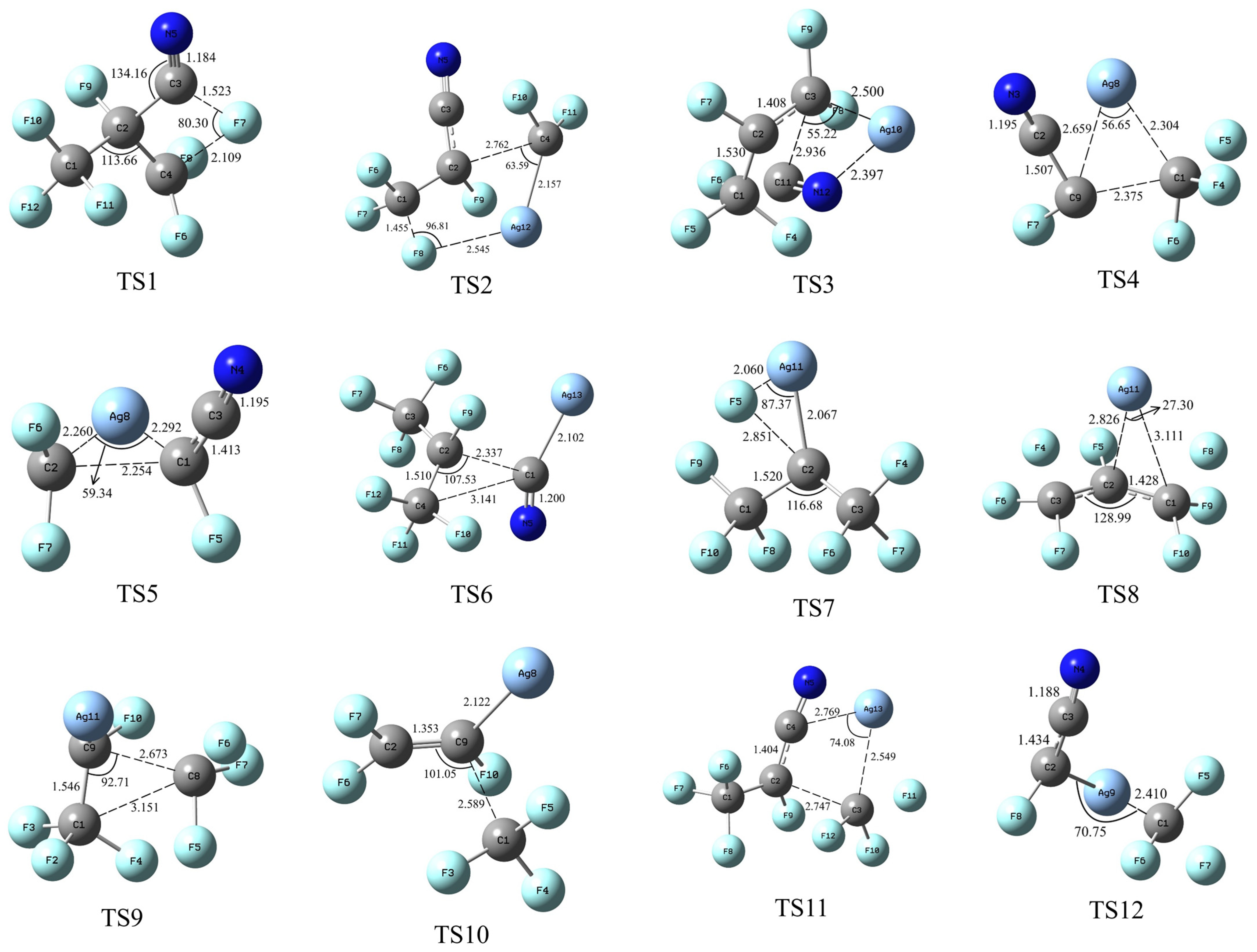
The global phase-out of sulfur hexafluoride (SF6), an insulating gas with high global warming potential (GWP), has driven the search for eco-friendly alternatives in high-voltage equipment. Perfluoroisobutyronitrile (C4F7N) emerges as a promising candidate due to its low GWP and high dielectric strength. However, its chemical stability under circuit breaker conditions, especially when interacting with vaporized contact materials such as silver, remains a key concern. This study investigates the decomposition mechanisms of C4F7N in the presence of silver vapor using quantum chemical calculations at the B3LYP/LanL2DZ level. A reaction network comprising 35 pathways and 12 transition states were identified. All structures were confirmed as valid stationary points via frequency analysis and intrinsic reaction coordinate (IRC) calculations. Three primary reaction pathways between C4F7N and Ag were delineated, leading to secondary reactions that generate low-weight molecules and Ag-containing species such as AgF and AgCN. Key energy barriers and temperature-dependent equilibrium constants (Keq) were determined to evaluate pathway feasibility. This work provides fundamental insights into the high-temperature interfacial chemistry of C4F7N with Ag, offering essential data for assessing its material compatibility and long-term reliability as a sustainable insulation medium in power systems.
Keywords: C4F7N; arc-extinguish; density functional theory; decomposition; ultra high voltage C4F7N; arc-extinguish; density functional theory; decomposition; ultra high voltage