Article

Numerical and Experimental Analysis of Whistling Sound Generation and Suppression in Narrow-Gap Flow of Vehicle Side-View Mirror

1
School of Mechanical Engineering, Pusan National University, Busan 46241, Republic of Korea
2
Center for Advanced Air-Conditioning, Refrigeration & Energy, Pusan National University, Busan 46241, Republic of Korea
3
Hyundai Motor Company, Hwaseong-si 18280, Republic of Korea
*
Author to whom correspondence should be addressed.
Appl. Sci. 2026, 16(1), 31; https://doi.org/10.3390/app16010031
Submission received: 16 November 2025 / Revised: 13 December 2025 / Accepted: 15 December 2025 / Published: 19 December 2025
(This article belongs to the Section Acoustics and Vibrations)

Abstract

This study investigates the generation and suppression of the whistling noise caused by flow through the narrow gap of a vehicle’s side mirror, an aerodynamic phenomenon often reported as a source of discomfort to passengers. The research employs a simultaneous approach, combining wind tunnel experiments to determine the geometries and wind conditions at a flow speed of 22 m/s contributing to whistle generation at between 7 kHz and 8 kHz with numerical simulations utilizing compressible Large Eddy Simulation (LES) techniques for an in-depth investigation of the underlying aerodynamics. The Simplified Side-mirror Model (SSM) is developed, enabling precise wind visualization, and facilitating the identification of fundamental aerodynamic sound sources via vortex sound theory. The analysis reveals that the whistling sound is intricately linked to edge tone phenomena, driven by vortex shedding and flow instabilities at the angled shape in a narrow gap. Building on these insights, the study introduces the Suppressed Whistle Model (SWM), a configuration including shapes resembling a vortex generator that successfully mitigates the whistling by disrupting the identified flow structures causing the whistling sound. The suggested design is validated through wind visualization, comparing the numerical flow structures with the experimental ones. The experimental whistling sound pressure level of SWM decreases by about 20 dB compared to SSM, and a similar trend can be confirmed in the numerical results.

1. Introduction

In the evolving landscape of automotive technology, the reduction in traditional combustion engine noise, particularly in electric vehicles, has accentuated the prominence of aerodynamic noise. One of the major aerodynamic sound sources of the car is a side mirror due to its extruded discontinuous geometry. When a vehicle runs over a specific speed, a tonal noise, described as a ‘whistle’, from a narrow gap in the side mirror has been frequently reported to cause inconvenience to the driver. However, because this type of sound is generated from a narrow gap of about 1 mm, the experimental and numerical investigation for finding the generation mechanism of the whistle sound is very challenging.
Chanaud [1] delineated aerodynamic whistles into three categories based on their feedback mechanisms: near-field, intermediate, and far-field feedback. Lounsberry et al. [2] delved into the phenomenon of laminar-flow whistling around a vehicle’s side mirror, demonstrating that the boundary layer initially develops as laminar before transitioning towards turbulence, exhibiting high-frequency fluctuations. Their visualization of the flow affirmed the presence of a laminar separation region on the side mirror. Werner et al. [3] explored the tonal noise associated with side mirrors through particle image velocimetry (PIV), attributing the aeroacoustic feedback loop, a key driver of self-noise emission over airfoils, to instabilities in the shear layer emanating from the side-mirror housing. Frank et al. [4] employed high-order computational schemes to simulate acoustic feedback phenomena on a side mirror, applying instability analysis and mode decomposition to uncover the whistle’s genesis. However, these studies [2,3,4] are primarily concentrated on tonal noise produced by external flows over side mirrors, rather than internal narrow-gap flows.
Fosas de Pando et al. [5] undertook a nonlinear numerical simulation and global stability analysis of tonal noise from an airfoil to identify feedback mechanisms. Similarly, Takahashi et al. [6] investigated the feedback mechanism in an air-reed instrument through compressible Large Eddy Simulation, revealing Lighthill’s sound source and frequency-locking phenomena. Despite the differences in characteristics between airfoil and air-reed instrument flows and narrow-gap flows in side mirrors, the methodologies from these studies were applied in our research.
Wind noise from external appendages—including the A-pillar, side-view mirror, and door region—has been an existing and substantial source of cabin noise at high speeds, and has emerged to become as critical with reduced powertrain noise. Many studies on automotive aeroacoustics [7,8,9,10,11] emphasize the significance of separated flows at mirrors and pillars, and both experimental and numerical investigations conducted on single car models have found it to be a significant aeroacoustic problem about the A-pillar–mirror interaction region.
Tonal whistles are frequently products of a self-sustained aeroacoustic feedback loop: a hydrodynamic instability generates sound that is amplified and scattered by a nearby geometry or resonator, while the resulting acoustic field modulates the instability with receptivity at the separation point. Canonical models, such as the edge tone, and the cavity tone, give us appropriate frameworks with which to approach such phenomena, and these mechanisms have been extensively analyzed and reviewed based on stability and reduced-order models [12,13,14,15,16].
Fitting well into the automotive model, feedback-driven tones can also originate from narrow openings and leakage paths in doors and seals, in which local jet and edge interaction generates a whistling noise, to which computationally assisted seal-design workflows have been designed to ensure better wind-noise performance [17,18].
On the modeling standpoint, the resolution of coherent structures for tone sound generation is not only difficult to capture, but also needed to avoid pollution by artificial reflections in the acoustic field. Therefore, high-fidelity methods are often coupled with non-reflecting boundary conditions and suitable turbulence modeling methods. They are also in line with the general computational aeroacoustics guidance and recent side-mirror feedback simulations. [11,19,20,21,22]. As far as suppression, practical applications are to reduce the loop gain or detune the acoustic response—such as by adjusting the edges/gaps to dislocate coherent vortex shedding or by shifting the resonance away from the hydrodynamic amplification range; recent studies in cavity–orifice whistling show that resonator detuning can effectively eliminate tonal instabilities.
Stoffel et al. [23] experimentally demonstrated that adding a protruding step to a side-view mirror, a design change intended to suppress tonal whistling, successfully eliminates the original noise source. In this research, the aforementioned vortex generator concept is adapted to mitigate whistling caused by internal flows through the narrow gap in a side mirror. According to the authors’ previous research, Lee et al. [24] focused on whistle sound generation from narrow-gap flows in conventional side mirrors, highlighting the role of acoustic resonance in this process through visualization of standing waves in the compressible pressure field, alongside hydrodynamic pressure fluctuations.
To mitigate the whistling noise emanating from the side mirror, a component referred to as a ‘guide-rib’ is integrated into the inlet flow path of the narrow gap. However, the problem has not been solved and continues at elevated frequencies. Furthermore, Stoffel et al. [23] investigate the effect of an additional component on the side-view mirror housing, which successfully eliminated the original whistling sound. However, this alteration unexpectedly induced a low-frequency flow intermittency on the side-view mirror’s outer side, transforming the single-tone whistle into a more complex, multi-tone ladder-type acoustic structure.
Because the reason for this new whistling noise is suspected to be different than the prior one, this study focuses on the new generation mechanism of whistle sound and aims to suppress it. The main contributions of the present study are twofold. Firstly, the fact that the whistle sound originated from fluctuations in the vortex sound source, induced by vortex shedding at the trailing edge of the guide-rib, where shear layer separation occurs, is identified. Secondly, the fact that the strategic partial removal of the guide-rib disrupts the core flow structures responsible for the whistling sound is demonstrated. This application of the vortex generator concept effectively eliminates the whistle and are verified simultaneously through comparison with experimental results.
The paper is structured as follows: Section 2 details the experimental methodologies employed to pinpoint the flow conditions and design factors that trigger the whistle and to visualize the internal flow through the narrow gap. Section 3 presents the experimental outcomes, including sound pressure spectrum measurements for the real side-mirror and the simplified models. In Section 4, the numerical investigations employed for high-fidelity flow simulation and identification of aerodynamic sound sources are introduced. Section 5 discloses the numerical results, elucidating the fundamental mechanism of whistle generation from the narrow-gap flow. Finally, Section 6 introduces and validates, both numerically and experimentally, a new design that effectively suppresses the whistle sound.

2. Experimental Methods

2.1. Sound Measurement

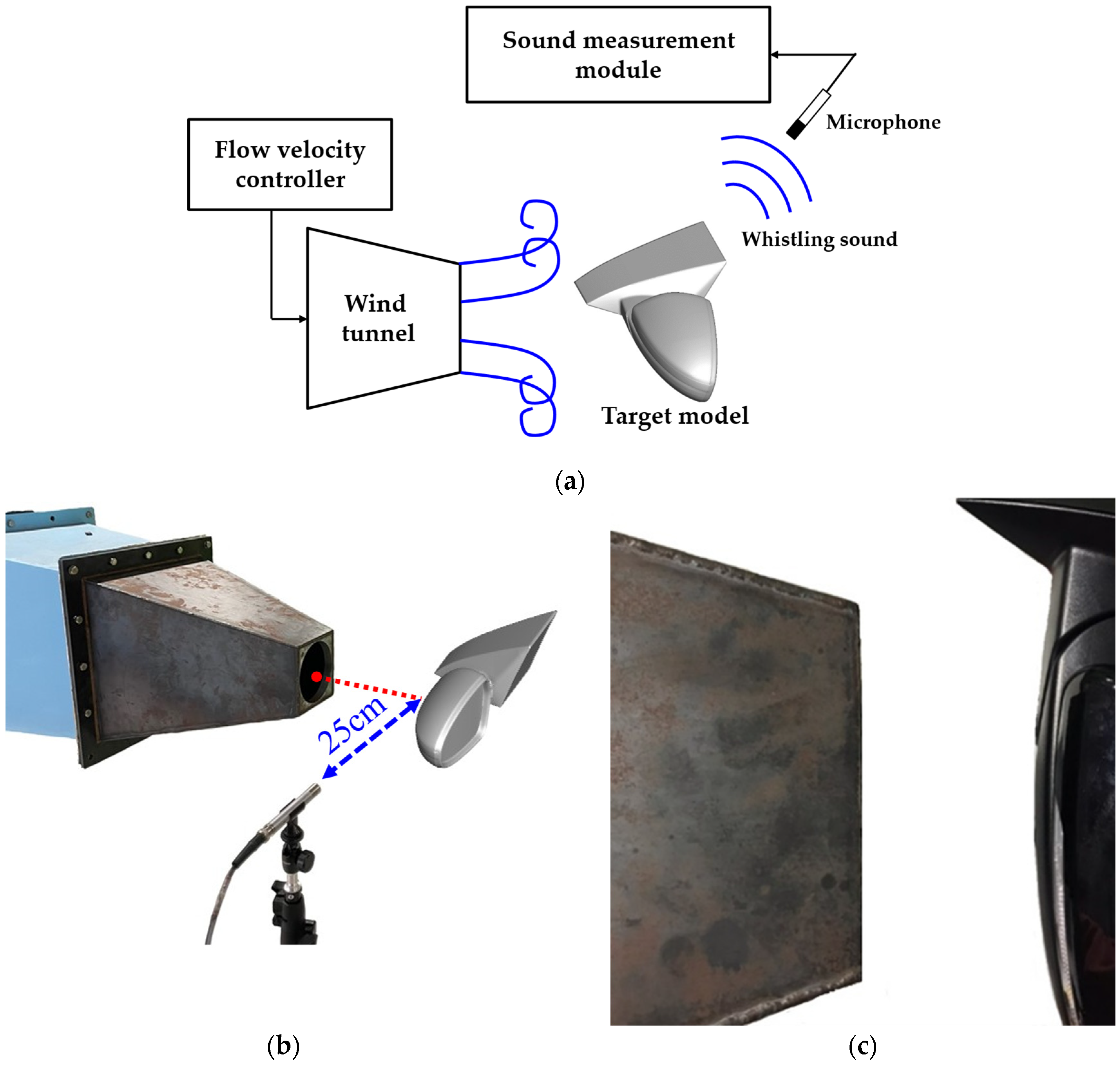
A detailed measurement to determine the specific flow conditions under which the whistling sound is produced by the narrow-gap flow of a vehicle’s side mirror, as well as to obtain the sound pressure spectrum, is conducted. The experimental setup, depicted in Figure 1, is designed for capturing the aerodynamic noise generated from wind flows through the side mirror’s narrow gap. Utilizing a compact wind tunnel, the airflow is directed across the side mirror, while a microphone, positioned to replicate the distance between the mirror and a driver, records the ensuing whistling sound. The microphone of Bruel & Kjaer 4189 type is used for sound measurement. The total measurement time, sampling frequency, and frequency resolution are 10 s, 40,960 Hz, and 1 Hz, respectively. For clear results, the sound signals are filtered through the Hanning window with a 70% overlap rate.

2.2. Flow Visualization

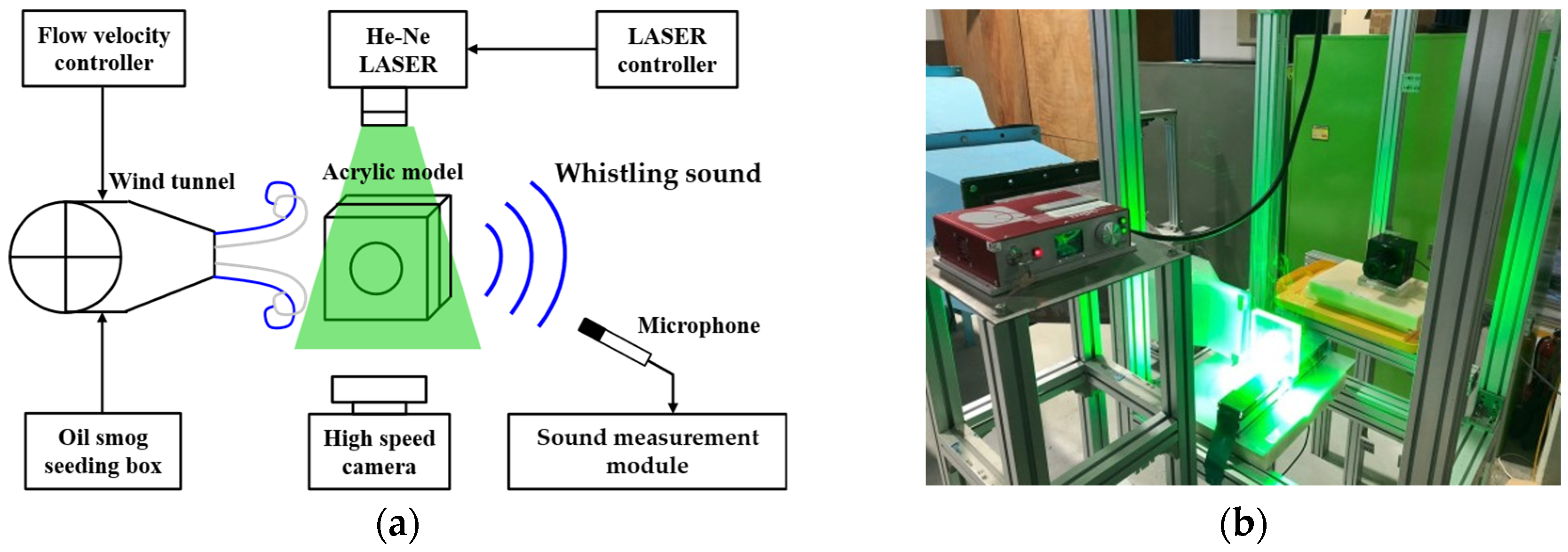
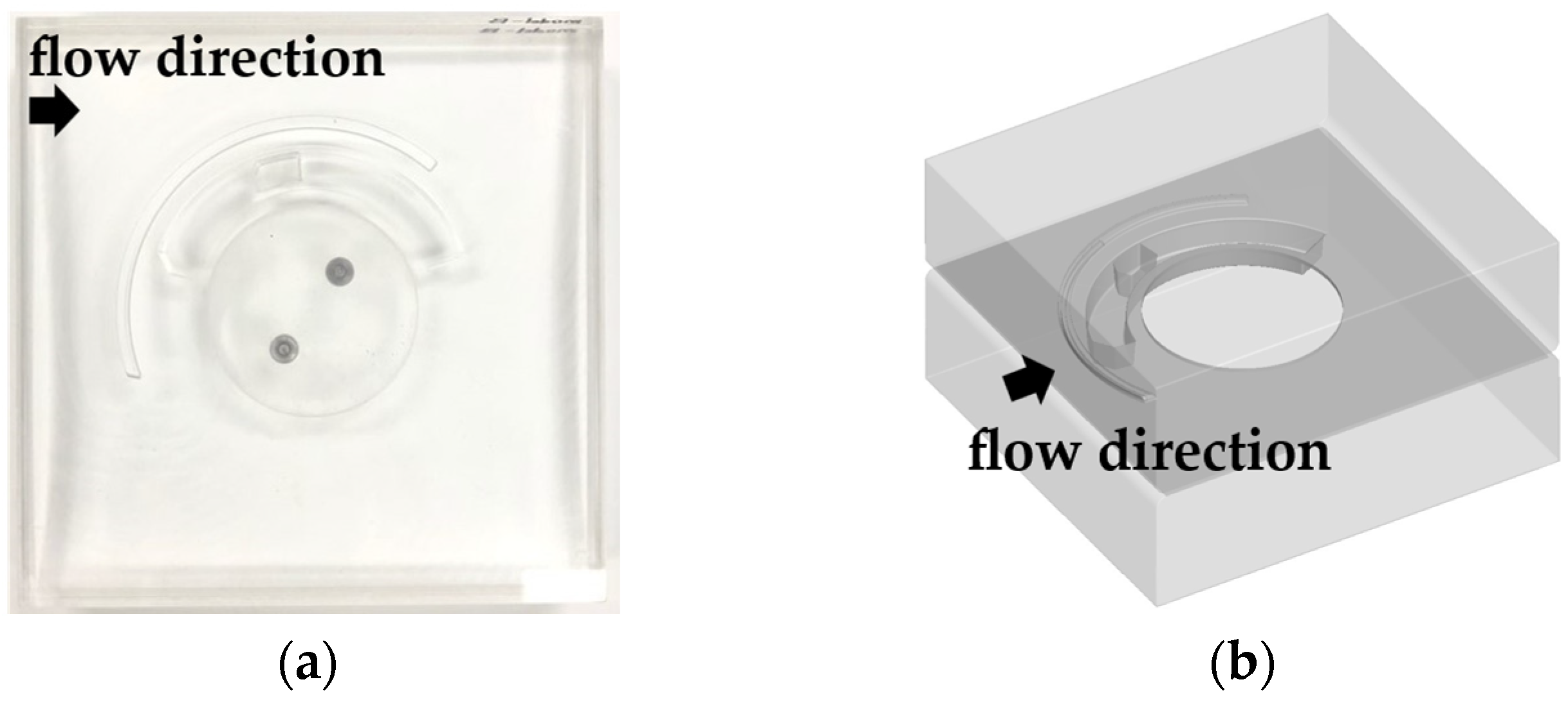
An experimental flow visualization to capture the flow structures within the narrow gap contributing to the generation of the whistling sound is performed. The setup, illustrated in Figure 2, makes it possible to infuse oil smog into the narrow gap of the Simplified Side-mirror Model (SSM), which will be explained in Section 3, and is constructed using transparent acrylic material. This approach enables the precise observation of flow structures associated with whistle generation. Upon detection of the whistling sound via measurements, both a Helium–Neon (He-Ne) laser and a high-speed camera are deployed to elucidate the flow structures within the narrow gap. The high-speed camera operates at 20,000 frames per second, ensuring detailed visualization of the moving flow patterns.

3. Experimental Results

3.1. Identification of Whistling Sound

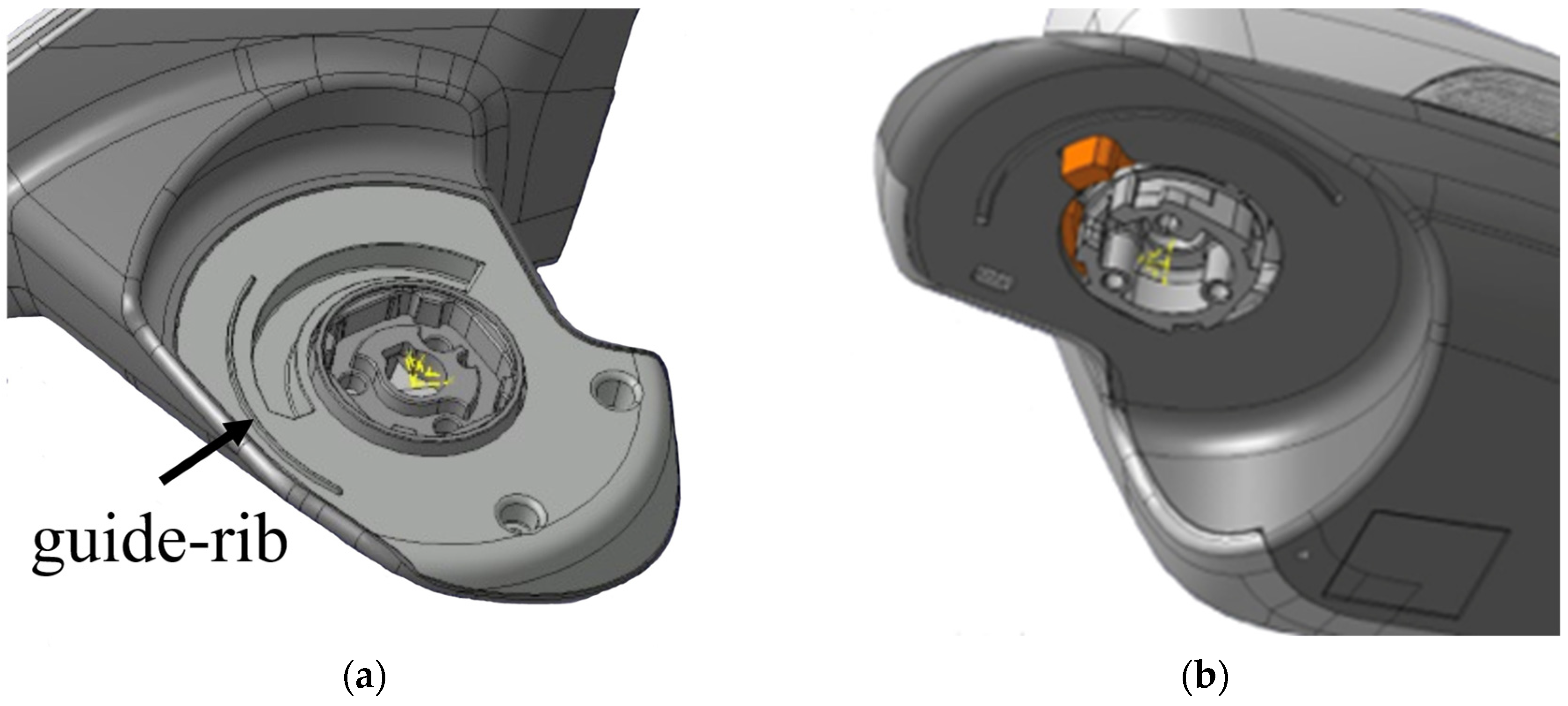
Based on the analysis result of the conventional side mirror by Lee et al. [24], an obstacle called the ‘guide-rib’ is adopted to prevent the occurrence of a whistling sound at around 4 kHz. However, the whistling sound is still found at higher frequencies above 6 kHz. The primary purpose of the present study is to find the generation mechanism of the new whistling sound and to devise a new design to suppress the whistle. Figure 3 shows the geometries of the upper and lower parts forming the narrow gap of the target side mirror including the guide-rib.
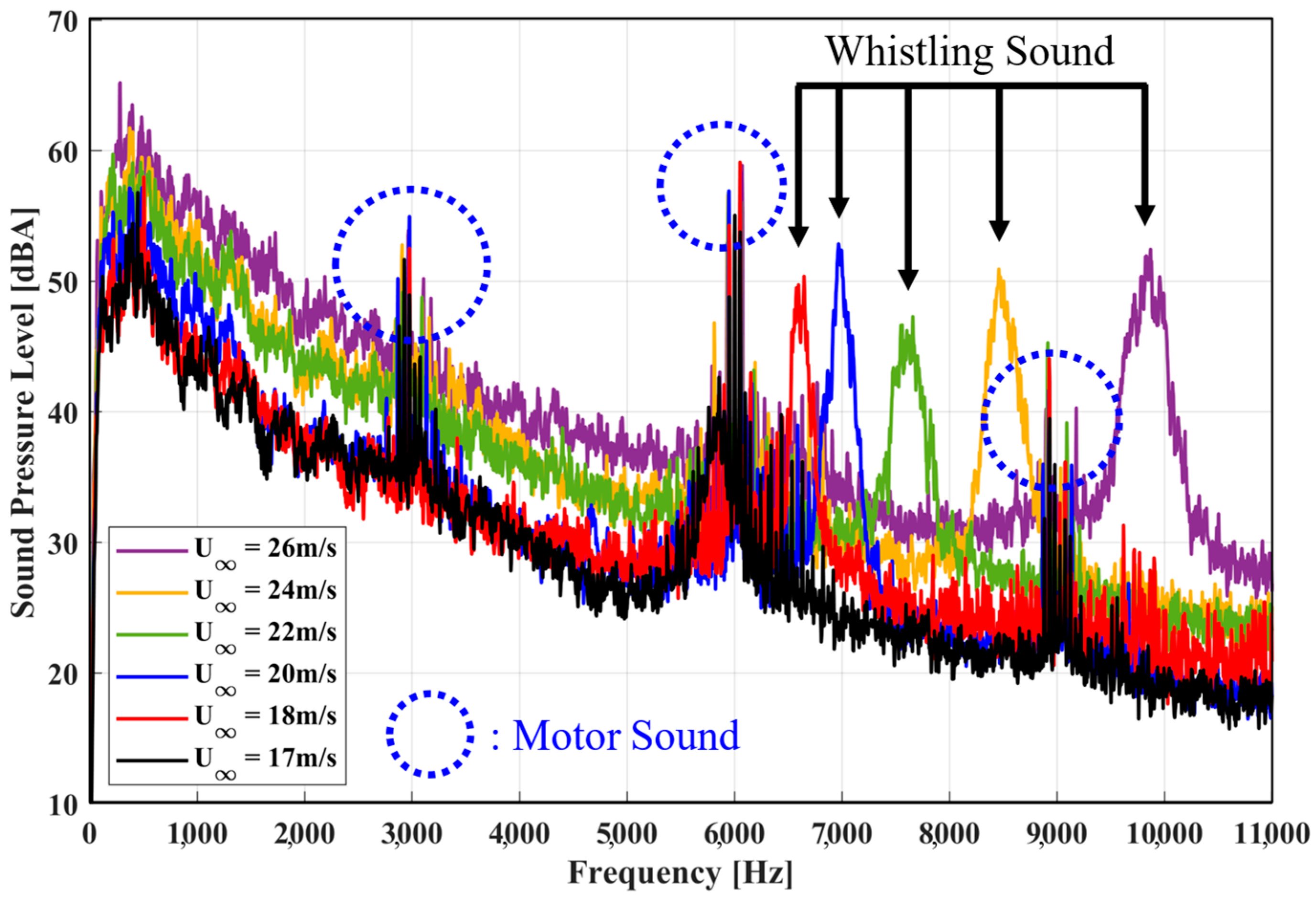
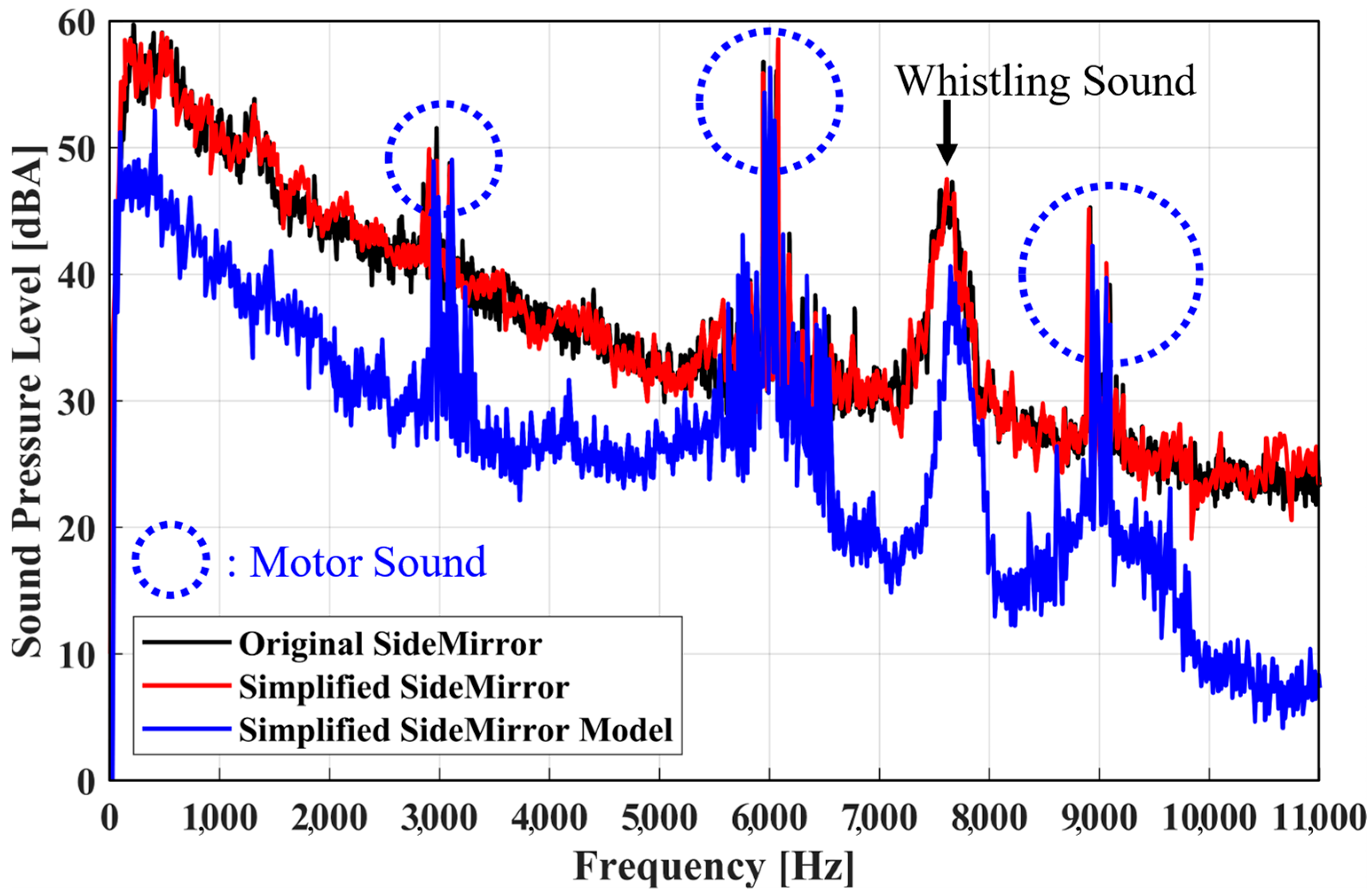
Figure 4 shows the sound pressure spectrums obtained for the original side mirror in various flow velocities. When the flow velocities are varied from 17 m/s to 26 m/s, the tonal components of bandwidth wider than 100 Hz occur at the flow velocities higher than 17 m/s. These components are defined as the whistling sound. The other tonal components at 3 kHz, 6 kHz, and 9 kHz are due to the motor of a fan driving the airflow of small wind tunnel. When the flow velocity is 17 m/s, the fact that the whistling sound is absent is unclear due to the motor sound at 6 kHz. Considering this, 22 m/s is selected as the target flow speed of this study, because it is sufficiently far from the motor sound frequencies by more than 1 kHz.

3.2. Simplified Side-Mirror Model

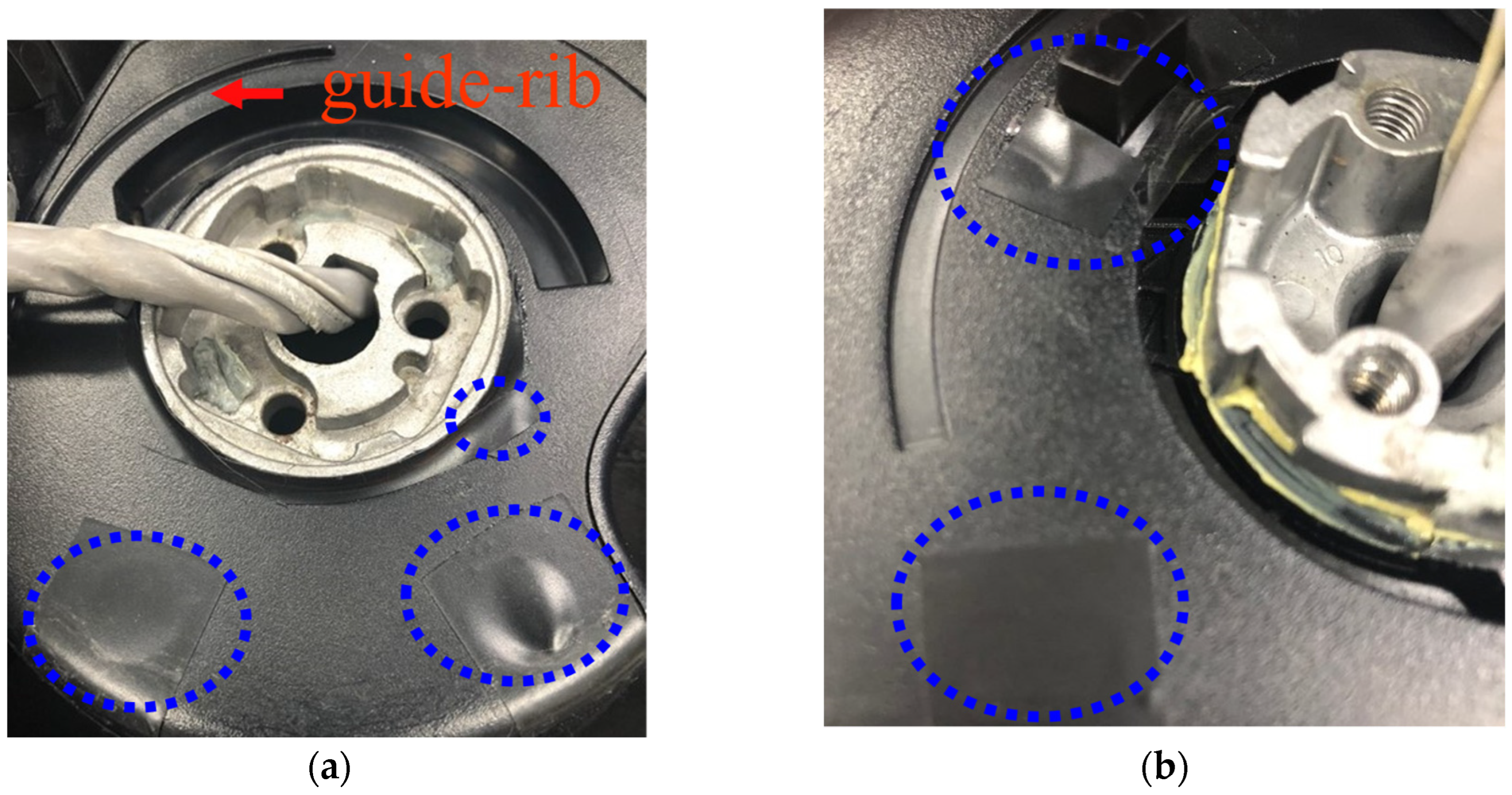
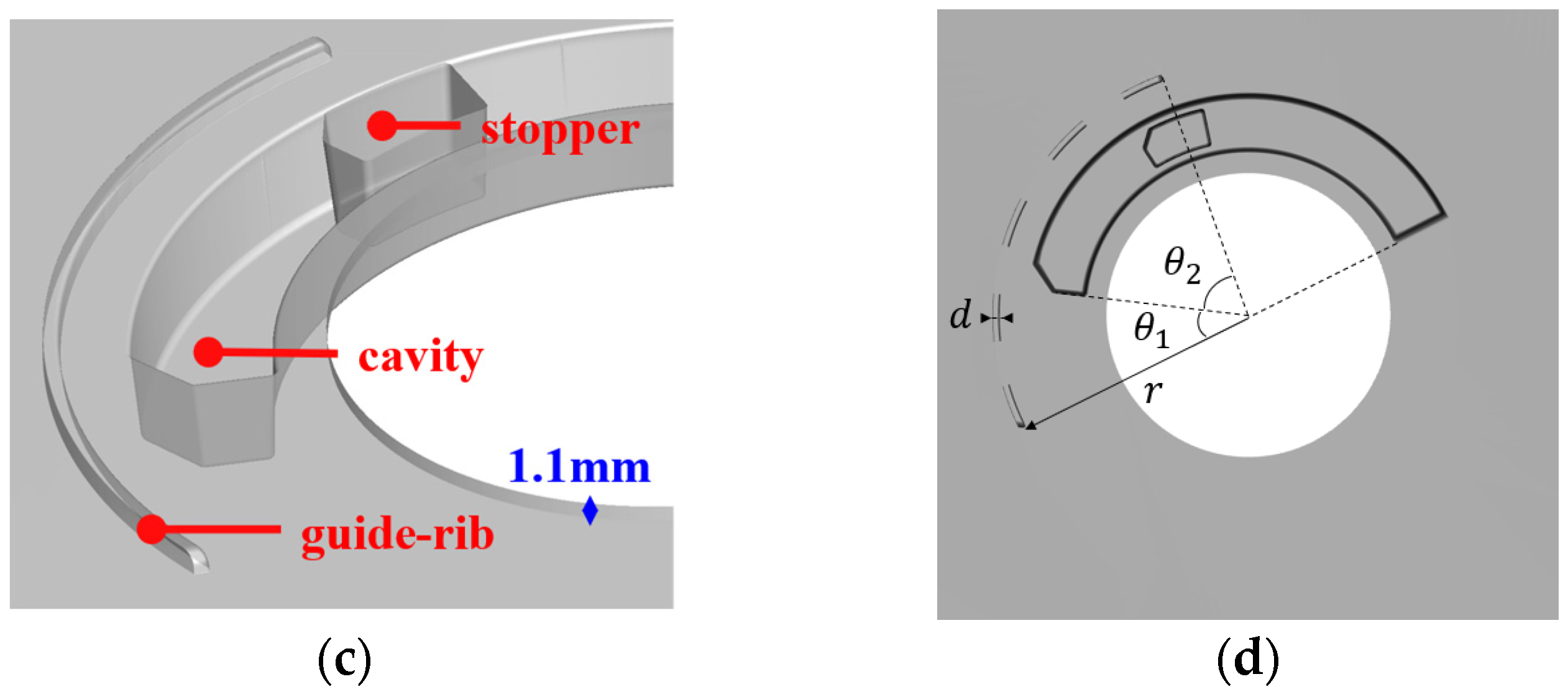
Because complex holes and cavities exist in the narrow-gap passage, preliminary experiments are conducted to assess these shapes’ effects on the generation of whistling sound. To do this, the features are simplified through blocking, and these are shown in Figure 5, indicated by blue circles. The side mirror obtained in this way is named the ‘Simplified Side-mirror (SS)’. The radiated sound pressure spectra of the original side mirror and SS are measured, shown in Figure 6, revealing that these geometries do not contribute to the whistling sound existing between 7 kHz and 8 kHz. In addition, the ‘Simplified Side-mirror Model (SSM)’ is designed, as shown in Figure 7, to reproduce only the flow passage of SS and is made of transparent acrylic material for flow visualization. Table 1 shows the detailed dimensions of the geometric features. Figure 6 compares the sound spectra measured for the original side mirror, SS, and SSM at a flow speed of 22 m/s. The sound spectrum measured for SSM shows the whistling sound component at a frequency like the ones of the original side mirror and SS, although its spectral levels are lower than the others. Although the frequency of the maximum whistling sound level of SSM is slightly different, the whistling sound occurs at a similar frequency, implying that SSM’s internal flow well reproduces the side mirror’s narrow-gap flow feature causing the whistling sound.

4. Numerical Methods

4.1. Large Eddy Simulation

Because the purpose of this study is to investigate the generation mechanism of whistling sound from the narrow-gap flow, the compressible Large Eddy Simulation (LES) technique with high-resolution grids is used to numerically reproduce the generation of whistling sound in the narrow gap and its propagation through and out of the narrow gap. The computation domain is constructed to include the sound propagation regions so that the radiated sound pressure is directly computed at the same position as the sound measurement location.
The governing equation for the three-dimensional unsteady compressible LES is derived by applying the Favre filtering to Navier–Stokes equations. In the LES approach, the large eddies are directly calculated. On the other hand, the eddies smaller than filtering size are predicted through a subgrid-scale model. To describe the filtering operations, the top marks “-“ and “~” represent direct and Favre filtering. For example, The Favre filtered variable x ~ can be written as x ~ = ρ x ¯ / ρ ¯ . The governing equation can be written in the form below:
ρ ¯ t + x i ρ ¯ u i ~ = 0 ,
t ρ ¯ u i ~ + x j ρ ¯ u i ~ u j ~ = p ¯ x i + x j ( σ i j ¯ + τ i j ) ,
t ρ ¯ e ~ + x j ρ ¯ e ~ + p ¯ u j ~ = H j x j .
where ρ is the density, u i is the velocity, p is the pressure, τ i j is the subgrid-scale stress tensor, σ i j is the viscous stress tensor, e is the total energy, and H j is the energy flux. In this research, the Wall-Adapting Local Eddy-viscosity (WALE) subgrid model is utilized to calculate small eddies.
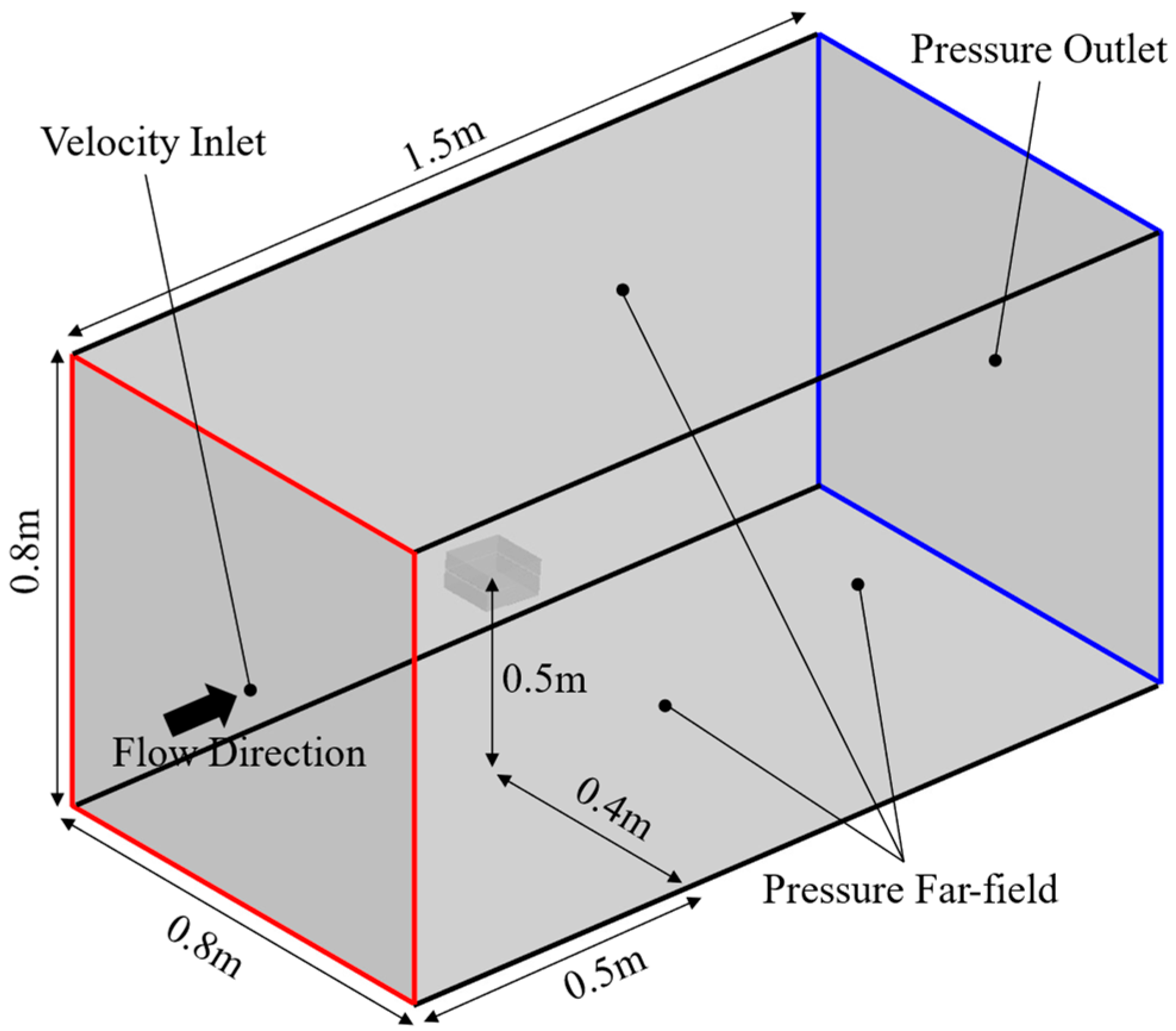
The numerical computation domain is constructed to reproduce the experimental setup for measuring the whistling sound owing to the narrow-gap flow of the side mirror. SSM described in Section 3 is targeted for the current numerical analysis and the numerical results are compared with the experimental ones. Figure 8 shows the entire numerical domain with related dimensions and applied boundary conditions. The velocity inlet, pressure outlet, and far-field pressure conditions are used as the boundary conditions. Table 2 shows the detailed values of the boundary conditions. The inlet velocity is set as 22 m/s, which is selected through the experimental results described in Section 3, and turbulent intensity and turbulent viscosity ratio are set as 5% and 10, respectively. The non-reflecting condition is applied to the inlet and outlet boundary conditions to suppress the possible contamination of sound waves in the computational domain due to a reflected wave from the boundaries.
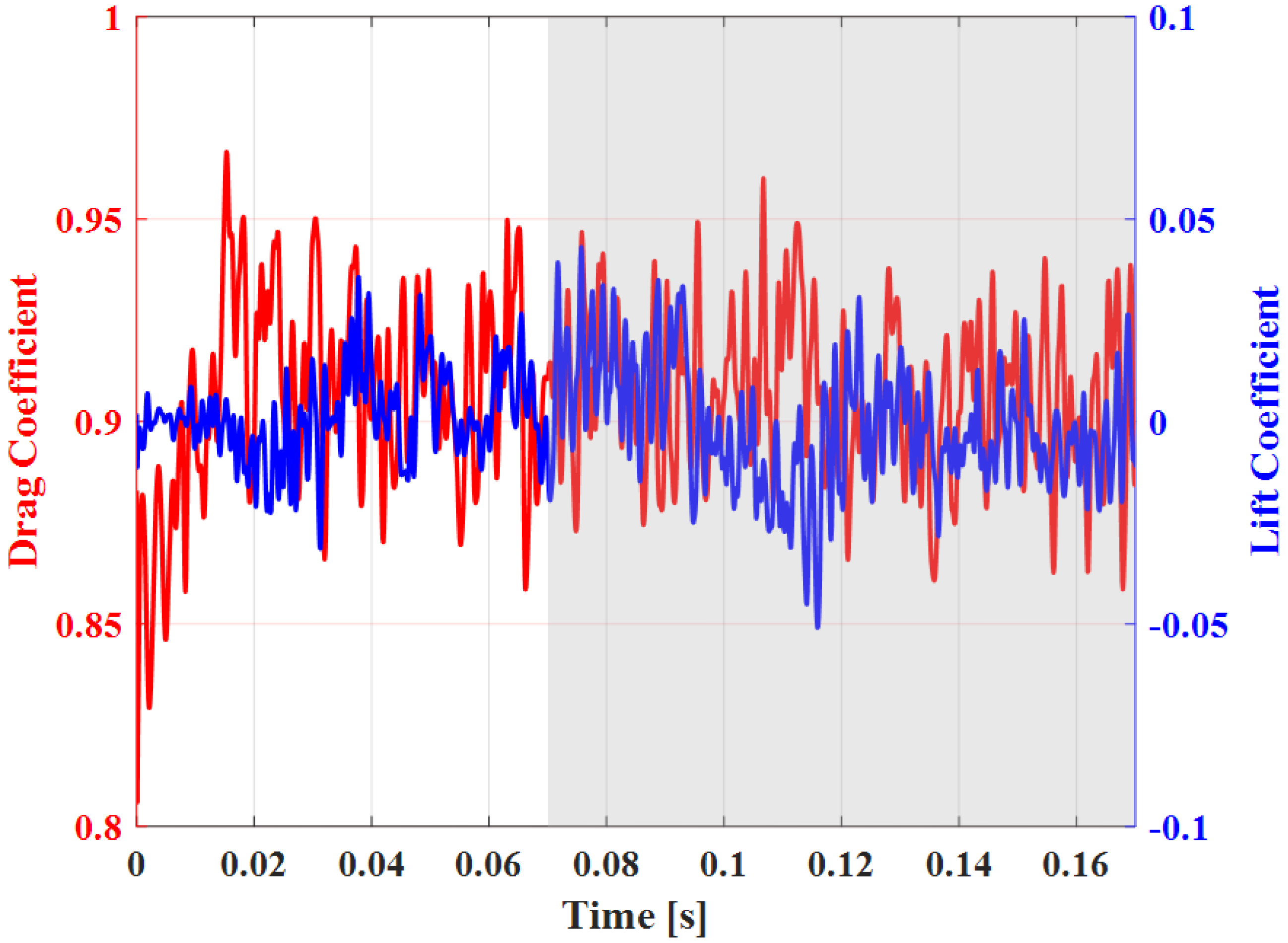
A prediction using the unsteady LES technique is conducted with initial conditions obtained from a steady RANS result to obtain reliable unsteady data. As shown in Figure 9, the data after 0.07 s are used for subsequent analysis to ensure convergence. Note that it takes 0.068 s for the inlet flow to arrive at the outlet boundary. The time step size is set as 1/160,000 s, corresponding to 20 points per period of the whistling sound at 8 kHz. The saved time length of the unsteady pressure data at the receiver point is 0.1 s, which matches the frequency resolution of 10 Hz. On the other hand, the unsteady flow field data in the temporal range of 0.01 s is exported for fast and cost-effective post-processing.
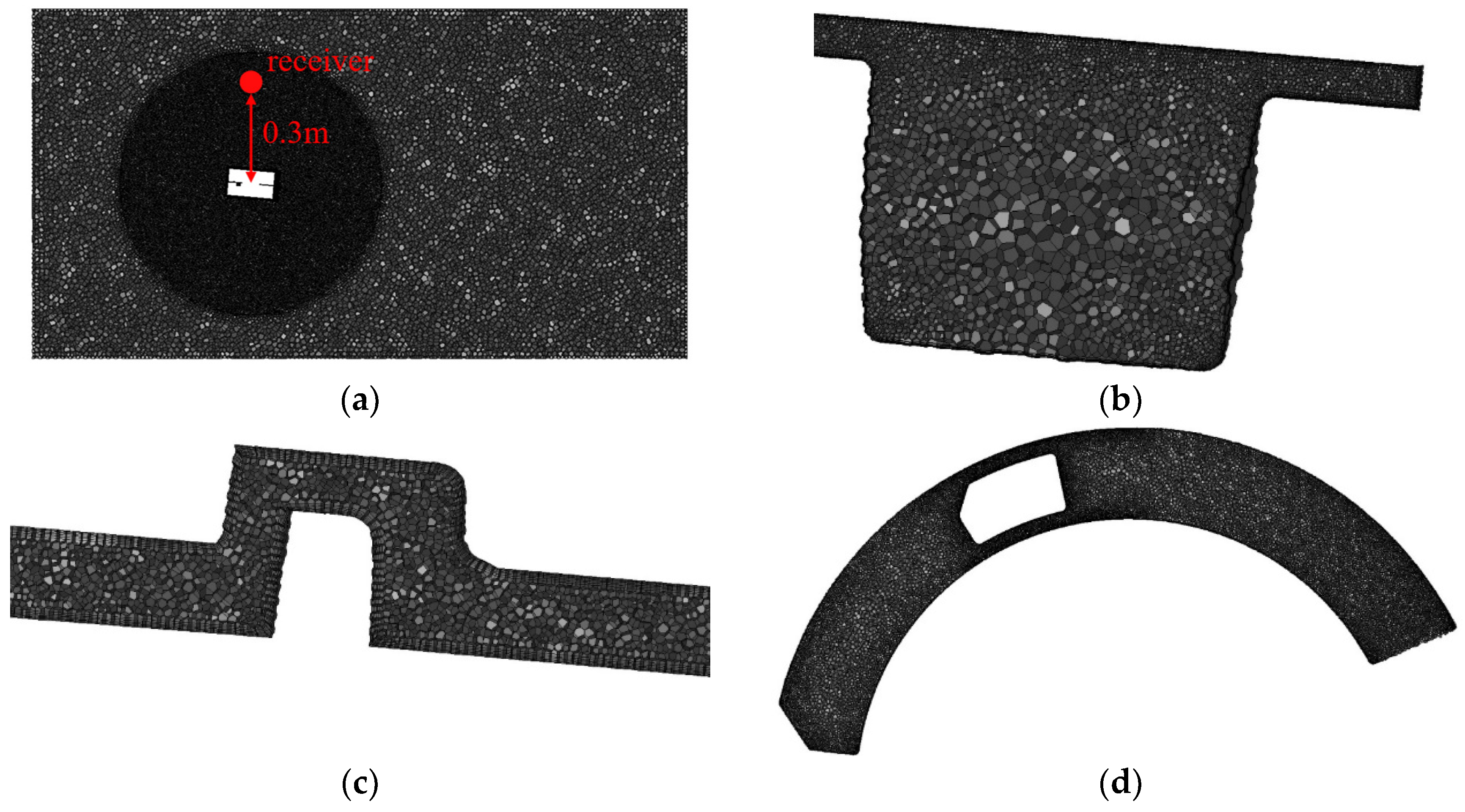
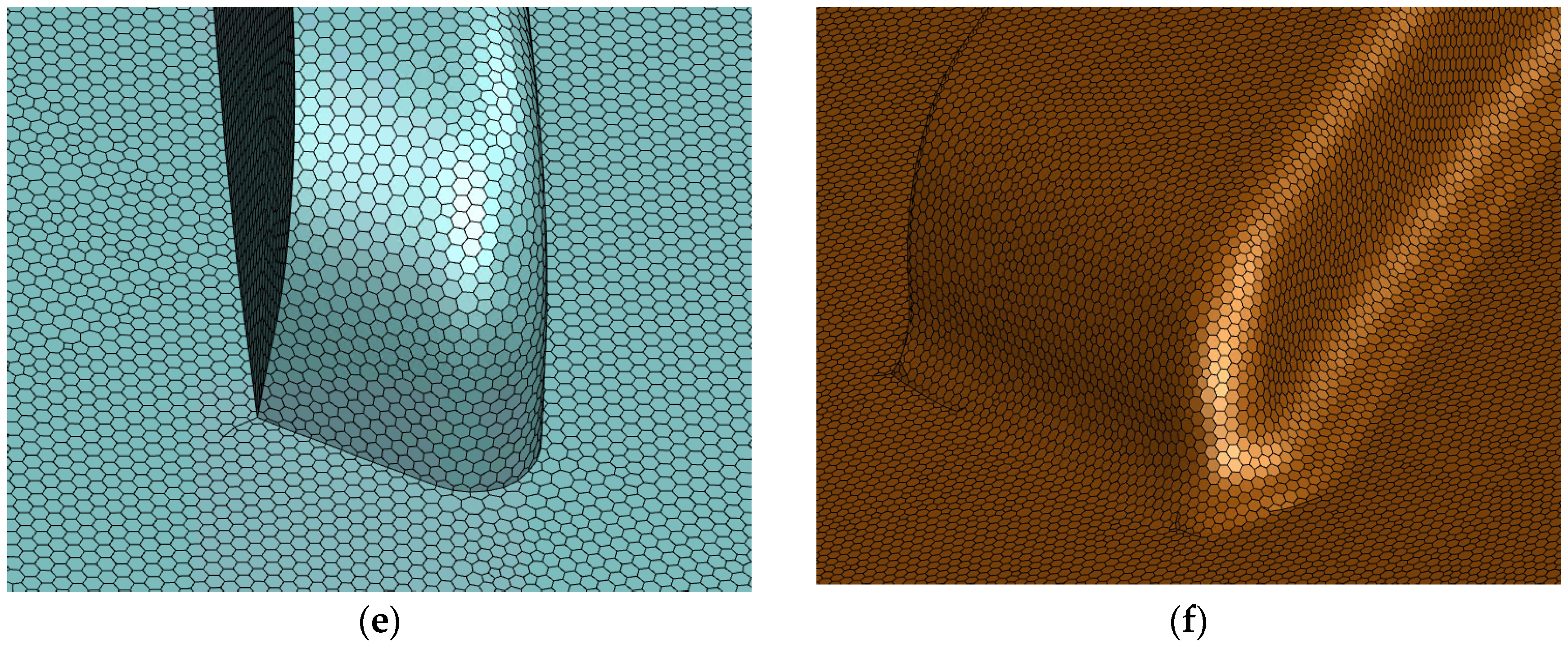
Figure 10 shows the computational grids with a resolution high enough to capture and generate the whistling sound. In the sound propagation region, which is inside of a sphere of radius is 0.3 m, and outside of the narrow gap of SSM, the maximum grid size is set to 4 mm, corresponding to 10 points per wavelength of the whistling sound frequency at 8 kHz. Figure 10b–d show the zoomed views of meshes on the vertical cross-section plane around the guide-rib, inside the cavity, and on the horizontal cross-section plane of the stopper inside the cavity, respectively. In the sound source region of the narrow gap, the maximum mesh size is fixed to 0.1 mm to resolve airflow considering the height of the narrow gap of 1.1 mm. Additionally, considering the instability to trigger the whistling sound starting from the shear layer and very small gap height, it is essential to accurately simulate the boundary layer of the narrow gap for reproducing the whistling sound. The prismatic grids are constructed near the surface to ensure that y + is smaller than 1, recommended for LES. The height of the first meshes, the total height of prismatic meshes, and the number of prismatic layers are 0.01 mm, 0.1 mm, and 6, respectively. The total numbers of grid cells and nodes are 29 million and 107 million, respectively. All numerical methods described in this study are realized using the commercial software ANSYS Fluent V19.1.

4.2. Vortex Sound Source

Lighthill [25,26] derived the exact formula defining aerodynamic sound sources in a turbulent jet flow by recasting the Navier–Stokes equations into an inhomogeneous wave equation in the following form:
2 t 2 c 0 2 2 ρ ρ 0 = 2 T i j x i x j ,
where the inhomogeneous term plays the role of the aerodynamic sound source. In Equation (4), T i j is called the Lighthill’s tensor and defined as
T i j = ρ v i v j + ( p p 0 ) c 0 2 ( ρ ρ 0 ) δ i j + σ i j .
With the conditions of inviscid flow, high Reynolds number, and adiabaticity, the aerodynamic sound source is approximated by
2 T i j x i x j ~ ρ 0 d i v ω × u + ρ 0 2 1 2 u 2 .
Howe [27] reformulated the Lighthill’s equation using the total enthalpy B defined by
B d h + 1 2 v 2 ,
where the enthalpy h can be written as
h = ρ 1 d p + T d S .
For homentropic flow with d S = 0 , B is approximated by
B ~ p ρ + 1 2 v 2 ,
which is considered the independent acoustic variable. For compressible, homentropic turbulent flow with a low Mach number, Lighthill’s Equation is well approximated by
1 c 0 2 2 t 2 2 B ~ d i v ω × u .
This means that the aerodynamic sound in terms of B is generated by the motion of the vortices. The righthand term of Equation (10), d i v ( ω × u ) , is defined as the vortex sound source and is used to identify the main sound source in the present study.

5. Numerical Results

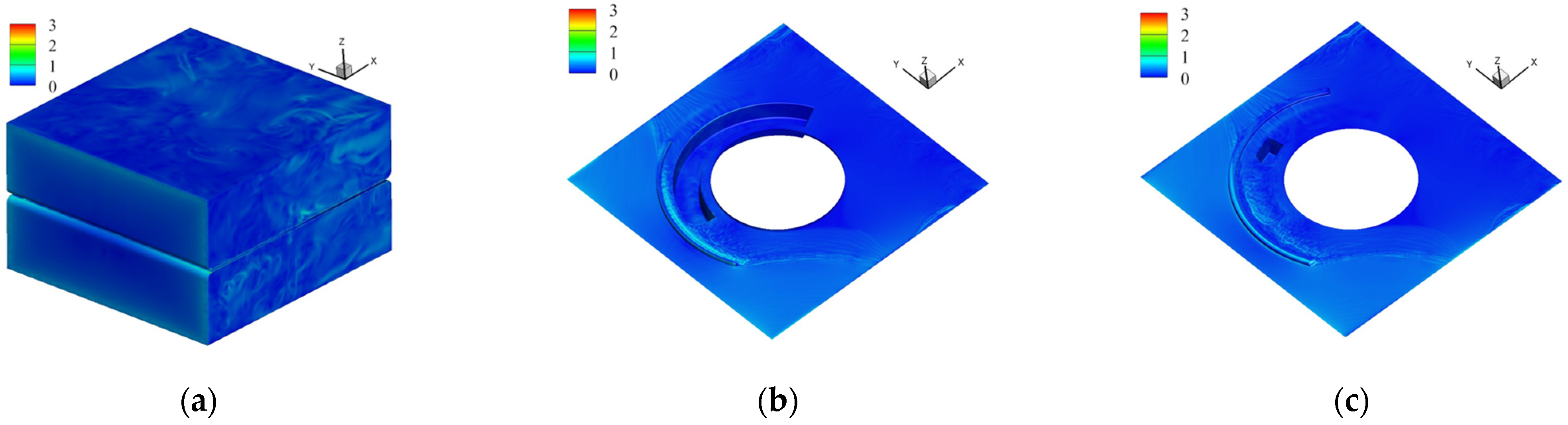
In order to achieve high-fidelity simulation of the boundary layer flow in the narrow gap, grids of fine enough resolution must be used. Figure 11a–c shows the y + distribution predicted on the outer, lower-inner, and upper-inner surfaces of the SSM. The y + values are generally observed to be less than one over most of the surfaces. It was found that the Large Eddy Simulation (LES) technique is able to accurately resolve internal and external boundary layer flow for this mesh configuration with a proper resolution of turbulent length scales.
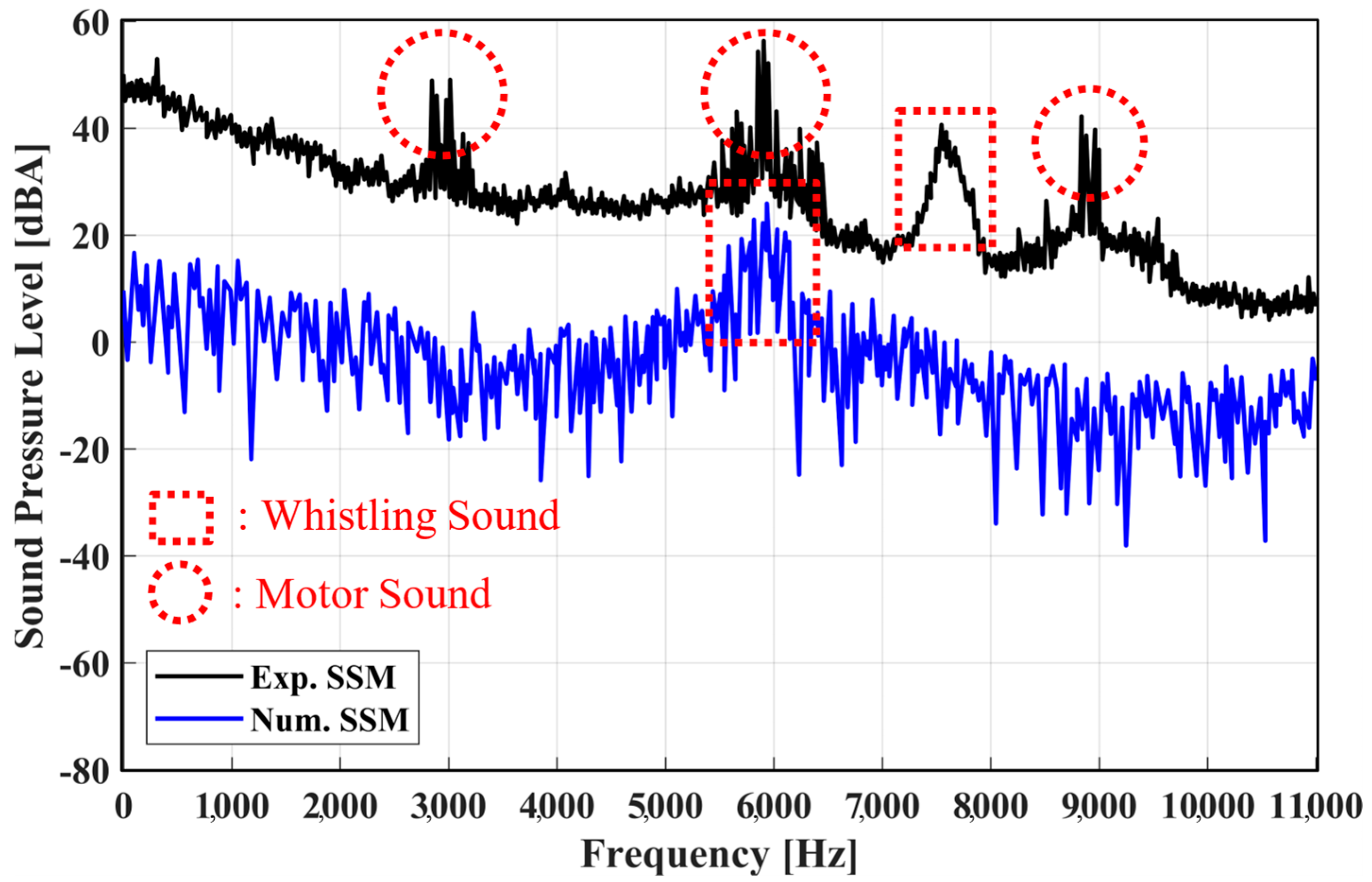
Figure 12 shows the comparison between predicted and measured sound pressure spectra at the same position of the receiver shown in Figure 6. The measured whistling component is around 7.5 kHz, while the predicted tonal component of the flow field is around 6 kHz. This difference in whistling frequency is probably due to differences in the inflow situation. In experiments, the entry boundary in SSM is directly driven by a small wind tunnel with nozzle exit. Instead, the inlet velocity is homogeneously distributed on the far inlet boundary of the numerical domain in the computational simulation. They attribute the frequency differences to these variations in inflow conditions. Moreover, the predicted sound pressure levels for all frequencies are much lower than the measured values. As explained in the experimental section, the measured spectrum contains noise arising from the motor driving both the fan and jet flow produced by the wind tunnel’s nozzle that is absent in simulation. In spite of the discrepancies in both level and frequency, the calculated bandwidth of the tonal whistle is fairly close to that seen in the measurements.
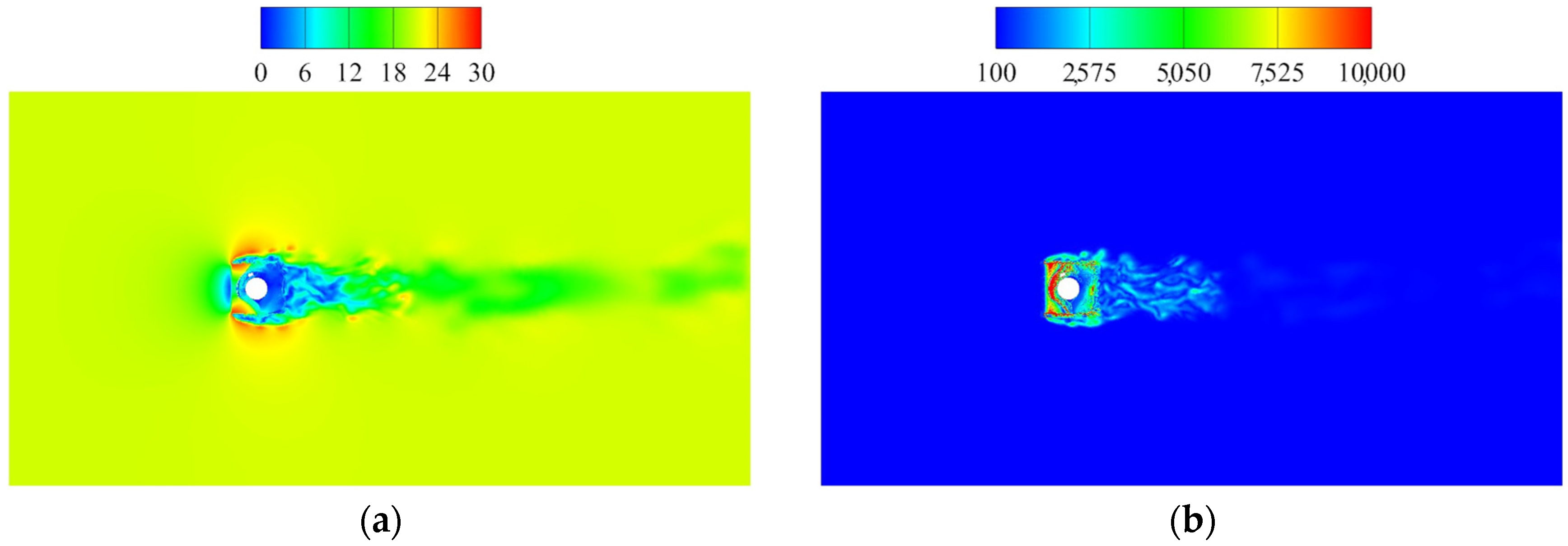
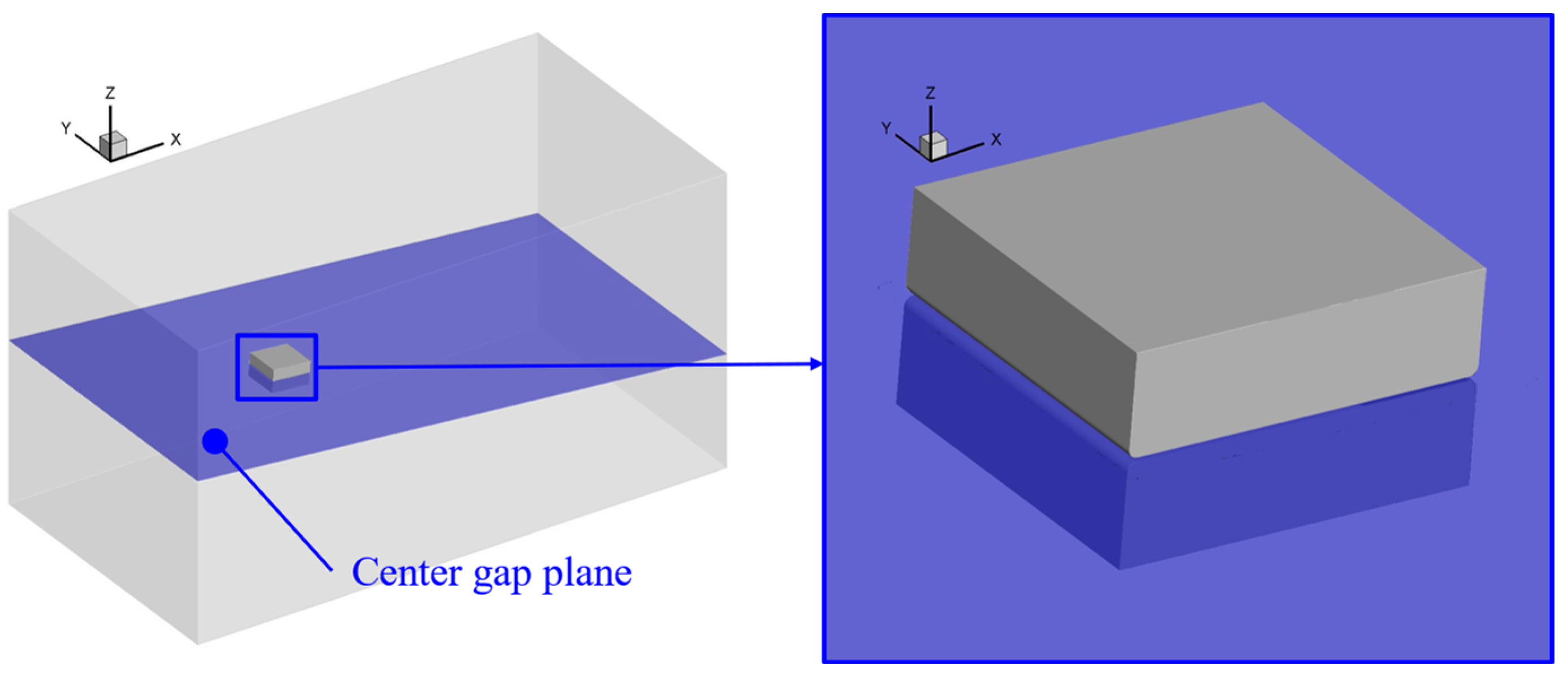
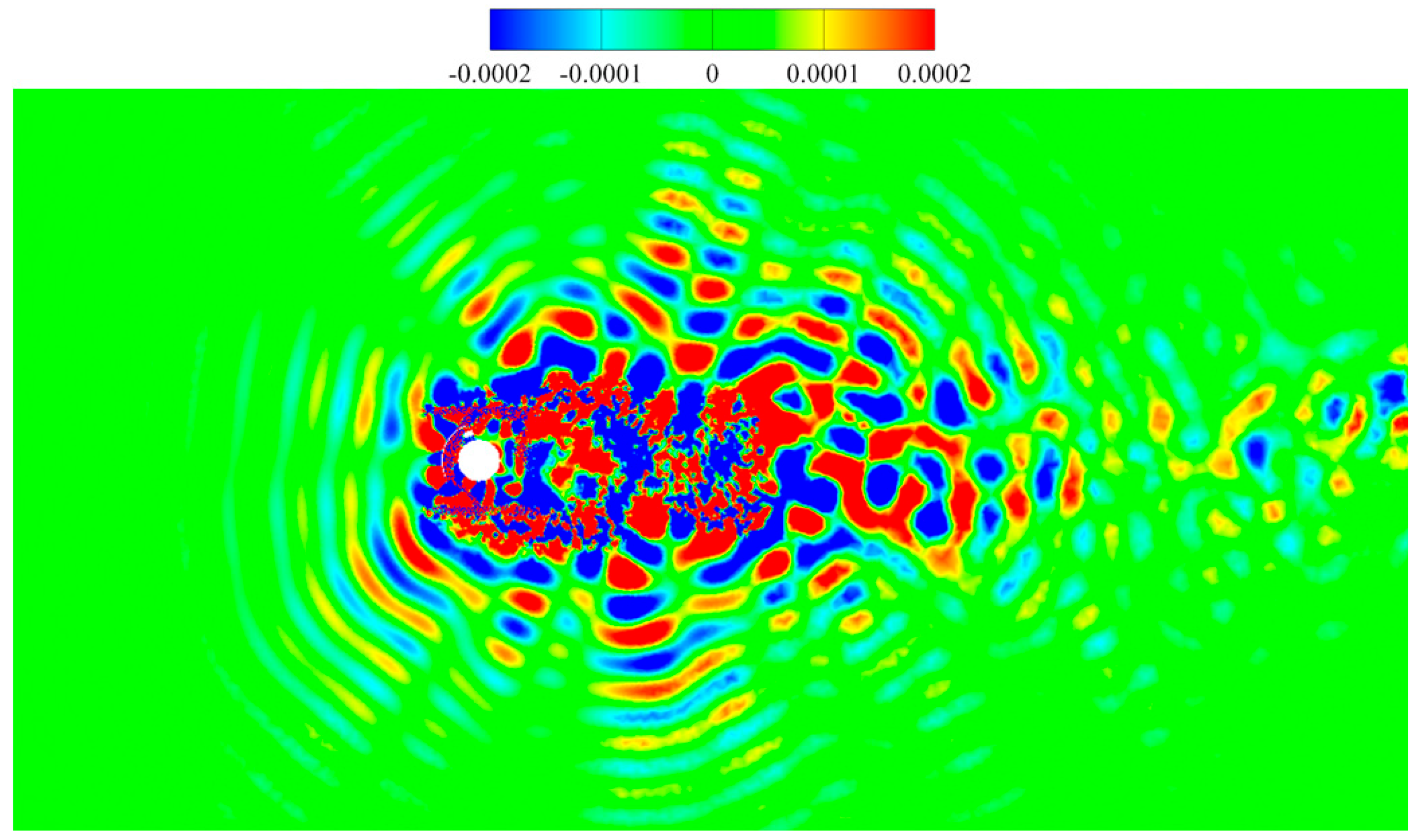
Figure 13 illustrates the center gap plane, which is aligned parallel to the upper and lower surfaces of the narrow gap and bisects the center of the narrow gap. Figure 14 displays the iso-contours of instantaneous flow velocity and vorticity on this center gap plane, revealing a typical vortex-shedding structure navigating past the obstacle within the narrow gap of SSM. Notably, the flow velocity near the inlet of the narrow gap is lower than the inflow velocity set at the boundary. Figure 15 depicts the pressure fluctuation field at the whistling frequency of 6 kHz, derived from a Fourier transform of the temporal pressure signal. The propagation of the whistling sound wave is clearly discernible both within and around the narrow gap. Additionally, incompressible pressure fluctuations linked to the sound source are evident within the narrow gap. These incompressible pressure waves, characterized by significantly shorter wavelengths compared to the compressible sound waves, arise because the convection speed of the vortex is approximately 22 m/s, in contrast to the sound speed of about 340 m/s.
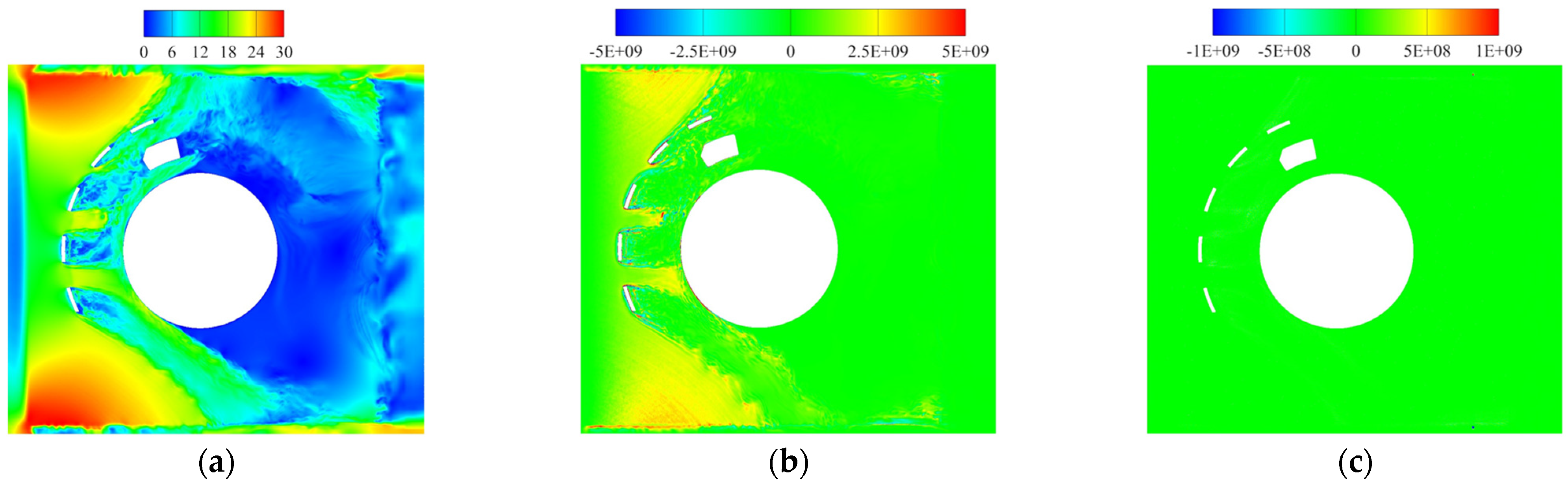
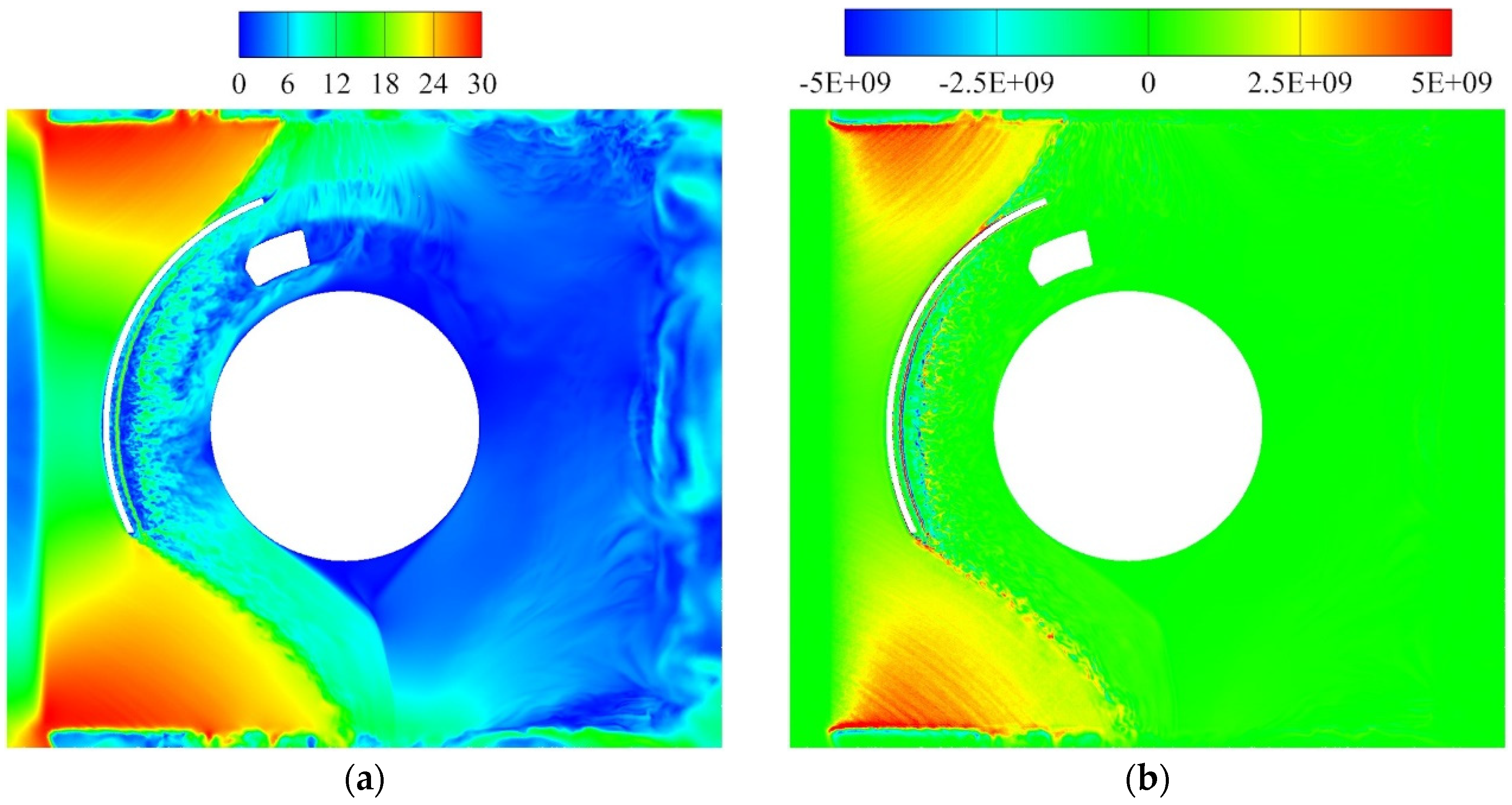
Figure 16 displays the distribution of the predicted velocity and vortex sound sources, as defined in Equation (10), within the center gap plane. As depicted in Figure 16a, the flow passing through the inlet of the narrow gap encounters the guide-rib which impedes the inflow. This interaction gives rise to a strong shear flow at the guide-rib’s edge. This phenomenon is a marked difference with the results of the previous study [25] and suspected to be the cause of the whistling sound being shifted to other whistling frequencies without being removed. Figure 16b shows that the potent vortex sound sources align with the shear flow line, suggesting that instabilities in the shear layer originating from the guide-rib’s edge are likely the primary contributors to the whistling sound.
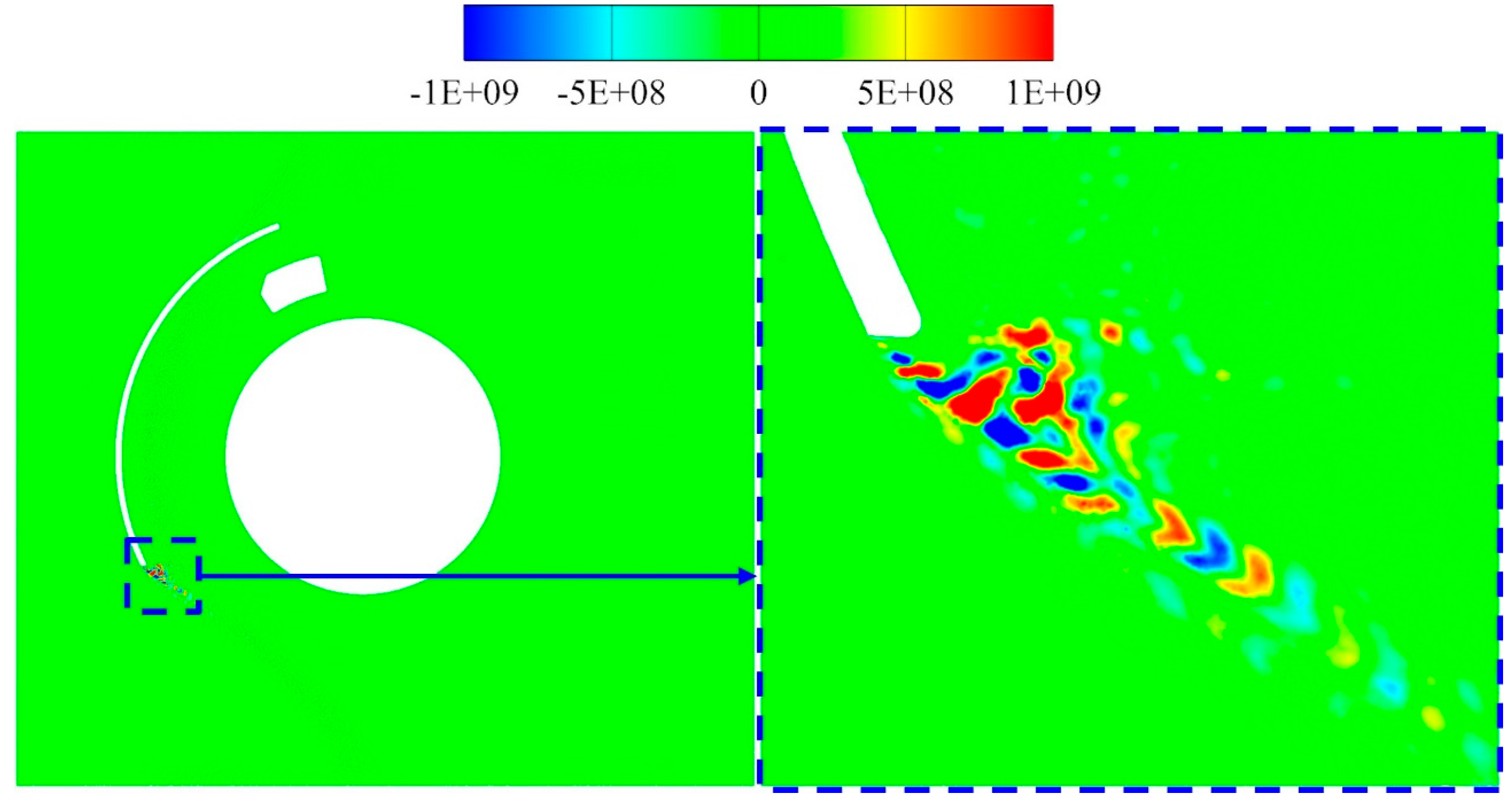
Further analysis involved extracting the components of the vortex sound source at the whistling frequency of 6 kHz through a Fourier transform of the time-domain vortex sound source field. Figure 17 presents the vortex sound source field at this frequency, indicating that the primary source of the whistling is the shear layer from the trailing edge of the guide-rib.
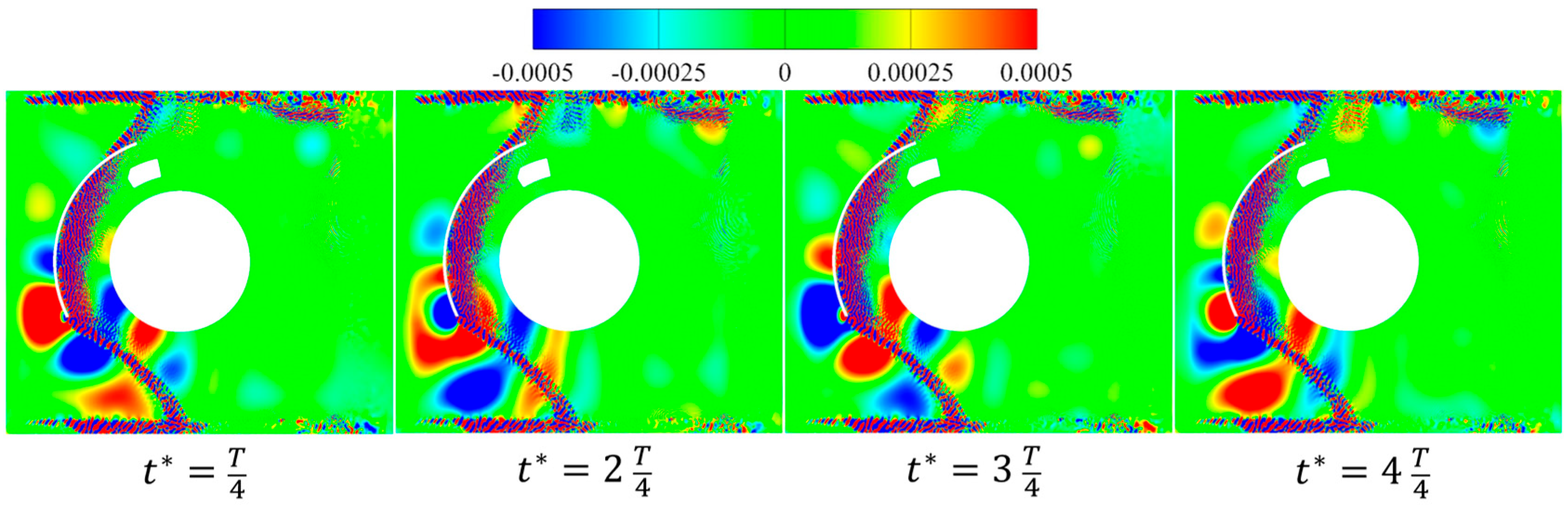
More direct evidence of the generation and propagation of the whistling sound is provided in Figure 18, where snapshots of the temporal fluctuating pressure field at the whistling frequency are displayed. These clearly demonstrate that the compressible sound pressure waves originate from the edge of the guide-rib and propagate from the vortex sound sources aligning with shear flow. Note that the associated incompressible pressure wave, which has a much shorter wavelength, stems from convecting vortices.

6. New Design for Suppression of Whistling Sound

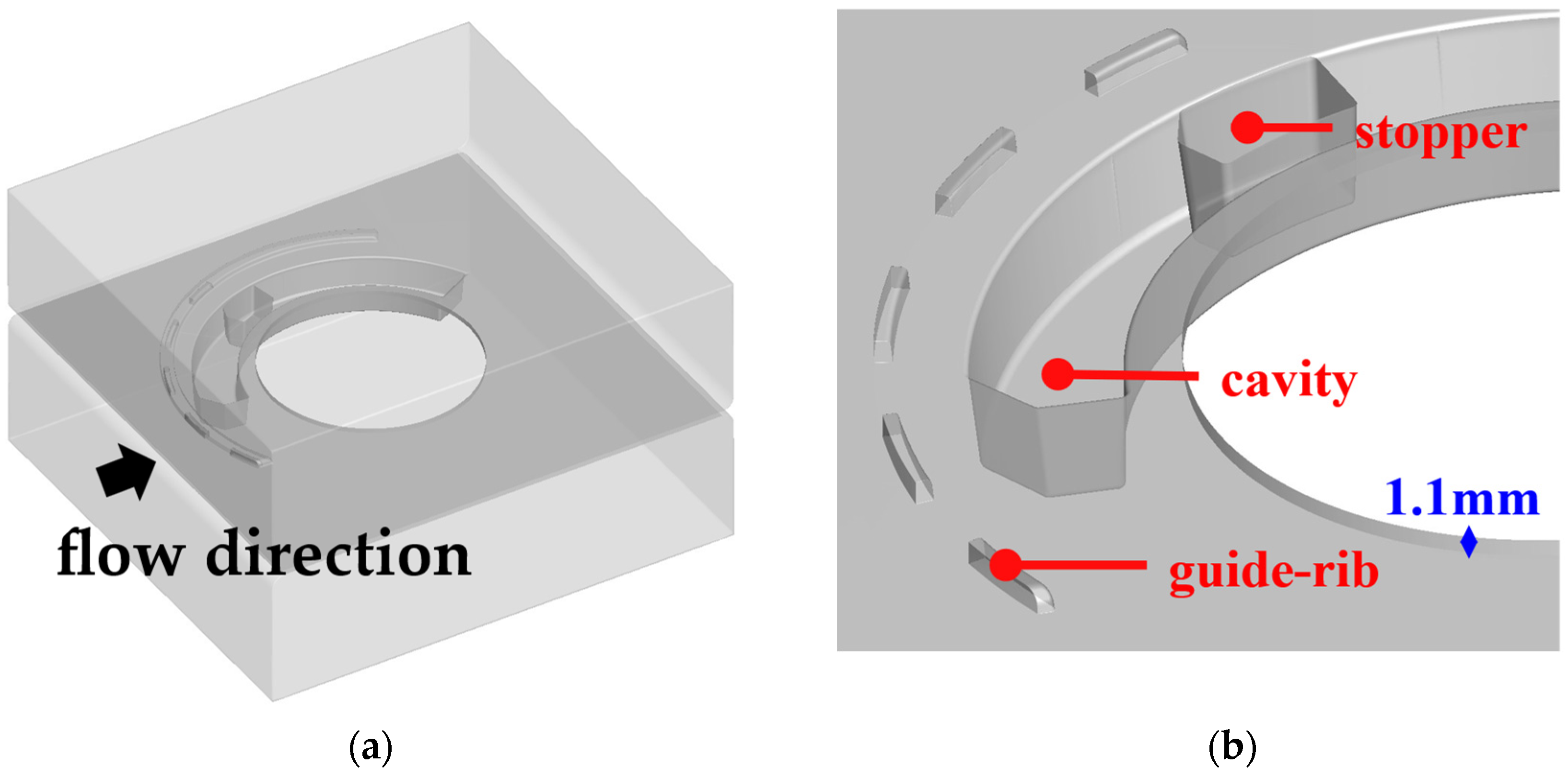
To mitigate the whistling sound, the guide-rib’s geometry is redesigned to incorporate a vortex generator concept aimed at disrupting the strong and coherent vortex structures formed in the rearward direction of the guide-rib. Figure 19 illustrates the shape of the newly proposed model, in which the guide-rib is segmented into five parts. This segmentation considers the relation between the guide-rib’s length and the wavelength of the whistling frequency. In other words, the length of one divided guide-rib could be half the wavelength of the whistling frequency. The vortex newly generated by this division has a different direction from the one of the whistling sound source in Figure 17, which is expected to suppress the whistling sound. This redesigned model is referred to as the ‘Suppressed Whistle Model (SWM)’. Subsequent numerical simulations and experimental tests are conducted to validate the effectiveness of SWM in reducing whistling sounds.
Figure 20 illustrates the predicted flow field for SWM. Compared with results of SSM shown in Figure 16, vorticity distribution from the trailing edge flow of the guide-rib is significantly weakened, resulting in no notable vortex sound sources at the whistling frequency.
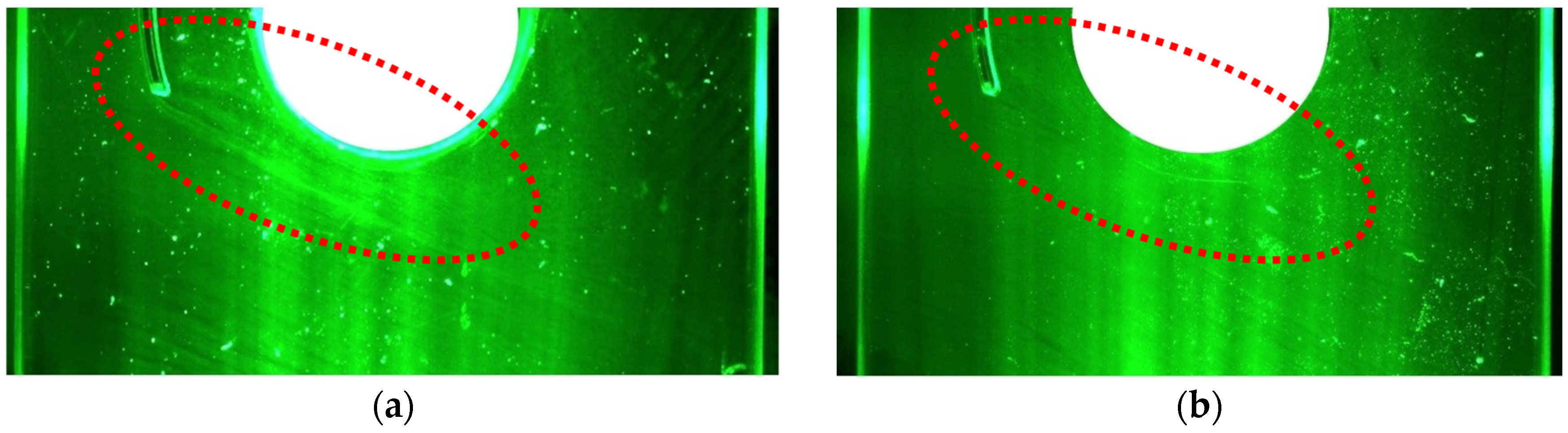
To validate this observation, a comparison of the experimental flow visualization results between SSM and SWM, using a He-Ne LASER with oil smog, is shown in Figure 21. While SSM exhibits strong coherent flow structures originating from the edge of the guide-rib, those in SWM are remarkably removed. These oil-smog patterns are closely matched with numerical predictions, affirming the accuracy of the simulations.
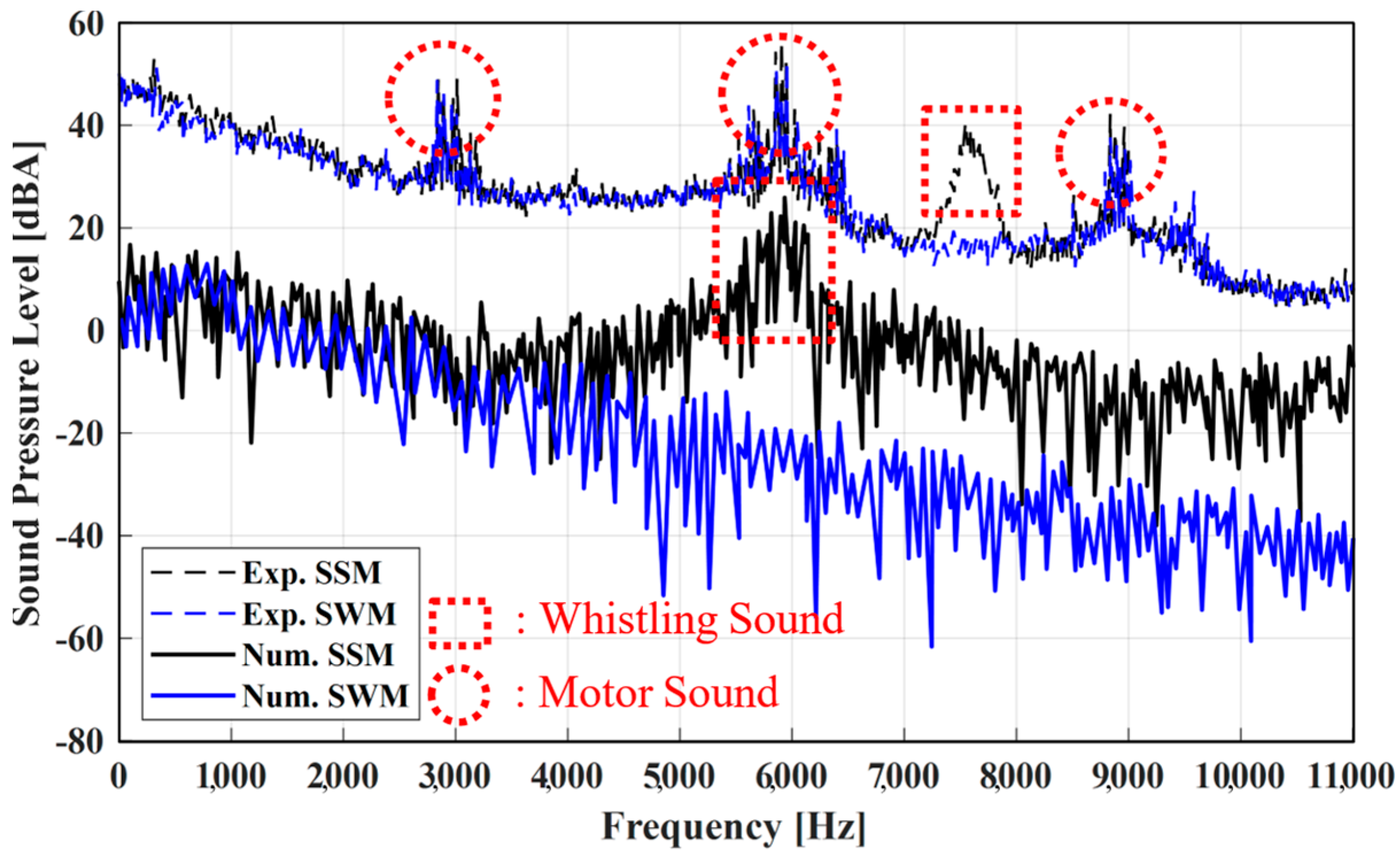
Figure 22 presents a comparison of experimental and numerical sound pressure spectra of SSM and SWM. The experimental sound pressure level of SWM at whistling frequency decreases by about 20 dB compared to the results of SSM, and a similar trend can be confirmed in the numerical results. It is proved that SWM with the vortex generator concept applied can effectively reduce whistling noise only by removing a specific part without significantly changing the guide-rib shape of the original SSM.

7. Conclusions

The previous research [24] investigated the whistling sound in narrow-gap flow of an automobile’s side mirror. To suppress this tonal noise, of which the generation mechanism was revealed, an obstacle called the guide-rib is installed, but whistling sound still exists at shifted higher frequencies. Because the generation mechanism of this other whistling sound is suspected to be different from the prior one, this research focuses on the new whistling noise.
A new generation mechanism of whistling sound in the narrow-gap flow of an automobile’s side mirror is investigated, both numerically and experimentally. Noise measurements are conducted on the target side mirror to characterize the whistling sound at varying flow velocities. It is observed that the whistling sound starts to occur at a flow velocity of 18 m/s, with its frequency escalating as the flow velocity increases. Subsequent flow noise assessments examined the effects of complex geometrical features, such as holes and cavities in the narrow gap, leading to the development of the Simplified Side-mirror Model (SSM). This model was crafted from transparent acrylic material to facilitate flow visualization experiments using a He-Ne LASER with smog and a high-speed camera.
High-resolution three-dimensional unsteady compressible Large Eddy Simulations technique is performed to explain the whistling sound’s generation mechanism. The sound pressure spectrum obtained at the monitoring points are directly compared with measured one of SSM, validating the accuracy of the numerical methods. In the narrow-gap region, the edge of the guide-rib is identified as a main source of whistling sound. A numerical visualization at whistling frequency apparently explains that vortex sound sources affect the generation of whistling sound, as a result interacting with and producing compressible sound pressure waves.
The study further introduced the Suppressed Whistle Model (SWM), which incorporates a concept of vortex generator designed to disrupt the coherent vortex structures confirmed in numerical results of SSM, and thus mitigate the whistling sound. Subsequent simulations demonstrate that SWM effectively eliminates the sources of whistling sound. Experimental comparison of the sound pressure spectra between SSM and SWM, along with flow visualizations of both models, confirmed that the flow structures within SWM are significantly weaker than those in SSM, affirming the effectiveness of the new design shape with the guide-rib in suppressing the whistling sound.


Author Contributions

Conceptualization, C.C.; Methodology, K.L.; Formal analysis, C.C., S.R. and S.S.; Investigation, K.L., S.L. and C.C.; Resources, S.R. and S.S.; Data curation, K.L. and S.L.; Writing—original draft, K.L.; Writing—review & editing, C.C.; Supervision, C.C.; Project administration, S.R. and S.S. All authors have read and agreed to the published version of the manuscript.

Funding

This work was supported by 2023 BK21 FOUR Graduate School Innovation Support funded by Pusan National University (PNU-Fellowship program). This work was supported by the Korea Institute of Energy Technology Evaluation and Planning (KETEP) and the Ministry of Climate, Energy & Environment (MCEE) of the Republic of Korea (No. RS-2024-00398425).

Institutional Review Board Statement

Not applicable.

Informed Consent Statement

Not applicable.

Data Availability Statement

The data presented in this study are not publicly available due to security protocols but are available from the corresponding author on reasonable request.

Conflicts of Interest

Authors Sungnam Rim and Seongryong Shin were employed by the company Hyundai Motor Company. The authors declare that the research was conducted in the absence of any commercial or financial relationships that could be construed as a potential conflict of interest.

References

  1. Chanaud, R.C. Aerodynamic Whistles. Sci. Am. 1970, 222, 40–47. [Google Scholar] [CrossRef]
  2. Lounsberry, T.H.; Gleason, M.E.; Puskarz, M.M. Laminar Flow Whistle on a Vehicle Side Mirror; SAE Technical Paper 2007-01-1549; SAE International: Warrendale, PA, USA, 2007. [Google Scholar] [CrossRef]
  3. Werner, M.J.; Würz, W.; Krämer, E. Experimental Investigation of Tonal Self-Noise Emission of a Vehicle Side Mirror. AIAA J. 2017, 55, 1673–1680. [Google Scholar] [CrossRef]
  4. Frank, H.M.; Munz, C.-D. Direct aeroacoustic simulation of acoustic feedback phenomena on a side-view mirror. J. Sound Vib. 2016, 371, 132–149. [Google Scholar] [CrossRef]
  5. Fosas De Pando, M.; Schmid, P.J.; Sipp, D. A global analysis of tonal noise in flows around aerofoils. J. Fluid Mech. 2014, 754, 5–38. [Google Scholar] [CrossRef]
  6. Takahashi, K.; Miyamoto, M.; Ito, Y.; Takami, T.; Kobayashi, T.; Nishida, A.; Aoyagi, M. Numerical Study on Air-Reed Instruments With LES. In Proceedings of the ASME-JSME-KSME 2011 Joint Fluids Engineering Conference, ASMEDC, Hamamatsu, Japan, 24–29 July 2011; Volume 1, pp. 2135–2145. [Google Scholar] [CrossRef]
  7. Oettle, N.; Sims-Williams, D. Automotive Aeroacoustics: An Overview. Proc. Inst. Mech. Eng. Part D J. Autom. Eng. 2017, 231, 1177–1189. [Google Scholar] [CrossRef]
  8. Hartmann, M.; Ocker, J.; Lemke, T.; Mutzke, A.; Schwarz, V.; Tokuno, H.; Toppinga, R.; Unterlechner, P.; Wickern, G. Wind Noise Caused by the A-Pillar and the Side Mirror Flow of a Generic Vehicle Model. In Proceedings of the 18th AIAA/CEAS Aeroacoustics Conference, Colorado Springs, CO, USA, 4–6 June 2012; pp. 2012–2205. [Google Scholar] [CrossRef]
  9. Nouzawa, T.; Li, Y.; Kasaki, N.; Nakamura, T. Mechanism of aerodynamic noise generated from front-pillar and door mirror of automobile. J. Environ. Eng. 2011, 6, 615–626. [Google Scholar] [CrossRef]
  10. Chode, S.; Viswanathan, H.; Chow, K.; Reese, H. Investigating the aerodynamic drag and noise characteristics of a standard squareback vehicle with inclined side-view mirror configurations using a hybrid computational aeroacoustics (CAA) approach. Phys. Fluids 2023, 35, 075148. [Google Scholar] [CrossRef]
  11. Schell, A.; Eiselt, M. Numerical Investigation of Tonal Noise at Automotive Side Mirrors due to Aeroacoustic Feedback; SAE Technical Paper 2020-01-1514; SAE International: Warrendale, PA, USA, 2020. [Google Scholar] [CrossRef]
  12. Powell, A. On the edgetone. J. Acoust. Soc. Am. 1961, 33, 395–409. [Google Scholar] [CrossRef]
  13. Rossiter, J.E. Wind-Tunnel Experiments on the Flow Over Rectangular Cavities at Subsonic and Transonic Speeds; ARC R&M No. 3438; Aeronautical Research Council: London, UK, 1964. [Google Scholar]
  14. Rockwell, D.; Naudascher, E. Review—Self-sustaining oscillations of flow past cavities. J. Fluids Eng. 1978, 100, 152–165. [Google Scholar] [CrossRef]
  15. Yamouni, S.; Sipp, D.; Jacquin, L. Interaction between feedback aeroacoustic and acoustic resonance mechanisms in a cavity flow: A global stability analysis. J. Fluid Mech. 2013, 717, 134–165. [Google Scholar] [CrossRef]
  16. Rowley, C.W.; Williams, D.R.; Colonius, T.; Murray, R.M.; Macmynowski, D.G. Linear models for control of cavity flow oscillations. J. Fluid Mech. 2006, 547, 317–348. [Google Scholar] [CrossRef]
  17. Talay, E.; Altinisik, A.C. The effect of door structural stiffness and flexural components to the interior wind noise at elevated vehicle speeds. Appl. Acoust. 2019, 148, 86–96. [Google Scholar] [CrossRef]
  18. Oettle, N.; Powell, R.; Senthooran, S.; Moron, P. A Computational Process to Effectively Design Seals for Improved Wind Noise Performance. SAE Int. J. Adv. Curr. Prac. Mobil. 2019, 1, 1690–1697. [Google Scholar] [CrossRef]
  19. Colonius, T.; Lele, S.K. Computational aeroacoustics: Progress on nonlinear problems of sound generation. Prog. Aerosp. Sci. 2004, 40, 345–416. [Google Scholar] [CrossRef]
  20. Poinsot, T.J.; Lele, S.K. Boundary conditions for direct simulations of compressible viscous flows. J. Comput. Phys. 1992, 101, 104–129. [Google Scholar] [CrossRef]
  21. Nicoud, F.; Ducros, F. Subgrid-scale stress modelling based on the square of the velocity gradient tensor. Flow Turbul. Combust. 1999, 62, 183–200. [Google Scholar] [CrossRef]
  22. Martin, R.; Pandey, K.; Schuermans, B.; Noiray, N. Orifice whistling suppression with slow sound. J. Fluid Mech. 2025, 1018, A52. [Google Scholar] [CrossRef]
  23. Stoffel, A.; Margnat, F.; Prax, C.; Vanherpe, F. Whistling side-view mirrors: Modelling ladder-type structure tonal noise from flow intermittency. J. Sound Vib. 2025, 601, 118919. [Google Scholar] [CrossRef]
  24. Lee, K.; Lee, S.; Lee, S.; Cheong, C. Numerical investigation of whistling sound in narrow-gap flow of automobile side mirror. Appl. Acoust. 2022, 197, 108893. [Google Scholar] [CrossRef]
  25. Lighthill, M.J. On sound generated aerodynamically I. General theory. Proc. R. Soc. Lond. A 1952, 211, 564–587. [Google Scholar]
  26. Lighthill, M.J. On sound generated aerodynamically II. Turbulence as a source of sound. Proc. R. Soc. Lond. A 1954, 222, 1–32. [Google Scholar] [CrossRef]
  27. Howe, M.S. Contributions to the theory of aerodynamic sound, with application to excess jet noise and the theory of the flute. J. Fluid Mech. 1975, 71, 625–673. [Google Scholar] [CrossRef]
Figure 1. Experimental setup for measurement of whistling sound due to airflow through a side mirror: (a) diagram of the entire experimental system, (b) location of the microphone, and (c) real-scale photograph taken from the top view.
Applsci 16 00031 g001
Figure 2. Experimental setup for visualization of narrow-gap flow through an acrylic transparent model: (a) schematic diagram of entire experimental system and (b) photograph during whistling.
Applsci 16 00031 g002
Figure 3. Shapes of target side mirror: (a) under part and (b) upper part.
Applsci 16 00031 g003
Figure 4. Sound pressure spectrum of side mirror at various flow speeds. Reference pressure is 20 μPa.
Applsci 16 00031 g004
Figure 5. Blocked holes and cavities of SS: (a) under part and (b) upper part.
Applsci 16 00031 g005
Figure 6. Comparison of sound pressure spectra measured for original side mirror, SS, and SSM at a flow speed of 22 m/s. Reference pressure is 20 μPa.
Applsci 16 00031 g006
Figure 7. Geometry of SSM: (a) transparent acrylic sample, (b) entire shape of SSM, (c) main features, and (d) definition of geometric parameters.
Applsci 16 00031 g007aApplsci 16 00031 g007b
Figure 8. Entire computational domain with related dimensions.
Applsci 16 00031 g008
Figure 9. Histories of force coefficients. Data are extracted from 0.07 s during 0.1 s.
Applsci 16 00031 g009
Figure 10. Volume grid distributions (a) in the entire computational domain on a vertical plane passing the side mirror and location of virtual microphone, (b) in the cavity, (c) near the guide-rib, and (d) around the stopper in cavity, and surface grids distributions of (e) guide-rib edge and (f) guide-rib cover.
Applsci 16 00031 g010aApplsci 16 00031 g010b
Figure 11. Distribution of y + on (a) outer surface, (b) lower-inner surface, and (c) upper-inner surface of SSM at a flow speed of 22 m/s.
Applsci 16 00031 g011
Figure 12. Comparison of sound pressure spectrum of SSM between prediction and experiment at a flow speed of 22 m/s. Reference pressure is 20 μPa.
Applsci 16 00031 g012
Figure 13. Center gap plane defined through the narrow gap.
Applsci 16 00031 g013
Figure 14. Instantaneous external and internal flow iso-contours on center gap plane in normal direction: (a) flow velocity (m/s) and (b) vorticity (1/s).
Applsci 16 00031 g014
Figure 15. Fluctuating compressible and incompressible pressure fields (Pa) at whistling frequency in center gap plane.
Applsci 16 00031 g015
Figure 16. Distribution of predicted flow velocity and vortex sound source in center gap plane: (a) velocity (m/s) and (b) vortex sound source ( 1 / s 2 ) of SSM.
Applsci 16 00031 g016
Figure 17. Vortex sound source field ( 1 / s 2 ) at whistling frequency in center gap plane of SSM.
Applsci 16 00031 g017
Figure 18. Fluctuating pressure fields (Pa) at whistling frequency in center gap plane of SSM during whistling period. t means the normalized time.
Applsci 16 00031 g018
Figure 19. Geometry of SWM: (a) virtual sample and (b) characteristic features.
Applsci 16 00031 g019
Figure 20. Distribution of predicted flow field of SWM inside gap-flow region: (a) velocity (m/s), (b) vortex sound source ( 1 / s 2 ), and (c) vortex sound source ( 1 / s 2 ) at whistling frequency.
Applsci 16 00031 g020
Figure 21. Visualized flow structures using oil smog with He-Ne LASER at a flow speed of 22 m/s: (a) SSM and (b) SWM.
Applsci 16 00031 g021
Figure 22. Comparison of predicted and measured sound pressure spectra between SSM and SWM at a flow speed of 22 m/s. Reference pressure is 20 μPa.
Applsci 16 00031 g022
Table 1. Dimensions of the geometric parameters.
ParameterSpecification
d1.1 mm
r40 mm
θ 1 33°
θ 2 63°
Table 2. Detailed values and options of boundary conditions of numerical domain.
BoundaryTypeRemarks
inletvelocity inlet22 m/s, non-reflecting condition
outletpressure outlet0 Pa (gauge), non-reflecting condition
top, bottom, and sidespressure far-field0 Pa (gauge), Ma = 0.0647
Disclaimer/Publisher’s Note: The statements, opinions and data contained in all publications are solely those of the individual author(s) and contributor(s) and not of MDPI and/or the editor(s). MDPI and/or the editor(s) disclaim responsibility for any injury to people or property resulting from any ideas, methods, instructions or products referred to in the content.