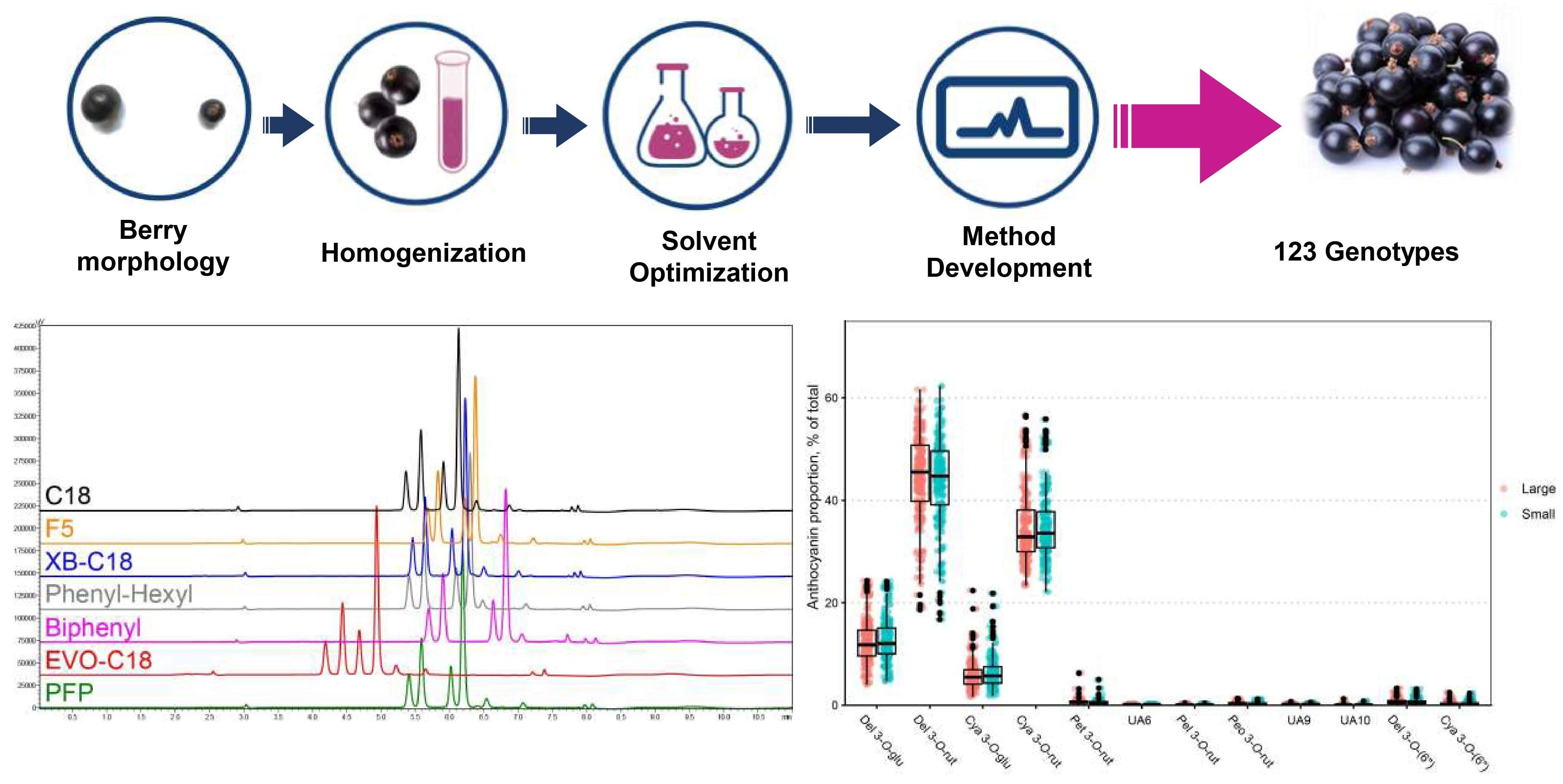
Anthocyanins in the Berries of 123 Interspecific Black Currant Crosses: A Multi-Analytical Approach

 , , , , , , , , and
Abstract
1. Introduction
2. Materials and Methods
2.1. Reagents
2.2. Plant Material
2.3. Anthocyanin Extraction Experiments
2.3.1. Effect of Solvent Type and Concentration
2.3.2. Effect of Acid Type and Temperature of Extraction
2.3.3. Effect of Re-Extraction
2.3.4. Effect of Sample Homogenization
2.3.5. Effect of Berry Size and Genotype
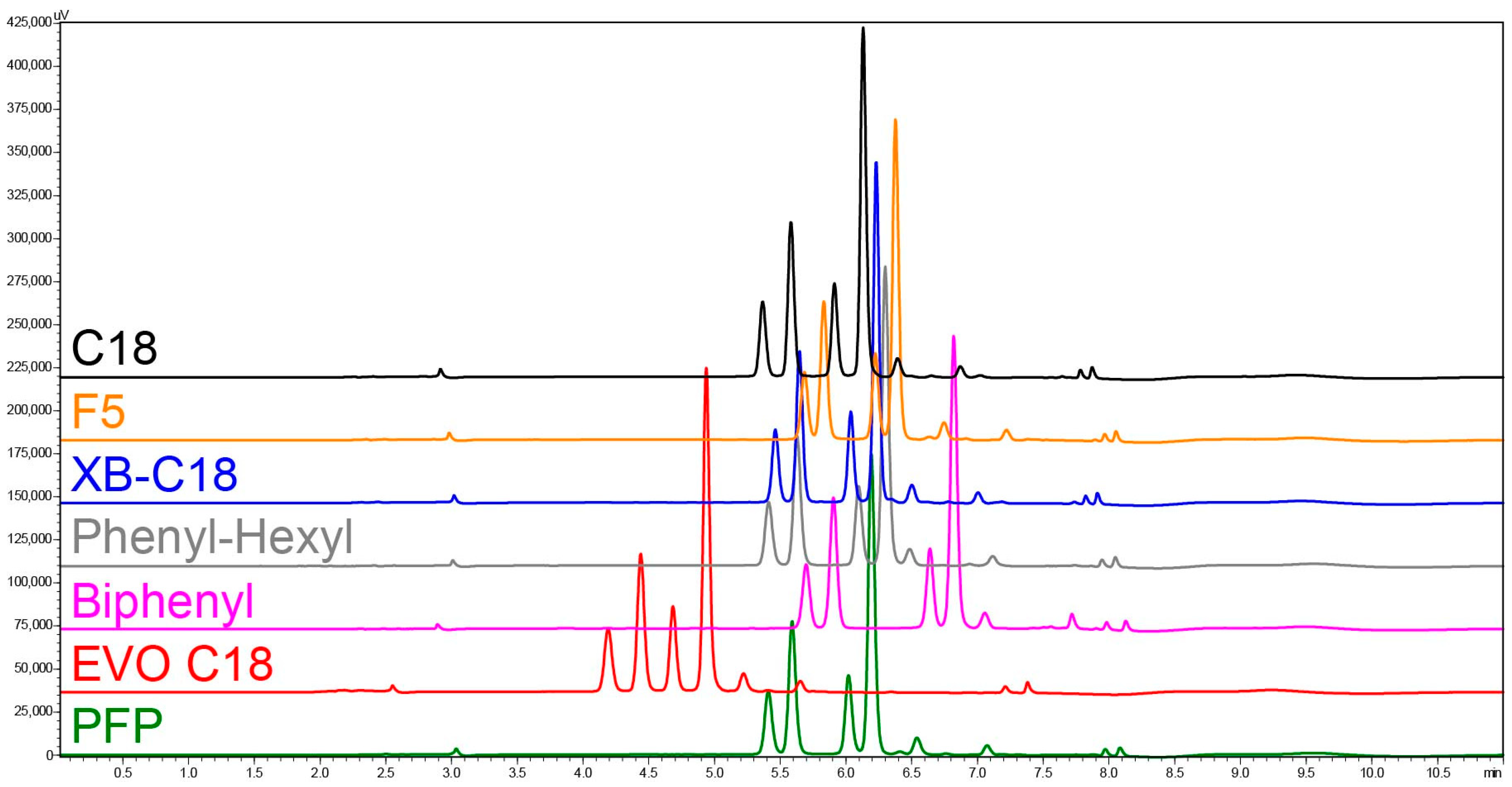
2.4. Screening and Optimization of Anthocyanins Separation via RP-HPLC-DAD
2.5. Method Validation
2.6. LC-HRMS Method for Compound Identification
2.7. Statistical Analysis
3. Results and Discussion
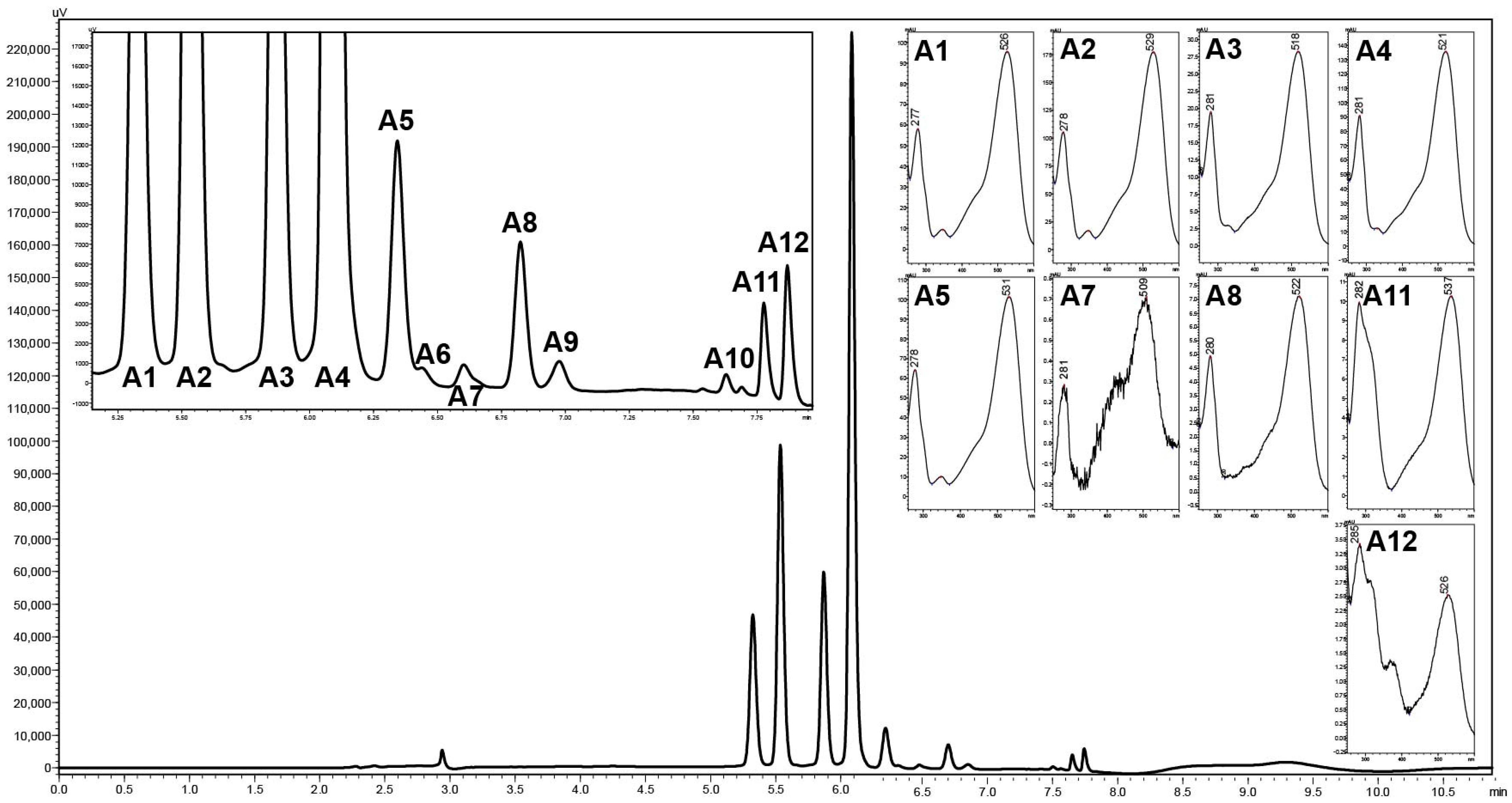
3.1. Separation Optimization and Validation
3.2. Anthocyanin Identification via LC-HRMS
3.3. Laboratory Factors Influencing Anthocyanin Quantification in Black Currant
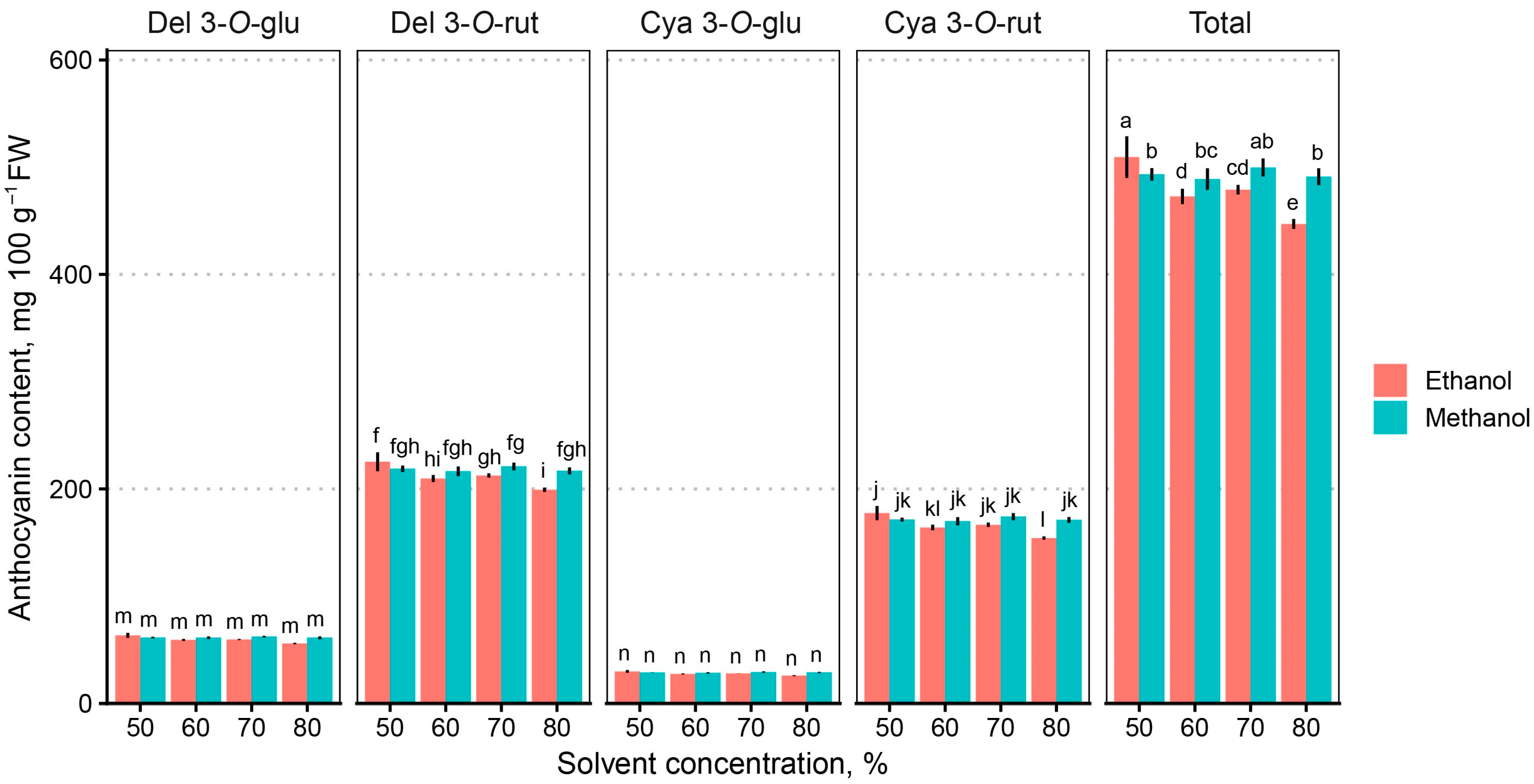
3.3.1. Effect of Solvent Type and Concentration
3.3.2. Effect of Acid Type and Temperature of Extraction
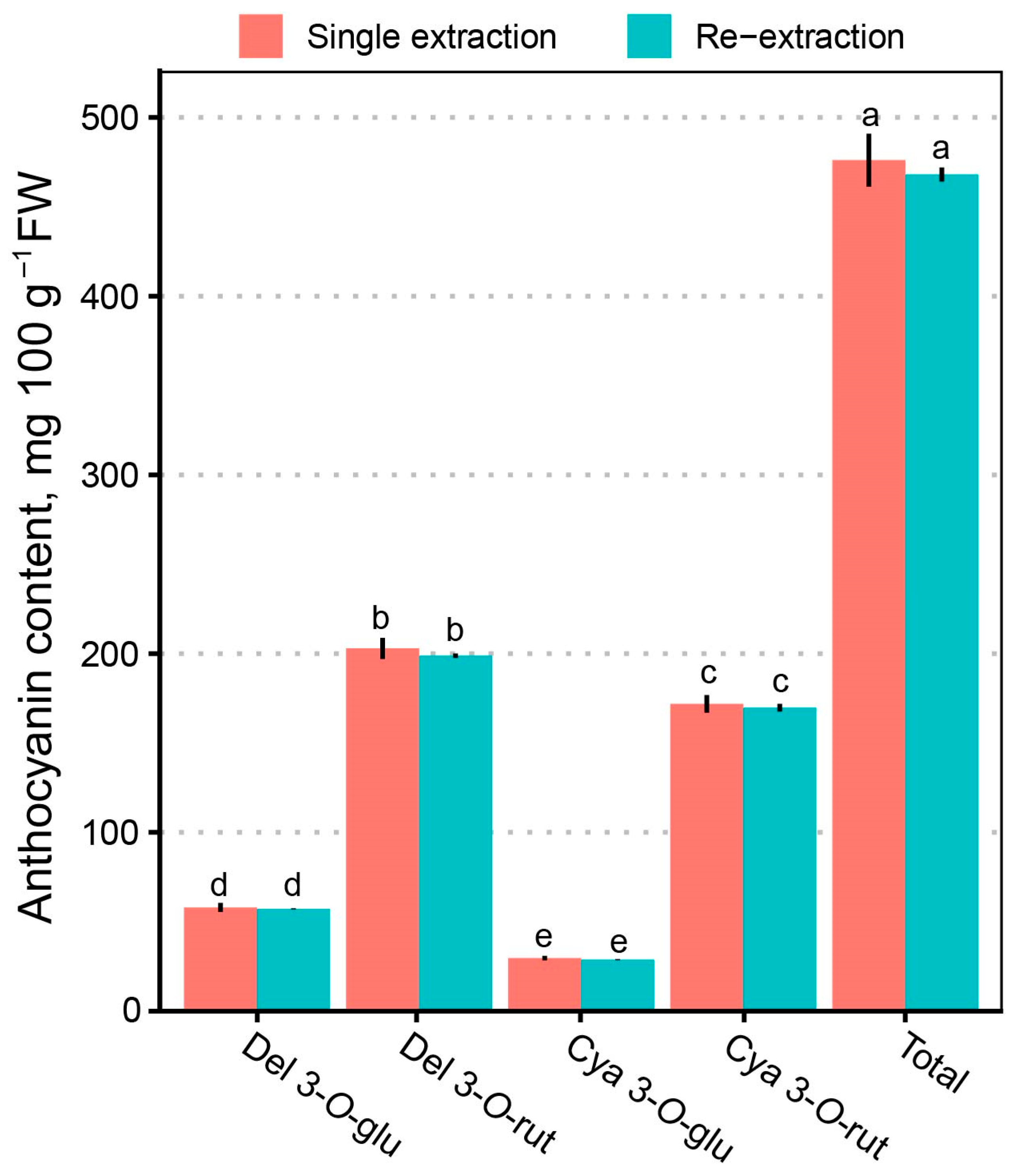
3.3.3. Effect of Re-Extraction
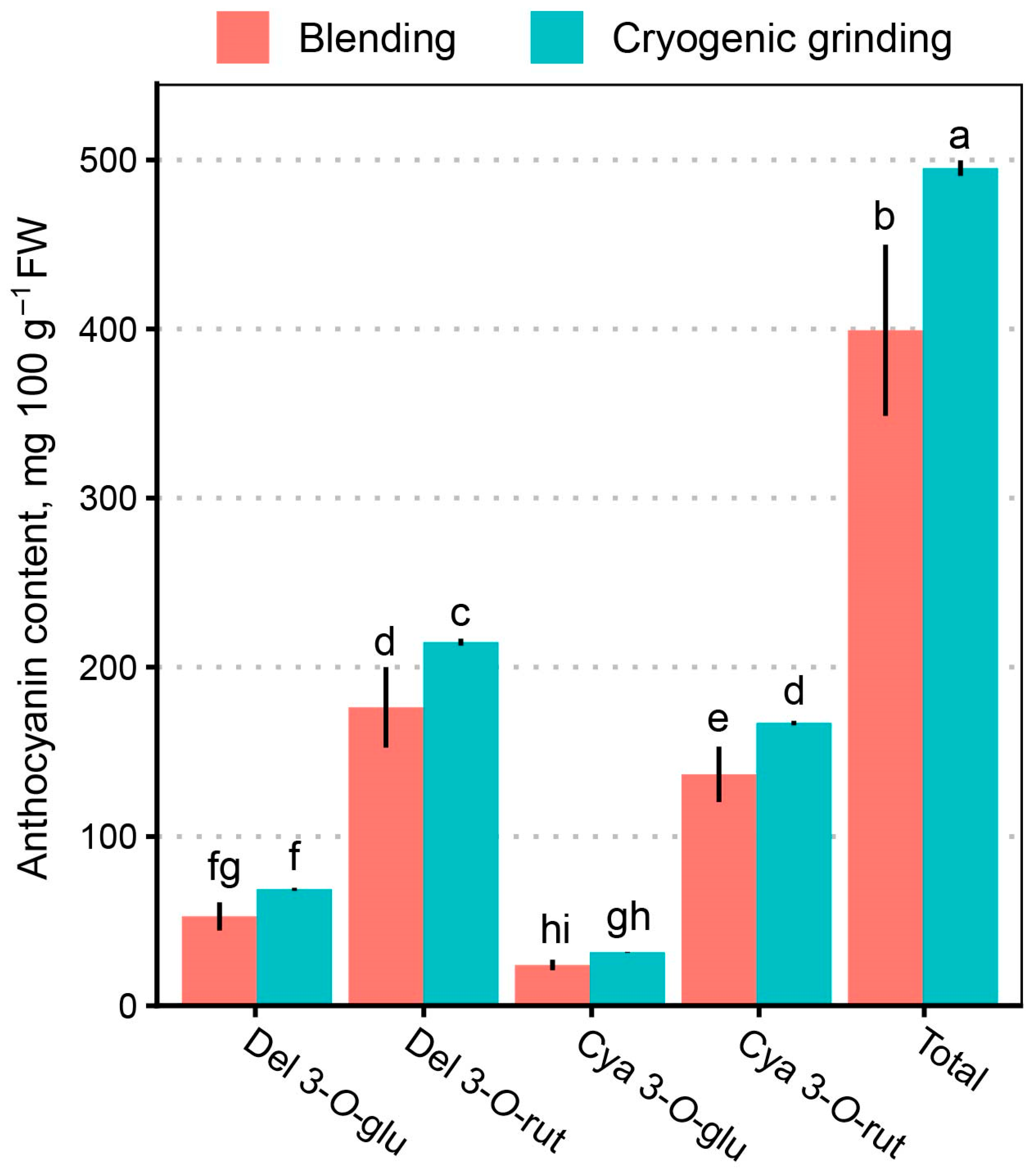
3.3.4. Effect of Sample Homogenization
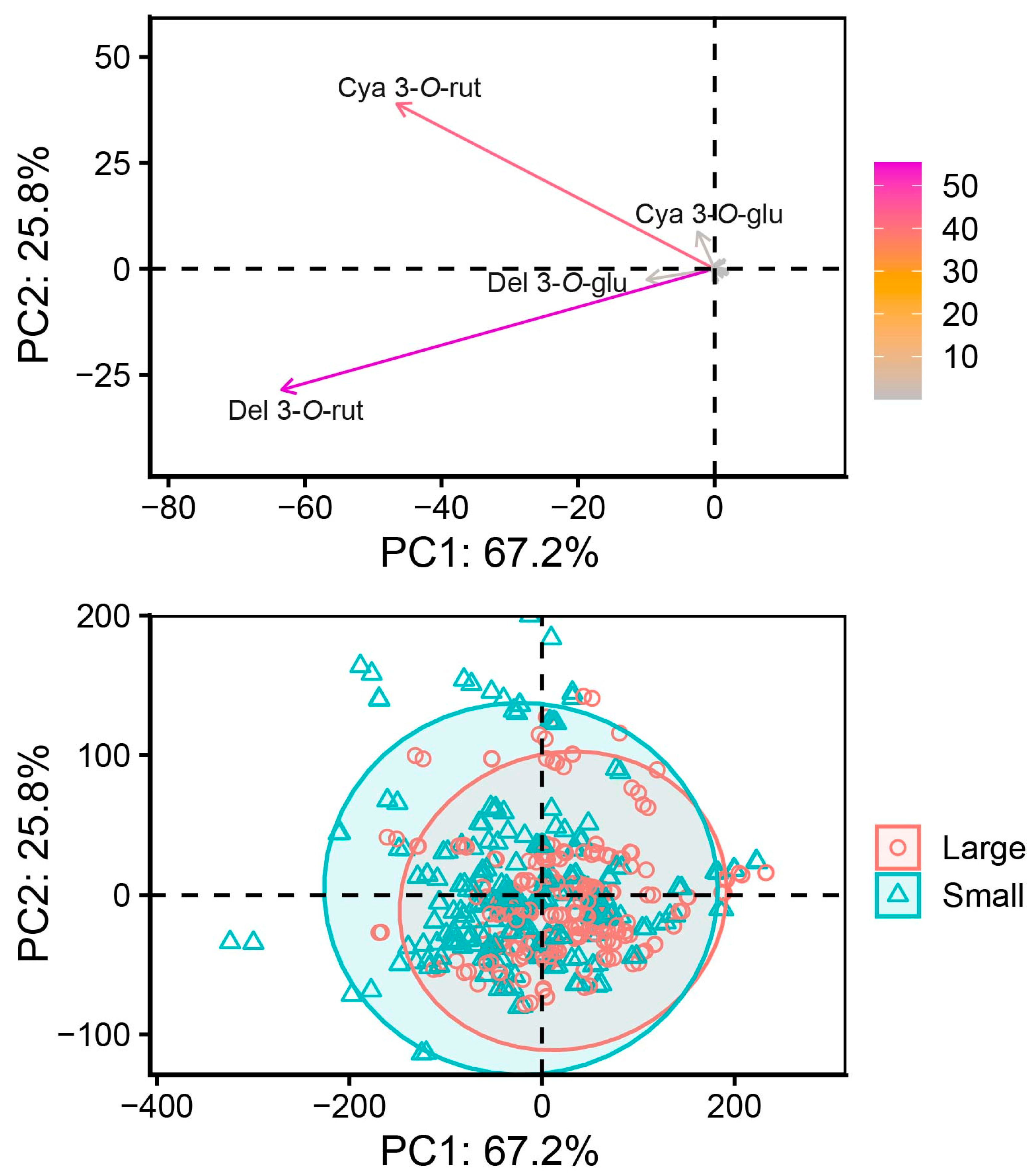
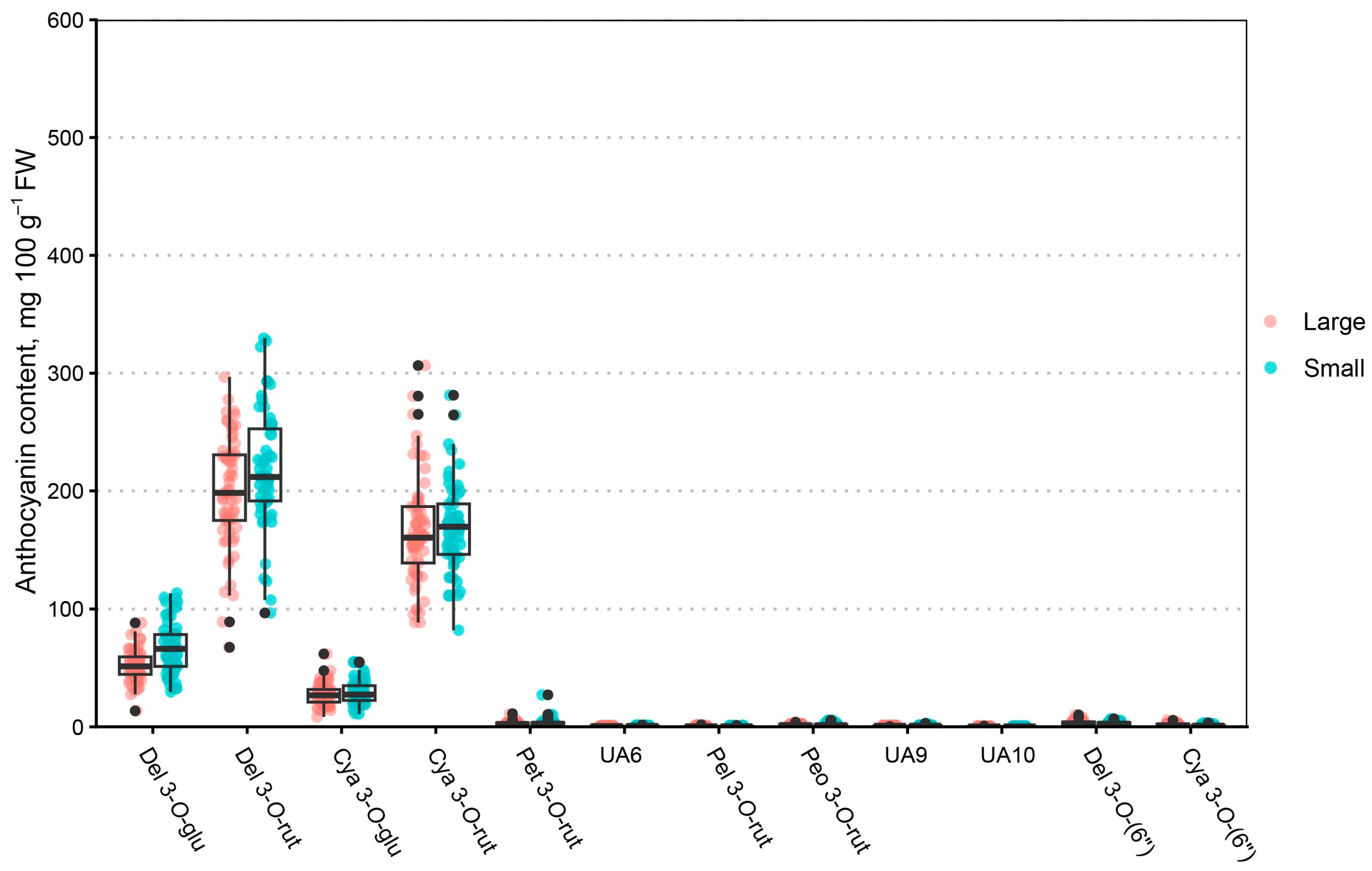
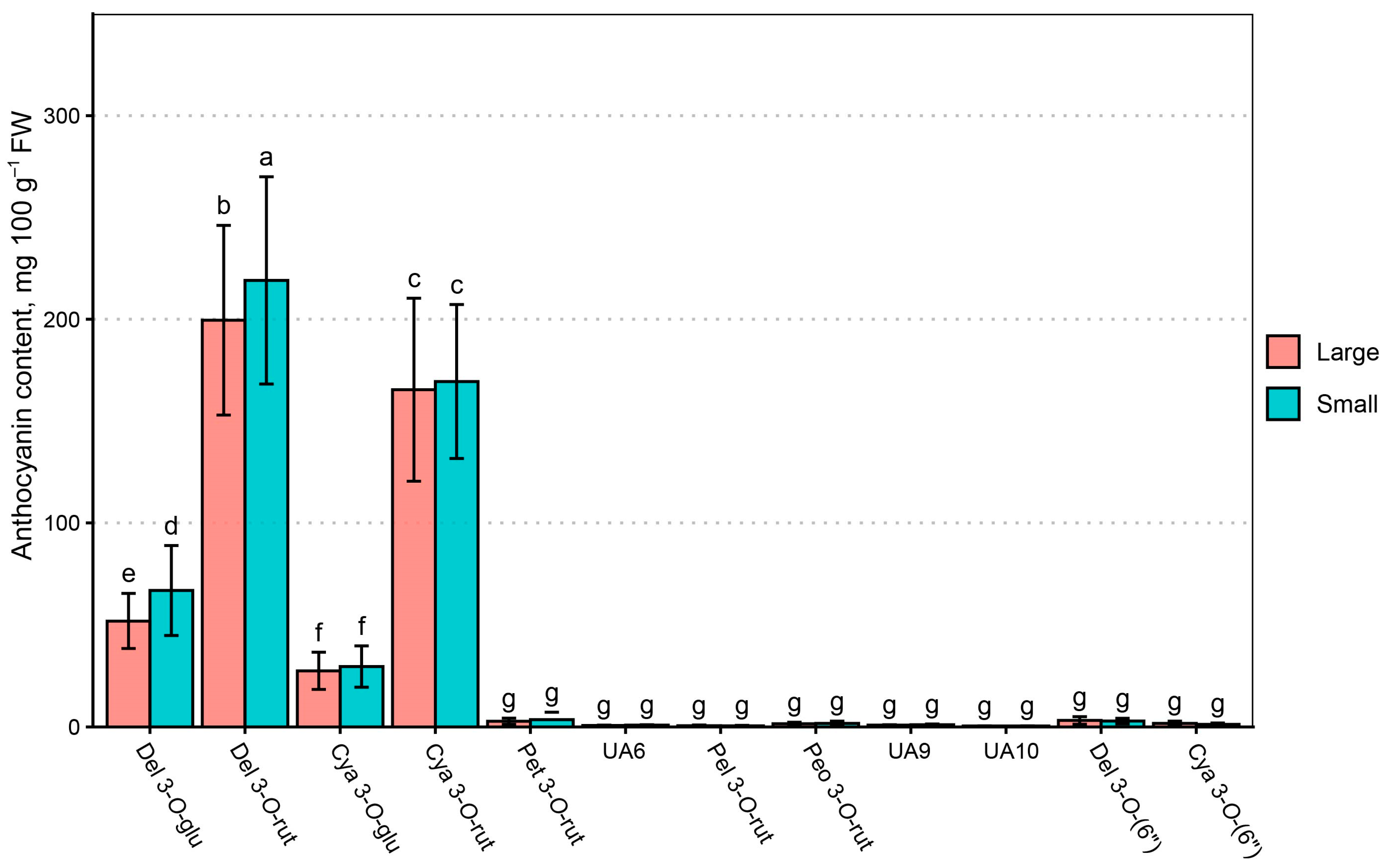
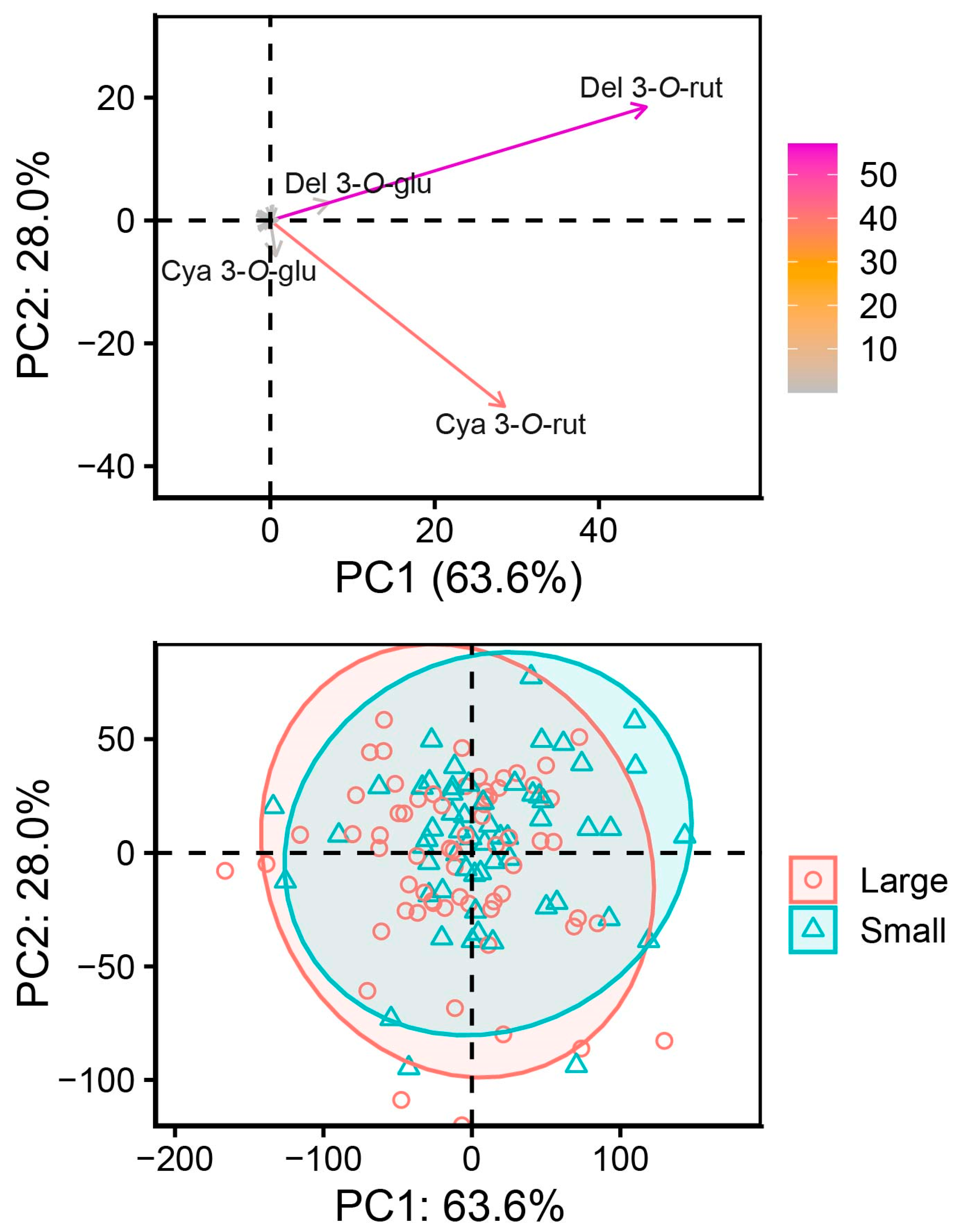
3.4. Effect of Berry Size and Genotype
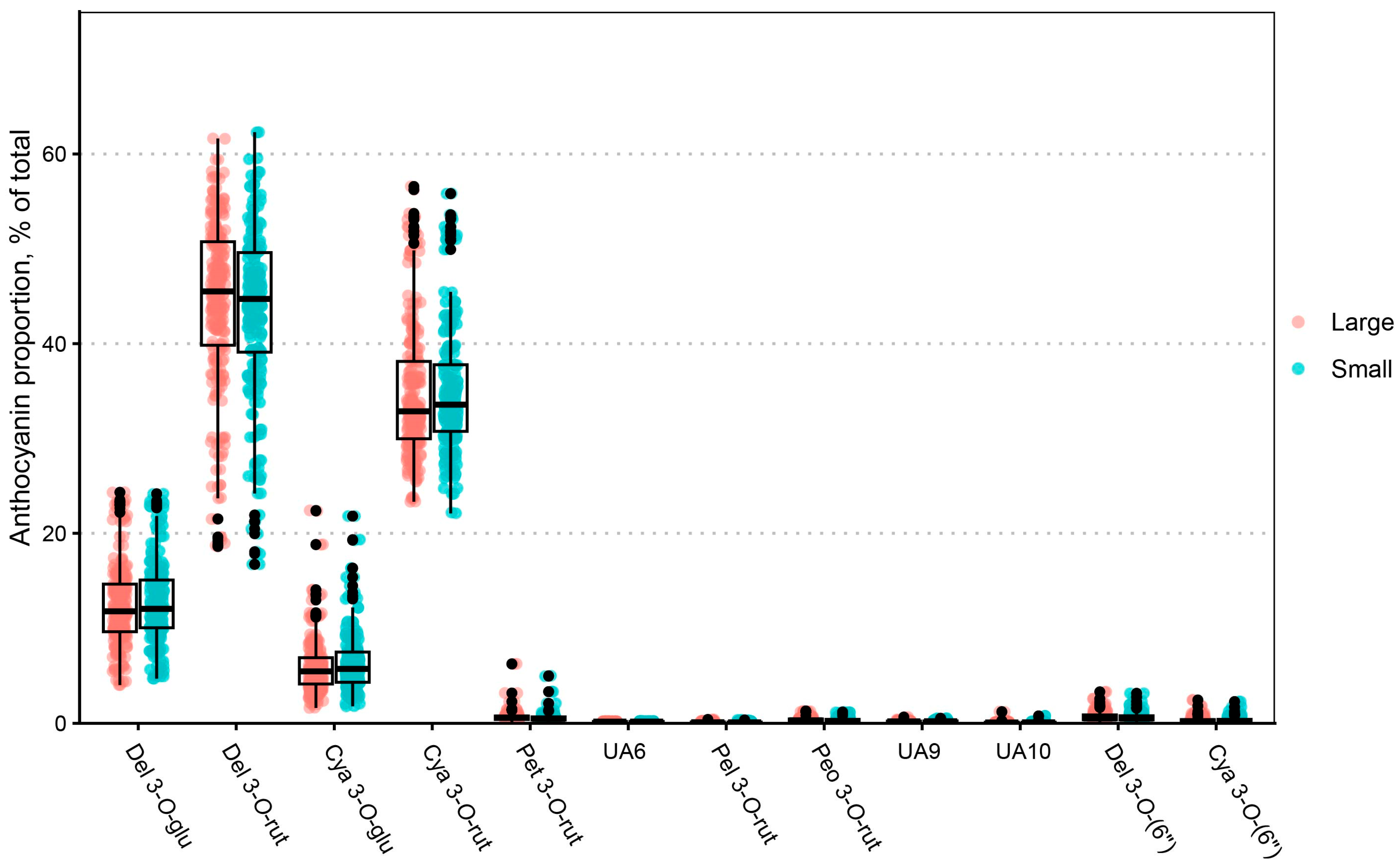
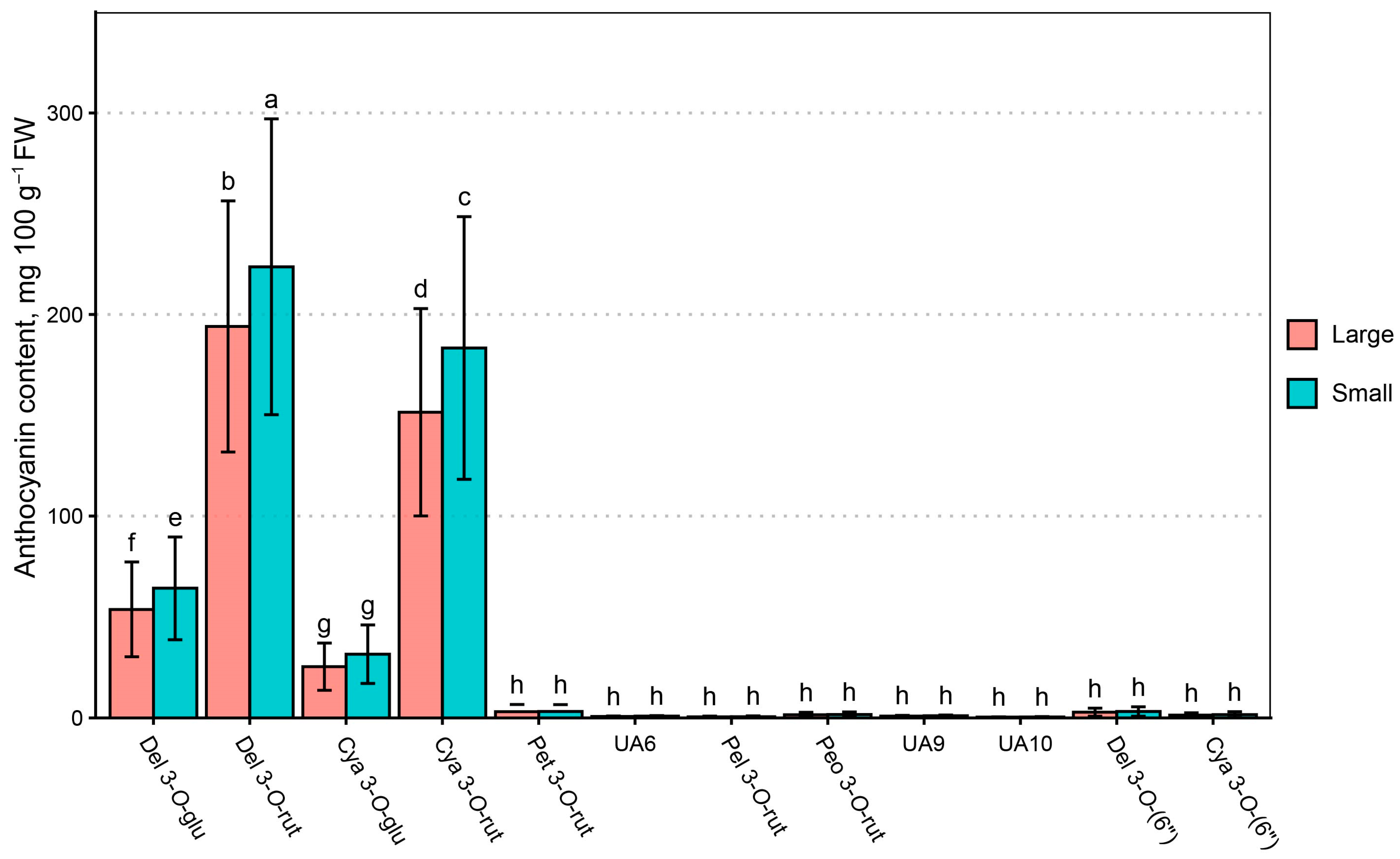
3.4.1. Berry Size Fraction
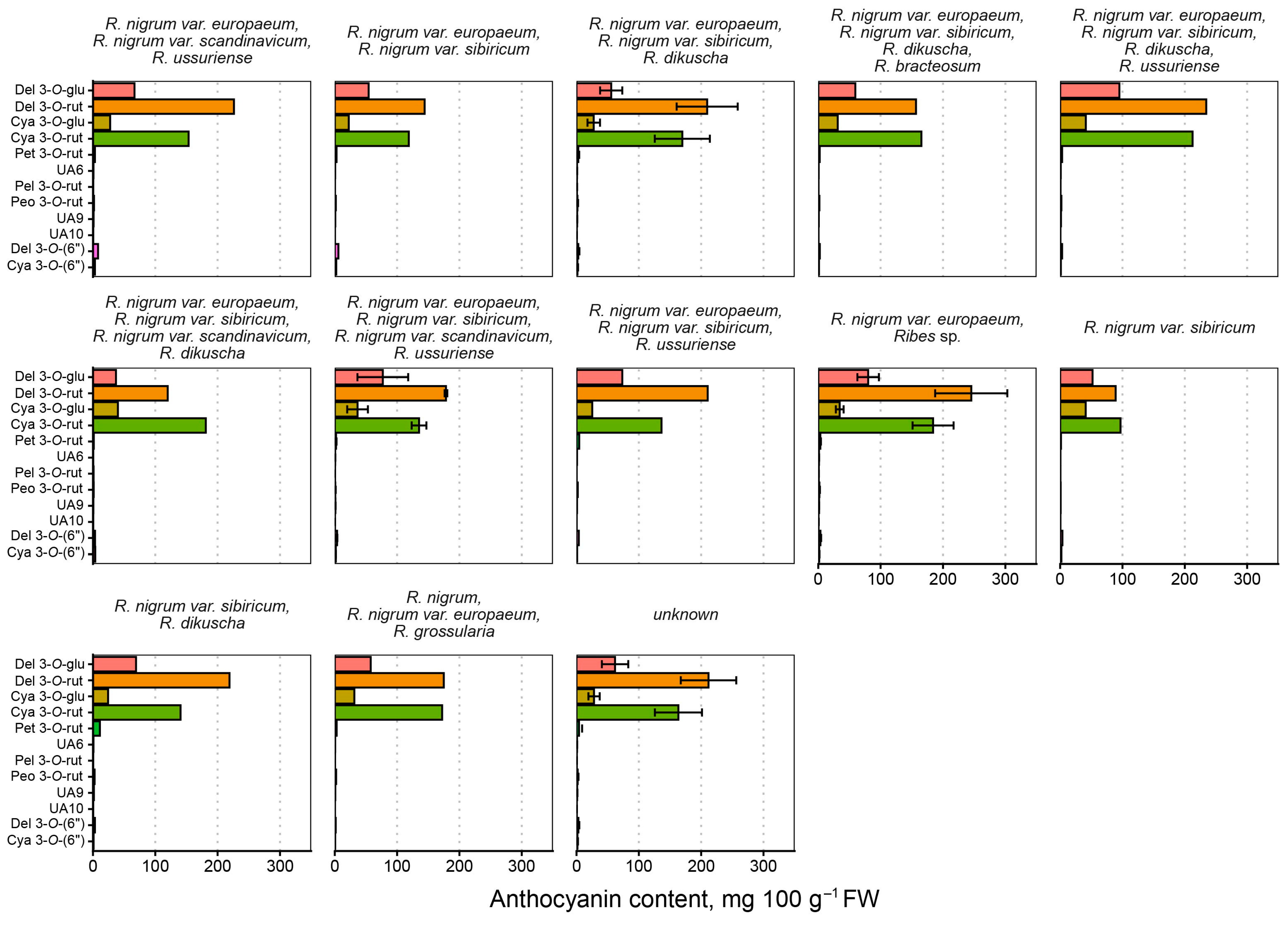
3.4.2. Genotype
4. Conclusions
Supplementary Materials
Author Contributions
Funding
Institutional Review Board Statement
Informed Consent Statement
Data Availability Statement
Acknowledgments
Conflicts of Interest
Abbreviations
References
- Nour, V.; Trandafir, I.; Ionica, M.E. Ascorbic acid, anthocyanins, organic acids and mineral content of some black and red currant cultivars. Fruits 2011, 66, 353–362. [Google Scholar] [CrossRef]
- Mattila, P.H.; Hellström, J.; Karhu, S.; Pihlava, J.-M.; Veteläinen, M. High variability in flavonoid contents and composition between different North-European currant (Ribes spp.) varieties. Food Chem. 2016, 204, 14–20. [Google Scholar] [CrossRef] [PubMed]
- Razgonova, M.P.; Nawaz, M.A.; Sabitov, A.S.; Golokhvast, K.S. Genus Ribes: Ribes aureum, Ribes pauciflorum, Ribes triste, and Ribes dikuscha—Comparative mass spectrometric study of polyphenolic composition and other bioactive constituents. Int. J. Mol. Sci. 2024, 25, 10085. [Google Scholar] [CrossRef] [PubMed]
- Ejaz, A.; Waliat, S.; Afzaal, M.; Saeed, F.; Ahmad, A.; Din, A.; Ateeq, H.; Asghar, A.; Shah, Y.A.; Rafi, A. Biological activities, therapeutic potential, and pharmacological aspects of blackcurrants (Ribes nigrum L): A comprehensive review. Food Sci. Nutr. 2023, 11, 5799–5817. [Google Scholar] [CrossRef] [PubMed]
- Gopalan, A.; Reuben, S.C.; Ahmed, S.; Darvesh, A.S.; Hohmann, J.; Bishayee, A. The health benefits of blackcurrants. Food Funct. 2012, 3, 795–809. [Google Scholar] [CrossRef]
- Cortez, R.E.; Gonzalez de Mejia, E. Blackcurrants (Ribes nigrum): A review on chemistry, processing, and health benefits. J. Food Sci. 2019, 84, 2387–2401. [Google Scholar] [CrossRef]
- Amini, A.M.; Zhou, R.; Austermann, K.; Králová, D.; Serra, G.; Ibrahim, I.S.; Corona, G.; Bergillos-Meca, T.; Aboufarrag, H.; Kroon, P.A. Acute effects of an anthocyanin-rich blackcurrant beverage on markers of cardiovascular disease risk in healthy adults: A randomized, double-blind, placebo-controlled, crossover trial. J. Nutr. 2025, 155, 2275–2289. [Google Scholar] [CrossRef]
- Castro-Acosta, M.L.; Smith, L.; Miller, R.J.; McCarthy, D.I.; Farrimond, J.A.; Hall, W.L. Drinks containing anthocyanin-rich blackcurrant extract decrease postprandial blood glucose, insulin and incretin concentrations. J. Nutr. Biochem. 2016, 38, 154–161. [Google Scholar] [CrossRef]
- Lomiwes, D.; Kanon, A.P.; Walker, E.G.; Ngametua, N.; Cooney, J.M.; Jensen, D.A.; Hedderley, D.; Lo, K. A blackcurrant powder supplement enriched with L-theanine and pine bark extract improves sleep quality in healthy older adults: Results from placebo controlled crossover study. J. Funct. Foods 2025, 127, 106768. [Google Scholar] [CrossRef]
- Ali Redha, A.; Anusha Siddiqui, S.; Zare, R.; Spadaccini, D.; Guazzotti, S.; Feng, X.; Bahmid, N.A.; Wu, Y.S.; Ozeer, F.Z.; Aluko, R.E. Blackcurrants: A nutrient-rich source for the development of functional foods for improved athletic performance. Food Rev. Int. 2024, 40, 135–157. [Google Scholar] [CrossRef]
- Moročko-Bičevska, I.; Stalažs, A.; Lācis, G.; Laugale, V.; Baļķe, I.; Zuļģe, N.; Strautiņa, S. Cecidophyopsis mites and blackcurrant reversion virus on Ribes hosts: Current scientific progress and knowledge gaps. Ann. Appl. Biol. 2022, 180, 26–43. [Google Scholar] [CrossRef]
- Masny, A.; Pluta, S.; Seliga, Ł. Breeding value of selected blackcurrant (Ribes nigrum L.) genotypes for early-age fruit yield and its quality. Euphytica 2018, 214, 89. [Google Scholar] [CrossRef]
- Lācis, G.; Kārkliņa, K.; Bartulsons, T.; Stalažs, A.; Jundzis, M.; Baļķe, I.; Ruņģis, D.; Strautiņa, S. Genetic structure of a Ribes genetic resource collection: Inter-and intra-specific diversity revealed by chloroplast DNA simple sequence repeats (cpSSRs). Sci. Hortic. 2022, 304, 111285. [Google Scholar] [CrossRef]
- Stanys, V.; Bendokas, V.; Rugienius, R.; Sasnauskas, A.; Frercks, B.; Mažeikienė, I.; Šikšnianas, T. Management of anthocyanin amount and composition in genus Ribes using interspecific hybridisation. Sci. Hortic. 2019, 247, 123–129. [Google Scholar] [CrossRef]
- Anisimovienė, N.; Jankauskienė, J.; Jodinskienė, M.; Bendokas, V.; Stanys, V.; Šikšnianas, T. Phenolics, antioxidative activity and characterization of anthocyanins in berries of blackcurrant interspecific hybrids. Acta Biochim. Pol. 2013, 60, 767–772. [Google Scholar] [CrossRef]
- Anderson, M.M. Resistance to black currant leaf spot (Pseudopeziza ribis) in crosses between Ribes dikuscha and R. nigrum. Euphytica 1972, 21, 510–517. [Google Scholar] [CrossRef]
- Djordjević, B.; Rakonjac, V.; Akšić, M.F.; Šavikin, K.; Vulić, T. Pomological and biochemical characterization of European currant berry (Ribes sp.) cultivars. Sci. Hortic. 2014, 165, 156–162. [Google Scholar] [CrossRef]
- Nour, V.; Stampar, F.; Veberic, R.; Jakopic, J. Anthocyanins profile, total phenolics and antioxidant activity of black currant ethanolic extracts as influenced by genotype and ethanol concentration. Food Chem. 2013, 141, 961–966. [Google Scholar] [CrossRef]
- Šimerdová, B.; Bobríková, M.; Lhotská, I.; Kaplan, J.; Křenová, A.; Šatínský, D. Evaluation of anthocyanin profiles in various blackcurrant cultivars over a three-year period using a fast HPLC-DAD method. Foods 2021, 10, 1745. [Google Scholar] [CrossRef]
- Wu, X.; Gu, L.; Prior, R.L.; McKay, S. Characterization of anthocyanins and proanthocyanidins in some cultivars of Ribes, Aronia, and Sambucus and their antioxidant capacity. J. Agric. Food Chem. 2004, 52, 7846–7856. [Google Scholar] [CrossRef]
- Tian, Y.; Laaksonen, O.; Haikonen, H.; Vanag, A.; Ejaz, H.; Linderborg, K.; Karhu, S.; Yang, B. Compositional diversity among blackcurrant (Ribes nigrum) cultivars originating from European countries. J. Agric. Food Chem. 2019, 67, 5621–5633. [Google Scholar] [CrossRef] [PubMed]
- Slimestad, R.; Solheim, H. Anthocyanins from black currants (Ribes nigrum L.). J. Agric. Food Chem. 2002, 50, 3228–3231. [Google Scholar] [CrossRef]
- Nawawi, N.I.M.; Khushairi, N.A.A.A.; Ijod, G.; Azman, E.M. Extraction of anthocyanins and other phenolics from dried blackcurrant (Ribes nigrum L.) pomace via ultrasonication. Sustain. Chem. Environ. 2025, 9, 100208. [Google Scholar] [CrossRef]
- Rachtan-Janicka, J.; Ponder, A.; Hallmann, E. The effect of organic and conventional cultivations on antioxidants content in blackcurrant (Ribes nigrum L.) species. Appl. Sci. 2021, 11, 5113. [Google Scholar] [CrossRef]
- Bordonaba, J.G.; Terry, L.A. Biochemical profiling and chemometric analysis of seventeen UK-grown black currant cultivars. J. Agric. Food Chem. 2008, 56, 7422–7430. [Google Scholar] [CrossRef]
- Kikas, A.; Rätsep, R.; Kaldmäe, H.; Aluvee, A.; Libek, A.-V. Comparison of polyphenols and anthocyanin content of different blackcurrant (Ribes nigrum L.) cultivars at the Polli Horticultural Research Centre in Estonia. Agron. Res. 2020, 18, 2715–2726. [Google Scholar]
- Milić, A.; Daničić, T.; Tepić Horecki, A.; Šumić, Z.; Teslić, N.; Bursać Kovačević, D.; Putnik, P.; Pavlić, B. Sustainable extractions for maximizing content of antioxidant phytochemicals from black and red currants. Foods 2022, 11, 325. [Google Scholar] [CrossRef]
- Rubinskiene, M.; Viskelis, P.; Jasutiene, I.; Viskeliene, R.; Bobinas, C. Impact of various factors on the composition and stability of black currant anthocyanins. Food Res. Int. 2005, 38, 867–871. [Google Scholar] [CrossRef]
- Cao, L.; Park, Y.; Lee, S.; Kim, D.-O. Extraction, identification, and health benefits of anthocyanins in blackcurrants (Ribes nigrum L.). Appl. Sci. 2021, 11, 1863. [Google Scholar] [CrossRef]
- Kruszewski, B.; Boselli, E. Blackcurrant pomace as a rich source of anthocyanins: Ultrasound-assisted extraction under different parameters. Appl. Sci. 2024, 14, 821. [Google Scholar] [CrossRef]
- Azman, E.M.; Nor, N.D.M.; Charalampopoulos, D.; Chatzifragkou, A. Effect of acidified water on phenolic profile and antioxidant activity of dried blackcurrant (Ribes nigrum L.) pomace extracts. LWT 2022, 154, 112733. [Google Scholar] [CrossRef]
- Repajić, M.; Zorić, M.; Magnabosca, I.; Pedisić, S.; Dragović-Uzelac, V.; Elez Garofulić, I. Bioactive power of black chokeberry pomace as affected by advanced extraction techniques and cryogrinding. Molecules 2025, 30, 3383. [Google Scholar] [CrossRef] [PubMed]
- Chen, X.; Parker, J.; Krueger, C.G.; Shanmuganayagam, D.; Reed, J.D. Validation of HPLC assay for the identification and quantification of anthocyanins in black currants. Anal. Methods 2014, 6, 8141–8147. [Google Scholar] [CrossRef]
- Nielsen, I.L.F.; Haren, G.R.; Magnussen, E.L.; Dragsted, L.O.; Rasmussen, S.E. Quantification of anthocyanins in commercial black currant juices by simple high-performance liquid chromatography. Investigation of their pH stability and antioxidative potency. J. Agric. Food Chem. 2003, 51, 5861–5866. [Google Scholar] [CrossRef] [PubMed]
- Obón, J.M.; Díaz-García, M.C.; Castellar, M.R. Red fruit juice quality and authenticity control by HPLC. J. Food Compos. Anal. 2011, 24, 760–771. [Google Scholar] [CrossRef]
- Frøytlog, C.; Slimestad, R.; Andersen, Ø.M. Combination of chromatographic techniques for the preparative isolation of anthocyanins—Applied on blackcurrant (Ribes nigrum) fruits. J. Chromatogr. A 1998, 825, 89–95. [Google Scholar] [CrossRef]
- Gavrilova, V.; Kajdzanoska, M.; Gjamovski, V.; Stefova, M. Separation, characterization and quantification of phenolic compounds in blueberries and red and black currants by HPLC−DAD−ESI-MSn. J. Agric. Food Chem. 2011, 59, 4009–4018. [Google Scholar] [CrossRef]
- Gacnik, S.; Veberic, R.; Hudina, M.; Mikulic-Petkovsek, M. Changes in chemical composition of red and black currant fruits and leaves during berry ripening. Int. J. Fruit Sci. 2024, 24, 73–84. [Google Scholar] [CrossRef]
- Cacace, J.E.; Mazza, G. Optimization of extraction of anthocyanins from black currants with aqueous ethanol. J. Food Sci. 2003, 68, 240–248. [Google Scholar] [CrossRef]
- Tena, N.; Asuero, A.G. Up-to-date analysis of the extraction methods for anthocyanins: Principles of the techniques, optimization, technical progress, and industrial application. Antioxidants 2022, 11, 286. [Google Scholar] [CrossRef]
- Mirzazadeh, N.; Bagheri, H.; Mirzazadeh, M.; Soleimanimehr, S.; Rasi, F.; Akhavan-Mahdavi, S. Comparison of different green extraction methods used for the extraction of anthocyanin from red onion skin. Food Sci. Nutr. 2024, 12, 7347–7357. [Google Scholar] [CrossRef]
- Tan, J.; Han, Y.; Han, B.; Qi, X.; Cai, X.; Ge, S.; Xue, H. Extraction and purification of anthocyanins: A review. J. Agric. Food Res. 2022, 8, 100306. [Google Scholar] [CrossRef]
- Jiang, Y.; Qi, Z.; Li, J.; Gao, J.; Xie, Y.; Henry, C.J.; Zhou, W. Role of superfine grinding in purple-whole-wheat flour. Part I: Impacts of size reduction on anthocyanin profile, physicochemical and antioxidant properties. LWT 2024, 197, 115940. [Google Scholar] [CrossRef]
- Pocevičienė, I.; Jūrienė, L.; Pukalskienė, M.; Baranauskienė, R.; Venskutonis, P.R. Supercritical CO2 separation of lipids from mechanically pre-fractionated black currant pomace: Chemical composition, bioactivities and application perspectives. Sep. Purif. Technol. 2025, 373, 133641. [Google Scholar] [CrossRef]
- Roby, G.; Harbertson, J.F.; Adams, D.A.; Matthews, M.A. Berry size and vine water deficits as factors in winegrape composition: Anthocyanins and tannins. Aust. J. Grape Wine Res. 2004, 10, 100–107. [Google Scholar] [CrossRef]
- Simkova, K.; Veberic, R.; Hudina, M.; Grohar, M.C.; Ivancic, T.; Smrke, T.; Pelacci, M.; Jakopic, J. Berry size and weight as factors influencing the chemical composition of strawberry fruit. J. Food Compos. Anal. 2023, 123, 105509. [Google Scholar] [CrossRef]
- Pott, D.M.; Durán-Soria, S.; Allwood, J.W.; Pont, S.; Gordon, S.L.; Jennings, N.; Austin, C.; Stewart, D.; Brennan, R.M.; Masny, A. Dissecting the impact of environment, season and genotype on blackcurrant fruit quality traits. Food Chem. 2023, 402, 134360. [Google Scholar] [CrossRef] [PubMed]



| Anthocyanins | ||||
|---|---|---|---|---|
| Del 3-O-glu | Del 3-O-rut | Cya 3-O-glu | Cya 3-O-rut | |
| Linear range, ng | 2.34–117.10 | 2.93–146.98 | 3.45–172.32 | 3.60–179.76 |
| Standard solutions [R2] | 0.99997 | 0.99999 | 0.99999 | 0.99999 |
| Slope and y-intercept * | y = 3426.19x − 601.52 | y = 2336.85x − 203.46 | y = 3368.47x − 82.39 | y = 2487.17x + 427.86 |
| LOD, ng | 0.146 | 0.198 | 0.127 | 0.162 |
| LOQ, ng | 0.480 | 0.654 | 0.420 | 0.534 |
| Retention time, min | 5.32 ± 0.1 | 5.54 ± 0.01 | 5.87 ± 0.01 | 6.08 ± 0.01 |
| Resolution | – | 2.23 | 3.54 | 2.45 |
Disclaimer/Publisher’s Note: The statements, opinions and data contained in all publications are solely those of the individual author(s) and contributor(s) and not of MDPI and/or the editor(s). MDPI and/or the editor(s) disclaim responsibility for any injury to people or property resulting from any ideas, methods, instructions or products referred to in the content. |
© 2025 by the authors. Licensee MDPI, Basel, Switzerland. This article is an open access article distributed under the terms and conditions of the Creative Commons Attribution (CC BY) license.
Share and Cite
Mišina, I.; Bondarenko, E.; Dukurs, K.; Miķelsone, I.; Sipeniece, E.; Lazdiņa, D.; Strautiņa, S.; Segliņa, D.; Perkons, I.; Górnaś, P. Anthocyanins in the Berries of 123 Interspecific Black Currant Crosses: A Multi-Analytical Approach. Appl. Sci. 2026, 16, 114. https://doi.org/10.3390/app16010114
Mišina I, Bondarenko E, Dukurs K, Miķelsone I, Sipeniece E, Lazdiņa D, Strautiņa S, Segliņa D, Perkons I, Górnaś P. Anthocyanins in the Berries of 123 Interspecific Black Currant Crosses: A Multi-Analytical Approach. Applied Sciences. 2026; 16(1):114. https://doi.org/10.3390/app16010114
Chicago/Turabian StyleMišina, Inga, Elvita Bondarenko, Krists Dukurs, Ieva Miķelsone, Elise Sipeniece, Danija Lazdiņa, Sarmīte Strautiņa, Dalija Segliņa, Ingus Perkons, and Paweł Górnaś. 2026. "Anthocyanins in the Berries of 123 Interspecific Black Currant Crosses: A Multi-Analytical Approach" Applied Sciences 16, no. 1: 114. https://doi.org/10.3390/app16010114
APA StyleMišina, I., Bondarenko, E., Dukurs, K., Miķelsone, I., Sipeniece, E., Lazdiņa, D., Strautiņa, S., Segliņa, D., Perkons, I., & Górnaś, P. (2026). Anthocyanins in the Berries of 123 Interspecific Black Currant Crosses: A Multi-Analytical Approach. Applied Sciences, 16(1), 114. https://doi.org/10.3390/app16010114