1. Introduction
The modern foundry industry faces the necessity of meeting increasingly stringent requirements regarding product quality, dimensional repeatability, and process cost efficiency [
1,
2,
3,
4,
5]. At the same time, the development of new binder systems and the optimization of process parameters are essential to improve the performance, thermal stability, and reliability of core production [
6,
7,
8]. Therefore, research on the reactivity, curing behavior, and storage stability of binder systems remains a key direction for improving process consistency in foundry practice [
9,
10,
11,
12,
13].
One of the most important factors affecting process stability and casting quality is the manufacture and storage of foundry cores. In industrial practice, organic binders play a dominant role, among which phenol-formaldehyde resins of the resole type constitute a particularly important group. Their widespread application results from their high availability, favorable technological properties, and broad adaptability to various production conditions. Their operational versatility, arising from the ability to precisely control the parameters of the polycondensation reaction, provides a decisive advantage over other binding systems [
8,
9,
10].
In recent years, numerous studies have emphasized the importance of controlling curing and storage parameters to enhance the mechanical and technological performance of phenolic binders [
12,
13,
14]. Phenolic resins continue to be widely used binders for steel and iron castings due to their favorable mechanical and thermal performance. However, their properties are highly sensitive to temperature and humidity, as both parameters influence crosslinking reactions and moisture uptake [
13,
14,
15,
16]. The degradation and aging of resole-type phenolic resins under humid conditions may alter their structure, affecting reactivity and stability. Moone et al. [
13] analyzed the aging behavior of hydrophilic resole-type phenolic resins and demonstrated, using FTIR (Fourier Transform Infrared Spectroscopy) and DSC (Differential Scanning Calorimetry) methods, that environmental exposure leads to structural reorganization within the polymer network. These findings confirm that ambient conditions significantly impact the chemical and physical structure of phenolic resin systems during storage, which is a key aspect in maintaining consistent properties of foundry cores.
Depending on production requirements, casting type, and process parameters, various binder systems are applied in industrial practice, including thermal Hot-Box, polyurethane–phenolic (Cold-Box), and phenolic–alkaline (Alpha-Set) technologies [
17,
18,
19]. The furfuryl binder, composed of furfuryl alcohol and an acid hardener, is mainly used in self-setting (no-bake) technologies for the production of large molds and cores, owing to its low viscosity, good sand wettability, and high mechanical strength. Thermal curing systems, such as the Hot-Box process based on novolac-type phenolic resins cured at 180–250 °C, are also widely employed, ensuring short cycle times, accurate reproduction of details, and high dimensional stability [
20]. Similarly, the Cold-Box process, which utilizes polyurethane–phenolic (PUCB) or resole-type binders cured by gaseous amines (e.g., triethylamine), is mainly applied in high-volume production of small- and medium-sized cores, where extremely fast curing reactions (on the order of seconds), high repeatability, and process automation are required [
21,
22]. The Alpha-Set process, based on alkaline phenolic binders, and furfuryl binder systems (furfuryl alcohol with an acid hardener) have a different technological character and are primarily used for the production of large cores and molds, typically in single or small-batch manufacturing. In such applications, the key advantages include the possibility of manual molding, controlled bench life of the sand mixture, and high final strength achieved under ambient temperature conditions. However, organic binder systems such as phenolic and furan resins are highly sensitive to environmental conditions—particularly temperature, humidity, and storage duration—which may significantly affect the curing process and final strength of the cores [
20,
23,
24]. In recent years, the authors have also investigated modern binder systems and manufacturing technologies, including 3D-printed (binder jetting) cores based on furan and phenolic resins, focusing on their thermal deformation, mechanical performance, and gas emission characteristics [
25,
26]. These studies demonstrated that both the binder formulation and the structural design of the printed cores strongly affect their gas-forming tendency and dimensional stability during casting, further confirming the importance of optimizing binder reactivity and process conditions in advanced foundry applications.
The storage conditions of already-manufactured foundry cores—such as temperature, relative air humidity, and storage duration—have a significant influence on the preservation of their physicochemical and mechanical properties. Improperly stored cores, especially in environments with fluctuating relative humidity and elevated temperature, may undergo secondary physicochemical transformations that alter the structure of the cured binder matrix [
27,
28,
29,
30]. This phenomenon is particularly important in the case of water-based or water-soluble binders, which are hygroscopic in nature and include the binder analyzed in this study. Previous studies have demonstrated that prolonged exposure to moisture and heat can cause chemical rearrangements, hydrolysis, and microstructural degradation in phenolic and related thermosetting systems, ultimately reducing their strength and cohesion [
31,
32,
33,
34]. In previous research conducted by the authors, it was demonstrated that storage conditions significantly influence the gas-forming tendency of molding sands and cores bonded with resole-type phenol–formaldehyde resin, confirming the strong relationship between humidity, temperature, and binder degradation [
35].
Consequently, such effects lead to a reduction in mechanical integrity and a deterioration of technological parameters. These phenomena are particularly detrimental in high-volume production, where even minor variations in core properties can increase the rejection rate and necessitate costly corrections to castings—such as grinding, welding, or repeated non-destructive testing (e.g., ultrasonic or radiographic inspections) to verify the quality of repaired components. Moreover, each correction extends the production cycle, raises unit costs, and may cause delivery delays. In extreme cases, defects can be so severe that the casting must be completely scrapped, resulting in material and energy losses and a negative impact on process efficiency.
Despite numerous studies on the curing and aging behavior of phenolic resins, comprehensive comparative analyses addressing the combined influence of resin reactivity and climatic storage conditions on the durability of finished cores remain scarce. Previous investigations have primarily focused on selected physicochemical aspects of molding sands. Holtzer and Kmita [
1] analyzed the emission of harmful substances from sands containing organic binders under high-temperature conditions, whereas Budavári et al. [
20] investigated the curing behavior and hardening kinetics of warm- and hot-box core-making technologies. Strzemiecka et al. [
30] examined the chemical changes occurring in resole and novolac resins during storage under ambient conditions, while Hu et al. [
9] explored the curing mechanism and network development of resole-type phenolic systems using FTIR and TG/MS (Thermo Gravimetric/Mass Spectrometry) analyses. Moone et al. [
13] and Zhao et al. [
14] demonstrated that exposure to humid air significantly modifies the internal structure of phenolic resins, leading to changes in their mechanical integrity and reactivity. Similarly, Lu et al. [
18] confirmed that moisture and temperature promote both surface and bulk restructuring processes in phenolic matrices, thereby altering their physicochemical stability.
Although several investigations have examined the thermal decomposition [
29,
33,
34], emission characteristics [
1,
5,
35] and curing behavior [
6,
8,
9,
10,
20,
30,
31] of foundry binders, comprehensive studies evaluating how binder reactivity and storage environment jointly influence the mechanical strength, gas permeability, and thermal deformation of finished cores are still lacking.
The present study aims to fill this research gap by providing a systematic assessment of how storage duration and environmental exposure affect the technological performance and long-term stability of foundry cores produced with phenolic resins of varying reactivity. Specifically, it compares the properties of foundry cores made from two phenol–formaldehyde resole resins differing in their degree of reactivity—Resin 1 is characterized by lower, and Resin 2 by higher, susceptibility to polycondensation. The research focuses on assessing the influence of storage conditions on the mechanical strength, gas permeability, and thermal deformation (hot distortion) of the cores, as well as on analyzing the curing kinetics and bench life of the core sand mixtures. Additionally, the effect of storage parameters—temperature and relative air humidity—on the durability and technological stability of standardized cores was investigated. The obtained results provide a basis for establishing practical recommendations for optimizing the storage and handling of cores under industrial production conditions. From an applied perspective, understanding how binder reactivity and climatic exposure jointly affect the mechanical and thermal behavior of cores is essential for improving process repeatability, minimizing casting defects, and ensuring dimensional accuracy in serial production. By linking the chemical reactivity of phenolic resins with their macroscopic performance over time, this study contributes to the development of more stable and predictable binder systems, supporting quality control and sustainability in modern foundry practice.
2. Materials and Methods
2.1. Materials
In the study, two alkaline phenol–formaldehyde resole resins differing in their degree of reactivity were used, together with a dedicated hardener from the group of dicarboxylic acid esters. The summary of the basic physicochemical properties of the components of the binder system is presented in
Table 1.
2.2. Methods
The cylindrical test samples with dimensions of Ø 50 × 50 mm, were prepared using the Alpha-Set process, which belongs to the group of self-setting (no-bake) technologies. In this process, the crosslinking of the phenolic resin is initiated by the addition of dicarboxylic acid esters under ambient temperature conditions. To prepare the core sand mixture, two selected phenol–formaldehyde resole resins and a dicarboxylic ester-based hardener were used, the latter dosed at 25% of the resin mass. The composition of the core mixture corresponded to the following proportions: 100 parts by weight of quartz sand, 1.5 parts by weight of resin, and 0.375 parts by weight of hardener. High-purity quartz sand Sibelco BK 50 (SiO2 content >99.6%) with a mean grain size of 0.20–0.25 mm (AFS ≈ 50) and a narrow particle size distribution was used as the base material. This sand grade ensures uniform packing density, stable permeability, and consistent surface quality of the prepared cores, thereby minimizing the influence of the granular substrate on the measured mechanical and technological parameters. The curing process was carried out at room temperature, and the samples were compacted using the LUZ-1 vibration device (WADAP, Multiserw-Morek, Marcyporęba, Poland). The curing of the prepared core sand mixtures was carried out under ambient laboratory conditions (T = 20 ± 1 °C, RH = 45–50%) without additional heating or applied pressure. The specimens were compacted on the LUZ-1 vibration table for 30 s at an amplitude of 2 mm to ensure uniform packing density. After compaction, the samples were left to cure freely under laboratory air conditions for 1 h, allowing the binder to reach the initial stage of hardening.
After this preliminary curing period, the specimens were either tested directly (for bench-life and curing-kinetics analysis) or transferred for 24 h of storage under controlled climatic conditions, designated as follows:
A—temperature: 25 °C, relative humidity: 90% RH.
B—temperature: 0 °C, relative humidity: 10% RH.
C—temperature: 15 °C, relative humidity: 50% RH.
Controlled storage conditions were maintained using a BINDER MKF 56 climatic chamber, enabling precise regulation of temperature and humidity. These environments were intentionally selected as representative of critical combinations of temperature and moisture content, where the risk of water-vapor condensation and intensive moisture sorption by the binder is the highest. Such factors can significantly influence the continuation of the curing process and the stability of the mechanical properties of specimens containing organic binder systems. The hardening process proceeded solely due to the ester-initiated polycondensation of the resole binder. The selected climatic storage regimes (A, B, and C) were designed to reproduce the typical range of environmental conditions that foundry cores may be exposed to during storage and transport.
Condition A (25 °C, 90% RH) represents warm and humid industrial environments, characteristic of summer operation in foundry halls or storage near molding lines, where high humidity promotes moisture sorption and softening of the binder bridges.
Condition B (0 °C, 10% RH) simulates cold and dry seasonal storage, which may occur in unheated warehouses, outdoor storage areas, or during winter transport, when both temperature and absolute humidity are minimal. Under such circumstances, binder hardening may slow due to limited molecular mobility, while water adsorption is also strongly reduced.
Condition C (15 °C, 50% RH) serves as a moderate reference environment, representative of controlled laboratory or standard indoor conditions used for comparative testing.
This combination of regimes allows for a comprehensive assessment of how temperature and moisture jointly influence the curing, stability, and usability of cores under industrially relevant scenarios.
The parameters outlined below were determined.
2.2.1. Bench Life of Molding (Core) Sands
Bench life of molding (core) sands was determined using a method based on measuring changes in mechanical strength as a function of time after mixture preparation. Consecutive portions of material were collected from the prepared mixture of quartz sand and binder at short time intervals, from which standard specimens for tensile strength tests were produced. The tests were continued until the mixture lost its ability to properly form specimens, and the measured tensile strength values systematically decreased. The bench life was defined as the maximum time during which the prepared sand mixture maintained adequate processability for core production. This includes the ability of the mixture to be uniformly compacted in the core box, to fill the cavity without segregation, and to be removed without cracking, sticking, or surface defects. Quantitatively, the bench life corresponded to the point at which the tensile strength decreased by approximately 30% relative to the maximum recorded value. This stage reflects the onset of decreased molding plasticity and flowability caused by the progressing polycondensation reactions within the resin–hardener system, making the mixture unsuitable for further compaction under standard forming conditions.
2.2.2. Loss on Ignition (LOI)
Loss on ignition was determined by weighing the sample before and after heating at a high temperature (950 °C for 2 h) in an FCF 7SHM muffle furnace. The temperature increase caused oxidation of the organic components and evaporation of bound water, resulting in a change in the sample mass.
2.2.3. Tensile Strength as a Function of Curing Time
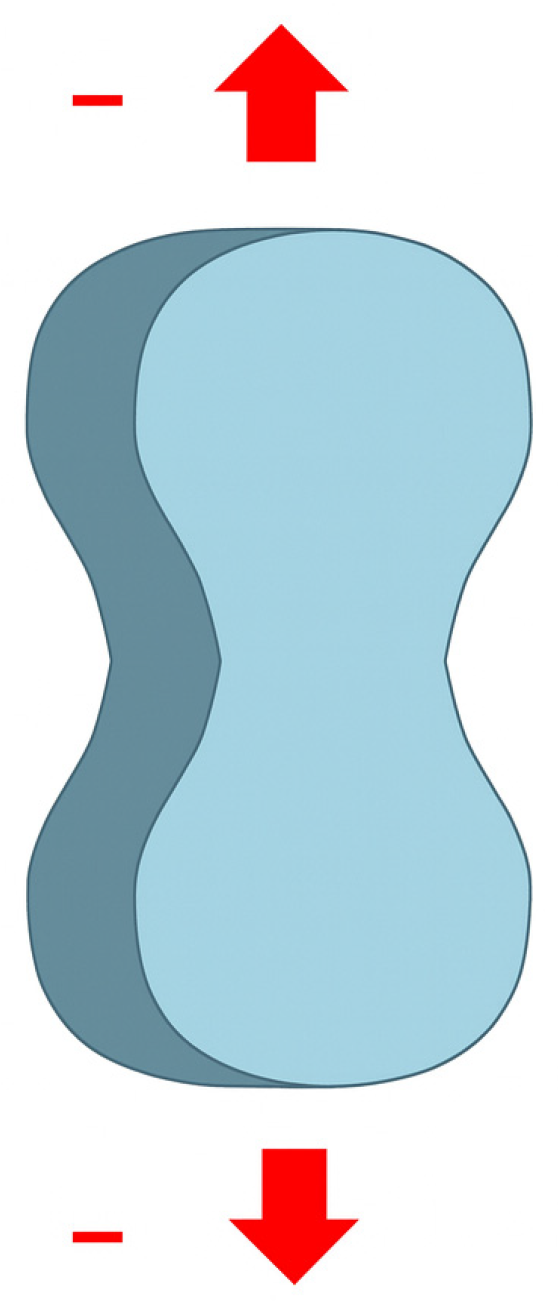
Dog-bone-shaped specimens were prepared by vibrational compaction in standardized molds. The specimens had a total length of approximately 70 mm, a gauge thickness of 22 mm, and a gauge diameter of 22.6 mm. During the test, the specimens were placed between the metal grips of the testing device and subjected to an axially applied tensile force until rupture (
Figure 1).
The load increased gradually until specimen fracture which allowed for determining the maximum tensile stress. Tests were performed after 1, 3, 24, and 48 h from mixture preparation, enabling the assessment of curing kinetics and the influence of time on the development of the binder’s mechanical properties. The multi-point time analysis allowed for determining both the bonding rate and the moment of achieving the most favorable specimen strength.
2.2.4. Splitting Tensile Strength
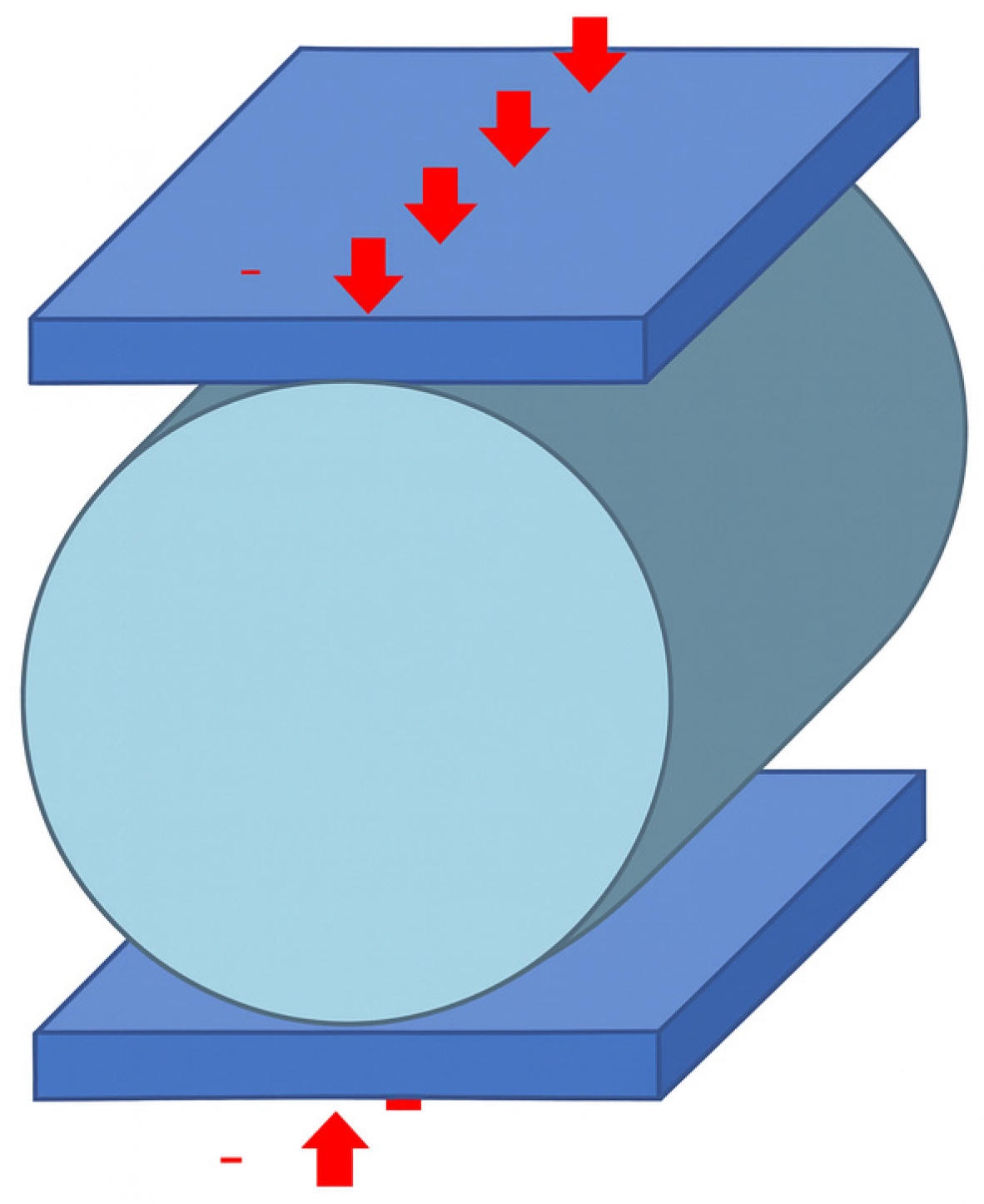
Splitting tensile strength was measured using a universal testing device LRu-2e (Multiserw-Morek, Marcyporęba, Poland). The method followed the procedure analogous to that described in the Brazilian test (indirect tensile test), commonly applied for brittle and weakly cohesive materials such as foundry cores, ceramics, and concretes. Cylindrical specimens (Ø 50 × 50 mm) were positioned horizontally between the steel plates of the tester, and a vertical load was applied along the specimens’ diameter—at two opposite points on the circumference. The generated tensile stresses in the horizontal plane caused the specimen to split along its axis of symmetry (
Figure 2).
This indirect method was adopted because direct tensile testing of sand cores is technically challenging due to difficulties in specimen gripping and the risk of premature failure at the clamping points. The splitting (Brazilian) test enables a reliable and reproducible assessment of tensile strength under well-controlled loading conditions, while the stress state developed during testing closely reflects the tensile stresses acting in cores during casting. The methodology is consistent with the principles of PN-83/H-11073 (Foundry moulding materials—Strength measurement, Polish Committee for Standardization (PKN): Warszawa, Poland, 1983) and EN ISO 1927-6:2012 (Monolithic (unshaped) refractory products—Part 6: Measurement of physical properties, International Organization for Standardization (ISO): Geneva, Switzerland, 2012), which are commonly adapted in foundry testing practice for core sands and self-setting molding materials.
2.2.5. Friability
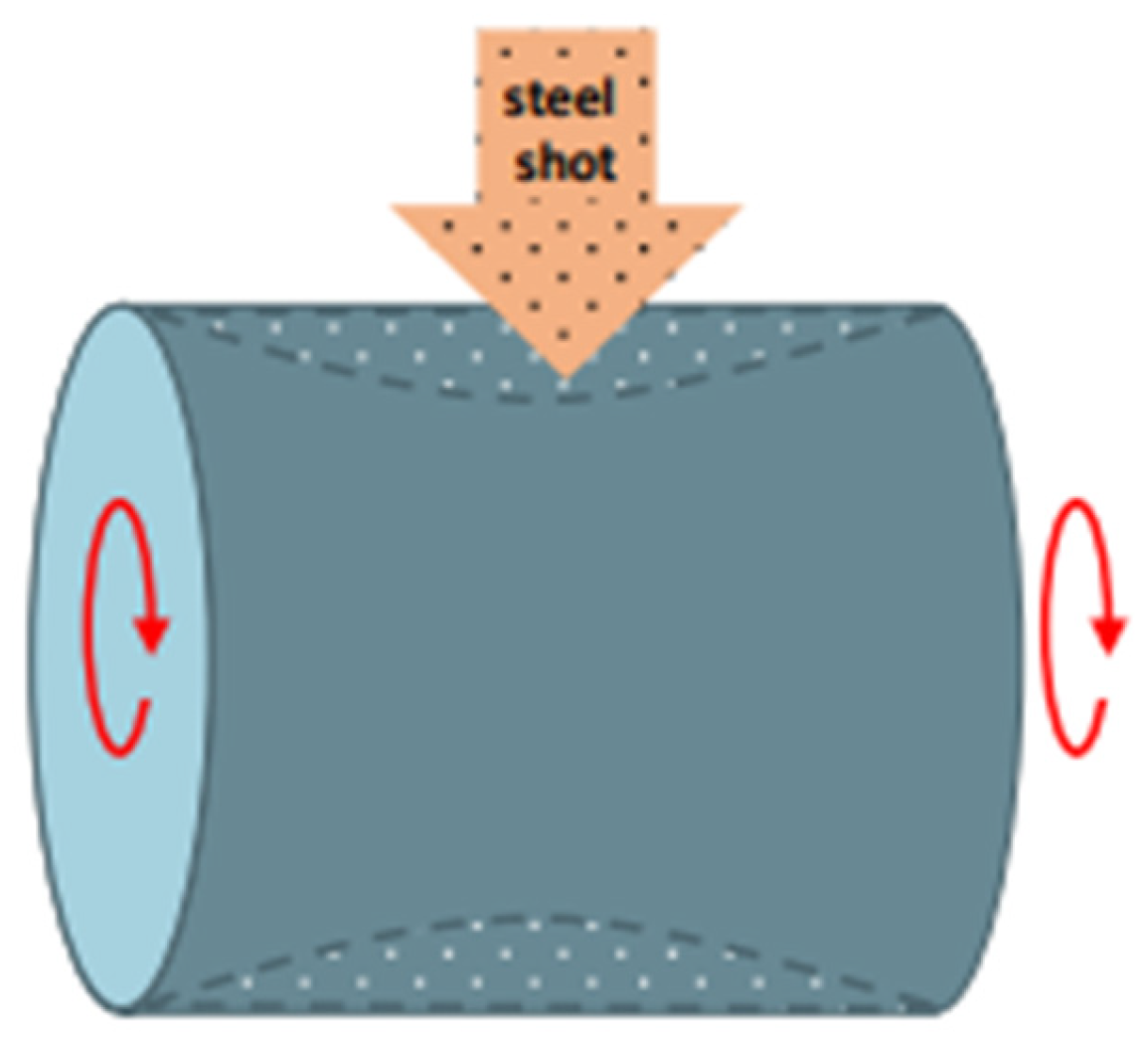
Friability was determined using the HSW measurement device (Huta Stalowa Wola, Stalowa Wola, Poland). The cured cylindrical specimen was mounted in a holder and set into rotational motion (
Figure 3) using a motor with a gearbox. During rotation, the specimen was subjected to erosive impact of steel shot falling onto its surface from a height of 307 mm. A total of 1750 g of steel shot with a diameter of 1 mm was used, which caused surface wear and gradual material loss [
25]. After the test, the specimen was reweighed with an accuracy of 0.1 g, and friability was calculated based on the mass loss.
2.2.6. Permeability
Permeability was determined using the LPiR-1 permeability tester. During the test, the specimen was placed in the measuring chamber of the device, and air was passed through it under a pressure of approximately 980 Pa. This test makes it possible to evaluate the extent to which the porous structure of the core allows for the effective evacuation of gases generated during the pouring of molten metal into the mold, which directly affects the quality of the casting and the risk of gas-related defects in cast components.
2.2.7. Hot-Distortion
The determination of thermal deformation consisted of continuously recording the dimensional changes of the core sand specimens as a function of temperature and time. The tests were conducted on specimens with dimensions of 114 × 25.4 × 6.3 mm. The temperature was increased from 25 °C to 350 °C at a constant heating rate of 10 °C/min. For each core sand composition, two independent measurements were performed to ensure the repeatability and reliability of the results.
For each measurement, a minimum of three independent tests were performed to ensure result reproducibility. In cases where more than two consistent results were obtained, the arithmetic mean of the two closest values was taken to represent the final result. The obtained data were statistically processed, and for all tests the presented values correspond to the arithmetic mean ± standard deviation (SD).
3. Results
3.1. Bench Life of Core Sand Mixtures
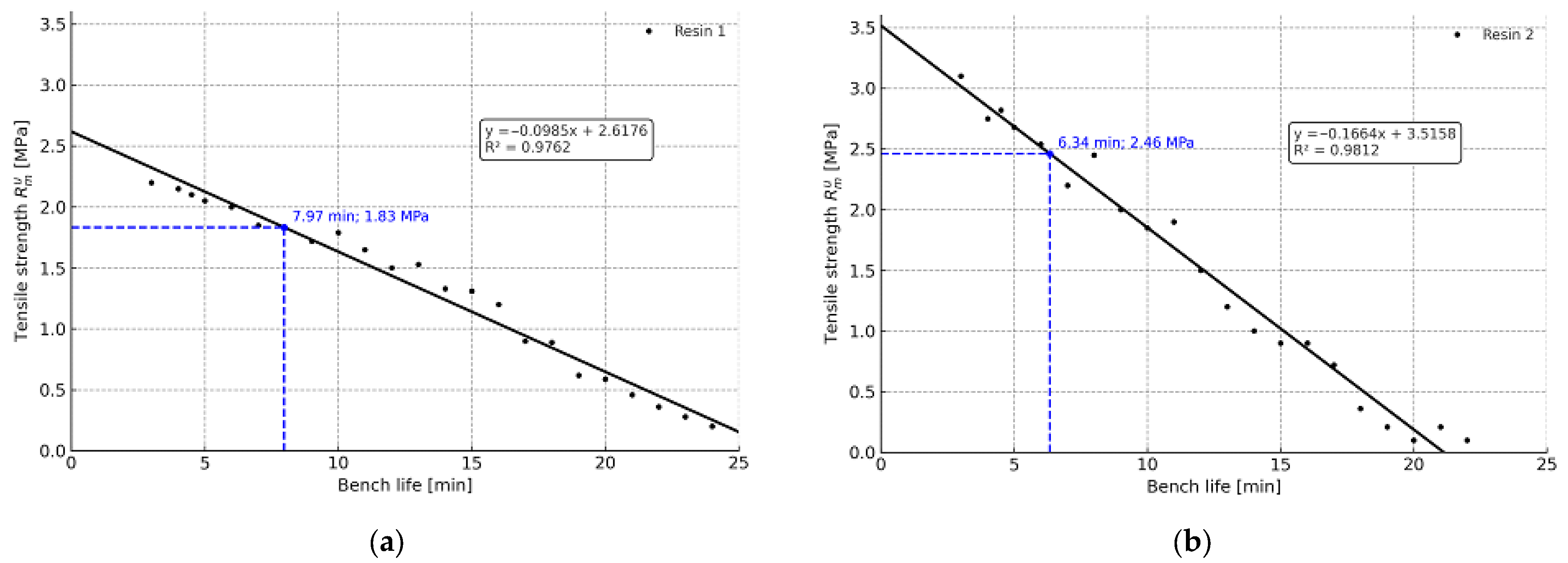
Figure 4 presents the change in tensile strength of specimens made from core sand mixtures as a function of standing time, for the mixture containing Resin 1 (less reactive) and the mixture containing Resin 2 (more reactive).
The initial tensile strength of the core sand mixture with Resin 1 was approximately 2.60 MPa, and the technological usability limit—defined as a decrease in strength to 1.83 MPa—was reached after about 8 min. In the case of Resin 2, the initial strength was higher (3.50 MPa), but the usability limit (2.46 MPa) was reached faster, after approximately 6.5 min. This indicates that the less reactive resin provides a longer technological window and greater stability over preparation time, which can be advantageous in single or small-batch processes requiring longer molding cycles. Conversely, the more reactive resin enables rapid achievement of high strength but limits the technological bench life of the mixture, necessitating more precise process control under high-volume production conditions.
3.2. Loss on Ignition (LOI)
The determination of loss on ignition (LOI) was performed to evaluate the content of organic substances in core sand mixtures prepared with different types of resins and after seasoning, which involved storage under controlled climatic conditions (variable temperature and relative humidity). The obtained results are summarized in
Table 2.
Immediately after core preparation (approximately 1 h of curing), the loss on ignition for the mixture with the less reactive resin was 2.09%, whereas for the mixture with the more reactive resin it was 1.44%. During storage in climatic chambers, a systematic decrease in these values was observed, the course of which depended on temperature and relative humidity, and particularly on the absolute humidity (the actual amount of water vapor in the air). The greatest decrease relative to the initial values was observed under low-temperature and dry conditions (0 °C, 10% RH—condition B), where the LOI values were 1.11% and 1.08%, respectively. The minimal absolute humidity (0.49 g/m
3) combined with low temperature limited water sorption and moisture exchange with the environment, resulting in a lower mass loss during ignition. At the same time, two opposing effects likely occurred: slower polycondensation reactions leading to incomplete crosslinking of organic components, and limited moisture exchange resulting in reduced water adsorption. The relative contribution of these mechanisms remains uncertain, as both processes can influence the observed decrease in LOI. Further controlled experiments with isolated variables would be required to quantify their respective influence. This observation is consistent with literature reports concerning the kinetics of resole resins [
36,
37].
Under conditions of elevated temperature and high relative humidity (25 °C, 90% RH—condition A), the loss on ignition values were 1.64% for the mixture with the less reactive resin and 1.73% for the mixture with the more reactive resin. The highest absolute humidity (approximately 20.7 g/m3) promoted intensive water sorption by the samples, which, during LOI testing, resulted in greater mass loss due to water evaporation, rather than an actual reduction in the amount of organic components in the core sand mixture.
Under low-temperature and dry conditions (0 °C, 10% RH—condition B), corresponding to the minimum absolute humidity (0.49 g/m
3), the LOI values were the lowest—1.11% for the mixture with the less reactive resin and 1.08% for the mixture with the more reactive resin. This result indicates limited moisture exchange with the environment at reduced temperatures [
36].
Under intermediate conditions (15 °C, 50% RH—condition C), with a moderate absolute humidity of approximately 6.4 g/m3, the LOI values reached 1.37% for the mixture with the less reactive resin and 1.42% for that with the more reactive resin, confirming the intermediate nature of the changes relative to the other conditions.
The absence of a clear correlation between the LOI values and the declared reactivity of the tested binders suggests that the observed variations are of a complex nature, resulting from the superposition of curing, aging, and moisture exchange processes with the environment. The obtained results indicate that molding sands based on resole-type binders—which are water-soluble and prone to moisture sorption—are highly sensitive to climatic factors, confirming the significant influence of storage conditions on their durability and mechanical properties.
3.3. Tensile Strength as a Function of Curing Time ()
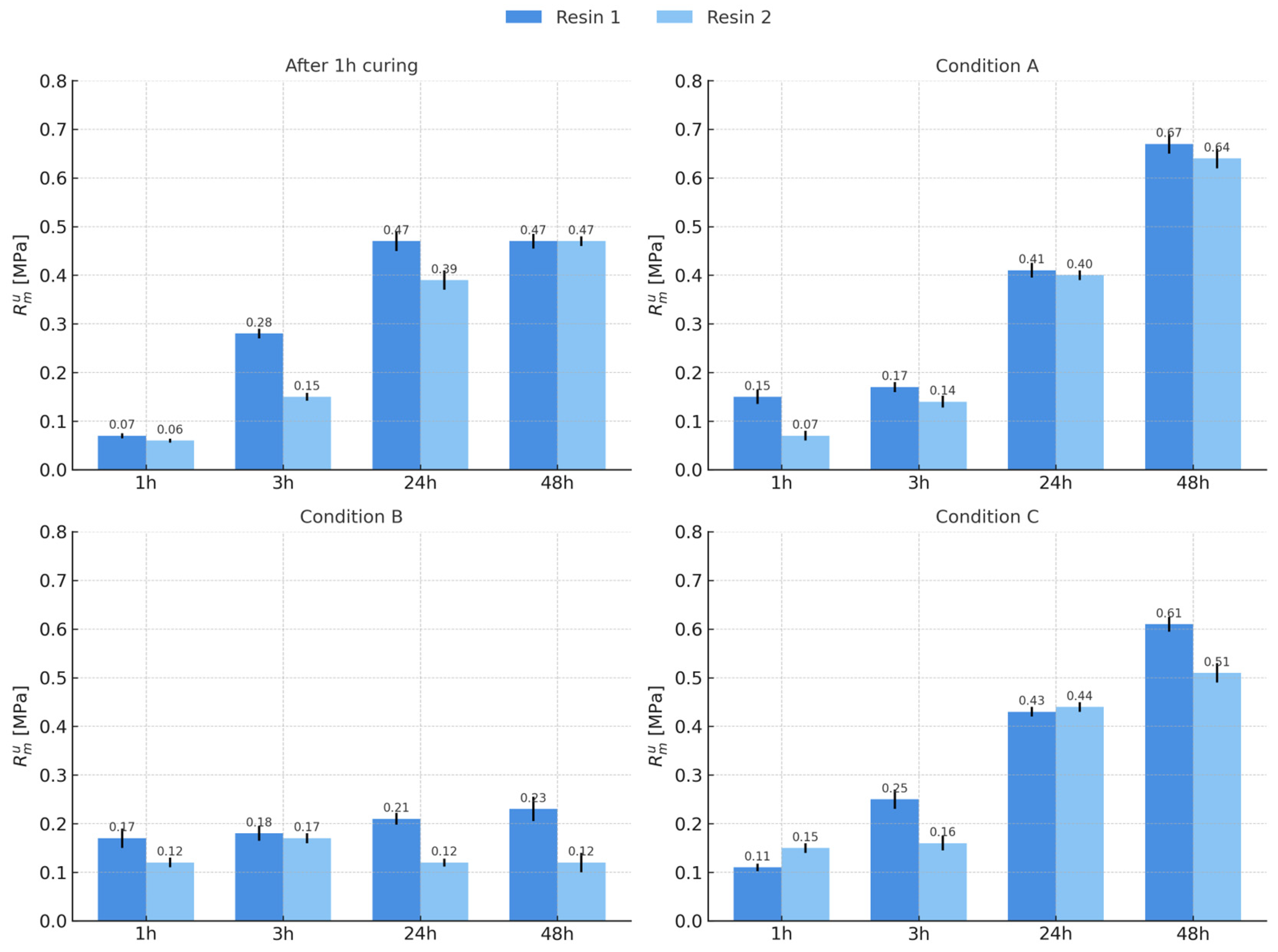
Figure 5 presents the variation in tensile strength of specimens made from core sand mixtures containing Resin 1 and Resin 2 as a function of curing time (1 h, 3 h, 24 h, and 48 h) under different storage conditions.
After 1 h of curing, both mixtures exhibited very low strength (0.07 MPa for the mixture with Resin 1 and 0.06 MPa for that with Resin 2). The differences became more pronounced after 3 h—the system with the less reactive resin reached 0.28 MPa, whereas the more reactive one reached only 0.15 MPa. The inverse relationship, compared to the expected trend, may result from the shorter bench life of the highly reactive resin; the crosslinking process was likely initiated already during specimen preparation, which limited effective bonding during subsequent curing. This phenomenon is of practical importance, as under industrial conditions it may lead to reduced strength of molds and cores produced with a high-reactivity binder.
Under condition A (25 °C, 90% RH; absolute humidity ≈ 20.7 g/m
3), the cores made with the less reactive resin achieved higher tensile strength after 48 h (0.67 MPa) compared to the high-reactivity system (0.64 MPa). In the initial stages, the curing process of Resin 2 proceeded more slowly—after 3 h, the strength reached only 0.14 MPa. The slower but more uniform crosslinking progress in the system with the less reactive resin allowed for the development of higher and more stable strength. The combination of elevated temperature and high water vapor content promoted the intensification of polycondensation reactions; however, excessive moisture sorption could lead to plasticization of the resin and a reduction in the mechanical properties of the cores, which partially explains the lower strength values obtained for the more reactive system. This mechanism is consistent with literature reports indicating that absorbed moisture disturbs the phenolic network structure, increasing free volume and segmental mobility, which consequently leads to a decrease in mechanical parameters [
14].
Under condition B (0 °C, 10% RH; absolute humidity ≈ 0.49 g/m
3), the curing process proceeded more favorably in the system with the less reactive resin. After 24 h, the tensile strength of cores made with Resin 1 reached 0.21 MPa, while those prepared with Resin 2 achieved only 0.12 MPa. This trend persisted after 48 h (0.23 MPa vs. 0.12 MPa). The limited activation energy at low temperature inhibited the progression of the polycondensation process in both systems, as also reported in the literature [
14]. However, in the more reactive system, premature gelation during mixing could have reduced binder continuity, whereas the less reactive resin retained a higher curing potential, enabling more uniform crosslinking over time.
Under condition C (15 °C, 50% RH; absolute humidity 6.4 g/m3), both binder systems showed a systematic increase in tensile strength over time; however, higher values were recorded for Resin 2. After 48 h, its tensile strength reached 0.512 MPa, whereas Resin 1 achieved 0.346 MPa. The moderate temperature and intermediate humidity favored a balanced progression of the curing process in the high-reactivity system, providing sufficient thermal energy and an optimal moisture level for the development of a well-crosslinked sand–binder structure. In the case of the less reactive resin, such conditions—although more favorable than those at low temperature and minimal humidity—proved insufficient to achieve comparable mechanical durability of the cores.
3.4. Splitting Tensile Strength ()
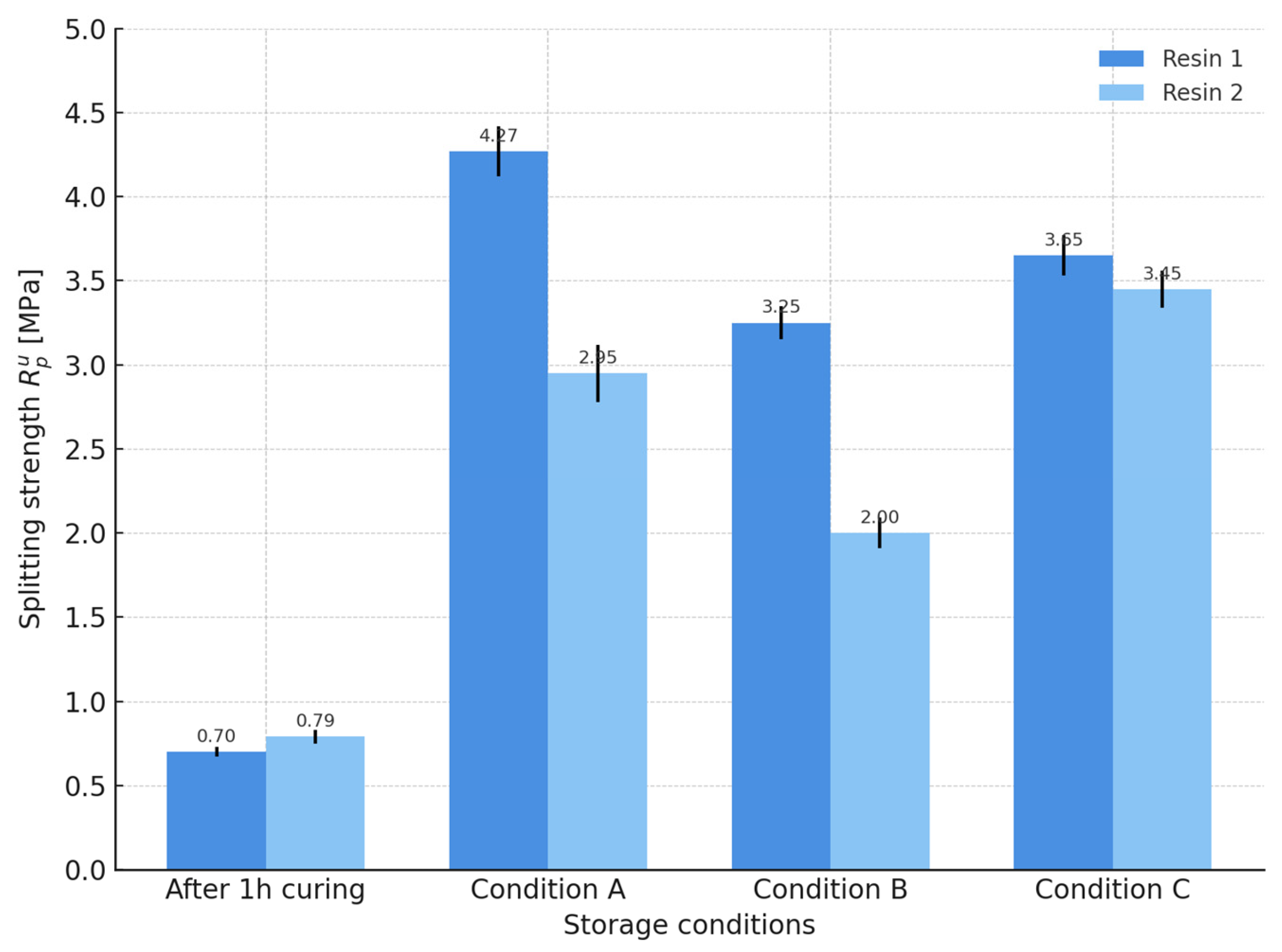
Figure 6 presents the results of the splitting tensile strength tests for specimens made using the selected resins and stored under different environmental conditions.
After approximately 1 h from preparation, the specimens made from the mixture with Resin 2 reached a splitting tensile strength of 0.788 MPa, which is consistent with its higher reactivity. The increased reactivity of the binder promotes a faster initiation of polycondensation reactions, allowing the curing process to proceed more intensively in the early phase and to form a compact core structure earlier, which results in higher early mechanical strength.
Under condition A, specimens made from the mixture with Resin 1 reached a strength of 4.271 MPa, whereas those with Resin 2 achieved only 2.954 MPa. Similar trends were observed under conditions B (3.251 vs. 1.999 MPa) and C (3.645 vs. 3.450 MPa), where specimens made from the less reactive resin consistently exhibited higher strength values after storage than those produced with the more reactive binder. This trend agrees with earlier reports for alkaline phenolic systems, where environmental humidity disturbs binder bridges and reduces cohesion during storage, lowering the long-term tensile performance [
13,
14]. Similar humidity-driven strength reductions in phenolic networks were also noted by Strzemiecka et al. and Huang et al., underscoring the sensitivity of crosslinking degree to moisture uptake [
30,
31]. Resin 1 is characterized by a broader viscosity range (120–260 mPa·s) and a lower pH (11–13) compared with Resin 2. The combination of lower pH and wider viscosity variation suggests a less reactive system with a slower curing initiation. Resin 2, with higher solid content (48–52%) and stronger alkalinity (10–12% KOH), shows higher reactivity and faster polymerization kinetics, which favor the rapid formation of methylol groups (–CH
2OH) and subsequent condensation reactions [
12]. However, such higher reactivity and alkalinity can also make the binder more sensitive to ambient humidity—under high relative humidity, partial water absorption may disturb crosslinking and reduce the mechanical integrity of the cores during storage.
In the case of samples made with Resin 2, higher humidity may therefore disturb the curing course or lead to mechanical degradation of the cores. The curing process of the resin may continue during specimen storage if favorable temperature and humidity conditions are maintained, allowing the cores to gradually increase their mechanical strength. For the tested systems, this means that mixtures containing the less reactive resin, despite the slower onset of crosslinking, ultimately achieve higher long-term strength than those made with the more reactive resin.
3.5. Friability ()
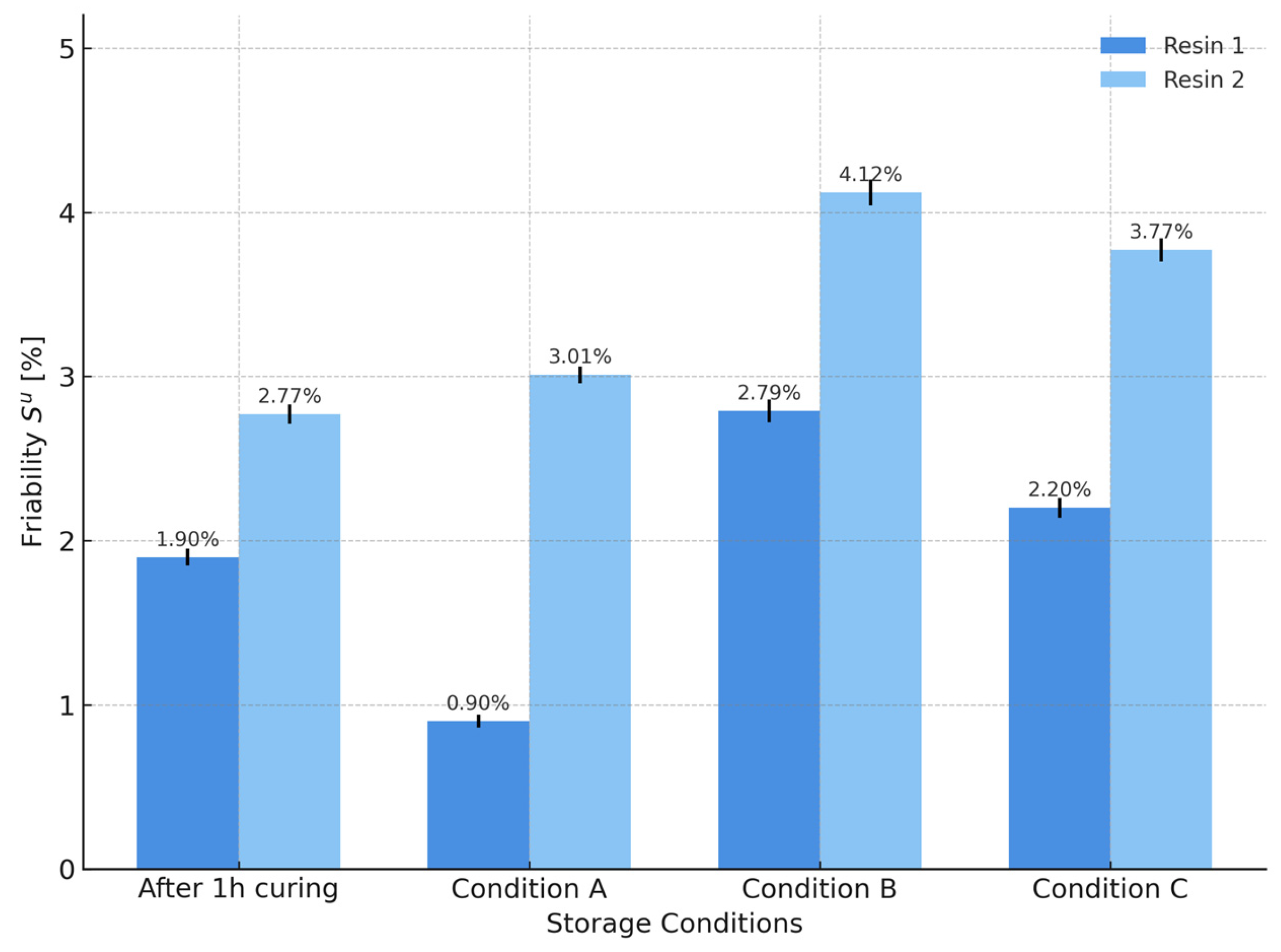
A comparative analysis of the friability test results (S
u) presented in
Figure 7 clearly shows that the core sand mixture containing the low-reactivity resin exhibited more favorable properties—in all cases, the friability values were lower than those obtained for the corresponding specimens made from the high-reactivity resin.
The lowest friability values were obtained for specimens made from the core sand mixture containing the less reactive resin, indicating greater abrasion resistance compared with the high-reactivity system. Immediately after preparation, these values were 1.90% (Resin 1) and 2.77% (Resin 2), respectively.
Under condition A (25 °C, 90% RH; absolute humidity ≈ 20.7 g/m
3), a decrease in friability was recorded for the system with Resin 1 (0.90%), while an increase in this parameter was observed for the mixture with Resin 2 (3.01%). The obtained results can be attributed both to the continuation of crosslinking reactions in the system with the less reactive resin and to the plasticization of the binder caused by absorbed moisture, which weakens the binder bridges and leads to a reduction in mechanical strength. This effect is associated with the water-induced plasticization of cross-linked phenolic networks, where water molecules disrupt intermolecular hydrogen bonding and increase the free volume of the polymer matrix [
14,
16]. Similar behavior was observed by Zhao et al. [
14] and Bérot et al. [
16], who reported that moisture exposure causes reversible softening and a decrease in the glass transition temperature of phenolic systems. Consequently, this effect is reflected in the friability values, which were higher for the more reactive system.
Under condition B (0 °C, 10% RH; absolute humidity 0.49 g/m3), the friability values increased, particularly for the mixture with Resin 2 (4.12%). The very low water vapor content in the air, combined with the reduced temperature, likely limited the continuation of crosslinking reactions, resulting in lower mechanical integrity of the cores and increased susceptibility to abrasion.
Under condition C (15 °C, 50% RH; absolute humidity 6.4 g/m3), intermediate values were obtained—2.20% for the mixture with Resin 1 and 3.77% for the mixture with Resin 2. It can be assumed that the moderate amount of water vapor in the environment contributed to maintaining partial material stability, which translated into an intermediate level of abrasion resistance.
The observed differences in the behavior of the cores result not only from the storage conditions but also from the distinct chemical characteristics of the applied binders. Resin 2 contains a higher proportion of solid components (approximately 48–52%) and exhibits higher alkalinity (10–12% KOH, pH 12–14), which promotes a faster crosslinking reaction rate and classifies it as a high-reactivity binder. Additionally, the broader viscosity range of Resin 1 (120–260 mPa·s) may promote non-uniform binder distribution in the sand matrix, whereas Resin 2 exhibits a narrower viscosity range (130–170 mPa·s), favoring more uniform bridge formation. In contrast, Resin 1, with a lower solid content (24–26%) and moderate alkalinity (5–6% KOH, 3–4% NaOH, pH 11–13), cures more slowly and demonstrates lower reactivity, which results in lower initial strength but greater stability under elevated humidity conditions. The narrower viscosity range (130–170 mPa·s) promotes more uniform formation of binder bridges, translating into a more stable core structure, homogeneous mechanical properties, and lower friability of the specimens. This relationship is consistent with literature reports indicating that a higher concentration of active components and more alkaline conditions accelerate the crosslinking of resole resins, yet simultaneously increase their susceptibility to the weakening of mechanical properties [
10].
3.6. Permeability ()
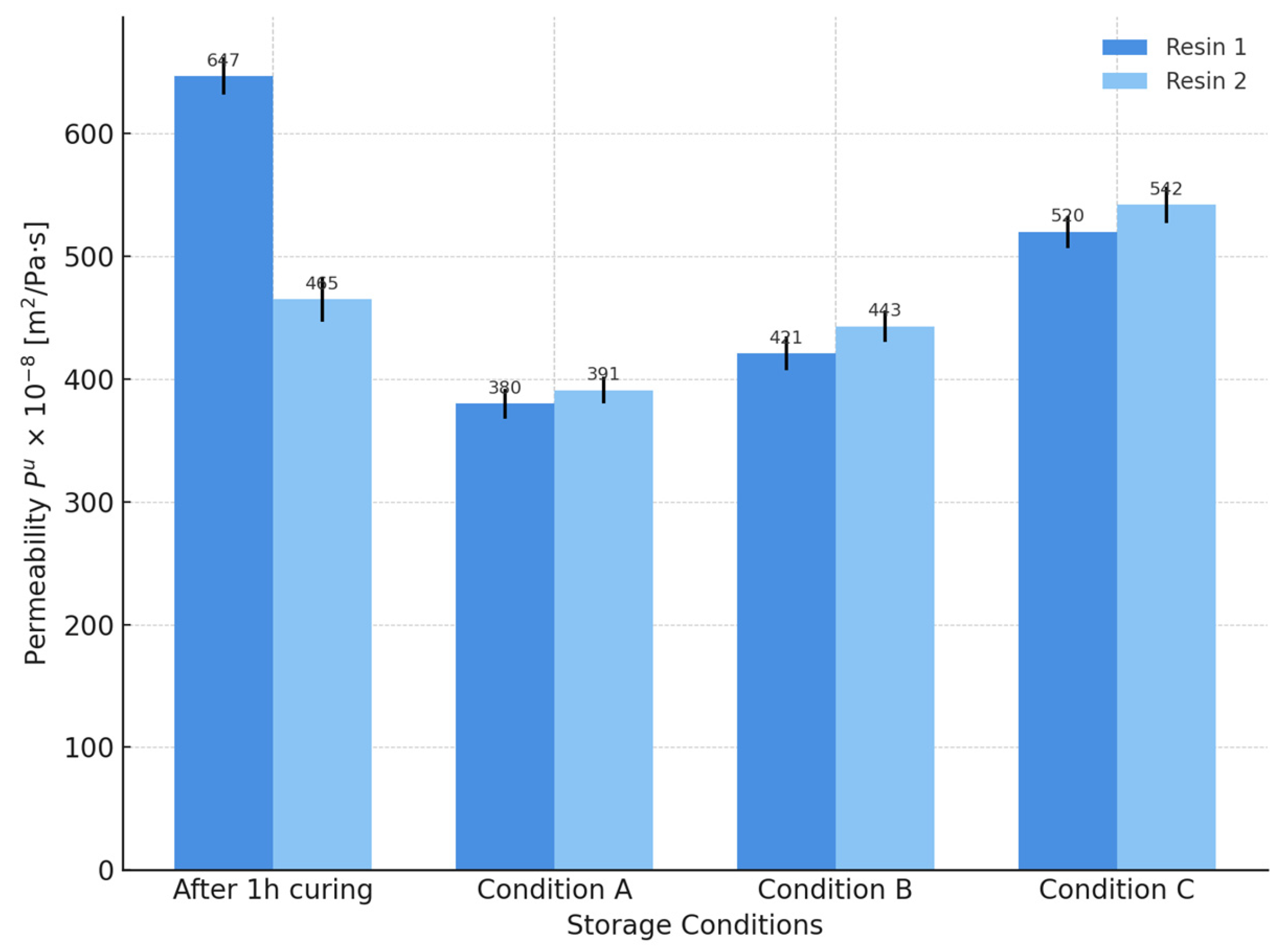
Figure 8 presents a summary of the permeability measurement results for the tested specimens.
The highest permeability values were recorded 1 h after curing for the mixture containing the less reactive resin (647 × 10
−8 m
2/Pa·s). For the mixture with the more reactive resin, this parameter was lower (465 × 10
−8 m
2/Pa·s), which likely results from differences in the crosslinking behavior of the resin, leading to partial reduction in pore connectivity. The permeability of core sands primarily depends on the size and arrangement of pores within the core structure. At the same time, literature reports indicate that moisture interaction with crosslinked phenolic resins is structural in nature: water clusters with a high dielectric constant can locally disturb the polymer network, increasing the free volume and segmental mobility. This effect depends not only on the amount of absorbed water, but also on its localization within the polymer network [
14]. Such plasticization can influence the local mechanical properties of the binder and its distribution in intergranular spaces, which may partially restrict pore openness and consequently reduce permeability. Comparable humidity-dependent permeability changes were reported by Kammerloher et al., who showed that moisture sorption diminishes effective pore connectivity and delays gas evacuation in core matrices, confirming the need for storage-atmosphere control [
27].
This mechanism is consistent with the obtained results: under high absolute humidity (condition A), the permeability decreased; under dry and cool conditions (condition B), it remained close to the initial values; and under moderate conditions (condition C), it reached intermediate levels. Despite the differences in curing chemistry (HMTA curing system in [
37] vs. ester hardener used in this study), the plasticization phenomena and the role of water molecule localization described in the literature remain applicable to phenol–formaldehyde resin systems.
3.7. Thermal Deformation (Hot Distortion)
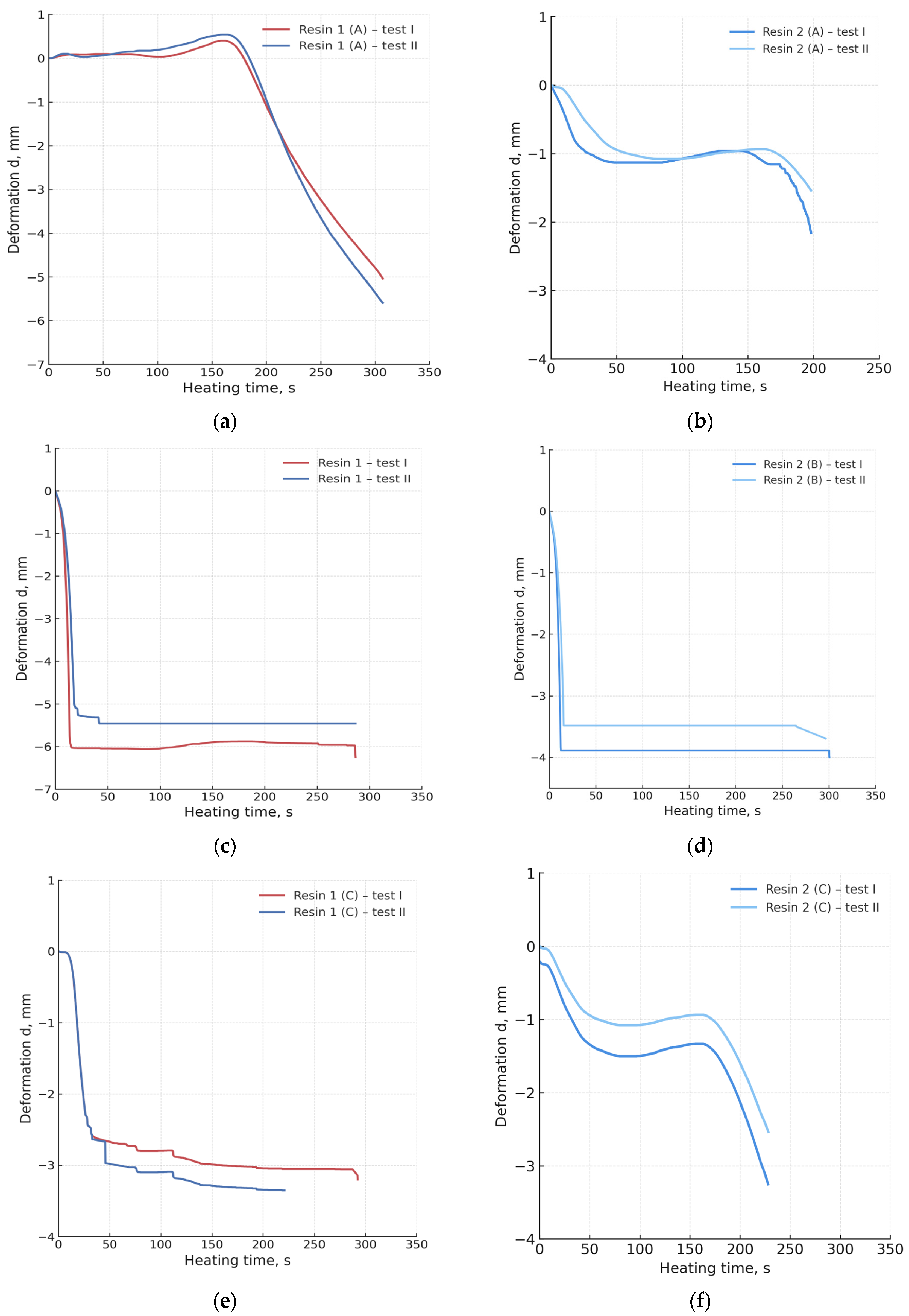
Figure 9 shows the thermal deformation curves of sand core specimens prepared with Resin 1 and Resin 2, stored for 24 h under three different climatic conditions designated as A, B, and C.
The mixture containing Resin 1 (less reactive) exhibited a slower and more gradual deformation behavior. Under condition A (25 °C, 90% RH; AH - absolute humidity (≈ 20.7 g/m
3), the deformation increased only after a longer heating time, reaching values of approximately −5 to −6 mm, confirming the higher thermal resistance of the less reactive binder despite the very high absolute humidity of the air. Under condition B (0 °C, 10% RH; AH ≈ 0.49 g/m
3), a rapid loss of stability was observed—the deformation reached −6 mm already in the early stage of heating, indicating reduced thermal resistance under dry and cold conditions. Under condition C (15 °C, 50% RH; AH ≈ 6.4 g/m
3), the deformation stabilized at approximately −3 mm, suggesting partial improvement of thermal stability at moderate absolute humidity compared with A and B. The correlation between absolute humidity and the onset/intensity of thermal distortion is consistent with literature data, where higher water uptake in phenolic binders lowers thermal stability and advances the distortion onset during heating [
6,
33].
The mixture containing Resin 2 (more reactive) exhibited a significantly faster loss of dimensional stability. Under condition A (AH ≈ 20.7 g/m
3), deformation increased rapidly, reaching approximately −2 mm after a short heating time, which suggests a more intensive degradation process of the specimen structure in the presence of high water vapor content. Under condition B (AH ≈ 0.49 g/m
3), destabilization occurred almost immediately—deformation appeared in the first seconds of heating and stabilized at around −4 mm, confirming the high susceptibility of the high-reactivity system to rapid thermal distortion in a cold and extremely dry environment. Conversely, under condition C (AH ≈ 6.4 g/m
3), deformation developed gradually and stabilized within −2 to −3 mm, indicating that moderate absolute humidity partially limited rapid distortion. The summarized quantitative results of both measurements are presented in
Table 3.
In summary, the core sand mixture with the more reactive binder (Resin 2) exhibited greater susceptibility to rapid thermal deformation under both extremely low and very high absolute humidity conditions (B and A, respectively, i.e., approximately 0.49 g/m3 and 20.7 g/m3). In contrast, the mixture with the less reactive resin (Resin 1) maintained higher dimensional stability under moderate absolute humidity (C, approximately 6.4 g/m3). These findings confirm that thermomechanical resistance depends not only on binder reactivity but also on the actual water vapor content (absolute humidity) determined by the combination of temperature and relative humidity. Specimens stored under condition A were exposed to over thirty times higher water vapor concentration than those under condition B, which significantly affected their susceptibility to deformation. This has direct implications for minimizing casting defects in industrial practice.
3.8. Proposed Mechanism of Property Changes Under Different Storage Conditions
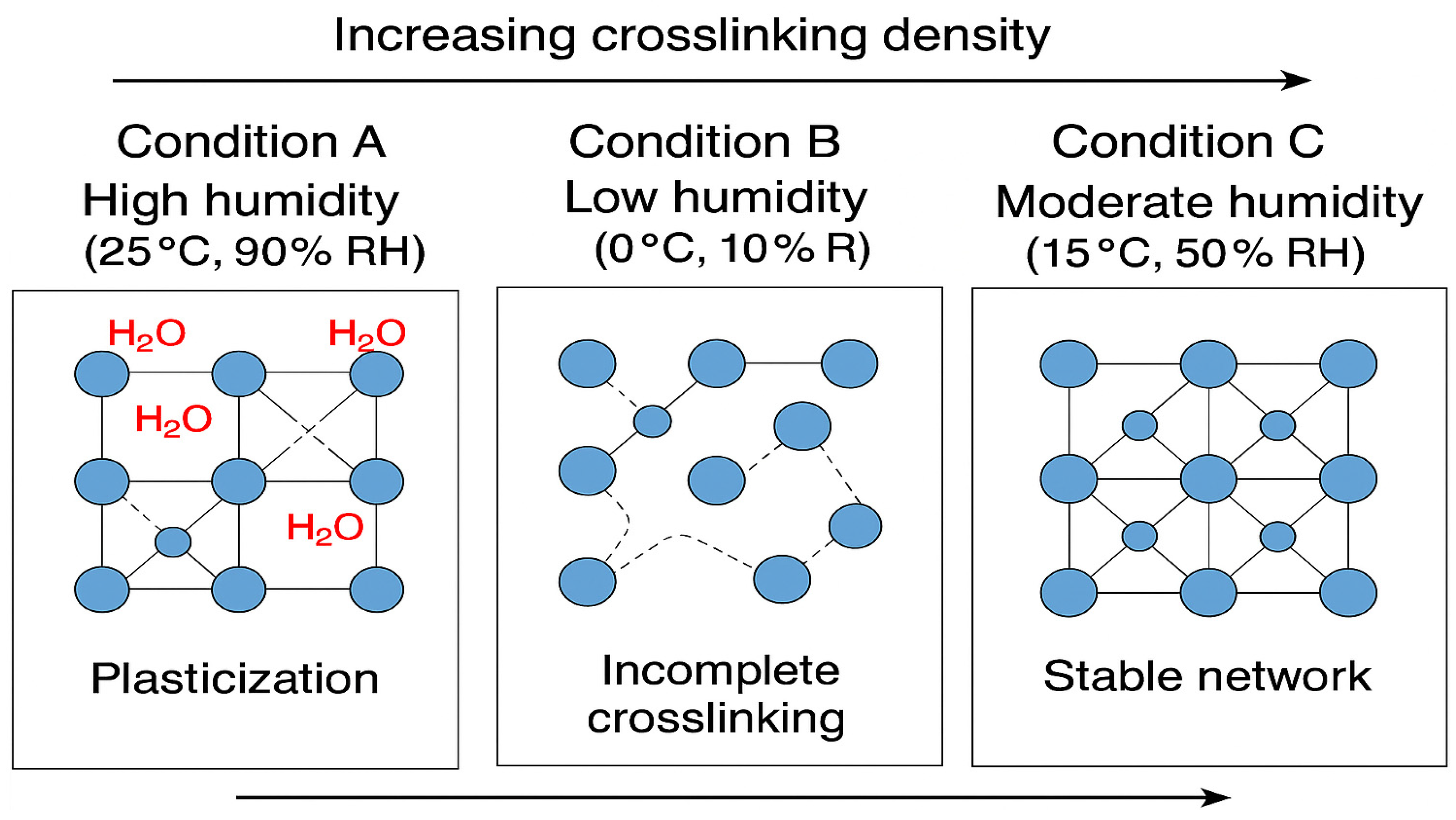
The observed variations in mechanical and thermomechanical properties of the phenolic resin-bonded cores can be explained by differences in the curing and post-curing behavior of the binder under varying environmental conditions. In resole-type phenolic resins, crosslinking occurs through condensation of methylol groups forming methylene bridges between phenolic rings. The rate and extent of these reactions are strongly influenced by the temperature and moisture content of the environment, which determine the mobility of polymer chains and the accessibility of reactive sites.
Under Condition A (25 °C, 90% RH), high absolute humidity promotes the absorption of water molecules into the partially cured polymer network. The presence of moisture leads to plasticization—increased segmental mobility and weakening of intergranular binder bridges—resulting in reduced strength and enhanced deformability. A similar mechanism of moisture-induced network relaxation and reduced crosslink density in phenolic matrices was described by Lu et al. [
18] and Moone et al. [
13], confirming that water absorption promotes partial network reorganization and the disruption of methylene bridges.
Under Condition B (0 °C, 10% RH), the low temperature and lack of moisture limit the continuation of polycondensation reactions, leading to an incompletely cured network with insufficient crosslink density and poor cohesion of the binder bridges.
Under Condition C (15 °C, 50% RH), moderate humidity provides a balance between further crosslinking and structural stability. The network is more uniform and densely crosslinked, which leads to optimal mechanical performance and dimensional stability. Therefore, Condition C can be considered the most advantageous environment for the storage and curing of core sands, as it ensures uniform crosslinking and stable mechanical properties. Integrating the mechanical and thermomechanical parameters into a comparative graphical evaluation revealed that this condition provides the most favorable balance between curing efficiency, strength development, and dimensional stability, representing an optimized processing route for phenolic resin-bonded cores.
The proposed mechanism of these changes is schematically illustrated in
Figure 10, showing the influence of humidity and temperature on the structure of the binder network and its mechanical consequences.