1. Introduction
Wet multi-disc friction clutches, with their advantages of excellent high-power transmission capacity and other excellent properties, are extensively utilized across various sectors, including aviation, aerospace, and transportation. Compared with automotive friction clutches, the service conditions of the aviation friction clutch are more severe, with speeds exceeding 6000 rpm, power exceeding 1000 kW, power density exceeding 4 kW/kg, and torque transmission exceeding 1000 N·m [
1]. As illustrated in
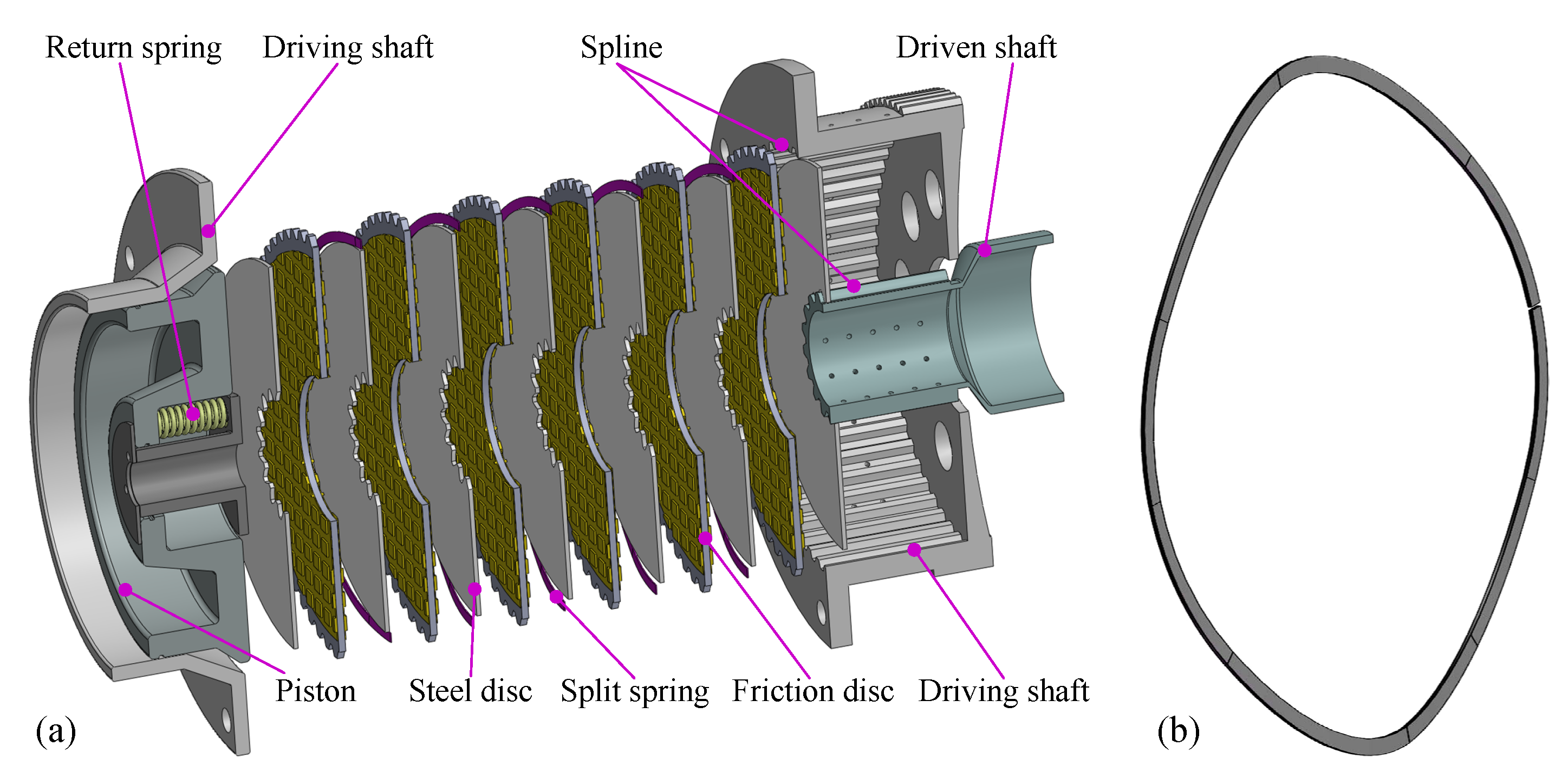
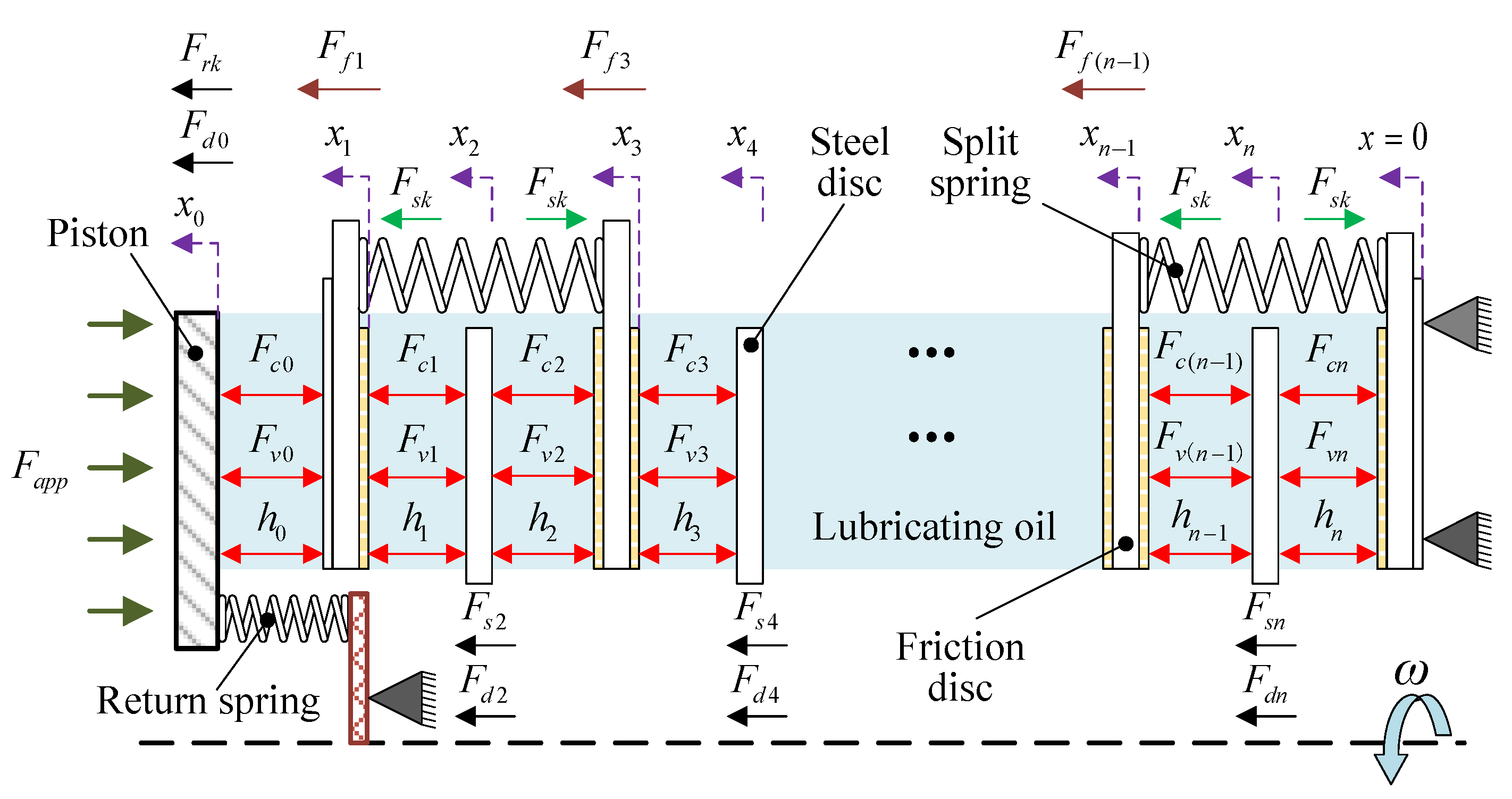
Figure 1, there is usually a driving shaft, a driven shaft, a piston, multiple friction discs, several split springs, and other necessary parts in an aviation wet multi-disc clutch. The operation states of wet multi-disc clutches are controlled by employing an electro-hydraulic proportional valve to regulate the flow of pressurized oil entering the piston cylinder. There is a lot of frictional heat between the friction pair resulting from the excessive rotational speed during differential engagement, causing a sharp temperature rise at the friction interface and a significant deterioration in clutch performance.
Recently, many scholars have performed extensive studies concerning the temperature distribution characteristics of wet clutches, primarily concentrating on automotive friction clutches. Li et al. [
3] proposed a thermal model considering heat flux, convection, and conduction heat transfer for friction components made of carbon fabric in wet clutches, and a parametric analysis of the temperature of friction components was performed using FEM in the engagement phase. Moreover, to explore the temperature dynamics of wet clutches in the clutch engagement phase, the three-dimensional FEM was employed to analyze the transient thermal behaviors for wet clutches with different open grooved friction discs in references [
4,
5,
6,
7,
8,
9,
10,
11]. Kong et al. [
12] formulated a CFD model to dissect the fluid dynamic behaviors between friction pair gaps in wet clutches and concurrently studied the temperature distribution across contact surfaces during both the engagement and disengagement phases. Subsequently, Xiong et al. [
13] employed coupled FEM to establish a thermal analysis model for a multi-disc clutch, and accordingly investigated the heat flux distribution coefficients and thermal behaviors in friction pair gaps during the sliding process in the long term, which was substantiated by a test bench for the multi-disc clutch. Li et al. [
14] presented a thermoelastic FEM for the friction clutch in a heavy-duty vehicle to study the temperature distribution characteristics and the thermoelastic stress in the friction pair under different conditions. Yevtushenko et al. [
15,
16] proposed effective 2D and 3D friction clutch temperature field calculation models based on FEM to investigate the effects of carbon-containing additives in different friction material structures on the clutch temperature field and verified them using a bench experiment. Padmanabhan et al. [
17] employed the commercial software ANSYS Workbench 18 to analyze the temperature field distribution in the failure region of automobile clutches during operation. Nevertheless, research data on the temperature field of aviation clutches is scarce. Tan et al. [
18] explored the effect of oil groove structure on the temperature field of an aviation clutch with a maximum rotation speed of 2450 rpm using ANSYS Workbench 18. With the help of FLUENT 18.0, Wei et al. [
19] investigated the temperature distribution of an aviation clutch under the condition of a maximum relative rotation speed of 3000 rpm.
Taking the heat transfer characteristics on the contact surface of the friction pair into consideration, Wu et al. [
20] developed a 2D thermal model of wet clutches to explore the temperature dynamic characteristics in the unstable and stable sliding phases of clutch operation and validated the constructed model using corresponding bench experiments. Zheng et al. [
21] formulated a comprehensive numerical heat transfer model that considered friction pair gaps to examine temperature rise regularities of wet clutches in successive shift processes and subsequently corroborated the simulation results employing SAE#2 bench equipment. Liu et al. [
22] employed a resistance network to construct a real-time temperature prediction model and investigated thermal characteristics of friction components in automobile clutches. Xue et al. [
23] constructed a numerical model to calculate the equivalent thermal resistance in wet clutches and investigated the temperature distribution across different friction interfaces. To explore the temperature distribution law of separator plates in wet clutches, Li et al. [
24] utilized FEM to formulate a calculation model for capturing the thermal characteristics of separator plates and concurrently revealed the thermoelastic instability mechanism.
A survey of the literature reveals that the existing research has extensively employed commercial software to explore the temperature characteristics of wet friction clutches in automobiles. Nevertheless, there is a noticeable lack of studies on the transient thermal characteristics of high-power-density and high-torque aviation clutches in helicopters. Additionally, the existing research often disregards the time-varying characteristics of parameters such as the heat flow density, friction coefficient, and heat transfer coefficient, an oversight that, in turn, leads to inaccuracies in simulation results. Against this backdrop, the present study aims to explore the thermodynamic behavior of aviation wet clutches in the helicopter power-shifting phase. To this end, a comprehensive thermal-fluid-dynamic model, coupled with a dynamic model considering the spline friction and split spring and a thermal model considering the time-varying thermal parameters, is proposed. Synchronously, the effects of operating parameters on the transient thermal behavior of friction discs are analyzed. In
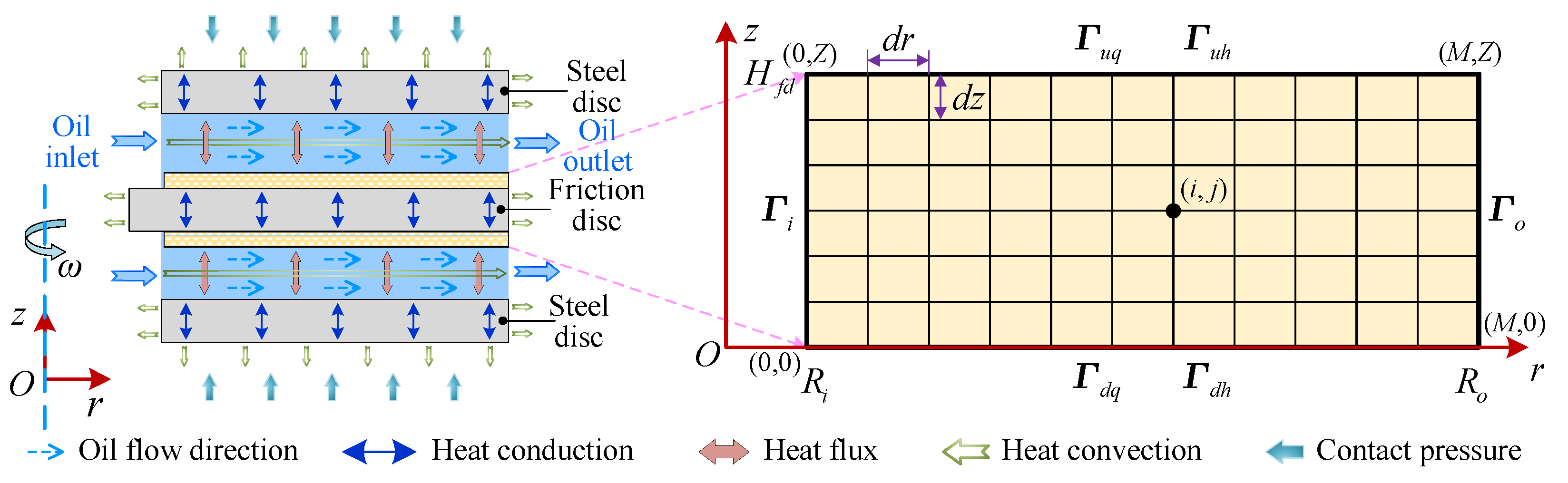
Section 2, a thermal-fluid-dynamic model is developed.
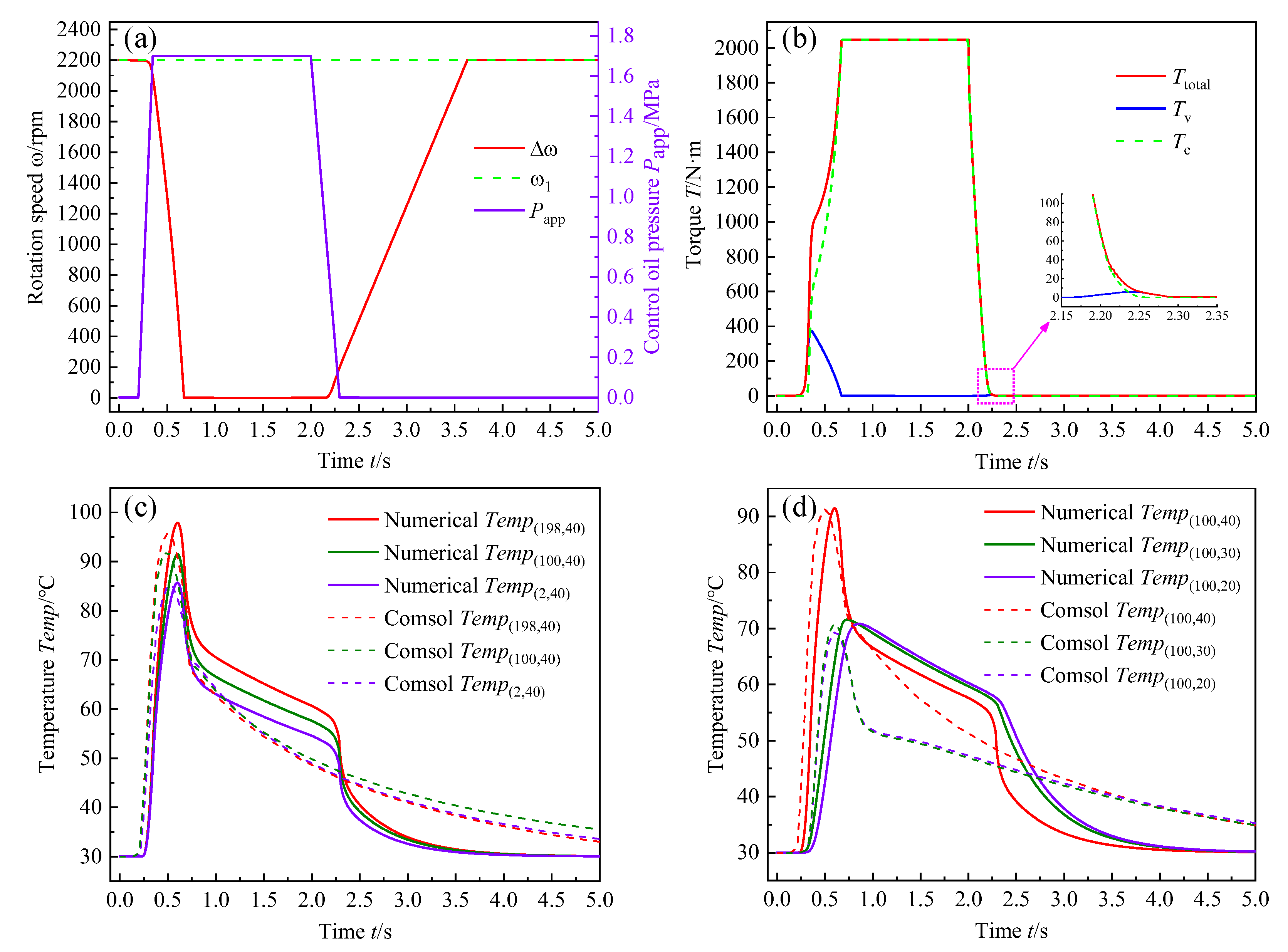
Section 3 analyzes the dynamic and thermal behaviors of friction components. In
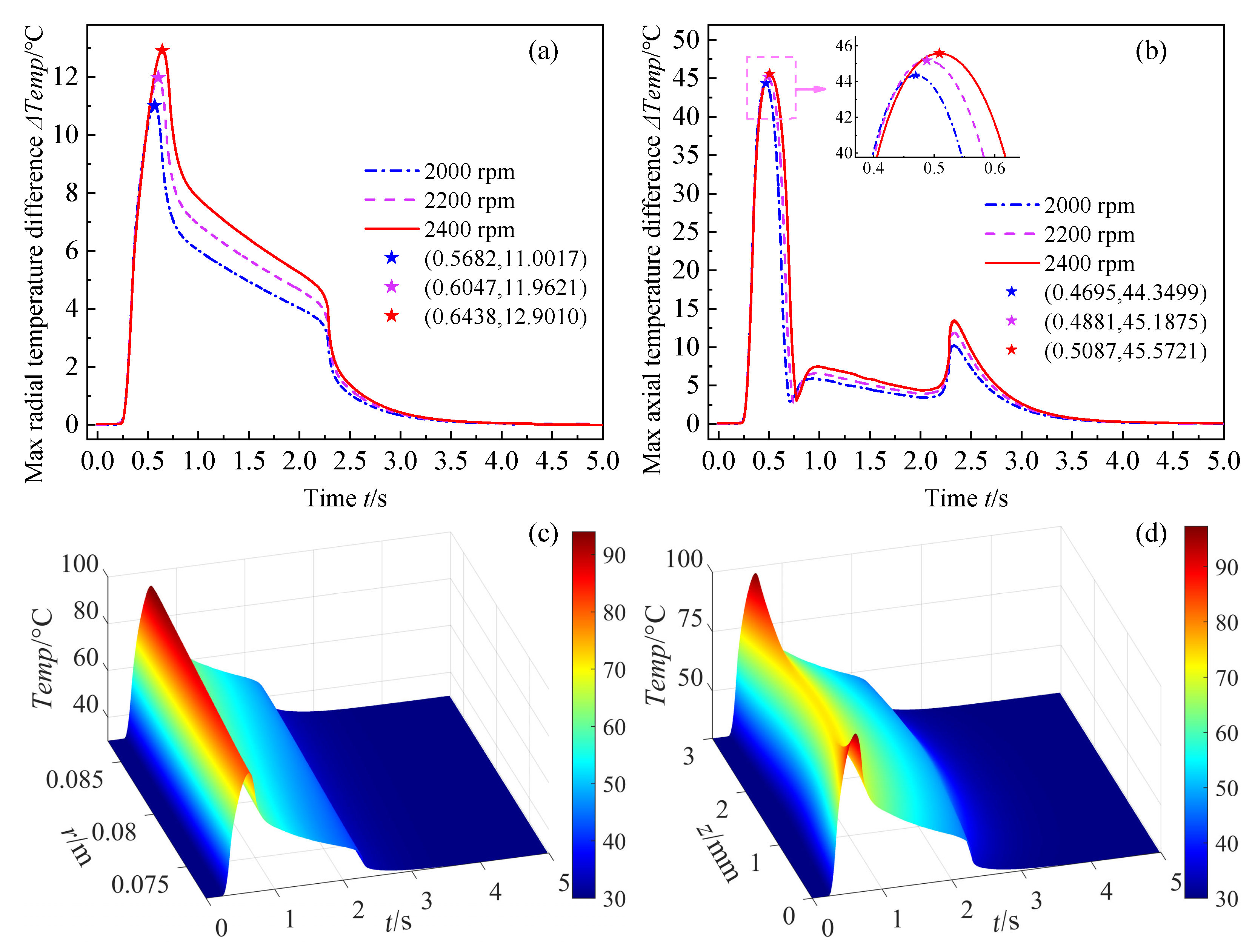
Section 4, a discussion on the effects of operating parameters on thermal behaviors is showcased. Finally, the results are synthesized, and corresponding conclusions are drawn in
Section 5.
5. Conclusions
A comprehensive numerical model, coupled with a dynamic model that considers the spline friction and split spring and a thermal model, was proposed in this paper. The effects of operating parameters on the transient thermal behavior of the aviation wet clutch were analyzed. The results are synthesized, and the corresponding conclusions are briefly summarized as follows:
- (1)
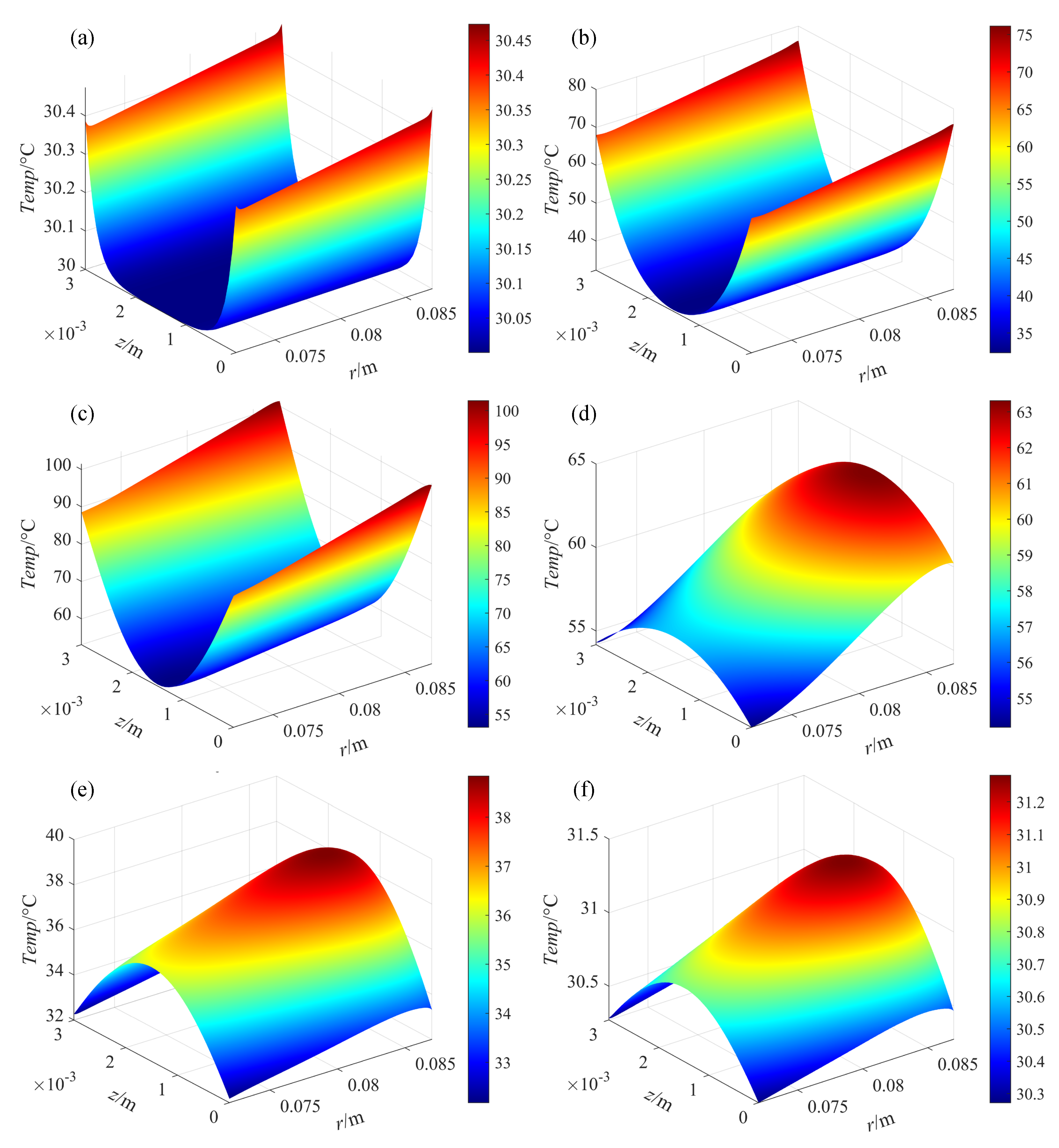
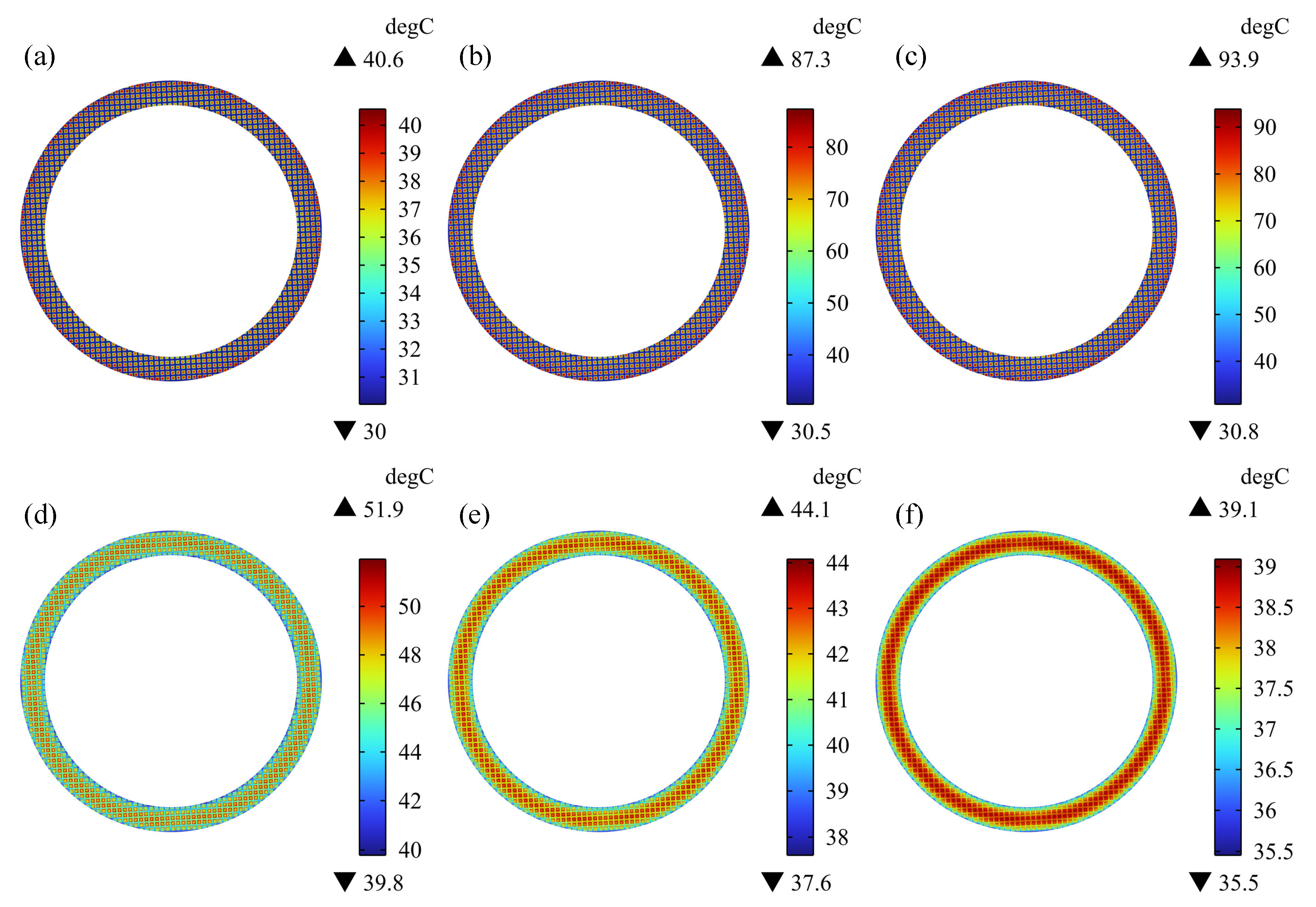
Throughout the entire cycle of the aviation wet clutch, from slip phase to synchronization engagement and disengagement, the temperature field of the friction element successively increases and then decreases, eventually reaching the temperature of the inlet lubricant oil. In addition, the axial temperature in the friction element increases parabolically, and the radial temperature in the friction element varies linearly.
- (2)
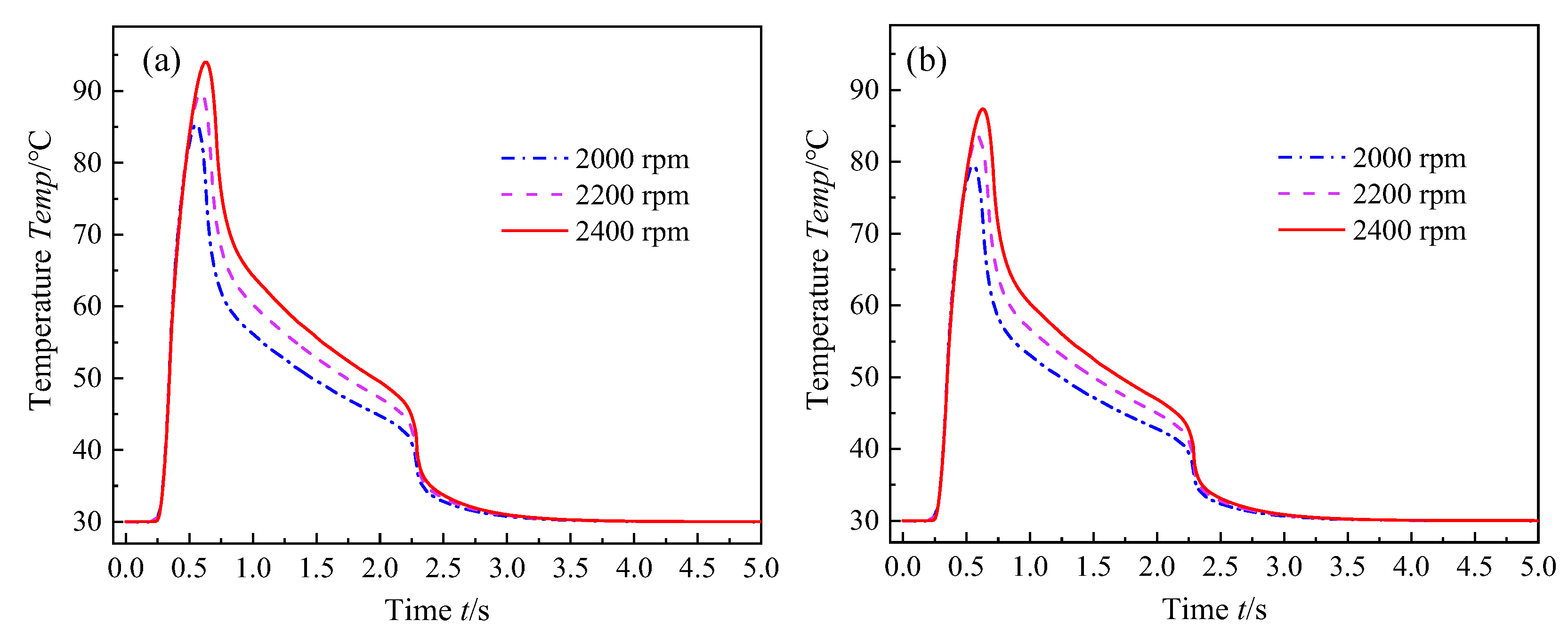
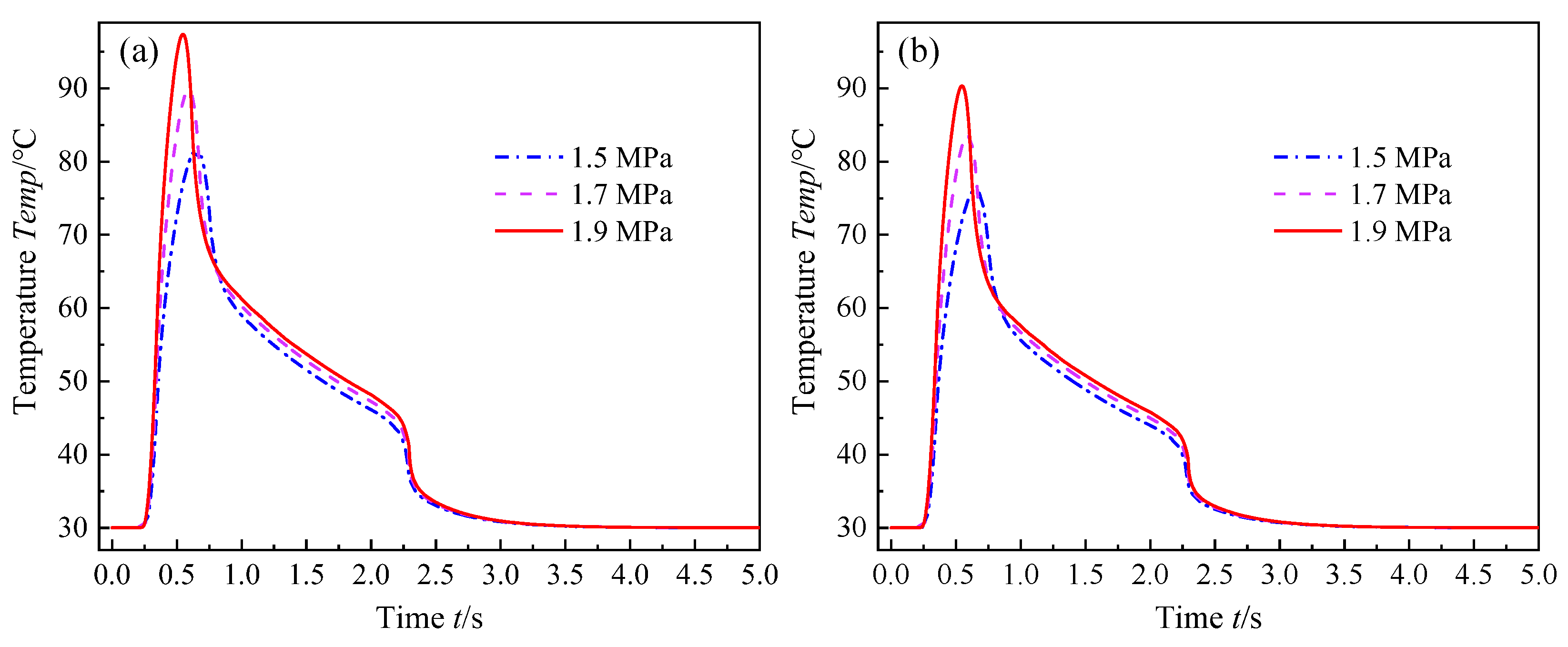
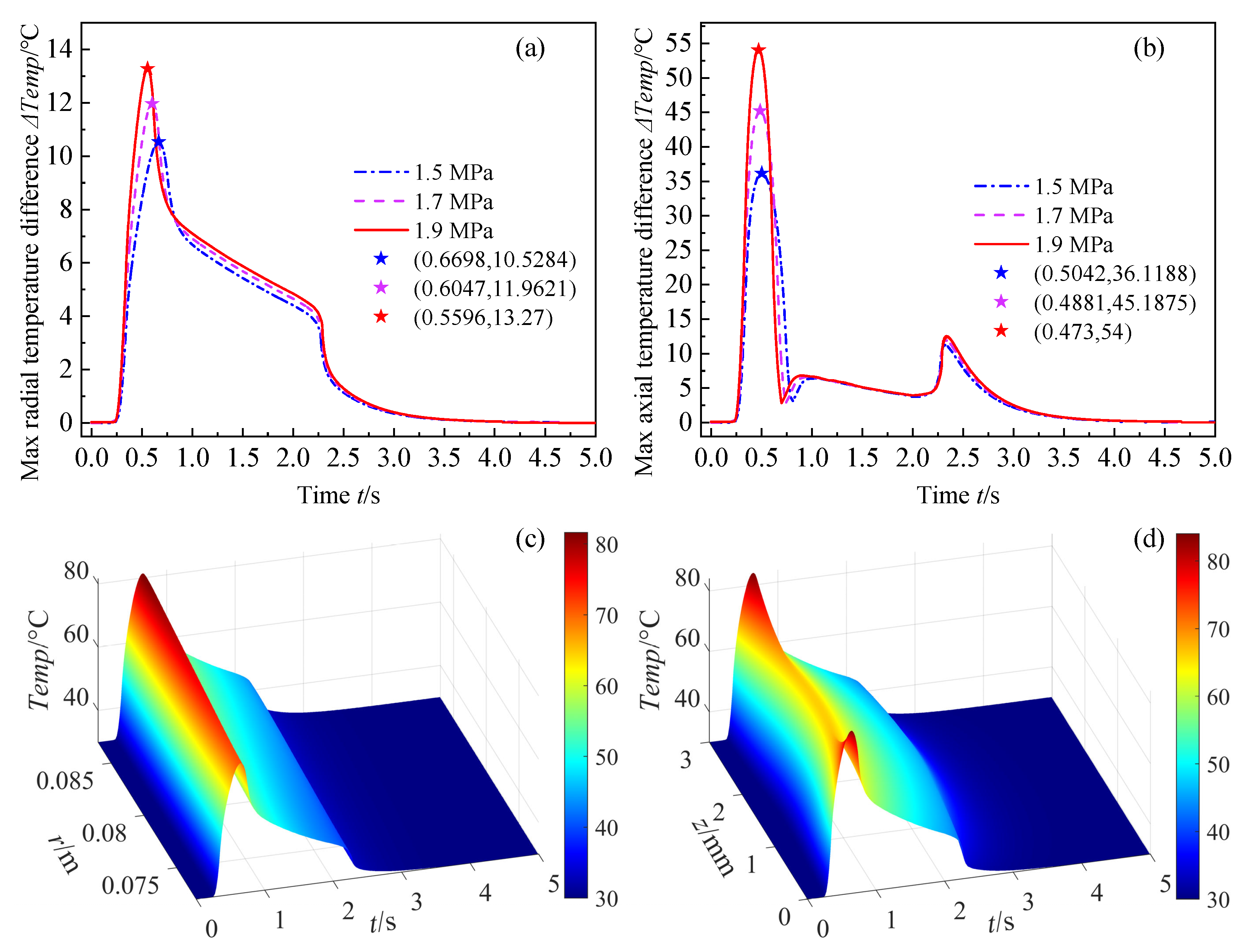
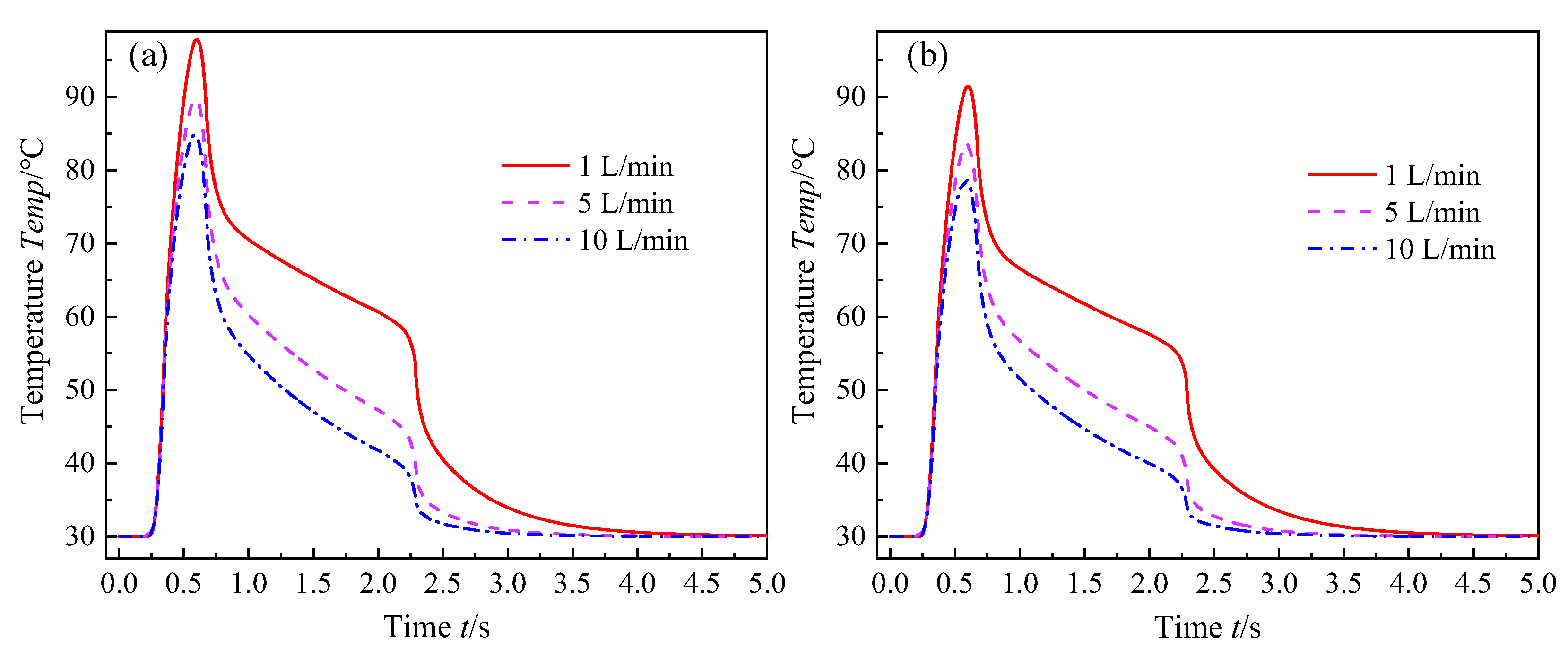
As the rotation speed rises from 2000 rpm to 2400 rpm, there is a corresponding 10.1% increase in maximum temperature of the friction disc, raising it from 85.36 °C to 94 °C (the error is approximately ±0.01 °C). The elevation in control oil pressure from 1.5 MPa to 1.9 MPa contributes to a 19.4% increase in the maximum temperature of the friction disc (from 81.6 °C to 97.4 °C, with an error of approximately ±0.1 °C). Moreover, the lubrication oil flow increased from 1 L/min to 10 L/min, and the contribution of that to the maximum temperature of the friction disc is diminished significantly, causing a reduction of 14.5% from 91.45 °C to 78.17 °C (the error is approximately ±0.01 °C).
- (3)
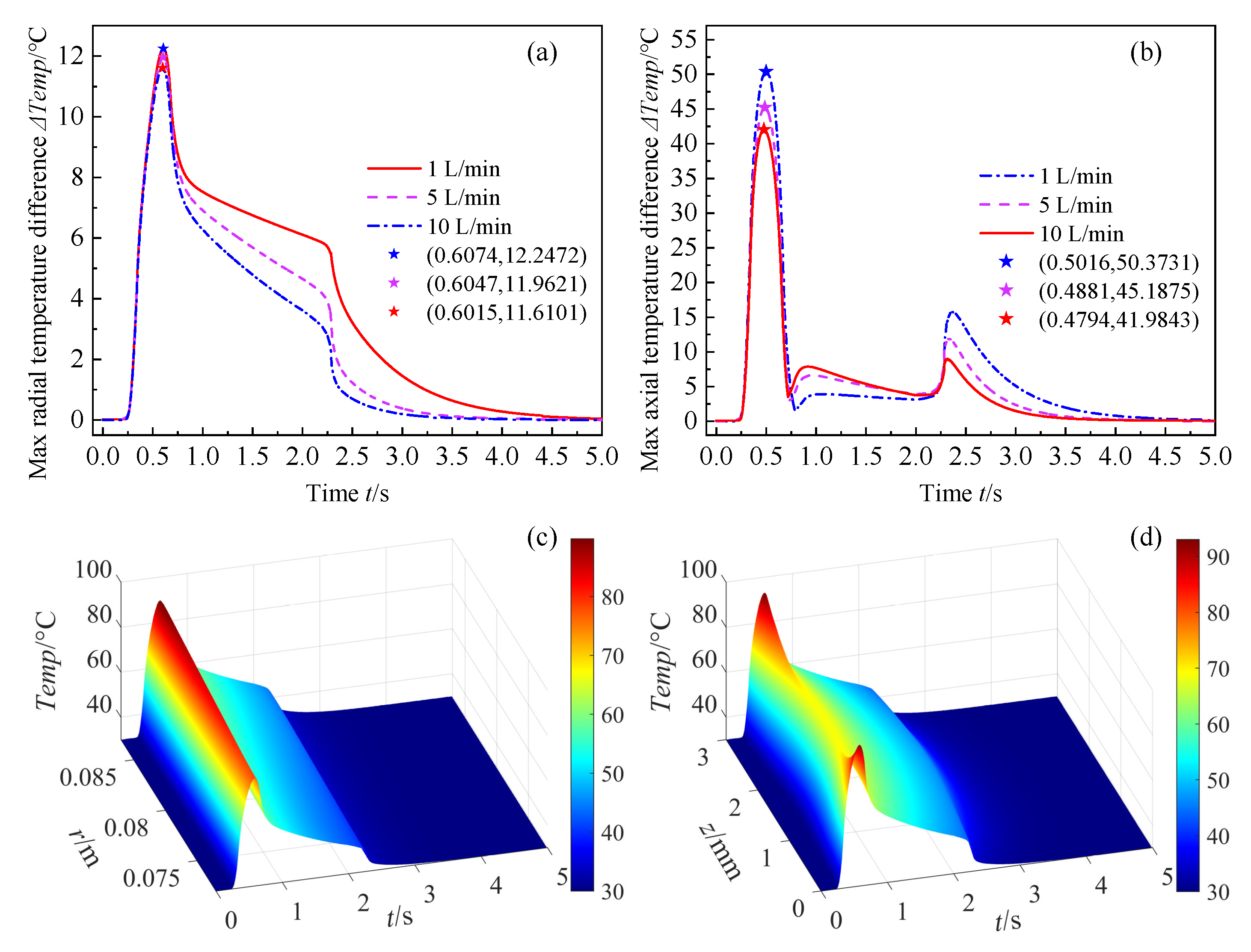
In improving temperature uniformity, the input rotation speed has an insignificant influence on temperature uniformity. Increasing the lubricant oil flow significantly helps to narrow the temperature gradient (maximum temperature difference decreased from 50.3731 °C to 41.9843 °C) and improves the temperature uniformity. In contrast, an elevation in control oil pressure deteriorates the temperature uniformity.
- (4)
To effectively control temperature escalation and improve temperature field uniformity of the friction element in a wet multi-disc clutch system for helicopters, the lubricating oil flow should be increased appropriately, the shifting interval should be reasonably extended, and the control oil pressure should be moderately minimized. These adjustments should be performed while the clutch can achieve the operational condition requirements.
This study provides a reliable theoretical basis for guiding the rational selection of operating parameters for aviation wet clutches, ensuring their safe and efficient operation. In the future, research should be conducted on the thermodynamic characteristics of clutches after repeated engagement under extreme operating conditions, especially in the aviation industry.




 ,
,