Multiscale Modeling and Optimization of Aluminum Foam Material Properties Under Dynamic Load

 , ,
, ,  and
and 
Abstract
1. Introduction
2. Materials and Methods
2.1. Materials
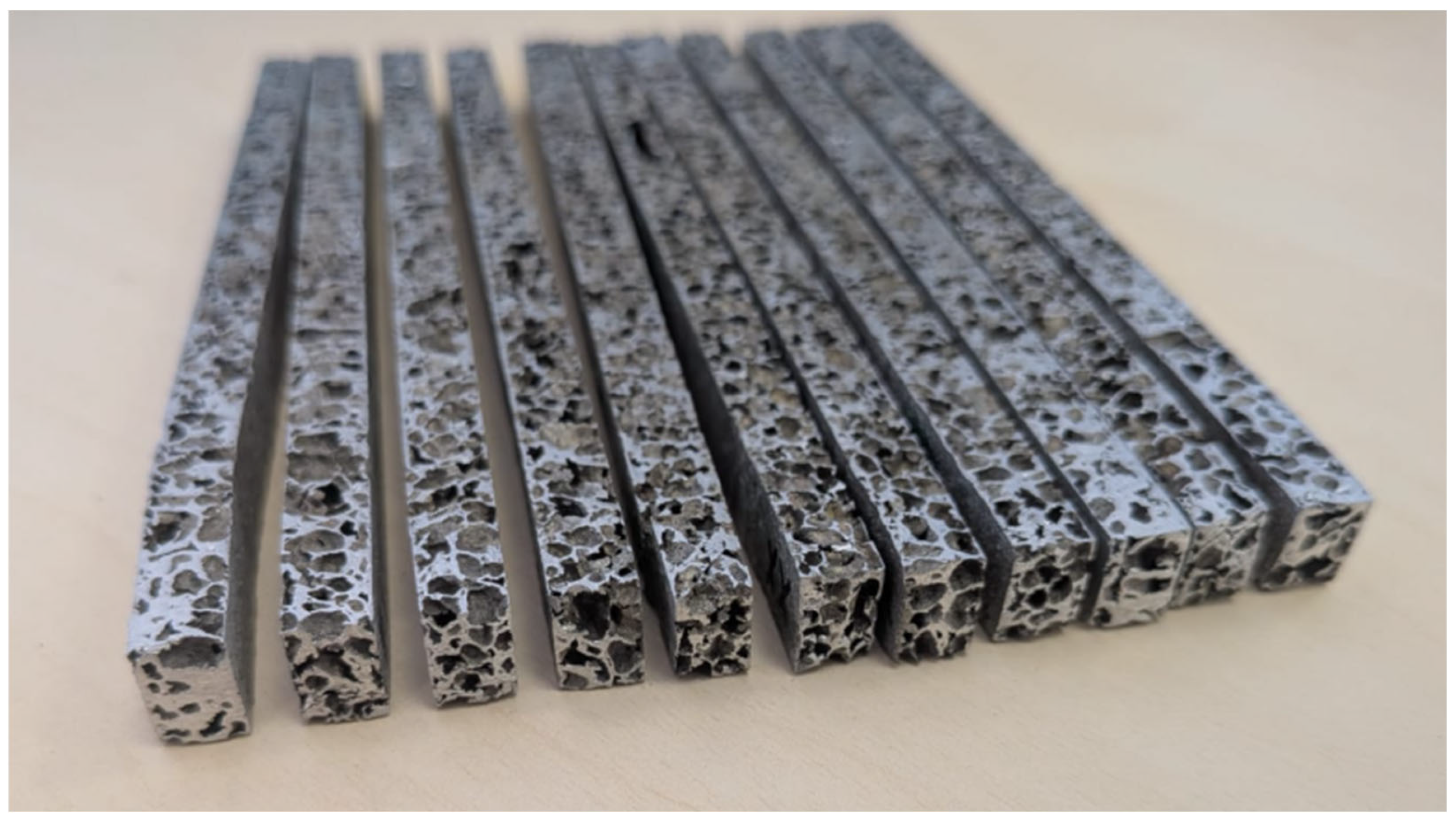
2.2. Specimen Preparation
| - Estimated air fraction volume for a sample with density ρ; | |
| - Known air fraction volumes for two reference samples (sample i and sample i + 1); | |
| - Densities of those two reference samples; | |
| - Density of the unknown sample, for which you are estimating the air fraction. |
2.3. Methods
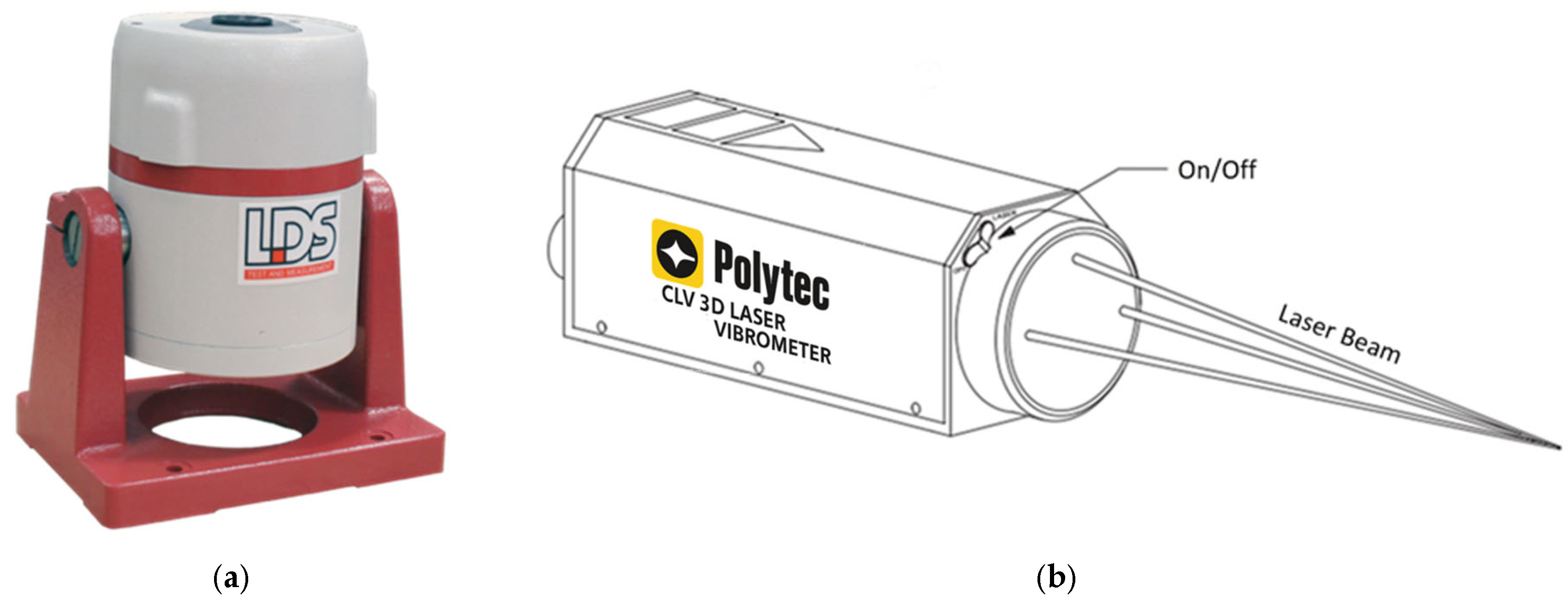
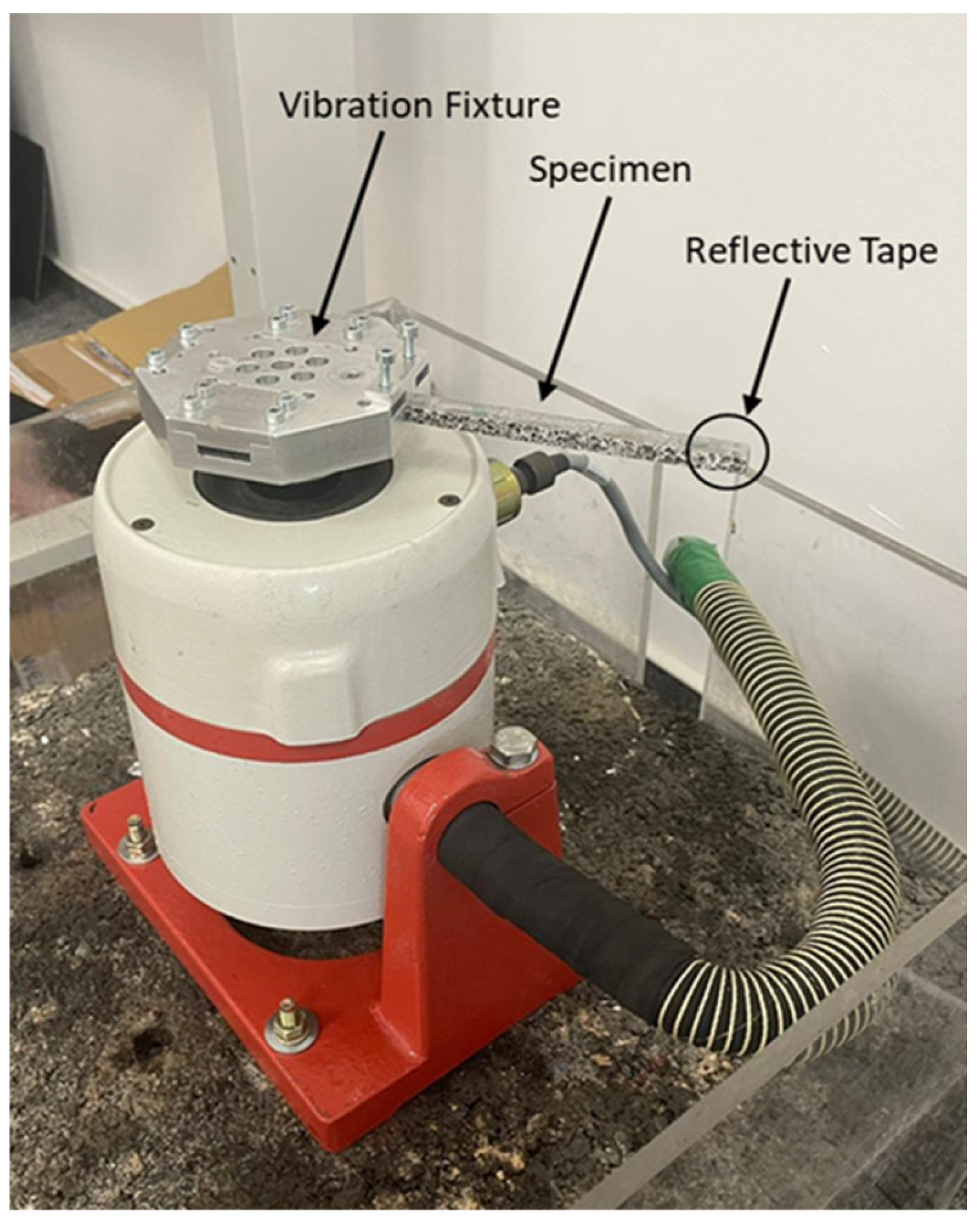
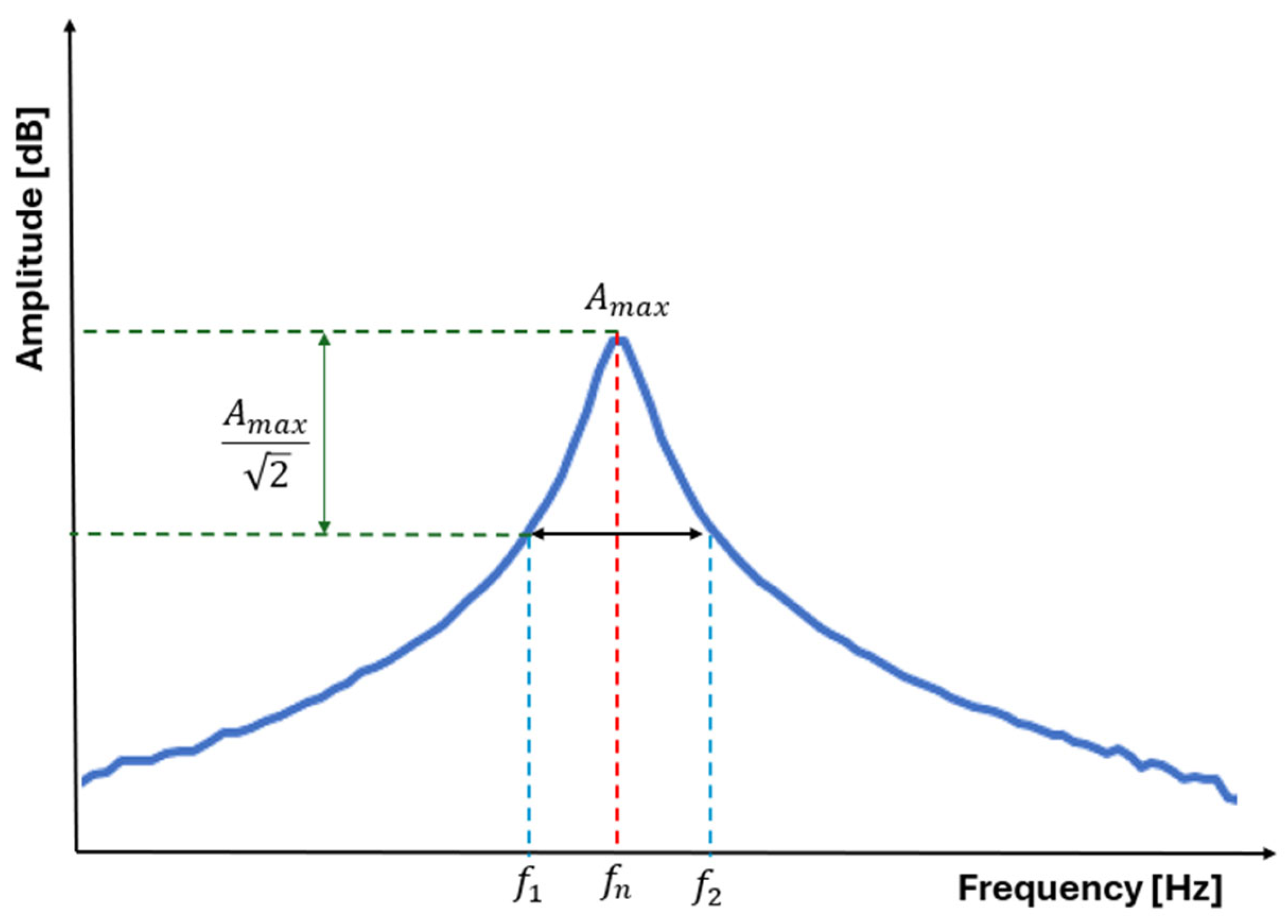
2.3.1. Vibration Test
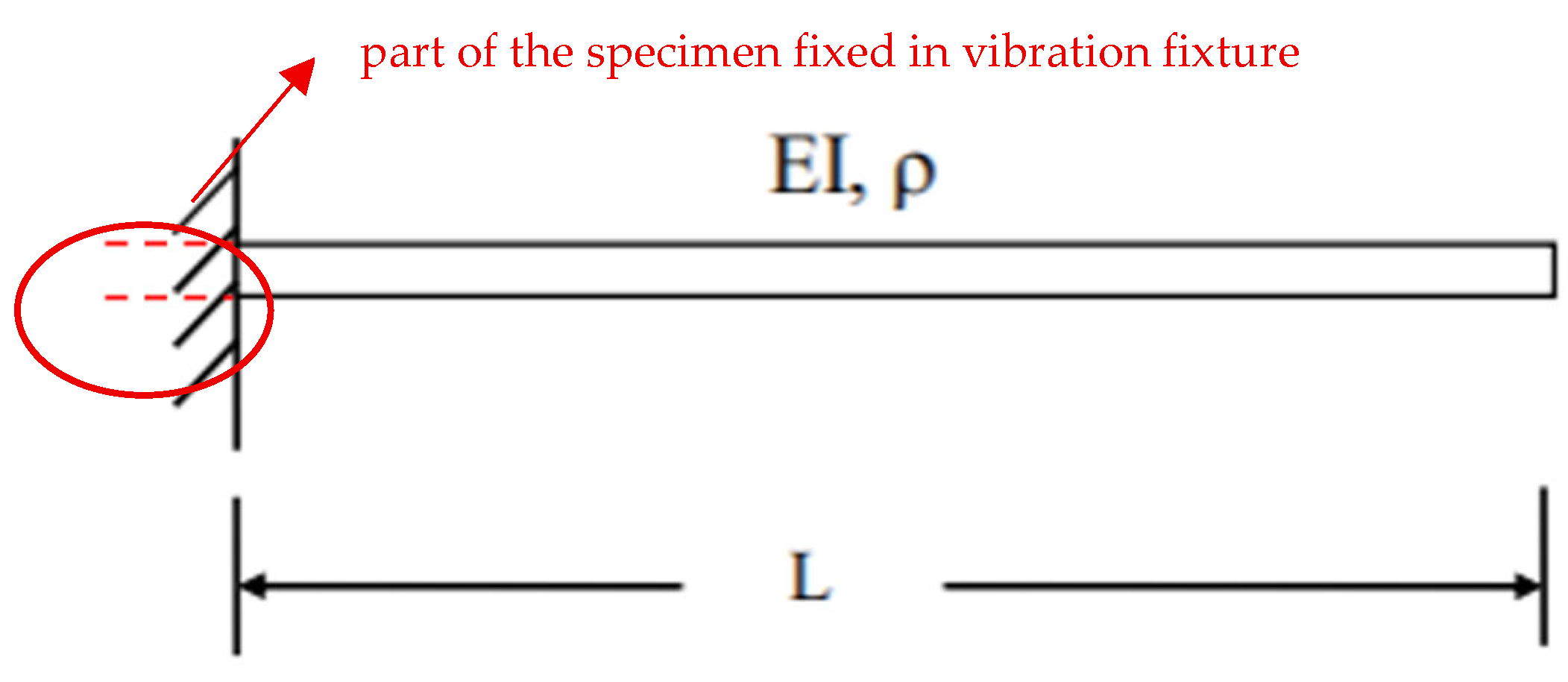
2.3.2. Analytic Calculations
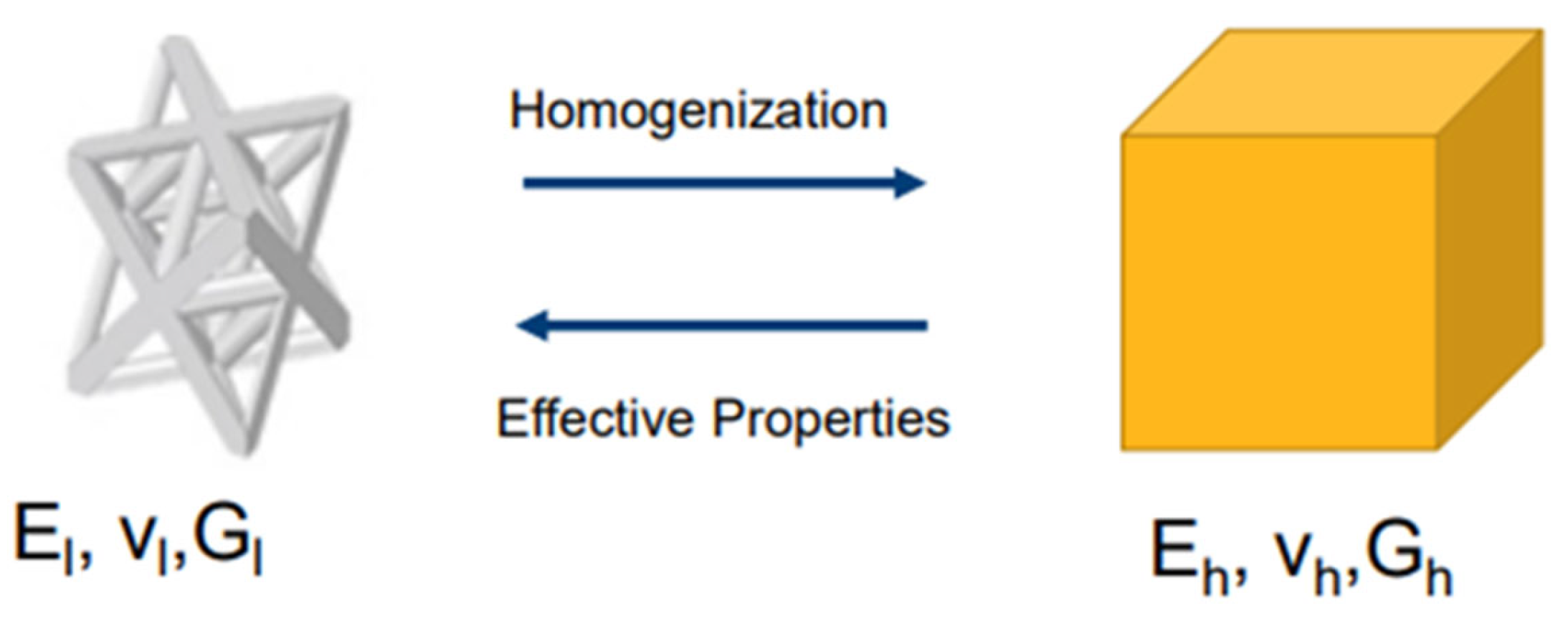
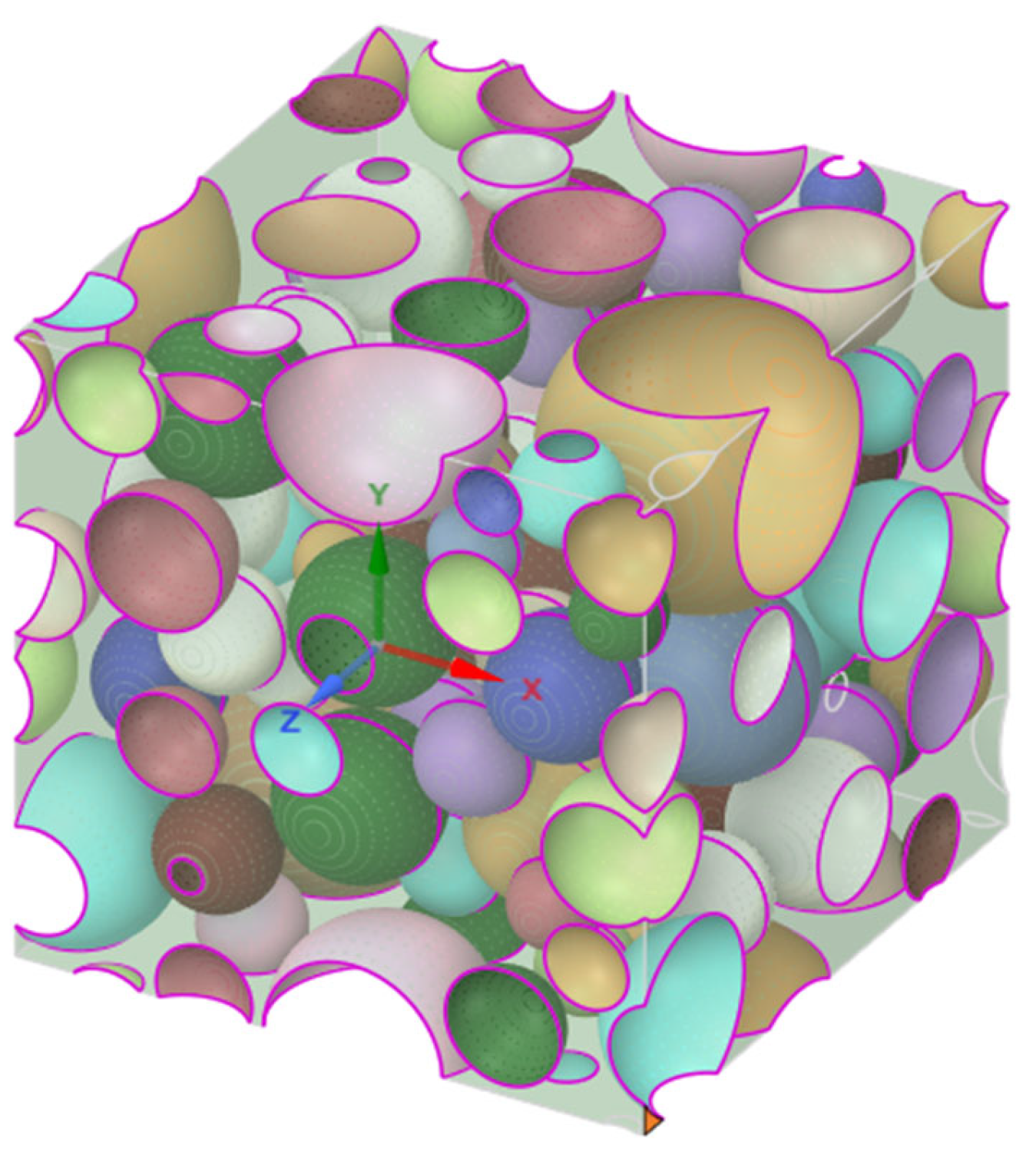
2.3.3. Material Modeling Through RVE and TPMS
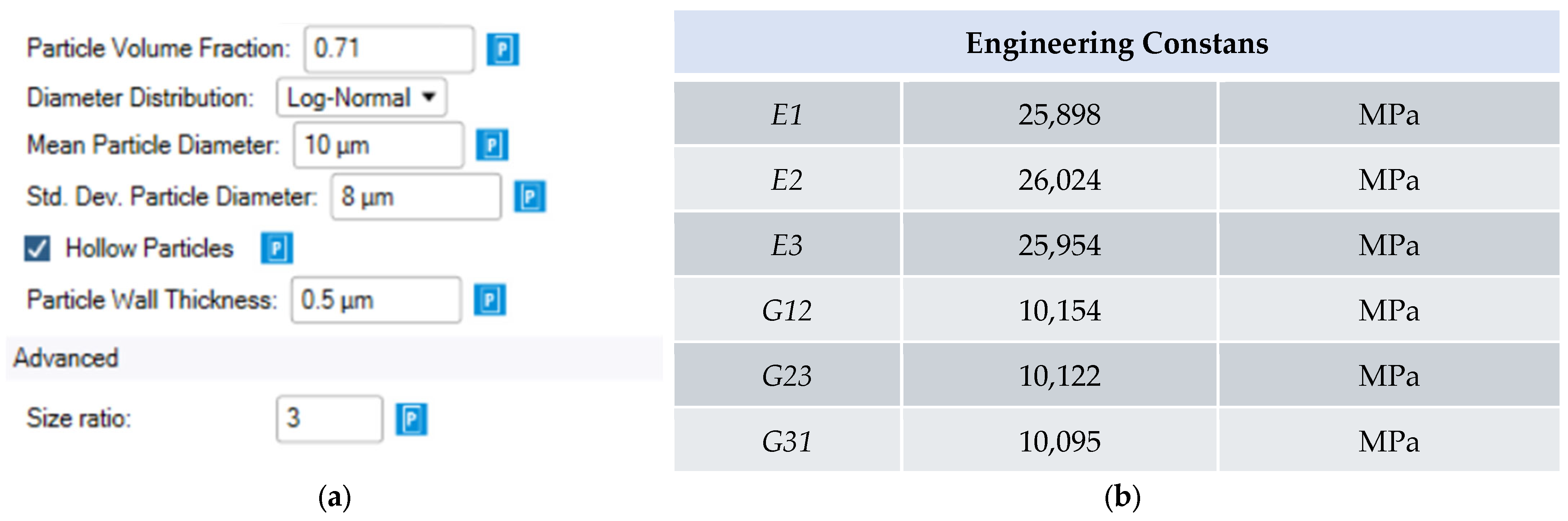
- Particle volume fraction (obtained from CT data);
- Particle diameter distribution;
- Mean particle diameter;
- Standard deviation of particle diameter;
- Particle wall thickness;
- Size ratio (defined as the ratio between the particle diameter and the side length of the representative cube).
2.3.4. Numerical Analysis
3. Results
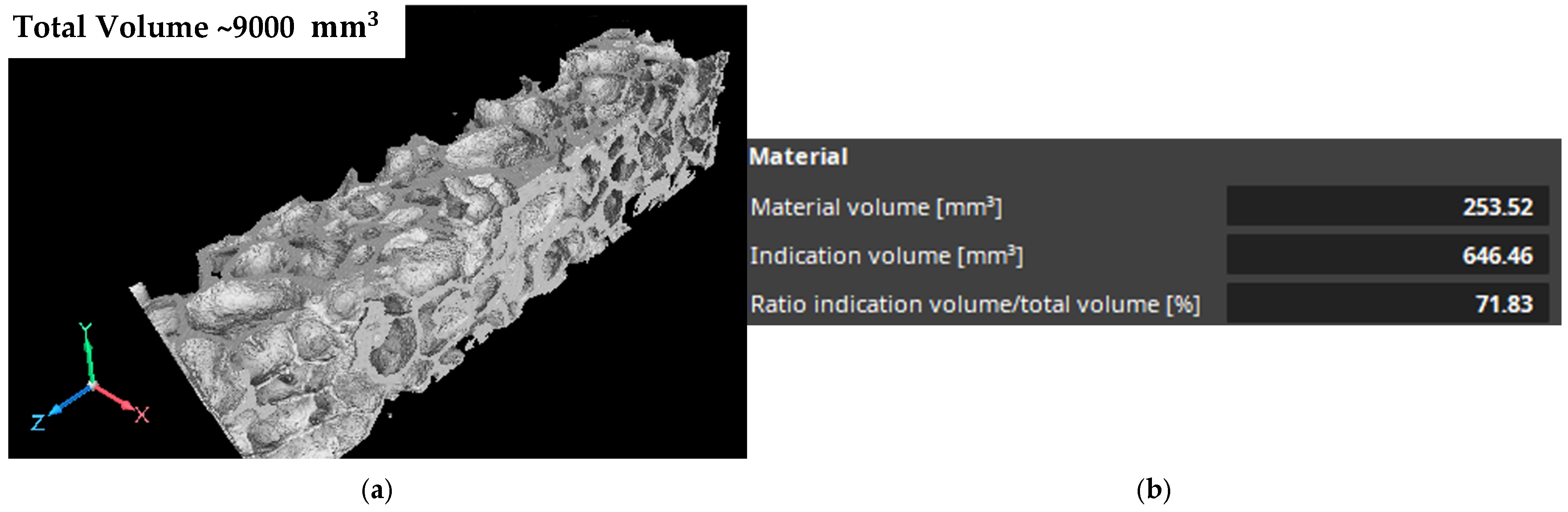
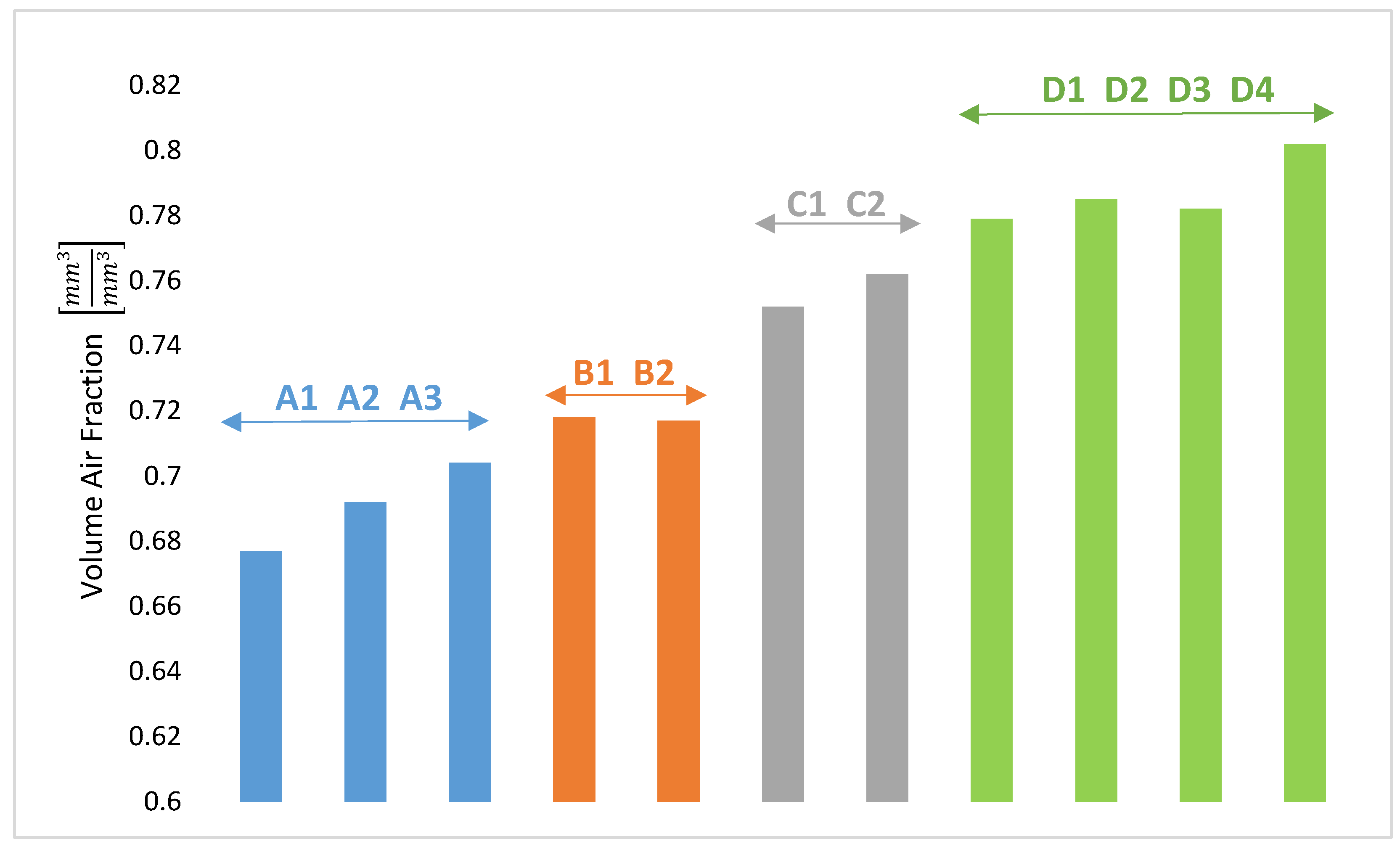
3.1. Volume Air Fraction Calculation
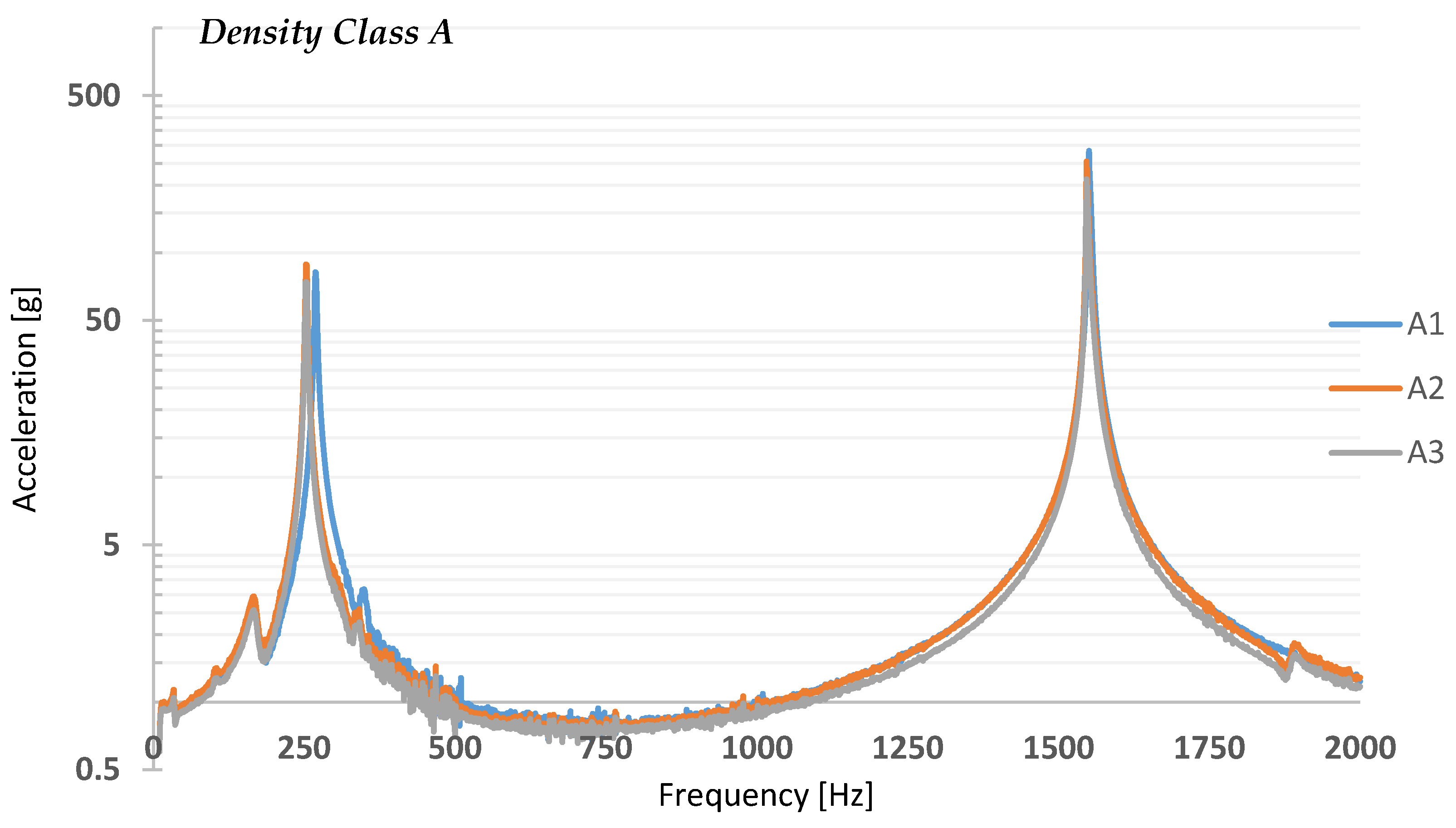
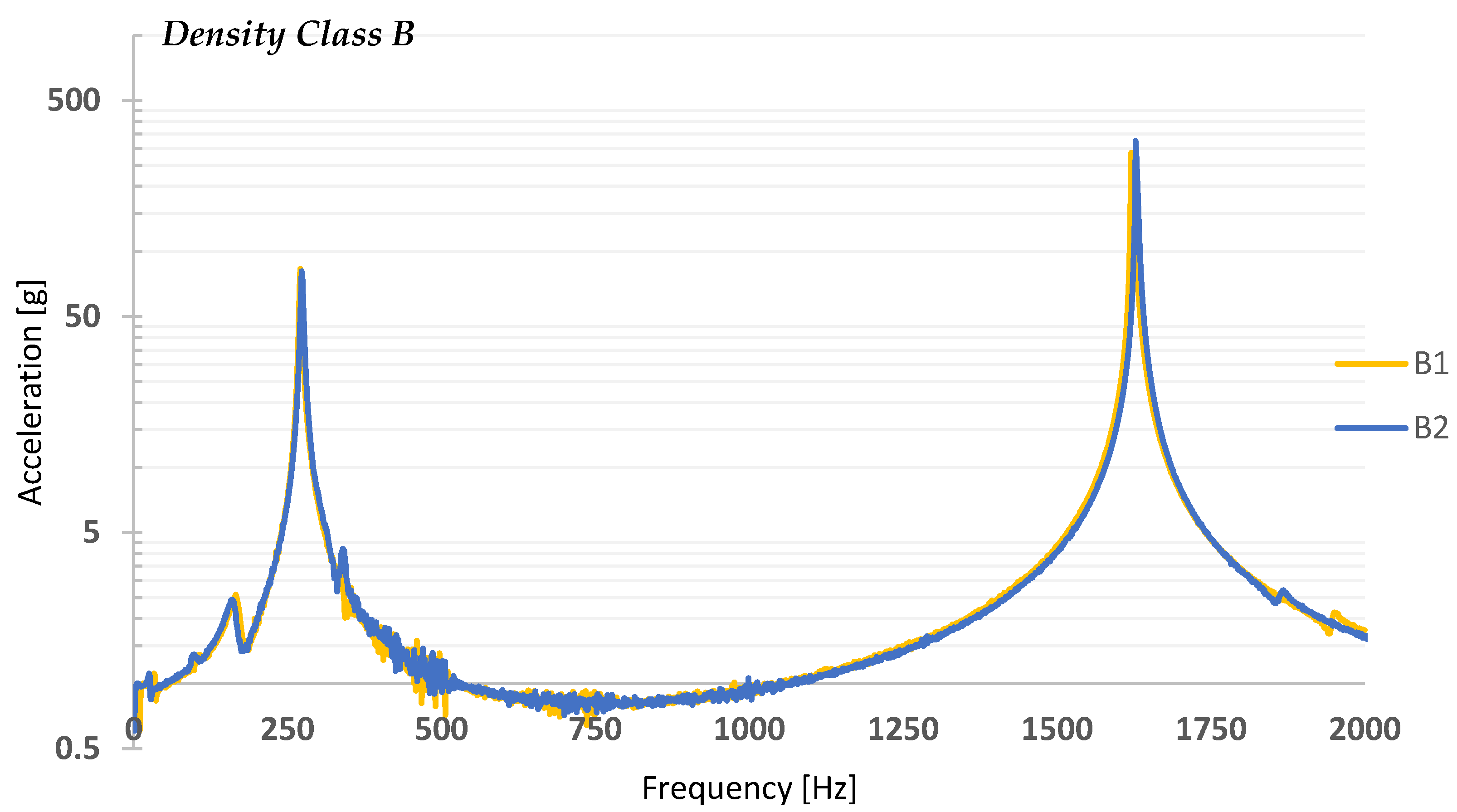
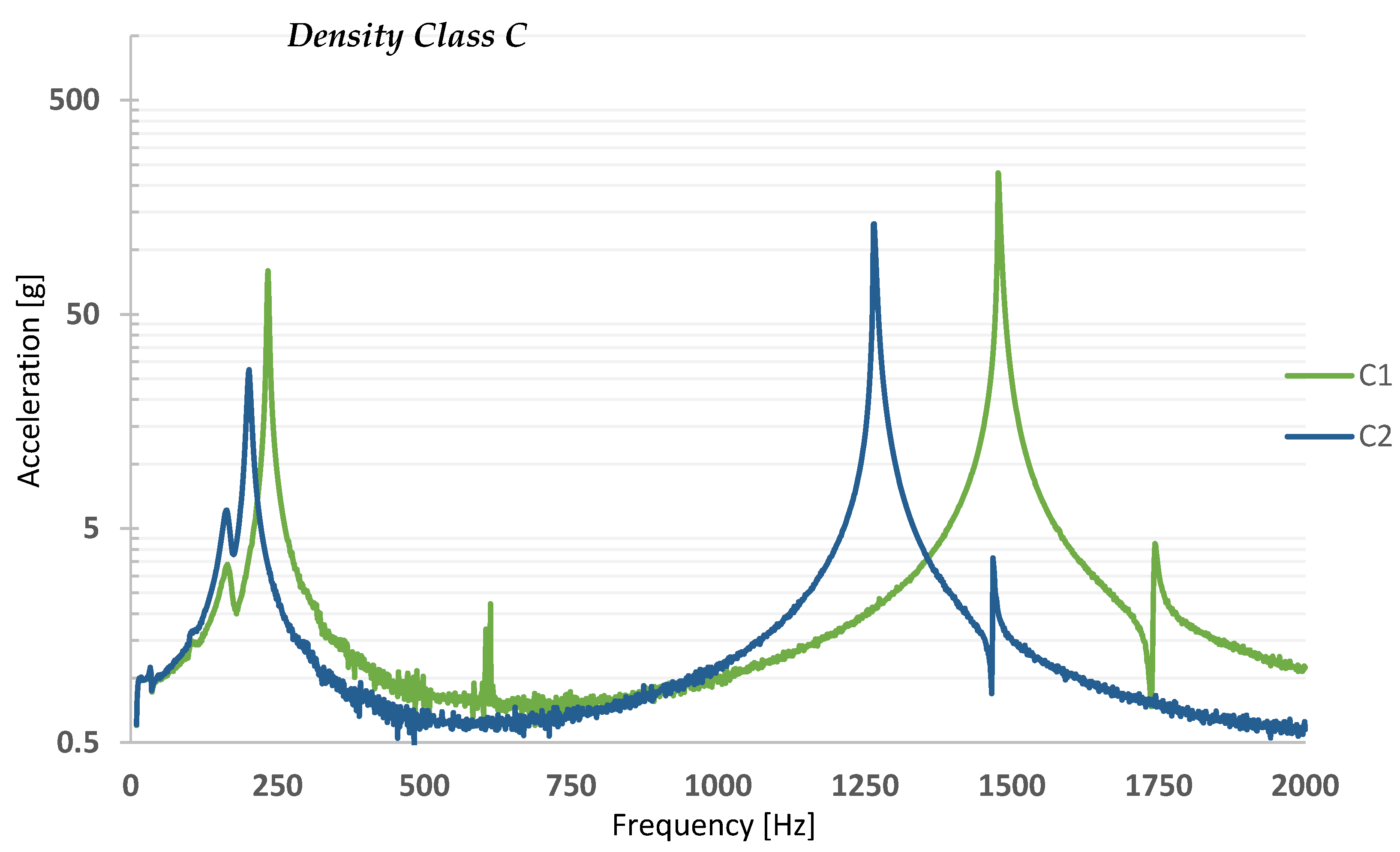
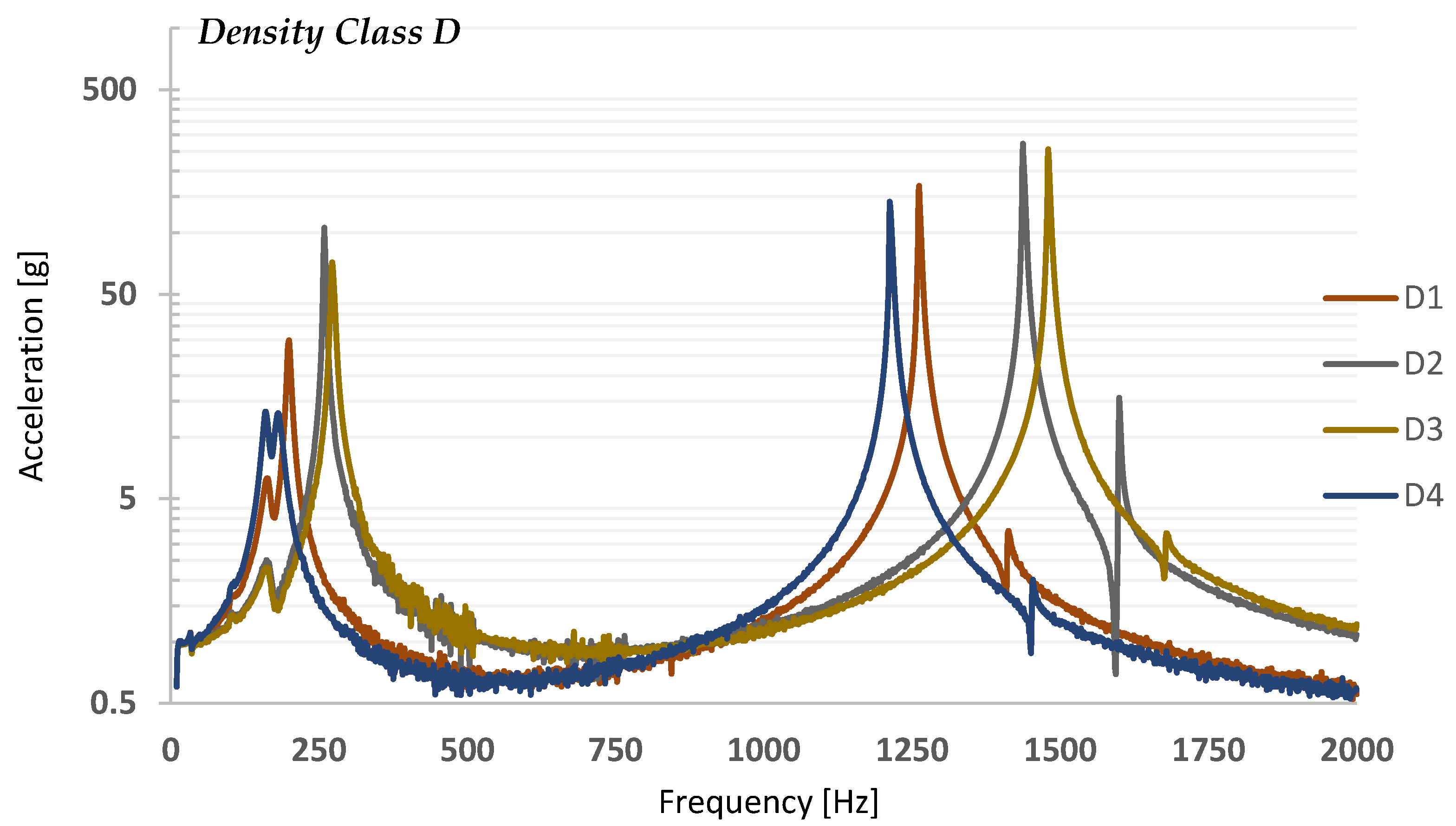
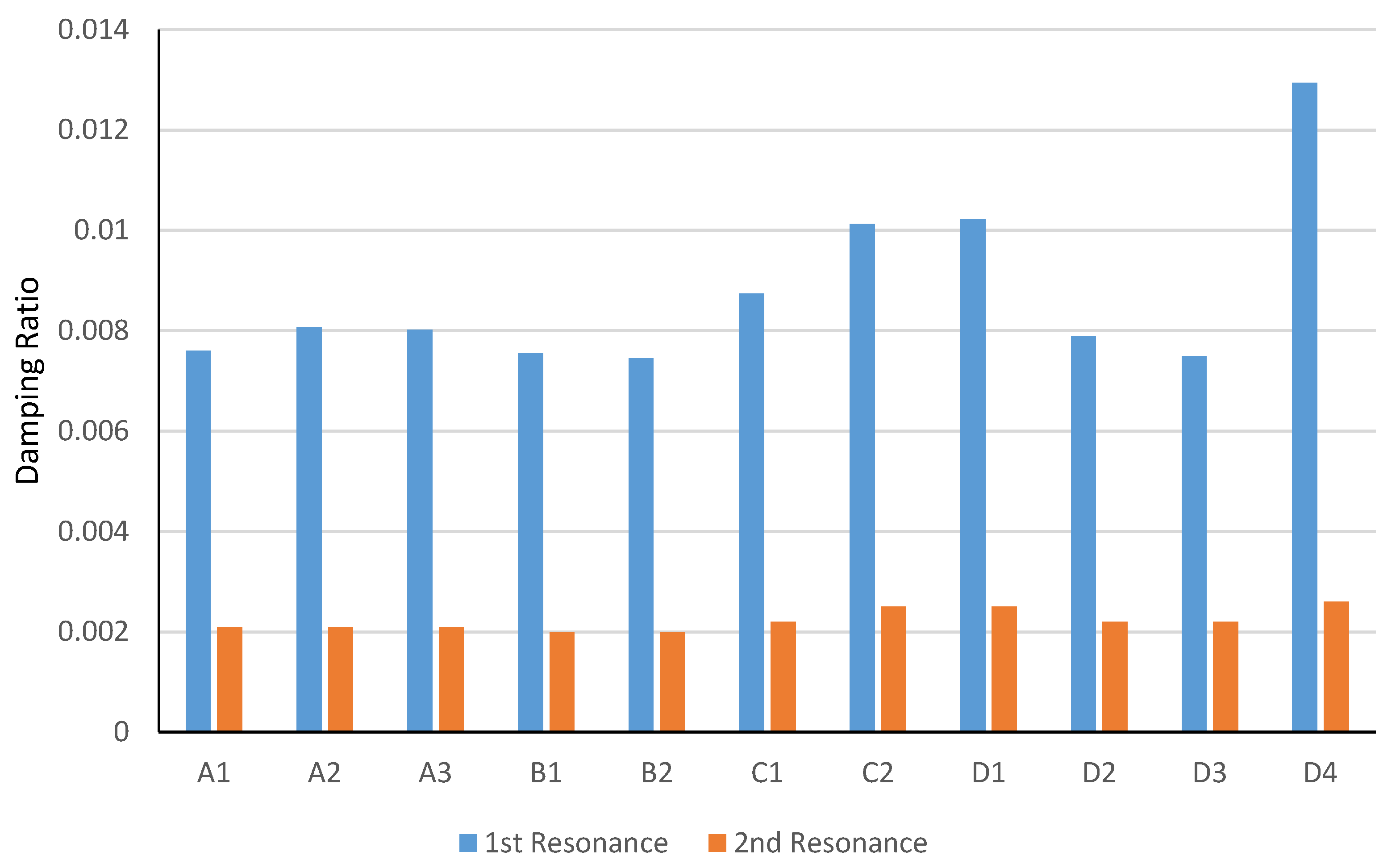
3.2. Test Results
3.3. Material Modeling Results
3.3.1. Random Particle Model
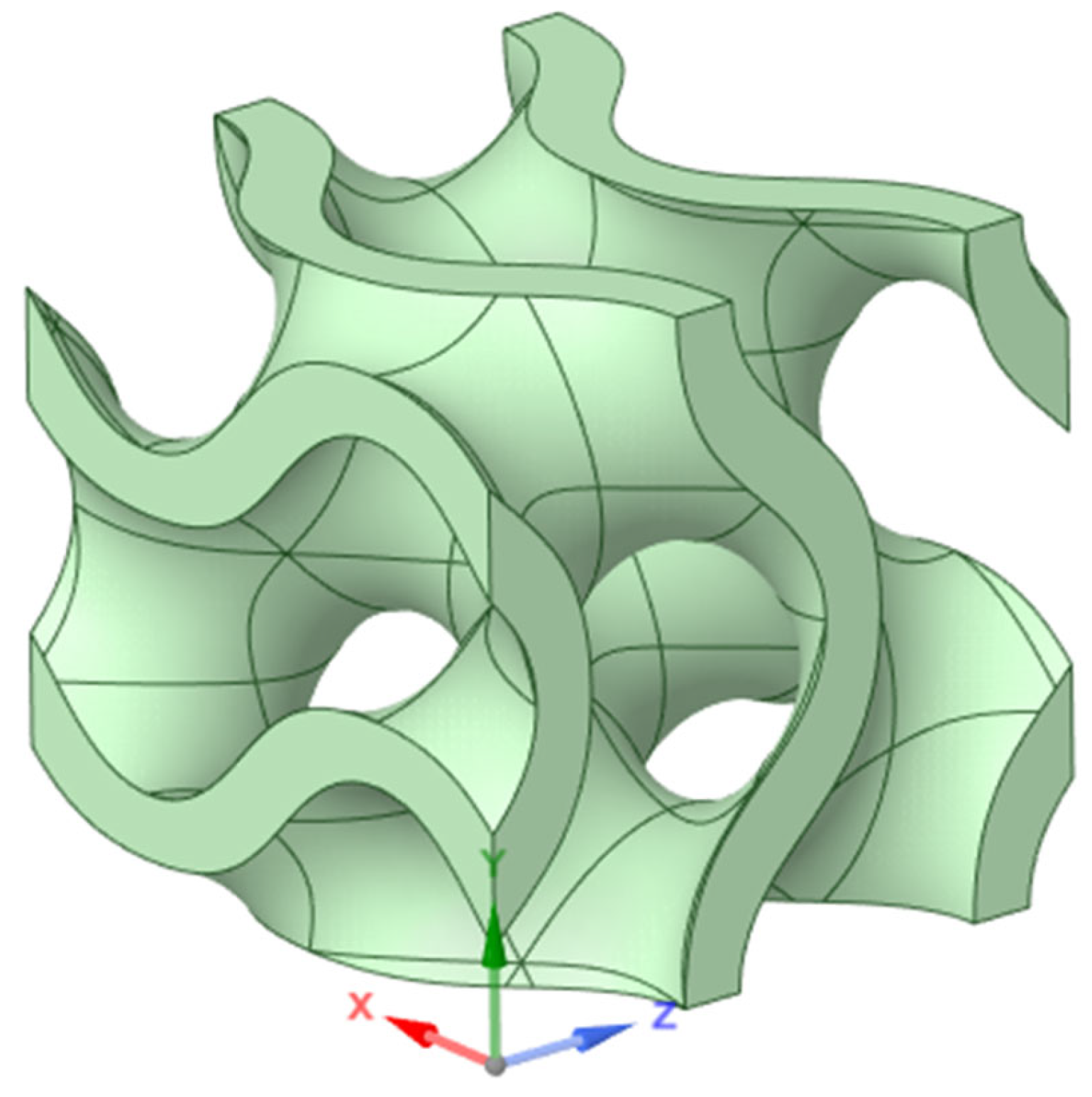
3.3.2. TPMS Model
3.4. Analytic Results
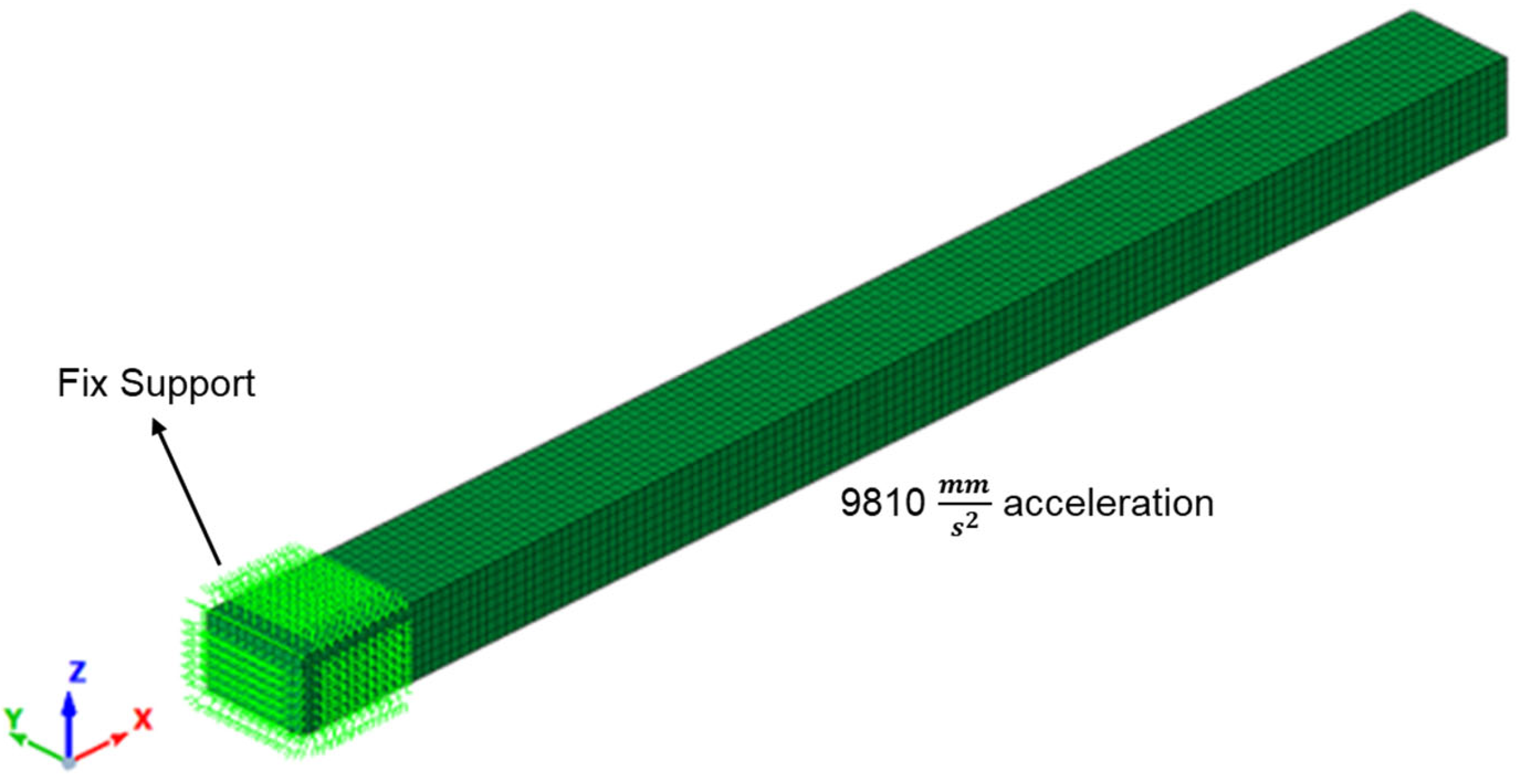
3.5. FEA Results
4. Discussion
- ▪
- Differences in microstructural scale (micrometer-scale resolution for the random particle model versus millimeter-scale for the TPMS model);
- ▪
- Variations in material property assignment due to scale-dependent behavior captured using ANSYS Material Designer;
- ▪
- The inherent stochasticity of the random particle model versus the idealized periodicity of the TPMS structure;
- ▪
- The influence of localized microstructural features, such as cell wall thickness distribution and connectivity, which affect the effective elastic modulus.
5. Conclusions
- ▪
- Efficient characterization strategyThe methodology successfully reduces experimental effort by requiring only a single CT scan and one dynamic test to estimate material behavior across different foam densities—a clear practical advantage for early-stage assessments or industrial constraints.
- ▪
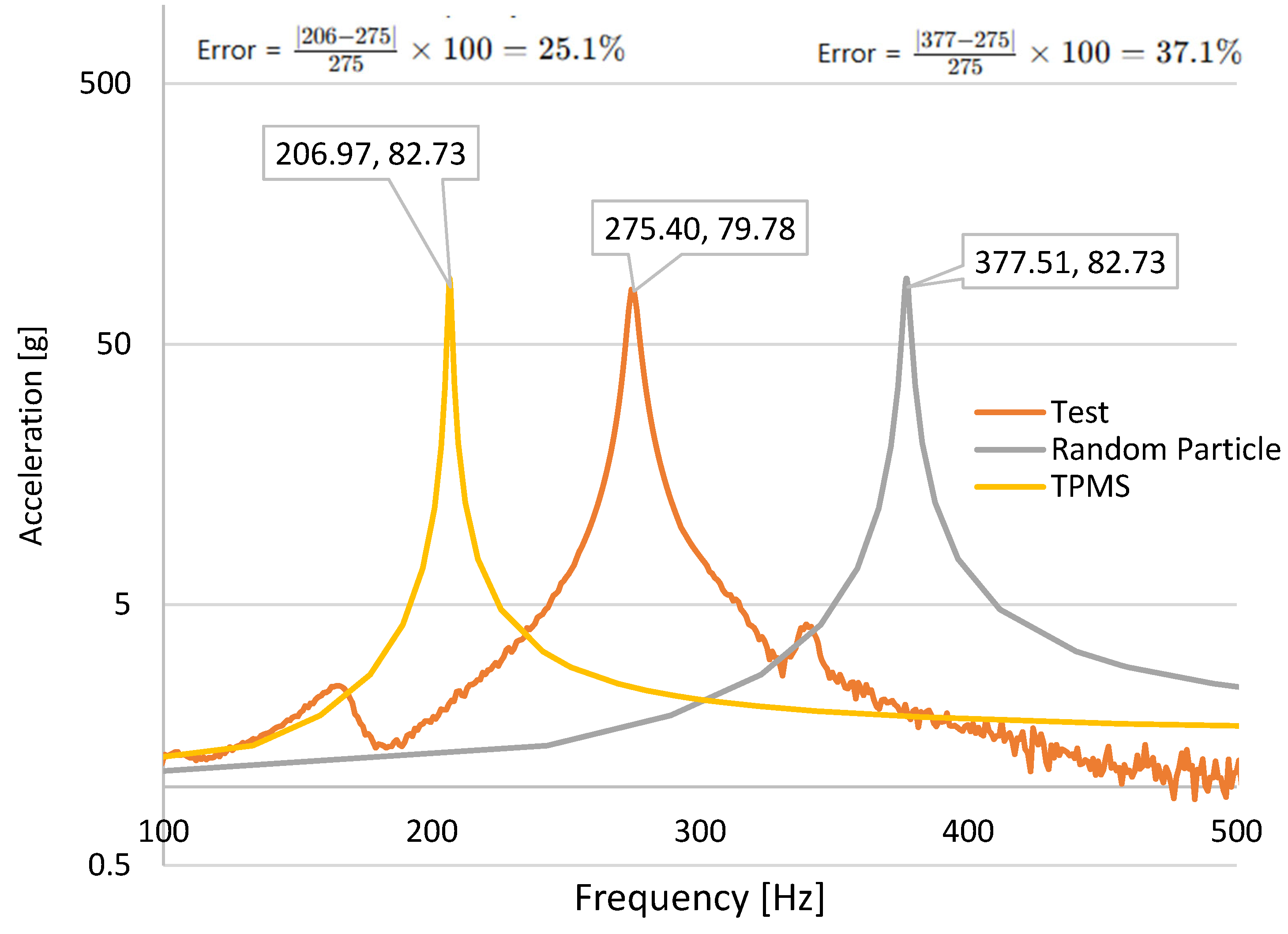
- Mixed performance of modeling approachesThe TPMS and stochastic RVE models provided useful comparative insights but showed notable limitations in frequency prediction accuracy. TPMS had ~25% errors, and the RVE model ~37%, indicating these models may be more suitable for qualitative trend analysis than precise prediction.
- ▪
- Limited added value from stochastic RVE modeling:While intended to reflect more realistic microstructures, the stochastic RVE approach did not significantly improve dynamic response accuracy and added computational complexity, raising questions about its practical benefit in this context.
- ▪
- Amplitude predictions were consistent:Despite discrepancies in frequency, both modeling approaches captured amplitude responses well, suggesting their potential for predicting certain dynamic characteristics even if frequency tuning remains imprecise.
- ▪
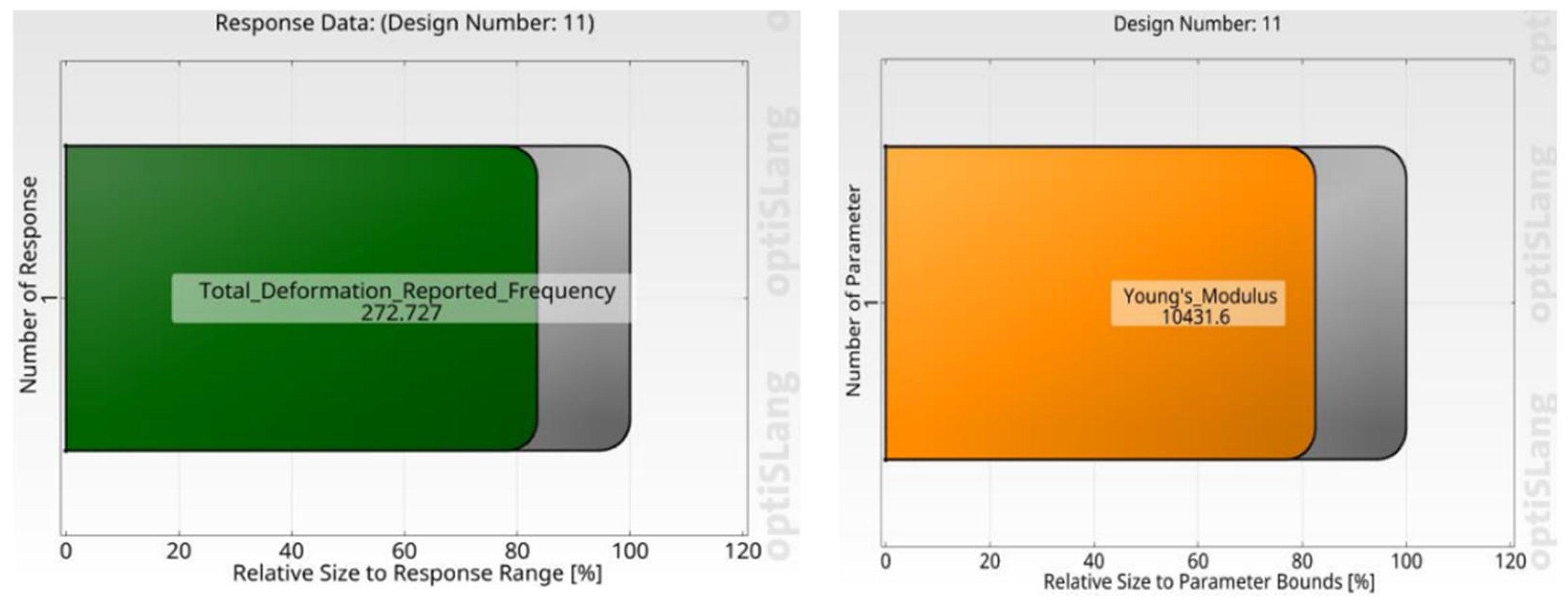
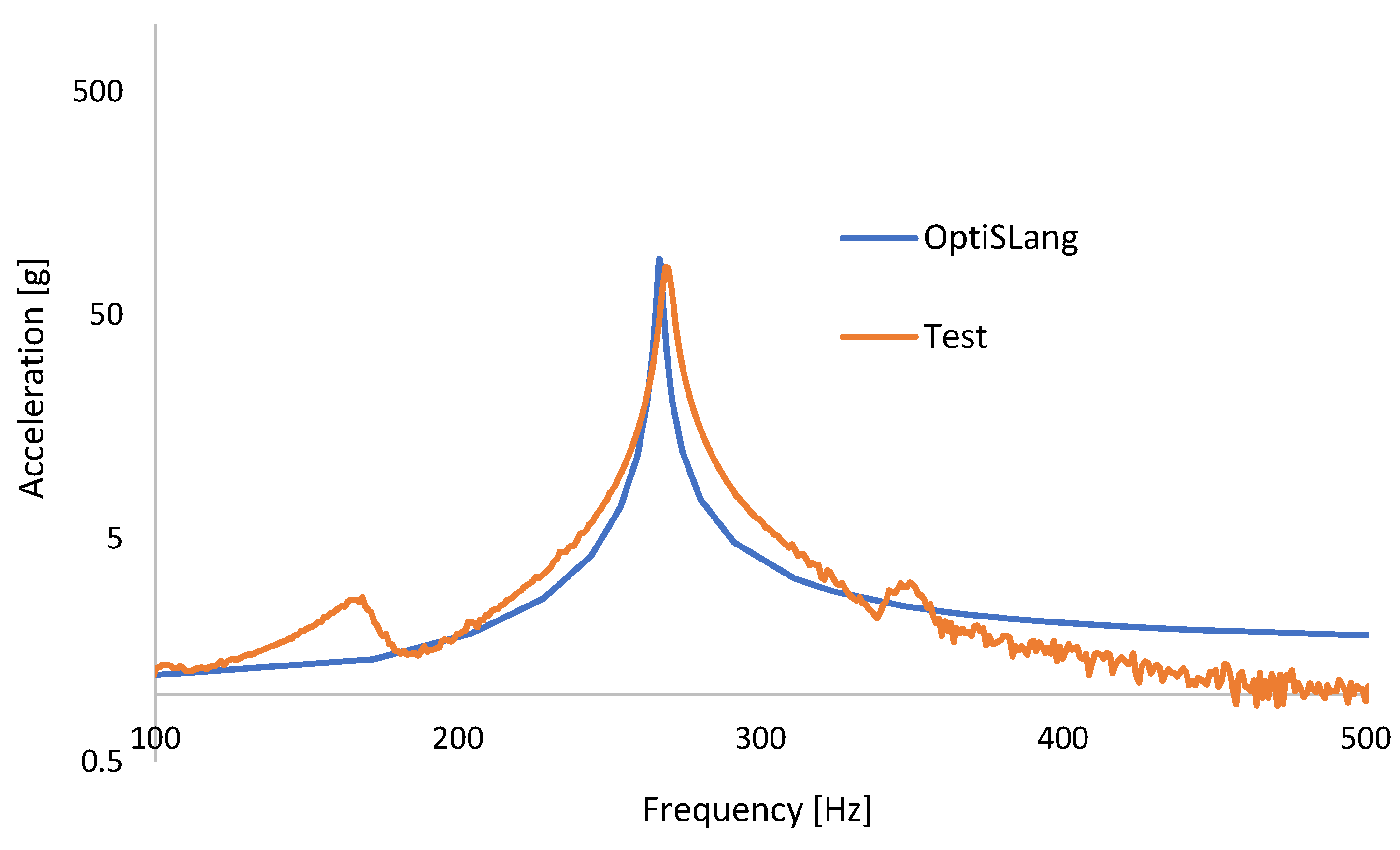
- Optimization workflow demonstrated strong potential:The inverse identification process, particularly using OptiSLang, yielded resonance frequency and amplitude predictions within 5% of experimental values, confirming its robustness and potential as a reliable calibration tool.
- ▪
- Useful damping estimation technique:The ability to indirectly estimate damping coefficients from available resonance data adds practical value, especially in cases where direct measurements are not feasible.
- ▪
- Applicable for trend-level industrial use:While not suitable for high-precision modeling of dynamic behavior, the proposed framework captures overall trends effectively, making it a valuable tool for applications where broad dynamic behavior is more critical than exact local accuracy—such as in preliminary design for automotive or aerospace components.
Author Contributions
Funding
Institutional Review Board Statement
Informed Consent Statement
Data Availability Statement
Conflicts of Interest
Abbreviations
| MF | Metal Foam |
| CT | Computed Tomography |
| TPMS | Triply Periodic Minimal Surface |
| WJC | Water Jet Cutting |
| EM | Elastic Modulus |
| FEA | Finite Element Analysis |
| RVE | Representative Volume Element |
| Q | Quality Factor |
| MD | Material Designer (Part of ANSYS Suite) |
| g | Gravitational Acceleration (Used Unit 1 g ≈ 9.81 m/s2) |
| fn | Resonance Frequency |
| SLV | Streamline (Model of Water Jet Cutter) |
| Moment of Inertia | |
| ξ | Structural Damping Coefficient |
| G | Shear Modulus |
| DoF | Degree of Freedom |
| CLV 3D | Polytec Compact Laser Vibrometer |
| V | Volume |
| L | Length |
| W | Width |
| H | Height |
| Toal Mass | |
| Aluminum Density | |
| Foam Mass | |
| Volume Air Fraction | |
| Foam Density | |
| Air Density | |
| Foam Elastic Modulus | |
| Aluminum Elastic Modulus |
References
- Gibson, L.J.; Ashby, M.F. Cellular Solids: Structure and Properties; Cambridge University Press: Cambridge, UK, 1999; ISBN 9780521499118. [Google Scholar]
- Banhart, J. Manufacture, characterization and application of cellular metals and metal foams. Prog. Mater. Sci. 2001, 46, 559–632. [Google Scholar] [CrossRef]
- Gopinathan, A.; Jerz, J.; Kovacik, J.; Dvorak, T. Investigation of the Relationship between Morphology and Thermal Conductivity of Powder Metallurgically Prepared Aluminium Foams. Materials 2021, 14, 3623. [Google Scholar] [CrossRef]
- Serban, D.A.; Linul, E. Fatigue behaviour of closed-cell polyurethane rigid foams. Eng. Fail. Anal. 2023, 154, 107728. [Google Scholar] [CrossRef]
- Kovacik, J.; Orovcík, L.; Jerz, J. High-temperature compression of closed cell aluminium foams. Kov. Mater. 2016, 54, 429–440. [Google Scholar] [CrossRef]
- Xu, H.H.; Luo, H.C.; Zhang, X.G.; Jiang, W.; Teng, X.C.; Chen, W.Q.; Yang, J.; Xie, Y.M.; Ren, X. Mechanical properties of aluminum foam filled re-entrant honeycomb with uniform and gradient designs. Int. J. Mech. Sci. 2023, 244, 108075. [Google Scholar] [CrossRef]
- Qiu, Q.; Wang, H.; Ma, W. Experimental and Analytical Study on Multiscale Cushioning and Energy Absorption of Aluminum Foam at Different Strain Rates. Appl. Sci. 2025, 15, 2638. [Google Scholar] [CrossRef]
- Zhao, M.; Liu, F.; Fu, G.; Zhang, D.Z.; Zhang, T.; Zhou, H. Improved Mechanical Properties and Energy Absorption of BCC Lattice Structures with Triply Periodic Minimal Surfaces Fabricated by SLM. Materials 2018, 11, 2411. [Google Scholar] [CrossRef]
- García-Moreno, F. Commercial applications of metal foams: Their properties and production. Materials 2016, 9, 85. [Google Scholar] [CrossRef]
- Linul, E.; Marsavina, L. Prediction of fracture toughness for open cell polyurethane foams by finite-element micromechanical analysis. Iran. Polym. J. 2011, 20, 735–746. [Google Scholar]
- Novelo-Peralta, O.; Azamar, M.F.; Méndez Durán, J.E.; Ávila, Y.L.; Salas Reyes, A.E.; Bazáez, R.; Figueroa, I.A.; Lara Rodríguez, G.Á. Effect of the Addition of Al-5Ti-0.25C and Annealing on the Mechanical Properties of Open-Cell Al Foams. Materials 2025, 18, 2147. [Google Scholar] [CrossRef]
- Andika; Santosa, S.P.; Widagdo, D.; Pratomo, A.N. Design and Multi-Objective Optimization of Auxetic Sandwich Panels for Blastworthy Structures Using Machine Learning Method. Appl. Sci. 2024, 14, 10831. [Google Scholar] [CrossRef]
- Wang, E.; Yao, R.; Luo, Q.; Li, Q.; Lv, G.; Sun, G. High-temperature and dynamic mechanical characterization of closed-cell aluminum foams. Int. J. Mech. Sci. 2022, 230, 107548. [Google Scholar] [CrossRef]
- Fu, W.; Li, Y. Fabrication, processing, properties, and applications of closed-cell aluminum foams: A review. Materials 2024, 17, 560. [Google Scholar] [CrossRef] [PubMed]
- Zhang, J.; An, Y.; Ma, H. Research progress in the preparation of aluminum foam composite structures. Metals 2022, 12, 2047. [Google Scholar] [CrossRef]
- Kertész, J.; File, M.; Nyikes, Z.; Kovács, T.A.; Tóth, L. Al-Foam Compression Tests in Parallel and Serial Concepts. Appl. Sci. 2023, 13, 883. [Google Scholar] [CrossRef]
- Madgule, M.; Sreenivasa, C.G.; Borgaonkar, A.V. Aluminium metal foam production methods, properties and applications: A review. Mater. Today Proc. 2022, 77, 673–679. [Google Scholar] [CrossRef]
- Salins, S.S.; Kumar, S.; Shetty, S.; Sachidananda, H.K.; Asjad Khan, M.S. Characterization of the aluminium-based metal foam properties for automotive applications. Arab. J. Sci. Eng. 2024, 50, 9247–9260. [Google Scholar] [CrossRef]
- Maroti, J.E.; Orbulov, I.N. Characteristic compressive properties of AlSi7Mg matrix syntactic foams reinforced by Al2O3 or SiC particles in the matrix. Mater. Sci. Eng. A 2023, 869, 144817. [Google Scholar] [CrossRef]
- Linul, E.; Marsavina, L.; Kováčik, J. Collapse mechanisms of metal foam matrix composites under static and dynamic loading conditions. Mater. Sci. Eng. A 2017, 690, 214–224. [Google Scholar] [CrossRef]
- Thorat, M.; Sahu, S.; Menezes, V.; Gokhale, A.; Hosano, H. Shock Loading of Closed Cell Aluminum Foams in the Presence of an Air Cavity. Appl. Sci. 2020, 10, 4128. [Google Scholar] [CrossRef]
- Voiconi, T.; Linul, E.; Marsavina, L.; Sadowski, T. Determination of flexural properties of rigid PUR foams using digital image correlation. Solid State Phenom. 2014, 216, 116–121. [Google Scholar] [CrossRef]
- Linul, E.; Khezrzadeh, O. Axial crashworthiness performance of foam-based composite structures under extreme temperature conditions. Compos. Struct. 2021, 271, 114156. [Google Scholar] [CrossRef]
- Cho, Y.S.; Jeon, B.; Min, J.; Kang, K.; Lee, H. A Multi-Scale Approach for Finite Element Method Structural Analysis of Injection-Molded Parts of Short Fiber-Reinforced Polymer Composite Materials. Appl. Sci. 2025, 15, 7434. [Google Scholar] [CrossRef]
- Linul, E.; Galațanu, S.V.; Marșavina, L.; Kováčik, J. Crushing behavior of closed-cell metallic foams: Anisotropy and temperature effects. J. Mater. Res. Technol. 2024; in press. [Google Scholar] [CrossRef]
- Galațanu, S.V.; Marșavina, L.; Kováčik, J.; Linul, E. Influence of density and loading speed on static and impact properties of closed-cell metallic foams. Eng. Fail. Anal. 2024; in press. [Google Scholar] [CrossRef]
- Öhl, C.; Rus, M.; Mădroane, D.F.; Duma, I.; Galatanu, S.V.; Linul, E. The influence of thread length and tightening torque of the M8/M12 bolts on the vibration fixture response. Adv. Eng. Forum 2024, 53, 113–118. [Google Scholar] [CrossRef]
- Grenestedt, J. Influence of wavy imperfections in cell walls on elastic stiffness of cellular solids. J. Mech. Phys. Solids 1998, 46, 29–50. [Google Scholar] [CrossRef]
- Grenestedt, J.; Bassinet, F. Influence of cell wall thickness variations on elastic stiffness of closed-cell cellular solids. Int. J. Mech. Sci. 2000, 42, 1327–1338. [Google Scholar] [CrossRef]
- Grenestedt, J.; Tanaka, K. Influence of cell shape variations on elastic stiffness of closed cell cellular solids. Scr. Mater. 1999, 40, 71–77. [Google Scholar] [CrossRef]
- Hasan, M.A. An improved model for FE modeling and simulation of closed cell Al-alloy foams. Adv. Mater. Sci. Eng. 2010, 2010, 567390. [Google Scholar] [CrossRef]
- Caty, O.; Maire, E.; Youssef, S.; Bouchet, R. Modeling the properties of closed-cell cellular materials from tomography images using finite shell elements. Acta Mater. 2008, 56, 5524–5534. [Google Scholar] [CrossRef]
- Krausz, T.; Ailinei, I.I.; Galațanu, S.V.; Marsavina, L. Charpy impact properties and numerical modeling of polycarbonate composites. Mater. Des. Process. Commun. 2021, 3, e260. [Google Scholar] [CrossRef]
- Galațanu, S.V.; Linul, E.; Kováčik, J.; Marsavina, L. The anisotropy behavior of metallic foams under Charpy impact tests. J. Phys. Conf. Ser. 2024, 2692, 012005. [Google Scholar] [CrossRef]
- Roberts, A.; Garboczi, E. Elastic moduli of model random three dimensional closed-cell cellular solids. Acta Mater. 2001, 49, 189–197. [Google Scholar] [CrossRef]
- Nammi, S.; Myler, P.; Edwards, G. Finite element analysis of closed-cell aluminium foam under quasi-static loading. Mater. Des. 2010, 31, 712–722. [Google Scholar] [CrossRef]
- Chapra, S.C.; Canale, R.P. Numerical Methods for Engineers, 6th ed.; McGraw-Hill: New York, NY, USA, 2010. [Google Scholar]
- Burden, R.L.; Faires, J.D. Numerical Analysis, 9th ed.; Brooks Cole: Boston, MA, USA, 2011. [Google Scholar]
- Sun, Y.; Chen, X.; Wang, J.; Li, Q.; Zhang, H.; Liu, M. Application of a Linear Interpolation Algorithm in Volumetric Dose Reconstruction for Volumetric Modulated Arc Therapy. Sci. Rep. 2023, 13, 12479. [Google Scholar] [CrossRef]
- Mills, N.J. Plastics: Microstructure and Engineering Applications; Butterworth-Heinemann: Oxford, UK, 1993. [Google Scholar]
- Rao, S.S. Mechanical Vibrations, 5th ed.; Pearson: Upper Saddle River, NJ, USA, 2011; p. 176. [Google Scholar]
- Ailinei, I.I.; Galațanu, S.V.; Marsavina, L. Influence of anisotropy on the cold bending of S600MC sheet metal. Eng. Fail. Anal. 2022, 137, 106206. [Google Scholar] [CrossRef]
- Ailinei, I.I.; Galațanu, S.V.; Mădroane, D.F.; Marsavina, L. The Influence of anisotropy on the vibration behaviour of S600Mc sheet metal. Procedia Struct. Integr. 2022, 42, 1422–1427. [Google Scholar] [CrossRef]



| Density Class | Range of Density | Number of Specimens |
|---|---|---|
| A | 0.87–0.96 | 3 |
| B | 0.82–0.83 | 2 |
| C | 0.68–0.71 | 2 |
| D | 0.54–0.62 | 4 |
| Description | Equation |  |
|---|---|---|
| Volume | (6) | |
| Total mass | (7) | |
| Foam mass | (8) | |
| Foam density | (9) | |
| Foam elastic modulus | (10) | |
| Moment of inertia | (11) | |
| Resonance frequency | (12) |
| Measurement | 1st Resonance Frequency [Hz] | 1st Amplitude [g] | 2nd Resonance Frequency [Hz] | 2nd Amplitude [g] |
|---|---|---|---|---|
| A | 268.6 | 81.9 | 1550.9 | 284.3 |
| 253.0 | 86.6 | 1547.0 | 254.3 | |
| 253.0 | 73.9 | 1547.0 | 212.0 | |
| B | 270.5 | 82.9 | 1620.8 | 286.5 |
| 275.3 | 80.9 | 1591.7 | 323.8 | |
| C | 233.6 | 79.9 | 1478.0 | 226.3 |
| 201.5 | 27.6 | 1265.0 | 131.7 | |
| D | 199.6 | 29.7 | 1262.1 | 169.2 |
| 258.9 | 105.8 | 1437.1 | 272.1 | |
| 272.5 | 71.7 | 1479.9 | 255.5 | |
| 157.8 | 12.4 | 1212.6 | 141.5 |
| Description | Equation | |
|---|---|---|
| Volume | (13) | |
| Total mass | (14) | |
| Foam mass | (15) | |
| Foam density | (16) | |
| Foam elastic modulus | (17) | |
| Moment of inertia | (18) | |
| Resonance frequency | (19) |
Disclaimer/Publisher’s Note: The statements, opinions and data contained in all publications are solely those of the individual author(s) and contributor(s) and not of MDPI and/or the editor(s). MDPI and/or the editor(s) disclaim responsibility for any injury to people or property resulting from any ideas, methods, instructions or products referred to in the content. |
© 2025 by the authors. Licensee MDPI, Basel, Switzerland. This article is an open access article distributed under the terms and conditions of the Creative Commons Attribution (CC BY) license (https://creativecommons.org/licenses/by/4.0/).
Share and Cite
Bădăluţă, A.-N.; Galaţanu, S.-V.; Kováčik, J.; Marşavina, L. Multiscale Modeling and Optimization of Aluminum Foam Material Properties Under Dynamic Load. Appl. Sci. 2025, 15, 8433. https://doi.org/10.3390/app15158433
Bădăluţă A-N, Galaţanu S-V, Kováčik J, Marşavina L. Multiscale Modeling and Optimization of Aluminum Foam Material Properties Under Dynamic Load. Applied Sciences. 2025; 15(15):8433. https://doi.org/10.3390/app15158433
Chicago/Turabian StyleBădăluţă, Andrei-Nicolae, Sergiu-Valentin Galaţanu, Jaroslav Kováčik, and Liviu Marşavina. 2025. "Multiscale Modeling and Optimization of Aluminum Foam Material Properties Under Dynamic Load" Applied Sciences 15, no. 15: 8433. https://doi.org/10.3390/app15158433
APA StyleBădăluţă, A.-N., Galaţanu, S.-V., Kováčik, J., & Marşavina, L. (2025). Multiscale Modeling and Optimization of Aluminum Foam Material Properties Under Dynamic Load. Applied Sciences, 15(15), 8433. https://doi.org/10.3390/app15158433