


Featured Application
We want to provide a hands-on guide to the up-to-date applications of Electromagnetic Techniques to Cultural Heritage. No new methods or results will be presented, but future prospects in the application of the reviewed techniques may arise.
Abstract
When discussing Cultural Heritage (CH), the risk of causing damage is inherently linked to the artifact itself due to several factors: age, perishable materials, manufacturing techniques, and, at times, inadequate preservation conditions or previous interventions. Thorough study and diagnostics are essential before any intervention, whether for preventive, routine maintenance or major restoration. Given the symbolic, socio-cultural, and economic value of CH artifacts, non-invasive (NI), non-destructive (ND), or As Low As Reasonably Achievable (ALARA) approaches—capable of delivering efficient and long-lasting results—are preferred whenever possible. Electromagnetic (EM) techniques are unrivaled in this context. Over the past 20 years, radiography, tomography, fluorescence, spectroscopy, and ionizing radiation have seen increasing and successful applications in CH monitoring and preservation. This has led to the frequent customization of standard instruments to meet specific diagnostic needs. Simultaneously, the integration of terahertz (THz) technology has emerged as a promising advancement, enhancing capabilities in artifact analysis. Furthermore, Artificial Intelligence (AI), particularly its subsets—Machine Learning (ML) and Deep Learning (DL)—is playing an increasingly vital role in data interpretation and in optimizing conservation strategies. This paper provides a comprehensive and practical review of the key achievements in the application of EM techniques to CH over the past two decades. It focuses on identifying established best practices, outlining emerging needs, and highlighting unresolved challenges, offering a forward-looking perspective for the future development and application of these technologies in preserving tangible cultural heritage for generations to come.
1. Introduction
“Global cultural heritage is a valuable asset. It represents a significant industry, generating millions of jobs and billions of euros in revenue annually. However, despite its substantial economic and socio-cultural benefits, relatively little attention is paid to its conservation or to the development of innovative, comprehensive strategies aimed at modernizing the professional field.” [1] (p. 1).
The economic and socio-cultural relevance of Cultural Heritage (CH) is strongly emphasized by the European Commission through European Union (EU) policies on CH [2], as well as by UNESCO [3,4]. In its Competence Framework for Cultural Heritage Management (CHM), UNESCO particularly focuses on the second point mentioned above—the professional skills required to preserve global CH—while also taking into account sustainability goals [5,6,7].
The economic value of CH can be considerable. The scientific literature highlights that art consistently outperforms other forms of investment due to its stability and low volatility [8,9]. Table 1 provides a clear example of what is meant by “tremendous” economic value. A more comprehensive list of the most expensive paintings ever sold can be found in [10].
Table 1.
The two most expensive paintings in terms of the highest 1 price sold and insurance valuation. Both are Leonardo da Vinci’s masterpieces.
Leonardo da Vinci’s painting Salvator Mundi is shown in Figure 1. The numbered red spots refer to approximate sample locations during the restoration intervention, which we will discuss in Section 3.1.3.
Figure 1.
Salvator Mundi, oil on walnut panel. Leonardo da Vinci, c. 1500. Credit N. G. Rieppi et al. [13]. Licensed under Creative Commons, http://creativecommons.org/licenses/by/4.0/ (accessed on 20 November 2024). The Creative Commons public domain dedication waiver applies to this picture: https://creative.co/ (accessed on 20 November 2024). No changes were made to the figure but to capture.
Table 2 highlights the profound economic and cultural importance of Cultural Heritage (CH), illustrating how its intrinsic value supports conservation initiatives. Heritage assets act as catalysts for tourism, local development, employment, and cultural exchange, thereby justifying continued investment in their preservation. Recognizing this economic significance also fosters the advancement of Non-Destructive Analysis (NDA) techniques, which enable the study of delicate or valuable objects without risking damage [5,6,7].
Table 2.
Economic and Cultural Significance of CH Assets and their role in promoting NDA Technologies.
Beyond its economic value, the most significant and powerful attribute of Cultural Heritage (CH) lies in its representation of the deep identity of communities and populations.
Within this context, it becomes evident that, regardless of which aspect holds the greatest interest for different stakeholders, the preservation of CH is essential for all. At the same time, this necessity presents a considerable challenge due to the unique variety of materials, forms, and manufacturing processes involved. Any intervention must be conducted without causing damage—or by minimizing risk as much as possible.
It is now widely acknowledged that an integrated, multidisciplinary approach is required. Over the past twenty years, this recognition has been pivotal in establishing the importance of a scientific approach, both methodologically and technically, in the field of CH conservation [14,15,16]. By the late 1990s, the term Technical Art History began to gain prominence. According to the literature [17,18,19], the first formal definition of the term appeared in 1998 and is attributed to David Bomford, then Director of the National Gallery in London. He defined it as:
“a wide-ranging evocation of the making of art and the means by which we throw light on that process [that] goes far beyond the physical materials of a work of art into questions of artists’ methods and intentions” [20] (Introduction).
In fact, the real surge in applying scientific techniques—particularly electromagnetic (EM) techniques—to CH conservation coincided with the emergence of Technical Art History as a recognized discipline.
This definition “per se” is especially relevant to this review, as it highlights three key concepts that underpin the contribution of EM techniques to conservation science:
- Shedding light (on artworks),
- Physical materials,
- Artists’ methods and intentions.
The decision to categorize EM techniques in CH conservation using these three approaches is grounded in the principles of Technical Art History, which has deeply influenced scientific practices in the field. As noted, EM techniques serve three primary functions: revealing hidden features, analyzing physical materials, and uncovering artists’ methods and intentions. This tripartite framework mirrors the broad capabilities of EM technologies to illuminate artworks using various wavelengths, investigate their internal structures, and detect minute or concealed details.
These three aspects will be explored throughout the following sections of this review. What is important to emphasize from the outset is that EM techniques allow artifacts to be examined literally under different lights (via different EM wavelengths) and at varying physical depths (as matter interacts differently with EM radiation). This enables the acquisition of diverse levels of knowledge, including insights into artistic techniques—for example, revealing underdrawings and “pentimenti”.
These capabilities alone justify the use of the term “peerless” in the abstract when referring to EM techniques. However, there is a fourth and crucial point to consider: EM techniques are by far the safest technologies available for achieving a comprehensive understanding of an artifact without compromising its integrity.
Figure 2 [20] offers a clear example of what is meant by “different levels of knowledge”. It shows the distribution of chemical elements derived from macroscopic X-ray fluorescence (MA-XRF) analysis alongside their crystalline phases, identified using macroscopic X-ray powder diffraction (MA-XRPD).
Figure 2.
Elemental and relative phase maps. The techniques applied are MA-XRF and MA-XRPD. Credit J. Simoen et al. [20]. Licensed under Creative Commons http://creativecommons.org/licenses/by/4.0/ (accessed on 20 November 2024). The Creative Commons Public Domain Dedication waiver applies to this picture: https://creativecommons.org (accessed on 20 November 2024). No changes were made to the figure but to capture.
According to the reviewed literature, current state-of-the-art developments in diagnostic techniques are primarily associated with studies and research focused on paintings.
Table 3 summarizes the most established electromagnetic (EM) techniques currently used in the field, along with their applications and key references. For clarity, only the principal techniques are listed without detailing all their variations—for example, X-ray diffraction includes both macro and micro X-ray powder diffraction.
As is immediately evident, the majority of scientific work has concentrated on paintings across a wide range of substrates and historical periods, often involving renowned artists and masterpieces, from Giotto to Bellini and Van Gogh. Particular emphasis has been placed on pigment analysis, especially in identifying blue and yellow pigments, with somewhat less focus on red and green.
This dominance of studies on paintings likely stems from a factor discussed in the introduction: the immense economic value and global significance of certain CH artifacts. Additionally, cultural heritage legislation and museum policies, which frequently restrict the relocation of masterpieces—have driven the development of portable instrumentation capable of performing in situ diagnostics [21,22,23,24,25,26,27].
Table 3.
EM techniques of wider application nowadays for diagnosis, mostly on paintings and relative reference 1.
Less attention has been devoted to jewelry [67] and glass [59], with slightly more focus given to coins and metal objects, which can shed light on specific social and historical processes [38,41,68,69].
Modern and Contemporary Art represents a distinct case [62,63,64,65,70,71,72,73,74,75,76,77,78,79,80,81]. Museum directors are increasingly advocating for scientific solutions in the preservation of Modern—and especially Contemporary Art, as the artifacts from these periods are inherently perishable due to the nature of the materials used. Despite ongoing appeals and reminders from museums and gallery owners, there remains a significant gap in the scientific literature on this subject. Most available studies and publications are limited to pigment analysis and cleaning techniques.
To conclude this introduction, the review emphasizes the lack of standardized practices for the application of CH and EM techniques across various contexts. Despite differences in methods, regulations, and limitations, there are no universally accepted guidelines or best practices, and much of the relevant information is dispersed across numerous sources.
Obtaining reliable, application-specific data remains a challenge. As A. P. Gibson noted [82], unlike medical imaging, heritage imaging lacks comprehensive datasets and standardized terminology. Furthermore, researchers such as Kantarelou et al. have reported difficulties related to protocol consistency and the reproducibility of results [83,84].
The goal of this review is to provide a clear and practical guide to the most recent EM techniques used in CH, offering newcomers a structured path into this dynamic field without the burden of exhaustive research.
The paper is structured as follows: Section 2 introduces the general principles of EM techniques. Section 3 presents the diagnostic EM techniques that have captured the attention of conservators, curators, museum directors, and scientists over the past two decades, proving to be the most effective in achieving safe, efficient, and long-lasting results. Section 4 focuses on the challenges and approaches in Modern and Contemporary Art. Section 5 explores terahertz (THz) technology, including THz spectroscopy and imaging and their respective subtypes. Section 6 examines the role of Artificial Intelligence (AI) in CH, including its subsets—Machine Learning (ML) and Deep Learning (DL)—and discusses associated ethical considerations. Section 7 presents the conclusions and outlines future prospects.
2. EM Techniques Applied to CH
Tangible Cultural Heritage (CH) includes movable and immovable artifacts, buried and underwater objects, archaeological and natural sites, industrial heritage, and cave paintings [3,85]. This paper focuses specifically on indoor-stored artifacts and collections, excluding large archaeological/natural sites as well as buried or underwater objects. Throughout this paper, the term “cultural heritage” (CH) refers to tangible CH unless otherwise specified.
A thorough understanding of an artifact’s material composition is essential for effective intervention. Given the wide variety of methods, techniques, and artifact characteristics (such as material, shape, age, and condition), it is crucial to clarify:
- Why the analysis is needed,
- What type of data is required and why,
- The artifact’s material and historical context.
The scientific literature classifies diagnostic and conservation techniques in three primary ways:
- According to CH’s dimensional scale [86],
- Based on the type of application—diagnosis or conservation [87],
- According to the underlying physical principles and methods [88,89,90].
In this paper, we used the first approach for the introduction, as it is the most intuitive for beginners. For the presentation of specific techniques, however, the latter two classifications are more suitable, as they help clarify which methods are most appropriate for particular conservation challenges.
Despite their technical differences, all electromagnetic (EM) techniques discussed in this review are fundamentally based on spectroscopy.
Spectroscopy, a field that dates back to Newton—who first used the term “spectrum” [91]—is introduced here in its basic form to help readers understand the physical phenomena behind EM techniques without delving into its historical development. According to [92], EM waves or charged particles interact with matter through the following processes:
- Emission
- Absorption
- Fluorescence
These responses occur as a result of atomic transitions: atoms absorb energy (absorption) or release it (emission) when they decay to a more stable state [88].
Fluorescence spectroscopy involves the emission of visible light following the absorption of non-visible radiation (e.g., ultraviolet). The interaction depends on the emitted energy and the nature of the material.
In the following sections, we will detail the key electromagnetic (EM) techniques used in Cultural Heritage (CH) diagnosis, explaining their underlying principles and the types of data they provide. This discussion aligns with the existing literature and emphasizes the role of these techniques in revealing material composition, as well as artists’ methods and intentions.
Table 4 summarizes the EM techniques covered in this review. References [88,89,90,93,94,95,96,97] serve as the core sources for the fundamental principles of EM techniques applied to CH. Additional references will be cited throughout the paper as needed.
Table 4.
EM Techniques for CH diagnosis.
3. EM Techniques for CH Diagnosis
The EM techniques employed for diagnosis primarily involve imaging methods that utilize various forms of radiation to reveal detailed information about artifacts, including their elemental composition, crystallite structure, and morphology. The primary goal is to identify the material composition, impurities, and their amounts. These analyses help understand the artist’s technique and support authorship assessment.
3.1. Microscopy
There are two main types of microscopies, light microscopy and electron microscopy.
3.1.1. Light Microscopy
Light microscopy is a low-cost, user-friendly technique widely used to investigate CH artifacts. It involves illuminating the object with light reflected or transmitted, depending on the mode—reflectance, transmission, or both. Images depend on the surface and in transmission mode, as well as on internal structures, as light passes through the sample. Magnification decreases with sample thickness, so microscopy works best on flat surfaces. Using specialized lighting, such as raking or polarized light, enhances contrast. Sample preparation varies: in reflectance mode, no extraction is needed, whereas in transmission mode, samples are often extracted and may require reagent treatment.
3.1.2. Electron Microscopy
Scanning electron microscopy (SEM) uses an electron beam instead of light to scan an object. Depending on the type of detection, there are different imaging techniques:
- Secondary electrons (SE): These are the outer shell electrons that are detected. They have low energy; hence, only those ejected from the upper layers are detectable.
- Backscattered electrons (BSE): Incident electrons are backscattered by atomic nuclei. Their energy is higher than that of secondary electrons; therefore, they can escape from deeper layers of the sample. Heavier elements, i.e., elements with a greater atomic number, backscatter more effectively; thus, they appear brighter and allow for elemental analysis of the surface and topography.
- X-rays, through energy dispersive X-ray spectroscopy (EDS or EDX): As a consequence of electron irradiation, this technique permits the determination of the elemental composition and distribution within the sample.
The information obtainable with this technique is superficial; we cannot obtain details about the internal structure. If the object has a proper shape and dimension to fit into the instrumentation, samples do not need to be taken.
In Table 5, the types of information and limitations provided by light and electron microscopy are summarized.
Table 5.
Summary of microscopy’s main characteristic with respect to CH applications, according to the literature reviewed 1.
3.1.3. Practical Application of Microscopy to CH
Understanding the capabilities and limitations of microscopy is essential for effectively analyzing cultural artifacts. As detailed in Table 6, incorporating quantitative information on resolution and other constraints provides clearer insights into the strengths and appropriate applications of various microscopy techniques. Including precise resolution, data not only facilitates informed method selection but also enhances material characterization and the development of targeted preservation strategies [88,89,90,93,94,95,96,97].
Table 6.
Quantitative Comparison of Microscopy Techniques’ Resolution Capabilities and Limitations.
A comparative overview focused on the cost-effectiveness and accessibility of each microscopy technique is summarized in Table 7 [88,89,90,93,94,95,96,97].
Table 7.
Comparative overview of cost-effectiveness and accessibility of various microscopy techniques.
Regarding microscopy applications, we present an example from the less-studied area of metal objects. In [69], Orfanou addresses the use of reflected light microscopy (RLM) and scanning electron microscopy (SEM). The first has been used to examine polished surfaces of metal samples (axes, sickles, spears, and swords), both before and after etching with alcoholic ferric chloride. We quote their exact words because they clearly explain how microscopy may be applied and what it can reveal: “Observations before etching provide information on the state of preservation and corrosion penetration, metal inclusions, and porosity. Etching revealed the nature of the dendritic and granular structures, including shape, size, and characteristics of the dendrites and grains […] and the positioning of inclusions within the metal matrix” [69] (p. 4). Regarding SEM, they use it for semi-quantitative identification and additional imaging, combined with energy dispersive spectrometry (EDS).
In [102], the use of microscopy is indicated for analyzing degradation factors in stones, particularly calcium oxalate films, lichens (often the main cause of calcium oxalate formation), and plants. Since this issue mainly concerns outdoor monuments, which are not the focus of this work, we mention it only for completeness.
Microscopy is a traditional, well-established technique and has been used even for the Salvator Mundi of Leonardo da Vinci in 2011. Given the significance of the artwork, samples were obtained in a limited number (the red numbered dots in Figure 2) to examine the layered structure and to reveal non-original retouching [13].
Nine out of ten samples were embedded in a bioplastic resin for cross-section examination under a stereomicroscope with visible and ultraviolet light. The microscopic techniques applied to this masterpiece include:
- Visible and fluorescent light microscopy (VLM and FLM);
- SEM with EDS (as in Orfanou et al. [69]);
- Stereomicroscopy (which allows higher levels of magnification and provides a stereoscopic view of the specimen, aiding the examination of photographic features [98]).
Table 8 reports the results of pigment analyses obtained solely through microscopy techniques, while Figure 3 provides an impressive overview of the different layers of this painting, from glue size to paint layer.
Table 8.
Pigment analysis results by the mean of only microscopy technique applied in the study of Leonardo’s Salvator Mundi. Data have been taken from [13] (p. 4, Table 3).
Figure 3.
Cross section sample 2 from shadow flesh, visible light, showing: (1) glue size, (2) ground, (3) imprimitura, and (4) paint layers. Credit N. G. Rieppi et al. [13]. Licensed under Creative Commons, http://creativecommons.org/licenses/by/4.0/ (accessed on 20 November 2024). The Creative Commons public domain dedication waiver applies to this picture: https://creative.co/ (accessed on 20 November 2024). No changes were made either to figure or to capture.
Optical and electron microscopy are also used to quantify the side effects of irradiation [103] in parchment [103,104,105] and paper [106]. The effects of laser cleaning on pigments are also investigated through microscopy [100]. Figure 4 is a high-resolution (HR) SEM image that shows the difference between cellulose fibers of ancient paper, which are long, and those of modern paper, which are shorter and mixed with granular material.
Figure 4.
Images of two paper samples at different magnifications. (a,b) paper sample of the XIX century; (c,d) paper sample of the XXI century. Credit S. Botti et al. [107]. Licensed under Creative Commons, attribution (CC BY), https://creativecommons.org/licenses/by/4.0/ (accessed on 20 November 2024). No changes were made to figure but to capture.
3.2. Multispectral and Hyperspectral Imaging
These techniques capture data across a wide range of the electromagnetic spectrum: the visible region, infrared, and ultraviolet. Although these two terms are often used interchangeably, the bands used for multispectral imaging (MSI) consist of tens of bands, while those used for hyperspectral imaging (HSI) encompass hundreds or thousands. Consequently, the first technique relies on separate and specific wavelengths, whereas the second uses a continuous range of wavelengths [101]. MSI employs photography with lighting at specific wavelengths, and filters are sometimes used to enable fluorescence, which is usually combined with spectral imaging. HSI uses a white light source, and gratings are employed to split the detected light into its spectral components [82]. Sampling is not required, which is a significant advantage when analyzing CH artifacts, as it allows for the visualization of underdrawings. However, image processing is time-consuming and requires a certain level of expertise.
Practical Application of MSI and HIS to CH
MSI systems entered the CH field in the 1990s to identify and map pigments in paintings. They permit the gathering of the spatial distribution of materials based on spectral emission information over the entire artwork [98]. Image processing methods of multispectral techniques allow for the grouping of materials, pigments, and alterations according to spectral similarities. When used in the short-wave infrared regions, they permit the investigation of the inner layers of paintings, highlighting also underdrawings and pentimenti—thus revealing the artist’s technique and non-original retouching. Multispectral imaging is also used as a means of preserving fragile artifacts by creating digital high-resolution records promoting remote access for research purposes. It is extensively used to examine different types of inks on paper and parchment [108,109,110].
Figure 5 provides a comprehensive example of the results that can be obtained through multispectral imaging, and Figure 6 shows how pigment identification can reveal retouching. As can be easily understood from these figures, multispectral imaging is never used alone; it is always combined with other techniques.
Figure 5.
Madonna and Child, Ingels Collection, Sweden. Probably Sienese School, 14th century. Example of multispectral imaging documentation. Credit A. Cosentino [110]. Licensed under Creative Commons http://creativecommons.org/licenses/by/2.0 (accessed on 20 November 2024), which permits unrestricted use, distribution, and reproduction in any medium, provided the original work is properly credited. No changes were made to the figure but to capture.
Figure 6.
Madonna and Child, Ingels Collection, Sweden. Probably Sienese School, 14th century. The two different blue pigments reveal retouching. Credit A. Cosentino [110]. Licensed under Creative Commons http://creativecommons.org/licenses/by/2.0 (accessed on 20 November 2024), which permits unrestricted use, distribution, and reproduction in any medium, provided the original work is properly credited. No changes were made to the figure, but to capture.
According to [111], the documentation of current MSI applications to CH objects is often inconsistent, not allowing for the repeatability of results. Although a great variability in the image data also occurs for HSI [112], the results of MSI are, according to Jones et al., not as accurate as those produced by HSI or spectrophotometers. The advantages of HSI over MSI are also emphasized by Picollo et al., who claim that with the transition from multispectral to hyperspectral imaging, new applicative perspectives in CH scenarios have become possible. “HSI enables the acquisition of a dataset that includes hundreds of spectral images acquired in very narrow spectral bands (bandwidth 2–10 nm). These data allow the reconstruction of a reflectance spectrum at each pixel in the scene” [113] (p. 2).
HSI applications range from large painted surfaces to small and detailed art objects. Recently, near-infrared (NIR) hyperspectral techniques—used to identify materials employed by the artist [114]—have been coupled with X-ray fluorescence (XRF). This combination of techniques provides a robust distribution of pigments [100]. Jet materials and pigments are often in many paintings “mixed intimately, resulting in light that does not simply reflect off one material […] but instead is reflected and/or absorbed by the other adjacent material (i.e., scattering) before entering the camera. Consequently, the measured spectrum is not, in general, a weighted linear sum” ([115], p. 2). This means that classification and labeling remain challenging. While neural networks may offer assistance, according to Kleynans et al., existing spectral datasets are small and do not reflect the vast diversity characterizing painted cultural heritage (CH) objects. However, based on the literature reviewed, paints are the most emphasized field in the application of scientific techniques to CH. Hyperspectral Imaging (HSI) is better suited for Spectral Mixture Analysis than Multispectral Imaging (MSI) due to its higher spectral resolution. Standardization initiatives are progressing to improve the consistency, accuracy, and reproducibility of MSI in CH applications. A summary of the key efforts is provided in Table 9.
Table 9.
Summary of MSI Standardization Initiatives for CH Applications.
3.3. Neutron Activation Analysis (NAA) in CH Applications
This technique is based on the detection of gamma rays produced by the nuclei of the object under investigation. The term “activation” is used because the radiation literally activates a series of nuclear transitions as the target nucleus attempts to reach a more stable configuration. These transitions are responsible for the emission of gamma rays. Since the gamma rays emitted are characteristic of each element, their detection allows for the identification of the constituent materials of the object under examination. Activation may be induced by thermal neutrons, charged particles, and photons [89]. The most relevant parameters for this technique and their meanings are reported in Table 10.
Table 10.
NAA’s most relevant parameters and their meaning 1.
Particularly relevant to understanding the potentialities and limits of NAA in CH applications is the detection limit. It has a strong impact on the type of facility/instrumentation needed to perform the analysis and on the types of elements that can be detected. This parameter, in fact, is inversely proportional to the:
- neutron flux;
- capture cross-section;
- number of target atoms.
This means that high fluxes are required, and elements need to have a mass number within a certain range to be detectable. In Table 11, the main advantages and limitations of this technique, relevant for CH applications, are reported.
Table 11.
NAA advantages and limits for CH applications 1.
Practical Application of NAA to CH
An example of the NAA technique applied to CH is very difficult to find. As noted in Table 7, the need for a nuclear reactor is very limiting, while the use of a radioisotopic neutron source isn’t attractive compared with other techniques because the fluxes it can provide become so low that the detection limit increases prohibitively.
3.4. Particle-Induced X-Ray Emission (PIXE) in CH Applications
PIXE may be considered the brother of NAA. Suitable for elemental analysis, the working principle is basically the same as that of NAA: the object is irradiated with photons or high-energy particles (electrons, protons, α-particles, deuterons, heavy ions), which induce the sample to emit characteristic X-rays. The beam path and sample are generally under vacuum. Like NAA, PIXE also requires calibration and accelerators (although portable instruments for in situ PIXE analysis are available [116]), but its extremely high sensitivity—on the order of parts per million (ppm)—and its high spatial resolution make this technique much more attractive than NAA.
An example of NAA application to CH is the analysis of a fragment of a Roman fresco from La Villa della Piscina di Centocelle in Rome, which revealed the presence and quantities of Fe, Mg, Al, Na, and Cl. The analysis was conducted at the Frascati Neutron Generator (FNG).
Practical Application of PIXE to CH
Maybe not everybody knows that underneath the Louvre Museum, there has been AGLAE since 1988. AGLAE stands for Accélérateur Grand Louvre d’analyse élémentaire; it can accelerate protons and α-particles and performs PIXE analysis [117,118]. The PIXE facility at AGLAE is already mentioned in a study from 1990, only two years after the inauguration of AGLAE [119]. In that study, it is reported how the PIXE facility of the Louvre made it possible to determine the major, minor, and trace elemental composition of paint pigments.
According to [103], PIXE is often used for the study of organic heritage materials; therefore, there is a certain number of studies addressing the trade-off between the information obtained and the safety of the analysis. In [120], it is instead stated that since PIXE is suitable only for elements heavier than sodium, it is not successful on pure organic materials. However, it turns out to be a good approach in cases where organic materials contain inorganic inclusions, such as inks and pigments on parchment and paper. In [121], Pichon et al. present the application of the PIXE technique (using AGLAE facilities) together with PIGE (Particle-Induced Gamma Emission) and RBS (Rutherford Backscattering Spectrometry) to examine rock paintings and lustrous ceramics. The processing of each pixel in the PIXE image produced a quantitative map of both major and trace elements.
The combination of PIXE and PIGE techniques has also been applied in the restoration of the four north windows of Sainte-Chapelle in Paris [122]. Thanks to the complete set of elemental chemical concentrations analyzed by PIXE and PIGE, it was confirmed that the majority of the glass was original. The PIXE technique has also been used to assign a likely origin to a set of Mycenaean glass. Micro-PIXE measurements have been used to generate a consistent dataset, focusing not on major or minor elements but on trace element concentrations [59].
3.5. X-Ray Radiography (XRR) and Computed Tomography (CT) in CH Applications
X-rays penetrate solid materials according to their density. Images are produced by means of photographic plates or detectors placed on the opposite side of the irradiating source. The analysis provides morphological and physical data of the internal structure [123] and may reveal [99]:
- presence and distribution of different materials;
- structural elements, fillers, and voids;
- joints, repairs, and internal damages.
Examinations may be performed in situ but require temporary shielding and restrictions on access during the examination. Soft organic materials, such as textiles, do not offer enough contrast to be effectively captured in X-ray radiography images. CT (Computed Tomography) is an imaging method that uses multiple radiography images taken at different angles. It is expensive and requires considerable expertise, so it is rarely used.
Practical Application of XRR to CH
XRR is commonly related to medicine, but its first application in the CH field dates back to the beginning of the last century for the examination of paper, papyrus, and book structures. Currently, XRR is used to investigate the inner techniques of artists; it allows for the analysis of canvases and the discovery of previous conservation interventions and underdrawings [82]. The use of X-radiography for studying the internal structure of paintings is also addressed by [98], while in [124], digital XRR has been used to analyze the union of the head and pin of six metallic nails from the Bronze Age to detect density inconsistencies that may reveal details about the manufacturing technique. Additionally, in [125], XRR is mentioned as the preferred method to examine manufacturing processes and object conditions without physical contact. Figure 7 shows the XRR of a detail of the painting in Figure 8.
Figure 7.
Madonna with Child and the Holies Crescentino and Donnino, Timoteo Viti. XRR of the area around Jesus Christ’s face. Credit Leandro Sottili et al. [126]. Creative Commons Attribution 3.0 License, which permits unrestricted use, distribution, and reproduction in any medium, provided the original author and source are credited. No changes were made to the figure but to capture.
Figure 8.
Madonna with Child and the Holies Crescentino and Donnino, Timoteo Viti. The results presented are from the area in the white box. Credit Leandro Sottili et al. [126]. Creative Commons Attribution 3.0 License, which permits unrestricted use, distribution, and reproduction in any medium, provided the original author and source are credited. No changes were made to the figure but to capture.
IAEA underlines the fact that radiography, including both X-ray and gamma radiography, is well accepted by the conservation community for non-destructive analysis, particularly of eagle paintings, statues, archaeological objects, and musical instruments [93].
3.6. X-Ray Fluorescence (XRF) in CH Applications
The technique is based on the emission of secondary fluorescent X-rays. If an atom is exposed to high-energy radiation, it may be ionized by the ejection of electrons. When an inner-shell electron is ejected, the vacancy is filled by an electron from an outer shell, and other bound electrons cascade to fill the vacancies. X-rays and gamma rays have enough energy to induce electron ejection. The advantages and limitations of the XRF technique are reported in Table 12.
Table 12.
XRF advantages and limits for CH applications 1.
The system must be calibrated. Portable XRF devices allow in situ analysis but are usually difficult to manage. Results are presented as plots of intensity (the amount of radioactivity detected per second) against energy, where peaks represent specific X-ray emissions. An example is shown in Figure 9.
Figure 9.
Darius family before Alexander, Fresco by Giovanni Antonio Bazzi, known as Sodoma, 1519. Villa Farnesina, Rome. Credit M. Vagnini et al. [28]. Distributed under the terms and conditions of the Creative Commons Attribution (CC BY) license https://creativecommons.org/licenses/by/4.0/ (accessed on 20 November 2024). Changes were made to figure and to capture.
Practical Application of XRF to CH
X-ray fluorescence permits the study of the elemental composition and is particularly useful when studying inorganic materials and polished areas. To be detected, the elements must have an atomic number equal to or greater than that of sodium (11). It is a useful technique, especially when comparing colors with similar chromatic yields. In fact, in the aforementioned work of M. Vagnini et al. [28], the analysis of similar chromatic pigments (yellow in particular) has been crucial to reinforce the hypothesis that the third wall of Alexander and Roxane’s Wedding Room in Villa Farnesina was painted by someone who knew very well Sodoma’s technique and was aware of the materials he used.
Energy dispersive X-ray fluorescence (EDXRF) has been used by J.L. Ferrero et al. [22] to analyze paper engravings. The technique was chosen because of the possibility of in situ investigation and because of its non-destructive nature, an essential aspect for artifacts as fragile as engraved papers.
In [38], micro X-ray fluorescence (μ-XRF) has been used to distinguish three groups of the 111 copper-based alloy coins analyzed. The authors define μ-XRF as an analysis technique that “allows rapid, non-destructive, and sensitive in situ elemental analysis of major, minor, and trace elements in archaeological and historical metals” [38] (p. 5).
In another work by Kladouri [68], this time on copper alloy pins, μ-XRF was used together with stereo microscopy to gain insight into the metalworking practices employed.
In [127], XRF was used to evaluate and compare the restoration interventions conducted in 1919 with those of the second half of the 20th century.
XRF techniques are numerous, and their coupling with other techniques is a common routine nowadays. In [21], a comparison is made between total reflection X-ray fluorescence (TRXRF) and EDXRF spectrometers. TRXRF turned out to be the best for very sensitive trace analysis, while EDXRF is particularly indicated for paper, as also stated in [22]. EDXRF is also used in [26] to study overglaze and underglaze cobalt decorations on ceramics and in [25] to study Chinese pigments and the preparation layers of a polychrome sculpture and mural paintings in Spain. In [29], XRF is coupled with HSI to investigate the Transfiguration by Giovanni Bellini in the Capodimonte Museum (Naples). The investigation reveals the probably earliest use of stibnite (pigment) and provides insights into the artist’s techniques.
In [128], C. Ruberto presents a Macro-X-Ray Fluorescence (MA-XRF) scanner developed at the Italian Institute of Nuclear Physics Cultural Heritage Network (INFN-CHNet), along with related activities in the cultural heritage field. Figure 10 shows the instrumentation itself, while Figure 11 illustrates it in operation.
Figure 10.
Typical setup of the MA-XRF scanner developed at INFN-CHNet. (1) the 4-mm thick brass case enclosing the Moxtek MAGNUM® X-ray tube, (2) the white plastic cone surrounding the Amptek XR100 SDD detector, (3) the 300 mm (3X) × 200 mm (3Y) × 50 mm (3Z) linear stages adopted in this case. (4) the CMOS laser sensor positioning controller, (5) one example of the batteries available. Credit C. Ruberto [128]. Licensed under a Creative Commons Attribution 4.0 International License http://creativecommons.org/licenses/by/4.0/ (accessed on 20 November 2024). No changes were made to figure but to capture.
Figure 11.
CHNet MA-XRF scanner (a) placed over a custom-made platform used for positioning the scanner over the open book to perform analysis over the chosen folio held vertically thanks to an upside-down U-shape Perspex support. (b) in front of Scrivania con Scansia di Pietro Piffetti during measurements. Credit C. Ruberto [128]. Licensed under a Creative Commons Attribution 4.0 International License http://creativecommons.org/licenses/by/4.0/ (accessed on 20 November 2024). No changes were made to figure but to capture.
This scanner has been employed to exploit one great potential of the XRF technique: the recovery of lost images, i.e., hidden pictures. Moreover, the combined use of the scanner with digital radiology (DR) techniques allows the acquisition of details of the support structure of the painting, thanks to the better spatial resolution of DR compared to MA-XRF, which instead reveals the distribution of elements such as Fe, Ca, Pb, and Au. Figure 7 shows the DR result of this combination, while in Figure 12, you can see results obtained in the same detail with the CHNet MA-XRF scanner. Finally, this section includes a comparison of different XRF implementations (WDXRF, EDXRF, micro-XRF), highlighting their strengths and the need for systematic evaluation.
Figure 12.
Madonna with Child and the Holies Crescentino and Donnino, Timoteo Viti. Elemental distribution map Credit C. Ruberto [128]. Licensed under a Creative Commons Attribution 4.0 International License http://creativecommons.org/licenses/by/4.0/ (accessed on 20 November 2024). The figure is a part of the figure in the referenced work of C. Ruberto, but changes were not made. Changes were made to capture.
This comparison, reported in Table 13, aims to highlight the main types of XRF implementations, their operational principles, advantages, limitations, and typical use cases. The selection of an XRF implementation should be tailored to the specific requirements of the application, including factors such as resolution, sensitivity, portability, and budget constraints. WDXRF provides high-resolution analysis, ideal for laboratory environments, enabling precise elemental detection. EDXRF, on the other hand, offers rapid, on-site testing with enhanced portability, making it suitable for field applications. Micro-XRF extends these capabilities by providing spatially resolved elemental imaging, thereby expanding its range of potential uses. A thorough understanding of these differences enables users to choose the most suitable XRF system to meet their unique analytical needs effectively.
Table 13.
Comparison of different XRF Implementations (WDXRF, EDXRF, and micro-XRF) highlighting strengths and the need for Systematic Evaluation [88,89,90,93,94,95,96,97].
Utilizing radiation technologies, such as radiography, radiolysis, and ionizing radiation, is a valuable method for analyzing, conserving, and restoring CH artifacts. However, ensuring radiation safety is essential to protect both preservation staff and the integrity of the artifacts. Proper protocols and dosage management are critical to minimizing radiation exposure risks to personnel, artifacts, and the environment while maintaining the effectiveness of diagnostic and conservation procedures. Table 14 provides a comprehensive overview of radiation safety protocols and dosage considerations, emphasizing best practices to enhance practical applicability across various settings.
Table 14.
Radiation Safety Protocols and Dosage Considerations for CH Conservation [129,130,131,132].
3.7. Infrared Spectroscopy (IRS) and Raman Spectroscopy in CH Applications
IRS quanta of electromagnetic radiation interact with organic and inorganic compounds. Ferretti specifies that IRS is mainly used for organic compounds since, sometimes, inorganic compounds do not produce “definitive spectra” [89] (p. 33). In fact, as we will see in this section, IRS has been applied in several cases to investigate the presence of organic materials. However, according to Barker et al., IRS is well suited for both organic and inorganic compounds [99].
IRS spectroscopy can be divided into two main groups, depending on the region of the spectrum considered:
- mid-infrared (MIR) spectroscopy;
- near-infrared (NIR) spectroscopy.
Data are generally produced using Fourier transform processing; this is why the technique is frequently referred to as Fourier Transform Infrared Spectroscopy (FTIR). Similar to XRF, data consist of plots of intensity against frequency (or wavelength), where peaks represent types of bonds.
IR spectroscopy requires samples and can be very destructive, especially in the case of reflectance spectroscopy, which requires the sample to be powdered for the reflectance spectra study. However, modern techniques allow reflectance spectroscopy to be performed without sampling, although the results obtained are highly dependent on the specimens. Diffuse reflectance infrared Fourier transform spectroscopy (DRIFTS) requires only small quantities of powdered specimens [99].
Raman spectroscopy provides information that is complementary to IRS. It works very well on inorganic materials such as mineral pigments. Analysis can often be performed in situ, and the data consist of a spectrum of intensity against frequency or wavelength, with peaks representing types of chemical bonds. Raman spectroscopy is frequently used in combination with XRF, SEM, and PIXE [133].
3.7.1. Practical Application of IRS and Raman Spectroscopy to CH
According to Ferrero’s opinion mentioned in the previous subsection, in [134] (p. 7), it is stated: “FTRI spectroscopy analysis was carried out mainly to obtain information about the organic components”. This quote is taken from the work of G. Geminaro et al. on Monet’s Pink Water Lilies, and the FTRI analysis mentioned has been used to obtain information about the organic components in three different layers of the painting: the ground layer, the binder of the color layer, and the varnish. The IR spectrum highlights the presence of proteins in the ground layer, probably attributable to the presence of collagen (a main component of animal glue). This provides insights into Monet’s technique: the glue might have been used for a pre-priming layer of the canvas. FTRI spectroscopy has been applied for similar purposes also on a Stradivari instrument; in particular, reflection FTRI has been used for the characterization of several organic substances historically used in making musical instruments [66] (abstract).
Applications of Raman spectroscopy for CH analysis have gained prominence over the last two decades, covering a wide range of artifacts—from paper [135] to ceramics [136,137], glass [138,139], parchment, and wool [140]. It is often employed to examine pigments and binding media in paintings. Raman spectroscopy is specially chosen for pigment analysis because of its non-destructive nature and its ability to analyze particles down to 1 μm [141]. In the case of Raman microscopy (a combination of Raman spectroscopy with traditional light microscopy), the data obtained are immune to interference from adjacent pigments because the spatial resolution is less than 1 μm [142].
In [143], in situ analysis conducted through portable Raman spectroscopy allowed the determination of the palette and pigment mixture used by Van Gogh and the identification of at least two different blues. The painting is on paper.
In Figure 13, the Raman spectrum of Roxane’s yellow dress shows the predominant presence of antimonate and calcium carbonate.
Figure 13.
Alexander meeting his new bride-to-be Roxane, Fresco by Giovanni Antonio Bazzi, known as Sodoma, 1519 Villa Farnesina, Rome. Raman spectrum of Roxane’s yellow dress. Credit M. Vagnini et al. [28]. Distributed under the terms and conditions of the Creative Commons Attribution (CC BY) license: https://creativecommons.org/licenses/by/4.0/ (accessed on 20 November 2024). No changes were made to the figure but to capture.
3.7.2. Comparative Analysis of Techniques for Different CH Materials
Effective preservation and assessment of CH materials—such as paintings, metals, ceramics, and paper—necessitate the use of specialized techniques tailored to each material’s distinct properties. This subsection provides a comprehensive summary in Table 15, which compares the applicability of various analytical and conservation methods across different CH materials. By understanding the strengths and limitations of these approaches, conservators and researchers can make informed decisions to ensure the long-term preservation and integrity of diverse heritage objects [144].
Table 15.
Comparing the applicability of different techniques to various CH materials.
Table 16 provides a detailed cost comparison to help CH institutions and researchers evaluate the feasibility of adopting THz technology relative to other electromagnetic methods. It offers valuable insights to facilitate informed decisions when incorporating THz systems into conservation and analytical processes.
Table 16.
Cost comparison of THz vs. other EM methods to aid CH institutions in assessing adoption for conservation and analysis [88,89,90,93,94,95,96,97].
Understanding the damage state or phase change of cultural materials is essential for their preservation and conservation. By analyzing inspection results—obtained through various non-destructive testing methods such as spectroscopy, imaging, or structural analysis—conservators and researchers can assess the integrity, stability, and deterioration processes affecting these materials. This process involves interpreting data to identify signs of physical or chemical alterations, such as cracks, delamination, or changes in mineral phases. Determining whether a material is in a stable state or undergoing phase transitions allows for informed decision-making regarding intervention strategies, ensuring the long-term preservation of cultural heritage artifacts.
This section explores the methodologies and interpretative frameworks employed to evaluate damage states and phase changes based on inspection results [144]. To determine the damage state or phase change of cultural materials based on inspection results, the approaches reported in Table 17 are typically employed:
Table 17.
Overview of Techniques to determine the damage state or phase change of cultural material.
Understanding how artwork evolves over time or varies across different frequencies is essential in analyzing its dynamic nature and contextual significance. Examining time-related changes allows us to explore the progression and transformation of artistic expression, while frequency-related analysis helps identify recurring themes or patterns within the artwork. This section delves into the methods and importance of assessing these temporal and frequency-based aspects to gain a deeper appreciation of artistic development and interpretation. Table 18 reports some common approaches and methods used in the literature [144].
Table 18.
The Dynamics of Art: Investigating Temporal and Frequency-Related Transformations.
Examining time- or frequency-related changes in artwork involves a combination of historical research, physical and chemical analysis, and advanced image processing techniques. These methods help conservators, historians, and scientists understand how artworks evolve, degrade, or are transformed over time, providing insights into their history and preservation.
3.7.3. Improved Quantitative Data Analysis and Case Studies in Art Restoration
In the realm of material analysis and conservation science, the integration of quantitative data analysis has become increasingly vital. Techniques such as peak comparison of XRF patterns enable detailed characterization of materials, offering insights that complement traditional observational methods. Additionally, examining cases like the degradation of modern art plastics highlights the importance of combining analytical data with visual assessments to better understand material changes over time. By leveraging these approaches, researchers and conservators can enhance their ability to evaluate, preserve, and restore artifacts with greater precision and confidence. To further improve quantitative data analysis in this study, consider implementing the strategies reported in Table 19 [145].
Table 19.
Quantitative Analysis and Case Study Methodologies.
4. Modern and Contemporary Art
CH doesn’t mean only the past; on the contrary, there is a great interest in preserving Modern and even more Contemporary Art.
It’s an urgent need expressed by different stakeholders and confirmed during the conference “Science in Museums: from the Introduction of Scientific Techniques in the Study of Works of Art to New Museum Practice”, which, in September 2024, gathered some of the most eminent actors in the field of art conservation, including museum directors who are particularly concerned and well aware of the urgency of customized scientific techniques for this purpose. Preservation of Modern and Contemporary Art is a worrying matter due to the intrinsically perishing nature of these CH artifacts. The complexity of preserving this art is the guiding line of the work of I. Szmelter et al. [70] and Chiantore states that the field of Contemporary Art conservation is still largely unexplored [71]. The common opinion is that preserving particularly Contemporary Art is a real challenge [78,146].
Even for Modern and Contemporary Art, the greatest number of publications are in the field of paintings. The deterioration of pigments has become a significant issue because of the types of pigments used; hence, most studies focus on identifying organic materials in pigments and on mapping and detailed identification of the pigments used [63,72,73,79,147]. Techniques applied for this purpose include XRF [148], FTIR [24,35,60], and mass and Raman spectroscopy [56,64,65,74,75,80,149]. Plastic is another area of investigation [23,62,150].
In Figure 14, the results of the FTIR analysis are reported, providing detailed information about the pigments used by Capogrossi in his painting Superficie 538, shown in Figure 15.
Figure 14.
(a) FTIR spectra of the white and orange area of Superficie 538, (gypsum band are marked with *) (b) FTIR spectra of glossy and opaque black of Superficie 538 [73]. CreditJ. La Nasa et al. Distributed under the terms and conditions of the Creative Commons Attribution (CC BY) license http://creativecommons.org/licenses/by/4.0/ (accessed on 20 November 2024). No changes were made to figure but to capture.
Figure 15.
Superficie 538, Giuseppe Capogrossi, 1961 [73]. Credit J. La Nasa et al. Distributed under the terms and conditions of the Creative Commons Attribution (CC BY) license: http://creativecommons.org/licenses/by/4.0/ (accessed on 20 November 2024). The figure is made by one out of three images of the original figure; changes were made to capture.
5. Advancements in CH Conservation: The Role of Terahertz Technology
This section highlights the significant advancements made in the application of THz technology for cultural heritage (CH) conservation science in recent years. These advancements include material spectroscopy, as well as both 2D and 3D imaging and tomographic analyses [151]. The most important imaging methods include technical photography [152,153,154,155,156,157], ultraviolet photography [158], reflectance transformation imaging [159], infrared reflectography [160], multispectral imaging [161,162,163], and X-radiography [164]. Standard techniques for analyzing artworks encompass a range of advanced methods, including photographic examinations, infrared and ultraviolet imaging, X-ray analysis, and fluorescence techniques to identify metals and pigments. This technique combines material characterization with time-of-flight imaging to penetrate opaque materials, allowing for subsurface imaging of culturally significant artifacts. Unlike the mid-infrared region, which mainly reveals intramolecular information, THz spectral features are influenced by molecular and intermolecular interactions, weak bonds, and phonon absorptions. The spectra of various mineral and inorganic materials historically employed as pigments in artwork—such as cinnabar (HgS) and orpiment (As2S3) [165,166]—have been extensively studied. THz spectroscopy offers adjustable resolution, from micrometers to millimeters, facilitating in situ and field measurements without sample extraction [150]. Nondestructive imaging methods like X-rays and γ-rays are ionizing and require large setups. In contrast, THz radiation is non-ionizing, posing less risk to artifacts and humans [150]. This technology provides a safer, noninvasive tool for analyzing the construction and history of objects and buildings. THz spectroscopy can be performed in either frequency-domain spectroscopy (FDS) or time-domain spectroscopy (TDS). FDS uses tunable narrow-bandwidth sources, while Fourier transform infrared spectroscopy (FTIR) is more commonly used for analyzing cultural heritage materials. FTIR employs a broadband continuous wave source with a two-beam interferometric spectrometer covering 0.5 to 20 THz [150]. In contrast, TDS uses broadband-pulsed terahertz sources and coherent detection methods. In 2008 [167], it was demonstrated that THz imaging could penetrate up to 1 cm into plaster, leading to research on wall paintings covered with whitewash or thick layers. For this reason, Figure 16 shows a detail from a 14th-century icon that was analyzed using both infrared imaging and THz [166].
Figure 16.
Virgin with Child and a Saint, a 14th-century icon (32 × 39 × 0.8 cm) in the Public Library, Taormina, Sicily. This damaged icon underwent diagnostic assessment before conservation, using THz and imaging techniques like VIS (Visible Imaging Spectroscopy) and IR-RTI (Infrared Reflectography and Transmitted Imaging). Inserts show THz applications: (A) locating gilding edges; (B) visualizing obscured gilding; (C) assessing structural condition at the wood-preparation interface. Image courtesy of the Danish Technical University [163,164].
THz imaging can identify structural issues in panel paintings by revealing different interfaces (wood, primer, paint) and showing paint flaking. It also helps to understand the role of the wood grain in paint cracks, which are documented through infrared RTI (Infrared Reflectance Transformation Imaging) [167]. This non-invasive technique enables the evaluation of visible paint cracks, determining their depth and extent, and visualizing the complex preparation layers involving canvas and gesso.
5.1. THz Imaging for Art and Archeology
Advancements in THz technologies have led to the development of various 2D and 3D imaging techniques for analyzing CH objects and their materials. These techniques are classified into two categories: narrow-bandwidth (continuous wave or pulsed) THz sources operating in the frequency domain and wide-bandwidth (pulsed) sources in the time domain, as indicated in Figure 17 [150,168,169].
Figure 17.
THz imaging and spectroscopy methods used in Cultural Heritage Science [168].
Their effectiveness depends on specific measurement objectives [169]. Continuous-wave (CW) systems provide higher peak power, better image quality, and faster acquisition times and can be more cost-effective than pulsed systems. Pulsed THz imaging is ideal for obtaining detailed multivariate information or when time-of-flight measurements pose fewer challenges than CW methods. Numerous methods exist for reconstructing two-dimensional (2D) images from measured data [170], and the most suitable approach for a given situation depends on the characteristics of the object. One effective technique for identifying different pigments in a painting involves creating a false-color RGB (red, green, and blue) THz image [171].
This method is similar to the multi-spectral false-color techniques currently employed by conservators. It works by segmenting the spectrum into three distinct frequency regions, each corresponding to a specific color in the RGB model. The combination of pigments in the painting generates a diverse array of colors in the resulting RGB false-color image [171]. An image can be reconstructed by assigning false colors to each pixel based on amplitude at a specific frequency [172] or by integrating amplitude over a frequency range [169]. In the time domain, images can be generated by analyzing pulse peak amplitude, integrating a pulse or time window, or measuring pulse time delay [168,169,170]. Several methods exist for obtaining three-dimensional (3D) THz images that reveal the internal structure of objects. In reflection mode, the time-domain waveforms capture signatures corresponding to reflections from various layers within the object. By assigning a false color or grayscale value to the amplitude at each point in the time domain and plotting it against position, we can create a cross-sectional representation of the internal structure of a layered object [171,172], known as a B-scan. This representation is analogous to images produced by ultrasound scans. Alternatively, in transmission mode, X-ray computed tomography techniques can be employed using both time-domain and CW sources.
Terahertz 2D Imaging for Art and Archaeology
Narrowband Frequency-Domain Techniques. These methods utilize THz sources with a narrow instantaneous bandwidth for continuous wave and pulsed outputs. For pulsed sources, the pulse duration is typically long enough (approximately in the microsecond range) that the output can be regarded as quasi-monochromatic. This concentration of output energy within a narrow frequency band allows narrowband systems to achieve high spectral resolution and substantial output power. Obtaining spectral information requires frequency sweeping, retuning, or simultaneous operation at multiple frequencies [165]. Even without frequency tuning, narrow-band systems remain valuable for single-frequency imaging. Oyama et al. successfully captured transmission images of various materials, including timber, concrete, and ceramic tiles [173,174]. They developed a compact transmission imaging system using a GaAs tunnel injection transit time (TUNNETT) diode as the source and a Schottky barrier diode as the detector, operating at room temperature and 0.2 THz. Lower frequencies (0.01–0.5 THz) allow penetration of several centimeters into opaque materials while overcoming scattering, achieving a spatial resolution of 1–2 mm [168]. In contrast, higher frequencies (0.5–13 THz) are effective for examining historic architecture and archaeology, including wall paintings and structures [168]. These different wavelengths promise to be useful for inspecting defects, detachments, degradation, water damage, and biological infestations in the conservation of both structural and decorative architecture. Gallerano et al. [175] utilized a compact free-electron laser (FEL) operating at 150 GHz to generate reflection images of paintings with sub-wavelength resolution [175]. The wood panel painting, featuring gold leaf and natural pigments, was partially covered by a 0.5 mm layer of gesso. Signals were detected using room-temperature Schottky diodes connected to waveguide directional couplers. Fukunaga et al. have developed a highly compact and portable THz camera capable of capturing real-time images of art objects at an impressive acquisition rate of 60 frames per second [176,177,178]. They measured real-time water diffusion across the paper in ten seconds, achieving a spatial resolution of about 0.3 mm. Integrating a multifrequency source with a real-time THz camera enables immediate material mapping in the field, enhancing the rapid identification of key areas, monitoring restoration processes like diffusion or drying, and observing dynamic deterioration such as sub-surface crack progression during repairs.
Broadband Time-Domain Techniques. THz time-domain systems use ultrafast femtosecond laser pulses to measure wide spectra and provide imaging capabilities. Spectral information is obtained via Fourier transformation of the time-domain signal, revealing the amplitude and phase of the transmitted or reflected THz signal. This approach provides a direct method for determining the complex optical constants of materials. In transmission, the primary pulse propagates through the material, while in reflection, it is associated with the first surface reflection. In both scenarios, the resulting time-domain signal captures signatures from internal reflections occurring at interfaces within layered materials, each separated by their time-of-flight. By gating the time-domain signal, it becomes possible to isolate reflections from a specific layer, facilitating imaging and spectroscopy of concealed layers [165]. Köhler et al. were pioneers in utilizing transmission THz-TDS to image canvas paintings [178]. They analyzed temporal signatures to detect paint layer variations and used spectral information to examine differences in paint composition and the canvas. Fukunaga et al. demonstrated in [176,177] that spectral signatures can effectively extract distinct information about parchment, ink, and stains of medieval manuscripts. This is achieved through component spatial pattern analysis applied at each pixel, as illustrated in [178]. Jackson et al. [165] were pioneers in employing reflection THz-TDS to examine the 8B graphite underdrawing of a water-based painting on plaster of Paris. The paint’s transparency and graphite’s reflectivity were affected by layer density, thickness, and the refractive index contrast with the plaster substrate. Adam et al. successfully measured the thickness of the underdrawings beneath a canvas painting using reflection techniques. Their findings highlight the advantages of THz-TDS compared to traditional methods such as X-ray radiography and infrared reflectometry for this analysis [179,180,181]. THz reflection measurements may be less effective on materials like charcoal (amorphous carbon) and sinopia (Fe2O3), but they show promise for studying historical graffiti and certain wood panel paintings that cannot be measured through transmission.
5.2. Terahertz 3D Imaging for Art and Archaeology
Several methods exist for constructing 3D THz images, depending on the characteristics of the source. Narrow bandwidth methods, for instance, necessitate multiple projection angles along with back projection to create a spatial 3D reconstruction of the object. This approach is commonly referred to as terahertz-computed tomography (THz-CT). THz-CT is an imaging technique that has low spatial resolution. It is preferred over X-ray imaging for its non-interference with thermoluminescence dating and its sensitivity to organic materials. THz-CT employs narrow bandwidth sources, multiple projection angles, and back-projection methods. Broadband sources can represent time series for each pixel in the XY-plane, with depth along the Z-axis. THz-CT uses pulsed terahertz radiation for the 3D reconstruction of a sample’s internal structure from a single projection via the time-of-flight delay of the terahertz pulse [168,172]. Broadband time-domain systems excel at performing similar tasks. When broadband time-domain measurements are obtained in reflection geometry, they enable the creation of detailed 3D images of an object’s internal structure. This is achieved by plotting the time series for each pixel in the XY-plane, with depth (Z) represented along one axis; the peaks in the data correspond to reflections from internal features [165].
Narrowband Frequency-Domain Techniques. Younus et al. successfully demonstrated THz-CT of nested wooden Russian dolls, known as Matryoshkas, utilizing a system based on a continuous wave Gunn oscillator operating at 240 GHz [180,181]. They employed three established X-ray CT methods to reconstruct cross-sectional images from transmission measurements taken at different angles, resulting in 3D representations of internal structures.
Sunaguchi et al. successfully recovered pencil characters from the 2nd, 25th, and 50th pages of a 50-sheet stack of paper [182] using a filtered back projection technique known as tomosynthesis. This method utilized a frequency-multiplier continuous wave source operating at 540 GHz, paired with a Schottky diode detector. This technique is beneficial for imaging thin, wide, or flat objects, requiring only one-tenth the projection angles of traditional CT [182]. They addressed the layers of interest by scanning and rotating the sample plane within a range of −90° to +90° [182], capturing projections at arbitrary integer intervals. By shifting and combining the absorption images from each projection, they effectively diminished the prominence of overlapping layers. This approach achieved a 1.4 mm depth resolution between superimposed characters with five projections and provided better lateral resolution at smaller incidence angles. Further optimization of the beam profile and angle enhances its potential for imaging fragile ancient texts and wall paintings [182].
Broadband Time-Domain Technique. Pulsed THz radiation is less commonly used in computed tomography than continuous wave methods. Labaune et al. [183] successfully applied pulsed THz-CT imaging to larger archaeological artifacts, such as a clay vessel from the tomb of Youya and Touya in Thebes. The index and absorption spectra of clay were utilized to enhance and refine the surface image quality in the 3D reconstruction of a coin embedded beneath a clay tablet. This study highlights the potential of pulsed THz imaging for reconstructing images of objects within clay enclosures. Although THz-CT imaging may lack the spatial resolution of traditional X-ray methods, THz-CT has advantages, particularly in preserving valuable thermoluminescence dating results that X-ray irradiation can compromise. THz imaging offers enhanced sensitivity to low atomic number organic materials, making it a promising alternative for non-destructive analysis [184]. Younus et al. [184] compared their continuous wave techniques with narrowband sources using a pulsed THz source to evaluate the internal reconstruction quality of a Teflon cylinder. Their findings showed that both sources effectively reconstructed the internal features of opaque objects. However, the continuous wave source facilitated easier data collection, resulting in more detailed outcomes from simpler reconstruction algorithms applied to the nested wooden dolls [183]. Unlike traditional computed tomography, THz pulses measure internal structures from a single projection angle using time-of-flight delay. Öhrström et al. [172] demonstrated this technique by reconstructing the bones in an Egyptian mummy’s hand, using the delay of the THz pulse in transmission as a measure of bone density. Conversely, Labaune et al. utilized THz reflectometry to create 3D images of the inscriptions on stacks of papyrus texts. Their research further included efforts to disentangle the text from six separate layers by compensating for the overlapping information from each preceding layer [183].
5.3. Enhancing THz Radiation: Pros and Cons vs. Conventional EM Methods
This section includes a structured comparison with traditional EM techniques to clearly highlight their advantages and limitations reported in Table 15 within the broader EM context. THz technology offers a powerful, non-invasive means to analyze and preserve CH artifacts with high detail and specificity. However, these limitations indicated in Table 20 must be considered when integrating THz methods into conservation practices.
Table 20.
Comparison of THz and Traditional EM Methods—advantages and limitations.
5.4. Barriers to the Adoption of THz Technologies in CH Conservation
THz technology offers promising capabilities for non-invasive analysis and preservation of CH artifacts. Despite its potential, widespread adoption in conservation practices remains limited. This section explores the primary barriers hindering the integration of THz methods into routine conservation workflows, including technical, economic, and operational challenges summarized in Table 21, and discusses potential strategies to facilitate broader implementation in the field [185].
Table 21.
Exploring the barriers to adopting THz technologies for effective CH conservation.
To effectively integrate THz technology into conservation efforts, potential strategies include miniaturization of equipment, comprehensive training programs, development of shared spectral libraries, establishment of standardized protocols, and the implementation of demonstration projects that highlight the advantages of THz applications.
6. The Role of AI and Its Subsets, ML, and DL in Artifact Analysis
This section explores the advancements, challenges, and opportunities in AI, with a particular focus on its subsets: ML and DL. We will specifically examine their applications in real-time automated image analysis. AI can enhance material identification, deterioration detection, and artifact classification by integrating advanced imaging techniques. The integration of AI with Virtual Reality (VR) and Augmented Reality (AR) creates immersive experiences, allowing visitors to explore historical sites and interact with AI-generated characters. Additionally, AI facilitates the digitization of cultural artifacts, enhancing preservation efforts and providing researchers and the public with remote access to these invaluable resources.
ML, a subset of AI, involves developing algorithms that allow computers to learn from data and make predictions or decisions without explicit programming. In this context, ML facilitates the automatic organization and cataloging of cultural heritage (CH) objects, monitoring their condition and enabling 3D reconstruction and preservation for improved documentation and analysis. Conversely, DL, a subset of ML and AI, focuses on algorithms inspired by the brain’s structure, particularly neural networks. This branch of ML can analyze complex patterns in large datasets. DL techniques [186,187], especially convolutional neural networks (CNNs), have revolutionized the field. CNNs excel in image analysis, enabling tasks such as defect detection and microstructural analysis through effective pattern recognition and image classification in computer vision, achieving up to 90% accuracy in these categories [187].
A notable trend today is the integration of AI and photogrammetry for reconstructing 3D heritage scenes [188]. This includes paintings, sculptures, manuscripts, and archaeological artifacts. Several studies referenced in [189] are recalled here. SCAN4RECO, an EU-funded project, combines 3D scanning, robotics, and AI to create digital reconstructions of damaged or destroyed cultural heritage (CH) objects [189]. Rekrei (formerly Project Mosul) is a crowdsourcing and AI project aimed at reconstructing CH sites that have been destroyed or damaged. Users can contribute photographs and other data, while AI algorithms assist in the digital reconstruction of lost heritage [189].
In particular, two prominent initiatives—reported in Table 22, “SCAN4RECO” and “Rekrei”—demonstrate how these projects utilize advanced technological methods to digitally restore damaged or destroyed cultural artifacts and sites [189].
Table 22.
Key Digital Restoration Initiatives: SCAN4RECO and Rekrei.
After a fire damaged parts of Notre Dame Cathedral in 2019, a digital twin model was developed for experimentation with reconstruction methods. This approach enhances the formalization and validation of the reconstruction problem, improving solution performance [190]. Smartify uses AI for interactive art experiences in museums and galleries. The mobile app utilizes advanced image recognition technology to identify artworks, providing users with in-depth information, audio guides, and curated tours. By leveraging AI, the app significantly enhances the visitor experience, making art exploration more engaging and informative. It provides high-resolution images of artworks, along with interactive features that allow users to explore the details and stories behind the paintings [190]. Pierdicca and Paolanti [191] used a deep learning (DL) framework for point cloud segmentation to digitally reconstruct historical buildings, enabling the efficient identification of building elements and enhancing parametric 3D model creation. Belhi and Bouras [192] developed DL methods for cultural heritage (CH) image restoration to improve restoration effectiveness.
Yang Ting (2019) [193] introduced a self-organizing mapping algorithm based on artificial neural networks (ANNs) aimed at restoring ancient architectural murals. Chen Yong [194] employed a DL method to restore the murals in the Cave of Dunhuang. Xiang Chi and colleagues [195] utilized image recognition technology in the restoration of the Great Wall, facilitating the rapid detection of damage to its masonry. They also developed a big data acquisition system for ancient architectural relics, offering new insights for DL applications. Belhi and Bouras [196] proposed using 3D holographic imaging in museums to enhance digital interaction with cultural heritage, employing a DL approach to improve imaging quality. Additionally, J. Mitric et al. [197] developed a VR-based recognition model using a dataset from Montenegro, providing tourists with a unique experience at CH sites. Pierdicca and Paolanti [191] applied AI techniques in CH studies, proposing a model of visual attention for visitors. Using deep convolutional neural networks (DCNNs), they analyzed eye movement data from adults and children observing paintings. This allows for the classification of visitors based on eye movements, enabling data-driven management and personalized exhibition recommendations, thereby enhancing museum planning efficiency. AI has led to numerous studies on CH and photography, focusing on damage monitoring, creating high-fidelity 3D models, and enhancing heritage image analysis through computer vision. Maiwald et al. [189] present a DL workflow for accurately retrieving and estimating the positioning and orientation of historical images, particularly of altered or destroyed buildings. Notarangelo et al. [198] explored a virtual tour application for CH, developed using DL for hand gesture recognition and photogrammetry with reality capture software to create 3D models of an alleyway in the Sassi of Matera, Italy. User testing indicated that the prototype, which included hand gestures, was intuitive and enhanced immersion in the interactive platform. Abed et al. [199] utilized pre-trained CNN models to classify architectural heritage images with high accuracy. Rehman et al. [200] proposed a CNN-based data augmentation approach for classifying augmented CH images, outperforming traditional models. The Convolutional Neural Network Attention Retrieval (CNNAR) framework was used to classify and retrieve diaspora Chinese architectural heritage images in Jiangmen, China, achieving an accuracy of 98.3% and a mean Average Precision (mAP) of 76.6%. It employs transfer learning and a fusion attention mechanism for improved feature extraction. Cascone et al. [201] investigated ML and DL techniques for classifying fresco fragments in the DAFNE dataset, highlighting their effectiveness in both binary and multi-class classification for reconstructing damaged frescoes despite challenges such as irregular shapes and color changes. Recent studies have examined ML techniques for damage identification in structural health monitoring (SHM) [202]. Marafini et al. [203] present a classification scheme that focuses on pre-processing, feature extraction, and pattern recognition. Mehta et al. [204] demonstrate that CNN and support vector machines (SVM) effectively classify damage severity in heritage buildings, with CNN slightly outperforming SVM. Reference [205] reports on a DL-based system that effectively classifies surface damages on wooden heritage structures, achieving high detection rates. Roy et al. [206] present a hybrid CNN-SVM method for assessing paint defects in heritage buildings, demonstrating high accuracy and precision. Reference [207] employs a region-based CNN within a heritage building information modeling (HBIM) framework to automate defect-recognition in historical buildings. These approaches enhance automated damage assessment, thereby improving heritage management and preservation. Reference [208] explores the application of CNNs for detecting archaeological remains in aerial, satellite, and LiDAR imagery. Additionally, DL has been utilized as a substitute for XRF to estimate the elemental composition of iron and copper artifacts through stereo microscopy images, providing a non-invasive and cost-effective alternative for pre-restoration analysis [209]. DL algorithms detect physical damage on artwork surfaces using activation maps to identify issues such as cracks, blisters, and detachments [210].
Algorithms like Region-based Convolutional Neural Networks (R-CNN) [209] and Mask R-CNN have been developed to address this issue, resulting in more accurate, efficient, and unbiased DL models. CNNs can assist in reconstructing 3D models from 2D images, which is valuable for virtual exhibitions and preservation efforts. By analyzing images over time, CNNs can effectively predict when artifacts may require conservation efforts due to visual deterioration. Additionally, Mask R-CNN networks significantly improve both the efficiency and accuracy of photogrammetric modeling, demonstrating impressive recall rates in the simplification of backgrounds for 3D models [211]. The techniques mentioned above enhance dataset augmentation, visualization, immersive experiences, and accessibility to heritage sites. However, they pose challenges, such as the need for high-resolution data, ground truthing, and complex context interpretation.
6.1. Ethical Considerations in Applying AI to CH Analysis and Interpretation
The integration of AI into CH analysis and interpretation has opened new horizons for understanding, preserving, and highlighting our collective history. As these advanced technologies become increasingly prevalent, it is essential to critically examine the ethical considerations that accompany their application. This introduction aims to explore the ethical dimensions related to the deployment of AI in this sensitive domain, emphasizing the importance of responsible innovation that respects cultural diversity, preserves authenticity, and safeguards the rights of communities and individuals connected to CH. Ethical considerations in AI-assisted CH analysis are summarized in Table 23 [212].
Table 23.
The Role of Ethics in AI-Based Analysis and Interpretation of CH Data.
6.2. Critical Examination of Current Limitations and Future Challenges in AI Applications
The ongoing discourse surrounding AI applications has gained considerable prominence in recent years, reflecting the technology’s transformative potential across diverse industries. As outlined in the table, exploring AI’s various applications demonstrates its ability to boost efficiency, foster innovative solutions, and stimulate economic growth. While enthusiasm and optimism about AI are justified, it is equally crucial to maintain a balanced perspective that critically evaluates current limitations and emerging challenges associated with its deployment. This discussion aims to provide a comprehensive overview of AI applications, highlighting not only their promising capabilities but also the obstacles that must be addressed to harness their full potential responsibly and sustainably. By adopting an analytical approach, this examination seeks to develop a nuanced understanding of AI’s trajectory, informing future research, policy development, and strategic decision-making in this rapidly evolving field. Some current limitations and future challenges are reported in Table 24, with the aim of ensuring responsible and sustainable AI development [212].
Table 24.
Key Limitations and Future Directions for AI Technologies.
6.3. AI: Discussion of Actual Cases and Limitations
AI continues to be a transformative force across various industries, driven by rapid technological advancements and increasing adoption. While much of the current discourse emphasizes technical developments and capabilities, it is equally important to consider real-world applications, practical case studies, and the limitations inherent to AI systems. A comprehensive understanding of AI’s impact requires not only an exploration of its technical aspects but also an examination of its implementation in real scenarios and the challenges faced. This discussion aims to bridge that gap by highlighting both the technical components and the contextual factors that influence AI’s effectiveness and ethical considerations.
We have added recent case studies demonstrating AI’s practical application in heritage conservation, discussing limitations such as data scarcity, generalization issues, and interpretability challenges, as reported in Table 25.
Table 25.
Real-world AI case discussions and their limitations.
7. Conclusions and Future Prospective
CH preservation may greatly benefit from the application of EM techniques, which are among the most Non-Invasive (NI) and Non-Destructive (ND) available methods, and may also respond better than others to the variety of tangible CH in terms of materials, shapes, and manufacturing procedures. The most investigated sector is that of painting, which also attracts the most economic attention from different stakeholders. Pigment investigation, artist’s techniques, previous interventions, and EM techniques may provide insights into these aspects. Pigment mapping is also a crucial aspect of Modern and Contemporary Art preservation, which remains a significant challenge awaiting comprehensive answers—thus, a field that is completely open for future development. THz spectroscopy and imaging can differentiate pigments through transmission and reflection techniques, revealing both original and restoration materials. However, more research is needed, particularly in developing THz spectral library databases. Conversely, AI, including Machine Learning (ML) and Deep Learning (DL), has shown significant progress in CH applications, ranging from damage detection to 3D reconstruction. ML identifies patterns in large datasets, while DL aids in reconstructing damaged artifacts. AI also enhances the integration of CH into interactive virtual and augmented reality experiences. Despite these advancements, human expertise remains essential for interpreting complex tasks and validating AI results. The collaboration between human knowledge and AI will be vital for addressing the challenges in cultural heritage preservation. The main weakness is the absence of standardized best practices. This issue is highlighted with varying degrees of emphasis throughout much of the reviewed literature. For example, the application of hyperspectral imaging (HSI) techniques for colorimetric analysis of paintings before and after restoration is still rare due to difficulties in obtaining accurate, reliable, and reproducible data suitable for matching colorimetric calculations as required by CIE [111] (p. 3). The lack of standards is also emphasized by Jones et al., who focus on multispectral imaging (MSI) application to heritage artifacts. They note that “there is no current standard regarding the application of MSI to heritage artifacts using systems with narrowband light sources, and the reporting of this activity in the published literature lacks cohesion” [109] (Introduction). The absence of standards is similarly highlighted in the application of MW heating by S. Romeo, who points out that there is no “systematic approach to the planning of artwork treatments with microwave heating” [213]. The lack of standards indicates space for future development. Another important area for future progress is the design and implementation of increasingly lighter instrumentation that allows for in situ investigation and can be applied to different artifact typologies. We reported an example in Figure 10 and Figure 11. Modular instrumentation that can be adapted to various needs—even within the same museum—is a promising future direction. An additional significant gap, not previously mentioned, is the scarcity of large datasets necessary for the effective training of neural networks [113]. The limited availability of high-quality datasets continues to pose a major challenge to the advancement of neural network applications in this field. To overcome this obstacle, industry experts should consider implementing several targeted strategies, as detailed in the following Table 26.
Table 26.
Recommended steps for experts to address the scarcity of high-quality datasets in neural network applications.
Finally, future directions involve developing modular, lightweight instruments for in situ analysis, expanding spectral libraries for THz spectroscopy, and creating large, annotated datasets to improve AI methods such as machine learning (ML) and deep learning (DL). Collaborations with human experts are essential for validating AI results. Addressing these issues through standardization, data expansion, and innovative tools will advance CH preservation.
Author Contributions
Investigation, methodology, data curation, conceptualization, selecting and organizing referenced paper with writing—original draft preparation, P.P.; writing—review and editing, R.C. and F.M., review and supervision, F.F. All authors have read and agreed to the published version of the manuscript.
Funding
F.F. acknowledges the partial funding of the research activity by the European Union-The National Recovery and Resilience Plan (NRRP)–Mission 4 Component 2 Investment 1.4-NextGeneration EU Project-Project “National Centre for HPC Big Data & Quantum Computing”-CN00000013-CUP B83C22002940006-Spoke 6.
Institutional Review Board Statement
Not applicable.
Informed Consent Statement
Not applicable.
Data Availability Statement
No new data were created.
Conflicts of Interest
The authors declare no conflicts of interest.
Abbreviations
| ALARA | As Low As Reasonable Achievable |
| AGLAE | Accélérateur Grand Louvre d’Analyse Élémentaire |
| AI | Artificial Intelligence |
| AR | Augmented Reality |
| BSE | Back Scattered Electrons |
| CH | Cultural Heritage |
| CNN | Convolutional Neural Network |
| CT | Computed Tomography |
| CW | Continuous Wave |
| DCNN | Deep Convolutional Neural Network |
| DL | Deep Learning |
| DRIFT | Diffuse Reflectance Infrared Fourier Transform |
| EDS/EDX | Energy Dispersive X-ray spectroscopy |
| EDXRF | Energy Dispersive X-Ray Fluorescence |
| EM | Electromagnetic |
| FDS | Frequency Domain Spectroscopy |
| FEL | Free Electron Laser |
| FLM | Fluorescent Light Microscopy |
| FNG | Frascati Neutron Generator |
| FTIR | Fourier Transform Infrared Spectroscopy |
| HSI | Hyperspectral Imaging |
| IAEA | International Atomic Energy Agency |
| INFN-CHNet | Italian Institute of Nuclear Physics Cultural Heritage Network |
| IRS | Infrared Spectroscopy |
| LM | Light Microscopy |
| MAP | Mean Average Precision |
| MA-XRF | Macroscopic X-Ray Fluorescence |
| MA-XRPD | Macroscopic X-Ray Powdered Diffraction |
| ML | Machine Learning |
| MSI | Multispectral Imaging |
| MW | Microwave |
| NAA | Neutron Activation Analysis |
| NI | Non Invasive |
| ND | Non Destructive |
| NRI | Near Infrared |
| PIGE | Particle induced Gamma-Ray Emission |
| PIXE | Particle Induced X-Ray Emission |
| R-CNN | Region-based Convolutional Neural Network |
| RGB | Red, Green, Blue |
| RF | Radiofrequency |
| RBS | Rutherford Backscattering Spectrometry |
| RTI | Reflectance Transformation Imaging |
| SE | Secondary Electron |
| SEM | Scanning Electron Microscopy |
| SVM | Support Vector Machine |
| TDS | Time Domain Spectroscopy |
| THz | Terahertz |
| THz-CT | Terahertz Computed Tomography |
| TRXRF | Total Reflection X-Ray Fluorescence |
| TUNNETT | Tunnel Injection Transit Time |
| Vis-R | Visible Reflectance |
| VLM | Visible Light Microscopy |
| VR | Virtual Reality |
| XRF | X-Ray Fluorescence |
| XRR | X-Ray Radiography |
| γ-rays | Gamma Rays |
| SHM | Structural Health Monitoring |
| PCA | Principal Component Analysis |
| FTIR | Fourier Transform Infrared Spectroscopy |
| SEM-EDS | Scanning Electron Microscopy with Energy Dispersive X-ray Spectroscopy |
| AFM | Atomic Force Microscopy |
| WDXRF | Wavelength Dispersive XRF |
| EDXRF | Energy Dispersive XRF |
| LIBS | Laser-Induced Breakdown Spectroscopy |
References
- Otero, J. Heritage Conservation Future: Where We Stand, Challenges Ahead, and a Paradigm Shift. Glob. Chall. 2022, 6, 2100084. [Google Scholar] [CrossRef] [Scilit] [PubMed]
- EU Policy for Cultural Heritage—Culture and Creativity. Available online: https://culture.ec.europa.eu/cultural-heritage/eu-policy-for-cultural-heritage (accessed on 14 October 2024).
- Pessoa, J.; Deloumeaux, L. The 2009 Unesco Framework for Cultural Statistics (FCS); UNESCO Institute for Statistics: Montreal, PQ, Canada, 2009; ISBN 978-92-9189-075-0. [Google Scholar]
- Consultation on the Revised UNESCO Framework for Culture Statistics. Available online: https://uis.unesco.org/en/news/CONSULTATION-REVISED-UNESCO-FRAMEWORK-CULTURE-STATISTICS (accessed on 14 October 2024).
- Competence Framework for Cultural Heritage Management: A Guide to the Essential Skills and Knowledge for Heritage Practitioners|ICCROM|Our Collections Matter. Available online: https://ocm.iccrom.org/documents/competence-framework-cultural-heritage-management-guide-essential-skills-and-knowledge (accessed on 14 October 2024).
- Homepage|ICCROM. Available online: https://www.iccrom.org/ (accessed on 14 October 2024).
- Aboulnaga, M.; Abouaiana, A.; Puma, P.; Elsharkawy, M.; Gamal, S.; Lucchi, E. Climate Change and Cultural Heritage: A Global Mapping of the UNESCO Thematic Indicators in Conjunction with Advanced Technologies for Cultural Sustainability. Sustainability 2024, 16, 4650. [Google Scholar] [CrossRef] [Scilit]
- Moses, M.; Mei, J. Art as an Investment and the Underperformance of Masterpieces. Am. Econ. Rev. 2002, 92, 1656–1668. [Google Scholar] [CrossRef] [Scilit]
- Stepanova, E. Art Return Rates from Old Master Paintings to Contemporary Art. J. Econ. Behav. Organ. 2020, 181, 94–116. [Google Scholar] [CrossRef] [Scilit]
- List of Most Expensive Paintings. Wikipedia. 2024. Available online: https://en.wikipedia.org/wiki/List_of_most_expensive_paintings (accessed on 9 November 2024).
- Highest Insurance Valuation for a Painting. Available online: https://www.guinnessworldrecords.com/world-records/highest-insurance-valuation-for-a-painting.html (accessed on 9 November 2024).
- Leonardo Da Vinci’s “Salvator Mundi”|2017 World Auction Record|Christie’s. 2017. Available online: https://www.theguardian.com/artanddesign/2017/nov/15/leonardo-da-vinci-salvator-mundi-auction (accessed on 20 November 2024).
- Rieppi, N.; Price, B.; Sutherland, K.; Lins, A.; Newman, R.; Wang, P.; Wang, T.; Tague, T. Salvator Mundi: An Investigation of the Painting’s Materials and Techniques. Herit. Sci. 2020, 8, 39. [Google Scholar] [CrossRef] [Scilit]
- Artioli, G. Scientific Methods and Cultural Heritage: An Introduction to the Application of Materials Science to Archaeometry and Conservation Science; Oxford University Press: Oxford, UK, 2010; ISBN 978-0-19-954826-2. [Google Scholar]
- The Safeguard of Cultural Heritage: A Challenge from the Past for the Europe of Tomorrow. COST Strategic Workshop, July 11th–13th, 2011, Florence, Italy; Firenze University Press: Firenze, Italy, 2012; ISBN 978-88-927-3615-3.
- Science in Museums—Conference|Accademia Nazionale dei Lincei. Available online: https://www.lincei.it/it (accessed on 9 November 2024).
- Cardinali, M. Technical Art History and the First Conference on the Scientific Analysis of Works of Art (Rome, 1930). Hist. Humanit. 2017, 2, 221–243. [Google Scholar] [CrossRef] [Scilit]
- Bol, M. Technique and the Art of Immortality, 1800–1900. Hist. Humanit. 2017, 2, 179–199. [Google Scholar] [CrossRef] [Scilit]
- Dupré, S. Materials and Techniques between the Humanities and Science: Introduction. Hist. Humanit. 2017, 2, 173–178. [Google Scholar] [CrossRef] [Scilit]
- Simoen, J.; De Meyer, S.; Vanmeert, F.; de Keyser, N.; Avranovich, E.; Van der Snickt, G.; Van Loon, A.; Keune, K.; Janssens, K. Combined Micro- and Macro Scale X-Ray Powder Diffraction Mapping of Degraded Orpiment Paint in a 17th Century Still Life Painting by Martinus Nellius. Herit. Sci. 2019, 7, 83. [Google Scholar] [CrossRef] [Scilit]
- Ardid, M.; Ferrero, J.L.; Juanes, D.; Lluch, J.L.; Roldán-García, C. Comparison of Total-Reflection X-Ray Fluorescence, Static and Portable Energy Dispersive X-Ray Fluorescence Spectrometers for Art and Archeometry Studies. Spectrochim. Acta Part B At. Spectrosc. 2004, 59, 1581–1586. [Google Scholar] [CrossRef] [Scilit]
- Ferrero, J.; Roldán-García, C.; Juanes, D.; Carballo, J.; Pereira, J.; Ardid, M.; Lluch, J.; Vives, R. Study of Inks on Paper Engravings Using Portable EDXRF Spectrometry. Nucl. Instrum. Methods Phys. Res. Sect. B Beam Interact. Mater. At. 2004, 213, 729–734. [Google Scholar] [CrossRef] [Scilit]
- Bell, J.; Nel, P.; Stuart, B. Non-Invasive Identification of Polymers in Cultural Heritage Collections: Evaluation, Optimisation and Application of Portable FTIR (ATR and External Reflectance) Spectroscopy to Three-Dimensional Polymer-Based Objects. Herit. Sci. 2019, 7, 95. [Google Scholar] [CrossRef] [Scilit]
- Vagnini, M.; Gabrieli, F.; Daveri, A.; Sali, D. Handheld New Technology Raman and Portable FT-IR Spectrometers as Complementary Tools for the in Situ Identification of Organic Materials in Modern Art. Spectrochim. Acta. A Mol. Biomol. Spectrosc. 2017, 176, 174–182. [Google Scholar] [CrossRef] [Scilit]
- Ferrero, J.; Roldán-García, C.; Juanes, D.; Rollano, E.; Morera, C. Analysis of Pigments from Spanish Works of Art Using a Portable EDXRF Spectrometer. X-Ray Spectrom. 2002, 31, 441–447. [Google Scholar] [CrossRef] [Scilit]
- Roldán-García, C.; Coll Conesa, J.; Ferrero, J.; Juanes, D. Identification of Overglaze and Underglaze Cobalt Decoration of Ceramics from Valencia (Spain) by Portable EDXRF Spectrometry. X-Ray Spectrom. 2003, 33, 28–32. [Google Scholar] [CrossRef] [Scilit]
- Brunetti, B.; Miliani, C.; Rosi, F.; Doherty, B.; Monico, L.; Romani, A.; Sgamellotti, A. Non-Invasive Investigations of Paintings by Portable Instrumentation: The MOLAB Experience. Top Curr. Chem. 2016, 374, 10. [Google Scholar] [CrossRef] [Scilit]
- Vagnini, M.; Anselmi, C.; Azzarelli, M.; Sgamellotti, A. Things Always Come in Three: Non-Invasive Investigations of Alexander and Roxane’s Wedding Room in Villa Farnesina. Heritage 2021, 4, 2792–2809. [Google Scholar] [CrossRef] [Scilit]
- de Viguerie, L.; Glanville, H.; Radepont, M.; Cerasuolo, A.; Rullo, A.; Seccaroni, C.; Walter, P. An Investigation of Bellini’s Transfiguration in the Capodimonte Museum by Means of XRF and Visible Reflectance Hyperspectral Imaging: Bellini’s Handling of Materials in the Head and Figure of the Transfigured Christ. Herit. Sci. 2023, 11, 163. [Google Scholar] [CrossRef] [Scilit]
- Caruso, F.; Stefano, C.; Saladino, M.; Caponetti, E. X-Ray Fluorescence Spectroscopy Applied to the Study of Three Painted Sicilian Works of Art. In Proceedings of the Conference: 2nd Residential Summer School: Chemistry and Conservation Science, Palermo, Italy, 20–27 July 2008. [Google Scholar]
- Van der Snickt, G.; Janssens, K.; Dik, J.; De Nolf, W.; Vanmeert, F.; Jaroszewicz, J.; Cotte, M.; Falkenberg, G.; Van der Loeff, L. Combined Use of Synchrotron Radiation Based Micro-X-Ray Fluorescence, Micro-X-Ray Diffraction, Micro-X-Ray Absorption Near-Edge, and Micro-Fourier Transform Infrared Spectroscopies for Revealing an Alternative Degradation Pathway of the Pigment Cadmium Yellow in a Painting by Van Gogh. Anal. Chem. 2012, 84, 10221–10228. [Google Scholar] [CrossRef] [Scilit]
- Mastrotheodoros, G.P.; Asvestas, A.; Gerodimos, T.; Anagnostopoulos, D. Revealing the Materials, Painting Techniques, and State of Preservation of a Heavily Altered Early 19th Century Greek Icon through MA-XRF. Heritage 2023, 6, 1903–1920. [Google Scholar] [CrossRef] [Scilit]
- Monico, L.; Prati, S.; Sciutto, G.; Catelli, E.; Romani, A.; Quintero Balbás, D.; Li, Z.; De Meyer, S.; Nuyts, G.; Janssens, K.; et al. Development of a Multi-Method Analytical Approach Based on the Combination of Synchrotron Radiation X-Ray Micro-Analytical Techniques and Vibrational Micro-Spectroscopy Methods to Unveil the Causes and Mechanism of Darkening of “Fake-Gilded” Decorations in a Cimabue Painting. J. Anal. At. Spectrom. 2021, 37, 114–129. [Google Scholar] [CrossRef] [Scilit]
- Monico, L.; Janssens, K.; Cotte, M.; Romani, A.; Sorace, L.; Grazia, C.; Brunetti, B.G.; Miliani, C. Synchrotron-Based X-Ray Spectromicroscopy and Electron Paramagnetic Resonance Spectroscopy to Investigate the Redox Properties of Lead Chromate Pigments under the Effect of Visible Light. J. Anal. Spectrom. 2015, 30, 1500–1510. [Google Scholar] [CrossRef] [Scilit]
- Monico, L.; Janssens, K.; Miliani, C.; Brunetti, B.G.; Vagnini, M.; Vanmeert, F.; Falkenberg, G.; Abakumov, A.; Lu, Y.; Tian, H.; et al. Degradation Process of Lead Chromate in Paintings by Vincent van Gogh Studied by Means of Spectromicroscopic Methods. 3. Synthesis, Characterization, and Detection of Different Crystal Forms of the Chrome Yellow Pigment. Anal. Chem. 2013, 85, 851–859. [Google Scholar] [CrossRef] [Scilit] [PubMed]
- Cotte, M.; Pouyet, E.; Salomé, M.; Rivard, C.; De Nolf, W.; Castillo-Michel, H.; Fabris, T.; Monico, L.; Janssens, K.; Wang, T.; et al. The ID21 X-Ray and Infrared Microscopy Beamline at the ESRF: Status and Recent Applications to Artistic Materials. J. Anal. Spectrom. 2017, 32, 477–493. [Google Scholar] [CrossRef] [Scilit]
- Mass, J.L.; Opila, R.; Buckley, B.; Cotte, M.; Church, J.; Mehta, A. The Photodegradation of Cadmium Yellow Paints in Henri Matisse’s Le Bonheur de Vivre (1905–1906). Appl. Phys. A 2013, 111, 59–68. [Google Scholar] [CrossRef] [Scilit]
- Kladouri, N.; Skaltsa, S.; Gerodimos, T.; Pezouvani, K.; Karydas, A. Microscopic X-Ray Fluorescence Analyses (μ-XRF) of Copper-Based and Silver Alloy Coins Minted in Rhodes, Greece, from the Fourth Century BCE to the Second Century CE. Archaeol. Anthropol. Sci. 2023, 15, 141. [Google Scholar] [CrossRef] [Scilit]
- Božičević Mihalić, I.; Fazinic, S.; Barac, M.; Karydas, A.; Migliori, A.; Doracic, D.; Desnica, V.; Mudronja, D.; Krstic, D. Multivariate Analysis of PIXE+XRF and PIXE Spectral Images. J. Anal. At. Spectrom. 2021, 36, 654–667. [Google Scholar] [CrossRef] [Scilit]
- Kaparou, M.; Oikonomou, A.; Karydas, A. Investigating the Degradation of Mycenaean Glass Artifacts Using Scientific Methods. Heritage 2024, 7, 1769–1783. [Google Scholar] [CrossRef] [Scilit]
- Kladouri, N.; Karydas, A.; Orfanou, V.; Kantarelou, V.; Zacharias, N. Bronze Votive Pins from the Sanctuary of Athena Alea at Tegea, Arcadia, Greece, ca. 9th-7th BCE: A Microscopic and Compositional Study Using Portable Micro X-Ray Fluorescence Spectrometry (Micro-XRF). J. Archaeol. Sci. Rep. 2021, 37, 102975. [Google Scholar] [CrossRef] [Scilit]
- Lestiani, D.; Santoso, M.; Damastuti, E.; Kurniawati, S.; Migliori, A.; Leani, J.; Czyzycki, M.; Karydas, A.; Osan, J. Selected Elements Characterization of Fine Particulate Matter PM2.5 Using Synchrotron Radiation XRF. AIP Conf. Proc. 2021, 2381, 020035. [Google Scholar]
- Sanyal, K.; Kanrar, B.; Dhara, S.; Sibilia, M.; Sengupta, A.; Karydas, A.; Mishra, N.L. Direct Non-Destructive Total Reflection X-Ray Fluorescence Elemental Determinations in Zirconium Alloy Samples. J. Synchrotron Radiat. 2020, 27, 1253–1261. [Google Scholar] [CrossRef] [Scilit] [PubMed]
- Singh, H.; Kaur, S.; Kumar, A.; Karydas, A.; Puri, S. L-Series X-Ray Fluorescence Cross Section Measurements for 72Hf Employing Synchrotron Radiation. J. Electron Spectrosc. Relat. Phenom. 2024, 274, 147451. [Google Scholar] [CrossRef] [Scilit]
- Mazzinghi, A.; Ruberto, C.; Castelli, L.; Czelusniak, C.; Giuntini, L.; Mandò, P.; Taccetti, F. MA-XRF for the Characterisation of the Painting Materials and Technique of the Entombment of Christ by Rogier van Der Weyden. Appl. Sci. 2021, 11, 6151. [Google Scholar] [CrossRef] [Scilit]
- Mazzinghi, A.; Ruberto, C.; Giuntini, L.; Mandò, P.; Taccetti, F.; Castelli, L. Mapping with Macro X-Ray Fluorescence Scanning of Raffaello’s Portrait of Leo X. Heritage 2022, 5, 3993–4005. [Google Scholar] [CrossRef] [Scilit]
- Mazzinghi, A.; Castelli, L.; Giambi, F.; Ruberto, C.; Sottili, L.; Taccetti, F.; Giuntini, L. The Importance of Preventive Analysis in Heritage Science: MA-XRF Supporting the Restoration of Madonna with Child by Mantegna. Appl. Sci. 2023, 13, 7983. [Google Scholar] [CrossRef] [Scilit]
- Janssens, K.; Van der Snickt, G.; Vanmeert, F.; Legrand, S.; Nuyts, G.; Alfeld, M.; Monico, L.; Anaf, W.; De Nolf, W.; Vermeulen, M.; et al. Non-Invasive and Non-Destructive Examination of Artistic Pigments, Paints, and Paintings by Means of X-Ray Methods. In Analytical Chemistry for Cultural Heritage; Mazzeo, R., Ed.; Springer International Publishing: Cham, Switzerland, 2017; pp. 77–128. ISBN 978-3-319-52804-5. [Google Scholar]
- Monico, L.; Janssens, K.; Cotte, M.; Sorace, L.; Vanmeert, F.; Brunetti, B.G.; Miliani, C. Chromium Speciation Methods and Infrared Spectroscopy for Studying the Chemical Reactivity of Lead Chromate-Based Pigments in Oil Medium. Microchem. J. 2016, 124, 272–282. [Google Scholar] [CrossRef] [Scilit]
- Vanmeert, F.; Van der Snickt, G.; Janssens, K. Plumbonacrite Identified by X-Ray Powder Diffraction Tomography as a Missing Link during Degradation of Red Lead in a Van Gogh Painting. Angew. Chem. Int. Ed. 2015, 54, 3607–3610. [Google Scholar] [CrossRef] [Scilit]
- Cotte, M.; Gonzalez, V.; Vanmeert, F.; Monico, L.; Dejoie, C.; Burghammer, M.; Huder, L.; de Nolf, W.; Fisher, S.; Fazlic, I.; et al. The “Historical Materials BAG”: A New Facilitated Access to Synchrotron X-Ray Diffraction Analyses for Cultural Heritage Materials at the European Synchrotron Radiation Facility. Molecules 2022, 27, 1997. [Google Scholar] [CrossRef] [Scilit]
- Gonzalez, V.; Cotte, M.; Vanmeert, F.; de Nolf, W.; Janssens, K. X-Ray Diffraction Mapping for Cultural Heritage Science: A Review of Experimental Configurations and Applications. Chem.-Eur. J. 2020, 26, 1703–1719. [Google Scholar] [CrossRef] [Scilit]
- Gervais, C.; Languille, M.-A.; Reguer, S.; Gillet, M.; Vicenzi, E.P.; Chagnot, S.; Baudelet, F.; Bertrand, L. “Live” Prussian Blue Fading by Time-Resolved X-Ray Absorption Spectroscopy. Appl. Phys. A 2013, 111, 15–22. [Google Scholar] [CrossRef] [Scilit]
- Cato, E.; Borca, C.; Huthwelker, T.; Ferreira, E.S.B. Aluminium X-Ray Absorption near-Edge Spectroscopy Analysis of Discoloured Ultramarine Blue in 20th Century Oil Paintings. Microchem. J. 2016, 126, 18–24. [Google Scholar] [CrossRef] [Scilit]
- Kaur, S.; Ayri, V.; Kumar, A.; Czyzycki, M.; Karydas, A.; Puri, S. Measurements of L-Shell X-Ray Production Cross Sections for Sn and Sb Using 6–14 keV Synchrotron Radiation. Nucl. Instrum. Methods Phys. Res. Sect. B Beam Interact. Mater. At. 2022, 521, 33–37. [Google Scholar] [CrossRef] [Scilit]
- Monico, L.; Cartechini, L.; Rosi, F.; Chieli, A.; Grazia, C.; Meyer, S.D.; Nuyts, G.; Vanmeert, F.; Janssens, K.; Cotte, M.; et al. Probing the Chemistry of CdS Paints in The Scream by in Situ Noninvasive Spectroscopies and Synchrotron Radiation X-Ray Techniques. Sci. Adv. 2020, 6, eaay3514. [Google Scholar] [CrossRef] [Scilit] [PubMed]
- Van der Snickt, G.; Dik, J.; Cotte, M.; Janssens, K.; Jaroszewicz, J.; De Nolf, W.; Groenewegen, J.; Van der Loeff, L. Characterization of a Degraded Cadmium Yellow (CdS) Pigment in an Oil Painting by Means of Synchrotron Radiation Based X-Ray Techniques. Anal. Chem. 2009, 81, 2600–2610. [Google Scholar] [CrossRef] [Scilit]
- Monico, L.; Janssens, K.; Hendriks, E.; Vanmeert, F.; Van der Snickt, G.; Cotte, M.; Falkenberg, G.; Brunetti, B.G.; Miliani, C. Evidence for Degradation of the Chrome Yellows in Van Gogh’s Sunflowers: A Study Using Noninvasive In Situ Methods and Synchrotron-Radiation-Based X-Ray Techniques. Angew. Chem. Int. Ed. 2015, 54, 13923–13927. [Google Scholar] [CrossRef] [Scilit]
- Kaparou, M.; Tsampa, K.; Zacharias, N.; Karydas, A. Analytical Exploration of the Mycenaean Glass World via Micro-PIXE: A Contribution to Our Knowledge of LBA Glass Technology. J. Anthropol. Archaeol. Sci. 2023, 15, 201. [Google Scholar] [CrossRef] [Scilit]
- Rosi, F.; Cartechini, L.; Monico, L.; Gabrieli, F.; Vagnini, M.; Buti, D.; Doherty, B.; Anselmi, C.; Brunetti, B.; Miliani, C. Tracking Metal Oxalates and Carboxylates on Painting Surfaces by Non-Invasive Reflection Mid-FTIR Spectroscopy. In Metal Soaps in Art: Conservation and Research; Springer International Publishing: Cham, Switzerland, 2019; pp. 173–193. ISBN 978-3-319-90616-4. [Google Scholar]
- Rosi, F.; Cartechini, L.; Sali, D.; Miliani, C. Recent Trends in the Application of Fourier Transform Infrared (FT-IR) Spectroscopy in Heritage Science: From Micro- to Non-Invasive FT-IR. Phys. Sci. Rev. 2019, 4, 20180006. [Google Scholar] [CrossRef] [Scilit]
- Rosi, F.; Miliani, C.; Gardner, P.; Chieli, A.; Romani, A.; Ciabatta, M.; Trevisan, R.; Ferriani, B.; Richardson, E.; Cartechini, L. Unveiling the Composition of Historical Plastics through Non-Invasive Reflection FT-IR Spectroscopy in the Extended near- and Mid-Infrared Spectral Range. Anal. Chim. Acta 2021, 1169, 338602. [Google Scholar] [CrossRef] [Scilit]
- Ropret, P.; Centeno, S.A.; Bukovec, P. Raman Identification of Yellow Synthetic Organic Pigments in Modern and Contemporary Paintings: Reference Spectra and Case Studies. Spectrochim. Acta. A. Mol. Biomol. Spectrosc. 2008, 69, 486–497. [Google Scholar] [CrossRef] [Scilit]
- Vandenabeele, P.; Moens, L.; Edwards, H.G.M.; Dams, R. Raman Spectroscopic Database of Azo Pigments and Application to Modern Art Studies. J. Raman Spectrosc. 2000, 31, 509–517. [Google Scholar] [CrossRef]
- Scherrer, N.; Zumbühl, S.; Annette, F.; Kühnen, R. Synthetic Organic Pigments of the 20th and 21st Century Relevant to Artist’s Paints: Raman Spectra Reference Collection. Spectrochim. Acta. A. Mol. Biomol. Spectrosc. 2009, 73, 505–524. [Google Scholar] [CrossRef] [Scilit] [PubMed]
- Invernizzi, C.; Daveri, A.; Rovetta, T.; Vagnini, M.; Licchelli, M.; Cacciatori, F.; Malagodi, M. A Multi-Analytical Non-Invasive Approach to Violin Materials: The Case of Antonio Stradivari “Hellier” (1679). Microchem. J. 2016, 124, 743–750. [Google Scholar] [CrossRef] [Scilit]
- Colomban, P.; Tournié, A.; Bellot-Gurlet, L. Raman Identification of Glassy Silicates Used in Ceramic, Glass and Jewellry: A Tentative Differentiation Guide. J. Raman Spectrosc. 2006, 37, 841–852. [Google Scholar] [CrossRef] [Scilit]
- Piersigilli, P.; Citroni, R.; Mangini, F.; Frezza, F. A Survey of Electromagnetic Techniques Applied to Cultural Heritage Conservation. Appl. Sci. 2025, 15, 5884. [Google Scholar] [CrossRef] [Scilit]
- Orfanou, V.; Bruyere, C.; Karydas, A.; Jovanovic, D.; Franković, F.; Spasić, M.; Koledin, J.; Jacanović, D.; Cerović, M.; Davidović, J.; et al. A Community of Practice Approach to the Management of Metal Resources, Metalworking and Hoarding in Bronze Age Societies. Sci. Rep. 2024, 14, 16153. [Google Scholar] [CrossRef] [Scilit]
- Szmelter, I.; Kurkowska, J. CHAPTER 5. From Identification to a New Insight of Preservation Theory for Contemporary Art: Innovative Approaches to Complex Care in Alina Szapocznikow Case Studies. In Industrial Design Objects in the Museum Environment; Royal Society of Chemistry: Cambridge, UK, 2020; pp. 95–116. ISBN 978-1-78801-469-4. [Google Scholar]
- Chiantore, O.; Rava, A. Conservare l’arte Contemporanea: Problemi, Metodi, Materiali, Ricerche; Arte Contemporanea; Electa: Napoli, Italy, 2005; ISBN 978-88-370-3000-1. [Google Scholar]
- La Nasa, J.; Doherty, B.; Rosi, F.; Braccini, C.; Broers, F.; Degano, I.; Matinero, J.; Miliani, C.; Modugno, F.; Sabatini, F.; et al. An Integrated Analytical Study of Crayons from the Original Art Materials Collection of the MUNCH Museum in Oslo. Sci. Rep. 2021, 11, 7152. [Google Scholar] [CrossRef] [Scilit]
- La Nasa, J.; Moretti, P.; Maniccia, E.; Pizzimenti, S.; Colombini, M.; Miliani, C.; Modugno, F.; Carnazza, P.; De Luca, D. Discovering Giuseppe Capogrossi: Study of the Painting Materials in Three Works of Art Stored at Galleria Nazionale (Rome). Heritage 2020, 3, 965–984. [Google Scholar] [CrossRef] [Scilit]
- Boon, J.J.; Learner, T. Analytical Mass Spectrometry of Artists’ Acrylic Emulsion Paints by Direct Temperature Resolved Mass Spectrometry and Laser Desorption Ionisation Mass Spectrometry. J. Anal. Appl. Pyrolysis 2002, 64, 327–344. [Google Scholar] [CrossRef] [Scilit]
- Menke, C.A.; Rivenc, R.; Learner, T. The Use of Direct Temperature-Resolved Mass Spectrometry (DTMS) in the Detection of Organic Pigments Found in Acrylic Paints Used by Sam Francis. Int. J. Mass Spectrom. 2009, 284, 2–11. [Google Scholar] [CrossRef] [Scilit]
- Ormsby, B.; Keefe, M.; Phenix, A.; Learner, T. A Summary of Recent Developments in Wet Surface Cleaning Systems: Unvarnished Modern and Contemporary Painted Surfaces. In Current Technical Challenges in the Conservation of Paintings; Archetype Publications: London, UK, 2015. [Google Scholar]
- Ormsby, B.; Keefe, M.; Phenix, A.; von Aderkas, N.; Learner, T.; Tucker, C.; Kozak, C. Mineral Spirits-Based Microemulsions: A Novel Cleaning System for Painted Surfaces. J. Am. Inst. Conserv. 2016, 55, 12–31. [Google Scholar] [CrossRef] [Scilit]
- Thomas, J.S. Learner Modern and Contemporary Art. New Conservation Challenges, Conflicts, and Considerations. Getti Mus. Mag. 2009, 24, 5–9. [Google Scholar]
- Anghelone, M.; Stoytschew, V.; Jembrih-Simbürger, D.; Schreiner, M. Spectroscopic Methods for the Identification and Photostability Study of Red Synthetic Organic Pigments in Alkyd and Acrylic Paints. Microchem. J. 2018, 139, 155–163. [Google Scholar] [CrossRef] [Scilit]
- Russell, J.; Singer, B.; Perry, J.; Bacon, A. The Identification of Synthetic Organic Pigments in Modern Paints and Modern Paintings Using Pyrolysis-Gas Chromatography–Mass Spectrometry. Anal. Bioanal. Chem. 2011, 400, 1473–1491. [Google Scholar] [CrossRef] [Scilit] [PubMed]
- Mastrangelo, R.; Chelazzi, D.; Poggi, G.; Fratini, E.; Buemi, L.P.; Petruzzellis, M.L.; Baglioni, P. Twin-Chain Polymer Hydrogels Based on Poly(Vinyl Alcohol) as New Advanced Tool for the Cleaning of Modern and Contemporary Art. Proc. Natl. Acad. Sci. USA 2020, 117, 7011–7020. [Google Scholar] [CrossRef] [Scilit]
- Gibson, A. Medical Imaging Applied to Heritage. Br. J. Radiol. 2023, 96, 20230611. [Google Scholar] [CrossRef] [Scilit]
- Kantarelou, V.; Karydas, A.; Mahfoud, L.; Qurdab, A.; Al-Saadi, M.; Argyropoulos, V. A Defined Protocol for In Situ Micro-XRF Compositional Analysis of Bronze Figurines from the National Museum of Damascus, Syria. In Artistry in Bronze: The Greeks and Their Legacy XIXth International Congress on Ancient Bronzes; Getty Publications: Los Angeles, CA, USA, 2017. [Google Scholar]
- Heginbotham, A.; Bezur, A.; Bouchard, M.; Davis, J.; Eremin, K.; Frantz, J.; Glinsman, L.; Hayek, L.-A.; Hook, D.; Kantarelou, V.; et al. An Evaluation of Inter-Laboratory Reproducibility for Quantitative XRF of Historic Copper Alloys. In Proceedings of the Metal 2010: International Conference on Metal Conservation, Interim Meeting of the International Council of Museums Committee for Conservation Metal Working Group, Charleston, SC, USA, 11–15 October 2010; Clemson University: Clemson, SC, USA, 2010. [Google Scholar]
- Vecco, M. A Definition of Cultural Heritage: From the Tangible to the Intangible. J. Cult. Herit. 2010, 11, 321–324. [Google Scholar] [CrossRef] [Scilit]
- Piroddi, L.; Abu Zeid, N.; Calcina, S.V.; Capizzi, P.; Capozzoli, L.; Catapano, I.; Cozzolino, M.; D’Amico, S.; Lasaponara, R.; Tapete, D. Imaging Cultural Heritage at Different Scales: Part I, the Micro-Scale (Manufacts). Remote Sens. 2023, 15, 2586. [Google Scholar] [CrossRef] [Scilit]
- Bonfigli, F.; Botti, S.; Caponero, M.A.; Cemmi, A.; D’amato, R.; Di Sarcina, I.; Falconi, L.; Francucci, M.; Guarnieri, M.; Loreti, S.; et al. Le Tecnologie Nucleari per La Diagnostica e La Conservazione Dei Beni Culturali. Energ. Ambiente E Innov. 2003, 3. [Google Scholar]
- Biancifiori, M.A.; Zappa, G. Evoluzione Delle Tecniche Di Spettroscopia Atomica. December 1985. Available online: https://www.researchgate.net/publication/273888134 (accessed on 20 November 2024).
- Ferretti, M. Scientific Investigations of Works of Art/Marco Ferretti; International Centre for the Study of the Preservation and the Restoration of Cultural Property: Rome, Italy, 1993; ISBN 92-9077-108-9. [Google Scholar]
- Garside, P.; Richardson, E. Analytical Techniques in Conservation Science. In Conservation Science: Heritage Materials; The Royal Society of Chemistry: Cambridge, UK, 2021; ISBN 978-1-78801-093-1. [Google Scholar]
- MIT Spectroscopy Lab—History. Available online: https://web.mit.edu/spectroscopy/history/history-classical.html (accessed on 17 November 2024).
- Pichon, L.; Beck, L.; Walter, P.; Moignard, B.; Guillou, T. A New Mapping Acquisition and Processing System for Simultaneous PIXE-RBS Analysis with External Beam. Nucl. Instrum. Methods Phys. Res. Sect. B Beam Interact. Mater. At. 2010, 268, 2028–2033. [Google Scholar] [CrossRef] [Scilit]
- Uses of Ionizing Radiation for Tangible Cultural Heritage Conservation; Radiation Technology Series; International Atomic Energy Agency: Vienna, Austria, 2017; ISBN 978-92-0-103316-1.
- Gigante, G.; Ridolfi, S.; Floriano, M.; Caponetti, E.; Gontrani, L.; Caminiti, R.; Saladino, M.; Chillura Martino, D.; Schiavon, N.; Dias, C.; et al. Identification Techniques II. In Conservation Science for the Cultural Heritage; Springer Science & Business Media: Berlin/Heidelberg, Germany, 2012; pp. 91–161. ISBN 978-3-642-30984-7. [Google Scholar]
- Cappitelli, F.; Cattò, C.; Villa, F. The Control of Cultural Heritage Microbial Deterioration. Microorganisms 2020, 8, 1542. [Google Scholar] [CrossRef] [Scilit]
- Varella, E.A. Conservation Science for the Cultural Heritage: Applications of Instrumental Analysis; Lecture Notes in Chemistry; 79; Springer: Berlin/Heidelberg, Germany, 2013; ISBN 978-3-642-30984-7. [Google Scholar]
- Hunault, M.O.J.Y.; Bauchau, F.; Boulanger, K.; Hérold, M.; Calas, G.; Lemasson, Q.; Pichon, L.; Pacheco, C.; Loisel, C. Thirteenth-Century Stained Glass Windows of the Sainte-Chapelle in Paris: An Insight into Medieval Glazing Work Practices. J. Archaeol. Sci. Rep. 2021, 35, 102753. [Google Scholar] [CrossRef] [Scilit]
- Rocco, M. Analytical Chemistry for Cultural Heritage; Springer: Berlin/Heidelberg, Germany, 2017; ISBN 978-3-319-52802-1. [Google Scholar]
- Barker, B.D.; Daniels, V.; Eaton, R.; Garside, P.; Inkpen, R.; Jones, M.; Koestler, R.J.; May, E.; Petersen, K.; Roemich, H.; et al. Conservation Science: Heritage Materials, 2nd rev. ed.; Royal Society of Chemistry: Cambridge, UK, 2006; ISBN 1-84755-762-7. [Google Scholar]
- Ciofini, D.; Cacciari, I.; Siano, S. Multi-Pulse Laser Irradiation of Cadmium Yellow Paint Films: The Influence of Binding Medium and Particle Aggregates. Measurement 2018, 118, 311–319. [Google Scholar] [CrossRef] [Scilit]
- Tiano, P. Biodegradation of Cultural Heritage: Decay Mechanisms and Control Methods. ARIADNE 9 Work. Hist. Mater. Their Diagn. 2009, 2, 7–12. [Google Scholar]
- Bertrand, L.; Schöder, S.; Joosten, I.; Webb, S.M.; Thoury, M.; Calligaro, T.; Anheim, É.; Simon, A. Practical Advances towards Safer Analysis of Heritage Samples and Objects. TrAC Trends Anal. Chem. 2023, 164, 117078. [Google Scholar] [CrossRef] [Scilit]
- Csepregi, Á.; Szikszai, Z.; Targowski, P.; Sylwestrzak, M.; Müller, K.; Huszánk, R.; Angyal, A.; Döncző, B.; Kertész, Z.; Szarka, M.; et al. Possible Modifications of Parchment during Ion Beam Analysis. Herit. Sci. 2022, 10, 140. [Google Scholar] [CrossRef] [Scilit]
- Müller, K.; Szikszai, Z.; Csepregi, Á.; Huszánk, R.; Kertész, Z.; Reiche, I. Proton Beam Irradiation Induces Invisible Modifications under the Surface of Painted Parchment. Sci. Rep. 2022, 12, 113. [Google Scholar] [CrossRef] [Scilit]
- Kautek, W.; Pentzien, S.; Conradi, A.; Leichtfried, D.; Puchinger, L. Diagnostics of Parchment Laser Cleaning in the Near-Ultraviolet and near-Infrared Wavelength Range: A Systematic Scanning Electron Microscopy Study. J. Cult. Herit. 2003, 4, 179–184. [Google Scholar] [CrossRef] [Scilit]
- Gimat, A.; Schöder, S.; Thoury, M.; Missori, M.; Paris-Lacombe, S.; Dupont, A.-L. Short- and Long-Term Effects of X-Ray Synchrotron Radiation on Cotton Paper. Biomacromolecules 2020, 21, 2795–2807. [Google Scholar] [CrossRef] [Scilit]
- Botti, S.; Bonfigli, F.; Nigro, V.; Rufoloni, A.; Vannozzi, A. Evaluating the Conservation State of Naturally Aged Paper with Raman and Luminescence Spectral Mapping: Toward a Non-Destructive Diagnostic Protocol. Molecules 2022, 27, 1712. [Google Scholar] [CrossRef] [Scilit]
- Havermans, J.; Aziz, H.A.; Scholten, H. Non Destructive Detection of Iron Gall Inks by Means of Multispectral Imaging. Part 1: Development of the Detection System. Restaurator 2003, 24, 55–60. [Google Scholar] [CrossRef] [Scilit]
- Dyer, J.; Verri, G.; Cupitt, J. Multispectral Imaging in Reflectance and Photo-Induced Luminescence Modes: A User Manual; European CHARISMA Project: Ixelles, Belgium, 2013. [Google Scholar]
- Cosentino, A. Identification of Pigments by Multispectral Imaging: A Flowchart Method. Herit. Sci. 2014, 2, 8. [Google Scholar] [CrossRef] [Scilit]
- Jones, C.; Duffy, C.; Gibson, A.; Terras, M. Understanding Multispectral Imaging of Cultural Heritage: Determining Best Practice in MSI Analysis of Historical Artefacts. J. Cult. Herit. 2020, 45, 339–350. [Google Scholar] [CrossRef] [Scilit]
- Macdonald, L.; Vitorino, T.; Marcello, P.; Pillay, R.; Obarzanowski, M.; Sobczyk, J.; Nascimento, S.; Linhares, J. Assessment of Multispectral and Hyperspectral Imaging Systems for Digitisation of a Russian Icon. Herit. Sci. 2017, 5, 1–16. [Google Scholar] [CrossRef] [Scilit]
- Picollo, M.; Cucci, C.; Casini, A.; Stefani, L. Hyper-Spectral Imaging Technique in the Cultural Heritage Field: New Possible Scenarios. Sensors 2020, 20, 2843. [Google Scholar] [CrossRef] [Scilit] [PubMed]
- Rosi, F.; Miliani, C.; Braun, R.; Harig, R.; Sali, D.; Brunetti, B.; Sgamellotti, A. Noninvasive Analysis of Paintings by Mid-Infrared Hyperspectral Imaging. Angew. Chem. Int. Ed. Engl. 2013, 52, 5258–5261. [Google Scholar] [CrossRef] [Scilit]
- Kleynhans, T.; Schmidt Patterson, C.M.; Dooley, K.A.; Messinger, D.W.; Delaney, J.K. An Alternative Approach to Mapping Pigments in Paintings with Hyperspectral Reflectance Image Cubes Using Artificial Intelligence. Herit. Sci. 2020, 8, 84. [Google Scholar] [CrossRef] [Scilit]
- Pappalardo, L.; Karydas, A.G.; Kotzamani, N.; Pappalardo, G.; Romano, F.P.; Zarkadas, C. Complementary Use of PIXE-Alpha and XRF Portable Systems for the Non-Destructive and in Situ Characterization of Gemstones in Museums. Nucl. Instrum. Methods Phys. Res. Sect. B Beam Interact. Mater. At. 2005, 239, 114–121. [Google Scholar] [CrossRef] [Scilit]
- Salomon, J.; Dran, J.-C.; Guillou, T.; Moignard, B.; Pichon, L.; Walter, P.; Mathis, F. Present and Future Role of Ion Beam Analysis in the Study of Cultural Heritage Materials: The Example of the AGLAE Facility. Nucl. Instrum. Methods Phys. Res. Sect. B Beam Interact. Mater. At. 2008, 266, 2273–2278. [Google Scholar] [CrossRef] [Scilit]
- Amsel, G.; Menu, M.; Moulin, J.; Salomon, J. The 2 MV Tandem Pelletron Accelerator of the Louvre Museum. Nucl. Instrum. Methods Phys. Res. Sect. B Beam Interact. Mater. At. 1990, 45, 296–301. [Google Scholar] [CrossRef] [Scilit]
- Kusko, B.; Menu, M.; Calligaro, T.; Salomon, J. PIXE at the Louvre Museum. Nucl. Instrum. Methods Phys. Res. Sect. B-Beam Interact. Mater. At. 1990, 49, 288–292. [Google Scholar] [CrossRef] [Scilit]
- Vodopivec, J.; Budnar, M.; Pelicon, P. Application of the PIXE Method to Organic Objects. Nucl. Instrum. Methods Phys. Res. Sect. B Beam Interact. Mater. At. 2005, 239, 85–93. [Google Scholar] [CrossRef] [Scilit]
- Bilotta, G.; Genovese, E.; Citroni, R.; Cotroneo, F.; Meduri, G.M.; Barrile, V. Integration of an Innovative Atmospheric Forecasting Simulator and Remote Sensing Data into a Geographical Information System in the Frame of Agriculture 4.0 Concept. AgriEngineering 2023, 5, 1280–1301. [Google Scholar] [CrossRef] [Scilit]
- González-Jorge, H.; Martínez-Sánchez, J.; Bueno, M.; Arias, A.P. Unmanned Aerial Systems for Civil Applications: A Review. Drones 2017, 1, 2. [Google Scholar] [CrossRef] [Scilit]
- Mazzinghi, A.; Castelli, L.; Ruberto, C.; Barone, S.; García-Avello Bofías, F.; Bombini, A.; Czelusniak, C.; Gelli, N.; Giambi, F.; Manetti, M.; et al. X-Ray and Neutron Imaging for Cultural Heritage: The INFN-CHNet Experience. Eur. Phys. J. Plus 2024, 139, 635. [Google Scholar] [CrossRef] [Scilit]
- Figueiredo, E.; Araújo, M.F.; Silva, R.J.C.; Senna-Martinez, J.C.; Vaz, J.L.I. Characterisation of Late Bronze Age Large Size Shield Nails by EDXRF, Micro-EDXRF and X-Ray Digital Radiography. Appl. Radiat. Isot. 2011, 69, 1205–1211. [Google Scholar] [CrossRef] [Scilit]
- Schreiner, M.; Frühmann, B.; Jembrih-Simbuerger, D.; Linke, R. X-Rays in Art and Archaeology: An Overview. Powder Diffr. 2004, 19, 3–11. [Google Scholar] [CrossRef] [Scilit]
- Sottili, L.; Guidorzi, L.; Giudice, A.; Mazzinghi, A.; Ruberto, C.; Castelli, L.; Czelusniak, C.; Giuntini, L.; Massi, M.; Taccetti, F.; et al. Macro X-Ray Fluorescence Analysis of XVI-XVII Century Italian Paintings and Preliminary Test for Developing a Combined Fluorescence Apparatus with Digital Radiography. Acta Imeko 2022, 11, 8. [Google Scholar] [CrossRef] [Scilit]
- Marcelli, M.; Pannuzi, S.; Giovannone, C.; Marinelli, A. Metodologie d’indagine e Problematiche Conservative: Gli Affreschi Del Sepolcreto Della via Ostiense a Roma Con Appendice Di Jana Michalcakova, Lukas Kucera. In Abitare Con Le Pitture Nel Mediterraneo Antico; Ante Quem: Agrigento, Italy, 2020. [Google Scholar]
- Ruberto, C. The Mission of the INFN-Cultural Heritage Network: The Multifaceted Example of the Macro-XRF Scanner Experience. Rend. Lincei Sci. Fis. E Nat. 2023, 34, 889–906. [Google Scholar] [CrossRef] [Scilit]
- International Commission on Radiological Protection (ICRP). The 2007 Recommendations of the ICRP; ICRP Publication 103: Ottawa, ON, Canada, 2007; pp. 2–4. [Google Scholar]
- National Council on Radiation Protection and Measurements (NCRP). Report No. 168: Radiation Dose Management for Fluoroscopy Procedures; National Council on Radiation Protection and Measurements (NCRP): Bethesda, MD, USA, 2009.
- World Health Organization (WHO). Radiation Safety in Medical Use; World Health Organization (WHO): Geneva, Switzerland, 2004. [Google Scholar]
- U.S. Food and Drug Administration (FDA). Radiation Safety in Medical Imaging; U.S. Food and Drug Administration (FDA): Silver Spring, MD, USA, 2014.
- Vandenabeele, P. Raman Spectroscopy in Art and Archaeology. J. Raman Spectrosc. 2004, 35, 607–609. [Google Scholar] [CrossRef] [Scilit]
- Germinario, G.; Talarico, F.; Torre, M. Microanalyses and Spectroscopic Techniques for the Identification of Pigments and Pictorial Materials in Monet’s Pink Water Lilies Painting. Microsc. Microanal. 2021, 28, 27–41. [Google Scholar] [CrossRef] [Scilit]
- Wise, D.; Wise, A. Application of Raman Microspectroscopy to Problems in the Conservation, Authentication and Display of Fragile Works of Art on Paper. J. Raman Spectrosc. 2004, 35, 710–718. [Google Scholar] [CrossRef] [Scilit]
- de Waal, D. Raman Investigation of Ceramics from 16th and 17th Century Portuguese Shipwrecks. J. Raman Spectrosc. 2004, 35, 646–649. [Google Scholar] [CrossRef] [Scilit]
- Lofrumento, C.; Zoppi, A. Micro-Raman Spectroscopy of Ancient Ceramics: A Study of French Sigillata Wares. J. Raman Spectrosc. 2004, 35, 650–655. [Google Scholar] [CrossRef] [Scilit]
- Bellot-Gurlet, L.; Le Bourdonnec, F.-X.; Poupeau, G.; Dubernet, S. Raman Micro-Spectroscopy of Western Mediterranean Obsidian Glass: One Step towards Provenance Studies? J. Raman Spectrosc. 2004, 35, 671–677. [Google Scholar] [CrossRef] [Scilit]
- Robinet, L.; Coupry, C.; Eremin, K.; Hall, C. The Use of Raman Spectrometry to Predict the Stability of Historic Glasses. J. Raman Spectrosc. 2006, 37, 789–797. [Google Scholar] [CrossRef] [Scilit]
- Edwards, H.; Rull, F. Application of Fourier Transform Raman Spectroscopy to the Characterization of Parchment and Vellum. II—Effect of Biodeterioration and Chemical Deterioration on Spectral Interpretation. J. Raman Spectrosc. 2004, 35, 754–760. [Google Scholar] [CrossRef] [Scilit]
- Coccato, A.; Jehlicka, J.; Moens, L.; Vandenabeele, P. Raman Spectroscopy for the Investigation of Carbon-Based Black Pigments: Investigation of Carbon-Based Black Pigments. J. Raman Spectrosc. 2015, 46, 1003–1015. [Google Scholar] [CrossRef] [Scilit]
- Belhi, A.; Bouras, A.; Alfaqheri, T.; Aondoakaa, A.S.; Sadka, A.H. Investigating 3D Holoscopic Visual Content Upsampling Using Super-Resolution for Cultural Heritage Digitization. Signal Process. Image Commun. 2019, 75, 188–198. [Google Scholar] [CrossRef] [Scilit]
- Cesaratto, A.; Nevin, A.; Valentini, G.; Brambilla, L.; Castiglioni, C.; Toniolo, L.; Fratelli, M.; Comelli, D. A Novel Classification Method for Multispectral Imaging Combined with Portable Raman Spectroscopy for the Analysis of a Painting by Vincent Van Gogh. Appl. Spectrosc. 2013, 67, 1234–1241. [Google Scholar] [CrossRef] [Scilit]
- Silveira, P.; Falcade, T. Applications of energy dispersive X-ray fluorescence technique in metallic cultural heritage studies. J. Cult. Herit. 2022, 57, 243–255. [Google Scholar] [CrossRef] [Scilit]
- Retnadhas, S.; Ducat, D.C.; Hegg, E.L. Nature-Inspired Strategies for Sustainable Degradation of Synthetic Plastics. JACS Au 2024, 4, 3323–3339. [Google Scholar] [CrossRef] [Scilit]
- Wharton, G. The Challenges of Conserving Contemporary Art. In Museums and Contemporary Art; Altshuler, B., Ed.; Princeton University Press: Princeton, NJ, USA, 2005; pp. 163–178. ISBN 978-1-4008-4935-2. [Google Scholar]
- Sundberg, B.N.; Pause, R.; van der Werf, I.D.; Astefanei, A.; van den Berg, K.J.; Bommel, M.R. van Analytical Approaches for the Characterization of Early Synthetic Organic Pigments for Artists’ Paints. Microchem. J. 2021, 170, 106708. [Google Scholar] [CrossRef] [Scilit]
- Kirby, D.P.; Khandekar, N.; Sutherland, K.; Price, B.A. Applications of Laser Desorption Mass Spectrometry for the Study of Synthetic Organic Pigments in Works of Art. Int. J. Mass Spectrom. 2009, 284, 115–122. [Google Scholar] [CrossRef] [Scilit]
- Comelli, D.; Toja, F.; D’Andrea, C.; Toniolo, L.; Valentini, G.; Lazzari, M.; Nevin, A. Advanced Non-Invasive Fluorescence Spectroscopy and Imaging for Mapping Photo-Oxidative Degradation in Acrylonitrile–Butadiene–Styrene: A Study of Model Samples and of an Object from the 1960s. Polym. Degrad. Stab. 2014, 107, 356–365. [Google Scholar] [CrossRef] [Scilit]
- Jackson, J.B.; Bowen, J.; Walker, G.; Labaune, J.; Mourou, G.; Menu, M.; Fukunaga, K. A Survey of Terahertz Applications in Cultural Heritage Conservation Science. IEEE Trans. Terahertz Sci. Technol. 2011, 1, 220–231. [Google Scholar] [CrossRef] [Scilit]
- Hocquet, F.-P.; Garnir, H.-P.; Marchal, A.; Clar, M.; Oger, C.; Strivay, D. A remote controlled XRF system for field analysis of Cultural Heritage objects. X-Ray Spectrom. 2008, 37, 304–308. [Google Scholar] [CrossRef] [Scilit]
- Cosentino, A. A practical guide to Panoramic Multispectral Imaging. e-Conserv. Mag. 2013, 25, 64–73. [Google Scholar]
- Cosentino, A.; Gil, M.; Ribeiro, M.; Di Mauro, R. Technical Photography for mural paintings: The newly discovered frescoes in Aci Sant’Antonio (Sicily, Italy). Conserv. Patrim. 2014, 20, 23–33. [Google Scholar] [CrossRef] [Scilit]
- Cosentino, A.; Stout, S. Photoshop and multispectral imaging for art documentation. e-Preserv. Sci. 2014, 11, 91–98. [Google Scholar]
- Cosentino, A. Effects of different binders on technical photography and infrared reflectography of 54 historical pigments. Int. J. Conserv. Sci. 2015, 6, 287–298. [Google Scholar]
- Cosentino, A. Practical notes on ultraviolet technical photography for art examination. Conserv. Patrim. 2015, 21, 53–62. [Google Scholar] [CrossRef] [Scilit]
- Cosentino, A. Macro photography for reflectance transformation imaging: A practical guide to the highlights method. e-Conserv. J. 2013, 1, 70–85. [Google Scholar] [CrossRef] [Scilit]
- Cosentino, A. Panoramic infrared reflectography. Technical recommendations. Int. J. Conserv. Sci. 2014, 5, 51–60. [Google Scholar]
- Cosentino, A. Panoramic, macro and micro multispectral imaging: An affordable system for mapping pigments on artworks. Conserv. Mus. Stud. 2015, 13, 6. [Google Scholar] [CrossRef] [Scilit]
- Cosentino, A. Multispectral imaging of pigments with a digital camera and 12 interferential filters. e-Preserv. Sci. 2015, 12, 1–7. [Google Scholar]
- Cosentino, A. Multispectral imaging system using 12 interference filters for mapping pigments. Conserv. Patrim. 2015, 21, 25–38. [Google Scholar] [CrossRef] [Scilit]
- Gilardoni, A.; Orsini, R.A.; Taccani, S. X-Rays in Art; Gilardoni Spa: Mandello Lario, Italy, 1977. [Google Scholar]
- Koch, M.; Hunsche, S.; Schumacher, P.; Nuss, M.C.; Feldmann, J.; Fromm, J. THz-imaging: A new method for density mapping of wood. Wood Sci. Technol. 1998, 32, 421–427. [Google Scholar] [CrossRef]
- Karr, C., Jr.; Kovach, J.J. Far-infrared spectroscopy of minerals and inorganics. Appl. Spectrosc. 1969, 23, 223–1969. [Google Scholar] [CrossRef] [Scilit]
- Jackson, J.B.; Mourou, M.; Whitaker, J.F.; Durling, I.N., III; Williamson, S.L.; Menu, M.; Mourou, G.A. Terahertz imaging for non-destructive evaluation of mural paintings. Opt. Commun. 2008, 281, 527–532. [Google Scholar] [CrossRef] [Scilit]
- Koch Dandolo, C.L.; Cosentino, A.; Uhd Jepsen, P. Inspection of panel paintings beneath gilded finishes using terahertz time-domain imaging. Stud. Conserv. 2015, 60, S159–S166. [Google Scholar] [CrossRef] [Scilit]
- Cosentino, A.; Koch Dandolo, C.L.; Cristaudo, A.; Uhd Jepsen, P. Diagnostics pre and post Conservation on a 14th Century Gilded Icon from Taormina, Sicily. Available online: https://core.ac.uk/reader/83998530 (accessed on 18 February 2016).
- Cosentino, A. Terahertz and Cultural Heritage Science: Examination of Art and Archaeology. Technologies 2016, 4, 6. [Google Scholar] [CrossRef] [Scilit]
- Karpowicz, N.; Zhong, H.; Xu, J.; Lin, K.-I.; Hwang, J.-S.; Zhang, X.-C. Comparison between pulsed terahertz time-domain imaging and continuous wave terahertz imaging. Semicond. Sci. Technol. 2005, 20, S293–S299. [Google Scholar] [CrossRef] [Scilit]
- Herrmann, M.; Tani, M.; Sakai, K. Display modes in time-resolved terahertz imaging. Jpn. J. Appl. Phys. 2000, 39, 6254–6258. [Google Scholar] [CrossRef] [Scilit]
- Fukunaga, K.; Ogawa, Y.; Hayashi, S.; Hosako, I. Terahertz spectroscopy for art conservation. IEICE Electron. Express 2007, 4, 258–263. [Google Scholar] [CrossRef] [Scilit]
- Ohrström, L.; Bitzer, A.; Walther, M.; Rühli, F.J. Technical note: Terahertz imaging of ancient mummies and bone. Am. J. Phys. Anthropol. 2007, 142, 497–500. [Google Scholar] [CrossRef] [Scilit] [PubMed]
- Oyama, Y.; Zhen, L.; Tanabe, T.; Kagaya, M. Sub-terahertz imaging of defects in building blocks. NDT E Int. 2009, 42, 28–33. [Google Scholar] [CrossRef] [Scilit]
- Citroni, R.; Di Paolo, F.; Livreri, P. Progress in THz Rectifier Technology: Research and Perspectives. Nanomaterials 2022, 12, 2479. [Google Scholar] [CrossRef] [Scilit]
- Gallerano, G.P.; Doria, A.; Germini, M.; Giovenale, E.; Messina, G.; Spassovsky, I.P. Phase-sensitive reflective imaging device in the mm-wave and terahertz regions. J. Infrared Millim. Terahertz Waves 2009, 30, 1351–1361. [Google Scholar] [CrossRef] [Scilit]
- Fukunaga, K.; Hosako, I.; Duling, I.N., III; Picollo, M. Terahertz imaging systems: A non-invasive technique for the analysis of paintings. In Proceedings of the SPIE Optics Metrology, Optics for Arts, Architecture, and Archaeology, Munich, Germany, 14–18 June 2009; p. 73910. [Google Scholar]
- Fukunaga, K.; Sekine, N.; Hosako, I.; Oda, N.; Yoneyama, H.; Sudohy, T. Real-time terahertz imaging for art conservation science. J. Eur. Opt. Soc. Rapid Publ. 2008, 3, 1–4. [Google Scholar] [CrossRef] [Scilit]
- Köhler, W.; Panzner, M.; Klotzbach, U.; Beyer, E.; Winnerl, S.S.; Helm, M.; Rutz, F.; Jördens, C.; Koch, M.; Leitner, H. Non-destructive investigation of paintings with THz-radiation. In Proceedings of the 9th European Conference on NDT: ECNDT, Berlin, Germany, 25–29 September 2006; Poster 181. [Google Scholar]
- Fukunaga, K.; Hosako, I. Innovative non-invasive analysis techniques for cultural heritage using terahertz technology. Comptes Rendus Phys. 2010, 11, 519–526. [Google Scholar] [CrossRef] [Scilit]
- Adam, A.J.L.; Planken, P.C.M.; Meloni, S.; Dik, J. TeraHertz imaging of hidden paint layers on canvas. Opt. Express 2009, 17, 3407–3416. [Google Scholar] [CrossRef] [Scilit]
- Recur, B.; Younus, A.; Salort, S.; Mounaix, P.; Chassagne, B.; Desbarats, P.; Caumes, J.-P.; Abraham, E. Investigation on reconstruction methods applied to 3D terahertz computed tomography. Opt. Express 2011, 19, 5105–5117. [Google Scholar] [CrossRef] [Scilit] [PubMed]
- Sunaguchi, N.; Sasaki, Y.; Maikusa, N.; Kawai, M.; Yuasa, T.; Otani, C. Depth-resolving THz imaging with tomosynthesis. Opt. Express 2011, 17, 9558–9570. [Google Scholar] [CrossRef] [Scilit] [PubMed]
- Labaune, J.; Jackson, J.B.; Pagès-camagna, S.; Mourou, G.A.; Duling, I.N.; Menu, M. Papyrus imaging with terahertz time domain spectroscopy. Appl. Phys. A 2010, 100, 607–612. [Google Scholar] [CrossRef] [Scilit]
- Younus, A.; Mounaix, P.; Salort, S.; Caumes, J.P. Fresnel losses in terahertz computed tomography. In Proceedings of the EOSAM 2010 TOM—Terahertz Science and Technology, Paris, France, 26–29 October 2010; pp. 26–27. [Google Scholar]
- Abraham, E.; Younus, A.; Fatimy AEl Delagnes, J.C.; Nguéma, E.; Mounaix, P. Broadband terahertz imaging of documents written with lead pencils. Opt. Commun. 2009, 282, 3104–3107. [Google Scholar] [CrossRef] [Scilit]
- Fiorucci, M.; Khoroshiltseva, M.; Pontil, M.; Traviglia, A.; Del Bue, A.; James, S. Machine Learning for Cultural Heritage: A Survey. Pattern Recognit. Lett. 2020, 133, 102–108. [Google Scholar] [CrossRef] [Scilit]
- Gîrbacia, F. An Analysis of Research Trends for Using Artificial Intelligence in Cultural Heritage. Electronics 2024, 13, 3738. [Google Scholar] [CrossRef] [Scilit]
- Silva, C.; Oliveira, L. Artificial Intelligence at the Interface between Cultural Heritage and Photography: A Systematic Literature Review. Heritage 2024, 7, 3799–3820. [Google Scholar] [CrossRef] [Scilit]
- Münster, S.; Maiwald, F.; di Lenardo, I.; Henriksson, J.; Isaac, A.; Graf, M.M.; Beck, C.; Oomen, J. Artificial Intelligence for Digital Heritage Innovation: Setting up a R&D Agenda for Europe. Heritage 2024, 7, 794–816. [Google Scholar] [CrossRef] [Scilit]
- Gros, A.; Guillem, A.; De Luca, L.; Baillieul, É.; Duvocelle, B.; Malavergne, O.; Leroux, L.; Zimmer, T. Faceting the post-disaster built heritage reconstruction process within the digital twin framework for Notre-Dame de Paris. Sci. Rep. 2023, 13, 5981. [Google Scholar] [CrossRef] [Scilit]
- Pierdicca, R.; Paolanti, M.; Quattrini, R.; Mameli, M.; Frontoni, E. A Visual Attentive Model for Discovering Patterns in Eye-Tracking Data—A Proposal in Cultural Heritage. Sensors 2020, 20, 2101. [Google Scholar] [CrossRef] [Scilit]
- Belhi, A.; Al-Ali, A.K.; Bouras, A.; Bouras, A.; Foufou, S.; Yu, X.; Zhang, H. Investigating low-delay deep learning-based cultural image reconstruction. J. Real-Time Image Process. 2020, 17, 1911–1926. [Google Scholar] [CrossRef] [Scilit]
- Yang, T.; Wang, S.; Pen, H.; Wang, Z. Automatic identification and repair of cracks in mural images based on improved SOM. J. Tianjin Univ. (Nat. Sci. Eng. Technol. Ed.) 2020, 53, 932–938. [Google Scholar]
- Xu, Z.; Yang, Y.; Fang, Q.; Chen, W.; Xu, T.; Liu, J.; Wang, Z. A comprehensive dataset for digital restoration of Dunhuang murals. Sci. Data 2024, 11, 955. [Google Scholar] [CrossRef] [Scilit] [PubMed]
- Chi, X.; Yan, J.; Liu, H. Countermeasures for the Development of AI in the Field of Protection and Utilization of Architectural Cultural Heritage. In Proceedings of the 2023 International Conference on Data Science and Network Security (ICDSNS), Tiptur, India, 25–26 July 2023; pp. 1–7. [Google Scholar]
- Chiari, G. Analyzing stratigraphy with a dual XRD/XRF instrument. Powder Difraction 2010, 25. [Google Scholar] [CrossRef] [Scilit]
- Mitric, J.; Radulovic, I.; Popovic, T.; Scekic, Z.; Tinaj, S. AI and Computer Vision in Cultural Heritage Preservation. In Proceedings of the 2024 28th International Conference on Information Technology (IT), Zabljak, Montenegro, 21–24 February 2024; pp. 1–4. [Google Scholar]
- Notarangelo, N.M.; Manfredi, G.; Gilio, G. A collaborative virtual walkthrough of Matera’s Sassi using photogrammetric reconstruction and hand gesture navigation. J. Imaging 2023, 9, 88. [Google Scholar] [CrossRef] [Scilit]
- Abed, M.H.; Al-Asfoor, M.; Hussain, Z.M. Architectural Heritage Images Classification Using Deep Learning with CNN. In Proceedings of the 2nd International Workshop on Visual Pattern Extraction and Recognition for Cultural Heritage Understanding, Bari, Italy, 29 January 2020. [Google Scholar]
- Rehman, I.U.; Ali, Z.; Jan, Z.; Rashid, M.; Abbas, A.; Tariq, N. Deep Learning Empowered Classification of Augmented Cultural Heritage Images. In Proceedings of the VIPERC 2023: The 2nd International Conference on Visual Pattern Extraction and Recognition for Cultural Heritage Understanding, Zadar, Croatia, 25–26 September 2023. [Google Scholar]
- Cascone, L.; Dondi, P.; Lombardi, L.; Narducci, F. Automatic Classification of Fresco Fragments: A Machine and Deep Learning Study. In Proceedings of the International Conference on Image Analysis and Processing, Lecce, Italy, 23–27 May 2022; pp. 701–712. [Google Scholar]
- Citroni, R.; Di Paolo, F.; Livreri, P. Evaluation of an Optical Energy Harvester for SHM Applications. AEU—Int. J. Electron. Commun. 2019, 111, 152918. [Google Scholar] [CrossRef] [Scilit]
- Marafini, F.; Betti, M.; Bartoli, G.; Zini, G.; Barontini, A.; Mendes, N. A Proposal of Classification for Machine-Learning Vibration-Based Damage Identification Methods. Mater. Res. Proc. 2023, 26, 593–598. [Google Scholar]
- Mehta, S.; Kukreja, V.; Gupta, A. Exploring the Efficacy of CNN and SVM Models for Automated Damage Severity Classification in Heritage Buildings. In Proceedings of the 2023 Second International Conference on Augmented Intelligence and Sustainable Systems (ICAISS), Trichy, India, 23–25 August 2023; pp. 252–257. [Google Scholar]
- Lee, J.; Yu, J. Automatic Surface Damage Classification Developed Based on Deep Learning for Wooden Architectural Heritage. ISPRS Ann. Photogramm. Remote Sens. Spat. Inf. Sci. 2023, X-M-1-2023, 151–157. [Google Scholar] [CrossRef] [Scilit]
- Roy, P.S.; Kukreja, V.; Jain, V.; Vats, S. Classification of Defective Intensity Levels of Paint in Heritage Buildings using the CNN-SVM Technique. In Proceedings of the 2023 5th International Conference on Inventive Research in Computing Applications (ICIRCA), Coimbatore, India, 3–5 August 2023; pp. 17–22. [Google Scholar]
- Rodrigues, F.; Cotella, V.; Rodrigues, H.; Rocha, E.; Freitas, F.; Matos, R. Application of Deep Learning Approach for the Classification of Buildings’ Degradation State in a BIM Methodology. Appl. Sci. 2022, 12, 7403. [Google Scholar] [CrossRef] [Scilit]
- Argyrou, A.; Agapiou, A. A Review of Artificial Intelligence and Remote Sensing for Archaeological Research. Remote Sens. 2022, 14, 6000. [Google Scholar] [CrossRef] [Scilit]
- Pasikowska-Schnass, M. Artificial Intelligence in the Context of Cultural Heritage and Museums: Complex Challenges and New Opportunities; Briefing; European Parliamentary Research Service: Brussels, Belgium, 2023. [Google Scholar]
- Krizhevsky, A.; Sutskever, I.; Hinton, G.E. ImageNet classification with deep convolutional neural networks. Commun. ACM 2017, 60, 84–90. [Google Scholar] [CrossRef] [Scilit]
- Vaienti, B.; Petitpierre, R.; di Lenardo, I.; Kaplan, F. Machine-Learning-Enhanced Procedural Modeling for 4D Historical Cities Reconstruction. Remote Sens. 2023, 15, 3352. [Google Scholar] [CrossRef] [Scilit]
- Tiribelli, S.; Pansoni, S.; Frontoni, E.; Giovanola, B. Ethics of Artificial Intelligence for Cultural Heritage: Opportunities and Challenges. IEEE Trans. Technol. Soc. 2024, 5, 293–305. [Google Scholar] [CrossRef] [Scilit]
- Romeo, S.; Zeni, O. Microwave Heating for the Conservation of Cultural Heritage Assets: A Review of Main Approaches and Challenges. IEEE J. Electromagn. RF Microw. Med. Biol. 2023, 7, 110–121. [Google Scholar] [CrossRef] [Scilit]
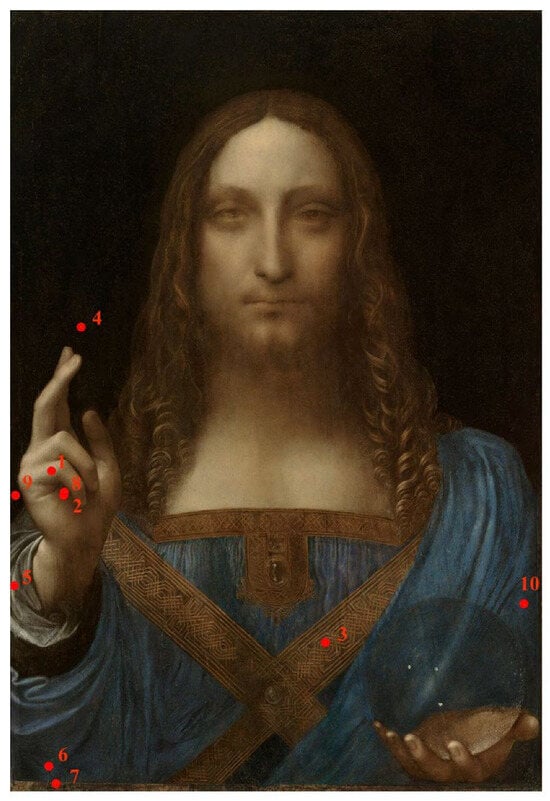
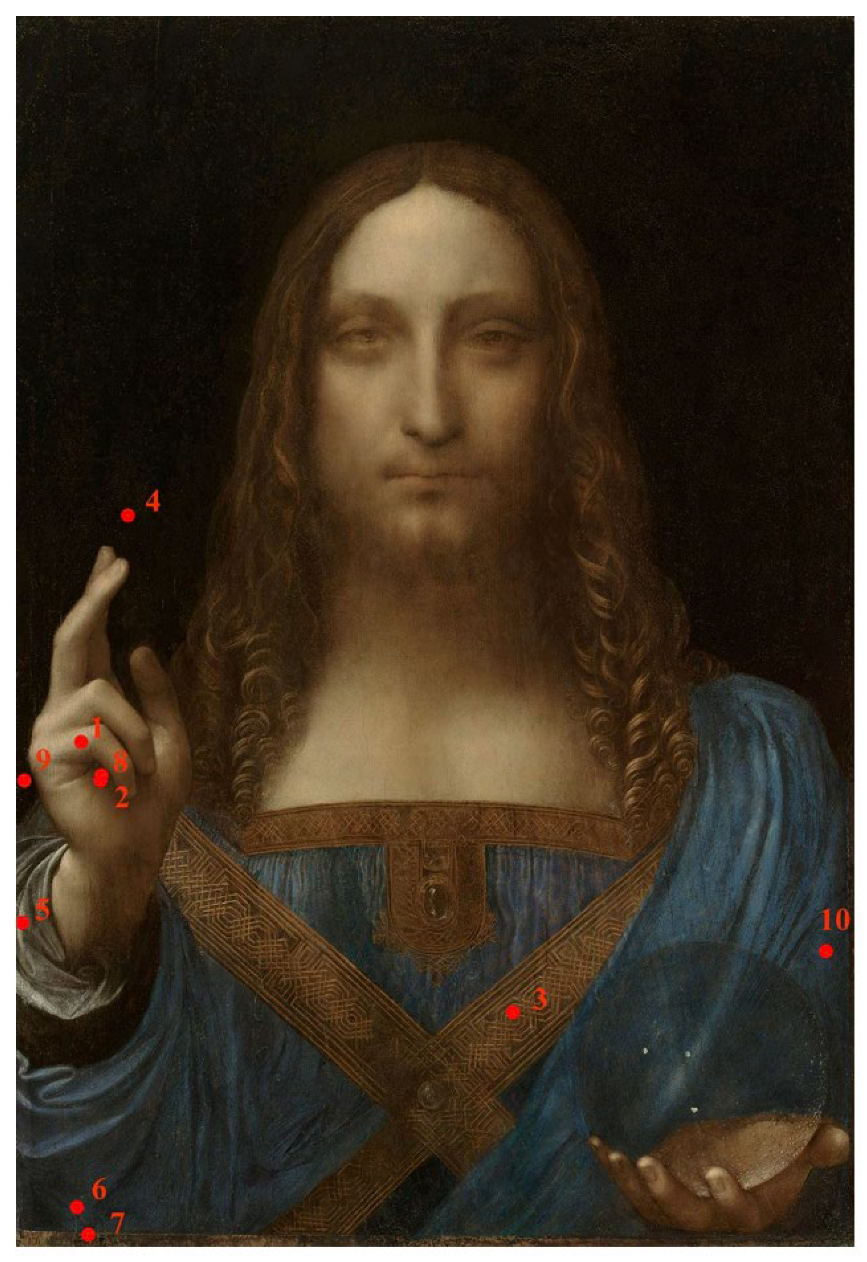
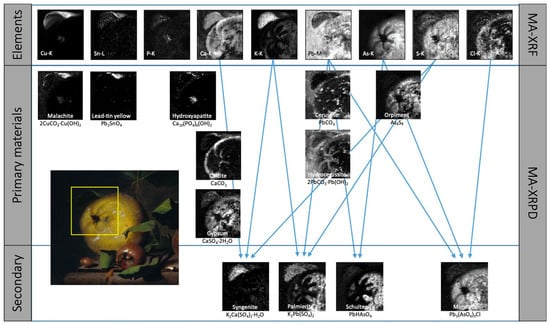
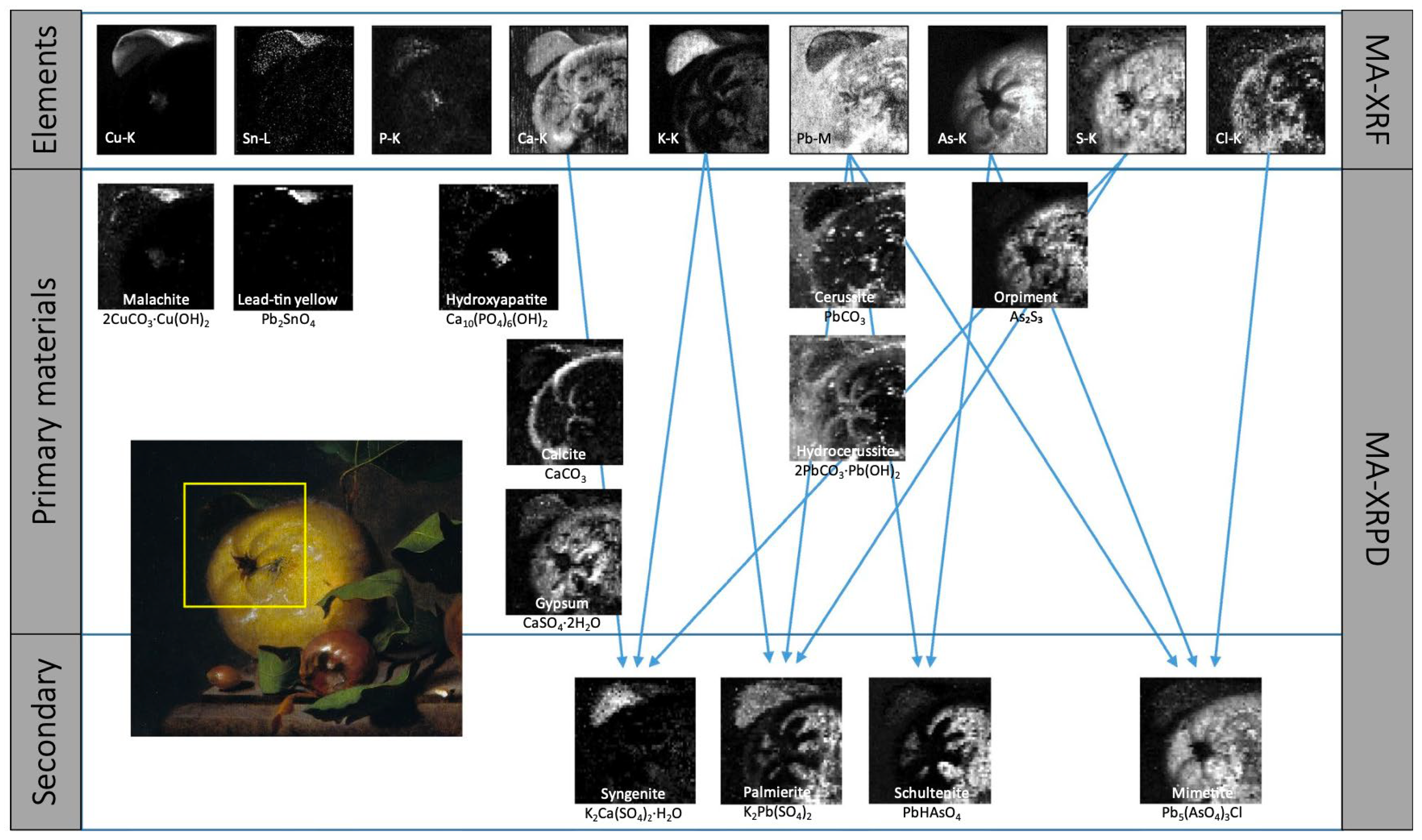
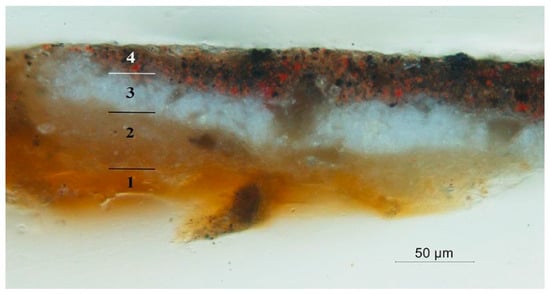
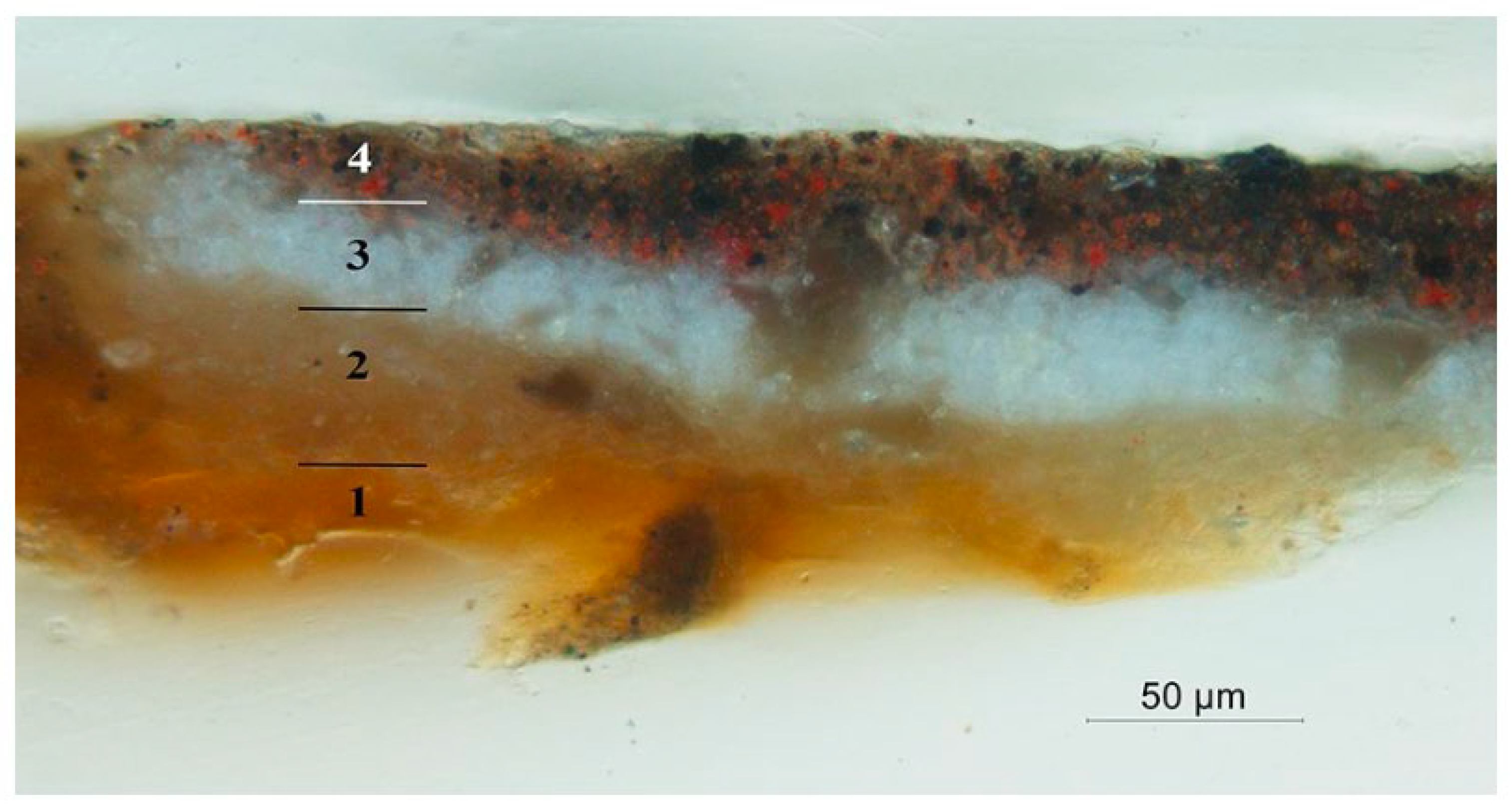
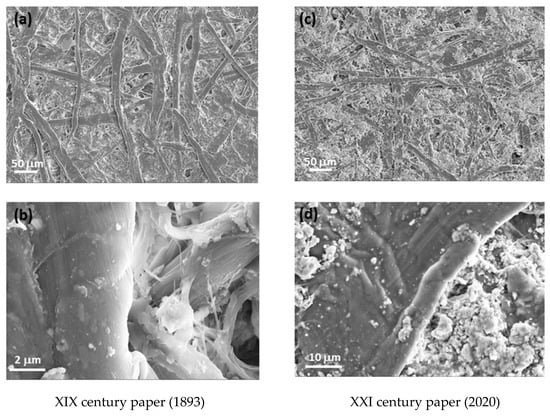
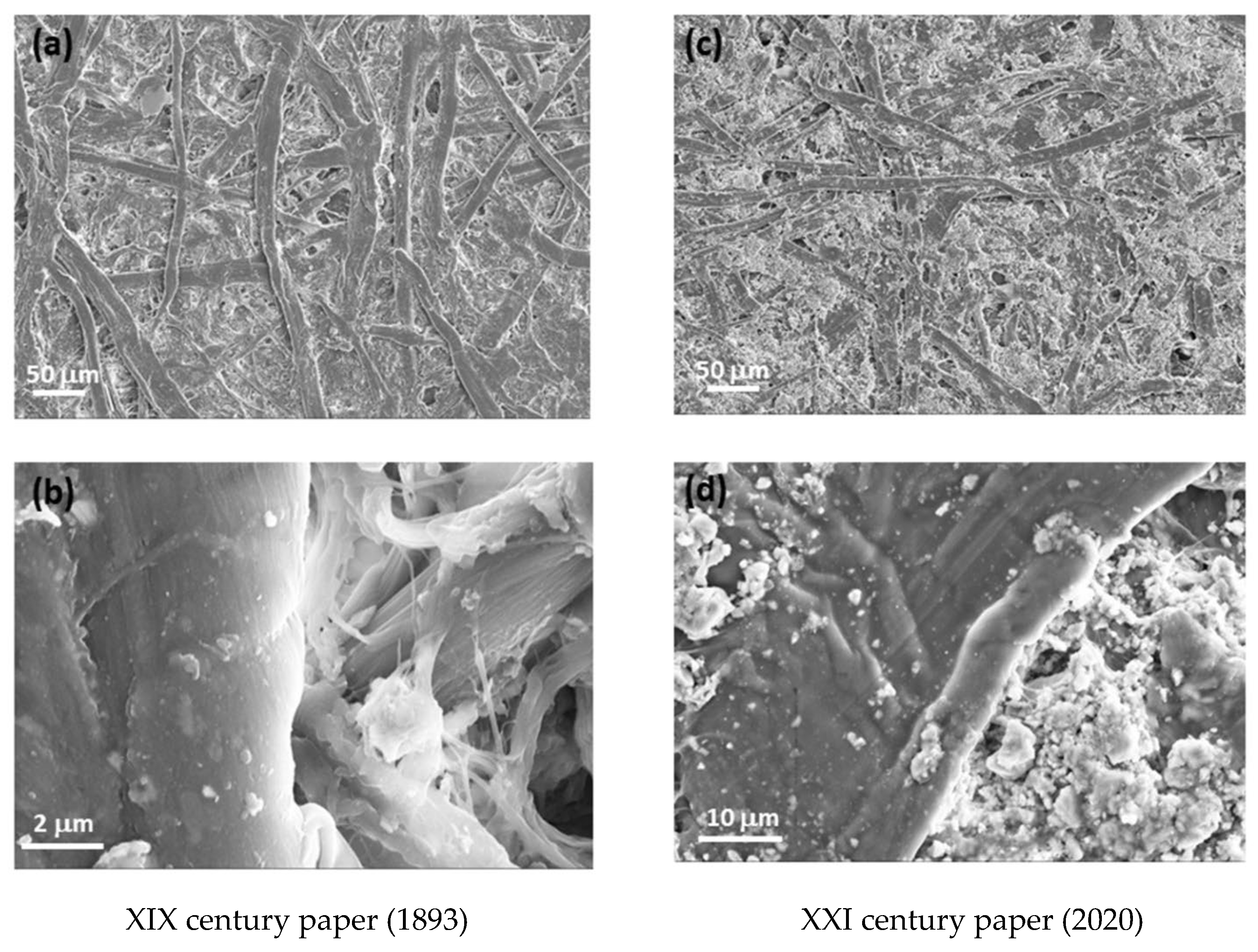
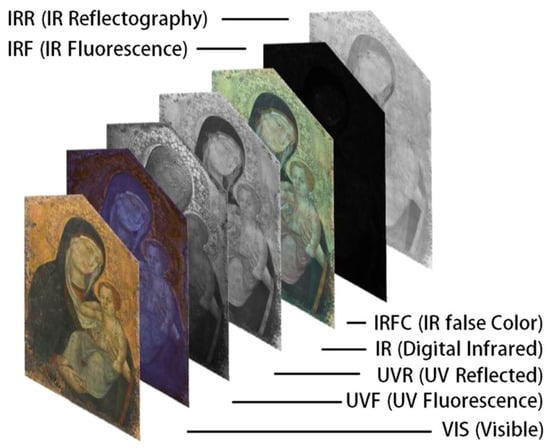
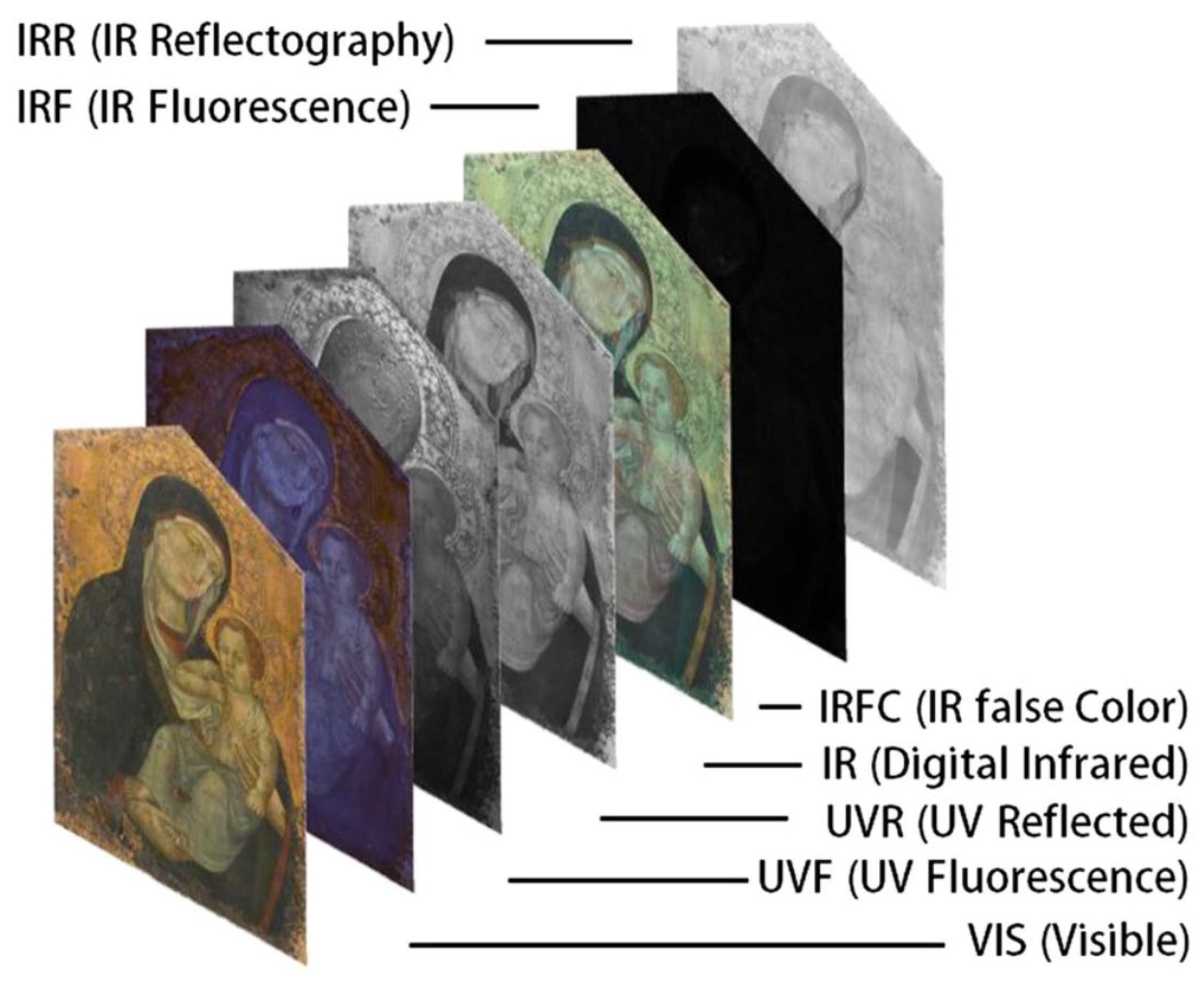
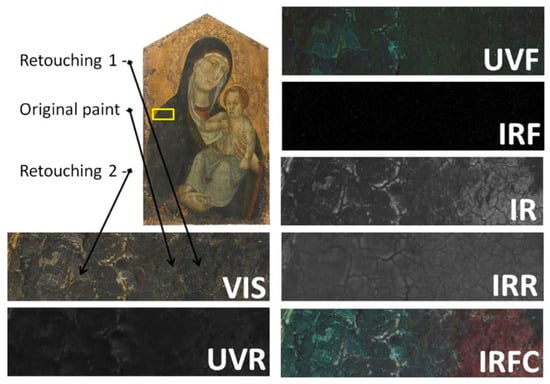
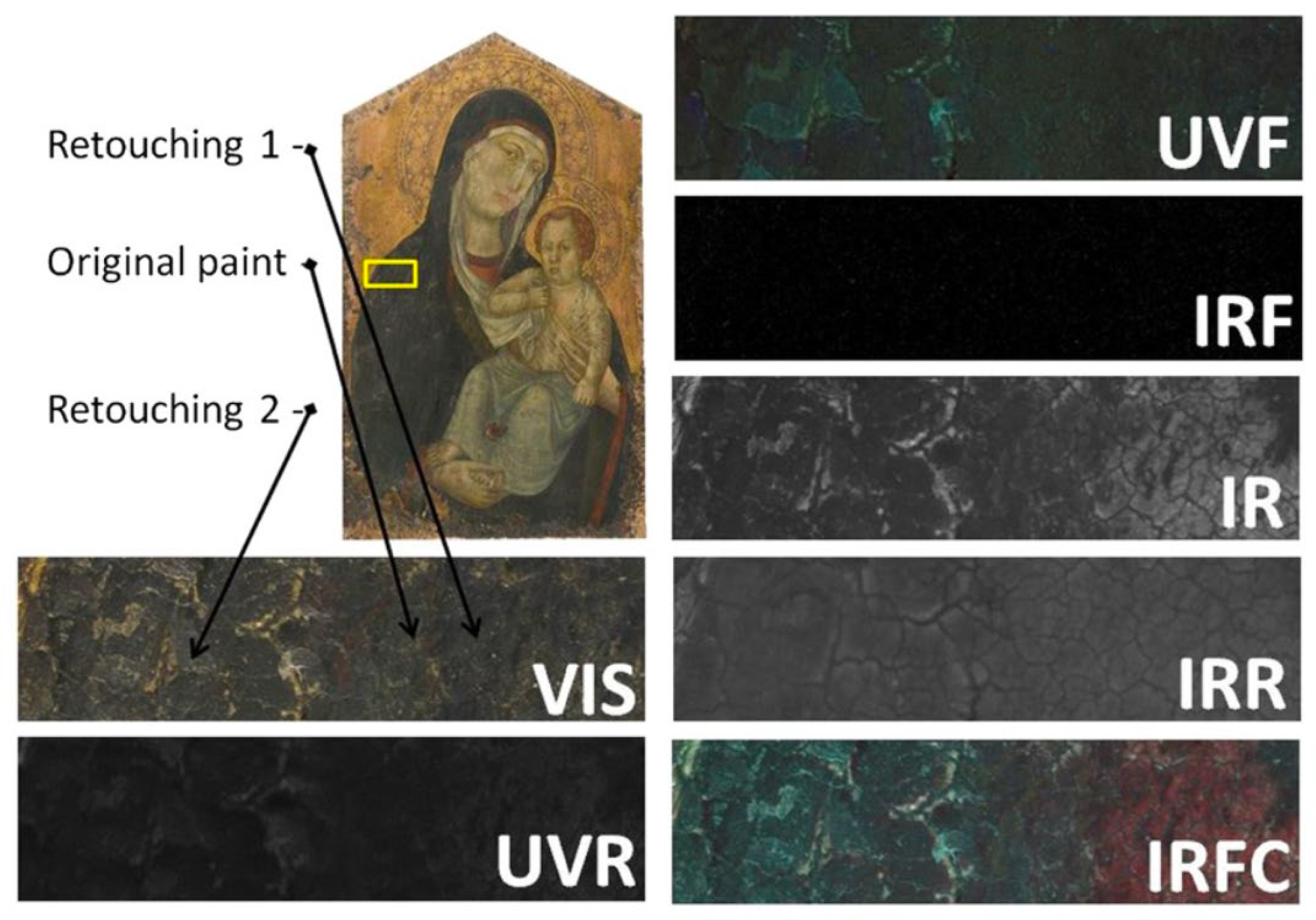
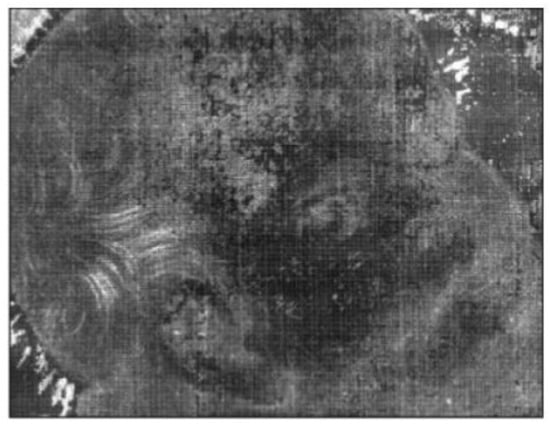
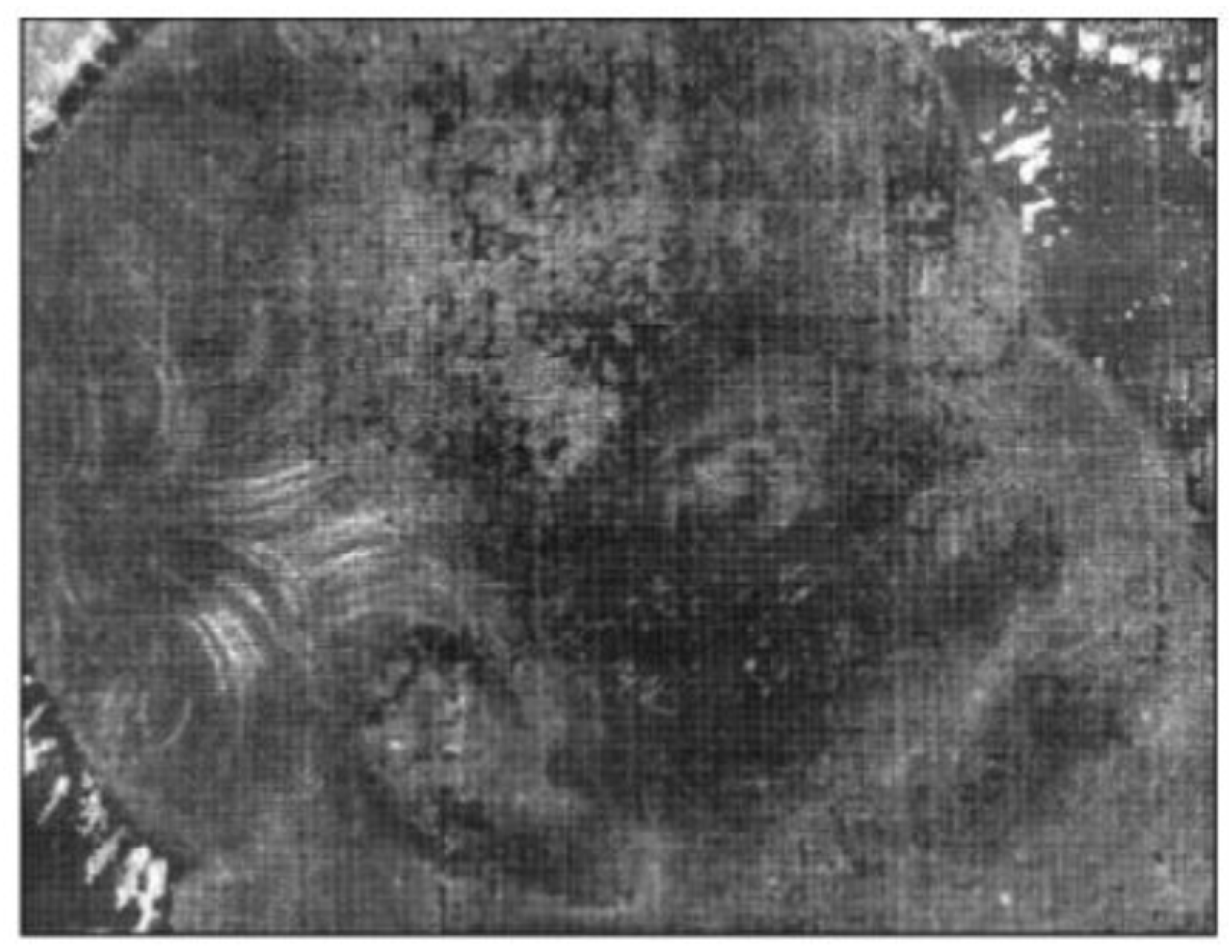
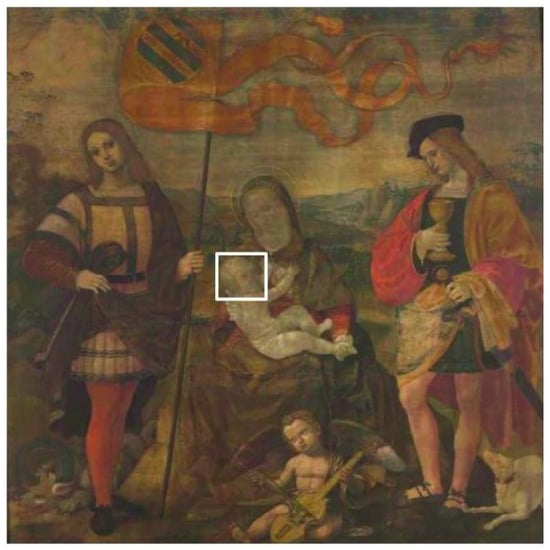
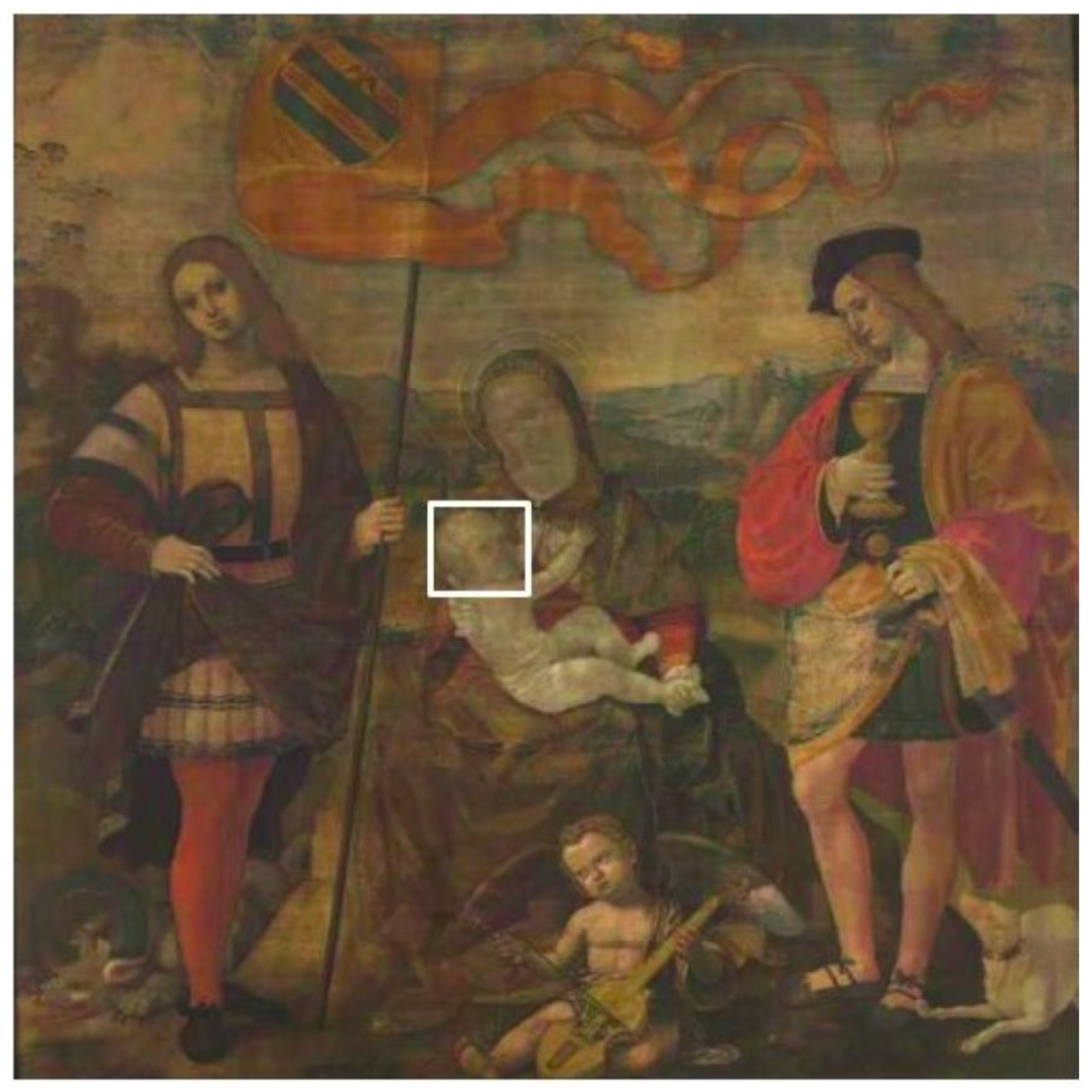
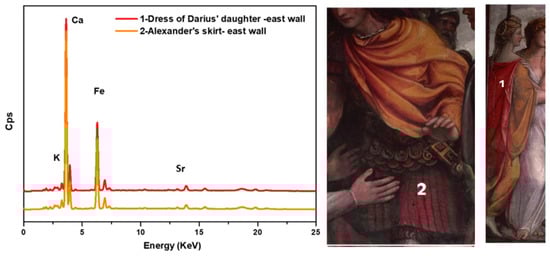
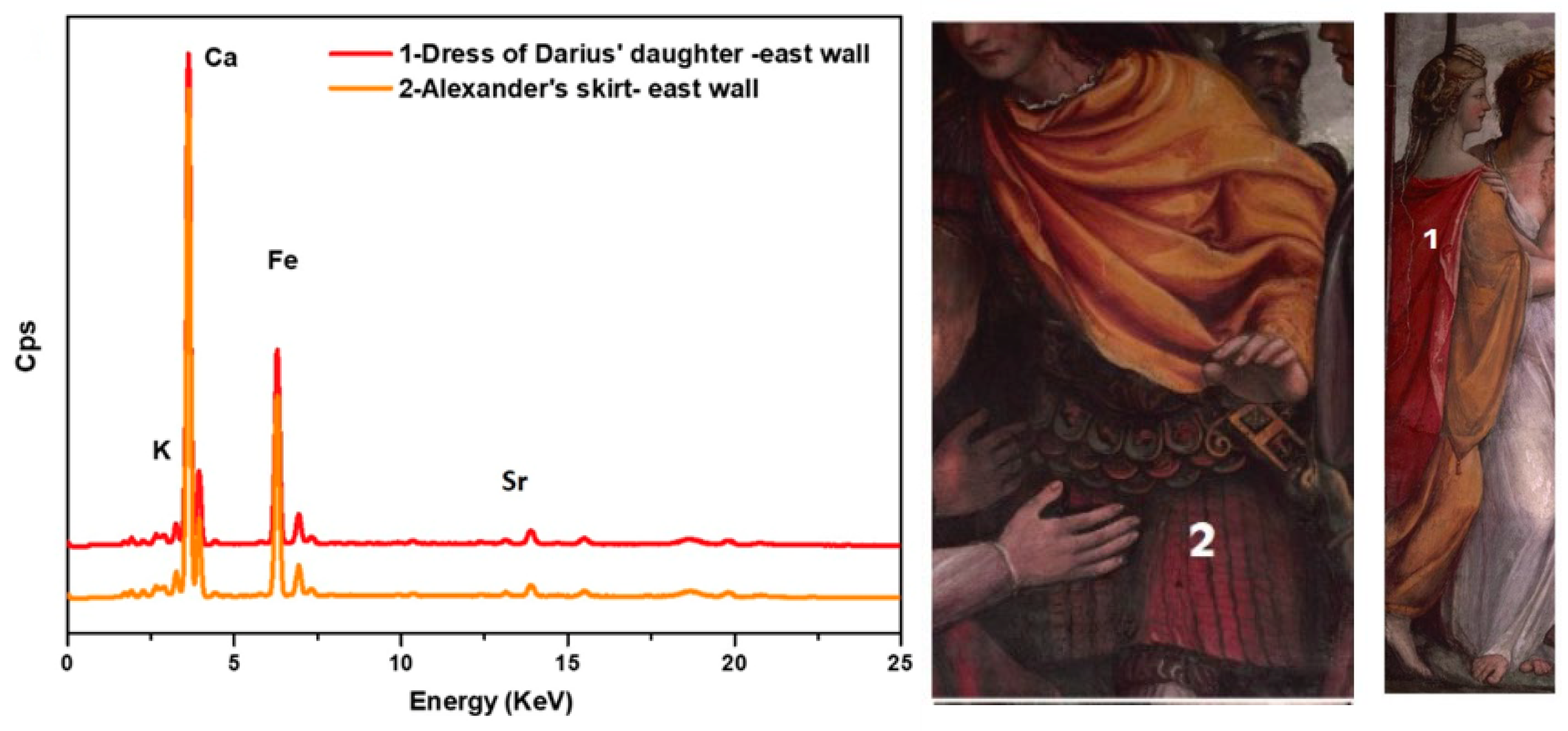
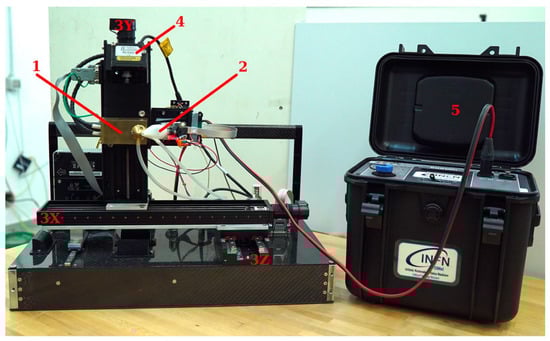
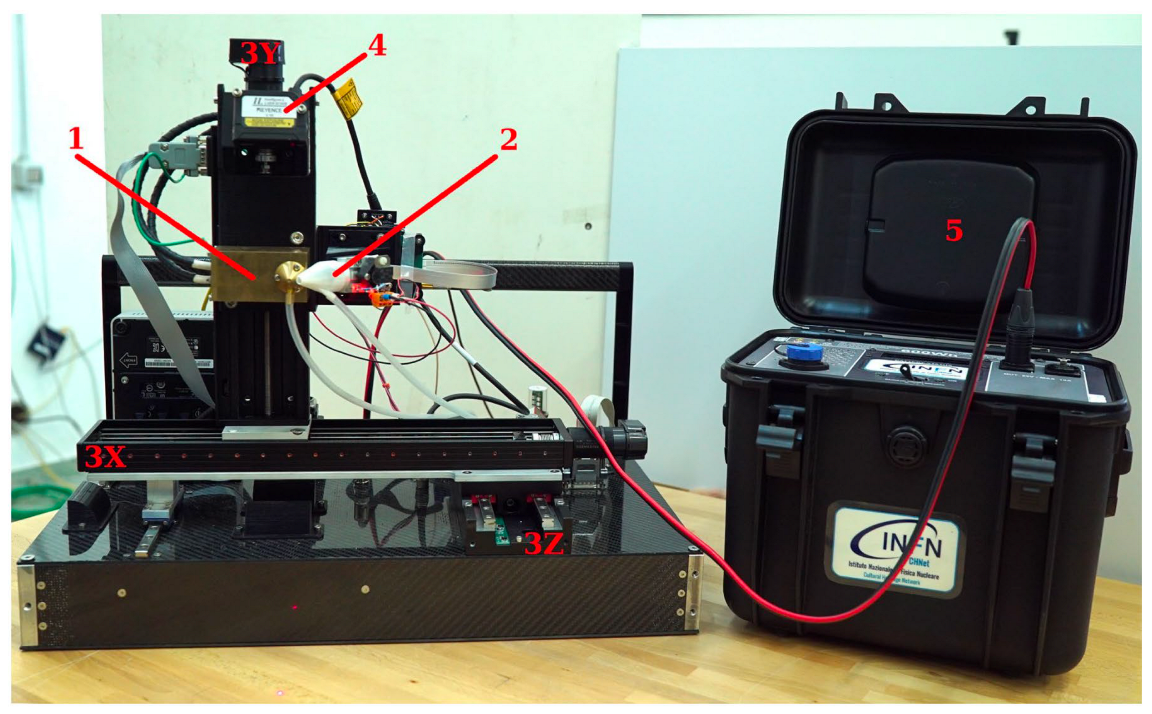
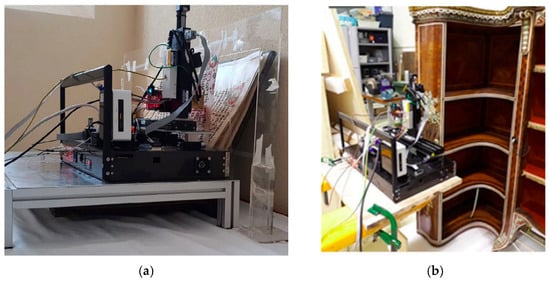
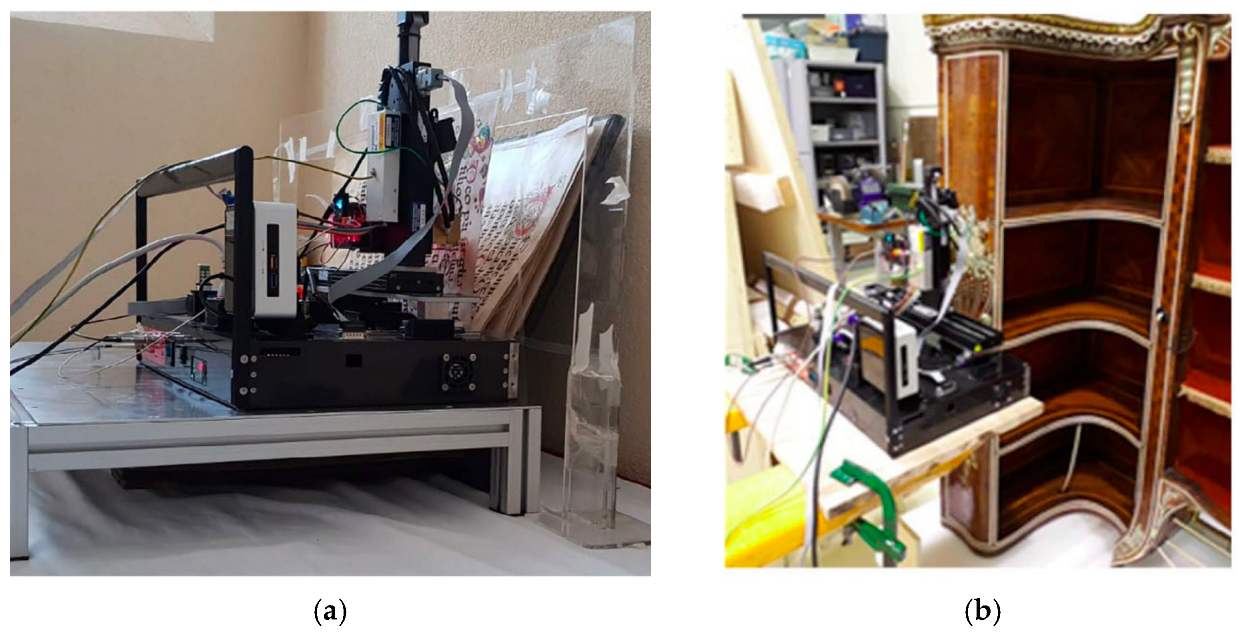
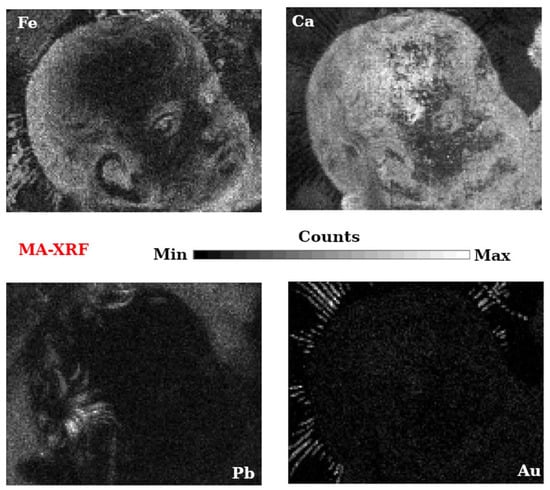
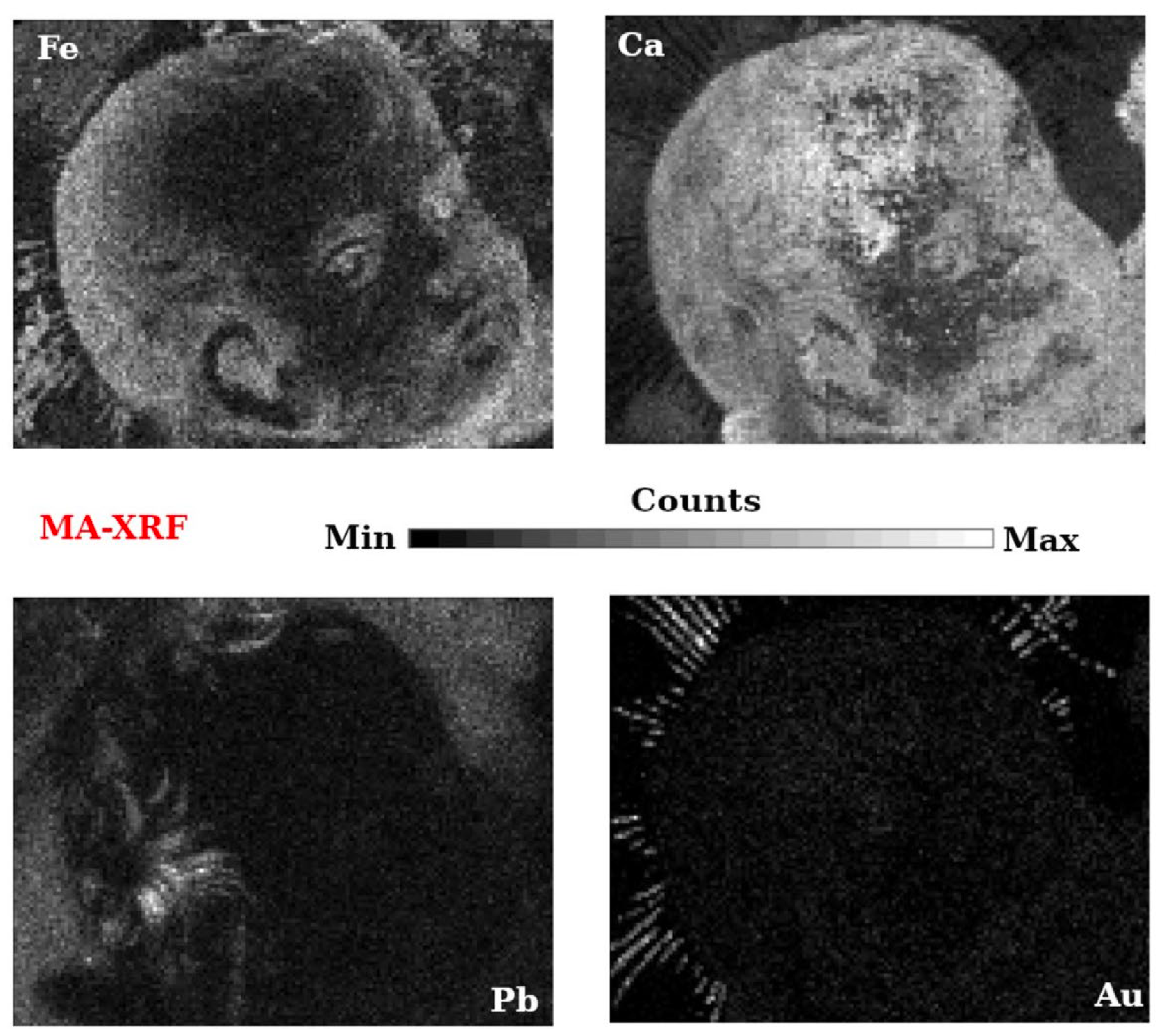
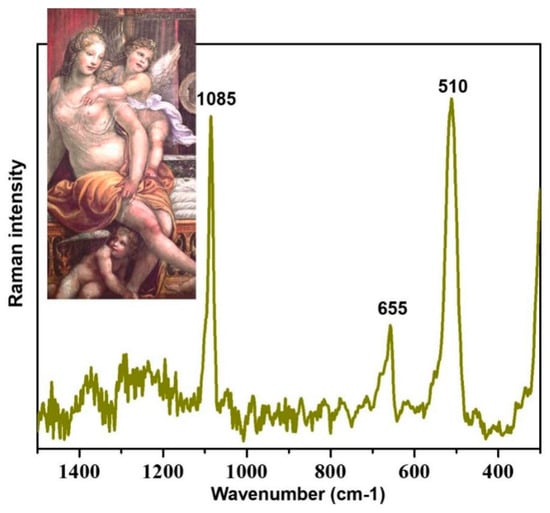
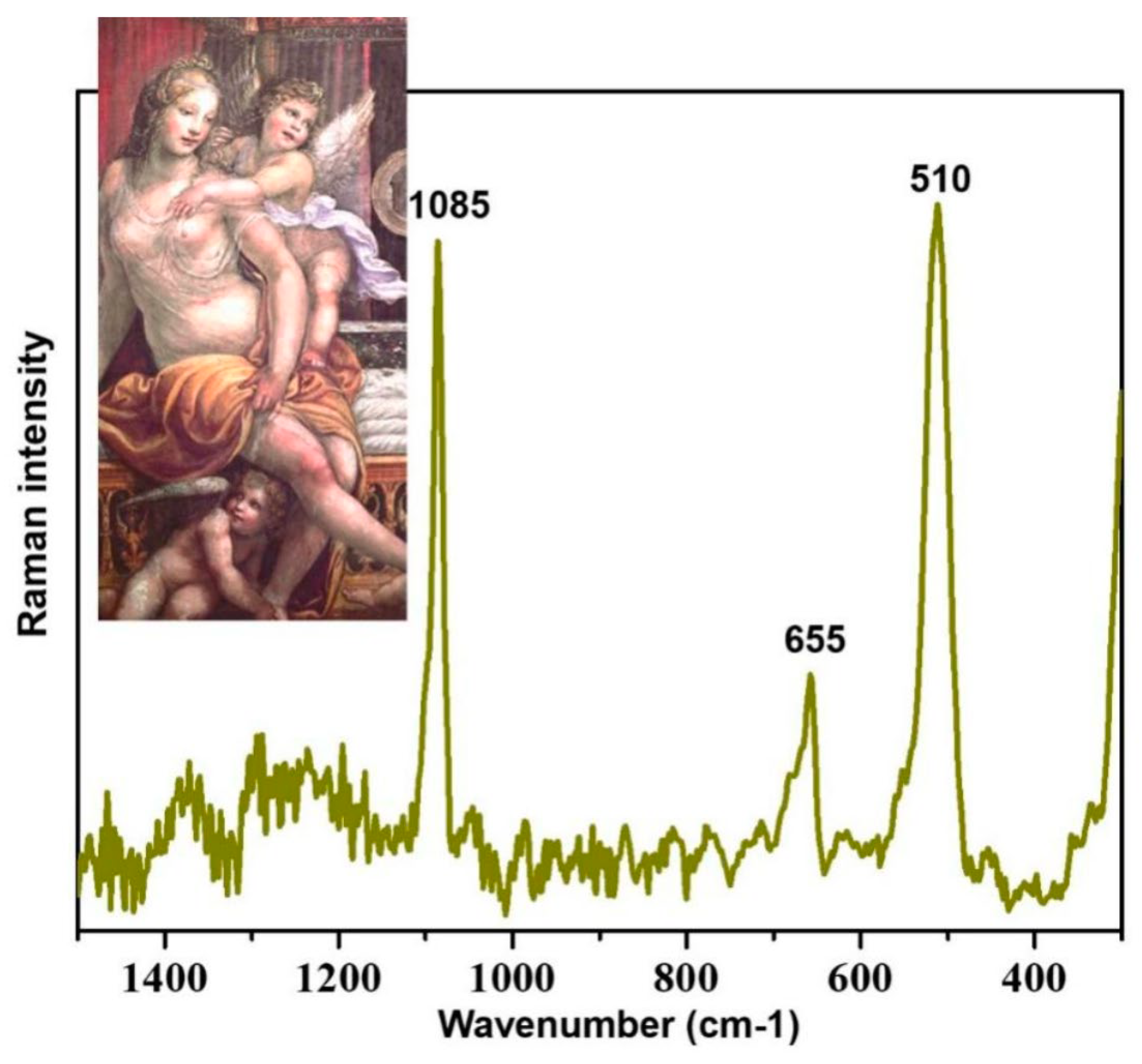
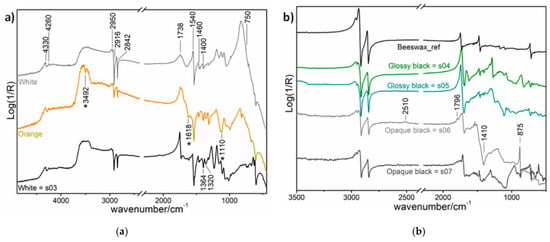
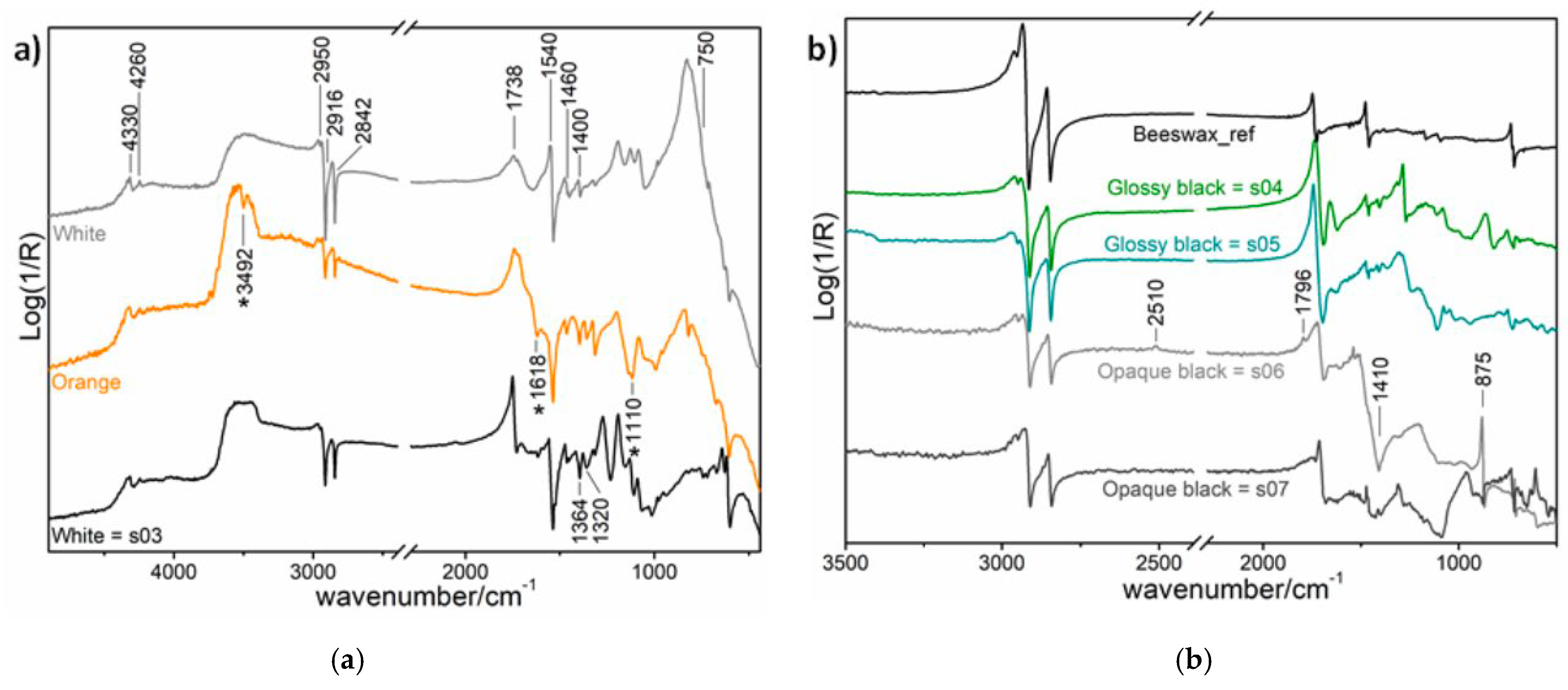
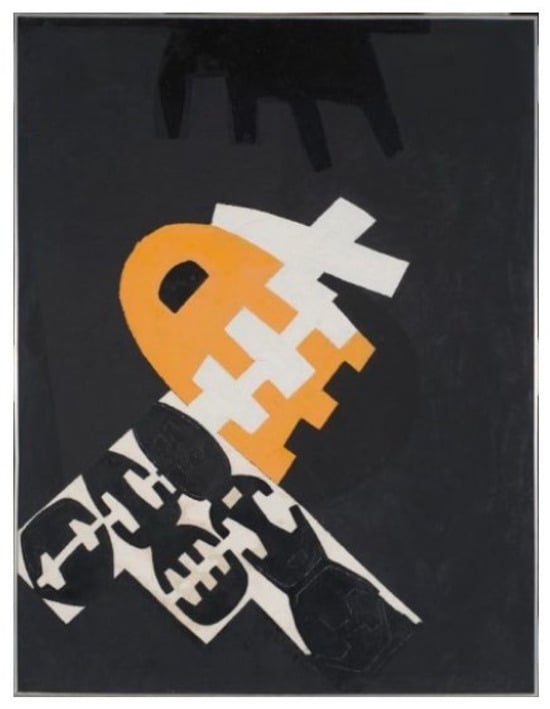
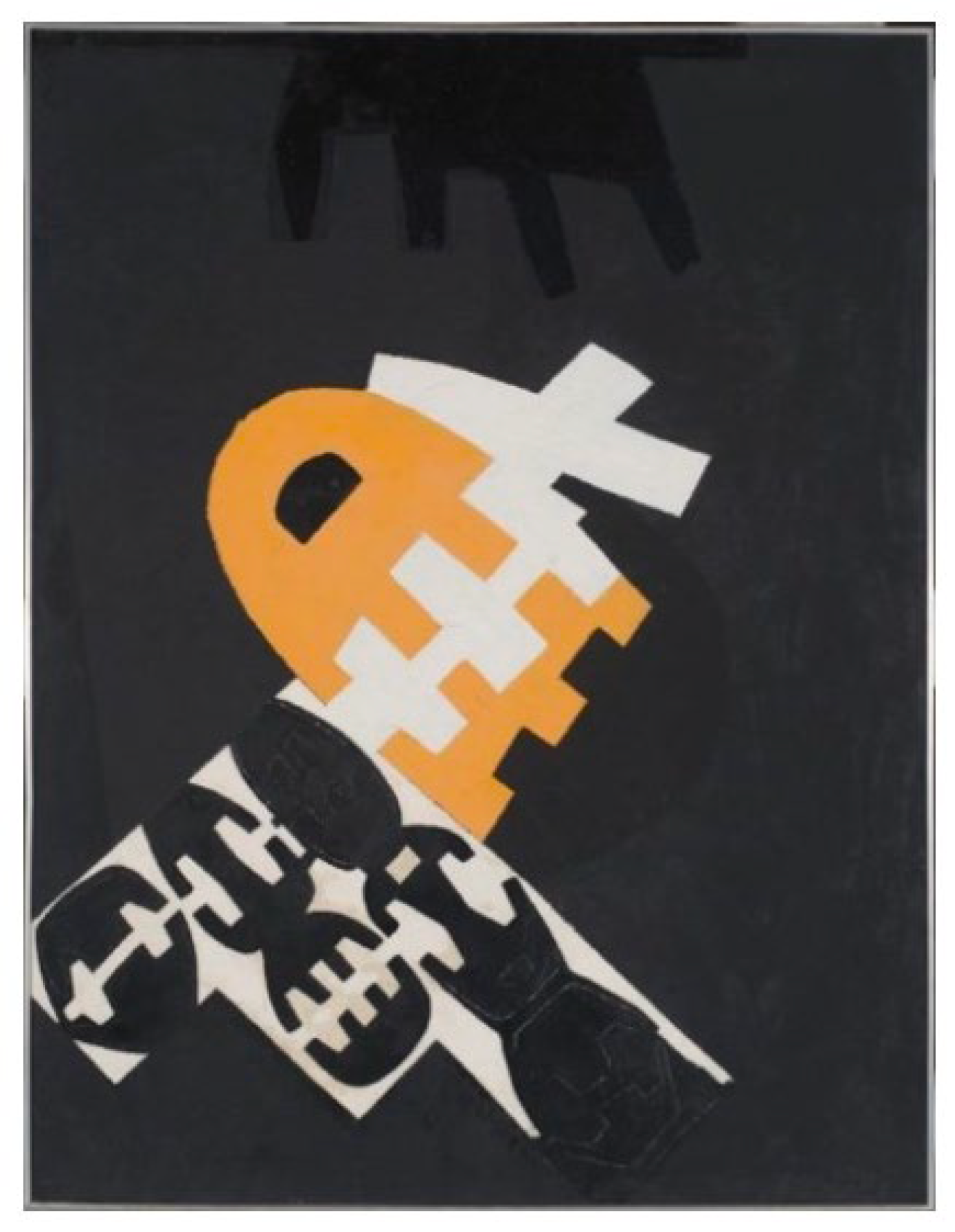
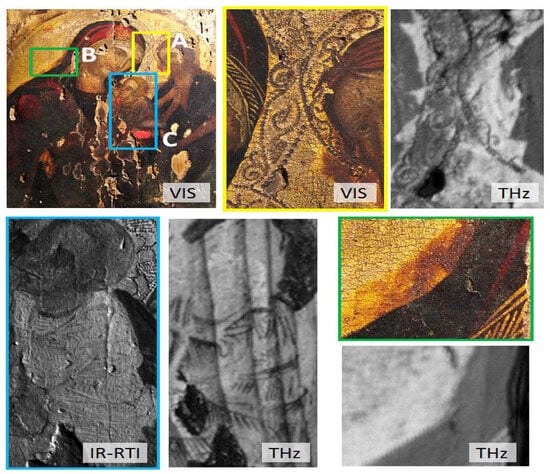
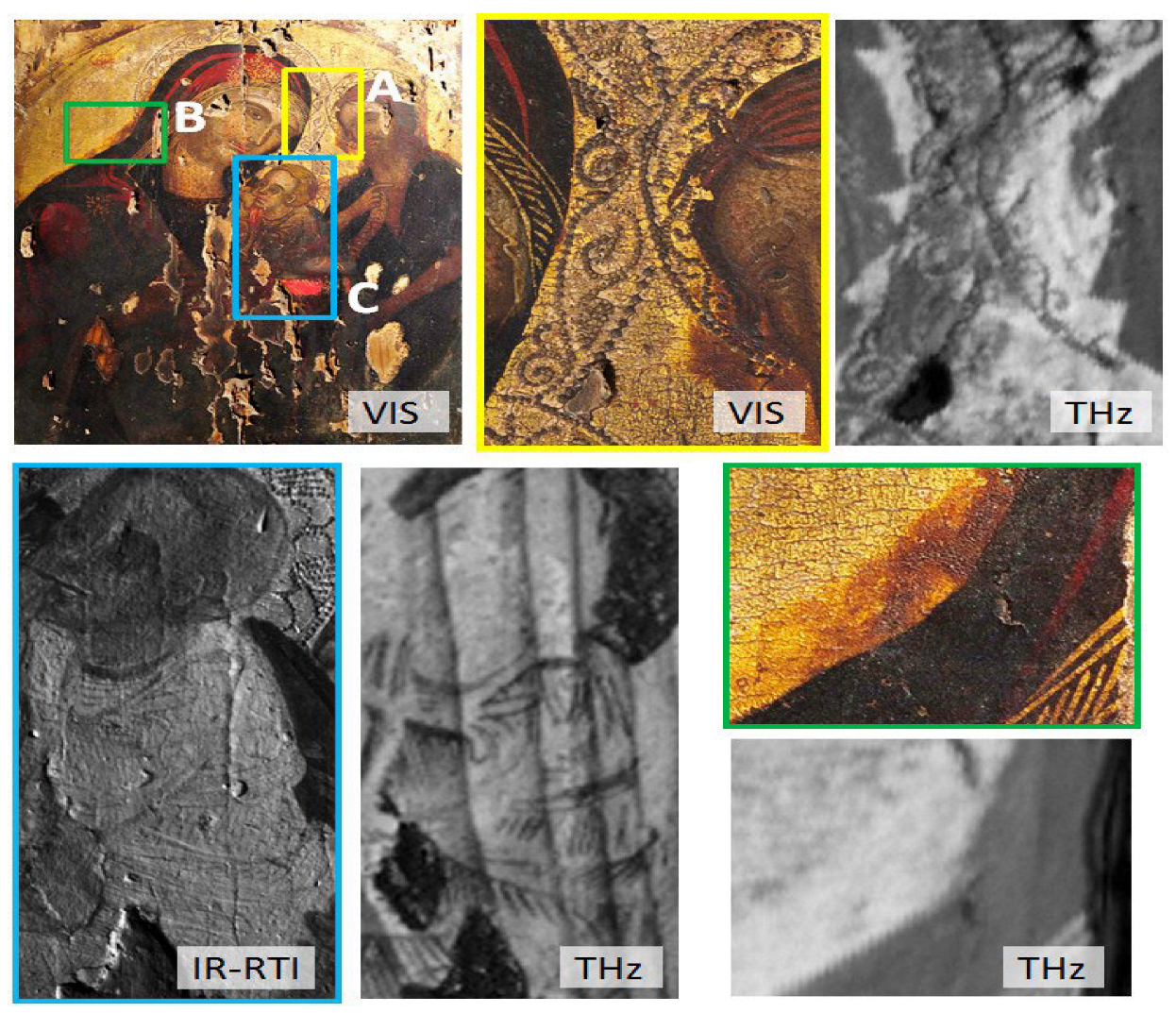
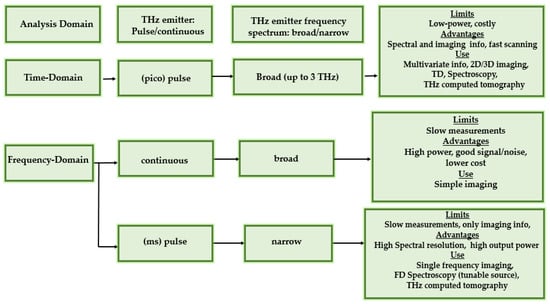
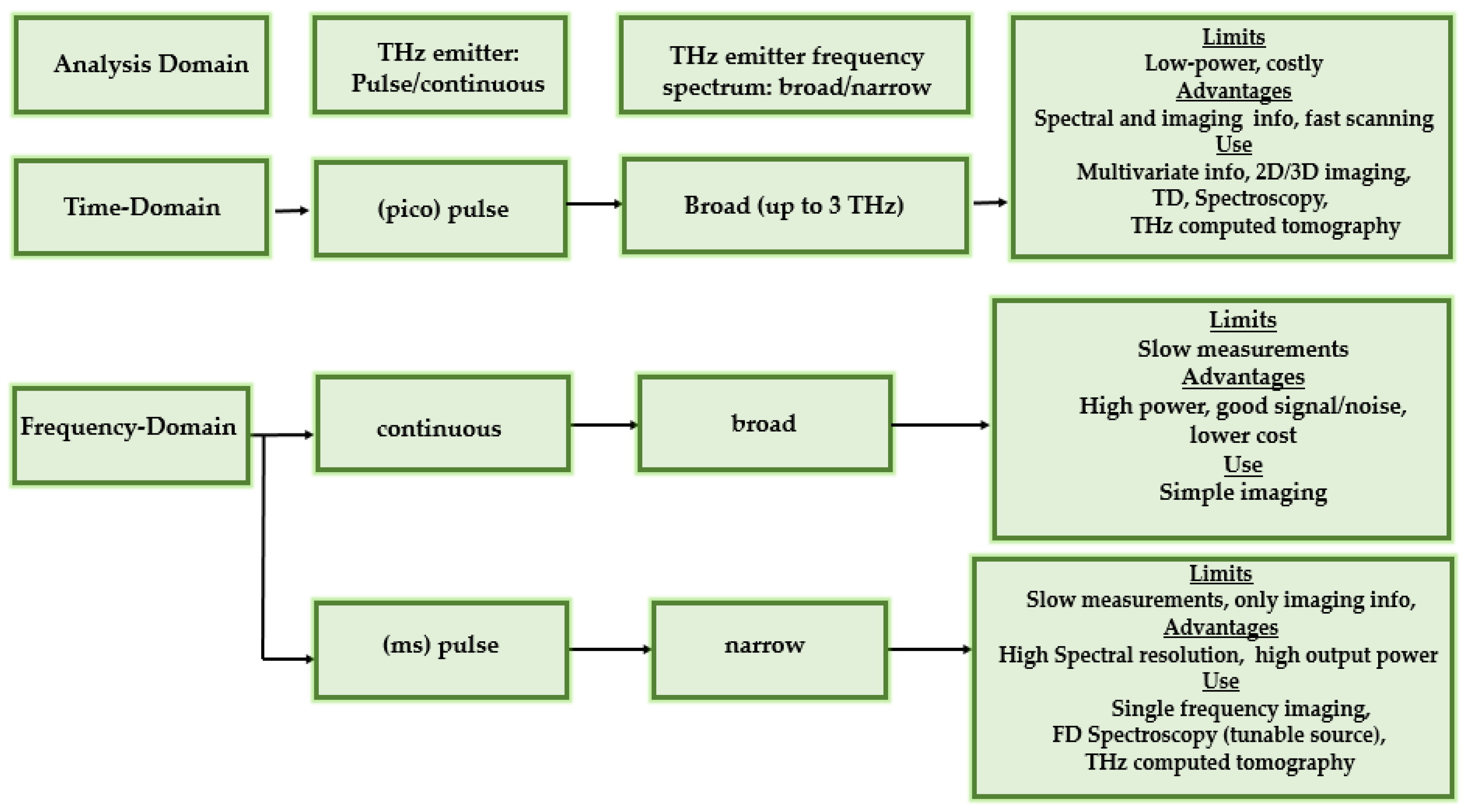



Disclaimer/Publisher’s Note: The statements, opinions and data contained in all publications are solely those of the individual author(s) and contributor(s) and not of MDPI and/or the editor(s). MDPI and/or the editor(s) disclaim responsibility for any injury to people or property resulting from any ideas, methods, instructions or products referred to in the content. |
© 2025 by the authors. Licensee MDPI, Basel, Switzerland. This article is an open access article distributed under the terms and conditions of the Creative Commons Attribution (CC BY) license (https://creativecommons.org/licenses/by/4.0/).