Article

Transforming Landslide Prediction: A Novel Approach Combining Numerical Methods and Advanced Correlation Analysis in Slope Stability Investigation


1
School of Resources and Safety Engineering, Central South University, Changsha 410083, China
2
Department of Geology, Faculty of Physical Sciences, Ahmadu Bello University, Zaria 1045, Nigeria
*
Author to whom correspondence should be addressed.
Appl. Sci. 2024, 14(9), 3685; https://doi.org/10.3390/app14093685
Submission received: 20 March 2024 / Revised: 22 April 2024 / Accepted: 24 April 2024 / Published: 26 April 2024
(This article belongs to the Section Civil Engineering)

Abstract

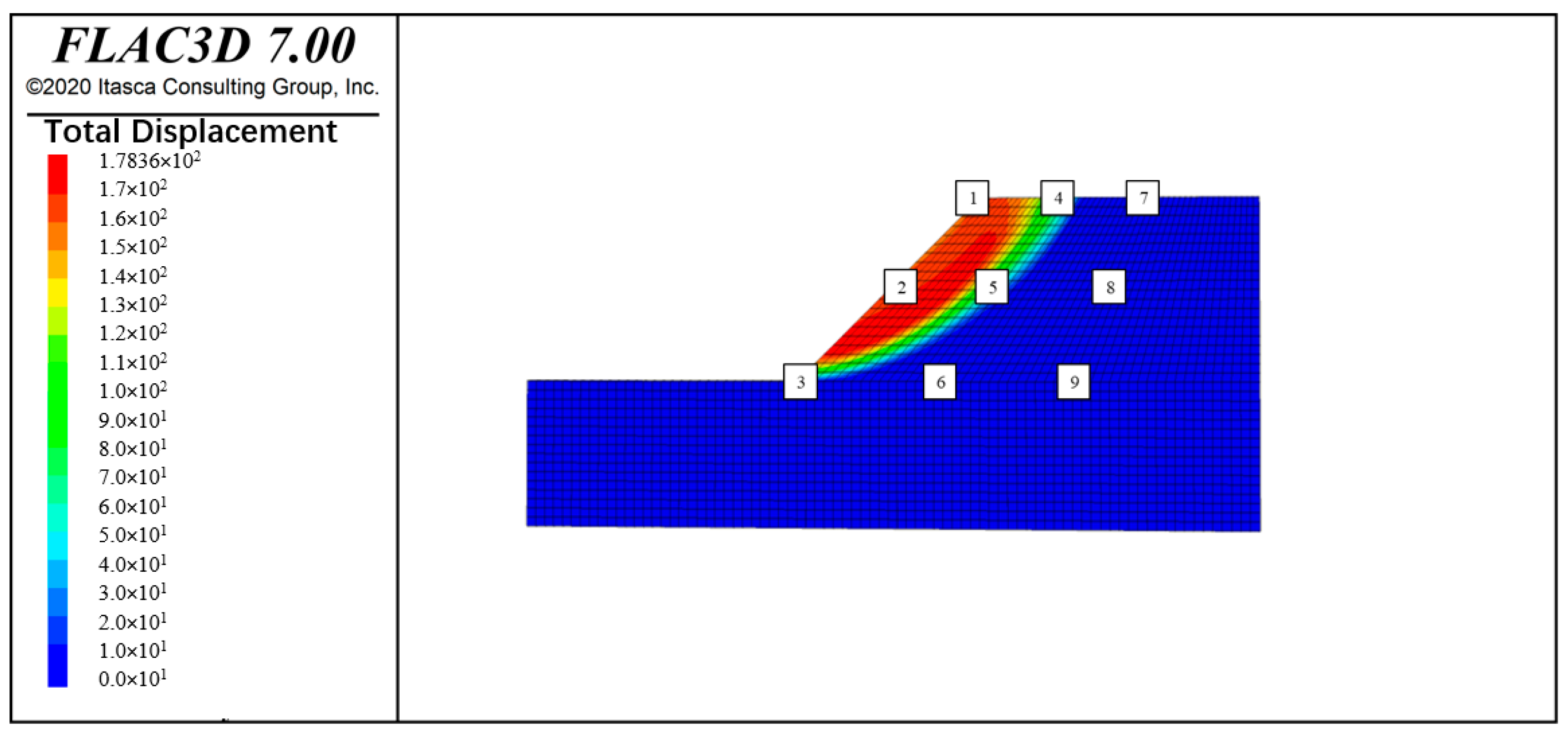
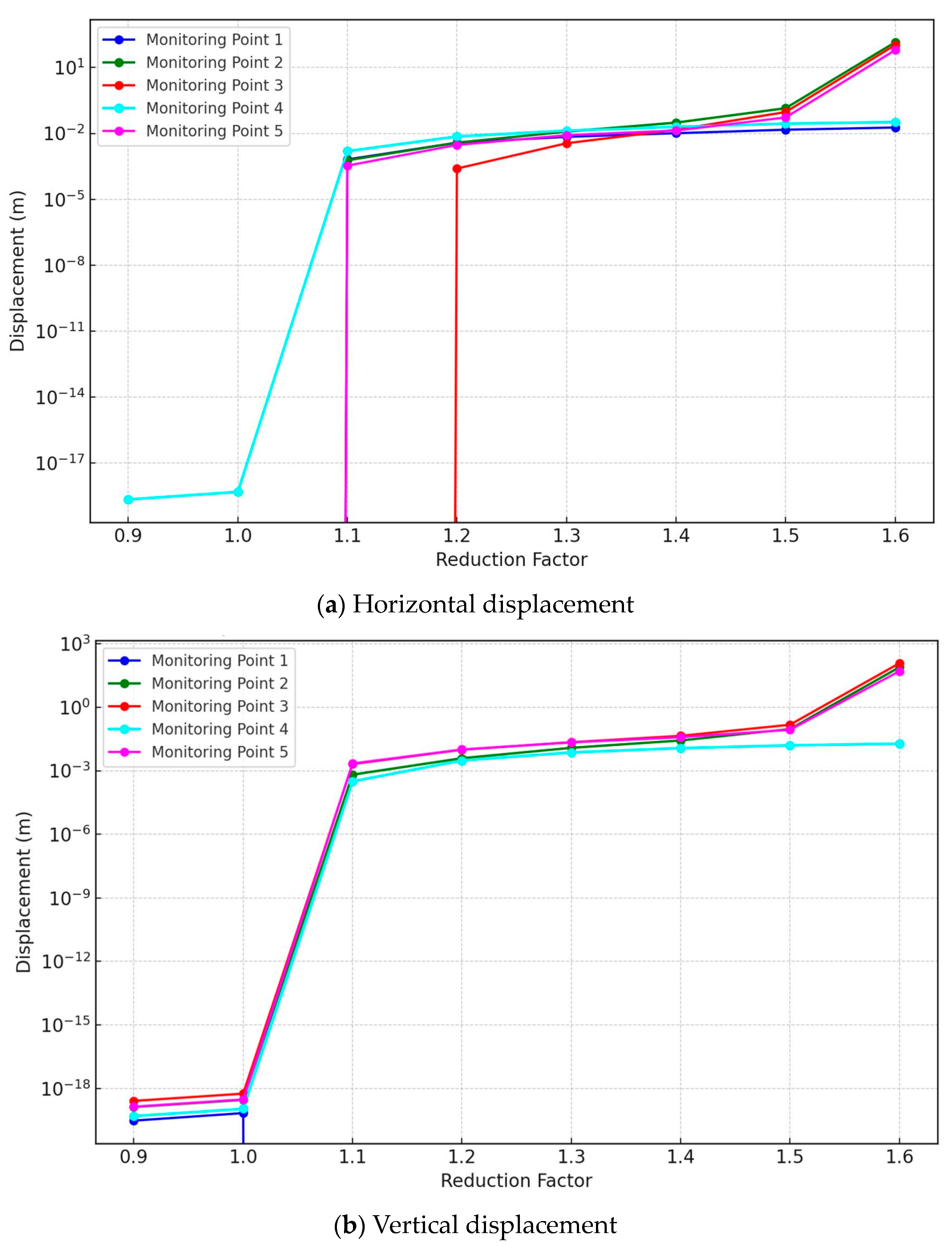
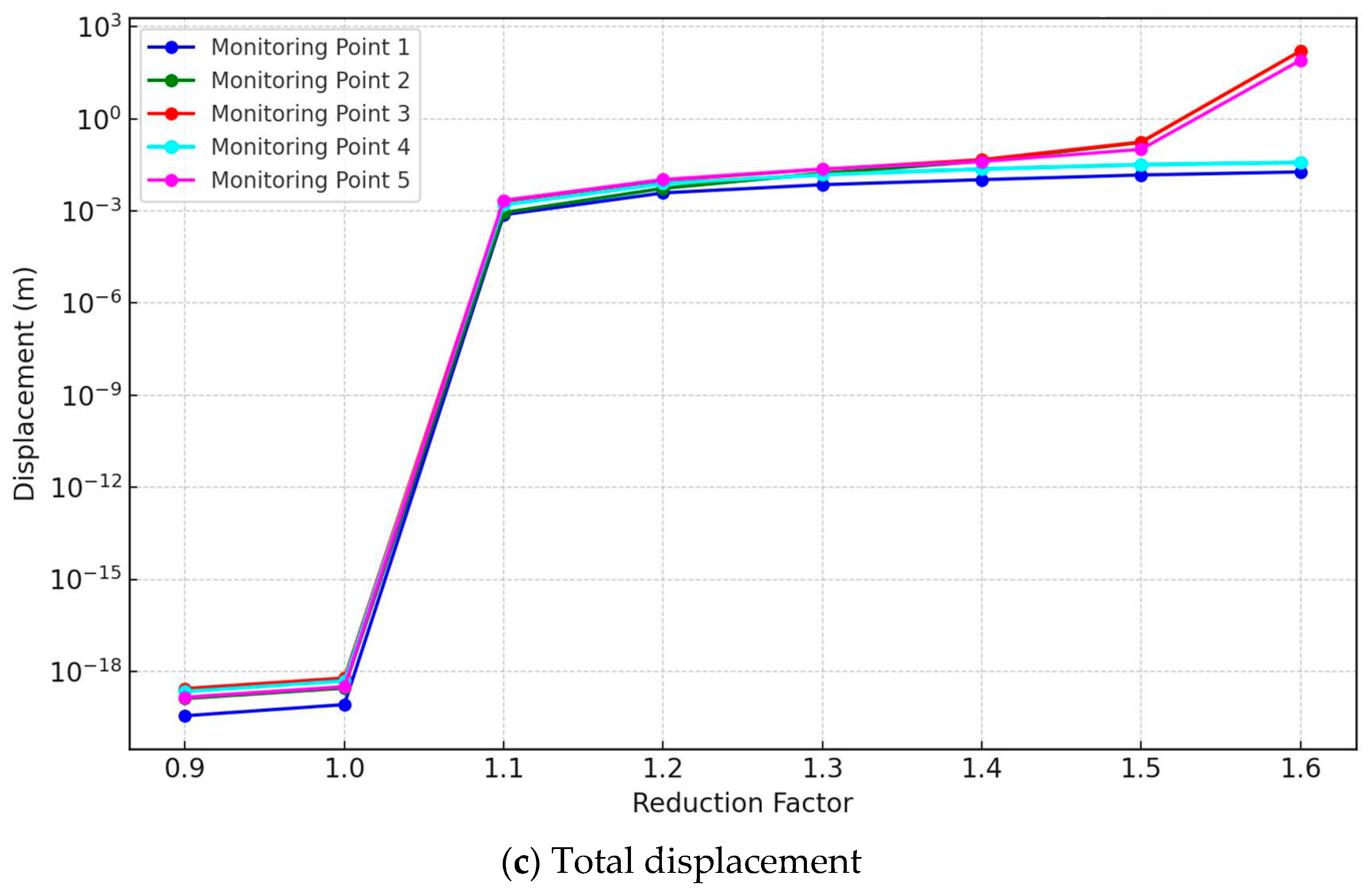
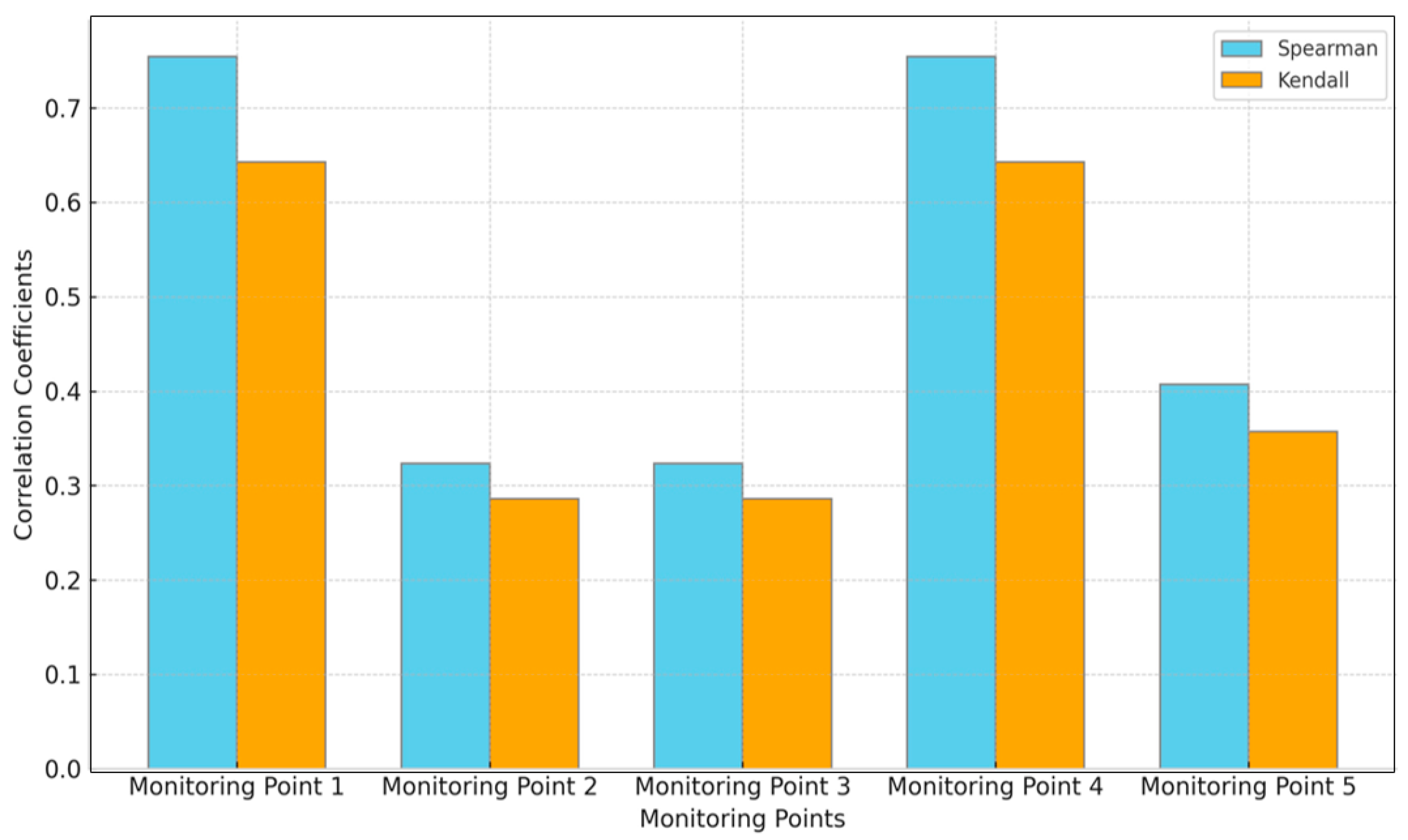
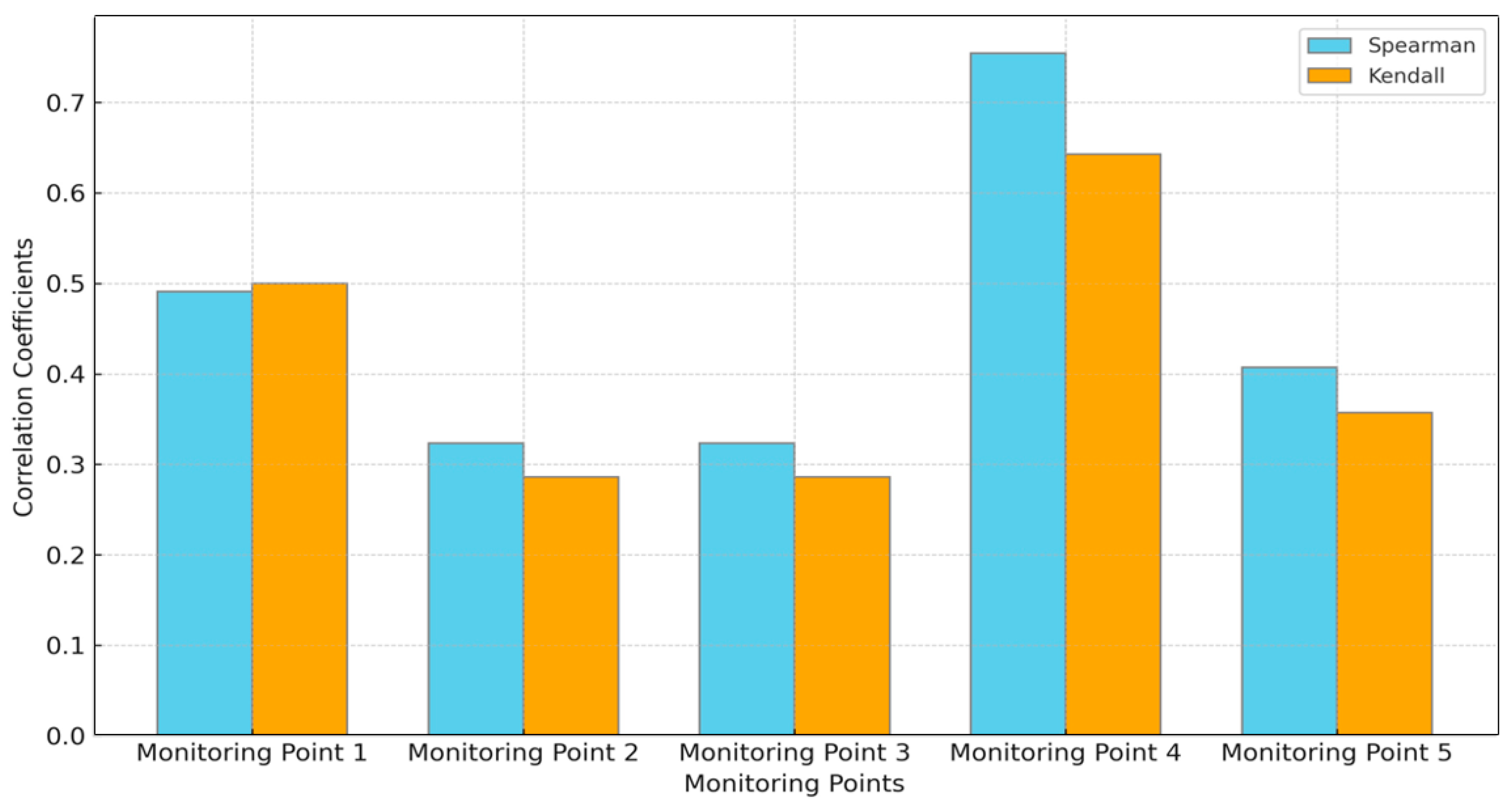
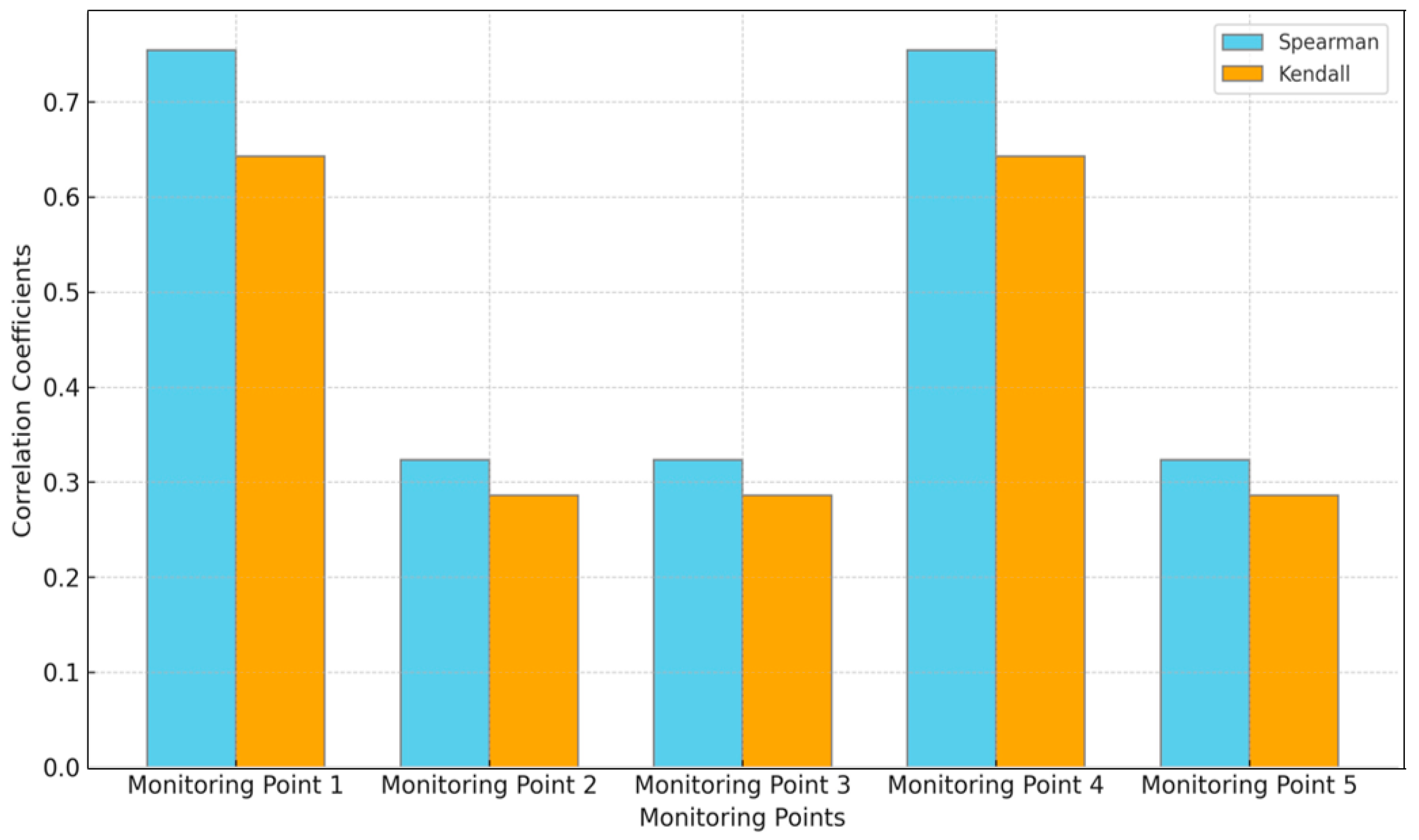
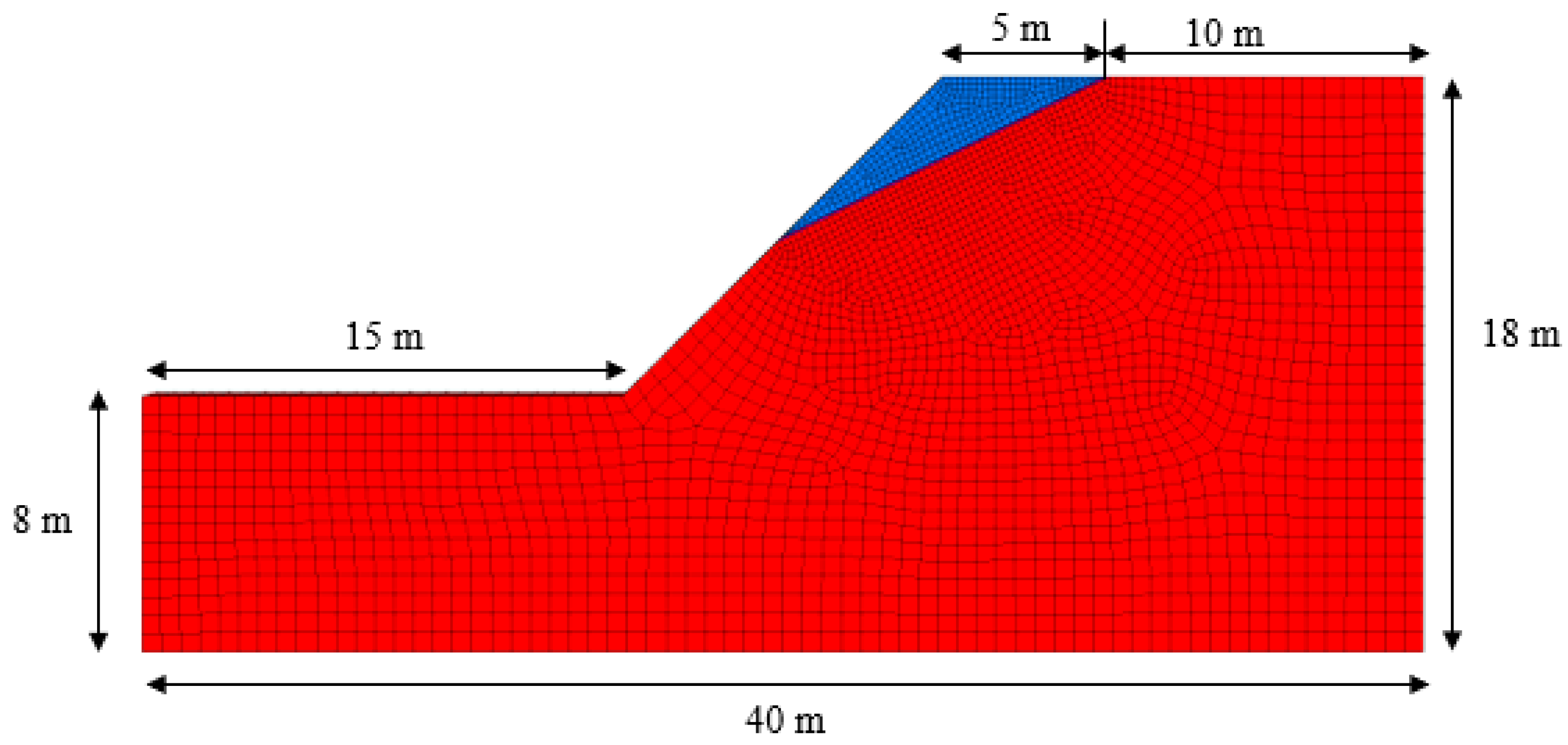
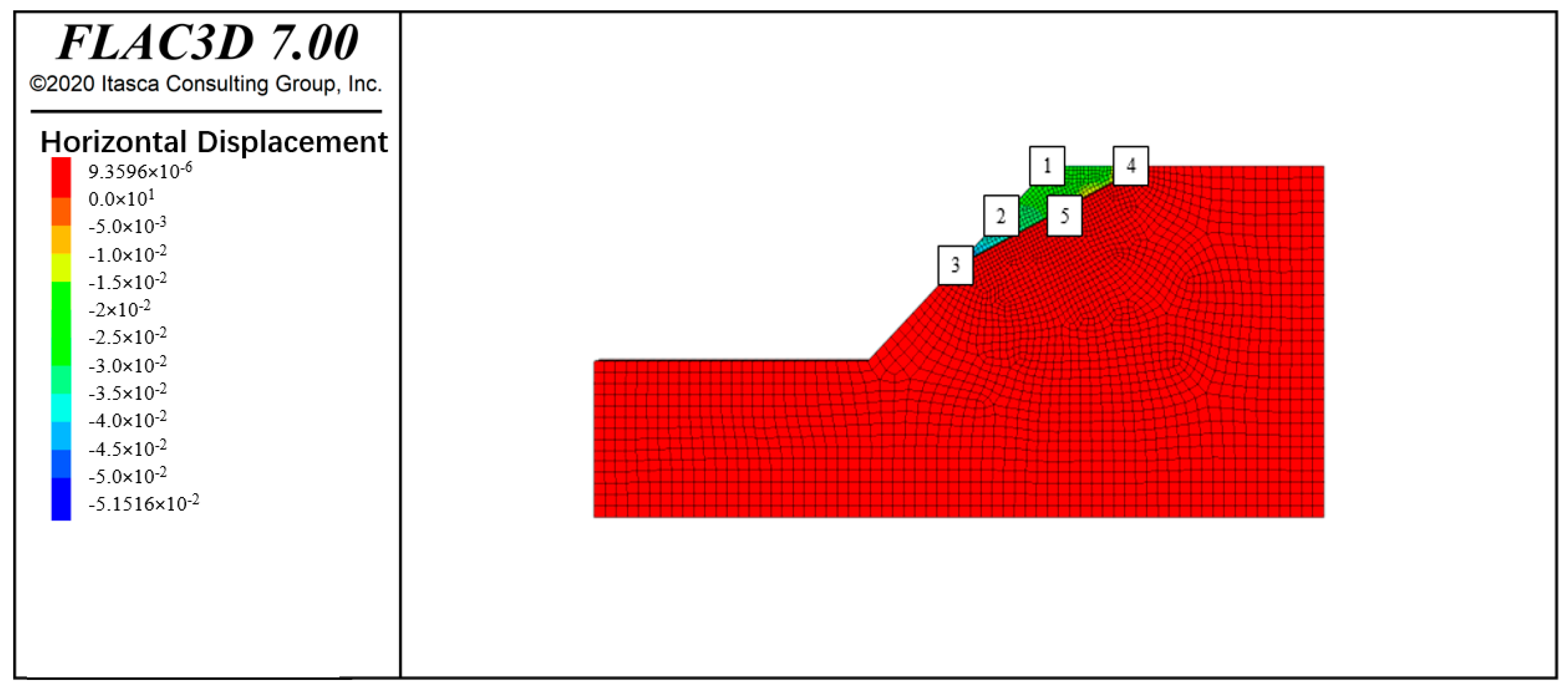
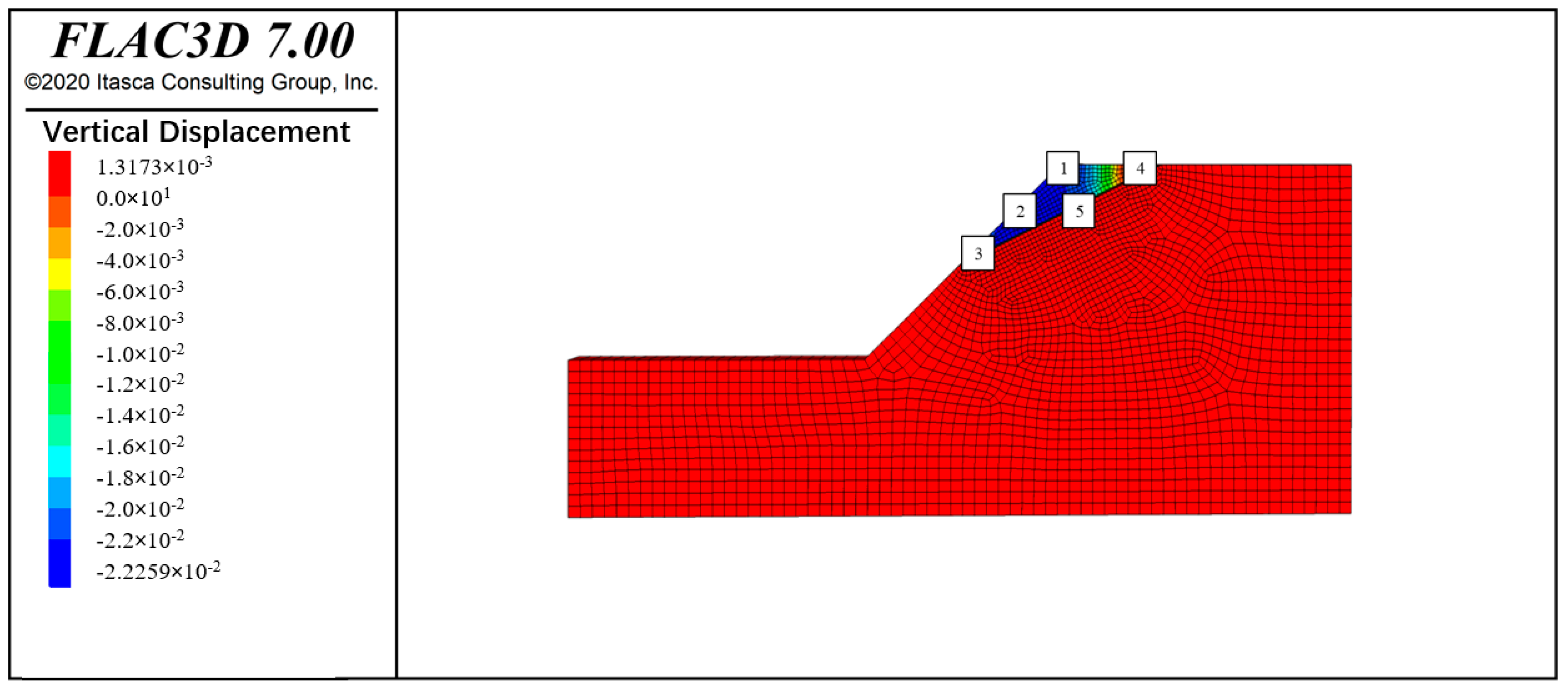
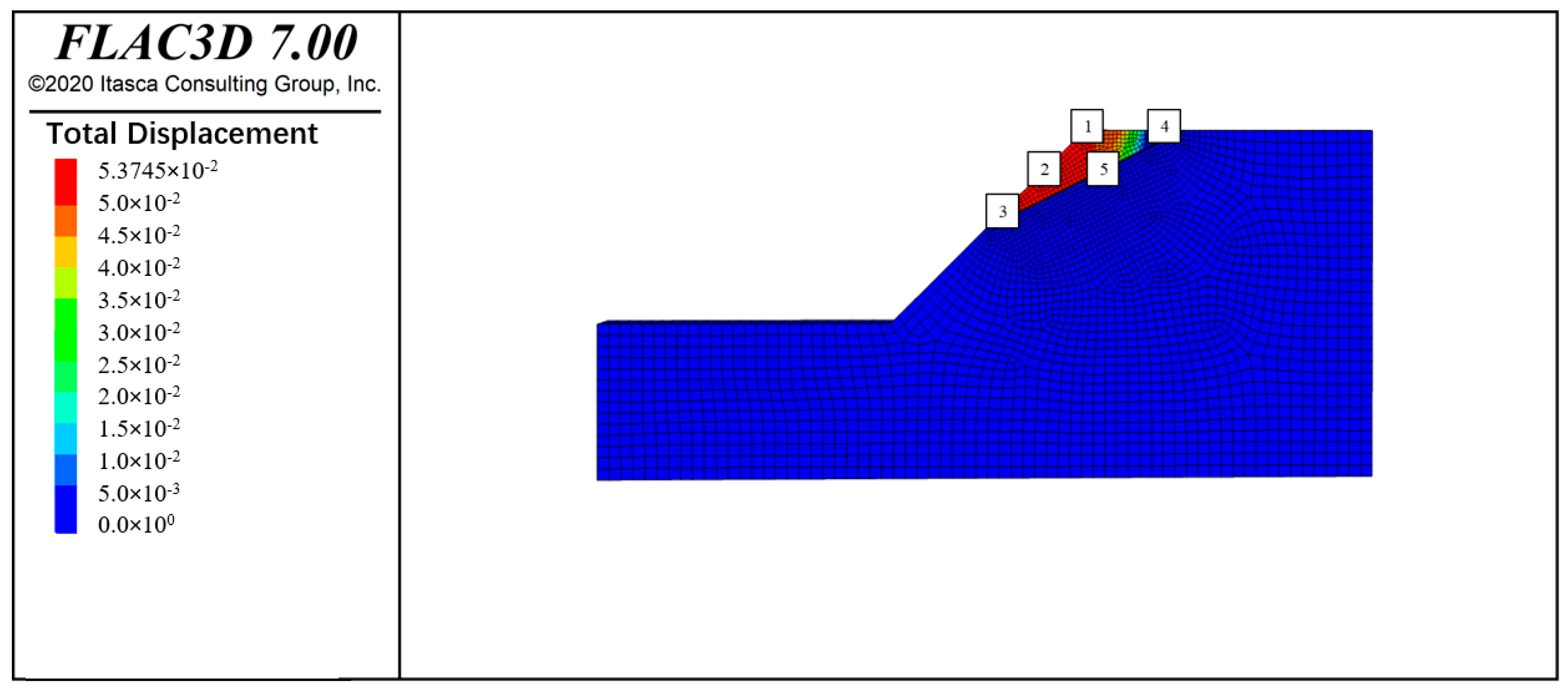
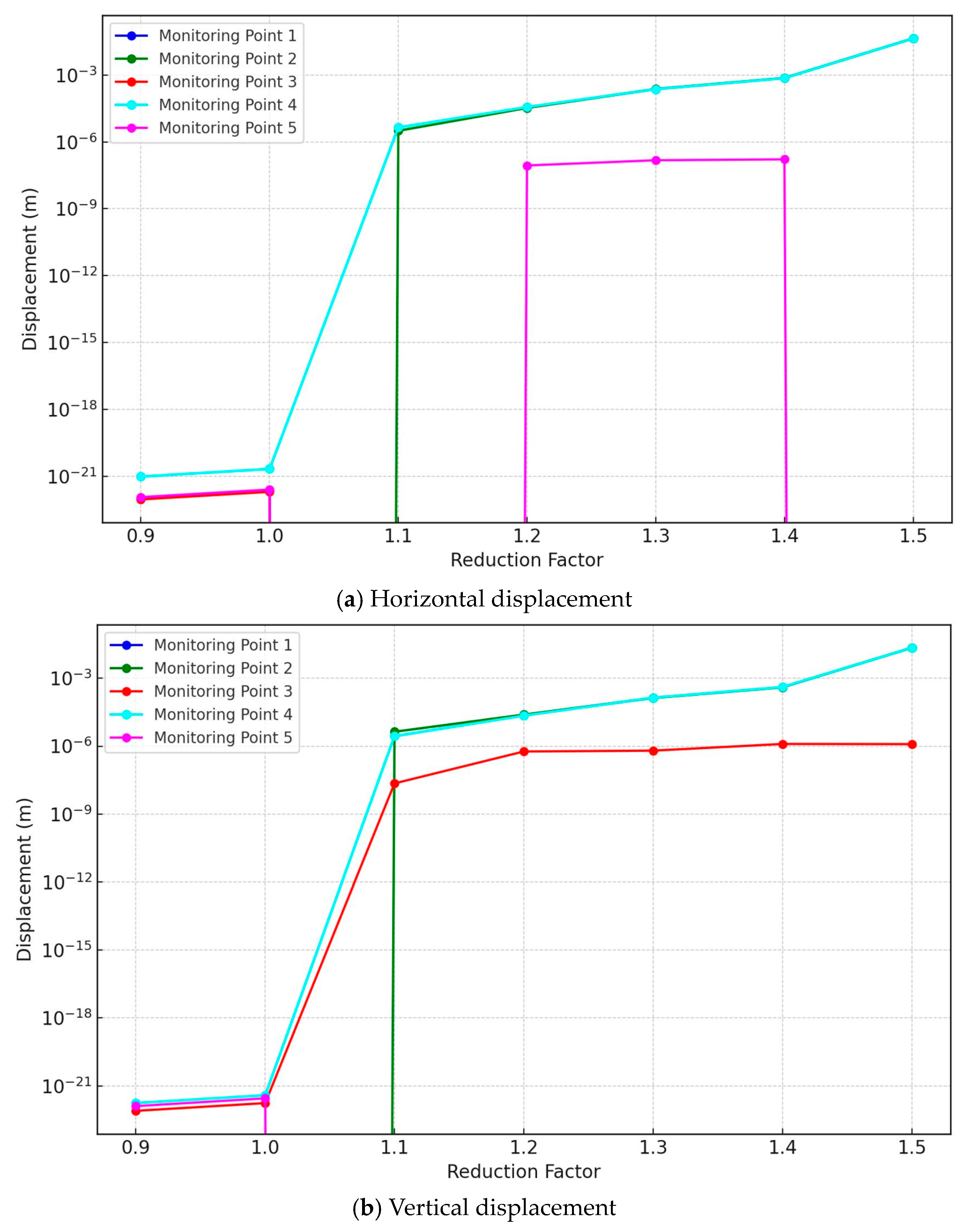
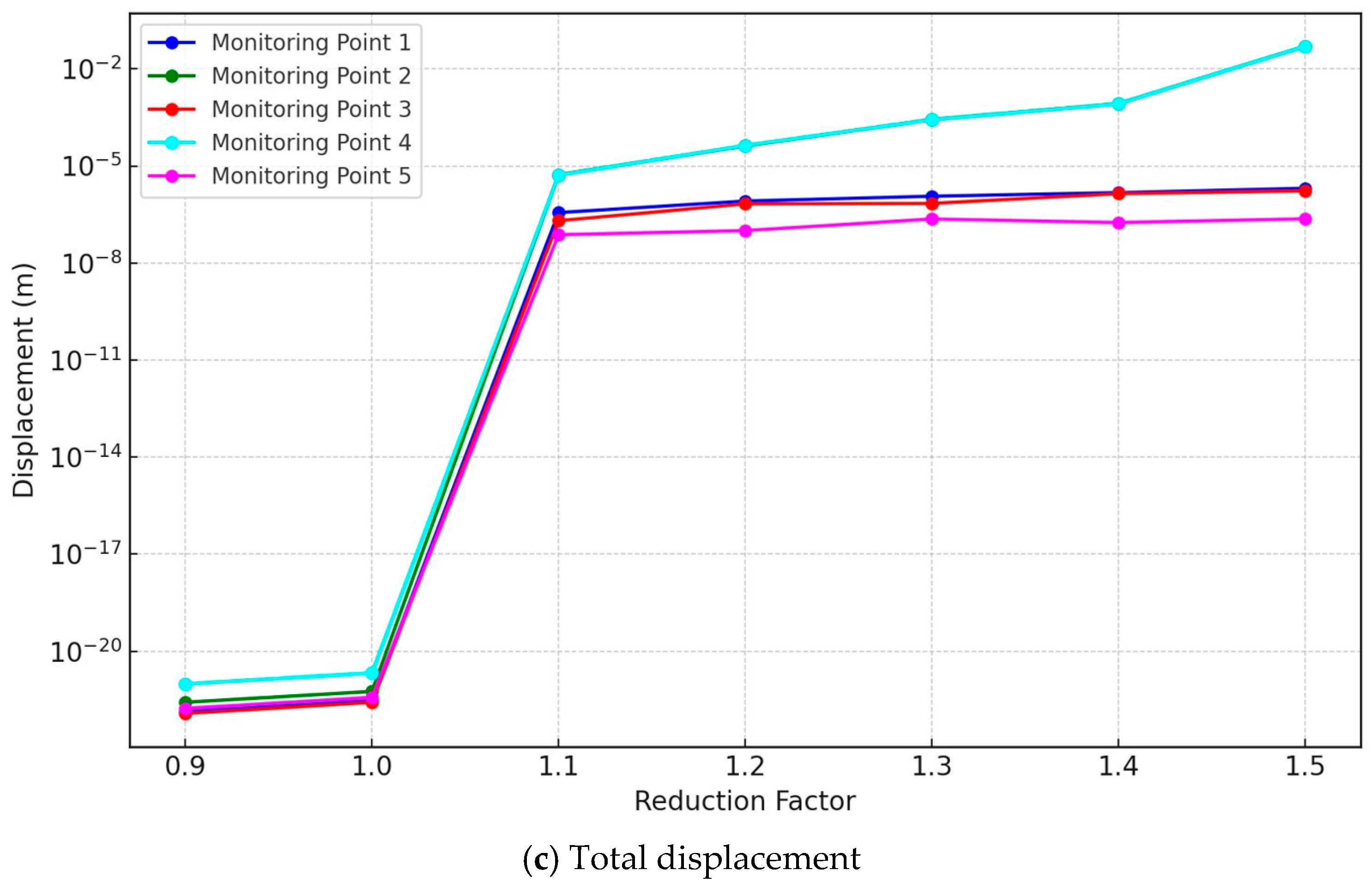
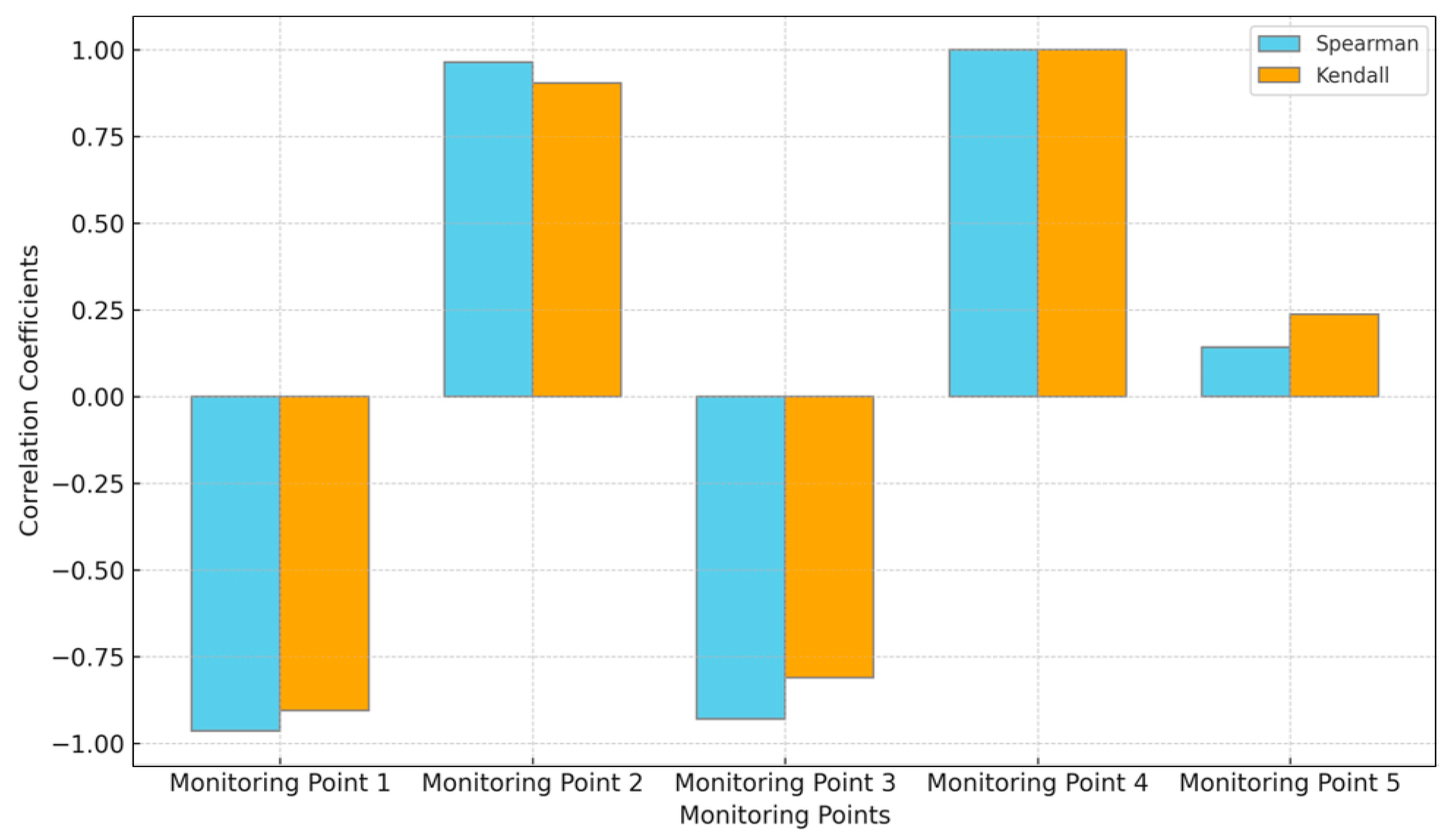
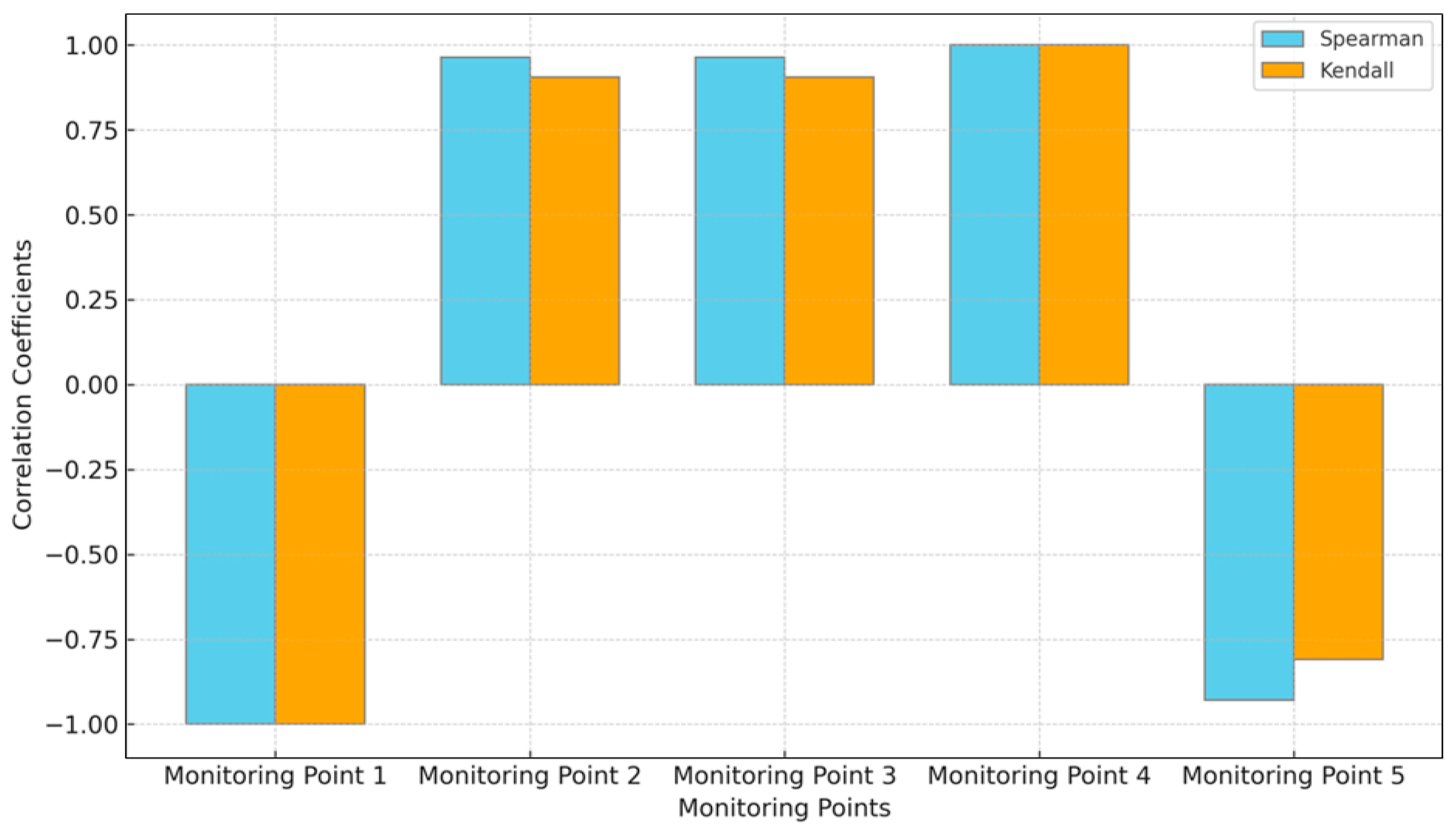
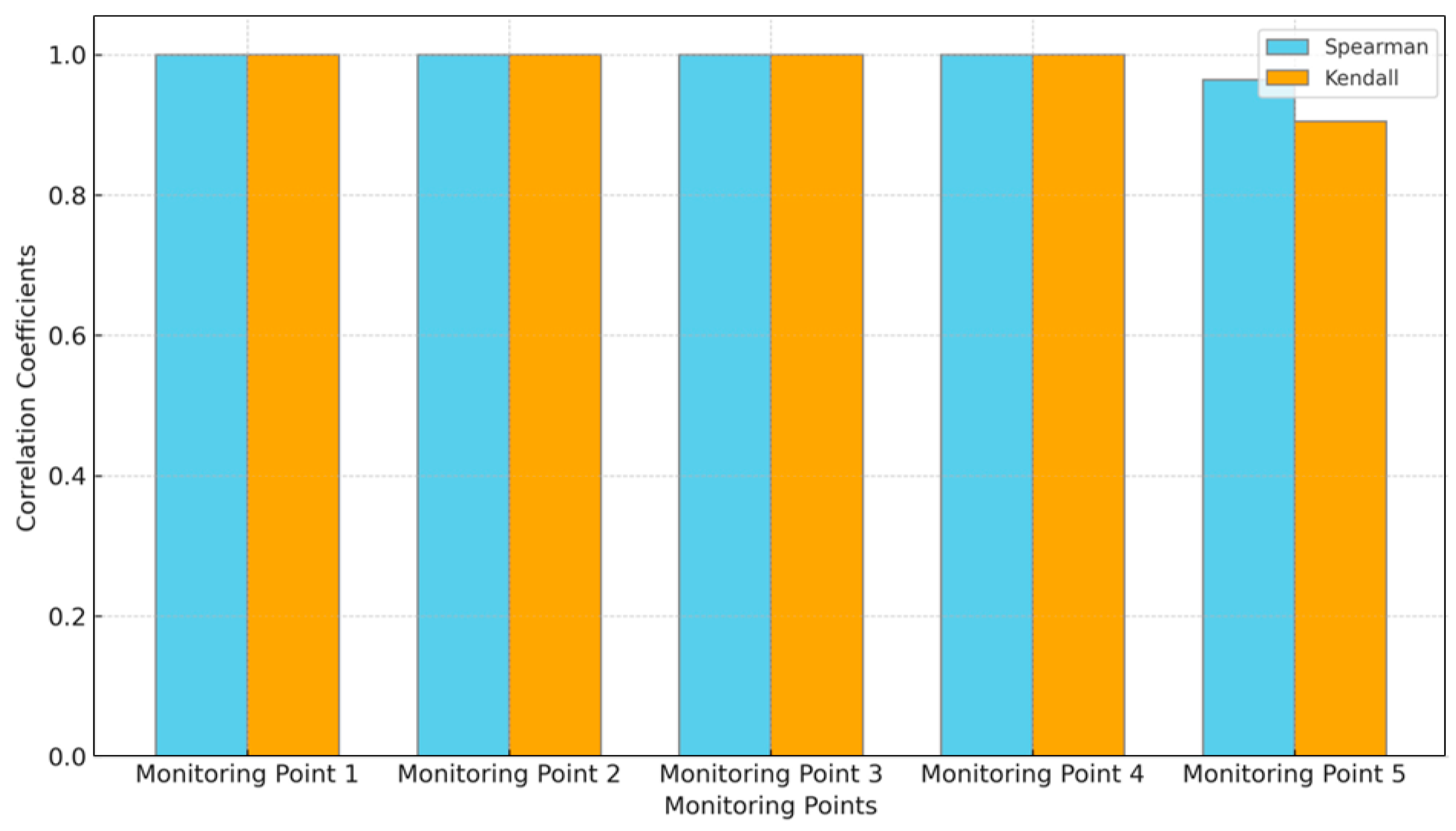
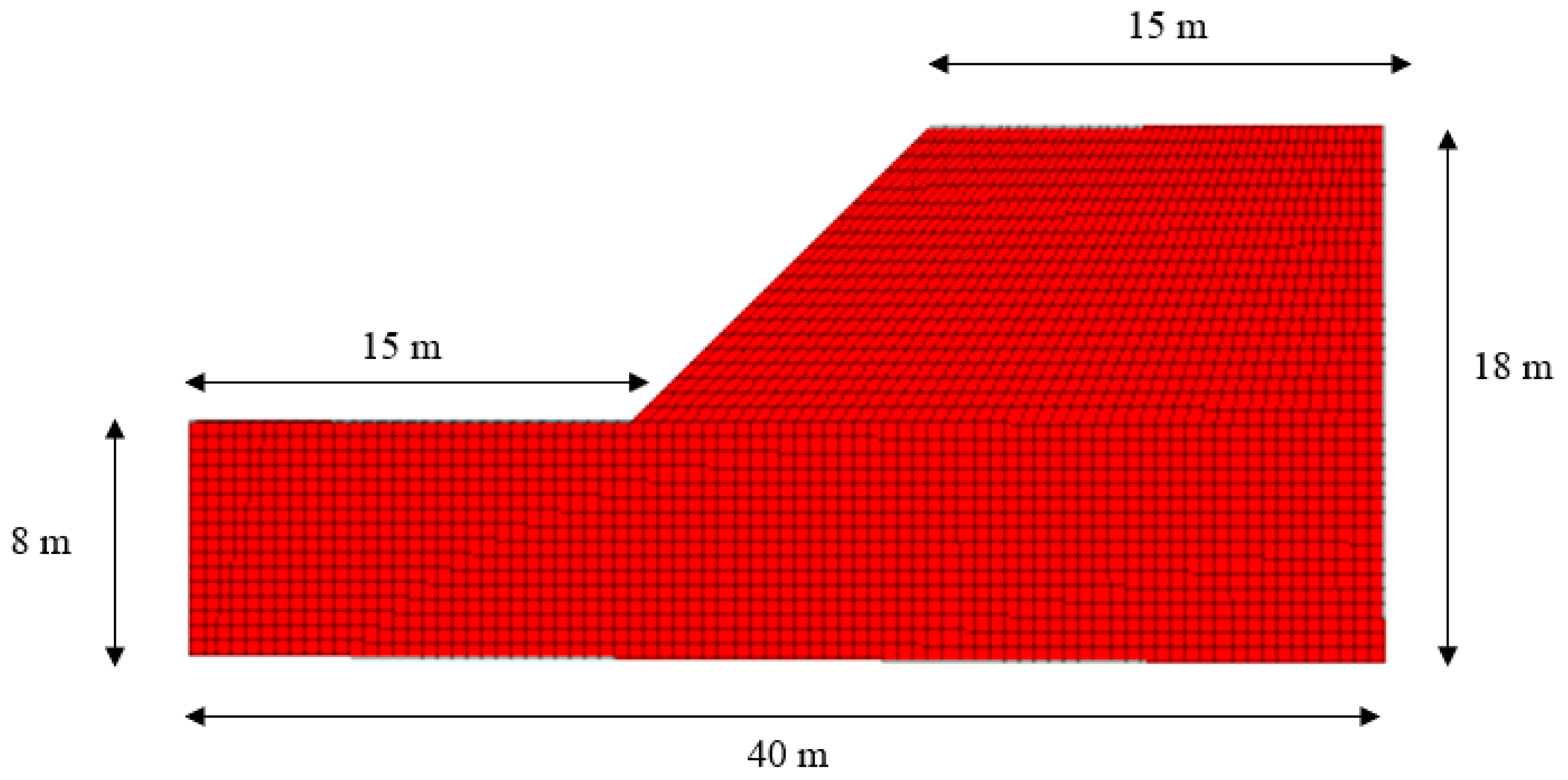
Landslides cause significant economic losses and casualties worldwide. However, robust prediction remains challenging due to the complexity of geological factors contributing to slope stability. Advanced correlation analysis methods can improve prediction capabilities. This study aimed to develop a novel landslide prediction approach that combines numerical modeling and correlation analysis (Spearman rho and Kendall tau) to improve displacement-based failure prediction. Simulations generate multi-location displacement data sets on soil and rock slopes under incremental stability reductions. Targeted monitoring points profile local displacement responses. Statistical analyses, including mean/variance and Spearman/Kendall correlations, quantified displacement-stability relationships. For the homogeneous soil slope, monitoring point 2 of the middle section of the slope showed a mean horizontal displacement of 17.65 mm and a mean vertical displacement of 9.72 mm under stability reduction. Spearman’s rho correlation coefficients ranged from 0.31 to 0.76, while Kendall’s tau values ranged from 0.29 to 0.64, indicating variable displacement–stability relationships. The joint rock slope model had strong positive total displacement correlations (Spearman’s and Kendall’s correlation ranges of +1.0 and −1.0) at most points. Horizontal and vertical displacements reached mean maxima of 44.13 mm and 22.17 mm, respectively, at the unstable point 2 of the center section of the slope. The advanced correlation analysis techniques provided superior identification of parameters affecting slope stability compared to standard methods. The generated predictive model dramatically improves landslide prediction capability, allowing preventive measures to be taken to mitigate future losses through this new approach.
Keywords: slope stability; numerical modeling; monitoring points; displacement monitoring; failure prediction; correlation analysis slope stability; numerical modeling; monitoring points; displacement monitoring; failure prediction; correlation analysis