Article

Neural Network-Based Analysis and Its Application to Spectroscopy for Mango

1
School of Science, China University of Geosciences (Beijing), Beijing 100190, China
2
School of Information Engineering, China University of Geosciences (Beijing), Beijing 100190, China
*
Author to whom correspondence should be addressed.
Appl. Sci. 2024, 14(6), 2402; https://doi.org/10.3390/app14062402
Submission received: 8 February 2024 / Revised: 3 March 2024 / Accepted: 8 March 2024 / Published: 13 March 2024

Abstract

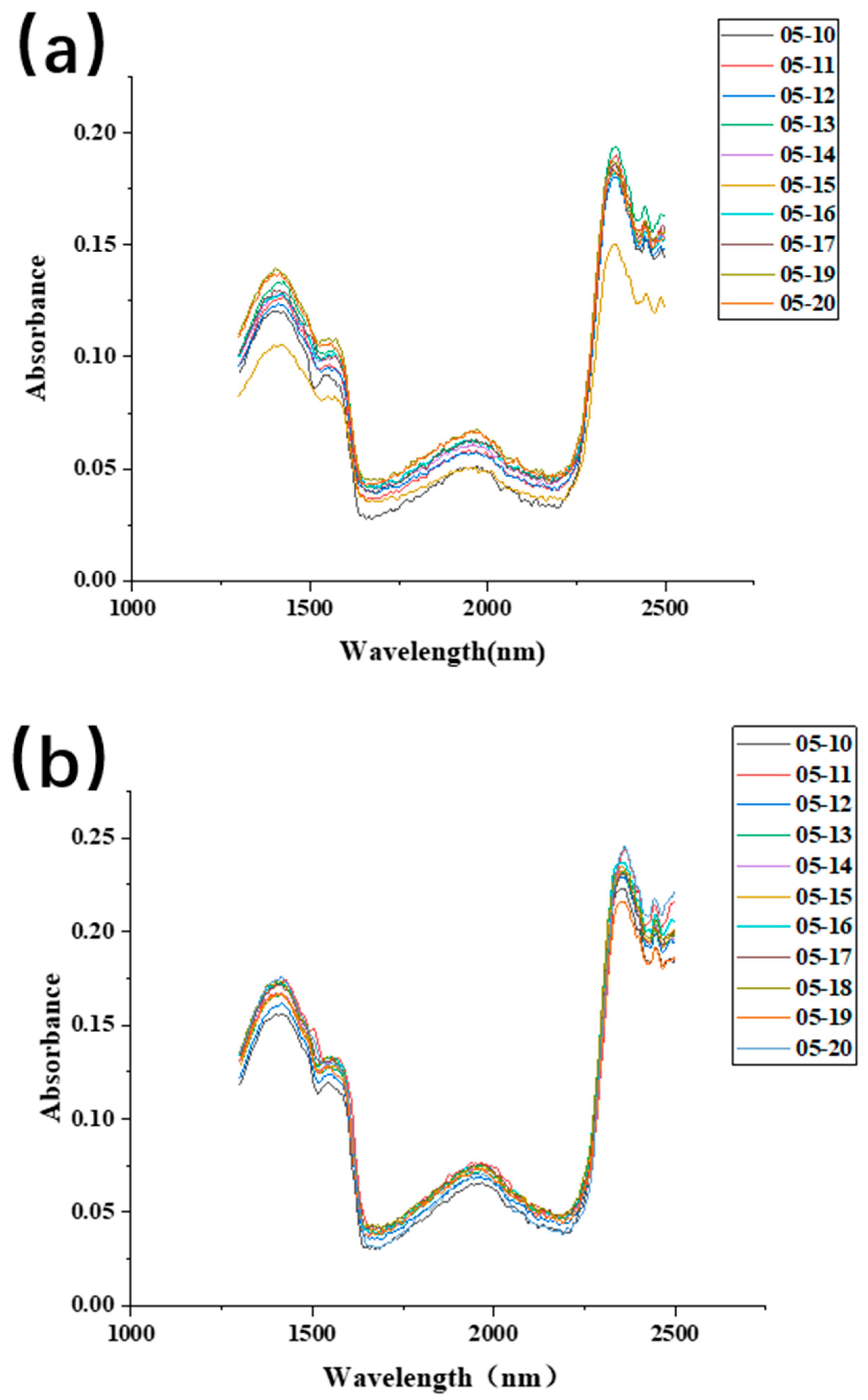
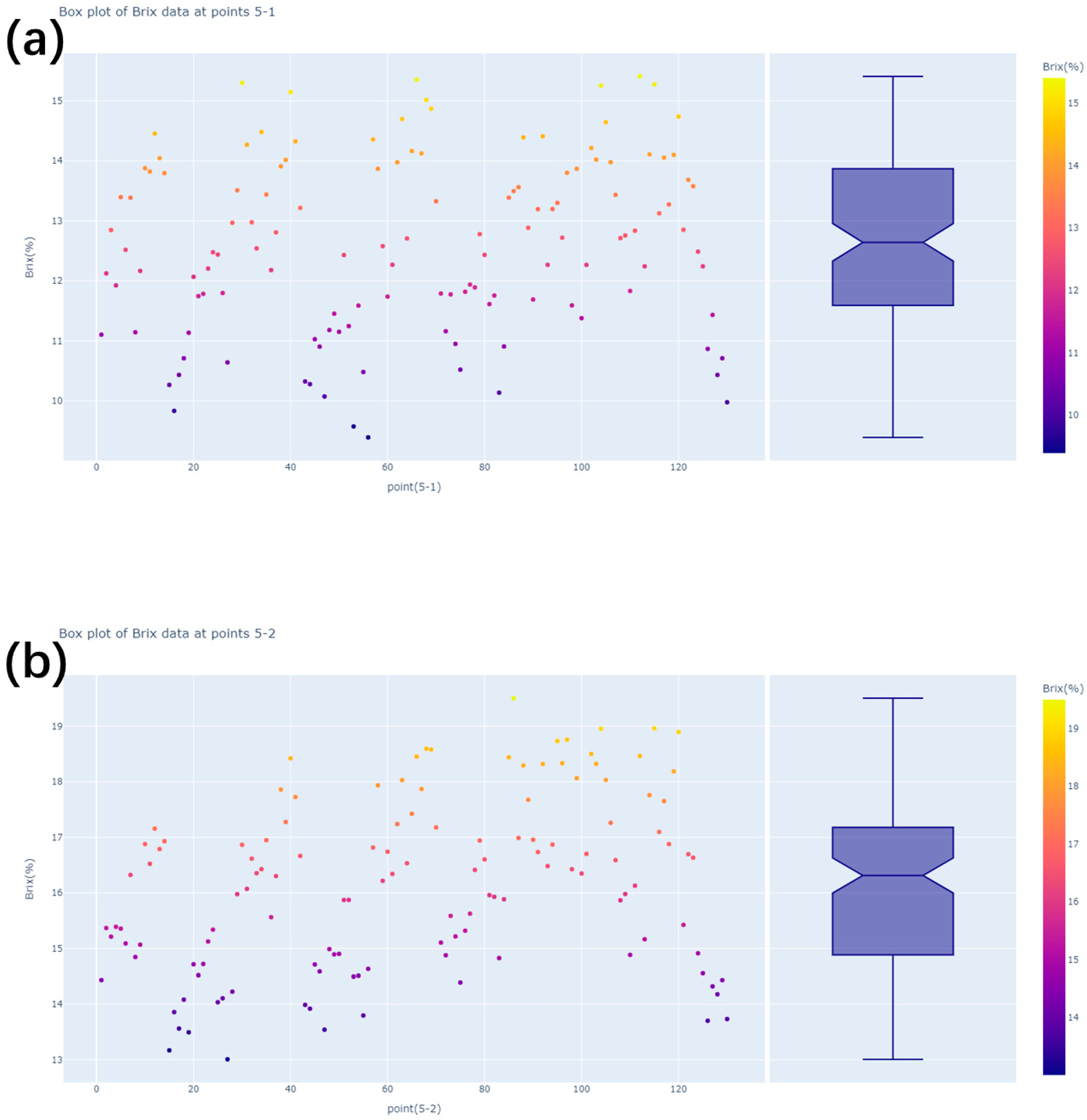
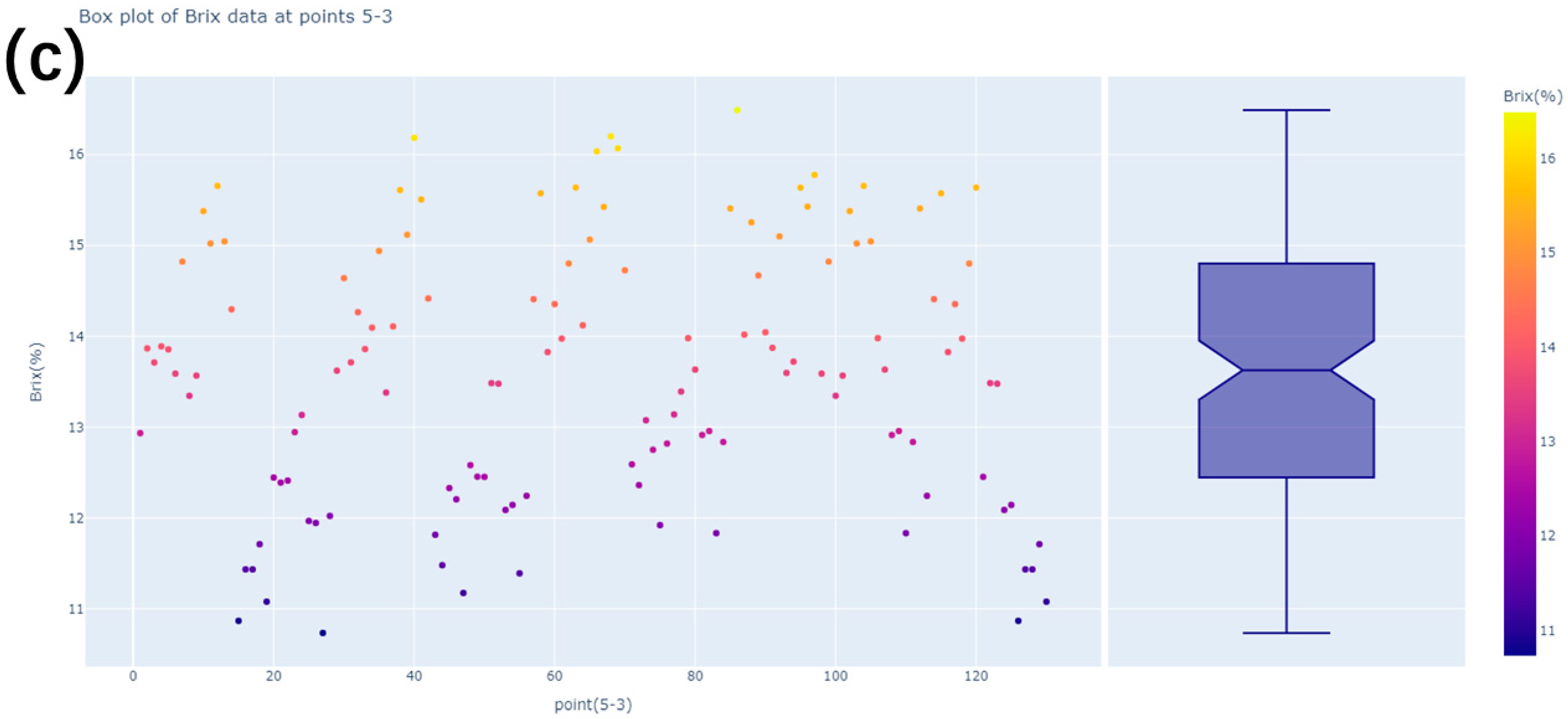
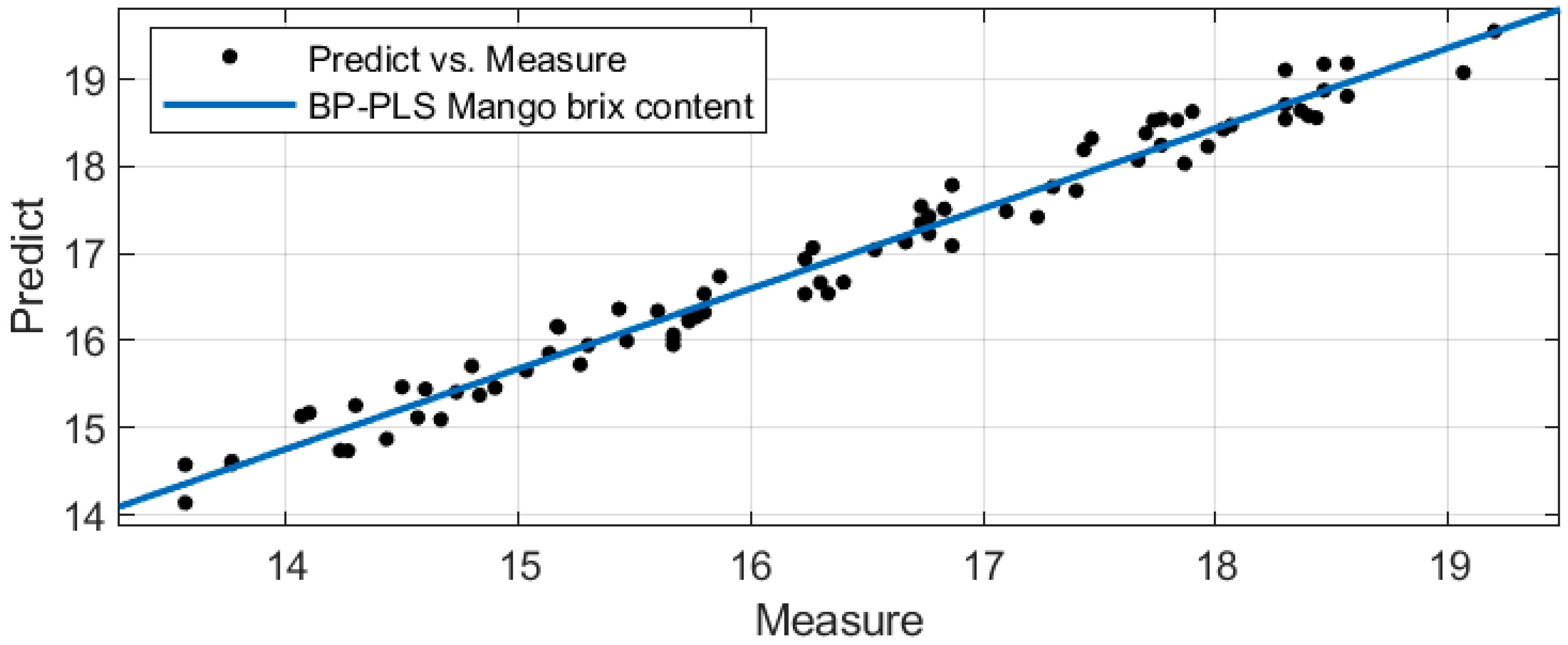
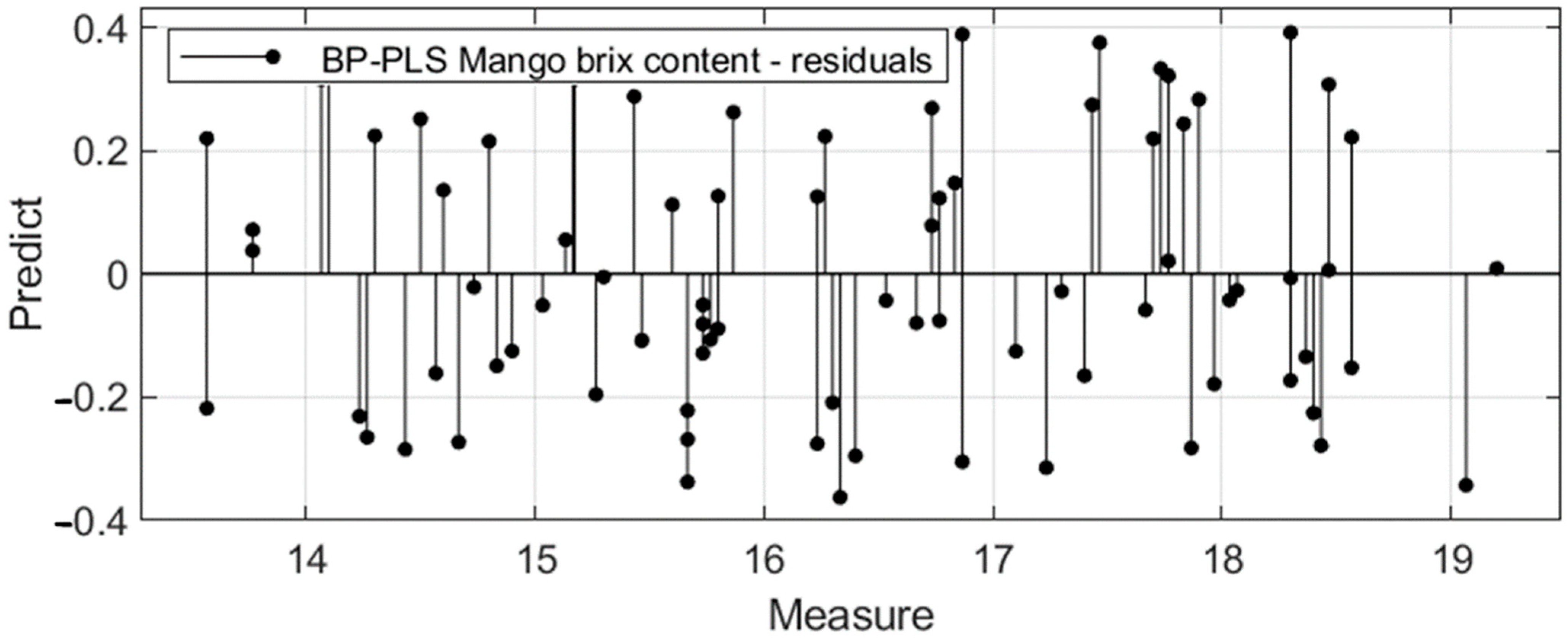
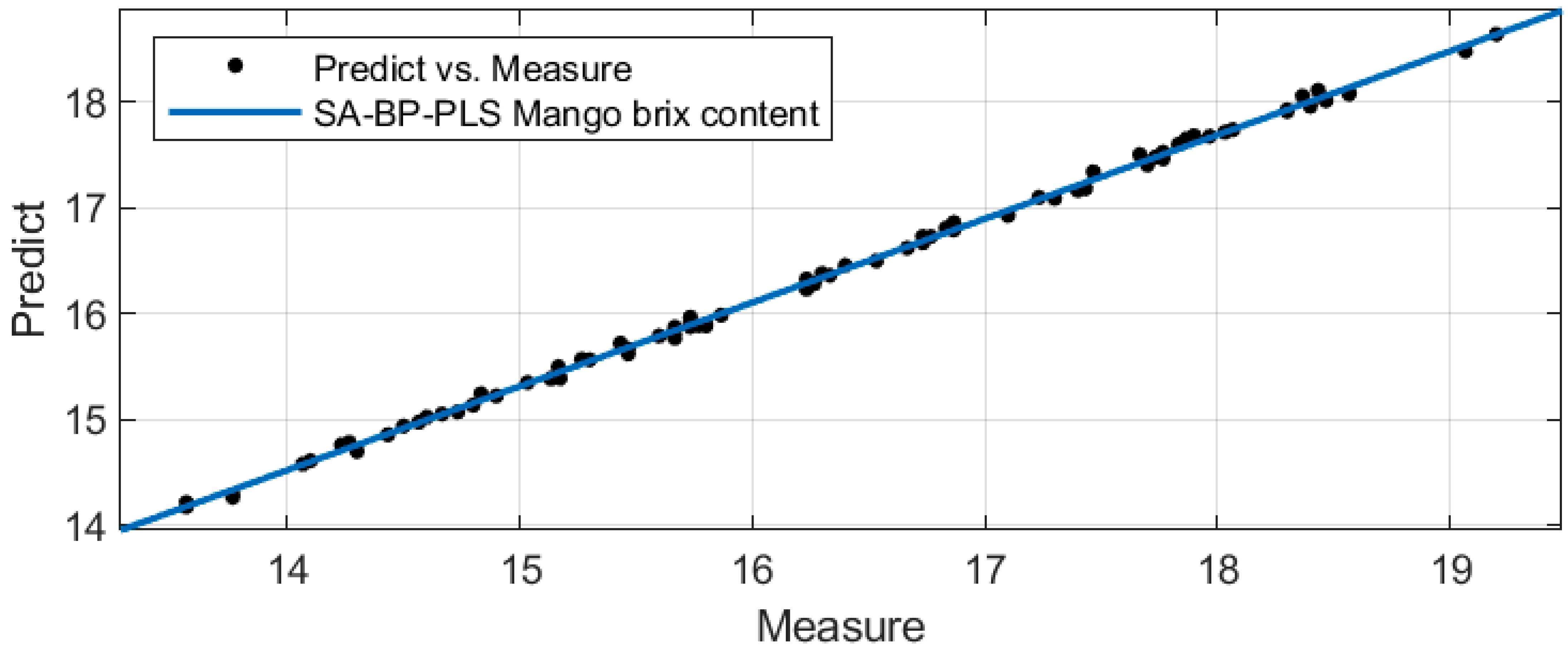
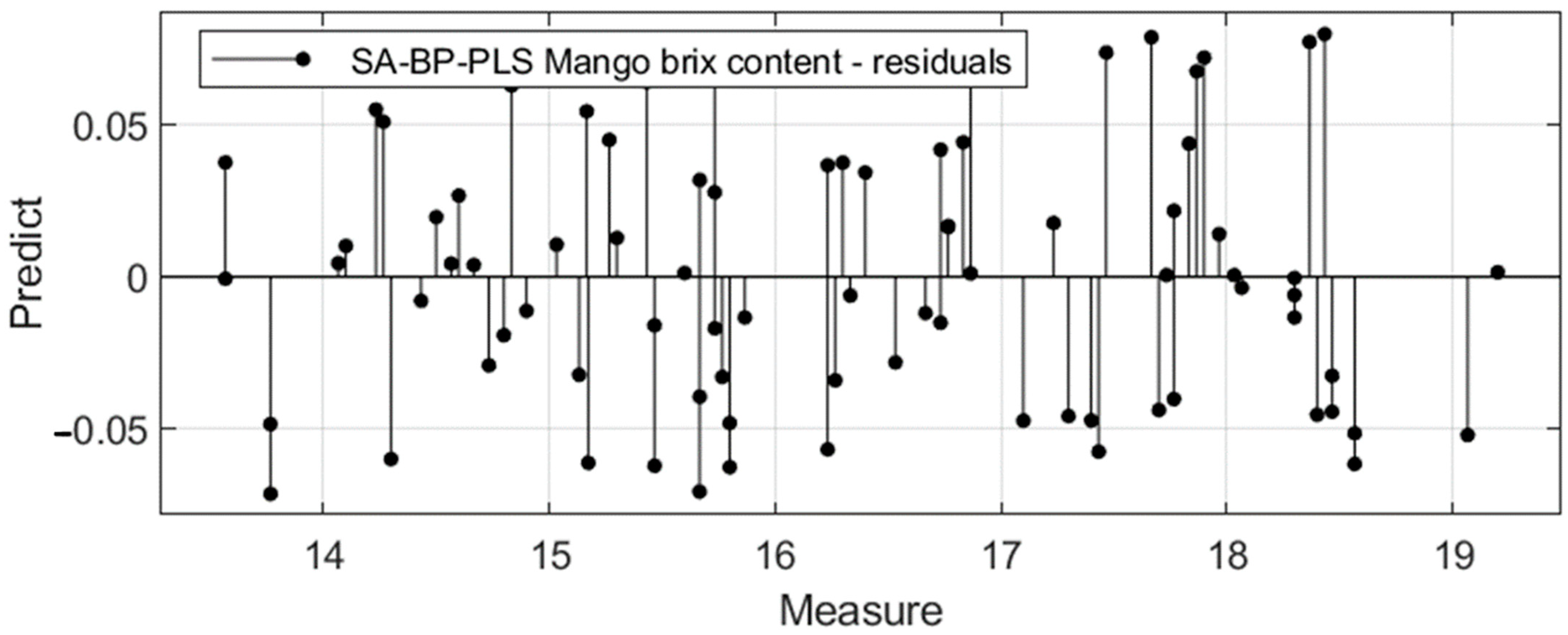
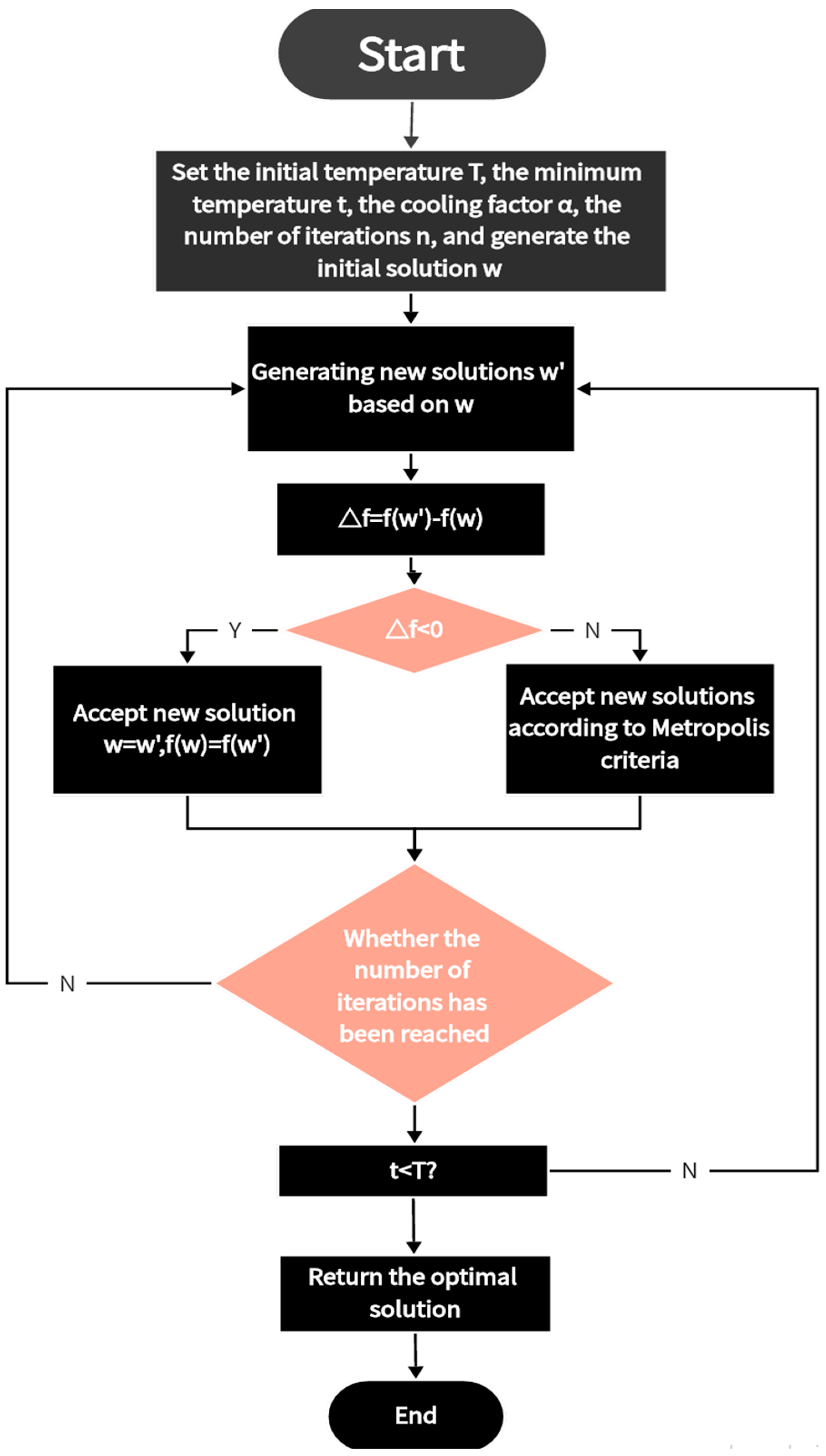
Sugar derived from crops is a crucial organic energy source studied in the Earth sciences, serving as a renewable and clean energy alternative. Biofuels produced from crop sugars are more environmentally friendly than traditional fossil fuel sources and contribute to solar energy storage and conversion within the Earth’s cycle. Using mangoes as a case study, this research employs near-infrared spectral analysis technology to develop an algorithm for a mango brix detection device. The study investigates the relationship between brix and absorbance, as well as changes in brix levels, and their application for on-site mango brix detection. Near-infrared spectral data in the range of 1300 nm to 2300 nm were collected during the mango ripening season in summer and preprocessed using various techniques. A neural network-based least squares modeling approach was utilized to develop a mango sugar content detection model, resulting in a correlation coefficient of 0.9055 and a root-mean-square error of 0.2192. To enhance model accuracy and avoid local optimization issues, this study incorporated the simulated annealing algorithm for model optimization, leading to a correlation coefficient of 0.9854 and a root-mean-square error of 0.0431. The findings demonstrate that the non-destructive testing model of mangoes based on near-infrared spectroscopy effectively detects brix changes and storage potential post-harvest, offering valuable insights for mango quality assessment, optimal picking and selling times, and market selection.
Keywords: near-infrared spectroscopy; non-destructive testing; mango; neural networks; simulated annealing; detection method near-infrared spectroscopy; non-destructive testing; mango; neural networks; simulated annealing; detection method