Article

Application of Biotechnology and Chiral Technology Methods in the Production of Ectoine Enantiomers


1
Laboratory for Chiral Technologies, Scientific Center of Excellence for Marine Bioprospecting—BioProCro, Ruđer Bošković Institute, Division of Organic Chemistry and Biochemistry, Bijenička Cesta 54, 10000 Zagreb, Croatia
2
Laboratory for Mass Spectrometry and Functional Proteomics, Scientific Center of Excellence for Marine Bioprospecting—BioProCro, Ruđer Bošković Institute, Division of Physical Chemistry, Bijenička Cesta 54, 10000 Zagreb, Croatia
*
Author to whom correspondence should be addressed.
Appl. Sci. 2024, 14(18), 8353; https://doi.org/10.3390/app14188353
Submission received: 27 July 2024 / Revised: 26 August 2024 / Accepted: 14 September 2024 / Published: 17 September 2024
(This article belongs to the Special Issue Natural Products: Sources and Applications)

Abstract

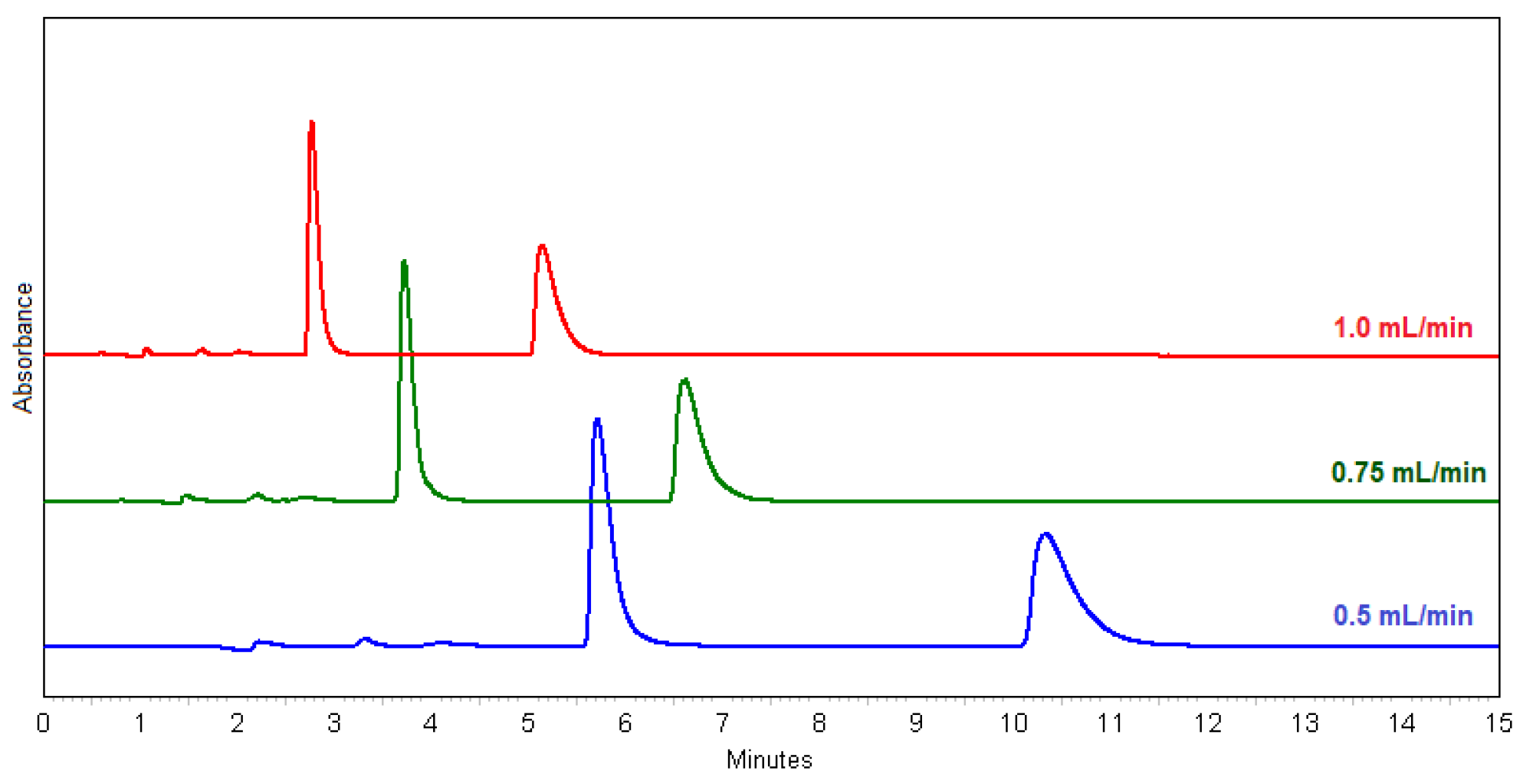
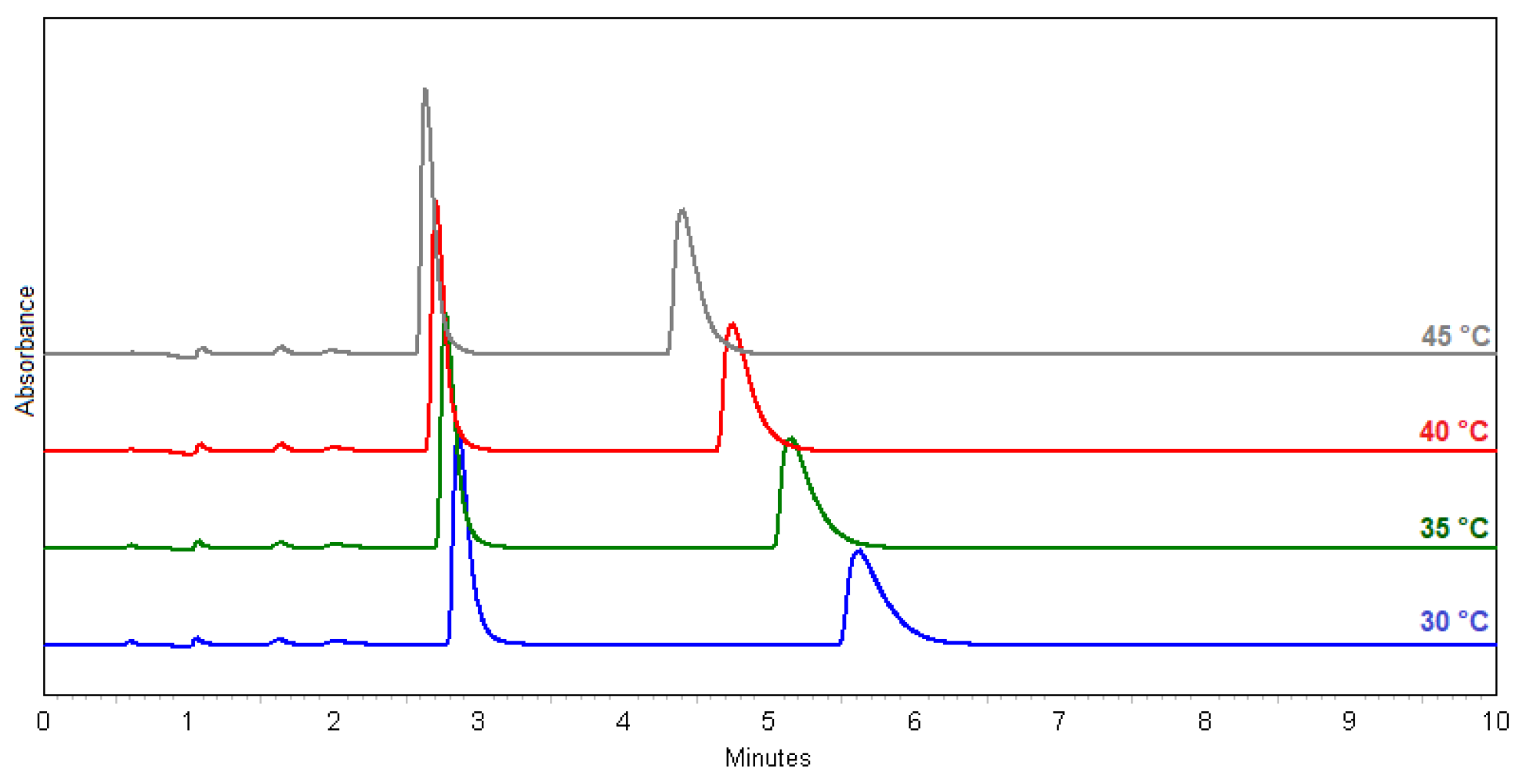
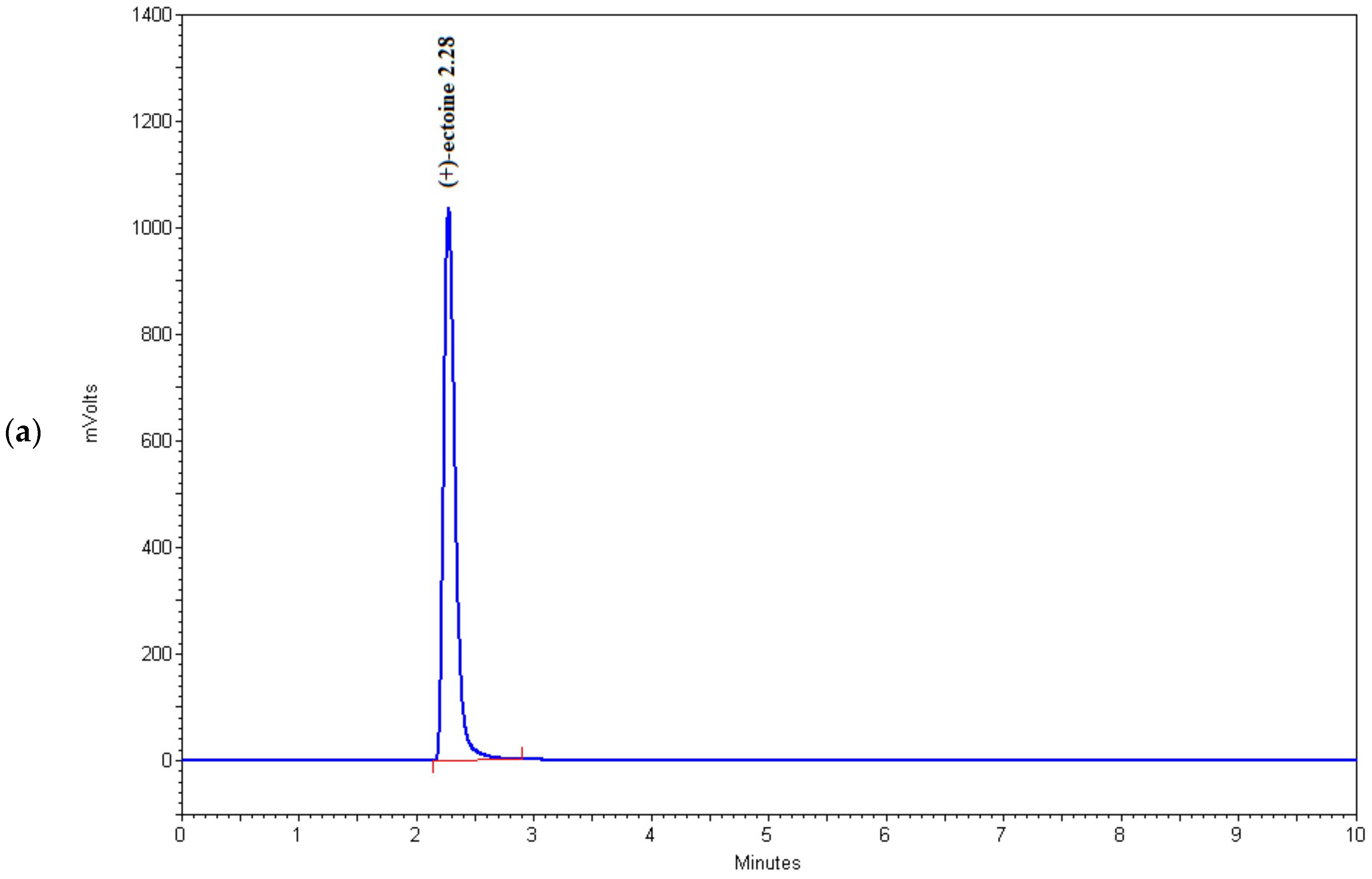
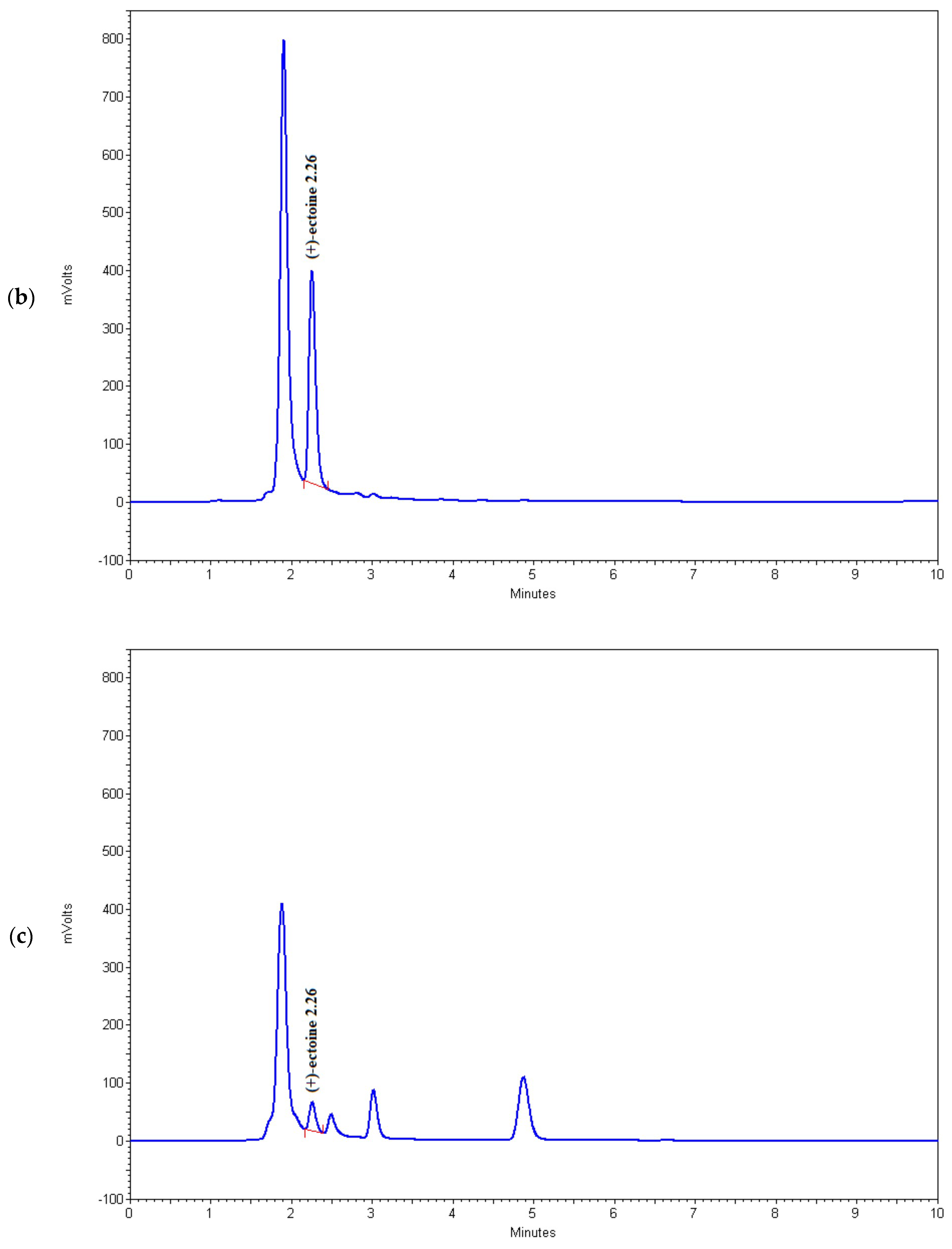
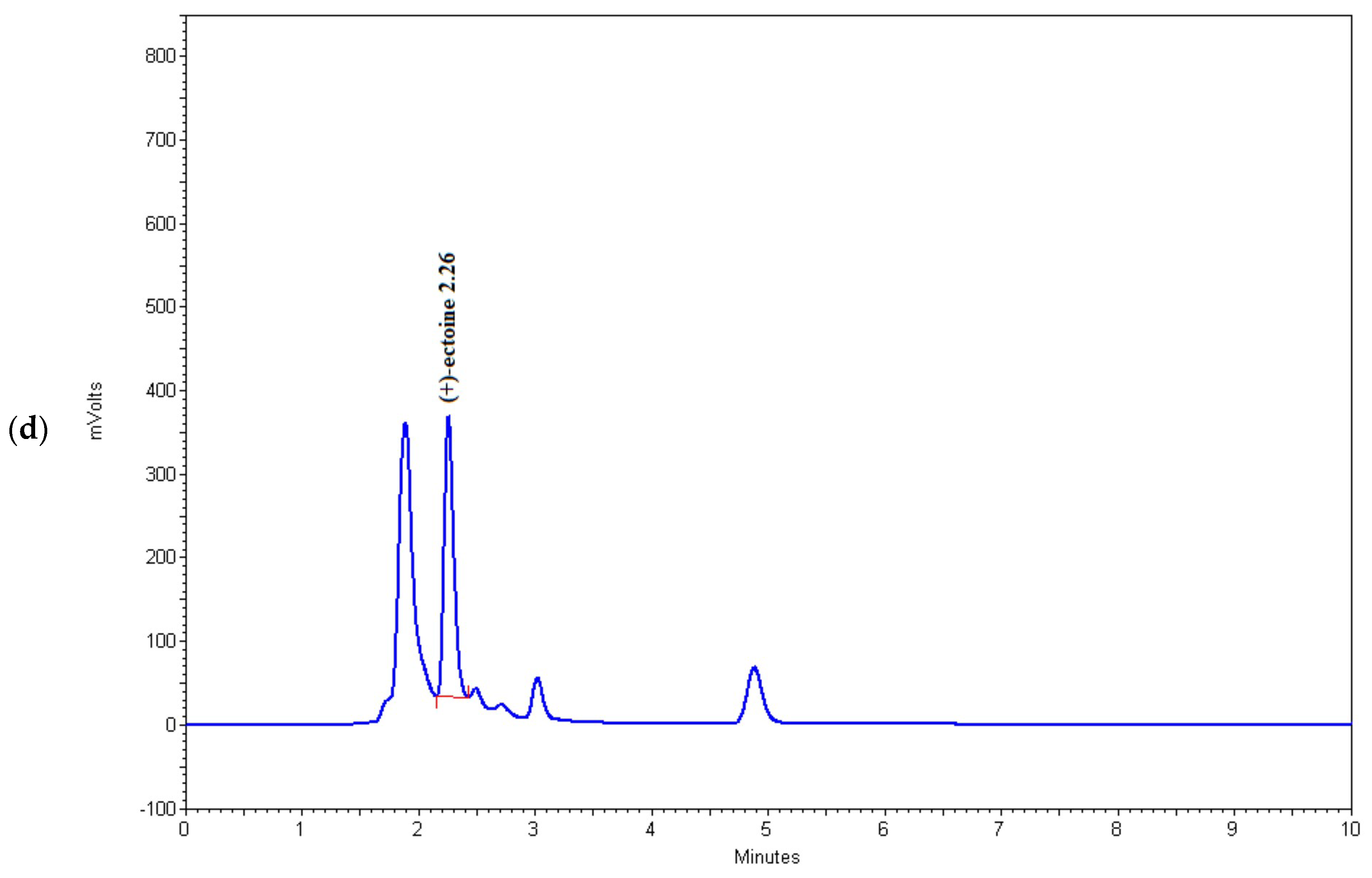
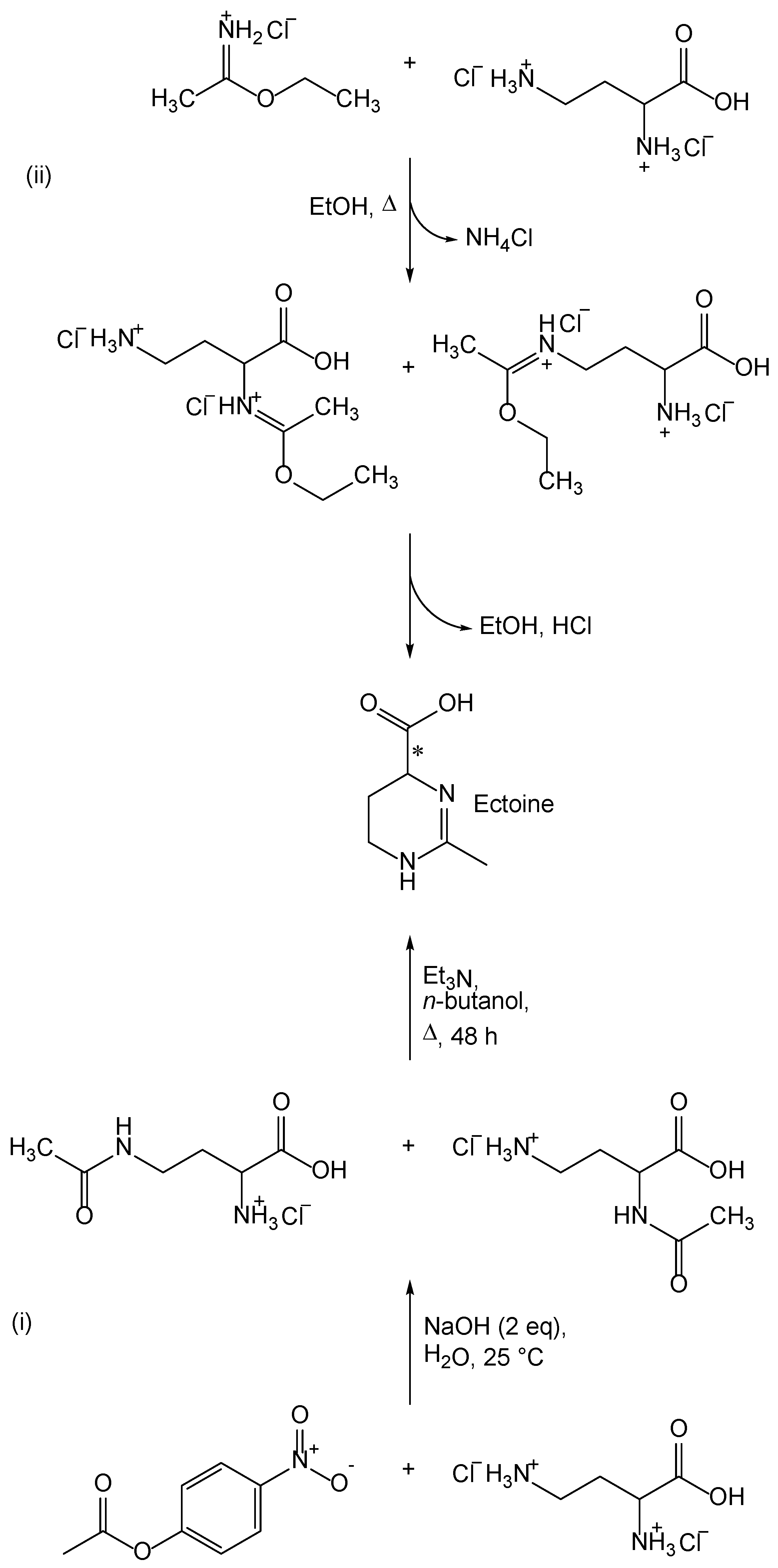
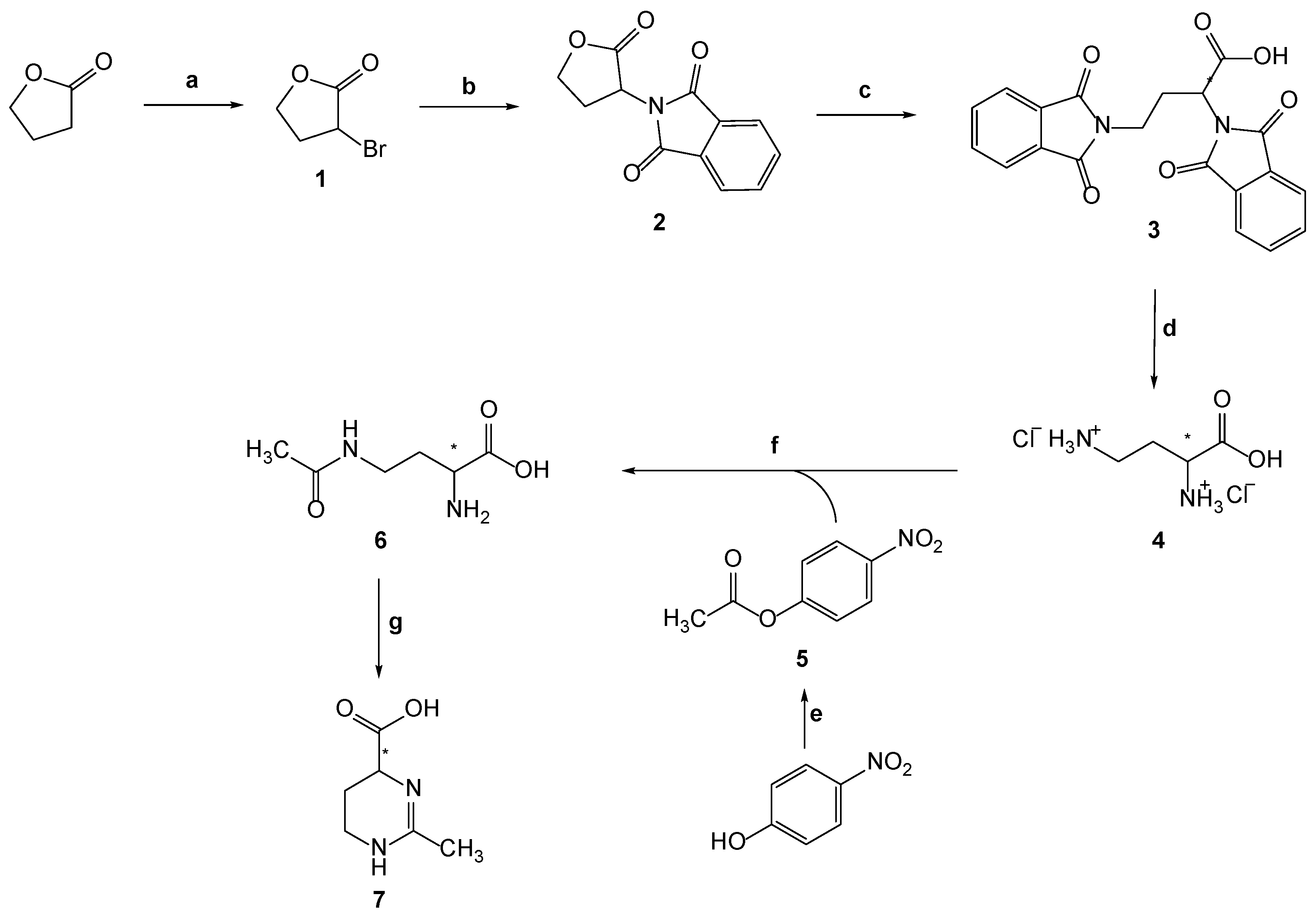
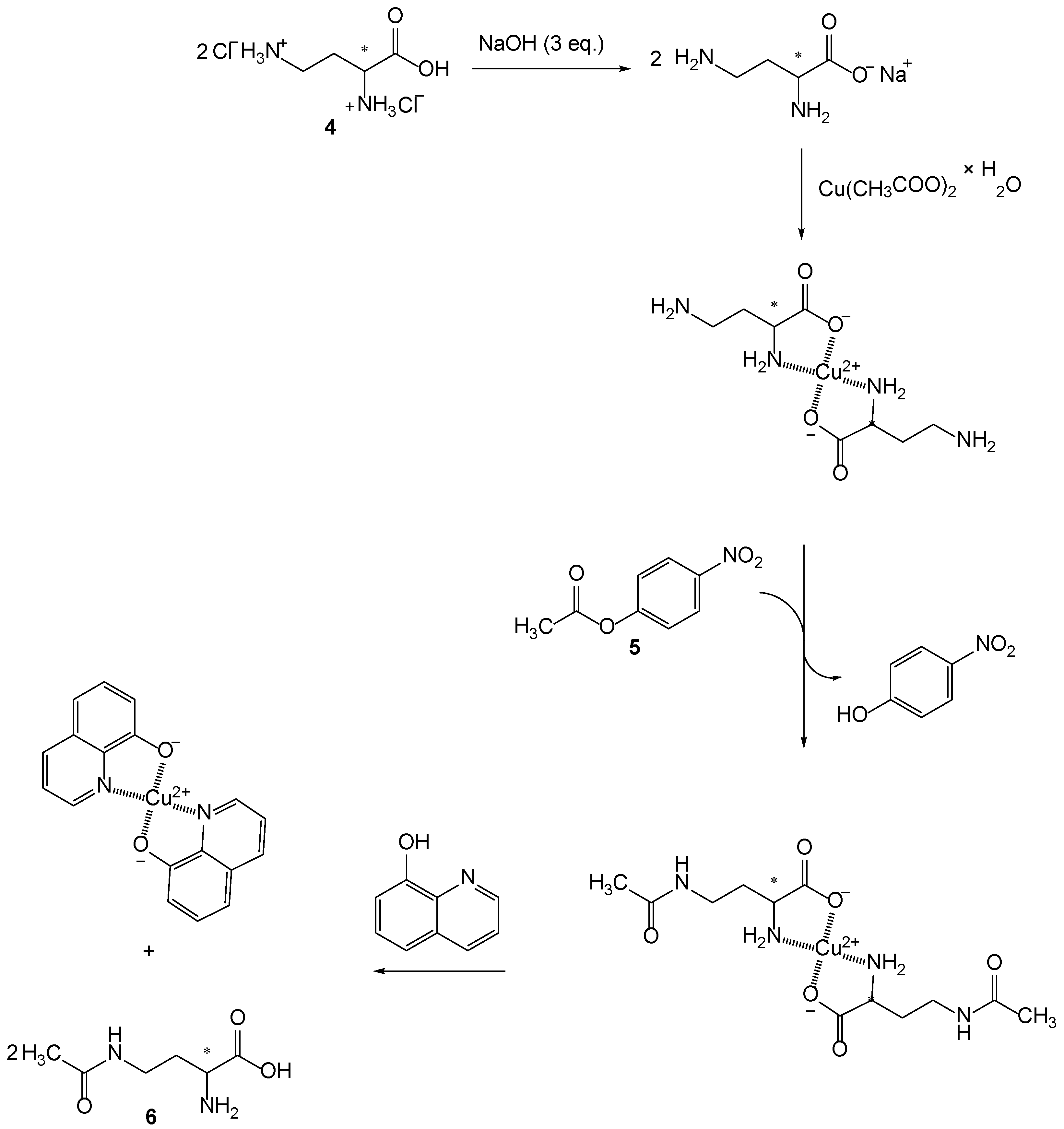
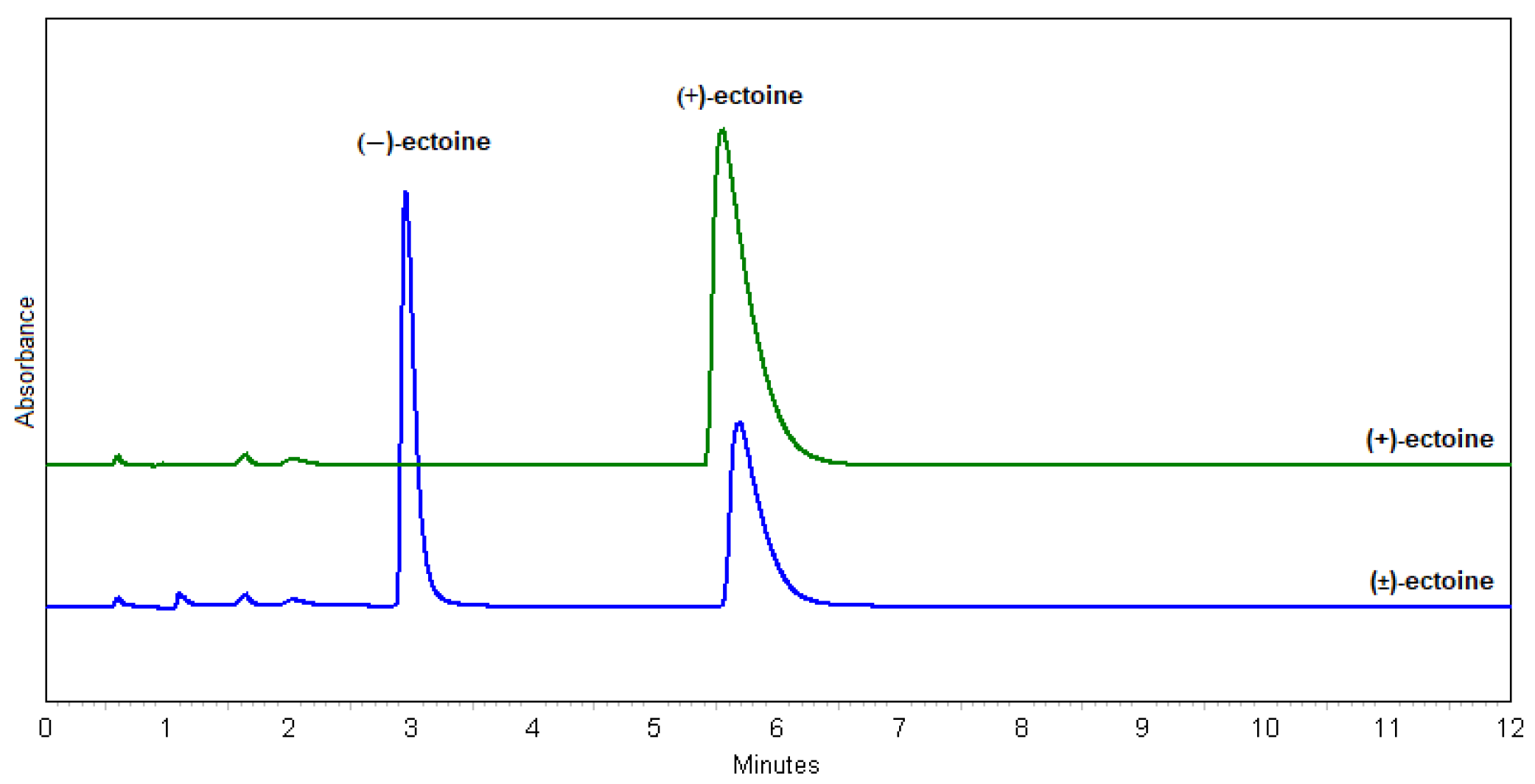
Natural ectoine, (+)-(4S)-2-methyl-1,4,5,6-tetrahydropyrimidine-4-carboxylic acid, is an extremely important small biomolecule belonging to the class of osmolytic/osmoprotective compounds. It stabilizes biomacromolecules such as DNA and proteins and protects them from denaturation by heat, dehydration, and UV radiation. The rapidly growing interest in this compound resulted in currently exclusive biotechnological production, while a chemical process along with enantioseparation as an alternative has not yet been established. An improved chemical synthesis of racemic ectoine starting from γ-butyrolactone in very good yield is described. Regioselective monoacetylation is achieved by the complexation of a copper(II)-ion with two molecules of 2,4-diamonobutyric acid in the key synthetic step. The racemic ectoine was synthesized with the aim of being successfully enantioseparated for the first time by high-performance liquid chromatography (HPLC) using a teicoplanin-based Chiral-T column in different solvent systems. The presence of (+)-ectoine was determined and quantified using an HPLC protocol on the Synergy Polar-RP column in fermentation broths inoculated with different strains of Streptomyces sp. bacteria isolated from the Adriatic Sea and grown on different NaCl concentrations.
Keywords: ectoine; enantioseparation; chiral chromatography; osmoprotectant; marine bacteria; bioprospecting ectoine; enantioseparation; chiral chromatography; osmoprotectant; marine bacteria; bioprospecting