Article

Cyclic Behavior of Long Concrete Interfaces Crossed by Steel Screws

by
Erato Oikonomopoulou
1,
Vasiliki Palieraki
1,
Elizabeth Vintzileou
1,* and
Giovacchino Genesio
2
1
Laboratory of Reinforced Concrete, Faculty of Civil Engineering, National Technical University of Athens, Iroon Polytechniou 5, Zografou, 15773 Athens, Greece
2
Hilti Entwicklungsgesellschaft mbH, Hiltistraße 6, 86916 Kaufering, Germany
*
Author to whom correspondence should be addressed.
Appl. Sci. 2024, 14(18), 8246; https://doi.org/10.3390/app14188246
Submission received: 19 July 2024 / Revised: 28 August 2024 / Accepted: 10 September 2024 / Published: 13 September 2024

Abstract

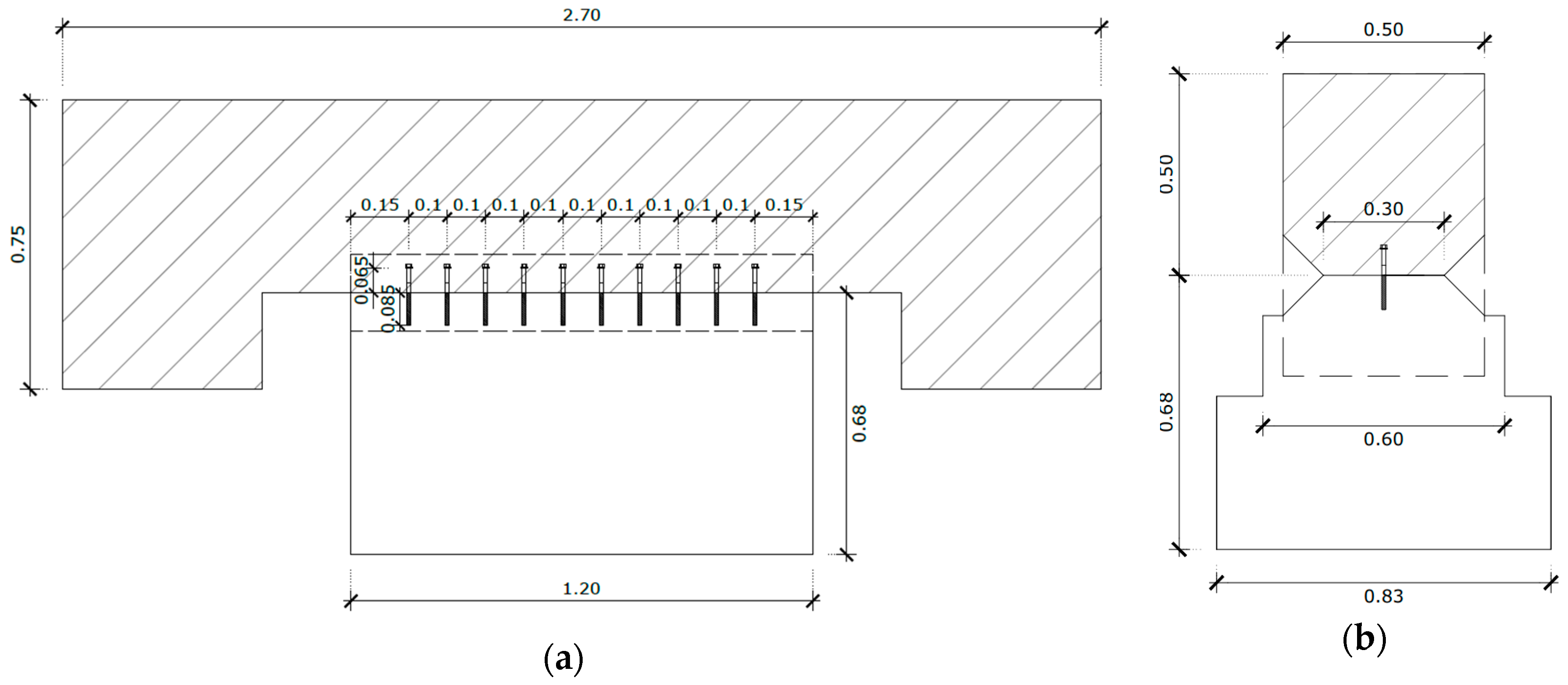
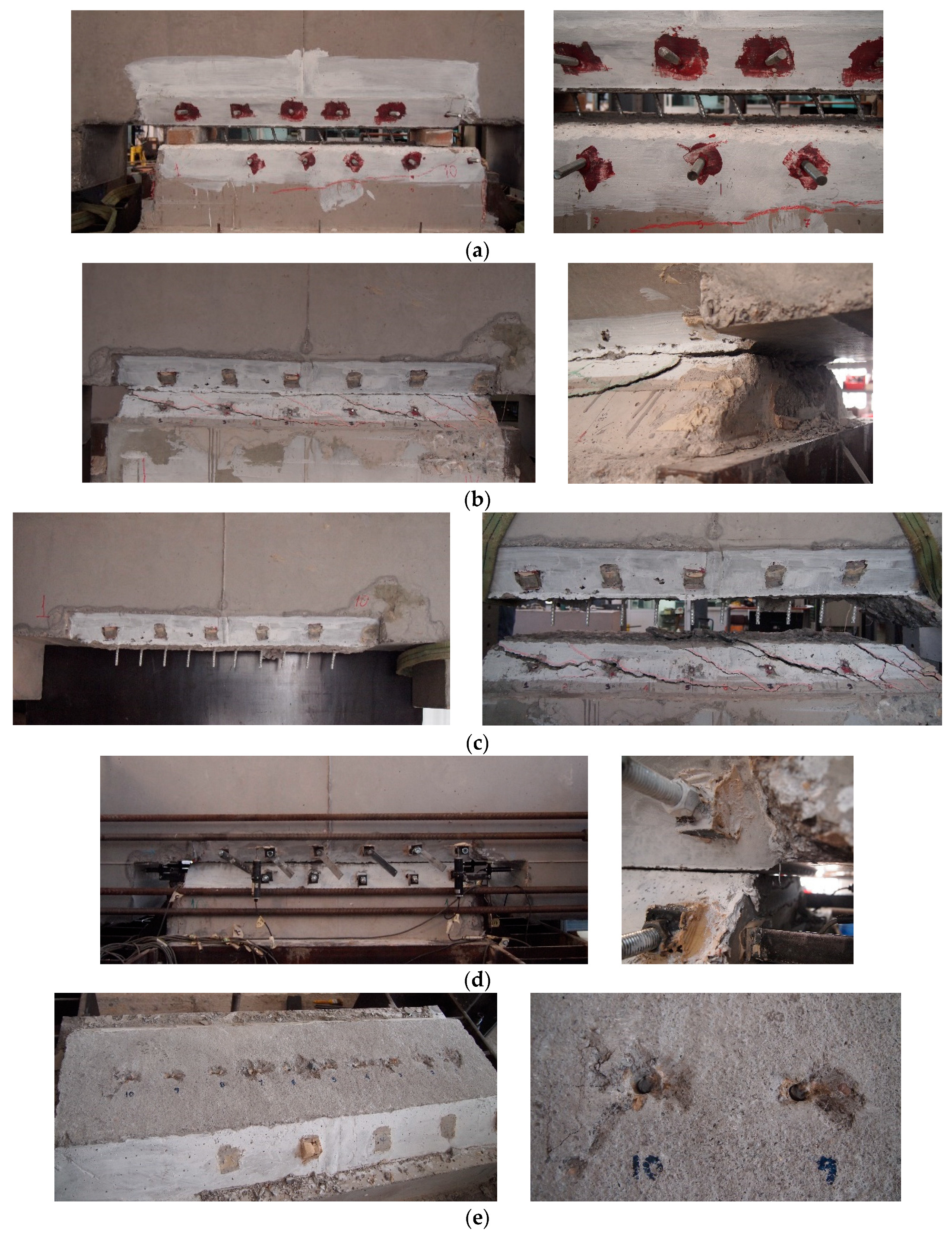
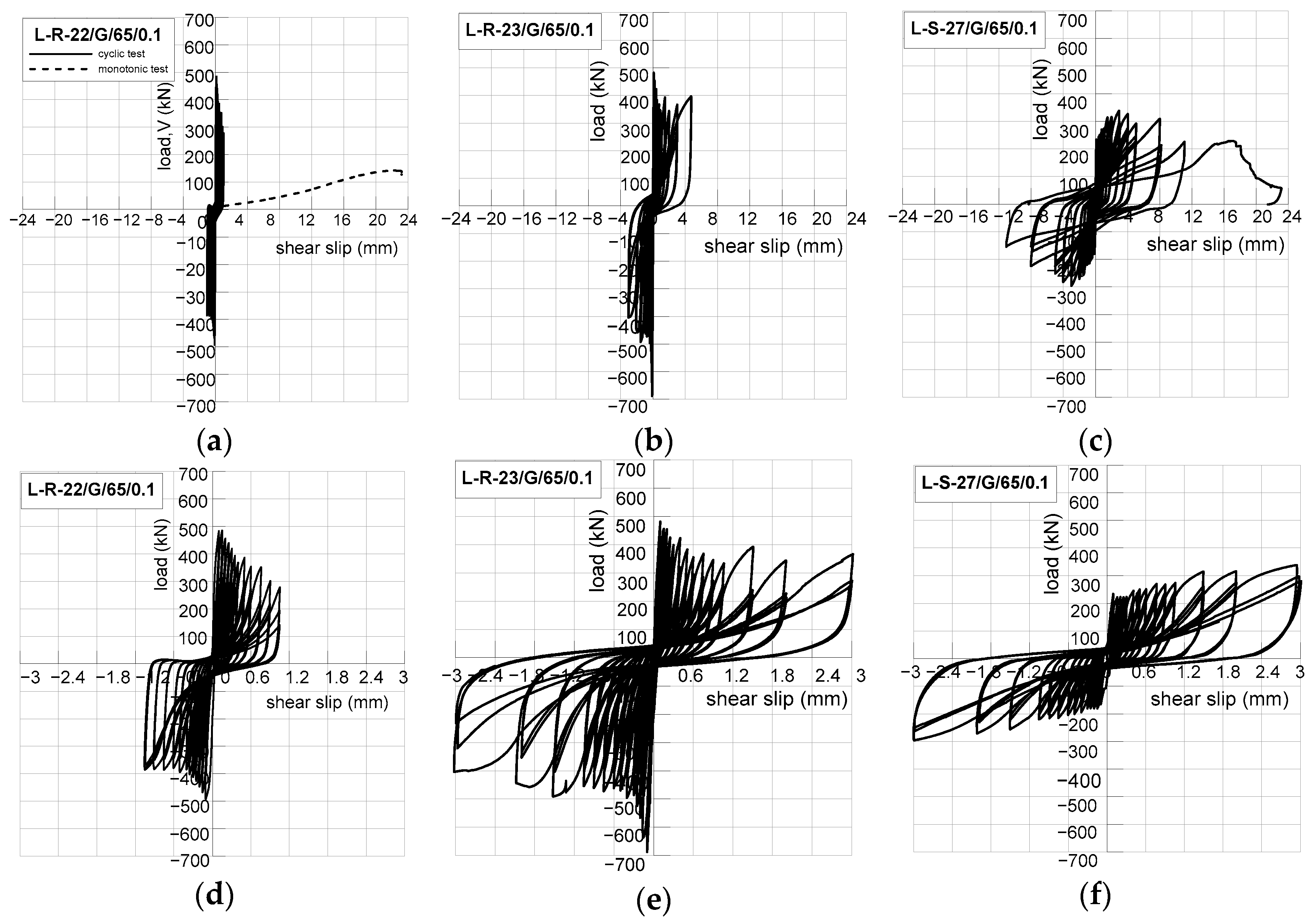
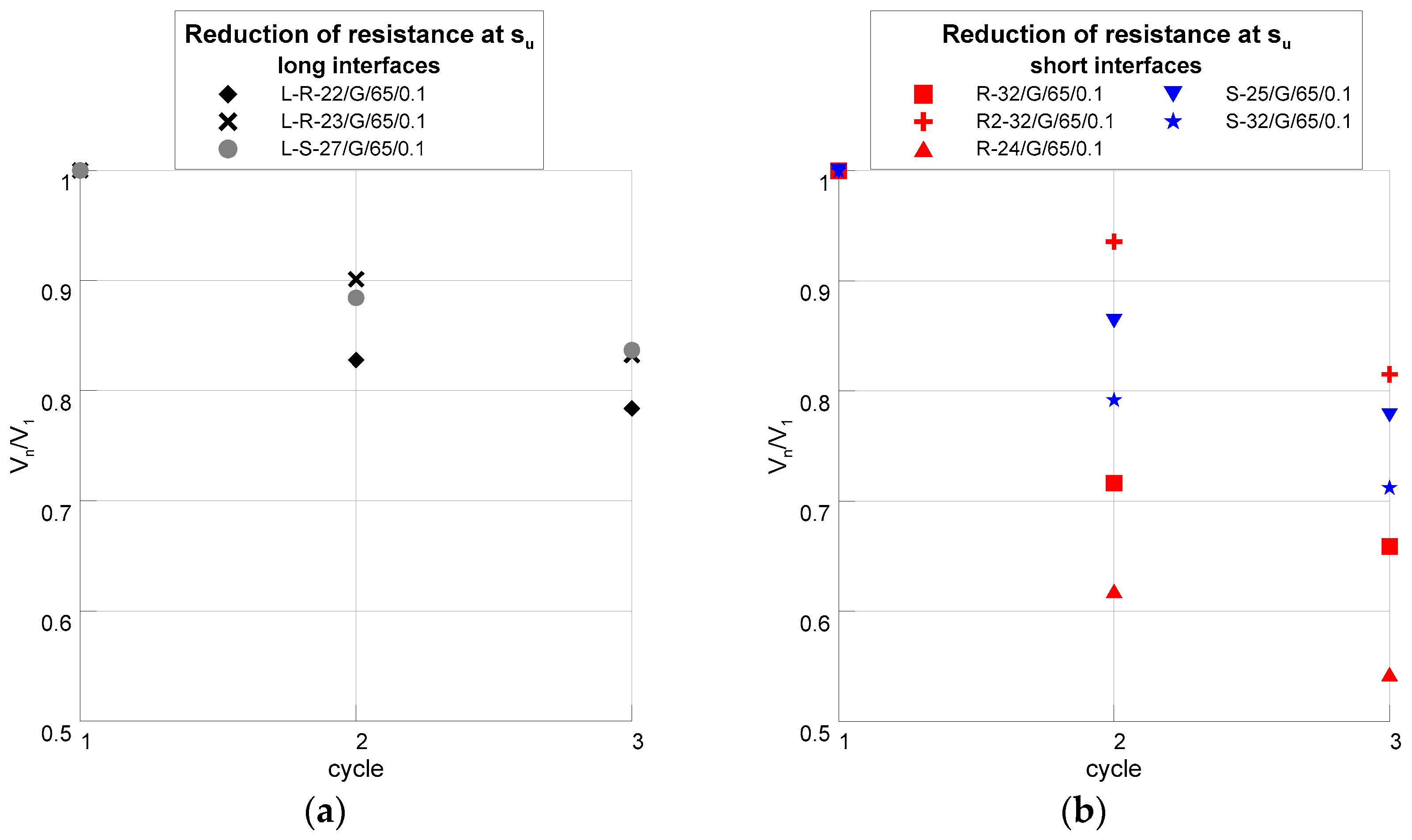
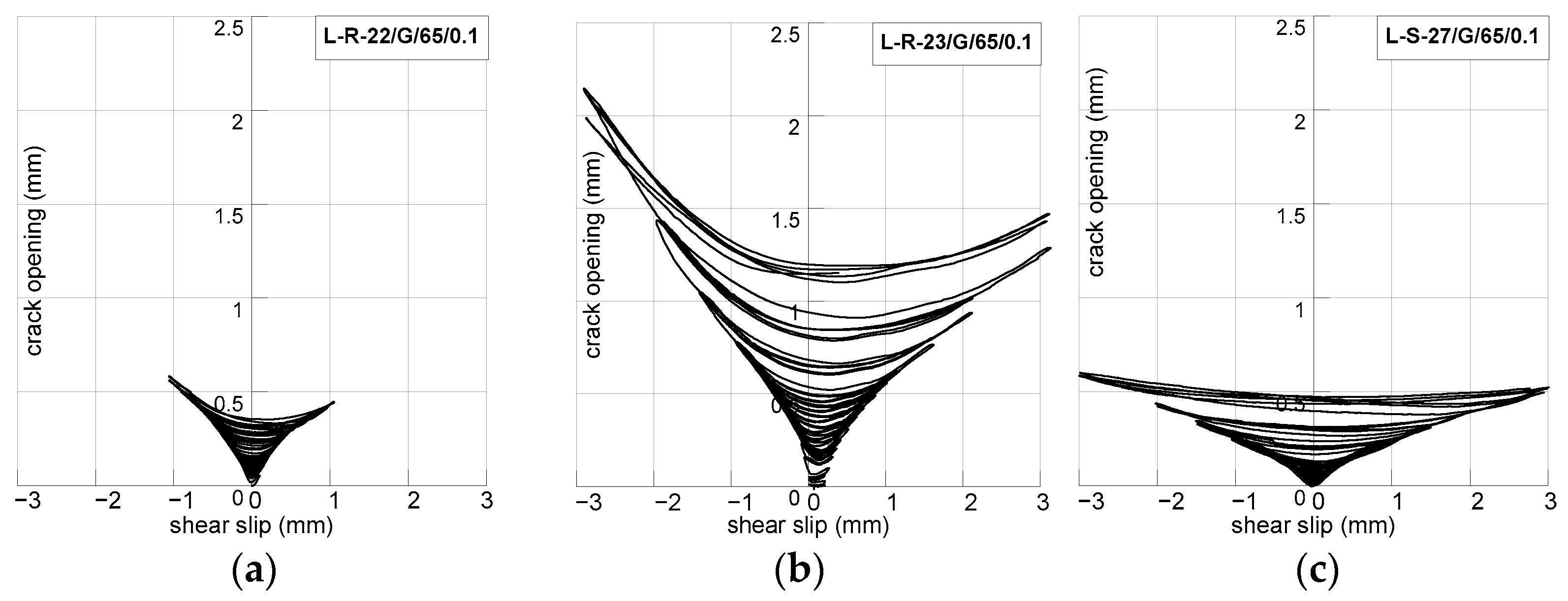
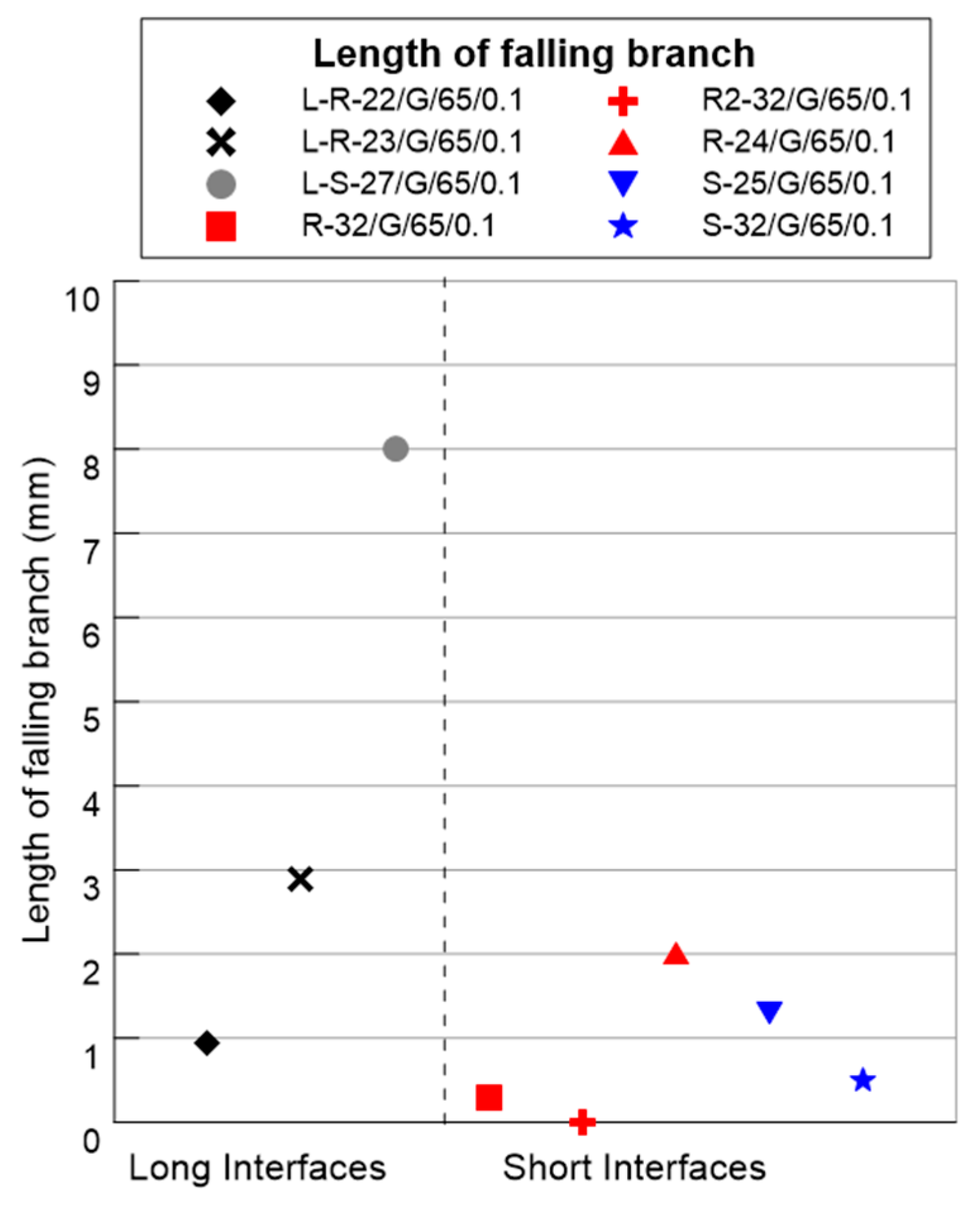
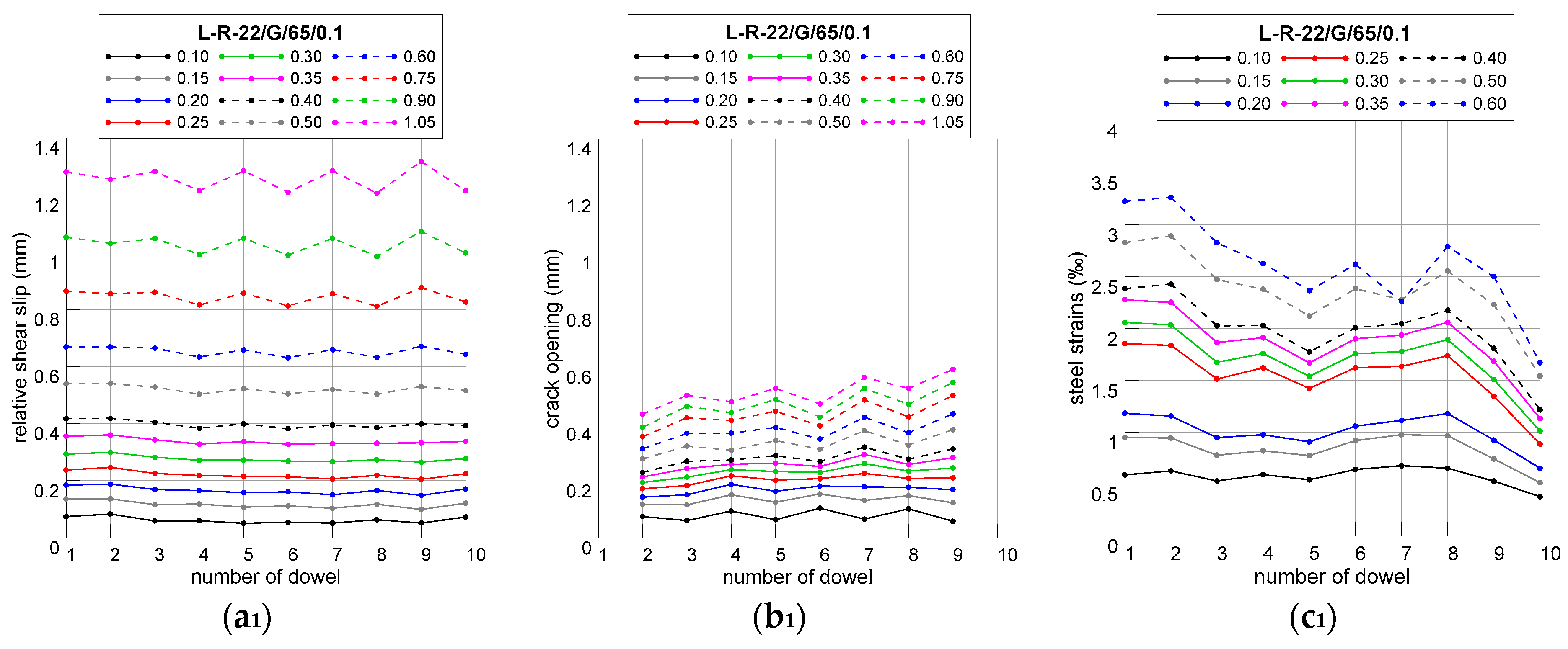
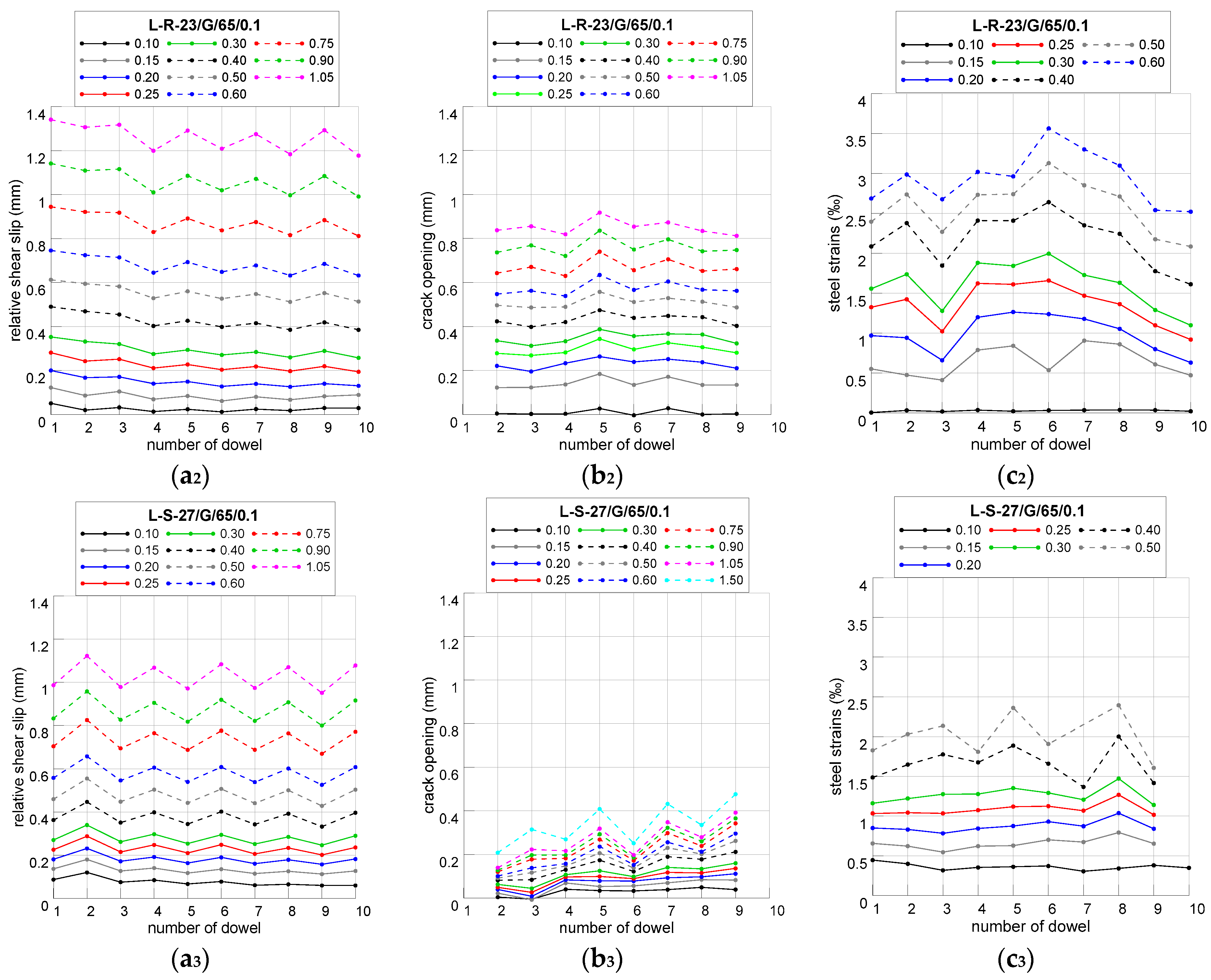
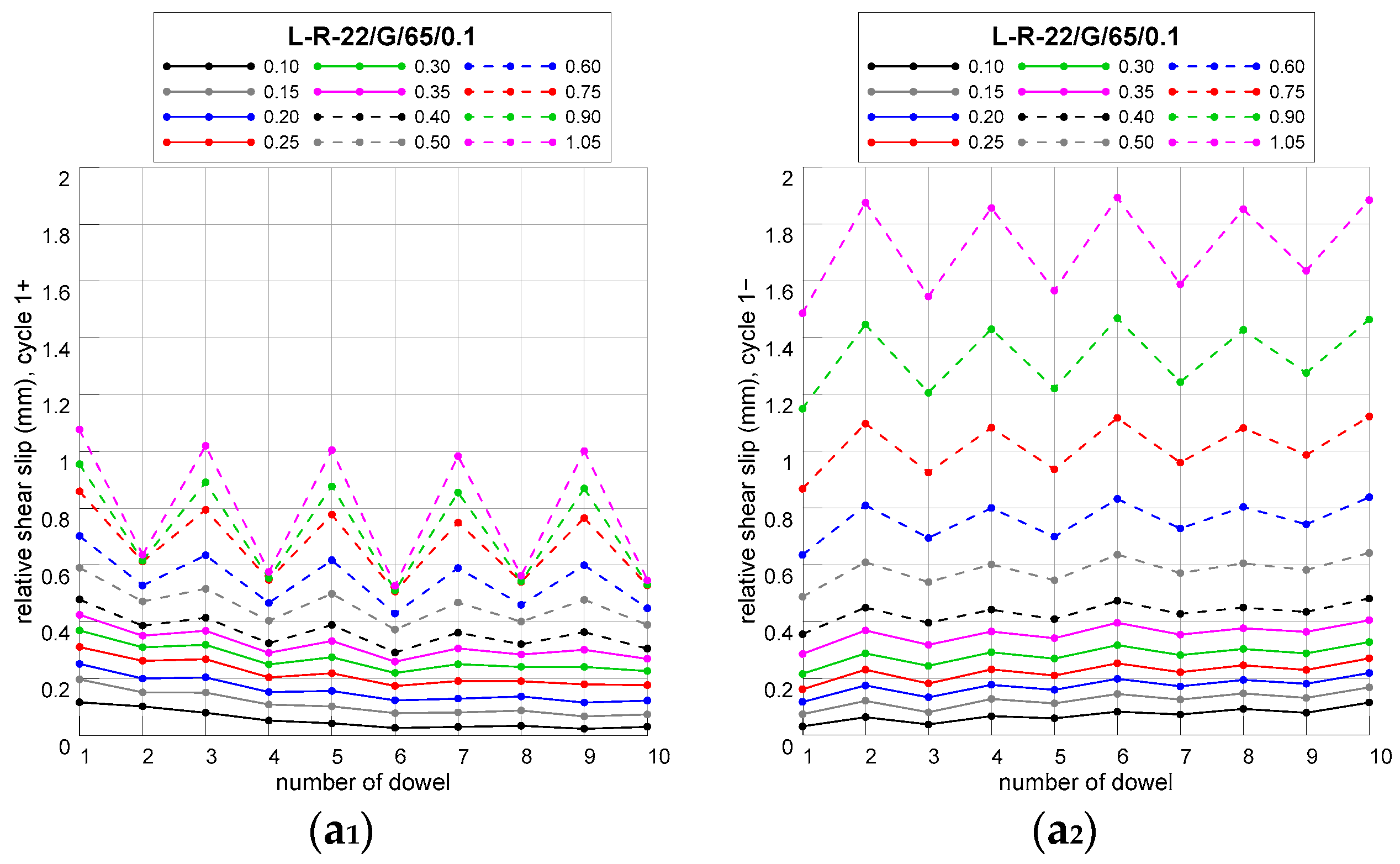
This study focuses on long concrete interfaces tested under cyclic actions, fastened with post-installed industrial steel screws. The overall behavior and the effect of roughness were investigated in three long interfaces, representative of connections between, e.g., a slab and a wall, a beam and a wall, etc. The results were compared with those of short interfaces tested by the authors in previous campaigns. It was observed that rough long interfaces activate their maximum resistance at small values of imposed shear slip. When roughness was reduced, the maximum resistance was also reduced, the corresponding shear slip was increased, and the overall behavior was stable. For large values of the shear slip, imposed at one end of the interface, the shear slips along it tended to be uniform, both in short and long interfaces. The limited embedment length of the screws led to their pronounced pullout. Finally, the asymmetry of resistance between the two loading directions that was observed in short interfaces was alleviated in the long ones, where also the scatter of the results was limited among duplicate specimens.
Keywords: reinforced concrete interfaces; steel screws; post-installed connectors; cyclic behavior; interface dimensions reinforced concrete interfaces; steel screws; post-installed connectors; cyclic behavior; interface dimensions