Article

Physiological Study of Visual and Non-Visual Effects of Light Exposure
1
Graduate School of Science and Technology, Keio University, Yokohama 223-8522, Japan
2
Department of Mechanical Engineering, Keio University, Yokohama 223-8522, Japan
*
Author to whom correspondence should be addressed.
Appl. Sci. 2023, 13(9), 5785; https://doi.org/10.3390/app13095785
Submission received: 10 February 2023 / Revised: 19 April 2023 / Accepted: 5 May 2023 / Published: 8 May 2023
(This article belongs to the Section Applied Neuroscience and Neural Engineering)

Abstract

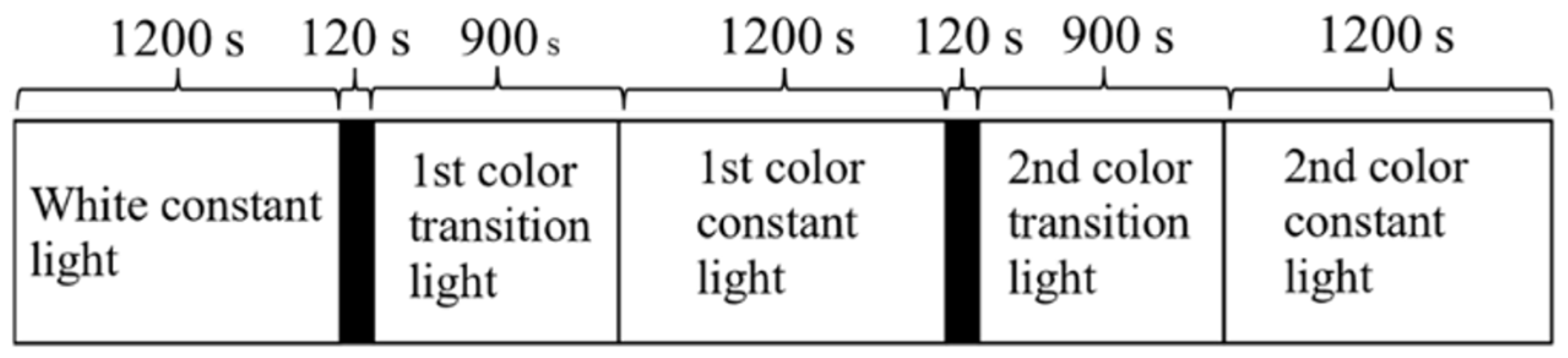
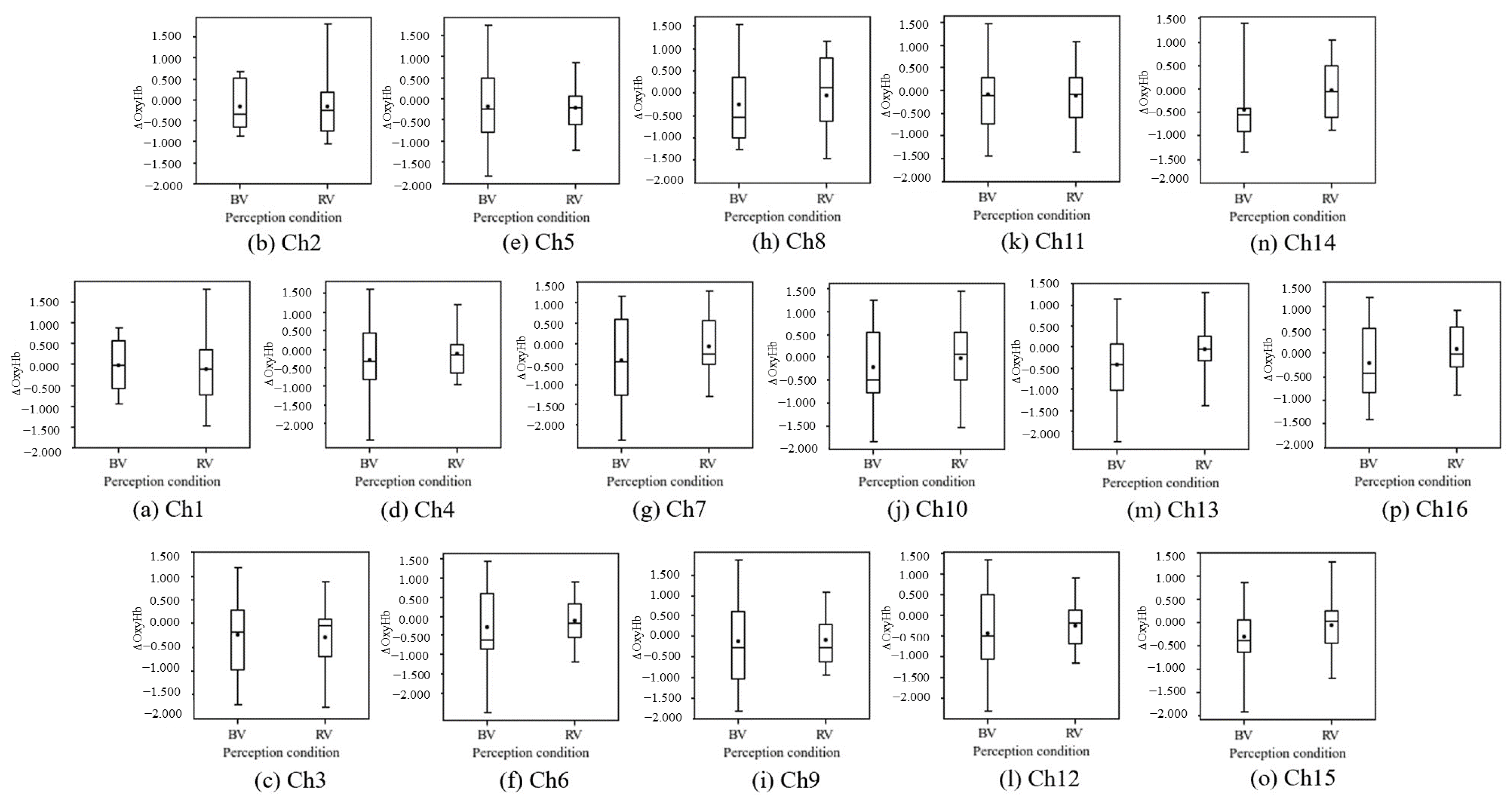
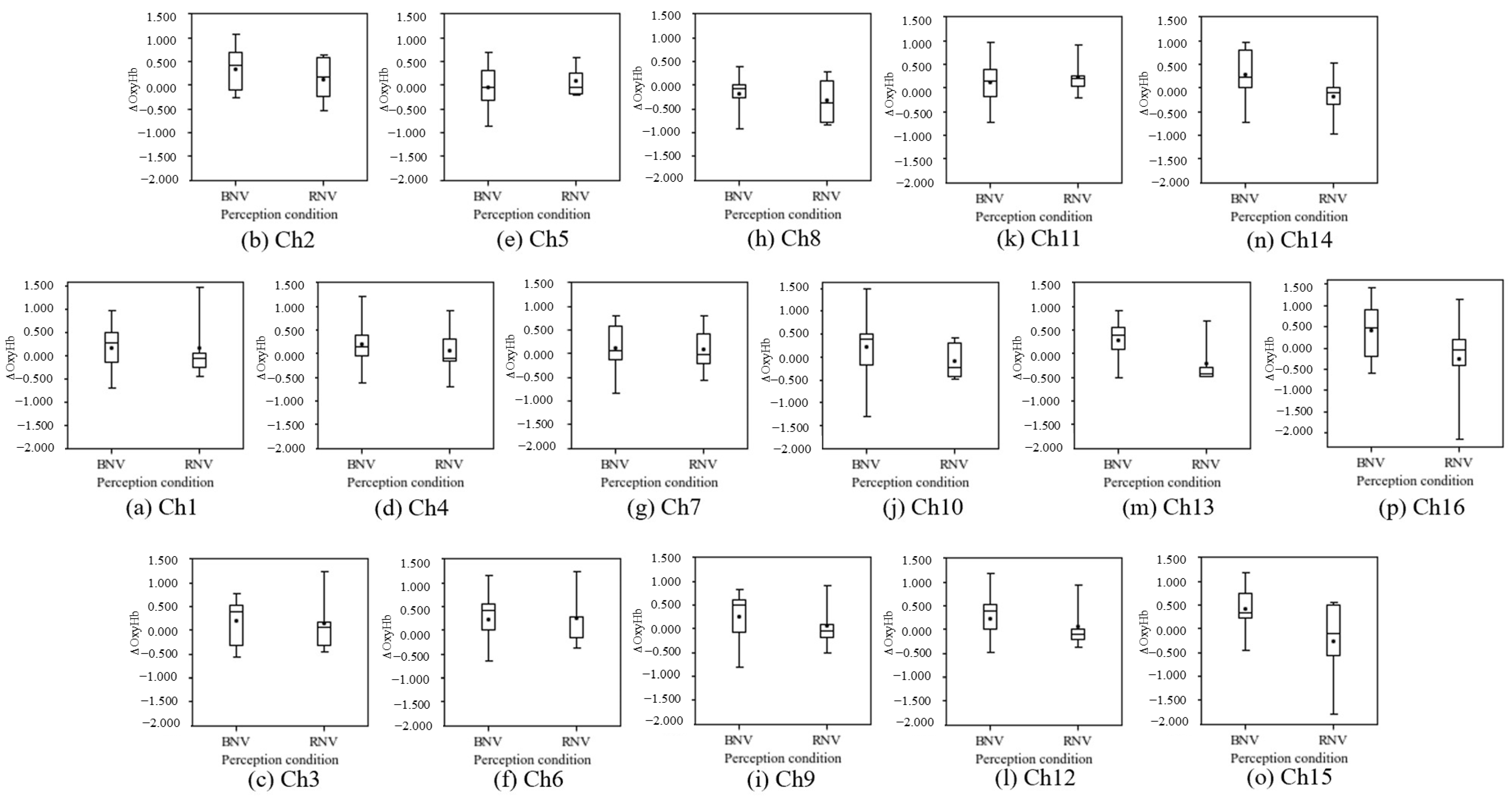
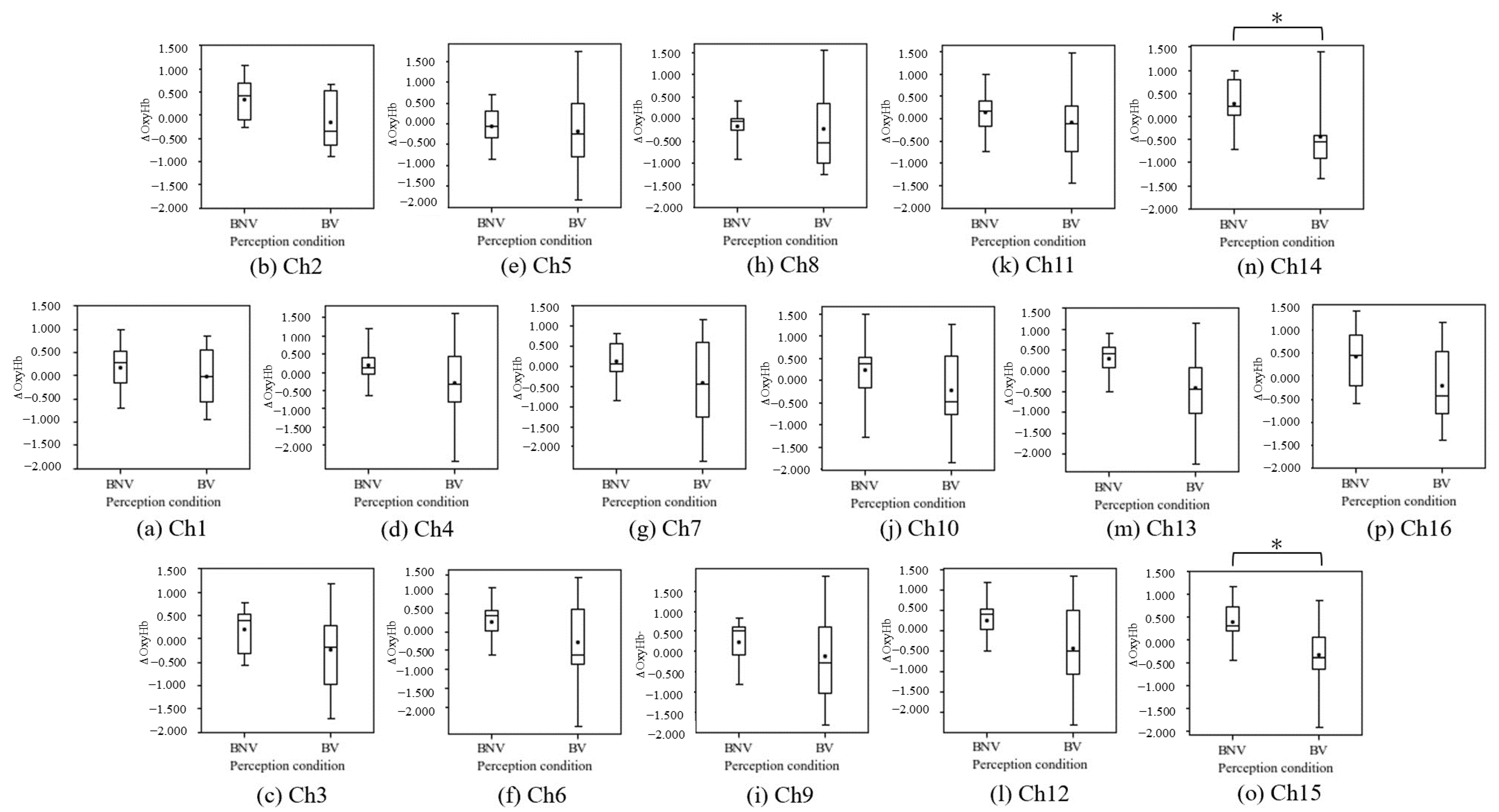
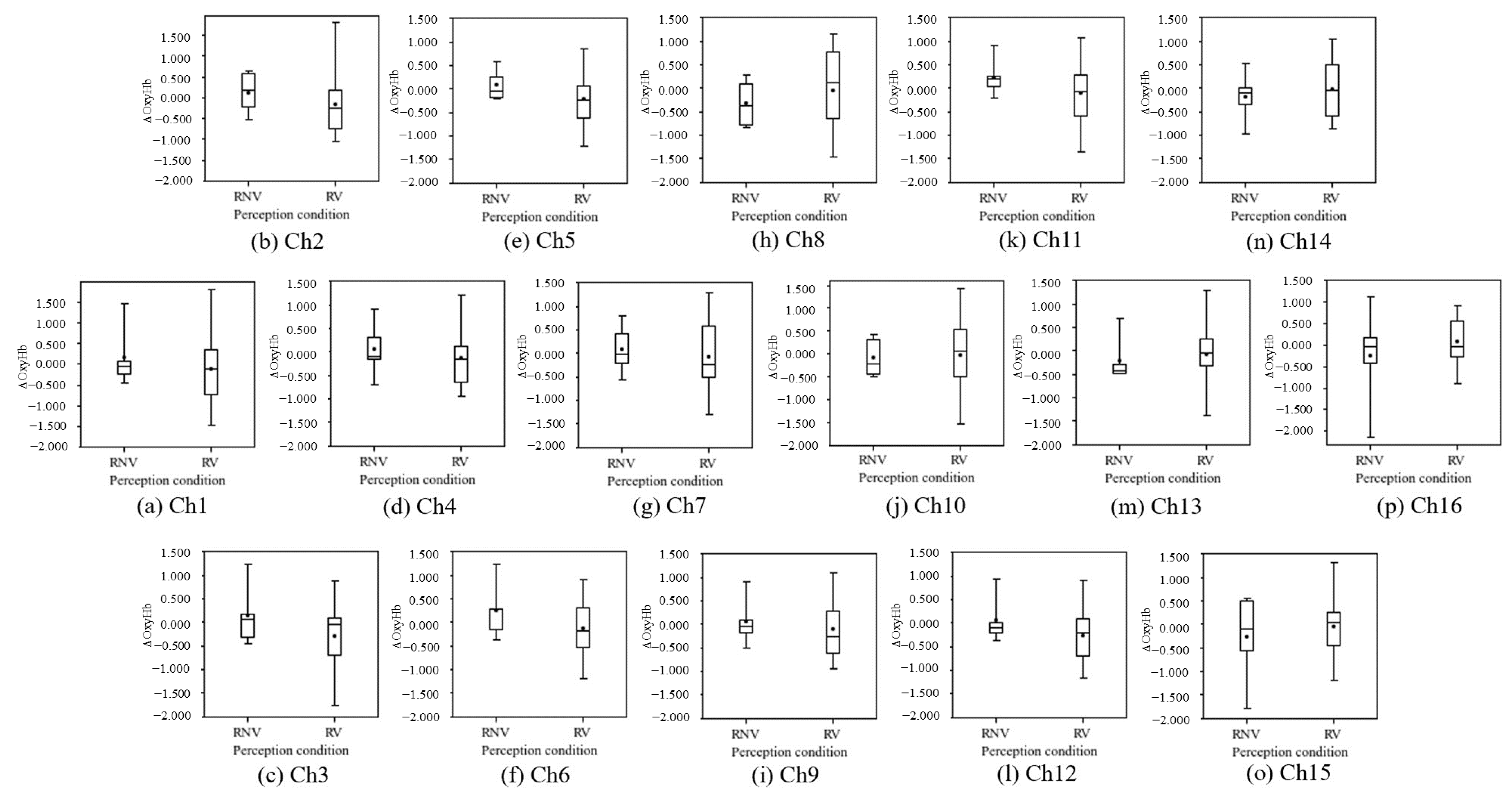
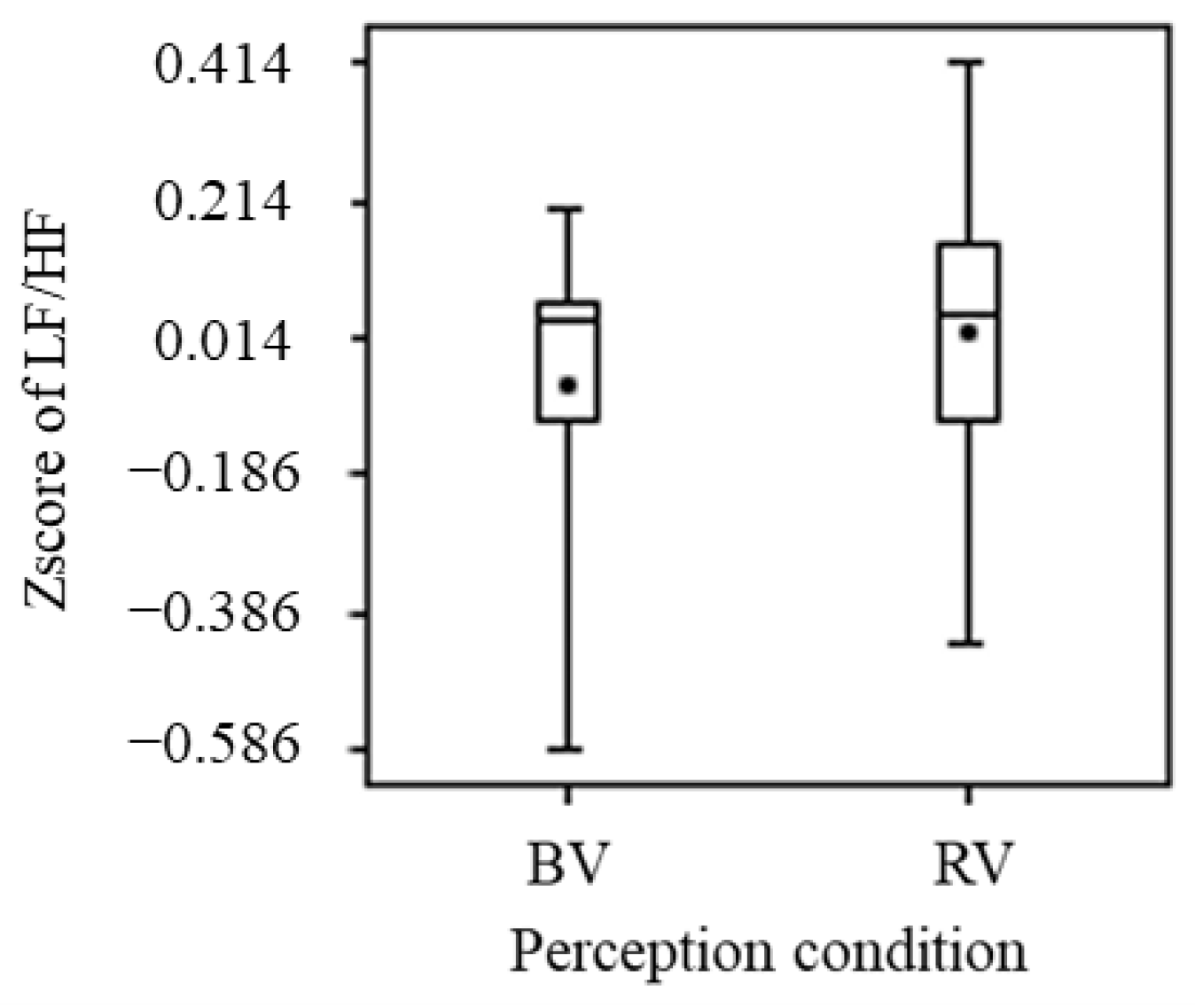
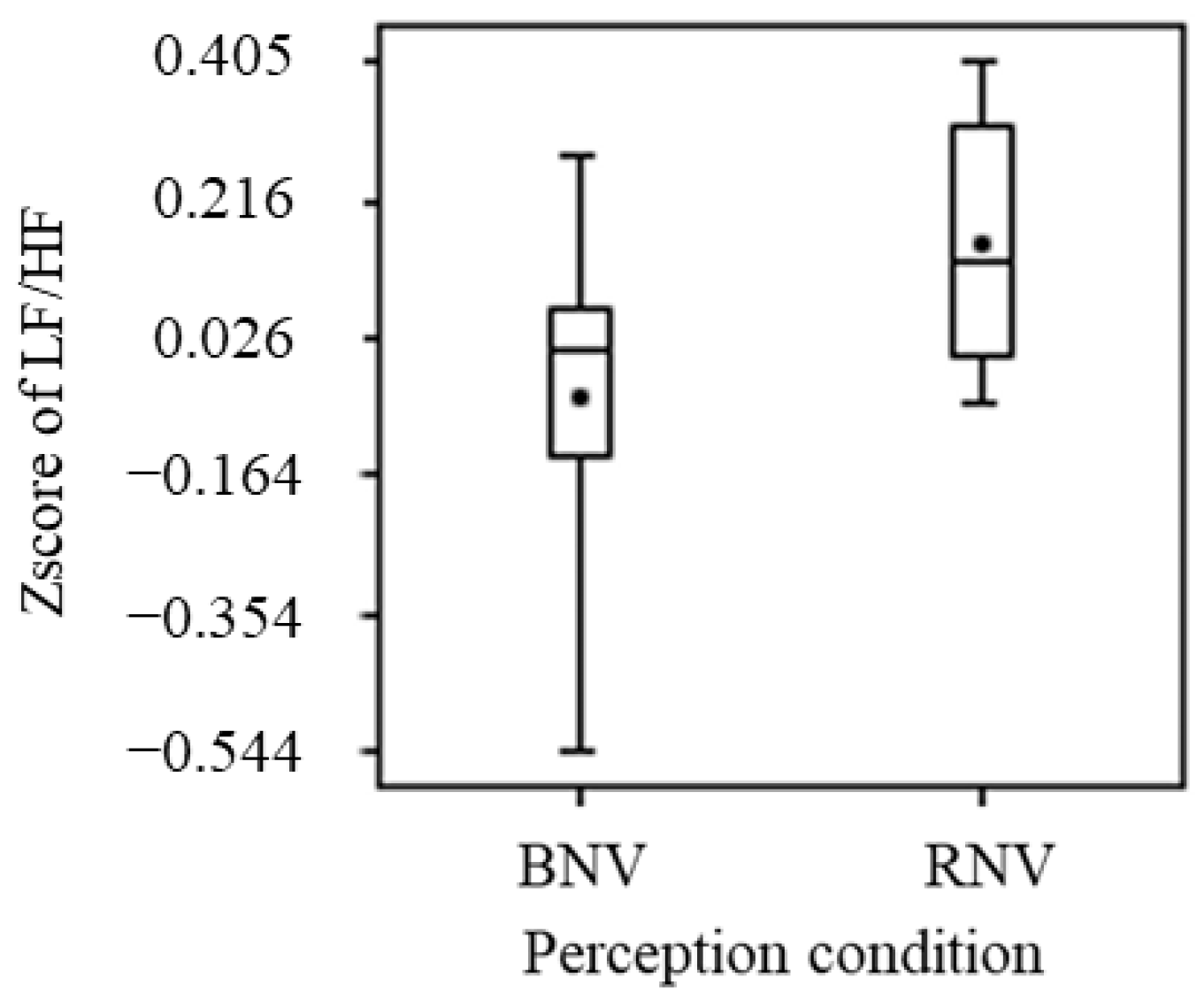
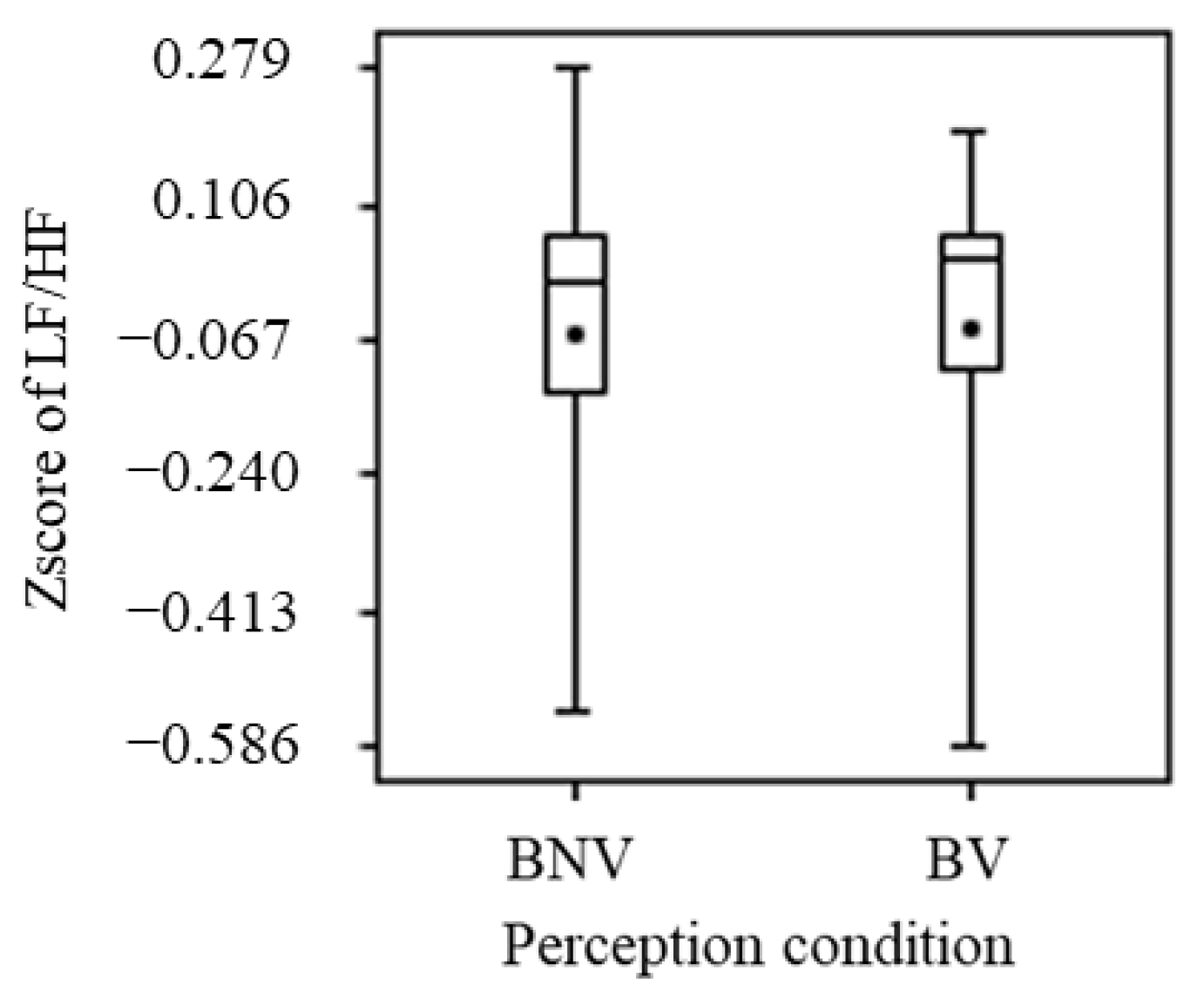
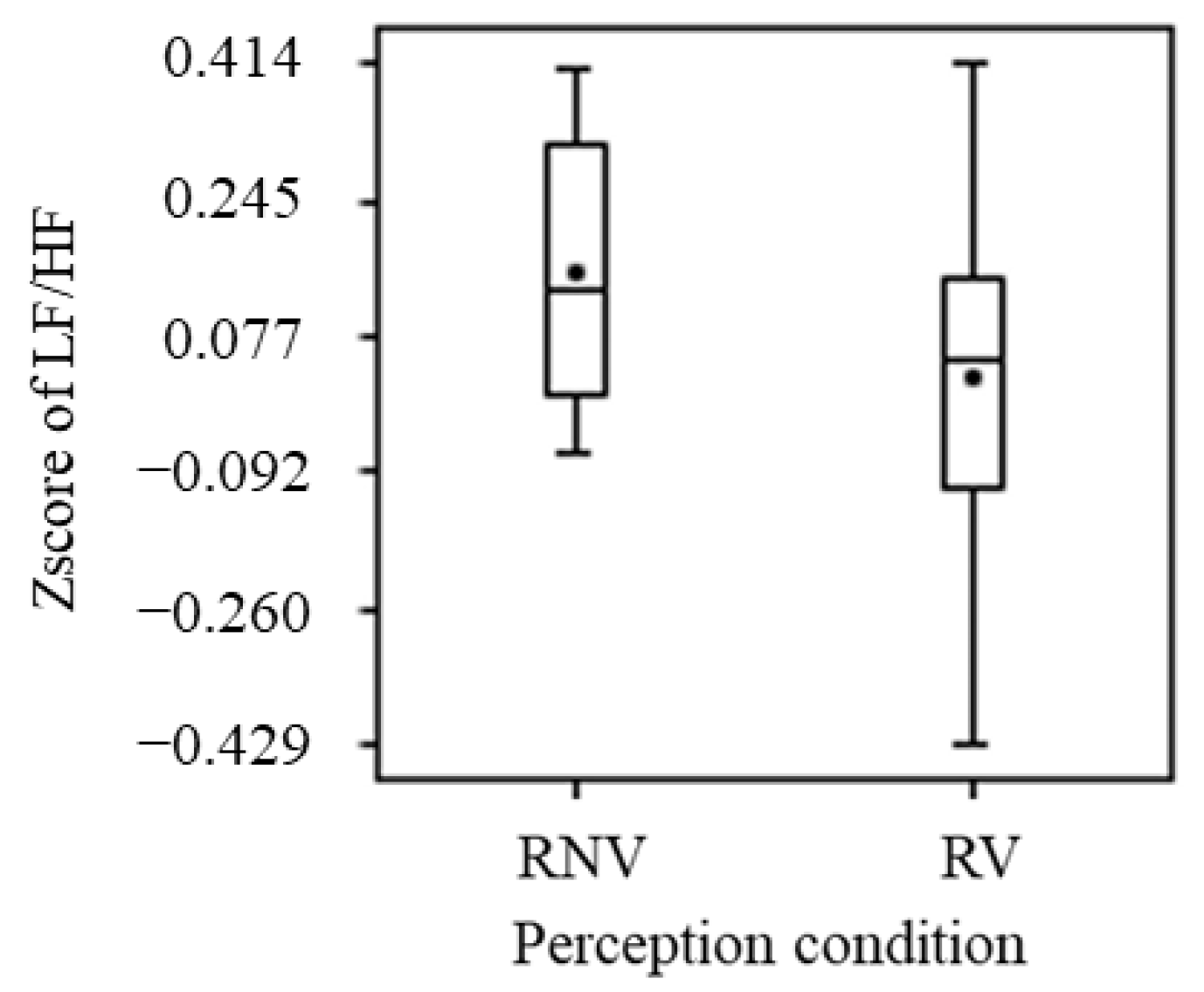
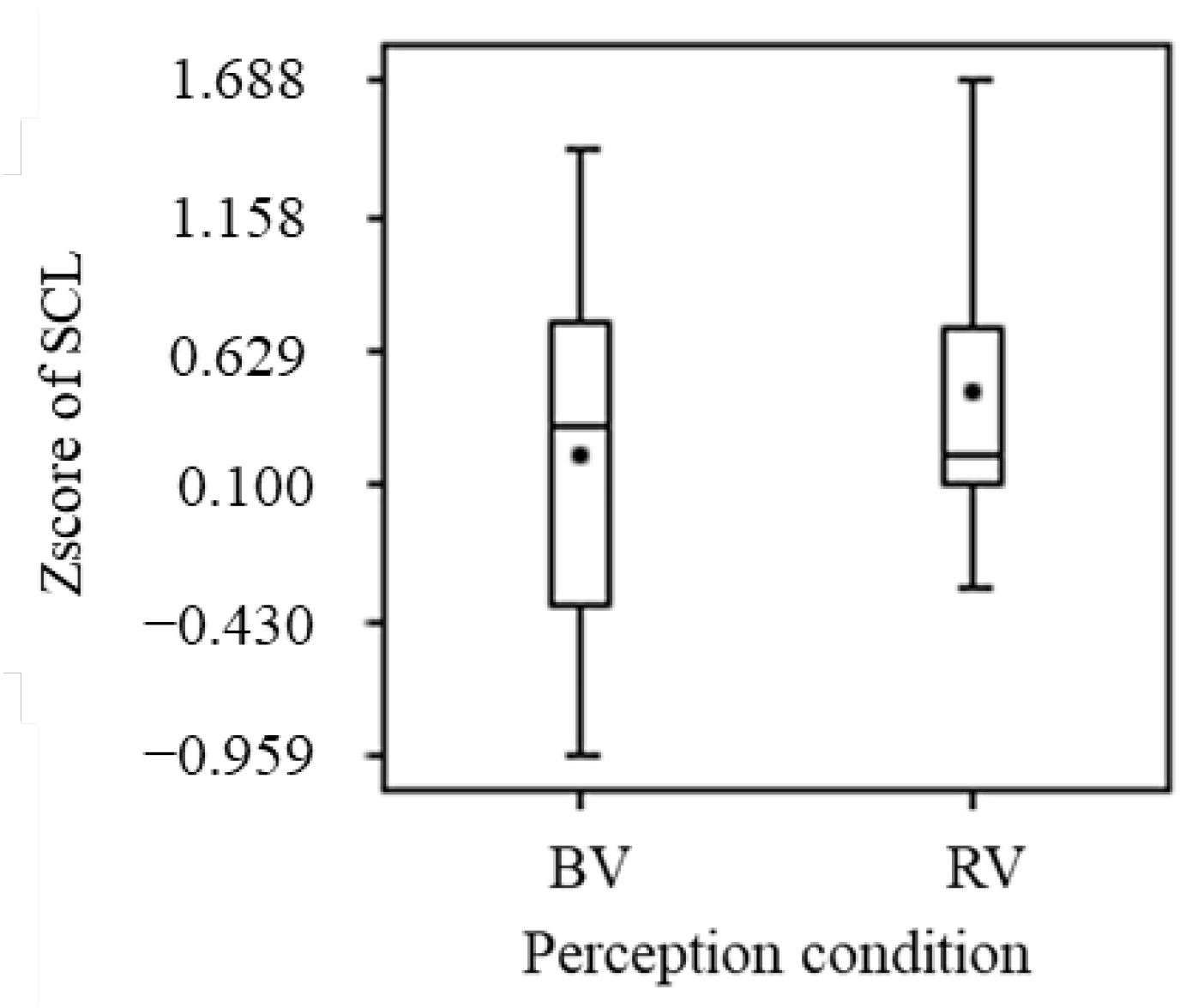
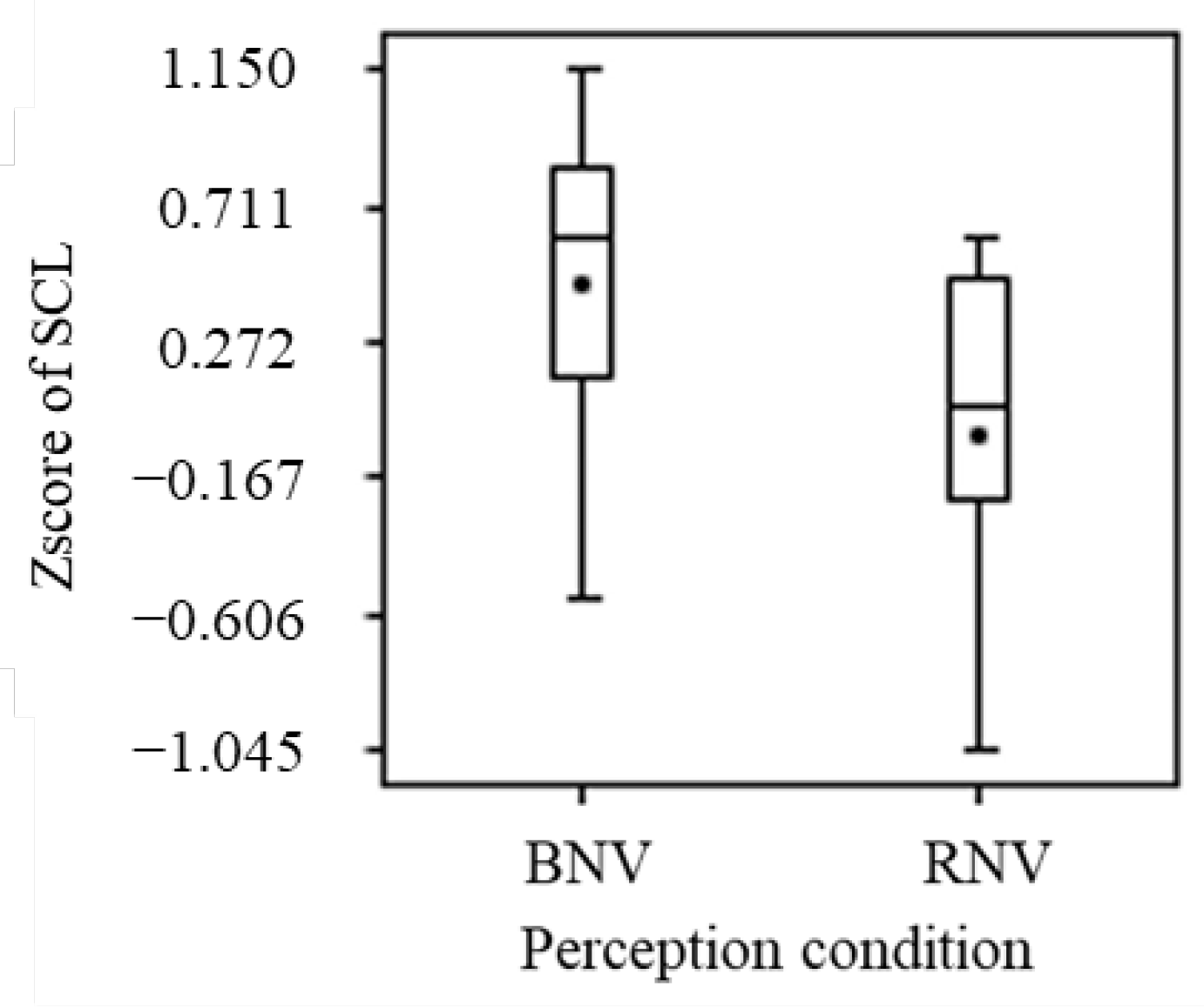
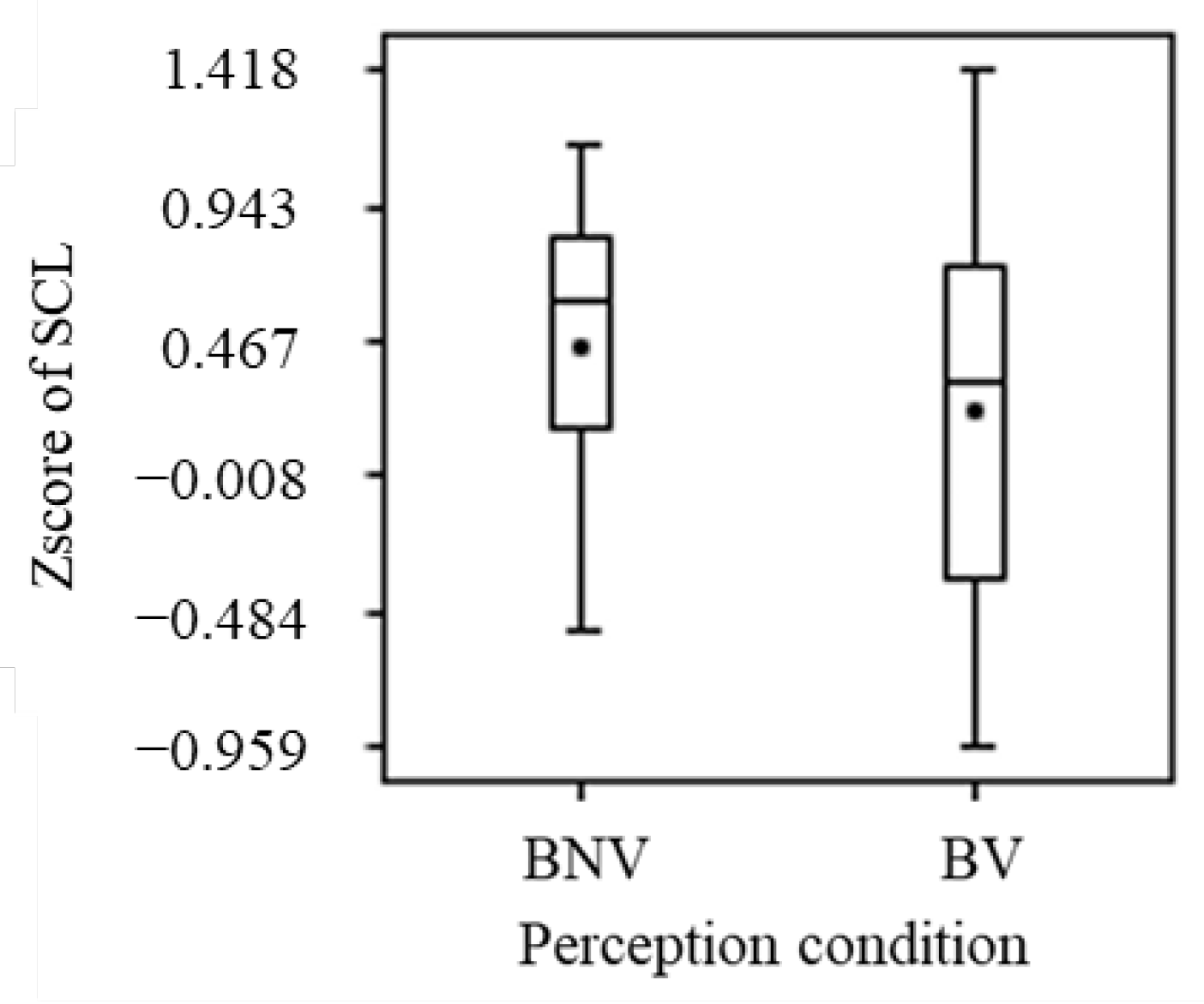
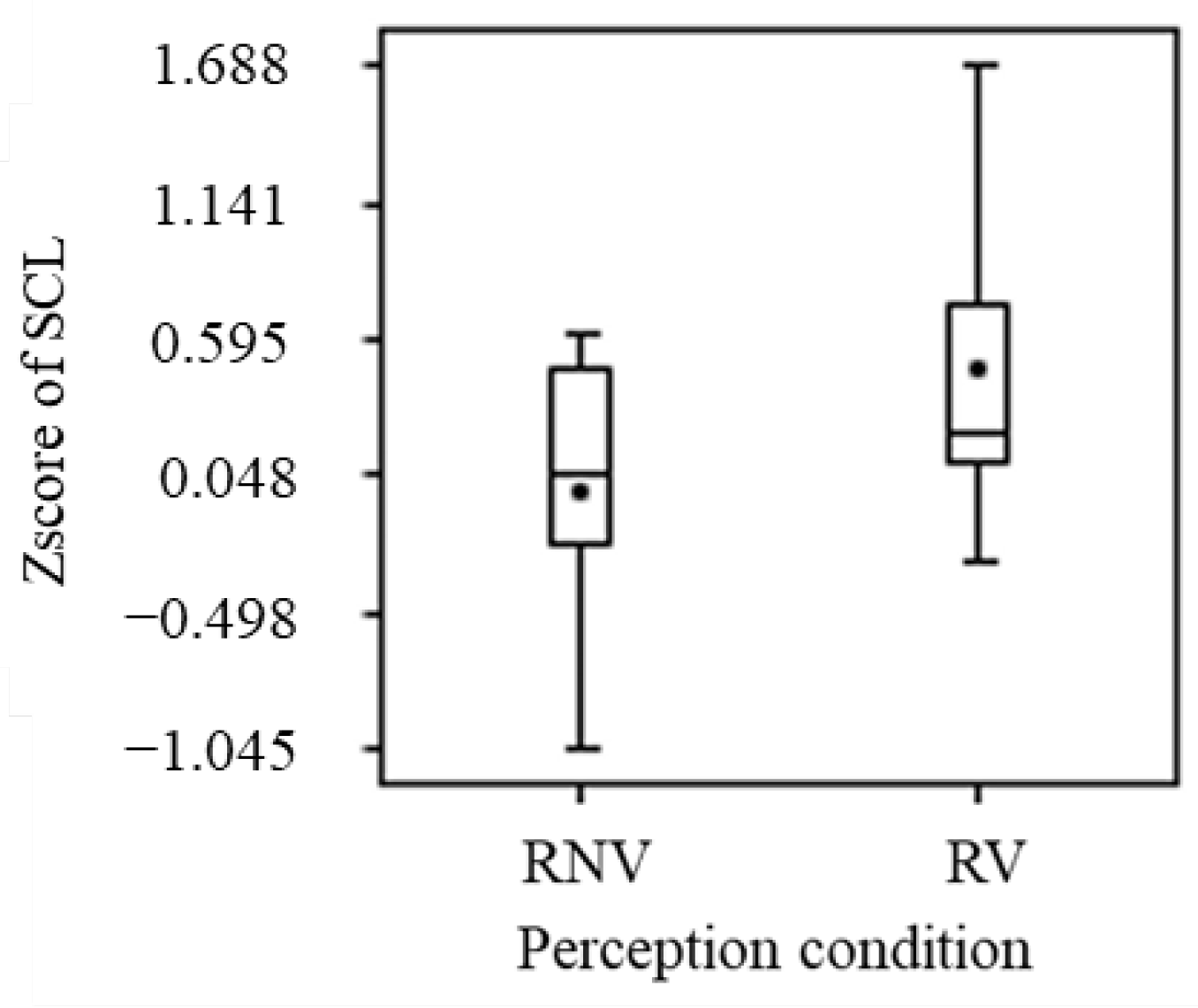
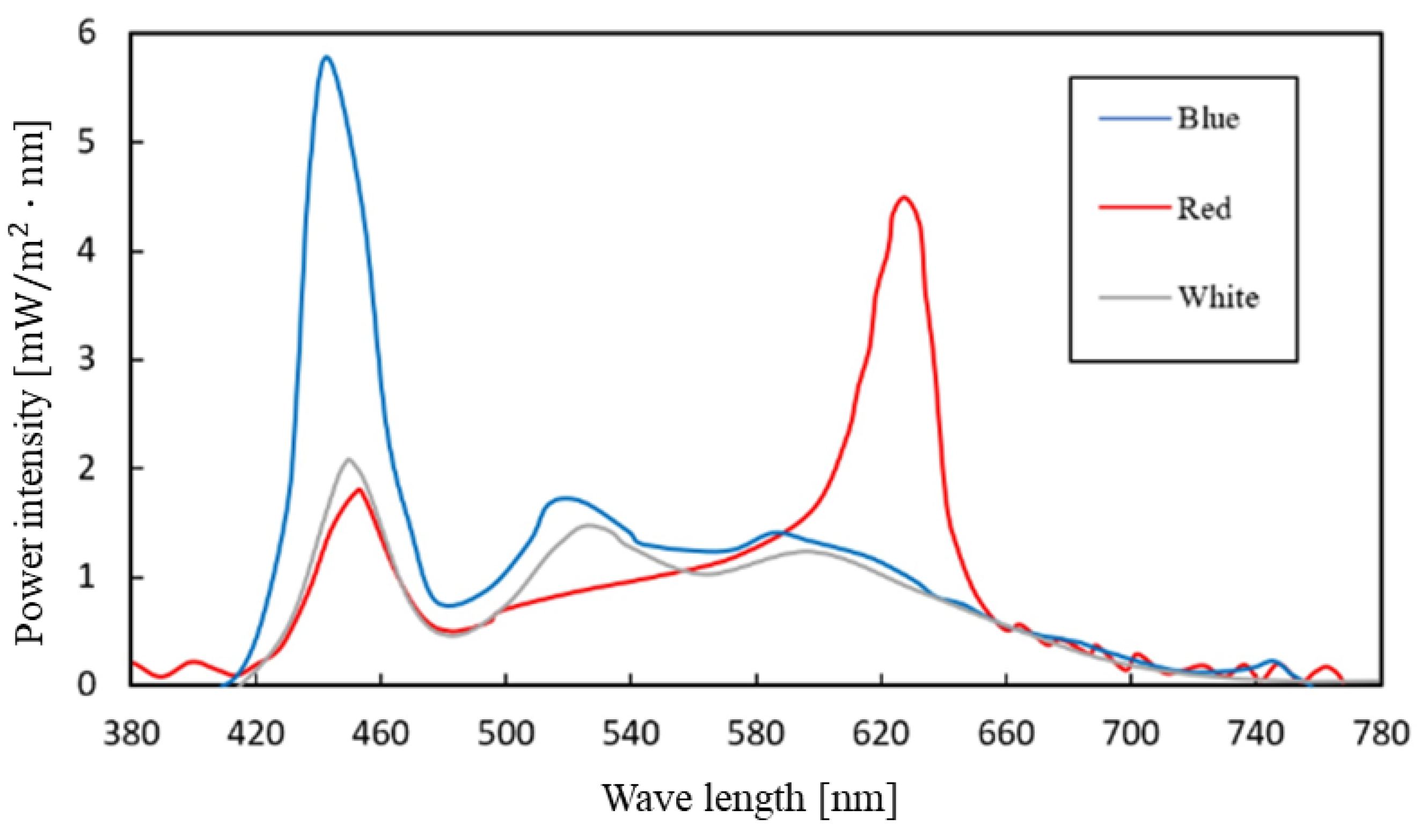
Light simultaneously induces visual and non-visual effects. Although the differences in the spectral sensitivity of intrinsic photosensitive retinal ganglion cells induce opposing influences on physiological responses, it is difficult to independently measure only non-visual effects. Therefore, the reported effects of light color on physiological responses are inconsistent. This study aimed to clarify the visual and non-visual effects of light color on physiological responses. Three different conditions were employed to construct a lighting environment in which light colors were difficult to perceive due to chromatic adaptation and change blindness: constant white light (baseline condition), a gradual transition from white to blue light, and a gradual transition from white to red light. The physiological responses (brain activity, heart rate variability, and electrodermal activity) of 21 participants were measured with and without light color perception. The results suggested that blue light causes more non-visual effects compared to red light as blue light induces brain activation in some regions of the PFC (p < 0.05) and increases sweating, although the differences were not statistically significant. A mean comparison suggested that the visual effects of blue light showed tendencies toward a calming role for the prefrontal cortex and inhibition of sweating, but the differences were not statistically significant. Another mean comparison suggested that the visual effects of red light tended to enhance sweating, but the differences were not statistically significant. Visual and non-visual effects did not cause significant differences in heart rate variability. Additionally, a mean comparison did not reveal any significant tendencies.
Keywords: light; spectrum; color; light color; physiological responses; brain activity; near-infrared spectroscopy; heart rate variability; electrodermal activity light; spectrum; color; light color; physiological responses; brain activity; near-infrared spectroscopy; heart rate variability; electrodermal activity