Article

Research on Air-Conditioning Cooling Load Correction and Its Application Based on Clustering and LSTM Algorithm
School of Information and Control Engineering, Xi’an University of Architecture and Technology, Xi’an 710055, China
*
Author to whom correspondence should be addressed.
Appl. Sci. 2023, 13(8), 5151; https://doi.org/10.3390/app13085151
Submission received: 10 March 2023 / Revised: 3 April 2023 / Accepted: 7 April 2023 / Published: 20 April 2023
(This article belongs to the Topic Advances in Building Simulation)

Abstract

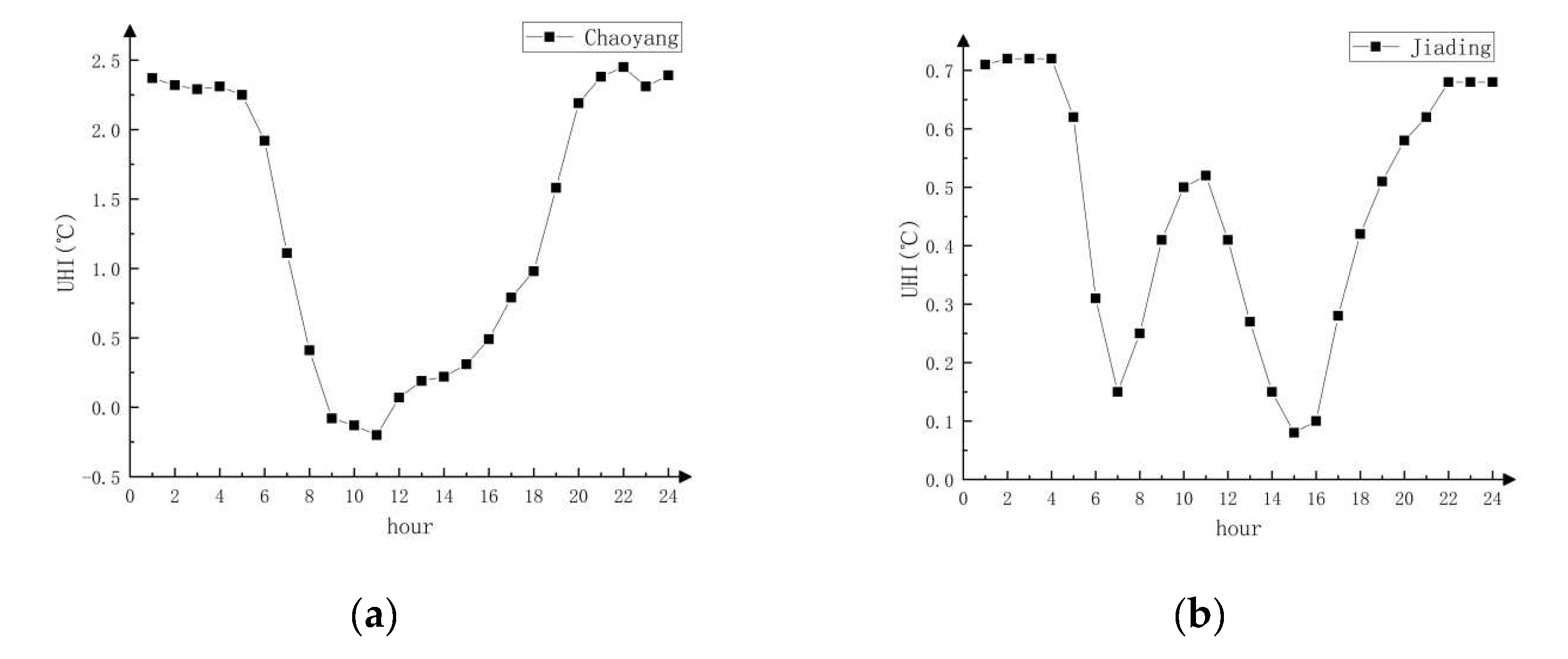
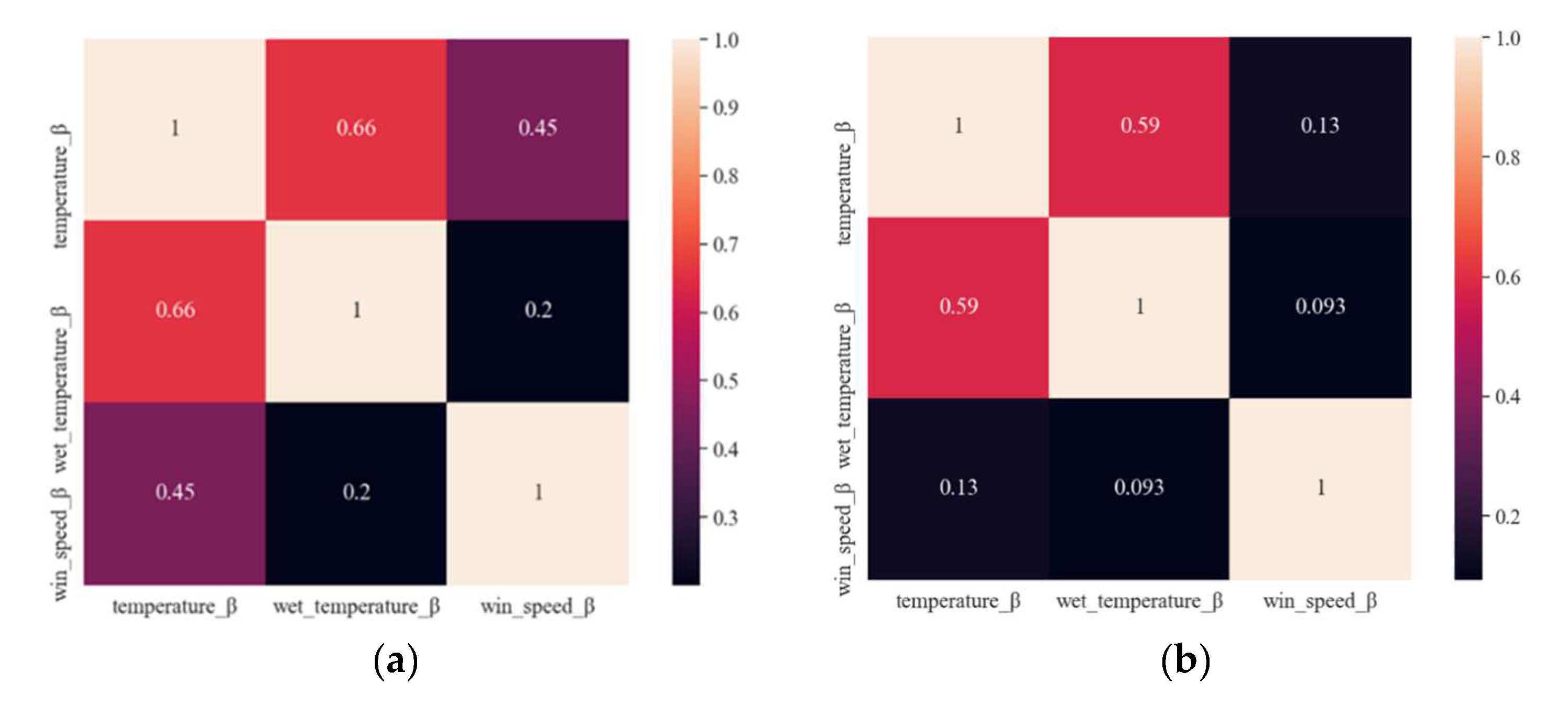
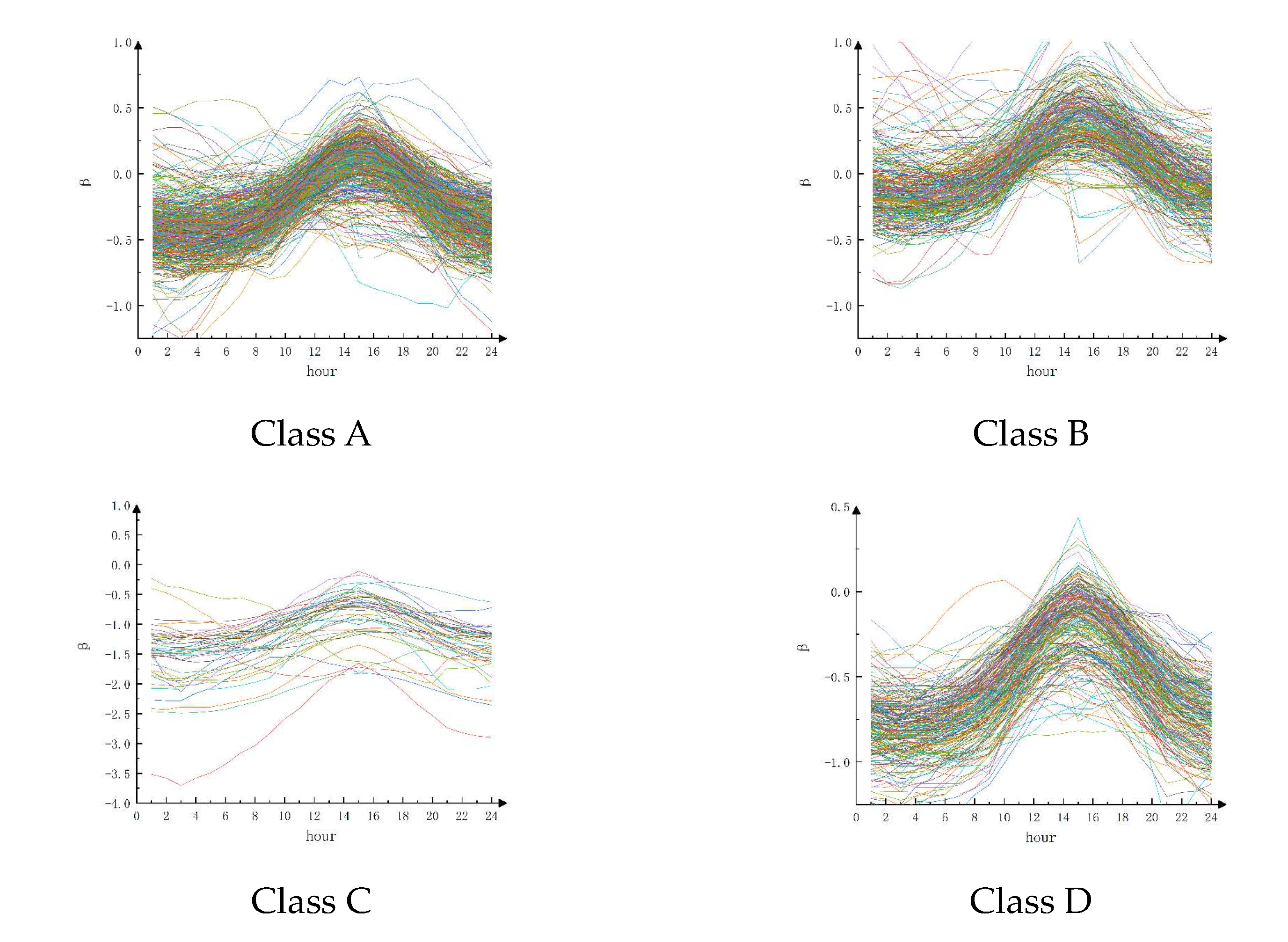
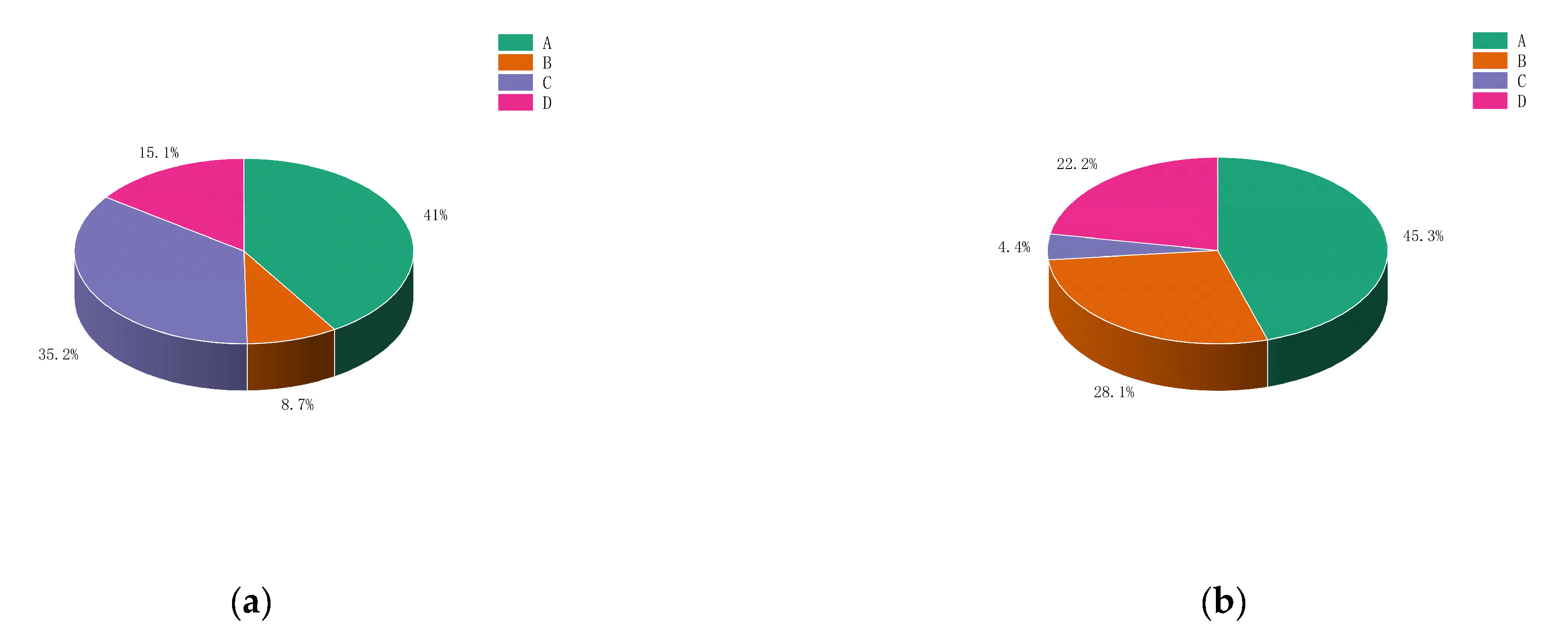
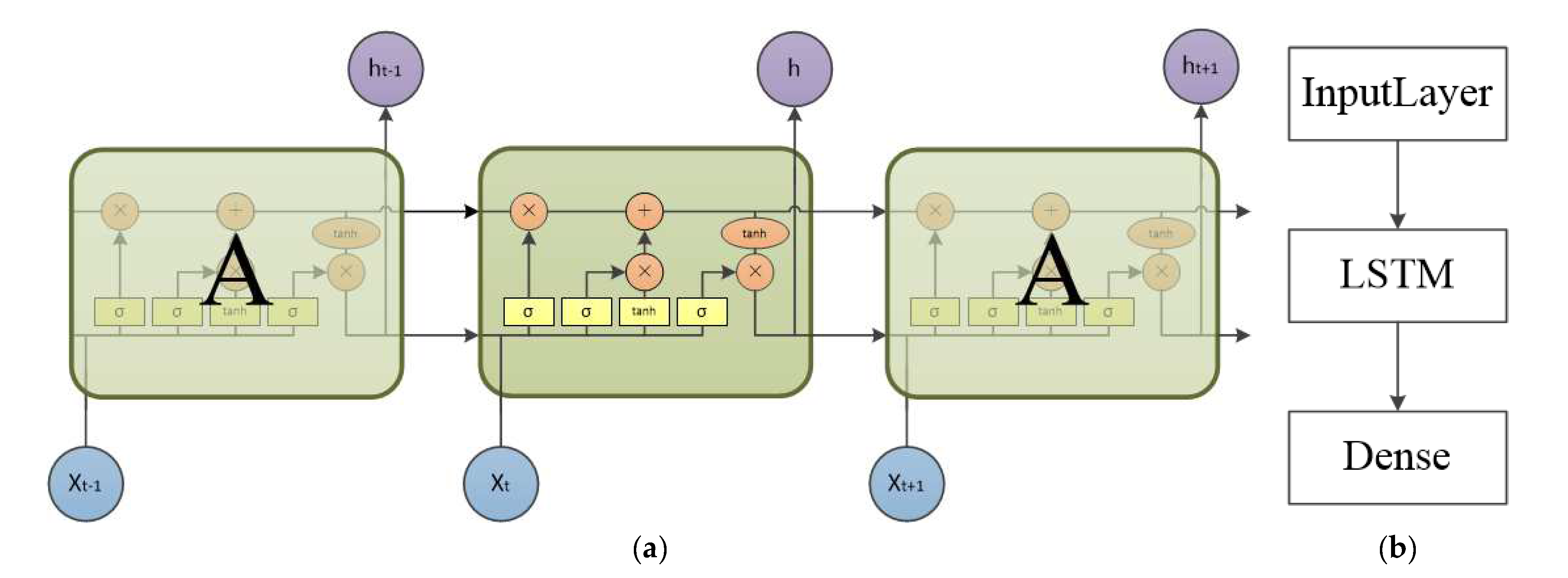
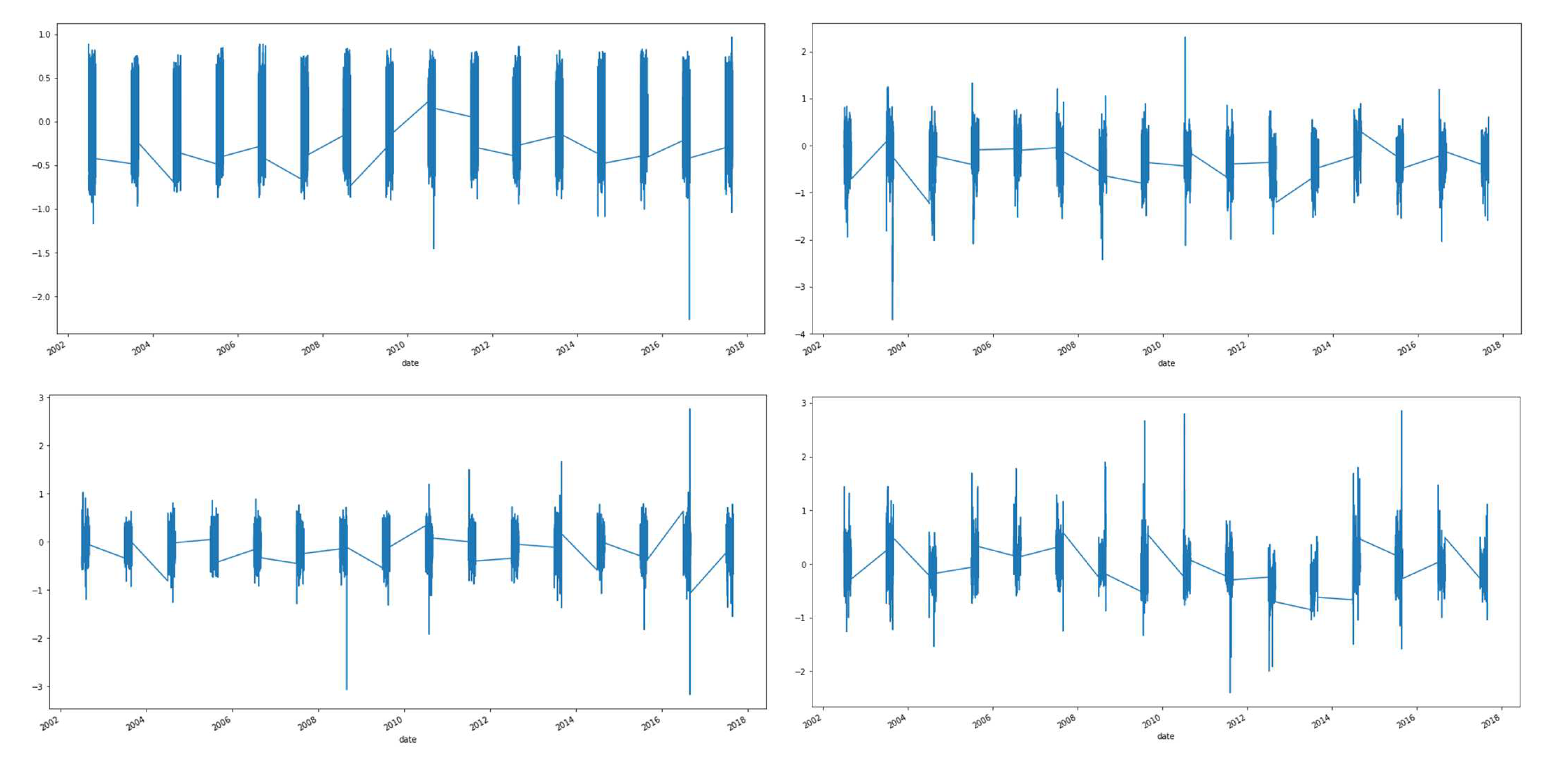
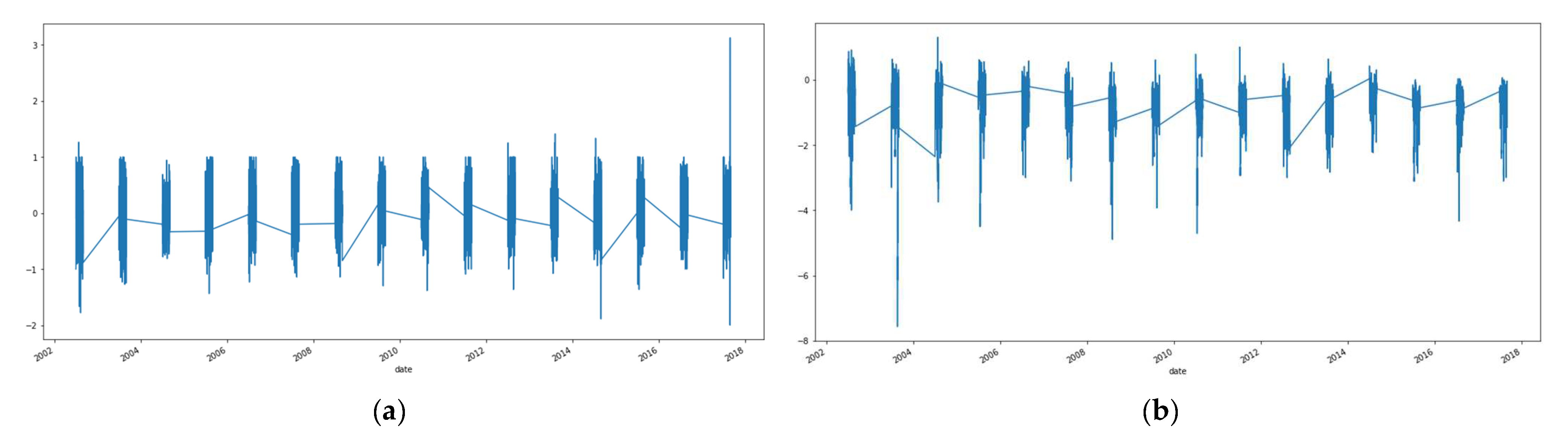
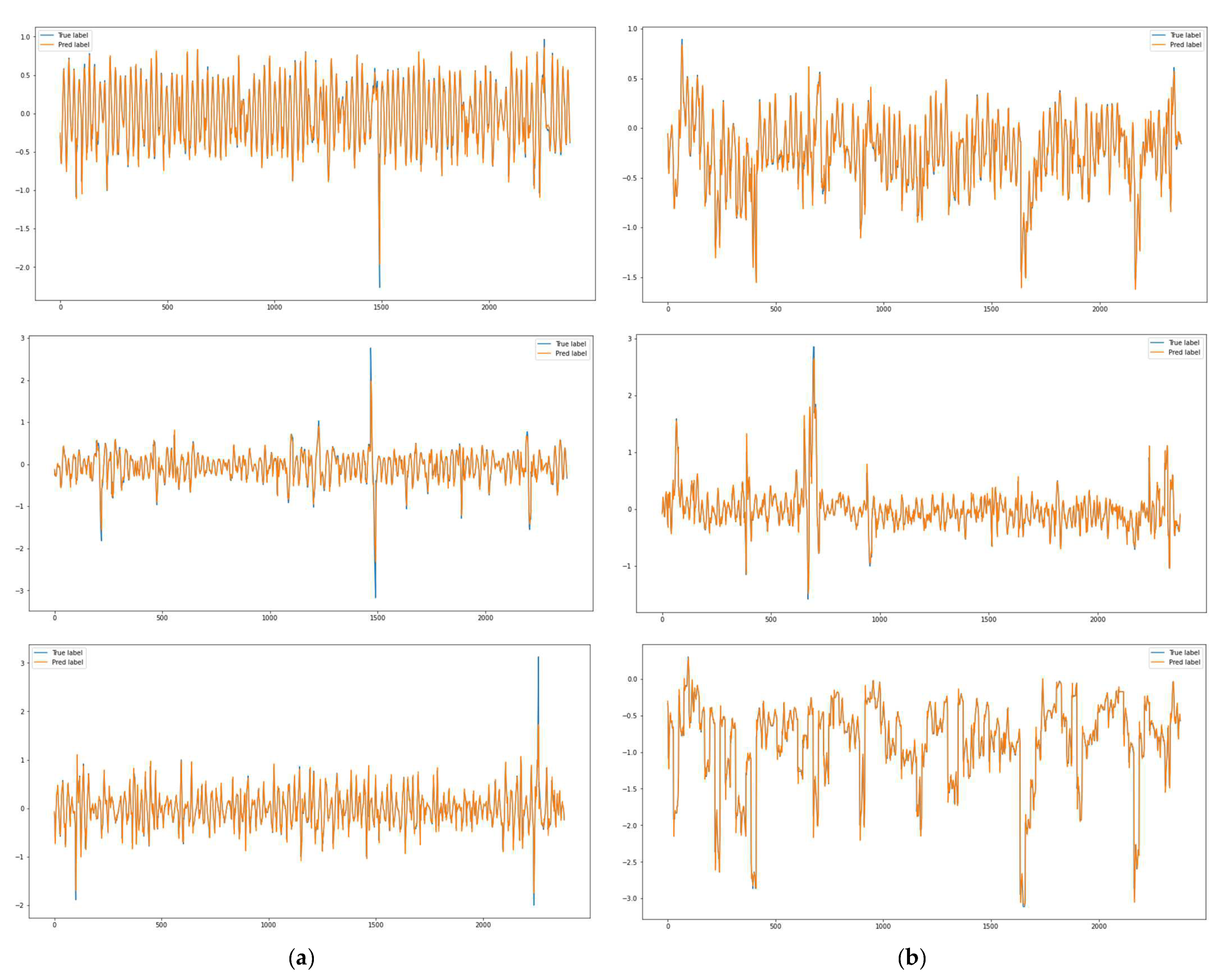
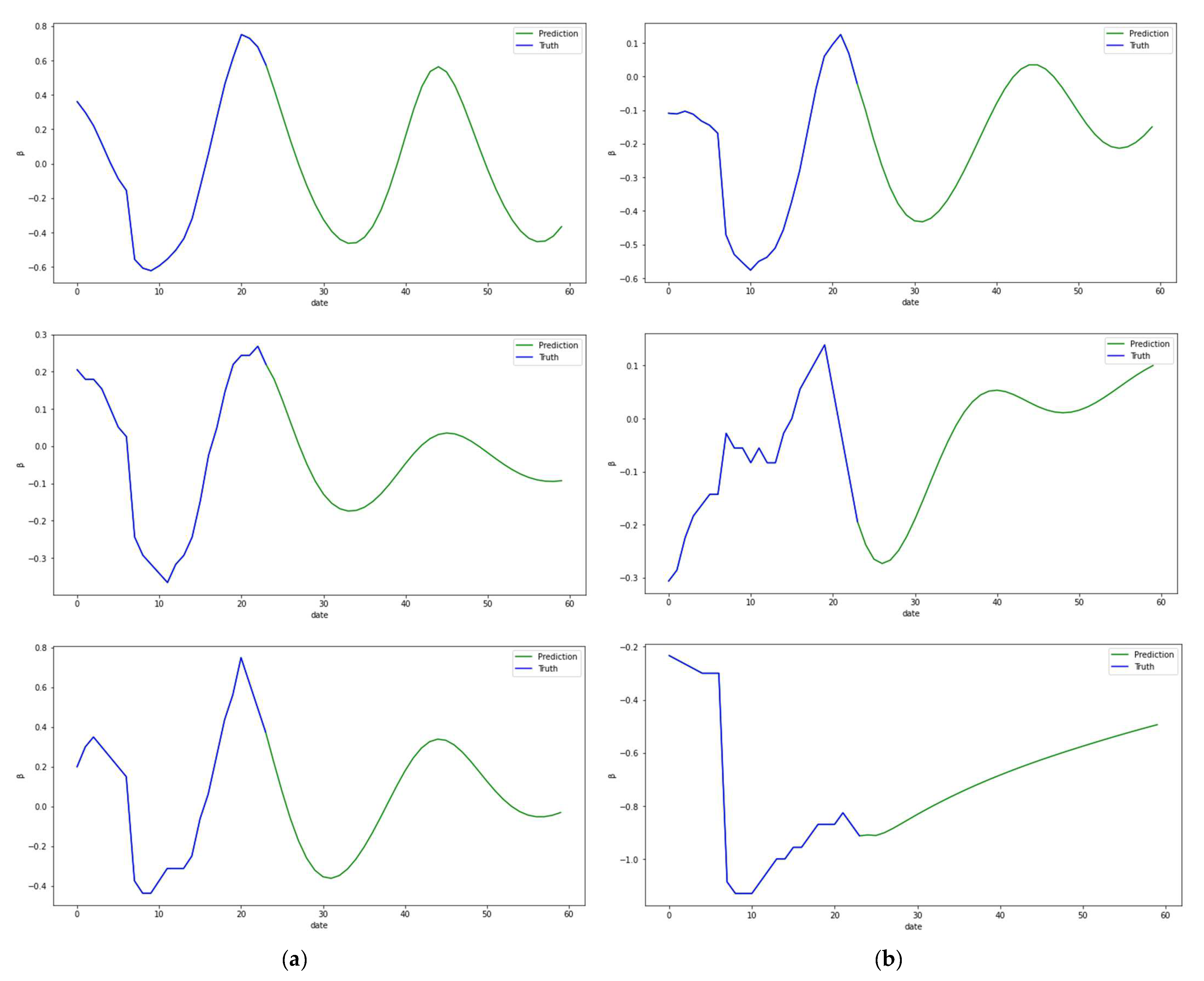
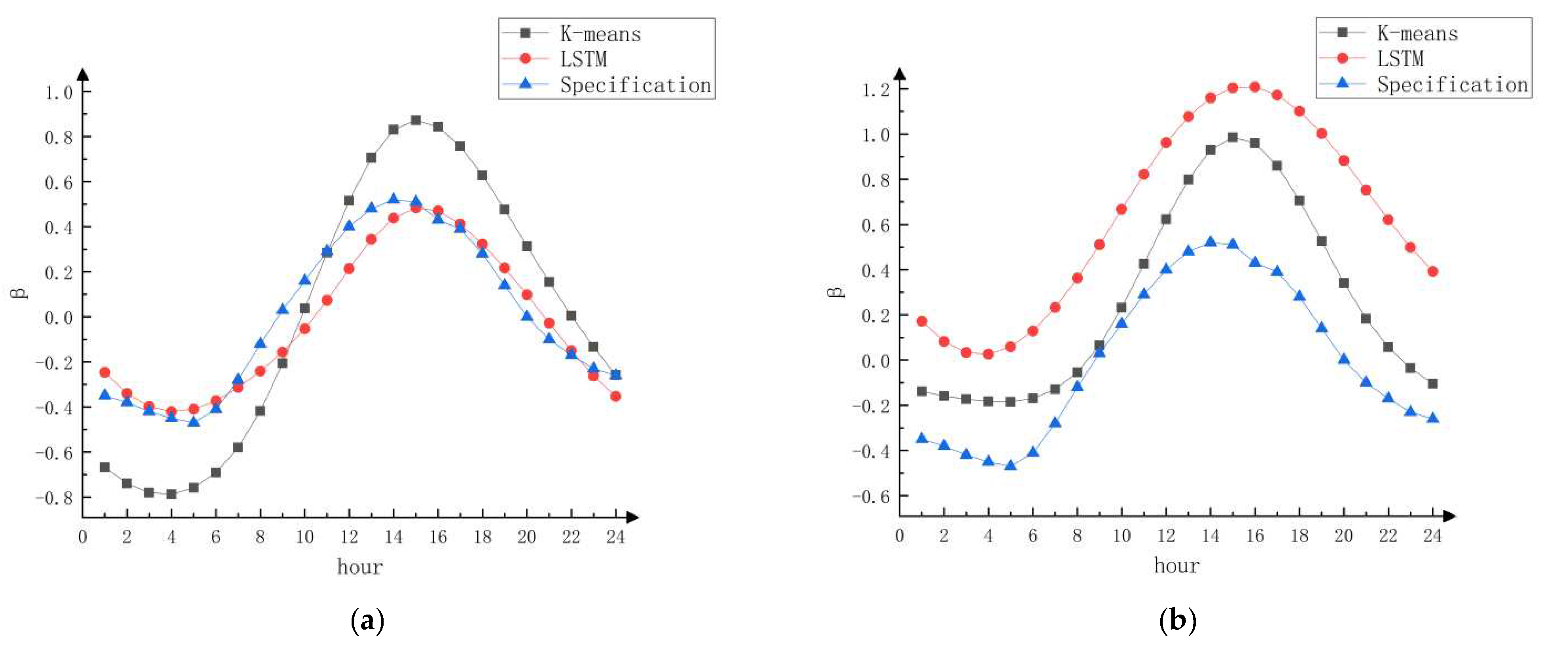
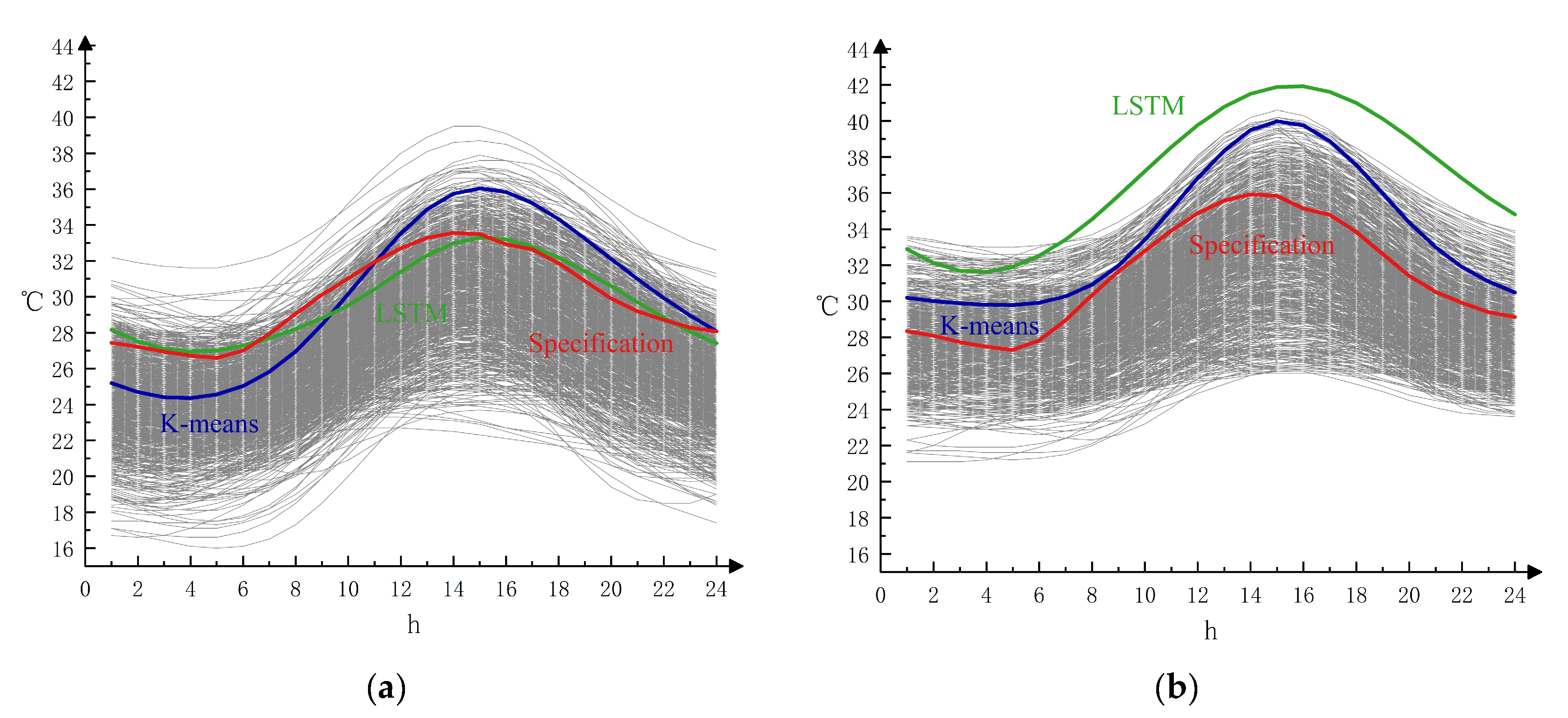
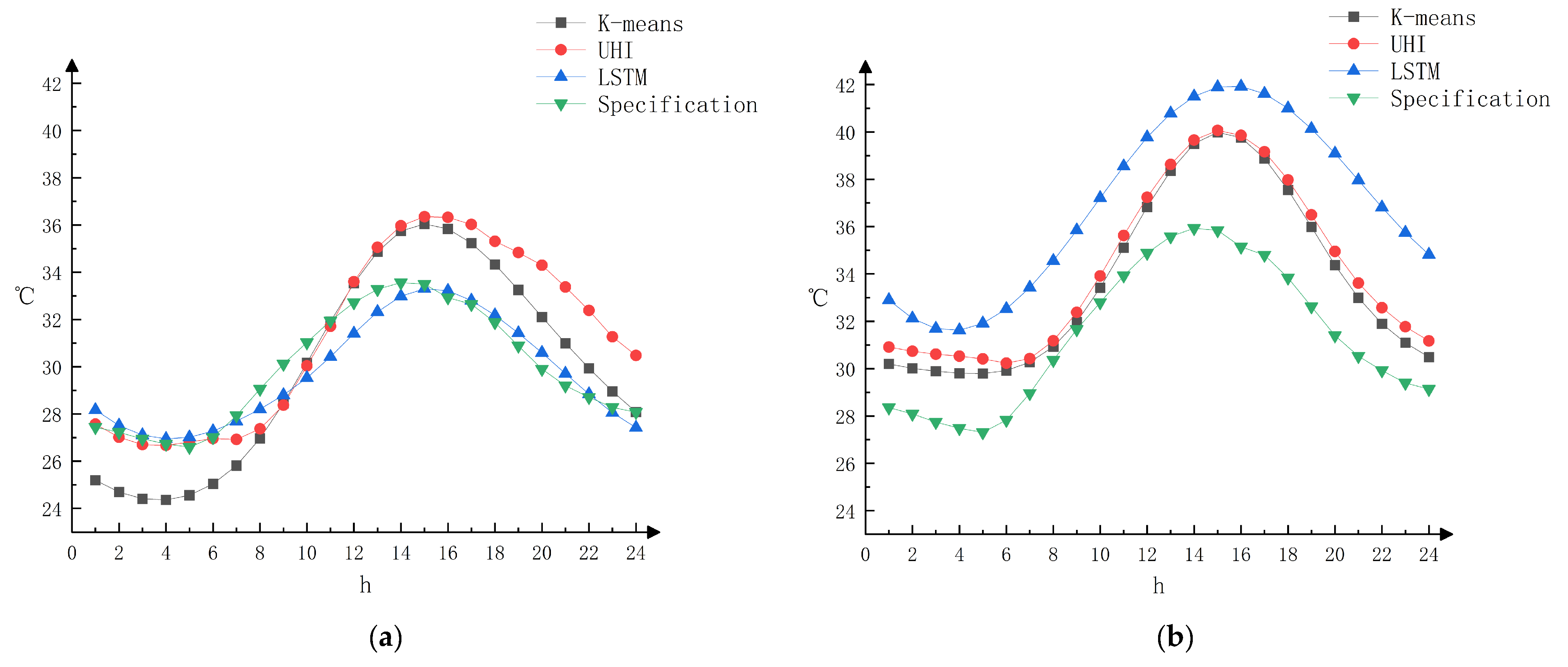
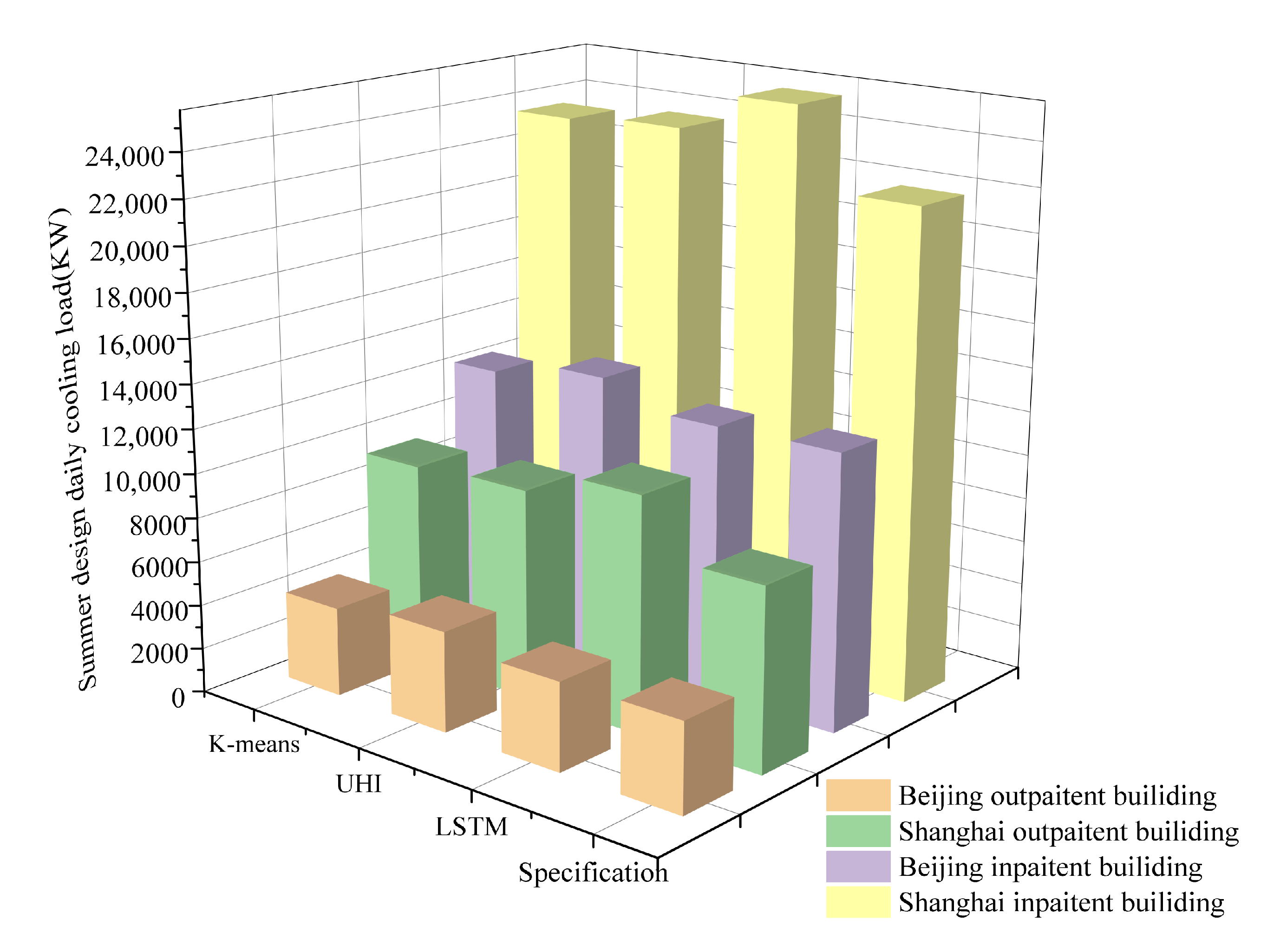
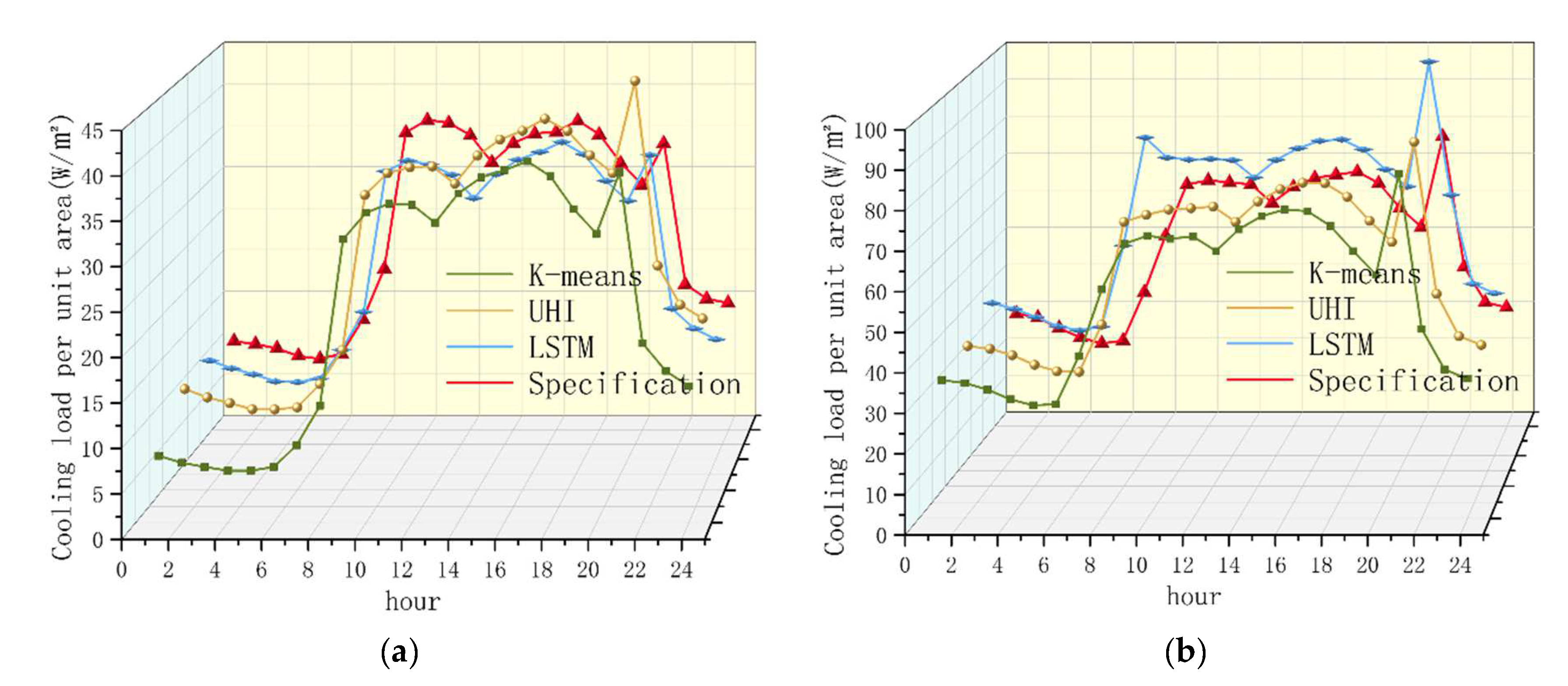
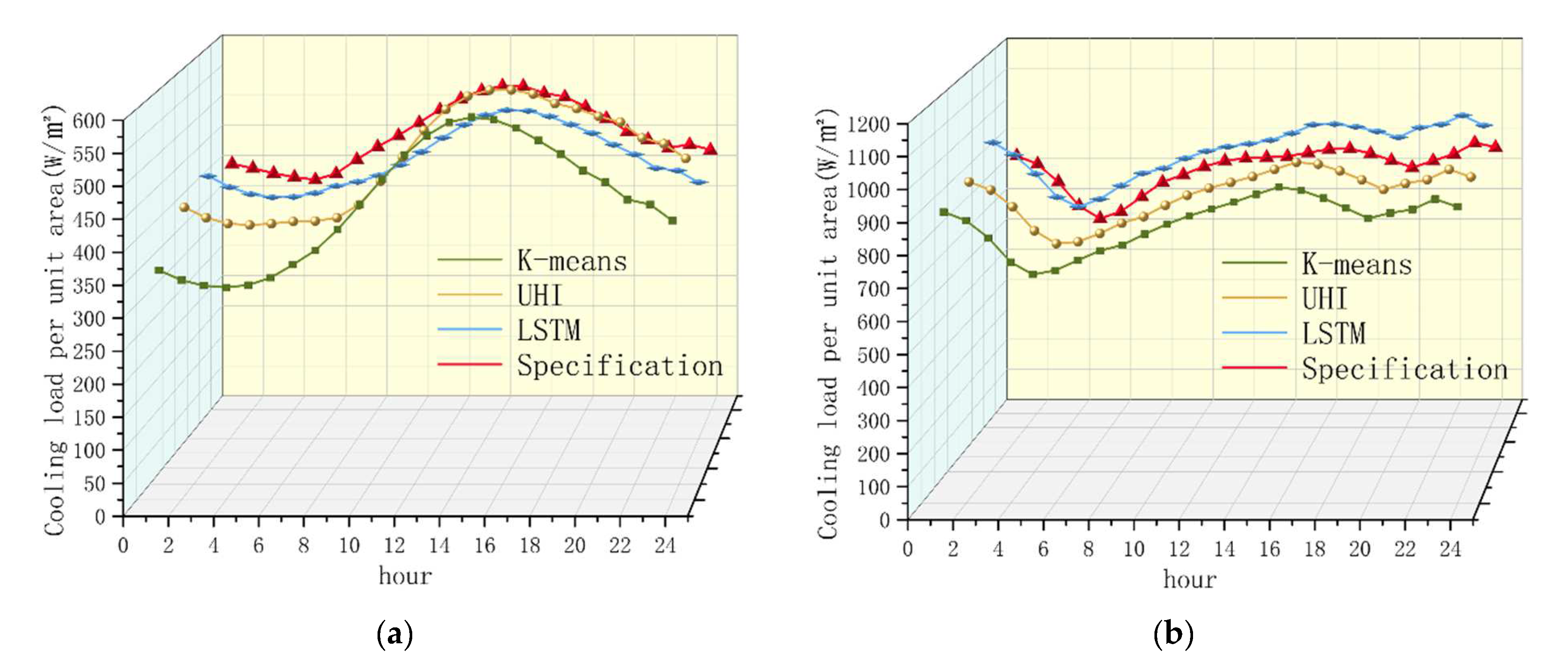
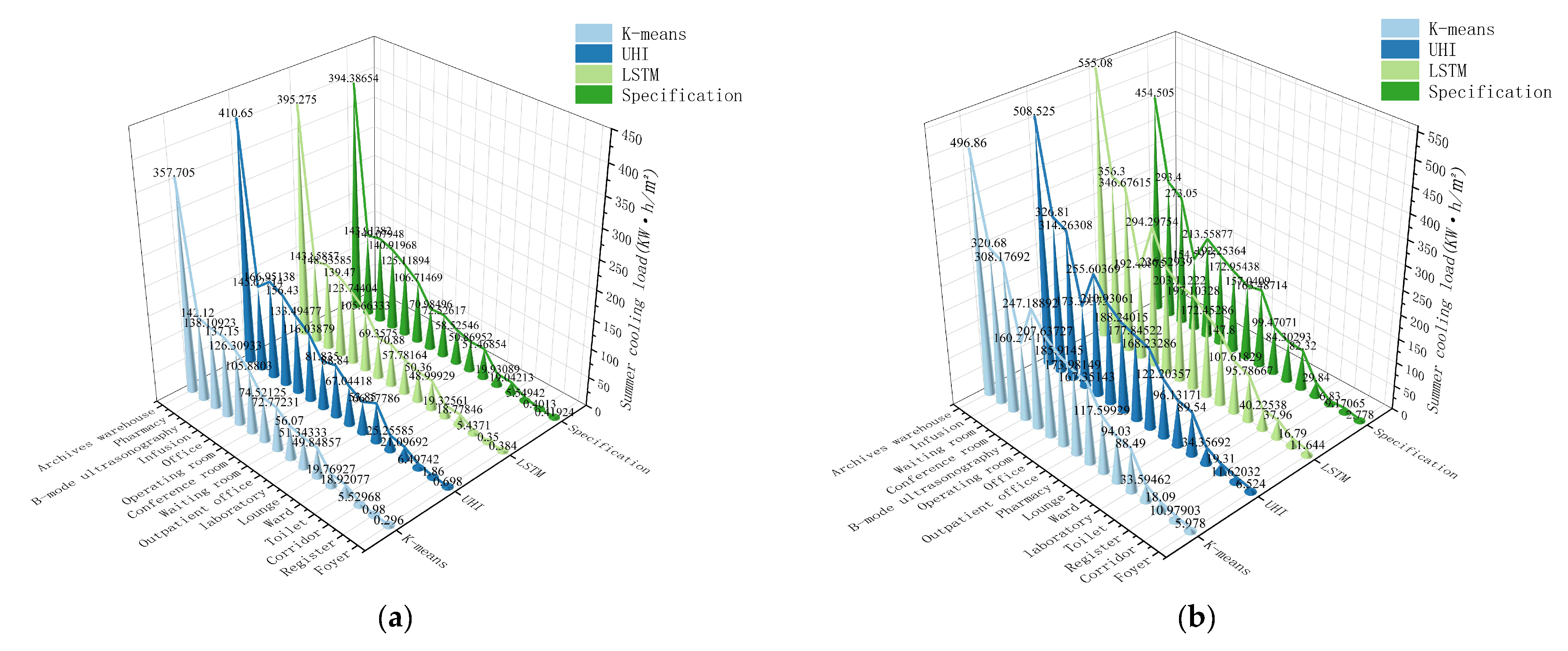
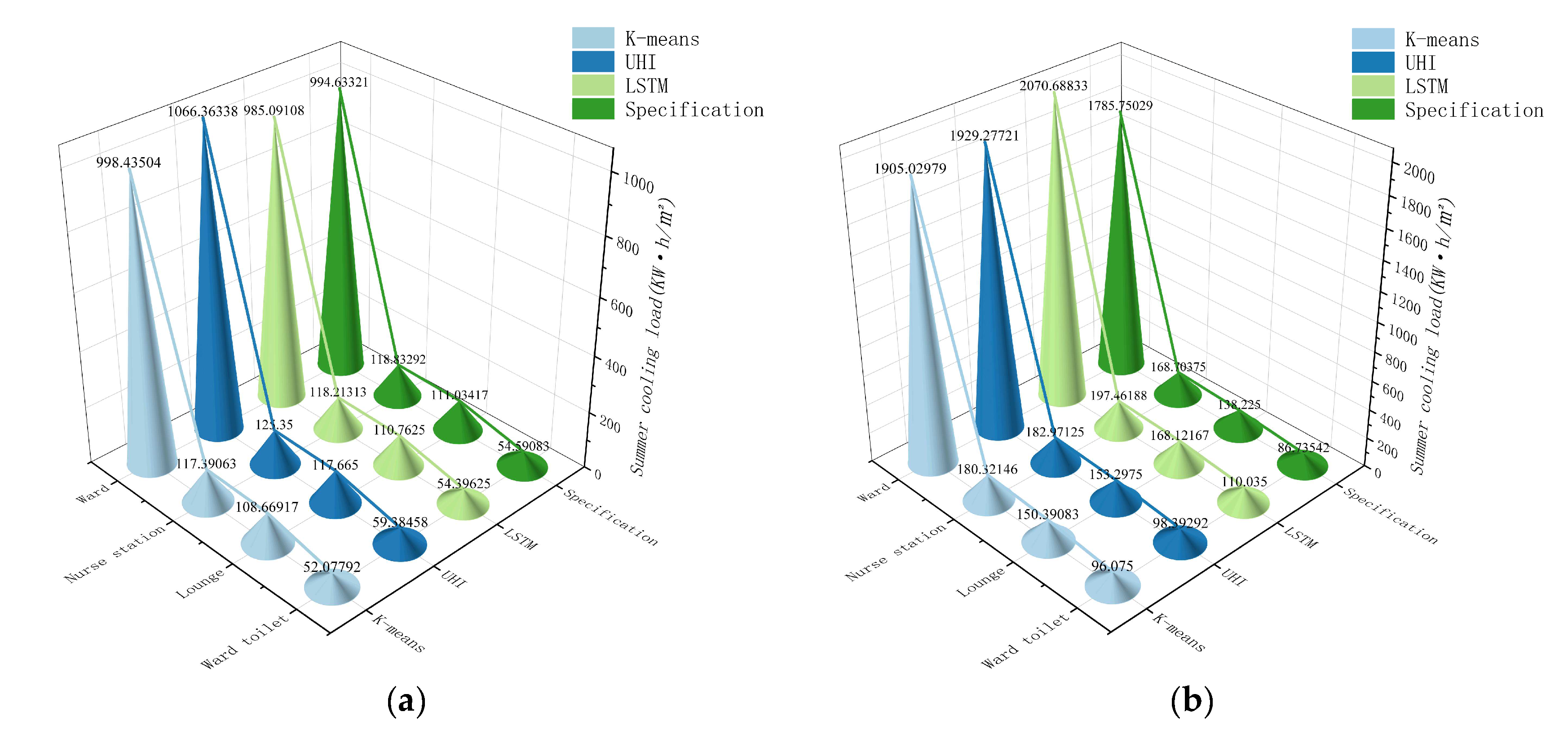
Climate change and urban heat island effects affect the energy consumption of buildings in urban heat islands. In order to meet the requirements of engineering applications for detailed daily design parameters for air conditioning, the 15-year summer meteorological data for Beijing and Shanghai and the corresponding average heat island intensity data were analyzed. Using the CRITIC objective weighting method and K-means clustering analysis, the hourly change coefficient, β, of dry bulb temperature was calculated, and the LSTM algorithm was used to predict the changing trends in β. Finally, the air conditioning load model for a hospital was established using DeST (version DeST3.0 1.0.2107.14 20220712) software, and the air conditioning cooling load in summer was calculated and predicted. The results show that, compared with the original design days, regional differences in the new design days are more obvious, the maximum temperature and time have changed, and the design days parameters are more consistent with the local meteorological conditions. Design day temperatures in Shanghai are expected to continue rising for some time to come, while those in Beijing are expected to gradually return to previous levels. Among hospital buildings, the cooling load of outpatient buildings in Beijing and Shanghai will decrease by 0.69% and increase by 12.61% and by 12.12% and 15.51%, respectively, under the influence of the heat island effect. It is predicted to decrease by 1.35% and increase by 29.75%, respectively, in future. The cooling load of inpatient buildings in Beijing and Shanghai increased by 0.27% and 6.71%, respectively, and increased by 7.13% and 8.09%, respectively, under the influence of the heat island effect, and is predicted to decrease by 0.93% and increase by 16.07%, respectively, in future.
Keywords: urban heat island effect; cluster analysis; CRITIC objective weighting method; LSTM prediction model; air conditioning load parameter modification; hospital building urban heat island effect; cluster analysis; CRITIC objective weighting method; LSTM prediction model; air conditioning load parameter modification; hospital building