Article

Waste Silt as Filler in Hot Mix Asphalt: A Laboratory Characterization

1
Department of Civil, Chemical, Environmental and Materials Engineering, University of Bologna, Via Terracini 28, 40131 Bologna, Italy
2
S.A.P.A.B.A. srl (Società Azionaria Prodotti Asfaltico Bituminosi Affini), 40037 Pontecchio Marconi, Italy
*
Authors to whom correspondence should be addressed.
Appl. Sci. 2023, 13(6), 3473; https://doi.org/10.3390/app13063473
Submission received: 25 January 2023 / Revised: 28 February 2023 / Accepted: 7 March 2023 / Published: 8 March 2023
(This article belongs to the Special Issue High-Reliability Structures and Materials in Civil Engineering)

Abstract

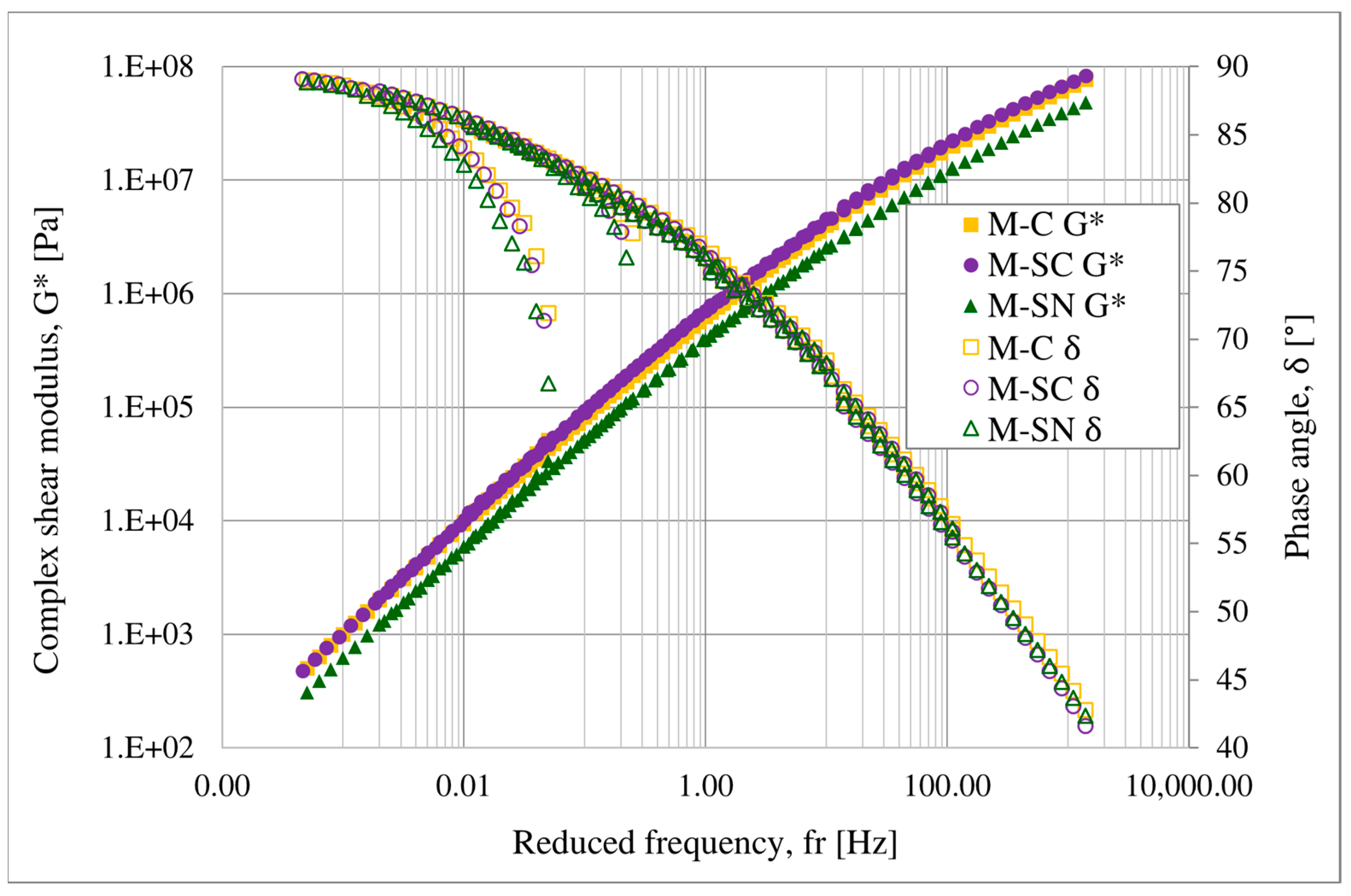
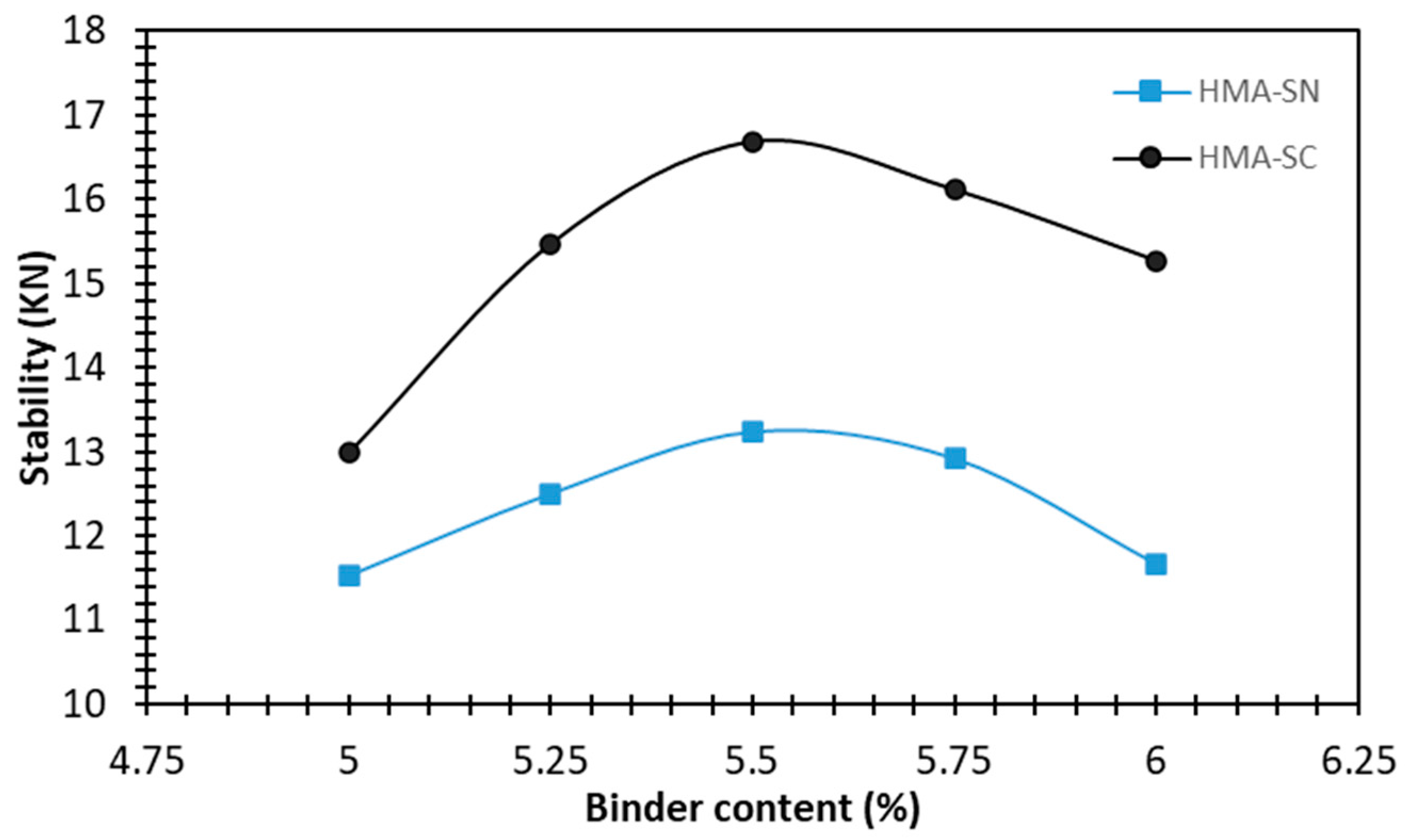
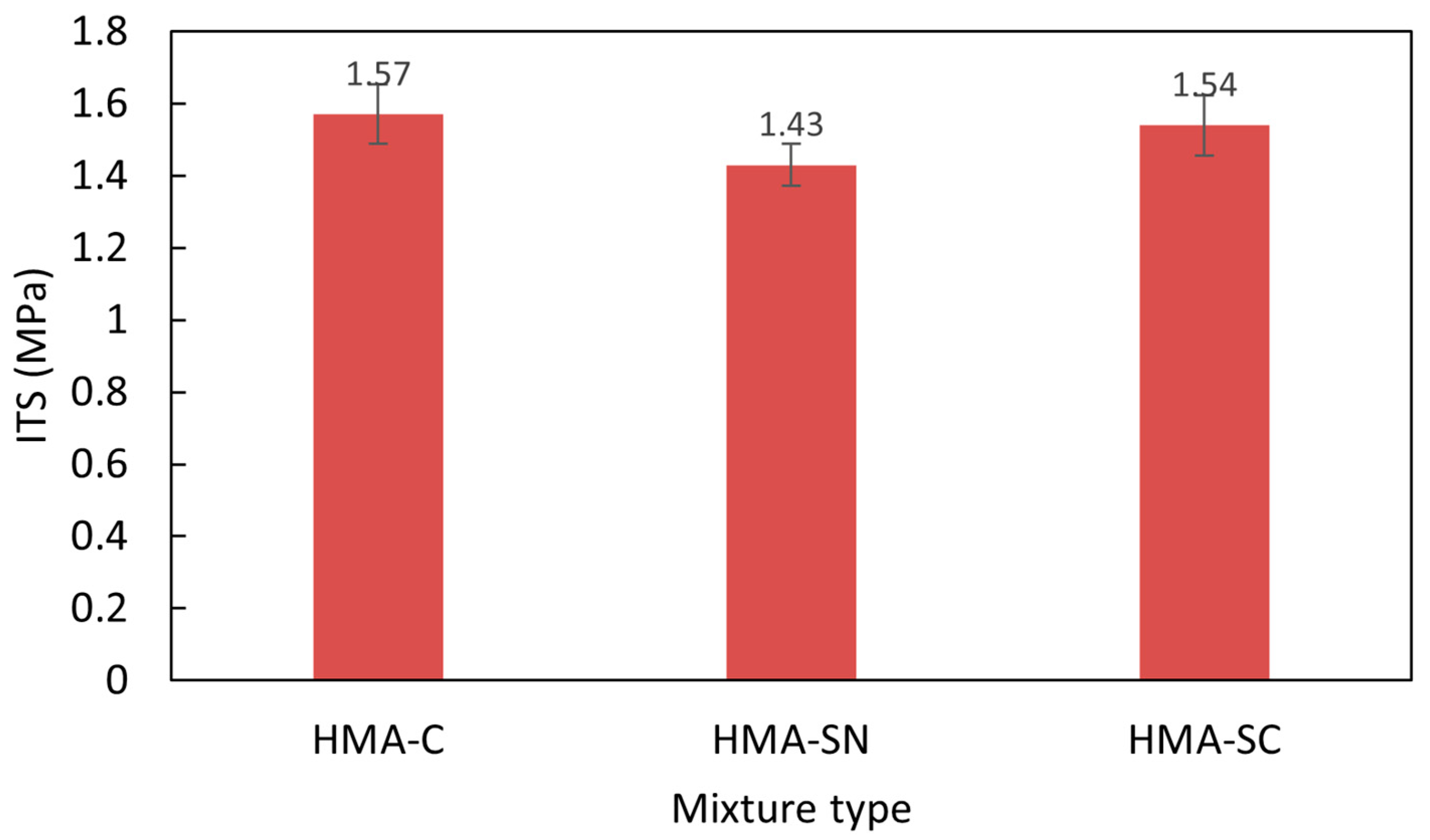
Several studies aimed to improve both the performance and environmental impact of asphalt pavements using waste and recycled materials as fillers. This study focused on the effect of untreated and thermally treated silt as a filler in hot mix asphalt (HMA). The silt used in the study was a byproduct from a local aggregate production plant in Bologna, Italy. Mineral and chemical analyses revealed that the waste silt required thermal treatment at 750 °C for 2 h. The study compared the use of calcined silt, untreated silt, and a common limestone filler in the production of asphalt mastics and HMA specimens. The rheological properties of the mastics were analyzed using frequency sweep and multiple stress creep recovery tests. The physical and mechanical characteristics of the HMAs were evaluated through the air voids content, Marshall stability and indirect tensile strength tests. Additionally, the water susceptibility and thermal sensitivity of the HMAs were evaluated through the indirect tensile strength ratio and indirect tensile stiffness modulus at different testing temperatures. The results showed that the addition of calcined silt had no significant effect on the rheological properties of the mastic or the optimal binder content. However, the samples produced with thermally treated silt showed the highest stiffness and resistance to rutting compared with the other samples. On the other hand, the addition of untreated silt slightly decreased the stiffness value of the samples. In conclusion, the use of waste silt as a filler has potential as a sustainable and eco-friendly solution for HMAs.
Keywords: waste silt; calcined silt; filler; silt thermal treatment; recycled fillers waste silt; calcined silt; filler; silt thermal treatment; recycled fillers