Article

Multiclass Segmentation of Concrete Surface Damages Using U-Net and DeepLabV3+

1
Department of Civil Engineering, Universitas Katolik Parahyangan, Bandung 40141, Indonesia
2
Institute of Industrial Science, The University of Tokyo, Tokyo 153-8505, Japan
*
Author to whom correspondence should be addressed.
Appl. Sci. 2023, 13(4), 2398; https://doi.org/10.3390/app13042398
Submission received: 15 January 2023 / Revised: 5 February 2023 / Accepted: 9 February 2023 / Published: 13 February 2023
(This article belongs to the Section Computing and Artificial Intelligence)

Abstract

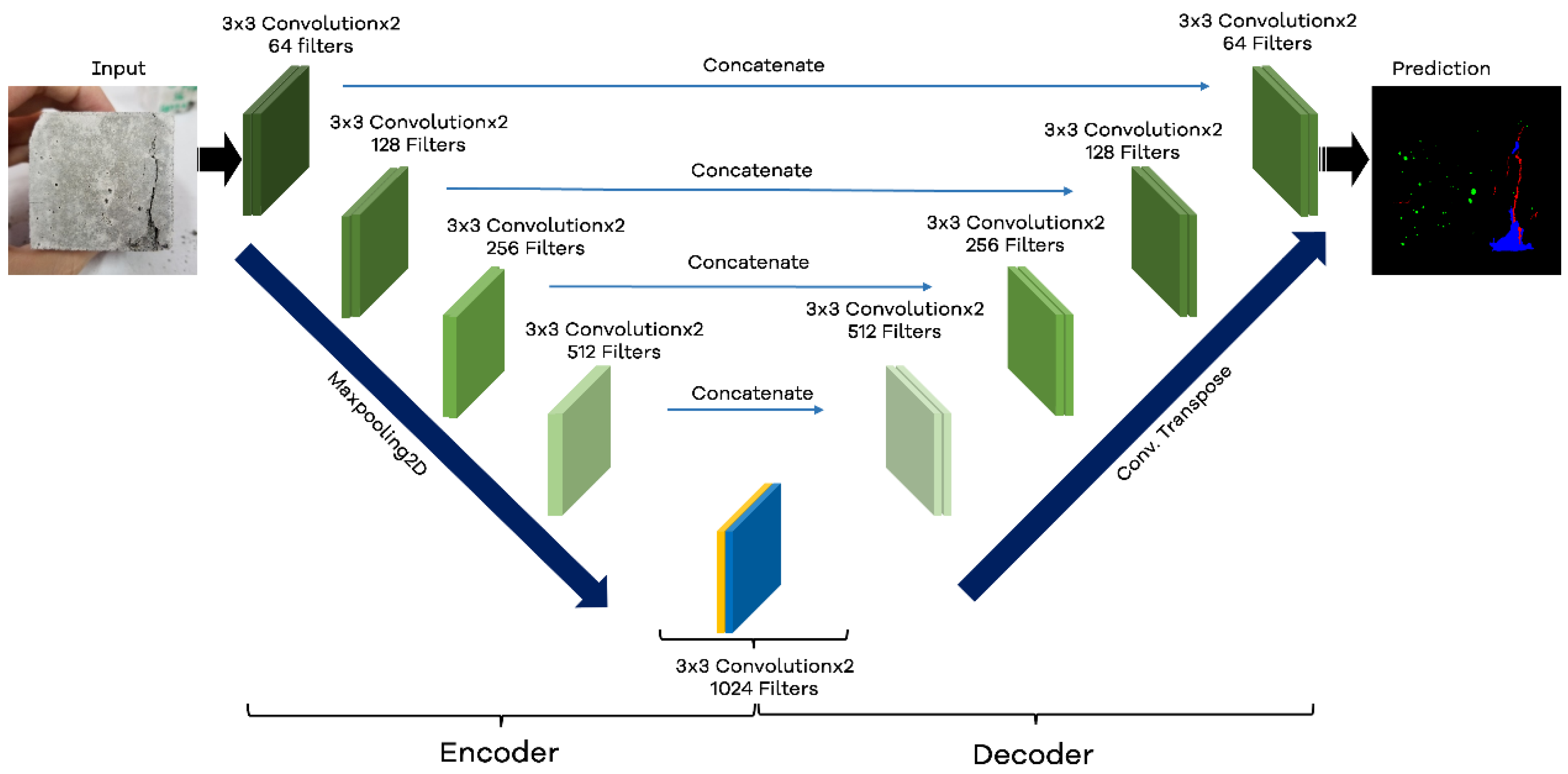
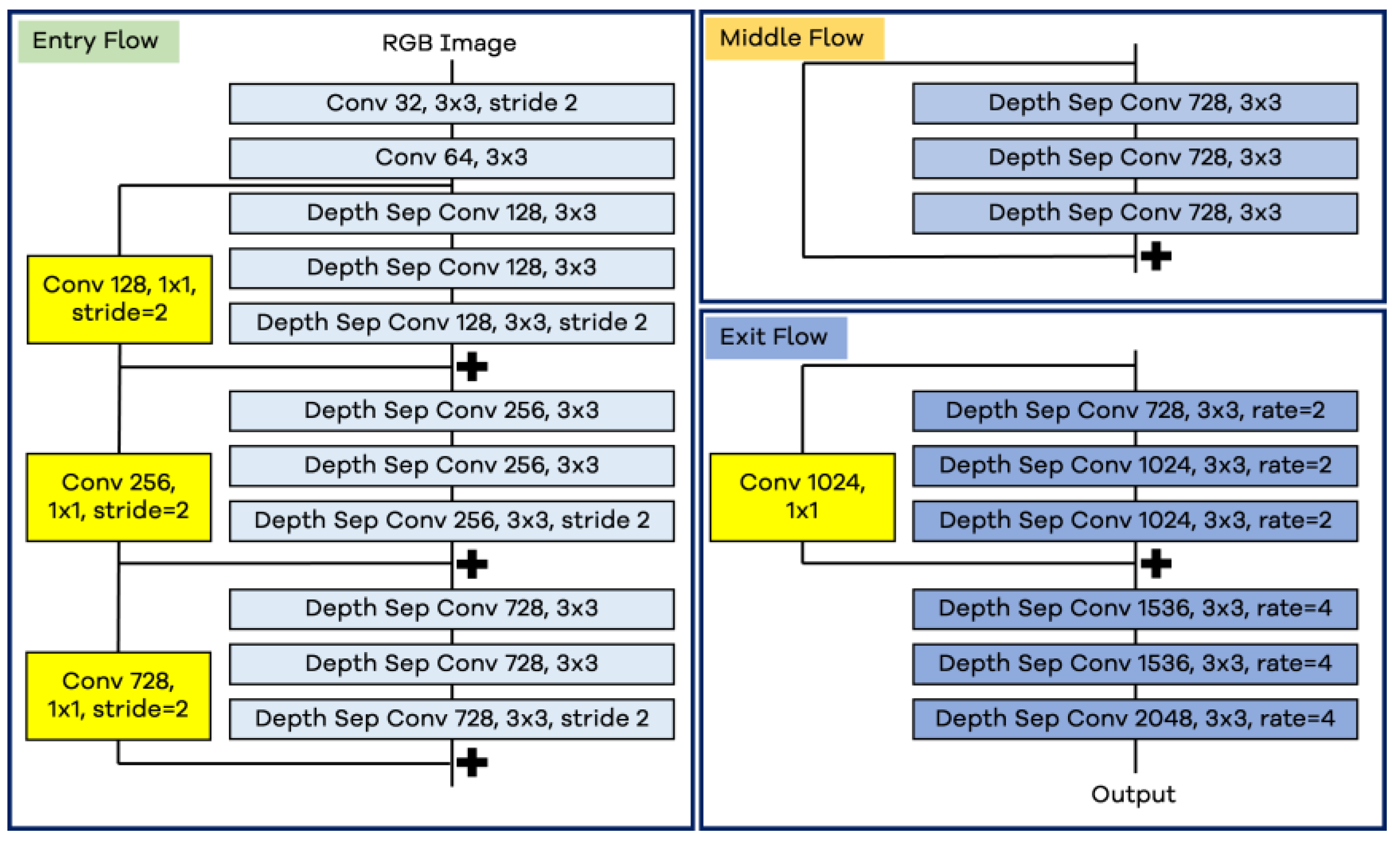
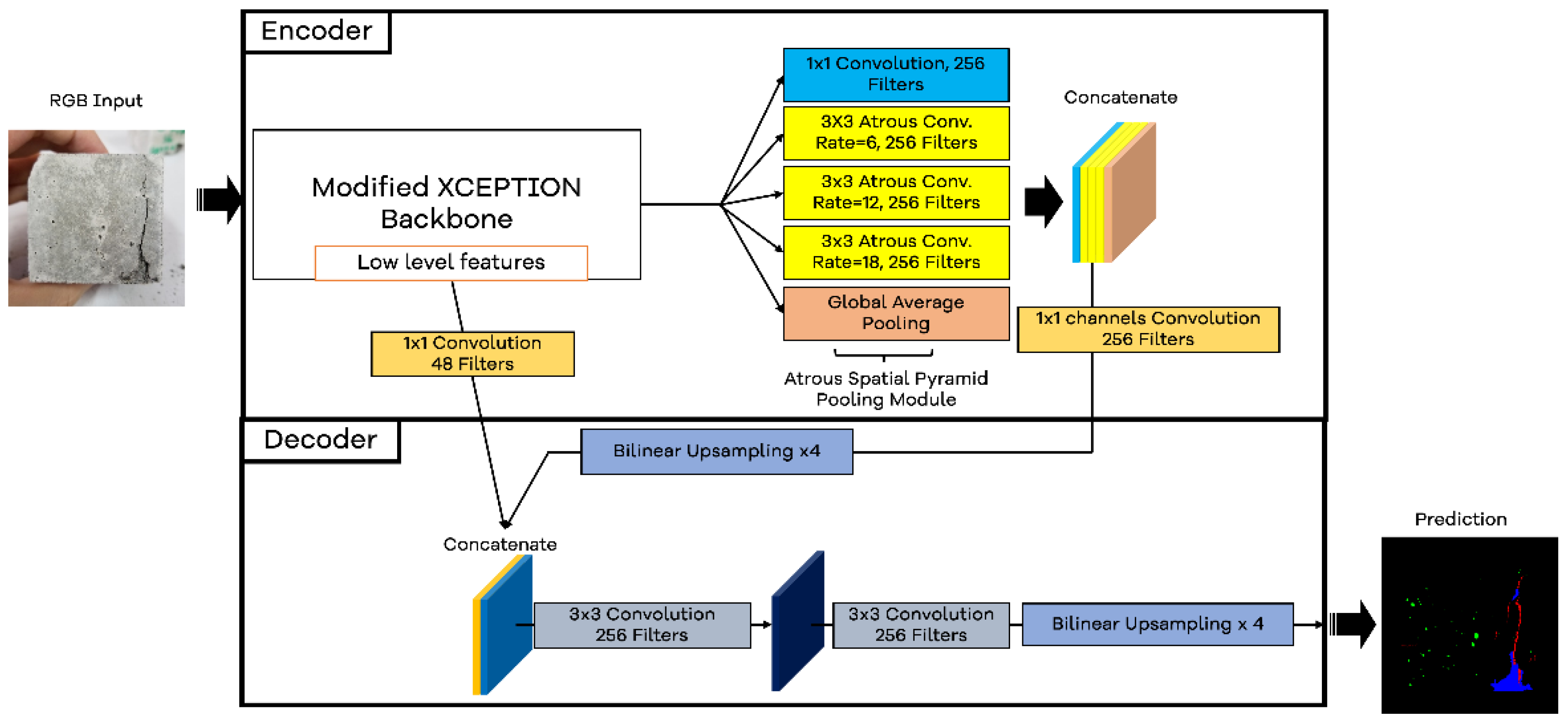
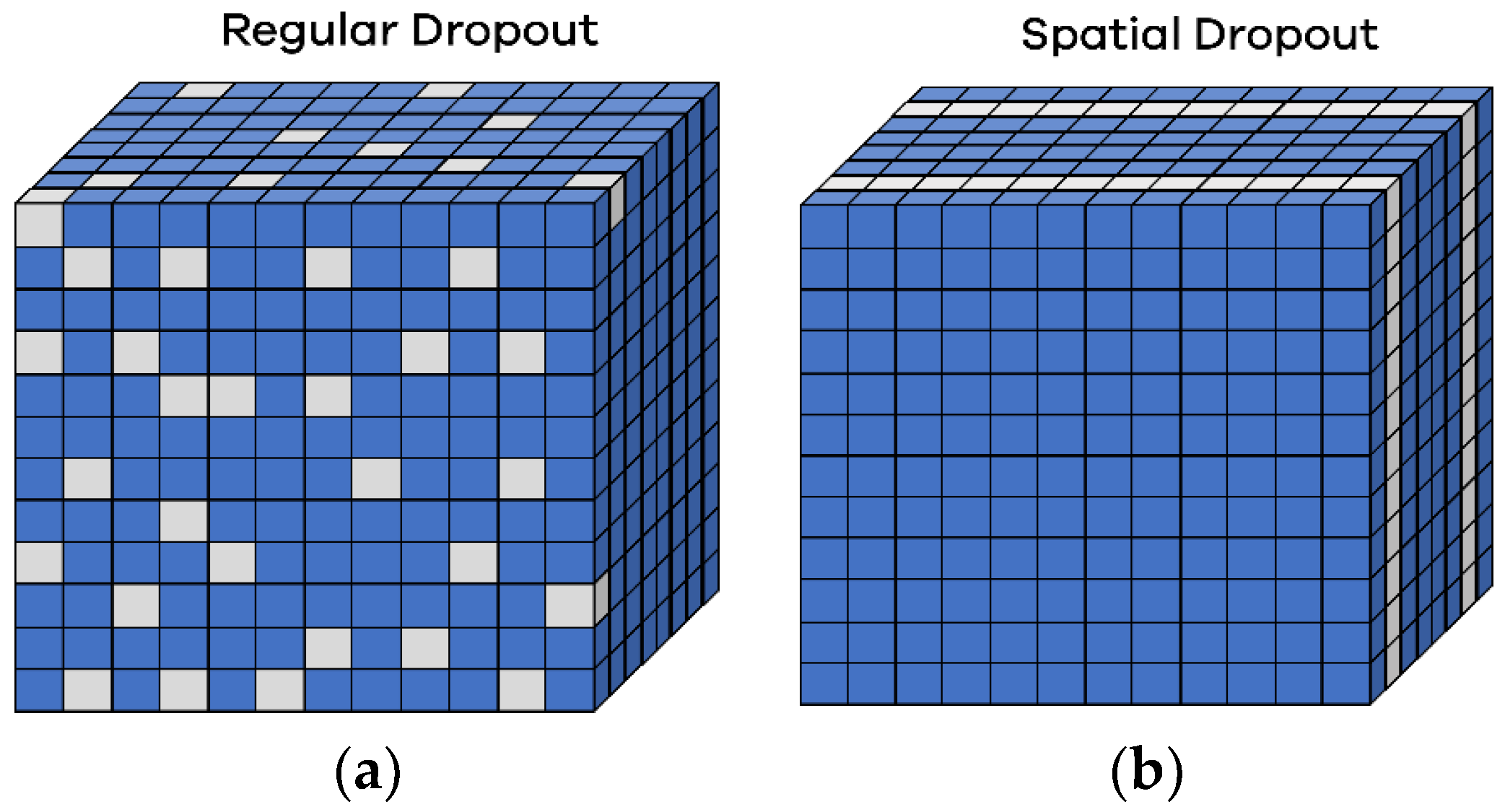
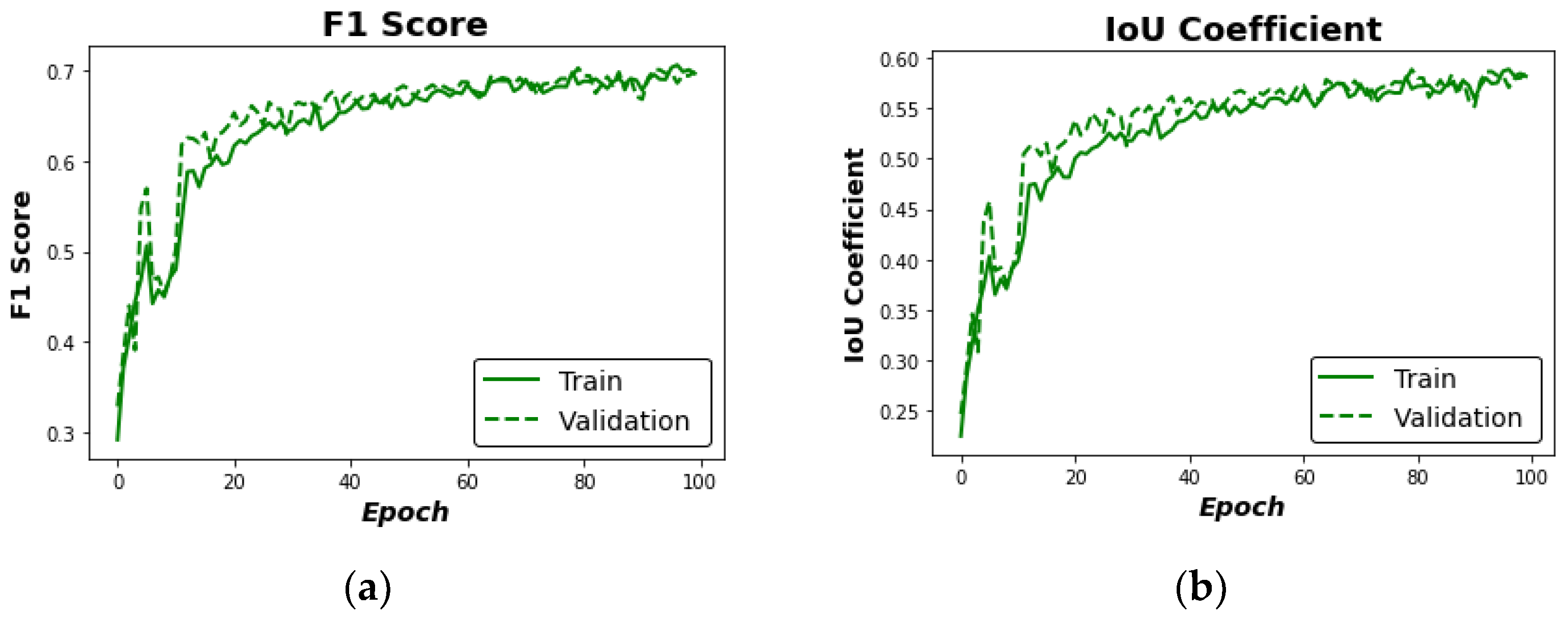
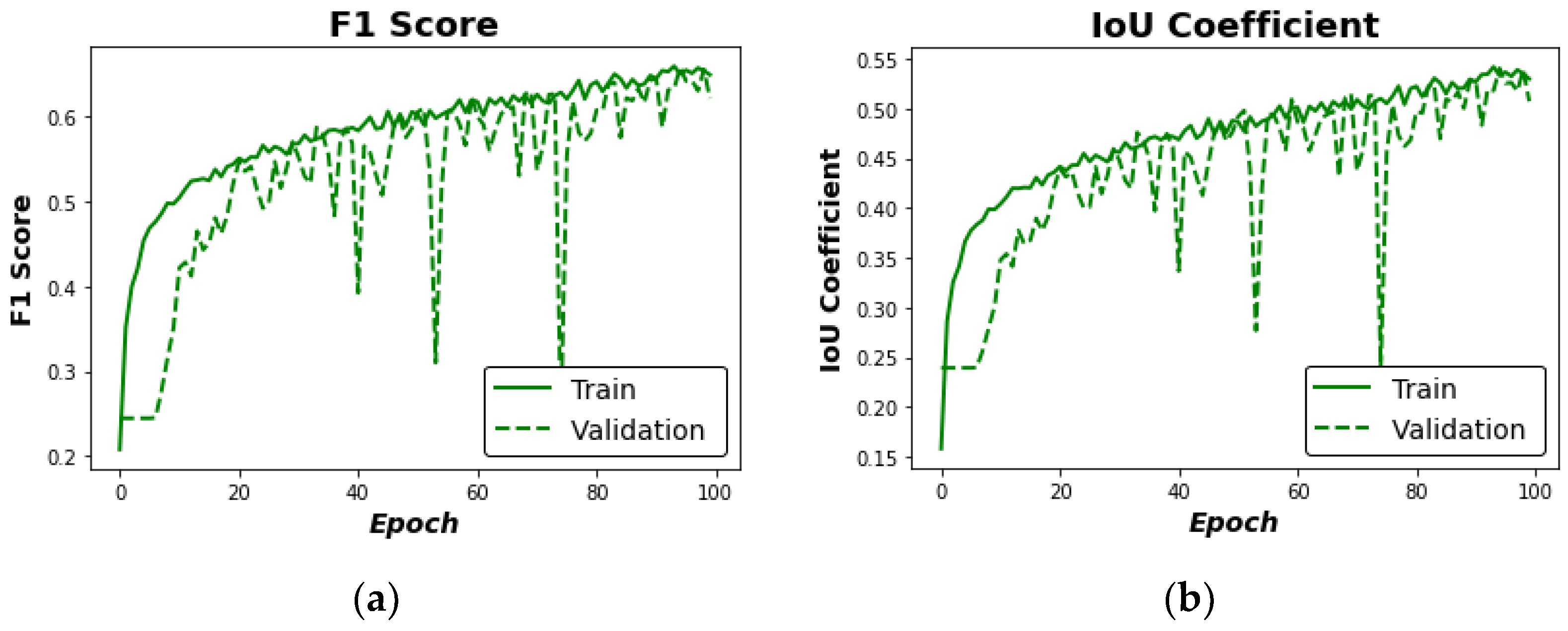
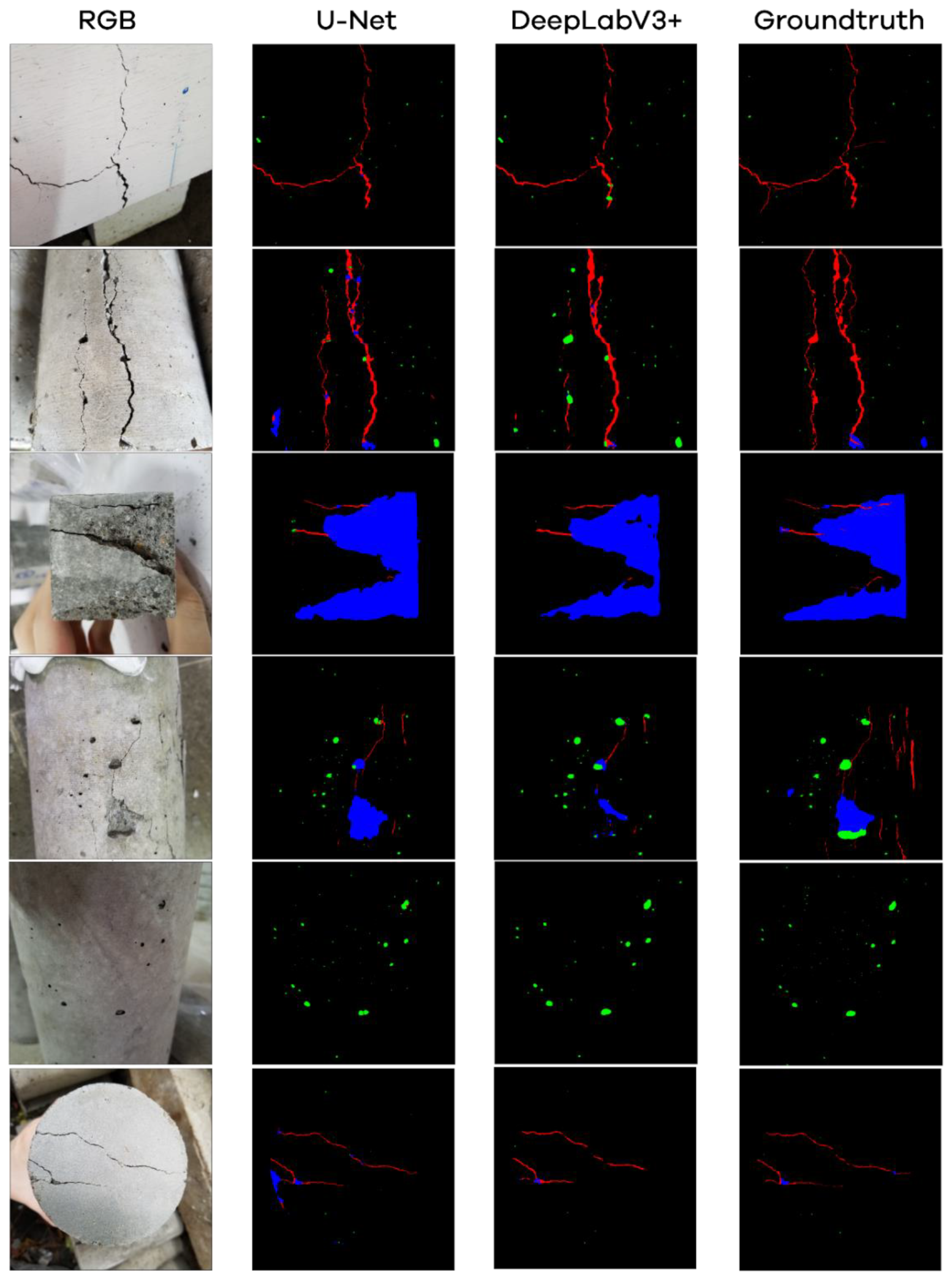
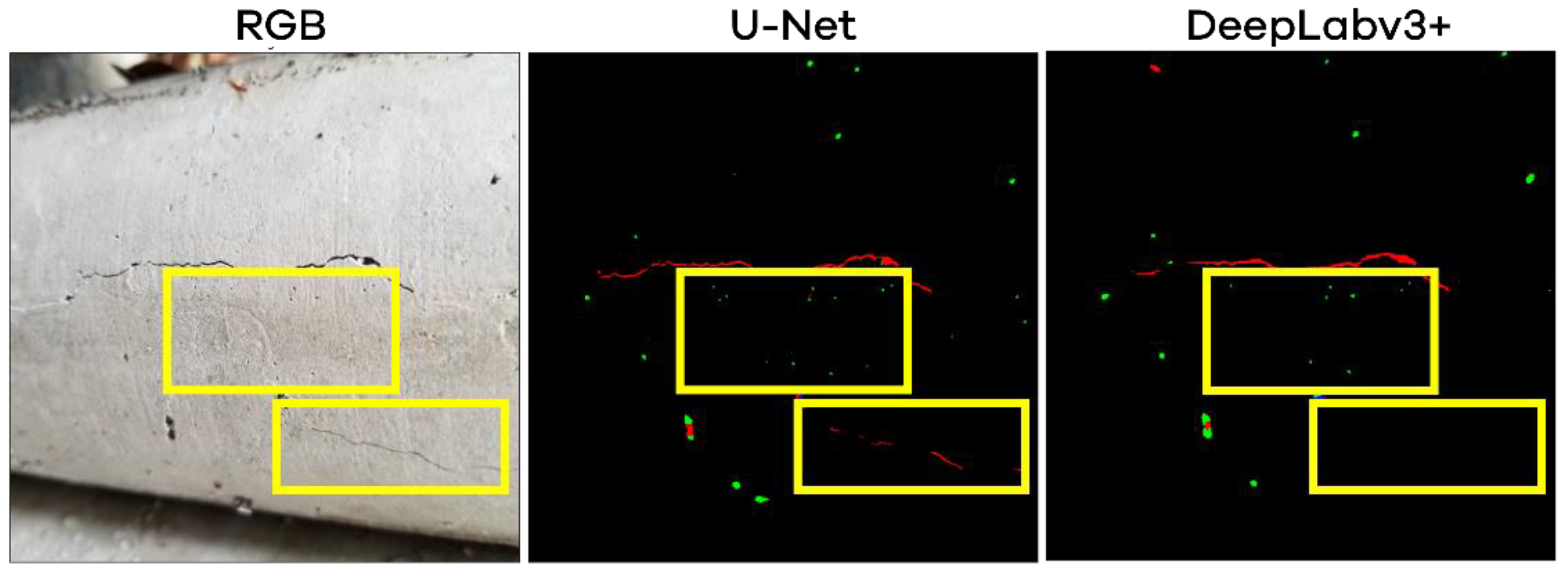
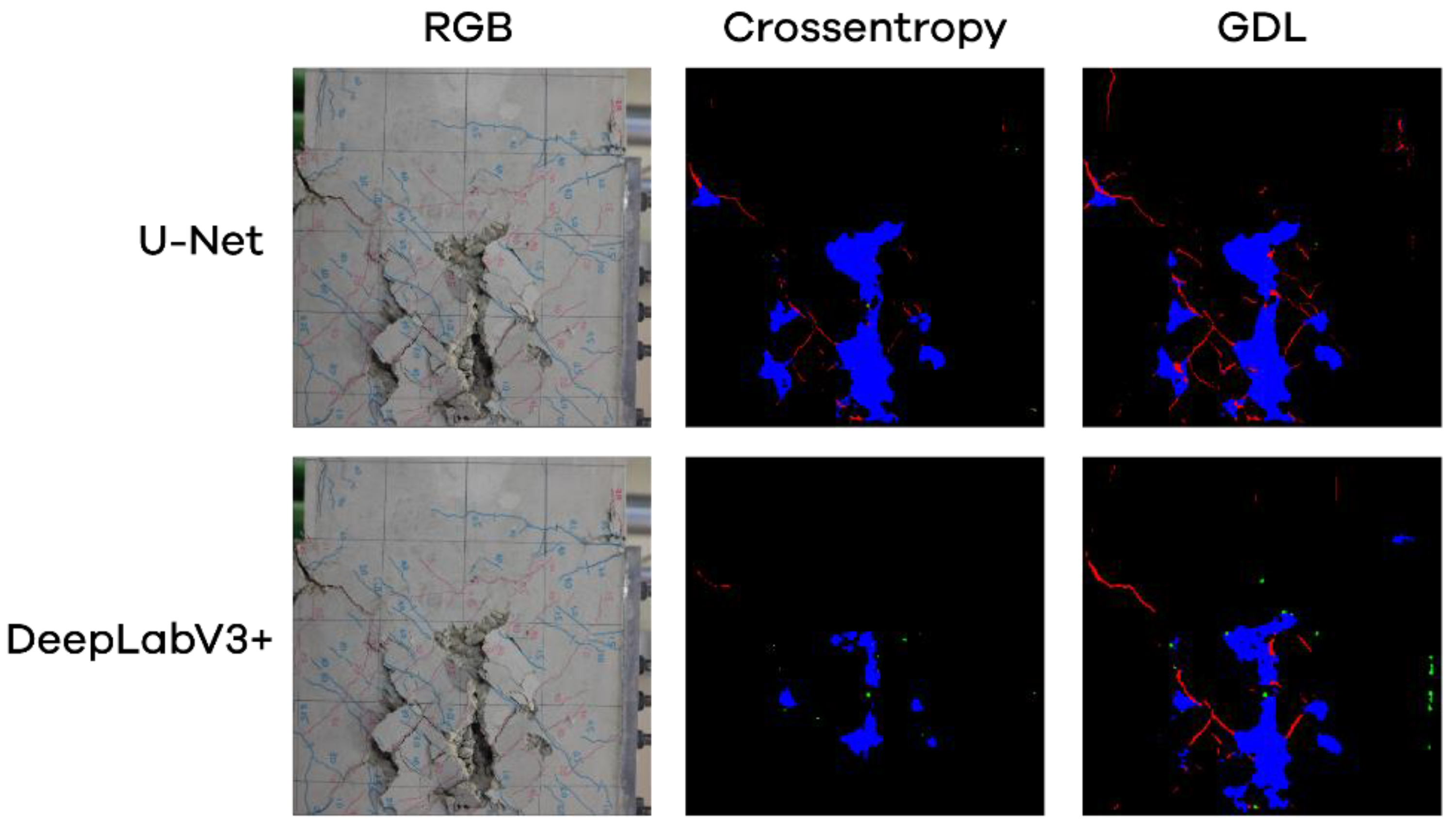
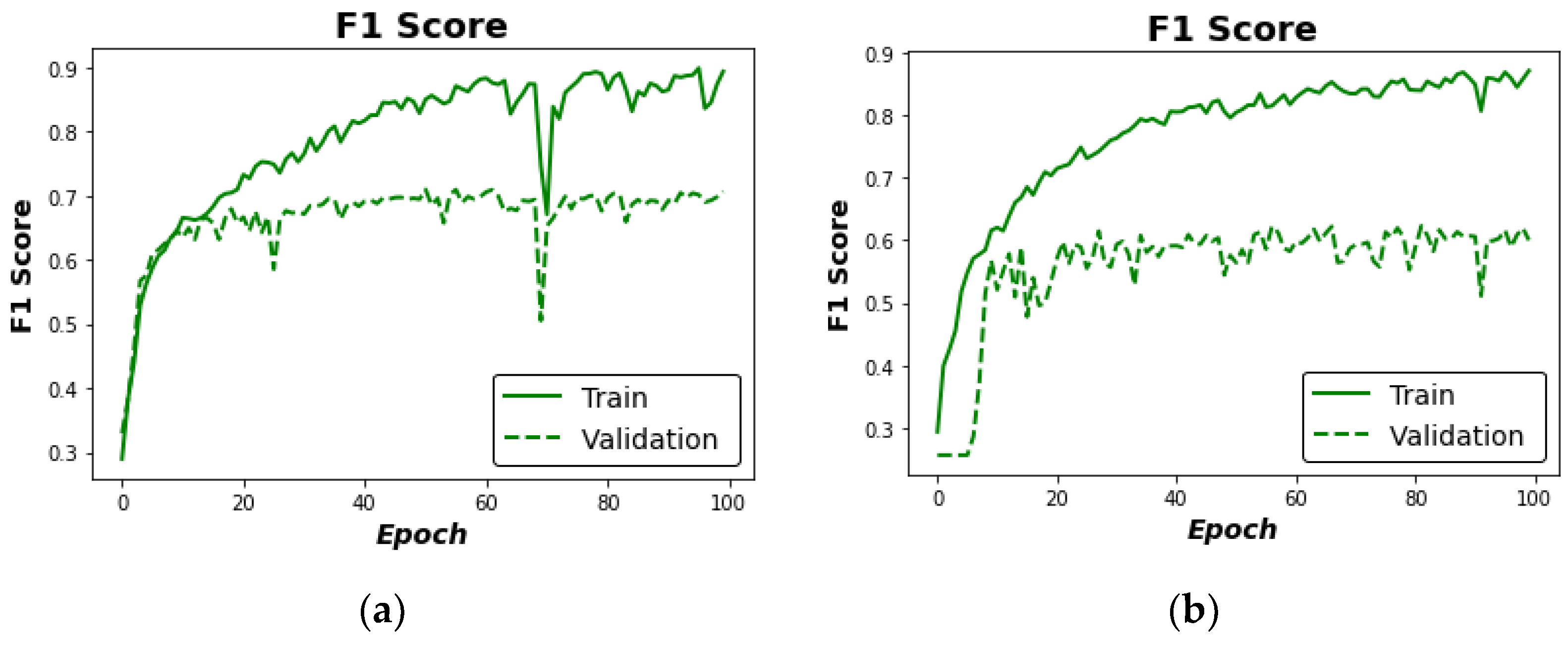
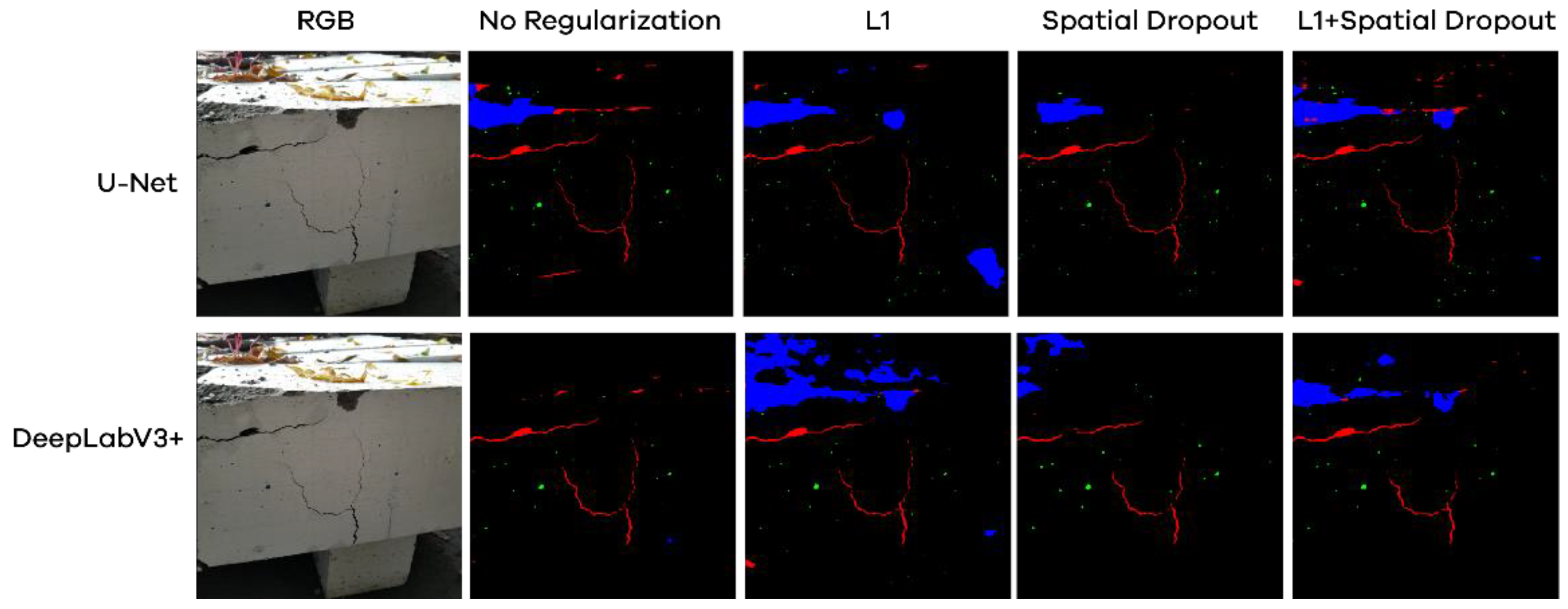
Monitoring damage in concrete structures is crucial for maintaining the health of structural systems. The implementation of computer vision has been the key for providing accurate and quantitative monitoring. Recent development uses the robustness of deep-learning-aided computer vision, especially the convolutional neural network model. The convolutional neural network is not only accurate but also flexible in various scenarios. The convolutional neural network has been constructed to classify image in terms of individual pixel, namely pixel-level detection, which is especially useful in detecting and classifying damage in fine-grained detail. Moreover, in the real-world scenario, the scenes are mostly very complex with varying foreign objects other than concrete. Therefore, this study will focus on implementing a pixel-level convolutional neural network for concrete surface damage detection with complicated surrounding image settings. Since there are multiple types of damage on concrete surfaces, the convolutional neural network model will be trained to detect three types of damages, namely cracks, spallings, and voids. The training architecture will adopt U-Net and DeepLabV3+. Both models are compared using the evaluation metrics and the predicted results. The dataset used for the neural network training is self-built and contains multiple concrete damages and complex foregrounds on every image. To deal with overfitting, the dataset is augmented, and the models are regularized using L1 and Spatial dropout. U-Net slightly outperforms DeepLabV3+ with U-Net scores 0.7199 and 0.5993 on F1 and mIoU, respectively, while DeepLabV3+ scores 0.6478 and 0.5174 on F1 and mIoU, respectively. Given the complexity of the dataset and extensive image labeling, the neural network models achieved satisfactory results.
Keywords: convolutional neural network; damage detection; semantic segmentation; deep learning; computer vision convolutional neural network; damage detection; semantic segmentation; deep learning; computer vision