Article

Parallax of Head-Up Displays and Visual Safety for Driving

1
Academy for Engineering and Technology, Fudan University, Shanghai 200433, China
2
Department of Illumination Engineering & Light Source, School of Information Science and Engineering, Fudan University, Shanghai 200433, China
3
Institute for Six-Sector Economy, Fudan University, Shanghai 200433, China
*
Author to whom correspondence should be addressed.
Appl. Sci. 2023, 13(24), 13189; https://doi.org/10.3390/app132413189
Submission received: 29 October 2023 / Revised: 1 December 2023 / Accepted: 4 December 2023 / Published: 12 December 2023
(This article belongs to the Special Issue Smart Lighting and Visual Safety)

Featured Application

This research provides research results about important features of head-up displays (HUDs), the application of which is becoming increasingly popular in vehicles. The findings elucidate the mechanism of how the parallaxes of HUDs affect visual task performance and induce visual fatigue and thus help to improve driving safety.

Abstract

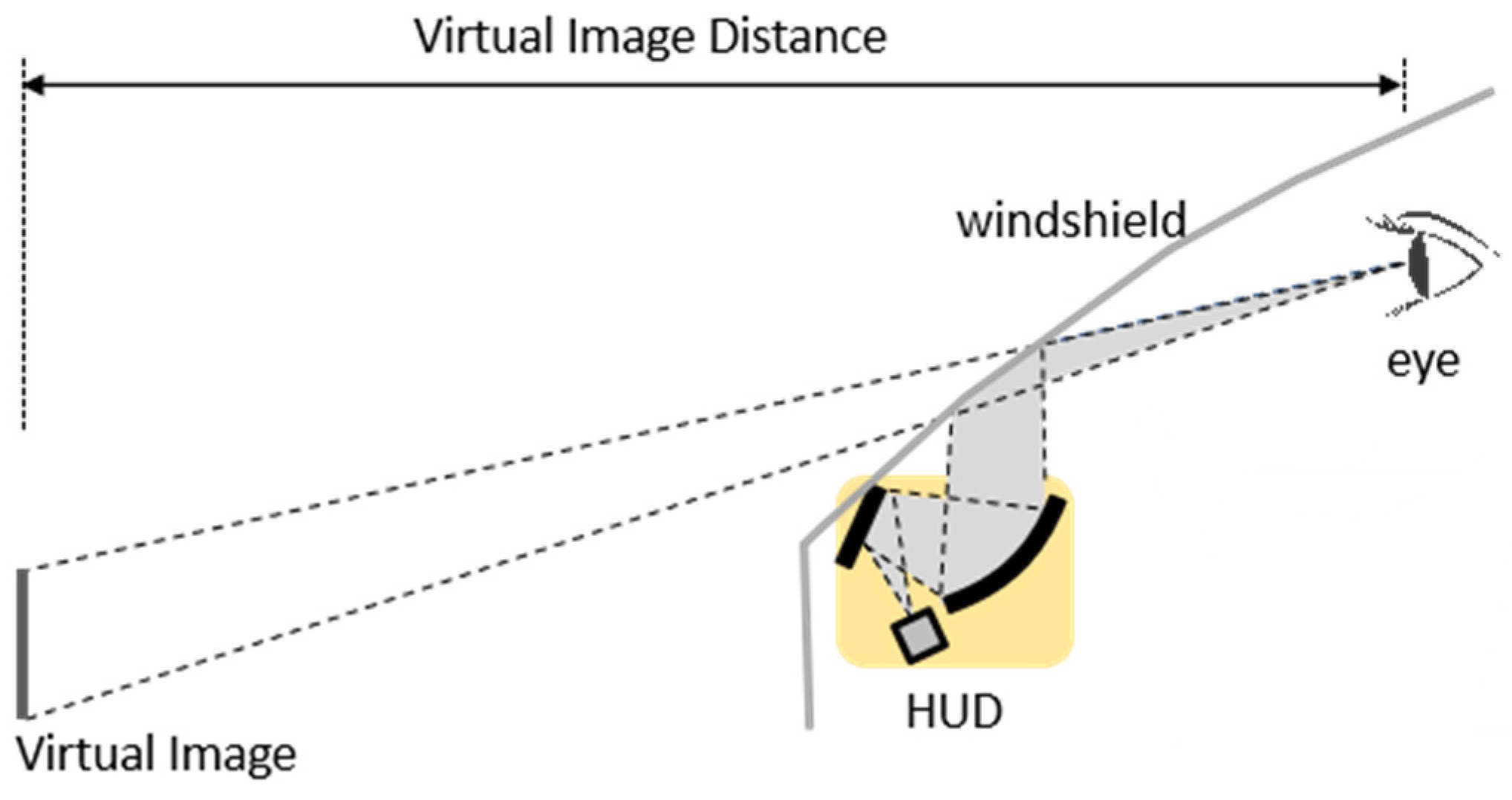
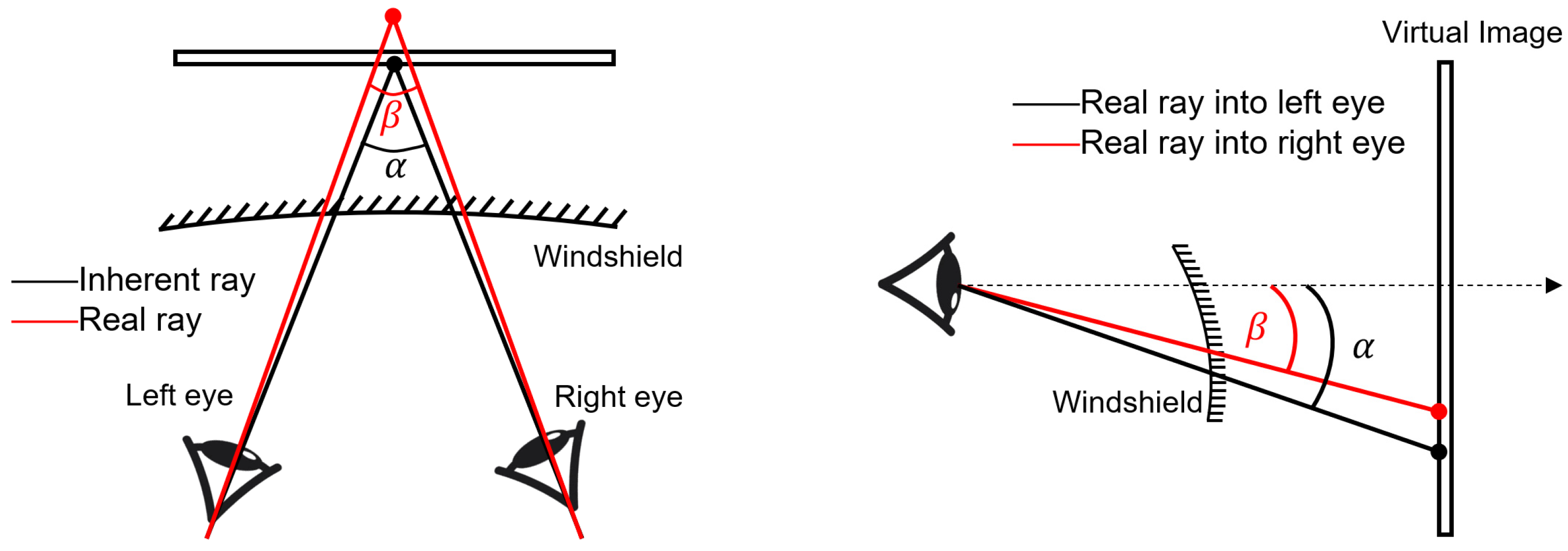
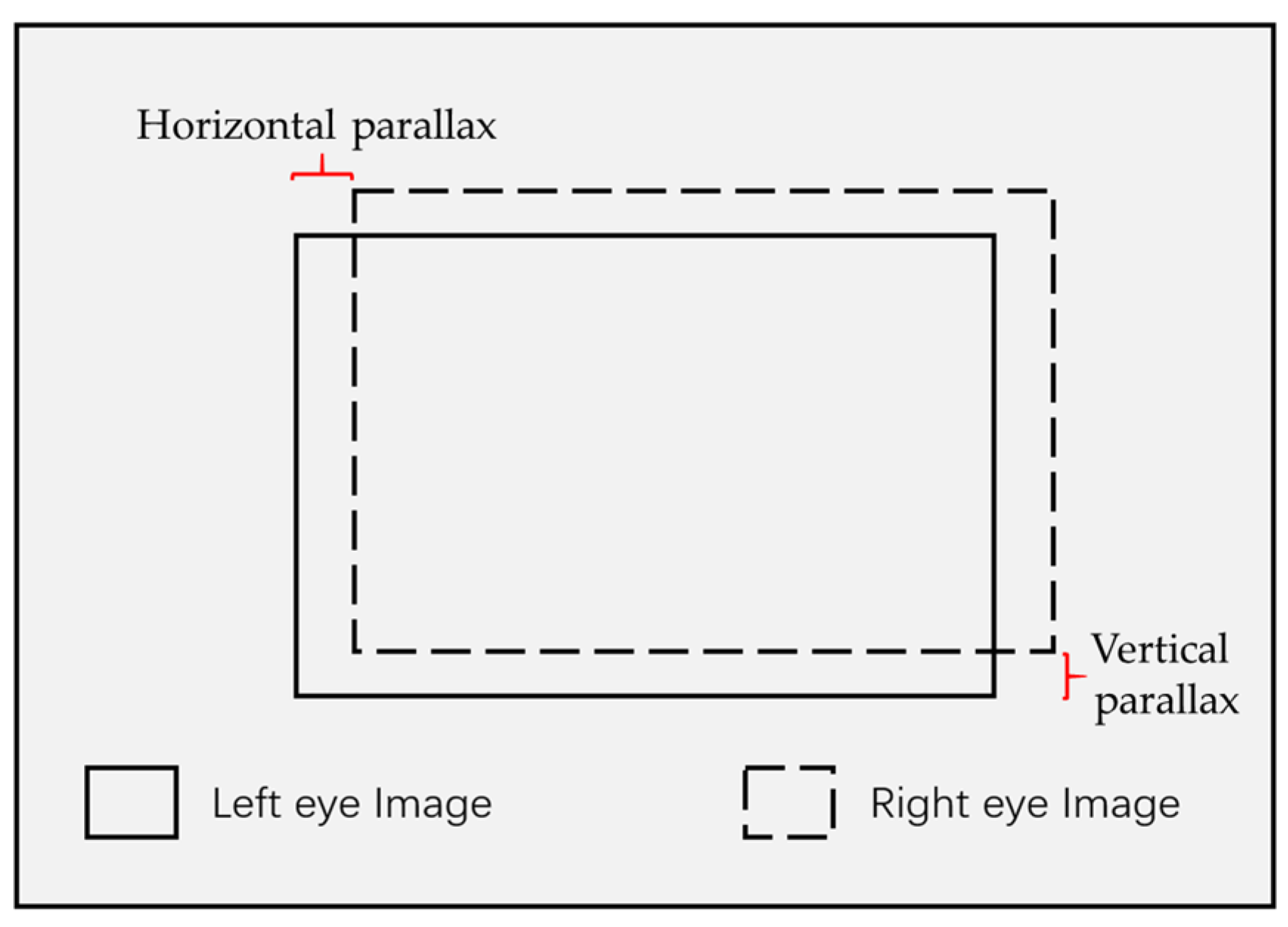
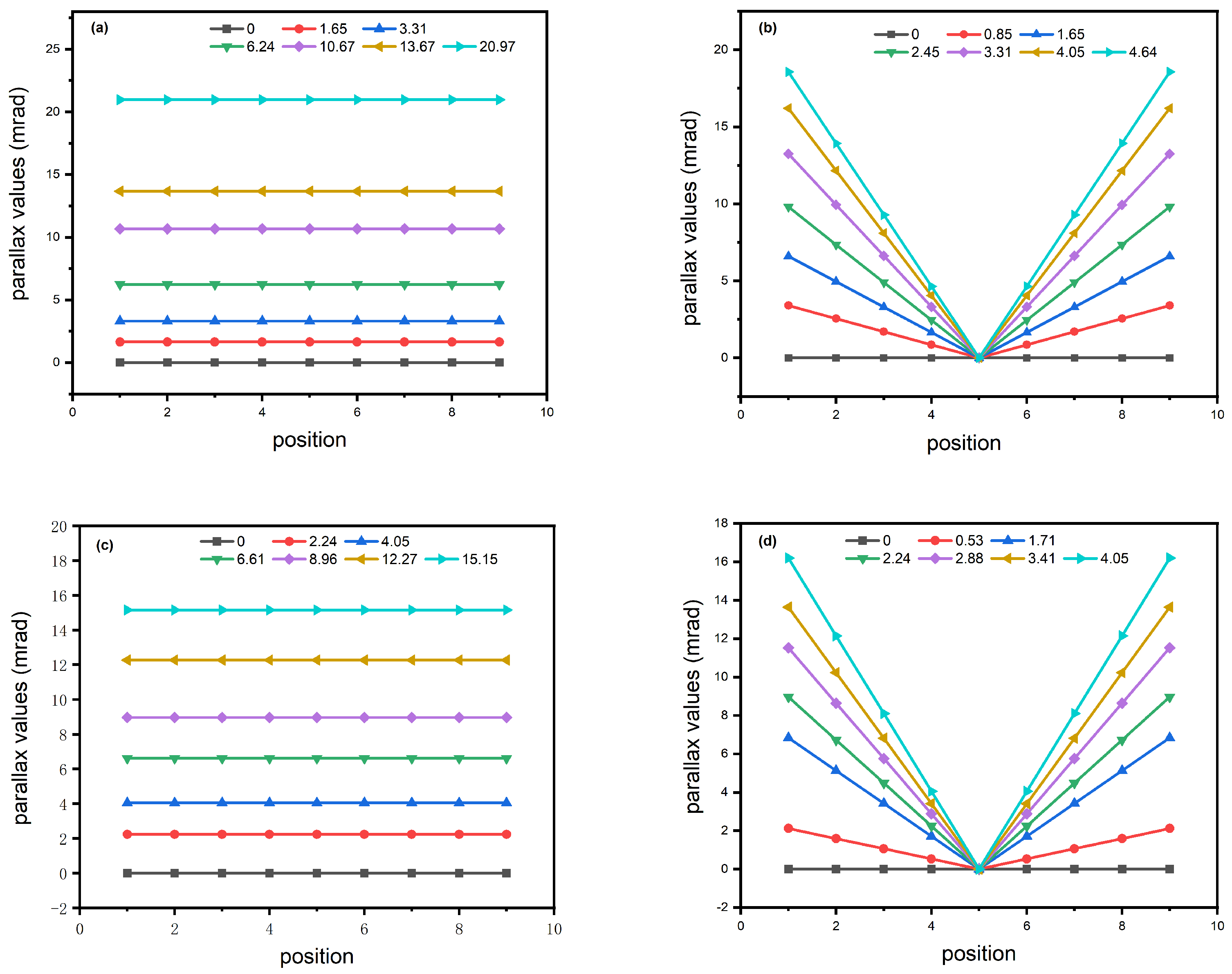
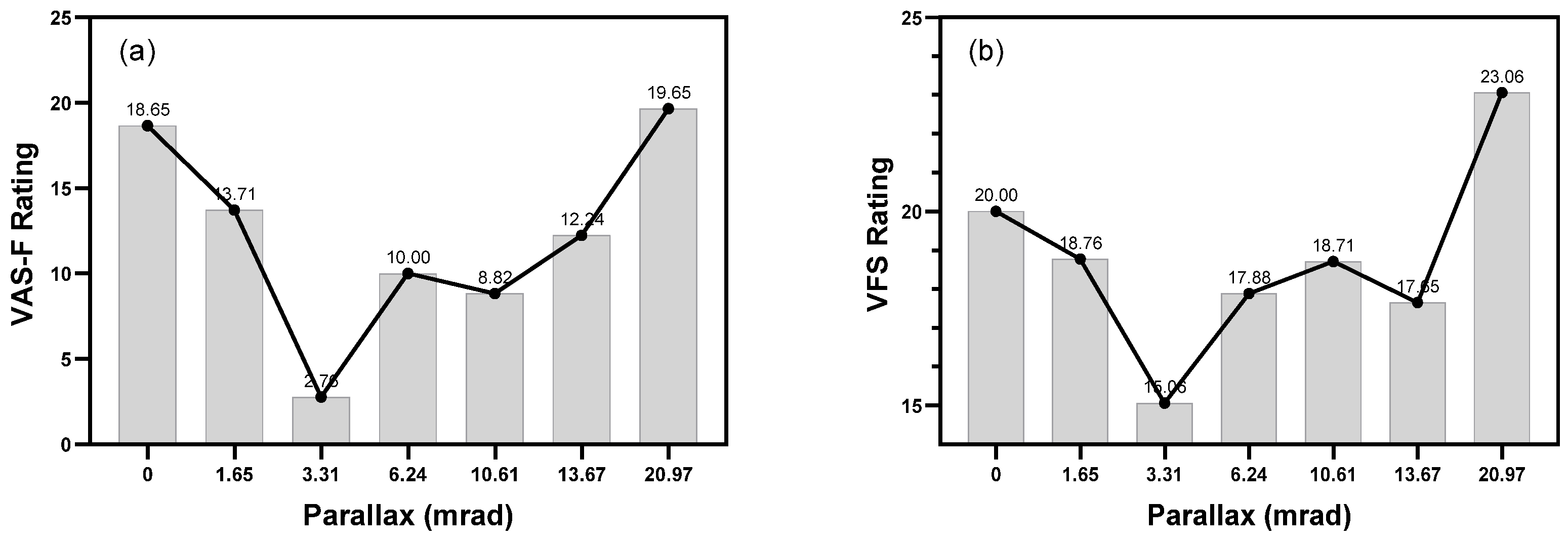
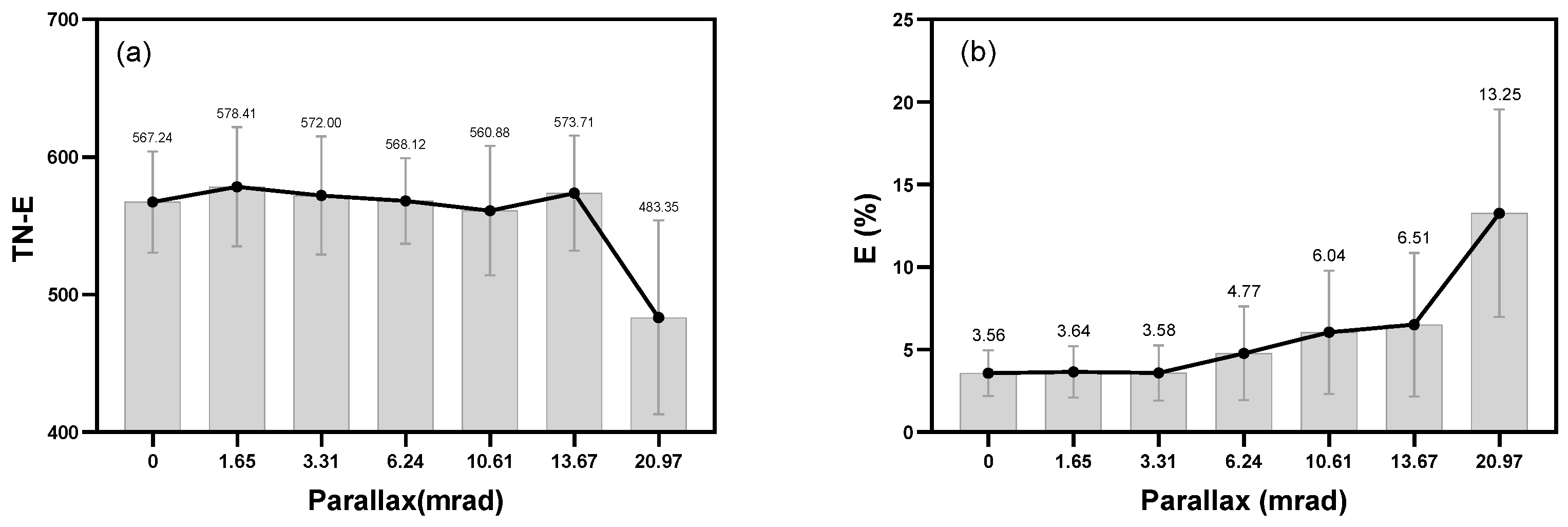
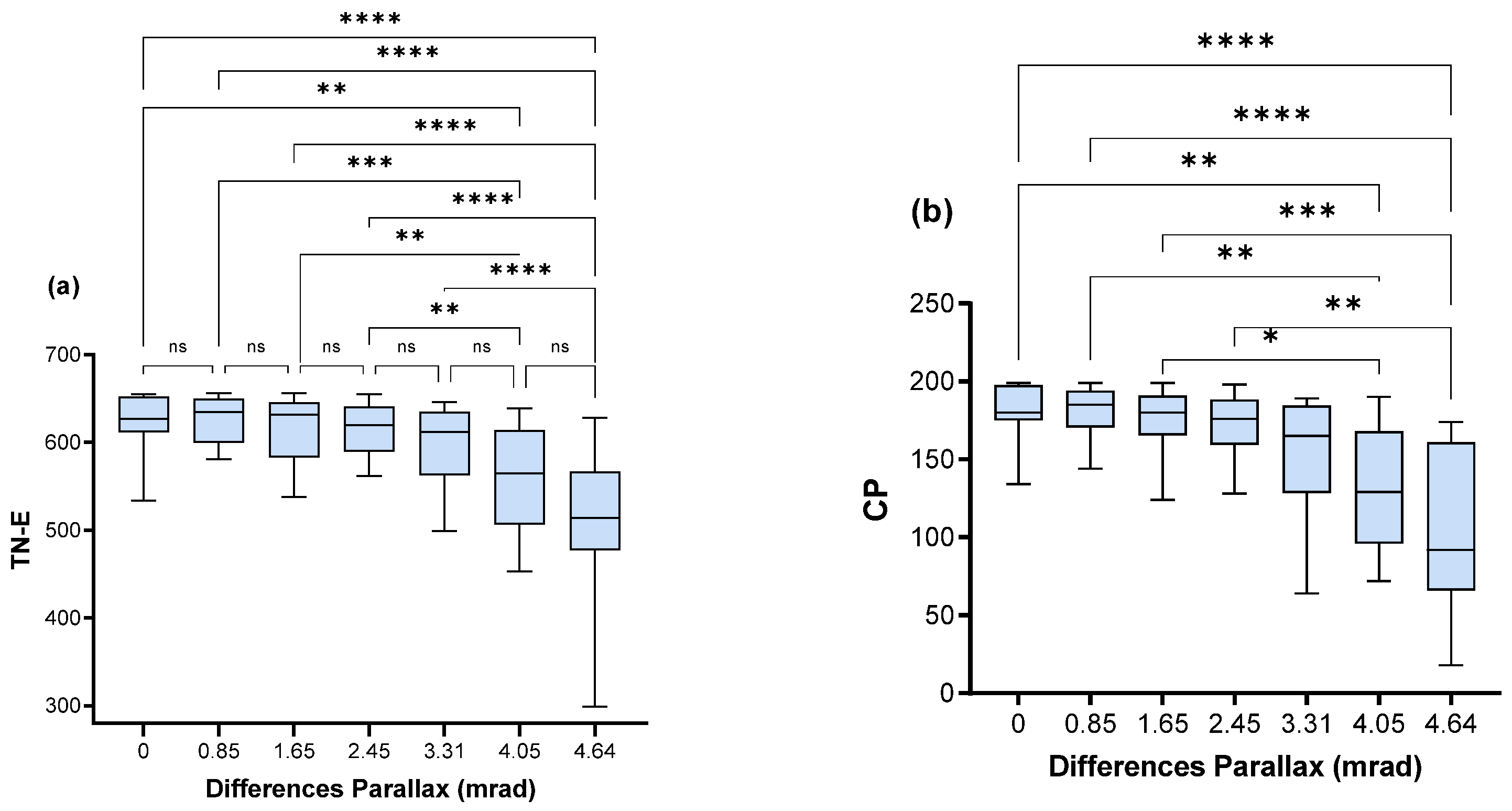
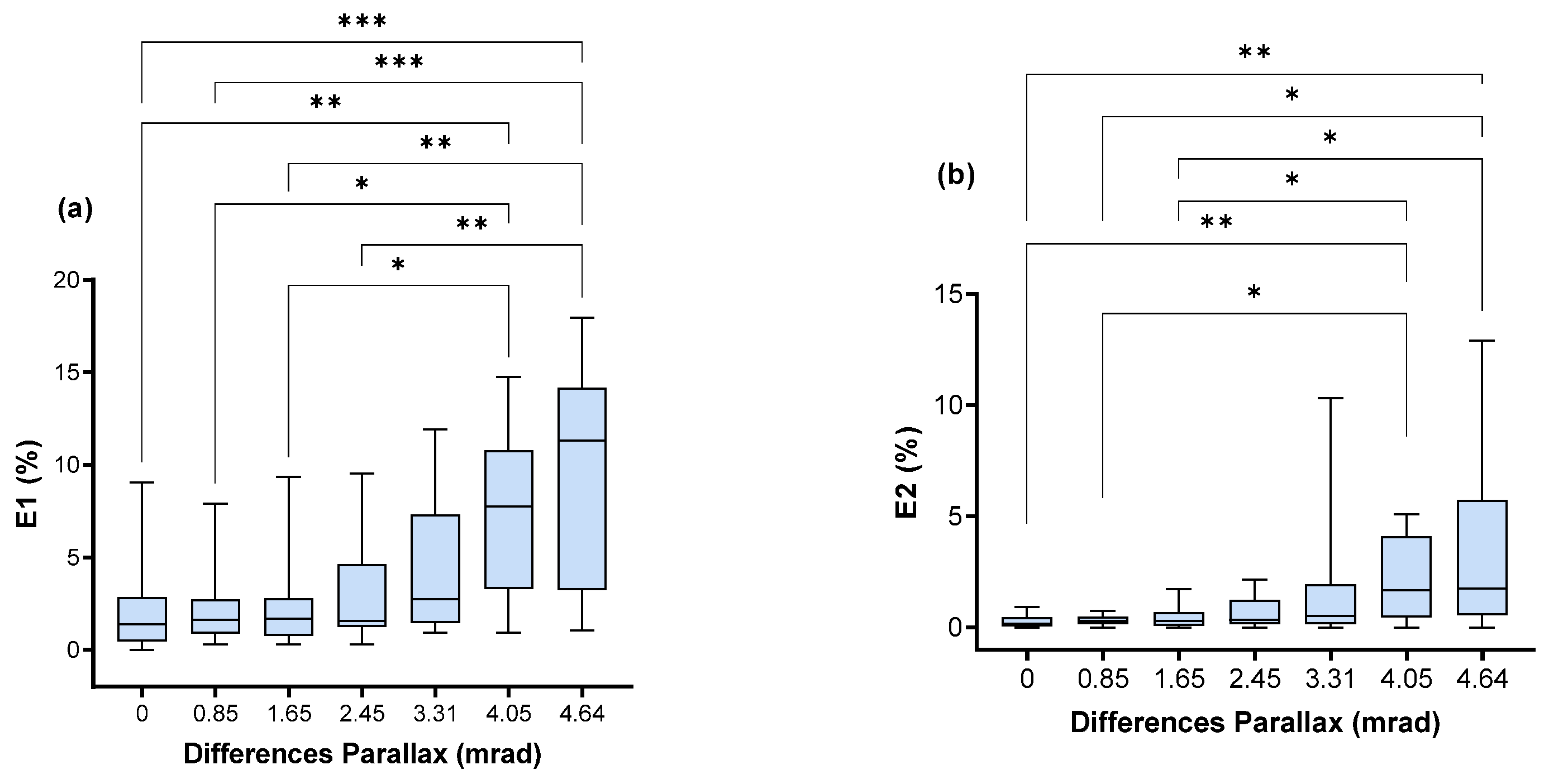
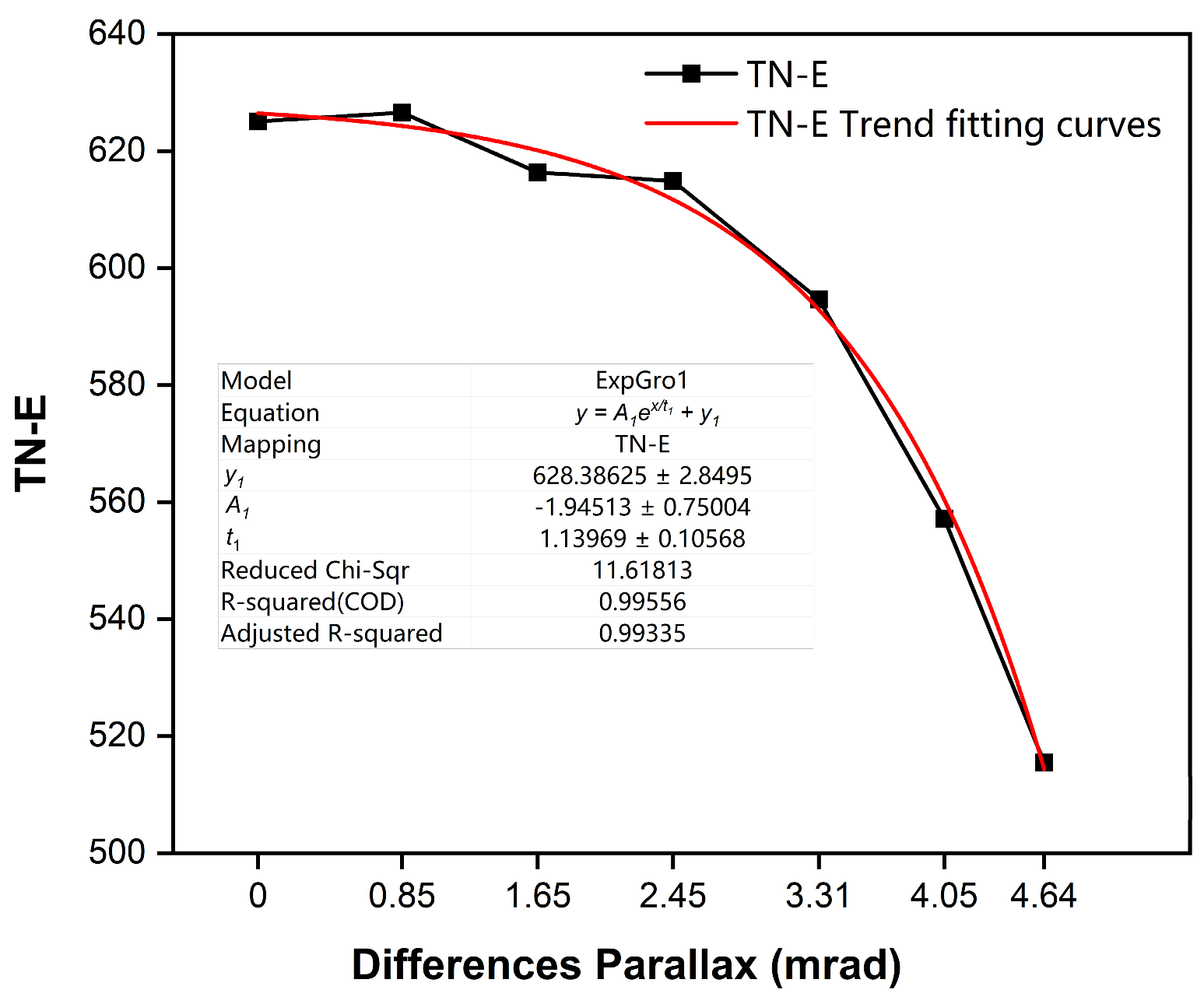
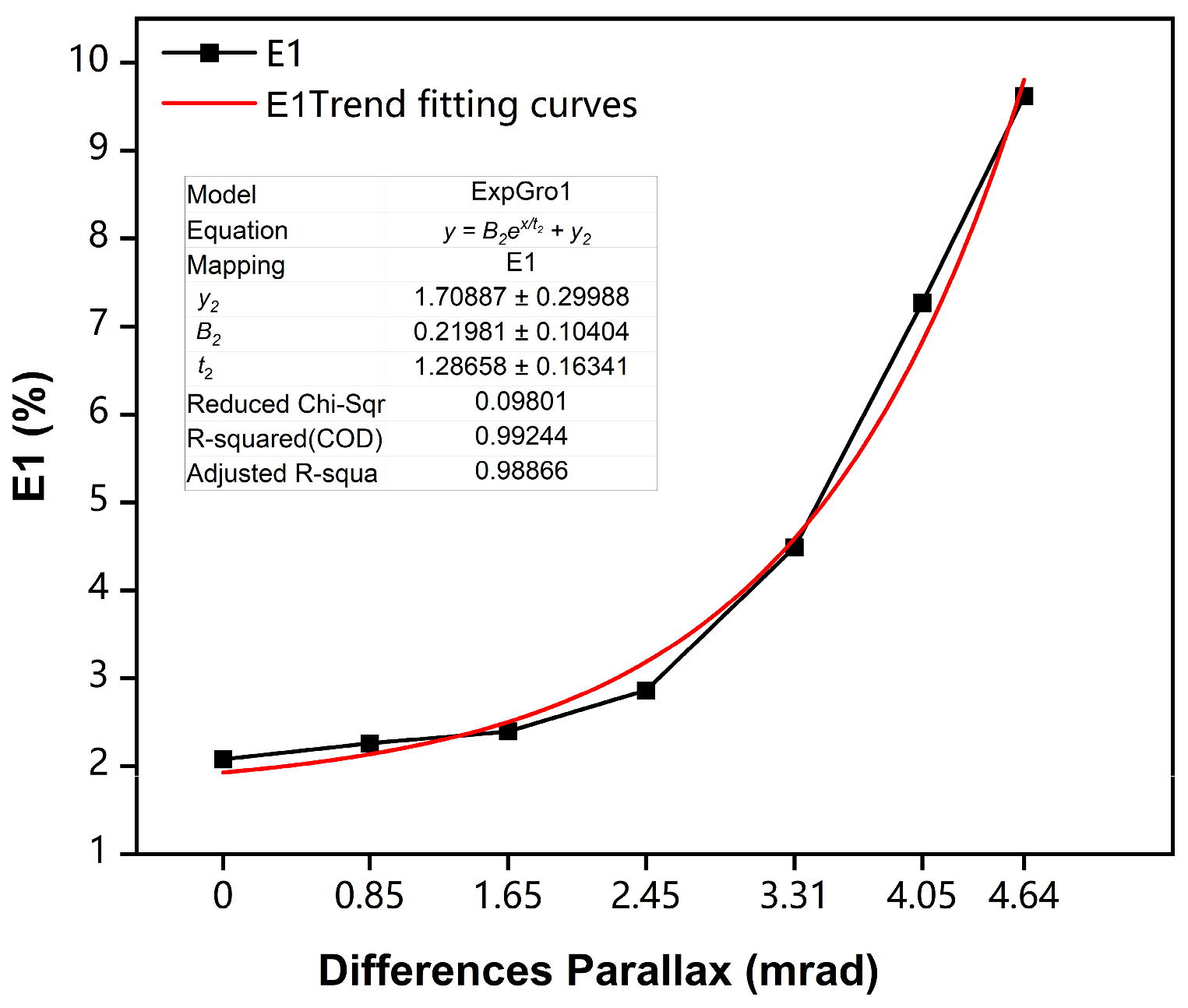
Head-up displays (HUDs), a novel form of virtual display, are characterized by their optical structure as a typical binocular virtual display system. This structure exhibits the effect of binocular parallax on visual perception, especially when diverse depth information is displayed on a screen, which makes the eyes switch between different parallax conditions, and easily affects visual tasks, and induces visual fatigue. Augmented reality HUDs (AR-HUDs) have a wider field of view and are more susceptible to parallax effects. In this study, to determine the acceptable parallax threshold in a two-dimensional virtual display system for HUDs, especially for adjacent positions, and to provide a reference for HUD design, visual comfort and task performance were experimentally evaluated by simulating the overall parallax effect and with step changes on the screen. Specifically, the effects of overall and stepped horizontal and vertical parallaxes on visual fatigue and task performance were evaluated under different conditions. The results showed that the overall horizontal and vertical parallaxes had no significant effect on visual fatigue and task performance. However, stepped horizontal parallax had a significant effect on task performance (p < 0.05), with a parallax value of 3.31 mrad between adjacent positions serving as an acceptable threshold for stepped horizontal parallax as a reference. Significant differences (p < 0.05) in the concentration and fluctuation ratios of the results caused by vertical stepped parallax were found, and an acceptable stepped parallax threshold of 2.24 mrad was obtained. Further, experiments revealed that stepped vertical parallax was more likely to lead to reading misalignments, halos, and distortions. In addition, an exponentially varying relationship between stepped parallax and the error rate of visual performance was observed, and a model was built to predict the degree of influence on visual performance caused by horizontal stepped parallax in virtual displays. This study provides a reference for parallax control between neighboring display icons in AR-HUDs.
Keywords: head-up display (HUD); virtual 2D display; parallax; visual fatigue head-up display (HUD); virtual 2D display; parallax; visual fatigue