Article

Cement Stabilization of Waste from Contaminated Soils in Terms of Its Installation into Engineered Landfill


by
Sławomir Kwiecień
1,
Alicja Podgórska
2,
Jarosław Rybak
2,*,
Martin Štefánik
3 and
Vlastimil Cheben
3
1
Department of Geotechnics and Roads, Faculty of Civil Engineering, Silesian University of Technology, ul. Akademicka 5, 44-100 Gliwice, Poland
2
Faculty of Civil Engineering, Wroclaw University of Science and Technology, Wyb. Wyspiańskiego 27, 50-370 Wrocław, Poland
3
GEART, s.r.o, P.O. Hviezdoslava 42A, 010 01 Žilina, Slovakia
*
Author to whom correspondence should be addressed.
Appl. Sci. 2023, 13(20), 11485; https://doi.org/10.3390/app132011485
Submission received: 1 September 2023 / Revised: 16 October 2023 / Accepted: 18 October 2023 / Published: 19 October 2023
(This article belongs to the Section Environmental Sciences)

Abstract

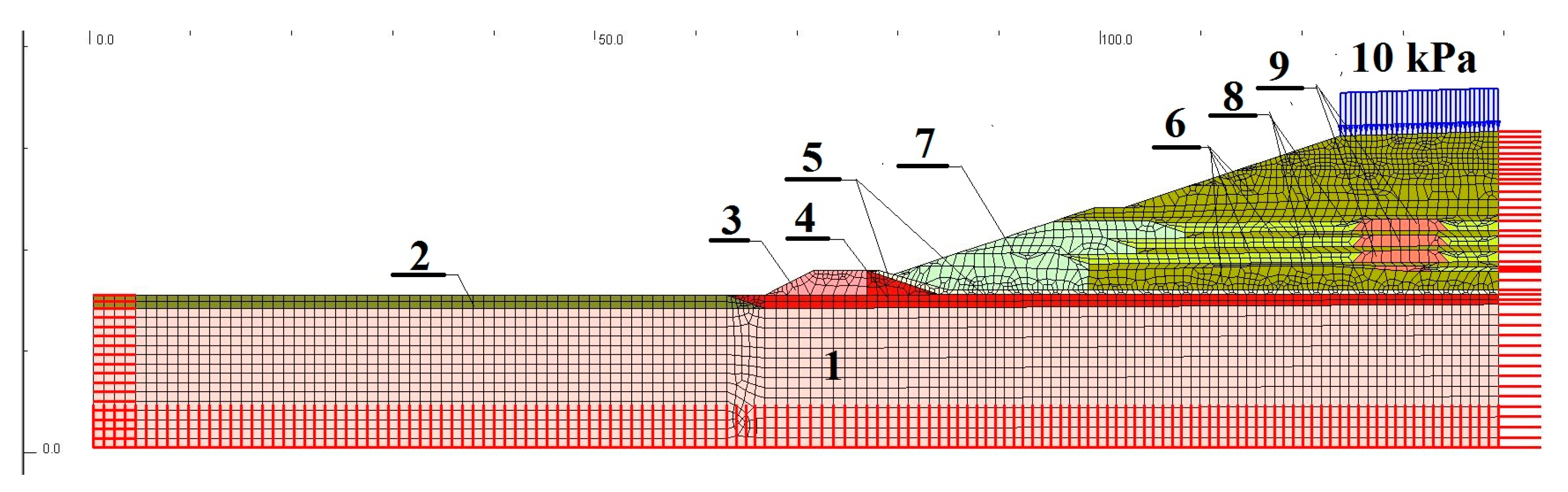
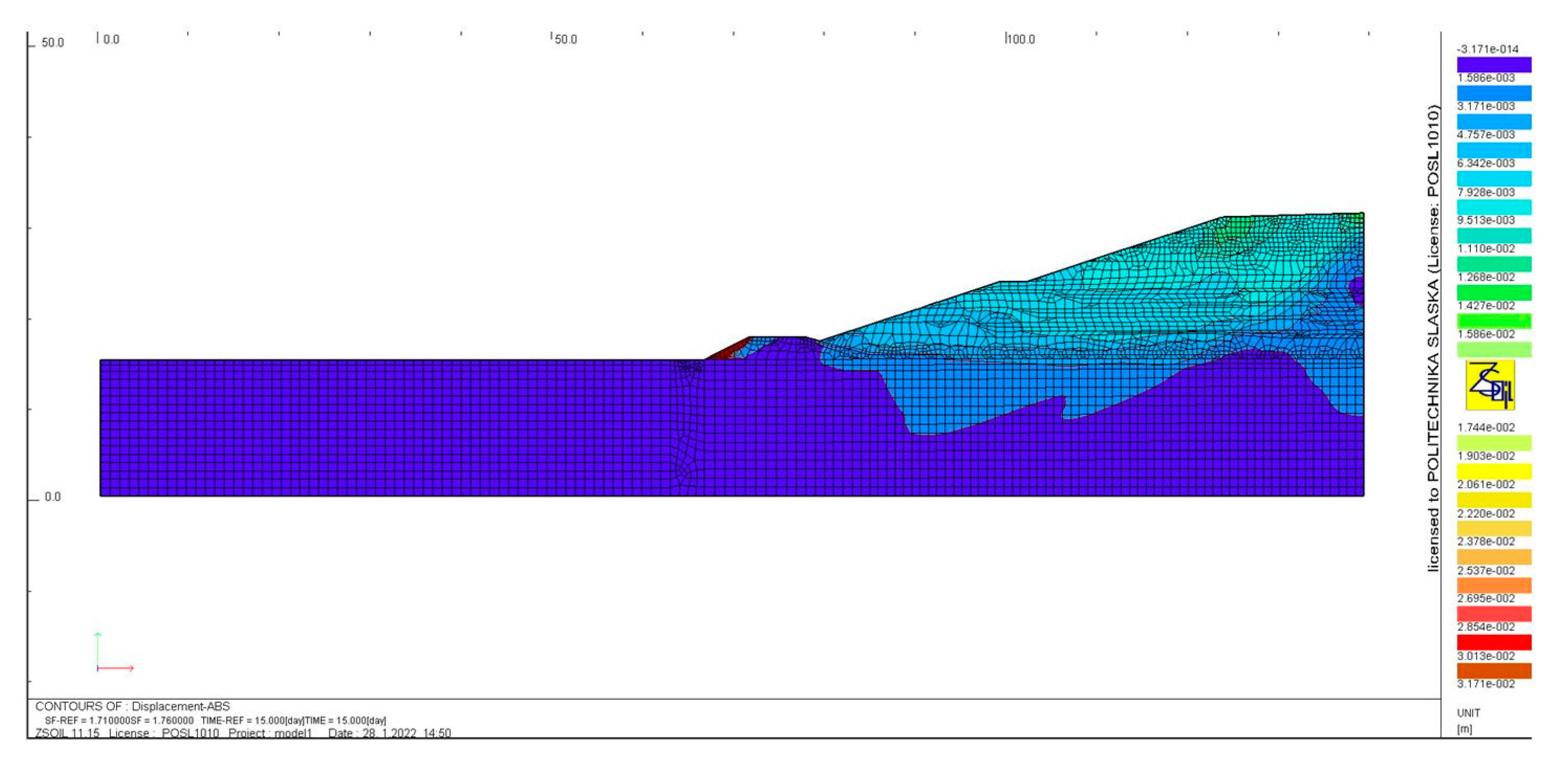
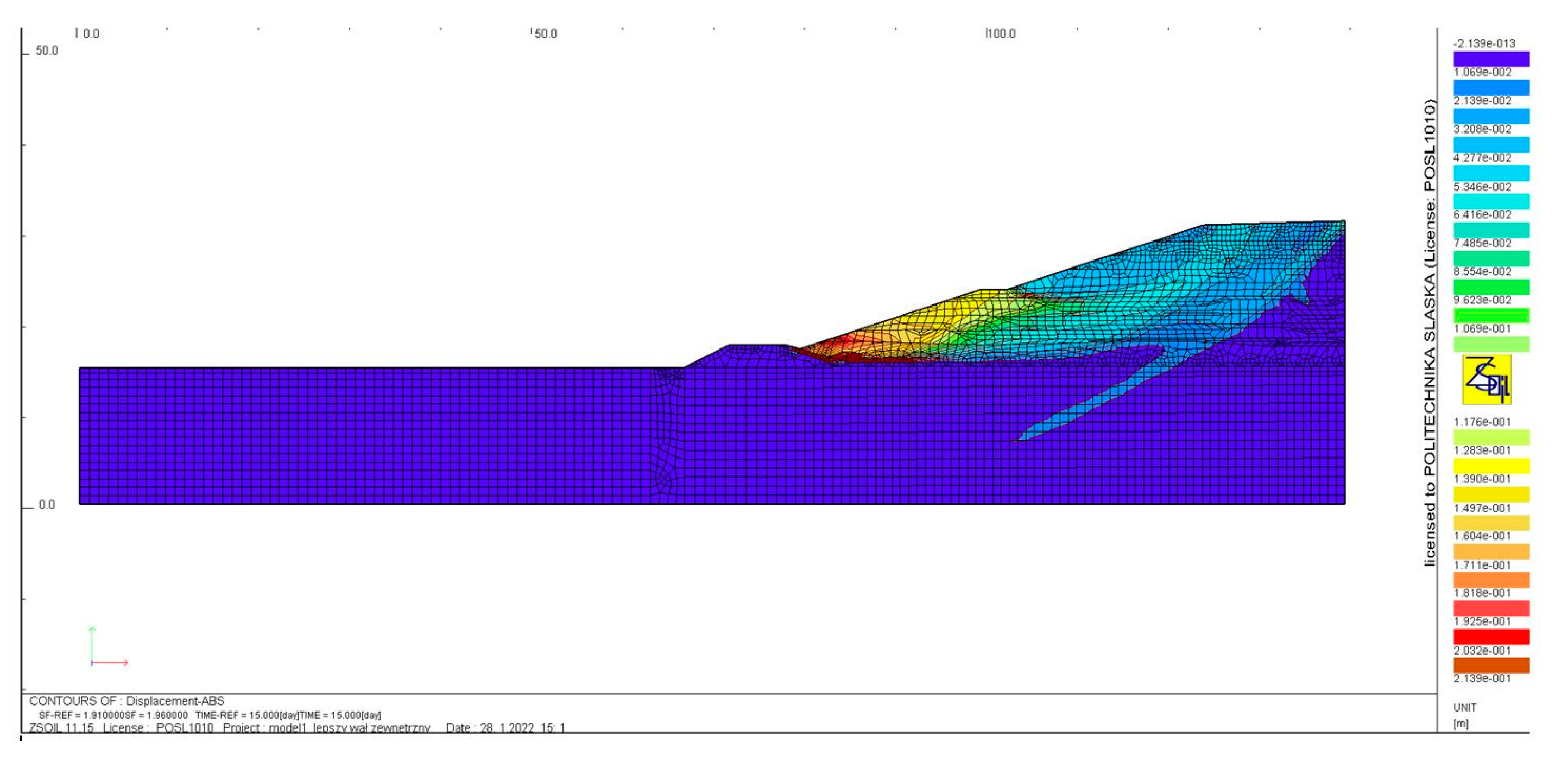
Remediation and preparation for development is a crucial aspect of the valorization of post-mining areas. This study is focused on technologies devoted to the cement stabilization of post-industrial waste and petroleum contaminated soils. Two case studies are presented. Case 1 is based on the stabilization works of waste from a closed chemical plant in order to turn it into an engineered landfill. The results form the basis for numerical studies of slope stability. The shorter case 2 is based on the laboratory testing of a soil–cement composite with regard to petroleum contamination and the application of active carbon to neutralize it in the course of deep soil mixing. Both cases, due to the use of slag cement, are not considered to be sustainable (due to a relatively high carbon footprint), but they represent current geotechnical practice and form a reference for a wide range of applications. Both cases show the positive impact of stabilization by means of the addition of a hydraulic binder. The effect of soil improvement is measurable in terms of the stability factor of landfill slopes. The effect of active charcoal addition seems to be a valuable improvement to standard deep soil mixing technology in the case of contaminated soil. The presented results, despite their local importance related to the cases under scrutiny, have an important educational and scientific value for the energy sector, where contaminated sites need to be valorized.
Keywords: industrial waste management; petroleum contaminated soil; waste disposal; cement; hydraulic binder; shear strength; slope stability; compressive strength; elastic modulus industrial waste management; petroleum contaminated soil; waste disposal; cement; hydraulic binder; shear strength; slope stability; compressive strength; elastic modulus