Article

Short-Term Forecasting of Ozone Concentration in Metropolitan Lima Using Hybrid Combinations of Time Series Models


by
Natalí Carbo-Bustinza
1,*,
Hasnain Iftikhar
2,3,
Marisol Belmonte
4,5,
Rita Jaqueline Cabello-Torres
6,
Alex Rubén Huamán De La Cruz
7 and
Javier Linkolk López-Gonzales
8,9,*
1
Doctorado Interdisciplinario en Ciencias Ambientales, Universidad de Playa Ancha, Valparaíso 2340000, Chile
2
Department of Mathematics, City University of Science and Information Technology Peshawar, Peshawar 25000, Pakistan
3
Department of Statistics, Quaid-i-Azam University, Islamabad 45320, Pakistan
4
Laboratorio de Biotecnología, Medio Ambiente e Ingeniería (LABMAI), Facultad de Ingeniería, Universidad de Playa Ancha, Avda. Leopoldo Carvallo 270, Valparaíso 2340000, Chile
5
HUB-Ambiental, Universidad de Playa Ancha, Avda. Leopoldo Carvallo 270, Valparaíso 2340000, Chile
6
Escuela de Ingeniería Ambiental, Universidad César Vallejo, Lima 15314, Peru
7
E.P. de Ingenieria Ambiental, Universidad Nacional Intercultural de la Selva Central Juan Santos Atahualpa, La Merced 15106, Peru
8
Vicerrectorado de Investigación, Universidad Privada Norbert Wiener, Lima 15046, Peru
9
Escuela de Posgrado, Universidad Peruana Unión, Lima 15468, Peru
*
Authors to whom correspondence should be addressed.
Appl. Sci. 2023, 13(18), 10514; https://doi.org/10.3390/app131810514
Submission received: 8 August 2023 / Revised: 12 September 2023 / Accepted: 12 September 2023 / Published: 21 September 2023
(This article belongs to the Special Issue Air Quality Prediction Based on Machine Learning Algorithms II)

Abstract

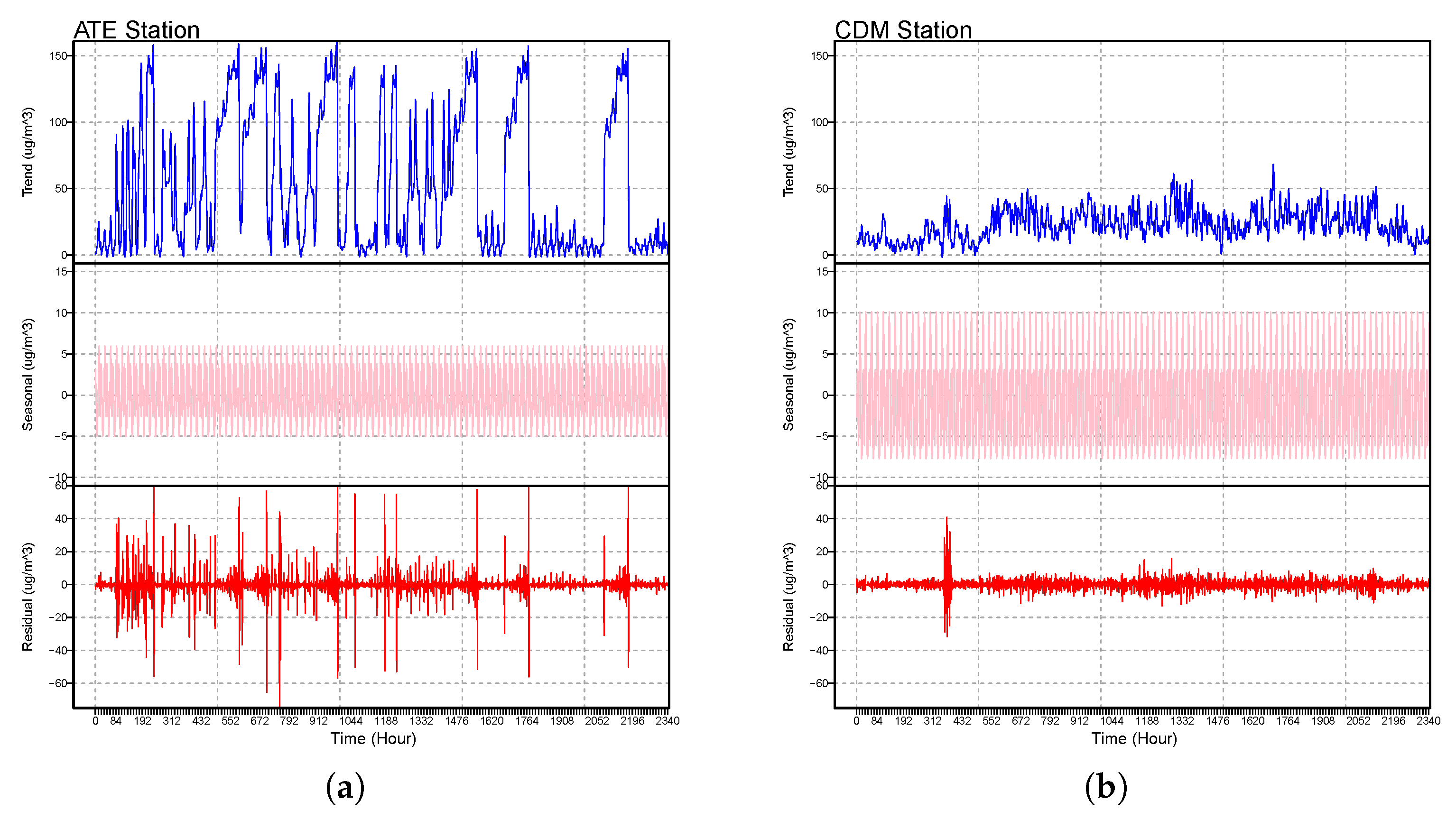
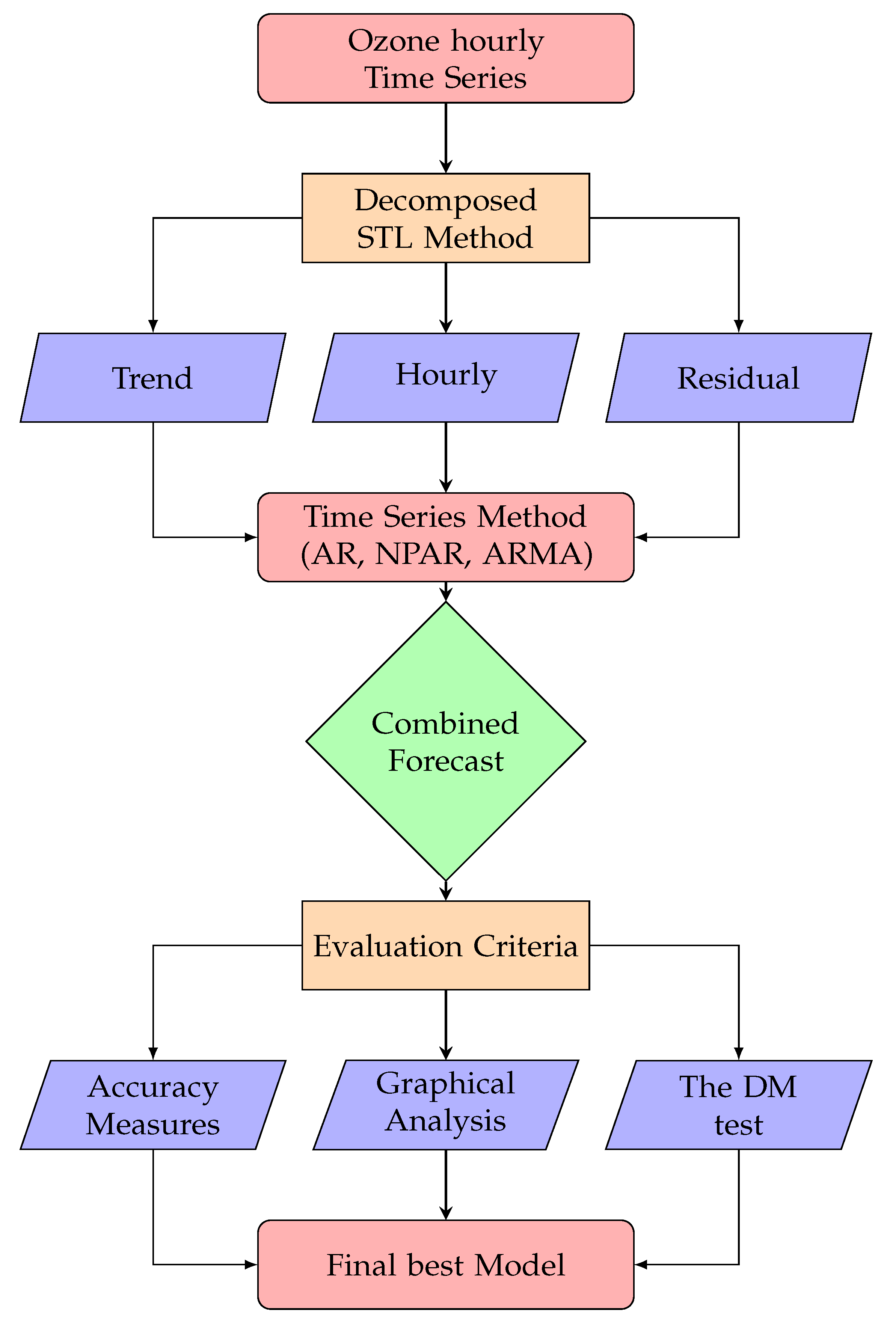
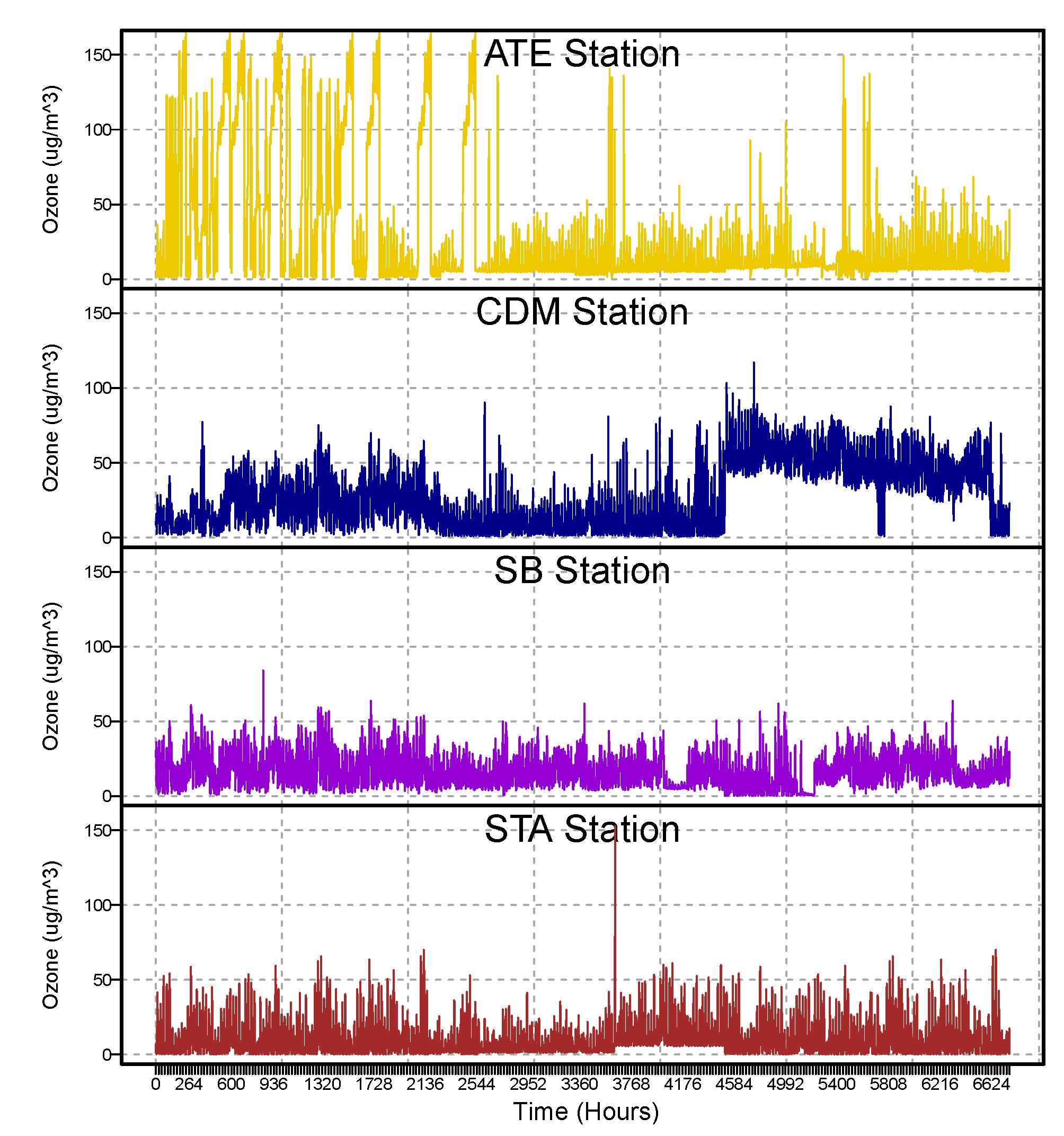
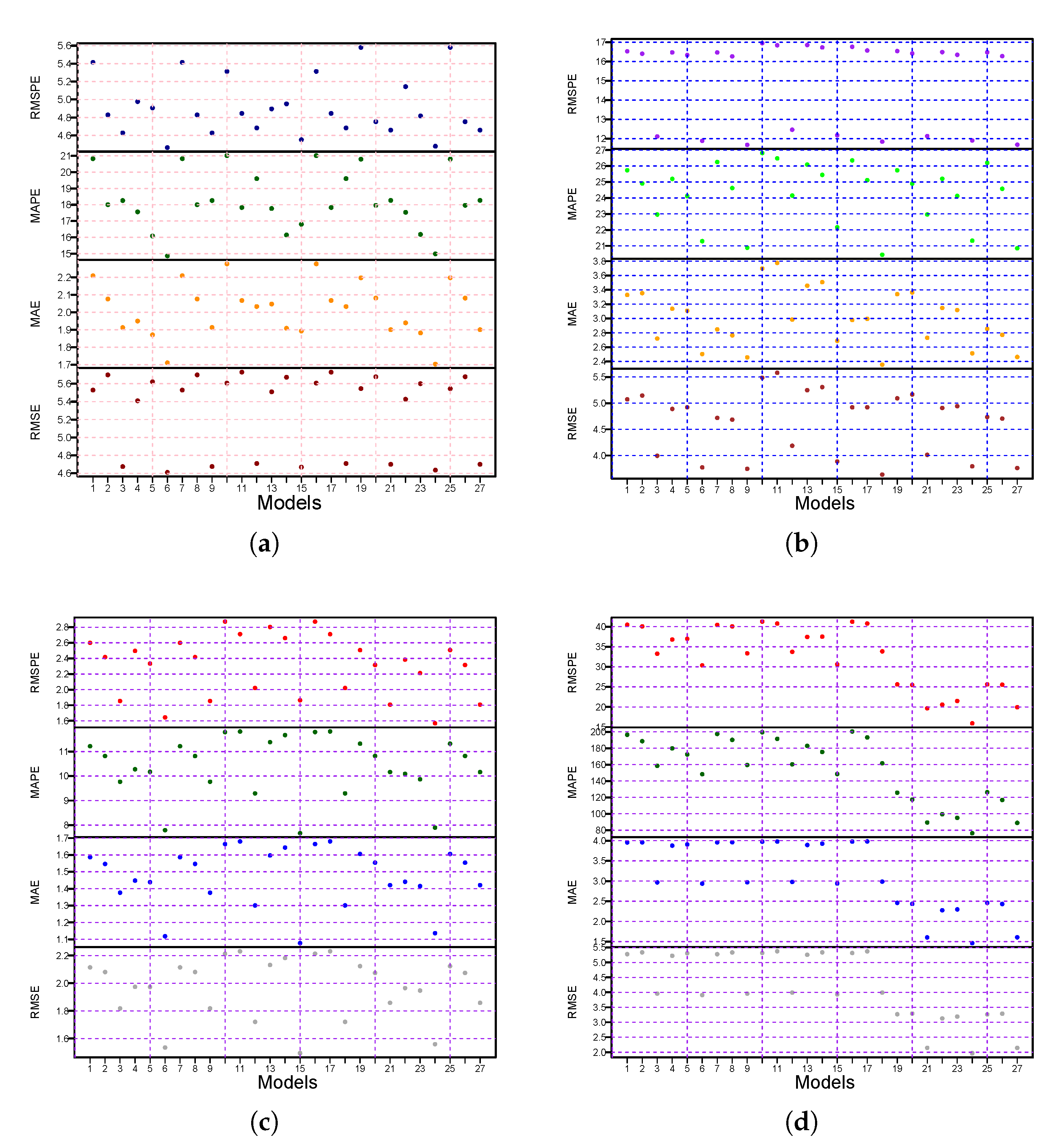
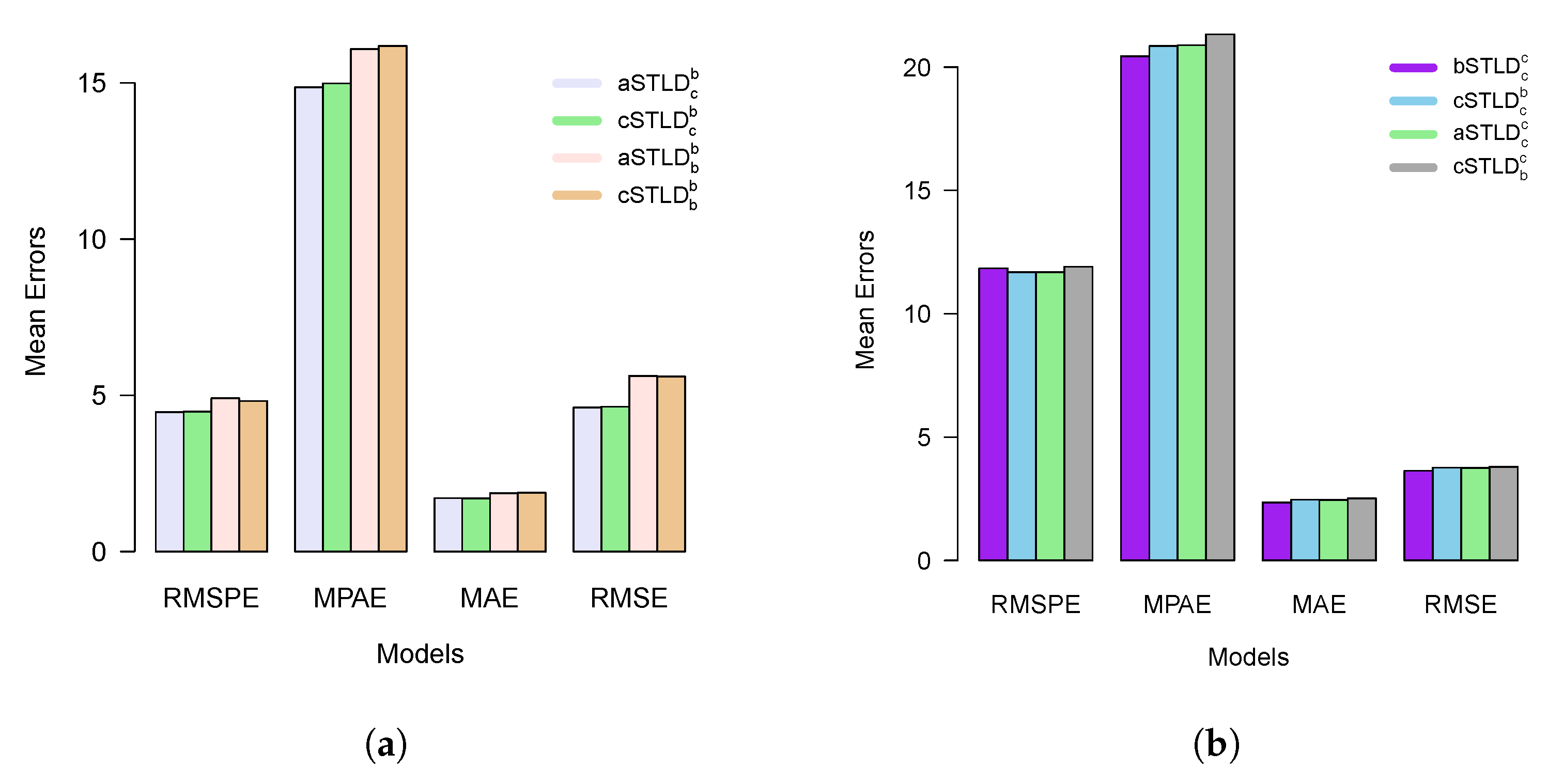
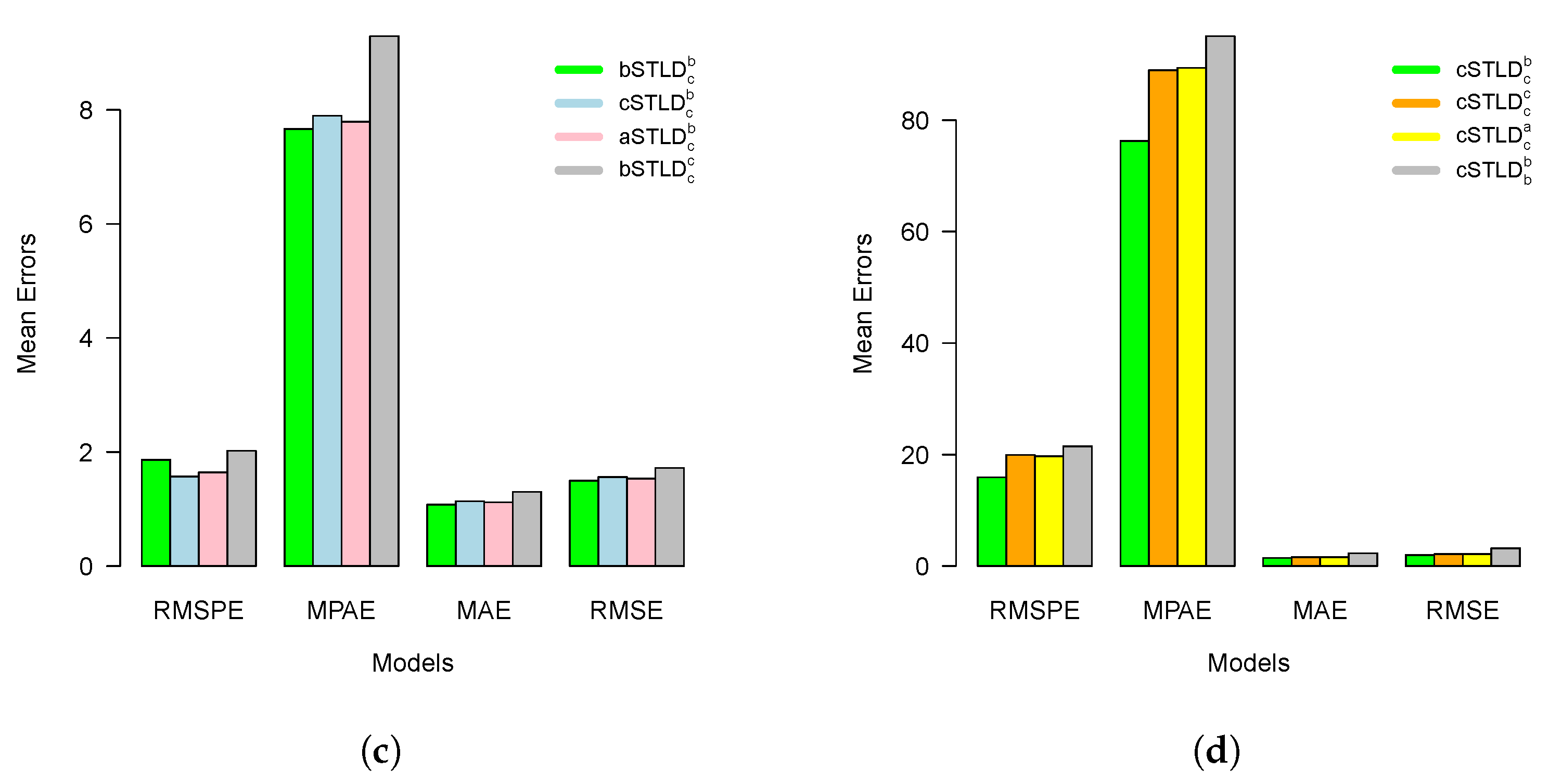
In the modern era, air pollution is one of the most harmful environmental issues on the local, regional, and global stages. Its negative impacts go far beyond ecosystems and the economy, harming human health and environmental sustainability. Given these facts, efficient and accurate modeling and forecasting for the concentration of ozone are vital. Thus, this study explores an in-depth analysis of forecasting the concentration of ozone by comparing many hybrid combinations of time series models. To this end, in the first phase, the hourly ozone time series is decomposed into three new sub-series, including the long-term trend, the seasonal trend, and the stochastic series, by applying the seasonal trend decomposition method. In the second phase, we forecast every sub-series with three popular time series models and all their combinations In the final phase, the results of each sub-series forecast are combined to achieve the results of the final forecast. The proposed hybrid time series forecasting models were applied to four Metropolitan Lima monitoring stations—ATE, Campo de Marte, San Borja, and Santa Anita—for the years 2017, 2018, and 2019 in the winter season. Thus, the combinations of the considered time series models generated 27 combinations for each sampling station. They demonstrated significant forecasts of the sample based on highly accurate and efficient descriptive, statistical, and graphic analysis tests, as a lower mean error occurred in the optimized forecast models compared to baseline models. The most effective hybrid models for the ATE, Campo de Marte, San Borja, and Santa Anita stations were identified based on their superior out-of-sample forecast results, as measured by RMSE (4.611, 3.637, 1.495, and 1.969), RMSPE (4.464, 11.846, 1.864, and 15.924), MAE (1.711, 2.356, 1.078, and 1.462), and MAPE (14.862, 20.441, 7.668, and 76.261) errors. These models significantly outperformed other models due to their lower error values. In addition, the best models are statistically significant (p < 0.05) and superior to the rest of the combination models. Furthermore, the final proposed models show significant performance with the least mean error, which is comparatively better than the considered baseline models. Finally, the authors also recommend using the proposed hybrid time series combination forecasting models to predict ozone concentrations in other districts of Lima and other parts of Peru.
Keywords: short-term ozone concentration forecasting; seasonal trend decomposition method; time series models; hybrid models short-term ozone concentration forecasting; seasonal trend decomposition method; time series models; hybrid models