Article

Innovative Design and Mechanical Analysis of Low-Resistance Fritilariae Ussuriensis Maxim Excavation Device


1
College of Mechanical and Electrical Engineering, Northeast Forestry University, Harbin 150040, China
2
Harbin Forestry Machinery Research Institute, State Forestry and Grassland Administration, Harbin 150086, China
*
Author to whom correspondence should be addressed.
These authors contributed equally to this work.
Appl. Sci. 2023, 13(18), 10204; https://doi.org/10.3390/app131810204
Submission received: 8 July 2023 / Revised: 9 August 2023 / Accepted: 24 August 2023 / Published: 11 September 2023

Abstract

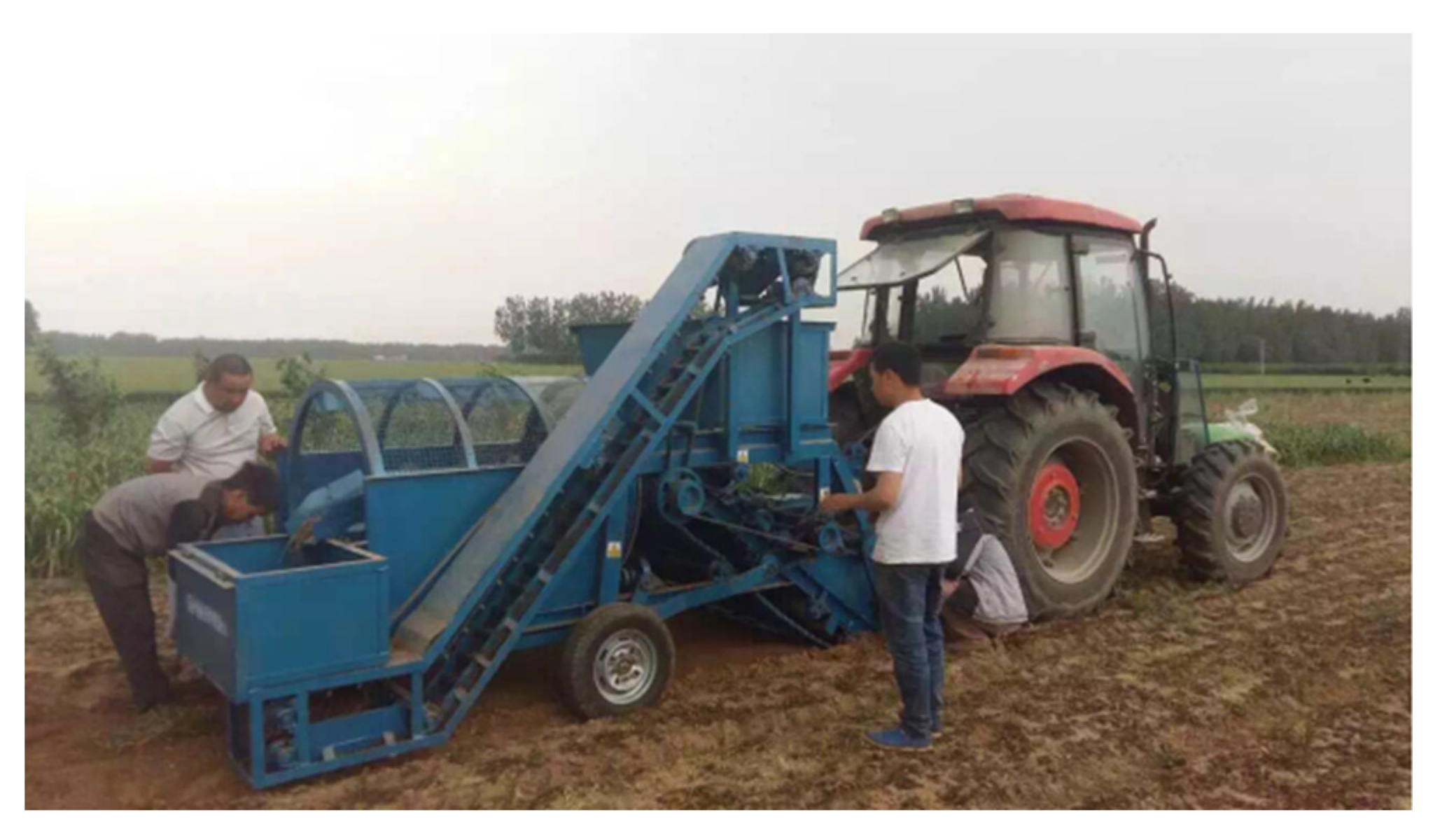
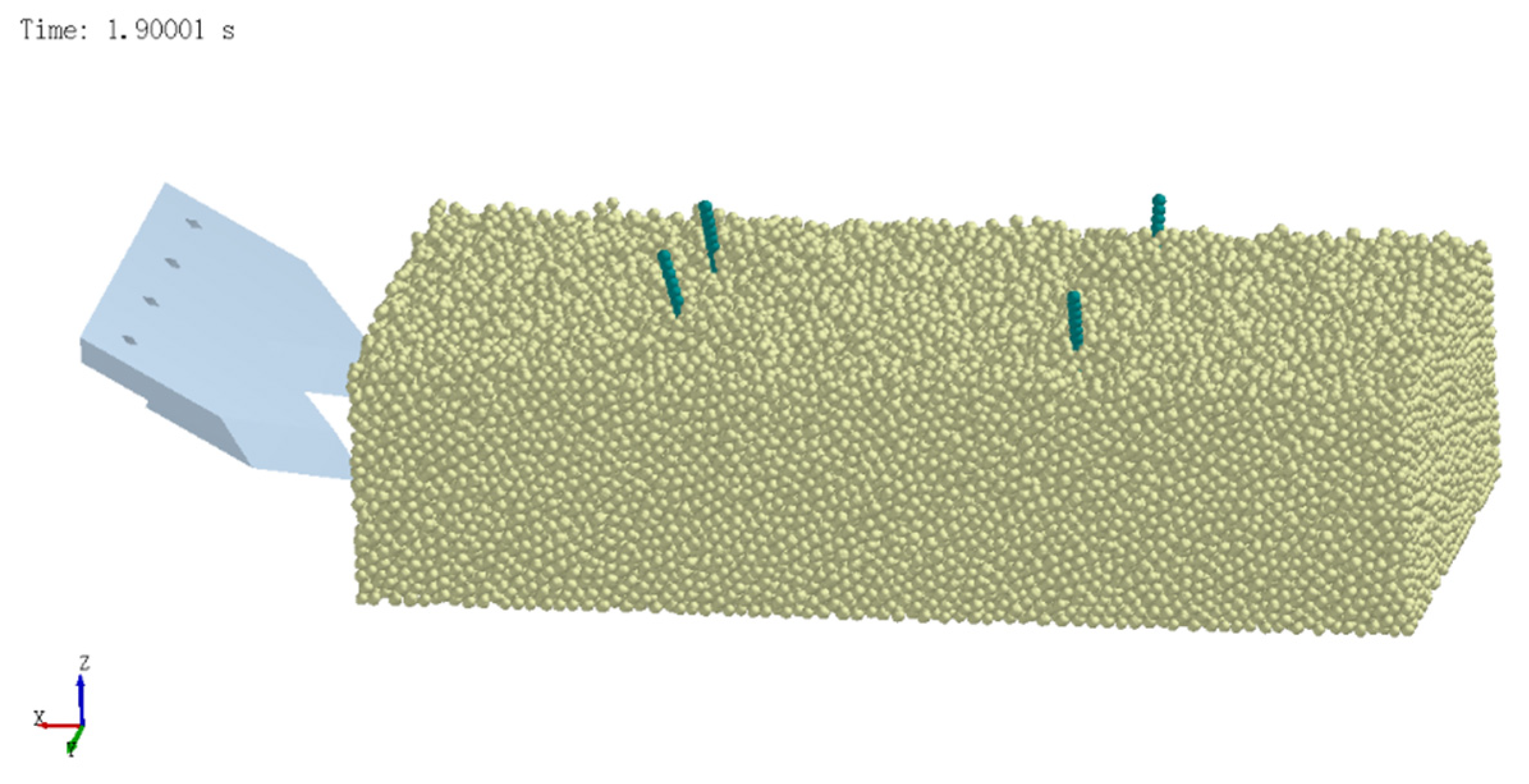
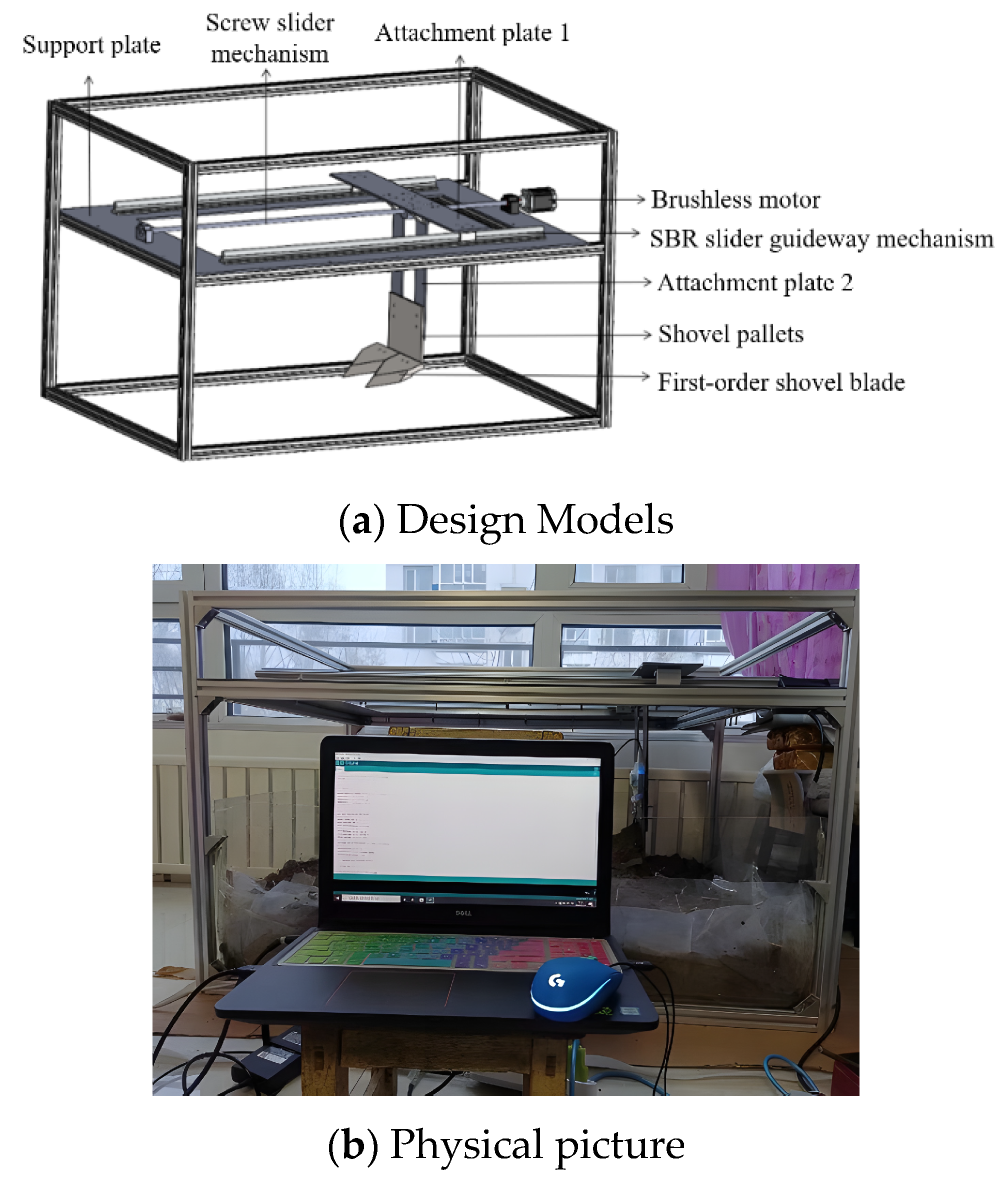
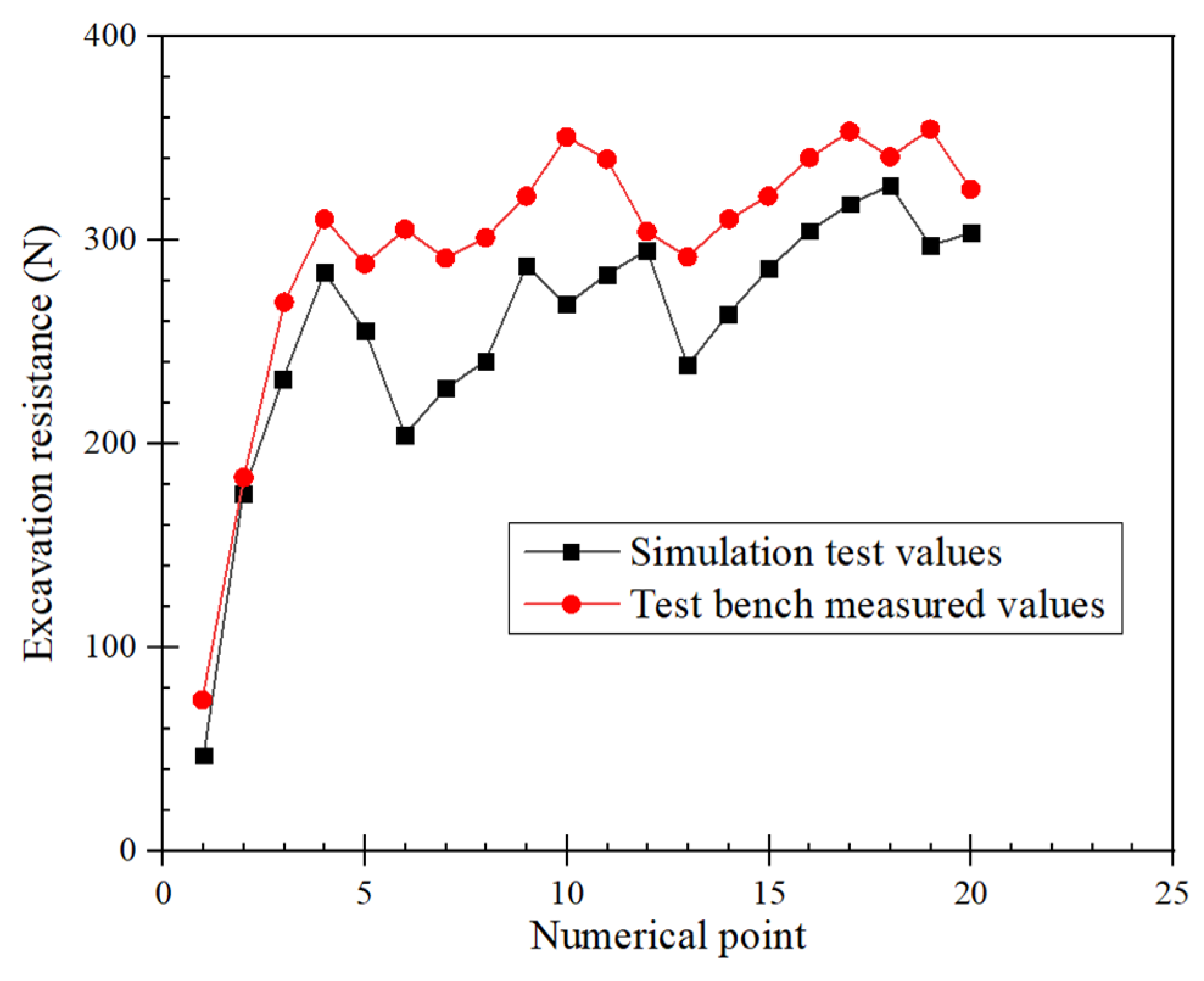
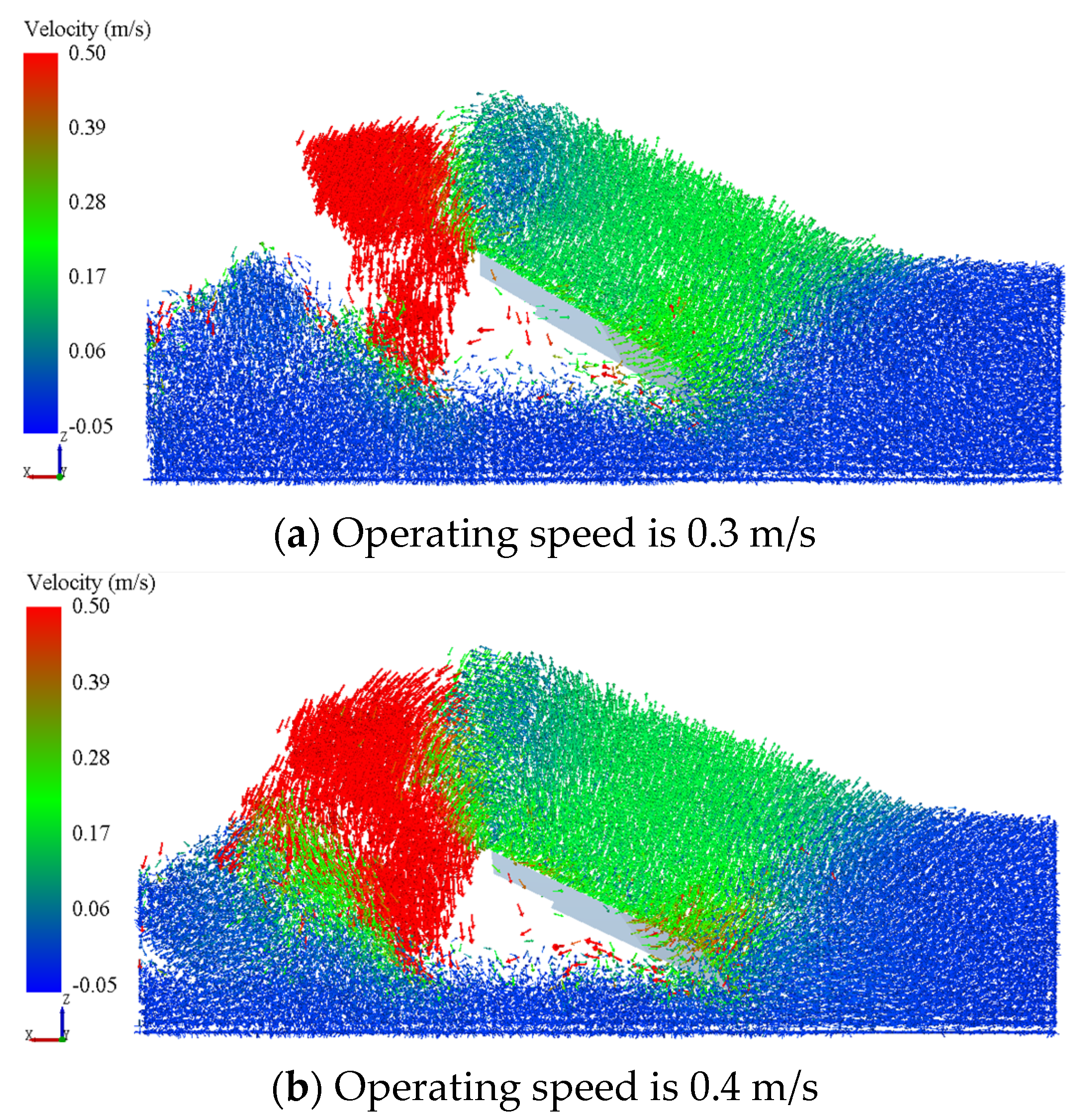
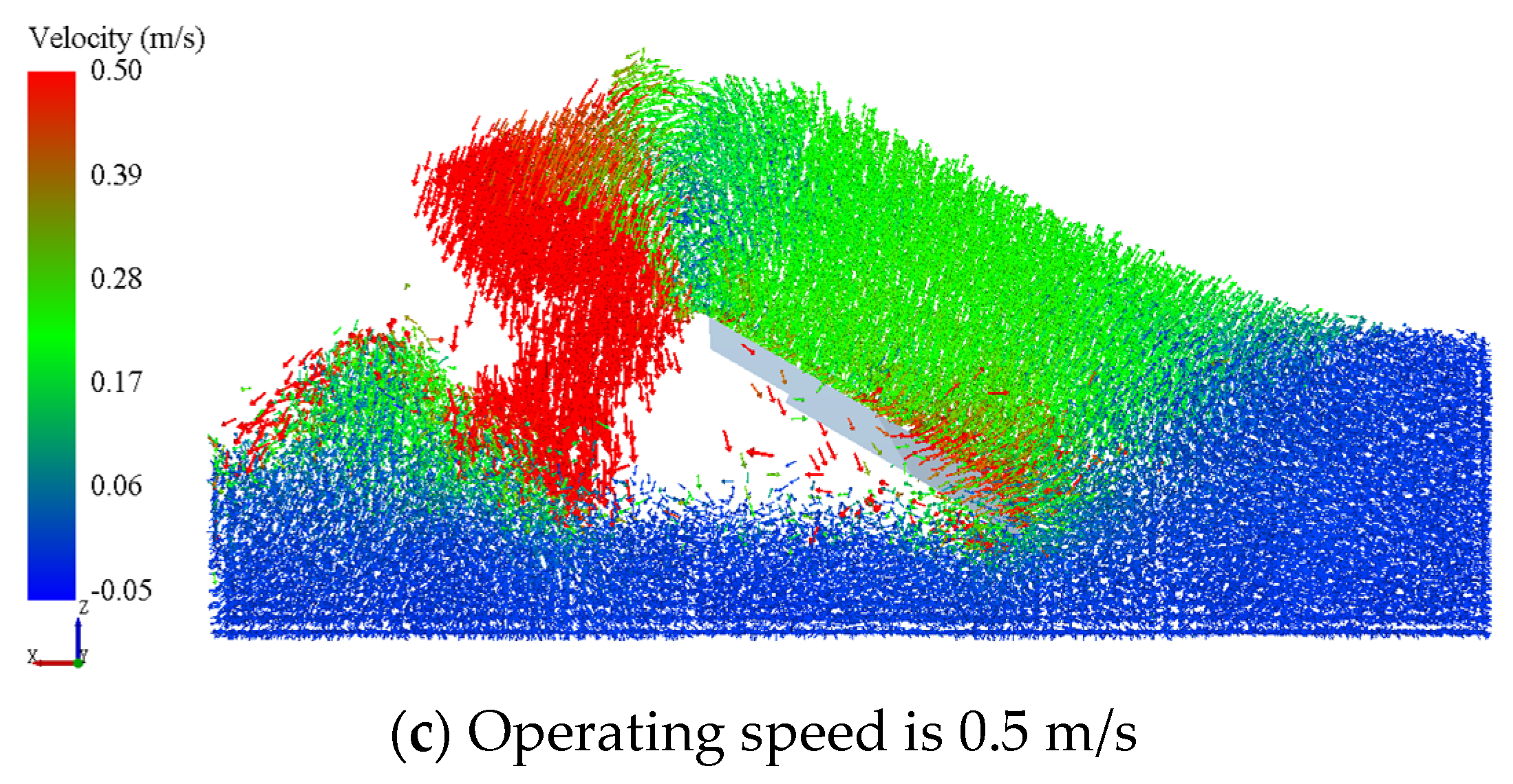
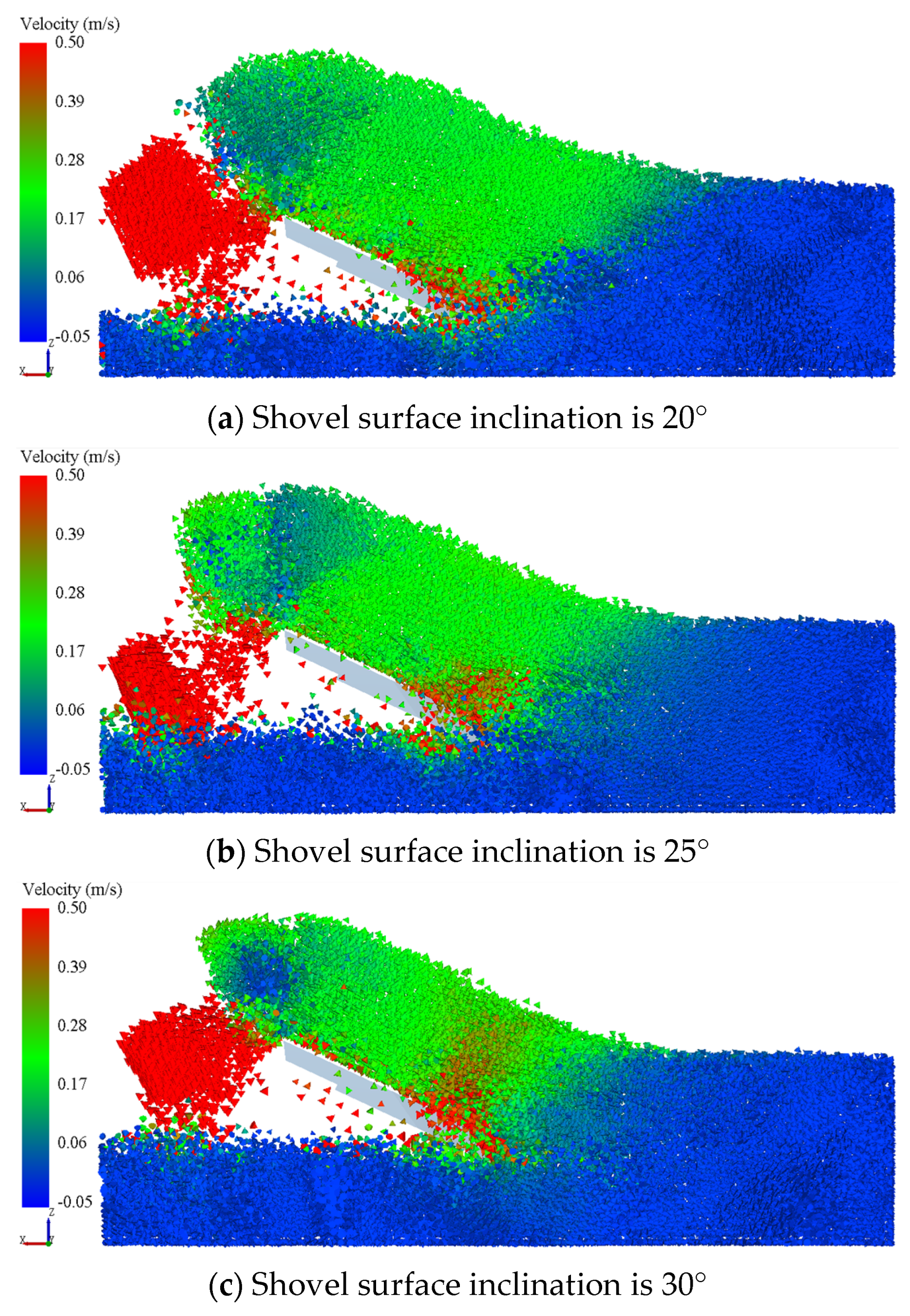
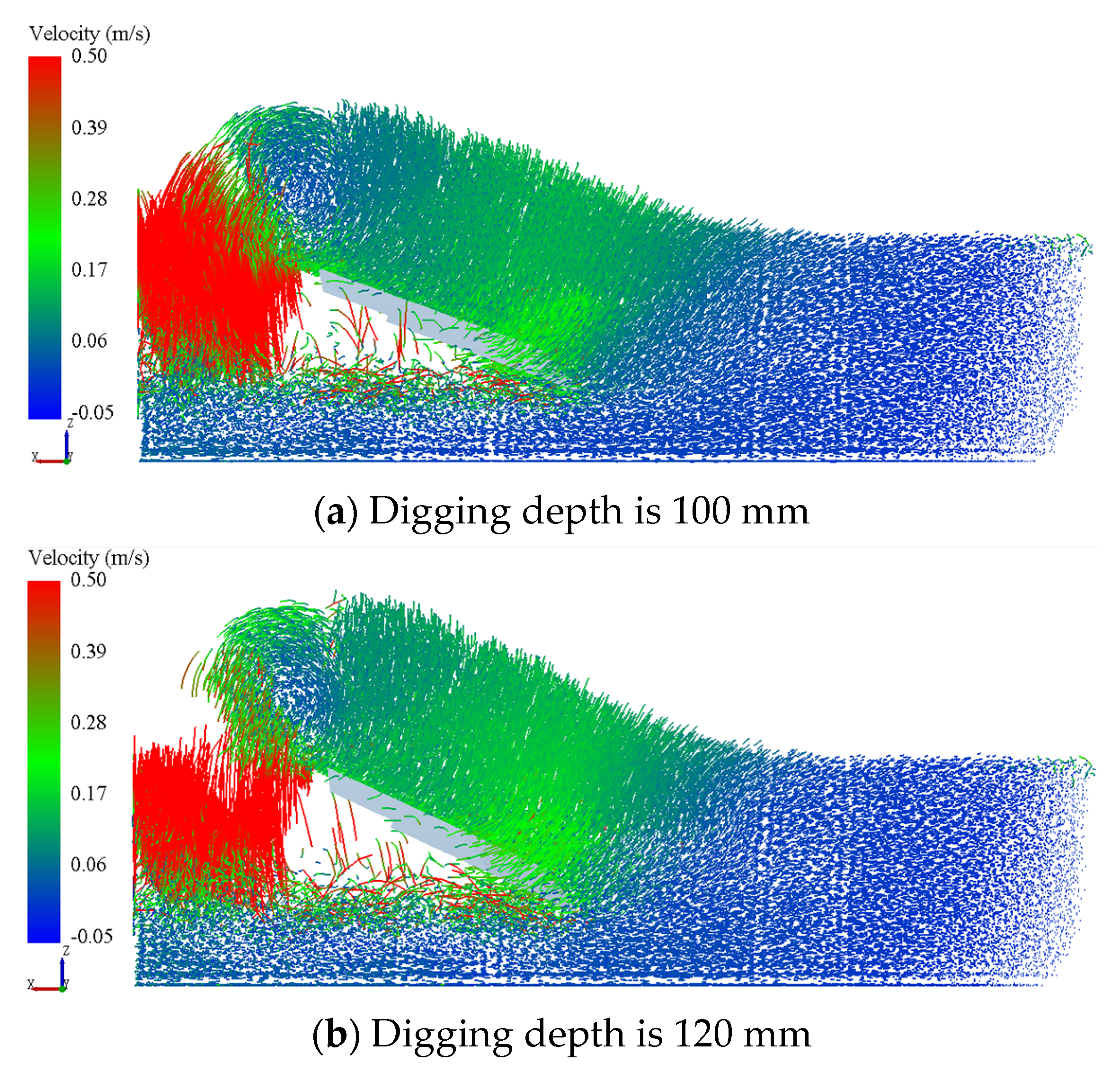
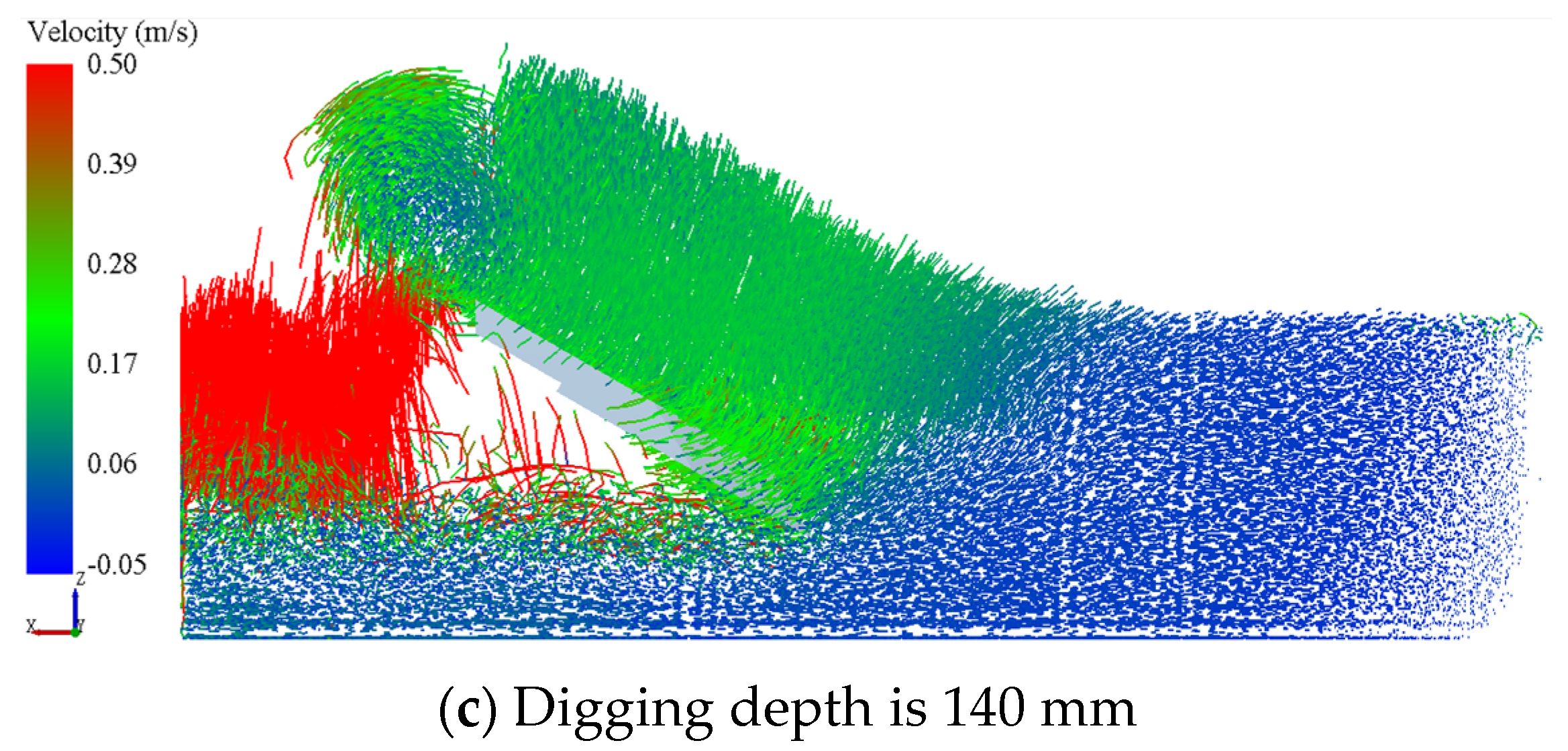
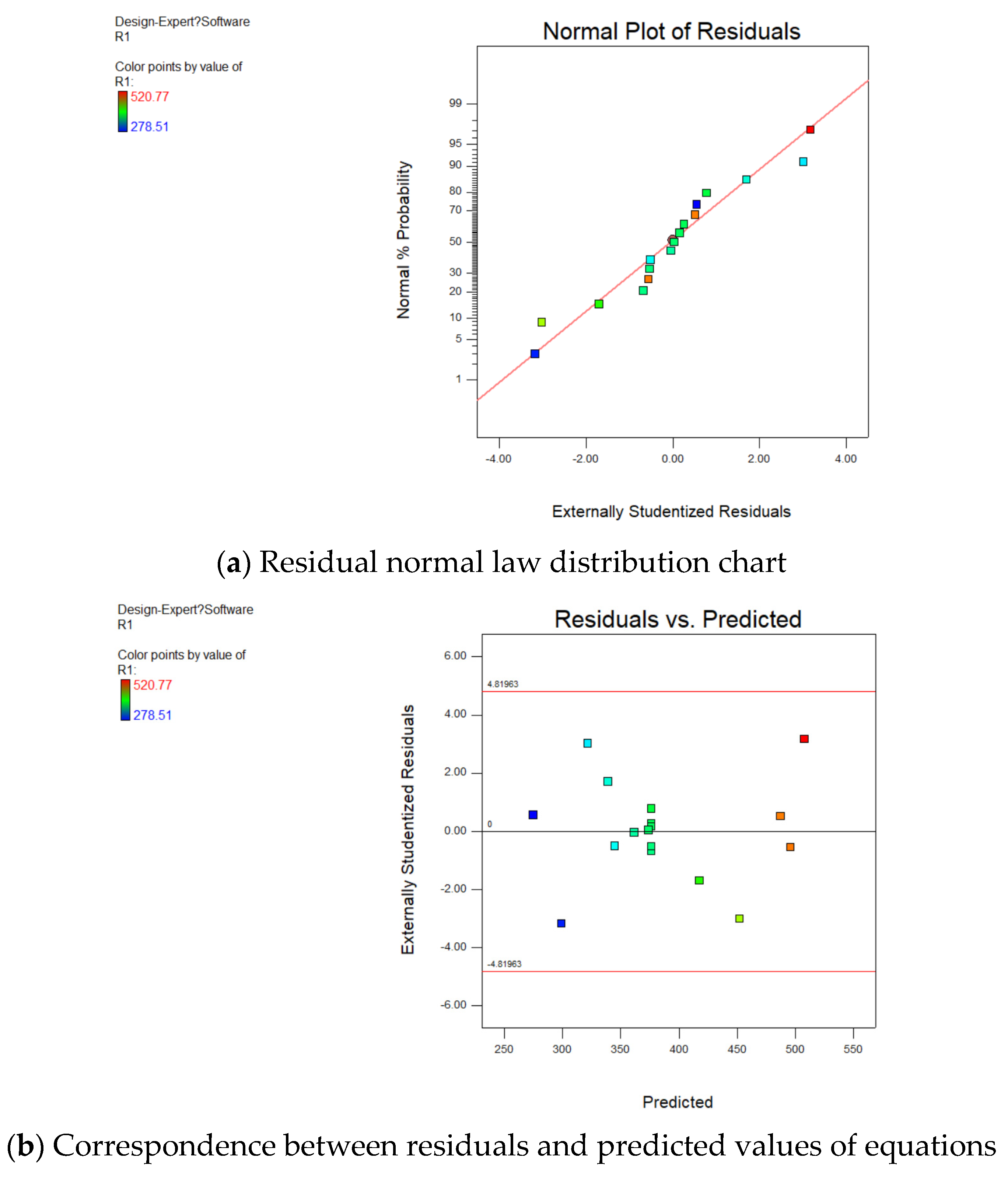
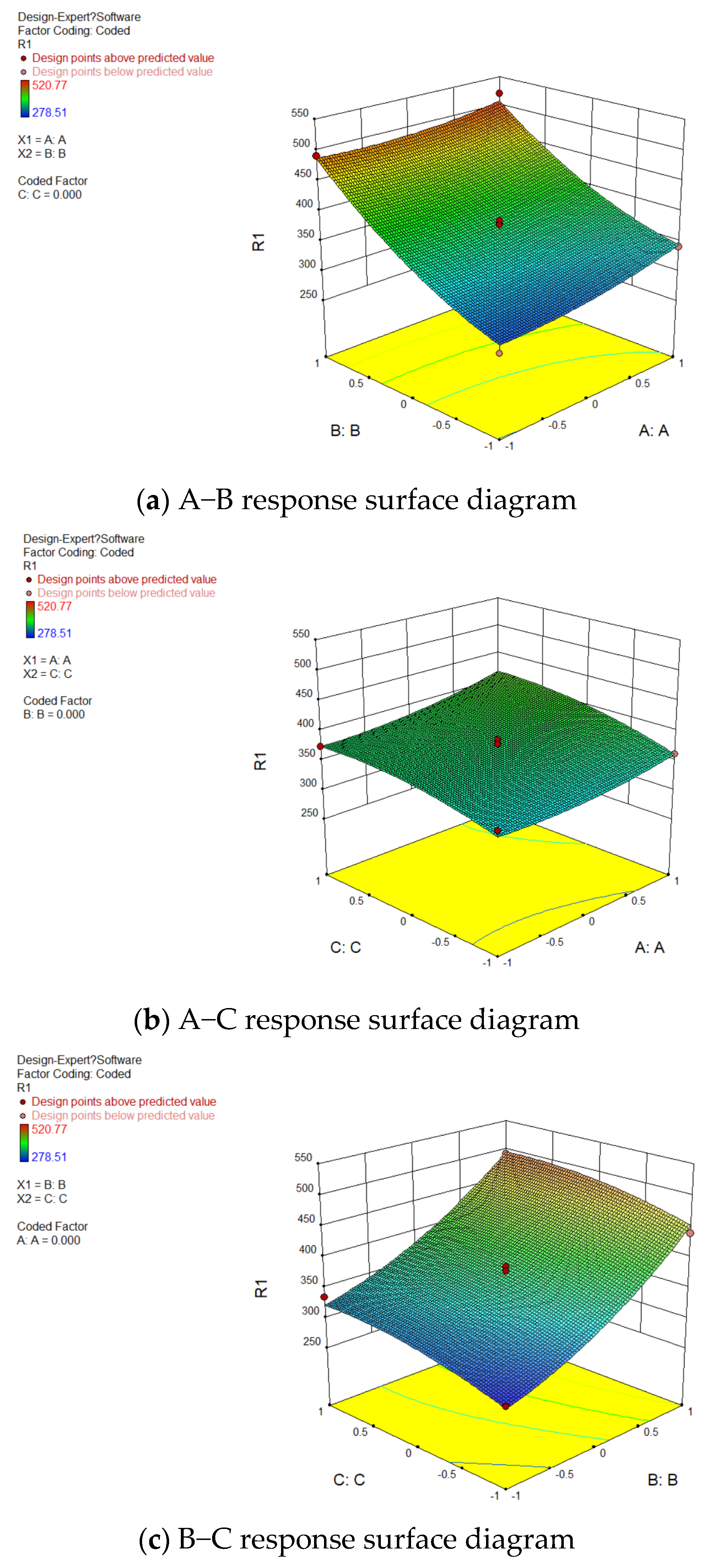
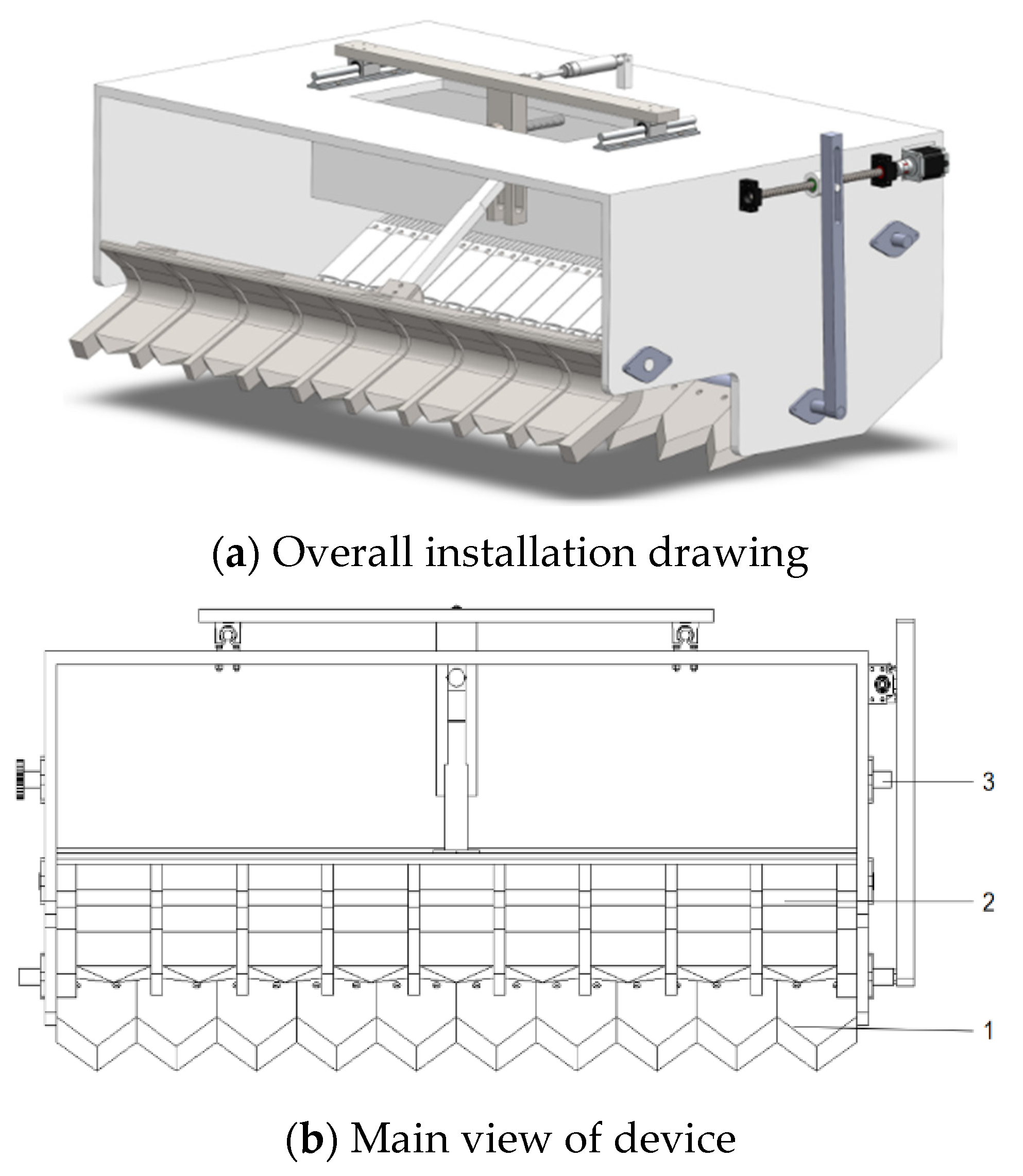
Fritilariae ussuriensis maxim can be used as a medicine with little difficulty in its planting, but owing to its fragile characteristics, Fritilariae ussuriensis maxim is mainly collected by manual excavation. In order to solve the problems of the low working efficiency and poor environmental adaptability of the harvesting equipment of Fritilariae ussuriensis maxim, this paper designs a new excavation device, which can effectively reduce the operation resistance and improve the excavation efficiency of Fritilariae ussuriensis maxim. In this paper, the finite element method and discrete element method are used to simulate and analyze the operation performance of the excavation device. Combined with the orthogonal test and single factor test, the factors affecting the operating performance of the excavating device were explored. The excavating experimental platform was designed and built, and the simulation results were verified with experimental excavation data. This study shows that the operating speed, shovel face inclination angle, and digging depth had significant effects on the digging resistance of the shovel body, with the shovel face inclination angle having the highest influencing factor and the operating speed having the lowest influencing factor. Combined with the orthogonal test analysis and response surface design, the optimal operating parameters of the shovel body are: operating speed 0.5 m/s, shovel face inclination angle 25°, and excavation depth 120 mm.
Keywords: fritilariae ussuriensis maxim maxim harvesting machine; finite element analysis; the discrete element method; orthogonal test fritilariae ussuriensis maxim maxim harvesting machine; finite element analysis; the discrete element method; orthogonal test