Abstract
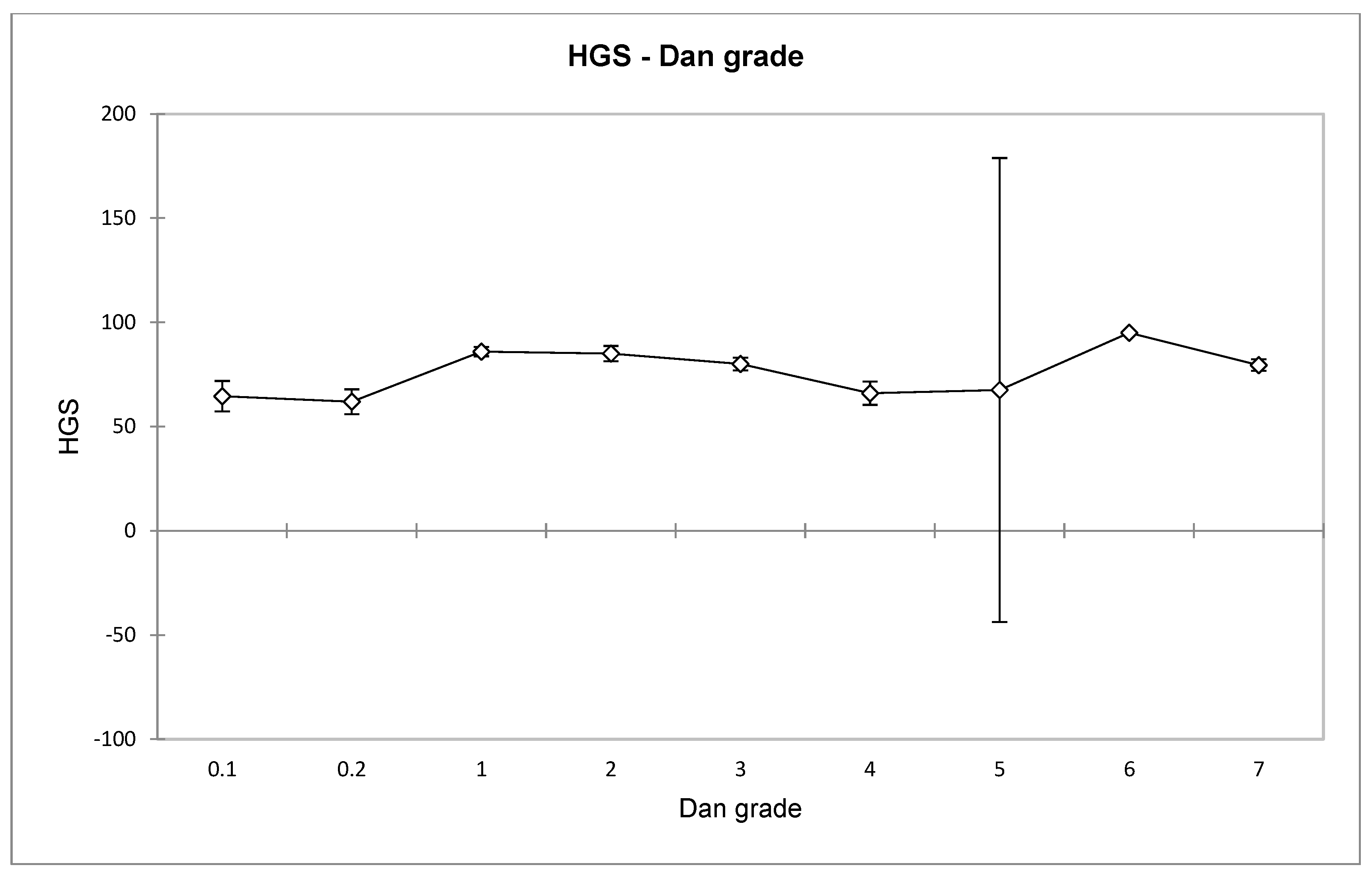
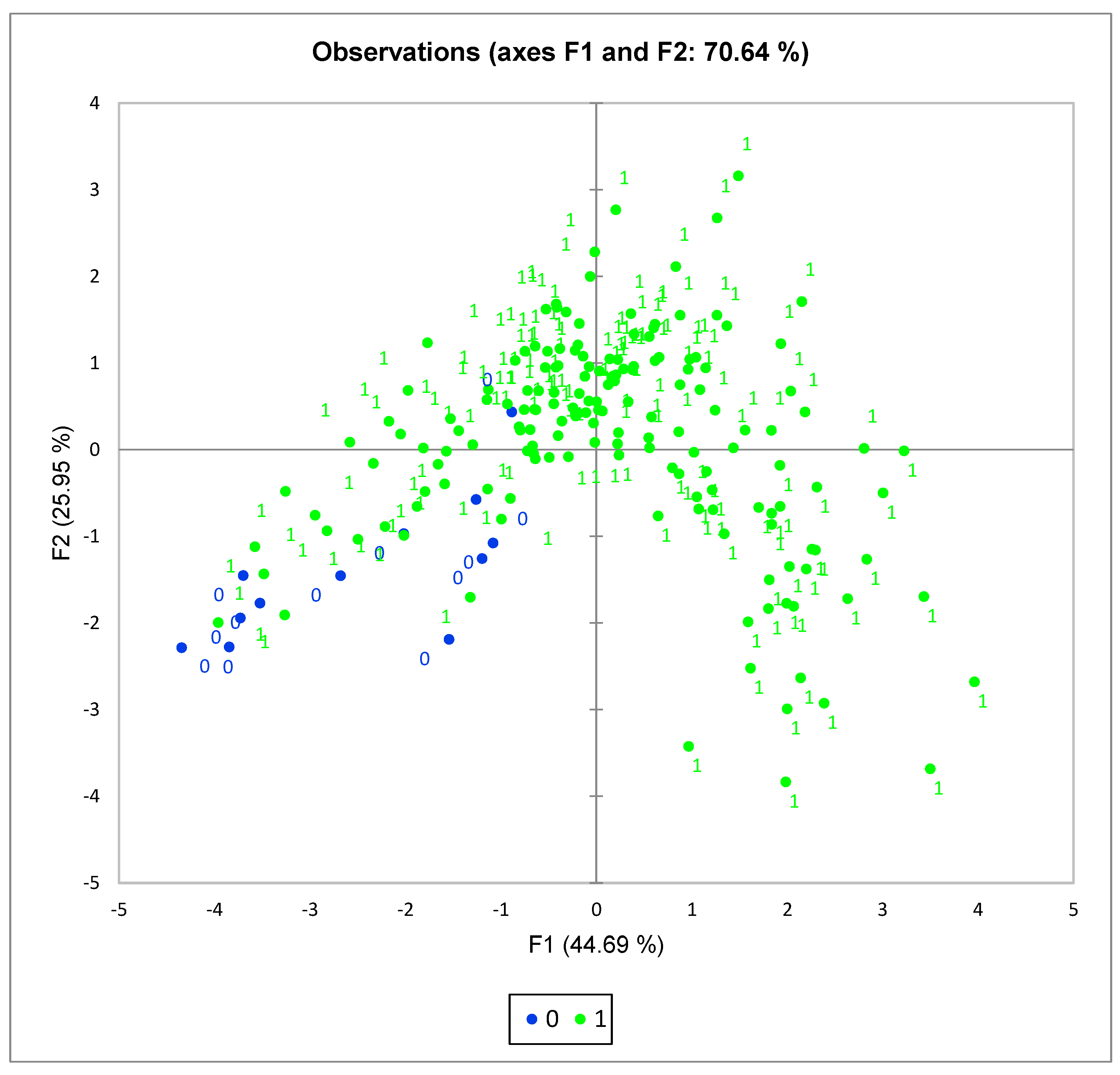
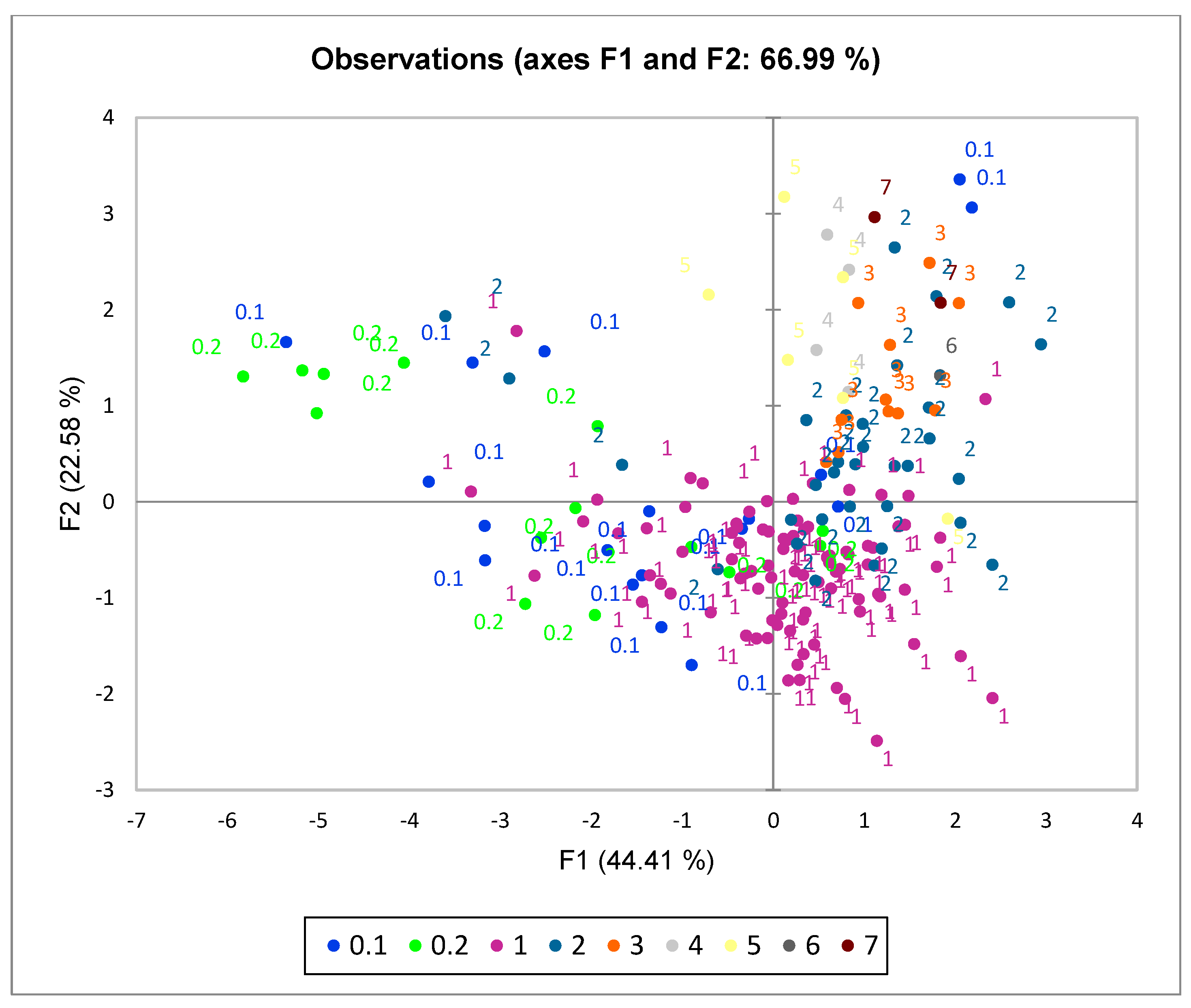
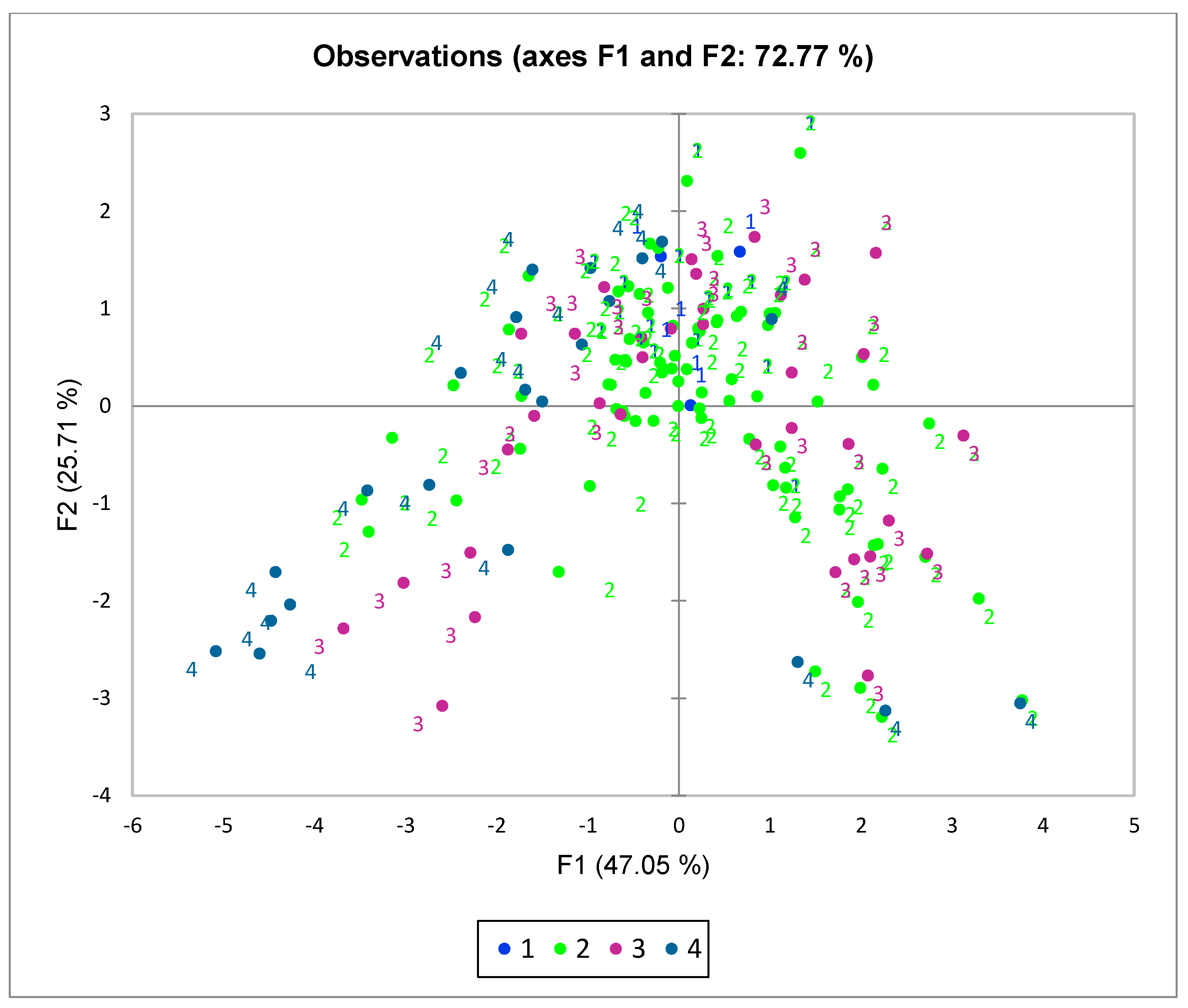
Jujutsu is a close-contact grappling combat sport. Karate is a long-distance combat sport, primarily using strikes and kicks. Well-designed strength characteristics should be capable of differentiating between participants of martial arts and combat sports, especially if, due to training preferences, they develop particular preferences for grappling or striking that differentiate them, as is the case in jujutsu and karate. One hundred and seventy-eight participants were tested for their age, weight, years of training, style (modern jujutsu, Polish and German groups, karate Kyokushin, karate Shotokan), skill level (Kyu or Dan grade), gender, and handgrip strength (HGS). An analysis of variance utilizing age, weight, years of training, martial art, gender, and skill in explaining HGS showed that variance in skill level and the interaction between skills and weight were significant. Furthermore, a post-hoc Tukey’s HSD test based on skills separated practitioners with the second Kyu from those with the sixth Dan grade. There were two groups identified when a similar analysis was conducted for the interaction between skill and weight. The first one encompassed all athletes below the fifth grade, whereas the second one comprised the remaining practitioners. Principal component analysis with gender as a grouping variable showed that women formed a partly separated group of athletes, with the most differentiating factors being age and years of training. When the grouping variable was skill level, the most influential variables were weight, HGS, and age. Finally, utilizing martial arts as a grouping variable showed that age, years of training, and skill were the essential variables. Our study has demonstrated that by utilizing HGS in combination with such characteristics as weight, age, years of training, gender, Dan grade, and martial arts, it is possible to identify differences between people training distinct martial styles, those with varying skills, and those representing opposite sexes. However, the differentiation is only sometimes apparent.