Article

CI-UNet: Application of Segmentation of Medical Images of the Human Torso

Department of Electrical Engineering, Guizhou University, Guiyang 550025, China
*
Author to whom correspondence should be addressed.
Appl. Sci. 2023, 13(12), 7293; https://doi.org/10.3390/app13127293
Submission received: 29 May 2023 / Revised: 16 June 2023 / Accepted: 16 June 2023 / Published: 19 June 2023
(This article belongs to the Special Issue Machine Learning-Based Medical Image Analysis)

Abstract

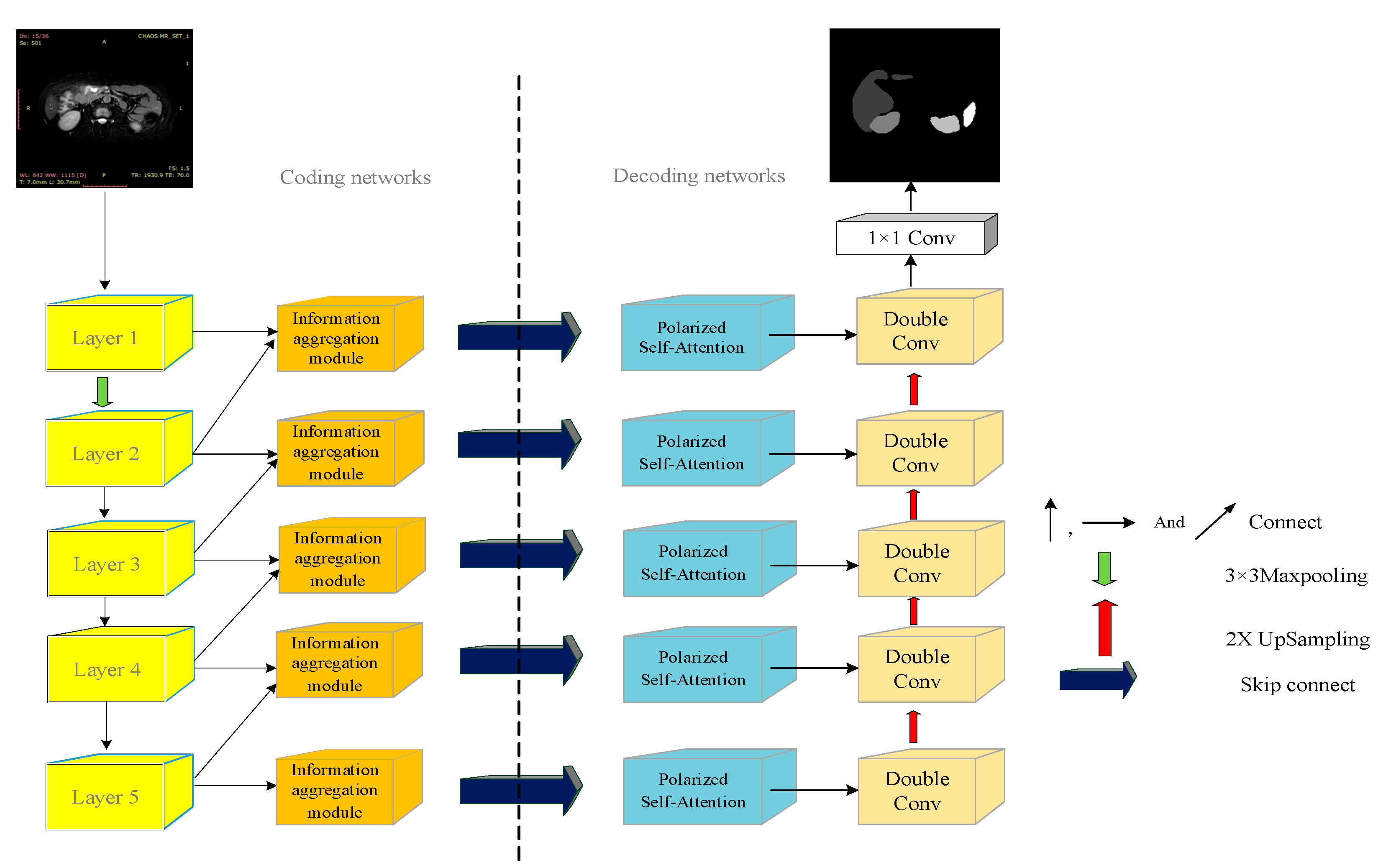
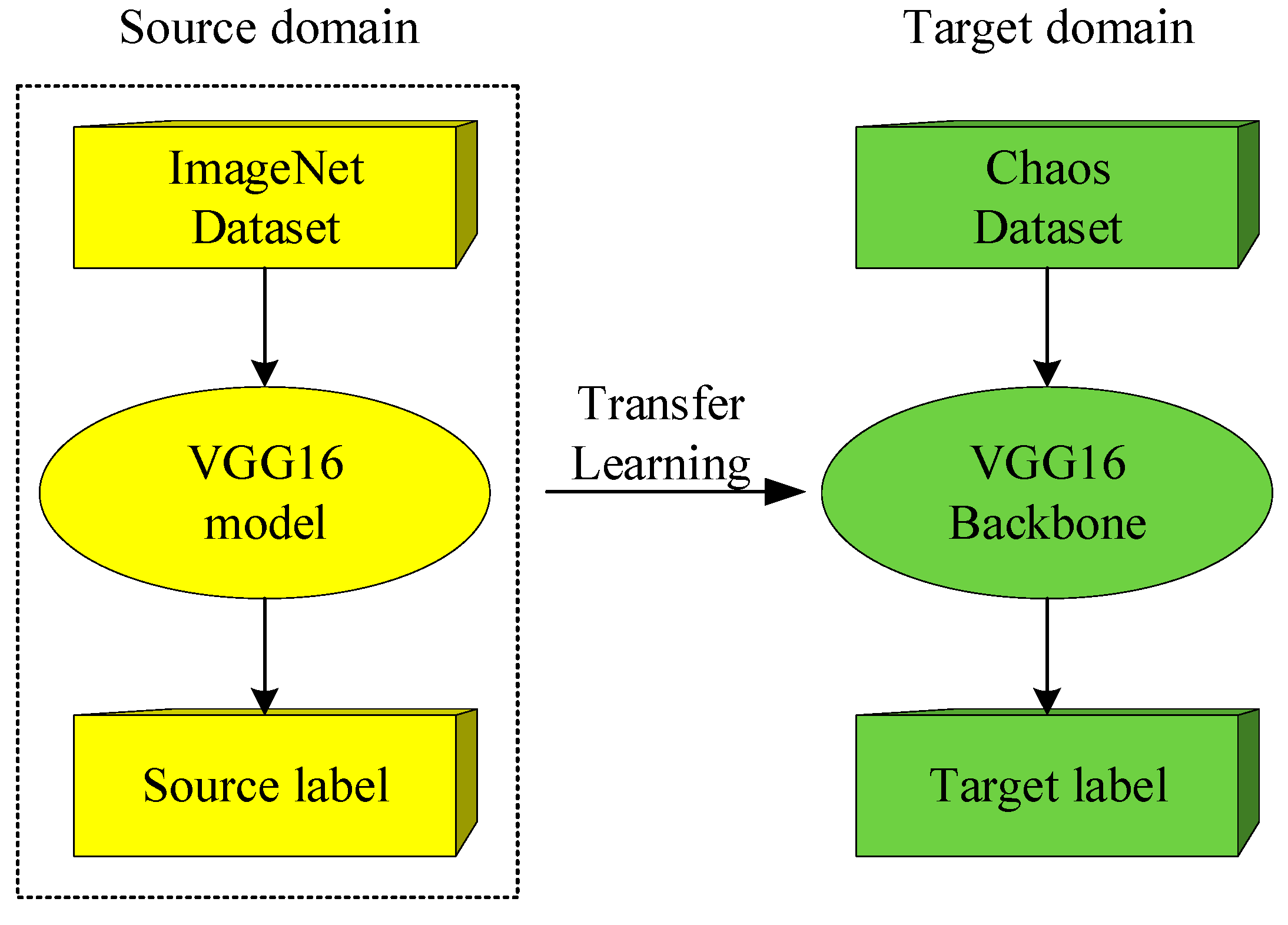
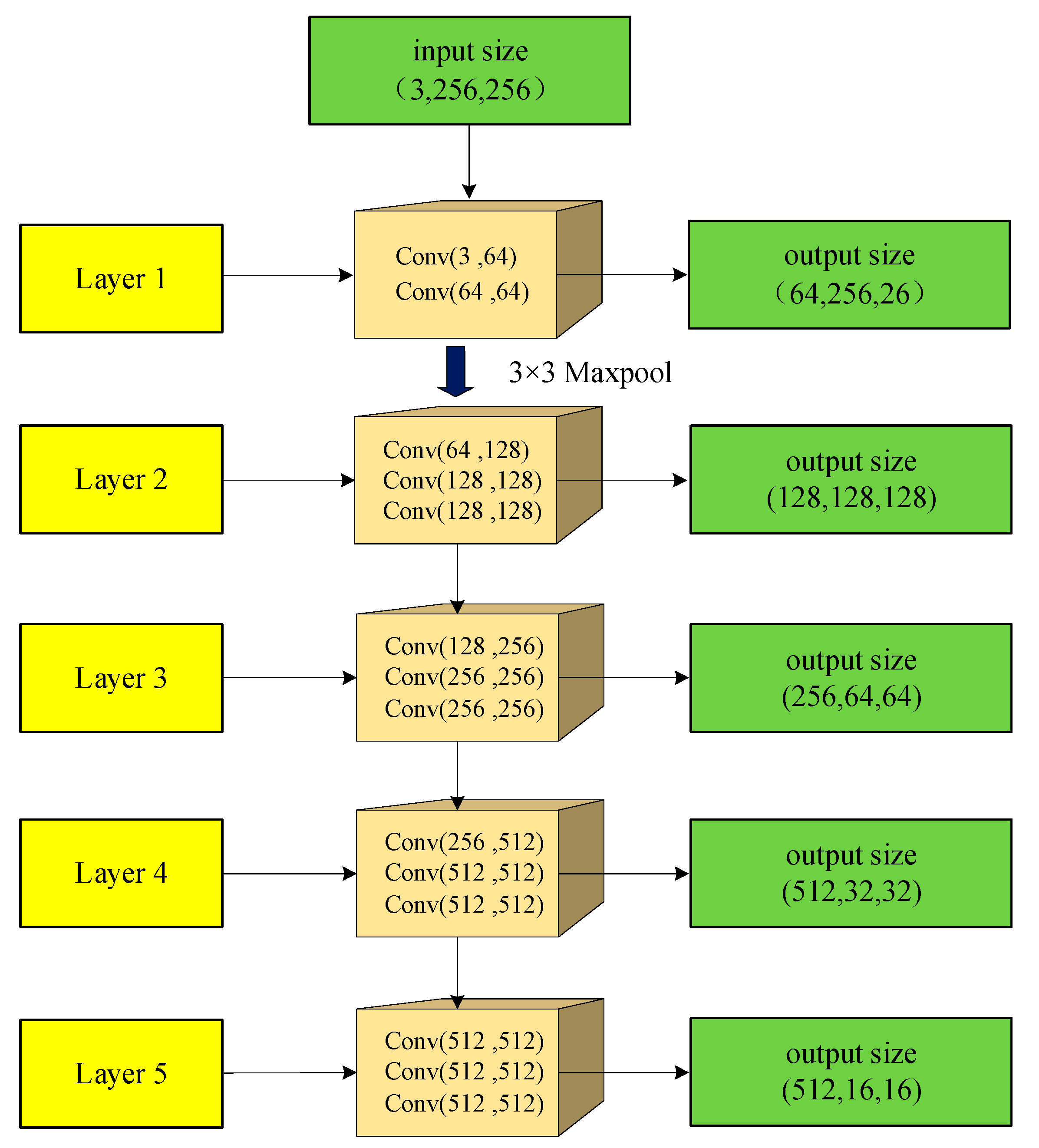
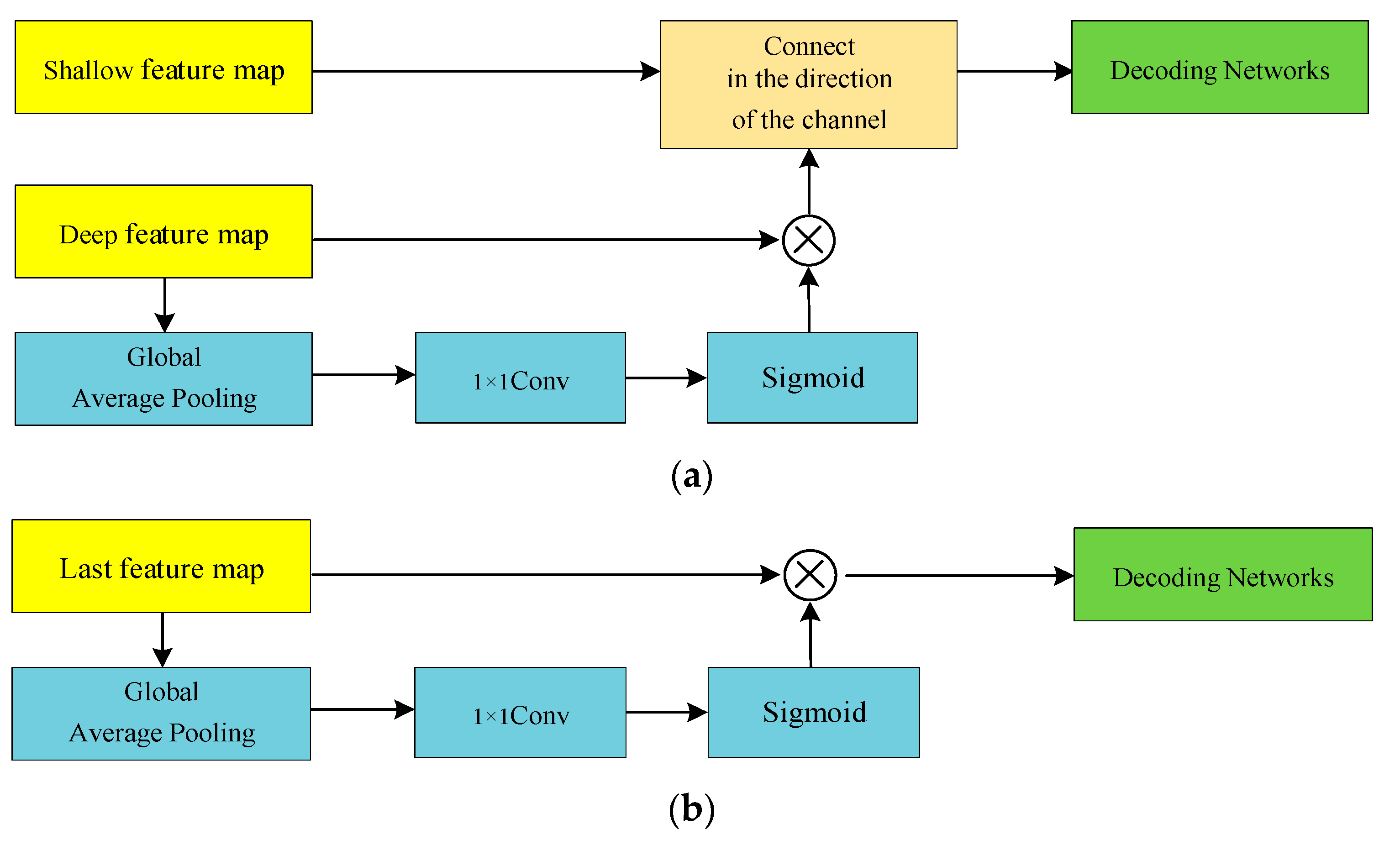
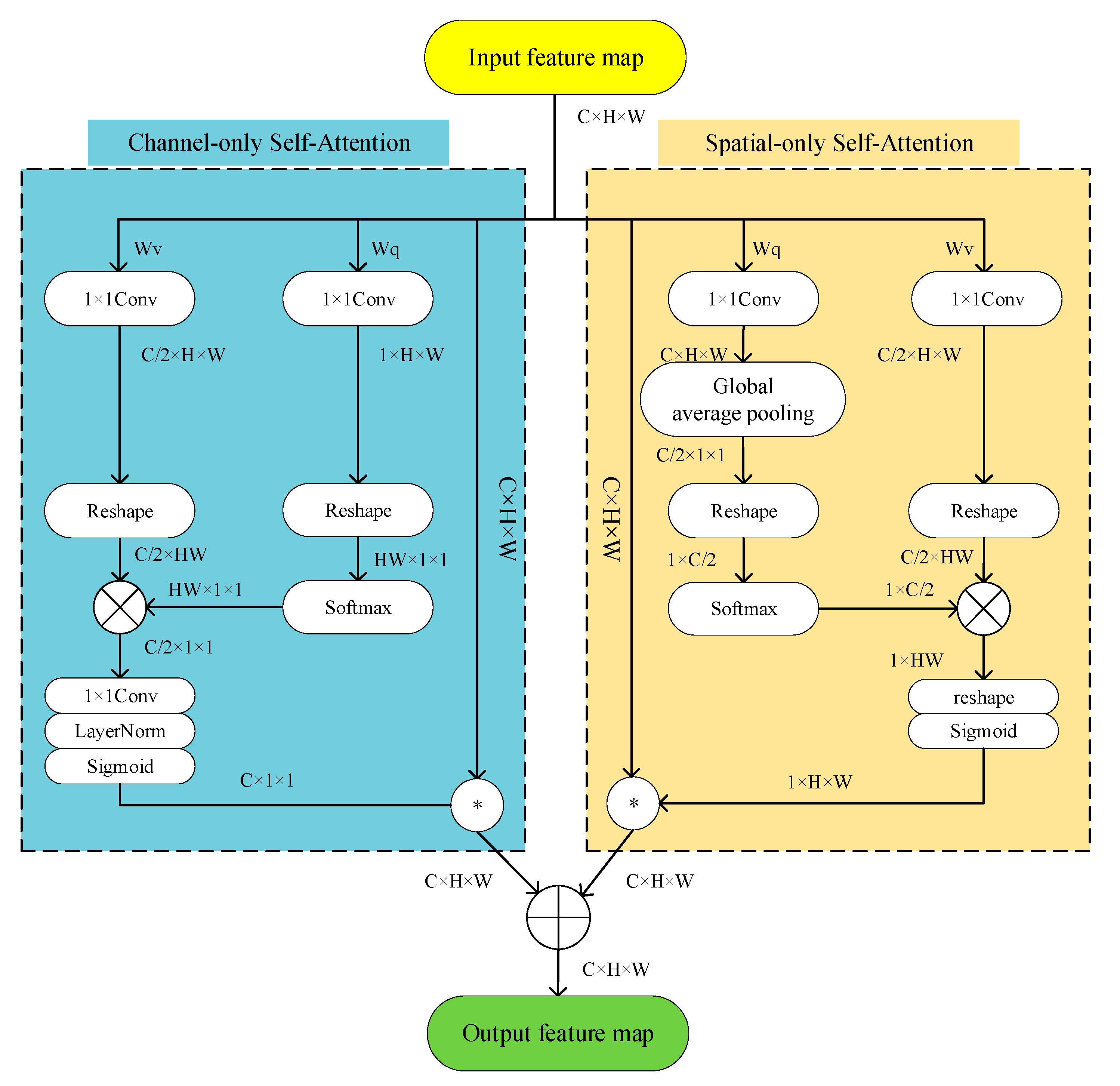
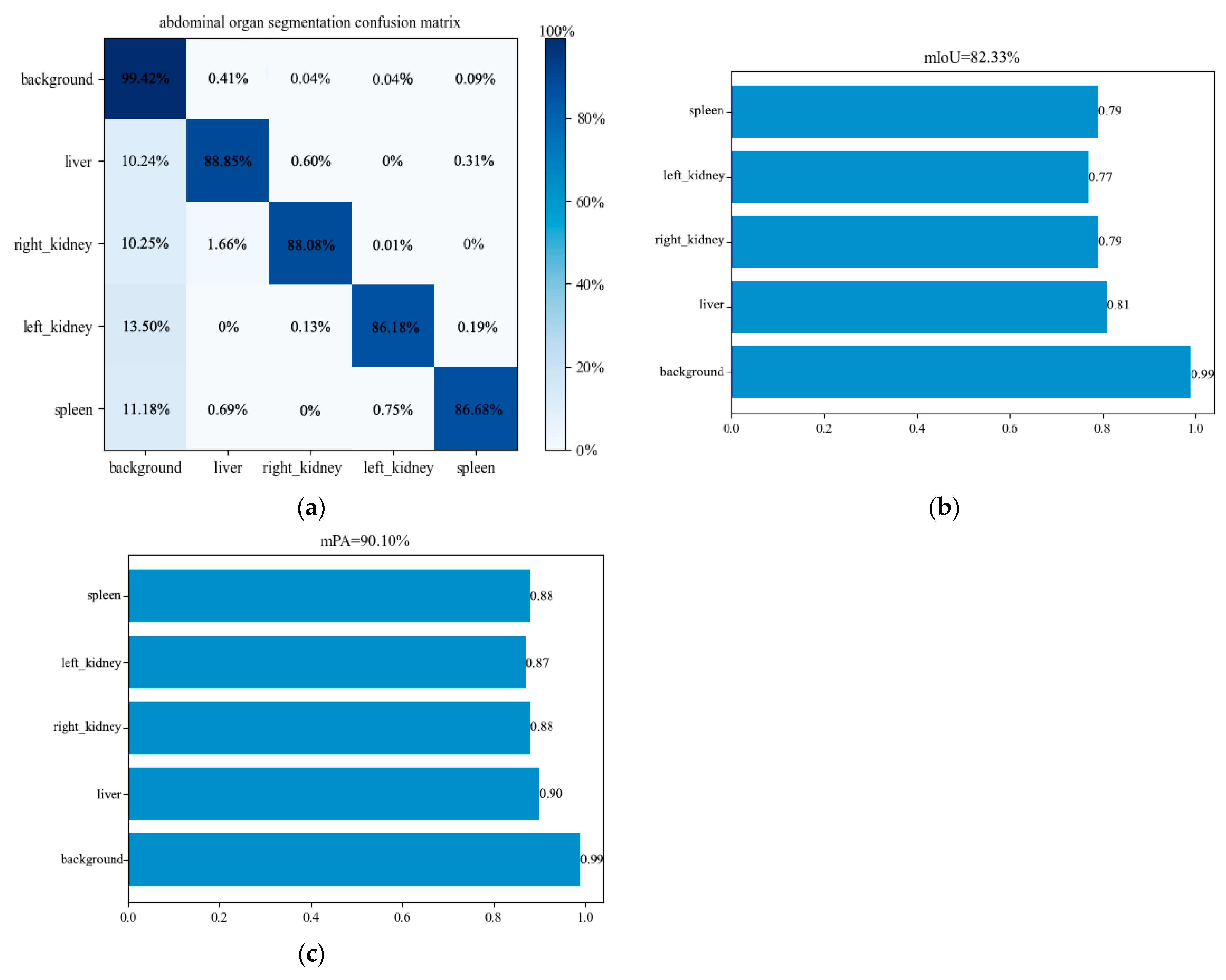
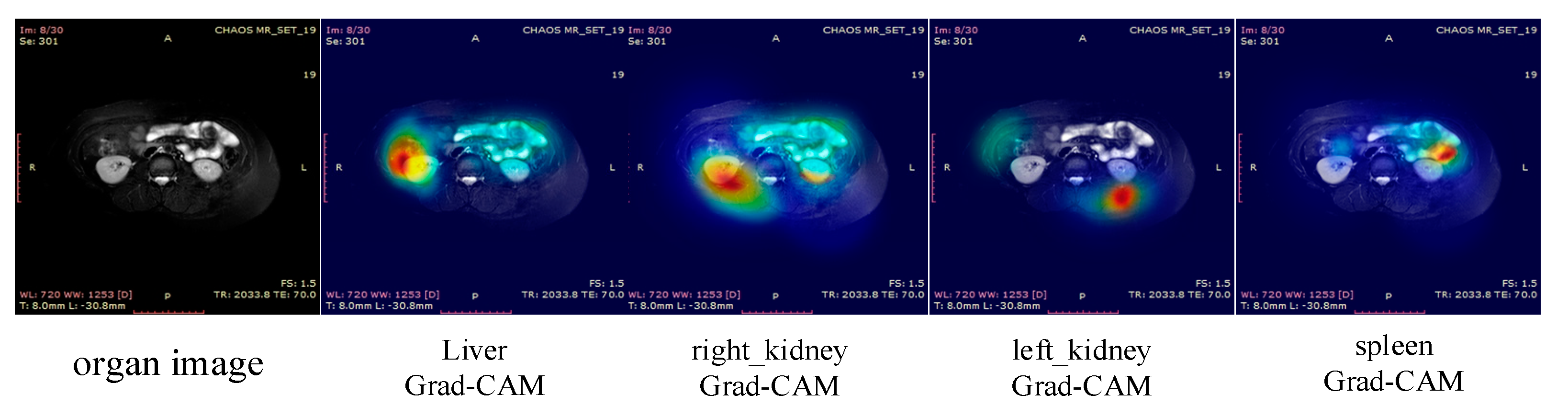
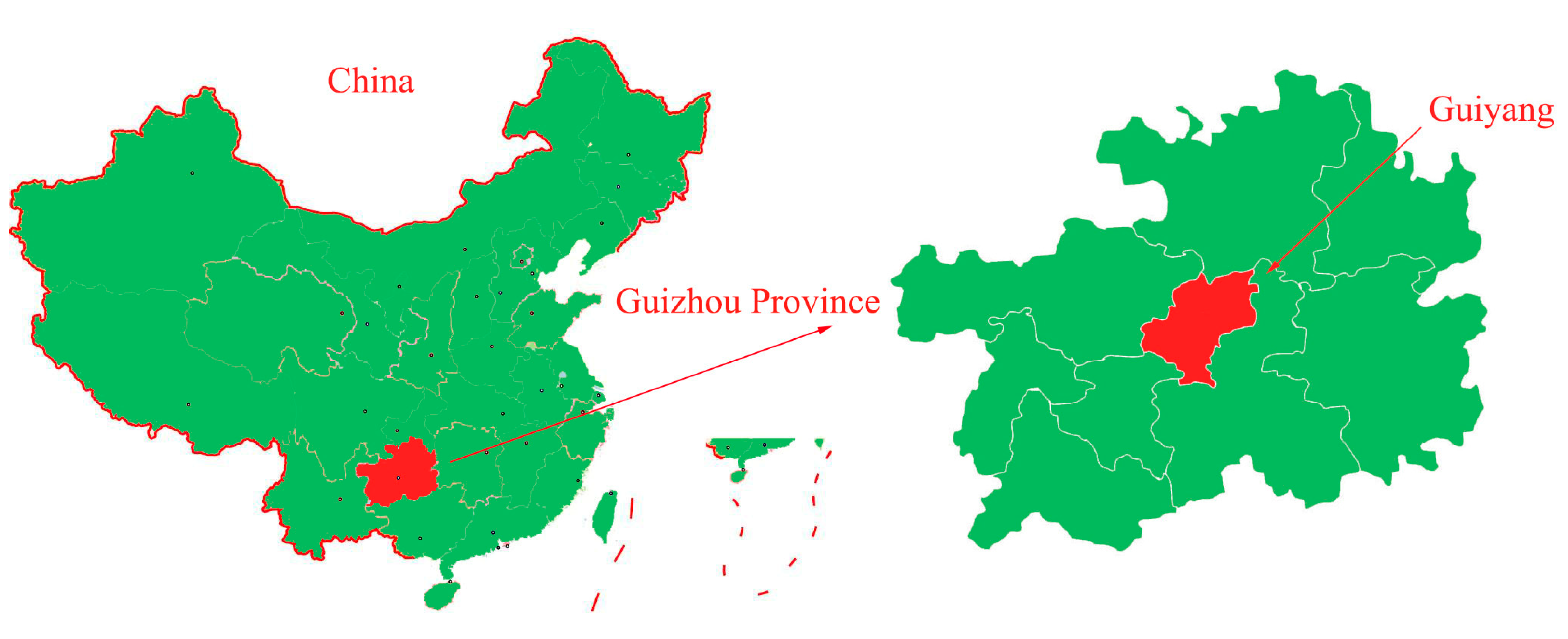
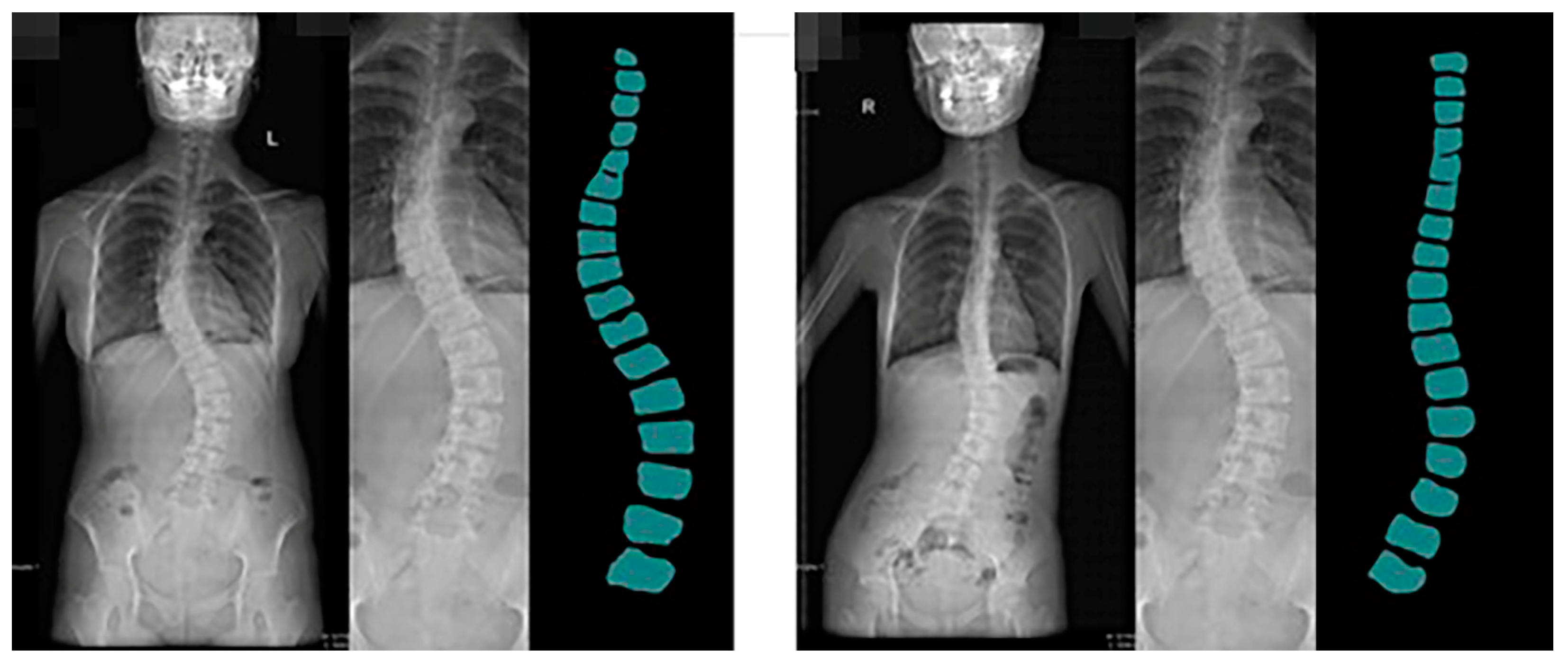
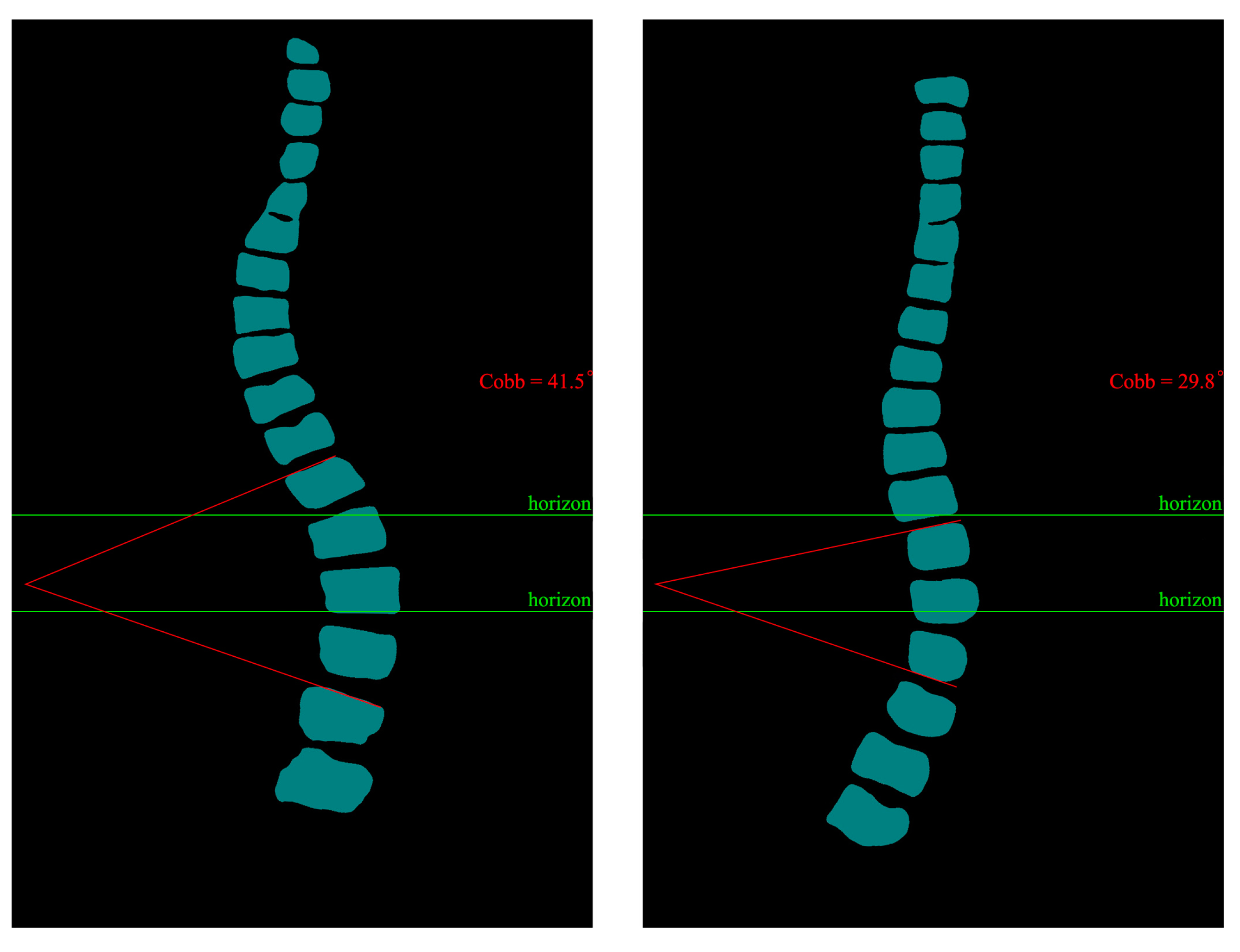
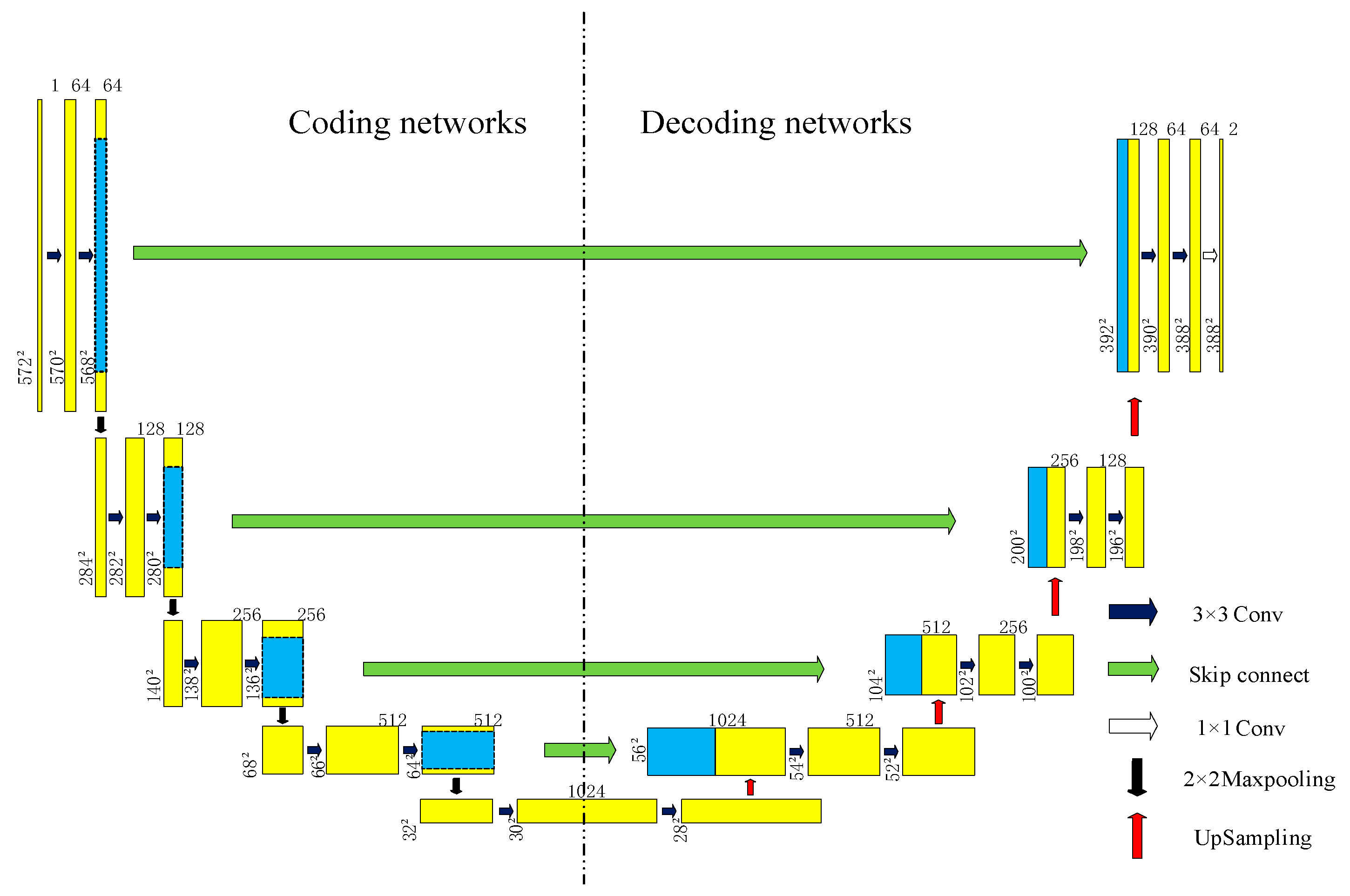
The study of human torso medical image segmentation is significant for computer-aided diagnosis of human examination, disease tracking, and disease prevention and treatment. In this paper, two application tasks are designed for torso medical images: the abdominal multi-organ segmentation task and the spine segmentation task. For this reason, this paper proposes a net-work model CI-UNet improve the accuracy of edge segmentation. CI-UNet is a U-shaped network structure consisting of encoding and decoding networks. Firstly, it replaces UNet’s double convolutional backbone network with a VGG16 network loaded with Transfer Learning. It feeds image information from two adjacent layers in the VGG16 network into the decoding grid via information aggregation blocks. Secondly, Polarized Self-Attention is added at the decoding network and the hopping connection, which allows the network to focus on the compelling features of the image. Finally, the image information is decoded by convolution and Up-sampling several times to obtain the segmentation results. CI-UNet was tested in the abdominal multi-organ segmentation task using the Chaos (Combined CT-MR Healthy Abdominal Organ Segmentation) open challenge dataset and compared with UNet, Attention UNet, PSPNet, DeepLabv3+ prediction networks, and dedicated network for MRI images. The experimental results showed that the average intersegmental union (mIoU) and average pixel accuracy (mPA) of organ segmentation were 82.33% and 90.10%, respectively, higher than the above comparison network. Meanwhile, we used CI-UNet for the spine dataset of the Guizhou branch of Beijing Jishuitan Hospital. The average intersegmental union (mIoU) and average pixel accuracy (mPA) of organ segmentation were 87.97% and 93.48%, respectively, which were approved by the physicians for both tasks.
Keywords: computer-aided diagnosis; medical image segmentation; CI-UNet; information aggregation block; Polarized Self-Attention; loss function computer-aided diagnosis; medical image segmentation; CI-UNet; information aggregation block; Polarized Self-Attention; loss function