Article

The Impact of ECAP Parameters on the Structural and Mechanical Behavior of Pure Mg: A Combination of Experimental and Machine Learning Approaches


by
Waleed H. El-Garaihy
1,2,*,
Amal BaQais
3,*,
Abdulrahman I. Alateyah
1,
Mohammed F. Alsharekh
4,
Majed O. Alawad
5,
Mahmoud Shaban
4,6,
Fahad Nasser Alsunaydih
4 and
Mokhtar Kamel
2
1
Department of Mechanical Engineering, College of Engineering, Qassim University, Unaizah 56452, Saudi Arabia
2
Mechanical Engineering Department, Faculty of Engineering, Suez Canal University, Ismailia 41522, Egypt
3
Department of Chemistry, College of Science, Princess Nourah bint Abdulrahman University, Riyadh 11671, Saudi Arabia
4
Department of Electrical Engineering, College of Engineering, Qassim University, Unaizah 56452, Saudi Arabia
5
Center of Excellence for Nanomaterials for Clean Energy Applications, King Abdulaziz City for Science and Technology (KACST), Riyadh 12354, Saudi Arabia
6
Department of Electrical Engineering, Faculty of Engineering, Aswan University, Aswan 81542, Egypt
*
Authors to whom correspondence should be addressed.
Appl. Sci. 2023, 13(10), 6279; https://doi.org/10.3390/app13106279
Submission received: 2 April 2023 / Revised: 11 May 2023 / Accepted: 19 May 2023 / Published: 20 May 2023
(This article belongs to the Topic Hybrid Computational Methods in Materials Engineering)

Abstract

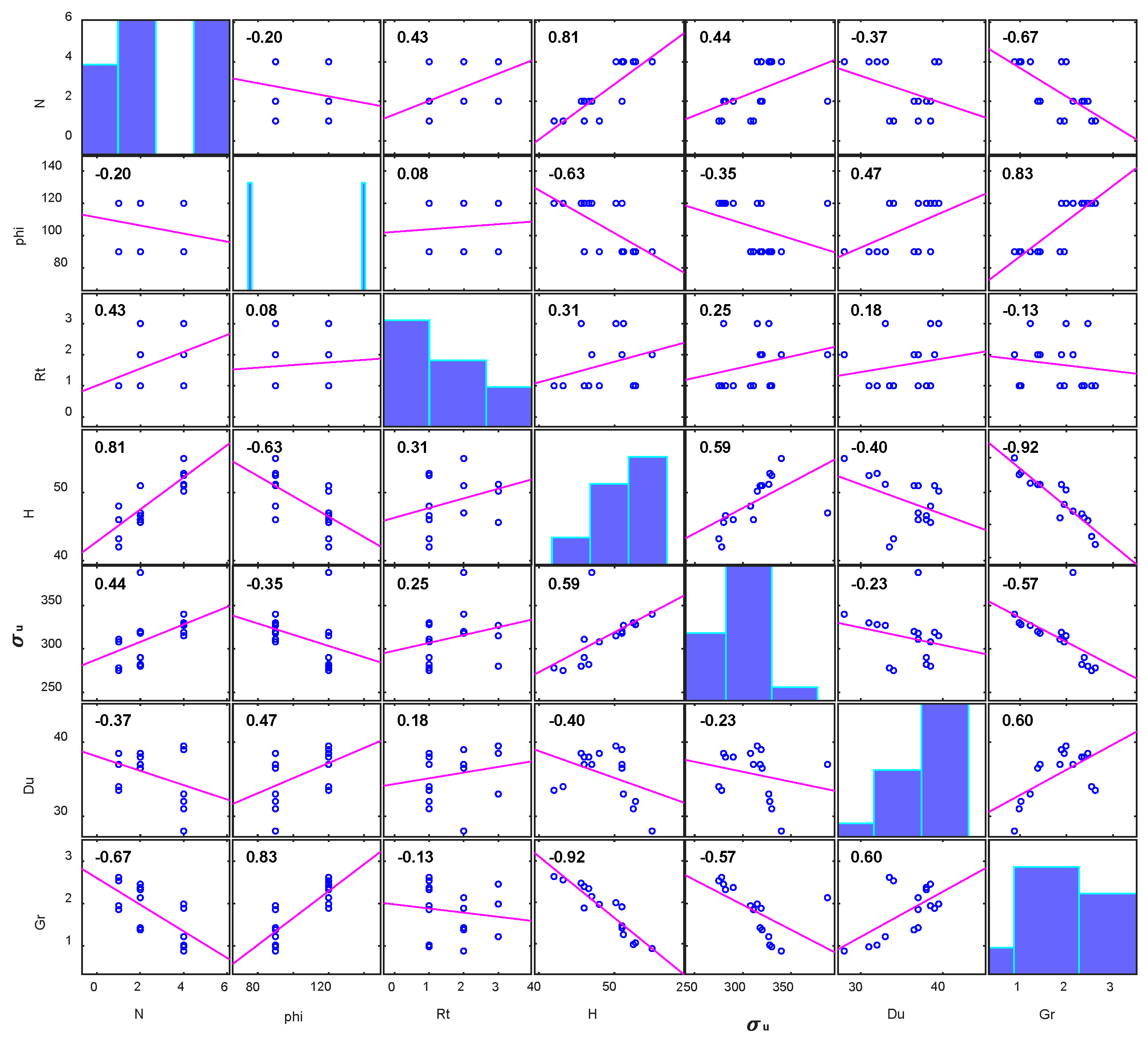
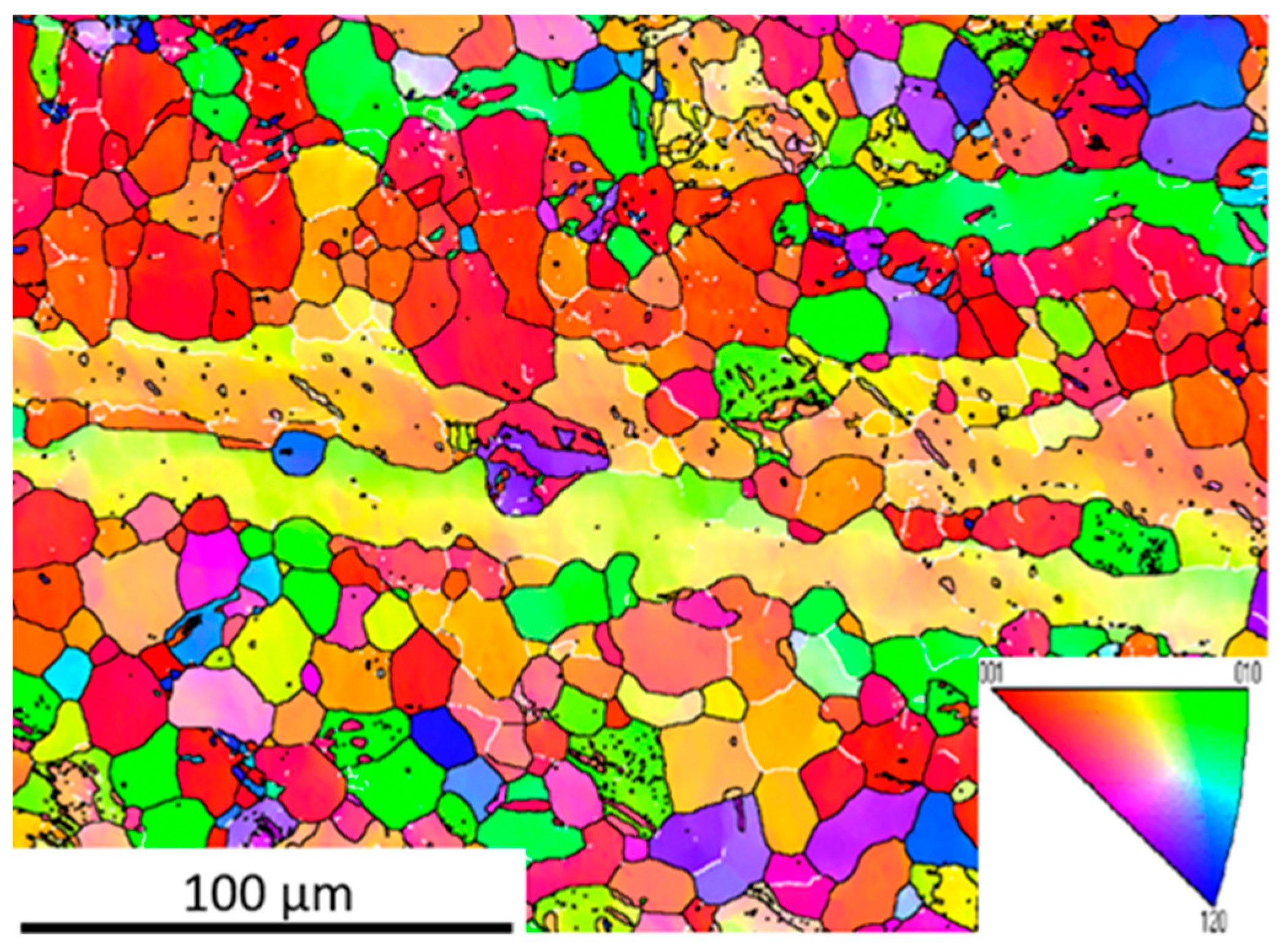
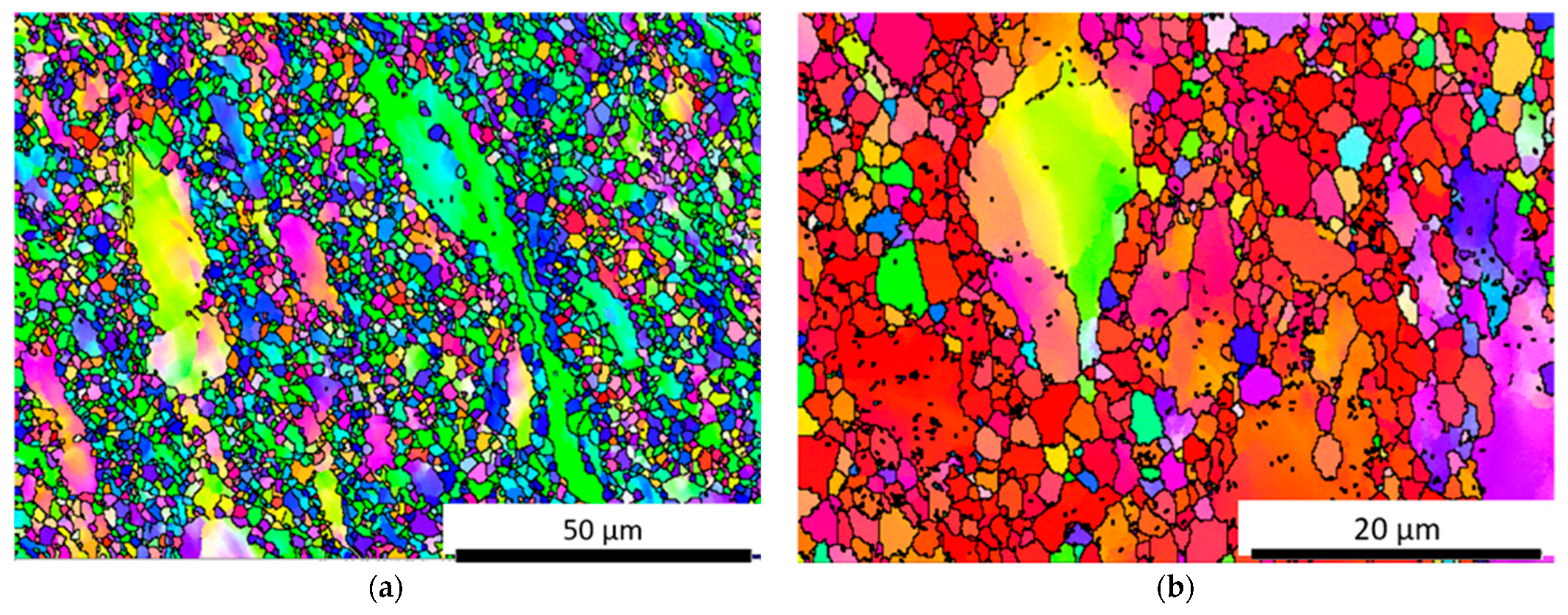
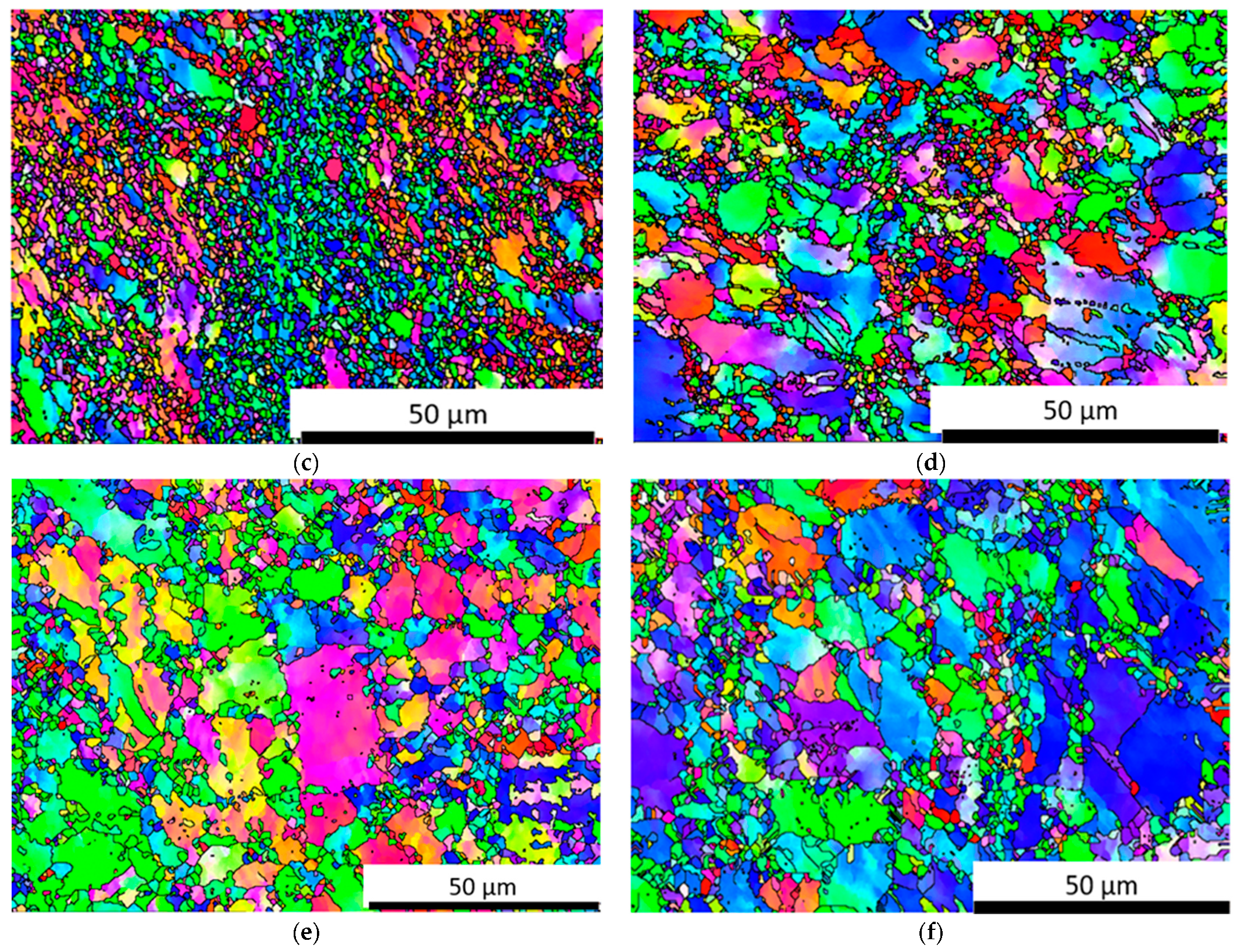
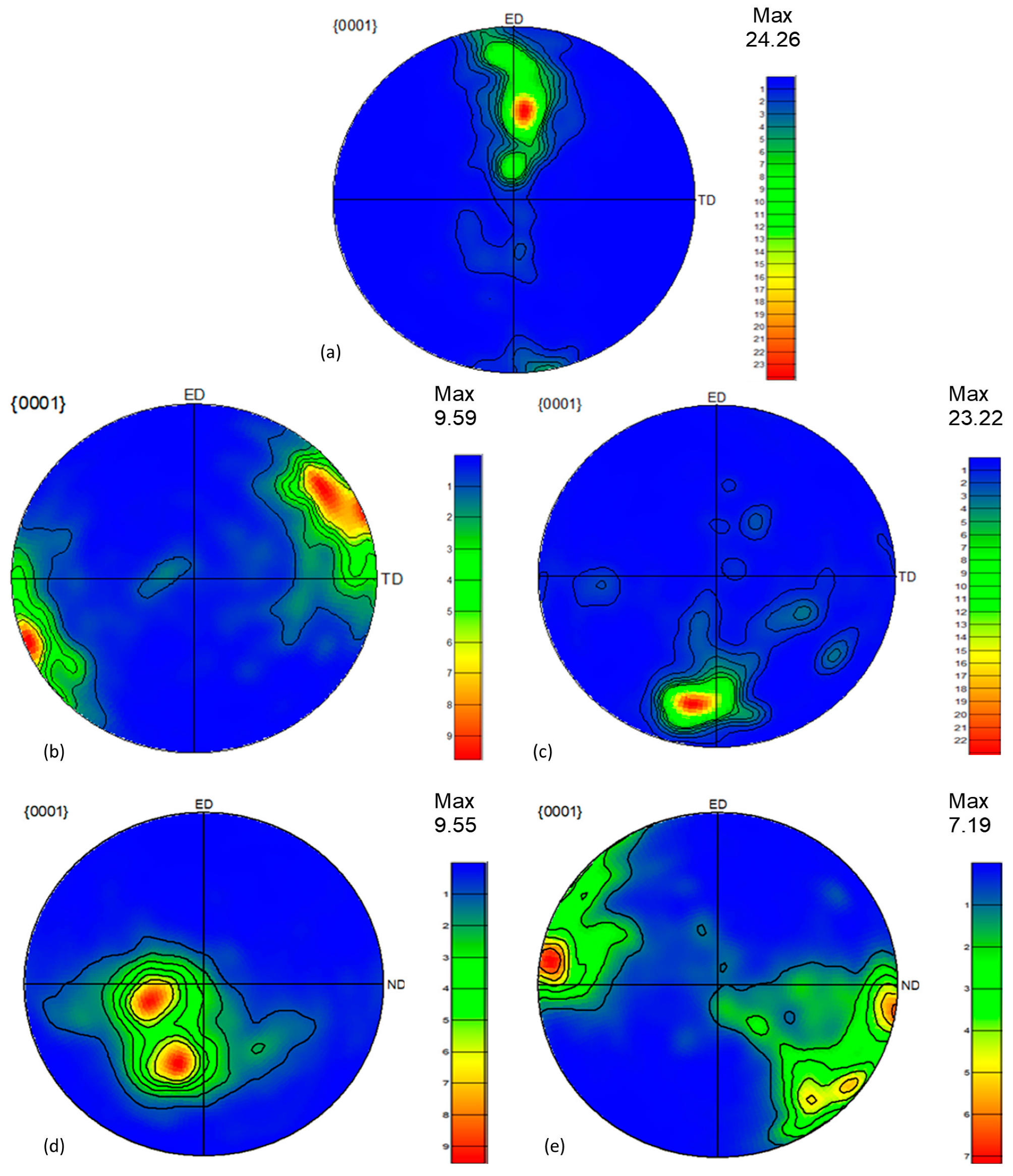
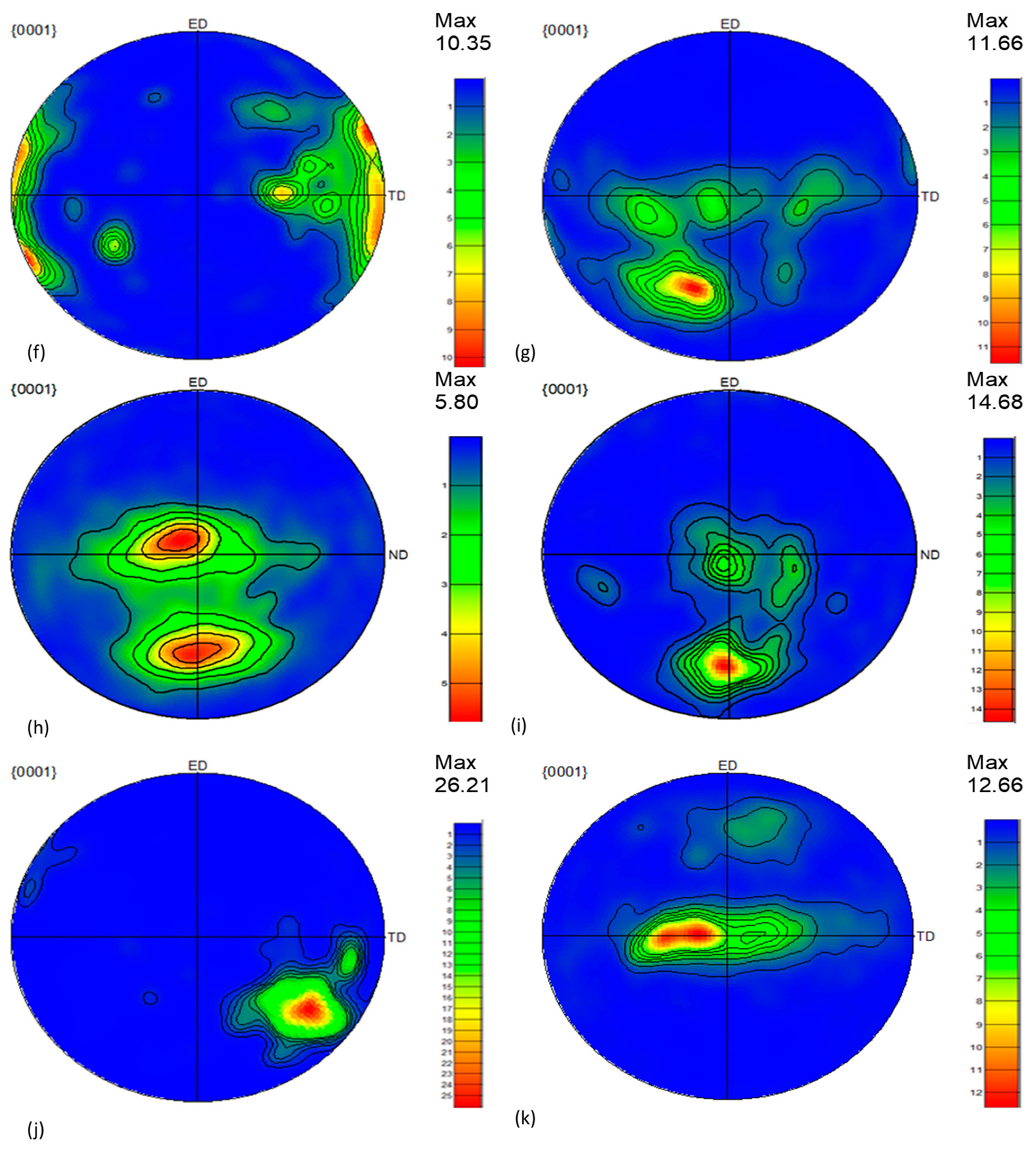
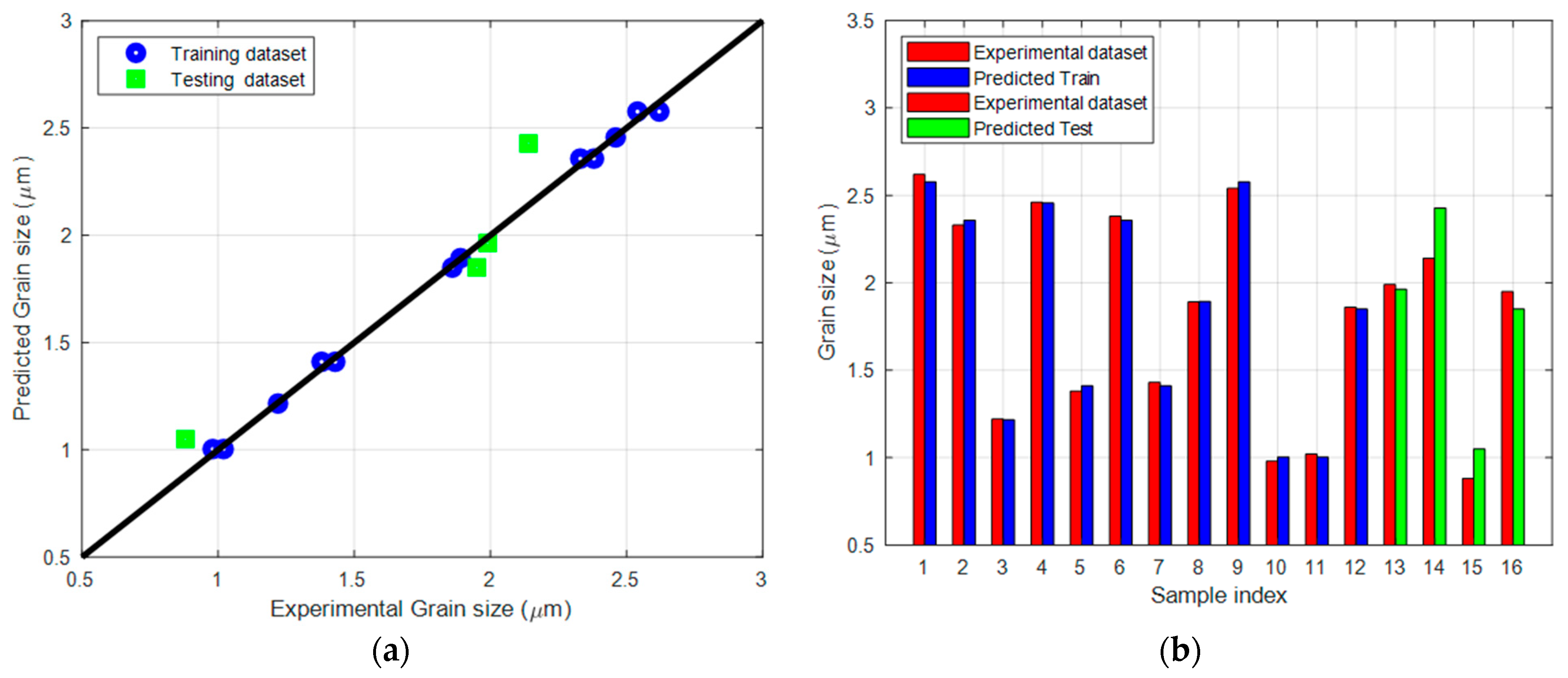
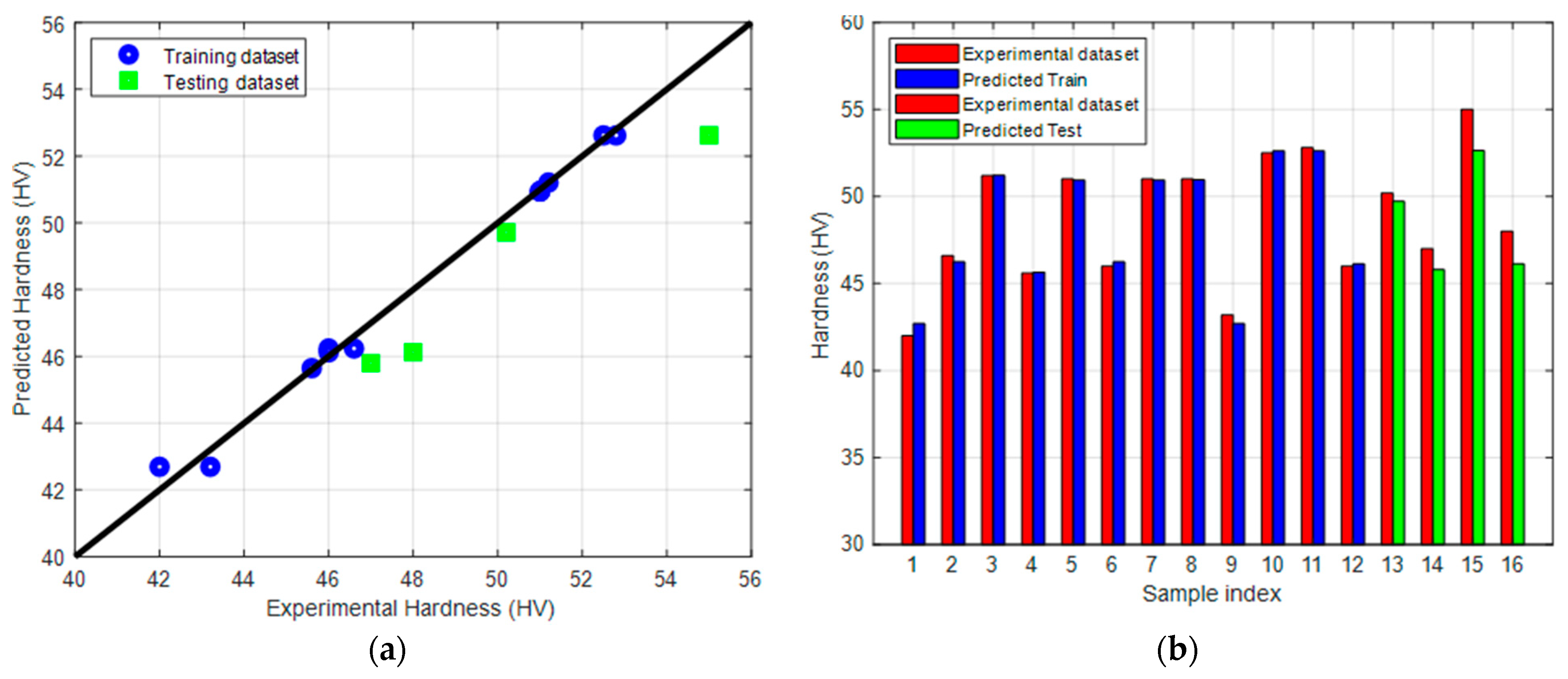
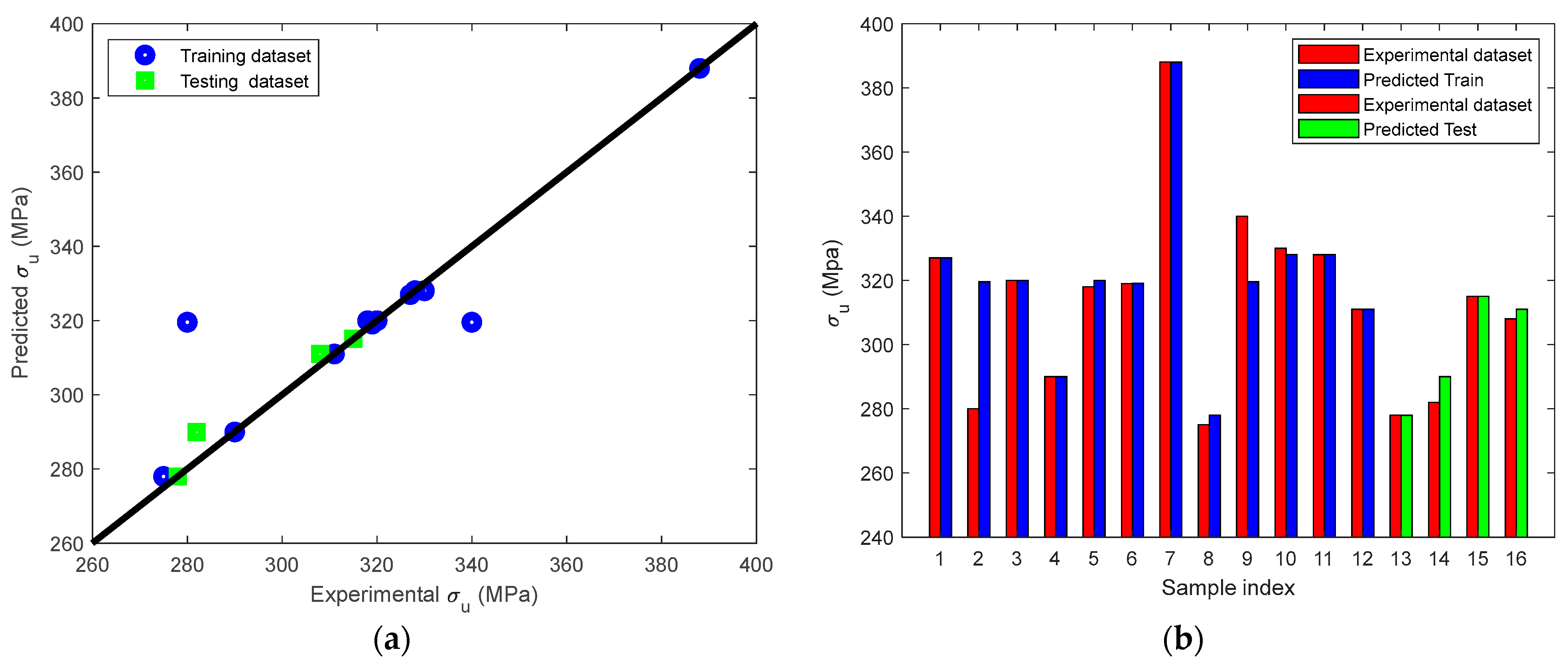
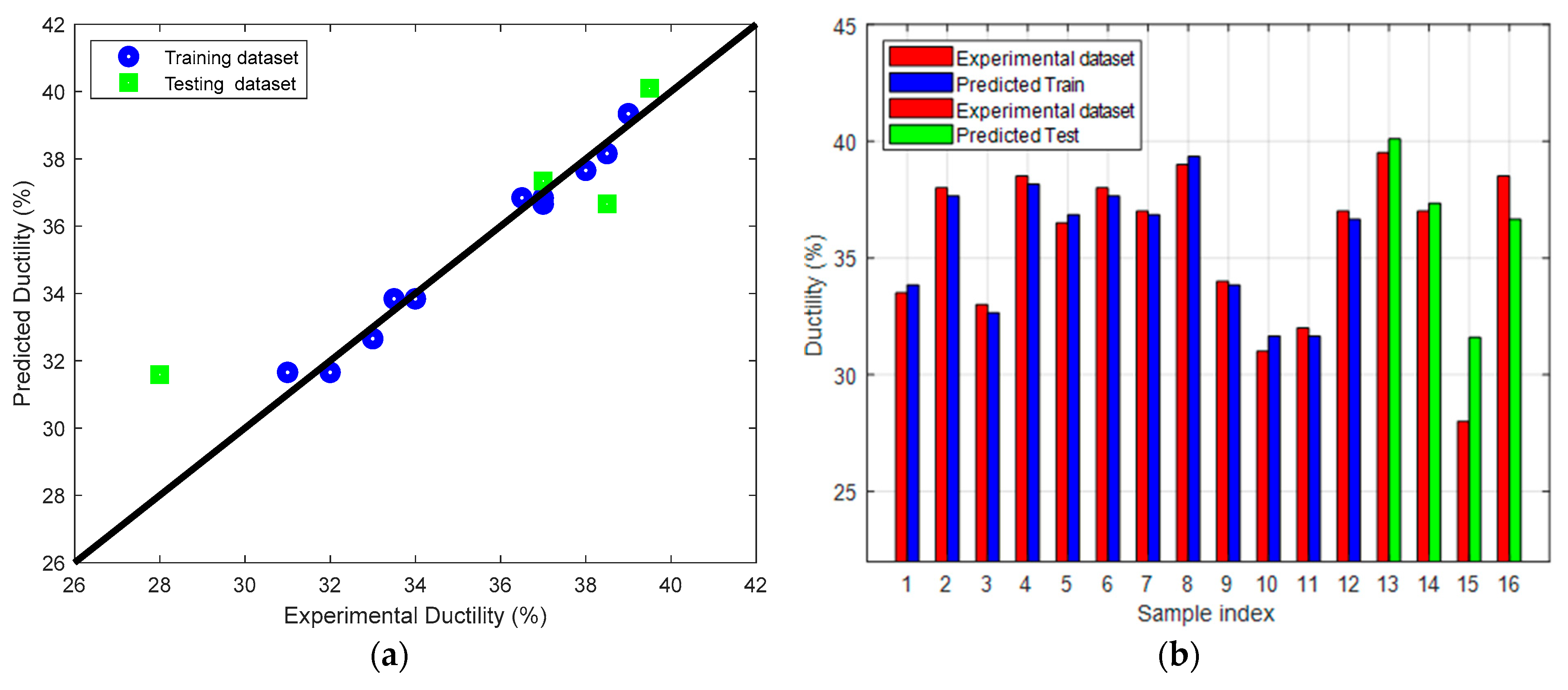
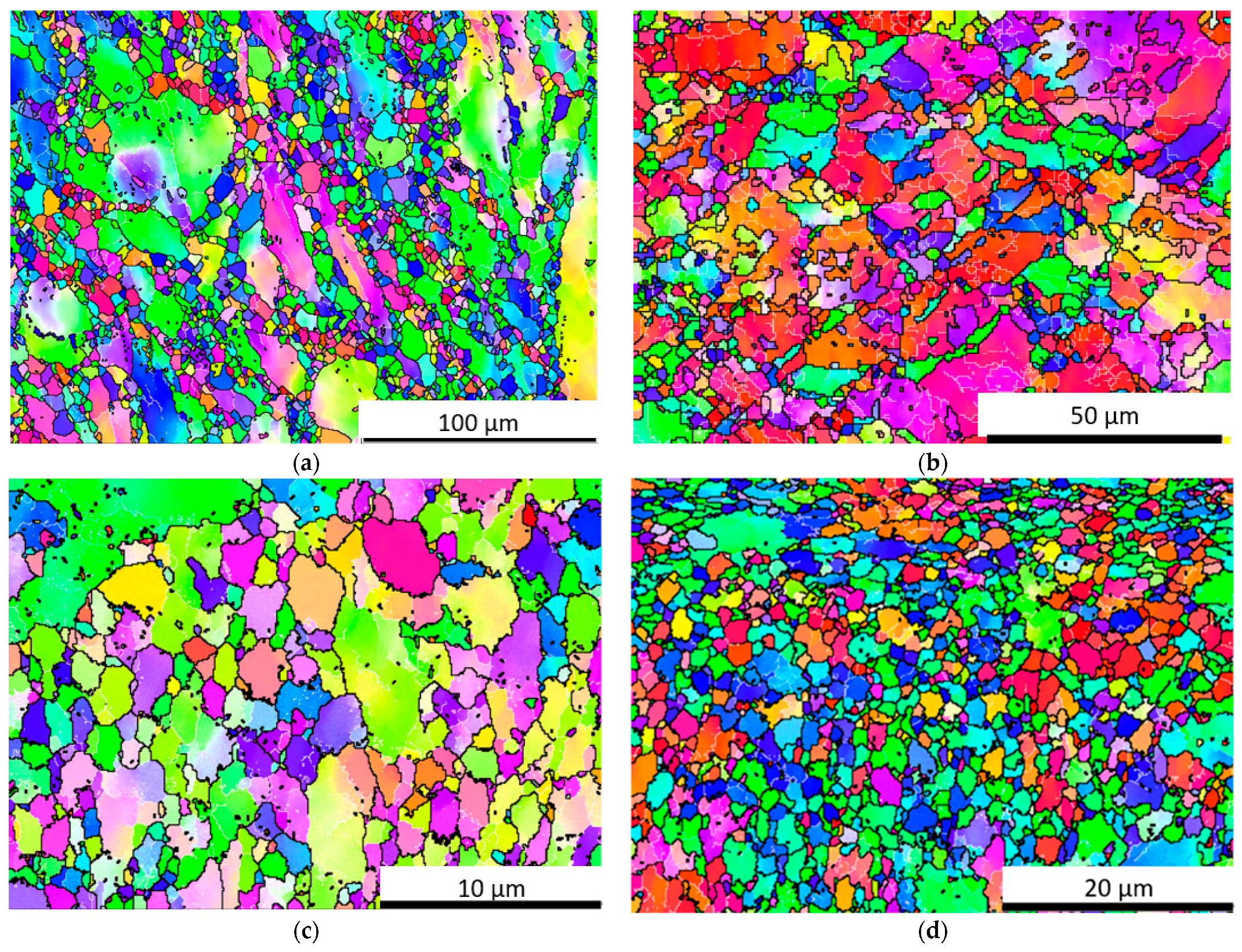
Commercial pure Mg specimens were processed through equal channel angular pressing (ECAP) using two dies with die angles of 90° and 120°. Mg billets were processed up to four passes via different route types. Machine learning (ML) techniques were adopted to estimate the ECAP parameters and verify the experimental findings. Several ML techniques were employed to estimate the effect ECAP parameters of pure Mg on microstructural evolution, Vicker’s microhardness (HV), and tensile properties for ECAP billets and their as-annealed (AA) counterparts. Electron back-scatter diffraction (EBSD) was applied to determine the structural evolution and crystallographic texture both prior to and following the ECAP process for the Mg billets. EBSD analysis showed that route Bc is the most effective route in grain refinement, and four passes of route Bc experienced a significant refinement of 86% compared to the AA condition. Furthermore, the crystallographic texture showed that four passes of route Bc produced the most robust texture that was greater than 26.21 times random. ML findings revealed that the grain size demonstrated a strong correlation of −0.67 with rising number of passes, while ϕ affected the grain size strongly with 0.83. When adopting a 90°-die to accumulate the plastic strain up to 4Bc, the subsequent HV was indeed 111% higher than that of the AA equivalent. From ML findings it was clear that the number of passes was the most significant parameter on the Mg HV values, while ECAP channel angle (ϕ) revealed high correlation factor with HV values as well. Furthermore, four passes of route Bc with ϕ = 90° and 120° led to a significant increase of the tensile strength by 44.7%% and 35.7%, respectively, compared to the AA counterpart. ML findings revealed that the tensile strength was affected by the increasing number of passes with a strong correlation of 0.81, while affecting ductility moderately with 0.47.
Keywords: pure Mg; equal channel angular pressing; die angle; route type; microstructural evolution; crystallographic texture; machine learning approach pure Mg; equal channel angular pressing; die angle; route type; microstructural evolution; crystallographic texture; machine learning approach